Unlocking the Potential of Extended Reality (XR): Enterprise Applications and Digital Collaboration
-
 Kaan Demir
 - 19 Jul, 2026 17:30
The Dawn of Immersive Business
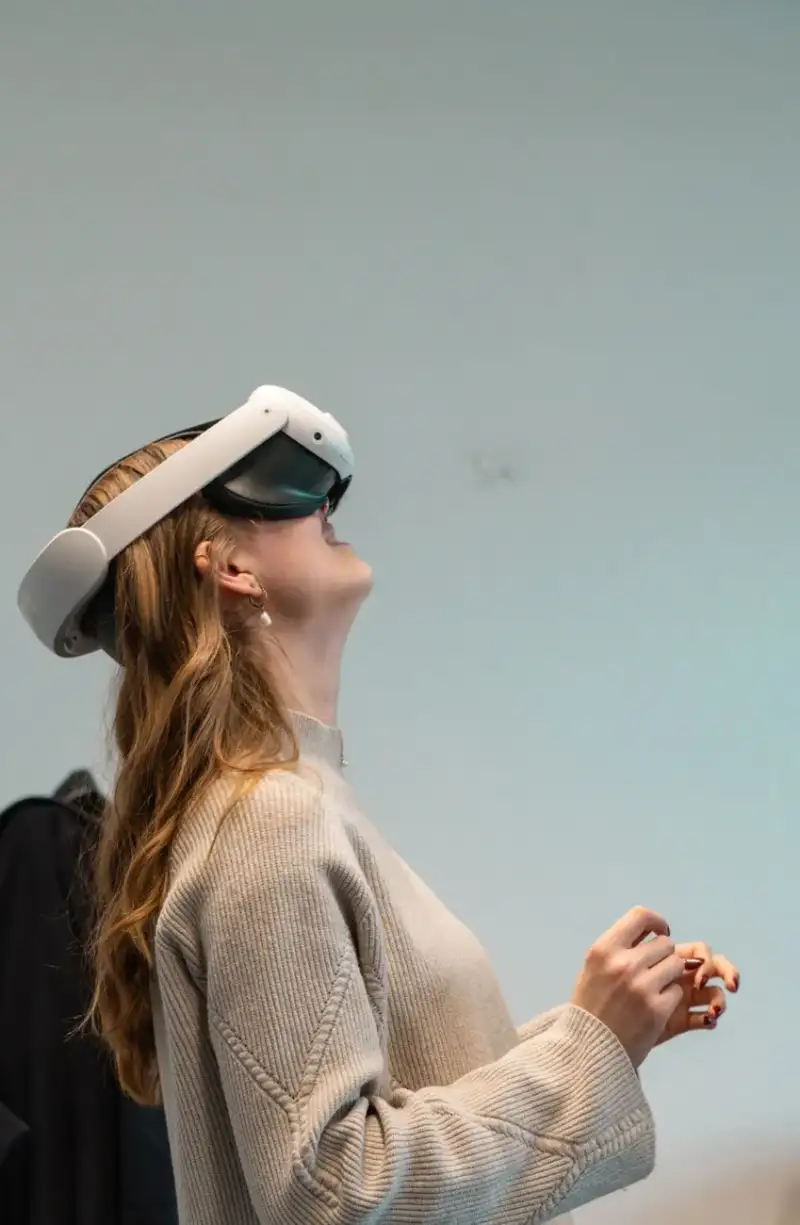
Extended Reality (XR), encompassing Virtual Reality (VR), Augmented Reality (AR), and Mixed Reality (MR), has been gaining traction in various industries, transforming the way we work, interact, and collaborate. As we continue to navigate the complexities of remote work and digital transformation, XR has emerged as a game-changer in the enterprise landscape. In this article, we will delve into the world of XR in enterprise applications and digital collaboration, exploring its potential, benefits, and real-world examples.
Enhancing Collaboration with XR
XR has the potential to revolutionize the way teams collaborate, regardless of geographical distance. With XR, teams can work together in immersive, interactive environments, fostering creativity, productivity, and innovation.
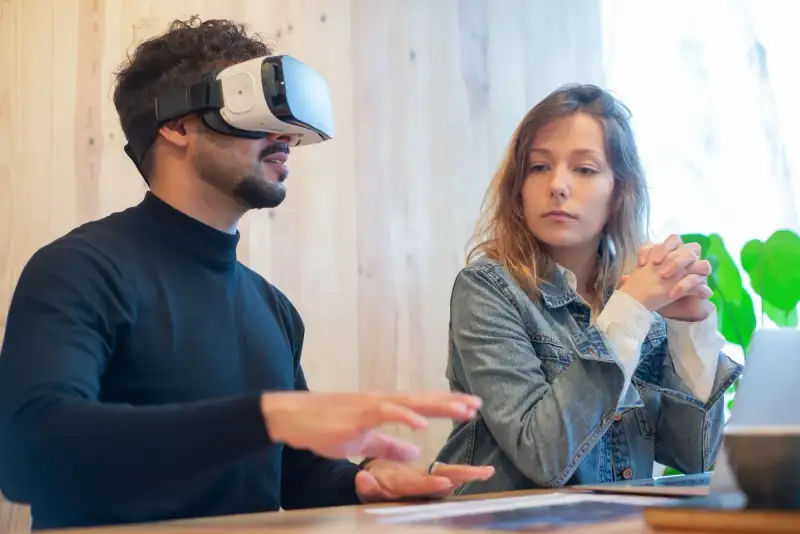
For instance, companies like Facebook and Microsoft are already leveraging XR to enhance remote collaboration. Facebook’s Horizon Workrooms allows teams to collaborate in virtual reality, while Microsoft’s Mesh enables teams to work together in a mixed reality environment.
Setting up a Basic XR Collaboration Environment with A-Frame
<!-- index.html -->
<!DOCTYPE html>
<html>
  <head>
    <meta charset="UTF-8">
    <meta name="viewport" content="width=device-width, initial-scale=1.0">
    <title>XR Collaboration Environment</title>
    <script src="https://aframe.io/releases/1.3.0/aframe.min.js"></script>
  </head>
  <body>
    <a-scene>
      <!-- Create a virtual environment -->
      <a-entity geometry="primitive: box" material="color: #4CC3D9" position="0 0 -3"></a-entity>
      <!-- Add collaboration tools -->
      <a-entity id="collaboration-tool" geometry="primitive: sphere" material="color: #FF69B4" position="0 0 -2"></a-entity>
    </a-scene>
  </body>
</html>
XR in Training and Development
XR is also transforming the way we approach training and development in the enterprise. With XR, employees can engage in immersive, interactive training experiences that simulate real-world scenarios, reducing costs and improving knowledge retention.
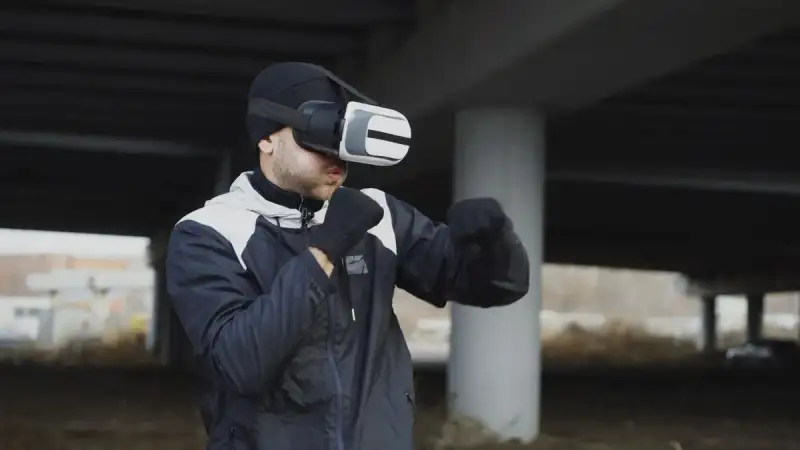
For example, companies like Walmart and UPS are using XR to train employees in areas such as customer service and logistics management.
Creating a Basic XR Training Environment with Unity
// TrainingEnvironment.cs
using UnityEngine;
using UnityEngine.XR;

public class TrainingEnvironment : MonoBehaviour
{
  // Create a virtual training environment
  public GameObject trainingEnvironment;

  // Add interactive training elements
  public GameObject trainingElement;

  void Start()
  {
    // Initialize the training environment
    trainingEnvironment.SetActive(true);
    // Initialize the training element
    trainingElement.SetActive(true);
  }
}
XR in Remote Work and Virtual Offices
As remote work continues to rise, XR is becoming an essential tool for creating virtual offices and remote work environments. With XR, employees can work together in immersive, interactive environments, reducing the need for physical office space.
For instance, companies like Google and Amazon are already exploring the use of XR in remote work and virtual offices.
Setting up a Basic XR Remote Work Environment with Docker
# Dockerfile
FROM ubuntu:latest

# Install XR dependencies
RUN apt-get update && apt-get install -y xorg openbox

# Create a virtual office environment
RUN mkdir -p /home/user/office

# Copy XR configuration files
COPY xr_config.json /home/user/office/

# Run the XR remote work environment
CMD ["openbox", "--config-file=/home/user/office/xr_config.json"]
XR in Data Visualization and Analytics
XR is also transforming the way we approach data visualization and analytics in the enterprise. With XR, employees can engage in immersive, interactive data visualizations, gaining deeper insights and improving decision-making.

For example, companies like IBM and Accenture are using XR to create immersive data visualizations and analytics experiences.
Creating a Basic XR Data Visualization Environment with Python
# data_visualization.py
import pandas as pd
import matplotlib.pyplot as plt
import numpy as np

# Load data
data = pd.read_csv("data.csv")

# Create a virtual data visualization environment
fig = plt.figure()
ax = fig.add_subplot(111, projection="3d")

# Add interactive data visualization elements
ax.scatter(data["x"], data["y"], data["z"])

# Show the data visualization
plt.show()
XR in Customer Experience and Engagement
Finally, XR is transforming the way we approach customer experience and engagement in the enterprise. With XR, companies can create immersive, interactive experiences that engage customers and improve brand loyalty.
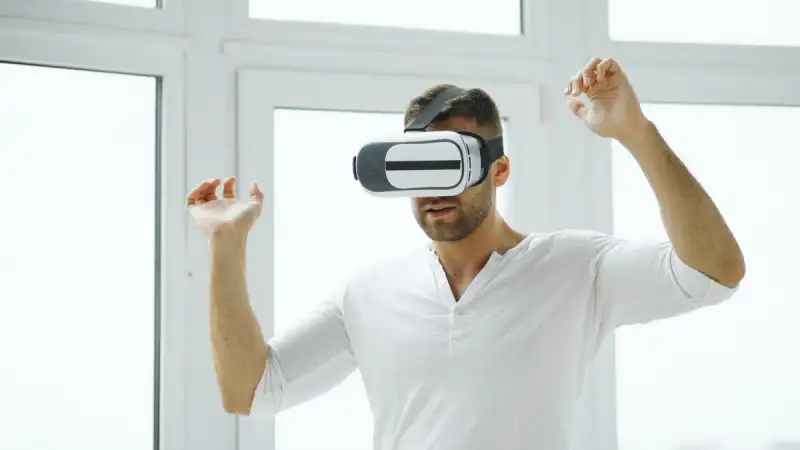
For instance, companies like IKEA and Sephora are using XR to create immersive customer experiences and improve engagement.
Comparison Table: XR Platforms for Enterprise Applications
| Platform | Description | Use Cases |
|---|---|---|
| A-Frame | Open-source XR framework | Collaboration, training, remote work |
| Unity | Popular game engine with XR capabilities | Training, data visualization, customer experience |
| Unreal Engine | High-performance game engine with XR capabilities | Training, data visualization, customer experience |
| Google Cloud XR | Cloud-based XR platform | Remote work, data visualization, customer experience |
Shaping the Future of Work
In conclusion, XR has the potential to transform the way we work, interact, and collaborate in the enterprise. From enhancing collaboration and training to remote work and customer experience, XR is revolutionizing the way we approach various aspects of the enterprise. As we continue to navigate the complexities of digital transformation, XR will play an increasingly important role in shaping the future of work.
#AI #ExtendedReality #DigitalTransformation