Showing Posts From
Ar
-
 Claire Beaufort
 - 18 Aug, 2026 18:58
Unlocking the Secrets of Spatial Computing Design: A Comprehensive Guide to AR, VR, and AI-Driven Experiences
Bridging the Gap between Reality and Fantasy Spatial computing, a term coined by Microsoft, refers to the ability to interact with digital information in a physical space. This emerging technology has the potential to revolutionize the way we experience and interact with the world around us. From augmented reality (AR) and virtual reality (VR) to mixed reality (MR) and spatial audio, the possibilities are endless. In this article, we will delve into the world of spatial computing design and explore the latest advancements in AR, VR, and AI-driven experiences. Secure Design Principles for Spatial Computing When designing spatial computing experiences, security is a top priority. With the increasing use of AR and VR, there is a growing concern about the potential risks associated with these technologies. To mitigate these risks, it's essential to follow secure design principles. Here are a few key considerations:Data protection: Ensure that user data is protected and encrypted, both in transit and at rest. Authentication and authorization: Implement robust authentication and authorization mechanisms to prevent unauthorized access to sensitive information. User consent: Obtain explicit user consent before collecting and processing their personal data.import os import hashlibdef hash_data(data): # Create a new SHA-256 hash object hash_object = hashlib.sha256() # Update the hash object with the data hash_object.update(data.encode('utf-8')) # Get the hexadecimal representation of the hash hashed_data = hash_object.hexdigest() return hashed_data# Example usage: data = "This is some sensitive user data" hashed_data = hash_data(data) print(hashed_data)Empowering Designers with AI-Driven Tools Artificial intelligence (AI) is transforming the field of spatial computing design. With the help of AI-driven tools, designers can create more immersive and interactive experiences. Here are a few examples of AI-driven tools that are empowering designers:Generative design: AI-powered generative design tools can create multiple design options based on a set of parameters and constraints. Predictive analytics: AI-driven predictive analytics tools can help designers anticipate user behavior and optimize their designs accordingly.# Example YAML configuration for a generative design tool generative_design: parameters: - name: shape type: enum values: [circle, square, triangle] - name: color type: enum values: [red, blue, green] constraints: - name: size type: range min: 10 max: 100Unlocking the Potential of Spatial Audio Spatial audio is a critical component of spatial computing experiences. It has the power to transport users to new and immersive environments. Here are a few key considerations for designing spatial audio experiences:3D audio: Use 3D audio techniques to create a more immersive experience. Audio rendering: Optimize audio rendering for real-time performance.// Example C code for 3D audio rendering #include <math.h>// Define a structure to represent a 3D audio source typedef struct { float x, y, z; // Position float azimuth, elevation; // Orientation } audio_source;// Function to render 3D audio void render_3d_audio(audio_source *source, float *audio_buffer) { // Calculate the distance between the source and the listener float distance = sqrtf(powf(source->x, 2) + powf(source->y, 2) + powf(source->z, 2)); // Calculate the azimuth and elevation angles float azimuth = atan2f(source->y, source->x); float elevation = asinf(source->z / distance); // Render the audio // ... }Creating Immersive Experiences with AR and VR AR and VR are two of the most exciting technologies in the field of spatial computing. Here are a few key considerations for creating immersive experiences with AR and VR:Tracking: Use robust tracking systems to ensure seamless and immersive experiences. Content creation: Create high-quality content that is optimized for AR and VR.Conclusion: The Future of Spatial Computing Design Spatial computing design is a rapidly evolving field that is transforming the way we experience and interact with the world around us. With the help of AI-driven tools, secure design principles, and immersive technologies like AR and VR, designers can create more interactive and engaging experiences. As we look to the future, it's clear that spatial computing design will play a critical role in shaping the next generation of technologies.#Hashtags: #SpatialComputing #ARDesign #VRDesign #AIDrivenTools #SecureDesignPrinciples #ImmersiveExperiences Related InsightsBeyond the Horizon: Unraveling the Mysteries of 5G Advanced and 6G Wireless Networks The Art of Tech Reviewing: A Comprehensive Guide to Mastering the Craft Autonomous Codecraft: AI‑Powered Development Environments That Write, Test, and Deploy Themselves{ "@context": "https://schema.org", "@type": "FAQPage", "mainEntity": [ { "@type": "Question", "name": "What is the main focus of Unlocking the Secrets of Spatial Computing Design: A Comprehensive Guide to AR, VR, and AI-Driven Experiences?", "acceptedAnswer": { "@type": "Answer", "text": "Discover the latest advancements in spatial computing design, including AR, VR, and AI-driven experiences, and learn how to create immersive and interactive environments." } }, { "@type": "Question", "name": "Who authored the comprehensive guide on Unlocking the Secrets of Spatial Computing Design: A Comprehensive Guide to AR, VR, and AI-Driven Experiences?", "acceptedAnswer": { "@type": "Answer", "text": "This detailed article and its insights were carefully researched and authored by Claire Beaufort." } }, { "@type": "Question", "name": "Where can I find more related content about Technology?", "acceptedAnswer": { "@type": "Answer", "text": "You can explore more articles, detailed reviews, and similar insights by browsing the Related Insights section at the bottom of this article or visiting our dedicated Technology category page." } } ] }
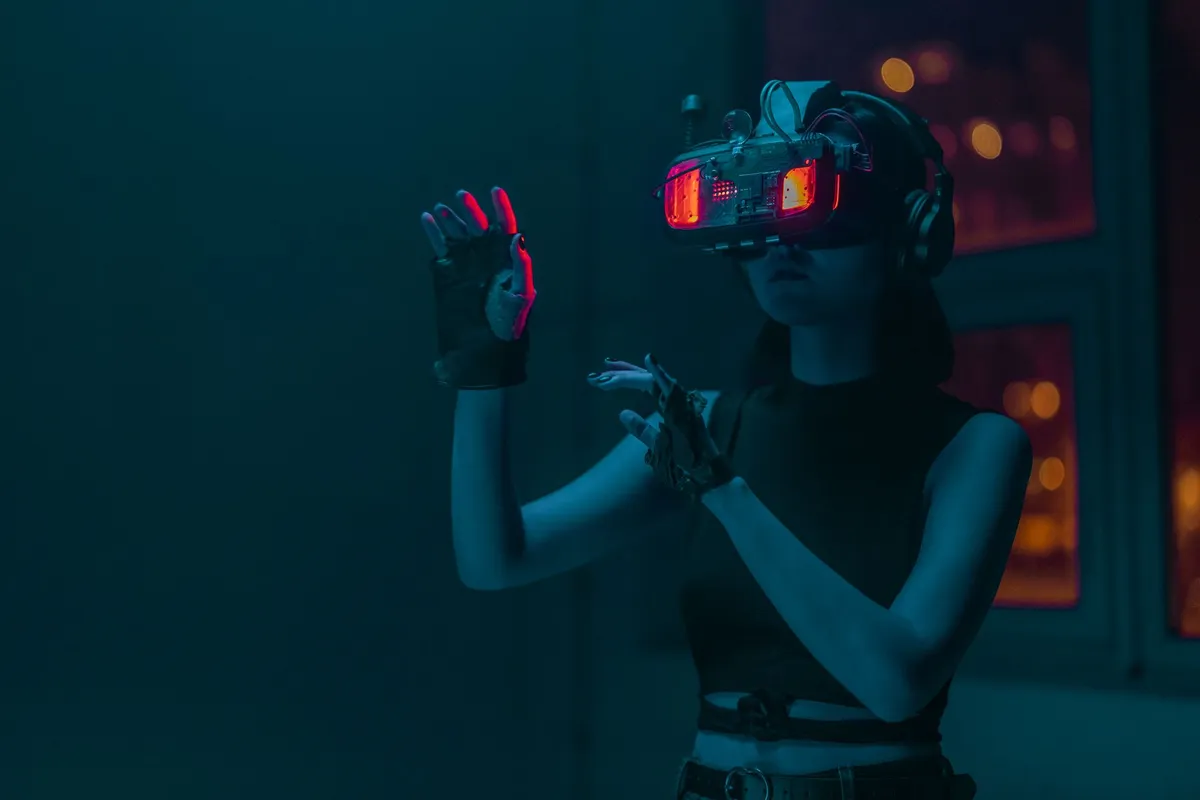

The Spatial Computing Revolution The boundaries between the physical and digital worlds are blurring at an unprecedented rate. Spatial computing, the convergence of augmented reality (AR) and virtual reality (VR), is poised to revolutionize the next decade. By seamlessly merging the digital and physical, spatial computing will transform the way we interact, work, and live. The Power of Patch Policy Recent advancements in spatial computing have been driven by the development of Patch Policy, a minimal architectural extension that enables transformer-based policies to consume dense pre-trained patch tokens directly. This innovation has been shown to achieve a 40% relative improvement over policies using state-of-the-art global-pooled representations. import torch import torch.nn as nn import torch.optim as optimclass PatchPolicy(nn.Module): def __init__(self, num_patches, num_heads, hidden_dim): super(PatchPolicy, self).__init__() self.patch_embeddings = nn.Linear(num_patches, hidden_dim) self.transformer = nn.TransformerEncoderLayer(d_model=hidden_dim, nhead=num_heads) def forward(self, patch_tokens): patch_embeddings = self.patch_embeddings(patch_tokens) transformer_output = self.transformer(patch_embeddings) return transformer_outputAutomated Discovery and Spatial Computing Automated discovery systems, such as OpenEvolve and TTT-Discover, are being used to explore the vast design space of spatial computing. However, these systems are often limited by their reliance on fixed harnesses, which can lead to suboptimal performance. harness: name: OpenEvolve population_size: 100 mutation_rate: 0.1 selection_method: tournamentSecure Design Principles for Spatial Computing As spatial computing becomes increasingly pervasive, security concerns are growing. To address these concerns, it is essential to adopt secure design principles, such as:Data minimization: Collect and process only the data necessary for the intended purpose. Encryption: Use end-to-end encryption to protect data in transit and at rest. Access control: Implement role-based access control to restrict access to sensitive data and systems.Spatial Computing and Artificial Intelligence Spatial computing is deeply intertwined with artificial intelligence (AI). AI algorithms are used to process and analyze the vast amounts of data generated by spatial computing systems. docker run -it --rm \ -v $(pwd):/app \ -w /app \ tensorflow/tensorflow:latest \ python train.pyThe Future of Spatial Computing As spatial computing continues to evolve, we can expect to see significant advancements in fields such as education, healthcare, and entertainment.The Spatial Computing Era The convergence of AR and VR in spatial computing is poised to revolutionize the next decade. With its vast potential for innovation and transformation, spatial computing is an exciting and rapidly evolving field that holds much promise for the future. #AI #SpatialComputing #AR #VR #ArtificialIntelligence Related InsightsWhen Steel Meets Soul: Companion Bots and Assisted‑Living Robotics Redefining Elder Care Decentralized Autonomous Organizations (DAOs): The Future of Collaborative Governance Li-Fi vs. Wi-Fi: The Future of Wireless Communication with Light{ "@context": "https://schema.org", "@type": "FAQPage", "mainEntity": [ { "@type": "Question", "name": "What is the main focus of Spatial Computing: The Convergence of AR and VR in the Next Decade?", "acceptedAnswer": { "@type": "Answer", "text": "Explore the intersection of AR and VR in spatial computing, and how it will revolutionize the next decade." } }, { "@type": "Question", "name": "Who authored the comprehensive guide on Spatial Computing: The Convergence of AR and VR in the Next Decade?", "acceptedAnswer": { "@type": "Answer", "text": "This detailed article and its insights were carefully researched and authored by Amara Singh." } }, { "@type": "Question", "name": "Where can I find more related content about Technology?", "acceptedAnswer": { "@type": "Answer", "text": "You can explore more articles, detailed reviews, and similar insights by browsing the Related Insights section at the bottom of this article or visiting our dedicated Technology category page." } } ] }