Showing Posts From
Audio engineering
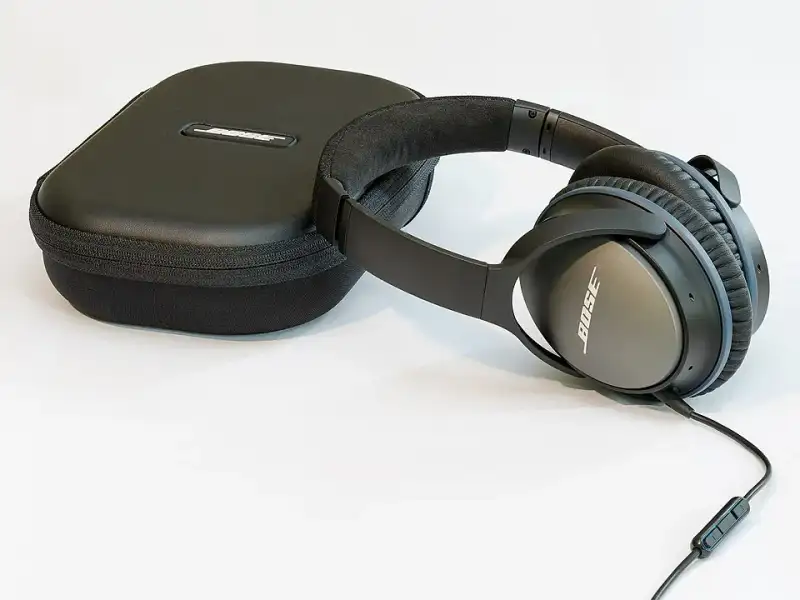

The modern world is an undeniable cacophony. From the relentless, droning hum of commercial HVAC systems and the roar of jet engines to the chaotic, overlapping chatter of open-plan offices and the blaring, sudden sirens of urban streetscapes, our human ears are constantly under an unrelenting siege. In this era of perpetual and often inescapable auditory stimulation, true silence has transitioned from a natural, expected state of being into a profound luxury. It has become a rare and precious commodity that we must actively seek out, cultivate, and often purchase. Enter the unsung hero of the modern soundscape: the noise-cancelling headphone. This ingenious piece of technology has fundamentally revolutionized the way we experience audio and interact with our environments, allowing us to carve out personal, portable sanctuaries of quiet amidst the absolute loudest of circumstances. #AudioSanctuary #TechInnovation But how exactly do these marvels of audio engineering manage to literally erase the chaotic noise of the outside world, leaving us with nothing but the pure, unadulterated sounds of our favorite music, immersive podcasts, or simply, profound and restorative silence? The story of noise-cancelling headphones is not just a straightforward tale of consumer electronics; it is a fascinating, multi-layered intersection of wave physics, human biology, computer science, and relentless engineering determination. It is a compelling narrative that begins in the deafening cockpits of mid-century aircraft and culminates in the sleek, true-wireless earbuds that millions of urban commuters wear today as a shield against the world. In this comprehensive exploration, we will dive deep into the fundamental mechanics of sound, unravel the intricate, high-speed magic of active noise control, trace its fascinating historical evolution from military necessity to consumer staple, and look ahead to the highly intelligent future of auditory augmented reality. Strap in, put your metaphorical headphones on, and let us journey together into the symphony of silence. #SymphonyOfSilence #ModernTech The Nature of Sound and the Epidemic of Noise Before we can begin to comprehend how engineers manage to destroy noise, we must first understand what sound actually is on a fundamental, physical level. Sound is a mechanical wave. It is a vibration that propagates through a transmission medium—whether that be a gas like the air we breathe, a liquid like water, or a solid mass. When you strike a piano key or pluck a guitar string, it vibrates rapidly, pushing against the immediate air molecules surrounding it. These molecules then push against their neighbors, creating a continuous, microscopic domino effect of high-pressure zones (known as compressions) and low-pressure zones (known as rarefactions). This alternating pressure wave travels through the air at roughly 767 miles per hour until it reaches your ear drum, which vibrates in perfect sympathy, translating those mechanical waves into complex electrical signals that your brain instantly interprets as sound. #PhysicsOfSound #Acoustics Noise, within this context, is simply defined as unwanted sound. But its impact on the human body goes far beyond mere annoyance or a disruption of concentration. The World Health Organization (WHO) and numerous global health bodies have long recognized environmental noise as a severe and pervasive public health hazard. Chronic exposure to high levels of noise pollution has been clinically linked to a myriad of serious physiological and psychological health issues. These include elevated levels of cortisol and other stress hormones, an increased risk of cardiovascular disease, chronic sleep disturbances, and, perhaps most obviously and irreversibly, permanent noise-induced hearing damage. In a purely evolutionary context, our human auditory system is perfectly designed to alert us to danger—the sudden snap of a twig in a quiet forest, or the deep roar of an approaching predator. Constant, inescapable modern noise tricks our nervous systems into remaining in a perpetual state of low-grade, subconscious alert, leading directly to a modern epidemic of auditory fatigue and pervasive anxiety. #NoisePollution #HealthTech For decades, the primary, and indeed only, defense against this acoustic onslaught was passive isolation. If you wanted to block out sound, you physically blocked its path to your ear canal. This meant utilizing dense foam earplugs, heavy industrial earmuffs, or thick, sound-absorbing materials to create an impenetrable barrier between the delicate mechanisms of the inner ear and the loud outside world. While passive isolation is remarkably effective against mid-to-high-frequency sounds (such as human chatter, the clink of glassware, or the clatter of a mechanical keyboard), it is notoriously inefficient against low-frequency rumbles. Low-frequency sound waves, such as the persistent drone of an airplane engine, the hum of a refrigerator, or the deep rumble of a passing freight train, have extremely long wavelengths. These powerful waves possess the sheer kinetic energy to easily penetrate solid barriers, vibrating the very materials meant to stop them, and traveling directly through the bones of your skull to reach your inner ear. To stop these pervasive, deep-frequency invaders, a completely different, highly active approach was desperately needed. The Magic of Physics: Destructive Interference and ANC The brilliant, almost magical solution to the problem of low-frequency noise lies in a fundamental principle of wave physics known as "destructive interference," which is a subset of the principle of superposition. If sound is a wave characterized by its peaks (the high-pressure compressions) and troughs (the low-pressure rarefactions), what happens if you introduce a second, artificially generated wave that is the exact, mirrored opposite of the first? Imagine a continuous wave traveling on the smooth surface of a pond. If the peak of one wave perfectly aligns with the trough of another wave of equal amplitude (height) and frequency, they physically cancel each other out, leaving the surface of the water perfectly flat. In acoustics and audio engineering, this phenomenon is called phase inversion. By utilizing microphones and microprocessors to create a sound wave that is exactly 180 degrees out of phase with the incoming environmental noise, the two sound waves physically collide in the space inside your headphone ear cup and annihilate each other. The result is pure, astonishing silence. This is the core scientific magic driving Active Noise Cancellation (ANC). #ScienceIsMagic #ActiveNoiseCancellation To achieve this feat of physics in real-time within a consumer device requires an astonishingly rapid and flawless sequence of events, orchestrated by a highly sophisticated array of microelectronics. The process always begins with microphones. Modern ANC headphones employ tiny, highly sensitive omnidirectional microphones strategically and precisely placed on the device's chassis. Within the industry, there are three primary architectural designs for placing these microphones, each with distinct advantages:Feedforward ANC: In this configuration, microphones are placed entirely on the outside of the headphone ear cup. They "hear" the environmental noise moments before it physically breaches the ear cup and reaches your ear. The analog audio signal from the mic is instantly converted to digital and sent to the headphones' onboard Digital Signal Processor (DSP). The DSP analyzes the noise profile, calculates the precise inverse sound wave (the "anti-noise"), and instructs the headphone's internal speaker drivers to play it. Because the microphone is situated on the exterior, it gains a fraction of a millisecond head start. This makes feedforward systems remarkably excellent at neutralizing predictable, steady mid-frequency noises. Feedback ANC: Here, the microphones are placed inside the ear cup, right next to the speaker driver itself. This intimate placement allows the system to hear exactly what the user's ear is actually hearing, which includes both the music being played and any external noise that has managed to bypass the physical barrier of the headphone materials. The DSP then corrects the audio signal on the fly. Feedback systems are incredibly effective at cancelling the deepest, lowest-frequency drones, but they require immensely fast processing speeds to prevent audio distortion, artificial compression, or a highly unpleasant, screeching feedback loop. Hybrid ANC: This is the undisputed gold standard found in today's premium flagship headphones and earbuds. Hybrid systems utilize both external (feedforward) and internal (feedback) microphones simultaneously. This complex dual-sensor approach perfectly combines the preemptive strike capabilities of the external mic with the precise, self-correcting, real-time auditory capabilities of the internal mic. The result is a vastly broader frequency range of noise cancellation and a significantly quieter, more natural overall listening experience. #AudioEngineering #SmartTechThe undisputed, unsung hero in this intricate dance of waveforms is the DSP. This dedicated microchip must process the incoming audio signal from multiple microphones, perform complex mathematical calculations to generate the inverse wave, and output the anti-noise all in less than a millisecond. If the anti-noise is delayed by even a fraction of a millisecond, it will no longer be perfectly 180 degrees out of phase. Instead of destructive interference, you might accidentally achieve constructive interference—meaning the headphones would actually amplify the horrible noise you are trying to escape! The sheer computational power squeezed into the tiny, battery-powered space of a modern headphone ear cup is a staggering testament to the marvels of modern digital engineering and miniaturization. A Journey Through Time: The High-Flying History of ANC The relentless pursuit of active noise cancellation is not a recent, 21st-century endeavor. In fact, the theoretical concept dates all the way back to the 1930s. In 1936, a visionary inventor named Paul Lueg patented a theoretical system utilizing crude loudspeakers and microphones to cancel out low-frequency noise in air conditioning ducts. However, the technology required to practically realize his brilliant vision—specifically, the high-speed miniaturized digital signal processors and compact microphones—simply did not exist during his lifetime. The physics were sound, but the computing power was decades away. The true, urgent catalyst for the development of modern noise-cancelling headphones was the aerospace industry. In the mid-20th century, the rapid advent of powerful jet engines and the massive expansion of global commercial aviation brought a severe new problem to light: the deafening, bone-rattling roar of the cockpit. Pilots, navigators, and crew members were subjected to hours of relentless, extremely low-frequency engine noise on every flight. This not only caused severe auditory fatigue, headaches, and permanent hearing loss over a career, but it also severely impaired radio communication with air traffic control, posing a massive and unacceptable safety risk to the flight. #AviationHistory #PioneeringTech The historical turning point occurred in 1978 during a routine trans-Atlantic flight from Europe to Boston. Dr. Amar Bose, a brilliant professor of electrical engineering at the Massachusetts Institute of Technology (MIT) and the founder of the already successful Bose Corporation, was handed a pair of new, supposedly state-of-the-art electronic aviation headsets provided by the airline for in-flight entertainment. While the headsets were meant to significantly improve audio quality over previous pneumatic tube designs, Dr. Bose quickly found that the overwhelming, droning cabin noise rendered the classical music he was trying to enjoy practically inaudible. He acutely realized that traditional passive isolation, no matter how thick the foam, was utterly insufficient against the deep, vibrating drone of the commercial aircraft. Legend has it that Dr. Bose pulled out a legal notepad right then and there on the airplane, furiously sketching the complex mathematical equations and system architecture for a headphone system that could actively listen to the ambient ambient noise and generate a perfectly opposing wave to cancel it out in real-time. Upon his return to MIT and his company headquarters, Dr. Bose assembled a specialized team of elite engineers, and the highly secretive "Project Noise Reduction" was officially born. It took over a decade of exhaustive research, countless failed prototypes, and over $50 million in private investment before the first genuinely practical active noise-cancelling headset was finally produced. In 1986, the experimental technology had its ultimate trial by fire: intrepid pilots Dick Rutan and Jeana Yeager wore early prototype Bose noise-cancelling headsets during their historic, incredibly dangerous non-stop, unrefueled flight around the world in the specialized Voyager aircraft. The headphones successfully protected their hearing and allowed them to communicate clearly over the deafening, unshielded engine noise during the grueling, sleepless nine-day journey. By 1989, Bose finally introduced the first commercially available active noise reduction headset. However, it was bulky, incredibly expensive, and primarily targeted strictly at aviation professionals, helicopter pilots, and the military. It wasn't until the year 2000 that the technology was finally refined, cheapened, and miniaturized enough to be introduced to the broader general consumer market with the release of the legendary Bose QuietComfort series. Since that watershed moment, the consumer floodgates have blown wide open. Today, massive tech giants like Sony, Apple, Sennheiser, and Bowers & Wilkins have fiercely entered the fray, pouring billions into research and development. They are each relentlessly pushing the absolute boundaries of what is acoustically possible, transforming a bulky, niche aviation safety tool into a sleek, indispensable modern lifestyle accessory. #TechEvolution #BoseHistory The Synergy of Passive Isolation and Active Electronics While the "active" in active noise cancellation naturally steals the marketing spotlight and consumer fascination, it is absolutely crucial to understand that ANC electronics alone cannot create a perfect vacuum of silence. The most effective, highly-rated noise-cancelling headphones on the market rely on a masterful, highly engineered combination of both active computational electronics and traditional passive acoustic design. #DesignExcellence #AcousticEngineering As previously discussed, ANC algorithms are phenomenally effective at combating low-frequency, sustained, and predictable sounds. However, ANC fundamentally struggles with sudden, highly transient noises, particularly those occurring in the upper, higher frequency ranges. A dog barking sharply, a baby crying suddenly on a bus, the crash of a dropped plate, or even nearby human speech produces highly irregular, rapidly changing high-frequency sound waves. These waves fluctuate far too quickly for even the most advanced modern DSP chip to perfectly map, invert, and cancel in real-time. This is exactly where passive acoustic isolation steps in to save the day and complete the illusion of total silence. The physical design and material science of the headphone chassis are utterly critical. Premium over-ear headphones utilize high-density injection-molded plastics, specialized acoustic dampening foams, and ultra-plush, memory-foam ear pads meticulously clad in high-grade synthetic leather or breathable fabrics. These premium materials act as a formidable physical acoustic barrier. Furthermore, the precise, calculated clamping force of the headphone headband ensures a tight, unbroken seal around the human ear, physically preventing high-frequency sound waves from leaking into the acoustic chamber. In the rapidly growing realm of true wireless earbuds, passive isolation is entirely achieved through the use of flexible silicone or expanding polyurethane foam ear tips. These tips must physically expand to perfectly seal the ear canal, creating an airtight barrier. Without this physical seal, the active ANC system would be forced to work in chaotic overdrive, struggling against acoustic leakage, and the user would still clearly hear a significant amount of ambient environmental chatter. The absolute perfect pair of noise-cancelling headphones represents a beautiful, harmonious marriage of disciplines: the physical, tangible materials block out the sharp, unpredictable high notes of life, while the advanced, invisible digital algorithms erase the deep, persistent, exhausting low notes. The Sweet Sound of Benefits and the Reality of Drawbacks The societal impact of noise-cancelling headphones on our daily modern lives simply cannot be overstated. Beyond the simple, delightful pleasure of listening to your favorite music or a gripping audiobook without annoying background interference, these advanced devices offer profound, measurable benefits to our health and productivity. First and foremost is the vital aspect of hearing protection. In a highly noisy environment like a subterranean subway system or a busy city avenue, people wearing standard, passive earbuds often instinctively crank the volume of their music up to dangerously high levels—sometimes routinely exceeding 90 or even 100 decibels—just to overpower and drown out the environmental noise. This common practice is an absolute fast track to permanent, irreversible noise-induced hearing loss and tinnitus. By drastically and artificially lowering the ambient noise floor, ANC headphones allow users to hear every subtle detail of their audio clearly at vastly reduced, entirely safe volume levels, preserving their auditory health for decades to come. #HearingProtection #HealthyListening Furthermore, the psychological and cognitive benefits of user-induced silence are magnificent. For university students studying in chaotic dorms, professional writers seeking deep focus, and office workers trapped in the cacophony of open-plan architectural nightmares, ANC headphones serve as a highly visible, socially accepted, wearable "Do Not Disturb" sign. They instantly create an invisible, private environment that dramatically boosts concentration, flow-state working, and overall productivity. For frequent domestic and international travelers, the sheer reduction of low-frequency aircraft cabin noise massively mitigates the physical stress, cortisol spikes, and profound exhaustion commonly associated with flying, effectively curing the phenomenon known as "travel fatigue." However, no technology is entirely without its drawbacks. The most obvious barrier to entry is financial cost. The necessary incorporation of multiple, high-quality microphones, advanced proprietary DSP chips, and high-capacity rechargeable lithium-ion batteries makes premium ANC headphones significantly more expensive than their standard, passive counterparts. Additionally, some users experience a highly unusual physiological phenomenon colloquially known as "eardrum suck" or "cabin pressure." This is a fascinating sensory illusion. Human brains are deeply evolutionary conditioned to naturally associate a sudden drop in low-frequency background noise with a rapid change in physical atmospheric pressure (such as when rapidly ascending in a high-speed elevator or taking off in an airplane). When ANC headphones instantly and unnaturally eliminate all low-frequency rumble in a room, the human brain temporarily misinterprets this sudden absence of sound as a sudden drop in barometric pressure, causing a bizarre, phantom sensation of pressure, fullness, or suction in the inner ears. While medically harmless, it can be quite uncomfortable or disorienting for highly sensitive individuals. Finally, there are genuine physical safety considerations. Total, uncompromised acoustic isolation can be highly dangerous in certain dynamic environments. Walking or cycling through a busy, chaotic city street while entirely deaf to the warning sounds of approaching traffic, bicycle bells, or the shouts of pedestrians poses a tangible, potentially fatal risk. Recognizing this critical flaw, audio manufacturers have brilliantly introduced "Transparency" or "Ambient" modes. This incredibly clever feature utilizes the exact same external ANC microphones not to cancel the noise, but to actively capture, process, and pipe the outside world directly into your ears in real-time, allowing you to easily have a conversation or maintain full situational awareness without ever needing to physically remove your headphones. #SituationalAwareness #SmartAudio The Future of Silence: Where Do We Go From Here? As we peer eagerly to the technological horizon, the future of noise-cancelling technology is incredibly exciting, driven primarily by the rapid integration of Artificial Intelligence (AI) and Machine Learning algorithms into portable audio processors. The next generation of ANC will not just dumbly cancel noise; it will actively understand, analyze, and curate it. #FutureOfAudio #AI We are rapidly moving towards the era of "Adaptive ANC," where headphones utilize onboard, low-latency AI to analyze the user's surrounding environment hundreds of times per single second, seamlessly and invisibly adjusting the equalization and cancellation profile on the fly. Imagine walking out of a dead-quiet library, out onto an incredibly windy, bustling street, and then descending down into a roaring, metallic subway station; the headphones of tomorrow will autonomously and instantly alter their internal algorithms to provide the absolute optimal acoustic response and wind-reduction for each specific, changing environment, without the user ever touching a single button. Moreover, advanced machine learning algorithms are currently being trained to accurately distinguish between highly specific types of sounds. In the very near future, you will be able to completely customize your "audio reality." You could verbally instruct your smart headphones to aggressively block out all mechanical, engine, and construction noise, but selectively allow human voices to pass through crystal clear, enabling you to work peacefully in a busy cafe while still easily hearing the barista call out your specific coffee order. You could program them to filter out absolutely everything in a city except the specific, urgent high-frequency wail of an ambulance siren, ensuring your physical safety on the street. This groundbreaking concept of "Selective Noise Cancellation" or "Augmented Audio Reality" represents a profound paradigm shift. We are boldly transitioning from merely blocking the entire world out with a blunt instrument to actively, surgically curating the exact soundscape we wish to inhabit. Miniaturization also continues at a breathtaking, relentless pace. True wireless earbuds are becoming astonishingly smaller, far more ergonomically comfortable, and infinitely more powerful with each hardware iteration. The severe battery constraints and connectivity drops that plagued early wireless models are rapidly being overcome with hyper-efficient silicon chips and revolutionary high-density micro-batteries, promising true, all-day silence in an invisible package no larger than a kidney bean. Conclusion Noise-cancelling headphones represent an absolute triumph of human engineering ingenuity over the rising tide of environmental chaos. Born out of the dire medical and safety necessities to protect military and commercial pilots in the deafening, high-altitude skies, they have rapidly evolved into an indispensable, everyday tool for comfortably navigating the modern, incessantly noisy world. By brilliantly harnessing the elegant, mathematical physics of destructive wave interference, they offer each of us a desperately needed, portable oasis of calm. They protect our vital long-term hearing, preserve our daily mental sanity, and allow us to connect far more deeply and emotionally with the audio art we love. As mobile technology continues its relentless, accelerating march forward, the rigid boundary between our digital audio feeds and our physical reality will become increasingly blurred and highly malleable. The smart headphones of tomorrow will not just be passive shields against the noise of the city; they will be highly sophisticated, AI-driven conductors, allowing us to orchestrate and perfect the soundtrack of our daily lives with unprecedented, surgical precision. Until that sci-fi future fully arrives, we can happily slip on our current headphones, flip the ANC switch, take a deep breath, and revel deeply in the beautiful, highly engineered symphony of silence. #SymphonyOfSilence #EmbraceTheQuiet #AudioFuture #NoiseCancelling #Headphones #AudioEngineering #ANC Related InsightsSmart Materials Rewired: From Self‑Healing Concrete to Adaptive Textiles Holographic Displays: The Silent Revolution Reshaping AR/VR, 3D Visualization, and Human-Computer Interaction Beyond Pixels: How VR/AR is Rewriting the Rules of Learning{ "@context": "https://schema.org", "@type": "FAQPage", "mainEntity": [ { "@type": "Question", "name": "What is the main focus of The Symphony of Silence: A Deep Dive into Noise-Cancelling Headphones?", "acceptedAnswer": { "@type": "Answer", "text": "Explore the fascinating world of noise-cancelling headphones. Understand the science of active noise control, their historical origins, and what the future holds for this transformative audio technology." } }, { "@type": "Question", "name": "Who authored the comprehensive guide on The Symphony of Silence: A Deep Dive into Noise-Cancelling Headphones?", "acceptedAnswer": { "@type": "Answer", "text": "This detailed article and its insights were carefully researched and authored by John Doe." } }, { "@type": "Question", "name": "Where can I find more related content about Technology?", "acceptedAnswer": { "@type": "Answer", "text": "You can explore more articles, detailed reviews, and similar insights by browsing the Related Insights section at the bottom of this article or visiting our dedicated Technology category page." } } ] }