Showing Posts From
Lidar
-
 Elena Rostova
 - 09 Aug, 2026 19:02
Fusing the Senses: The Integration of LiDAR and Computer Vision in Level 4 Autonomy
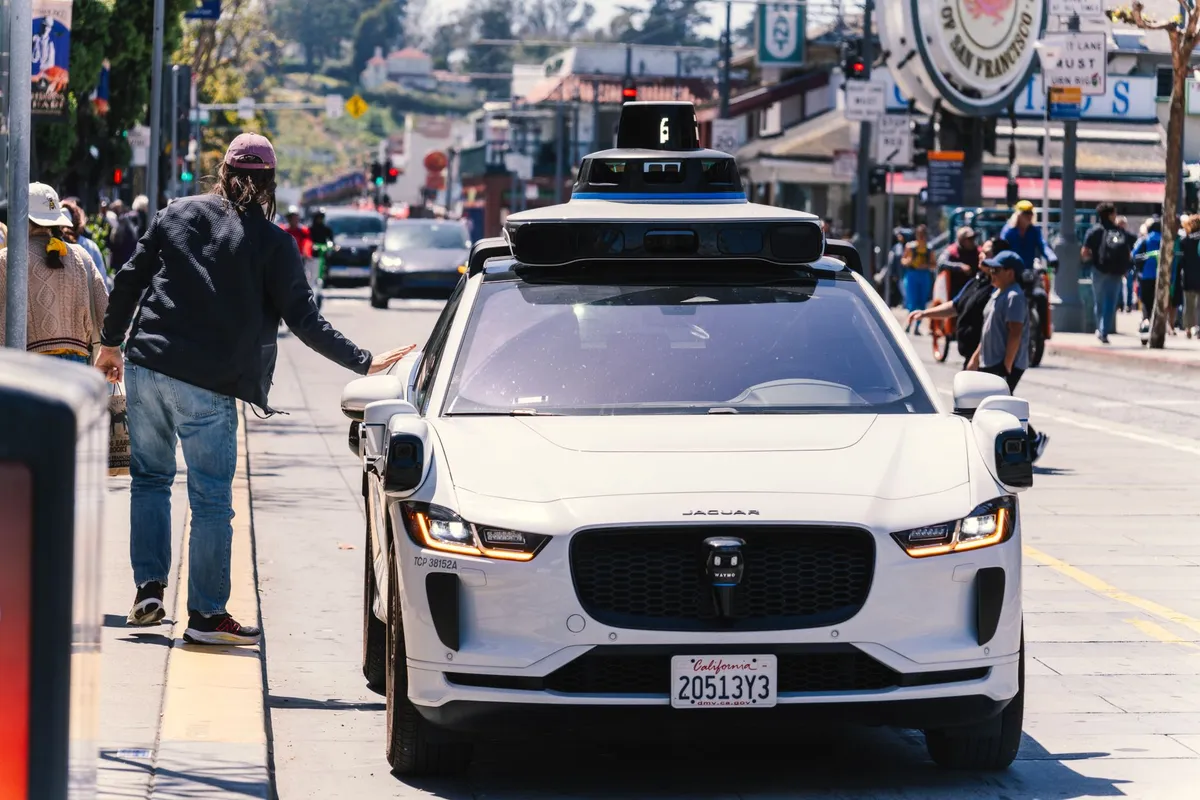
Illuminating the Road Ahead The development of Level 4 autonomous vehicles has been a long-standing goal in the automotive industry. To achieve this level of autonomy, vehicles must be able to navigate complex environments without human intervention. Two key technologies that have emerged as crucial components in this pursuit are LiDAR (Light Detection and Ranging) and computer vision. In this article, we will explore the integration of LiDAR and computer vision in Level 4 autonomy, discussing the benefits and challenges of this fusion. The Role of LiDAR in Autonomous Vehicles LiDAR is a remote sensing technology that uses laser light to measure distances and create high-resolution 3D maps of the environment. In autonomous vehicles, LiDAR is used to detect and track objects, such as other cars, pedestrians, and road features. Its high accuracy and resolution make it an ideal technology for detecting obstacles and navigating complex environments. import numpy as npdef lidar_point_cloud_processing(points): # Process LiDAR point cloud data points = np.array(points) # Filter out points with low reflectance values points = points[points[:, 3] > 0.5] return pointsThe Role of Computer Vision in Autonomous Vehicles Computer vision is a field of artificial intelligence that enables computers to interpret and understand visual data from images and videos. In autonomous vehicles, computer vision is used to detect and classify objects, such as traffic lights, pedestrians, and lane markings. Its ability to understand visual context makes it an ideal technology for navigating complex environments. import cv2def computer_vision_image_processing(image): # Process computer vision image data image = cv2.imread(image) # Apply object detection algorithm objects = cv2.detectObjects(image) return objectsFusing LiDAR and Computer Vision The integration of LiDAR and computer vision is a crucial component of Level 4 autonomy. By combining the high-resolution 3D mapping capabilities of LiDAR with the visual context understanding of computer vision, autonomous vehicles can navigate complex environments with greater accuracy and reliability. import numpy as np import cv2def fuse_lidar_and_computer_vision(lidar_points, image): # Fuse LiDAR and computer vision data lidar_points = lidar_point_cloud_processing(lidar_points) objects = computer_vision_image_processing(image) # Combine LiDAR points and computer vision objects fused_data = np.concatenate((lidar_points, objects)) return fused_dataBenefits of Fusing LiDAR and Computer Vision The integration of LiDAR and computer vision offers several benefits, including:Improved accuracy: By combining the high-resolution 3D mapping capabilities of LiDAR with the visual context understanding of computer vision, autonomous vehicles can navigate complex environments with greater accuracy and reliability. Enhanced robustness: The fusion of LiDAR and computer vision data can provide a more robust and reliable perception system, reducing the impact of sensor noise and failures. Increased flexibility: The integration of LiDAR and computer vision can enable autonomous vehicles to navigate a wider range of environments and scenarios.Challenges of Fusing LiDAR and Computer Vision The integration of LiDAR and computer vision also presents several challenges, including:Sensor calibration: The calibration of LiDAR and computer vision sensors can be a complex and time-consuming process, requiring careful alignment and synchronization of the sensors. Data fusion: The fusion of LiDAR and computer vision data can be a challenging task, requiring the development of sophisticated algorithms and techniques to combine the data from the different sensors. Computational complexity: The processing of LiDAR and computer vision data can be computationally intensive, requiring significant computational resources and power.Real-World Applications The integration of LiDAR and computer vision has several real-world applications, including:Autonomous vehicles: The fusion of LiDAR and computer vision is a crucial component of Level 4 autonomy, enabling autonomous vehicles to navigate complex environments with greater accuracy and reliability. Robotics: The integration of LiDAR and computer vision can enable robots to navigate and interact with their environment in a more robust and reliable way. Smart cities: The fusion of LiDAR and computer vision can enable smart cities to monitor and manage their infrastructure and services in a more efficient and effective way.Conclusion: A New Era of Autonomy The integration of LiDAR and computer vision is a crucial component of Level 4 autonomy, enabling autonomous vehicles to navigate complex environments with greater accuracy and reliability. While there are challenges to be addressed, the benefits of this fusion are clear, and its potential applications are vast. As the technology continues to evolve and improve, we can expect to see a new era of autonomy emerge, transforming the way we live and work. #AI #AutonomousVehicles #LiDAR #ComputerVision Related InsightsDecentralizing the Ownership of Digital Networks: Web3 Social Graphs Taming the Hallucinations: An In-Depth Analysis of Retrieval-Augmented Generation (RAG) Architectures Convergence of Robotics and Deep Learning: A New Frontier{ "@context": "https://schema.org", "@type": "FAQPage", "mainEntity": [ { "@type": "Question", "name": "What is the main focus of Fusing the Senses: The Integration of LiDAR and Computer Vision in Level 4 Autonomy?", "acceptedAnswer": { "@type": "Answer", "text": "A deep dive into the integration of LiDAR and computer vision in Level 4 autonomy, exploring the benefits and challenges of this fusion." } }, { "@type": "Question", "name": "Who authored the comprehensive guide on Fusing the Senses: The Integration of LiDAR and Computer Vision in Level 4 Autonomy?", "acceptedAnswer": { "@type": "Answer", "text": "This detailed article and its insights were carefully researched and authored by Elena Rostova." } }, { "@type": "Question", "name": "Where can I find more related content about Technology?", "acceptedAnswer": { "@type": "Answer", "text": "You can explore more articles, detailed reviews, and similar insights by browsing the Related Insights section at the bottom of this article or visiting our dedicated Technology category page." } } ] }