Showing Posts From
Nostalgia
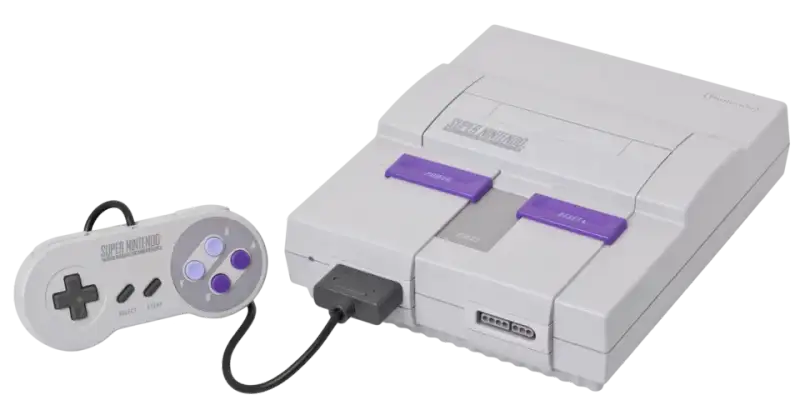

The Timeless Appeal of Retro Gaming: Preserving the Pixels In an era where video games boast photorealistic graphics, massive open worlds, and Hollywood-level production values, it might seem counterintuitive that millions of players are actively choosing to spend their time with chunky pixels, rudimentary sound chips, and 8-bit color palettes. Yet, retro gaming has evolved from a niche hobby into a massive, thriving cultural phenomenon. Whether it is a gamer in their forties revisiting the cherished titles of their youth or a teenager discovering the unforgiving challenge of an early 90s platformer for the very first time, the allure of classic video games has never been stronger. #RetroGaming #VideoGameHistory Retro gaming, sometimes known as classic gaming or old-school gaming, encompasses the playing and collecting of older personal computer, console, and arcade video games. But what exactly qualifies as "retro"? The definition is a moving target. In the late 1990s, retro gaming meant dusting off an Atari 2600 or a Commodore 64. Today, consoles from the early 3D era, such as the original PlayStation, the Nintendo 64, and even the PlayStation 2 and Nintendo GameCube, are firmly categorized as retro. As technology marches forward, the boundary of what we consider classic continues to advance, absorbing subsequent generations of gaming hardware. The question remains: why do we return to the past? What is the undeniable draw of these outdated systems in the face of modern technological marvels? To understand the retro gaming movement, we must delve into the psychology of nostalgia, the mechanics of game preservation, the various methods by which these classics are enjoyed, and the vibrant community that keeps the arcade spirit alive. #Nostalgia #GamingCulture The Allure of Nostalgia and Pure Gameplay At the heart of the retro gaming boom is a profound sense of nostalgia. For many, booting up a Super Nintendo Entertainment System (SNES) or a Sega Genesis is akin to opening a time capsule. The distinct startup sounds, the tactile sensation of sliding a cartridge into the slot, and the glow of a cathode-ray tube (CRT) television instantly transport players back to simpler times. Video games are uniquely evocative; they are tied to memories of childhood afternoons spent huddled around a screen with friends, the triumph of finally beating a notoriously difficult boss, or the sheer wonder of exploring virtual worlds for the first time. #RetroAesthetics #CRTGaming However, nostalgia alone cannot sustain a movement of this magnitude. If the games themselves were genuinely terrible, the rose-tinted glasses would quickly slip off. The truth is that many classic games possess an enduring quality of design. Early game developers were constrained by severe hardware limitations. They had precious few kilobytes of memory to work with, forcing them to prioritize tight, responsive, and engaging gameplay loops over cinematic flair. This emphasis on core mechanics resulted in games that are easy to learn but exceptionally difficult to master. Without the luxury of lengthy tutorials or saving progress at any moment, classic arcade and console games relied on pattern recognition, quick reflexes, and sheer perseverance. There is a purity to the challenge found in titles like Pac-Man, Super Mario Bros., or Mega Man. When a player fails in a retro game, it is rarely due to a convoluted control scheme or an unfair camera angle; it is almost always due to their own lack of skill, which drives the "just one more try" mentality. #ArcadeGames #ClassicGaming Furthermore, the aesthetic limitations of early gaming hardware gave birth to distinct art styles that are now celebrated rather than merely tolerated. Pixel art, once a necessity, is now recognized as a legitimate and highly stylized form of digital illustration. Similarly, chiptune music—synthesized audio created by the sound chips of vintage computers and consoles—has transcended its origins to become a recognized musical genre. The creative ingenuity required to compose memorable, emotionally resonant melodies using only three or four channels of sound is nothing short of remarkable, and those soundtracks continue to inspire musicians today. #PixelArt #Chiptunes The Three Pillars of Retro Gaming The modern retro gaming landscape can be broadly divided into three main categories based on how the games are accessed and played: vintage retro gaming, retro game emulation, and ported retro gaming. 1. Vintage Retro Gaming: The Authentic Experience For the purist, there is simply no substitute for original hardware. Vintage retro gaming involves collecting, restoring, and playing games on the consoles, computers, and arcade cabinets for which they were originally designed. This is the most authentic way to experience classic games, exactly as the developers intended. Collecting original cartridges, discs, and consoles has become a massive subculture in its own right. Flea markets, garage sales, and specialized retro gaming stores are battlegrounds for collectors seeking rare or pristine items. The market for vintage games has exploded, with certain rare titles, pristine boxed copies, or prototype cartridges fetching thousands—or even hundreds of thousands—of dollars at auction. The physical artifact of the game, complete with original manuals and box art, holds significant historical and emotional value. #GameCollecting #VintageGaming A crucial component of the vintage setup is the display. Modern flat-screen LCD and OLED televisions struggle to correctly display the low-resolution, analog signals output by older consoles. They often introduce input lag and upscale the image in a way that makes pixel art look blurry or jagged. Consequently, vintage enthusiasts actively seek out CRT televisions and monitors. CRTs handle these analog signals perfectly, providing zero input lag and softening the pixels through the natural properties of the screen's phosphors and scanlines, creating the distinctive, glowing aesthetic that defined early gaming. #CRT #RetroSetup 2. Retro Game Emulation: Preservation and Accessibility While original hardware is prized for its authenticity, it is undeniably subject to the ravages of time. Consoles break down, capacitors leak, and game cartridges suffer from "bit rot" where the data degrades and is permanently lost. This is where emulation comes in as a vital tool for both accessibility and preservation. #Emulation #GamePreservation Emulation involves writing software for modern computers, smartphones, or dedicated devices that accurately mimics the hardware of a vintage system. This allows modern machines to run the original game files, known as ROMs (Read-Only Memory images of cartridges) or ISOs (images of optical discs). Emulators like RetroArch, Dolphin, and countless others have made it possible to play thousands of classic titles without needing to own a mountain of aging plastic and silicon. Emulation offers significant quality-of-life improvements over original hardware. Players can use "save states" to save their progress at any exact moment—a godsend for notoriously punishing games. They can also apply visual filters to simulate CRT scanlines on modern displays, upscale 3D graphics to high definition, and even play local multiplayer games over the internet. More importantly, emulation is the frontline of video game preservation. Without the efforts of the emulation community, thousands of obscure titles, prototypes, and region-exclusive games would be lost to history forever. By digitizing the code and ensuring it can run on modern architecture, preservationists are ensuring that the interactive art of the 20th and early 21st centuries remains accessible to future generations. #DigitalPreservation #SoftwareEngineering 3. Ported Retro Gaming, Remakes, and Re-releases The gaming industry itself has recognized the lucrative potential of its back catalog. Publishers frequently re-release their classic titles on modern storefronts like the Nintendo eShop, PlayStation Network, and Steam. These official ports offer a legal and convenient way for players to access retro games on the hardware they already own. In recent years, the market has seen a surge in "plug-and-play" microconsoles. Devices like the NES Classic Edition, the SNES Classic, and the Sega Genesis Mini are miniaturized replicas of the original hardware, pre-loaded with a curated selection of iconic games. These devices rely on internal emulation but offer an officially licensed, user-friendly, and highly nostalgic package that appeals strongly to casual consumers who want a taste of their childhood without the hassle of configuring emulators or hunting for vintage hardware. #MiniConsoles #Nintendo #Sega Beyond direct ports and emulation, developers often create remakes and remasters of classic games. Remasters typically involve taking the original code and updating the graphics for high-definition displays, perhaps tweaking the controls or adding quality-of-life features. Remakes, on the other hand, involve rebuilding the game from the ground up using modern technology, often reimagining the gameplay mechanics while attempting to stay true to the spirit of the original. Titles like Final Fantasy VII Remake and the Resident Evil remakes blur the line between retro and modern gaming, bringing classic narratives to entirely new audiences. #Remakes #Remasters A Thriving, Passionate Community Retro gaming is far from an isolated activity. It has fostered a massive, interconnected global community that celebrates gaming history through various avenues. #GamingCommunity The Online Hubs The internet is the lifeblood of the retro gaming community. Forums, subreddits, and Discord servers act as gathering places where enthusiasts discuss hardware modifications, trade games, share restoration tips, and debate the merits of obscure titles. YouTube and Twitch have given rise to a legion of content creators dedicated to retro gaming. Channels focus on reviewing classic games, exploring the history of defunct consoles, documenting the repair of broken hardware, and analyzing the intricate programming tricks used by early developers. #RetroGamingCommunity #YouTubeGaming The Phenomenon of Speedrunning One of the most fascinating offshoots of retro gaming is the speedrunning community. Speedrunning involves attempting to complete a video game as quickly as humanly possible, often exploiting glitches, sequence breaks, and incredibly precise inputs to shave seconds off a world record time. #Speedrunning #Esports Retro games, particularly those from the 8-bit and 16-bit eras, are immensely popular among speedrunners because their code is entirely deterministic. The physics and enemy patterns behave the exact same way every time, rewarding absolute precision and memorization. Events like Games Done Quick (GDQ) gather speedrunners to showcase their incredible skills in marathon broadcasts, raising millions of dollars for charity while celebrating classic gaming on a massive scale. Exhibitions, Conventions, and Museums The passion for classic games frequently spills over into the physical world. Retro gaming conventions and expos, such as the Portland Retro Gaming Expo (PRGE) and MAGFest, draw tens of thousands of attendees. These events feature massive free-play arcades, console tournaments, vendor halls filled with vintage merchandise, and panels featuring legendary game developers. Furthermore, video games are increasingly recognized as significant cultural artifacts worthy of academic study and preservation. Institutions like the Museum of Art and Digital Entertainment (MADE) in Oakland, the National Videogame Museum in Frisco, Texas, and the Computerspielemuseum in Berlin are dedicated to archiving hardware, software, and the surrounding ephemera of gaming history. They aim to protect this history just as traditional museums protect literature, film, and fine art. #VideoGameMuseum #GamingHistory The Legal and Ethical Landscape The world of retro gaming, particularly regarding emulation, is fraught with complex legal and ethical issues. The primary point of contention revolves around copyright law and the distribution of ROM files. #CopyrightLaw #VideoGameLaw While emulation software itself is generally considered legal—as established by landmark cases like Sony Computer Entertainment v. Connectix Corp., which ruled that reverse engineering a console's BIOS for the purpose of creating an emulator qualifies as fair use—the downloading and sharing of copyrighted ROMs without the publisher's permission is a violation of copyright law. Companies like Nintendo are famously protective of their intellectual property and have aggressively pursued legal action against websites that host ROMs, resulting in multi-million dollar judgments and the closure of major emulation hubs. The industry argues that protecting their IP is necessary to maintain control over their characters and to ensure the profitability of official re-releases and subscription services like Nintendo Switch Online. Conversely, game preservationists and many retro gamers argue that the strict enforcement of copyright law is actively harming video game history. A vast majority of classic games are "abandonware"—titles whose original publishers have gone out of business, leaving the rights in legal limbo. Without illegal distribution via ROM sites, these games would simply vanish. The debate highlights the ongoing tension between corporate intellectual property rights and the cultural imperative to preserve digital heritage before physical media degrades beyond repair. #Abandonware #PiracyVsPreservation The Modern "Retro" Indie Scene Perhaps the greatest testament to the enduring power of retro gaming is its profound influence on modern game development. Over the past decade, the independent (indie) gaming scene has experienced a massive renaissance of titles that deliberately adopt the aesthetics, mechanics, and design philosophies of classic games. #IndieGames #ModernRetro Developers are using modern game engines to create love letters to the past. Games like Shovel Knight meticulously replicate the visual constraints and color palettes of the NES while offering tighter, modernized controls. Stardew Valley channels the spirit of classic Harvest Moon with stunning 16-bit era pixel art. Celeste offers the brutal, precision-based platforming of classic hardcore games combined with a deeply modern narrative about mental health. These games are not merely cashing in on nostalgia; they are proving that the design principles of the 80s and 90s are fundamentally sound and timeless. They demonstrate that you do not need 4K resolution, ray tracing, or massive budgets to create an emotionally engaging, wildly successful video game. The "retro" aesthetic is no longer just a sign of technological limitation; it is a deliberate, highly respected artistic choice. #GameDesign #PixelArt Conclusion: A Legacy Carved in Pixels Retro gaming is far more than a fleeting trend or a desperate grasp at childhood memories. It is a vibrant, multifaceted movement dedicated to the celebration and preservation of a relatively young but incredibly impactful medium. Whether it is the collector hunting for a pristine cartridge in a dusty thrift store, the engineer meticulously writing emulator code to save a forgotten arcade board, the speedrunner dedicating thousands of hours to perfect a specific route, or the indie developer finding inspiration in the limitations of the past, the community surrounding classic video games is passionate and dedicated. As we look toward a future of virtual reality, cloud gaming, and artificial intelligence, the appeal of retro gaming provides a necessary grounding. It reminds us of the roots of interactive entertainment. It proves that beneath the ever-evolving layers of graphical fidelity and technological complexity, the core of gaming—the simple joy of pressing a button and seeing an action unfold on a screen, the thrill of overcoming a challenge, the artistry of a well-crafted melody—remains absolutely timeless. The pixels may be large and the colors may be limited, but the magic of retro gaming is permanent. #VideoGames #ClassicGaming #PreservingThePixels #RetroGaming #Nostalgia #Emulation #VideoGames #PixelArt Related InsightsOrbital Power Plants: The Physics, Economics, and Code Behind Humanity's Next Energy Leap Charting the Void: AI‑Driven Autonomy for Deep‑Space Probes Beyond the Electron: Harnessing the Power of Photons for Optical Computing{ "@context": "https://schema.org", "@type": "FAQPage", "mainEntity": [ { "@type": "Question", "name": "What is the main focus of The Timeless Appeal of Retro Gaming: Preserving the Pixels?", "acceptedAnswer": { "@type": "Answer", "text": "Explore the fascinating world of retro gaming, from original hardware and game preservation to the modern indie scene inspired by classic pixel art." } }, { "@type": "Question", "name": "Who authored the comprehensive guide on The Timeless Appeal of Retro Gaming: Preserving the Pixels?", "acceptedAnswer": { "@type": "Answer", "text": "This detailed article and its insights were carefully researched and authored by John Doe." } }, { "@type": "Question", "name": "Where can I find more related content about Technology?", "acceptedAnswer": { "@type": "Answer", "text": "You can explore more articles, detailed reviews, and similar insights by browsing the Related Insights section at the bottom of this article or visiting our dedicated Technology category page." } } ] }