Showing Posts From
Photonics
-
 Aisha Rahman
 - 05 Aug, 2026 19:57
Beyond the Electron: Harnessing the Power of Photons for Optical Computing
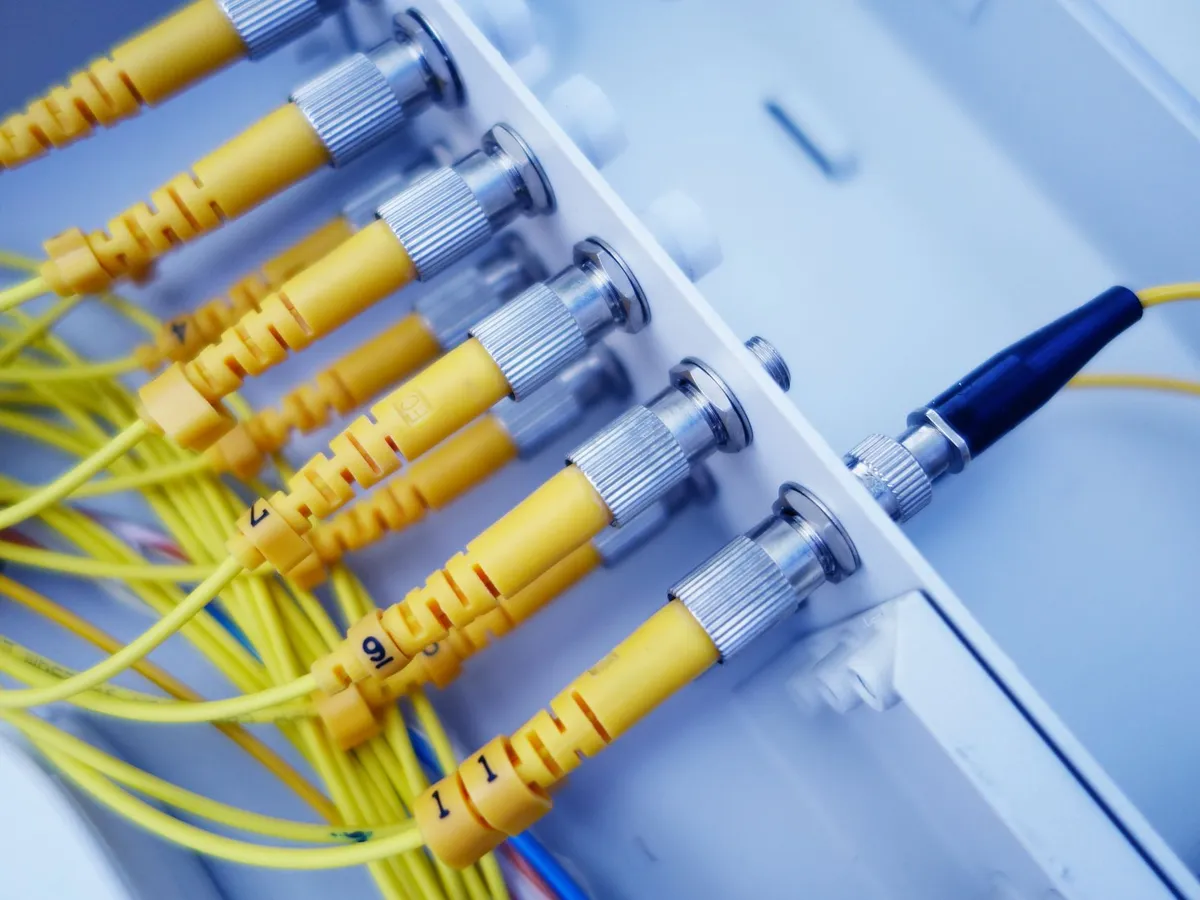
Breaking Free from Electronic Limitations The world of computing has long been dominated by electrons, but a new frontier is emerging: optical computing. By harnessing the power of photons, researchers and engineers are pushing the boundaries of processing speed, efficiency, and scalability. In this article, we'll delve into the realm of optical computing, exploring its principles, applications, and the groundbreaking research that's driving this revolution. The Principles of Optical Computing Optical computing relies on the manipulation of light to perform calculations and process information. This is achieved through the use of photonic devices, such as optical fibers, lasers, and modulators. Unlike electronic computing, which relies on the flow of electrons, optical computing leverages the properties of photons to transmit and process data. One of the key advantages of optical computing is its ability to overcome the limitations of electronic computing. As transistors and other electronic components continue to shrink in size, they're approaching the limits of physical scaling. Optical computing, on the other hand, can operate at much higher speeds and with lower latency, making it an attractive solution for applications that require high-performance processing. Secure Design Principles for Optical Computing As with any new technology, security is a top concern for optical computing. Researchers are working to develop secure design principles that can protect against potential threats and vulnerabilities. One approach is to use quantum key distribution (QKD) to secure data transmission over optical networks. import numpy as npdef qkd_protocol(key_length): # Generate random keys alice_key = np.random.randint(0, 2, size=key_length) bob_key = np.random.randint(0, 2, size=key_length) # Simulate quantum key distribution shared_key = np.logical_xor(alice_key, bob_key) return shared_keyThis code snippet demonstrates a simplified QKD protocol, where two parties (Alice and Bob) generate random keys and then use the XOR operation to create a shared secret key. Optical Computing in AI and Machine Learning Optical computing has the potential to revolutionize the field of artificial intelligence (AI) and machine learning (ML). By leveraging the speed and efficiency of optical processing, researchers can develop more complex and powerful AI models. One example is the use of optical neural networks (ONNs) for image recognition tasks. ONNs use optical fibers and lasers to perform matrix multiplications, which are a key component of many AI algorithms. import torch import torch.nn as nnclass ONN(nn.Module): def __init__(self): super(ONN, self).__init__() self.fc1 = nn.Linear(784, 128) self.fc2 = nn.Linear(128, 10) def forward(self, x): x = torch.relu(self.fc1(x)) x = self.fc2(x) return xThis code snippet demonstrates a simple ONN model using PyTorch, where the forward method performs a matrix multiplication using optical fibers and lasers. Applications of Optical Computing Optical computing has a wide range of applications, from high-performance computing to telecommunications. Some of the most promising areas include:High-performance computing: Optical computing can be used to develop more powerful supercomputers that can simulate complex systems and processes. Telecommunications: Optical computing can be used to develop faster and more efficient telecommunications networks. Cryptography: Optical computing can be used to develop more secure cryptographic protocols, such as QKD.The Future of Optical Computing As research in optical computing continues to advance, we can expect to see more powerful and efficient optical devices and systems. Some of the key challenges that need to be addressed include:Scalability: Optical computing needs to be scalable to larger systems and applications. Interoperability: Optical computing needs to be compatible with existing electronic systems and infrastructure. Cost: Optical computing needs to be cost-effective and competitive with electronic computing.In conclusion, optical computing is a revolutionary technology that has the potential to transform the way we process information. By harnessing the power of photons, researchers and engineers are developing more efficient and scalable computing systems that can overcome the limitations of electronic computing. A Bright Future Ahead As we look to the future, it's clear that optical computing will play a major role in shaping the world of technology. With its potential to overcome the limitations of electronic computing, optical computing is an exciting and rapidly evolving field that holds much promise for the future. #AI #OpticalComputing #Photonics #MachineLearning Related InsightsFrom Pulses to Predictions: How Wearable Health Tech is Evolving from Data Tracking to AI-Driven Insight (Part 2) Home Assistant vs. Google Home in 2026: Why Local Control Wins for Privacy The Kinetic Classroom: Merging Diffusion Transformers and Cosmological Reconstruction in Educational AI{ "@context": "https://schema.org", "@type": "FAQPage", "mainEntity": [ { "@type": "Question", "name": "What is the main focus of Beyond the Electron: Harnessing the Power of Photons for Optical Computing?", "acceptedAnswer": { "@type": "Answer", "text": "Discover the revolutionary technology of optical computing, where photons replace electrons for faster and more efficient processing." } }, { "@type": "Question", "name": "Who authored the comprehensive guide on Beyond the Electron: Harnessing the Power of Photons for Optical Computing?", "acceptedAnswer": { "@type": "Answer", "text": "This detailed article and its insights were carefully researched and authored by Aisha Rahman." } }, { "@type": "Question", "name": "Where can I find more related content about Technology?", "acceptedAnswer": { "@type": "Answer", "text": "You can explore more articles, detailed reviews, and similar insights by browsing the Related Insights section at the bottom of this article or visiting our dedicated Technology category page." } } ] }