Showing Posts From
Soft robotics
-
 Anya Petrovna
 - 07 Aug, 2026 19:17
Soft Robotics Revolution: Unleashing Biomimetic Actuators and Next-Gen AI
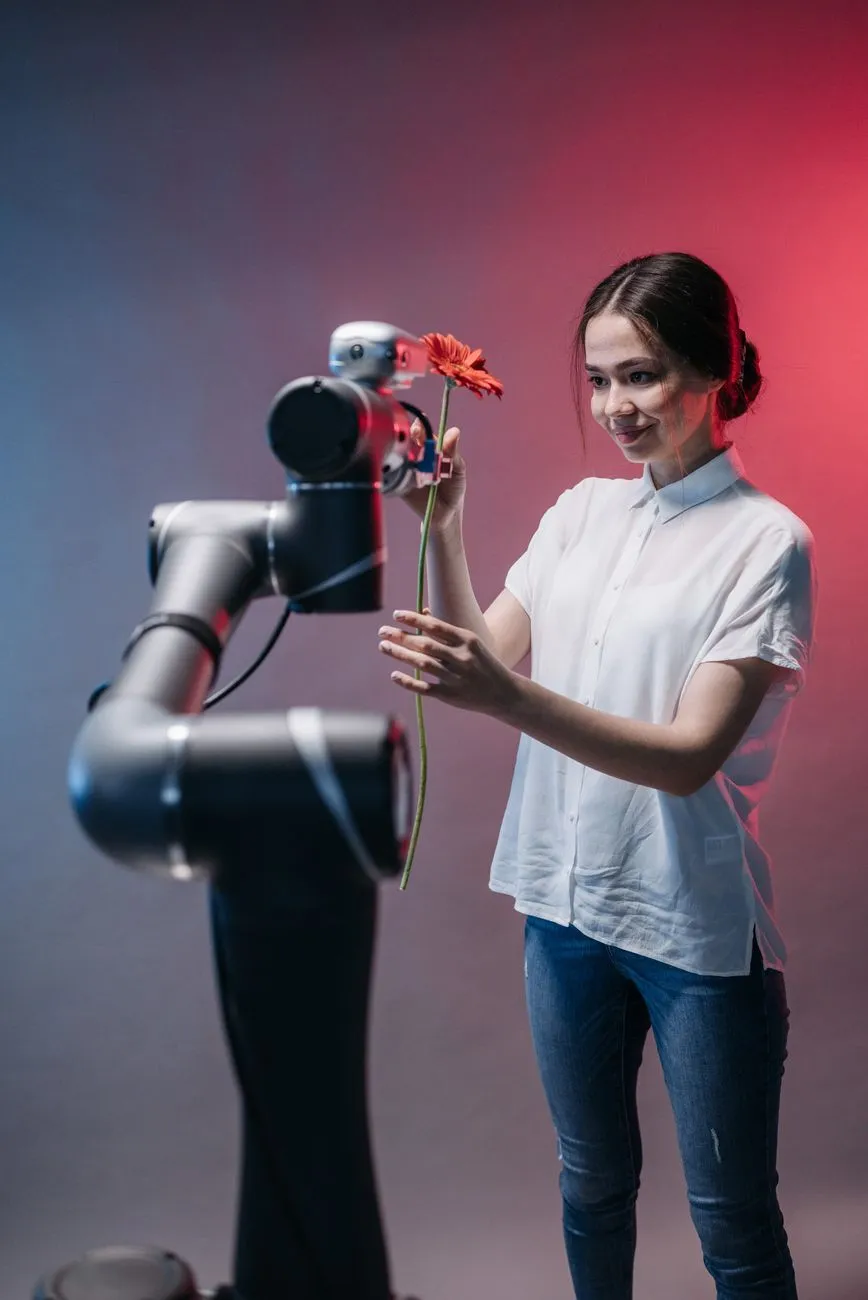
Embracing the Future of Robotics Imagine a world where robots can interact with their environment in a more natural, human-like way. A world where robots can manipulate objects with precision and care, without the need for rigid, mechanical limbs. Welcome to the world of soft robotics, where biomimetic actuators are revolutionizing the way we design and build robots. Soft robotics is a subfield of robotics that focuses on creating robots that can interact with their environment in a more flexible and adaptable way. By using biomimetic actuators, which are inspired by the movement and behavior of living organisms, soft robots can achieve a level of dexterity and precision that was previously impossible with traditional rigid robots. One of the key advantages of soft robotics is its ability to interact with delicate or fragile objects. Traditional robots often rely on rigid mechanical limbs, which can be clumsy and prone to damage. Soft robots, on the other hand, can use their flexible bodies to gently manipulate objects, making them ideal for applications such as food handling, healthcare, and manufacturing. Biomimetic Actuators: The Key to Soft Robotics Biomimetic actuators are the heart of soft robotics. These actuators are inspired by the movement and behavior of living organisms, such as muscles, tendons, and ligaments. By mimicking the way these biological systems move and interact, biomimetic actuators can achieve a level of flexibility and adaptability that was previously impossible with traditional actuators. One of the most promising types of biomimetic actuators is the pneumatic artificial muscle (PAM). PAMs are made from a flexible material, such as rubber or silicone, that is inflated with compressed air. As the air pressure increases, the PAM contracts, allowing it to move and interact with its environment. import numpy as np# Define the PAM's properties length = 10 # cm diameter = 2 # cm pressure = 10 # kPa# Calculate the PAM's contraction ratio contraction_ratio = (pressure * np.pi * (diameter / 2) ** 2) / (length * 1000)print("Contraction ratio:", contraction_ratio)AI-Powered Soft Robotics Artificial intelligence (AI) is playing an increasingly important role in the development of soft robotics. By using machine learning algorithms and computer vision, soft robots can learn to interact with their environment in a more intelligent and adaptive way. One of the most promising applications of AI-powered soft robotics is in the field of human-robot interaction. By using computer vision and machine learning, soft robots can learn to recognize and respond to human gestures and emotions, allowing for a more natural and intuitive interaction. # Define the robot's vision system vision_system: camera: resolution: 640x480 framerate: 30 object_detection: algorithm: YOLOv3 confidence_threshold: 0.5Real-World Applications of Soft Robotics Soft robotics has a wide range of real-world applications, from food handling and manufacturing to healthcare and search and rescue. By using biomimetic actuators and AI-powered control systems, soft robots can interact with their environment in a more flexible and adaptable way, making them ideal for applications where traditional robots are limited. One of the most promising applications of soft robotics is in the field of food handling. By using soft robots to manipulate and package food, manufacturers can reduce the risk of contamination and damage, while also improving efficiency and productivity. # Deploy the soft robot to the production line docker-compose up -d# Start the robot's control system python control_system.pyThe Future of Soft Robotics The future of soft robotics is exciting and rapidly evolving. As AI and machine learning continue to advance, we can expect to see even more sophisticated and adaptable soft robots. From healthcare and manufacturing to search and rescue and space exploration, the possibilities for soft robotics are endless.Closing Thoughts Soft robotics is a rapidly evolving field that is transforming the way we design and build robots. By using biomimetic actuators and AI-powered control systems, soft robots can interact with their environment in a more flexible and adaptable way, making them ideal for a wide range of applications. As the field continues to advance, we can expect to see even more sophisticated and adaptable soft robots that will revolutionize industries and improve our daily lives. #AI #SoftRobotics #BiomimeticActuators #Robotics #ArtificialIntelligence Related InsightsSavoring the Flavors of Mumbai: Unraveling the Mysteries of Street Food and Spices through Computational Analysis Revolutionizing Software Development: The Game-Changing Power of Generative AI for Code RISC-V Revolution: How Open-Source Hardware is Challenging ARM and x86 Dominance{ "@context": "https://schema.org", "@type": "FAQPage", "mainEntity": [ { "@type": "Question", "name": "What is the main focus of Soft Robotics Revolution: Unleashing Biomimetic Actuators and Next-Gen AI?", "acceptedAnswer": { "@type": "Answer", "text": "Explore the cutting-edge world of soft robotics and biomimetic actuators, and discover how AI is transforming the field." } }, { "@type": "Question", "name": "Who authored the comprehensive guide on Soft Robotics Revolution: Unleashing Biomimetic Actuators and Next-Gen AI?", "acceptedAnswer": { "@type": "Answer", "text": "This detailed article and its insights were carefully researched and authored by Anya Petrovna." } }, { "@type": "Question", "name": "Where can I find more related content about Technology?", "acceptedAnswer": { "@type": "Answer", "text": "You can explore more articles, detailed reviews, and similar insights by browsing the Related Insights section at the bottom of this article or visiting our dedicated Technology category page." } } ] }