Blockchain Beyond Crypto: Supply Chain Transparency with NFTs and IoT
-
 Benjamin Hayes
 - 25 Aug, 2026 18:59
Unraveling the Supply Chain Conundrum
Supply chain management has long been plagued by inefficiencies, security risks, and a lack of transparency. However, with the advent of blockchain technology, Non-Fungible Tokens (NFTs), and the Internet of Things (IoT), we are witnessing a paradigm shift in the way supply chains operate. In this article, we will delve into the world of blockchain beyond cryptocurrency and explore its applications in supply chain transparency, security, and efficiency.
Secure Design Principles
Blockchain technology is built on a foundation of secure design principles, which make it an attractive solution for supply chain management. The decentralized nature of blockchain ensures that data is stored across a network of nodes, rather than in a single, vulnerable location. This makes it difficult for hackers to manipulate or compromise the data.
Additionally, blockchain uses advanced cryptographic techniques, such as public-key cryptography and hash functions, to secure data and ensure its integrity. These security features make blockchain an ideal solution for supply chain management, where data security and integrity are paramount.
**Blockchain Security Features:**

* Decentralized data storage
* Advanced cryptographic techniques (public-key cryptography, hash functions)
* Immutable data storage
* Consensus mechanisms (e.g., proof-of-work, proof-of-stake)
NFTs in Supply Chain Management
NFTs, or Non-Fungible Tokens, are unique digital assets that can be used to represent ownership or provenance of physical goods. In supply chain management, NFTs can be used to create a digital twin of a physical product, allowing for real-time tracking and verification of the product’s movement and ownership.
For example, a manufacturer can create an NFT that represents a specific product, such as a luxury handbag. The NFT can be stored on a blockchain and linked to the physical product, allowing for real-time tracking and verification of the product’s movement and ownership.
**NFT Example:**

import hashlib

class NFT:
    def __init__(self, product_id, owner_id):
        self.product_id = product_id
        self.owner_id = owner_id
        self.hash = hashlib.sha256(f"{product_id}{owner_id}".encode()).hexdigest()

    def __str__(self):
        return f"NFT({self.product_id}, {self.owner_id}, {self.hash})"

# Create an NFT for a luxury handbag
nft = NFT("HB001", "John Doe")
print(nft)
IoT Devices in Supply Chain Management
IoT devices, such as RFID tags and sensors, can be used to track the movement and condition of physical products in real-time. These devices can be integrated with blockchain technology to create a seamless and transparent supply chain management system.
For example, an IoT device can be attached to a shipment of goods, allowing for real-time tracking of the shipment’s location and condition. The data from the IoT device can be stored on a blockchain, allowing for secure and transparent tracking of the shipment.
**IoT Device Example:**

device:
  type: RFID tag
  id: 001
  location: Warehouse A
  condition: Good

shipment:
  id: SH001
  products:
    - product_id: HB001
      quantity: 10
  status: In transit

# Update the shipment status using the IoT device data
shipment.status = "Arrived at Warehouse B"
Blockchain-Based Supply Chain Management System
A blockchain-based supply chain management system can be designed to integrate NFTs, IoT devices, and blockchain technology. The system can be built using a decentralized architecture, allowing for secure and transparent data storage and sharing.
The system can be designed to include the following components:
- A blockchain network for secure data storage and sharing
- A set of NFTs to represent ownership or provenance of physical goods
- A set of IoT devices to track the movement and condition of physical goods
- A decentralized application (dApp) to manage the supply chain and interact with the blockchain network
**Blockchain-Based Supply Chain Management System:**

version: "3"
services:
  blockchain:
    image: blockchain-node
    ports:
      - "8080:8080"
    volumes:
      - blockchain-data:/data

  nft:
    image: nft-contract
    depends_on:
      - blockchain
    volumes:
      - nft-data:/data

  iot:
    image: iot-device
    depends_on:
      - blockchain
      - nft
    volumes:
      - iot-data:/data

  dapp:
    image: supply-chain-dapp
    depends_on:
      - blockchain
      - nft
      - iot
    volumes:
      - dapp-data:/data
Real-World Applications
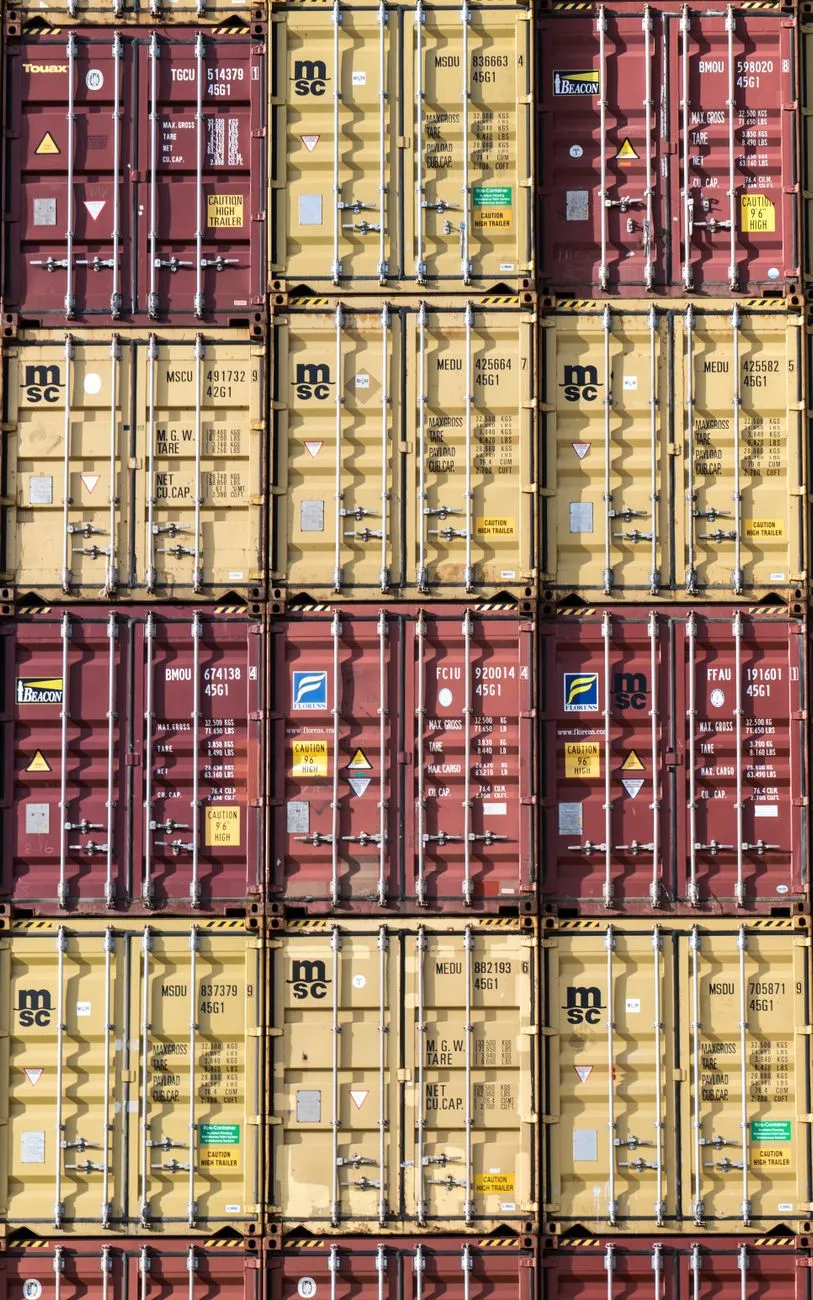
The use of blockchain technology, NFTs, and IoT devices in supply chain management has numerous real-world applications. Some examples include:
- Luxury goods: Blockchain technology can be used to create a digital twin of luxury goods, allowing for real-time tracking and verification of the product’s movement and ownership.
- Pharmaceuticals: IoT devices can be used to track the movement and condition of pharmaceuticals, ensuring that they are stored and transported at the correct temperature and humidity levels.
- Food safety: Blockchain technology can be used to track the origin and movement of food products, allowing for real-time tracking and verification of the product’s safety and quality.
Transparency and Security in the Supply Chain
The use of blockchain technology, NFTs, and IoT devices in supply chain management can provide numerous benefits, including:
- Increased transparency: Blockchain technology can provide real-time tracking and verification of the movement and ownership of physical goods.
- Improved security: Blockchain technology can provide secure data storage and sharing, reducing the risk of data breaches and cyber attacks.
- Increased efficiency: IoT devices can be used to track the movement and condition of physical goods, allowing for real-time optimization of the supply chain.
Closing Thoughts
In conclusion, the use of blockchain technology, NFTs, and IoT devices in supply chain management has the potential to revolutionize the way supply chains operate. By providing real-time tracking and verification of the movement and ownership of physical goods, blockchain technology can increase transparency and security in the supply chain. Additionally, IoT devices can be used to track the movement and condition of physical goods, allowing for real-time optimization of the supply chain.
#AI #Blockchain #SupplyChain #NFTs #IoT