Enlightenment Now Book Review and Summary
-
 Klaus Weber
 - 29 Apr, 2026 09:49
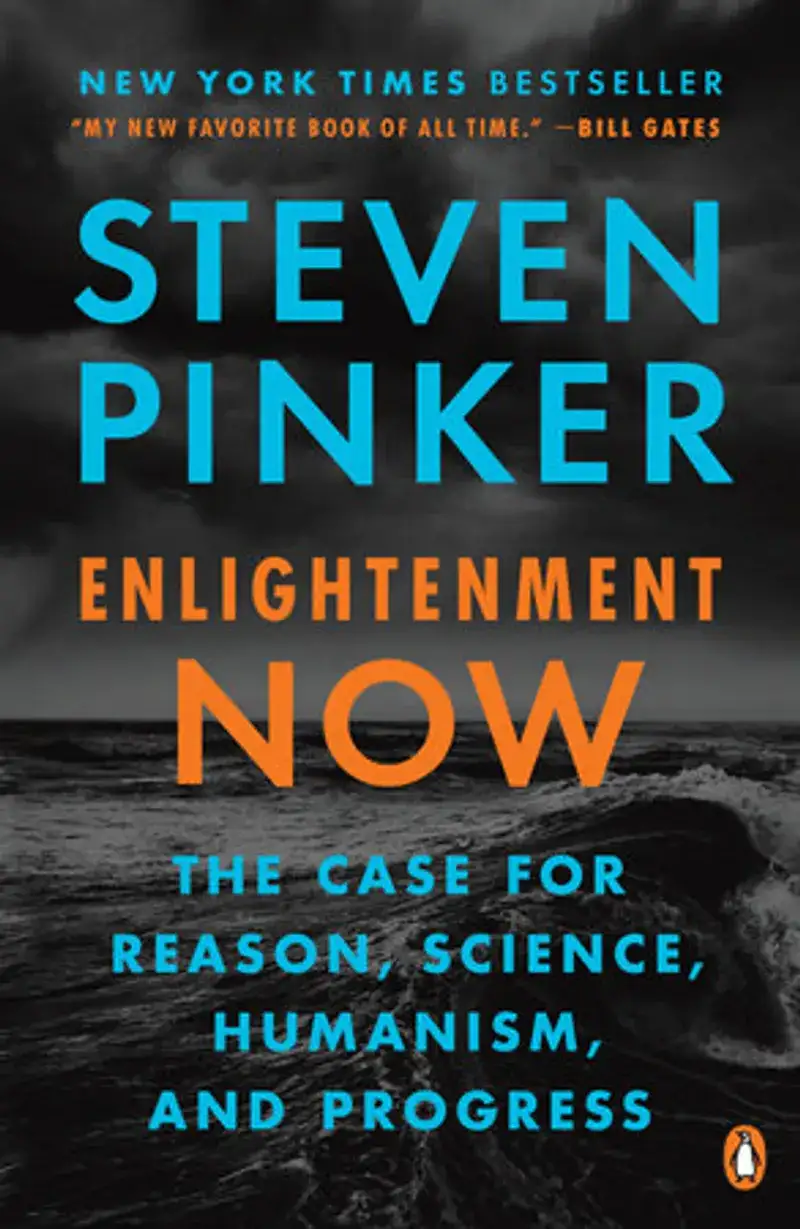
Enlightenment Now
Author: Steven Pinker
Page Count: Unknown
Publication Date: 2019-PRH
Steven Pinker’s Enlightenment Now is not just a book—it’s a manifesto, a data-driven plea, and a defiant counter-narrative to the doom-mongering that dominates our cultural moment. In an era where pessimism sells and headlines scream of collapse, Pinker arms readers with irrefutable evidence: the world is not falling apart. It’s getting better. And the force driving that progress isn’t luck or divine intervention—it’s the Enlightenment ideal of reason, science, and humanism.
Pinker, a cognitive scientist and Harvard professor, marshals an arsenal of statistics—75 graphs, to be exact—to dismantle the illusion of decline. Life expectancy has never been higher. Global poverty is plummeting. Violence, war, and even child mortality are in steep decline. Democracy is spreading, literacy is rising, and extreme hunger is shrinking. These aren’t anecdotes or hopeful platitudes; they’re measured realities. Yet despite this progress, Pinker notes, we remain stubbornly convinced that things are worse than ever. Why? Because our brains are wired to prioritize bad news—it’s a survival mechanism. But in the modern world, that wiring is a liability. Enlightenment Now is Pinker’s corrective, a passionate argument that progress is not a fluke but the result of deliberate, rational effort.
What makes the book so compelling is its blend of rigorous data and accessible prose. Pinker writes with the precision of a scientist but the urgency of a preacher. He doesn’t just present facts; he explains why we ignore them. We’re prone to “negativity bias,” he argues, where a single tragedy on the news outweighs a thousand stories of improvement. Social media amplifies outrage, and political rhetoric thrives on fear. The result? A cultural narrative that clings to decline, even as the data screams otherwise.
Yet Pinker is no Pollyanna. He acknowledges that progress is uneven and that new crises—climate change, inequality, AI disruption—threaten to unravel hard-won gains. But his response isn’t despair; it’s a call to double down on the Enlightenment values that have delivered these improvements. Reason, skepticism, and evidence-based policy are not just abstract ideals—they’re the tools that have saved millions from disease, tyranny, and destitution. The alternative—tribalism, authoritarianism, and magical thinking—is not just wrong; it’s dangerous. Pinker warns that the backlash against Enlightenment ideals is already underway, fueled by populists, religious dogmatists, and postmodern skeptics who dismiss objective truth. His book is a battle cry for those who believe in the power of human ingenuity to solve problems.
Pinker’s style is one of his greatest strengths. He writes with the clarity of a professor who loves his subject and the wit of a debater who knows how to dismantle bad arguments. At times, the book reads like a TED Talk stretched into book form—dense with stats but never dry. He deftly handles complex topics, from the economics of inequality to the psychology of hope, making them digestible without dumbing them down. His tone is neither smug nor preachy; it’s urgent but measured, like a doctor calmly listing symptoms before prescribing a treatment.
That said, Enlightenment Now isn’t without its critics. Some argue that Pinker underplays the depth of modern crises, particularly the existential threat of climate change. Others accuse him of cherry-picking data to fit his narrative. But even if you disagree with his optimism, you can’t ignore the book’s central thesis: progress is possible, but it’s not inevitable. It requires constant vigilance, skepticism, and a commitment to reason over dogma.
Ultimately, Enlightenment Now is a book for the anxious age—a period when fear sells books, clicks, and votes, but rarely solutions. Pinker’s message is simple: the world is improving, but we can’t take it for granted. We must defend the institutions of liberal democracy, invest in science, and reject the siren song of pessimism. It’s a rallying cry for the 21st century, and one that arrives not a moment too soon.
#HopeInData #ProgressMatters #EnlightenmentNow #ReasonOverFear #HumanismWorks #GoodNewsIsNotNews