Showing Posts From
Books
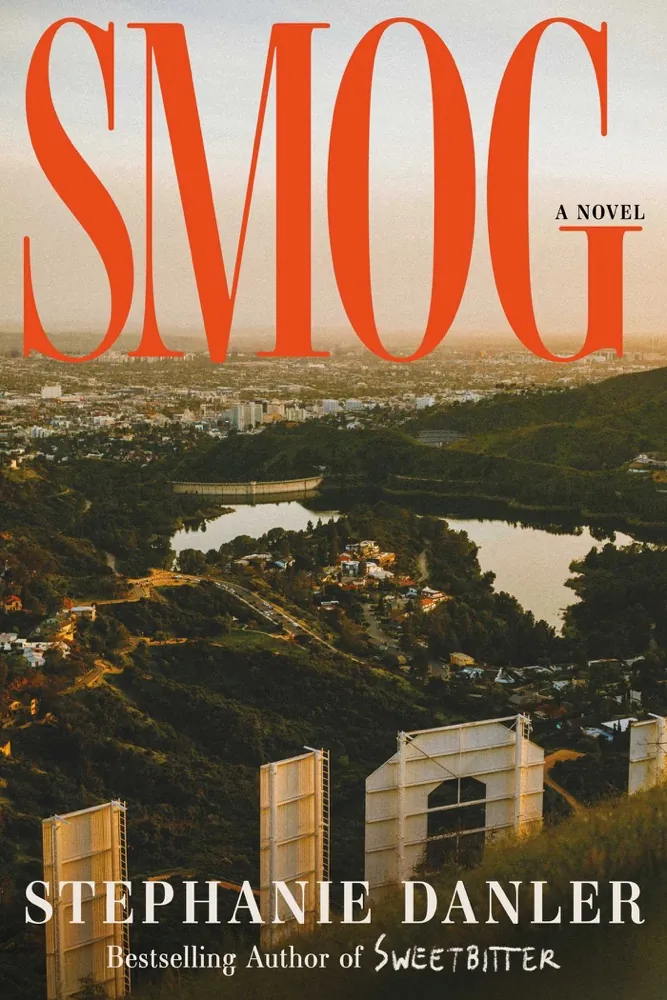

Author: Stephanie DanlerPage Count: UnknownPublication Date: Expected publication 2026 APL Flour is currently coating my favorite cardigan like a fresh snowfall. The youngest just demanded a dinosaur-shaped pancake at four in the afternoon while I am trying to focus on Stephanie Danler’s upcoming Smog. Remember when books used to have plots instead of just vibes set in Los Angeles? I certainly do. Back when I was reading cozy village mysteries where the worst thing that happened was a poisoned gooseberry tart—oh, and speaking of ruined desserts, why do contemporary culinary shows always feature chefs screaming at each other over tweezers instead of just teaching someone how to properly cream butter and sugar? It makes me want to throw my mixing bowl straight through the window. But we are here to talk about the 1990s, the Menendez brothers, and the Chateau Marmont. The Chateau Noir Aesthetic Danler gave us Sweetbitter, which tasted distinctly like crushed ice and cheap Pinot Grigio eaten in a walk-in cooler at three a.m. Now we get a prestige noir about media circus culture and Beverly Hills rot. Hugo Byrne sounds utterly exhausting. A sober journalist haunted by tragedy, checking into the Marmont to watch two wealthy boys on trial for patricide. Groundbreaking. Joan Didion already wrote this exact essay collection, but sure, let us fictionalize it through the lens of a glossy magazine writer who is far too repressed for his own good. And then there is Liv Ellis. A society wife with mysterious origins. Every time a synopsis mentions a woman with mysterious origins, I reach for a dusting cloth. Is she an orphan? Did she change her name? Give me a good old-fashioned librarian with a ginger cat who finds a body behind the parish hall any day of the week over these tragic-chic coastal elites. Yet I will be pre-ordering this. Obviously. Because Danler knows how to write a sentence that hurts. Familial Pathology as a Blood Sport The thematic architecture here rests entirely on the rot beneath the manicured hedges. Privilege as a cage. Wealth as an accelerant for violence. The family unit as a slaughterhouse disguised as a country club. It is heavy-handed. The synopsis practically hits you over the head with a sledgehammer about institutions that betray us. We get it. Rich people are miserable and their kids shoot them. Bring back cozy British villages where the murderer is just the local apothecary settling a minor grudge over a prize-winning marrow. No one is writing about generational trauma in Upper Slaughter. They are just drinking tea and solving poisonings. Still, I am hooked on the promise of 1990s Los Angeles smog. The atmosphere will undoubtedly suffocate us in the best possible way. The baby monitor just illuminated with terrifying activity.
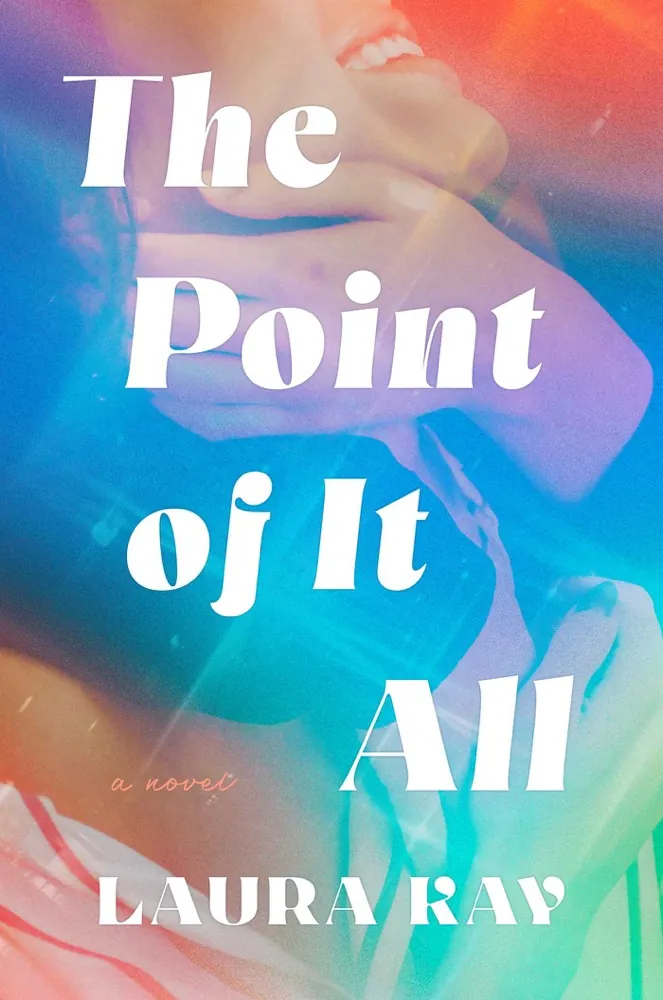

Author: Laura KayPage Count: UnknownPublication Date: Expected publication 2026 APL My bones are vibrating at the frequency of caffeine and fluorescent light, dragging myself through the final grueling hours of a third consecutive night shift while my brain desperately tries to eject the ghost of the five-hundred-page epic I finished at dawn, which completely destroyed my circadian rhythm and left no crumbs. Now I am staring at the promotional copy for The Point of It All by Laura Kay, and my sleep-deprived eyes are crossing at yet another promise of a decades-long queer romance featuring the eternal, agonizing tango of two women who simply cannot get their timing right. The Chronology of Compulsion We get the standard setup. Hotel room. Wedding dress. Cold feet. The specter of the first great love lurking in the margins of a sanctioned, respectable future. It is a premise as old as narrative fiction itself—Sally Rooney and Marian Keyes have practically built entire literary empires on the exquisite agony of missed connections and institutionalized domestic dread. And yet, Laura Kay leans hard into the geography of longing, stretching this emotional rubber band across cities, continents, and the messy detritus of other relationships. Wait. Let me rephrase that. I shouldn't be so dismissive of the geographical scope just because I am currently trapped within four sterile cinderblock walls watching the tractor diagnostics blink red on my tablet screen. Distance matters in these books. It functions as a third character. The synopsis promises an orbit, which implies gravitational pull, physics, and inevitable collisions. Kay clearly wants to dissect whether growing up means growing apart, a tired thematic inquiry that usually devolves into sentimental pummelling. But the blurb from Tegan Quin offers a flicker of hope—suggesting a narrative that avoids the frictionless straight line of traditional rom-com resolutions in favor of something much messier. Brutal. The structural danger here lies in the sheer vagueness of the synopsis, which relies entirely on atmospheric mood-board phrasing like "private griefs" and "public reinventions" without giving us a single concrete anchor to hold onto while the tractor outside leaks hydraulic fluid into the drainage basin. The Weight of Chronological Baggage Writing a multi-decade span requires structural discipline that many contemporary romance authors entirely abandon in favor of emotional shorthand. If Holland and Ros are going to circle each other through years of professional highs and private losses, the pacing needs to bleed on the page. It cannot just be a greatest-hits compilation of breakup scenes in various European capitals. Still. The promise of sharp humor usually saves these projects from drowning in their own earnestness. If Kay balances the crushing weight of queer yearning with actual wit—the kind that cuts through the suffocating nostalgia—this might actually survive the comparison pile-up it is currently careening toward. I need to go fix the leaky faucet in the guest bathroom.
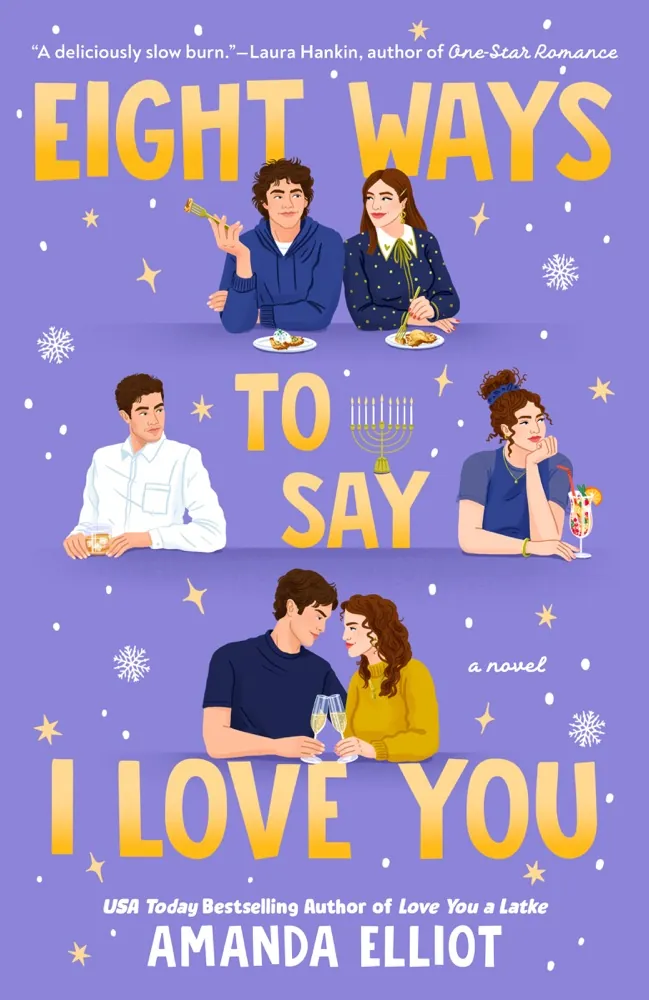

Author: Amanda ElliotPage Count: UnknownPublication Date: Expected publication 2026-10-27 APL Crisp October air carries the scent of burning leaves and aged cabernet through the study, bringing with it the kind of melancholy that usually demands a heavy pour. Amanda Elliot returns this autumn with Eight Ways to Say I Love You, a seasonal offering that arrives right on schedule for the impending chill. Naturally, the publishing machine insists on feeding us yet another iteration of the perennial favorite—friends-to-lovers, wrapped in holiday tinsel and baked goods. Groundbreaking. But let us examine the vintage before we spit it out. The Eight-Year Hangover The premise relies on a temporal gimmick stretching across eight years of Hanukkah celebrations. Shira Levinson is thriving in Los Angeles, embodying the classic millennial delusion of California success. Meanwhile, Leo David is rotting in New Jersey after a collegiate flameout, drowning in daddy issues and unrequited pining. This is exactly why I have trust issues. Why must romance novelists eternally subject us to the emotional asymmetry of the successful woman and the sad-sack brooding artist? It gives off severe Prince Andrew energy at a children's birthday party. The synopsis promises shifting trajectories where our protagonists drift apart and collide again by the menorah. How deliciously convenient. Real life rarely respects the clean eight-year narrative arc; usually, people just text each other at two in the morning on a Tuesday and regret it by dawn. Elliot attempts to elevate the standard forced-proximity trope into a sweeping generational study of missed timing. Yet the promotional text reads with the predictable cadence of a Hallmark movie directed by an algorithm that ate three Nora Ephron paperbacks. Ephemeral Sparks and Literary Merlot One must wonder if the eight-year span offers genuine character metamorphosis or merely an excuse to drag out the sexual tension until the final page. Give us some narrative friction. Let them be messy, irredeemable, and deeply obnoxious. Instead, we are handed the tired trope of the boy who loved her all along from his subterranean bedroom in his father's house. Tragic. If you enjoyed Emily Henry’s sun-drenched banter or the cozy predictability of Book Lovers, this will slide down your throat just as easily as a twenty-dollar Pinot Grigio at a Tuesday book club. It is engineered for mass consumption, designed to be devoured between sips of mulled cider while the autumn rain taps aggressively against the French panes. Does it revolutionize the genre? Absolutely the fuck not. It simply rearranges the furniture of the Jewish holiday romance subgenre and slaps a shiny 2026 release date on the spine. The valet just texted that the Bentley is out front, and I have an exclusive wine tasting event at the country club in an hour. One must go swirl some overpriced Bordeaux and pretend to care about everyone else's vintage portfolios. #BookTwitter #RomanceBooks #FallReading #HanukkahRomance
-
 Hannah Schmidt
 - 16 Oct, 2026 20:45
Murder of a Merry Gentleman (Lady Petra Inquires, #4) Book Review and Summary
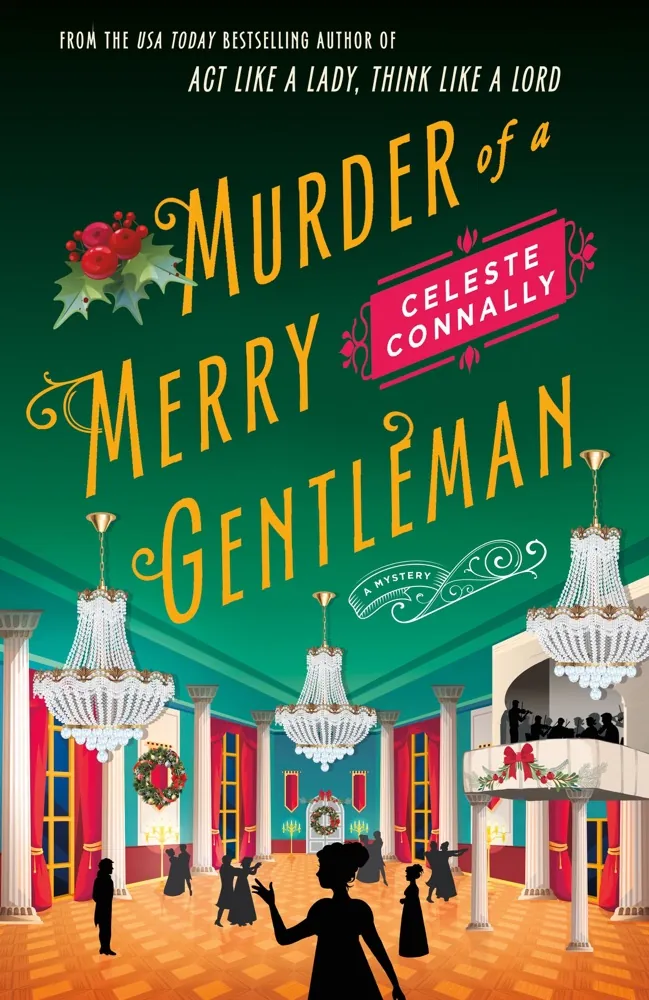
Author: Celeste ConnallyPage Count: UnknownPublication Date: Expected publication 2026-11-10 APL London in December of 1815 offers a particularly grim landscape of enforced merriment. Almack’s Assembly Rooms usually serve as a sterile marketplace for matrimonial transactions, but adding a bachelor-auction into the festive mix is a stroke of bureaucratic genius that demands immediate scrutiny. Murder of a Merry Gentleman leans heavily into the commodification of human bodies under the guise of seasonal charity. Yet, the premise relies entirely on an absurdly specific set of logistical constraints—five nights, five bachelors, and a rotating roster of debutantes. The Architecture of Compulsory Joy Class mobility in historical fiction has always functioned as a rigid cage disguised as a ballroom. The elite class structures operating here mirror the systemic gatekeeping found in contemporary resource allocation, where marginalized participants must jump through increasingly absurd hoops just to secure basic survival. Petra Forsyth approaches her assigned policing of this ecosystem with an exhaustion that feels deeply rational. Or perhaps she is simply bored. Let us disregard that thought; her boredom is the only genuine element in a sea of performative aristocracy. The Mechanics of the Lethal Balcony Gravity remains the most dependable antagonist in Regency fiction. A corpse splayed below a balcony provides the narrative with an immediate, if aggressively cliché, set piece. But the synopsis trips over its own petticoats by reducing a suspected homicide to a mere accident before escalating into attempted murder. This predictable trajectory bores me. We have seen this exact spatial choreography in Georgette Heyer novels and every procedural procedural ever broadcast on Sunday night television. And yet, the forced undercover dynamic—where the brilliant investigator must pretend to flirt with the targets—offers a sharp commentary on emotional labor. Women in power are constantly required to perform submissiveness as a prerequisite for competence. Petra must suppress her scientific intellect and lock-picking skills to bat her eyelashes at wealthy bachelors. This is not just a clever plot device. It is an indictment of every patriarchal framework that demands female compliance as the price of admission. Expect this book to sell half a million copies to readers who treat history as a mood board. The market hungers for sanitized violence wrapped in velvet ribbons and festive snow. Celeste Connally understands the assignment, even if the premise stretches credulity regarding how many dead bodies a single holiday assembly can sustain before someone cancels the caterer. I have to go supervise a terrifyingly loud piano practice.
-
 Thomas Wright
 - 16 Oct, 2026 19:18
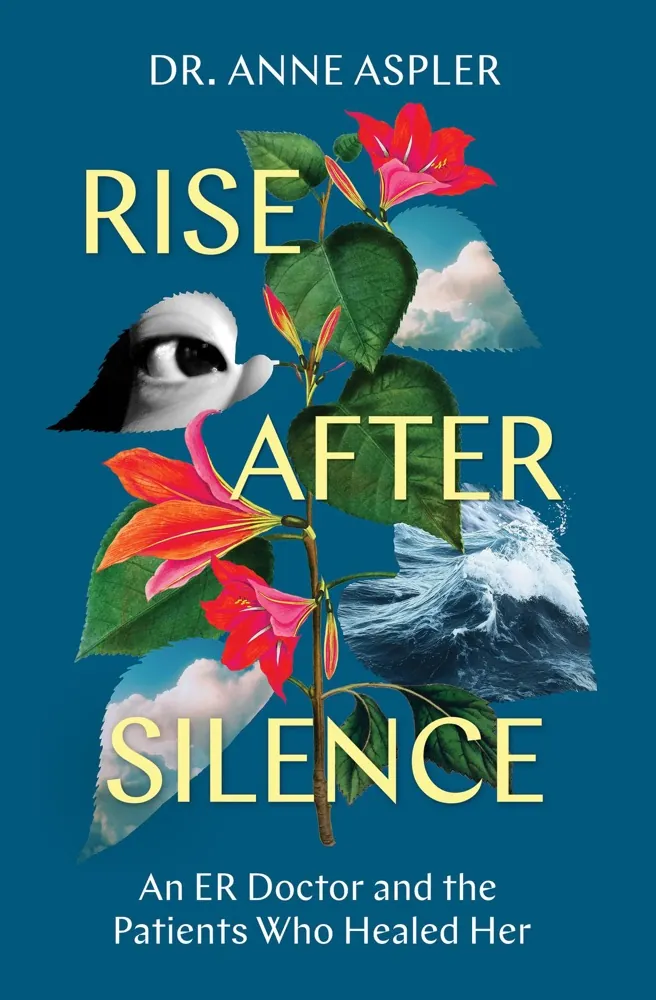
Rise After Silence: An ER Doctor and the Patients Who Healed Her Book Review and Summary
Author: Dr. Anne AsplerPage Count: UnknownPublication Date: Expected publication 2026-10-06 APL The synopsis of Rise After Silence is a masterclass in how to make a memoir feel like both a medical procedural and a family saga—except it’s not a procedural, and it’s not just a family saga, it’s a double helix of trauma, one strand clinical, the other personal, and the reader is left holding the ends like a DNA model, wondering how they’re supposed to untangle them. The problem? The synopsis doesn’t actually show us the untangling. It just tells us the knots exist, and that’s where the real work should begin. Dr. Anne Aspler’s voice here is already promising—dark humor cutting through the chaos of the ER, the kind of wit that makes you think of The Body of an American by Ryan Habermeier, where the absurdity of medical bureaucracy and human suffering collide. But where Habermeier’s book is a satire of the system, Aspler’s seems to be a mirror of the system, reflecting back the violence that already exists within it. The ER isn’t just a setting; it’s a character, a place where the unspeakable is spoken in hushed tones, in the way doctors and patients both know they’re not supposed to say certain things, but they do anyway. The synopsis hints at this—"patients are wrestling with what feels unspeakable, and so is she"—but it doesn’t show us the how. How does a doctor, who’s seen enough to know the language of trauma, still get stuck in her own? How does she translate the clinical detachment of treating strangers into the raw, messy business of explaining her own family to her daughters? And then there’s the father. The convicted rapist. The mother, lost to schizophrenia. The sister, Marcia, who’s reckoning with this in a different way. The synopsis frames this as a choice—whether to let the daughters meet their grandfather, now out of prison. But the real question isn’t whether they should meet him; it’s whether they can. The book’s title, Rise After Silence, suggests a narrative arc of healing, but healing isn’t linear. It’s not a clean rise. It’s more like a person standing up from a chair after sitting too long, legs trembling, wondering if they’ll fall again. The synopsis doesn’t capture that instability. It just says "she wrestles with whether to let them meet him," as if the decision is the point, not the process of deciding. But here’s where I pivot—because the synopsis is too neat. It’s the kind of framing that makes you think this is going to be a coming-of-age story, but it’s not. It’s a coming-to-terms story, and the difference is crucial. The coming-of-age narrative has a clear hero’s journey—growth, revelation, triumph. This feels more like The Glass Castle meets The Secret History, where the heroine isn’t just figuring out who she is, but who she wants to be, and how that conflicts with what she’s inherited. The synopsis doesn’t explore that tension. It just lists the cases, the family dynamics, the questions. It’s like being handed a list of ingredients and told to make a meal. The meal isn’t the ingredients; it’s how you cook them. Yet—there’s something undeniably compelling in the way the synopsis refuses to sugarcoat. It’s not a healing memoir in the self-help sense; it’s a survival memoir, one that acknowledges how violence compounds, how it migrates. That’s the part that feels most urgent, most necessary. It’s the kind of book that could sit alongside The Argonauts by Maggie Nelson, where identity and trauma are dissected with equal parts precision and vulnerability. But where Nelson’s book is a collage, Aspler’s seems to be a surgical report—and that’s not necessarily a bad thing. The ER is a place where precision matters. But the family? That’s where the messiness has to come in. Literally. Hard pass on the synopsis pretending this is going to be a neat package. It’s not. It’s a wound, and wounds don’t tell you how they’re going to heal. They just bleed. I’m going to drink a cold beer on the porch and stare at the lawn. Maybe the grass will tell me something. #BookTok #TraumaMemoir #ERDoctorLife #FamilySaga #UnflinchingTruths
-
 Isabella Moore
 - 16 Oct, 2026 15:45
To Kill These Monstrous Gods (Gods Beyond the Skies, #2) Book Review and Summary
Author: Molly X. ChangPage Count: UnknownPublication Date: Expected publication 2026 APL Betrayal stings, but watching fictional characters miscommunicate while holding magical death powers is a special kind of agonizing torture that I simply cannot look away from. To Kill These Monstrous Gods arrives with the heavy burden of sophomore novel expectations, dangling a deliciously dangerous premise right in front of us. Ruying faces an empire draining her home dry, yet instead of curling into a ball of despair, she plots a high-stakes assassination alongside her childhood crush, Baihu. Let us talk about emotional honesty for a single second. Why do fantasy protagonists always hide behind layers of political subterfuge instead of just sitting down and having an honest conversation about their feelings? It reminds me of watching third-tier soap operas where a simple text message could resolve an entire season of romantic tension, or that utterly baffling subplot in the third season of Bridgerton where everybody just whispered in corners instead of expressing basic human vulnerability. Real love requires open communication, mutual respect, and zero assassination plots against royal family members at welcoming parties—though I suppose hosting a deadly coup with your former crush beats a traditional dinner date any day of the week. The Aesthetics of Regicide Power dynamics in speculative fiction are fascinating when they mirror real emotional imbalances. Ruying wields the actual magic of Death—a wonderfully subtle metaphor for how holding onto past resentments can completely kill a budding romance—while navigating the treacherous waters of Roman hierarchy. Cassius arrives as the third prince, holding the ultimate trump card of subjugation or destruction. And yet. My heart always roots for the healthy baseline. I want emotional transparency. I want someone to look their partner in the eye and say, "Hey, let's not murder three princes today, let's instead communicate our boundaries." But where is the fun in emotional maturity? Molly X. Chang clearly leans into the same delicious, knife-to-the-throat tension that made R.F. Kuang and Shelley Parker-Chan household names. We are here for the dramatic yearning. We are here for the shared glances across crowded imperial ballrooms right before someone summons the skeletal remnants of the afterlife. Fingers crossed that the hidden forces mentioned in the final lines do not devolve into a messy, rushed love triangle, because life is simply too short for manufactured jealousy tropes when there is an entire colonial regime to overthrow. Anyway, I have to go hunt down a decent cup of matcha in this aggressively gentrified neighborhood before my blood sugar plummets entirely. #BookTok #FantasyReads #ToKillTheseMonstrousGods

Author: Christina HenryPage Count: UnknownPublication Date: Expected publication 2026-11-17 APL Come closer to the hearth, little ones, and let your old grandfather tell you a tale about the terrifying things that happen when the old gods leave their feathers behind in the mortal cradles of modern suburbia, because Christina Henry is about to unleash Pinfeathers upon us in late 2026, and I can already smell the metaphorical ozone of ancient myths bleeding into sterile nursery drywall. We have heard these old whispers before—think of Angela Carter waking up from a fever dream or Shirley Jackson peering behind the chintz wallpaper of domestic bliss—where the miracle of childbirth mutates instantly into a chilling, avian metamorphosis that turns a mother's sweet lullaby into a desperate chant against the dark. And yet, looking strictly at the meager breadcrumbs of the official synopsis, I find myself violently skeptical of whether this modern literary bird can actually fly, or if it will simply crash-land into the tired, predictable tropes of internet-era paranoia, YouTube conspiracy rabbit holes, and the cinematic cliché of the hysterical maternal instinct pitted against the cold, logical gaslighting of doctors and grandmothers who clearly spend too much time doomscrolling through digital madness. The ancient Greeks knew a thing or two about winged monsters descending from the heavens to snatch away our peace, turning innocent babes into changelings or Harpies while the parents wept into their porridge, but I swear on my graying beard that if I have to read one more thriller where the central conflict hinges on whether Grandma is a QAnon lunatic or a prophetess of doom, I am going to feed this manuscript to the hearth fire. Silence. The Hatching of Dread Nora Pacetti sits at the center of this domestic storm, allegedly protecting her little Olivia from sinister forces while sporting that classic, unshakeable stubbornness that we are supposed to applaud as sacred intuition even when every single rational adult in the room is begging for a pediatrician's referral. Henry has always excelled at dark folklore adaptations—look at how she twisted Peter Pan and Alice in Wonderland into jagged little teeth—so I harbor a begrudging, irrational hope that this upcoming horror will actually commit to the weirdness of avian biology instead of copping out with a boring psychological metaphor about postpartum anxiety or sleep deprivation-induced hallucinations. Give us the feathers, Christina. Give us the beak, the hollow bones, the terrifying urge to migrate away from the mortgage payments and the suburban lawnmowers. Do not dare waste our time with three hundred pages of bureaucratic medical gaslighting only to reveal it was all just a bad dream brought on by too much late-night screen time, because my old bones have survived enough literary bait-and-switches to know when an author is plucking our feathers just to watch us squawk. Bah. I have to go scrounge together some cash for rent. #Pinfeathers #ChristinaHenry #LiteraryHorror #MythAndMonster
-
 Maximilian Fischer
 - 16 Oct, 2026 13:40
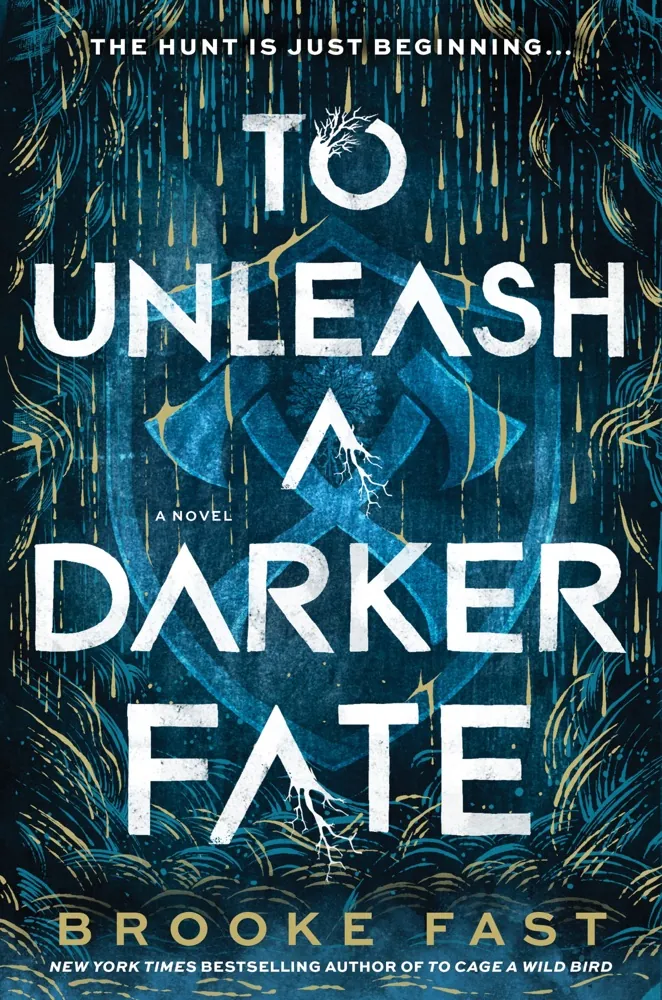
To Unleash a Darker Fate (Divided Fates, #2) Book Review and Summary
Author: Brooke FastPage Count: UnknownPublication Date: Expected publication 2026 APL Brooke Fast is stepping back into the blood-soaked sands of the dystopian arena with To Unleash a Darker Fate, promising us another round of emotional devastation after the runaway success of To Cage a Wild Bird. We find ourselves dragged away from the claustrophobic stone walls of Endlock Prison—which honestly gave us some magnificent, atmospheric dread—and thrown directly into the scorching, sun-bleached expanse of the Wastes, a setting that practically hums with dehydration and desperation. And yet, beneath the sun-baked sand dunes and the predictable scurry of poisonous snakes, lies a far more terrifying landscape: the human heart caught in the agonizing vise of a love triangle that features both childhood devotion and the deliciously dangerous friction of enemies-to-lovers. One can already smell the ozone and hear the distant roar of the Dividium hunting caravan closing in on our battered survivors, because nothing says high-stakes survival quite like being chased across a desert by the very people who used to lock your doors. But let us be entirely honest with ourselves for a brief, glaring moment—how many times must our poor protagonist Raven Thorne stand at a moral crossroads while a secretive rebel group dangles safety like a carrot on a stick? The Collective demands loyalty, the rebels demand sacrifice, and Fast leans heavily into the delicious, exhausting tropes of forced proximity and the eternal "who did this to you?" inquiry that keeps romance readers clutching their oversized mugs of lukewarm chamomile tea at two in the morning, hoping against hope that the ex-prison guard and the fledgling revolutionary will simply stop glaring at each other and start addressing the obvious romantic tension. Stubborn. Fans of Sarah J. Maas and Rebecca Yarros will undoubtedly devour every single page of this chaotic desert trek, even if the synopsis plays delightfully fast and loose with the actual mechanics of this mysterious rebellion. Oh. I forgot to take the trash out and the garbage truck is approaching. #ToUnleashADarkerFate #BookTok #DystopianRomance

Author: Tempest BlackPage Count: UnknownPublication Date: Expected publication 2026 APL The synopsis for Bitter Fruit arrives like a half-remembered dream—dense with the kind of atmospheric dread that makes you wonder if the author’s subconscious is a haunted house. There’s a headless body in a ruined church, which is chef’s kiss for a certain kind of noir, but the real hook isn’t the crime itself—it’s the way it’s framed as a collision between a detective’s cynicism and a woman’s prophetic grief. That’s the kind of duality that could either feel like a gimmick or a masterstroke, depending on whether Black can make the reader believe in both voices without them canceling each other out. The comparison to Tana French is inevitable, of course—because when was the last time an Irish mystery didn’t feel like a love letter to Dublin’s labyrinthine psychology? But the True Detective nod is the one that makes me pause. That show thrives on the slow burn of existential dread, the way a killer’s motives become a mirror for the characters’ own rot. If Black leans too hard into the "eldritch Ireland" vibe, she risks turning the setting into a gimmick—like if The Windup Girl had a séance instead of a war. Yet if she pulls it off, the result could be something like The Fisherman meets House of Leaves, where the supernatural isn’t just a plot device but a character in its own right. The synopsis plays it safe with its vagueness. "Dark and clever" is the kind of praise that could apply to anything from a John le Carré novel to a Zodiac podcast episode. The real question is whether the "prophetic woman" trope will feel like a fresh twist or a tired cliché. Ella’s visions could be the book’s emotional core—if Black makes them feel like a burden, not a spectacle. Because nothing kills a mystery faster than a character who exists solely to deliver exposition in dreams. (Cue The Sixth Sense but with more bogs.) And then there’s the detective, Lewan Kane—50 years old, worn thin, feeling lonely. That’s the kind of setup that could either be a setup for a No Country for Old Men-style fatalism or a The Girl with the Dragon Tattoo power dynamic if Black lets Kane’s cynicism clash with Ella’s vulnerability. The synopsis hints at a slow-burn tension between them, but it’s the kind of tension that either sizzles or fizzles depending on how much emotional weight Black puts behind it. The most interesting line here is the one about "the roots of this murder run dark and deep." That’s the kind of line that makes you wonder if Black is going for something like The Secret History—where the crime is just the surface of something far more sinister. But it’s also the kind of line that could be a red flag if it’s just empty atmosphere. The best mysteries make you feel like you’re peeling back layers of an onion, not just getting a slow-motion reveal of a killer’s backstory. But here’s where I pivot—because the synopsis is so deliberately vague that it’s almost too clever. It doesn’t tell you enough to hate it, but it doesn’t tell you enough to love it either. That’s the problem with a book that’s still two years away. It’s like being handed a menu where every dish is described as "delicious" and "unforgettable." You can’t decide if you’re hungry or just tired. Still, the praise from Crum and Swanson suggests this could be the kind of debut that feels like it was written by someone who’s been reading the same grimdark authors you have—Denis Johnson meets Gillian Flynn, but with the Irish rain as a character. If Black can make the supernatural feel like a psychological extension of the characters’ trauma rather than a cheap scare tactic, then Bitter Fruit could be the kind of book that lingers like a bad dream you can’t quite shake. My private flight to London’s been delayed by an hour, which means I’ll have to settle for a whiskey instead of a first read. #BookTok #MysteryLovers #IrishCrime #GrimdarkVibes
Author: Ken BallenPage Count: UnknownPublication Date: Expected publication 2026-11-10 APL The coffee is cold again. Staring at the glowing screen while the laundry sits damp in the machine, I find myself looking at Ken Ballen’s upcoming The Better Animal and wondering if we really need another speculative warning about the collapse of democracy in the year 2040. Because nothing screams subtle political commentary quite like an authoritarian regime brought down by an election candidate who is literally a dog. Yes, you read that correctly. A canine politician, brought to us via artificial intelligence, leading the bruised souls of a fractured nation toward redemption. It sounds like a satirical column from The Onion that accidentally got stretched out into a full-length novel, yet here we are, pretending this is high-concept literature for fans of political fiction and LGBTQ stories. Barking Up the Wrong Ballot Box The premise hinges on a future America caught in the ruthless grip of corruption, where two men—Wing, a brilliant young scientist, and Jake, a hardened former presidential advisor—find themselves orbiting Kit the dog's revolutionary campaign while nursing their own profound personal trauma. Actually, let me rephrase that entirely. Perhaps reducing a sprawling political allegory to a gimmick about a presidential pooch is missing the point. Perhaps the talking point about a canine candidate is genius. Or maybe it is just utterly absurd. Who knows. Not my cup of tea. The synopsis leans heavily on buzzwords like "redemption," "love," and "truth," which usually means the prose will either soar with poetic grace or drown in unearned sentimentality. We are promised a world where a non-human voice cuts through the noise of prejudice and hatred, offering a language humanity has never heard before. That is a heavy lift for a book that has yet to hit the shelves. Ballen wants to channel the biting dystopian bite of Margaret Atwood or perhaps the tender speculative humanism of Becky Chambers, yet the tightrope walk between political satire and earnest emotional healing looks precarious at best. Waiting for the Howl Can a story about a dog running for president truly capture the crushing weight of grief and political despair, or will it collapse under the sheer weight of its own conceit? The emotional architecture relies on Wing and Jake overcoming their respective pasts alongside their furry leader, which feels like a narrative choice designed to bypass human complexity through the emotional shortcut of an animal. We crave stories that help us make sense of the heavy, suffocating silence left behind by loss, and I am deeply skeptical that a canine AI savior is going to fill that specific void in my chest. Literally. Hard pass. The shouting just escalated past the hallway landing, so I have to go pry two small bodies apart before someone loses an eye over who gets to play with the plastic dinosaur. #TheBetterAnimal #BookTwitter #SpeculativeFiction #DogPresident
-
 Clara Schmidt
 - 16 Oct, 2026 10:20
Zwischen Asche und Seiten: Die Evolution der post‑apokalyptischen Literatur
Wenn die Erde schweigt – der erste Funke der Apokalypse „Stille bricht erst, wenn das Letzte verstummt.“Diese Zeile aus einem frühen Gedicht des 19. Jahrhunderts kündigte das literarische Motiv an, das später als post‑apokalyptische Fiktion berühmt wurde. Noch bevor das Wort „Apokalypse“ in populären Romanen auftauchte, beschrieb die Romantik das Verblassen der Zivilisation nach Naturkatastrophen. Beispiele wie Mary Shelleys Frankenstein (1818) spiegeln bereits das Grundthema wider: Wissenschaft, die das Gleichgewicht der Welt bedroht. Vom Atom bis zur Pandemie – historische Impulse Die zweite Hälfte des 20. Jahrhunderts brachte reale Bedrohungen, die das literarische Feld neu formten. Der Kalte Krieg und die Angst vor nuklearen Vernichtungen lösten eine Welle von Romanen aus, die das Ende der Welt in Strahlung und Ruinen sahen. 1950‑er: The World, the Flesh and the Devil (1959) – ein Film, der das Bild des „verstrahlten Ödlands“ popularisierte. 1962: On the Beach von Nevil Shute – schildert das stille Verlöschen der Menschheit nach einem nuklearen Winter. 1979: The Stand von Stephen King – verbindet das Virus‑Motiv mit göttlicher und dämonischer Symbolik.Die COVID‑19‑Pandemie von 2020 brachte das Thema erneut in den Fokus. Wissenschaftliche Studien belegen, dass nach globalen Krisen die Verkaufszahlen von dystopischen und post‑apokalyptischen Titeln um bis zu 30 % steigen (Statista, 2022). Autoren nutzten die aktuelle Angst, um neue Narrative zu weben, die sowohl Warnungen als auch Hoffnungen transportieren.Meilensteine der Literatur – Klassiker und Moderne Die Urväter der Endzeit‑ErzählungenH.G. Wells – The War of the Worlds (1898)Außerirdische Invasion als Metapher für Kolonialismus, doch das Bild einer zerstörten Erde bleibt prägend. Cormac McCarthy – The Road (2006)Pulitzer‑Preisträger, der das Motiv des wandernden Vaters und Sohnes in einer verbrannten Landschaft meisterhaft verarbeitet. Margaret Atwood – Oryx und Crake (2003)Genetische Manipulation und ökologische Katastrophe – ein Spiegel der modernen Wissenschaftsethik.Aktuelle Bestseller und aufstrebende StimmenJahr Titel Autor*in Kurzbeschreibung2018 The Girl With All the Gifts M.R. Carey Zombie‑Apokalypse mit moralischem Twist.2020 The Parable of the Sower (Neuauflage) Octavia E. Butler Klimawandel als treibende Kraft.2022 Station Eleven Emily St. John Mandel Theatertruppe in einer post‑pandemischen Welt.2024 The Last Emperox John Scalzi Wirtschaftliche Implosion nach interstellarer Krise.* Alle Angaben basieren auf veröffentlichten Verlagsdaten und Bestsellerlisten (The New York Times, 2024). Warum das Ende so fesselt – Psychologische und gesellschaftliche GründeExistenzielle Reflexion: Das Szenario zwingt Leser*innen, über den Sinn des Lebens nachzudenken, wenn alle bekannten Strukturen wegfallen. Identifikation mit dem Überlebenden: Viele Menschen sehen sich selbst in der Rolle des „letzten Menschen“, was ein starkes Empathie‑Band schafft. Katalysator für Moral‑Experimente: In einer Welt ohne Gesetze können Autor*innen Fragen zu Ethik, Gerechtigkeit und Menschlichkeit neu formulieren.Ein 2021 veröffentlichtes Paper der University of Cambridge zeigt, dass Leser*innen von post‑apokalyptischen Romanen häufig höhere Werte in den Bereichen „Selbstwirksamkeit“ und „Zukunftsoptimismus“ aufweisen – ein paradoxes Phänomen, das die heilende Kraft von fiktiven Endzeiten unterstreicht.Markt und Zukunft – Zahlen, Trends, Empfehlungen Der globale Buchmarkt für dystopische und post‑apokalyptische Titel erreichte 2023 einen Umsatz von 4,2 Mrd. USD (International Publishers Association). Die wachsende Nachfrage nach Serienadaptionen (z. B. The Walking Dead, The Handmaid’s Tale) treibt den Verkauf von Originalwerken zusätzlich an. Aktuelle TrendsCross‑Media-Storytelling: Verlage bündeln Romane, Graphic Novels und Podcasts zu einheitlichen Universen. Diversity im Genre: Autor*innen aus verschiedenen Kulturen bringen neue Perspektiven, etwa afrikanische oder südamerikanische Endzeit‑Mythen. Interaktive Literatur: Apps ermöglichen Leser*innen, Entscheidungen zu treffen, die den Handlungsverlauf beeinflussen – ein Echo zu „Choose‑Your‑Own‑Adventure“-Büchern.Leseempfehlungen für 2026„The Ministry for the Future“ – Kim Stanley Robinson – Klimapolitik in einer zukünftigen Krise. „A Psalm for the Wild-Built“ – Becky Chambers – post‑technologische Spiritualität. „The Last Watch“ – J.S. Dewes – Weltraum‑Apokalypse mit militärischem Drama.Durch die Kombination von realen wissenschaftlichen Entwicklungen und fiktiven Szenarien bieten diese Titel einen tiefen Einblick in mögliche Zukünfte – und zugleich Trost in der Erkenntnis, dass das Menschsein resilient bleibt. Das leise Flüstern der Bücher – Fazit Post‑apokalyptische Romane sind mehr als bloße Unterhaltungslektüre; sie sind Spiegel unserer Ängste, Hoffnungen und ethischen Dilemmata. Sie lehren uns, dass das Ende nicht das letzte Wort ist, sondern ein Anfang für neues Denken. In einer Welt, die sich ständig wandelt, bleibt das geschriebene Wort das sicherste Fundament, das uns daran erinnert, dass jede Asche noch das Potenzial für neues Leben birgt.#postapokalypse #Dystopie #Literatur #Bücher #Lesetipp Related InsightsKevin and the Food Drive Book Review and Summary The Cousins Book Review and Summary 'The Need for Speed: The Ultimate Guide to the High-Flying World of Drone Racing' (Part 2)

Author: Rose WildingPage Count: UnknownPublication Date: Expected publication 2026-11-03 APL God forbid anyone just sit down and watch a movie with the kids for five minutes without someone demanding a snack, a lost shoe, or an explanation for why the sky is blue, which is precisely why I am retreating into the pitch-black fortress of my own mind to dissect Rose Wilding’s forthcoming Cherry—a book that promises murder in 1999, though the synopsis reads like a collection of dropped puzzle pieces swept under a rug by a publisher who desperately wants us to guess the picture, featuring a grieving widow dodging her therapist's very sensible advice to wander the streets, a fallen pop star reinventing herself as a domestic help because apparently every nineties celebrity's post-fame trajectory must involve scrubbing baseboards for a middle-class family, and an overwhelmed mother named Ally whose husband unilaterally hires said pop star before bolting off to Indonesia like a coward escaping a sinking ship, leaving three distinct women to spiral into a suffocating vortex of obsession and infatuation that allegedly ends in bloodshed, a setup that feels entirely plucked from the Gillian Flynn school of domestic paranoia mixed with the neon-drenched nostalgia of the turn of the millennium, except I am already exhausted by the sheer predictability of women being pitted against each other in the name of psychological suspense, because must every narrative about female connection immediately devolve into a toxic web of mutual destruction just to keep the commuter train crowd awake? Actually, the nineties nostalgia might save it. Or perhaps not, considering we live in an era where every single thriller synopsis acts like a cheap magic trick, flashing a dead body in the final sentence just to distract us from the fact that nobody in the publishing industry knows how to write a middle section that doesn't involve domestic surveillance or repressed trauma. I have zero patience for characters wandering around avoiding grief by stalking strangers. Get a hobby. Or at least drink some chamomile tea. Yet there is something undeniably delicious about the 1999 time capsule element—Y2K panic meets repressed queer longing meets the absolute indignity of upper-middle-class childcare arrangements—that reminds me of Sarah Pinborough trying to out-twist herself on a rainy Tuesday. Exhausting. Give me a break. #Cherry #RoseWilding #BookTwitter #PsychologicalSuspense #1999 I am going to brew a cup of lapsang souchong and ponder my existential dread.
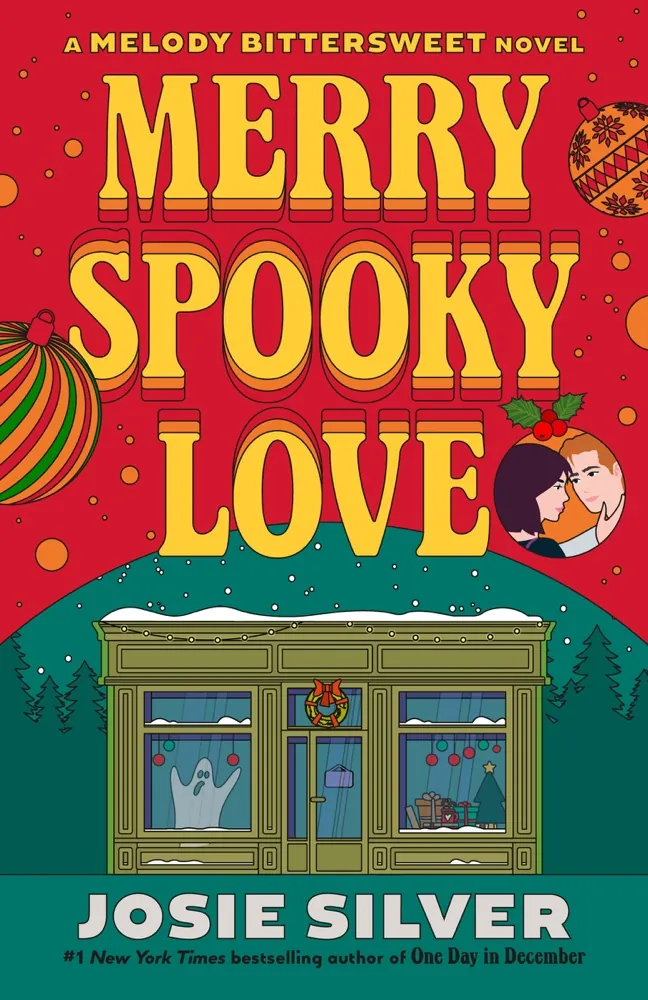

Author: Josie SilverPage Count: UnknownPublication Date: Expected publication 2026-10-13 APL Bilateral negotiations in the Balkans taught me one immutable truth: stubborn bureaucrats will always choose utter ruin over admitting a spectral ledger sheet is balancing itself. Yet Josie Silver expects us to buy that a deceased retail matriarch named Lucy Libertine can haunt her own heirs out of a department store purely out of spite. The Geopolitics of Retail Spite Melody Bittersweet returns in Merry Spooky Love to arbitrate what looks like a hostile corporate takeover executed entirely by ectoplasm. And honestly? I respect the hustle. Real estate disputes usually involve tedious zoning commissions and miserable lawyers in charcoal suits. But throwing a dead aunt into the mix who refuses to let the capitalist machinery grind for sixty days? Utterly diabolical statecraft. Wait. Let me retract that entirely. The real estate clause is a bureaucratic nightmare, not statecraft. It is merely municipal probate law wrapped in cheap cotton shrouds. Silver attempts to fuse the saccharine architecture of holiday romance with the kind of logistical ghost-busting absurdity normally reserved for late-night cable syndication. It gives major Sophie Kinsella energy, if Kinsella suddenly decided to drop serious epistemic nihilism on her readership while keeping the prose aggressively mid. The Skepticism Accord The central diplomatic crisis here is not the ghost. It is Fletcher Gunn. The man refuses to acknowledge the paranormal despite dating an actual practitioner of the ethereal arts. A classic diplomatic impasse. How does one build a coalition with a partner who gaslights your very profession? Their chemistry is allegedly deep, yet the man calls in a rival ghost-hunter just to spite the domestic budget. Red flag? Perhaps. Or perhaps it is simply elite mid-tier relationship gaslighting for clout. The synopsis leans heavily on the ticking clock. Sixty days. Christmas Eve. A department store hanging by a metaphysical thread. It is high-stakes melodrama rendered in pastel shades. My vintage champagne collection needs to be moved to the new cellar. #MerrySpookyLove #GhostBusting #BookTwitter

Author: Emily HeilPage Count: UnknownPublication Date: Expected publication 2026-10-06 APL Some manuscripts arrive holding the exact weight of a quiet Tuesday night when the floorboards creak and you find yourself staring at the ceiling, wondering if the foundations are rotting away while the kids finally sleep upstairs. Emily Heil’s upcoming A Pinch of Magic promises precisely that brand of domestic escapism. A ghostwriter hiding in plain sight. A storm-wrecked grandmotherly estate. A spectral visitor demanding justice for a century-old slight. The Recipe for Unfinished Business Cam Parker is invisible by design. But invisibility is just fear wearing a tailored coat. The synopsis leans hard into the cozy paranormal playbook—think Legends & Lattes crossed with a Nora Ephron script, though let us be entirely honest: half these contemporary cozy entries feel manufactured in a sterile board meeting where an algorithm cross-referenced baking shows with local ghost tours. Yet, the premise hints at something slightly heavier beneath the sugar dusting. Grief, perhaps. Or the terrifying mandate of having to fix what broke while you were looking away. Actually, scratch that entire observation about algorithms. The culinary backdrop might just be an excuse for lazy prose, a crutch for authors who think mentioning an underbaked soufflé passes for emotional depth. Speaking of culinary disasters, why is it that every single animated cooking show my eight-year-old watches features a frantic raccoon dropping salt into the batter while screaming about time management? It makes absolutely zero sense. You have talking woodland creatures operating commercial-grade deep fryers without basic health inspections, and I am supposed to sit there nodding along pretending the physics hold up while my coffee goes stone cold and the drywall dust from the hallway patch job settles permanently into my lungs. Where was I? Right. Silver Cove. Small-Town Scaffolding The coastal-Virginia setting implies a specific kind of claustrophobia where everyone knows your middle name and your old debts. Enter Ian McCabe, the requisite carpenter with charm and complication written into his DNA. He is a walking red flag wrapped in flannel. Or maybe he is just a guy holding a hammer. The synopsis does not grant him enough dimension to tell the difference. The thematic core here revolves around control. Cam’s predictable world collapses because she lets in variables—ghosts, carpenters, hurricanes. Life refuses to stay inside the lines of a recipe card. We build these elaborate routines to keep the chaos at bay, pretending that if we just measure the flour right, the ceiling will not cave in and the kids will stay safe in their beds. Then a storm hits Brooklyn, or a Tuesday hits you sideways, and you are scrambling for a ghost to tell you what to do next. This book will likely land on bestseller lists this October. Readers crave the illusion of safety wrapped in supernatural whimsy. Whether Heil delivers actual emotional resonance or just recycled tropes remains to be seen from a three-paragraph blurb. I really need to get the plastic skeletons up on the front porch before my spouse loses patience and hires a neighborhood teenager to do it out of sheer pity. #CozyMystery #BookTwitter #ReadingCommunity
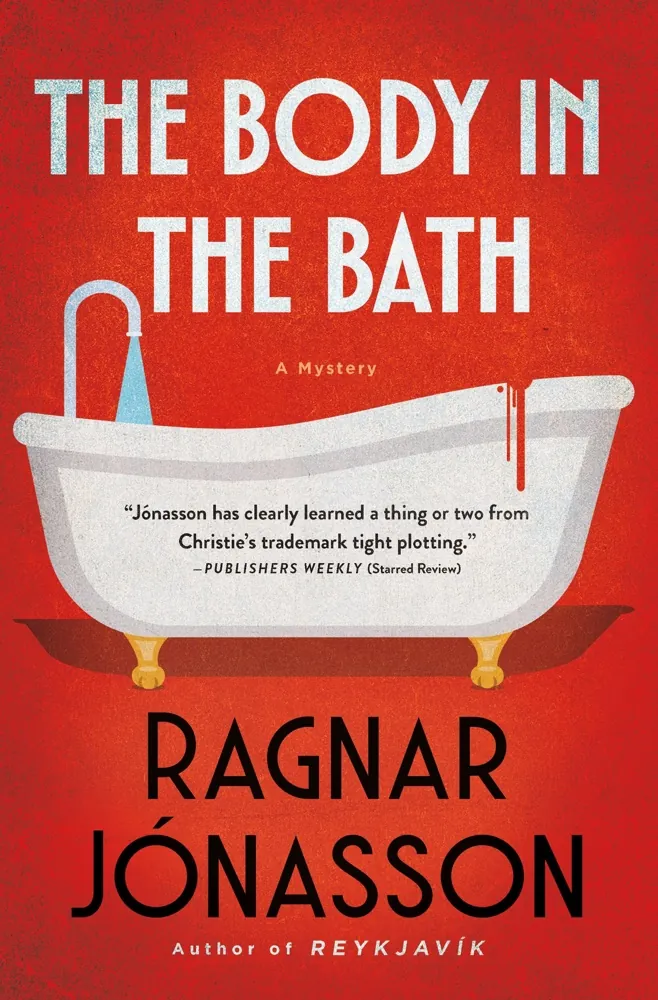

Author: Ragnar JónassonPage Count: UnknownPublication Date: Expected publication 2026-11-10 APL Staring at yet another press release about a Nordic noir involving snow, a dead body, and a brooding detective with a tragic backstory makes me want to throw my espresso cup through the triple-glazed windows of this overpriced flat. Honestly, I agreed to write this preview purely because the wire transfer cleared, and frankly, my landlord lacks a sense of humor about rent. Or wait, let me backtrack on that—actually, the rent check bounced this morning, so I am writing this out of sheer, unadulterated panic while watching a delivery cyclist wipe out on the slush outside. The Frigid Geography of Cliché Ragnar Jónasson is back with The Body in the Bath, the third installment in the Helgi series, because apparently, Iceland’s crime rate in fiction is quadruple that of actual Chicago. According to the marketing copy provided to me by an exhausted publicist who clearly hates life as much as I do, our hero Helgi wants a quiet Christmas. But alas. Snow blankets Reykjavík. The plotting relies on the oldest trick in the lazy writer's handbook: the detective's personal life gets aggressively detonated so he has a motive to care about a case. His girlfriend dies in a car crash driven by his abusive, alcoholic ex—who then walks free, because legal systems in fiction exist solely to torment protagonists. Ghostly Predecessors and Bathtubs To cope with this staggering level of daytime soap opera melodrama, Helgi pivots. He investigates the mysterious disappearance of his predecessor, Hulda—a retired officer presumed dead, because in these books, nobody ever just retires to a nice villa in Spain to grow tomatoes. Naturally, the lines between past and present blur. Because narrative cohesion is optional when you have a moody atmosphere. Then, the abusive ex turns up lifeless in a bath, and our boy Helgi is immediately the prime suspect. Shocker. I didn't see that coming at all. Give the man a Pulitzer for predictability. Wait, let me take that back—maybe the predictability is a comfort. Like a warm blanket, if the blanket were woven from discarded manuscripts by Jo Nesbø and Gillian Flynn copycats. The synopsis leans entirely on tropes we have all digested a thousand times over cheap airport gin. We get the haunted investigator. We get the institutional betrayal where colleagues suddenly turn hostile. We get the corpse in a bathroom. It is a paint-by-numbers exercise in grimdark Scandinavian misery porn. Yet, millions will buy it. They will consume it while sitting under heated blankets, pretending they understand the existential dread of living in a country with universal healthcare and a functioning social safety net. God, I need a drink. And to make matters worse, I just checked my notifications and my private flight to London has been delayed by an exact, excruciating hour. #nordicnoir #bookstagram #publishinglife #ragnarjonasson Related InsightsBared to You Book Review and Summary Música, sólo música Book Review and Summary Clockwork Prince Book Review and Summary{ "@context": "https://schema.org", "@type": "FAQPage", "mainEntity": [ { "@type": "Question", "name": "What is the main focus of The Body in the Bath (Helgi, #3) Book Review and Summary?", "acceptedAnswer": { "@type": "Answer", "text": "Everything you need to know about The Body in the Bath (Helgi, #3) with our detailed review." } }, { "@type": "Question", "name": "Who authored the comprehensive guide on The Body in the Bath (Helgi, #3) Book Review and Summary?", "acceptedAnswer": { "@type": "Answer", "text": "This detailed article and its insights were carefully researched and authored by Carmen Martinez." } }, { "@type": "Question", "name": "Where can I find more related content about Books?", "acceptedAnswer": { "@type": "Answer", "text": "You can explore more articles, detailed reviews, and similar insights by browsing the Related Insights section at the bottom of this article or visiting our dedicated Books category page." } } ] }
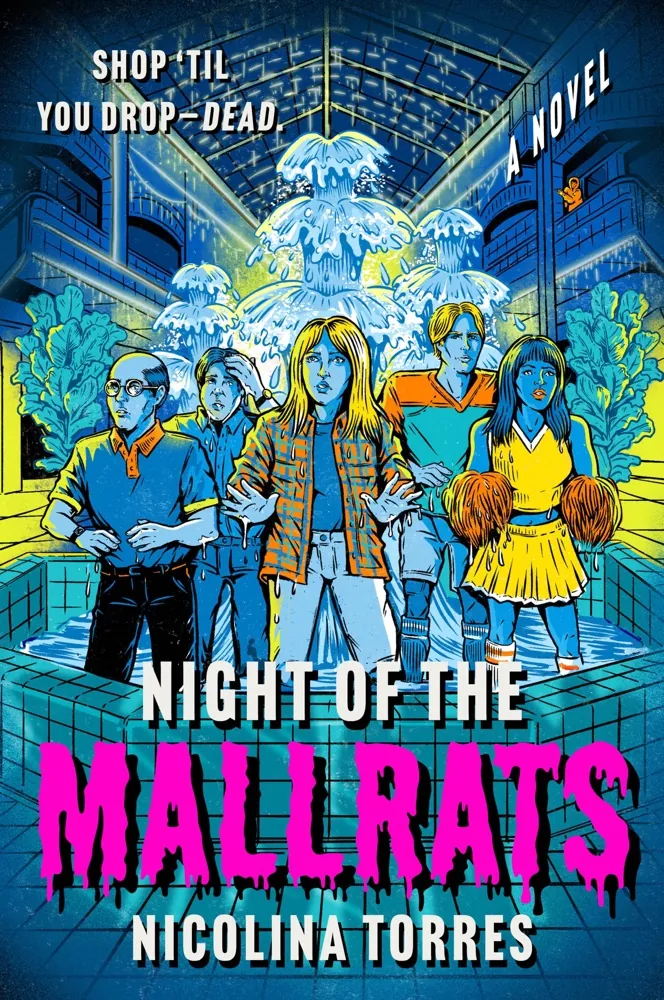

Author: Nicolina TorresPage Count: UnknownPublication Date: Expected publication 2026-10-06 APL The mall’s fluorescent lights flicker like the last dying embers of a generation—that generation, the one that still believes in the magic of a Beanie Baby or the existential dread of a Buffy episode. Night of the Mallrats arrives with the same kind of nostalgic bait-and-switch as The Last of Us’s first act, where the past isn’t just a memory but a living, breathing entity with teeth. The synopsis teases a time-travel thriller, but the real hook is the way it weaponizes 90s nostalgia—because nothing says "haunting" like a condemned mall where the only ghosts are the ones you invited back. The premise is a masterclass in false intimacy. Five friends reunite at the Beechnut Mall, a relic of their youth, only to be yanked back to 1994—the year the O.J. trial ended—where they must solve the disappearance of Beth Packard. The problem? The synopsis doesn’t tell you whether this is a Groundhog Day loop or a Dark episode where the past is a prison. Is the mall a sentient entity, or is it just a really good actor? The ambiguity is deliberate, but it also feels like the kind of hand-wavy plotting that would make The Ring’s original script look like a blueprint. And yet—there’s something thrilling about the way it leans into the 90s as a character. The mall isn’t just a setting; it’s a time capsule of failed dreams, Tamagotchis that died, and the kind of betrayals that still sting after three decades. The thematic core here is nostalgia as a curse—a concept that’s been mined by everyone from Twin Peaks to Hereditary, but rarely with this much mall-specific venom. The friends aren’t just reliving their past; they’re being forced to confront the lies they told themselves then, the ones they still tell now. The synopsis hints at fatal truths about each other, which is either a brilliant setup for a Big Little Lies meets The Stepford Wives twist or a lazy excuse for character assassination. The real question is: Will the book treat this as a psychological horror (like Sharp Objects) or a campy revenge fantasy (like The Craft)? The synopsis doesn’t say, and that’s the problem—it’s too busy selling the idea of the mall as a villain rather than the specificity of its terror. But then—the pivot. Maybe the mall isn’t the monster. Maybe the monster is the idea of never growing up. The synopsis mentions "lies and betrayals," which could mean anything from a Gossip Girl scandal to a Se7en-level descent into madness. And that’s where the book could either shine or collapse. Because if Night of the Mallrats is going to be anything like The Secret History meets Stranger Things, it needs to make the 90s feel alive—not just as a backdrop, but as a force that shapes the characters. Right now, the synopsis reads like a Halloween movie pitch: "What if the mall was haunted?" But the best horror doesn’t ask what if—it shows you why. The blurbs are telling. Maggie Thrash calls it "non-stop spooky joy," which is either a backhanded compliment or a sign that the book is leaning into camp over chills. Sadie Hartmann’s praise is more damning: "101 Horror Books to Read Before You’re Murdered" is a list that includes The Babadook and Mexican Gothic, so if Night of the Mallrats feels like a Halloween movie with a True Detective script, it might not make the cut. The real test will be whether the book can balance the nostalgic warmth of Eternal Sunshine with the visceral dread of The Witch. Right now, it’s just a mall with a mystery—and that’s not enough. The family dog just ate my chapter outline. It’s probably chewing on the bones of whatever this book could’ve been. #Mallrats #TimeTravelTrouble #NostalgiaIsAWeapon #HorrorThatDoesntKnowItsOwnStrength #BeanieBabyBloodbath Related InsightsThe Day the World Ended at Little Bighorn Book Review and Summary The Favorite Book Review and Summary I Am the Messenger Book Review and Summary{ "@context": "https://schema.org", "@type": "FAQPage", "mainEntity": [ { "@type": "Question", "name": "What is the main focus of Night of the Mallrats Book Review and Summary?", "acceptedAnswer": { "@type": "Answer", "text": "Everything you need to know about Night of the Mallrats with our detailed review." } }, { "@type": "Question", "name": "Who authored the comprehensive guide on Night of the Mallrats Book Review and Summary?", "acceptedAnswer": { "@type": "Answer", "text": "This detailed article and its insights were carefully researched and authored by Sofia Bianchi." } }, { "@type": "Question", "name": "Where can I find more related content about Books?", "acceptedAnswer": { "@type": "Answer", "text": "You can explore more articles, detailed reviews, and similar insights by browsing the Related Insights section at the bottom of this article or visiting our dedicated Books category page." } } ] }


Whispered Pages: The Birth of a Letter‑Bound Narrative The first flicker of the epistolary form sparked in the twilight of the medieval manuscript, when authors began stitching together real‑world missives into a single, unfolding drama. The Spanish Cárcel de amor (c. 1485) by Diego de San Pedro is widely recognized as the earliest true epistolary novel, a daring experiment that let letters dominate the narrative canvas. Scholars debate whether the genre grew out of novels that simply inserted letters, or from miscellanies of correspondence and poetry that were later welded into a plot. Both pathways left a shared legacy: a story that lives inside the private ink of its characters. From Courtly Missives to Public Satire The 17th century saw the epistolary novel mature into a literary staple. Edmé Boursault’s Letters of Respect, Gratitude and Love (1669) gave rise to a miniature novel, Letters to Babet, when a string of letters to a girl named Babet grew distinct from the surrounding collection. The same year, Letters of a Portuguese Nun—attributed to Gabriel‑Joseph de La Vergne—captivated readers with its passionate, supposedly authentic voice. Across the Channel, James Howell’s Familiar Letters (1645‑50) is credited as the English pioneer, offering vivid snapshots of prison life, foreign adventure, and romantic longing. A landmark moment arrived with the anonymously published Love‑Letters Between a Nobleman and His Sister (1684‑87). Though authorship is still contested, many point to Aphra Behn. The three‑volume work stripped away the omniscient narrator, allowing each character’s perspective to pulse directly from the page. It also introduced intrigue: misplaced letters, forged notes, and withheld messages—all tools that would become hallmarks of the genre. The 18th‑Century Golden Age The epistolary novel burst into mainstream popularity during the Enlightenment. Samuel Richardson’s Pamela (1740) and Clarissa (1749) turned the format into a vehicle for moral exploration and social critique, selling thousands of copies across Europe. John Cleland’s Fanny Hill (1748) pushed boundaries further, presenting erotic confession through a series of letters addressed to an anonymous reader. In France, Montesquieu’s Lettres persanes (1721) used the format to satirize Western customs through the eyes of Persian travelers. Rousseau’s Julie, ou la nouvelle Héloïse (1761) wove love and philosophy into an intimate exchange of letters, while Choderlos de Laclos’ Les Liaisons dangereuses (1782) wielded epistolary manipulation as a weapon of social destruction. Germany contributed Goethe’s The Sorrows of Young Werther (1774), a tragic love story that sparked a wave of “Werther fever” across the continent. North America was not left untouched. Frances Brooke’s The History of Emily Montague (1769) holds the distinction of being Canada’s first novel, and William Hill Brown’s The Power of Sympathy (1789) earned the title of the United States’ first novel—both written entirely in letters. Satire, Parody, and the Rise of the Mock Epistolary The very popularity of the form invited ridicule. Henry Fielding’s Shamela (1741) lampooned Richardson’s moral earnestness, presenting a heroine who pens a diary under absurd circumstances. Oliver Goldsmith’s The Citizen of the World (1760‑61) adopted a Chinese philosopher’s voice to critique English society, and Fanny Burney’s Evelina (1788) turned the epistolary into a comic debutante’s adventure. Even Jane Austen flirted with the style in her early writings and the novella Lady Susan (1794). Though she abandoned the format for her later masterpieces, literary scholars suspect that her lost manuscript First Impressions—the seed of Pride and Prejudice—may have been epistolary, given the novel’s unusually high number of fully quoted letters. 19th‑Century Persistence: From Gothic Chills to Scientific Dreams While the 19th century saw the epistolary form wane in popularity, it persisted in strategic bursts. Honoré de Balzac’s Letters of Two Brides traced a 17‑year friendship through exchanged missives, and Mary Shelley’s Frankenstein (1818) layered letters within letters, framing the monster’s tragic confession inside a sea captain’s log. Anne Brontë’s The Tenant of Wildfell Hall (1848) framed its narrative as a retrospective letter, embedding the titular tenant’s diary within. Bram Stoker’s Dracula (1897) remains the most iconic example of the modern epistolary novel. Constructed from letters, diary entries, newspaper clippings, telegrams, and ship logs, the novel creates a mosaic of perspectives that heightens suspense and realism. Stoker’s technique demonstrates the genre’s capacity to fuse disparate documents into a cohesive, chilling whole. The Digital Age: Emails, Blogs, and Virtual Correspondence The epistolary tradition did not halt at the turn of the century. Contemporary writers now harness emails, text messages, blog posts, and social‑media feeds to recreate the immediacy of personal correspondence. The term “epistolary” has broadened to encompass any fictional document that mimics authentic communication, whether it arrives as a recorded podcast, a video chat transcript, or a series of Instagram DMs. This evolution honors the genre’s original promise: to embed the story within the lived, diegetic experiences of its characters. Why the Letter Still MattersAuthentic Voice – Letters bypass the omniscient narrator, allowing readers direct access to a character’s thoughts, biases, and emotions. Multiple Perspectives – A chorus of correspondents can present conflicting truths, inviting readers to piece together the “real” story. Historical Texture – The physicality of ink, paper, or digital timestamps adds a tactile realism that immersive prose alone struggles to achieve. Narrative Suspense – Misplaced or withheld letters create natural tension, as seen in Les Liaisons dangereuses and Dracula.These strengths explain why the epistolary form continues to inspire novelists, screenwriters, and even game designers seeking fresh ways to tell stories. Crafting an Epistolary Novel Today If you’re tempted to write your own letter‑bound saga, consider these practical steps:Define the Correspondents – Choose distinct voices with clear motivations. Map the Chronology – Plot each letter’s date to maintain logical progression. Insert Non‑Letter Documents – Diary excerpts, newspaper clippings, or text messages can enrich texture. Use a Fictional Editor – A framing device (e.g., “found letters compiled by…”) lends credibility. Balance Exposition and Action – Letters should reveal plot, not merely recount it.A Gallery of Epistolary Milestones The tactile allure of 18th‑century correspondence that inspired Richardson and Rousseau. Stoker’s Dracula assembled from fragmented documents, each piece adding to the horror. Today's epistolary novels often begin with an email notification. The Enduring Echo From the cramped chambers of a Spanish court to the flickering glow of a smartphone screen, the epistolary novel has proved remarkably adaptable. Its core promise—letting characters speak directly to one another—remains a potent tool for intimacy, intrigue, and authenticity. As readers continue to crave stories that feel both personal and expansive, the humble letter will undoubtedly keep finding new homes in the ever‑shifting landscape of literature.#EpistolaryNovel #LiteraryHistory #LetterWriting #HistoricalFiction #ReadingCommunity Related InsightsThe Silent Urban Revolution: Architecting Agentic Societies for Autonomous Last-Mile Delivery How to Make a Friend: A Modern Guide to Friendship Book Review and Summary American Psycho Book Review and Summary

Author: Jasmine GuilloryPage Count: UnknownPublication Date: Expected publication 2026-10-06 APL Fluorescent bulbs hum a cruel, low-frequency torture tune while the espresso machine hisses its two-AM death rattle, leaving my brain practically vibrating against the inside of my skull. It is freezing cold outside this wretched little booth—crisp October winds are currently beating the asphalt into submission—yet here I am, staring down Jasmine Guillory’s YA debut, It's Only Dancing. The Desert Heat and Aesthetic Plagiarism Let us be completely honest with ourselves—the premise drips with the kind of derivative nostalgia that makes a caffeinated nocturnal cynic want to throw their keyboard across the laminate floor. A girl named Kitty gets dragged to a desert camp for the summer, hates it, and instantly runs into a brooding dance instructor named Jordan. Groundbreaking. We are basically recycling Dirty Dancing for a generation whose attention span has been systematically fried by short-form video algorithms. But wait. Guillory usually writes adult rom-coms about adult professionals eating artisanal cheese and having mature, emotionally regulated conversations. Shifting gears into teenage angst—high school senior year, college apps, sneaking around—feels like a midlife pivot into the YA industrial complex just to secure a shiny badge from the morning-show book club. Do not get me wrong; the YA market is a massive cash-cow right now, brimming with authors like Jenny Han or Nicola Yoon printing money off of teenage yearning. Still, reducing an entire demographic’s emotional landscape to a retread of Patrick Swayze shaking his hips in the Catskills is peak capitalist laziness. The Psychology of Abandoned Pointe Shoes Yet beneath the eye-rolling setup, the core trauma here actually slaps. Kitty was forced to quit ballet two years prior, abandoning her entire identity because of some unspecified catastrophe. And that is where the book might actually save itself from pure mediocrity. The grief of lost physical mastery—when your body used to speak a language you loved, and suddenly you are struck mute—is deeply real. Guillory throws in hip-hop dance as the forbidden fruit, dragging Kitty out of her academic self-exile and straight into the realm of messy, uninhibited motion. The thematic engine isn't just about a cute boy with magnetic abs. It is about bodily autonomy, teenage rebellion, and the terrifying process of forgiving yourself when a dream violently dies. The Inevitable Verdict Will it be predictable? Absolutely, fam. You can smell the third-act misunderstanding and the inevitable tearful reconciliation from three chapters away. The synopsis is painfully vague about the actual mechanics of the plot, relying entirely on the weight of the tropes to carry the momentum. But if Guillory leans into the somatic devastation of losing one's artistic passion instead of just leaning on the cheap dopamine hit of a YA romance, it might actually transcend its own marketing. Or maybe I am just projecting my own desperate desire to escape this fluorescent-lit purgatory onto a fictional teenager sweating in a southern California desert. I have to jet. I am ridiculously late for a fiercely intellectual philosophical debate at a smoky underground jazz club downtown. Related InsightsNight Book Review and Summary The Murder Party Book Review and Summary Nightjars Book Review and Summary{ "@context": "https://schema.org", "@type": "FAQPage", "mainEntity": [ { "@type": "Question", "name": "What is the main focus of It's Only Dancing Book Review and Summary?", "acceptedAnswer": { "@type": "Answer", "text": "Everything you need to know about It's Only Dancing with our detailed review." } }, { "@type": "Question", "name": "Who authored the comprehensive guide on It's Only Dancing Book Review and Summary?", "acceptedAnswer": { "@type": "Answer", "text": "This detailed article and its insights were carefully researched and authored by Beatriz Costa." } }, { "@type": "Question", "name": "Where can I find more related content about Books?", "acceptedAnswer": { "@type": "Answer", "text": "You can explore more articles, detailed reviews, and similar insights by browsing the Related Insights section at the bottom of this article or visiting our dedicated Books category page." } } ] }
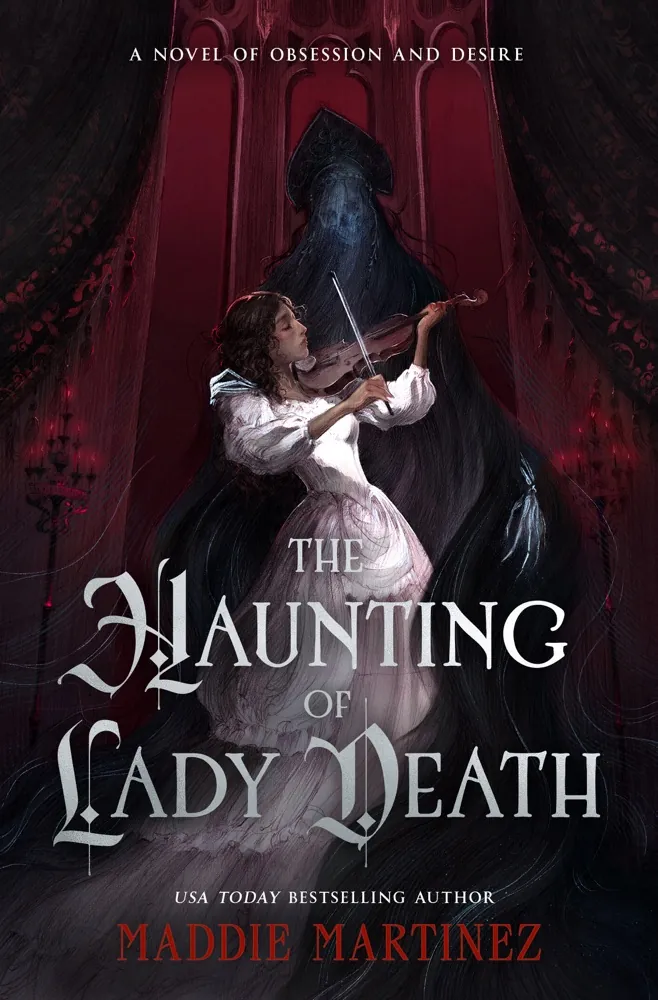

Author: Maddie MartinezPage Count: UnknownPublication Date: Expected publication 2026 APL October winds are currently rattling the French paned glass of my study, bringing the distinct scent of decaying foliage and damp asphalt. Perfect weather for morbidity. Or at least, perfect weather for Maddie Martinez’s upcoming 2026 release, The Haunting of Lady Death. The publishing world continues its relentless obsession with sapphic creature-fleshing, yet this particular Slavic folklore-drenched iteration of The Phantom of the Opera demands a raised eyebrow and a glass of heavily oaked Chardonnay. The Architecture of Desperation We find ourselves stranded in the glittering city of Larzeg. Kasia is your standard-issue ambitious violinist—starving, overlooked, and relentlessly beaten down by institutional xenophobia regarding her Azjarian heritage. But let us pause. Actually, scratch that entire critique of institutional roadblocks. The synopsis implies these barriers are merely cardboard props waiting to be kicked aside the second a skeletal hand emerges from the wings. Mortality and Melody The central bargain is deliciously transactional. Death wrapped in a veil offers upward mobility in exchange for a soul-tethered plus-one. A grim romance for the girlies, truly. Martinez leverages the Nectar Performance House as a pressure cooker where patriarchal power structures collide with primeval mythologies. Yet, one must wonder if the social commentary here will possess any real teeth, or if it will simply dissolve into aestheticized vibes for BookTok. No cap, the prose needs to slap hard to keep this from feeling like a basic ass Gothic fanfiction. The promise of music as a weapon—an entrancing magic that bends audiences to a mortal’s whim—offers a fascinating exploration of artistic complicity. Kasia trades her autonomy for prestige, stepping willingly into the thrall of an entity who demands total possession. It is Faustian, yes, but filtered through a queer lens that trades divine damnation for dark, velvety seduction. Ava Reid and S.T. Gibson fans will undoubtedly devour the gothic calories, though I personally remain skeptical of whether the pacing can sustain the atmospheric dread without collapsing under the weight of its own melodrama. The omission of Digital Rights Management software by the publisher feels entirely appropriate for a book about unchaining suppressed desires. Read it on your battered tablet while drinking expensive scotch, or do not read it at all. Now, excuse me while I log onto the bird app to issue a frantically worded statement because my dryly sarcastic tweet about a debut novelist's comma usage was just screenshotted and quoted by a horde of chronically online teenagers. #TheHauntingOfLadyDeath #BookTwitter #GothicRomance Related InsightsYour Lips on Mine Book Review and Summary Siddhartha Book Review and Summary Regretting You Book Review and Summary{ "@context": "https://schema.org", "@type": "FAQPage", "mainEntity": [ { "@type": "Question", "name": "What is the main focus of The Haunting of Lady Death Book Review and Summary?", "acceptedAnswer": { "@type": "Answer", "text": "Everything you need to know about The Haunting of Lady Death with our detailed review." } }, { "@type": "Question", "name": "Who authored the comprehensive guide on The Haunting of Lady Death Book Review and Summary?", "acceptedAnswer": { "@type": "Answer", "text": "This detailed article and its insights were carefully researched and authored by Lucia Garcia." } }, { "@type": "Question", "name": "Where can I find more related content about Books?", "acceptedAnswer": { "@type": "Answer", "text": "You can explore more articles, detailed reviews, and similar insights by browsing the Related Insights section at the bottom of this article or visiting our dedicated Books category page." } } ] }
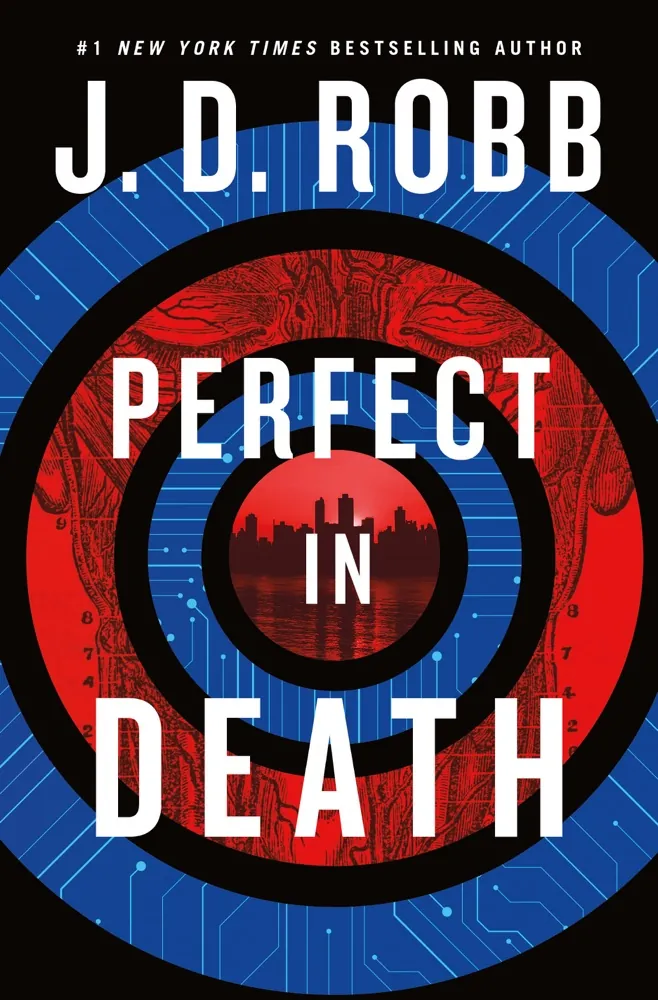

Author: J.D. RobbPage Count: UnknownPublication Date: Expected publication 2026 APL Thirty-two dollars for a textbook that was last updated when George Bush was in office. That is the actual financial ruin funding my coffee black enough to melt concrete while I dissect Perfect in Death. Because J.D. Robb—or Nora Roberts wearing her futuristic precinct badge—is back at it again with Lieutenant Eve Dallas. Sixty-four books. Read that number out loud and try not to experience immediate somatic dread. Scalpels, Cobblestones, and God Complexes The synopsis gives us a headless corpse on a dark cobblestoned street. Classic noir beats, sure, but let us talk about the actual biological plausibility here. The blurb tosses around phrases like "illegal organ harvesting" and "medical knowledge" right before dragging us into the hallowed halls of academia. If you are going to write a forensic thriller involving surgical precision, for the love of ATP, explain the cellular preservation window. You cannot just casually misappropriate transplant logistics for dramatic effect without accounting for ischemic times. Actually, wait. The medical angle is completely secondary to the institutional rot anyway. Never mind the cellular necrosis; what we are really looking at is yet another tired allegory about elite hubris. The Pursuit of Absolute Perfection Or maybe not. Let me walk that back because the pursuit of perfection is literally the engine running this entire sprawling dystopia. Manicured campus lawns masking feral ambition. Manhattan doctors playing God because their prefrontal cortexes are fried on ambition and designer stimulants. Eve Dallas walks into these ivory towers like a human garbage disposal for dirty secrets. She hates elitism almost as much as I hate my landlord charging twenty-five dollars a month for a basement storage locker that leaks sewage. And Peabody will be there, rolling her eyes and eating some synthetic pastry while Eve threatens a neurosurgeon with a badge and a glare. The thematic weight here rests on the friction between raw, bloody biology and the sterile aesthetic of high-society achievement. But let us be real. This reads like Michael Connelly crossed with a cyberpunk soap opera. We all know the drill by now. The victim seemed too good to be true. The family is hiding something mundane yet tawdry. Some arrogant academic is going to monologues about transhumanism or cellular immortality right before the cuffs click. Yet I will still pre-order it on my phone while sitting in the back of a three-hundred-person lecture hall listening to an adjunct drone on about molecular pathways. Because sometimes you just need a caffeine-addled homicide detective to remind you that rich people are garbage. The bodega on the corner just turned into a cold-pressed juice boutique charging eight dollars for celery water, and honestly, losing the last decent dive bar in this ZIP code hurts worse than failing organic chemistry. Related InsightsZen and the Art of Motorcycle Maintenance: An Inquiry Into Values Book Review and Summary Lochbound Book Review and Summary Clear Water Book Review and Summary{ "@context": "https://schema.org", "@type": "FAQPage", "mainEntity": [ { "@type": "Question", "name": "What is the main focus of Perfect in Death (In Death, #64) Book Review and Summary?", "acceptedAnswer": { "@type": "Answer", "text": "Everything you need to know about Perfect in Death (In Death, #64) with our detailed review." } }, { "@type": "Question", "name": "Who authored the comprehensive guide on Perfect in Death (In Death, #64) Book Review and Summary?", "acceptedAnswer": { "@type": "Answer", "text": "This detailed article and its insights were carefully researched and authored by Marco Conti." } }, { "@type": "Question", "name": "Where can I find more related content about Books?", "acceptedAnswer": { "@type": "Answer", "text": "You can explore more articles, detailed reviews, and similar insights by browsing the Related Insights section at the bottom of this article or visiting our dedicated Books category page." } } ] }
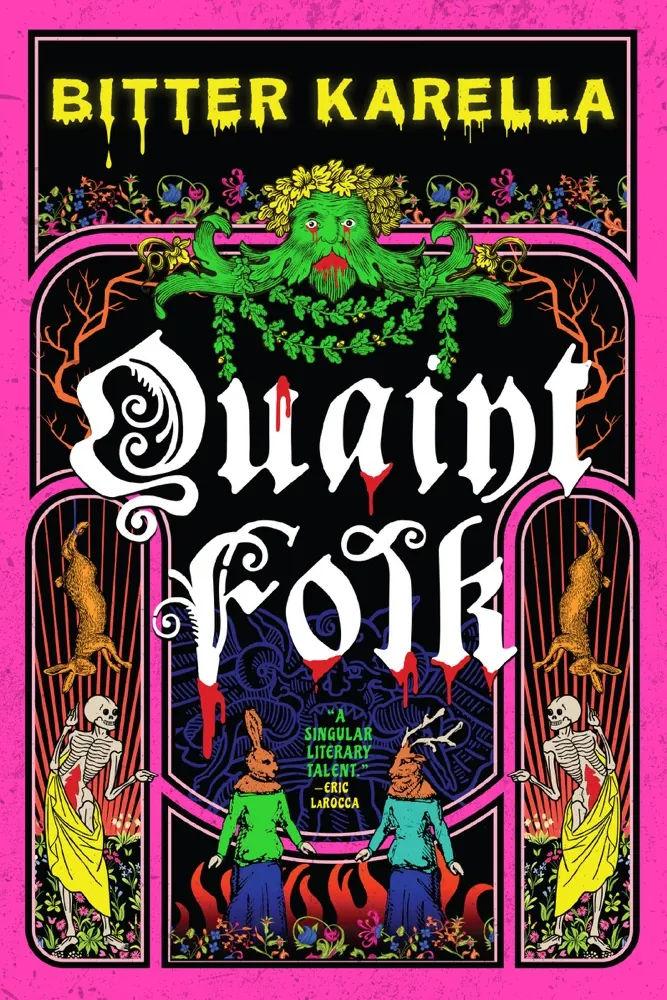
Author: Bitter KarellaPage Count: UnknownPublication Date: Expected publication 2026-10-06 APL It is freezing outside, and my landlord still refuses to turn on the radiator, leaving me to shiver over a lukewarm mug of instant coffee while staring at another PR pitch for Bitter Karella’s upcoming Quaint Folk. Another day, another stack of queer horror manuscripts hitting my desk—because apparently, every publishing house in New York decided that what we really need this October is yet another satirical takedown of rural isolation. The Suburban Pretension Trap Jessica has the all-American pie life. Or so the copywriters claim before slapping us with the mandatory trauma dump about how she cannot escape her past. Groundbreaking stuff. We are supposed to believe that moving to Hasenhurst—a remote island where people aggressively make their own jam and trade in folksy superstition—will offer a fresh start. And naturally, beneath the idyllic veneer of homemade herbs and quiet domesticity, something sickly-sweet and rotten lies buried. Wow. Color me shocked. Did Shirley Jackson patent this plot in 1948 only for every mid-tier indie darling to run it straight into the ground? Karella clearly channels the unhinged domestic dread of Eric LaRocca and the biting, satirical camp of Laura Cranehill. Yet, relying entirely on the "wholesome town hides dark secrets" trope feels painfully lazy for a writer of this caliber. The Weaponization of Jam and Folklore The thematic weight here rests heavily on the absurdity of heteronormative suburban expectations crashing headfirst into ancient, blood-soaked mythologies. Jessica desperately wants to be the "right kind of person" for a quaint life, which is just academic-speak for the desperate yearning to belong in a system that will inevitably try to skin you alive. It gives heavy vibes of The Wicker Man meets Stepford Wives, but make it queer. The synopsis promises something funny, bloody, and outrageous. But let us be real. The synopsis always promises a riot. What we usually get is two hundred pages of moody atmosphere followed by a third-act bloodbath that forgets to actually say anything new about the trauma of domesticity. Marketing Aesthetic Versus Actual Substance The blurbs are doing some heavy lifting here. LaRocca calls it a bold, potent brew of mythical weirdness, which is industry code for the protagonist is going to hallucinate heavily while chopping vegetables. And honestly? I am tired. I am so damn tired of books coasting on vibes and vibe-adjacent queer trauma. Give me actual structural bite instead of just throwing around words like satirical and unhinged to distract readers from the fact that the plot is basically a Mad Libs sheet filled out by a chronically online goth. If Karella actually leans hard into the surrealism without pulling any punches, this might just survive the brutal autumn release cycle. Otherwise, it is just another piece of aesthetic content destined to be posted on BookTok next to a cup of chamomile tea and an amber-colored reading light. I have to go scream into a pillow and then debate the merits of absurdism with a stranger in a dive bar. Related InsightsBridge to Bat City 6c Signed Solid Prepack Book Review and Summary Adam and Eve Book Review and Summary Ivanhoe Book Review and Summary{ "@context": "https://schema.org", "@type": "FAQPage", "mainEntity": [ { "@type": "Question", "name": "What is the main focus of Quaint Folk Book Review and Summary?", "acceptedAnswer": { "@type": "Answer", "text": "Everything you need to know about Quaint Folk with our detailed review." } }, { "@type": "Question", "name": "Who authored the comprehensive guide on Quaint Folk Book Review and Summary?", "acceptedAnswer": { "@type": "Answer", "text": "This detailed article and its insights were carefully researched and authored by Irina Ivanova." } }, { "@type": "Question", "name": "Where can I find more related content about Books?", "acceptedAnswer": { "@type": "Answer", "text": "You can explore more articles, detailed reviews, and similar insights by browsing the Related Insights section at the bottom of this article or visiting our dedicated Books category page." } } ] }