Ethiopia’s Danakil Depression: A Journey to Earth’s Hottest and Most Alien Landscape
-
 Aisha Sharma
 - 30 Aug, 2026 12:10
Where the Earth Boils Beneath Your Feet
Nestled in the northeastern corner of Ethiopia, the Danakil Depression is not just a place—it’s an experience that defies comprehension. Known as one of the hottest and lowest points on Earth, this geological wonder stretches over 100,000 square kilometers, dipping as low as 125 meters below sea level. Here, the air shimmers with heat, the ground crackles with volcanic fury, and the landscape shifts between salt-encrusted plains and bubbling lava lakes. It’s a realm where human survival is a testament to endurance, and where the planet’s raw power is laid bare.
For adventurers, scientists, and travelers seeking the extraordinary, the Danakil Depression offers an unparalleled journey into the heart of Earth’s most extreme environments. But this is no ordinary destination. It’s a place where temperatures routinely exceed 50°C (122°F), where toxic gases linger in the air, and where the very ground beneath your feet is alive with geological activity. To visit is to step into another world—one that feels more like Mars than our own.
The Geological Marvels That Define the Danakil Depression
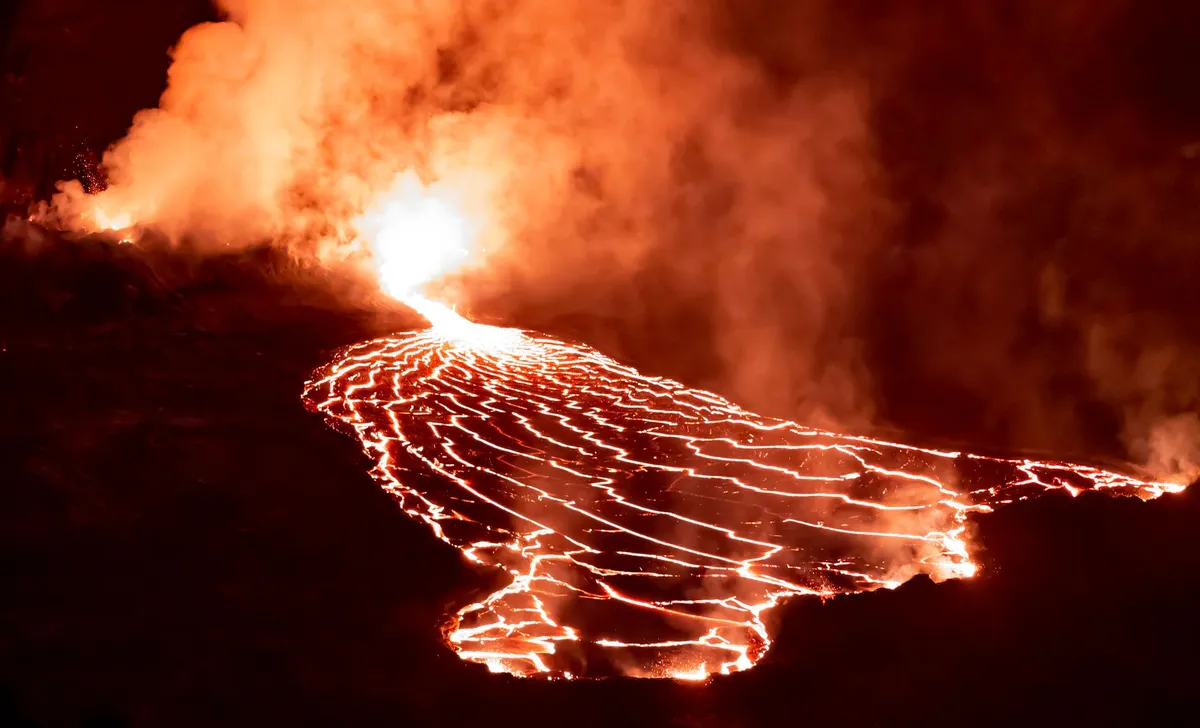
The Danakil Depression is a geological anomaly, a rift valley formed by the divergence of three tectonic plates: the Nubian, Somali, and Arabian plates. This relentless tectonic activity has created a landscape that is both breathtaking and terrifying. At its heart lies the Erta Ale volcano, one of the few continuously active lava lakes in the world. For over a century, this fiery cauldron has churned, its molten surface a mesmerizing yet deadly spectacle.
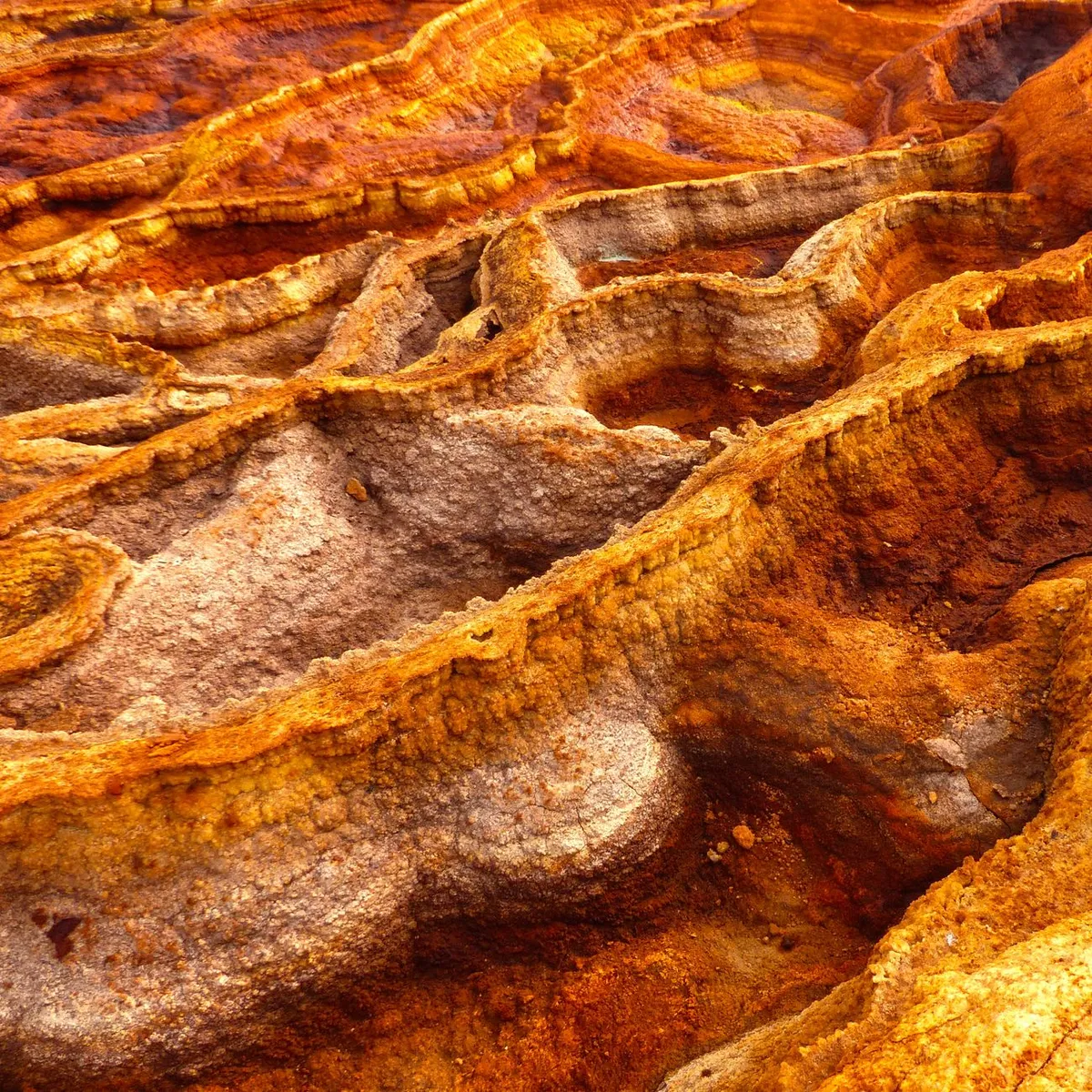
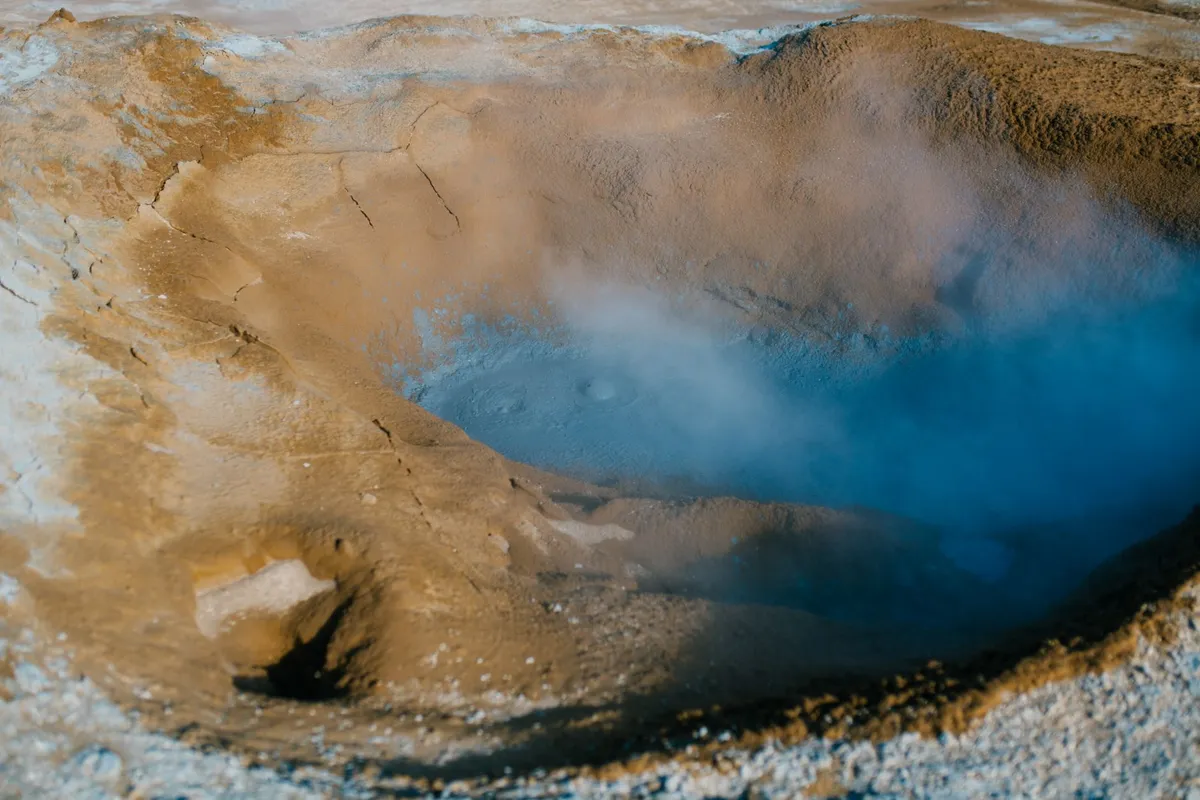
Nearby, the Dallol hydrothermal field is a surreal tableau of acid pools, salt formations, and sulfur deposits. The water here is so acidic that it can dissolve flesh on contact, and the temperatures are so high that the air itself seems to vibrate. Scientists believe Dallol may resemble the conditions that existed on Earth billions of years ago, making it a living laboratory for astrobiologists studying the origins of life.
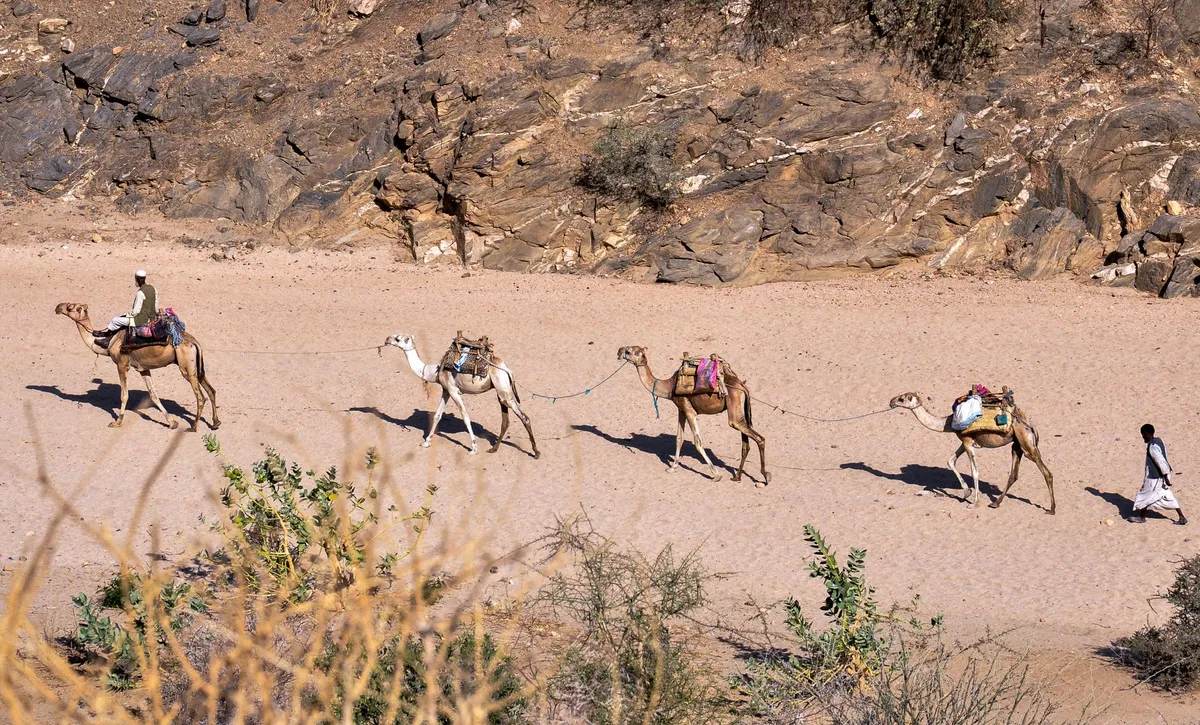
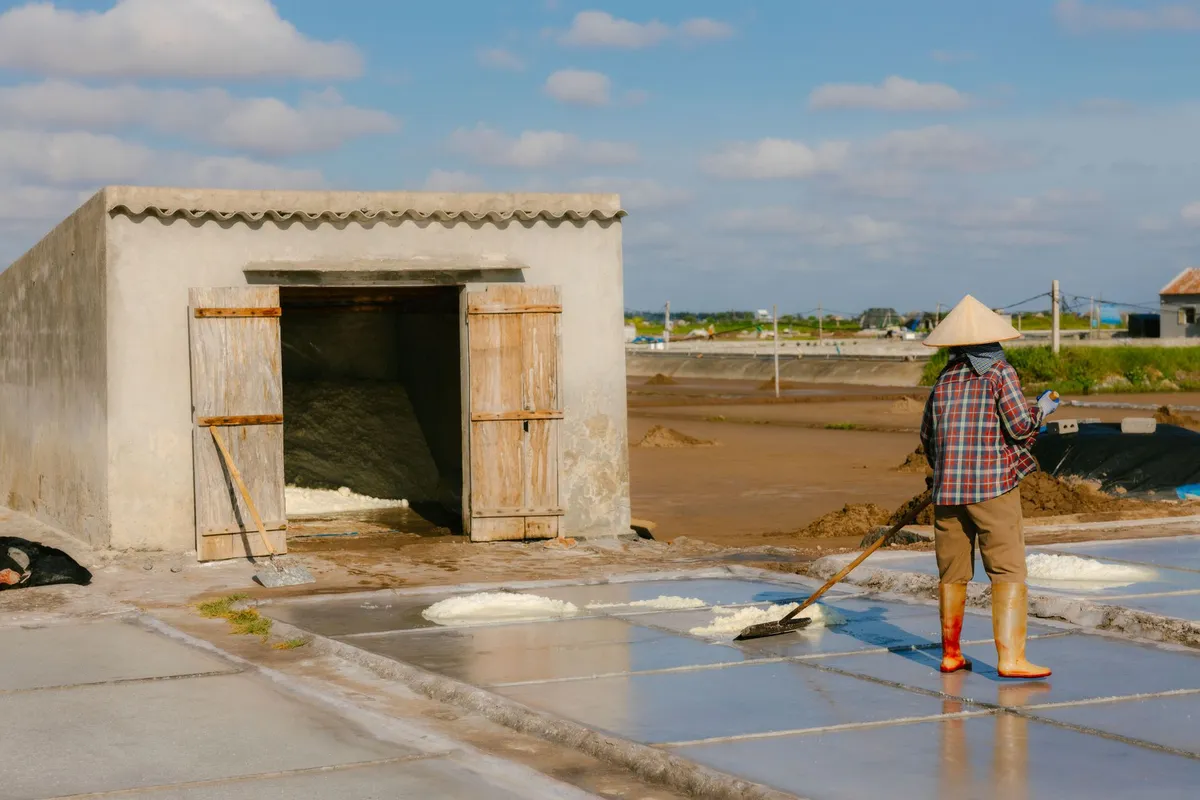
But the Danakil Depression’s most iconic feature is its salt flats. For centuries, the Afar people have mined salt here, carving out blocks from the vast, white expanse that stretches endlessly into the horizon. The salt is transported by camel caravans, a tradition that dates back to ancient times. Today, these caravans still traverse the Danakil, a testament to the resilience of the people who call this harsh landscape home.
The region’s extreme conditions have also made it a hotspot for scientific research. NASA has studied the Danakil Depression as an analog for Mars, while geologists flock here to study the unique volcanic and hydrothermal processes at work. The combination of extreme heat, toxic gases, and acidic waters creates an environment that is as challenging as it is fascinating.
For travelers, the Danakil Depression is a bucket-list destination, but it’s not for the faint of heart. The journey here requires careful planning, specialized guides, and a tolerance for discomfort. Yet, for those who make the trek, the rewards are immeasurable—a glimpse into a world that feels like another planet.
Navigating the Danakul: Logistics, Costs, and Essential Preparations
Visiting the Danakil Depression is not a spontaneous trip. It requires meticulous planning, from securing permits to arranging transportation and accommodations. The journey typically begins in the Ethiopian city of Mekele, the gateway to the Danakil. From there, travelers embark on a multi-day expedition, often by 4x4 vehicle, through some of the most remote and rugged terrain on Earth.
The cost of visiting the Danakil Depression can vary widely depending on the level of comfort and the duration of the trip. A basic guided tour can cost anywhere from $500 to $1,500 per person, while more luxurious options with private guides and better accommodations can exceed $2,000. These costs typically include transportation, guides, meals, and camping equipment. However, travelers should budget extra for tips, permits, and any additional expenses that may arise.
One of the biggest challenges of visiting the Danakil Depression is the extreme heat. Temperatures during the day can exceed 50°C (122°F), making it essential to travel during the cooler hours of early morning or late evening. Hydration is critical, and travelers should carry at least 3-4 liters of water per person per day. Sun protection is also a must, with wide-brimmed hats, sunglasses, and high-SPF sunscreen being non-negotiable.
Accommodations in the Danakil Depression are basic at best. Most tours involve camping in tents, with limited access to modern amenities. Some tours may include stays in basic lodges or guesthouses in nearby towns like Dallol or Berhale, but these are often rudimentary and lack electricity or running water. For those seeking a more comfortable experience, it’s possible to arrange private accommodations in Mekele before or after the expedition.
Permits are another critical consideration. The Ethiopian government requires all visitors to the Danakil Depression to obtain a special permit, which can be arranged through a licensed tour operator. These permits are typically valid for a set period, and travelers must adhere to strict guidelines to ensure their safety and the preservation of the fragile ecosystem.
For digital nomads and expats considering a longer stay in Ethiopia, the cost of living is relatively low compared to Western standards. According to Numbeo, the world’s largest cost-of-living database, rent for a one-bedroom apartment in Addis Ababa averages around $200-$400 per month, while a meal at a mid-range restaurant costs about $5-$10. However, the Danakil Depression is a different story. Supplies here are scarce and expensive, with basic items like bottled water and snacks costing significantly more than in major cities.
Safety is a paramount concern in the Danakil Depression. The region is home to the Afar people, a semi-nomadic ethnic group with a strong presence in the area. While the Afar are generally welcoming to tourists, tensions can arise, particularly in disputed territories. Travelers should always be accompanied by a licensed guide and avoid venturing off alone. Additionally, the presence of landmines in some areas means that sticking to established routes is essential.
Despite the challenges, the Danakil Depression is an unforgettable destination for those willing to brave its extremes. The combination of its otherworldly landscapes, geological wonders, and cultural richness makes it a must-visit for adventurers and explorers.
| Expense Category | Estimated Cost (USD) | Notes |
|---|---|---|
| Guided Tour | $500 - $2,000+ | Includes transport, guide, meals |
| Permits | $50 - $100 | Required for entry |
| Accommodations (Mekele) | $20 - $50 per night | Basic guesthouses or hotels |
| Water | $1 - $3 per liter | Prices increase in remote areas |
| Local Guide (per day) | $50 - $100 | Essential for safety |
| Camping Gear Rental | $20 - $50 | If not provided by tour |
The Afar People: Guardians of the Danakil’s Secrets
The Danakil Depression is not just a geological wonder—it’s also home to the Afar people, a resilient ethnic group with a rich cultural heritage. The Afar have inhabited this harsh landscape for centuries, adapting to its extreme conditions with remarkable ingenuity. Their way of life revolves around the salt trade, livestock herding, and trade with neighboring communities.
The Afar are semi-nomadic, moving seasonally in search of water and grazing land for their camels, goats, and cattle. Their traditional dwellings, known as ari, are made from woven mats and sticks, designed to be easily dismantled and transported. Despite the challenges of their environment, the Afar are known for their hospitality, often welcoming visitors into their camps with tea and stories.
The salt trade is central to Afar culture and economy. For generations, the Afar have mined salt from the Danakil’s vast salt flats, carving out blocks and transporting them by camel caravan to markets in Ethiopia and beyond. This trade has earned the Afar a reputation as skilled traders and negotiators, with salt serving as a form of currency in the region.
However, the Afar’s way of life is under threat. Climate change, political instability, and economic pressures are forcing many Afar to abandon their traditional livelihoods in search of alternative income. The Danakil Depression’s extreme conditions also pose significant health risks, with diseases like malaria and tuberculosis prevalent in the region.
Despite these challenges, the Afar remain deeply connected to their land. Their oral traditions, music, and rituals are a testament to their resilience and cultural richness. Visitors to the Danakil Depression have the opportunity to engage with the Afar, learning about their history, customs, and the challenges they face in preserving their way of life.
For those interested in cultural immersion, a visit to an Afar village or salt-mining camp can be a highlight of the trip. The Afar are proud of their heritage and often eager to share their knowledge with visitors. Whether it’s participating in a traditional tea ceremony, learning about salt-mining techniques, or simply listening to stories around a campfire, the Afar offer a glimpse into a world that is both ancient and enduring.
Surviving the Danakil: Safety, Health, and Essential Tips
The Danakil Depression is not a place for the unprepared. Its extreme heat, toxic gases, and rugged terrain demand respect and caution. For travelers, the key to a safe and enjoyable visit lies in thorough preparation and adherence to safety guidelines.
First and foremost, hiring a licensed guide is non-negotiable. The Danakil Depression is a maze of volcanic craters, salt flats, and shifting sands, and navigating it without expert guidance is a recipe for disaster. A good guide will not only ensure your safety but also enrich your experience with insights into the region’s geology, history, and culture.
Health precautions are equally critical. The extreme heat can lead to dehydration, heatstroke, and sunburn, so it’s essential to stay hydrated and protected from the sun. Travelers should carry rehydration salts, electrolytes, and a first-aid kit. Insect repellent is also a must, as mosquitoes and other pests are common in the region.
The air in the Danakil Depression can be laced with toxic gases, particularly around the Dallol hydrothermal field. These gases, including sulfur dioxide and hydrogen chloride, can cause respiratory distress and other health issues. Travelers with asthma or other respiratory conditions should avoid areas with high gas concentrations and carry a mask for protection.
Food and water safety is another concern. Tap water in the Danakil Depression is not safe to drink, and travelers should rely on bottled water or purified water. Local food can be a gamble, as hygiene standards vary widely. Stick to freshly cooked meals and avoid raw vegetables or unpeeled fruits.
For those prone to altitude sickness, the Danakil Depression’s low elevation may not be an issue, but the extreme heat can exacerbate symptoms. Travelers should take it slow, avoid strenuous activity during the hottest hours, and listen to their bodies.
Finally, respect for the local culture and environment is essential. The Afar people are proud of their heritage, and visitors should approach interactions with humility and curiosity. Avoid taking photos without permission, and be mindful of the fragile ecosystem. Leave no trace, and support local businesses whenever possible.
A Land That Defies Imagination
The Danakil Depression is more than a destination—it’s a testament to the raw power and beauty of our planet. Here, in a landscape that feels plucked from another world, travelers can witness the Earth in its most primal form. From the bubbling lava lakes of Erta Ale to the shimmering salt flats of Dallol, every corner of the Danakil Depression tells a story of geological fury and human resilience.
But the Danakil Depression is also a place of contrasts. It’s a land of extremes, where beauty and danger coexist in equal measure. It’s a place where the Afar people have carved out a life against all odds, where scientists uncover the secrets of Earth’s origins, and where adventurers push the limits of human endurance.
For those who venture here, the Danakil Depression leaves an indelible mark. It’s a journey that challenges the body, tests the mind, and ignites the soul. It’s a reminder that our planet is still full of mysteries, waiting to be explored.
So, if you’re ready to step into the unknown, pack your bags, hire a guide, and prepare for the adventure of a lifetime. The Danakil Depression is calling.
#DanakilDepression #ExtremeTravel #EthiopiaAdventure #VolcanicLandscapes #SaltFlats