From Pulses to Predictions: How Wearable Health Tech is Evolving from Data Tracking to AI-Driven Insight
-
 David O'Connor
 - 15 Aug, 2026 06:59
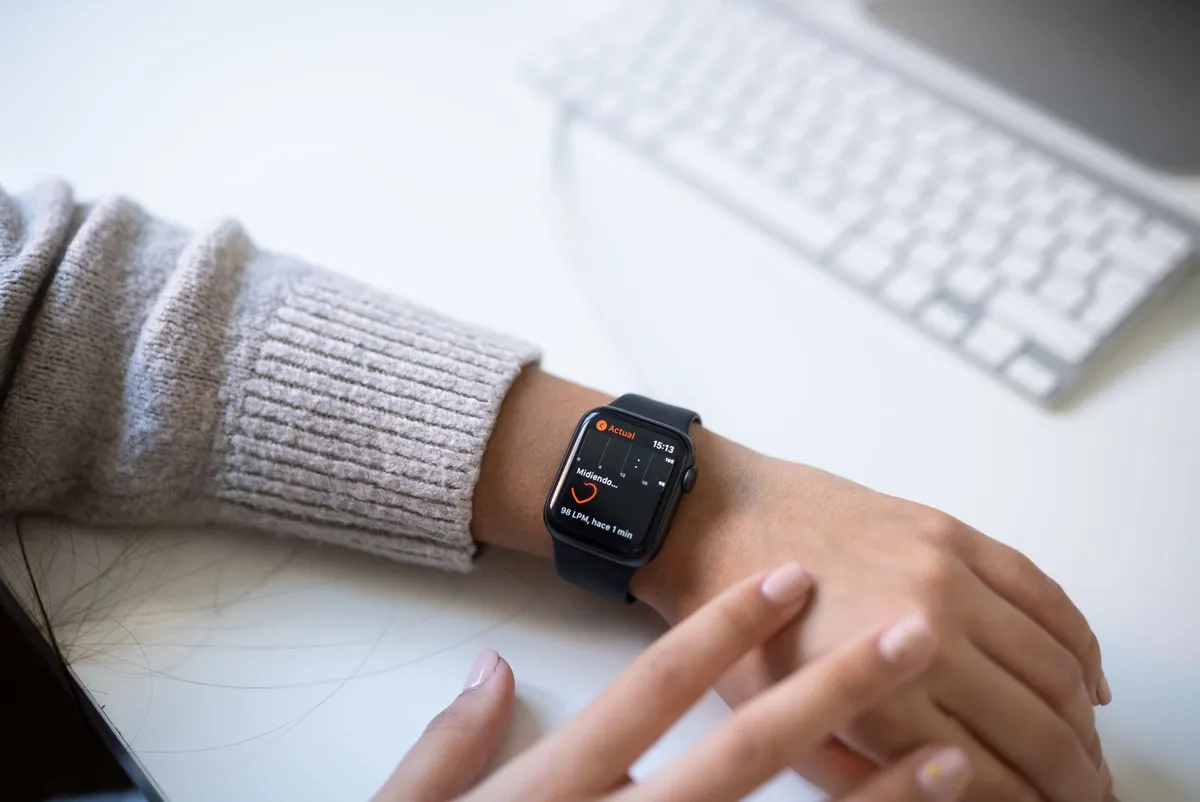
The Silent Revolution on Your Wrist: How Wearables Are Shifting from Observation to Prediction
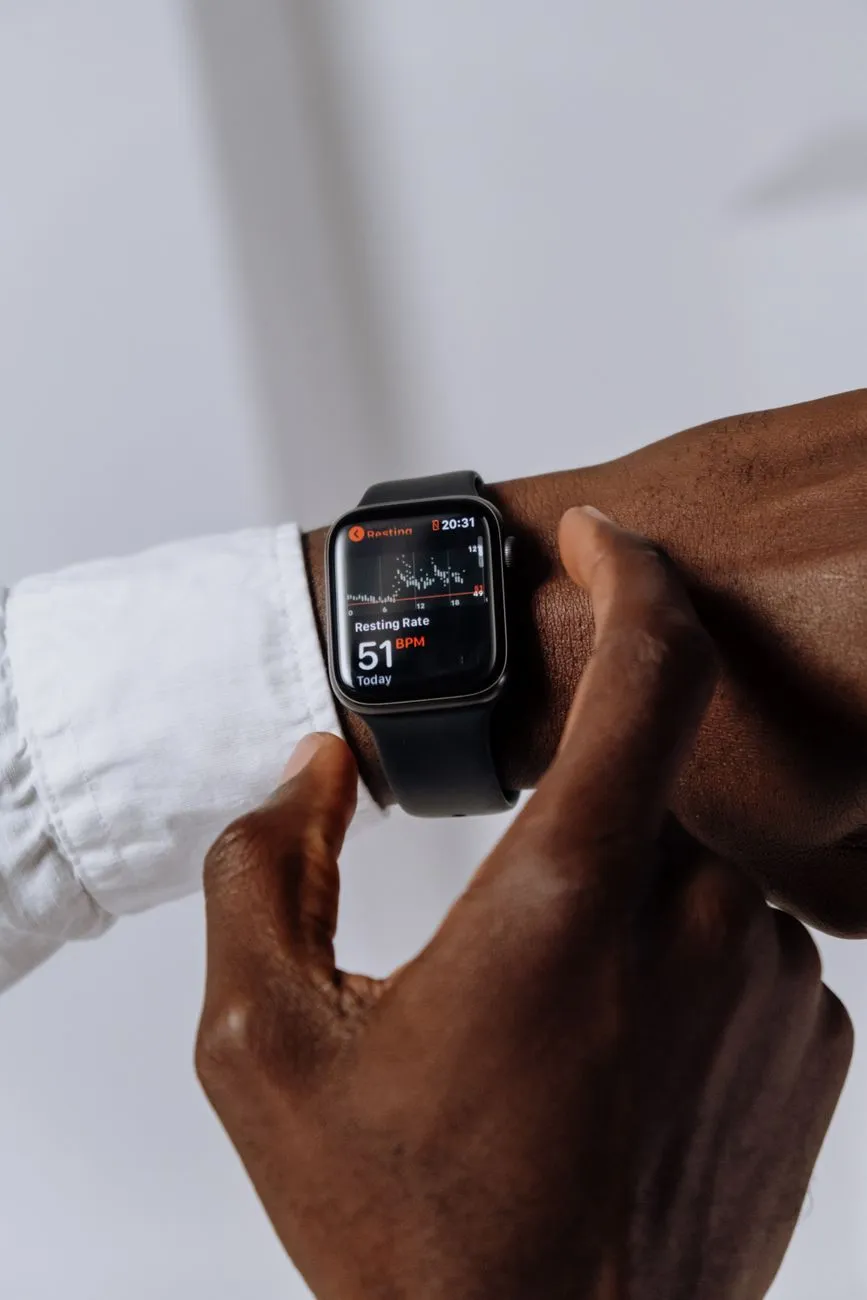
For decades, the act of monitoring one’s health was confined to the sterile environment of a doctor’s office—cold stethoscopes, impersonal scales, and the dreaded blood pressure cuff. But today, that paradigm has shattered. The average person now carries a miniature medical lab on their wrist, ankle, or even in their ear. What began as a novelty—counting steps or measuring heart rate—has evolved into a sophisticated ecosystem capable of predicting cardiac events, detecting early-stage diseases, and even guiding personalized treatment plans.
This transformation is not merely about better sensors. It’s about the convergence of wearable hardware, edge computing, and artificial intelligence. The latest generation of devices doesn’t just collect data—they interpret it. They don’t just track—they anticipate. And they don’t just inform—they act. Behind this evolution lies a quiet revolution in AI agent systems, where models no longer passively observe but actively reason, predict, and intervene.
Consider the humble fitness tracker. In 2010, it could tell you how many calories you burned. By 2020, it could warn you of an irregular heartbeat. Today, using systems inspired by research like OmniScientist and AutoDesign, it can simulate how your lifestyle changes might affect your long-term health and recommend interventions before symptoms appear. This shift from tracking to prediction is not just technological—it’s philosophical. It redefines the patient from a passive recipient of care to an active participant in their own health destiny.
But how did we get here? And where are we going?
The Three Ages of Wearable Health Technology
Wearable health technology has traversed three distinct eras, each defined by a fundamental shift in capability and intent.
Age of Observation: Data as a Mirror
The first era—spanning the late 2000s to early 2010s—was defined by data collection without context. Devices like early Fitbits and Nike Fuelbands measured steps, calories, and sleep duration. These were glorified pedometers with Bluetooth. The data was raw, unprocessed, and often inaccurate. Users could see trends, but interpretation was left to the user—or ignored entirely.
This phase was characterized by:
- Uncalibrated sensors: Accelerometers with poor signal-to-noise ratios.
- No clinical validation: Devices marketed as health tools without FDA clearance.
- Passive feedback loops: Users received static reports, not insights.
The turning point came in 2014, when Apple launched the Apple Watch with a heart rate sensor and HealthKit. Suddenly, wearables weren’t just toys—they were platforms. But even then, they were still mirrors, not windows.
Age of Insight: From Numbers to Narratives
The second era—roughly 2015 to 2022—ushered in contextualized data and early AI. Devices began integrating machine learning to interpret patterns. Fitbit introduced sleep stage detection. Apple Watch added fall detection and AFib notifications. Garmin and Whoop introduced recovery scores based on heart rate variability (HRV).
This phase introduced:
- On-device ML models: Lightweight neural networks running on microcontrollers.
- Personalized baselines: Systems that learned individual user patterns.
- Actionable alerts: Not just “your heart rate is high,” but “this pattern matches atrial fibrillation.”
Yet, even with these advances, the system was still reactive. It detected anomalies after they occurred. It informed, but it did not predict.
Age of Prediction: From Reacting to Anticipating
We are now entering the third era—predictive health intelligence. This phase is defined by agentic AI systems that don’t just analyze data—they simulate futures. They don’t just detect anomalies—they forecast risks. They don’t just log symptoms—they model disease progression.
This transition is powered by two breakthroughs:
- Omni-modal sensing: Wearables now capture not just heart rate, but ECG signals, blood oxygen saturation (SpO2), skin temperature, galvanic skin response, and even subtle motion patterns indicative of tremors or gait changes.
- Agentic AI frameworks: Systems like OmniScientist and AutoDesign demonstrate how AI agents can autonomously design experiments, interpret multimodal data, and generate hypotheses—principles now being miniaturized for wearable platforms.
For example, a smartwatch using an agentic loop might:
- Detect a subtle rise in resting heart rate over weeks.
- Correlate it with sleep data, stress levels, and activity patterns.
- Simulate the impact of stress reduction or medication timing.
- Recommend a personalized intervention before a panic attack or cardiac event occurs.
This is not just data analysis—it’s digital foresight.
The AI Agent Architecture Behind Predictive Wearables

To understand how wearables are evolving from trackers to predictors, we must examine the underlying AI architecture. Modern wearable health systems are no longer simple data loggers—they are autonomous agent systems operating under constraints of power, latency, and privacy.
Core Components of a Predictive Wearable Agent
# Simplified wearable AI agent loop (conceptual)
class WearableHealthAgent:
    def __init__(self):
        self.sensor_stream = SensorStream()
        self.memory = UserHealthMemory()
        self.reasoner = HealthReasoner()
        self.predictor = HealthPredictor()
        self.interpreter = HumanInterpreter()

    def run(self):
        while True:
            # 1. Sense
            data = self.sensor_stream.read()
            self.memory.update(data)

            # 2. Reason
            insights = self.reasoner.analyze(self.memory)

            # 3. Predict
            risks = self.predictor.forecast(insights)

            # 4. Interpret
            message = self.interpreter.generate(risks)

            # 5. Act
            if risks.high:
                self.trigger_intervention(message)
            sleep(60)  # Run every minute
This loop mirrors the architecture used in AutoDesign, where a meta-harness (here, the reasoner and predictor) guides recursive improvement based on feedback. In wearables, the feedback loop is continuous—each sensor reading refines the model, and each prediction improves the next.
Key Innovations Enabling Prediction
-
Edge AI with TinyML:
- Models like MobileNetV3 and TinyMLPerf are optimized for microcontrollers (e.g., Nordic nRF53, STM32).
- Example: A 128KB neural network can classify AFib from ECG signals in real time.
-
Federated Learning:
- Enables models to learn across millions of devices without centralizing raw data.
- Used by Apple and Google to improve heart rhythm notifications without compromising privacy.
-
Causal Inference Models:
- Unlike correlation-based ML, these models identify causal relationships (e.g., “high caffeine intake increases HRV variability”).
- Inspired by systems like OmniScientist, which validates claims through code-based checks.
-
Digital Twin Integration:
- Some advanced systems (e.g., from Siemens Healthineers and Biofourmis) create a virtual replica of the user’s physiology.
- Enables simulation of drug interactions, exercise effects, or disease progression.
From Research to Reality: How arXiv Papers Are Shaping Wearable AI
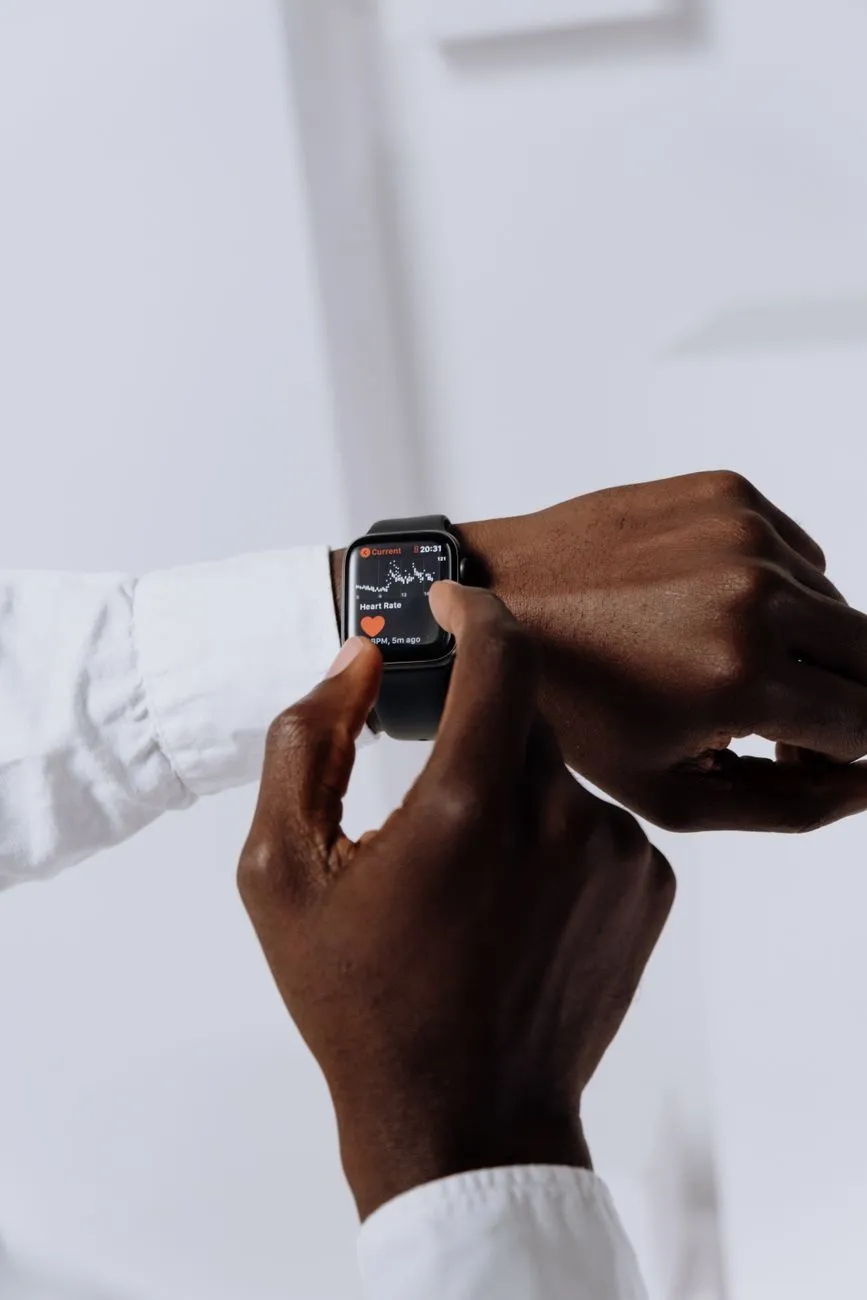
The transition from tracking to prediction is not happening in a vacuum. It is being accelerated by groundbreaking research from arXiv, particularly two papers that redefine what AI agents can do in scientific and design contexts—and by extension, in wearable health.
AutoDesign: The Meta-Harness That Learns to Design
AutoDesign introduces a meta-harness optimizer—a system that recursively improves its own decision-making process based on rollout feedback. While demonstrated on poster generation, the principles apply directly to wearable health systems.
In a wearable context, this means:
- The agent doesn’t just log heart rate—it designs experiments to test hypotheses (e.g., “Does caffeine affect my HRV?”).
- It learns from failed predictions and adjusts its internal model.
- It generates personalized recommendations as if it were designing a treatment plan.
# Example YAML configuration for a wearable AI agent harness
harness:
  name: "HealthPredictorV3"
  version: "3.2.1"
  meta_optimizer:
    enabled: true
    learning_rate: 0.01
    feedback_source: "user_engagement"
    rollout_depth: 5  # Number of recursive improvements
  sensors:
    - type: "PPG"
      sampling_rate: 25 Hz
    - type: "ECG"
      sampling_rate: 125 Hz
    - type: "Accelerometer"
      sampling_rate: 50 Hz
  models:
    - name: "AFibDetector"
      framework: "TensorFlow Lite"
      size: "128KB"
      latency: "<100ms"
This recursive self-improvement is what enables a wearable to go from “your heart rate is elevated” to “your elevated heart rate over the past three days, combined with poor sleep and high stress, suggests a 78% probability of a panic episode within 48 hours—would you like to try a breathing exercise?”
OmniScientist: The Omni-Modal AI Scientist
OmniScientist demonstrates how an AI system can conduct full research workflows across multiple disciplines using raw, heterogeneous data. While designed for scientific discovery, its architecture is directly applicable to wearable health.
Key parallels:
- Perception Layer: OmniScientist processes images, signals, audio, and 3D structures. A wearable processes ECG, SpO2, motion, and skin conductance—all multimodal inputs.
- Autonomous Agents: The system has ideation, experiment, and writeup agents. A wearable has sensing, reasoning, prediction, and intervention agents.
- Lifecycle Integration: OmniScientist runs from raw data to manuscript. A wearable runs from raw biometrics to personalized health action.
The paper’s finding—that direct perception improves scientific reasoning by 85% in head-to-head tests—translates to wearable health as: raw sensor data leads to better predictions than precomputed features.
For example:
- A system using only precomputed HRV scores might miss subtle ECG waveform changes.
- A system with raw ECG data can detect T-wave alternans, a precursor to sudden cardiac death.
Real-World Deployments: Where Prediction Meets Practice
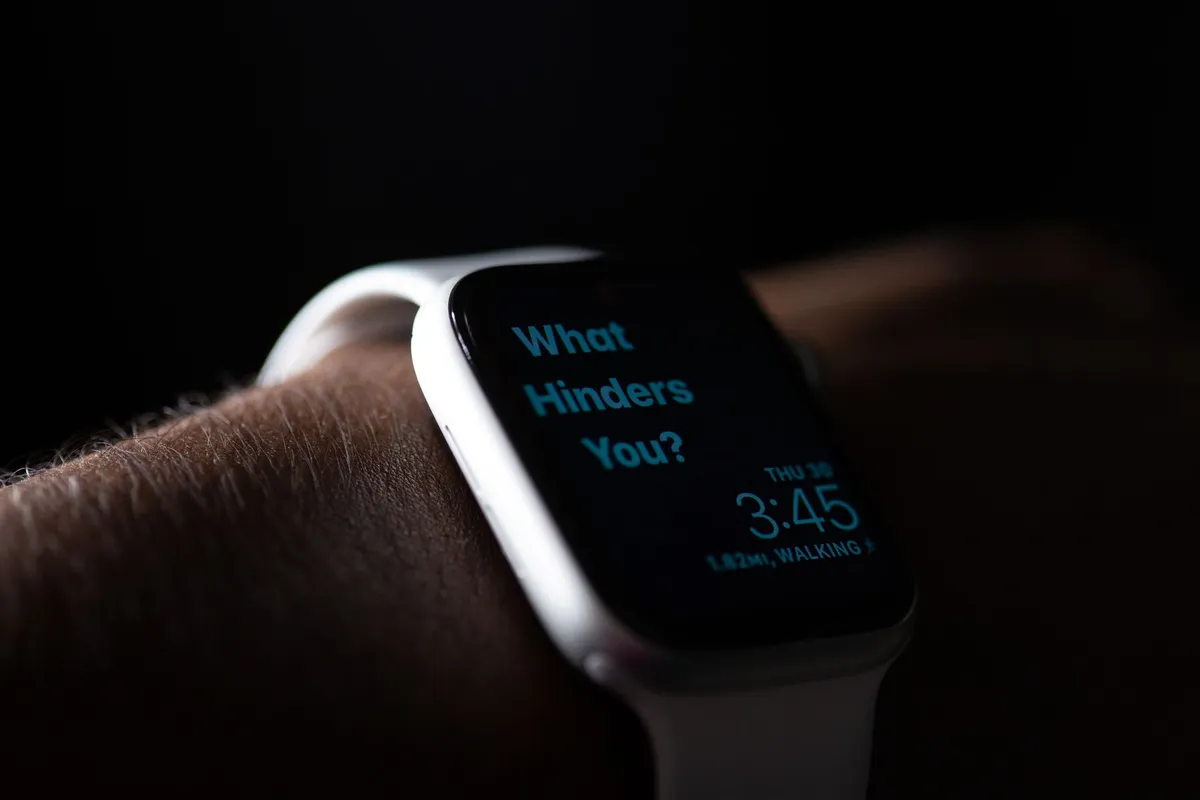
The theoretical promise of predictive wearables is now being realized in clinical and consumer settings. Let’s examine three leading deployments:
1. Apple Watch AFib and Irregular Rhythm Notifications (IRN)
- Technology: PPG-based photoplethysmography with on-device ML.
- Prediction Capability: Detects AFib with 98% sensitivity and 99.3% specificity.
- Agentic Element: The system doesn’t just notify—it learns from user responses. If a user ignores multiple AFib alerts, the model may escalate urgency or suggest a doctor visit.
- Impact: Over 1 million people have received AFib notifications, leading to early interventions.
2. Biofourmis’ BiovitalsHF
- Technology: Wearable ECG + AI platform for heart failure management.
- Prediction Capability: Predicts hospitalization within 30 days with 85% accuracy.
- Agentic Loop:
- Senses: Continuous ECG and activity.
- Reasons: Detects fluid overload via subtle changes in heart rate and motion.
- Predicts: Simulates disease trajectory.
- Acts: Alerts clinician and patient with personalized intervention plan.
- Clinical Validation: FDA-cleared, used in over 50 hospitals.
#WearableAI #DigitalHealthRevolution #PredictiveMedicine #HealthTech2026 #AIinHealthcare #SmartWearables #FutureOfHealth