From Sacred Cacao to Velvet Bars: The Lost Art and Modern Renaissance of Artisanal Chocolate
-
 Marcus Vance
 - 03 Sep, 2026 21:16
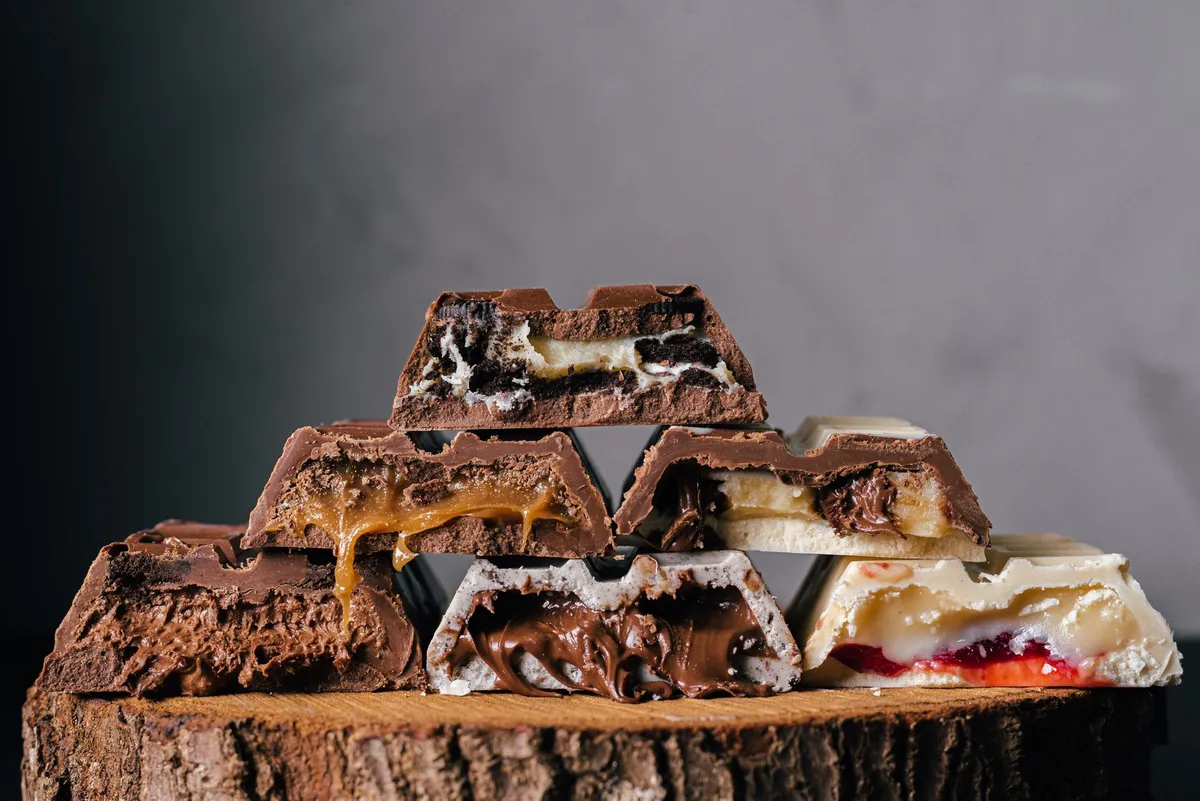
The Bitter Truth Behind the World’s Most Beloved Treat
Picture this: a velvety bar of chocolate melting on your tongue, its aroma transporting you to a misty Amazonian jungle where cacao trees sway in the humid breeze. This isn’t just any chocolate—it’s the result of a 4,000-year journey from sacred ritual to gourmet indulgence. Yet, most of the chocolate lining supermarket shelves is a far cry from its ancient origins. Mass-produced bars often contain emulsifiers, artificial flavors, and sugar levels that would make even the Aztecs gasp. But a quiet revolution is underway. Artisanal chocolatiers are dusting off centuries-old techniques, sourcing heirloom cacao varieties, and crafting chocolate that’s as much a work of art as it is a culinary masterpiece. Welcome to the lost art—and modern renaissance—of artisanal chocolate.
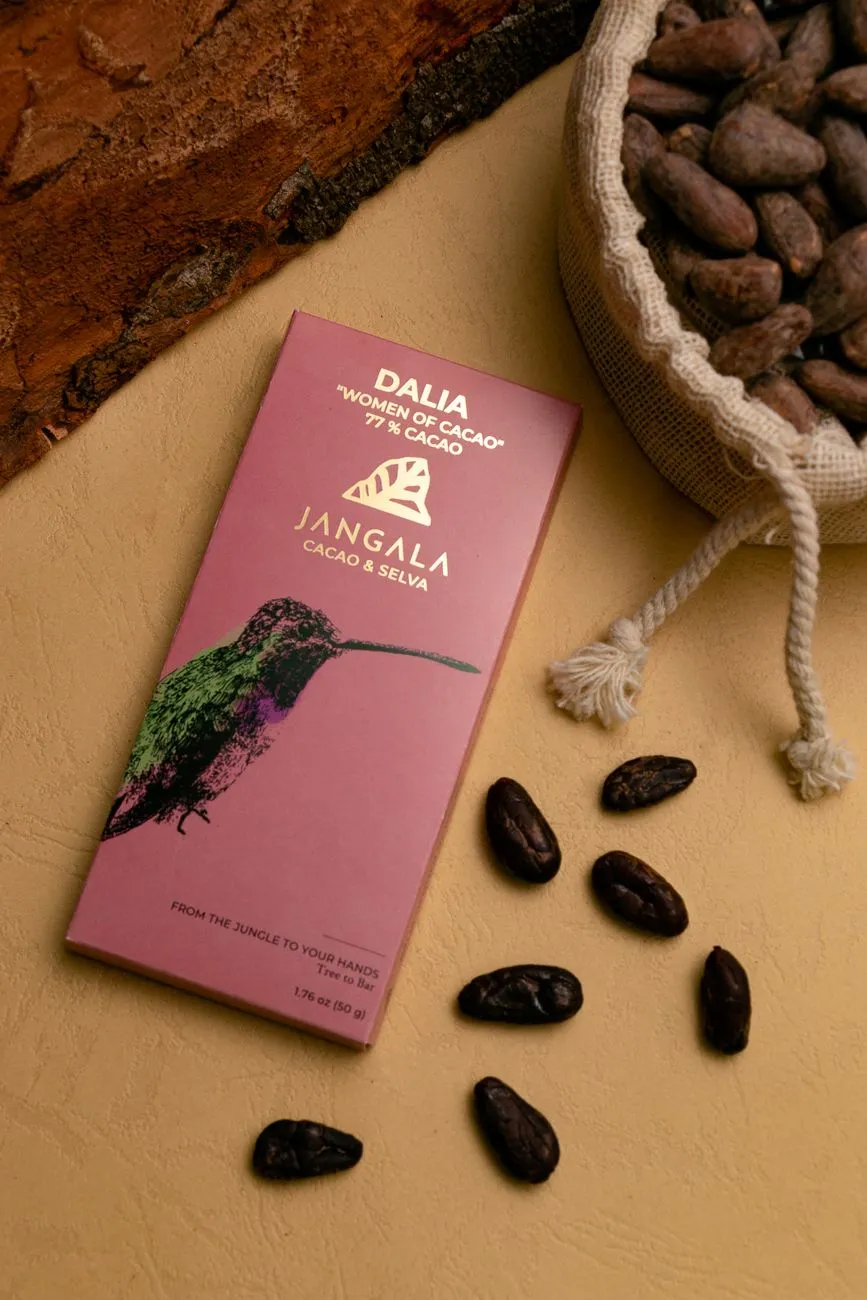
The Ancient Alchemy: How Cacao Became Chocolate
Long before chocolate bars existed, cacao was revered as the “food of the gods.” The Olmecs, the first major civilization in Mesoamerica (1500–400 BCE), were the first to cultivate cacao trees (Theobroma cacao, meaning “food of the gods” in Greek). They brewed a bitter, frothy drink called xocolatl, spiced with chili peppers and vanilla, reserved exclusively for royalty and warriors. When the Aztecs rose to power in the 14th century, they adopted cacao as currency—one bean could buy a rabbit, while 100 beans could purchase a slave. Montezuma II famously drank 50 golden goblets of xocolatl daily, believing it granted him strength and vitality.
The transformation from sacred drink to solid chocolate began in 1828 when Dutch chemist Coenraad van Houten invented the cocoa press, separating cocoa butter from cocoa powder. This innovation made chocolate smoother and more affordable. Then, in 1847, British chocolatier Joseph Fry created the first chocolate bar by mixing cocoa powder, sugar, and cocoa butter. The rest, as they say, is history—but not a particularly flavorful one. Industrialization prioritized quantity over quality, stripping cacao of its complexity and replacing it with additives.
Today, artisanal chocolatiers are reversing this trend. They’re reviving heirloom cacao varieties like Criollo and Nacional, which were nearly wiped out by disease and industrial farming. These rare beans produce chocolate with floral, fruity, and even wine-like notes—far removed from the monotonous sweetness of commercial chocolate. For example, a single-origin bar from Venezuela’s Chuao valley might boast hints of red berries and caramel, while a Peruvian bar could taste of citrus and tropical fruit. The key? Single-origin cacao, minimal processing, and a commitment to ethical sourcing.
The Alchemy of Artisanal Chocolate: From Bean to Bar
Crafting artisanal chocolate is a meticulous, multi-step process that can take weeks—or even months. It begins with the harvest. Unlike industrial farms that prioritize yield, artisanal producers often work with small-scale farmers who grow cacao trees under the shade of other crops, a method called agroforestry. This not only preserves biodiversity but also enhances the flavor of the beans. Once harvested, the cacao pods are cracked open, and the beans are scooped out along with their pulp. The beans are then fermented for 5–7 days, a critical step that develops the chocolate’s flavor profile. Fermentation triggers biochemical reactions that break down bitterness and create precursors for the rich, complex flavors we associate with high-quality chocolate.
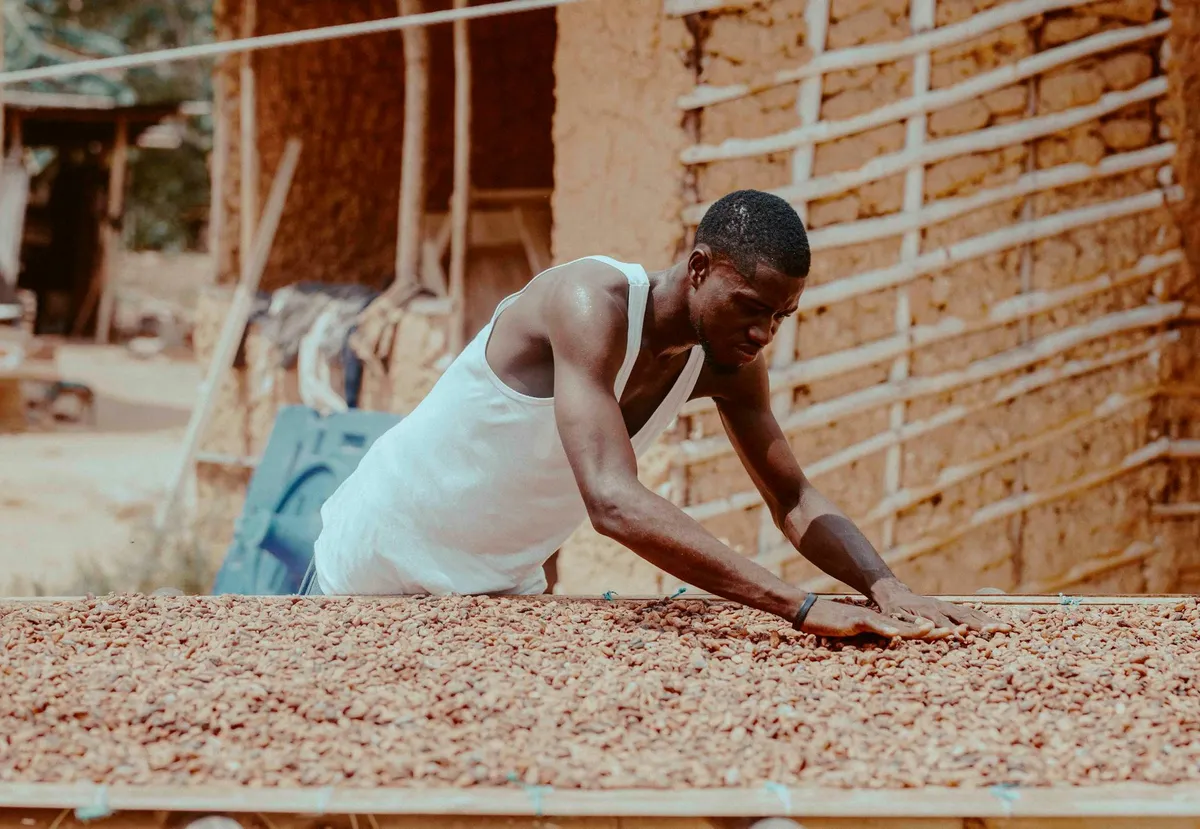
After fermentation, the beans are dried in the sun for 1–2 weeks to reduce moisture content. This step is crucial—improper drying can lead to mold or off-flavors. Once dried, the beans are roasted, a process that further develops their aroma. The roasting temperature and duration vary depending on the bean’s origin and desired flavor profile. For example, beans from Madagascar might be roasted at a lower temperature to preserve their fruity notes, while beans from Ecuador might be roasted longer to bring out nuttier undertones.
Next comes the winnowing process, where the roasted beans are cracked open to separate the cocoa nibs (the edible part) from the shells. The nibs are then ground into a thick, paste-like substance called cocoa liquor. This liquor is the base for all chocolate products. For dark chocolate, the liquor is simply conched—a process of stirring and aerating the chocolate at high temperatures to smooth out its texture and mellow its bitterness. Conching can last anywhere from a few hours to several days, depending on the desired outcome. Milk chocolate and white chocolate require additional ingredients: milk powder and sugar for milk chocolate, and just sugar and cocoa butter for white chocolate.
The final step is tempering, a temperature-controlled process that gives chocolate its signature snap and shine. Tempering involves heating the chocolate to 45–50°C (113–122°F), then cooling it to 27°C (80°F), and reheating it to 31–32°C (88–90°F) for dark chocolate or 29–30°C (84–86°F) for milk and white chocolate. This ensures that the cocoa butter crystallizes in the most stable form, resulting in a smooth, glossy finish. Artisanal chocolatiers often temper their chocolate by hand, using marble slabs or specialized machines to achieve perfect consistency.
The Science of Sensation: Why Artisanal Chocolate Tastes Different
The difference between artisanal and mass-produced chocolate isn’t just about ingredients—it’s about science. Commercial chocolate is designed to be consistent, predictable, and cheap. To achieve this, manufacturers often use deodorized cocoa powder, which strips away the bean’s natural flavors, and emulsifiers like soy lecithin to mimic the mouthfeel of high-quality chocolate. They also add vanilla and other flavorings to mask the blandness of the cocoa.
Artisanal chocolate, on the other hand, celebrates the natural diversity of cacao. The flavor of a chocolate bar is influenced by a complex interplay of factors: the cacao’s genetic variety, the soil it’s grown in (its terroir), the fermentation process, and even the altitude at which it’s cultivated. For example, cacao grown in volcanic soil, like that in Ecuador’s coastal regions, tends to have a mineral-rich, almost flinty taste. Cacao from the Amazon basin, meanwhile, often exhibits deep, earthy notes with hints of forest floor.
The texture of artisanal chocolate is another hallmark of its quality. Properly tempered chocolate should have a crisp snap when broken and a smooth, creamy melt in the mouth. This is due to the precise crystallization of cocoa butter during tempering. In contrast, poorly tempered chocolate can have a dull finish, a waxy mouthfeel, or a grainy texture. The conching process also plays a role here—longer conching times result in a silkier texture, as the chocolate’s particles become finer and more evenly distributed.
Nutritionally, artisanal chocolate often fares better than its commercial counterpart. A 100-gram bar of 70% dark chocolate made from single-origin cacao contains approximately:
- 600 calories
- 43g fat (27g saturated)
- 46g carbohydrates (33g sugar)
- 8g protein
- 11g fiber
- 3.3mg iron (18% DV)
- 2.3mg magnesium (55% DV)
While still calorie-dense, dark chocolate is rich in antioxidants like flavonoids, which have been linked to heart health and reduced inflammation. The higher the cacao content, the more antioxidants and less sugar the chocolate contains. For comparison, a typical milk chocolate bar might contain only 20–30% cacao, along with added sugars and fats that dilute its nutritional benefits.
| Chocolate Type | Cacao % | Sugar % | Fat % | Key Flavor Notes | Price per 100g (USD) |
|---|---|---|---|---|---|
| Venezuelan Criollo | 85% | 10% | 55% | Caramel, red berries | $12–$18 |
| Peruvian Nacional | 70% | 20% | 50% | Citrus, tropical fruit | $10–$15 |
| Ecuadorian Arriba | 75% | 15% | 52% | Floral, nutty | $9–$14 |
| Belgian Milk Chocolate | 35% | 40% | 30% | Creamy, vanilla | $4–$8 |
| Commercial Dark (Avg.) | 50% | 35% | 35% | Bitter, one-dimensional | $2–$5 |
Price ranges are approximate and vary based on brand and retailer.
The Ethical Revolution: How Artisanal Chocolate is Changing the Industry
Artisanal chocolate isn’t just about flavor—it’s about ethics. The modern chocolate industry has long been plagued by issues like child labor, deforestation, and unfair wages. According to a 2021 report by the International Labour Organization, over 1.5 million children work in hazardous conditions on cocoa farms in West Africa, the source of 70% of the world’s cacao. Many of these farms are owned by large corporations that prioritize profit over people, often paying farmers less than $2 a day.
Artisanal chocolatiers are tackling these issues head-on by adopting direct trade and fair trade practices. Direct trade involves building direct relationships with farmers, ensuring they receive fair prices for their cacao. Many artisanal producers also pay a premium above the fair trade minimum, which allows farmers to invest in their communities, improve their farming techniques, and diversify their crops. For example, the Taza Chocolate company in the U.S. sources its cacao from smallholder farmers in the Dominican Republic and pays them 15–20% above the fair trade price. Similarly, Mast Brothers in Brooklyn, New York, works directly with farmers in Belize and Venezuela, providing them with training and resources to improve their yields.
Sustainability is another cornerstone of the artisanal movement. Industrial cacao farming often involves clearing rainforests to plant monocultures, which depletes soil and reduces biodiversity. Artisanal producers, however, often use agroforestry systems, where cacao trees are grown alongside other crops like bananas, avocados, and shade trees. This not only preserves the ecosystem but also improves the flavor of the cacao. For instance, cacao grown under the canopy of taller trees tends to have a more complex, nuanced flavor profile due to the slower ripening process.
The rise of bean-to-bar chocolate makers—chocolatiers who control every step of the process, from sourcing the beans to packaging the final product—has also given consumers more transparency. Unlike large corporations that obscure their supply chains, bean-to-bar makers often visit their farms, meet the farmers, and even participate in the fermentation and drying processes. This level of transparency ensures that the chocolate is not only delicious but also ethically produced.
A Taste of the Divine: How to Experience Artisanal Chocolate Like a Connoisseur
If you’ve only ever eaten mass-produced chocolate, preparing your palate for artisanal chocolate is like upgrading from instant coffee to a single-origin pour-over. Start by choosing a chocolate bar with a high cacao percentage (70% or higher) and a single origin. Look for bars that list the cacao percentage prominently on the packaging, as well as the country of origin. Avoid bars that contain emulsifiers like soy lecithin or artificial flavors.
Before tasting, let the chocolate come to room temperature. This allows its flavors to fully develop. Then, break off a small piece and let it melt on your tongue. Pay attention to the finish—does the flavor linger or dissipate quickly? Does it have layers of complexity, or is it one-dimensional? Artisanal chocolate should evolve in your mouth, revealing new notes with each bite.
Pairing chocolate with other foods can also enhance your tasting experience. Dark chocolate with a high cacao content (85% or higher) pairs beautifully with red wine, especially those with notes of black cherry or plum. Milk chocolate with fruity undertones can be paired with a crisp white wine or a craft beer. For a decadent treat, try pairing chocolate with blue cheese or dried fruits like apricots or figs.
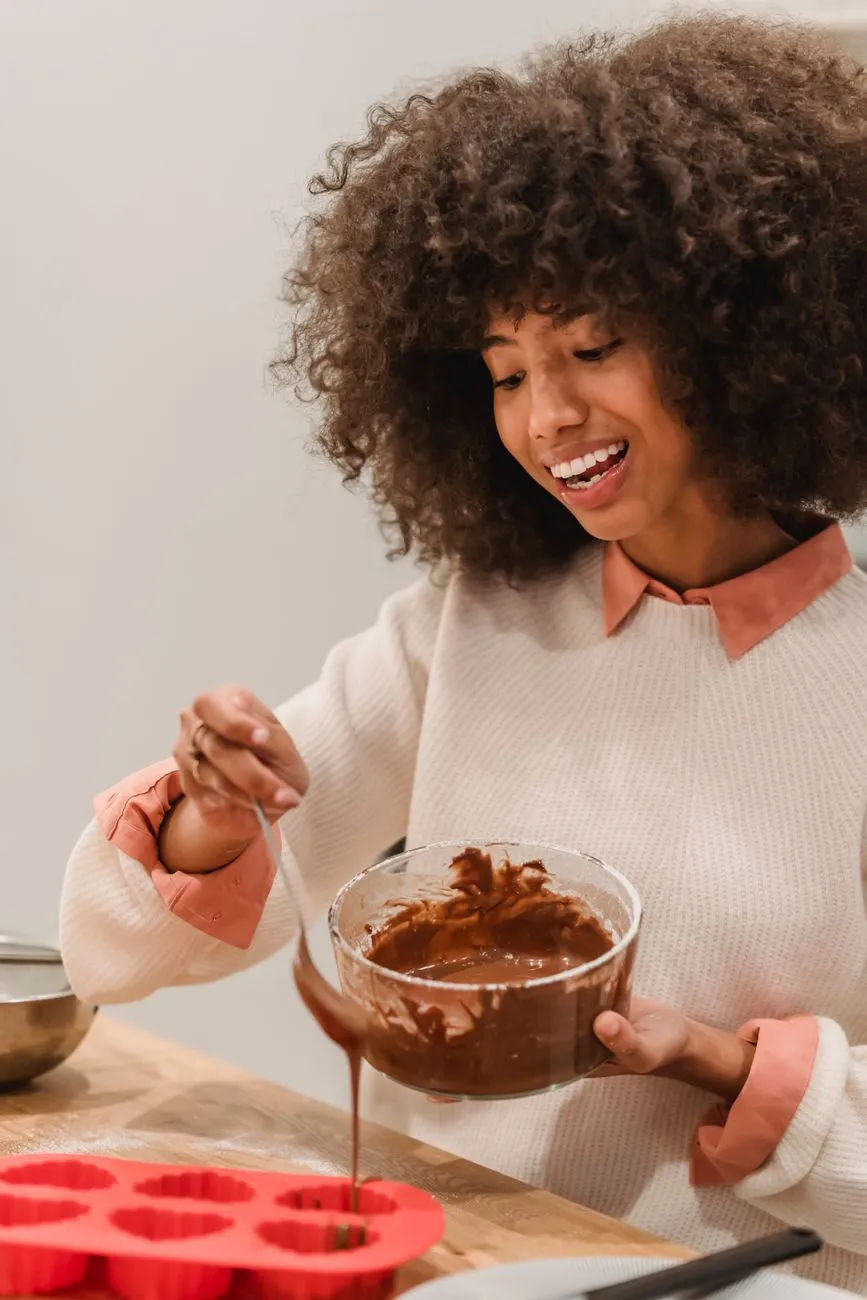
If you’re feeling adventurous, try making your own chocolate at home. While it’s a time-consuming process, the results are worth it. Start with high-quality cacao nibs (available online or at specialty stores), melt them gently in a double boiler, and then temper the chocolate using the seeding method: heat the chocolate to 45°C (113°F), then add finely chopped tempered chocolate to cool it to 27°C (80°F), and reheat to 31–32°C (88–90°F). Pour the tempered chocolate into molds and let it set in the fridge. The result? A velvety-smooth chocolate bar that’s 100% your own creation.
The Future of Chocolate: Will Artisanal Triumph Over Industrial?
The artisanal chocolate movement is more than a trend—it’s a rebellion against the industrialization of one of the world’s most beloved foods. As consumers become increasingly conscious of where their food comes from and how it’s made, the demand for ethically sourced, high-quality chocolate is growing. According to a 2023 report by Grand View Research, the global artisanal chocolate market is expected to reach $12.5 billion by 2030, driven by rising disposable incomes and a growing preference for premium, organic products.
However, the artisanal movement still faces challenges. The most significant is scalability. Artisanal chocolate is labor-intensive and expensive to produce, which limits its accessibility. While a mass-produced chocolate bar might cost $1, an artisanal bar can cost $10 or more. This price gap makes it difficult for many consumers to justify the splurge, even if they value quality and ethics.
Another challenge is education. Many consumers are still unaware of the differences between artisanal and commercial chocolate. They associate chocolate with sweetness and familiarity, not the complex, nuanced flavors of single-origin bars. Artisanal chocolatiers and retailers must do more to educate consumers about the importance of cacao origin, fermentation, and processing methods.
Despite these challenges, the future looks bright. Innovations like upcycled chocolate—made from cacao fruit pulp, which is typically discarded—are gaining traction. Companies like WNWN Food Labs are turning cacao husks into flour, reducing waste and creating new products. Meanwhile, blockchain technology is being used to trace cacao from farm to bar, ensuring transparency and accountability in the supply chain.
The artisanal chocolate movement is also inspiring a new generation of chocolatiers. Young makers are experimenting with heirloom cacao varieties, alternative sweeteners like coconut sugar, and even savory chocolate bars infused with spices or herbs. The result is a vibrant, ever-evolving landscape of flavors and textures that harkens back to chocolate’s ancient roots while pushing it into the future.
A Sweet Legacy: Why Chocolate Still Matters
Chocolate is more than a treat—it’s a story of human ingenuity, cultural exchange, and the enduring power of nature’s bounty. From the sacred rituals of the Aztecs to the velvet-smooth bars of today’s artisanal makers, chocolate has always been a symbol of luxury, indulgence, and connection. The modern renaissance of artisanal chocolate isn’t just about better-tasting bars; it’s about reclaiming a lost art, supporting ethical farming practices, and celebrating the incredible diversity of cacao.
So the next time you reach for a chocolate bar, ask yourself: Is this just a snack, or is it a piece of history? With artisanal chocolate, every bite is an invitation to slow down, savor, and appreciate the craftsmanship behind it. In a world of mass-produced mediocrity, that’s a sweet revolution worth celebrating.
#ArtisanalChocolate #EthicalFood #SlowFoodMovement #CacaoLegacy #LuxuryChocolate