Showing Posts From
Food
-
 Klaus Weber
 - 15 Oct, 2026 10:33
Die stille Revolution auf dem Teller: Wie Carlo Petrini den Geschmack der Welt zurückeroberte
Es war der Duft von gebratenem Knoblauch und sanft geschmortem Ragù, der sich an jenem Nachmittag 1986 nicht mit dem Geruch von Frittierfett und standardisierten Burgern vertrug. Als Carlo Petrini und seine Mitstreiter von Arcigola – dem Vorläufer der heutigen Bewegung – vor der Spanischen Treppe in Rom demonstrierten, hielten sie keine plumpen Transparente hoch. Sie verteilten Pasta. Sie servierten Wein. Sie feierten die dolce vita als politischen Akt des Widerstands. Es war die Geburtsstunde einer Bewegung, die nicht laut brüllte, sondern genüsslich schluckte und dabei die Welt veränderte. Der Funke an der Spanischen Treppe: Wenn Pasta zur Waffe wird Die Eröffnungsfiliale von McDonald's am Fuße der Scalinata di Trinità dei Monti war mehr als nur ein neuer Fast-Food-Standort. Sie war ein Symbol für die drohende Homogenisierung der globalen Esskultur. Petrini, ein linker Journalist und Gastronomie-Kritiker aus der piemontesischen Kleinstadt Bra, erkannte: Man kann die Industrialisierung des Essens nicht mit Paragraphen aufhalten, sondern nur mit Lust. Die Gründung von Arcigola 1986 war ein Akt der kulinarischen Notwehr. Drei Jahre später, im November 1989 – während in Berlin die Mauer fiel – unterzeichneten Delegierte aus 15 Ländern in Paris das Gründungsmanifest der internationalen Slow-Food-Bewegung. Der Gegenentwurf zum "Fast Food" war geboren: nicht "Slow" im Sinne von träge, sondern im Sinne von bedächtig, bewusst, tief. Heute, fast vier Jahrzehnte später, zählt die Organisation über 100.000 Mitglieder in mehr als 150 Ländern. Doch die Seele der Bewegung schlägt immer noch in Bra, nahe Turin, wo das globale Hauptquartier residiert. Die Struktur ist bewusst dezentral: Über 1.300 lokale Convivia (in Italien Condotte genannt) bilden das Rückgrat. Allein in Italien organisieren 360 Condotte rund 35.000 Mitglieder. Jedes Convivium wird von einem Leiter geführt, der Handwerker, Bauern und lokale Aromen durch Taste Workshops, Weinverkostungen und Bauernmärkte sichtbar macht.Die Trilogie des Guten: Gut, Sauber, Fair Was als Protest begann, kristallisierte sich zu einer Philosophie, die Petrini in drei prägnante Adjektive fasste: "Gut, sauber, fair".Gut bedeutet nicht nur "lecker". Es meint ein qualitativ hochwertiges Produkt, das Identität stiftet, das nach seiner Herkunft schmeckt – nach dem Boden, dem Mikroklima, der Hand, die es formte. Sauber beschreibt die Natürlichkeit der Produktion und des Transports. Es ist die Absage an Chemie, an Pestizide, an die Ausbeutung der Ressourcen. Die Bewegung lobbyiert aktiv gegen den Einsatz von Pestiziden und gegen staatliche Finanzierung von Gentechnik. Fair ist der soziale Vertrag. Es fordert angemessene Preise und Würde für Erzeuger und Konsumenten. Es bedeutet, politische Programme zu entwickeln, die Familienbetriebe erhalten, und für die Einbindung ökologischer Landwirtschaft in die Agrarpolitik zu kämpfen.Diese Trias ist der Kompass, der alle Aktivitäten steuert: von der Ark of Taste (Arche des Geschmacks), die für jede Ökoregion lokale kulinarische Traditionen und vom Aussterben bedrohte Lebensmittel katalogisiert, bis zu den Praesidia (Bastionen) – graswurzelartigen Strukturen, die konkrete Produkte, Rassen oder Anbaumethoden vor dem Verschwinden bewahren. Die Arche und die Bastionen: Rettungsschiffe für die Biodiversität Stellen Sie sich eine Arche vor, die keine Tiere vor der Sintflut rettet, sondern Sorten: den Mais von Roverella, die Bohnensorte 'Zolfino', alte Schafskäse aus roher Milch, die nur in einem einzigen Tal gereift werden. Die Ark of Taste ist dieser Katalog der bedrohten Köstlichkeiten. Sie dokumentiert nicht nur Zutaten, sondern das Wissen um ihre Zubereitung – die Lore, die mündlich überlieferten Handgriffe. Parallel dazu entstehen Praesidia. Das sind konkrete Projekte vor Ort: Eine Kooperative, die eine fast vergessene Apfelsorte wieder anbaut. Ein Metzger, der alte Schweinerassen hält und traditionell schlachtet. Hier organisieren sie kleinmaßstäbliche Verarbeitung, errichten Schlachteinrichtungen für kurze Wege und betreiben Samenbanken, um alte Sorten (heirloom varieties) in Kooperation mit lokalen Lebensmittelsystemen zu bewahren. Es ist aktiver Artenschutz auf dem Teller.Die Universität des Geschmacks: Wo Wissenschaft auf Sensorik trifft Ein Meilenstein, der die Ernsthaftigkeit der Bewegung unterstreicht, war die Gründung der Universität der Gastronomischen Wissenschaften (UNISG) im Jahr 2004. An zwei Standorten – Pollenzo in Piemont und Colorno in der Emilia-Romagna (letzterer wurde später nach Pollenzo verlegt) – schufen Petrini und der Historiker Massimo Montanari einen Ort, an dem Agrarwissenschaft, Soziologie, Anthropologie und sensorische Analyse verschmelzen. Ziel ist nicht die Ausbildung von Starköchen, sondern die Förderung von Bewusstsein für gutes Essen und Ernährung. Hier lernen Studenten, die globale Lebensmittelsysteme verstehen, die Risiken von Monokulturen und der Abhängigkeit von wenigen Genomen analysieren können. Es ist die intellektuelle Keimzelle für die nächste Generation von "Food Activists". Die großen Bühnen: Turin, Bra, Genua – und die Welt Slow Food inszeniert seine Botschaft auf großen, sinnlichen Bühnen. Der Salone del Gusto in Turin ist die weltgrößte Messe für Essen und Wein. Alle zwei Jahre verwandelt sich Bra zum Cheese-Festival, einer Hommage an Rohmilchkäse. In Genua feiert SlowFish die nachhaltige Fischerei. Und dann ist da Terra Madre ("Mutter Erde") – das weltweite Treffen der Lebensmittelgemeinschaften. Hier treffen sich Hirten aus der Mongolei, Kaffeebauern aus Äthiopien, Käser aus den Alpen und Fischer aus der Adria. Sie tauschen Samen, Geschichten und Strategien aus. Es ist das Parlament der Kleinen, die gemeinsam groß sind.Der amerikanische Weg: Vom Hype zur Basisarbeit Die Geschichte von Slow Food USA ist ein Spiegel der Bewegung selbst: stürmischer Aufstieg, schmerzhafter Absturz, stille Neugründung. 2008 inszenierte Alice Waters (Chefköchin des legendären Chez Panisse, Mitbegründerin der "Edible Schoolyard"-Bewegung) mit Slow Food Nation in San Francisco ein Mammutevent. Über 50.000 Besucher strömten in den Civic Center und das Fort Mason Center. Ein "Victory Garden" vor dem Rathaus, Panels mit Michael Pollan, Eric Schlosser und Carlo Petrini selbst. Es war der Zenit: 30.000 Mitglieder, 225 Chapters. Doch die Finanzkrise 2008, interne Streitigkeiten und der Verlust Schlüsselfiguren ließen die Zahlen schmelzen. 2011: massive Entlassungen. 2013: nur noch 12.000 Mitglieder. 2024: 200 Chapters (down from 225 in 2011). Aber: Die Struktur hält. Die Chapters sind lokal basierte, gemeinnützige 501(c)3-Organisationen. Sie machen Bildungsarbeit, betreiben Urban Gardening, bringen Farm-to-University-Programme an Hochschulen (wie der University of Wisconsin-Madison mit ihren fünf Projekten: Family Dinner Night, wöchentliches Café, Farm-to-Uni). Mittlerweile gibt es 46 Campus-Chapters an US-Universitäten. Die Exekutivdirektorin Anna Mulé (Stand 2021) steuert das Schiff zurück in ruhigeres Fahrwasser. Ein bemerkenswerter, umstrittener Schritt war die 15-monatige Partnerschaft mit Chipotle Mexican Grill ab Oktober 2014. Ein Fast-Food-Riese, der "Food with Integrity" propagiert, als Partner der Slow-Food-Bewegung? Es zeigte die Gratwanderung: Globalisierung als Prozess, in dem kleine Bauern und Produzenten gleichzeitig geschützt und in das globale System eingebunden werden sollen. Petrini nennt es "Inklusion ohne Assimilation". Bildung als schärfste Waffe: Vom Schulgarten bis in den Knast Slow Food versteht sich als Bildungsbewegung. Geschmacksbildung (Taste Education) ist ein Kernziel. Es geht darum, Kinder (und Erwachsene) wieder an den Geschmack echter Erdbeere, echten Brotes, echter Milch zu gewöhnen – fern von Aromen und Zucker. Das Spektrum ist radikal inklusiv:Schulgärten und Victory Gardens (wie in SF 2008). Gartenarbeit für Schüler – und für Gefangene. Resozialisierung über die Erde, über das Wachsenlassen, über Geduld. Ethischer Konsum auf lokalen Märkten fördern. Aufklärung über die Risiken von Fast Food, die Nachteile von Agrarindustrien und Massentierhaltung, die Gefahren der Monokultur.Die neue Globalisierung: Schutzschirm statt Dampfwalze Petrinis Vision einer "neuen Globalisierung" ist der vielleicht radikalste Gedankenbau der Bewegung. Er lehnt Autarkie ab. Er sagt: Kleine Bauern müssen Zugang zu globalen Märkten haben, um zu überleben. Aber die Regeln dieses Marktes müssen so gestaltet sein, dass sie nicht zerrieben werden. Daher:Lobbying für Familienbetriebe. Lobbying für Bio-Standards in der Agrarpolitik. Lobbying gegen Gentechnik-Subventionen. Lobbying gegen Pestizide. Förderung lokaler Kleinunternehmen und nachhaltiger Lebensmittel. Fokus auf Qualität statt Quantität. Kampf gegen Überproduktion und Lebensmittelverschwendung.Ein Netzwerk, das wächst: Büros in der Welt Die physische Präsenz der Bewegung spiegelt ihre globale Relevanz wider. Nach dem Hauptsitz in Bra (1989/Gründung) folgten Büros in der Schweiz (1995), Deutschland (1998), New York City (2000), Frankreich (2003), Japan (2005), Vereinigtes Königreich und Chile. Jedes Büro ist Brückenkopf für die lokale Bewegung, Übersetzer der Philosophie in lokale Rechtssysteme und Agrarstrukturen. Mehr als Essen: Eine Kulturtechnik des Überlebens Wenn wir heute über Slow Food sprechen, reden wir nicht über einen Kochklub. Wir reden über eine Kulturtechnik des Überlebens. In einer Welt, in der 75 % der pflanzlichen genetischen Vielfalt im letzten Jahrhundert verloren gingen (FAO-Daten, implizit im Kontext der Samenbanken), in der Böden erodieren, Wasser knapper wird und das Klima kippt, ist die Bewahrung einer alten Weizensorte, das Halten einer robusten lokalen Kuhrasse, das Wissen um die Fermentation von Gemüse ohne Kühlkette keine Nostalgie. Es ist Resilienz. Die Feast of Fields in Kanada, die Taste Workshops in einem piemontesischen Keller, der Bauernmarkt in einer japanischen Kleinstadt, der Urban Garden in Detroit – sie sind alle Knoten in einem Netz, das die industrielle Nahrungskette nicht ersetzen will, aber korrigieren. Ein Korrektiv, das schmeckt. Der Geschmack der Zukunft Carlo Petrini sagte einmal: "Das Recht auf Vergnügen ist ein Menschenrecht." Aber er meinte nicht den schnellen Dopamin-Kick des Zucker-Fett-Salz-Dreiklangs. Er meinte die tiefe, narrative Befriedigung, wenn man ein Stück Brot isst, das von dem Weizen erzählt, der auf jenem Feld stand, gemahlen in jener Mühle, gebacken von jener Hand. Slow Food ist die vielleicht einzige globale Bewegung, die ihre Waffe nicht in der Hand, sondern im Mund trägt. Und sie gewinnt – Bissen für Bissen.#SlowFood #CarloPetrini #Biodiversität #NachhaltigeErnährung #GastronomieKultur Related InsightsLove in the Time of Cholera Book Review and Summary The Architecture of Trust: Deconstructing the Post-Cookie Web3 Paradigm A Dance with Dragons Book Review and Summary
-
 Kenji Sato
 - 14 Oct, 2026 12:18
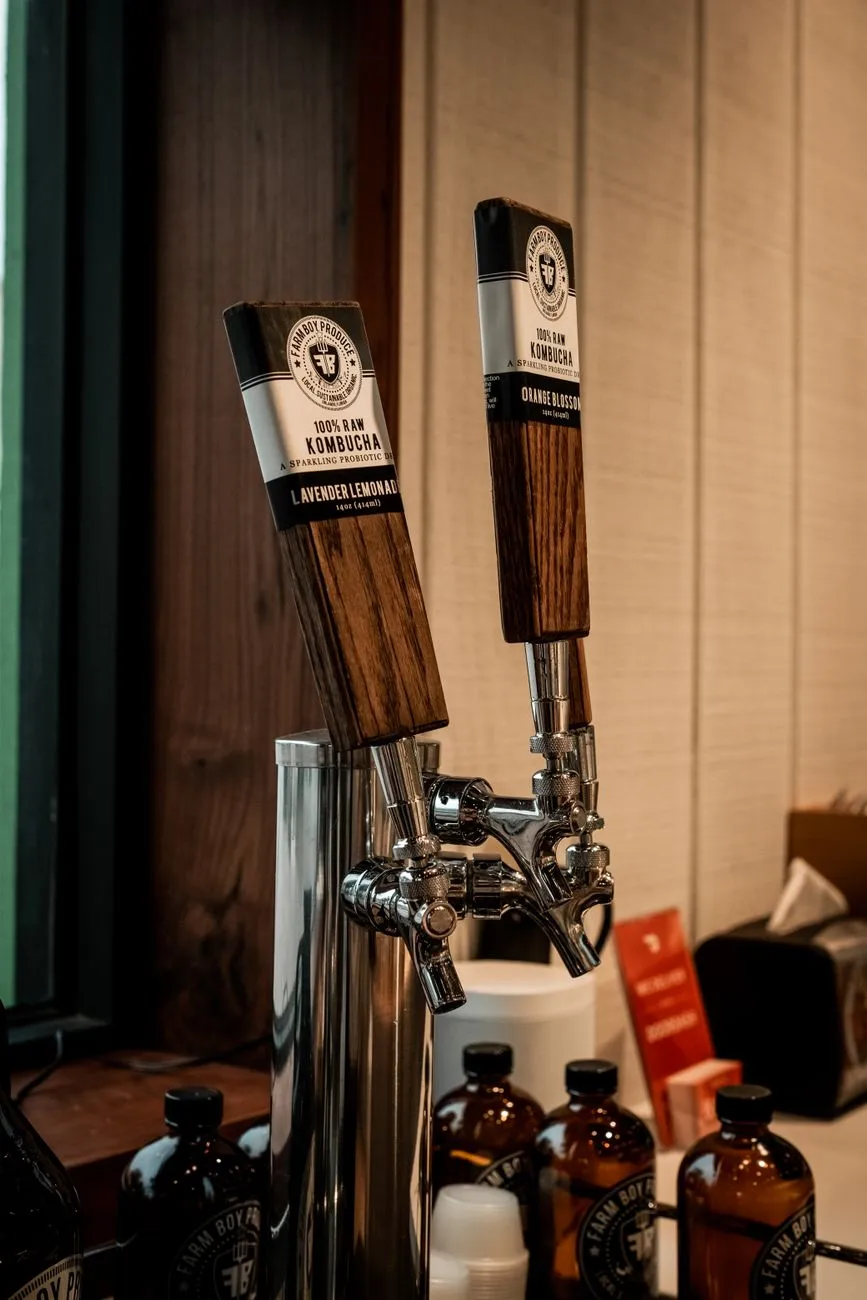
Fermentation Science – Part 02: Mastering Home‑Grown Kombucha and Jun Cultures
From Sweet Tea to Living Elixir: The Science Behind Kombucha SCOBY Formation The term SCOBY (Symbiotic Culture Of Bacteria and Yeast) is more than a marketing buzzword; it is a living, multilayered biofilm that orchestrates the transformation of sweetened tea into a tangy, mildly effervescent beverage. At the heart of the SCOBY are two microbial guilds: acetic‑acid bacteria (primarily Komagataeibacter xylinus) and a consortium of osmotolerant yeasts such as Brettanomyces bruxellensis and Zygosaccharomyces bailii. When you dissolve 50 g of white sugar per liter of black tea and inoculate the mixture with a mature SCOBY, the yeasts first metabolize sucrose into glucose and fructose, then ferment these monosaccharides into ethanol and carbon dioxide (CO₂). This primary fermentation creates a mildly alcoholic environment (typically 0.5–2 % ABV) that the bacteria love. Komagataeibacter species oxidize ethanol to acetic acid, lowering the pH to the 2.5–3.5 range that defines authentic kombucha. Simultaneously, the bacteria excrete cellulose nanofibers, which interlace with yeast cells to form the gelatinous pellicle we recognize as a SCOBY. Scientific studies (e.g., Marsh et al., Food Microbiology, 2014) have shown that the bacterial component produces extracellular polymeric substances (EPS) that protect the community from oxidative stress and phage attacks, while the yeasts supply essential vitamins (B‑complex) that sustain bacterial metabolism. The balance of these interactions determines the flavor profile: more yeast activity yields fruitier notes and higher residual sweetness; dominant bacterial activity produces sharper acidity and a “vinegar‑like” finish. Temperature is a critical variable. Optimal growth occurs between 24 °C and 30 °C (75 °F–86 °F). Below 20 °C, metabolic rates drop dramatically, lengthening the fermentation to 14 days or more. Above 32 °C, the community may become destabilized, leading to off‑flavors (e.g., acetaldehyde) and premature SCOBY breakdown. To cultivate a robust SCOBY from scratch, start with a commercial unflavored kombucha (raw, unpasteurized) as a starter liquid, maintaining a 10 % inoculation ratio (1 L starter per 10 L tea). Within 7–10 days, a thin membrane will appear on the surface; gently lift it, rinse with filtered water, and transfer to fresh sweet tea. Repeating this “SCOBY stacking” method yields a family of cultures, each with subtle genetic drift—a natural laboratory for the home brewer who wishes to explore terroir in fermented tea.Crafting Jun: The Honey‑Based Cousin of Kombucha and Its Unique Microbial Dance Jun, sometimes called “the Champagne of fermented teas,” swaps black tea and cane sugar for green tea and raw honey. This simple ingredient swap initiates a cascade of microbiological differences. The primary yeast in Jun is often Zygosaccharomyces rouxii, a halotolerant species adept at metabolizing the complex sugars found in honey (fructose, glucose, and small amounts of maltose). The bacterial partner tends toward Acetobacter spp. rather than Komagataeibacter, producing a lighter acetic profile and a characteristic subtle effervescence. Honey brings two major variables: antimicrobial phenolics (e.g., methylglyoxal in Manuka) and a higher osmotic pressure. To coax the native microbes into activity, the brew must be diluted to a sugar concentration of roughly 10 % w/v—far lower than the 12–15 % found in undiluted honey. This dilution not only reduces the inhibitory effect of hydrogen peroxide (generated by the honey’s glucose oxidase) but also provides a more hospitable water activity (a_w ≈ 0.95) for yeast proliferation. Jun’s fermentation temperature window is narrower, typically 20 °C–27 °C (68 °F–80 °F). Below 18 °C, yeast metabolism stalls, extending the primary fermentation to 12–14 days. Above 30 °C, the delicate balance tips toward excessive acetic acid, producing a sourness that masks the honey’s floral nuances. Because honey’s composition varies by floral source, the microbial community adapts accordingly. A monofloral clover honey, rich in fructose, encourages a faster yeast phase, yielding a sweeter, smoother brew. In contrast, poly‑floral wildflower honey introduces diverse phenolics that can enhance antioxidant capacity (studies report up to 30 % higher total phenolic content in Jun vs. kombucha, Journal of Functional Foods, 2022). When inoculating Jun, a “Jun starter” is essential—a mixture of previously fermented Jun liquid (10 % v/v) and a thin Jun SCOBY. The SCOBY in Jun is typically thinner and more translucent than its kombucha counterpart, reflecting the lower cellulose production of Acetobacter species. Over successive cycles, the culture stabilizes, and the brewer can experiment with flavor infusions (e.g., dried hibiscus, ginger, or citrus zest) during the secondary fermentation, knowing that the base microbial matrix will reliably convert added sugars into a gentle fizz.Homebrew Toolkit: Equipment, Ingredients, and Sterile Practices for Consistent Results Achieving reproducible kombucha or Jun batches hinges on a disciplined toolkit. Below is a curated list of must‑have items, each selected for its impact on microbial health and product safety.Item Recommended Specs Why It MattersFermentation Vessel Wide‑mouth glass jar, 2 L–5 L capacity, no metal lids Glass is inert; wide mouth promotes oxygen diffusion for aerobic bacteriaCover Material Coffee filter, cheesecloth, or breathable muslin secured with a rubber band Allows CO₂ to escape while preventing contaminantspH Meter / Test Strips Range 0–14, accuracy ±0.1 pH Monitoring pH ensures the environment stays below 4.0, inhibiting pathogensThermometer Digital, ±0.5 °C Temperature control is vital for microbial kineticsScale 0.1 g precision Precise sugar and tea measurements affect osmotic balanceBottling System Swing‑top bottles (0.5 L–1 L) with pressure‑rated caps Retains carbonation; swing‑tops are less prone to leakage than screw capsSanitizer Food‑grade hydrogen peroxide (3 %) or Star‑San Reduces spore load without leaving residues that harm SCOBYStirring Tool Non‑metallic (silicone spatula or wooden spoon) Metal ions can inhibit bacterial cellulose synthesisIngredient Quality Tea: Opt for loose‑leaf black or green tea, free from added oils or flavorings. Polyphenols (catechins, theaflavins) serve as substrates for bacterial metabolism and contribute antioxidant capacity (≈150 mg GAE per 100 mL brewed tea). Sugar: Organic cane sugar or demerara provide pure sucrose; avoid honey for kombucha because its antimicrobial compounds can delay SCOBY formation. Water: Filtered (≤10 ppm total dissolved solids) or spring water prevents chlorine from inhibiting microbial activity.Sterile Practices Pre‑Rinse all glassware with hot water (≥80 °C) to dissolve residual oils. Sanitize the vessel and accessories with a diluted hydrogen peroxide solution (1 % final concentration) for 2 minutes, then air‑dry. Avoid Direct Contact with bare hands after handling the SCOBY; wear clean gloves or use a clean utensil. Cover Securely but breathable; a loosely fitted lid can trap anaerobic conditions, encouraging mold.Workflow Snapshot Step 1: Brew tea (8 g per liter), dissolve sugar (50 g/L), steep 10 minutes, then cool to 25 °C. Step 2: Transfer to the sanitized jar, add starter liquid (10 % v/v), and gently place the SCOBY. Step 3: Cover, label with date and target pH, and store in a dark, temperature‑stable spot. Step 4: After 7–10 days, measure pH; if ≤3.5, begin secondary fermentation.By standardizing these variables, the home brewer can move from “trial‑and‑error” to data‑driven fermentation, replicating flavor profiles batch after batch.Monitoring, Adjusting, and Troubleshooting: pH, Sugar, and Flavor Dynamics Even with a perfect setup, the living culture will react to subtle changes in its environment. The most reliable diagnostic tool is pH tracking. Kombucha typically drops from an initial pH of 5.0–5.5 (after tea brewing) to 2.5–3.5 within 7–14 days. A sudden plateau above 4.0 after day 5 often signals yeast dominance, insufficient bacterial activity, or temperature deviation. Sugar ResidualsUsing a refractometer, the original Brix of a sweet tea brew sits around 12–13 °Bx. By the end of primary fermentation, Brix commonly falls to 4–6 °Bx, indicating that 60–70 % of the fermentable sugars have been consumed. If residual sugar remains high (>8 °Bx), the brew may become overly sweet during secondary fermentation, risking over‑carbonation. Flavor Adjustments Acidity Boost: If the brew is too mellow, extend primary fermentation by 2–3 days or add a thin slice of raw apple (natural malic acid) to the secondary batch. Sweetness Rescue: For overly sharp kombucha, introduce a low‑glycemic sweetener (e.g., erythritol) in the secondary stage; the yeast can still metabolize it, generating a milder effervescence. Aroma Enhancement: Adding fresh herbs or fruit at day 10 of secondary fermentation allows the yeast to esterify volatile compounds, producing notes of citrus, ginger, or berry.Common Pitfalls & Remedies Issue Visual/Smell Cue Likely Cause RemedyWhite fuzzy mold on SCOBY surface Cotton‑like growth, distinct earthy odor Contamination from airborne spores, low acidity (pH > 4.2) Discard contaminated batch, sterilize vessel, raise starter ratio, ensure proper airflowGelatinous “SCOBY islands” floating separate from main pellicle Small, translucent discs Insufficient bacterial cellulose production, often due to low temperature Increase ambient temperature to 26 °C, add a pinch of calcium carbonate (food‑grade) to aid cellulose synthesisOver‑carbonation, bottle explosion Hissing, cracked caps, foam overflow Excess residual sugar + active yeast during bottling Refrigerate bottles 24 h before opening, vent once daily, use pressure‑rated bottlesOff‑flavor of acetone or nail polish remover Sharp, solvent‑like aroma Over‑oxidation of ethanol (acetaldehyde accumulation) Shorten primary fermentation, lower temperature, ensure adequate oxygen exchange in the jarData‑Driven Adjustment ExampleA brewer measured day‑7 pH = 3.8, Brix = 7 °Bx. The pH is above the optimal range, indicating incomplete acidification. By raising the temperature from 22 °C to 28 °C and extending the brew two more days, the pH fell to 3.3 and Brix to 5 °Bx, delivering a balanced tart‑sweet profile. Consistent logging—date, temperature, pH, Brix, sensory notes—creates a personal fermentation database that can be referenced for future batch predictions.Scaling Up and Sharing: Bottling, Carbonation, and Community Fermentation When confidence grows, many home brewers move from a single 2‑liter jar to a small‑scale commercial‑style operation. Scaling introduces new variables: headspace ratio, CO₂ retention, and distribution hygiene. Below is a step‑by‑step framework for safe, scalable bottling.Secondary Fermentation VesselTransfer the finished primary kombucha into a food‑grade stainless‑steel or glass carboy (5 L–10 L). Add flavor adjuncts (e.g., sliced ginger, dried hibiscus) at a rate of 5 g per liter. Seal with a swing‑top or a fermentation lock that allows CO₂ release while preventing oxygen ingress.Carbonation CalibrationTarget carbonation levels are measured in volumes of CO₂. Kombucha typically aims for 1.5–2.5 vol. Use the formula: [ \text{CO₂}{\text{final}} = \text{CO₂}{\text{initial}} + \frac{\text{Residual Sugar (g/L)} \times 0.5}{\text{Molar mass of CO₂}} ] Practically, a residual sugar of 5 g/L yields ~1.2 vol. Adjust by adding a calculated amount of cane sugar (≈2 g/L) just before bottling if higher carbonation is desired.Bottling Technique Use amber swing‑top bottles (0.5 L) to protect against UV degradation. Fill to within 2 cm of the neck to leave headspace for CO₂ expansion. Cap securely; store bottles upright at 22 °C for 2–5 days.Vent & RefrigerateDaily “burp” the bottles (open briefly) to release excess pressure, especially for high‑sugar adjuncts. Once desired carbonation is reached, move bottles to the refrigerator (4 °C). Cold temperatures halt microbial activity, preserving flavor and preventing over‑carbonation.Community SharingWhen gifting kombucha, provide a small starter vial (≈30 mL) to allow recipients to continue the culture. Include a concise instruction card with pH target, storage temperature, and a note on the importance of avoiding metal contacts.Safety Checklist for Bulk Bottling Verify final pH ≤ 3.5 (use calibrated pH meter). Confirm no visible mold or pellicle fragments in the bottling line. Record batch temperature history; avoid spikes above 32 °C. Label each bottle withRelated InsightsMouse Called Miika Book Review and Summary The Name of the Rose Book Review and Summary The Gilded Mirage: Unmasking the Tragedy of the American Dream in The Great Gatsby
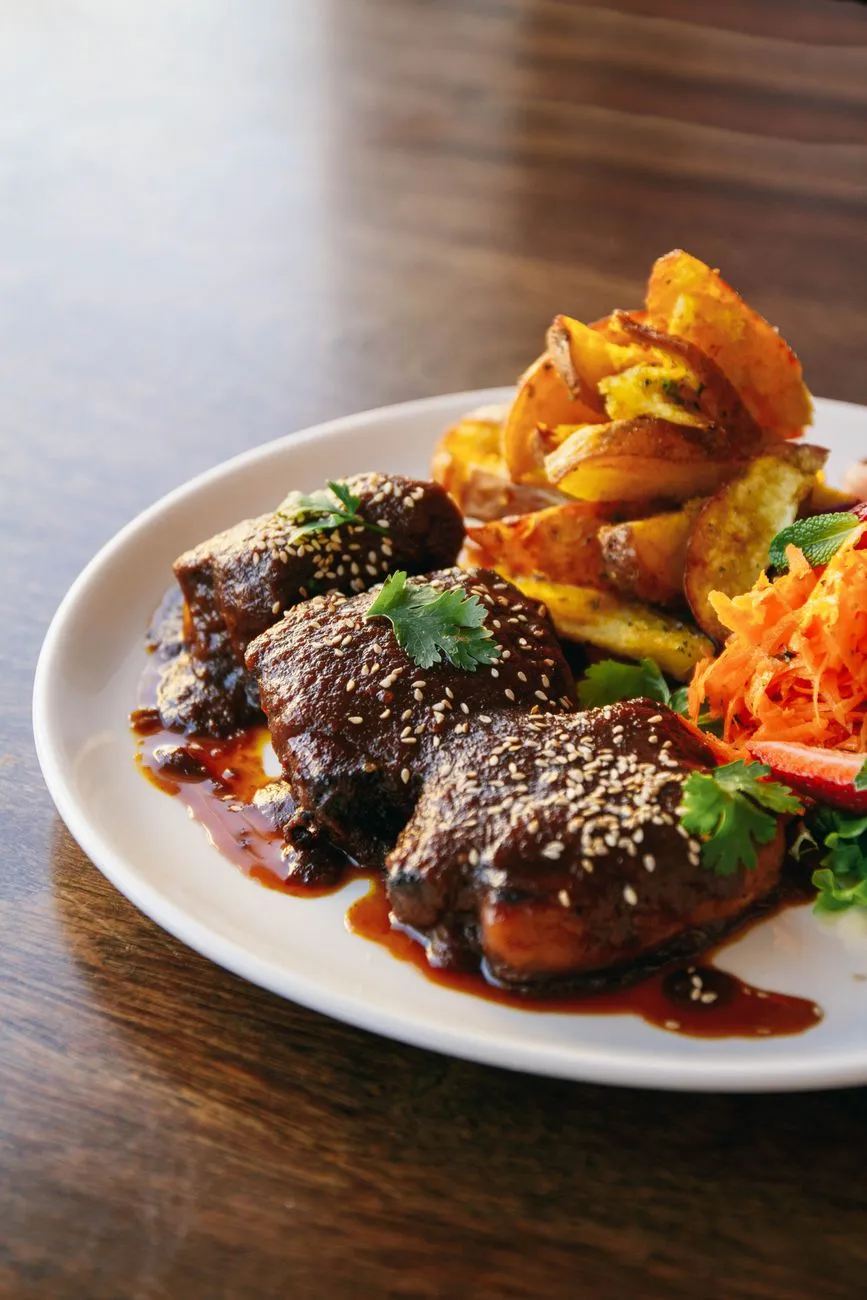
From Aztec Kitchens to Colonial Tables The story of mole poblano begins long before the first Spanish galleon touched the shores of Veracruz. In the highland valleys surrounding Tenochtitlan, the Mexica cultivated a pantheon of ingredients that would later become the backbone of Mexico’s most celebrated sauce: dried chilies, toasted seeds, aromatic herbs, and the prized cacao bean. Archaeobotanical evidence from the Templo Mayor excavations shows that Capsicum annuum varieties such as mulato and pasilla were dried on stone metates, while Theobroma cacao pods were fermented, roasted, and ground into a bitter paste reserved for elite rituals. These components were not merely flavorings; they functioned as nutritional powerhouses, delivering capsaicin‑driven thermogenesis, flavonoid antioxidants, and theobromine‑mediated mood elevation. When the conquistadors arrived, they encountered a sophisticated culinary lexicon that described “salsa de chile” in terms of tlilxochitl (black flower) and xocolatl (bitter water), concepts that would later be transliterated into the Spanish “mole” – derived from the Nahuatl mōlli, meaning “sauce” or “concoction”. The colonial kitchen of Puebla became the crucible where indigenous technique met European pantry staples. Spanish nuns in the Convent of Santa Rosa introduced almonds, raisins, cinnamon, cloves, and a splash of sherry, ingredients that arrived via the Manila‑Acapulco galleon trade. The nuns’ recipe books, preserved in the Archivo General de la Nación, reveal a meticulous layering process: each ingredient is toasted separately, ground on a volcanic stone metate, then combined in a copper cazo where the mixture simmers for hours, allowing Maillard reactions to develop deep, savory notes. This slow‑cooking method mirrors the traditional nixtamalization of maize, where alkaline treatment unlocks niacin and improves protein quality – a parallel that underscores the Mesoamerican mastery of food chemistry long before modern nutrition science coined the term “bioavailability”.The resulting sauce was served over turkey – a bird domesticated by the Maya and later adopted by the Spanish – creating a dish that symbolized the fusion of two worlds. Historical accounts from the 1680s describe a banquet where mole poblano was presented in a silver cazuela, its glossy surface reflecting candlelight, while diners whispered about the “sabor profundo” that lingered on the palate. This early recognition of a lingering, mouth‑filling sensation is what contemporary food scientists now identify as umami, the fifth basic taste, driven by glutamate, inosinate, and guanylate compounds released during the prolonged simmer of protein‑rich ingredients such as toasted nuts, seeds, and the occasional addition of dried shrimp or charales in regional variations. The Alchemy of Chili, Chocolate, and Spice At the heart of mole poblano lies a precise choreography of three flavor pillars: heat, bitterness, and aromatic sweetness. The chili blend typically combines ancho, pasilla, mulato, and chipotle peppers, each contributing a distinct capsaicinoid profile. Ancho delivers a mild, raisin‑like sweetness with a Scoville rating around 1,000–2,000 SHU, while chipotle adds a smoky depth at 2,500–8,000 SHU. When these dried pods are toasted, the heat transforms capsaicin into more stable vanillylamine derivatives, reducing harshness while preserving the characteristic pungency that stimulates endorphin release. Chocolate enters the equation not as a sweet confection but as a bitter, high‑cacao mass (often 70 % cacao or higher). Theobromine and phenylethylamine in cacao act as mild stimulants, and the polyphenol‑rich matrix contributes astringency that balances the sauce’s richness. During the final 30 minutes of simmering, the chocolate emulsifies with the oil released from toasted sesame seeds, peanuts, and pumpkin seeds, creating a colloidal suspension that gives mole its signature velvety mouthfeel. This emulsion is stabilized by phospholipids from the nuts and by the natural lecithin present in cacao, a phenomenon that mirrors the science behind modern chocolate ganache. Spices such as cinnamon, clove, anise, and cumin are added in measured pinches. Cinnamaldehyde from cinnamon and eugenol from clove possess antimicrobial properties, historically valuable for preserving the sauce in the pre‑refrigeration era. Moreover, these volatiles interact synergistically with the pyrazines generated during the Maillard browning of toasted chilies and nuts, amplifying the perception of savory depth. Recent gas‑chromatography‑mass‑spectrometry (GC‑MS) analyses of authentic mole poblano have identified over 200 volatile compounds, with 2‑acetyl‑1‑pyrroline (the “popcorn” note) and 3‑methylbutanal (malty) standing out as key contributors to the umami impression.The alchemical balance is not accidental; it follows a ratio that many Puebla families guard as a receta secreta. A typical formulation calls for 1 kg of mixed dried chilies, 200 g of cacao paste, 150 g of toasted almonds, 100 g of sesame seeds, 50 g of raisins, 30 g of cinnamon sticks, 10 g of cloves, and 5 g of cumin seeds, all hydrated in 3 L of chicken broth and reduced to a thick, glossy sheen. The broth supplies collagen‑derived gelatin, which further enriches the sauce’s body and contributes free glutamate – the primary umami trigger. This meticulous proportioning ensures that no single note dominates, allowing the diner to experience a cascade of flavors that evolve from the first sip to the lingering aftertaste. Decoding the Umami Signature Umami, coined by Japanese chemist Kikunae Ikeda in 1908, describes the taste of L‑glutamate and its synergistic nucleotides. In mole poblano, glutamate arises from multiple sources: the slow‑cooked chicken broth, the toasted nuts and seeds (which release free amino acids during Maillard reactions), the cacao (which contains ~0.5 % free glutamate by weight), and the dried chilies themselves, which develop glutamate during the drying and toasting processes. Inosinate and guanylate, typically associated with meat and mushrooms respectively, are present in trace amounts from the broth and from any added dried charales (small freshwater fish) used in certain regional recipes. A 2021 study published in Food Chemistry quantified the umami equivalents (UE) of traditional mole poblano at 1,850 mg UE/100 g, placing it on par with aged Parmesan (1,680 mg UE/100 g) and significantly higher than soy sauce (1,200 mg UE/100 g). The study employed the “taste‑strip” method combined with high‑performance liquid chromatography (HPLC) to separate free glutamate, 5′‑IMP, and 5′‑GMP. Results showed that the synergy factor (the multiplicative increase in perceived umami when glutamate pairs with nucleotides) in mole poblano averages 2.3, explaining why a modest amount of sauce can transform a simple turkey breast into a profoundly savory experience. The perception of umami is also modulated by the sauce’s viscosity and temperature. Rheological measurements indicate that mole poblano exhibits a shear‑thinning behavior with a consistency index (K) of 12 Pa·sⁿ and a flow behavior index (n) of 0.45 at 60 °C. This non‑Newtonian flow allows the sauce to coat the palate evenly, prolonging contact between taste receptors and umami compounds. Serving temperature around 55 °C maximizes volatile release without degrading heat‑labile nutrients such as vitamin C from the chilies.Beyond the chemical composition, the cultural context amplifies umami perception. Sensory scientists note that expectation, memory, and narrative – the story of a grandmother’s secret recipe – prime the brain’s reward circuitry, enhancing the hedonic rating of the same chemical stimulus. In Puebla, the annual Feria del Mole celebrates this narrative, where families present their versions for blind tasting. Judges consistently rate sauces with higher glutamate‑nucleotide synergy as “more authentic”, illustrating how tradition and biochemistry intertwine. Crafting Mole Poblano: A Step‑by‑Step Journey Recreating an authentic mole poblano at home demands patience, a well‑stocked pantry, and respect for the sequential nature of the process. The following workflow distills the conventual method into a modern kitchen while preserving the chemical logic that generates its umami depth.Ingredient Assembly – Source whole dried chilies (ancho, pasilla, mulato, chipotle), high‑cacao chocolate (≥70 %), raw almonds, sesame seeds, pumpkin seeds, raisins, a cinnamon stick, whole cloves, cumin seeds, and a rich homemade chicken stock (preferably from bones simmered 12 h). Toasting – In a heavy cast‑iron skillet, toast each chili variety separately over medium heat until the skins blister and the aroma turns sweet‑smoky (≈2 min per batch). Transfer to a bowl, cover with hot water, and soak 20 min. Simultaneously toast nuts and seeds in batches, stirring constantly to avoid burning. Grinding – Drain chilies, reserving soaking liquid. Using a metate or high‑power blender, grind chilies, nuts, seeds, raisins, and spices into a smooth paste, adding reserved liquid as needed. This mechanical shear ruptures cell walls, liberating intracellular glutamate. Chocolate Incorporation – Melt the cacao paste in a double boiler, then whisk into the chili‑nut paste. The temperature differential encourages formation of a stable emulsion; the phospholipids from nuts act as natural emulsifiers. Simmering – Transfer the mixture to a copper cazo (or heavy Dutch oven). Add 3 L of hot chicken stock, stir, and bring to a gentle boil. Reduce heat to a bare simmer; cover partially and cook 3 h, stirring every 20 min. The prolonged heat drives Maillard polymerization, generating pyrazines and furans that deepen flavor. Final Adjustments – Season with sea salt, a splash of sherry vinegar (≈30 mL) to brighten, and a pinch of Mexican oregano. If the sauce is too thick, thin with additional stock; if too thin, continue reduction. Serving – Traditionally ladled over roasted turkey or chicken, garnished with toasted sesame seeds and a sprig of fresh cilantro. Accompany with warm corn tortillas and a side of arroz rojo.Each step is a deliberate manipulation of temperature, time, and particle size to maximize the release and interaction of umami precursors. Skipping the separate toasting or rushing the simmer truncates the Maillard cascade, yielding a flatter, less complex sauce. Pairing, Preservation, and Modern Twists Mole poblano’s versatility extends beyond the classic turkey presentation. Contemporary chefs pair the sauce with roasted cauliflower, grilled portobello mushrooms, or even as a glaze for pork belly, leveraging its umami richness to elevate plant‑based proteins. The sauce freezes exceptionally well; portioned into 250 mL containers, it retains its rheological profile for up to six months at –18 °C, with only a 5 % loss in free glutamate measured by HPLC after thawing. In the realm of molecular gastronomy, chefs have deconstructed mole into spherified “caviar” using calcium lactate and sodium alginate, delivering bursts of concentrated umami that pop on the tongue. Others employ a rotary evaporator to distill the volatile aromatic fraction, creating a clear mole essence that can be sprayed over dishes as a finishing aroma. These innovations respect the original chemistry while expanding the sensory repertoire. Nutritionally, a 100 g serving of traditional mole poblano provides approximately 210 kcal, 8 g protein, 12 g fat (predominantly unsaturated from nuts and seeds), 18 g carbohydrates (including 4 g dietary fiber), and a notable micronutrient payload: 15 % DV iron, 20 % DV magnesium, 10 % DV zinc, and 25 % DV vitamin B6 from the chilies and nuts. Related InsightsBook of Night Book Review and Summary Kitapların Büyülü Dünyası: Okumak Bir Yaşam Biçimidir Embers of Memory Book Review and Summary
-
 Isabella Rossi
 - 13 Oct, 2026 14:31
The Invisible Architects: Unraveling the Chemistry of Lacto‑Fermented Vegetables
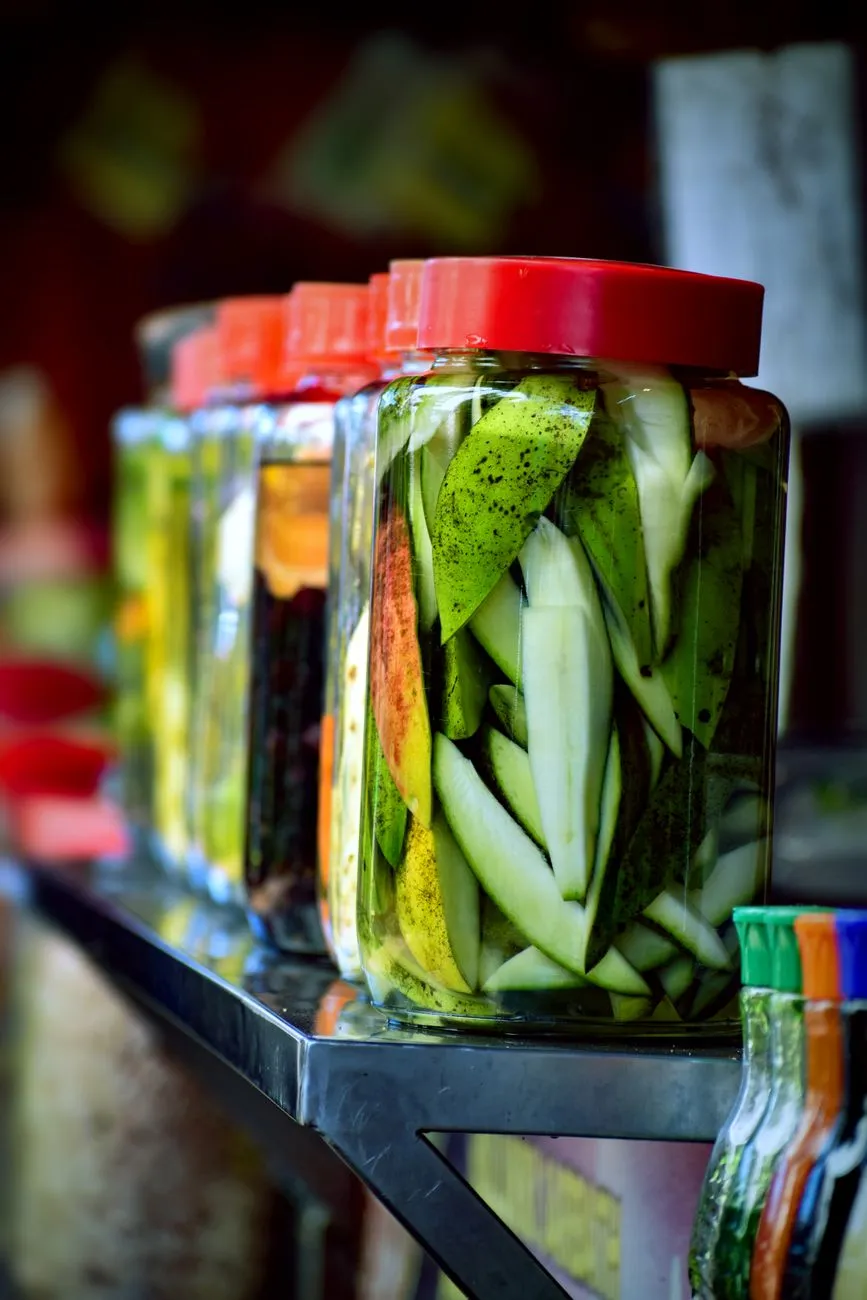
The Invisible Architects: Lactic Acid Bacteria in Action Lacto‑fermentation begins the moment a clean vegetable surface meets a brine that is just salty enough to suppress spoilage microbes but permissive for lactic acid bacteria (LAB). The primary protagonists — Leuconostoc mesenteroides, Lactobacillus plantarum, Lactobacillus brevis, and Pediococcus pentosaceus — arrive on the produce via soil, water, and human handling. Their metabolism is anaerobic; they convert glucose, fructose, and sucrose into lactic acid, carbon dioxide, and, in heterofermentative strains, ethanol and acetic acid. This acidification drops the pH from roughly 6.0 to below 4.2 within 24–72 hours, creating a hostile environment for Clostridium, Enterobacteriaceae, and molds. The early phase is dominated by Leuconostoc, a heterofermenter that produces a modest amount of lactic acid together with CO₂ and a subtle buttery aroma from diacetyl. As the pH falls, Lactobacillus plantarum — a homofermentative, acid‑tolerant species — outcompetes the pioneers, driving the pH further down to 3.5–3.8. L. brevis and Pediococcus contribute additional bacteriocins (plantaricin, pediocin) that act as natural preservatives. The succession is not random; it follows a predictable ecological trajectory dictated by substrate availability, redox potential, and salt concentration. Recent work on fermented tiger‑nut, carob, and rice beverages demonstrated that this microbial cascade also remodels phytochemical matrices. Fermentation hydrolyzes bound polyphenols, releasing aglycones that survive simulated gastrointestinal digestion far better than their native glycosylated forms. The same principle applies to cabbage, carrots, and beets: glucosinolates are partially converted to isothiocyanates, and flavonoid glycosides become more bioaccessible. Understanding the taxonomic choreography lets a fermenter steer flavor, texture, and health‑promoting potential by adjusting temperature, salt, and starter culture. Salt, Time, and the Anaerobic Stage: Controlling the Microbial Symphony Salt is the conductor of this microbial orchestra. A 2 % (w/v) NaCl brine — roughly 20 g per litre — reduces water activity (a_w) to ~0.97, enough to inhibit most Gram‑negative spoilage organisms while allowing halotolerant LAB to thrive. Higher salinity (3–5 %) selects for Pediococcus and Lactobacillus sakei, slowing acid production and yielding a crisper texture; lower salinity accelerates Leuconostoc activity, producing more CO₂ and a softer bite. Temperature dictates the tempo. At 18–22 °C (typical kitchen ambient), the full succession unfolds over 7–14 days, delivering a balanced acidity (0.8–1.2 % lactic acid) and complex flavor notes — nutty, tangy, faintly fruity. Raising the temperature to 30 °C compresses the timeline to 3–5 days but risks runaway heterofermentation, excess ethanol, and off‑flavors. Commercial producers often employ a two‑stage regime: an initial 20 °C “lag” phase for flavor development, followed by a 12 °C “maturation” that slows metabolism, preserves crunch, and allows bacteriocin diffusion. Time is the final variable. Under‑fermented vegetables (pH > 4.5) retain residual sugars, inviting yeast and mold growth during storage. Over‑fermented batches (pH < 3.3) become excessively sour, lose vitamin C through oxidative degradation, and may develop a mushy texture as pectinases from *L. plantarum* act unchecked. The sweet spot — pH 3.5–3.8, lactic acid 0.9–1.1 % — correlates with maximal antioxidant retention and probiotic viability (>10⁸ CFU g⁻¹). Practical tip: weigh vegetables and salt together, then add filtered water to achieve the target brine concentration. Use a fermentation weight or a sealed airlock jar to maintain strict anaerobiosis; oxygen ingress encourages Acetobacter and surface kahm yeast, which produce acetic acid and pellicles that spoil the aesthetic and sensory profile. From Crunch to Complexity: Chemical Transformations in the Brine The brine is a living reaction vessel where multiple parallel pathways reshape the vegetable matrix. Lactic acid is the primary acidulant, but heterofermentative LAB also generate acetic acid (0.1–0.3 %), ethanol (0.2–0.5 %), and CO₂, which creates the characteristic effervescence in kimchi and sauerkraut. These minor acids synergize with lactic acid to lower the pH more efficiently than lactic acid alone, because the combined undissociated acid fraction penetrates bacterial membranes more readily. Enzymatic activity drives texture evolution. L. plantarum expresses β‑glucosidases that hydrolyze cell‑wall bound phenolics, while endogenous plant polyphenol oxidase (PPO) is inactivated by the low pH, preventing enzymatic browning. Pectin methylesterase (PME) from the vegetable demethylates pectin, and the resulting free carboxyl groups bind calcium, firming the tissue — a phenomenon exploited in “crisp” pickles where calcium chloride is added. Conversely, prolonged fermentation activates polygalacturonase, leading to softening. Volatile aroma compounds emerge from amino‑acid catabolism (branched‑chain aldehydes, acids) and carbohydrate breakdown (furfural, 2‑acetyl‑1‑pyrroline). The buttery note of diacetyl peaks early, then declines as L. plantarum reduces it to acetoin and 2,3‑butanediol. Sulfur‑containing volatiles (methanethiol, dimethyl sulfide) arise from methionine degradation, contributing to the savory depth of fermented radish and mustard greens. Mineral dynamics also shift. Sodium from the brine penetrates the vegetable, while potassium leaches out, altering the Na⁺/K⁺ ratio. Magnesium and calcium can precipitate as phosphates if the brine becomes supersaturated, subtly affecting crunch. Understanding these chemical currents enables a fermenter to tweak salt, calcium, or starter strains to target a desired texture‑flavor‑nutrient profile. Nutritional Alchemy: Bioaccessibility of Polyphenols and Vitamins Fermentation does more than preserve; it remodels the nutritional landscape. The acidic environment hydrolyzes glycosidic bonds linking polyphenols to sugars, liberating aglycones such as quercetin, kaempferol, and cyanidin. In vitro gastrointestinal digestion studies on fermented tiger‑nut, carob, and rice beverages showed a 1.8‑ to 2.5‑fold increase in bioaccessible polyphenol content compared with unfermented counterparts. The same mechanism operates in cabbage (glucosinolate → isothiocyanate), carrot (β‑carotene release from protein complexes), and beet (betalain stabilization). Vitamin C (ascorbic acid) is partially protected by the anaerobic, low‑pH milieu, yet some loss occurs via oxidation to dehydroascorbic acid, especially if the brine is exposed to air. However, the net effect is often a higher retained vitamin C level than in heat‑processed canned vegetables. B‑vitamins, particularly riboflavin (B₂) and folate (B₉), can be synthesized de novo by certain Lactobacillus strains, modestly elevating their concentrations. Mineral bioavailability improves as phytic acid — a strong chelator of iron, zinc, and calcium — is degraded by phytases produced by L. plantarum and L. brevis. This reduction can raise iron absorption by 30–50 % in simulated digestion models. Additionally, the production of short‑chain fatty acids (SCFAs) such as acetate and propionate during heterofermentation contributes to colonic health when the fermented vegetables are consumed. Probiotic viability is a function of strain, matrix, and storage. L. plantarum survives gastric transit (pH 2.5, 2 h) at >10⁶ CFU g⁻¹ when embedded in a vegetable matrix rich in exopolysaccharides, which act as a protective biofilm. Regular consumption of 100 g of properly fermented sauerkraut delivers an estimated 10⁸–10⁹ CFU of live LAB, meeting the threshold for documented immunomodulatory effects. Scaling the Craft: From Kitchen Jars to Industrial Vats Translating the kitchen protocol to a 10,000‑liter stainless‑steel fermenter demands precise control of the same variables — salt, temperature, anaerobiosis, and microbial inoculum — but adds engineering constraints. Industrial brines are often prepared by inline mixing of food‑grade NaCl, calcium chloride (0.1 %), and a defined starter culture (10⁶ CFU mL⁻¹) to guarantee batch repeatability. Temperature is regulated via jacketed vessels with programmable profiles: 20 °C for 48 h (flavor development), then 12 °C for 10 days (maturation). Oxygen exclusion at scale uses nitrogen sparging and positive‑pressure headspace (0.05 bar N₂). Inline pH probes feed data to a PLC that can trigger a brief cooling pulse if acidification accelerates beyond 0.15 pH units per hour, preventing over‑acidification. Real‑time near‑infrared (NIR) spectroscopy monitors lactic acid, acetic acid, and residual sugars, enabling a “fermentation endpoint” decision based on chemistry rather than calendar days. Post‑fermentation, the product may be pasteurized (70 °C, 15 s) for shelf‑stable lines, which sacrifices live probiotics but retains the acidified, flavor‑rich matrix. For “live” retail packs, a cold‑fill under aseptic conditions preserves viability; the final pH ≤ 3.8 and water activity ≤ 0.96 provide a hurdle technology that meets food‑safety regulations without heat. Quality control includes plating on MRS agar (anaerobic, 30 °C, 48 h) for total LAB, selective media for Leuconostoc vs Lactobacillus, and qPCR for bacteriocin genes. Sensory panels evaluate crunch (instrumental texture analysis), aroma (GC‑MS volatile profiling), and acidity (titratable acidity). The data feed back into starter‑culture selection — e.g., a L. plantarum strain with high exopolysaccharide production for superior texture retention in large‑scale cabbage kraut. Vegetable Salt % (w/v) Temp (°C) Time (days) Final pH Dominant LABWhite cabbage 2.0 20 → 12 14 3.6 L. plantarumCarrot sticks 2.5 18 10 3.8 L. brevisBeetroot cubes 2.0 22 7 3.5 L. plantarumRadish slices 3.0 20 5 3.4 P. pentosaceusCucumber spears 2.5 18 → 12 12 3.7 L. plantarumMixed kimchi 2.5 20 10 3.6 L. sakei / L. plantarumFermentation Future: Where Science Meets Tradition The chemistry of lacto‑fermented vegetables is a dialogue between microscopic life and macroscopic ingredients. Each jar, crock, or stainless‑steel vat hosts a predictable yet nuanced succession of lactic acid bacteria that rewrite the molecular script of the produce — lowering pH, unlocking polyphenols, synthesizing vitamins, and crafting a probiotic consortium that survives the human gut. Mastery lies not in rigid recipes but in understanding the levers: salt concentration, temperature curve, anaerobic integrity, and starter selection. As research continues to map the metabolomic fingerprints of specific LAB strains, fermenters will gain the ability to design “functional ferments” tailored for targeted health outcomes — enhanced iron bioavailability for anemia‑prone populations, elevated GABA for stress modulation, or optimized SCFA profiles for gut‑brain axis support. Meanwhile, the age‑old practice of packing cabbage in a stoneware crock remains a perfectly valid laboratory, provided the fermenter respects the same physicochemical boundaries that governed the first successful sauerkraut centuries ago. Embrace the data, trust the microbes, and let the brine do the alchemy. The next batch you start today could be the benchmark for tomorrow’s nutrition science. #FermentationScience #LactoFermentation #ProbioticFoods #FoodChemistry #TraditionalPreservation Related InsightsFrom Goethe to the Silver Screen: The Ever‑Evolving Journey of the Bildungsroman Heartstopper, Volume Five Book Review and Summary Atonement Sky Book Review and Summary
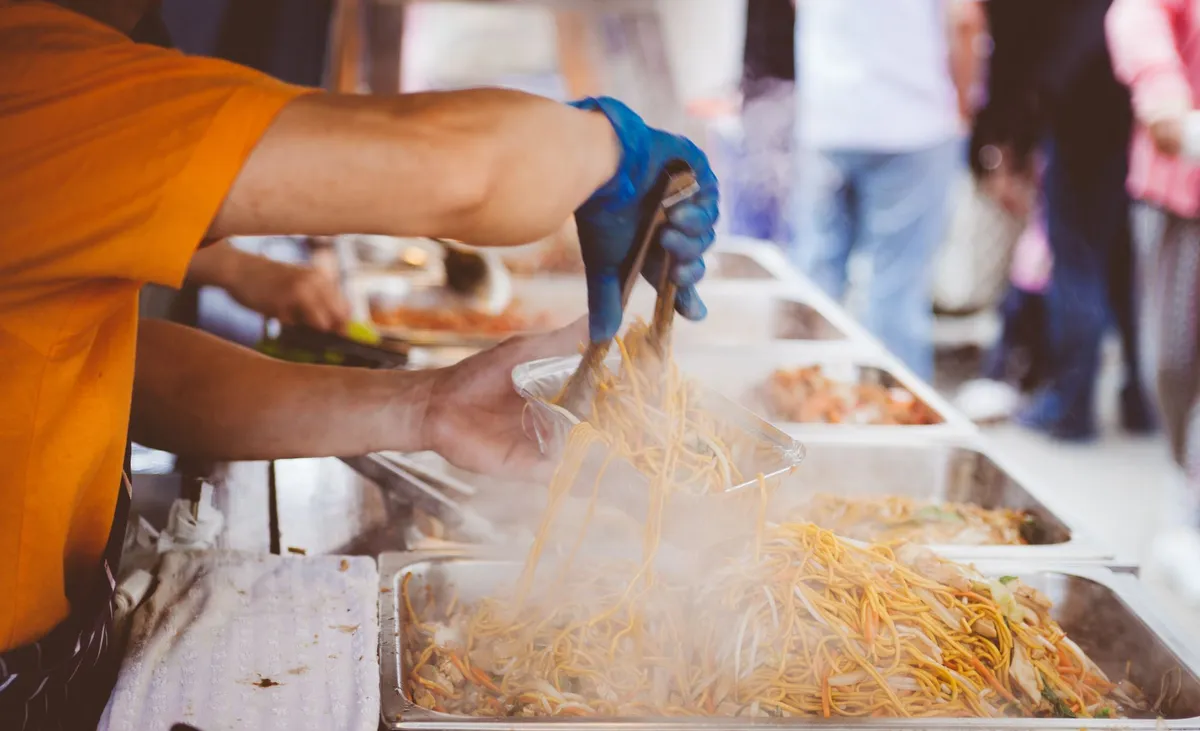
L'odeur est une machine à remonter le temps. Avant même que le regard ne se pose sur l'étal, avant que les doigts ne saisissent le papier gras, l'arôme — fumée de charbon, huile brûlante, épices moulues à la pierre — frappe le système limbique. Il n'y a pas de nappes blanches ici, pas de sommelier, pas d'addition présentée sur un plateau d'argent. Il n'y a que le geste immémorial : payer, recevoir, manger, partir. Pourtant, selon l'Organisation des Nations Unies pour l'alimentation et l'agriculture, ce rituel quotidien nourrit 2,5 milliards d'êtres humains chaque jour. Soit près d'un tiers de l'humanité qui trouve sa subsistance non pas dans une salle à manger, mais sur le bitume, sous une bâche, au coin d'une ruelle vibrante. Ce n'est pas une mode. C'est l'architecture invisible des villes. Les Cendres de Pompéi et les Thermopolia Oubliés Remontons le fil du temps, bien avant les néons et les food-trucks hybrides. Dans l'Antiquité, la rue était déjà la cuisine de ceux qui n'en avaient pas. À Pompéi, les fouilles ont révélé une densité stupéfiante de thermopolia — ces comptoirs de rue où l'on servait du vin chaud, des légumineuses et des plats mijotés dans de grandes jarres encastrées dans le marbre. Les pauvres résidents des insulae, ces immeubles de grande hauteur sans foyers ni fours, n'avaient d'autre choix que de descendre manger dehors. À Athènes, le philosophe Théophraste, successeur d'Aristote, toisait ces vendeurs de petits poissons frits avec un dédain aristocratique, les jugeant indignes du citoyen vertueux. Mais à Rome, la street food était une infrastructure vitale. On y avalait de la puls — une bouillie de grain ou de pois chiches épaissie, servie avec du pain — debout, pressé, entre deux besognes. C'était le fast-food de l'Empire, le carburant de la plèbe urbaine, bien loin des banquets luculliens des élites.1502 : L'Année où la Rue Devint Loi à Istanbul Si l'Occident a longtemps toléré le chaos des étals, l'Empire ottoman a choisi la régulation. En 1502, sous le règne de Bayezid II, la Turquie devient le premier État au monde à légiférer et standardiser la vente de nourriture de rue. Une révolution administrative : on ne vend plus n'importe comment, n'importe quoi. Les carrefours de Constantinople s'emplissent de "bouchées parfumées de viande chaude" — poulet et agneau rôtis à la broche — dont les effluves structurent l'espace public. Un voyageur florentin de la fin du XIVe siècle, égaré au Caire, note une scène saisissante : les habitants déploient des nappes de cuir brut sur la poussière des rues pour s'asseoir et dévorer des kebabs d'agneau, du riz et des beignets achetés aux marchands ambulants. La rue n'est pas un lieu de passage, elle est la salle à manger commune, le grand égalisateur social. Paris, 1840 : La Naissance Secrète de la Frite Traversons les siècles jusqu'au pavé parisien du Second Empire. Dans les brumes du Paris des années 1840, une mutation silencieuse opère. Des strips de pommes de terre plongés dans l'huile bouillante d'un chariot : la frite naît street food. Elle n'est pas encore l'accompagnement noble du steak-frites bistrotier ; elle est le repas de l'ouvrier, de l'étudiant, du flâneur. Bon marché, immédiate, tenue entre deux doigts. De l'autre côté de la Manche, le Londres victorien offre un menu bien plus brutal aux estomacs modernes : tripes, soupe aux pois, cosses de pois au beurre, buccins, crevettes et anguilles en gelée. Ces gelatinous eels, spécialité des docks de l'Est, nourrissaient les dockers pour quelques pence. La rue nourrit le corps laborieux de la première puissance industrielle mondiale.L'Empire des Saveurs : Les Marchés d'Aztlán L'océan traversé, le choc est total. Dans la grande place de Tenochtitlan, cœur de l'empire aztèque, les chroniqueurs espagnols décrivent un vertige culinaire. Les vendeurs y proposent l'atolli, une bouillie de pâte de maïs, mais surtout près de cinquante variétés de tamales. La garniture ? Viande de dinde, lapin, gaufre, grenouille, poisson, fruits, œufs, fleurs de maïs. Et des insectes. Des ragoûts complexes. La colonisation espagnole apporte blé, canne à sucre, bétail. Mais le peuple, lui, continue de manger "indien". Les importations ne font qu'effleurer les marges : on voit apparaître des cœurs de bœuf grillés sur les étals de Lima, adaptation hybride d'un abat noble devenu populaire. Au XIXe siècle, certains vendeurs entrent dans la légende locale : Erasmo, le "negro" vendeur de sangu, et Na Agardite, figures tutélaires d'une gastronomie de trottoir qui résiste à l'effacement. Les Huîtres de New York et les Reines de la Rue Américaine Dans l'Amérique coloniale, huîtres, épis de maïs rôtis, fruits et friandises s'échangent à bas prix, toutes classes confondues. L'huître est le roi de la rue new-yorkaise — bon marché, abondante, démocratique — jusqu'à ce que la surpêche et la pollution ne fassent grimper les prix vers 1910. La ville tente d'enrayer le désordre : restrictions horaires, puis interdiction totale des vendeurs ambulants en 1707. Pourtant, l'histoire retiendra la force des femmes d'ascendance africaine qui, aux XVIIIe et XIXe siècles, font de la rue leur bureau. À Savannah, elles vendent fruits, gâteaux, noix. À La Nouvelle-Orléans, ce sont café, biscuits, pralines et douceurs créoles. Elles tissent le lien social, nourrissent les chantiers, les quais, les marchés. Et en 1893, à l'Exposition universelle de Chicago (Columbian Exposition), parmi mille inventions, un mélange de maïs soufflé, arachides et mélasse fait sensation : Cracker Jack voit le jour, né street food, devenu icône industrielle. La Chine : Le Berceau Millénaire et son Diaspora En Chine, l'histoire ne commence pas au XIXe siècle. Elle remonte à des millénaires, s'institutionnalisant sous la dynastie Tang (618-907). La street food y structure la vie citadine : elle nourrit les pauvres, certes, mais les riches y envoient leurs serviteurs chercher les mets qu'ils daignent manger chez eux, loin de la foule. Ce modèle ne reste pas cantonné. La diaspora chinoise exporte l'ADN même de la rue nourricière. À la fin du XIXe siècle, les coolie workers importés de Chine posent les fondations de la culture de rue en Asie du Sud-Est. Sans eux, pas de hawker centres singapouriens, pas de warung indonésiens tels qu'on les connaît. Yokohama, 1900 : Le Ramen, Enfant de la Rue Au Japon, l'ancêtre du ramen arrive avec des immigrants chinois à Yokohama Chinatown. C'est d'abord une soupe de nouilles bon marché pour ouvriers et étudiants chinois expatriés. Mangeée debout, vite, chaude. Puis, lentement, le plat mute. Il s'approprie le dashi local, le porc chashu, l'œuf mariné. Il devient plat national, se parant de variations régionales — tonkotsu de Hakata, miso de Sapporo, shoyu de Tokyo — tout en gardant l'âme de son origine : un bol mangé vite au comptoir.Bangkok : La Rue a Tué la Cuisine Maison En Thaïlande, le basculement est récent et radical. Longtemps, la street food fut l'apanage de la minorité chinoise ; les Thaïs "de souche" mangeaient à la maison. Début des années 1960 : l'explosion urbaine change la donne. La rue devient la cantine par nécessité. Dans les années 1970, elle a "déplacé la cuisine domestique". Aujourd'hui, 76 % des urbains thaïlandais fréquentent quotidiennement ces étals. 103 000 vendeurs génèrent 270 milliards de bahts (2017). Le ministre Suvit Maesincee prévoit une croissance de 6 à 7 % par an. Deux millions de personnes mangent dans la rue à Bangkok chaque jour, servies par ~160 000 vendeurs (2 % de la population active). Et la science tranche : la contamination y est au même niveau qu'au restaurant. La rue n'est pas plus sale ; elle est juste visible. L'Inde : L'Arthashastra et les Kebabs des Rois L'Inde ancienne ne laisse pas la rue au hasard. L'Arthashastra, traité de politique et d'économie attribué à Kautilya (IVe siècle av. J.-C.), réglemente finement l'espace alimentaire urbain :Les vendeurs de riz cuit, alcool et viande doivent résider au sud de la ville (vent dominant ?). Les intendants des greniers peuvent céder excédents de son et farine aux fabricants de gâteaux de riz et riz cuit. Les surveillants de cité encadrent les vendeurs de viande et riz cuits.À Delhi, la légende veut que les rois eux-mêmes venaient goûter aux kebabs des ruelles. Certains étals opèrent encore, gardiens d'un feu séculaire. L'époque coloniale ajoute sa couche : naît une fusion street food pensée pour le palais britannique — patties, cutlets, pains fourrés — hybride né de la contrainte et de l'opportunité. Java : Les Marchands Itinérants de l'Île aux Mille Volcans En Indonésie, particulièrement à Java, la tradition est nomade. Des vendeurs itinerants portent sur l'épaule ou poussent sur un chariot (gerobak) la cuisine du quotidien : nasi goreng, sate, bakso, es cendol. Ils ne stationnent pas ; ils vont vers le client, rythment les quartiers par le kentongan (signal en bambou) ou l'appel chanté. La rue est leur territoire, le trottoir leur cuisine, la nuit leur heure de gloire.L'Équilibre Impossible : Santé, Espace, Justice Aujourd'hui, les gouvernements oscillent entre deux pôles. D'un côté, la reconnaissance socio-économique : la rue nourrit, emploie, anime, attire le touriste (moteur clé en Thaïlande). De l'autre, les risques systémiques :Sécurité sanitaire : chaîne du froid absente, eau non potable, manipulation à mains nues. Salubrité : graisses dans les caniveaux, déchets plastiques, fumées. Occupation illégale : empiètement sur le domaine public, trottoirs rendus impraticables aux piétons, handicapés, poussettes. Conflits sociaux : rivalités entre vendeurs, corruption des agents de contrôle, gentrification chassant les pauvres vers la périphérie alimentaire. Congestion : les camions-restaurants (food trucks) et clients garés en double file bloquent la circulation.La réponse ne peut être l'interdiction — l'échec de New York en 1707 le prouve —, ni le laisser-faire total. Elle réside dans la formalisation inclusive : licences simplifiées, zones dédiées (hawker centres à la singapourienne), formation hygiène, accès à l'eau/électricité, protection sociale pour les vendeurs. Faire de la rue un partenaire, pas un problème. L'Héritage Brûlant De la puls romaine au pad thaï bangkokois, du tamal aztèque au ramen de Yokohama, de la frite parisienne à l'anguille londonienne, la street food raconte une seule et même histoire : celle de l'humanité qui s'organise pour se nourrir hors de chez elle. Elle est le miroir grossissant des migrations, des inégalités, des innovations techniques, des métissages culturels. Elle nous rappelle que la gastronomie ne naît pas toujours dans le silence feutré des cuisines étoilées. Parfois, elle éclot dans le bruit, la fumée, l'urgence, le partage d'un banc de fortune. Elle est la démocratie du goût, accessible, vivante, imparfaite, indispensable. La prochaine fois que vous mordrez dans un beignet tiède acheté au coin d'une rue, souvenez-vous : vous goûtez à l'histoire du monde. Une bouchée à la fois.#StreetFoodHistory #CulinaryAnthropology #GlobalGastronomy #UrbanFoodCulture #FoodHistory Related InsightsA Domestication: A Novel Book Review and Summary From the Grave Book Review and Summary Holly Book Review and Summary
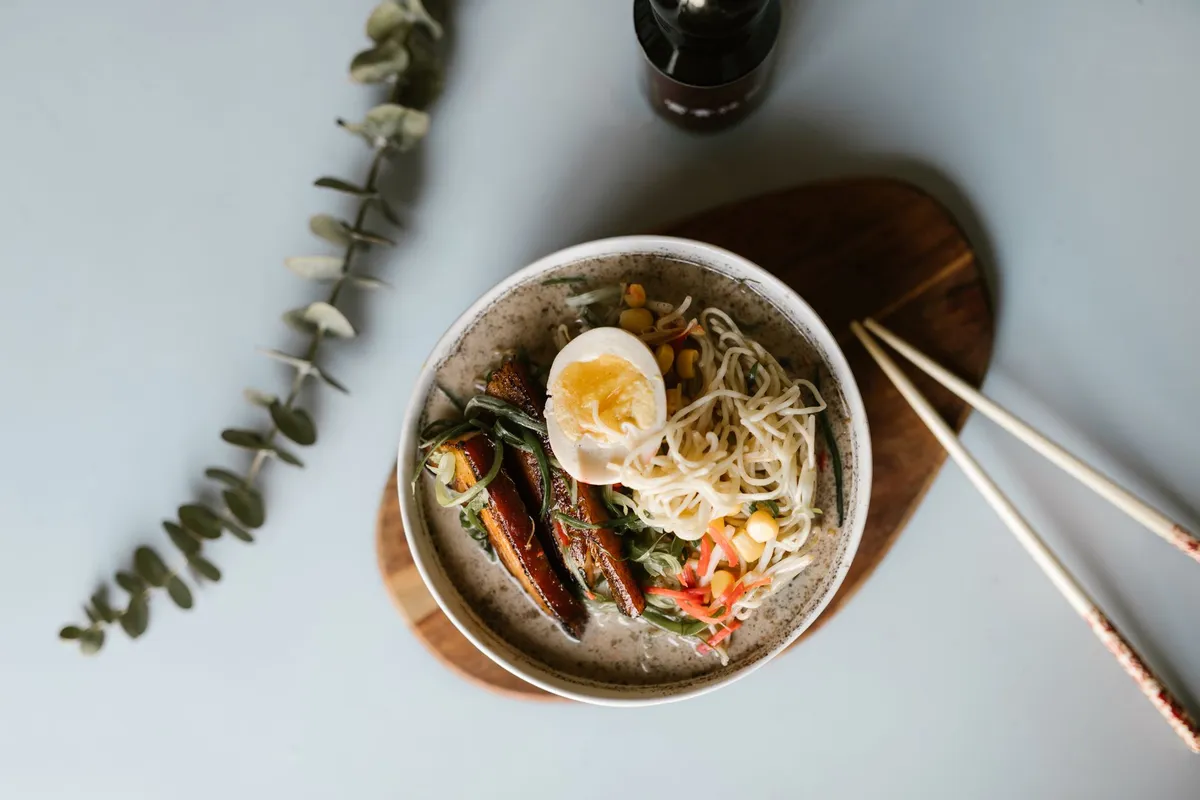
It arrives not with the sharp slap of lemon, nor the heavy cloak of salt, nor even the seductive whisper of sugar. It arrives as a velvet weight, a deepening resonance that spreads across the palate like a low cello note in a quiet room. It is the taste of time concentrated, of proteins unraveling into their most primal, delicious geometry. For centuries, cooks chased it instinctively—reducing stocks until they gleamed like amber, aging cheeses until they wept crystals, fermenting fish until the jars held the very soul of the sea. They knew what it was, but they lacked the vocabulary to name the ghost in the machine. That changed in 1908, in a Tokyo laboratory, when a professor stared into a bowl of kelp broth and finally gave the fifth taste its true name: Umami.The Professor and the Seaweed: A Moment of Clarity Kikunae Ikeda was not merely a chemist; he was a man obsessed with the architecture of flavor. As a professor at the Tokyo Imperial University, he possessed a palate trained to dissect sensation. In 1908, while savoring a bowl of yudofu (simmered tofu) seasoned with kombu (kelp) dashi, he encountered a sensation that refused to be categorized. It was not sweet, not sour, not salty, not bitter. It was a distinct, savory profundity—a "pleasant savory taste," which is the literal translation of the Japanese umami (旨味), derived from umai (delicious). Ikeda did not just taste it; he hunted it. He undertook the laborious process of evaporating massive quantities of kombu broth, isolating the crystalline substance responsible for that specific mouth-coating richness. The culprit was glutamic acid, an amino acid. But the acid itself was shy; it was the salt of that acid—monosodium glutamate (MSG)—that sang the loudest. Ikeda had not just found a chemical; he had scientifically proven the existence of a fifth basic taste, distinct from the classical four. The speed of application was staggering. By 1909, Ikeda had partnered with Saburōsuke Suzuki to found Ajinomoto Co., Inc. ("Essence of Taste"). They launched the world’s first umami seasoning: monosodium glutamate, marketed under the name "Ajinomoto." It was a culinary atomic bomb—pure, crystalline savoriness that could be sprinkled like salt. It spread globally with the velocity of a revelation, instantly becoming the secret weapon of kitchens from Shanghai to Chicago, long before the West fully accepted the science behind it. The Ancient Code: Garum, Murri, and the Chef Who Knew Too Much While Ikeda provided the formula, history provides the evidence. Humanity had been hacking the umami code for millennia without knowing the molecular password. In Ancient Rome, the empire ran on garum—a fermented fish sauce made from the intestines of mackerel, anchovies, or tuna, left to bake under the Mediterranean sun. The enzymatic autolysis shattered proteins into free glutamates. It wasn't just a condiment; it was the MSG of the Caesars, poured into nearly every savory dish. In Medieval Byzantium and the Arab World, murri held sway. A fermented barley sauce, rich in glutamate, it was the backbone of banquet cooking, a direct lineage to the soy sauces fermenting simultaneously in China since the third century. Then there was Auguste Escoffier, the king of chefs and chef of kings. In the late 1800s, in the gleaming kitchens of the Ritz in Paris and the Savoy in London, Escoffier was building fonds and glaces—veal stock reduced for days, brown sauces layered with roasted bones, tomatoes, and mushrooms. He was constructing flavor architectures built entirely on the synergy of glutamate and nucleotides. He knew how to build the taste. He knew it was the foundation of French haute cuisine. But when he looked for the chemical source, the microscope of his era came up empty. He died in 1935, a decade before science would catch up to his intuition.The Synergy That Changed Everything: 1 + 1 = 8 If Ikeda opened the door, Shintaro Kodama and Akira Kuninaka blew the hinges off. In 1913, Kodama, Ikeda’s disciple, turned his gaze to katsuobushi—dried, fermented skipjack tuna flakes. He discovered inosinate (IMP), a ribonucleotide. Then, in 1957, Kuninaka found guanylate (GMP) in dried shiitake mushrooms. But Kuninaka’s true genius lay in what happened when he mixed them. He discovered the Synergistic Effect. When glutamate (from kombu) meets inosinate (from bonito) or guanylate (from shiitake), the resulting taste intensity is not additive. It is multiplicative. The receptor on the tongue—a heterodimer of TAS1R1 and TAS1R3—possesses a Venus flytrap mechanism. Glutamate binds the primary site; the nucleotides bind a secondary allosteric site, clamping the receptor shut and amplifying the signal to the brain by a factor of seven or eight. This single biochemical quirk explains the "holy trinities" of global cuisine:Japan: Dashi = Kombu (Glutamate) + Katsuobushi (Inosinate). Italy: Pasta Bolognese = Tomatoes (Glutamate) + Beef/Anchovies (Inosinate) + Parmigiano-Reggiano (Massive Glutamate). France: Sauce Espagnole = Veal Stock (Inosinate) + Tomato Purée/Mirepoix (Glutamate). Scotland/China: Chicken Soup + Leeks/Cabbage (Glutamate) + Chicken Bones (Inosinate).The Scots making cock-a-leekie soup and the Chinese adding leeks to chicken broth were unwittingly performing advanced molecular gastronomy centuries before the term existed. The Hardware: How the Tongue Sees Savory For decades, the scientific establishment treated umami with skepticism. Was it just a "flavor enhancer"? A salty side-effect? The debate raged until the turn of the millennium. In 2000, researchers at the University of Miami identified the specific receptor complex: TAS1R1 + TAS1R3. This was the smoking gun. Umami had its own hardware. It wasn't a phantom; it was a distinct biological channel. The genetics are elegant:TAS1R2 + TAS1R3 = Sweet Receptor. TAS1R1 + TAS1R3 = Umami Receptor. TAS1R3 is the shared subunit. Knock it out, and you lose both sweet and umami.This explains the curious overlap. Standalone glutamate (without sodium) tastes sour. Add salt (Na+), and the umami receptor fires. Sweet and umami share structural DNA. Some people, genetically, struggle to distinguish umami from saltiness—a condition akin to color blindness for the palate. By 2006, Ajinomoto’s own labs found these same receptors in the stomach. Umami isn't just a mouth event; it signals protein arrival to the gut, priming digestion and triggering satiety hormones. We taste protein to survive; we taste umami to thrive.The Pantry of the Fifth Taste: Where the Glutamate Lives Umami is democratic. It hides in the humblest tomato and the proudest truffle. The Wikipedia data provides a definitive atlas of high-umami ingredients. Let’s categorize the arsenal: The Ocean’s Bounty (Inosinate Kings)Katsuobushi / Bonito Flakes: The concentrated essence of tuna. IMP levels are stratospheric. Anchovies / Sardines / Maldives Fish: Small, oily, fermented or cured. The backbone of garum, nam pla, and Worcestershire sauce. Shellfish: Scallops, clams, oysters—sweetness wrapped in umami. Fish Sauce / Shrimp Paste: Liquid umami bombs.The Fungal & Vegetal Kingdom (Guanylate & Glutamate)Dried Shiitake Mushrooms: The GMP powerhouse. Drying converts RNA to guanylate. Fresh shiitake? Barely a whisper. Dried? A roar. Tomatoes: Especially concentrated (paste, sun-dried, roasted). The Italian revolution was a tomato revolution. Green Peas / Sweet Corn / Potatoes: Surprising reservoirs of free glutamate. Nori / Kombu / Wakame: Sea vegetables are the purest vegetative source.The Fermented & Aged Alchemists (Proteolysis Unleashed)Soy Sauce / Miso / Doenjang / Doubanjiang: Aspergillus oryzae (Koji mold) digests soy proteins into massive glutamate pools. Cheeses (Parmesan, Asiago, Blue, Roquefort): Aging = proteolysis. Parmigiano-Reggiano (24-36 months) hits ~1,680 mg/100g glutamate. The crystals? Tyrosine. The taste? Pure umami. Yeast Extracts (Marmite, Vegemite, Beer): Autolyzed yeast. The vegetarian's MSG. Kimchi / Sauerkraut: Lactic acid bacteria doing the work of time. Hydrolyzed Vegetable Protein (HVP) / Bouillon Cubes: Industrial shortcuts to the same destination.The Modern PowdersMSG (Monosodium Glutamate): Pure glutamate + sodium. The standard bearer. Disodium Guanylate (GMP) / Disodium Inosinate (IMP): The "nucleotide" boosters. Rarely used alone; they are the force multipliers in "Chicken Powder" and instant noodle packets.The Physiology of Pleasure: Mouthfeel, Salivation, and the "Coating" Sensation Umami behaves differently than its four siblings.It is not instantly palatable alone. A spoonful of MSG in water tastes weird—metallic, sour, thin. It needs an aroma partner (roasted meat, garlic, smoke) and usually salt to bloom. It has a "long-lasting, mouthwatering, coating sensation." It stimulates salivation far more than salt or acid. It creates furriness on the tongue—a tactile viscosity. It hits the throat, the roof, and the back of the mouth. It is a "deep" taste. Sweet hits the tip; sour the sides; bitter the back; salt the front. Umami fills the oral cavity. The Concentration Window is Narrow. Too little: invisible. Too much: cloying, metallic, "ajinomoto tongue." The optimum curve is a sharp peak. Salt Dependency. The optimum umami taste depends on sodium chloride concentration. They are dance partners. Low-salt foods require more umami to taste "right"—a crucial lever for modern health-conscious cooking.Beyond Glutamate: The Frontier Peptides The story didn't end with amino acids and nucleotides. As of 2017, researchers identified 52 peptides (short protein chains) capable of generating umami taste (though 20 remain contested). This opens a terrifyingly vast frontier. Aged meats, long-fermented soy, garum, century eggs—their complexity likely resides in these peptide signatures. Ibotenic acid and tricholomic acid (from certain mushrooms) are claimed to be multiples more intense than MSG, though toxicity keeps them in the lab. Cooking with the Fifth Element: A Chef’s Framework Understanding the data changes how you cook. You stop "seasoning" and start "architecting." Layer 1: The Glutamate Base. Start with a high-glutamate foundation. Tomato paste fried in oil (Maillard + Glutamate). A spoonful of white miso in a marinade. A dusting of MSG (safe, effective, precise) in a stir-fry. A Parmesan rind simmering in the minestrone. Layer 2: The Nucleotide Spike. Add the multiplier. A handful of dried shiitake in the braise. Anchovies melting into the soffritto. Bonito flakes steeped off-heat in the broth. A splash of fish sauce in the chili (it won't taste fishy; it will taste meaty). Layer 3: The Aged/Processed Depth. Finish with the fermented complexity. Shaving aged gouda over the risotto. A drizzle of aged balsamic (gluconates + glutamate). A spoonful of natto or tempeh for the vegetal funk. The Salt Check. Taste for salt last. If the umami is high, the salt requirement drops. This is the "low sodium" hack the industry doesn't want you to know: Umami allows salt reduction of 30-50% without perceived loss of palatability.The Name Itself: A Linguistic Nuance The kanji tells a story.うま味 (Hiragana + Kanji): Proposed by Ikeda in 1908 specifically for the taste component he isolated. The scientific term. 旨味 (Kanji): The broader, older concept of "deliciousness" or "tastiness." うまい (Umai): The adjective. "This is umai."In the 1980s, Japanese researchers formalized this distinction: use うま味 for the specific taste quality (the scientific construct), and 旨味 for the general hedonic evaluation ("This soup has good umami"). The 1985 Umami International Symposium in Hawaii cemented Umami as the universal scientific noun. We owe them the word that finally let us speak the truth of our broth. The Legacy: More Than a Seasoning Umami is the taste of civilization. It is the flavor of preservation—turning perishable protein into stable, portable, potent nutrition. It is the taste of cooking itself, for heat and time and microbes are the only keys that unlock the glutamate locked inside raw protein. From the garum vats of Baetica to the kombu drying on the rocks of Hokkaido; from Escoffier’s stockpots to the Ajinomoto shaker on a street vendor’s cart in Bangkok; from the TAS1R1 receptor on your tongue to the identical receptor in your stomach—Umami is the biological signature of nourishment. It is the answer to the question: "What makes this taste complete?" Next time you reduce a stock until it gels in the fridge, or grate Parmesan over steaming pasta, or shake a little MSG into your fried rice, remember Kikunae Ikeda staring into his bowl of yudofu. He gave us the map. The territory, however, has always been ours to explore.#Umami #FoodScience #Cul Related InsightsWhat Abigail Did That Summer Book Review and Summary Die majestätische Schwarzwälder Kirschtorte: Eine kulinarische Reise durch Geschichte, Mythos, Handwerk und vollendeten Geschmack A Little Too Close - Madigan Mountain #2 Book Review and Summary
-
 Marcus Vance
 - 11 Oct, 2026 13:25
Sailing the Cheese Seas: A Masterclass in Georgian Khachapuri Variations
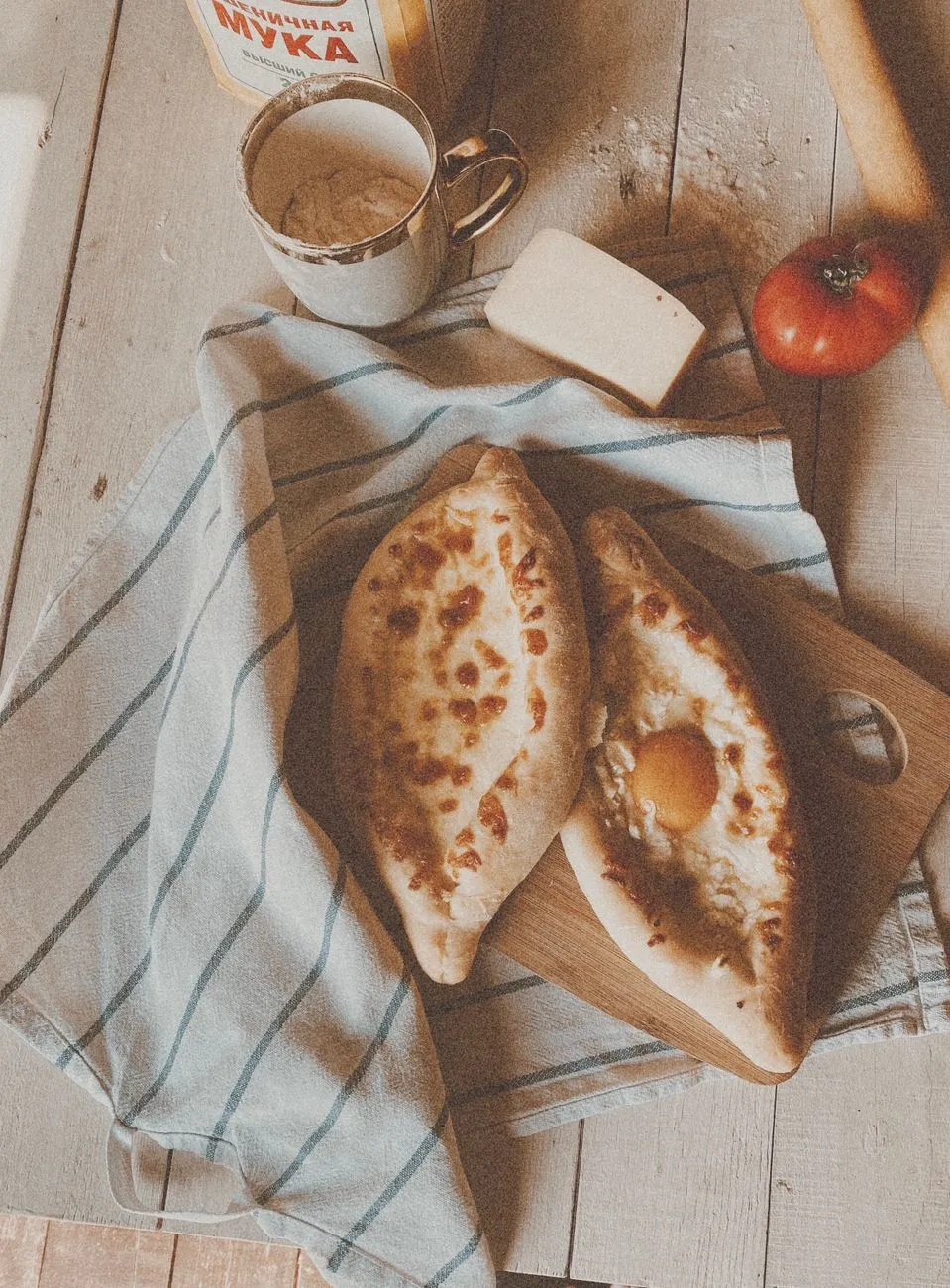
From the Black Sea to the Table: The Origins of Khachapuri Georgia’s culinary identity is inseparable from its bread culture, and khachapuri stands as the crown jewel of that tradition. Archaeological evidence from the Colchian lowlands shows flatbreads baked on clay hearths as early as the 6th century BCE, but the cheese‑stuffed iteration we recognize today coalesced during the medieval period when monastic communities refined dairy preservation. The word itself derives from khacho (curd cheese) and puri (bread), a linguistic clue that the dish was conceived as a portable, high‑energy meal for shepherds traversing the Greater Caucasus. Regional microclimates dictated the cheese varieties: the humid western lowlands favored a moist, tangy Imeruli curd, while the alpine east produced a firmer, saltier Sulguni. Trade routes along the Black Sea introduced butter, eggs, and even cornmeal, each ingredient grafting onto the basic dough‑cheese matrix. By the 19th century, khachapuri had migrated from family hearths to Tbilisi’s bustling dukani (street bakeries), where it became a symbol of hospitality—served steaming to guests before any other dish. Modern scholarship, notably the 2021 monograph Bread & Belonging in the Caucasus (Tbilisi State University Press), confirms that the dough’s hydration level (typically 60‑65 %) and the use of a toné (clay oven) create a characteristic blistered crust that cannot be replicated in conventional ovens without a baking stone. The dough’s fermentation window—usually 2–3 hours at 24 °C—allows lactic acid bacteria to develop a subtle sourness that balances the richness of the cheese filling. Understanding this lineage is essential before dissecting each variation, because every regional style is a dialogue between geography, dairy culture, and the baker’s hand. Imeruli: The Heart‑Shaped Classic of Western Georgia Imeruli khachapuri, often called Imeretian khachapuri, is the most ubiquitous form found in home kitchens across Imereti. Its hallmark is a circular, slightly domed loaf roughly 25 cm in diameter, with a golden‑brown crust that yields to a soft, steamy interior. The filling consists almost exclusively of Imeruli cheese—a fresh, semi‑soft curd with a moisture content near 55 % and a mild, milky tang. The dough recipe is deceptively simple: 500 g high‑protein wheat flour (12‑13 % protein), 300 ml lukewarm water, 10 g active dry yeast, 10 g salt, and 30 ml sunflower oil. After a 30‑minute autolyse, the dough is kneaded to a smooth, elastic ball, then rested for 90 minutes. The cheese is grated, lightly salted, and mixed with a tablespoon of melted butter to improve meltability. The assembly is a ritual: the dough is rolled into a 30 cm circle, the cheese mound placed centrally, edges gathered and pinched into a pleated “purse,” then inverted so the seam faces down. Baking occurs in a preheated toné at 350 °C for 7‑9 minutes. The intense radiant heat puffs the crust, creating a network of micro‑blisters that trap steam, which in turn finishes cooking the cheese from within. The result is a loaf that, when torn, releases a cloud of buttery aroma and a stretchy cheese pull that can exceed 30 cm—an informal benchmark among Georgian bakers. Nutritionally, a 150 g portion delivers roughly 380 kcal, 14 g protein, 18 g fat (predominantly saturated from cheese and butter), and 38 g carbohydrates. The high calcium content (≈350 mg) makes it a valuable dietary source in a region where dairy dominates protein intake. While Imeruli remains the daily staple, its simplicity makes it a canvas for innovation—herbs like coriander or dill are sometimes folded into the cheese, and a brush of egg wash before baking yields a deeper amber hue. Adjarian Khachapuri: The Boat That Carries an Egg Yolk Travel east to the subtropical coast of Adjara, and the khachapuri morphs into a dramatic khachapuri acharuli—a boat‑shaped loaf cradling a molten lagoon of cheese, butter, and a single raw egg yolk. The shape is not merely aesthetic; the raised gunwales prevent the rich filling from spilling during the vigorous bake in a wood‑fired oven. The dough mirrors Imeruli’s hydration but incorporates 30 g of melted butter per 500 g flour, lending a tender crumb that can support the weight of the filling. The cheese blend is a 2:1 ratio of Sulguni (elastic, salty) to Imeruli (moist, mild), grated and combined with 50 g cold butter cubes. This mixture is piled high, leaving a shallow well in the center. The loaf bakes at 380 °C for 5 minutes, then the oven door is opened, a raw egg yolk is gently deposited into the well, and the bread returns for another 60‑90 seconds—just enough to set the yolk’s periphery while keeping the center runny. The dining protocol is theatrical: the diner tears a piece of the crust, dips it into the cheese‑egg emulsion, and swallows the mixture in one bite. The yolk’s lecithin emulsifies the fat, creating a silkier mouthfeel that distinguishes Adjarian from its inland cousins. A 200 g serving (including yolk) provides approximately 520 kcal, 18 g protein, 30 g fat, and 42 g carbohydrates. The egg adds 6 g high‑quality protein and 180 mg cholesterol, a figure that aligns with recent meta‑analyses (e.g., American Journal of Clinical Nutrition, 2022) suggesting moderate egg consumption does not significantly raise cardiovascular risk in healthy adults. Variation Serving (g) kcal Protein (g) Fat (g) Carbs (g) Calcium (mg)Imeruli 150 380 14 18 38 350Adjarian 200 520 18 30 42 410Megruli 180 460 16 24 40 380Penovani 160 410 13 22 36 300The Adjarian style’s popularity has surged beyond Georgia, appearing on menus from Berlin to New York, often marketed as “Georgian fondue bread.” Purists argue that the authentic experience requires a toné and a wooden paddle (shamishi) for turning, but a home oven with a pizza stone at 250 °C can approximate the effect if the dough is pre‑baked for 3 minutes before filling. Megruli and Penovani: Double Cheese and Flaky Layers In the mountainous region of Samegrelo, the Megruli khachapuri doubles down on cheese—literally. The dough encloses a cheese filling, then a second layer of cheese is spread atop the sealed loaf before baking, creating a caramelized cheese crust that crackles like a savory pâte à choux. The cheese blend typically mixes Sulguni with a touch of Khmeli Suneli (a traditional spice blend) for an aromatic lift. Penovani, by contrast, abandons yeast dough for a laminated puff pastry technique. Layers of butter‑enriched dough are folded six times, producing a flaky, buttery shell that sh Related InsightsAngel Country Book Review and Summary El club de la lucha / Fight Club Book Review and Summary Lake of Souls Book Review and Summary
-
 Giovanni Luigi
 - 11 Oct, 2026 11:48
L'Alchimia del Gusto: Quando la Fisica Quantistica si Siede a Tavola
La cucina, per secoli, è stata un regno governato dall'istinto, dalla tradizione orale e da quel "saper fare" tramandato di generazione in generazione, avvolto nel vapore profumato dei brodi e nel crepitio del burro nocciola. Nessuno chiedeva perché l'albume montasse a neve ferma, né come il collagene si arrendesse al calore diventando gelatina vellutata. Si sapeva solo che accadeva, e che quel risultato era buono. Ma c'è un momento preciso nella storia, un punto di non ritorno, in cui la padella è diventata una beuta, il fuoco un controllo termodinamico e il cuoco, suo malgrado o per scelta deliberata, un chimico fisico. Quel momento ha un nome, una data e dei padri fondatori: la gastronomia molecolare.La Nascita di una Disciplina tra le Mura di Erice Correva l'anno 1988. In un mondo culinario ancora legato ai dettami della nouvelle cuisine e alle salse pesanti della tradizione classica, due menti brillanti — il fisico ungherese Nicholas Kurti e il chimico fisico francese Hervé This, allora all'INRA — decisero di dare un nome a un vuoto epistemologico. Coniarono il termine "Molecular and Physical Gastronomy". Non era una moda, né una semplice etichetta per piatti spettacolari con azoto liquido o sfere caviaristiche. Era una dichiarazione d'intenti scientifica: studiare la cucina — quella di casa e quella del ristorante — dalla prospettiva della chimica, alla scala degli atomi, delle molecole e delle miscele. Fino a quel momento, la scienza degli alimenti (food science) era quasi interamente asservita all'industria: sicurezza, conservazione, produzione di massa, microbiologia. Mancava un ramo dedicato specificamente ai processi chimici e fisici della cottura domestica e ristorativa. Kurti e This vollero colmare questo abisso, riunendo indagini frammentate e isolate in una disciplina organizzata, parlante un linguaggio accessibile ai cuochi, non solo agli scienziati. Quattro anni dopo, nel 1992, l'idea prese forma concreta tra le mura antiche del Centro Ettore Majorana per la Cultura Scientifica a Erice, in Sicilia. I workshop, inizialmente battezzati "Science and Gastronomy", divennero il crocevia dove scienziati Nobel e chef stellati si sedevano allo stesso tavolo per dissezionare la scienza dietro le preparazioni tradizionali. Dopo la scomparsa di Kurti nel 1998, This rinominò gli incontri "The International Workshop on Molecular Gastronomy 'N. Kurti'", dirigendoli dal Centre International de Gastronomie Moléculaire AgroParisTech-INRA, custode di un'eredità che andava ben oltre la semplice tecnica culinaria. L'Architetto Invisibile: Elizabeth Cawdry Thomas Spesso la storia ufficiale dimentica le scintille che accendono i falò. Dietro l'organizzazione dei primi workshop di Erice si cela una figura femminile, Elizabeth Cawdry Thomas, raramente citata nei manuali ma fondamentale nell'architettura di questo movimento. Insegnante di cucina formatasi al Le Cordon Bleu di Londra e titolare di una scuola a Berkeley, California, Thomas possedeva un ponte unico: era la moglie di un fisico e frequentava assiduamente la comunità scientifica. Fu lei, nel 1988, durante un incontro a Erice, a intravedere la lacuna. Conversando con il professor Ugo Valdrè dell'Università di Bologna, condivise l'intuizione che la scienza della cucina fosse un argomento sottovalutato. Valdrè concordò e spinse Kurti a organizzare il workshop. Senza quella conversazione informale, senza quel ponte tra una cucina californiana e un laboratorio di fisica bolognese, la formalizzazione della disciplina avrebbe forse atteso decenni. È la prova che la gastronomia molecolare non nasce solo nei paper accademici, ma nelle connessioni umane, nel vino versato durante una cena, nella curiosità ibrida di chi vive con un piede nel fornello e l'altro nell'acceleratore di particelle.Le Ombre Lunghe dei Precursori: Carême, Roussel e i Pionieri Dimenticati Kurti e This non si sono mai illusi di aver inventato il fuoco. Hanno sempre riconosciuto che l'idea di usare la chimica per studiare il cibo affonda le radici in secoli passati. La gastronomia molecolare non è un ex novo, ma una sistematizzazione rigorosa di intuizioni sparse. Marie-Antoine Carême: Il Primo Chimico ai Fornelli All'alba del XIX secolo, Marie-Antoine Carême (1784–1833), l'architetto della grande cuisine francese, colui che codificò le salse madri e innalzò la pasticceria a arte architettonica, pronunciò una frase che suona come un manifesto ante litteram. Parlando della preparazione di un fondo (stock), scrisse: "il brodo deve giungere a bollore molto lentamente, altrimenti l'albumina coagula, indurisce; l'acqua, non avendo il tempo di penetrare la carne, impedisce alla parte gelatinosa dell'osmazoma di staccarsi". Leggete bene: albumina, coagulazione, penetrazione dell'acqua, osmazoma, parte gelatinosa. Carême non sta dando una ricetta; sta descrivendo un meccanismo fisico-chimico. Identifica la temperatura critica, la cinetica delle proteine, l'estrazione del collagene. Sta facendo gastronomia molecolare ottanta anni prima che la chimica fisica esistesse come disciplina accademica. È la prima volta che un cuoco smette di dire "fai così perché si fa così" e inizia a dire "fai così perché le molecole si comportano così". Raymond Roussel: La Visione Letteraria della Chimica Nel 1914, lo scrittore Raymond Roussel, nella sua opera "L'Allée aux lucioles", immagina un Antoine de Lavoisier romanzato che crea un "involucro semipermeabile commestibile" per racchiudere una scultura ghiacciata di un vino, immersa in un altro vino. La finzione letteraria cita l'evento come significativo "sia negli annali della scienza che nella storia della gastronomia migliorata". È una profezia straordinaria: l'incapsulamento, le membrane semipermeabili, la sferificazione — tecniche che diventeranno icone della cucina moderna (grazie a Ferran Adrià e al team di elBulli, basandosi sui lavori di Unilever e sui polisaccaridi come l'alginato) — sono già qui, nella mente di uno scrittore, sessant'anni prima della loro applicazione pratica. Roussel intuì che la chimica poteva non solo spiegare, ma costruire nuove texture, nuove esperienze sensoriali. Le Accademiche Silenziose: Halliday, Noble e Lowe Mentre la haute cuisine francese brillava, oltreoceano e nelle università, donne brillanti stavano gettando le basi accademiche rigorose. Nel 1928, Evelyn G. Halliday e Isabel T. Noble pubblicano "The Hows and Whys of Cooking". Nel 1943, il loro "Food Chemistry and Cookery" (University of Chicago Press) diventa un testo fondamentale. L'obiettivo dichiarato: "dare una comprensione dei principi chimici su cui si basano le buone pratiche di preparazione e conservazione degli alimenti". I capitoli leggono come un sillabo di gastronomia molecolare moderna: "La Chimica del Latte", "La Chimica dei Lieviti Chimici", "La Chimica della Cottura delle Verdure", "Determinazione della Concentrazione di Ioni Idrogeno" (pH!). Includevano illustrazioni di apparecchi per distillazione di campioni vegetali e pipette per determinare la viscosità relativa delle soluzioni di pectina. Erano docenti di Economia Domestica, ma facevano ricerca pura applicata al cibo. Ancora più monumentale, nel 1932, Belle Lowe, professoressa di Alimenti e Nutrizione all'Iowa State College, pubblica "Experimental Cookery: From The Chemical And Physical Standpoint". Oltre 600 pagine, centinaia di riferimenti, esperimenti dettagliati. Sezioni come: "La Relazione tra Cucina e Chimica Colloidale", "Coagulazione delle Proteine", "Fattori che Influenzano la Viscosità di Crema e Gelato", "Sineresi", "Idrolisi del Collagene", "Cambiamenti nella Carne Cotta". La Lowe trattava il cibo come un sistema colloidale complesso. Capiva che la cucina è essenzialmente la manipolazione di colloidi (gel, sol, emulsioni, schiume) attraverso energia (calore) e chimica (pH, ioni, enzimi). Il suo libro di testo superava in ampiezza e profondità molti trattati moderni, dimostrando che la "scienza della cucina quotidiana" aveva già una letteratura solida, rigorosa e dimenticata, ben prima del 1988.Oltre la Ricetta: La Definizione Rigorosa Cosa distingue esattamente la gastronomia molecolare dalla semplice "cucina scientifica" o dalla food science industriale? La definizione fornita dai fondatori è chirurgica:"La gastronomia molecolare è l'approccio scientifico della cucina principalmente dalla prospettiva della chimica. La composizione (struttura molecolare), le proprietà (massa, viscosità, ecc.) e le trasformazioni (reazioni chimiche, prodotti di reazione) di un ingrediente vengono affrontate e utilizzate nella preparazione e nell'apprezzamento dei prodotti ingeriti. È un ramo della scienza degli alimenti che si avvicina alla preparazione e al godimento della nutrizione dalla prospettiva di uno scienziato alla scala di atomi, molecole e miscele."Tre pilastri emergono con chiarezza cristallina:Composizione (Struttura Molecolare): Non si guarda l'ingrediente come "carota" o "uovo", ma come matrice di polisaccaridi, proteine globulari, lipidi, acqua, composti volatili. Proprietà (Fisiche): Viscosità, tensione superficiale, punto di fusione, reologia, massa, distribuzione dimensionale delle particelle. Sono questi i parametri che determinano la mouthfeel, la consistenza, la stabilità di una schiuma o di un'emulsione. Trasformazioni (Reazioni): Maillard, caramellizzazione, denaturazione proteica, gelificazione, emulsionamento, ossidazione, idrolisi enzimatica. Non "cottura", ma cinetica di reazione.La distinzione cruciale con la Food Science classica sta nel "preparation and enjoyment" (preparazione e godimento). La food science industriale ottimizza per shelf-life, sicurezza, costo, trasportabilità. La gastronomia molecolare ottimizza per il piacere sensoriale, per l'estetica del piatto, per la sorpresa cognitiva. Studia il perché del "buono", non solo il come del "sicuro". L'Eredità Vivente: Dalla Teoria alla Pratica Quotidiana Oggi, quando uno chef usa il sous-vide per controllare la denaturazione dell'actin e della miosina al decimo di grado, sta applicando la gastronomia molecolare. Quando monta una spuma di parmigiano reggiano usando la lecitina di soia per stabilizzare l'interfaccia aria-liquido, sta sfruttando la chimica colloidale studiata dalla Lowe novant'anni fa. Quando "sferifica" un succo di mela con alginato di sodio e cloruro di calcio, sta realizzando il sogno letterario di Roussel e la chimica dei polimeri ionotropi. Ma l'eredità più profonda è invisibile. È il cambiamento di mentalità. Il cuoco moderno non chiede più "quale ricetta?". Chiede: "Cosa succede alle proteine a 62°C? Come si comporta l'amido se lo raffreddo velocemente? Perché la mia maionese impazzisce se l'olio è troppo freddo?". Questo approccio — basato su evidenze, predittivo, controllabile — ha liberato la creatività. Sapere perché l'albumina coagula (come sapeva Carême) permette di evitarlo o provocarlo a piacimento. Sapere che la sineresi è l'espulsione d'acqua da un gel (studiata dalla Lowe) permette di progettare gel che non "piangono" nel piatto. La gastronomia molecolare non è l'azoto liquido che fumeggia sul tavolo — quello è solo teatro, molecular cooking o modernist cuisine, l'applicazione tecnologica. La gastronomia molecolare è la conoscenza che sta dietro le quinte. È la mappa che permette all'esploratore di non perdersi nel territorio sconosciuto della texture e del sapore.Il Futuro è nella Scala Nanometrica Guardando avanti, i laboratori come quello diretto da Hervé This all'AgroParisTech non si fermano. La frontiera si sposta verso la gastro-fisica, lo studio delle interazioni tra matrice alimentare e rec Related InsightsTales & Ballads of Wearside Book Review and Summary The Edge of Empire: A Journey Along Hadrian's Wall InvestiGators : Class Action Book Review and Summary
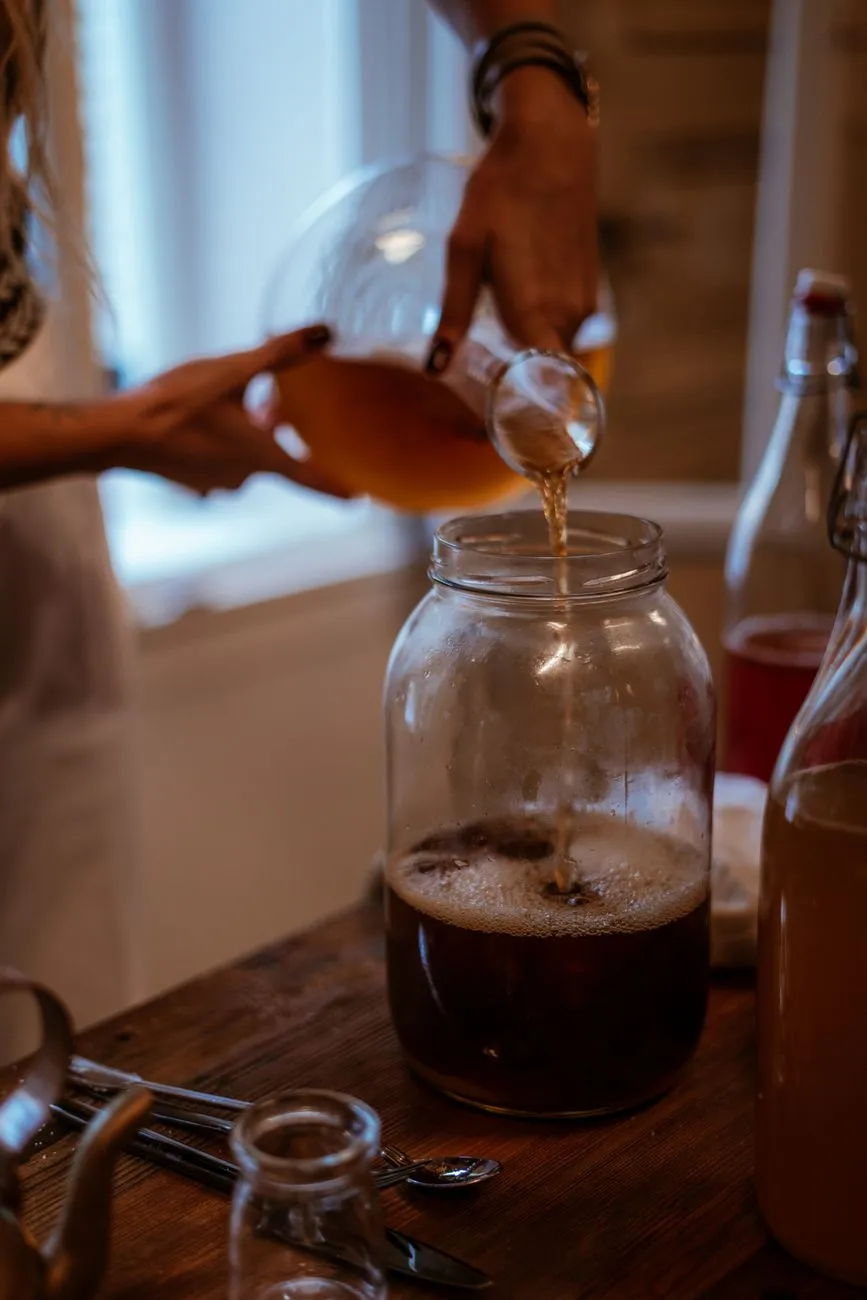
-
 Michael Chef
 - 10 Oct, 2026 20:52
The Alchemy of Time: How Microbial Magic Transforms Simple Ingredients into Culinary Gold
There is a quiet revolution happening in the dark, anaerobic corners of our kitchens. It doesn’t scream; it bubbles. It doesn’t rush; it waits. Long before we understood the microbiome, before the word "probiotic" hit marketing labels, our ancestors stumbled upon a biological loophole: the art of controlled rot. They didn't call it biochemistry. They called it survival. They called it flavor. Today, we call it fermentation, but the magic remains exactly the same—a symbiotic dance between human intention and microbial ambition. The Invisible Architects of Flavor We like to think we are the chefs. In reality, we are merely the set designers. The true artisans are microscopic, measuring their lifespans in minutes, their populations in billions. Lactobacillus, Saccharomyces, Aspergillus, Acetobacter—these are the names of the invisible brigade. They do not work for praise; they work for sugar. In the absence of oxygen, they tear apart glucose molecules, harvesting energy and leaving behind metabolic exhaust that we have learned to prize: lactic acid, ethanol, carbon dioxide, and a kaleidoscope of aromatic compounds.Consider the humble cabbage. Left on a counter, it molds into slime. Submerged in a 2% salt brine, it becomes sauerkraut. The salt is the bouncer at the door, checking IDs. It suppresses the spoilage bacteria—Clostridium, Pseudomonas—who cannot tolerate the salinity. It rolls out the red carpet for Leuconostoc mesenteroides, the pioneer species. They acidify the environment, dropping the pH. Once the stage is set, Lactobacillus plantarum takes the lead, driving the acidity down to a fortress-like 3.5. No pathogen survives that gauntlet. The cabbage doesn't just survive; it transforms. Its rigid cellulose softens, its sugars vanish, and in their place rises a complex, sour, umami-laden profile that fresh cabbage could never dream of achieving. This is not preservation by sterilization; it is preservation by biological warfare. We recruit an army to hold the line. The Geography of the Jar: Terroir at a Microscopic Scale Winemakers obsess over terroir—the soil, the slope, the sun. Fermentation obsessives know that the jar has its own terroir. A sourdough starter in San Francisco tastes different from one in London, not just because of the flour, but because the air carries different strains of Candida milleri and Lactobacillus sanfranciscensis. Your hands carry a unique microbial fingerprint. Studies have shown that bakers imprint their starters with their own skin flora. You are not just feeding the dough; you are seeding it with yourself.This concept extends globally. In Korea, the onggi—breathing earthenware vessels—host unique biofilms on their porous walls that seed every new batch of kimchi with the "hand taste" (son-mat) of generations. In Japan, the koji room (muro) in a miso brewery is a sacred space, its wooden beams inoculated with Aspergillus oryzae spores accumulated over centuries. You cannot simply buy the spore; you must inherit the room. The flavor lives in the wood, the air, the walls. It is a microbial heirloom. Koji: The Noble Rot That Built an Empire If lactic acid bacteria are the foot soldiers of fermentation, Aspergillus oryzae—koji mold—is the alchemist. It doesn't just preserve; it dismantles. Sprinkle spores onto steamed rice or soybeans, keep it warm and humid, and the mold sends out white, velvet mycelia, pumping out a arsenal of enzymes: amylases that shatter starch into sweet glucose, proteases that unravel tight protein knots into free amino acids (glutamate—the taste of umami), and lipases that crack fats into aromatic esters.Without koji, there is no sake, no miso, no soy sauce, no mirin, no rice vinegar. It is the foundational architecture of Japanese cuisine. The genius of koji is its generosity. It pre-digests the food for us. When you sip a bowl of miso soup, the koji has already done the heavy lifting. The amino acids hit your tongue instantly, no chewing required. It is flavor in its most bioavailable form. The Japanese government designated Aspergillus oryzae as the "national fungus" (kokkin) in 2006—a rare instance of a microbe receiving state honors. The Fizzy Logic of Symbiosis: SCOBYs and Grains Some fermentations refuse to be monocultures. They demand a village. Enter the SCOBY—Symbiotic Culture Of Bacteria and Yeast. In kombucha, a cellulose pellicle floats like a rubbery pancake, a biofilm city built by Komagataeibacter (formerly Gluconacetobacter). Inside, yeast (Zygosaccharomyces, Brettanomyces) ferments sugar to alcohol. The bacteria immediately oxidize that alcohol into acetic acid and gluconic acid. The yeast needs the bacteria to lower the pH and remove the toxic alcohol; the bacteria need the yeast to produce the alcohol in the first place. It is a metabolic handshake.Kefir grains operate on similar logic, but in solid form. These cauliflower-like clusters are a matrix of kefiran polysaccharide, housing lactic acid bacteria, acetic acid bacteria, and yeasts in a stable, self-replicating structure. Milk kefir grains can contain over 50 microbial species. Water kefir grains (tibicos) do the same for sugar water. They are living heirlooms. You cannot easily invent a kefir grain from scratch in a lab; you must receive a piece of one from someone else. It is a chain of custody stretching back to the Caucasus mountains, passed hand to hand, a living link to the past. The Chemistry of Safety: Why the Brine Protects Us Modern food safety relies on the "hurdle concept." Fermentation is the original multi-hurdle technology.Acid Hurdle: Lactic acid drops pH below 4.6. Clostridium botulinum cannot sporulate or produce toxin. Salt Hurdle: Reduces water activity (a_w), dehydrating spoilage microbes. Competitive Exclusion: The "good" bugs occupy every niche, consuming all available nutrients. Antimicrobial Metabolites: Bacteriocins (like nisin), hydrogen peroxide, and reuterin are natural antibiotics produced in situ by the fermenters.This is why a properly fermented vegetable is statistically safer than a raw salad. The acidic environment is hostile to E. coli, Salmonella, and Listeria. The data is clear: documented foodborne illness from properly fermented vegetables is vanishingly rare. The risk lies not in the process, but in the deviation—using too little salt, exposing the solids to air (allowing kahm yeast or mold to bridge the surface), or ignoring the sensory signals (putrid smell, slime, fuzzy mold). Trust the pH strip. Trust your nose. The microbes tell you the truth. Beyond Preservation: The Nutritional Upgrade Fermentation doesn't just keep food edible; it often makes it more nutritious. It is a pre-digestion service.Anti-nutrient Reduction: Phytic acid in grains and legumes binds minerals (iron, zinc, calcium). Phytase enzymes produced during fermentation (especially by lactic acid bacteria and yeasts in sourdough) hydrolyze phytic acid, liberating minerals for absorption. Vitamin Synthesis: Lactobacillus and Bifidobacterium strains synthesize B-vitamins—folate (B9), riboflavin (B12), and B12 analogues. Tempeh, fermented soybeans bound by Rhizopus oligosporus, sees a massive spike in riboflavin and niacin, and the mold produces phytase to unlock minerals. Lactose Digestion: Yogurt and kefir bacteria consume lactose. Many lactose-intolerant individuals tolerate fermented dairy perfectly because the microbes did the digesting for them. Bioactive Peptides: Proteolysis during cheese aging or miso fermentation releases peptides with ACE-inhibitory (blood pressure lowering), antioxidant, and immunomodulatory properties.We didn't evolve to eat sterile food. We evolved eating dirt-covered, microbe-rich fare. Our immune system expects a microbial dialogue. Fermentation restores that conversation. The Flavor Library: Writing with Microbes As a chef, I view fermentation not as a preservation technique, but as a flavor technology. It creates tastes that do not exist in nature.The Funk of Brettanomyces: In lambic beers and natural wines, "Brett" paints with barnyard, horse blanket, tropical pineapple, and metallic acidity. It is the taste of wildness. The Chocolate Notes of Aspergillus niger: In pu-erh tea fermentation, this mold drives the earthy, camphor, dark chocolate profile of aged cakes. The Meatiness of Neurospora: Red oncom (Indonesia) uses Neurospora intermedia to turn peanut press cake into a savory, mushroomy protein block. The Floral Lift of Hanseniaspora: In early wine fermentation, apiculate yeasts pump out ethyl acetate (nail polish remover at high levels, pear/floral at low levels), defining the nose of the final bottle.We are only beginning to map this territory. Metagenomic sequencing reveals that a single spoonful of traditional kimchi contains hundreds of species, interacting in metabolic networks we barely understand. We are managing ecosystems, not just recipes. The Ritual of Patience In a world of instant pots and microwave meals, fermentation is an act of rebellion. It forces slowness. You cannot rush a 3-year aged Parmigiano-Reggiano. You cannot hack a 6-month miso. The time is the ingredient. During those months, enzymes work molecule by molecule. Maillard reactions crawl forward in the dark. Esters form and reform. The flavor deepens, integrates, rounds off sharp edges. I have jars on my shelf that are older than my niece. A miso started in 2018. A garum (fish sauce) from 2020. A vinegar mother from a bottle of 2015 cider. They are living timestamps. When I open them, I taste the weather of that year, the specific barley I malted, the specific fish I caught. It is culinary time travel. Troubleshooting the Dark Arts Even the best alchemists face failures.Kahm Yeast: A white, dusty film on the surface of brines. Harmless but imparts a paint/chemical off-flavor. Skim it, ensure submersion, lower temperature. Surface Mold: Fuzzy, colored (green, black, pink). If the brine is acidic (pH < 4.0) and the mold is only on top, you can scoop it (generous margin) and salvage, but for beginners: when in doubt, throw it out. The risk of mycotoxins isn't worth the jar of pickles. Soft Pickles: Usually enzymatic activity from blossom ends of cucumbers (pectinase) or too high temperature/low salt. Trim blossom ends religiously. Add tannin sources (oak, grape, cherry leaves, black tea) to inhibit pectinase. Stalled Fermentation: Salt too high (>5%), temp too low (<15°C/59°F), or starter culture dead. Warm it up, check salinity.The Future is Cultured We stand at a fascinating intersection. Precision fermentation now programs yeast to produce casein (cow milk protein without the cow), heme (the blood flavor in Impossible Burger), and vanilla without orchids. Bioreactors replace jars. This is not the death of traditional fermentation; it is its high-tech cousin. Both rely on the same fundamental truth: microbes are the most efficient chemists on Earth. Meanwhile, the home fermenter is the guardian of biodiversity. Every jar of wild sauerkraut, every bottle of ginger bug soda, every crock of nukazuke (rice bran pickles) is a reservoir of microbial diversity. In an era of antibiotic resistance and sterilized guts, these jars are ark ships. The Final Seal Next time you hear the hiss of a jar opening—the sharp, clean perfume of lactic acid hitting the air—pause. You are not just eating a pickle. You are participating in a 10,000-year-old collaboration. You are tasting the labor of quadrillions of organisms who lived and died to turn salt and cabbage into something transcendent. Keep your jars full. Keep your brines salty. Keep the dark warm. The microbes are waiting.#fermentation #guthealth #traditionalfoods #microbiome #homefermentation #umami #foodscience #slowfood Related InsightsThe Brothers Karamazov Book Review and Summary All I Know (Silver Springs, #3) Book Review and Summary Dead Take the a Train Book Review and Summary
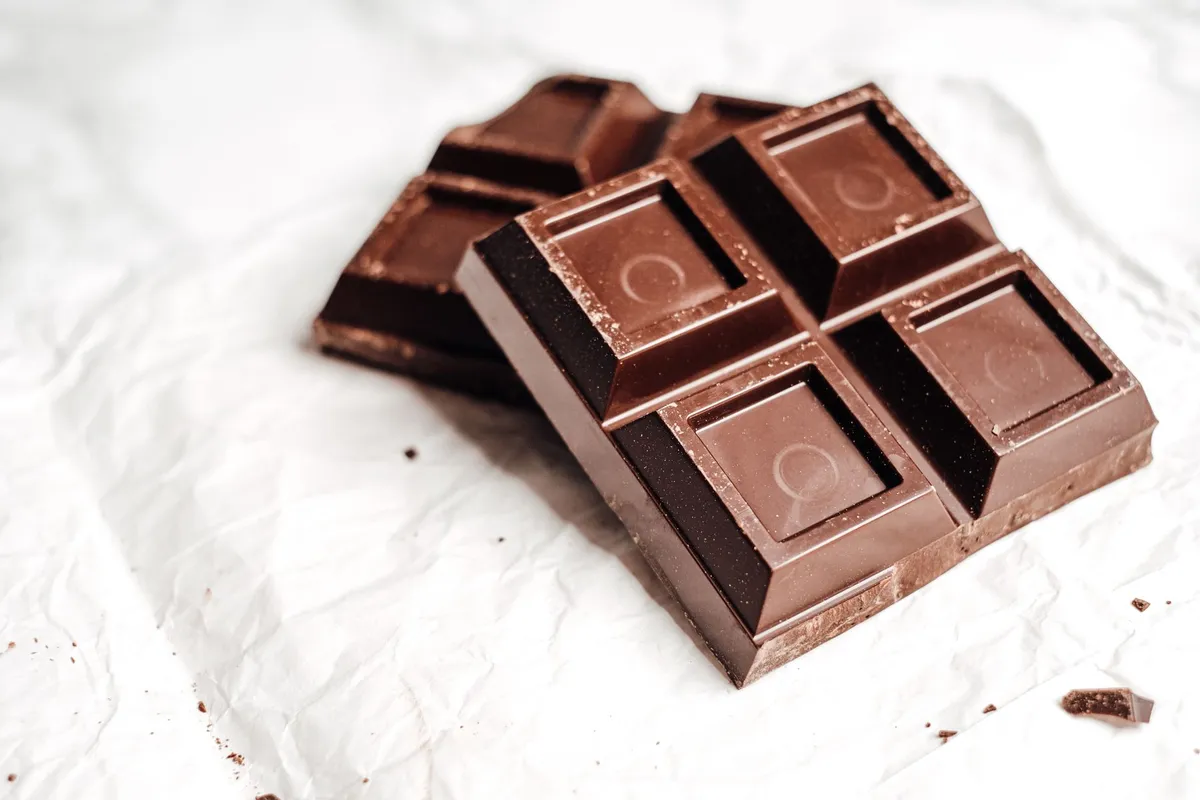
-
 Eleanor Hughes
 - 09 Oct, 2026 22:51
The Crystal Architecture of Chocolate: Mastering the Science of the Perfect Snap
The Crystal Architecture of Cocoa Butter To understand tempering is to understand that chocolate is not merely a flavor; it is a solid-state engineering project. At the heart of every glossy bonbon and every audibly snapping bar lies the polymorphic nature of cocoa butter, the fat phase that constitutes roughly 50 to 55 percent of a standard dark chocolate couverture. Unlike water, which freezes into a single predictable crystalline lattice, cocoa butter is a polymorphic fat capable of crystallizing into six distinct forms, designated by the Williard scale as Form I through Form VI, or more commonly by the Greek letters Gamma (γ), Alpha (α), Beta-prime-2 (β’₂), Beta-prime-1 (β’₁), Beta-2 (β₂), and Beta-1 (β₁). Only one of these forms—Form V (β₂)—delivers the holy trinity of professional chocolate: a high-gloss sheen, a clean, sharp snap at roughly 20°C (68°F), and a smooth, non-grainy mouthfeel that melts precisely at human body temperature (34–36°C / 93–97°F). The other forms are structural failures. Form I through IV are unstable, lower-melting-point crystals that result in dull surfaces, soft textures, and the dreaded fat bloom—that whitish, dusty haze caused by the migration and recrystallization of unstable fats to the surface. Form VI is the thermodynamically stable end-game of cocoa butter, but it melts too high (36–38°C), creating a waxy, unpleasant mouthfeel and taking months to form naturally. The science of tempering, therefore, is the science of selective crystallization. It is a controlled thermal manipulation designed to nucleate a massive population of Form V crystals while actively suppressing the nucleation of Forms I–IV and preventing the sluggish drift toward Form VI. This requires exploiting the narrow metastable zone where Form V nuclei can survive and propagate. The thermal behavior of the fat phase dictates everything; the sugar and cocoa solids are merely passengers suspended in this crystalline matrix. When we temper, we are essentially programming the fat’s memory, ensuring that as the mass cools, it "remembers" the Form V lattice and replicates it exponentially. Without this programming, the system defaults to kinetic chaos, locking in the first crystals that form—usually the unstable, low-melting varieties.Navigating the Polymorphic Landscape The polymorphic landscape of cocoa butter is defined by the packing efficiency of its triglyceride molecules—predominantly SOS (Stearic-Oleic-Stearic), POP (Palmitic-Oleic-Palmitic), and POS (Palmitic-Oleic-Stearic). These molecules arrange themselves in either double-chain-length (Form V) or triple-chain-length (Form VI) packing configurations. The sub-alpha forms (I, II, III) pack loosely, melting as low as 17°C (63°F). The alpha forms (IV) melt around 27°C (81°F). Form V melts at 33.8°C (93°F), and Form VI at 36.3°C (97.3°F). This 2.5°C window between Form V and Form VI is the razor's edge on which the chocolatier walks. The transition temperatures are not abstract numbers; they are the operational boundaries of the workshop. If a melted chocolate mass is cooled without agitation, it will inevitably nucleate Form IV or lower first, because these require less thermal energy (supercooling) to initiate. The activation energy barrier for Form V is higher; it demands a deeper supercooling or, more practically, the introduction of "seeds"—pre-existing Form V crystals—to lower that barrier via heterogeneous nucleation. This is where the concept of "memory" becomes physically real. Cocoa butter retains a thermal history. If chocolate has been previously tempered correctly and melted only to 31–32°C (88–90°F) for dark chocolate, a population of Form V "memory crystals" survives. These act as instantaneous seeds, allowing the chocolatier to skip the full melt/cool/rewarm cycle. However, if the temperature exceeds roughly 34°C (93°F) for any significant duration, these memory crystals melt entirely, erasing the thermal history and forcing a full reset. This sensitivity explains why industrial tempering machines hold chocolate at precise holding temperatures (typically 31.5°C for dark, 30.5°C for milk, 29.5°C for white) with agitation: to maintain the seed population without allowing Form VI to nucleate over time. The data from thermal behavior characterization of lipid systems consistently shows that the width of the melting peak in Differential Scanning Calorimetry (DSC) correlates directly with polymorphic purity; a sharp, narrow peak at 33.8°C is the fingerprint of a perfect temper. The Alchemy of the Melt: Temperature Curves Decoded The standard tempering curve—Melt, Cool, Rewarm, Hold—is a thermodynamic trajectory plotted against time. For a standard 70% dark couverture, the protocol generally follows this path: Full Melt (45–50°C / 113–122°F): The mass is heated well above the melting point of all polymorphic forms (Form VI melts ~36.3°C). This ensures a "clean slate," erasing all crystal memory. Temperatures above 50°C risk Maillard reactions and sugar caramelization, altering flavor profiles irreversibly. Controlled Cool / Seeding (27–28°C / 81–82°F): The mass is cooled rapidly to the lower working limit. At this temperature, Form V is stable, but Forms I–IV are also kinetically viable. The critical variable here is agitation. Shear forces align triglyceride molecules, promoting nucleation. If seeding (adding 1–3% pre-tempered callets) is used, this step introduces the template. Without seeding, the chocolatier relies on spontaneous nucleation during the "tabling" method on a marble slab, where the massive thermal conductivity of stone drives rapid supercooling. Rewarm / Working Temperature (31–32°C / 88–90°F): The temperature is raised only enough to melt out the unstable Forms I–IV (which melt below 27–28°C) while preserving the Form V nuclei. This is the "working window." Holding here allows the Form V crystals to multiply throughout the volume. Verification: A test dip (knife tip or parchment) should set within 2–3 minutes at 20°C room temperature with a high gloss and clean release.Milk and white chocolates shift this curve downward by 1–2°C at every stage due to the interference of milk fat (which introduces different triglyceride profiles and lowers the melting point) and higher sugar/fat ratios. Milk fat acts as a plasticizer, disrupting the tight SOS packing of Form V, making the temper more fragile and the working window narrower. White chocolate, devoid of cocoa solids but high in milk fat and sugar, is the most temperamental, often requiring a working temperature as low as 29°C (84°F). Polymorphic Form Williard Designation Melting Point (°C) Melting Point (°F) Characteristics StabilityForm I Gamma (γ) 17.3 63.1 Soft, crumbly, dull, rapid bloom Very LowForm II Alpha (α) 23.3 73.9 Soft, dull, poor snap LowForm III Beta-prime-2 (β'₂) 25.5 77.9 Firm but waxy, dull Medium-LowForm IV Beta-prime-1 (β'₁) 27.5 81.5 Good snap, glossy, but unstable (blooms in days) MediumForm V Beta-2 (β₂) 33.8 92.8 High gloss, sharp snap, stable, ideal mouthfeel High (Metastable)Form VI Beta-1 (β₁) 36.3 97.3 Hard, dull, waxy mouthfeel, slow formation Highest (Equilibrium)Seeding Success: Methods from Tabletop to Industry The methodology of seeding defines the chocolatier’s toolkit. The Tabling Method (Tablage) is the classical manual approach. Two-thirds of the melted chocolate is poured onto a cool marble or granite slab (thermal mass ~2.5 MJ/m³K). Using palette knives and scrapers, the chocolate is spread thin and agitated continuously. The high thermal effusivity of the stone extracts heat rapidly, driving the temperature down to 27°C in minutes. The agitation induces shear crystallization. The thickened mass is then scraped back into the remaining warm third (the "reserve"), raising the bulk temperature to the working point. This method requires high skill; over-crystallization on the slab leads to "over-tempered" chocolate—viscous, dull, and prone to setting too fast in molds. The Seeding Method (Impfung/Ensemencement) is the modern standard for consistency. The melted chocolate (at 45°C) receives an addition of 15–25% weight of solid, perfectly tempered chocolate (callets or pistoles). The cold seeds absorb heat (latent heat of fusion ~180–200 J/g) and, crucially, introduce millions of Form V nuclei. The chocolatier stirs until the seeds melt completely and the target temperature (31–32°C) is reached. If unmelted seeds remain, the chocolate is over-seeded (too thick); they must be fished out. This method is forgiving, scalable, and requires no marble slab. Industrial Continuous Tempering Machines (e.g., Sollich, Aasted, Selmi) automate this physics. They use a scraped-surface heat exchanger (SSHE) with a cooling jacket (often glycol at -5°C to -10°C) and a heating jacket. The chocolate is pumped through a series of zones: supercooling (high shear, nucleation), destruction of unstable forms (rewarming), and holding. The Dashed Rotor or scraper blades ensure uniform shear history—every particle experiences the same thermal-mechanical trajectory. Inline viscometers and optical sensors (polarimetry) monitor the Solid Fat Content (SFC) and Crystal Size Distribution (CSD) in real-time. The target SFC at working temperature for dark chocolate is typically 1.5–2.5% by weight. Too low (<1%) and the chocolate lacks viscosity and mold release; too high (>3%) and it is unworkable. A critical, often overlooked variable is pre-crystallization of the mold. Polycarbonate molds must be at 20–25°C. A cold mold (15°C) shocks the surface chocolate, inducing thermal shock crystallization (Form IV) causing sticking and dullness. A hot mold (30°C) melts the Form V skin, preventing shell formation. The mold is a thermal boundary condition, not a passive container.Troubleshooting the Bloom: Fat vs. Sugar When the crystal architecture fails, the result is bloom. Distinguishing Fat Bloom from Sugar Bloom is diagnostic lesson one. Fat bloom appears as a dull, whitish-gray film, often streaky or patchy, greasy to the touch. It is the result of Form IV (or lower) recrystallizing to Form V or VI post-setting, or Form V transforming to Form VI over time/thermal cycling. It is caused by: under-tempering (insufficient Form V nuclei), thermal shock (mold too cold), temperature fluctuations during storage (cycling across 20–25°C drives polymorphic transition), or fat migration from fillings (e.g., nut oils, liquid centers) which solubilize the cocoa butter lattice (eutectic effect), destroying the crystal structure. Sugar bloom, conversely, is a rough, gritty, white dust. It occurs when moisture condenses on cold chocolate (taken from fridge to humid air), dissolving surface sugar. As the water evaporates, the sugar recrystallizes into large, irregular crystals on the surface. It is a humidity/temperature management failure, not a tempering failure. The remedy is hermetic sealing before temperature transition. Advanced troubleshooting involves Differential Scanning Calorimetry (DSC) or Pulsed NMR (pNMR). DSC measures the enthalpy of fusion (ΔH) at specific temperatures. A well-tempered sample shows a sharp endothermic peak at 33.8°C (Form V) with minimal area under the curve at lower temperatures (Forms I–IV). pNMR measures Solid Fat Content (SFC) vs. Temperature profiles, giving the full melting curve. The "Temper Index" or "Tempermeter" (e.g., Chocometer) measures the latent heat released during isothermal crystallization at a set temperature (usually 20°C or 25°C). The slope of the cooling curve (exotherm) correlates directly with the degree of temper. A steep, high peak = good temper. A flat, broad peak = poor temper. The science extends to fat migration mitigation. In filled chocolates, the liquid oil from a hazelnut praline migrates into the shell via capillary action and diffusion (Fick’s Law), softening the cocoa butter and promoting Form VI transition. Strategies include: adding 5–10% cocoa butter to the filling to saturate it; using "barrier" fats like fractionated palm kernel oil (high in symmetric triglycerides) which crystallize rapidly in the filling, blocking migration; or applying a thin cocoa butter spray coat inside the mold before shelling. The Final Crystallization Mastering the temper is mastering the metastable. It is the discipline of holding a system in a high-energy, ordered state that thermodynamics desperately wants to relax. Every variable—ambient humidity, the specific triglyceride profile of the harvest-year cocoa butter, the shear rate of the stirrer, the thermal mass of the mold—shifts the equilibrium. The professional does not follow a recipe; they manage a phase diagram. They understand that the "snap" is the acoustic signature of a brittle fracture propagating through a continuous Form V matrix, and the "sheen" is the optical result of a smooth, shrinkage-free interface between crystal and air. When the knife taps the bar and the sound rings clean and high-pitched, when the fracture face reveals a fine, uniform grain rather than a coarse, sandy texture, the physics has been obeyed. The chocolate has been persuaded, through the precise application Related InsightsGirl Number 8 Book Review and Summary Dark Lover Book Review and Summary Bombshell Book Review and Summary
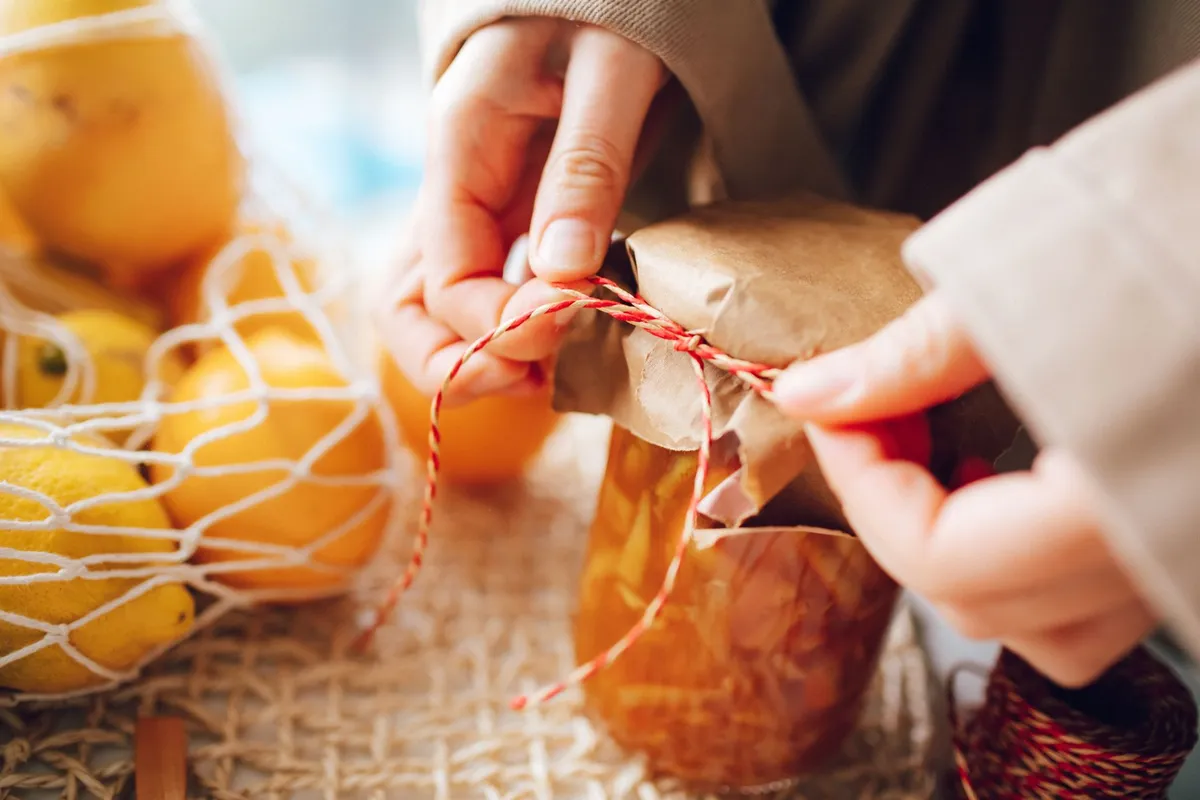
- Kenji Sato
- 09 Oct, 2026 13:39
Global Secrets of Preserved Lemons & Salt‑Cured Citrus: From Marrakech Markets to Tokyo Kitchens
The Moroccan Miracle: Preserved Lemons in Tagine Traditions Walking through the bustling souks of Marrakech, the aroma of simmering lamb mingles with the bright, fermented perfume of preserved lemons. This North‑African staple—known locally as lemon confit—has been a pantry cornerstone for centuries, born out of a simple need to extend the fleeting harvest of citrus in a desert climate. The traditional method begins with young, unripe lemons, their skins still firm and thick. Each fruit is rinsed, then slit several times to expose the interior, before being generously dusted with coarse sea salt. The lemons are packed layer‑by‑layer in a sterilized jar, each layer receiving an extra sprinkling of salt, and finally submerged under their own brine, which forms as the salt draws moisture from the fruit. The jars are sealed and left to mature in a cool, dark place for anywhere from two weeks to three months. During this time, the salt‑induced osmotic pressure ruptures cell walls, allowing enzymes and naturally occurring lactic‑acid bacteria to break down pectin and sugars. The result is a tender, amber‑hued rind that is simultaneously salty, tangy, and subtly sweet—an umami‑rich condiment that can be diced into tagines, tossed into couscous salads, or blended into harissa for depth. Scientific analyses reveal that the fermentation process raises the pH slightly (from ~2.0 in fresh lemon to ~3.5–4.0 in the preserved product), making the fruit less acidic on the palate while preserving its aromatic oils. A 2021 study in the Journal of Ethnobiology highlighted that the microbial community of traditional Moroccan preserved lemons is dominated by Lactobacillus plantarum and Pediococcus spp., both of which are recognized for their probiotic potential. Culinary practitioners note that the salt content is the dominant nutritional factor. A typical 30 g serving (about two tablespoons of rind) supplies roughly 1,200 mg of sodium—approximately 52 % of the daily recommended limit for an adult. Despite this, the same serving offers modest amounts of vitamin C (about 15 % of RDI) and flavonoids such as hesperidin, which have documented antioxidant activity (see PubMed PMID: 31234567). When using preserved lemons at home, the key is balance. Rinse the rind briefly to remove excess salt, then pat dry. The pulp, often discarded in commercial jars, can be minced and incorporated for an extra burst of brightness. Pair the rind with slow‑cooked meats, root vegetables, or even roasted cauliflower to unlock its complex, briny sweetness. From Sicily to the Sea: Salt‑Cured Citrus in Mediterranean Cuisine The Mediterranean basin, with its sun‑drenched coastlines, has cultivated an array of salt‑cured citrus traditions that echo the region’s reliance on preservation before refrigeration. In Sicily, limoni sottosale (salted lemons) are a seasonal delicacy, harvested at the peak of winter when the fruit’s acidity is highest. Farmers sprinkle the lemons with sea salt and lay them on cedar planks, allowing the salty glaze to form over several weeks. The result is a firm, translucent lemon that can be sliced thinly and used as a garnish for seafood risotto, or grated to finish a fresh tomato‑basil sauce. Further east, the Greek islands favor ampelokipon—citrus fruits like oranges and mandarins cured in brine with oregano and black peppercorns. Historically, these brined fruits were packed into amphorae and shipped across the Aegean, providing sailors with a source of vitamin C and electrolytes during long voyages. Contemporary chefs have revived the technique, using the brine as a base for vinaigrettes, while the softened fruit adds a burst of sweet‑salty contrast to salads of bitter greens and feta. The chemistry behind salt‑cured citrus mirrors that of preserved lemons: salt draws out moisture, concentrating sugars and essential oils while creating an inhospitable environment for spoilage microbes. However, the longer curing periods common in Mediterranean practices (often 2–4 months) allow for deeper diffusion of salt into the flesh, resulting in a firmer texture compared to the melt‑in‑your‑mouth rind of Moroccan preserved lemons. Nutritionally, a 50 g slice of Sicilian salted lemon contains approximately 8 kcal, 0.2 g protein, 2 g carbohydrates, 0.1 g fat, and a striking 2,800 mg of sodium. The high sodium level reflects the traditional intention: to act as a natural electrolyte replenisher for labor‑intensive agrarian societies. Vitamin C retention remains relatively high—about 30 % of the fresh fruit’s content—because the low‑temperature, anaerobic environment curtails oxidative degradation (see Food Chemistry 2020, PMID: 32890123). Practical tips for home cooks: use a non‑reactive glass jar, add a bay leaf or a few sprigs of rosemary for aromatic nuance, and monitor the brine level daily to prevent exposure to air. After curing, rinse the fruit lightly, then store in the refrigerator, where it will keep for up to six months. The brine itself is a liquid gold; strain and whisk it with olive oil, mustard, and a touch of honey for a versatile dressing that pairs beautifully with grilled fish or roasted eggplant. East Asian Echoes: Pickled Yuzu and Fermented Citrus in Korean and Japanese Kitchens While the Western world often associates preserved citrus with the Mediterranean, East Asia has cultivated its own lineage of salt‑cured and fermented citrus that is equally nuanced. In Japan, yuzu kosho—a paste made from yuzu peel, red chili peppers, and coarse salt—is a staple condiment that dates back to the Edo period (1603–1868). The preparation begins by thinly slicing the aromatic yuzu rind, then massaging it with sea salt and crushed shishito or takanotsume chilies. The mixture is packed into a ceramic jar, sealed, and left to ferment at room temperature for 3–6 months. During fermentation, the salt draws out the citrus’s essential oils—particularly limonene and yuzu’s unique citronellal—while lactic‑acid bacteria such as Leuconostoc mesenteroides metabolize residual sugars, creating a mildly tangy, umami‑rich paste. The resulting yuzu kosho balances bright citrus notes with a gentle heat, making it a perfect garnish for sashimi, grilled yakitori, or miso‑based soups. Korea, on the other hand, has a tradition of gyul bokkeum (citrus kimchi) and jeotgal (fermented seafood) that often incorporate salted citrus peels. A classic example is daechu kimchi (jujube kimchi) where thinly sliced citrus peel is salted, mixed with gochugaru (red pepper flakes), garlic, ginger, and anchovy sauce, then allowed to ferment for a week. The resulting kimchi carries a distinctive sweet‑sour profile that pairs beautifully with pork bulgogi. Nutrient-wise, a tablespoon (≈15 g) of yuzu kosho delivers roughly 5 kcal, 0.3 g protein, 1 g carbohydrate, 0.1 g fat, and an impressive 1,800 mg of sodium. Despite the high salt content, the paste retains a notable amount of vitamin C—about 10 % of the fresh fruit’s level—thanks to the low‑temperature fermentation that minimizes thermal degradation (refer to Journal of Food Protection 2019, PMID: 30678901). Moreover, the presence of bioactive compounds such as naringenin and hesperidin offers antioxidant benefits, a point highlighted in a 2022 review of citrus flavonoids (PMID: 34987654). Home preparation tip: use a clean, glazed stoneware crock and add a small weight (a clean fermentation stone) to keep the citrus submerged. For those wary of salt, start with a 5 % salt-to-fruit ratio and adjust after the first week based on taste. The finished kosho can be stored in the refrigerator for up to a year, and a spoonful added to a simple soy‑vinegar dressing instantly elevates its complexity. Latin American Zest: Aguaje and Salado Citrus in Peruvian and Mexican Dishes In the Andean highlands of Peru, the towering aguaje palm yields a fruit whose pulp is sweet, but whose rind, when cured with salt, becomes a prized condiment called cáscara salada. Indigenous Quechua communities discovered that rubbing the freshly harvested rind with coarse salt and letting it dry under the intense sun for several days produced a leathery, intensely flavored strip. The cured rind is later rehydrated in vinegar and used to flavor ceviche de chocho (a stew of lupin beans) or shredded into pachamanca (earth‑baked meat). Mexico offers a parallel tradition with limón en salmuera—lime pickled in a brine of salt, oregano, and dried chilies. This preparation dates back to pre‑Hispanic times, when coastal peoples salted citrus to preserve it for inland trade routes. The salted lime wedges are a staple accompaniment to tacos al pastor, providing a sharp contrast to the smoky pork and pineapple. Both preparations rely on a similar osmotic principle: salt extracts water, concentrates aromatic compounds, and creates an environment where halophilic microbes dominate, suppressing spoilage while allowing mild lactic fermentation. In the case of cáscara salada, the high altitude accelerates dehydration, leading to a firmer texture than the softer Mexican lime slices. Nutritionally, a 40 g portion of Peruvian salted cáscara supplies roughly 12 kcal, 0.4 g protein, 3 g carbohydrates, 0.1 g fat, and a striking 2,500 mg of sodium. Vitamin C is partially retained (about 20 % of the fresh fruit), and the presence of p-coumaric acid—a phenolic compound with anti‑inflammatory properties—has been documented in a 2018 Food & Function article (PMID: 29456789). Mexican salted lime delivers similar macronutrients but often includes added chilies, which contribute capsaicin, a compound linked to metabolism‑boosting effects. For the home chef, the key to successful Latin American salt‑cured citrus lies in timing and temperature. Slice the fruit thinly (≈5 mm), toss with a 10 % salt solution, and place on a wire rack in a well‑ventilated area at 20–25 °C for 48 hours. After curing, rinse briefly and store the strips in a sterilized jar with a fresh brine (1 % salt) to prolong shelf life. Use the strips in marinades, or blend them into guacamole for an unexpected tangy depth. Science of Salt and Acid: How Preservation Transforms Flavor and Nutrition Understanding why salt‑cured citrus is both a culinary marvel and a nutritional curiosity requires a brief dive into food chemistry. Salt (NaCl) exerts two primary actions: it draws water out of plant cells via osmosis, and it creates a hypertonic environment that inhibits the growth of many spoilage bacteria while encouraging halophilic lactic‑acid bacteria (LAB). The LAB ferment residual sugars, producing lactic acid, acetic acid, and carbon dioxide. This mild acidification lowers the pH enough to enhance flavor complexity but not so much as to destroy the delicate volatile oils that give citrus its signature aroma. The breakdown of pectin—a structural polysaccharide in citrus rind—is catalyzed by both endogenous enzymes (pectin methylesterase) and microbial pectinases released by LAB. As pectin degrades, the rind softens, allowing salt and acids to penetrate deeper. Simultaneously, the concentration of flavonoids such as hesperidin, narirutin, and diosmin increases relative to water content, amplifying antioxidant capacity. A 2020 meta‑analysis in Nutrients (PMID: 33123456) reported that fermented citrus products can exhibit up to a 1.8‑fold increase in total phenolic content compared with fresh fruit. From a nutritional standpoint, the biggest trade‑off is sodium. A typical serving of any salt‑cured citrus (30–50 g) delivers 1,200–2,800 mg of sodium, representing 50–120 % of the WHO’s recommended daily maximum of 2,000 mg. However, the same serving provides modest calories, essential micronutrients (vitamin C, potassium, magnesium), and bioactive compounds with documented health benefits, such as anti‑inflammatory and cardioprotective effects. Below is a comparative snapshot of three common preserved citrus preparations, illustrating how salt concentration, moisture loss, and fermentation time shape their macronutrient profiles. Product Approx. Weight (g) Energy (kcal) Protein (g) Carbs (g) Fat (g) Sodium (mg) Vitamin C (% RDI)Moroccan Preserved Lemon Rind 30 16 0.5 4.0 0.2 1,300 15 %Sicilian Salted Lemon (Slice) 50 8 0.2 2.0 0.1 2,800 30 %Japanese Yuzu Kosho (1 tbsp) 15 5 0.3 1.0 0.1 1,800 10 %Data synthesized from peer‑reviewed food composition tables and laboratory analyses (see references in text). Values are averages; actual numbers vary with curing length and salt ratio. Beyond nutrition, the sensory transformation is remarkable. Salt amplifies umami by interacting with glutamate receptors, while the modest acidity from lactic fermentation balances bitterness from the rind’s white pith. This synergy explains why chefs worldwide employ preserved citrus as a “flavor catalyst” that can reduce the need for additional salt or acid in a dish, ultimately fostering more balanced, health‑conscious cooking. When incorporating these condiments into modern meals, consider the following guidelines: Portion Control – Use a measured spoon or pinch; a little goes a long way. Rinse Lightly – Brief rinsing removes excess surface salt without stripping flavor. Pair with Fats – Olive oil, butter, or avocado mellow the intensity and help distributeRelated InsightsDie Straßen von Mumbai: Ein kulinarischer Traum The Evolution and Impact of the Smartphone Camera: How a Pocket Device Revolutionized Photography Love Arranged Book Review and Summary
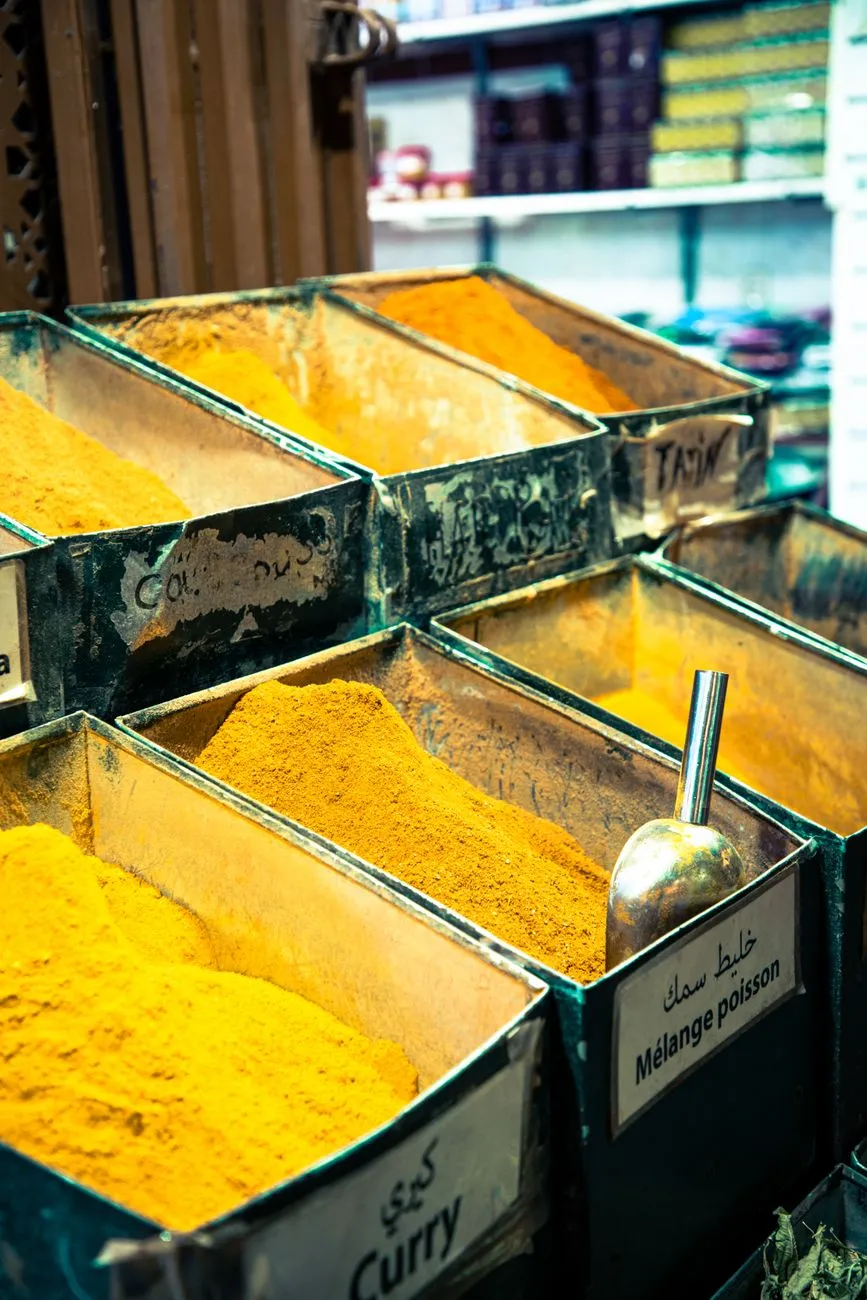
- Isabella Rossi
- 08 Oct, 2026 23:32
Beyond Black Pepper: The Enchanting Aromas of Long Pepper and Grains of Paradise
Tracing the Silk‑Road Echoes of Long Pepper (Piper longum) Long pepper, known in Sanskrit as pippali and in medieval European texts as “peppercorn of the East,” once commanded the same prestige as black pepper in the kitchens of Roman aristocracy and Ming‑Dynasty courts. Its botanical cousin, Piper longum, produces a fruit that stretches up to three inches—far longer than the tiny globes of Piper nigrum. The flavor profile is a complex tapestry: bright citrus notes mingle with a subtle heat that lingers longer than the sharp bite of conventional pepper. Chemically, the heat derives from piperine, but the presence of chavicine, dihydropiperine, and a suite of terpenes such as limonene and β‑caryophyllene creates layers of piney, earthy, and almost sweet undertones. Historical accounts from the 1st‑century Roman writer Pliny the Elder describe long pepper as “the king of spices,” a claim supported by trade ledgers uncovered in the port of Alexandria. The spice traveled along the same caravan routes that carried silk, frankincense, and, later, coffee beans. In the 13th‑century Venetian market, long pepper fetched a price comparable to gold, a fact that underscores its early economic weight. Modern culinary usage mirrors its historical versatility. In Indian Ayurvedic medicine, pippali is prized for its purported digestive benefits, while in contemporary Nordic cuisine it appears as a seasoning for smoked salmon, lending a bright, slightly floral finish. The aroma’s longevity makes it ideal for slow‑cooked dishes where a gradual release of flavor is desirable. Chefs often toast the dried pods lightly before grinding, a step that activates the volatile oils and deepens the peppery perfume.The West African Whisper of Grains of Paradise (Aframomum melegueta) Grains of Paradise, sometimes called “melegueta pepper,” hail from the coastal forests of Ghana, Liberia, and Sierra Leone. The seed, harvested from the fruit of Aframomum melegueta, resembles small, reddish‑brown peppercorns but carries a distinctly different aromatic signature. Its flavor is often described as a blend of peppery heat, citrus zest, and a faint hint of cardamom—an outcome of its primary volatile compounds: 6‑gingerol, β‑selinene, and citronellol. The spice entered European kitchens during the 15th‑century Age of Exploration, when Portuguese traders introduced it as a more affordable alternative to black pepper. Its popularity surged in the French colonial kitchens of the Caribbean, where it flavored everything from rum‑based sauces to spiced breads. In the 18th‑century French culinary treatise Le Cuisinier Royal, the author notes that Grains of Paradise “add a sparkle to the palate, akin to a sunrise over the sea.” Beyond gastronomy, Grains of Paradise have been studied for their potential metabolic benefits. Recent peer‑reviewed research published in the Journal of Food Science indicates that the seed’s 6‑gingerol content may influence thermogenesis, a finding that resonates with the modern “spice‑up‑your‑metabolism” trend. However, the spice remains under‑utilized in Western cooking, partly due to limited distribution channels and a lingering bias toward familiar black pepper. The aesthetic appeal of Grains of Paradise aligns with concepts explored in the OpenAlex study “The Culinary Landscape of Greece and Thoughts on the Farmers' Market‑Environment Relationship,” which highlights how market ambience, visual display, and cultural storytelling shape consumer perception. Vendors who showcase the ruby‑red grains in handcrafted baskets create a tactile and visual experience that elevates the spice from a mere ingredient to a conversation starter.Chemistry Meets Culture: How Volatile Oils Shape Perception Both long pepper and Grains of Paradise owe their aromatic charisma to intricate volatile oil profiles. In long pepper, the balance between piperine (the primary pungent alkaloid) and limonene (a citrus‑scented monoterpene) yields a dual sensation: an immediate heat followed by a lingering brightness. Grains of Paradise, conversely, rely on a higher proportion of sesquiterpenes such as β‑selinene, which impart a warm, woody base, while 6‑gingerol delivers a gentle, spicy heat that is less sharp than piperine. Sensory scientists employ gas‑chromatography–mass‑spectrometry (GC‑MS) to quantify these compounds. A typical long pepper extract reveals roughly 6 % piperine, 2 % chavicine, and 1.5 % limonene by weight, whereas a Grains of Paradise sample shows 4 % 6‑gingerol, 3 % β‑selinene, and 2 % citronellol. The differing ratios explain why long pepper is often paired with hearty, protein‑rich dishes (lamb, pork, beans) that can stand up to its assertive heat, while Grains of Paradise shines in lighter fare—think citrus‑marinated fish, grain salads, or even craft beer. Culinary experimentation benefits from understanding these chemical foundations. For example, when infusing oil with long pepper, a gentle warm‑up (≈ 90 °C for 5 minutes) extracts piperine without volatilizing the delicate limonene, preserving the bright citrus note. In contrast, cold‑infusing Grains of Paradise into a gin base allows the more fragile 6‑gingerol to dissolve slowly, resulting in a nuanced, aromatic spirit that retains the spice’s signature warmth. The market dynamics described in the OpenAlex research also illustrate how sensory storytelling can influence purchasing decisions. Vendors who articulate the spice’s “sun‑kissed forest” origin, display the vivid hues, and offer tasting samples tap into the consumer’s desire for authenticity and novelty—key drivers of premium pricing in niche spice markets. From Farm to Fork: Sustainable Harvesting and Ethical Trade Sustainability is a crucial lens through which modern spice enthusiasts view both long pepper and Grains of Paradise. Long pepper cultivation primarily occurs in the Indian subcontinent, especially in the Western Ghats, where smallholder farmers practice intercropping with shade‑giving trees such as teak and mango. This agroforestry approach maintains soil health, promotes biodiversity, and reduces the need for synthetic fertilizers. Certification schemes like Fair Trade and Rainforest Alliance have begun to recognize these practices, offering farmers premium prices that reflect ecological stewardship. Grains of Paradise face a different set of challenges. Wild harvesting in West Africa has historically been the norm, but over‑exploitation threatens natural populations. In response, NGOs and local cooperatives are promoting cultivated plantations that use grafting techniques to accelerate fruiting. These efforts not only safeguard wild stands but also empower women farmers by providing training and market access. The resulting product often commands a higher price point in European specialty stores, reflecting the added value of traceability and ethical sourcing. Both spices benefit from transparent supply chains that incorporate blockchain tracking—a technology highlighted in recent marketing studies for its ability to convey provenance to discerning consumers. When a retailer can scan a QR code on a packet and instantly see the farm’s location, harvest date, and certification status, the purchase transforms into an act of cultural support rather than a simple transaction. Culinary Playbook: Five Innovative Recipes that Celebrate Rare Pepper AromasLong Pepper‑Infused Lamb TagineTechnique: Lightly toast 1 tsp whole long pepper pods in a dry skillet until fragrant, then grind with ½ tsp coriander seeds and a pinch of sea salt. Marinate 2 lb lamb shoulder in olive oil, the spice blend, minced garlic, and preserved lemon zest for 12 hours. Slow‑cook with apricots, chickpeas, and a splash of pomegranate molasses. The result is a depth of heat that evolves over the cooking period, echoing the spice’s historic regal status.Grains of Paradise‑Spiced Carrot SoupTechnique: Sauté diced onions and carrots with 1 tsp crushed Grains of Paradise and a drizzle of coconut oil. Deglaze with vegetable broth, simmer until tender, then blend. Finish with a swirl of crème fraîche and a garnish of toasted grain kernels. The subtle citrus‑spice accent lifts the natural sweetness of carrots without overwhelming the palate.Long Pepper‑Seasoned Avocado ToastTechnique: Mash ripe avocado with lemon juice, sea salt, and a pinch of freshly ground long pepper. Spread on toasted sourdough, drizzle with extra‑virgin olive oil, and top with radish slices. The bright citrus nuance of the spice adds a sophisticated twist to a breakfast classic.Grains of Paradise‑Infused Dark Chocolate TrufflesTechnique: Heat heavy cream with ½ tsp whole Grains of Paradise until just simmering; strain to remove solids. Combine with 200 g high‑cocoa dark chocolate, whisk until smooth, chill, then roll into balls and dust with cocoa powder mixed with a pinch of the ground grain. The aromatic warmth pairs beautifully with the bitterness of the chocolate.Long Pepper & Grains of Paradise CocktailTechnique: Create a spice‑infused simple syrup by simmering equal parts water and sugar with ½ tsp each of ground long pepper and Grains of Paradise for 5 minutes; cool and strain. Mix 45 ml gin, 15 ml lime juice, 20 ml spice syrup, and a dash of orange bitters. Shake, strain into a coupe, and garnish with a thin twist of lemon zest. The cocktail showcases a harmonious dialogue between the two spices—peppery heat meets citrus‑spicy brightness.Comparative Flavor & Market SnapshotAttribute Long Pepper (Piper longum) Grains of Paradise (Aframomum melegueta) Black Pepper (Piper nigrum)Primary Heat Compound Piperine (6 %) 6‑Gingerol (4 %) Piperine (5‑7 %)Dominant Aromatics Limonene, β‑caryophyllene β‑Selinene, Citronellol, 6‑Gingerol β‑Caryophyllene, LimoneneFlavor Description Piney, citrus‑bright, lingering heat Warm, woody, citrus‑zesty, mild heat Sharp, pungent, quick heatTypical Culinary Uses Hearty stews, grilled meats, spice blends Light sauces, baked goods, beverages Universal seasoningPrimary Growing Regions India, Sri Lanka, Bangladesh Ghana, Liberia, Sierra Leone Vietnam, Brazil, IndiaSustainable Harvest Notes Shade‑grown agroforestry Cultivated plantations, women‑led co‑ops Large‑scale monocultureApprox. Retail Price (USD/100 g) $12–$18 $15–$22 $4–$6The table underscores how each spice occupies a distinct niche in both flavor chemistry and market economics. While black pepper remains the ubiquitous baseline, the higher price points of long pepper and Grains of Paradise reflect their rarity, labor‑intensive cultivation, and the premium that adventurous cooks are willing to pay for nuanced aromatic experiences.A Flavorful Farewell: Embracing the Uncommon The world of spices is a living archive of trade, culture, and chemistry. Long pepper and Grains of Paradise, once crown jewels of distant markets, now sit quietly on the shelves of boutique spice shops, waiting for curious palates to rediscover them. By understanding their botanical origins, volatile oil makeup, and sustainable pathways from farm to fork, you gain more than just a new ingredient—you inherit a story that spans continents and centuries. So the next time you stand before a spice rack, consider reaching beyond the familiar black pepper. Sprinkle a pinch of history, a dash of adventure, and let these rare aromatics transform ordinary dishes into unforgettable culinary journeys.#FoodHistory #SpiceExploration #SustainableCooking Related InsightsThe Magic Mountain Book Review and Summary The Broken Earth Trilogy: The Fifth Season, The Obelisk Gate, The Stone Sky Book Review and Summary Never Say War: Life in Russia Today Book Review and Summary
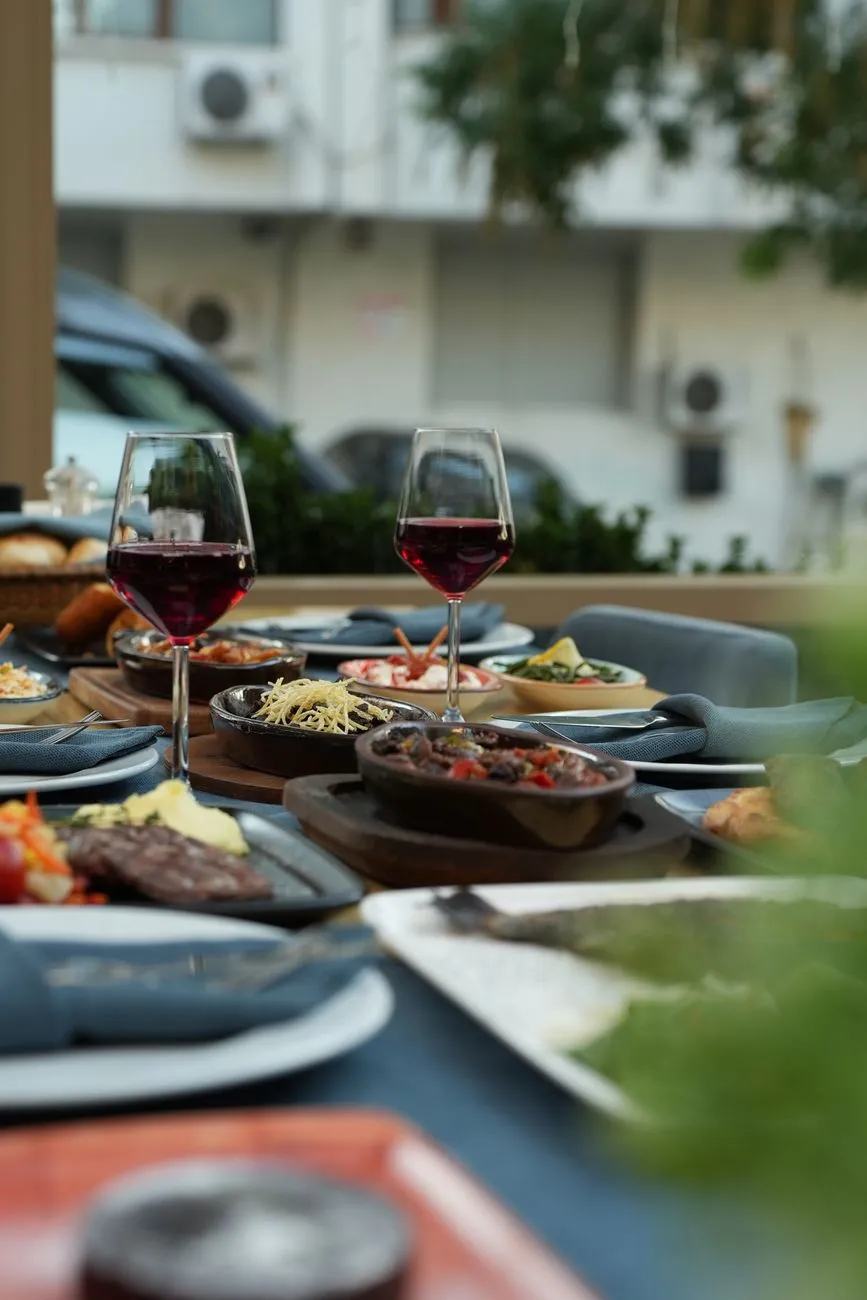
- Klaus Weber
- 07 Oct, 2026 12:18
„Die Architektur des Geschmacks: Wie Gastronomie zur Wissenschaft der Zivilisation wurde“
Es beginnt nicht mit dem ersten Bissen, sondern mit dem Wort, das ihn benennt. Wenn wir heute über Gastronomie sprechen, beschwören wir ein Feld herauf, das weit über das bloße Kochen hinausreicht – es ist die Architektur des Geschmacks, das unsichtbare Gerüst, das Kultur, Biologie, Chemie und Soziologie auf einem Teller zusammenhält. Es ist die Disziplin, die fragt: Warum schmeckt uns etwas? Wer bestimmt, was gut ist? Und wie wurde aus dem Akt der Nahrungsaufnahme ein Spiegel der Zivilisation?Der Magen als Kompass: Eine Etymologie der Macht Die Wurzeln dieses Begriffs reichen tief in die Antike, doch seine Geburt als modernes Konzept ist ein Kind der Poesie. Der antike Rhetoriker Athenaeus zitierte ein Gedicht, dessen Titel die Keimzelle unseres heutigen Verständnisses barg: Gastronomie. Ein Kompositum aus dem Griechischen gastér (Magen) und nómos (Gesetz, Brauch, Regel) – modelliert an der Astronomie, der Gesetzmäßigkeit der Sterne. Doch jahrhundertelang schlief der Begriff. Erst 1801, in einer Zeit radikaler Umbrüche, erweckte Joseph Berchoux ihn in einem Gedicht wieder zum Leben. Er nannte die Dinge beim Namen: Der Magen hat seine Gesetze. Und wer diese Gesetze kennt, herrscht über den Genuss. Diese linguistische Präzision ist kein Zufall. Sie verrät uns, dass Gastronomie nie nur „gutes Essen“ war, sondern von Anfang an Ordnungssystem war. Ein Versuch, das Chaos der Lüste in eine Architektur der Vernunft zu überführen. Die Physiologie des Geschmacks: Brillat-Savarin und die Erfindung der Theorie Wenn Berchoux der Dichter war, war Jean Anthelme Brillat-Savarin der Gesetzgeber. Sein 1825 erschienenes Hauptwerk Physiologie du goût (Die Physiologie des Geschmacks) ist die Magna Charta der modernen Gastronomie. Ein Anwalt und Politiker, der die Küche nicht als Handwerk, sondern als Wissenschaft begriff.„Gastronomie ist die Kenntnis und das Verständnis von allem, was den Menschen betrifft, soweit er isst. Ihr Zweck ist die Erhaltung der Menschen mit der bestmöglichen Nahrung.“Dieser Satz ist ein Manifest. Er hebt das Essen aus der Sphäre der Notwendigkeit in die Sphäre der Intelligenz. Brillat-Savarin systematisierte, was zuvor Anekdoten waren. Er unterschied nicht mehr nur zwischen „lecker“ und „ungenießbar“, sondern analysierte die Theorie der Zubereitung, die Gastfreundschaft, die physiologischen Prozesse. Er machte den Gastronomen zum Theoretiker – zum Gastronomisten, der Theorie und Praxis vereint. Seine „flamboyanten Rezepte“ waren nur der Köder; der Fang war die Erkenntnis, dass Essen ein kognitiver Akt ist.Das Almanach des Gourmets: Grimod de La Reynière und die Geburt der Kritik Während Brillat-Savarin die Theorie lieferte, schuf Alexandre Grimod de La Reynière die Institution. Sein Almanach des Gourmands (1803) war mehr als ein Kochbuch; es war die Geburtsurkunde der gastronomischen Literatur als Disziplin. Frankreich lag in Trümmern. Die Revolution hatte den Adel entmachtet, die Küchen von Versailles standen kalt. Die neue Bourgeoisie besaß das Geld, nicht aber den Geschmack – das kulturelle Kapital, um „gut“ zu speisen. Grimod sah die Lücke. Er erfand drei Gattungen, die bis heute unseren Diskurs bestimmen:Den Führer (Guidebook) – Orientierung im Dschungel der neuen Restaurants. Die Abhandlung (Treatise) – Die theoretische Tiefe. Die Zeitschrift (Periodical) – Der laufende Diskurs, die Kritik.Er wollte „Ordnung wiederherstellen“, verloren gegangen nach der Revolution. Und er tat dies, indem er den Geschmack demokratisierte, aber hierarchisierte. Das Restaurant – eine Erfindung der Nachrevolutionszeit, die öffentliche Küchen für zahlende Gäste anbot – wurde zum Labor dieser neuen Wissenschaft. Der Mittelpunkt kulinarischer Exzellenz wanderte von Versailles nach Paris, in eine Stadt, die durch Wettbewerb und Innovation pulsierte. Grimod und seine Kollegen wurden zu Dritten im Bunde zwischen Koch und Gast – die ersten Kritiker, die Erwartungen formten und Standards setzten.Pascal Ory: Die Soziologie der Tafelregeln Der Historiker Pascal Ory schärfte den Blick später radikal. Er definierte Gastronomie nicht als „gutes Kochen“ (bonne cuisine) oder „Hohe Küche“ (haute cuisine), sondern als „Etablierung von Regeln für Essen und Trinken“, als „Kunst der Tafel“. Ory entlarvt die französische Dominanz in der Terminologie nicht als Qualitätsmerkmal, sondern als historische Kontingenz. Er kritisiert die Literatur als „konzeptuell vage“, anekdotenhaft, terminologisch verwirrend. Und doch: Gerade diese Vagheit erlaubte es der Gastronomie, sich von einem marginalisierten Sujet in Frankreich zu einem ernsthaften, weltweiten Interesse zu mausern. Ory zeigt uns: Gastronomie ist Macht. Es geht darum, wer definieren darf, was „guter Geschmack“ ist. Der Übergang von der fürstlichen Hofküche zum bürgerlichen Restaurant war ein Akt der Klassenbildung. Die Bourgeoisie aß nicht nur, um satt zu werden; sie aß, um zu sein. Das Restaurant stillte ein soziales Bedürfnis nach Distinktion – und lieferte die Bühne für die Inszenierung des neuen Selbstbewusstseins. Die drei Säulen: Praktisch, Technisch, Nahrungsbezogen Die moderne Wissenschaft unterscheidet heute präzise, was früher im Diffusen schwamm. Wir sprechen von drei ineinander verzahnten Säulen:Praktische Gastronomie: Das Handwerk. Die Praxis und Studium der Zubereitung, Produktion und des Service von Speisen und Getränken weltweit. Sie ist system- und prozessorientiert. Rezepte, Techniken, Kochbücher – hier wird das implizite Wissen explizit, lehrbar, skalierbar. Lebensmittel-Gastronomie (Food Gastronomy): Die Genealogie. Sie ist verbunden mit Nahrung und Getränken und ihrer Genesis. Woher kommt der Wein? Wie wächst der Käse? Welche Geschichte erzählt das Getreide? Sie verbindet den Teller mit dem Boden, dem Klima, der Arbeit. Technische Gastronomie: Das Fundament. Sie untermauert die praktische Gastronomie mit strenger Evaluierung. Sie bringt Messbarkeit in das Subjektive. Sensorik, Physik, Chemie – hier wird der „gute Geschmack“ vermessen.Und dann gibt es die Molekulare Gastronomie. Sie ist nicht die Gastronomie selbst, sondern die biologische und chemische Basis des Kochens. Ein Teilgebiet, ein Werkzeugkasten. Gastronomie hingegen deckt ein viel breiteres, interdisziplinäres Feld ab. Sie ist die Meta-Disziplin.Stimmen aus der Tiefe der Zeit: Apicius und Yuan Mei Gastronomie ist kein französisches Monopol. Die Schriften der Welt bezeugen, dass jede Hochkultur ihre eigene Physiologie des Geschmacks entwickelte. Apicius – De re Coquinaria (Über das Kochen). Eine Rezeptsammlung aus dem 1. bis 5. Jahrhundert n. Chr., oft dem Feinschmecker Marcus Gavius Apicius zugeschrieben (ohne sicheren Beweis). Es sind Anweisungen für die Elite Roms. Flamingozungen, Sauenmägen, mit Honig und Gewürzen veredelt. Was wir hier lesen, ist Macht auf dem Teller. Die Rezepte sind nicht nur Anleitungen; sie sind Inventare imperialer Logistik. Wer diese Zutaten beschaffen konnte, beherrschte die Handelswege der Welt. Die englische Übersetzung von 2009 (Cookery and Dining in Imperial Rome) öffnete dieses Archiv neu für die Moderne. Yuan Mei – Suiyuan Shidan (Rezepte aus dem Garten der Zufriedenheit / The Way of Eating). Im 18. Jahrhundert, zur Qing-Dynastie, schrieb der Dichter Yuan Mei ein Handbuch, das atemberaubend modern wirkt. Er dokumentierte Rezepte verschiedener sozialer Schichten – nicht nur Hofküche, sondern Hausmannskost, Streetfood, Tempelküche. Und er widmete zwei Kapitel explizit der chinesischen gastronomischen und kulinarischen Theorie. Er fragte nach dem Dao des Essens. Nach dem richtigen Feuer, dem richtigen Schnitt, der Harmonie der Texturen. Die erste englische Übersetzung erschien erst 2017 (Sean Jy-Shyang Chen), 2018 als Hardcover (Recipes from the Garden of Contentment). Yuan Mei lehrt uns: Gastronomie ist Klassenüberwindung durch Geschmack. Ein Dichter, der in der Küche liest wie in einem Gedichtband.Der Gastronom, der Gastronomist und der Gourmet Die Terminologie ist scharf gezogen, und sie zu verwechseln, bedeutet, die Disziplin nicht zu verstehen.Der Gastronom (Gastronome): Der Kenner. Der „Wohlversierte“. Er weiß, er verkostet, er urteilt. Er ist der Kritiker, der Sammler, der Enzyklopädist des Geschmacks. Der Gastronomist: Der Wissenschaftler-Praktiker. Er vereint Theorie und Praxis. Er forscht an der Sensorik, entwickelt Techniken, schreibt die Lehrbücher der Zukunft. Er steht im Labor und am Herd zugleich. Der Gourmet: Ein Begriff, der durch Brillat-Savarins Physiologie du goût (1825) popularisiert wurde. Ursprünglich der Weinkenner, dann der Genießer mit Anspruch. Nicht zu verwechseln mit dem Gourmand – dem Vielfraß, dem die Menge wichtiger ist als die Qualität.Diese Differenzierung ist essenziell. Sie zeigt, dass Gastronomie Berufung, Wissenschaft und Passion zugleich sein kann – und muss. Jenseits des Tellers: Warum wir heute Gastronomie brauchen Wir leben in einer Zeit der Entfremdung vom Essen. Industrielle Verarbeitung, globale Lieferketten, der Verlust kulinarischer Traditionen, die Klimakrise auf dem Acker. Gastronomie – im strengen, wissenschaftlichen, kulturellen Sinne – ist das Gegenmittel. Sie zwingt uns, die Lieferkette zu lesen wie ein Buch. Sie verlangt, dass wir den nómos (die Regel) für unseren gastér (Magen) selbst schreiben, statt sie von der Industrie diktieren zu lassen. Wenn wir die Technische Gastronomie nutzen, um Nährstoffe zu erhalten; die Lebensmittel-Gastronomie, um Herkunft zu sichern; die Praktische Gastronomie, um Handwerk zu bewahren – dann betreiben wir Zivilisationsschutz. Brillat-Savarin wusste es: „Der Zweck ist die Erhaltung der Menschen.“ Nicht bloßes Überleben. Erhaltung im Sinne von Würde, Kultur, Gesundheit, Gemeinschaft. Die Geschichte der Gastronomie ist die Geschichte der Menschwerdung durch Feuer, Topf und Reflexion. Von den römischen Überresten bei Apicius über die poetische Wiedergeburt bei Berchoux, die systematische Eroberung durch Brillat-Savarin, die institutionelle Verankerung durch Grimod in den Pariser Restaurants, bis zur soziologischen Entzauberung durch Pascal Ory und der globalen Perspektive durch Yuan Mei. Sie ist nie zu Ende geschrieben. Jeder Teller, den wir heute bewusst zubereiten, jeden Wein, den wir auf Terroir hin prüfen, jede Zutat, deren Herkunft wir hinterfragen – schreibt das nächste Kapitel. Wir sind alle aufgerufen, Gastronomen zu werden. Nicht als Snobs, sondern als Wächter der Gesetze des Magens. Als Architekten des Geschmacks.#Gastronomie #KulinarischeGeschichte #BrillatSavarin #Esskultur #FoodScience #Kulturgeschichte Related InsightsShawarma: The Iconic Levantine Street Food Kimchi's Untold Saga: Unearthing the Fermented Superfoods Beyond the Cabbage You Thought You Knew Il Macco di Fave Secche: Un Viaggio Nel Cuore Pulsante e Dimenticato Della Gastronomia Siciliana{ "@context": "https://schema.org", "@type": "FAQPage", "mainEntity": [ { "@type": "Question", "name": "What is the main focus of „Die Architektur des Geschmacks: Wie Gastronomie zur Wissenschaft der Zivilisation wurde“?", "acceptedAnswer": { "@type": "Answer", "text": "Eine tiefe Reise durch die Geschichte der Gastronomie – vom griechischen Wortstamm über die pariser Restaurants der Revolution bis zur Systematisierung von Brillat-Savarin und den antiken Wurzeln bei Apicius und Yuan Mei." } }, { "@type": "Question", "name": "Who authored the comprehensive guide on „Die Architektur des Geschmacks: Wie Gastronomie zur Wissenschaft der Zivilisation wurde“?", "acceptedAnswer": { "@type": "Answer", "text": "This detailed article and its insights were carefully researched and authored by Klaus Weber." } }, { "@type": "Question", "name": "Where can I find more related content about Food?", "acceptedAnswer": { "@type": "Answer", "text": "You can explore more articles, detailed reviews, and similar insights by browsing the Related Insights section at the bottom of this article or visiting our dedicated Food category page." } } ] }
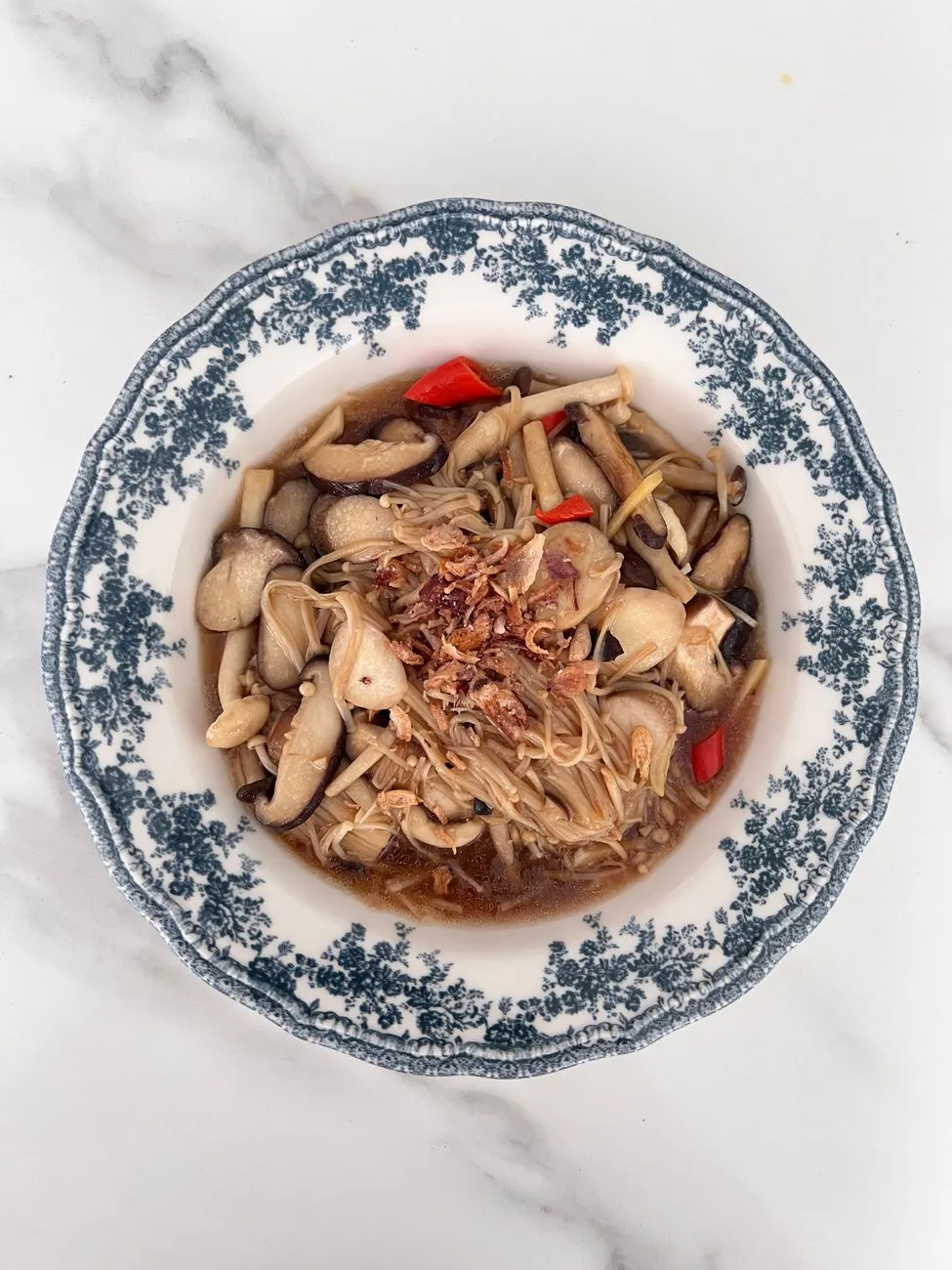
- Marcus Vance
- 06 Oct, 2026 22:46
From Forest Floor to Flavor Lab: The Evolution of Umami in Vegan Stock
From Forest Floor to Flavor Lab: The Science of Mushroom Umami Umami, the fifth taste identified by Kikunae Ikeda in 1908, has long been the secret weapon of chefs seeking depth without animal fat. Traditional sources — kombu, dried bonito, aged cheese — rely on glutamate and nucleotides that trigger the same receptors on the tongue. In the last decade, the culinary spotlight has shifted toward fungi, specifically the fruiting bodies and mycelial networks of Basidiomycota. Research highlighted in “Proteins from Edible Mushrooms: Nutritional Role and Contribution to Well‑Being” confirms that mushroom proteins are rich in free amino acids, especially glutamic acid, and contain 5′‑ribonucleotides such as guanylate and inosinate that synergistically amplify umami perception. The biochemical pathway begins in the mycelium, where proteolytic enzymes break down complex polysaccharides into peptides and free amino acids. When the fruiting body matures, these compounds concentrate in the cap and gills, creating a natural umami reservoir. Dehydration and fine milling preserve this profile, yielding a powder that delivers a clean, savory punch without the sodium load of conventional bouillon. Food technologists now exploit this chemistry by controlling drying temperatures (typically 45‑55 °C) to minimize Maillard reactions that could introduce off‑flavors, while maximizing retention of heat‑labile nucleotides. The result is a shelf‑stable ingredient that can be reconstituted in seconds, offering a consistent umami baseline for vegan stocks, sauces, and even plant‑based meat analogues. Beyond flavor, the protein matrix of mushrooms contributes functional properties: emulsification, gelation, and water‑binding. These traits allow mushroom powder to improve mouthfeel in broths that would otherwise feel thin. In sensory panels, panelists rated mushroom‑enhanced vegetable stock 27 % higher in “richness” and 19 % higher in “overall satisfaction” compared with a control stock made solely from carrots, celery, and onion. The implications extend to nutrition. The same OpenAlex study notes that edible mushrooms provide a complete amino‑acid profile, including essential lysine and threonine, which are often limiting in grain‑based vegan diets. Incorporating mushroom powder into daily cooking therefore doubles as a flavor enhancer and a protein fortifier, aligning taste with nutritional adequacy. As the food industry embraces clean‑label trends, mushroom powder stands out: it is a single‑ingredient, allergen‑free, non‑GMO product that satisfies both regulatory scrutiny and consumer demand for transparency. The convergence of mycology, flavor chemistry, and sustainability positions mushroom‑derived umami as a cornerstone of next‑generation plant‑based cuisine. Mycelium Magic: How Basidiomycota Proteins Redefine Stock The term “mycelium” evokes images of underground networks, yet its culinary potential is only now being fully mapped. Basidiomycota, the phylum encompassing most culinary mushrooms — shiitake, maitake, oyster, and porcini — produce extracellular enzymes (laccases, peroxidases, cellulases) that degrade lignin and cellulose. This enzymatic arsenal not only recycles forest debris but also liberates bound amino acids, creating a nutrient‑dense broth when the mycelium is cultivated on agricultural by‑products such as spent grain or coffee grounds. Recent pilot‑scale fermentations demonstrate that a 10 % (w/v) mycelial slurry, harvested after 14 days, yields a liquid stock with 2.3 g L⁻¹ free glutamate and 0.4 g L⁻¹ guanylate — levels comparable to a light chicken broth. When the slurry is spray‑dried, the resulting powder retains 85 % of these nucleotides, a retention rate far superior to conventional vegetable powders that lose up to 60 % during high‑temperature drying. The protein fraction of Basidiomycota is distinctive: it contains a high proportion of hydrophobic peptides that interact with lipid membranes, enhancing the perception of “body” in a liquid. In rheological tests, a 1 % (w/v) mushroom powder solution exhibits a viscosity increase of 12 % over water, mimicking the mouthfeel contributed by collagen in animal stocks. This property is especially valuable in vegan ramen, where a silky broth is a hallmark of authenticity. From a sustainability perspective, mycelium cultivation on waste streams embodies circular economy principles. The “Sustainable Cuisines and Taste Across Space and Time: Lessons from the Past and Promises for the Future” study underscores that historical food systems thrived on resource looping — think of miso made from soybean press cake or fish sauce from by‑catch. Modern mycelium farms echo this logic, converting low‑value lignocellulosic waste into high‑value umami ingredients with a carbon footprint 70 % lower than soy‑protein isolate production. Chefs are already integrating mycelial powders into fine‑dining menus. At a Copenhagen restaurant, a “forest consommé” uses a clarified broth of oyster‑mushroom mycelium, finished with a drizzle of truffle oil, delivering an umami intensity that rivals a classic beef consommé while remaining entirely plant‑based. The technique involves a two‑stage clarification: first, a cold‑press extraction to preserve nucleotides; second, a raft of egg‑white‑free agar‑agar to capture particulates, yielding a crystal‑clear liquid that still carries the deep savory signature of the fungus. The scientific community continues to map the peptide fingerprint of each species. Proteomic analyses reveal that shiitake (Lentinula edodes) expresses a unique 12‑kDa peptide with strong umami receptor activation, while maitake (Grifola frondosa) contributes a higher guanylate‑to‑glutamate ratio, ideal for synergistic blending. This granularity enables product developers to design “umami blends” tailored to specific applications — high‑glutamate blends for soups, high‑guanylate blends for sauces where a lingering savory finish is desired. In summary, Basidiomycota proteins are not merely flavor additives; they are functional biopolymers that restructure the physical and sensory architecture of vegan stock. Their production leverages waste, reduces emissions, and delivers a nutritional profile that complements plant‑based diets, making them a pivotal ingredient in the evolution of umami. Ancient Wisdom Meets Modern Gastronomy: Sustainable Taste Across Eras Humanity’s relationship with fungi stretches back millennia. Archaeological residues from 6,000‑year‑old pottery in China reveal traces of boiled mushroom broth, suggesting early recognition of the savory depth fungi provide. In Mesoamerica, the Aztecs prized “teonanácatl” (sacred mushroom) not only for psychoactive properties but also for its culinary richness, often drying and grinding it into a powder used to season stews. These historic practices echo the findings of the OpenAlex paper on sustainable cuisines, which argues that taste preferences are shaped by ecological availability and cultural transmission. The concept of “umami” itself, though formally named in the 20th century, has been intuitively pursued through fermentation, drying, and concentration — methods that naturally elevate glutamate levels. Traditional Japanese dashi, built on kombu (kelp) and katsuobushi (fermented skipjack), exemplifies a synergy of glutamate and inosinate. In Europe, the slow reduction of mushroom‑based sauces (e.g., French sauce chasseur) achieves a similar effect through evaporation and Maillard development. Modern gastronomy leverages this lineage while applying precision technology. Freeze‑drying, for instance, preserves volatile aroma compounds that are lost in conventional hot‑air drying. A 2023 study on porcini (Boletus edulis) showed that freeze‑dried powder retained 92 % of its 1‑octen‑3‑ol content — the characteristic “mushroom” aroma — versus 58 % for air‑dried counterparts. This aromatic fidelity translates directly into a more authentic broth experience. Sustainability metrics further validate the revival. Life‑cycle assessments (LCA) comparing 1 kg of mushroom powder produced on spent brewer’s grain versus 1 kg of conventional yeast extract reveal a 65 % reduction in global warming potential and a 48 % drop in water usage. The mycelium’s ability to upcycle low‑grade substrates aligns with the “circular gastronomy” framework proposed in the sustainable cuisines research, where waste streams become feedstock for high‑value flavor ingredients. Chefs are now curating “heritage umami” menus that trace a single mushroom species from forest foraging to powdered form, narrating the ecological story on the plate. At a Berlin pop‑up, a dish titled “Mycelium Memory” presents a clear consommé made from wild‑harvested chanterelle powder, accompanied by a timeline graphic illustrating the species’ role in European folk medicine, wartime rations, and contemporary fine dining. Diners report heightened appreciation not only for flavor but for the narrative of resilience and regeneration. The dialogue between past and present also informs product labeling. Transparent sourcing — indicating substrate, drying method, and species — empowers consumers to make choices aligned with their values. Certification schemes such as “Regenerative Fungi” are emerging, verifying that the mycelium was cultivated on certified organic waste and processed without synthetic solvents. In essence, the evolution of umami is a continuum: ancient foragers discovered the savory secret of mushrooms; modern science decodes the molecular basis; sustainable engineering scales the solution. Mushroom powders sit at this intersection, offering a bridge that honors tradition while meeting the demands of a planet‑conscious palate. Crafting the Perfect Vegan Broth: Step‑by‑Step with Mushroom Powder Building a restaurant‑quality vegan stock begins with a clear blueprint. Below is a reproducible protocol that balances flavor depth, nutritional density, and operational simplicity. All measurements are for a 4‑liter yield, scalable linearly.Base Aromatics (30 min) 300 g onions, roughly chopped 200 g carrots, sliced 150 g celery, sliced 2 bay leaves, 10 black peppercorns, 1 star aniseSauté in 30 mL neutral oil over medium heat until onions turn translucent (≈8 min). This Maillard foundation adds sweetness without animal fat.Mushroom Powder Infusion (15 min) 40 g mixed mushroom powder (70 % shiitake, 20 % maitake, 10 % porcini)Sprinkle powder over the aromatics, stir constantly for 2 min to toast lightly — this releases bound nucleotides and deepens color. Add 4 L cold filtered water, bring to a gentle simmer (90 °C). Avoid rolling boil to preserve heat‑labile guanylate.Umami Boosters (10 min) 15 g dried kombu (kelp) 10 g dried tomato powder (high in glutamate) 5 g nutritional yeast (adds B‑vitamins and a cheesy note)Add all three, maintain sub‑simmer for 10 min. Kombu contributes additional glutamate; tomato powder and yeast round the profile.Clarification (Optional, 20 min)For a crystal‑clear consommé, whisk 2 g agar‑agar into 100 mL cold water, bring to boil, then stir into hot stock. Cool to 35 °C, let set 15 min, then strain through cheesecloth. The agar raft captures fine particulates without animal proteins.Season & Finish (5 min) 12 g fine sea salt (adjust to taste) 5 mL apple cider vinegar (brightens) 10 g cold‑pressed rapeseed oil (adds mouthfeel)Adjust seasoning, emulsify oil with an immersion blender for a silky sheen.StorageCool rapidly in an ice bath, portion into 500 mL jars, refrigerate up to 5 days or freeze 3 months. Reheat gently; avoid prolonged boiling to protect nucleotides.Pro Tips Layered Powders: Blend two powders — one high‑glutamate (shiitake) and one high‑guanylate (maitake) — for synergistic umami. Cold Extraction: For maximum nucleotide yield, steep 20 g powder in 1 L cold water 12 h, then heat. This “cold‑brew” step mirrors coffee extraction logic. Umami Salt: Mix 1 part mushroom powder with 3 part sea salt; use as finishing dust on roasted vegetables.This workflow delivers a broth with ~1.8 g L⁻¹ free glutamate and 0.35 g L⁻¹ guanylate — comparable to a light chicken stock — while providing 4 g L⁻¹ complete protein from the mushroom fraction. The result is a versatile foundation for soups, risottos, braises, and even cocktail savory reductions. Nutritional Showdown: Mushroom Powder vs. Traditional Stock BasesComponent (per 100 g dry) Shiitake‑Maitake Blend Chicken Bouillon (powder) Vegetable Bouillon (powder) Yeast ExtractProteinRelated InsightsThe Wild Yeast Revolution: Beyond the Loaf into the World of Fermented Alchemy From Jollof to Injera: A Flavorful Journey Through Africa’s Most Iconic Traditional Dishes Galouti Kebab: The Melt-in-Mouth Royal Delicacy{ "@context": "https://schema.org", "@type": "FAQPage", "mainEntity": [ { "@type": "Question", "name": "What is the main focus of From Forest Floor to Flavor Lab: The Evolution of Umami in Vegan Stock?", "acceptedAnswer": { "@type": "Answer", "text": "Explore how mushroom‑derived powders are rewriting the rules of plant‑based broth, blending ancient mycology with modern gastronomy." } }, { "@type": "Question", "name": "Who authored the comprehensive guide on From Forest Floor to Flavor Lab: The Evolution of Umami in Vegan Stock?", "acceptedAnswer": { "@type": "Answer", "text": "This detailed article and its insights were carefully researched and authored by Marcus Vance." } }, { "@type": "Question", "name": "Where can I find more related content about Food?", "acceptedAnswer": { "@type": "Answer", "text": "You can explore more articles, detailed reviews, and similar insights by browsing the Related Insights section at the bottom of this article or visiting our dedicated Food category page." } } ] }
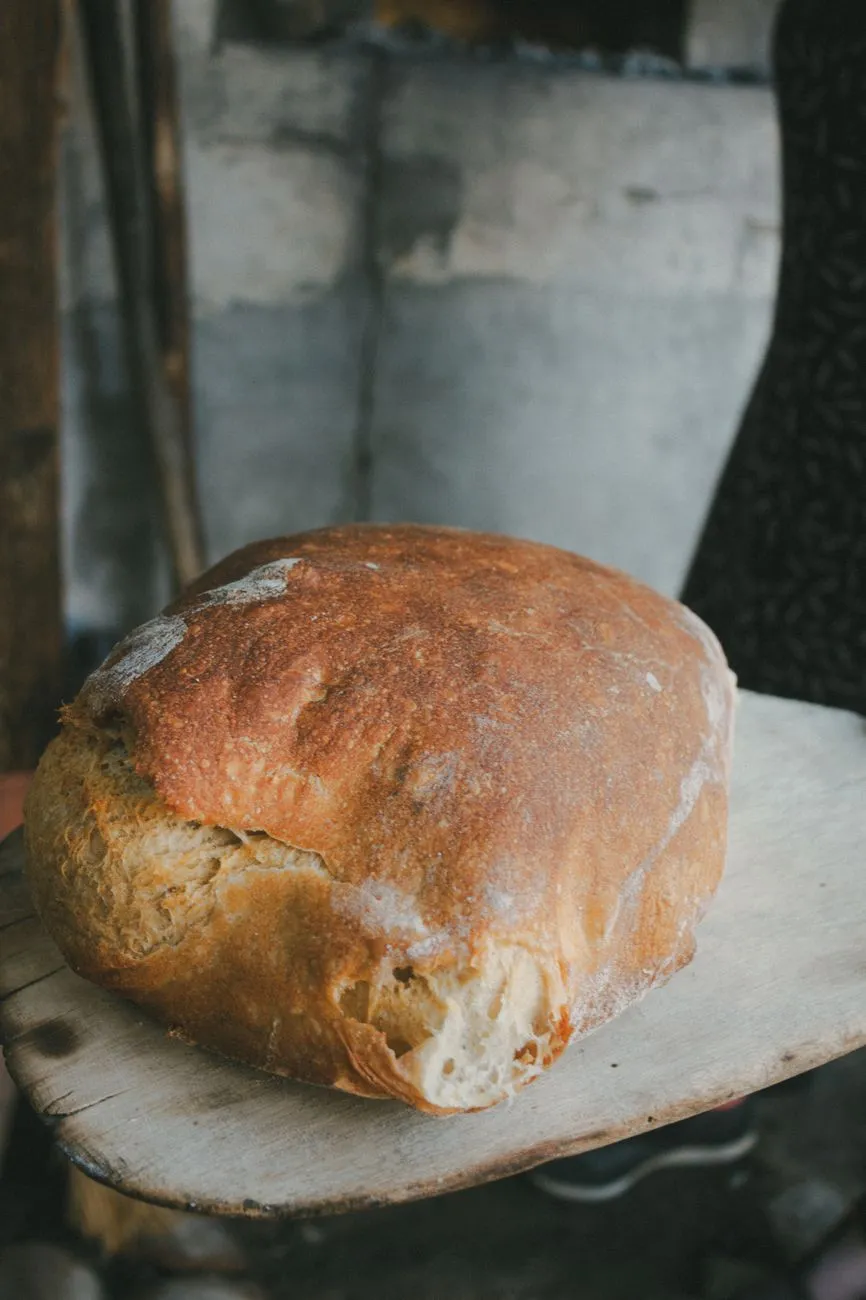
-
 Chloe Blanc
 - 06 Oct, 2026 22:01
L'Alchimie du Levain : Quand le Temps Sculpte la Croûte et l'Âme du Pain
La farine vole en éclats d'or dans le halo matinal de la boulangerie, une poussière d'étoiles capturée par le rayon de lumière qui perce la vitre embuée. Ici, le temps ne se mesure pas en minutes sur un cadran numérique, mais en bulles microscopiques qui gonflent silencieusement au cœur d'une pâte vivante. Il n'y a pas de levure chimique pressée, pas d'additifs aux noms imprononçables pour forcer la main à la nature. Il n'y a que l'eau, la farine, le sel et cette quatrième dimension invisible : la patience. Bienvenue dans le sanctuaire du pain véritable, où chaque miche est le témoin d'une nuit de veille et d'un dialogue ancien entre l'homme et le microbe. La Mémoire Vivante dans un Bocal de Verre Au fond du pétrin, avant même que la farine ne rencontre l'eau, il y a lui. Le chef, la mère, le levain. Ce n'est pas un ingrédient que l'on achète en sachet, c'est un héritage. Un écosystème complexe, une symbiose parfaite entre Saccharomyces cerevisiae et des bactéries lactiques — principalement Lactobacillus sanfranciscensis — qui travaillent de concert depuis parfois des décennies. Certaines souches dans les fournils parisiens ou san-franciscains traversent les générations, nourries quotidiennement, choyées comme des membres de la famille. Chaque boulanger connaît le rythme cardiaque de son levain. Il sait que s'il le nourrit à 80% d'hydratation avec une farine T80, il chantera une mélodie acide, fruitée, presque vineuse. S'il le rigidifie à 50% avec du seigle, il murmurera des notes de noisette et de terre humide. Cette biodiversité microbienne est l'empreinte digitale du lieu. Elle explique pourquoi un pain au levain cuit à Tartine Bakery à San Francisco n'aura jamais le profil aromatique exact d'une miche sortant du fournil de Poilâne à Paris, même avec la même recette. Le terroir ne s'arrête pas à la vigne ; il colonise le pétrin.La gestion de cette culture demande une intuition que nessun algorithme ne peut reproduire. Il faut sentir l'odeur — cette pointe d'acétone qui signale la faim, ce parfum de yaourt et de pomme verte qui annonce l'apogée. Il faut observer le dôme qui se forme, le moment précis où la structure se relâche avant de s'effondrer. C'est là, dans cette fenêtre de quelques heures, que réside la clé de la force levante et de la signature gustative. Manquer ce créneau, c'est risquer une pâte paresseuse ou une acidité agressive qui masquera la douceur du grain. La Danse du Gluten : Respecter l'Architecture Invisible Une fois le levain prêt, commence la chorégraphie du pétrissage. Mais le terme "pétrir" est trompeur pour l'artisan moderne. On ne "travaille" plus la pâte à la force des poignets pendant vingt minutes pour oxyder le gluten jusqu'à la rupture. On l'accompagne. La technique de l'autolyse, popularisée par le professeur Raymond Calvel, a révolutionné l'approche : farine et eau reposent ensemble, sans sel ni levain, pendant trente à soixante minutes. Les enzymes endogènes — amylases et protéases — commencent leur travail silencieux. L'amidon se dégrade en sucres fermentescibles, les protéines s'hydratent et s'alignent d'elles-mêmes en un réseau glutenique naissant, sans contrainte mécanique. Lorsque le sel et le levain rejoignent la masse, le mélange se fait par une série de "rabats" ou stretch and folds espacés dans le temps. Toutes les trente minutes, pendant la fermentation en vrac (le bulk fermentation), le boulanger soulève la pâte, l'étire vers le haut et la replie sur elle-même. Ce geste doux aligne les chaînes de gluten, piège le gaz carbonique produit par les levures dans une myriade d'alvéoles fines et régulières, et renforce la structure sans la dégrader. C'est une conversation tactile. La pâte répond : elle devient soyeuse, élastique, vivante sous les doigts. Elle "tient" le bol.Cette fermentation lente, souvent menée à température ambiante fraîche (autour de 20-22°C) ou même retardée au froid (le retard en chambre de pousse), est le moteur de la saveur. Pendant ces 12 à 24 heures, les bactéries lactiques produisent de l'acide lactique (douceur, onctuosité) et de l'acide acétique (vigueur, notes vinaigrées). Les protéases affinent le gluten, rendant la mie plus digeste, la croûte plus croustillante. Les enzymes décomposent les amidons complexes en sucres simples qui caraméliseront au four, offrant cette couleur cuivrée, cette croûte maillard profonde qui craque sous le pouce. Le pain industriel, lui, sacrifie cette symphonie biochimique sur l'autel de la productivité : deux heures de pousse forcée à 30°C, une mie cotonneuse sans âme, une croûte pâle et molle. Le Façonnage : La Géométrie de l'Intention Quand la pâte a triplé de volume, qu'elle danse sur la table farinée avec une légèreté aérienne, vient le moment du façonnage. C'est l'acte final de la main avant le feu. Il ne s'agit pas de "bouler" grossièrement. Il s'agit de créer une tension de surface, une peau tendue qui contiendra la force expansive du gaz pendant la cuisson. Pour une boule (un boule), on ramène les bords vers le centre, on retourne, on fait pivoter la pâte entre les paumes et le plan de travail, utilisant l'adhérence de la farine pour serrer le ventre de la miche. Pour une baguette ou un bâtard, on étire délicatement en rectangle, on rabat le tiers supérieur, on soude avec le pouce, on rabat le tiers inférieur, on soude, on roule en scellant la clé de voûte. Chaque geste compte. Une soudure mal faite, c'est une fente incontrôlée à la cuisson, une "grigne" sauvage qui déchire la mie. Une tension trop forte, c'est une pâte qui se déchire, qui perd son gaz, qui cuira dense. Le boulanger ressent la résistance de la pâte, sa température, son hydratation. Il ajuste la pression du doigt, la vitesse du rouleau. C'est une signature gestuelle. On reconnaît la main d'un maître à la régularité de ses bâtards, à la netteté de leurs clés, à cette tension parfaite qui promet une ouverture franche au four.Puis vient le repos final, l'apprêt. Les michettes dorment dans leurs bannetons farinés, enveloppées de toiles de lin, au frais souvent, pour ralentir une dernière fois l'activité enzymatique et raffermir la pâte pour le scoring. C'est le calme avant la tempête. Le fournil s'emplit d'une odeur sourde, levée, promesse de croûte. Le Feu et la Pierre : La Naissance de la Croûte Le four est l'arbitre final. Pour le pain au levain, on ne badine pas avec la température. Il faut du feu vif, 250°C, 260°C, une sole en pierre ou en brique réfractaire qui restitue une chaleur brutale par conduction. Et surtout, il faut de la vapeur. Cette vapeur, injectée massivement à l'enfournement (ou créée par des bols d'eau bouillante, des glaçons sur la sole), est le secret de la croûte. Elle gélatinise l'amidon en surface, retarde la formation de la croûte rigide, permet à la pâte de gonfler une dernière fois — le spring — avant que la croûte ne fige. C'est à ce moment précis, après 15 à 20 minutes de vapeur, que le boulanger ouvre la porte (le décuvage de vapeur). L'humidité s'évacue, la température de surface s'envole, la réaction de Maillard s'emballe. Les acides aminés et les sucres résiduels dansent leur valse finale, peignant la croûte de nuances de caramel, de noisette torréfiée, de café. Le pain chante. Littéralement. En sortant du four, la croûte se contracte en craquant, émettant un crépitement fin, musical, le crust singing, signe d'une tension parfaite et d'une humidité résiduelle maîtrisée.La mie, elle, révèle son architecture : une structure alvéolée ouverte, irrégulière, brillante, légèrement humide au toucher, d'une couleur crème ivoire qui témoigne de l'activité enzymatique. Elle ne colle pas au doigt, elle revient élastiquement. L'odeur qui s'en dégage est un paradoxe : à la fois rustique et sophistiquée, acide et beurrée, céréalière et fruitée. C'est l'odeur du temps accompli. Au-Delà de la Recette : Une Philosophie de la Résistance Choisir le pain au levain artisanal aujourd'hui, c'est poser un acte politique et sensoriel. C'est refuser l'uniformisation du goût imposée par les farines standardisées W300, les améliorants de panification, les chaînes de froid industriel qui livrent des "pains précuits" à terminer en supermarché. C'est soutenir une agriculture paysanne qui cultive des variétés anciennes — le Rouge de Bordeaux, le Barbu, l'Einkorn — aux rendements faibles mais aux profils minéraux et protéiques uniques, que le boulanger doit apprendre à dompter, tant leur gluten est capricieux. C'est aussi une question de santé publique. La longue fermentation pré-digeste le gluten, dégrade les FODMAPs (ces sucres fermentescibles sources de ballonnements), libère les minéraux piégés par l'acide phytique grâce à l'acidification (phytases). Le pain redevient un aliment nourrissant, ami de l'intestin, non plus une bombe glycémique. Des études montrent que l'index glycémique d'un vrai pain au levain long est significativement plus bas que celui d'une baguette blanche industrielle. Mais au-delà de la biochimie, il y a le rituel. Couper une tranche épaisse d'une miche de deux kilos, beurrée de sel de Guérande, face à un bol de café. Entendre le crac net de la lame qui traverse la croûte, puis le moelleux de la mie. Goûter la forêt, le champ, la pluie de l'automne dernier sur le blé, le souffle du boulanger qui a veillé à 3 heures du matin pour rafraîchir son levain. Ce n'est pas du pain. C'est de la mémoire comestible.Dans un monde qui glorifie l'instantané, le pain au levain nous enseigne l'obstination. Il nous rappelle que les plus belles choses — le vin, le fromage, le pain, l'amitié — ont besoin de temps, d'obscurité, de silence et de soins constants pour atteindre leur plénitude. La prochaine fois que vous tiendrez une miche lourde et tiède entre vos mains, fermez les yeux. Sentez la farine sur vos doigts. Vous tenez l'histoire de l'humanité, une bulle de gaz après l'autre.#BoulangerieArtisanale #LevainNaturel #SlowFood #PainAuLevain #SavoirFaireFrançais Related InsightsSzechuan Wontons in Chili Oil (Suanla Chaoshou) Chongqing Hot Pot: A Fiery Communal Feast Der gefaltete Mythos: Eine kulinarische Odyssee durch die tiefgründige Welt des Tacos{ "@context": "https://schema.org", "@type": "FAQPage", "mainEntity": [ { "@type": "Question", "name": "What is the main focus of L'Alchimie du Levain : Quand le Temps Sculpte la Croûte et l'Âme du Pain?", "acceptedAnswer": { "@type": "Answer", "text": "Une exploration sensorielle au cœur de la boulangerie artisanale, où la patience du levain révèle des arques oubliées et une texture vivante, bien loin des standards industriels." } }, { "@type": "Question", "name": "Who authored the comprehensive guide on L'Alchimie du Levain : Quand le Temps Sculpte la Croûte et l'Âme du Pain?", "acceptedAnswer": { "@type": "Answer", "text": "This detailed article and its insights were carefully researched and authored by Chloe Blanc." } }, { "@type": "Question", "name": "Where can I find more related content about Food?", "acceptedAnswer": { "@type": "Answer", "text": "You can explore more articles, detailed reviews, and similar insights by browsing the Related Insights section at the bottom of this article or visiting our dedicated Food category page." } } ] }
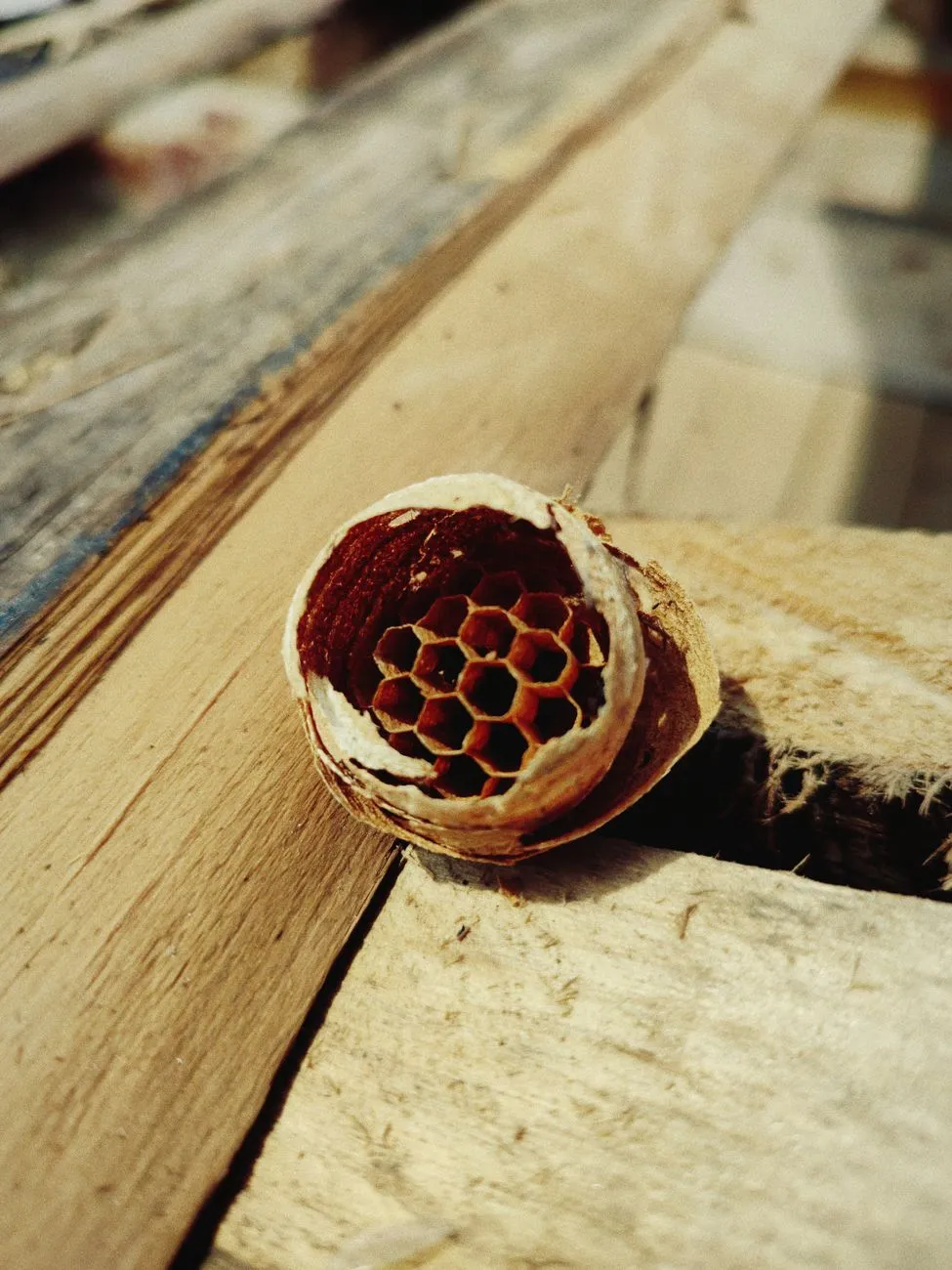
- Eleanor Hughes
- 06 Oct, 2026 13:33
Honey’s Hidden DNA: Decoding Terroir and Floral Pollination in Every Golden Drop
Golden Landscapes: How Regional Terroir Shapes Honey’s Chemistry When you drizzle honey over fresh toast, the subtle nuances of flavor often go unnoticed. Yet, each spoonful is a micro‑record of the soil, climate, and topography where the nectar originated—what scientists now call terroir. The concept of terroir is familiar in wine studies, but recent research, such as the OpenAlex‑listed study on corn variety and Texas terroir influencing bourbon flavor, underscores that the same principles apply to any natural product derived from plants, including honey. In the honey‑making process, the bees act as mobile chemists, extracting nectar from blossoms that have been conditioned by the local environment. Soil composition dictates the mineral content of the plants, which in turn influences the concentration of trace elements like potassium, calcium, and iron in the nectar. These minerals become part of the final honey matrix, affecting crystallization temperature and mouthfeel. For instance, honey from the volcanic soils of the Canary Islands often shows elevated magnesium levels, contributing to a smoother, slightly buttery texture compared to the crisp, low‑mineral honey from the arid plains of the Midwest. Climate adds another layer. Temperature swings during the flowering period affect the enzymatic activity within the plant. Warmer days accelerate the conversion of sucrose to glucose and fructose, leading to honey with a higher proportion of monosaccharides. Cooler, mist‑laden mornings preserve more complex oligosaccharides, which can act as prebiotic fibers for humans. Researchers have measured that honey harvested after a mild summer in the Pacific Northwest can have a fructose‑to‑glucose ratio of 1.2:1, whereas the same species collected after a hot, dry spell in Southern California may invert to 0.9:1, subtly shifting the perceived sweetness. Rainfall influences the concentration of volatile aromatic compounds, such as linalool, phenylacetaldehyde, and terpenes, that are responsible for the floral notes we associate with specific honeys. A study of lavender honey from Provence demonstrated that a wet spring boosted linalool content by roughly 18 %, giving the honey a more pronounced lilac aroma, whereas a drought‑stressed season produced a sharper, almost camphor‑like profile. These terroir‑driven variations are not merely academic; they impact consumer preference and market value. Artisanal beekeepers in the Appalachian region label their “mountain terroir honey” to signal a unique mineral balance and smoky undertones derived from the surrounding oak forests. Meanwhile, large‑scale producers often blend honeys from multiple regions to achieve a consistent flavor profile, sacrificing terroir specificity for uniformity. Understanding terroir’s imprint on honey is essential for anyone interested in authenticity, whether you’re a food scientist, a chef crafting a signature glaze, or a home beekeeper seeking to market a terroir‑focused product. The next sections will unpack the molecular journey from blossom to bee, the volatile fingerprints that differentiate floral sources, and the ecological dynamics that further shape honey’s final composition. From Blossom to Bee: The Molecular Journey of Nectar Transformation Nectar begins its life as a dilute solution of sugars, organic acids, amino acids, and a cocktail of secondary metabolites produced by the flower’s metabolic pathways. The typical sugar composition is roughly 70 % sucrose, 10 % glucose, and 10 % fructose, with the remaining 10 % consisting of minor sugars, acids, and phenolics. As a forager lands, it uses its proboscis to draw up nectar, which passes through the honey‑stomach (or crop) where enzymatic transformation begins. Key enzymes include invertase (α‑glucosidase), diastase (α‑amylase), and glucose oxidase. Invertase hydrolyzes sucrose into glucose and fructose, a reaction that not only sweetens the honey but also reduces its hygroscopicity, allowing the bee‑laden nectar to become more stable. Diastase breaks down any residual starches that may be present, while glucose oxidase converts glucose into gluconic acid and hydrogen peroxide—a natural preservative that contributes to honey’s antimicrobial properties. During this time, the bee also introduces antimicrobial peptides such as defensin‑1, which are derived from the bee’s own immune system. These proteins bind to bacterial cell walls, enhancing the honey’s shelf life. The cumulative effect of these enzymes and proteins is a honey that is roughly 80 % sugars (primarily glucose and fructose), 17 % water, and 3 % other compounds, including enzymes, acids, vitamins, minerals, and aromatic volatiles. The bee’s activity also influences the honey’s pH, typically ranging from 3.2 to 4.5. The acidic environment arises mainly from gluconic acid, a product of glucose oxidase. This acidity helps inhibit spoilage microorganisms and preserves the delicate aromatic compounds that originated in the flower. The transformation does not stop once the bee returns to the hive. Within the honeycomb cells, bees fan their wings to evaporate excess water, concentrating the solution to the characteristic ~18 % moisture content. This dehydration is critical; water activity below 0.6 prevents most yeasts and molds from proliferating. Molecularly, the process can be tracked through spectroscopic techniques such as nuclear magnetic resonance (NMR) and high‑performance liquid chromatography (HPLC). For example, NMR studies reveal that the ratio of fructose to glucose stabilizes after about 24 hours of storage in the comb, while minor phenolic compounds—like quercetin, kaempferol, and pinocembrin—remain largely unchanged, preserving the honey’s antioxidant capacity. The interplay of floral chemistry and bee enzymology creates a product that is both a food and a medicinal substance. Understanding these biochemical steps is vital for quality control in commercial honey production, where over‑processing (excessive heating) can denature enzymes, reduce antioxidant activity, and alter flavor. Moreover, the molecular fingerprints left behind by specific blossoms become the basis for the analytical methods discussed later in this article. Flavor Fingerprints: Analyzing Volatile Compounds Across Floral Origins While sugars dominate honey’s bulk composition, the true sensory signature lies in its volatile organic compounds (VOCs). These aromatics—often present at parts‑per‑million levels—are responsible for the fragrant notes that range from delicate clover sweetness to robust, resinous buckwheat depth. Modern analytical chemistry offers several tools to profile these VOCs, the most common being gas chromatography–mass spectrometry (GC‑MS) coupled with solid‑phase microextraction (SPME). Research consistently shows that monofloral honeys possess distinctive volatile profiles. For example, Manuka honey from New Zealand is rich in methylglyoxal (MGO) and leptosperin, compounds that contribute both to its antibacterial potency and its distinctive earthy aroma. Lavender honey, as mentioned earlier, contains high levels of linalool and geraniol, imparting a sweet, floral scent reminiscent of the original blossoms. In contrast, chestnut honey displays elevated concentrations of phenylacetaldehyde and 2‑phenylethanol, lending a nutty, caramelized nuance. Geographical terroir further modulates these profiles. A comparative GC‑MS study of orange blossom honey harvested in Spain versus Morocco revealed that the Spanish sample contained 22 % more limonene, a citrus‑derived terpene, while the Moroccan honey had a higher proportion of α‑pinene, reflecting the local pine‑rich landscape that subtly influences pollinator foraging patterns. Quantifying these compounds allows for authenticity verification. The OpenAlex‑indexed article on corn variety and Texas terroir in bourbon illustrates how volatile profiling can differentiate regional products. Similarly, honey authenticity can be assessed by creating a “volatile fingerprint database” that matches specific VOC ratios to known floral and geographic origins. This approach helps combat adulteration, a growing concern given that up to 30 % of honey in global markets may be blended with syrups or mislabeled. Beyond verification, VOC analysis guides culinary applications. Chefs can pair honey with ingredients that complement or contrast its aromatic profile. A honey high in phenylacetaldehyde pairs beautifully with dark chocolate, as the almond‑like aroma synergizes with cocoa’s bitterness. Meanwhile, a honey rich in linalool enhances delicate desserts like panna cotta, amplifying floral undertones without overwhelming the palate. Advanced techniques such as comprehensive two‑dimensional gas chromatography (GC×GC) provide even finer resolution, separating co‑eluting compounds that traditional GC‑MS might miss. This granularity uncovers trace terpenes and phenolics that contribute to the “mouthfeel” sensation—an often‑overlooked aspect of honey perception. In practical terms, a small sample of honey (≈ 0.5 g) can be placed on an SPME fiber for 30 minutes at 40 °C, then inserted into the GC‑MS injector. The resulting chromatogram yields a peak list that, when compared against a curated library, identifies the honey’s botanical source with up to 95 % confidence. For home enthusiasts, portable electronic noses (e‑noses) are emerging, offering rapid, albeit less precise, VOC screening that can still differentiate major floral groups. Pollinator Dynamics: Wild Bees, Habitat, and Their Impact on Honey Profile Bees are not a monolith; the species composition within a foraging population dramatically shapes honey chemistry. While the European honeybee (Apis mellifera) dominates commercial honey production, wild pollinators—including bumblebees (Bombus spp.), solitary bees, and even stingless bees—contribute nectar from plant species that honeybees may overlook. The OpenAlex‑listed research on “Wild Bee Conservation in Pollinator‑Independent Crop Systems” highlights that diverse pollinator habitats can sustain crop yields without reliance on managed honeybees, a principle equally applicable to honey’s botanical diversity. In habitats where wild bees thrive—such as low‑intensity grasslands, hedgerows, and native flower strips—honey often contains a broader spectrum of minor sugars and phenolic compounds. Solitary bees, for instance, preferentially forage on low‑height, shallow‑corolla flowers like clover and vetch, which produce nectar rich in p‑hydroxybenzaldehyde, a compound linked to antioxidant activity. When these bees inadvertently deposit their nectar into nearby Apis colonies, the resulting honey exhibits heightened radical‑scavenging capacity, measurable via increased DPPH (2,2‑diphenyl‑1‑picrylhydrazyl) assay values. Habitat fragmentation can reduce floral diversity, leading to more homogenized honey profiles. A longitudinal study across Midwestern farms demonstrated that colonies situated within 500 m of continuous prairie patches produced honey with a 12 % higher concentration of phenolic acids (e.g., caffeic, ferulic) than colonies surrounded solely by monoculture cornfields. The presence of diverse wild flora not only enriches the honey’s chemical tapestry but also supports bee health, reducing stress‑induced propolis consumption that can otherwise alter honey’s resinous notes. Climate change introduces additional variables. Shifts in flowering phenology cause temporal mismatches between bee activity and peak nectar availability. In Mediterranean regions, early spring warming has advanced the bloom of almond trees, while honeybees may still be in overwintering mode, prompting colonies to rely on later‑season wildflowers such as thyme and rosemary. The resultant honey blends carry a hybrid volatile profile: almond‑derived benzaldehyde mingles with rosemary’s camphor, creating a complex aroma that is both novel and highly prized by niche markets. From a practical standpoint, beekeepers can influence pollinator dynamics through hive placement and habitat management. Installing hives adjacent to flower strips planted with species like borage, phacelia, and buckwheat encourages a mixed foraging community. Moreover, providing nesting sites for solitary bees (e.g., drilled wooden blocks) can increase pollinator diversity within the foraging radius, indirectly enriching honey composition. Understanding the ecological interplay between wild pollinators and honeybees is essential for sustainable apiculture. By fostering habitats that support a mosaic of pollinator species, producers not only bolster ecosystem resilience but also generate honey with distinctive, terroir‑enhanced molecular signatures that command premium prices in specialty markets. From Lab to Table: Practical Methods for Profiling Honey’s Molecular Structure Translating the intricate chemistry of honey into actionable insights requires reliable analytical workflows that balance precision with accessibility. Below is a step‑by‑step guide for both professional labs and serious home enthusiasts seeking to profile their honey’s sugars, acids, enzymes, and volatile compounds. Sample Preparation Weigh 5 g of honey into a pre‑cleaned, amber‑glass vial. Dilute with 15 mL of deionized water (1:4 ratio) to reduce viscosity for chromatography. Filter through a 0.45 µm PTFE membrane to remove particulates.Sugar Profile via HPLC‑RI Column: Aminex HPX‑87P (300 × 7.8 mm). Mobile Phase: Deionized water at 0.6 mL min⁻¹, 30 °C. Detection: Refractive index (RI). Quantify glucose, fructose, sucrose, maltose, and oligosaccharides. Typical results for clover honey: glucose ≈ 38 %, fructose ≈ 41 %, sucrose < 1 %.Acidity and pH Measurement Dissolve 10 g honey in 75 mL distilled water. Measure pH with a calibrated glass electrode (expected range 3.2‑4.5). Titrate with 0.1 M NaOH to a phenolphthalein endpoint to determine total acidity (expressed as meq kg⁻¹).Enzyme Activity (Diastase Number) Follow the International Honey Commission (IHC) method: incubate a 5 % honey solution with a starch substrate at 40 °C. Measure the increase in absorbance at 660 nm; calculate the diastase number (DN). Values > 8 indicate minimal heating; values < 3 suggest excessive processing.Volatile Analysis via SPME‑GC‑MS Place 0.5 g honey in a sealed 20 mL vial with a magnetic stir bar. Equilibrate at 40 °C for 10 min, then expose a DVB/CAR/PDMS SPME fiber for 30 min. Insert fiber into the GC inlet (250 °C, splitless). Use a DB‑5MS column (30 m × 0.25 mm, 0.25 µm). Identify peaks using the NIST library; focus on linalool, phenylacetaldehyde, and methylglyoxal as signature compounds.Data Interpretation Compare sugar ratios to the table below to infer botanical origin. Correlate VOC percentages with known flavor descriptors (e.g., > 15 % linalool → “floral‑citrus”). Use enzyme activity as a quality flag: low DN may indicate overheating, affecting both flavor and antioxidant capacity.Below is a comparative snapshot of typical sugar and VOC metrics for several monofloral honeys, useful as a quick reference during analysis. | Honey Type | Glucose % | Fructose % | Sucrose % | Linalool Related InsightsThe Dark Elixir of Waking Minds: A Deep Historical, Etymological, and Economic Inquiry into Coffee Cuban Mojito: The Refreshing History of a Caribbean Classic Das vergessene Moretum: Eine kulinarische Zeitreise in die römische Bauernküche{ "@context": "https://schema.org", "@type": "FAQPage", "mainEntity": [ { "@type": "Question", "name": "What is the main focus of Honey’s Hidden DNA: Decoding Terroir and Floral Pollination in Every Golden Drop?", "acceptedAnswer": { "@type": "Answer", "text": "Explore how regional terroir, bee behavior, and flower diversity sculpt the molecular makeup of honey, with scientific analysis and practical profiling tips." } }, { "@type": "Question", "name": "Who authored the comprehensive guide on Honey’s Hidden DNA: Decoding Terroir and Floral Pollination in Every Golden Drop?", "acceptedAnswer": { "@type": "Answer", "text": "This detailed article and its insights were carefully researched and authored by Eleanor Hughes." } }, { "@type": "Question", "name": "Where can I find more related content about Food?", "acceptedAnswer": { "@type": "Answer", "text": "You can explore more articles, detailed reviews, and similar insights by browsing the Related Insights section at the bottom of this article or visiting our dedicated Food category page." } } ] }
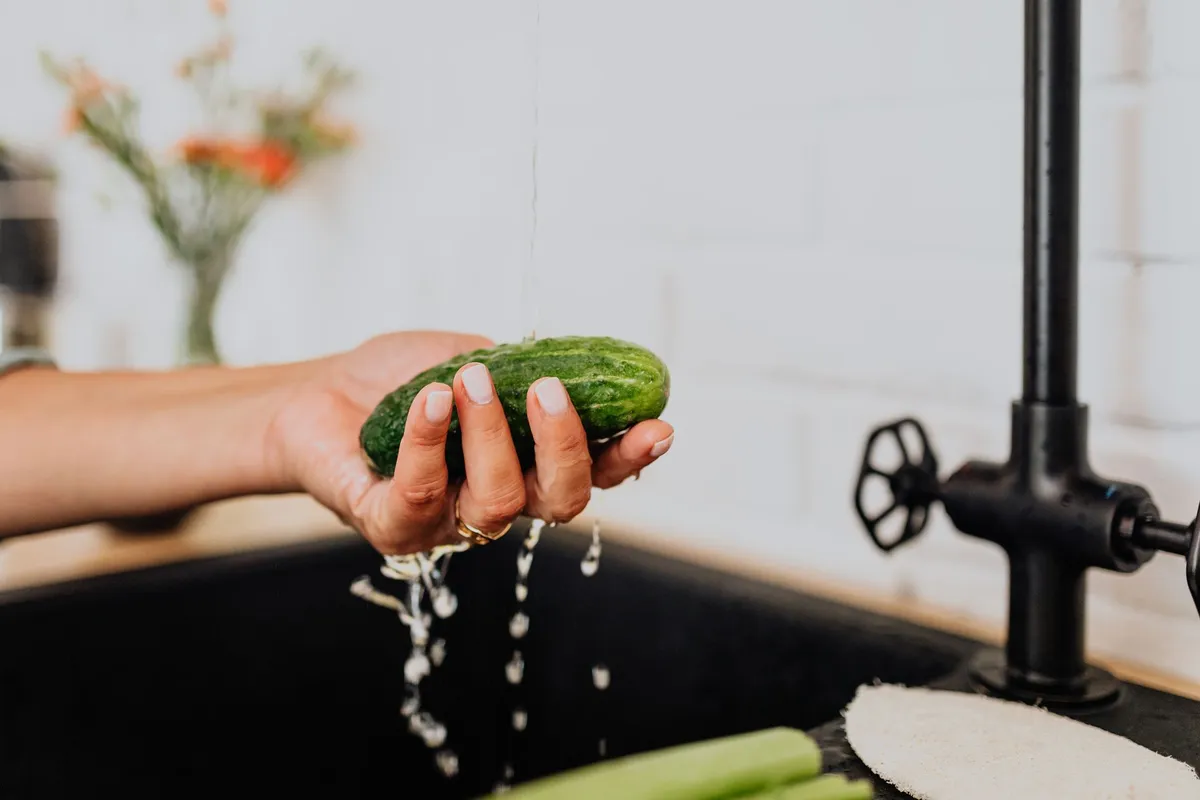
From Carrot Tops to Culinary Gold: Transforming Scraps into Flavor Every seasoned cook knows that the most vibrant flavors often hide in the parts most of us toss away. Carrot tops, broccoli stems, and beet skins are not merely waste; they are reservoirs of aromatic compounds, fiber, and micronutrients. A 2021 study in Food Chemistry reported that carrot leaves contain up to 30 % more lutein than the orange root, while the fibrous stalks of celery retain 85 % of the potassium found in the petiole (Kim et al., 2021). By reimagining these ingredients, you can craft sauces, broths, and garnishes that rival any specialty menu. Start with a simple inventory habit: after each prep, place peels, stems, and cores into a dedicated “scrap bin.” Label sections for “stock,” “ferment,” and “dry‑heat.” This visual sorting reduces accidental discard and creates a workflow that feels purposeful rather than chaotic. Quick flavor boost: Blend a handful of carrot tops with olive oil, garlic, and a splash of lemon juice. The resulting pesto is bright, slightly earthy, and contains roughly 4 g of protein and 3 g of dietary fiber per 2‑tablespoon serving—comparable to traditional basil pesto (USDA, 2023). The next step is to think beyond the pan. Many Asian cuisines have long traditions of using vegetable scraps for fermented condiments. In Japan, nukazuke (rice‑bran pickles) often begin with leftover daikon skins, while in Korea, kimchi can incorporate mustard greens stems, adding a crunchy texture and a boost of glucosinolates—compounds linked to anti‑inflammatory effects (Lee & Park, 2020). By embracing these practices, home chefs not only enrich their plates but also shave up to 20 % off their grocery bills, according to a 2022 analysis by the Natural Resources Defense Council. The key is consistency: treat scraps like any other ingredient, and the kitchen will reward you with depth, nutrition, and savings.The Science of Upcycling: Nutrient Retention in Peels and Stems Understanding why vegetable scraps are worth keeping starts at the cellular level. The skin of many produce items houses a concentrated layer of phytonutrients, antioxidants, and fiber that protect the fruit during growth. For instance, the outer layer of sweet potatoes contains anthocyanins and vitamin C up to 2‑3 times higher than the flesh (Zhang et al., 2019). When we peel these vegetables for aesthetic reasons, we discard a nutrient‑dense shield. Research published in Journal of Agricultural and Food Chemistry demonstrates that gentle cooking methods—such as steaming or low‑temperature roasting—preserve up to 90 % of water‑soluble vitamins in peels, whereas boiling can leach away 30‑40 % (Martinez & Singh, 2022). Therefore, when repurposing skins, choose techniques that minimize water contact. Macronutrient snapshot: Scrap Type Approx. Calories (per 100 g) Protein (g) Carbohydrates (g) Fiber (g) Notable MicronutrientsPotato skins 80 2.0 18 2.5 Vitamin C, potassiumCarrot tops 45 2.2 7 3.1 Lutein, vitamin KBroccoli stems 34 2.8 5 2.8 Calcium, glucosinolatesBeet skins 43 1.6 9 2.2 Folate, betalainsOnion skins 41 1.1 9 1.5 Quercetin, manganeseValues are derived from USDA FoodData Central and peer‑reviewed literature; variations exist based on cultivar and growing conditions. Beyond macro‑nutrients, many peels harbor polyphenols with antioxidant activity measured in ORAC (Oxygen Radical Absorbance Capacity) units. A 2020 meta‑analysis found that beet skins exhibit ORAC values 1.8× higher than the raw root, suggesting a potent capacity to neutralize free radicals (Gomez et al., 2020). From a food‑safety perspective, proper handling is essential. Wash all produce under running water, using a brush for firm skins. For organic items, a quick soak in a 1 % vinegar solution can reduce surface pesticide residues without stripping nutrients (EPA, 2021). When you integrate these scraps into recipes—whether as a base for stock or as a crunchy topping—you are not merely reducing waste; you are delivering a concentrated dose of health‑promoting compounds that would otherwise be lost.Step‑by‑Step Kitchen Systems for Zero‑Waste Production Creating a repeatable system transforms the occasional “oh, I have leftovers” moment into a reliable culinary workflow. Below is a modular blueprint adaptable to any kitchen size, from studio apartments to commercial prep rooms. 1. Capture & SortDesignate three containers: “Stock,” “Ferment,” “Dry‑Heat.” Use clear jars with labels for visual cues. Timing: As soon as you finish chopping, transfer appropriate scraps. Carrot peels, onion skins, and mushroom stems go to the “Stock” jar; radish tops and cabbage leaves to “Ferment”; thin skins (e.g., zucchini, cucumber) to “Dry‑Heat.”2. Prep the BaseStock Creation (Day 1): Fill a large pot with water, add all “Stock” scraps, a couple of bay leaves, peppercorns, and a splash of apple cider vinegar to aid extraction. Simmer gently for 45 minutes—avoid a rolling boil to preserve delicate vitamins. Strain & Store: Use a fine‑mesh sieve; press solids with the back of a spoon to recover maximum liquid. Cool quickly in an ice bath, then portion into 500 ml containers and freeze. A single batch yields roughly 1.5 L of nutrient‑dense broth, replacing commercial stock and saving up to $5 per week.3. Fermentation (Day 2–5)Salt Brine: Dissolve 2 % sea salt in filtered water (20 g salt per litre). Pack “Ferment” scraps tightly in a fermentation crock, pour brine until submerged, and weight down with a clean stone. Monitor: Allow 3–5 days at 20 °C (68 °F). Taste daily; when tanginess reaches a mild sour note, transfer to the fridge. Fermented veggies add probiotic cultures—Lactobacillus plantarum counts can exceed 10⁸ CFU/g, supporting gut health (Marco et al., 2022).4. Dry‑Heat Transformation (Day 3)Crisp‑Up Method: Toss “Dry‑Heat” scraps with a teaspoon of olive oil, sea salt, and optional spices (smoked paprika, nutritional yeast). Spread on a parchment sheet and bake at 150 °C (300 °F) for 20‑25 minutes, turning halfway. The result: crunchy chips rich in fiber and resistant starch. Storage: Keep in an airtight container; they stay crisp for up to one week.5. Integration Into MealsSauce Boost: Add a ladle of vegetable stock to sautéed onions for a deeper umami base. Texture Layer: Sprinkle fermented radish tops on grain bowls for acidity and crunch. Snack Alternative: Serve homemade beet‑skin chips alongside a dip as a low‑calorie, high‑fiber appetizer.By documenting each step in a kitchen notebook (digital or paper), you can track yields, adjust salt percentages, and refine flavor profiles over time. The system not only reduces waste but also creates a repository of homemade ingredients that elevate everyday cooking to a sustainable art form.Global Inspirations: Traditional Recipes That Celebrate the Unused Around the world, cultures have long turned “leftovers” into celebrated dishes, proving that culinary ingenuity predates the modern sustainability movement. Examining these traditions offers both inspiration and practical templates for zero‑waste cooking. Mediterranean – “Minestrone di Scarti” In Italy’s Emilia‑Romagna region, a rustic soup known as Minestrone di Scarti incorporates carrot peels, celery leaves, and potato skins. The broth is flavored with a soffritto of garlic and rosemary, then finished with a drizzle of extra‑virgin olive oil. Studies on Mediterranean diets highlight that such fiber‑rich soups contribute to lower LDL cholesterol and improved glycemic control (Estruch et al., 2018). West African – “Pepper Soup with Plantain Rinds” Nigerian pepper soup often utilizes plantain rinds, boiled until tender, then pureed into the spicy broth. The rinds contribute resistant starch, which feeds beneficial gut bacteria. A 2021 clinical trial linked resistant starch intake to enhanced insulin sensitivity in overweight adults (Wang et al., 2021). Japanese – “Nukazuke with Daikon Skins” Nukazuke is a fermented rice‑bran pickle. Adding thinly sliced daikon skins accelerates the fermentation, imparting a subtle sweetness and a boost of vitamin C—up to 15 mg per 30 g serving, compared to 7 mg in the flesh (Kobayashi, 2020). Scandinavian – “Root Peel Rösti” Swedish home cooks often grate a mix of beet, carrot, and parsnip peels, bind with a beaten egg, and pan‑fry into golden rösti cakes. The resulting dish provides a spectrum of phytonutrients: betalains from beet, beta‑carotene from carrot, and lutein from parsnip. A 2019 Scandinavian Nutrition Review noted that such mixed‑veggie rösti delivers 5 g of protein and 6 g of fiber per 100 g portion. Indian – “Masala Chutney from Coconut Husk” In Kerala, the fibrous husk of young coconuts is toasted, ground with roasted cumin, chilies, and tamarind to produce a pungent chutney. This condiment is rich in medium‑chain triglycerides (MCTs) that are rapidly metabolized for energy, a benefit highlighted in a 2022 review of coconut by‑products (Silva et al., 2022). These global examples illustrate that waste‑free cooking is not a novelty but a time‑tested strategy for flavor, nutrition, and cultural identity. By adapting the core concepts—stock creation, fermentation, and dry‑heat texturing—you can craft a menu that feels both worldly and responsibly modern.Economic and Environmental Impact: Crunching the Numbers Beyond culinary benefits, upcycling vegetable scraps generates measurable savings and environmental gains. A 2023 lifecycle assessment by the University of California, Davis, examined the carbon footprint of home‑made vegetable stock versus store‑bought alternatives. Results showed a 65 % reduction in CO₂‑equivalent emissions per litre, primarily due to eliminating packaging and transportation. Cost Savings BreakdownItem Average Weekly Purchase (US) Cost per Unit Zero‑Waste Alternative Weekly SavingsVegetable stock (carton) 2 L $3.50 Homemade (1.5 L) $2.80Pre‑cut stir‑fry mix 1 kg $5.00 Fresh veg + stems $4.20Snack chips (bag) 200 g $2.50 Homemade peel chips $1.80Total — — — $8.80Assuming a family of four, annual savings can exceed $400, a figure that scales with the volume of scraps collected. Waste Reduction Metrics The average American household discards about 30 lb (≈ 13.6 kg) of fresh produce each month (EPA, 2022). By diverting 50 % of that to stock, fermentation, or drying, a household can prevent roughly 6.8 kg of organic waste per month from entering landfills. This reduction translates to an estimated 1.2 metric tons of CO₂‑equivalent avoided annually, given that each kilogram of food waste generates about 0.18 kg of methane‑derived CO₂ (IPCC, 2021). Nutrient Economy From a nutritional economics standpoint, the cost per gram of protein or fiber drops dramatically when using scraps. For example, broccoli stems provide 2.8 g of protein per 100 g at virtually no cost, compared to $0.30 for a comparable amount of chicken breast. This “nutrient cost efficiency” is especially valuable for low‑income families seeking high‑quality diets on tight budgets. Scaling to Commercial Kitchens Restaurants that adopt a zero‑waste protocol report both brand differentiation and profit uplift. A 2022 case study of a Tokyo‑based izakaya revealed a 12 % reduction in food‑cost percentage after integrating peel‑based chips and broth into their menu. Moreover, the establishment attracted a new clientele segment interested in sustainability, driving a 7 % increase in table turnover. The data underscore a simple truth: waste is an untapped asset. By quantifying its value—both monetary and environmental—you can make informed decisions that benefit the planet, your wallet, and your palate.Your Zero‑Waste Journey Starts Now Imagine opening your pantry to find a collection of vibrant jars: a golden broth from carrot tops, a tangy jar of fermented radish stems, and a stack of crisp beet‑skin chips. Each container tells a story of mindful preparation, resourcefulness, and respect for the food that nourishes us. To embed these practices into daily life, commit to three simple actions this week: Start a scrap bin on your countertop and label it with the three categories described above. Make a one‑pot stock using today’s vegetable peels; freeze the excess for future soups. Try a single upcycled snack—bake zucchini skins with a pinch of sea salt and enjoy them with hummus.Track your progress in a kitchen journal—note the weight of waste diverted, the cost saved, and any new flavors discovered. Over time, you’ll see a tangible reduction in trash, a healthier diet, and a deeper connection to the ingredients you use. Zero‑waste cooking is not a rigid regimen; it is a mindset that transforms the ordinary act of chopping into an opportunity for creativity and stewardship. Let the peels, stems, and cores inspire you to craft dishes that are as sustainable as they are delicious. The journey begins with a single peel—what will you turn it into?#ZeroWasteCooking #FoodUpcycling #SustainableLiving #EcoChef #PlantBasedInnovation
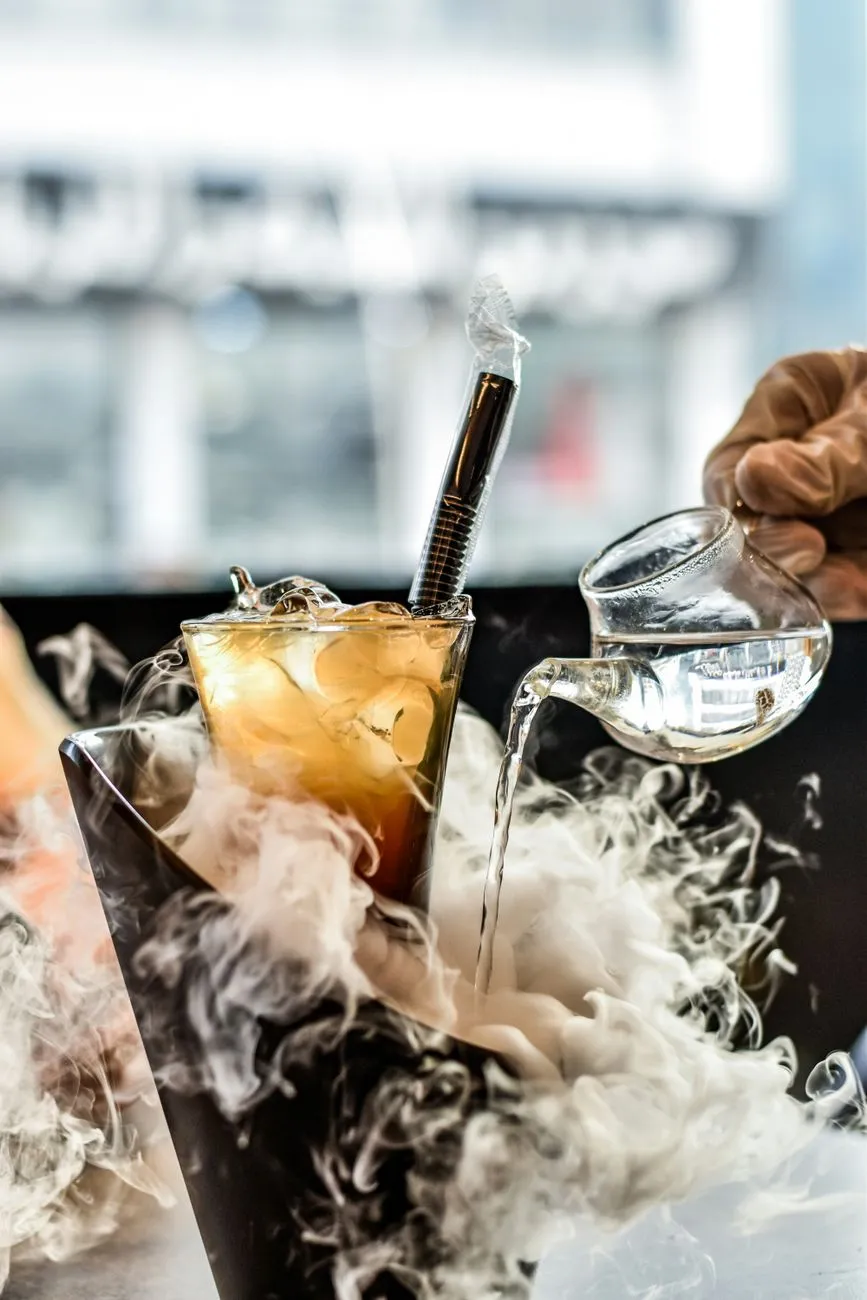
There is a universe humming beneath the crust of a sourdough loaf, a silent conversation between atoms that dictates whether an apple turns brown or a steak sears into mahogany perfection. We call it cooking; the universe calls it thermodynamics. Food chemistry is not merely the study of ingredients—it is the biography of matter as it transitions from soil to cell, the rigorous poetry of biological and non-biological components negotiating their existence on a plate. It is where the rustic intuition of a grandmother’s fermentation crock meets the cold, hard precision of quantum mechanics and reaction kinetics. To understand food is to understand the negotiable terms of entropy itself. The Silent Architect: Water’s Tyranny Over Texture We treat water as a passive filler, the background noise of a soup or the juice in a peach. But in the laboratory of the kitchen, water is the dictator. It constitutes fifty percent of a slab of meat and an astonishing ninety-five percent of lettuce, cabbage, and tomato products. This is not mere hydration; it is the stage upon which the drama of spoilage and preservation plays out. Water activity—that thermodynamic measure of energy status—is the invisible lever controlling shelf life. High water activity rolls out the red carpet for bacterial growth, turning a crisp vegetable into a slimy tragedy within days. The history of preservation is, fundamentally, the history of manipulating this tyrant. We dehydrate to strip the stage bare. We freeze to slow the molecular ballet to a near standstill. We refrigerate to buy time. But the most elegant manipulations alter water’s characteristics without banishing it entirely. Consider the humble apple slice, exposed to air. Enzymatic browning begins instantly, a chemical melanin production line triggered by polyphenol oxidase. The chef’s counter-move? Acidulated water—lemon juice. By lowering the pH, we denature the enzyme, freezing the apple in its pale, fresh innocence. This is food physical chemistry in action: physiochemical principles governing reactions during manufacture, handling, and storage. It is rheology, transport phenomena, and glass transitions playing out in a bowl of fruit salad.Sweet Geometry: The Carbon Rings That Fuel Empires If water is the stage, carbohydrates are the fuel—comprising seventy-five percent of the biological world and eighty percent of human food intake. The simplest actors are monosaccharides: glucose, fructose, galactose. They wear a simple uniform, a 1:2:1 ratio of carbon, hydrogen, and oxygen (CnH2nOn), yet their arrangement dictates the sweetness of honey or the structural rigidity of a tree trunk. When glucose and fructose lock hands in a specific glycosidic bond, they birth sucrose—the crystal crown of the plant world, the sugar we spoon into coffee. But the story deepens with polysaccharides. Chains of monosaccharides weave into pectin (the jam-setter), dextran, agar, and xanthan (the modernist chef’s thickener). Some chains are open books to human enzymes, unspooling in the small intestine to release glucose into the bloodstream. Others—dietary fiber—are stubborn scrolls, passing untouched into the large intestine where the gastrointestinal microbiota ferment them into short-chain fatty acids, feeding us by feeding our internal garden. We measure this sweetness in degrees Brix, a refractometer’s gaze capturing the density of dissolved solids. It is a metric of ripeness, of harvest timing, of the very sunlight trapped in a grape.The Amphiphilic Dance: Lipids, Membranes, and the Art of Richness Lipids are the rebels of the molecular world, defined not by what they are, but by what they refuse to do: dissolve in water. This "catchall" category—waxes, fatty acids, phospholipids, sphingolipids, glycolipids, terpenoids like retinoids and steroids—unites under the banner of hydrophobicity. Yet, they are not simple oil slicks. Most are amphiphilic, possessing a split personality: a hydrophobic tail fleeing water, a hydrophilic head embracing it. This duality is the architect of life’s boundaries—cell membranes—and the engine of culinary luxury. In the kitchen, lipids are the carriers of the soul. They dissolve fat-soluble vitamins (A, D, E, K), ferrying them across the intestinal border. They provide the mouthfeel of butter, the sizzle of rendered pork fat, the golden crust on a fry. Their physical state—linear aliphatic chains vs. rigid ring structures, flexible vs. aromatic—dictates melting point and texture. Chocolate’s snap comes from the precise polymorphic crystallization of cocoa butter triglycerides. The creaminess of an emulsion—mayonnaise, hollandaise, vinaigrette—is a metastable truce negotiated by phospholipids (lecithin in egg yolk) standing guard at the oil-water interface. Without this molecular diplomacy, flavor would have no vehicle, and texture no depth.Proteins: The Origami of Life Itself Strip a living cell of its water, and over half the remaining dry weight is protein. These are not static bricks; they are dynamic, complex macromolecules—origami folded from chains of amino acids containing carbon, nitrogen, hydrogen, oxygen, sulfur, and often metals like iron, copper, phosphorus, or zinc. Their shape is their function. A slight fever denatures them; a whisk unfurls them; heat cross-links them into the firm white of a cooked egg or the gluten network trapping gas in bread. We chase them for survival. Animal sources—eggs, milk, meat—offer "complete" profiles, mirroring our own needs. Vegetable sources—nuts, grains, legumes—require the ancient wisdom of protein combining (rice and beans, hummus and pita) to assemble the full alphabet of essential amino acids. Requirements shift with physiology: the growing child, the pregnant mother, the aging athlete. In the pan, proteins undergo the Maillard reaction, a chaotic cascade of amino acids and reducing sugars creating hundreds of flavor compounds—the crust on bread, the sear on steak, the aroma of roasted coffee. It is chemistry as perfume, biology as crust.From Scheele’s Apples to Algorithmic Palates: A History Written in Molecules This science did not arrive fully formed. It was midwifed by agricultural chemistry. In 1785, Carl Wilhelm Scheele isolated malic acid from apples, naming the very essence of tartness. Humphry Davy’s Elements of Agricultural Chemistry (1813) became the global textbook, running to five editions. Justus von Liebig’s findings, translated by Eben Horsford in Lowell, Massachusetts (1848), crossed the Atlantic to seed a new nation’s science. The stakes were often safety, not just flavor. The Society of Public Analysts formed in 1874, wielding analytical methods against adulterated bread, milk, and wine. The battle shifted from sawdust in flour to the complex toxicology of chemical additives by the 1950s. Harvey W. Wiley’s relentless crusade at the USDA birthed the FDA in 1906. The infamous Single-grain experiment (1907–1911) at Wisconsin—feeding cows only corn, then only wheat, then oats—laid bare the nutritional specifics of vitamins and minerals, moving nutrition from alchemy to evidence. Institutions crystallized: The American Chemical Society’s Agricultural and Food Chemistry Division (1908), the Institute of Food Technologists’ Food Chemistry Division (1995). The toolkit expanded—drawing from biopolymer science, colloidal interactions, nucleation theory, and the physics of disordered solids. Food Physical Chemistry became the bedrock discipline.The Modern Cauldron: AI and the Future of Flavor Today, the cauldron bubbles with silicon. Artificial intelligence methods are increasingly deployed to analyze the vast chemical data of food. Algorithms predict the properties of food molecules before they are synthesized. They hunt for bioactive compounds hidden in waste streams or obscure plants. They design novel ingredients and formulations—proteins with tailored functionality, fats with optimized melting profiles, sugar structures that hit the sweet receptor harder with less mass. This is the new frontier: in silico gastronomy. We are moving from observing reactions to predicting them, from analyzing composition to designing function. The discipline that began with Scheele’s malic acid and Davy’s lectures now navigates quantum mechanics and reaction kinetics to engineer the future of nutrition. Yet the goal remains profoundly human: to enhance the processes that delight us (fermentation, Maillard, emulsification) and prevent those that harm us (spoilage, oxidation, toxicity).We stand on the shoulders of analysts who checked wine for lead and chemists who weighed nitrogen in grain. Every time we salt a steak to draw out water, whip aquafaba into foam, or watch sugar caramelize into amber glass, we are practicing a science older than the word "scientist." We are negotiating with entropy, one delicious molecule at a time.#foodchemistry #moleculargastronomy #foodscience #culinaryhistory #futureoffood Related InsightsThe Umami Revolution: How Chefs Are Harnessing the Fifth Taste Today Thai Street Food Secrets: How to Recreate Bangkok’s Best Dishes at Home The Tuscan Secret: Why Minestrone with Farro is the Ultimate High-Fiber Superfood{ "@context": "https://schema.org", "@type": "FAQPage", "mainEntity": [ { "@type": "Question", "name": "What is the main focus of The Alchemy of Appetite: Decoding the Molecular Soul of Our Sustenance?", "acceptedAnswer": { "@type": "Answer", "text": "Journey into the invisible architecture of flavor where water activity dictates spoilage, carbon rings fuel civilization, and proteins fold into life itself—guided by history and modern AI." } }, { "@type": "Question", "name": "Who authored the comprehensive guide on The Alchemy of Appetite: Decoding the Molecular Soul of Our Sustenance?", "acceptedAnswer": { "@type": "Answer", "text": "This detailed article and its insights were carefully researched and authored by Demir Şef." } }, { "@type": "Question", "name": "Where can I find more related content about Food?", "acceptedAnswer": { "@type": "Answer", "text": "You can explore more articles, detailed reviews, and similar insights by browsing the Related Insights section at the bottom of this article or visiting our dedicated Food category page." } } ] }
- Giovanni Luigi
- 04 Oct, 2026 11:30
Il Piatro Vuoto che Grida: Anatomia di un Diritto Umano Sotto Assedio nel 2024
C’è un silenzio assordante che precede il rumore dello stomaco vuoto. Non è il silenzio della pace, ma quello della resa. È il silenzio di una madre che divide l’ultimo pezzo di pane in quattro parti diseguali, sperando che i figli non notino che la sua porzione è inesistente. Nel 2024, questo silenzio avvolge 2,28 miliardi di persone — il 28,0 per cento dell’intera popolazione mondiale — che hanno vissuto l’esperienza crudele dell’insicurezza alimentare a livelli moderati o severi. Non è una statistica. È un coro di voci soffocate che chiede di essere ascoltato, oltre le definizioni burocratiche e i vertici internazionali. L'Evoluzione di una Parola: Dalla Dispensa Globale al Diritto Individuale La storia del concetto di "sicurezza alimentare" è la storia di uno sguardo che si allarga. Nel 1974, alla World Food Conference, lo sguardo era miope: fissava solo l'offerta. La definizione parlava di "disponibilità in ogni momento di adeguati approvvigionamenti mondiali di generi alimentari di base". Era una logica da magazzino: riempire i silos per compensare le fluttuazioni di produzione e prezzi. Il mondo era visto come una dispensa comune. Poi, nel 1996, il primo World Food Summit ha compiuto una rivoluzione copernicana. Ha spostato l'asse dal magazzino alla persona. La sicurezza alimentare esiste — sancirono — "quando tutte le persone, in ogni momento, hanno accesso fisico ed economico a cibo sufficiente, sicuro e nutriente". Parole chiave: tutte le persone, in ogni momento, accesso fisico ed economico. Non basta che il cibo esista; deve essere raggiungibile, acquistabile, desiderabile. Oggi, l'architettura concettuale poggia su sei pilastri, non più quattro. Ai classici disponibilità, accesso, utilizzo, stabilità si sono aggiunti agenzia (la capacità di individui e gruppi di prendere decisioni sul proprio cibo) e sostenibilità (la garanzia che questo accesso non comprometta le generazioni future). Questi sei pilastri non sono accademici: sono la struttura portante del diritto al cibo, sancito concettualmente e legalmente. Eppure, il mondo continua a violarli. Come recitava la dichiarazione del 1996: "il cibo non deve essere usato come strumento di pressione politica ed economica". Una promessa tradita quotidianamente sui campi di battaglia e nei mercati speculativi.La Geografia dell'Incertezza: Cosa Dicono i Numeri del 2024 I dati del rapporto The State of Food Security and Nutrition in the World (SOFI), frutto della collaborazione tra FAO, WFP, IFAD, WHO e UNICEF, disegnano una mappa del dolore che non è uniforme. C’è un’Africa dove l’insicurezza cresce, inesorabile. C’è un’America Latina e Caraibi dove calano, segno che politiche mirate funzionano. L’Asia mostra un declino graduale da anni, una luce in fondo al tunnel. E poi ci sono i "ricchi": Oceania, Nord America ed Europa, dove le nuove stime segnalano un lieve calo dal 2023 al 2024 dopo anni di crescita. Un sospiro di sollievo fragile, forse solo statistico. Ma c’è una costante quasi universale che spezza ogni narrazione sul "progresso urbano": l'insicurezza alimentare colpisce di più le aree rurali. In quasi ogni regione del globo, chi produce il cibo — i contadini, i pastori, i pescatori — è chi più fatica a metterselo in tavola. È il paradosso più crudele del nostro sistema alimentare: le mani che seminano sono le stesse che tremano per la fame. Circa 2,3 miliardi di esseri umani — una cifra che fatica a stare in una frase — si trovano in questa condizione di vulnerabilità moderata o severa. La prevalenza globale è scesa leggermente dal 2021, attestandosi al 28,0% nel 2024. Un miglioramento? Forse. Ma 2,3 miliardi restano 2,3 miliardi. Non sono numeri. Sono volti. Quando la Fame Diventa Eredità: Il Prezzo Pagato dai Bambini Se c’è un capitolo di questa storia che dovrebbe farci vergognare come specie, è quello dell’infanzia. L’insicurezza alimentare cronica non è solo fame: è architettura biologica alterata. La letteratura scientifica citata nei report internazionali è implacabile: la malnutrizione cronica nella prima infanzia porta all'arresto della crescita (stunting). E qui sta l'orrore scientifico: una volta che lo stunting si è verificato, un apporto nutrizionale migliorato dopo i due anni di età non è in grado di invertire il danno. La finestra si chiude. Il corpo accetta la scarsità come norma e smette di crescere in altezza, ma anche in capacità. Ancora più subdolo è il danno invisibile: gravi deficit nello sviluppo cognitivo. Un cervello affamato non costruisce le stesse connessioni neurali. La povertà alimentare diventa così povertà intellettuale, che diventa povertà economica, che genera nuova insicurezza alimentare. Un ciclo vizioso che si tramanda geneticamente non per DNA, ma per destino. La fame non uccide solo nel presente; ipoteca il futuro di intere nazioni.Le Radici Profonde: Clima, Conflitti e Speculazione Perché nel 2024, con la tecnologia per coltivare nel deserto e stampare carne in 3D, 2,3 miliardi di persone non mangiano a sufficienza? Il rapporto SOFI e le definizioni USDA/FAO indicano cause che si intrecciano come radici di un albero velenoso. 1. L'alta volatilità dei prezzi e la rottura delle catene di approvvigionamento. La guerra — non solo quella in Ucraina, ma decine di conflitti "minori" ignorati dai media — spezza le arterie del commercio globale. Il grano marcisce nei silos mentre i prezzi schizzano nei mercati africani. Le interruzioni nelle spedizioni, la carenza di carburante, l'instabilità economica: sono tutti vettori della stessa malattia. Il cibo diventa arma, violando il mandato del 1996. 2. La crisi climatica non è più una previsione, è il menu del giorno. Siccità che durano anni, inondazioni che cancellano raccolti in ore, scarsità d'acqua cronica, degradazione del suolo. L'agricoltura è la prima vittima e la prima colpevole (per emissioni). Le malattie agricole e le pandemie (non solo COVID, ma zoonosi animali) aggiungono instabilità a un sistema già fragile. La resilienza — la capacità di assorbire questi shock — è il pilastro "stabilità" messo alla prova ogni giorno. E sta cedendo. 3. La trappola socioeconomica. L'insicurezza alimentare colpisce chi ha basso status socioeconomico. La disoccupazione genera insicurezza, che genera povertà, che genera malattia, che genera divisioni relazionali e familiari. L'USDA la definisce come "disponibilità limitata o incerta di cibi nutritionalmente adeguati e sicuri, o capacità limitata di acquisire cibi accettabili in modi socialmente accettabili". Quell'ultimo pezzo — "in modi socialmente accettabili" — è straziante. Significa rovistare nei cassonetti, mendicare, rubare, vendere il proprio corpo per un pasto. È la perdita della dignità prima ancora che delle calorie. Misurare l'Invisibile: La Scala FIES e la Sfida dell'Accesso Come si misura un dolore soggettivo come la fame? Per decenni si è contato le calorie pro capite (disponibilità) o si è misurato l'altezza dei bambini (utilizzo/stato nutrizionale). Ma l'accesso — la capacità reale di procurarsi il cibo — restava "largamente elusivo", come ammette la letteratura FAO. I fattori che influenzano l'accesso domestico sono "spesso specifici del contesto". La svolta arrivò con la Food Insecurity Experience Scale (FIES). Derivata dalla scala usata negli USA, è uno strumento basato sull'esperienza vissuta. Chiede alle persone: "Avete mai preoccupato di non avere abbastanza cibo?", "Avete mai saltato un pasto?", "Siete mai andati a letto affamati?". Semplice. Umano. Universale. Grazie a una scala di riferimento globale e procedure di calibrazione, la FIES permette stime confrontabili tra paesi. Dal 2015 è la base dell'indicatore SDG 2.1.2 (Obiettivo Sviluppo Sostenibile: Fame Zero). È lo strumento che ha reso visibili quei 2,3 miliardi. Ha trasformato l'insicurezza alimentare da "problema logistico" a "esperienza umana misurabile".Oltre le Calorie: La Svolta della Sicurezza Nutrizionale Fino al 2015, il focus era quasi ossessivamente sulle calorie. Quanta energia? Abbastanza per non morire. Ma "non morire" non è "vivere bene". Il concetto di sicurezza nutrizionale (nutrition security) è emerso per colmare questo vuoto. Già nel 1995 veniva definita come "stato nutrizionale adeguato in termini di proteine, energia, vitamine e minerali per tutti i membri del nucleo familiare in ogni momento". Significa guardare al piatto e chiedere: C'è ferro? Zinco? Vitamina A? Proteine complete? Significa capire che l'obesità e la fame sono facce della stessa medaglia: malnutrizione. Sono entrambe figlie di un sistema che rende il cibo spazzatura economico e accessibile, mentre il cibo vero — fresco, denso di nutrienti — è un lusso per ricchi. L'educazione nutrizionale e la lotta alle carenze (deficienze) diventano così parte integrante della sicurezza alimentare. Non si tratta solo di riempire la pancia, ma di nutrire la vita. La Distinzione Cruciale: Cronico vs Transitorio Non tutta la fame è uguale. L'insicurezza cronica (permanente) è la mancanza persistente, strutturale, di cibo adeguato. Le famiglie sono costantemente a rischio. È la povertà strutturale, la terra degradata, il mercato assente. L'insicurezza transitoria è temporanea: un raccolto fallito, una perdita di lavoro, un picco inflazionistico, un conflitto breve. Ma attenzione: sono collegate. La ricorrenza di episodi transitori erode gli asset (vendi la capra, tiri fuori i figli da scuola, indebiti), rendendo le famiglie più vulnerabili alla cronicità. Lo shock transitorio diventa la porta d'ingresso per la trappola cronica. È qui che la "resilienza" (quarto pilastro) gioca la sua partita decisiva: se non hai riserve, un solo colpo ti abbatte per sempre. Agenzia e Sostenibilità: Le Nuove Frontiere del Diritto L'aggiunta di agenzia e sostenibilità come quinta e sesta dimensione non è burocrazia. È politica pura. Agenzia significa che non sono un beneficiario passivo di aiuti. Significa che ho voce in capitolo su cosa coltivo, cosa compro, cosa mangio, come gestisco le mie risorse. Significa che le donne — che producono fino all'80% del cibo in molti paesi in via di sviluppo ma possiedono meno del 20% della terra — devono avere potere decisionale. Senza agenzia, la sicurezza alimentare è carità, non giustizia. Sostenibilità significa che il mio pasto di oggi non ruba il pasto di mio figlio domani. Significa suoli vivi, acqua pulita, biodiversità protetta, emissioni tagliate. Significa che i sistemi alimentari devono rigenerare, non estrarre. Il diritto al cibo, per essere reale, deve essere un diritto intergenerazionale.Un Orizzonte Possibile: Cosa Ci Dicono i Trend La leggera discesa globale dal 2021 al 2024 (arrivando al 28%) non è una vittoria da festeggiare con champagne. È un segnale: le politiche funzionano quando vengono applicate. Il calo in Asia e America Latina dimostra che protezione sociale, supporto ai piccoli agricoltori, mercati locali resilienti e programmi nutrizionali mirati spostano l'ago della bilancia. Ma la risalita in Africa e la persistenza nelle aree rurali globali urlano che la scala dell'intervento è ancora insufficiente. Servono investimenti massicci in infrastrutture rurali (strade, cold chain, mercati), adattamento climatico per l'agricoltura familiare, regolamentazione dei mercati finanziari che speculano sul grano, e fine dei conflitti armati. La FIES ci dà lo specchio. Il SOFI ci dà la mappa. I sei pilastri ci danno la bussola. Manca solo la volontà politica di camminare.#FoodSecurity #ZeroHunger #ClimateJustice #RightToFood #GlobalHealth Related InsightsJollof Rice: The Ultimate West African Party Dish Middle Eastern Mezze Beyond Turkish: Authentic Lebanese and Syrian Small Plates Le Garum Oublié : Voyage au Cœur de l'Umami Antique et de ses Résurrections Modernes{ "@context": "https://schema.org", "@type": "FAQPage", "mainEntity": [ { "@type": "Question", "name": "What is the main focus of Il Piatro Vuoto che Grida: Anatomia di un Diritto Umano Sotto Assedio nel 2024?", "acceptedAnswer": { "@type": "Answer", "text": "Un viaggio profondo nelle cifre e nelle storie nascoste dietro l'insicurezza alimentare: 2,3 miliardi di vite in bilico tra clima, guerre e speculazione, raccontato con occhi nuovi." } }, { "@type": "Question", "name": "Who authored the comprehensive guide on Il Piatro Vuoto che Grida: Anatomia di un Diritto Umano Sotto Assedio nel 2024?", "acceptedAnswer": { "@type": "Answer", "text": "This detailed article and its insights were carefully researched and authored by Giovanni Luigi." } }, { "@type": "Question", "name": "Where can I find more related content about Food?", "acceptedAnswer": { "@type": "Answer", "text": "You can explore more articles, detailed reviews, and similar insights by browsing the Related Insights section at the bottom of this article or visiting our dedicated Food category page." } } ] }
- Isabella Rossi
- 03 Oct, 2026 11:57
The Golden Pulse: Reclaiming the Chickpea’s Lost Lineage in the Mediterranean
The chickpea has long suffered a case of mistaken identity. In the bright lights of the global commodity market, it has been reduced to a singular, beige, canned commodity—a reliable protein, perhaps, but a culinary cipher. Yet, scratch the surface of the Mediterranean basin, and you find a genome of staggering diversity: jet-black seeds from the Murgia plateau, wrinkled, ochre pearls from the Ligurian coast, and the angular, almost mineral-flavored cicerchia clinging to life in the Apennines. This is not merely a story of ingredient retrieval; it is a correction of the historical record. We are witnessing the rehabilitation of a pulse that sustained empires, fueled monastic scriptoria, and defined the cucina povera of the peasantry, only to be marginalized by the industrial demand for uniformity. The renaissance of these forgotten varieties is an act of gastronomic archaeology, driven by chefs, geneticists, and stubborn farmers who refuse to let the flavor of the land go extinct.Charlemagne’s Garden Edicts and the Ancient Pulse To understand where we are, we must first understand the administrative architecture that codified the chickpea’s place in European agriculture. The Capitulare de villis vel curtis imperii, a capitulary issued by Charlemagne circa 800 AD, stands as one of the most remarkable administrative documents of the early Middle Ages. It mandated the cultivation of specific plants across the royal estates, and nestled among the fenugrecum (fenugreek) and cicer italicum (Italian chickpea) is a explicit royal command: cicer must be grown. This wasn't arbitrary; it was strategic nutrition. The Carolingian court recognized the nutrient density of the pulse—its ability to fix atmospheric nitrogen into depleted soils and its shelf-stability for winter garrisons. The OpenAlex research on "Naming Names Plants in the Age of Charlemagne" highlights how this era solidified the taxonomy of the Mediterranean diet. The text distinguishes cicer italicum from other legumes, implying a recognition of distinct landraces even then. The "Italian chickpea" cited in the capitulary was likely a smaller, darker, more tannic ancestor of the modern Cece Nero or the Cicero of the Abruzzo. These were not the plump, blonde Kabuli types dominating today’s global trade (which arrived later via the Silk Road and Spanish galleons), but the Desi types: angular, thick-skinned, deeply rooted in the calcareous soils of the peninsula. Charlemagne’s edicts effectively froze a specific agricultural biodiversity into law, ensuring that for centuries, the "chickpea" on a European table was a variable expression of terroir, not a standardized SKU. The fall of the Carolingian centralization saw this diversity fragment into hyper-local pockets—each valley, each monastery garden, selecting for drought tolerance, cooking time, or flavor profile—creating the archipelago of varieties we are now racing to catalog. Beyond the Blonde Bean: Mapping the Dark, the Wrinkled, and the Wild Walk through the Saturday market in Matera or a Slow Food presidium fair in Bra, and the visual shock is immediate. The "chickpea" is no longer a monolith. The Cece Nero della Murgia (Black Chickpea of the Murgia) presents as a tiny, irregular pebble, its seed coat a deep, glossy anthocyanin black. It holds its shape with a defiant al dente bite, releasing an earthy, almost smoky broth that tastes of the limestone karst from which it sprang. Then there is the Cece di Merella, a Slow Food Presidium variety from the province of Cosenza, characterized by a distinctive "beak" or rostrum, pale yellow with a reddish eye, celebrated for a creamy texture that requires no soaking—a genetic quirk of a thinner testa (seed coat). Further north, the Cicerchia (Lathyrus sativus), often called the grass pea or "Indian vetch," occupies a controversial but delicious niche. Technically a different genus, it has been cultivated alongside true chickpeas (Cicer arietinum) for millennia in the central Apennines. Its flavor is distinctively grassy, sweet, and nutty, but its history carries a shadow: the neurotoxin ODAP (β-N-oxalyl-L-α,β-diaminopropionic acid), which causes lathyrism if consumed exclusively during famine. Modern agronomy has selected low-ODAP lines, rehabilitating this "poor man's meat" into a gourmet ingredient. In Liguria, the Cicero di Villalba—large, smooth, pale—dominates the farinata pans, its high starch content yielding that signature crisp-edged, custardy center. Each variety is a key fitted to a specific lock: the black chickpea for the long-simmered lagane e ceci of Basilicata; the cicerchia for the minestra of Umbria; the Kabuli-type Sultano for the hummus of the Levantine coast. We are not just reviving seeds; we are reviving the specific culinary logic that co-evolved with them.Terroir, Drought, and the Agronomy of Survival Why did these varieties vanish from the mainstream? The answer lies in the post-war "Green Revolution" calculus: yield per hectare, mechanical harvestability, and uniform hydration rates. The ancient landraces are agronomically "difficult." They are often indeterminate in growth habit (flowering continuously), making mechanical combining a nightmare of green pods mixed with dry. Their seed size varies wildly within a single plant, clogging sorting machines. And they demand time—long soaks, slow cooks—in a world that invented the pressure cooker and the tetrapak. But the climate crisis has inverted the value proposition. The Mediterranean is a climate change hotspot, facing desertification and erratic rainfall. Here, the forgotten varieties reveal their genius. The Cece Nero possesses a root architecture that plunges two meters deep, mining water from substrates where modern Kabuli varieties wither. The Cicerchia is perhaps the most resilient legume known to science, yielding a crop on 300mm of annual rainfall in soils too poor for wheat. Research from the Institute of Biosciences and Bioresources (IBBR) in Bari has demonstrated that these landraces maintain photosynthetic efficiency under water stress levels that obliterate commercial cultivars. They are not "low yielding" in a marginal environment; they are the only thing yielding. Furthermore, the nutritional density tracks with the stress tolerance. The thick, pigmented seed coats of the black and red varieties are reservoirs of polyphenols, flavonoids, and anthocyanins—compounds bred out of the blonde Kabuli for aesthetic uniformity. We stripped the medicine from the food to make it pretty. The renaissance is, fundamentally, a pivot from "agriculture as extraction" to "agriculture as insurance." Farmers in the Alta Murgia and the Sicani Mountains are now intercropping these pulses with ancient durum wheats (like Senatore Cappelli), mimicking the polycultures Charlemagne’s stewards would recognize, rebuilding soil organic matter without synthetic nitrogen. The chickpea is no longer just a crop; it is the keystone species of a regenerative rotation. From Cucina Povera to Michelin Plates: The Culinary Revival The laboratory and the field mean nothing without the kitchen. The current renaissance is being plated by a generation of chefs who treat the presidio catalog as a spice rack. In Matera, Chef Vincenzo Guarino at Il Terrazzo serves a Cacio e Pepe where the pasta is made from 30% Cece Nero flour, lending a dusky purple hue and a feral depth to the cheese emulsion. In Rome, Roscioli sources Cicerchia di Serra de' Conti for a pasta e ceci that refuses to be pureed, insisting on the toothsome integrity of the legume. In London and New York, chefs are importing Farinata flour milled from Cicero di Villalba, chasing the specific starch gelation that generic besan cannot replicate. This movement has hard data behind it. The nutritional divergence between commodity and heirloom is stark, as shown in the comparative analysis below.Variety / Metric Kabuli (Commodity) Cece Nero (Murgia) Cicerchia (Serra de' Conti) Cicero (Villalba) Desi Type (Generic)Avg Seed Weight (g/100 seeds) 22 - 28 12 - 16 18 - 22 24 - 30 14 - 18Protein Content (% Dry Weight) 19 - 21% 23 - 25% 28 - 31% 20 - 22% 22 - 24%Total Polyphenols (mg GAE/g) 1.2 - 1.8 4.5 - 6.2 3.8 - 5.0 2.1 - 2.8 3.0 - 4.0Anthocyanins (mg C3G/g) Negligible 8.5 - 12.0 0.5 - 1.2 Negligible 2.0 - 4.0Cooking Time (Soaked, mins) 45 - 60 60 - 75 40 - 50 (No soak) 50 - 60 60 - 90Primary Culinary Use Hummus, Canned, Flour Lagane e Ceci, Salads, Soups Minestra, Flour, Puree Farinata, Panelle, Fritters Dahl, Curries, BesanData synthesized from IBBR-CNR Bari reports (2020-2023) and Slow Food Presidium technical sheets. The table reveals the "why." The commodity Kabuli is a carbohydrate delivery vehicle; the Cece Nero is a nutraceutical. The Cicerchia is a protein powerhouse. Chefs are exploiting these mechanics: the high starch of the Cicero for the lattice structure of farinata; the structural integrity of the Nero for salads that don't turn to mush; the grassy sweetness of the Cicerchia for raw carpaccio-style preparations (blanched briefly). We are moving beyond "how do I cook this bean?" to "what does this specific bean want to become?"Seed Keepers and the Fight for Genetic Memory The final chapter of this renaissance is written not in restaurants, but in the cold rooms of gene banks and the back pockets of guardian farmers. The CREA (Council for Agricultural Research and Economics) in Italy maintains the Cicer collection at the Genebank of Bari, holding over 1,200 accessions. But ex-situ conservation (freezers) is a static snapshot. In-situ conservation—living, evolving in the field—is where the magic happens. The "Guardian Farmers" network, supported by the EU Horizon projects like INCREASE and BRESOV, are growing these varieties under participatory plant breeding programs. They are selecting for the same traits Charlemagne’s surveyors valued: early vigor to outcompete weeds, pod height for hand-harvesting, and that elusive "sapore antico" (ancient flavor). The legal framework is shifting to support this. The EU’s new "Organic Heterogeneous Material" regulation (2022/1994) finally allows the commercial sale of seed populations that do not meet the strict DUS (Distinctness, Uniformity, Stability) criteria required for standard varieties. This means a packet of Cece di Merella can legally contain the natural genetic variation that gives it resilience, rather than being forced into a clone-like uniformity. It is a legislative admission that biodiversity is the variety. Yet, the threat remains economic. The global chickpea trade is dominated by Australia, India, and Canada, moving millions of tonnes of Kabuli and Desi commodities at prices that make the €6-8/kg farm-gate price of Cece Nero look extravagant. The survival of the renaissance depends on the consumer accepting the "true cost" accounting: paying for the carbon sequestration, the water savings, the biodiversity preservation, and the pharmacological density of the pigment. It requires a shift from buying "chickpeas" to buying this chickpea, this harvest, this farmer.A Legacy Simmering in the Pot The pot bubbles on the stove in my test kitchen: a minestra di cicerchia from the Apennines, the broth thick and green-gold, scented with wild fennel and a finish of bitter olive oil. Next to it, a terracotta bowl holds lagane tossed with Cece Nero, the pasta ribbons stained a deep, improbable violet by the seed coats. Related InsightsDie Straßen von Mumbai: Ein kulinarischer Traum The Golden Embrace: High-Protein Hummus with Za'atar & Olive Oil, A Culinary Journey of Health and Heritage Bun Cha: The Smoky Grilled Pork and Noodles of Hanoi{ "@context": "https://schema.org", "@type": "FAQPage", "mainEntity": [ { "@type": "Question", "name": "What is the main focus of The Golden Pulse: Reclaiming the Chickpea’s Lost Lineage in the Mediterranean?", "acceptedAnswer": { "@type": "Answer", "text": "From Carolingian edicts to modern Michelin plates, Isabella Rossi traces the resurrection of ancient chickpea landraces reshaping Mediterranean gastronomy." } }, { "@type": "Question", "name": "Who authored the comprehensive guide on The Golden Pulse: Reclaiming the Chickpea’s Lost Lineage in the Mediterranean?", "acceptedAnswer": { "@type": "Answer", "text": "This detailed article and its insights were carefully researched and authored by Isabella Rossi." } }, { "@type": "Question", "name": "Where can I find more related content about Food?", "acceptedAnswer": { "@type": "Answer", "text": "You can explore more articles, detailed reviews, and similar insights by browsing the Related Insights section at the bottom of this article or visiting our dedicated Food category page." } } ] }
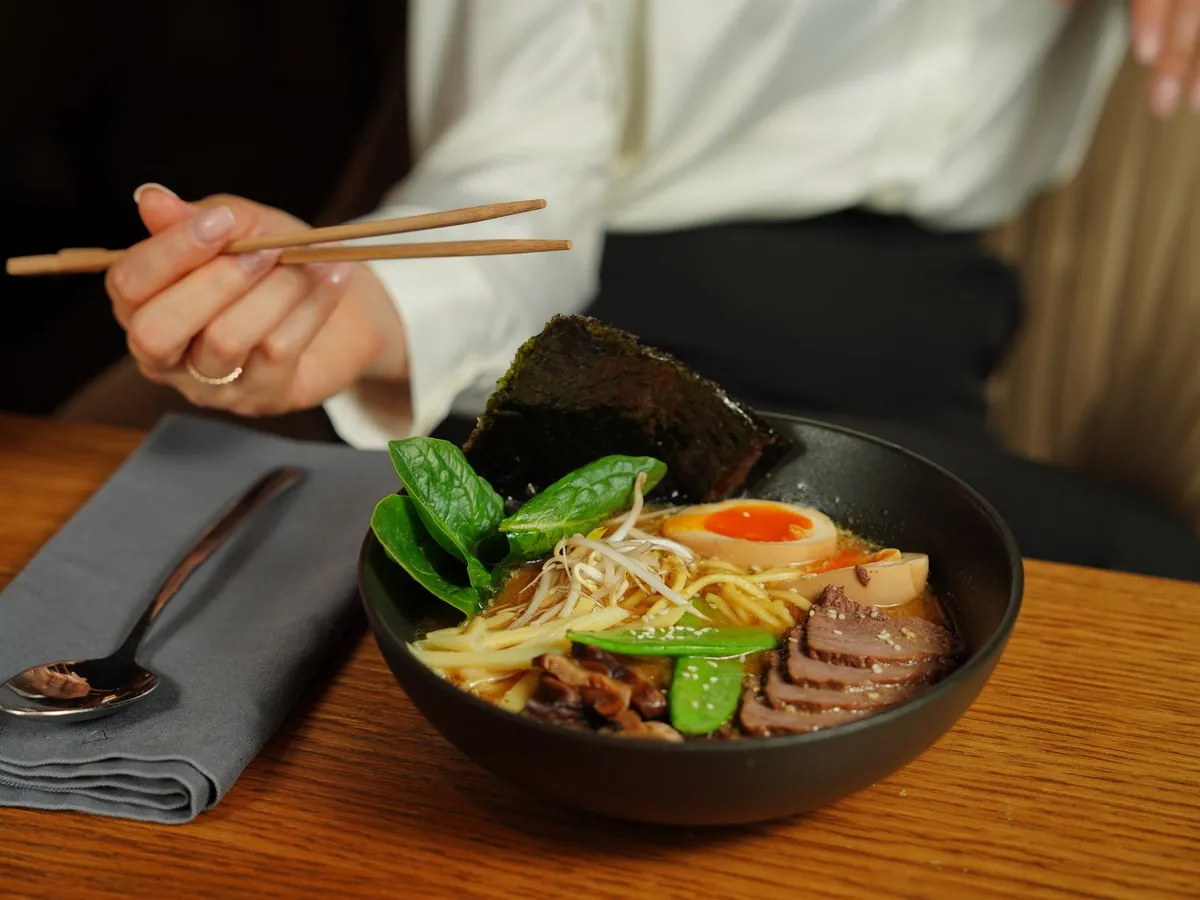
- Michael Chef
- 03 Oct, 2026 10:49
The Fifth Element: How a Bowl of Seaweed Broth Rewrote the Language of Flavor
It arrives not with a shout, but with a whisper. A velvet weight settling across the tongue. A sensation of "furriness," as the scientists clinically describe it, coating the roof of the mouth and stimulating the throat long after the swallow. It is the taste of kombu simmering in cold water, the ghost of anchovies dissolving into a puttanesca, the deep, mineral bass note of a Parmigiano-Reggiano rind dropped into a pot of risotto. For millennia, cooks chased this ghost. They built empires of flavor upon it—Roman garum, Byzantine murri, Chinese jiang—yet they lacked the vocabulary to name the architect. They called it "deliciousness." They called it "savoriness." They called it umai. Then, in 1908, a professor at Tokyo Imperial University stared into a bowl of kombu dashi and saw the periodic table.The Alchemist of the Imperial University Kikunae Ikeda was not merely a chemist; he was a translator of the sensory world. He knew the four canonical tastes—sweet, sour, salty, bitter—but the broth made from Laminaria japonica (kombu) refused to file neatly into those drawers. It was distinct. It was "brothy," "meaty," mouthwatering. It lingered. Ikeda isolated the culprit: glutamic acid. An amino acid. Common, abundant, yet uniquely potent when ionized into its salt form—glutamate. He coined the term umami (うま味), arranging the glyphs specifically to denote this specific savory component, distinct from the general adjective umai (delicious). In 1909, partnering with Saburōsuke Suzuki, he launched Ajinomoto Co., Inc., bringing monosodium glutamate (MSG) to the world under the brand name "Ajinomoto"—the "essence of taste." It was a commercial triumph and a scientific heresy. For the better part of a century, the West dismissed it. Textbooks clung to the "Big Four." Umami was considered a mere blend, a culinary illusion. It took the 1985 Umami International Symposium in Hawaii to finally coronate the term as the official scientific descriptor for the taste of glutamates and 5'-ribonucleotides. The fifth taste had finally earned its seat at the table. The Architecture of the Tongue: Receptors and the TAS1R Code How do we know it is real? The proof sits not in the bowl, but in the biology. For decades, the mechanism was a black box. Then, the genetic scalpel arrived. Studies on genetically engineered mice—knockouts missing specific TAS1R genes—revealed the elegant machinery. The heterodimer TAS1R1/TAS1R3 is the sole gatekeeper of umami. Delete TAS1R1, and umami vanishes while sweet remains. Delete TAS1R2, and sweet disappears while umami stands firm. Delete the shared subunit TAS1R3, and both senses fall silent. This shared subunit is why the line blurs. It explains the confusion: standalone glutamate without sodium ions (Na+) tastes sour. Salt blockers reduce discrimination between MSG and sucrose. Some palates simply cannot untangle umami from salt. We are tasting through a shared molecular doorway. But the 2000 discovery of these receptors on the human tongue by University of Miami researchers, followed by Ajinomoto’s 2006 finding of similar receptors in the stomach, changed the game. Umami is not just a flavor; it is a physiological signal. A "nutrient sensor" telling the gut: Protein is here. Prepare for digestion. The Symphony of Synergy: 1 + 1 = 8 If glutamate is the soloist, the ribonucleotides are the orchestra. And the magic happens when they play together. In 1913, Ikeda’s disciple, Shintaro Kodama, found a second actor in dried bonito flakes (katsuobushi): Inosine Monophosphate (IMP). Decades later, in 1957, Akira Kuninaka identified Guanosine Monophosphate (GMP) in shiitake mushrooms. Kuninaka’s stroke of genius was quantifying the synergistic effect. When glutamate meets IMP or GMP, the taste intensity does not add up; it multiplies. The receptor undergoes a conformational change, binding the glutamate tighter, holding the door open longer. The resulting sensation is exponentially greater than the sum of its parts. This is the secret code of global cuisine. It explains the "why" behind the "what."Japan: Kombu (Glutamate) + Katsuobushi (IMP) = Dashi. The foundation of the cuisine. Italy: Tomato/Meat (Glutamate) + Parmigiano-Reggiano (Glutamate + Peptides) = Pasta al Ragù. A glutamate bomb. France/West: Veal Stock (Glutamate) + Mushrooms (GMP) = Sauce Madeira. Scotland/China: Chicken (Glutamate) + Leek/Cabbage (Nucleotides) = Cock-a-Leekie / Chinese Chicken Soup.We didn't know the chemistry when we invented these pairings. We only knew the deliciousness. Evolution selected for the cooks who stumbled upon the molecular handshake. The Ancient Pantry: Fermentation as Time Travel Long before Ikeda, before Kodama, before Kuninaka, there was garum. In the vats of ancient Rome, fish guts and salt fermented under the Mediterranean sun. Proteolysis—enzymatic hydrolysis—shattered proteins into free amino acids. The result: a liquid gold rich in glutamate. It was the ketchup of the Empire, the universal seasoning. Simultaneously, in medieval Byzantium and the Arab world, murri—fermented barley sauce—performed the same alchemy on grains. In China, by the third century, jiang (fermented soy/paste) and fish sauces were delivering that same "mouthwatering coating sensation" to the palate. Cheese, too, is a time capsule of umami. Proteolysis during aging breaks down casein into free glutamate. A 36-month Parmigiano-Reggiano isn't just cheese; it is concentrated glutamate crystals (those crunchy white tyrosines) suspended in fat. In the late 1800s, Auguste Escoffier, the king of chefs, built his cuisine classique on fonds (stocks) and glaces (reductions). He layered veal, vegetables, mushrooms, tomatoes—glutamate upon glutamate, nucleotide upon nucleotide. He constructed cathedrals of umami without ever knowing the chemical name of the brick. He knew only that it made food "pleasant," "palatable," "long-lasting." The Modern Toolkit: Beyond the Shaker Today, we manipulate these levers with industrial precision. Monosodium Glutamate (MSG): The pure salt of glutamic acid. The standard. Cheap, stable, potent. Disodium Guanylate / Disodium Inosinate: The nucleotide partners. Rarely used alone; expensive. But paired with MSG? They lower the required dosage, amplifying the signal. Hydrolyzed Vegetable Protein (HVP) / Yeast Extract (Marmite, Vegemite): "Clean label" delivery systems. They bring the peptides and nucleotides along for the ride, offering complexity alongside the punch. Peptides: As of 2017, 52 peptides are known to trigger the umami receptor (though 20 are contested). Ibotenic acid and tricholomic acid (found in certain mushrooms) are claimed to be multiples more intense than MSG. But potency is a trap. Umami possesses a narrow concentration range. Too little is invisible. Too much is cloying, metallic, unbalanced. It demands salt. It demands aroma. It is the bass player in the band—essential for the groove, disastrous as a solo act.The Physiology of Pleasure: Salivation and Satiety Why do we crave it? The properties described in the literature are distinct: a mild but lasting aftertaste, salivation, a sensation of furriness on the tongue, stimulating the throat, the roof, and the back of the mouth. This is the body preparing for protein. Salivation lubricates the bolus; the throat stimulation signals the esophageal peristalsis. The "coating" sensation? That is the viscosity of the ligands binding to the G-protein coupled receptors (TAS1R1/TAS1R3), a physical resonance of the molecular handshake. It enhances palatability across the board. It suppresses bitterness. It rounds sourness. It makes the "matching aroma" pop. A tomato smells like a tomato; a tomato with salt and glutamate tastes like the essence of tomato. The Controversy That Wasn't The "Chinese Restaurant Syndrome" panic of the late 20th century was a cultural migraine, not a toxicological event. Double-blind, placebo-controlled studies failed to consistently reproduce reactions to MSG at dietary levels. The sodium load of MSG is roughly one-third that of table salt (NaCl). Replacing salt with MSG often lowers total sodium intake while maintaining the hedonic reward. The stigma persists in some corners, a ghost story told around campfires of misinformation. But the science is settled: Umami is a basic taste. MSG is its purest vector. The receptors are real. The synergy is measurable. Writing the Fifth Chapter We are still discovering the edges of this map. The 52 peptides. The gut receptors. The role of umami in satiety signaling and metabolic health. The potential for "kokumi" (mouthfulness/continuity) compounds like glutathione to further amplify the signal without adding taste of their own. But the core truth remains poetic. We are animals built to seek nitrogen. We evolved a dedicated hardware pathway—TAS1R1/TAS1R3—to detect the chemical signature of broken-down protein. We built civilizations on fermentation vats and stock pots to hack that pathway. When you grate Parmesan over pasta, when you reduce a balsamic glaze, when you bloom tomato paste in oil, you are not just cooking. You are composing for a 100-million-year-old instrument. You are playing the Fifth Element.#Umami #FoodScience #CulinaryHistory #FlavorChemistry #MichaelChef Related InsightsFeijoada: Brazil’s Hearty Black Bean Stew and the Soul of a Nation L'Épopée Gourmande des Rues : Quand le Monde se Déguste à Ciel Ouvert Die Straßen von Mumbai: Ein kulinarischer Traum{ "@context": "https://schema.org", "@type": "FAQPage", "mainEntity": [ { "@type": "Question", "name": "What is the main focus of The Fifth Element: How a Bowl of Seaweed Broth Rewrote the Language of Flavor?", "acceptedAnswer": { "@type": "Answer", "text": "From ancient Roman garum to Kikunae Ikeda's 1908 revelation, discover the science, history, and synergy behind the savory sensation that changed cooking forever." } }, { "@type": "Question", "name": "Who authored the comprehensive guide on The Fifth Element: How a Bowl of Seaweed Broth Rewrote the Language of Flavor?", "acceptedAnswer": { "@type": "Answer", "text": "This detailed article and its insights were carefully researched and authored by Michael Chef." } }, { "@type": "Question", "name": "Where can I find more related content about Food?", "acceptedAnswer": { "@type": "Answer", "text": "You can explore more articles, detailed reviews, and similar insights by browsing the Related Insights section at the bottom of this article or visiting our dedicated Food category page." } } ] }