Mind Meld: Unlocking the Potential of Brain-Computer Interfaces
-
 Alexander Vance
 - 17 Jul, 2026 15:52
Connecting Minds to Machines: The Future of Brain-Computer Interfaces
Brain-Computer Interfaces (BCIs) have been a topic of interest in the tech community for decades. The idea of connecting our minds directly to machines has the potential to revolutionize the way we interact with technology and improve the lives of millions of people around the world. In this article, we’ll delve into the world of BCIs, exploring the current state of the technology, its applications, and the challenges that lie ahead.
Decoding Brain Signals: The Foundation of BCIs
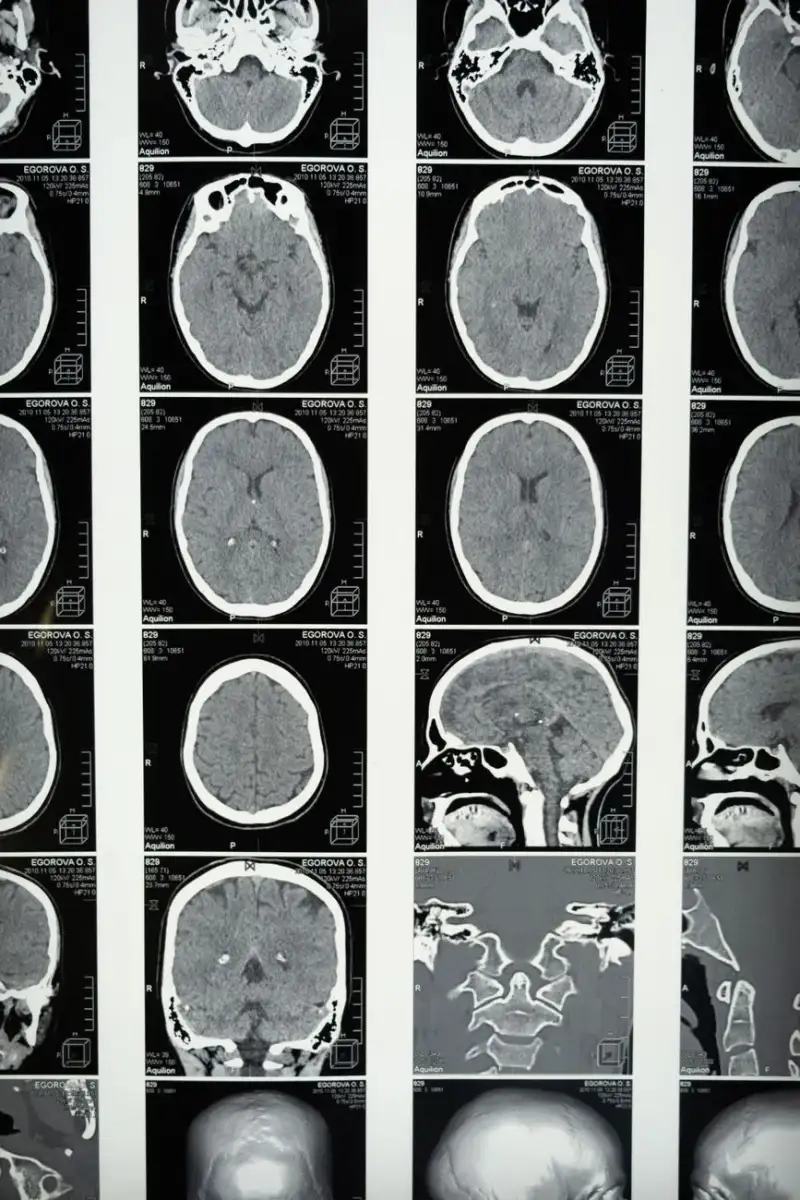
BCIs rely on the ability to decode brain signals, which are essentially electrical impulses that our brains produce when we think, move, or perceive the world around us. These signals can be detected using various techniques, such as electroencephalography (EEG), magnetoencephalography (MEG), or functional near-infrared spectroscopy (fNIRS). Once detected, the signals are processed using machine learning algorithms to identify patterns and decode the underlying brain activity.
import numpy as np
from sklearn.model_selection import train_test_split
from sklearn.linear_model import LogisticRegression

# Sample EEG data
eeg_data = np.random.rand(100, 10)

# Split data into training and testing sets
X_train, X_test, y_train, y_test = train_test_split(eeg_data[:, :-1], eeg_data[:, -1], test_size=0.2, random_state=42)

# Train a logistic regression model on the training data
model = LogisticRegression()
model.fit(X_train, y_train)

# Evaluate the model on the testing data
accuracy = model.score(X_test, y_test)
print(f"Model accuracy: {accuracy:.2f}")
BCI Applications: From Gaming to Neuroprosthetics
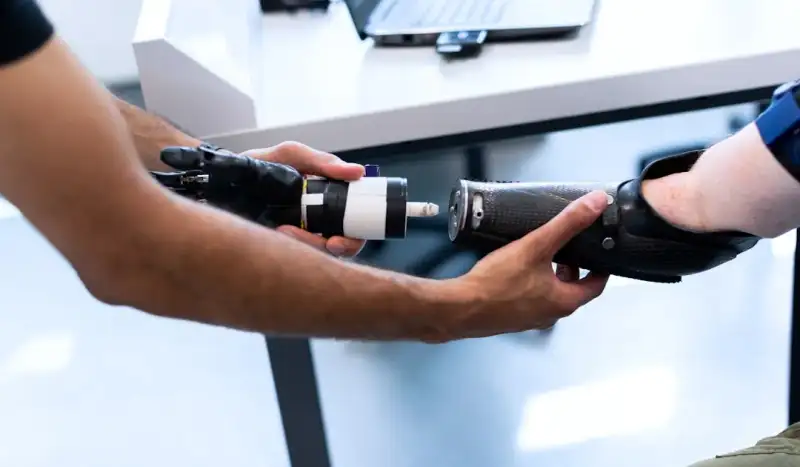
BCIs have a wide range of applications, from gaming and entertainment to neuroprosthetics and assistive technologies. For example, BCIs can be used to control video games, communicate with others, or even control prosthetic limbs. In the medical field, BCIs can be used to diagnose and treat neurological disorders, such as epilepsy or Parkinson’s disease.
The Challenge of Noise and Interference
One of the major challenges in developing BCIs is the presence of noise and interference in brain signals. Noise can come from various sources, such as muscle activity, eye movements, or electrical interference from surrounding devices. To overcome this challenge, researchers use various techniques, such as filtering, signal processing, and machine learning algorithms to remove noise and improve signal quality.
import numpy as np
from scipy.signal import butter, lfilter

# Sample EEG data with noise
eeg_data = np.random.rand(100, 10) + np.random.rand(100, 10) * 0.5

# Define a Butterworth filter to remove noise
def butter_bandpass(lowcut, highcut, fs, order=5):
    nyq = 0.5 * fs
    low = lowcut / nyq
    high = highcut / nyq
    b, a = butter(order, [low, high], btype='band')
    return b, a

# Apply the filter to the EEG data
b, a = butter_bandpass(1, 30, 100, order=5)
filtered_data = lfilter(b, a, eeg_data)
The Ethics of BCIs: Privacy and Security Concerns
As BCIs become more prevalent, there are growing concerns about privacy and security. For example, who has access to brain data, and how is it protected? What are the implications of using BCIs for surveillance or control? These are important questions that need to be addressed as we develop and deploy BCIs.

The Future of BCIs: Neural Implants and Brain-Machine Interfaces
The future of BCIs holds much promise, with advancements in neural implants and brain-machine interfaces. Neural implants, such as the BrainGate system, allow people to control devices with their thoughts. Brain-machine interfaces, such as the Neurable brain-computer interface, enable people to interact with virtual objects using their brain signals.
version: '3'
services:
  bci:
    build: .
    ports:
      - "8080:8080"
    volumes:
      - ./data:/app/data
    environment:
      - BCI_TYPE=neurable
      - BCI_PORT=8080