Never Lose an Employee Again Book Review and Summary
-
 Thomas Wright
 - 10 Jun, 2026 18:13
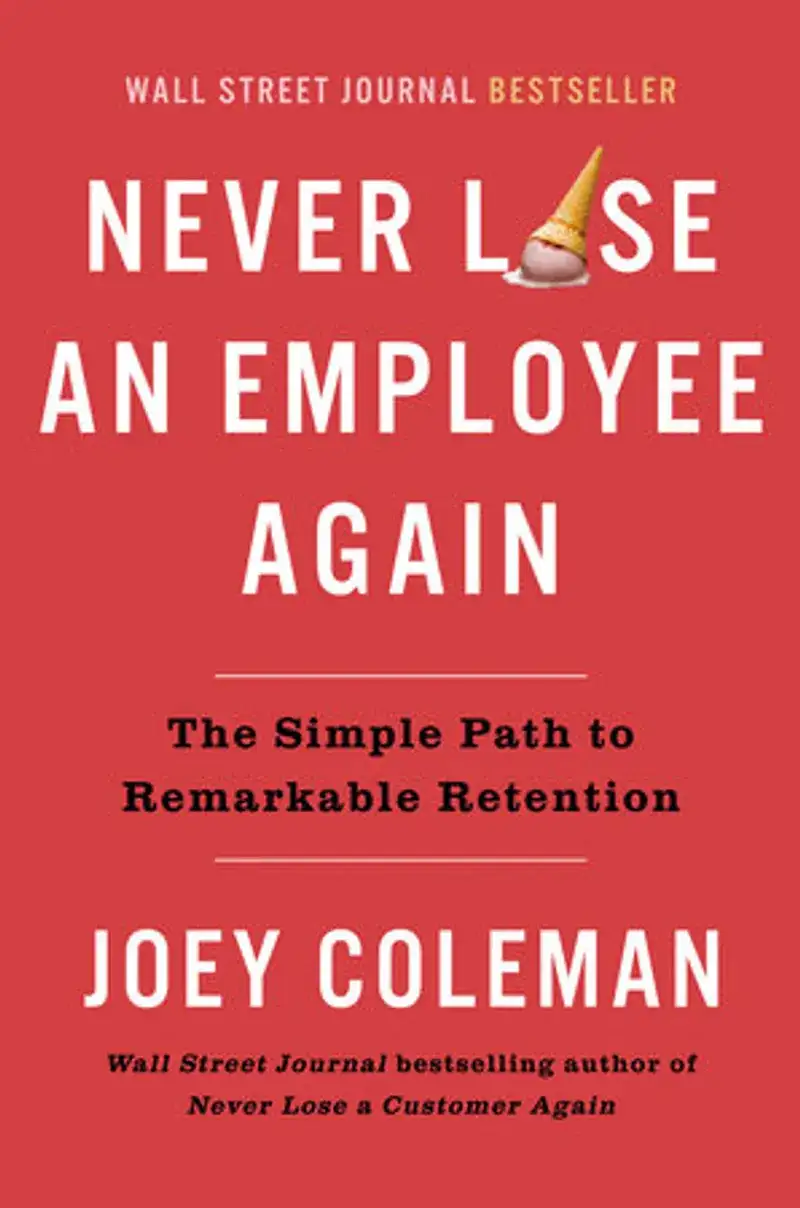
Never Lose an Employee Again
Author: Joey Coleman
Page Count: Unknown
Publication Date: 2023-PRH
Never Lose an Employee Again: A Masterclass in Retention That Demands Action
Joey Coleman’s Never Lose an Employee Again isn’t just another management book—it’s a survival guide for businesses drowning in the Great Resignation. With turnover costs soaring and employee loyalty at an all-time low, Coleman, a renowned expert in employee experience, delivers a razor-sharp playbook designed to stop the revolving door of talent before it even starts. This isn’t theory; it’s a battle-tested system backed by over fifty case studies from organizations spanning seven continents. If you’re tired of losing good people—or worse, hiring someone who leaves before their first anniversary—this book is your lifeline.
At its core, Never Lose an Employee Again dismantles the myth that retention starts after someone is hired. Coleman flips the script, arguing that the real war for talent is won—or lost—in the first ninety days. His framework revolves around eight critical phases of the employee journey, each demanding a strategic approach to communication and connection. Unlike generic advice that treats employees as replaceable assets, Coleman treats them as human beings whose engagement is shaped from day one (and can unravel just as quickly).
The book’s genius lies in its specificity. Coleman doesn’t just tell you to “engage your team”; he breaks down how—detailing six communication channels (in-person, email, phone, mail, video, and even gifts) to deploy at every phase. This isn’t about sending a welcome email and calling it a day; it’s about crafting an experience so intentional that new hires feel valued before they’ve even touched their keyboards. He tackles the unspoken fears of new employees—like “hire’s remorse”—before they fester, and he shows how to re-engage existing workers who’ve grown complacent.
Coleman’s writing style is engaging yet punchy, blending storytelling with actionable steps. He peppers the book with real-world examples, from a tech startup that halved its turnover by revamping its onboarding to a global corporation that boosted retention by surprising employees with handwritten notes. His tone is authoritative but never condescending, making complex concepts feel accessible. The result? A book that feels like a conversation with a mentor who’s been in the trenches and knows what works.
One of the most compelling aspects is Coleman’s emphasis on the “first ninety days” as a make-or-break period. He argues that most companies fail new hires by treating them like they’re already part of the team on day one, when in reality, they’re still evaluating whether you’re the right fit. By addressing this disconnect early—through rituals, recognition, and intentional feedback—you can turn tentative recruits into loyal advocates.
That said, the book isn’t without its challenges. Coleman’s system requires discipline, and his approach may feel overwhelming to small business owners juggling a hundred priorities. Some readers might bristle at the granularity, questioning whether every phase and communication channel is necessary. But Coleman’s response is clear: retention isn’t about perfection; it’s about consistency. Even implementing a few of his strategies could yield dramatic results.
Ultimately, Never Lose an Employee Again is a wake-up call for leaders who’ve accepted turnover as an inevitability. Coleman’s message is simple: The cost of replacing an employee is far greater than the cost of keeping one. By designing an employee experience that starts before the hire and evolves long after, you don’t just retain talent—you build a competitive edge.
If you’re ready to stop hemorrhaging employees and start building a workforce that sticks around (and performs at their best), Coleman’s blueprint is your roadmap. Read it, apply it, and watch your retention—and your profits—soar.
#EmployeeRetention #HiringStrategies #Onboarding #LeadershipDevelopment #WorkplaceCulture #JoeyColeman