Peruvian Ceviche Techniques: The Intersection of Acid and Fresh Catch
-
 Marcus Vance
 - 16 Oct, 2026 21:37
From the Pacific Shores: The Geography Behind Peru’s Ceviche Mastery
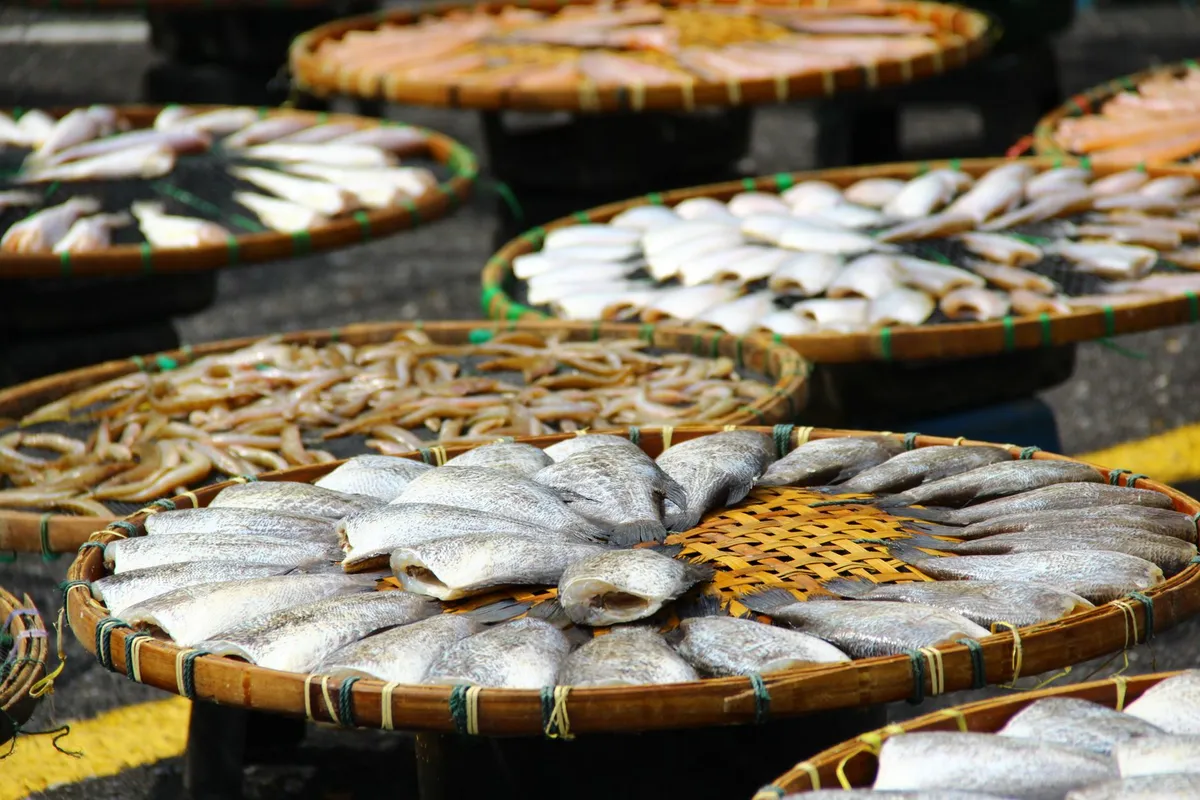
Peru’s coastline stretches over 2,400 kilometers along the cold, nutrient‑rich Humboldt Current, a marine highway that fuels some of the world’s most abundant fish stocks. The current’s upwelling brings nitrate‑laden waters from the depths, fostering massive phytoplankton blooms that sustain sardines, anchovies, and the prized sea bass (corvina) that form the backbone of traditional ceviche. This oceanic bounty is not just a culinary curiosity; it is a cornerstone of the nation’s food security and export economy.
Historically, coastal villages such as Chimbote and Paita developed “cooking without fire” methods out of necessity—fresh catch had to be preserved quickly in a hot climate. Acidic marinades offered an elegant solution: the low pH of citrus not only denatured proteins, rendering the fish safe to eat within minutes, but also imparted a bright, aromatic profile that complemented the briny sea. The result was a dish that could be prepared on a sun‑baked wooden table, served immediately to laborers and fishermen, and enjoyed without the need for complex equipment.

Beyond geography, cultural exchange shaped ceviche’s evolution. Spanish colonizers introduced onions and the concept of “salsa,” while African slaves contributed the use of spicy peppers (ají). Over centuries, each community layered its own palate onto the base of fish, lime, and salt, producing regional variants that still share a common DNA: the marriage of acid and fresh catch.
In contemporary Peru, the ceviche tradition fuels both tourism and domestic pride. The nation celebrates “National Ceviche Day” each June, a testament to how a simple, locale‑specific technique has become a symbol of national identity. Understanding this geographic and cultural backdrop is essential before diving into the chemistry that makes ceviche safe, delicious, and sustainable.
The Chemistry of Acid: How Lime Transforms Raw Fish
Lime juice is more than a sour garnish; it is a potent biochemical catalyst. The key player is citric acid, which lowers the pH of the fish’s surface to around 3.5–4.0. At this acidity, the tertiary structure of muscle proteins—primarily myosin and actin—unravels. The process, known as denaturation, mirrors the effect of heat but occurs at a molecular level without raising temperature.
When proteins denature, they expose hydrophobic amino acid residues that were previously tucked inside the protein core. These residues then interact with each other, forming new bonds that create a firmer, opaque texture reminiscent of cooked fish. Simultaneously, the acidic environment inhibits the growth of pathogenic bacteria such as Vibrio vulnificus and Salmonella by disrupting their cell membranes and metabolic enzymes.
The reaction is not instantaneous. The classic “marination time” of 10–15 minutes for thin slices of fish allows enough acid to penetrate the flesh while preserving the delicate, buttery mouthfeel that aficionados prize. Over‑marinating, however, can lead to a rubbery texture as the protein network becomes overly cross‑linked. Skilled ceviche makers balance timing, slice thickness, and lime concentration to achieve that perfect “just‑cooked” bite.
A lesser‑known partner in the chemical dance is salt. Sodium chloride enhances the osmotic pressure, drawing water out of the fish cells and facilitating deeper acid penetration. Additionally, salt modulates the perceived acidity, tempering the sharpness of lime and allowing subtle flavors—like the earthy notes of cilantro or the citrusy zing of orange segments—to surface.
The science does not end at texture. Acidic conditions also affect the flavor compounds. Certain volatile aldehydes and ketones, responsible for the fish’s “fishy” aroma, become less pronounced as the pH drops, creating a cleaner, fresher palate. This is why ceviche often feels lighter than other raw fish preparations, despite using the same raw material.
Understanding these reactions empowers chefs to experiment responsibly. For instance, swapping lime for a blend of yuzu and passionfruit can shift the pH curve and alter the denaturation timeline, producing nuanced textural outcomes while still respecting food safety protocols.
Traditional Techniques Meet Modern Sustainability: Lessons from Recent Research
A 2023 OpenAlex‑indexed study titled “Considering the food environment can help to promote the consumption of aquatic foods for healthy diets” underscores a pivotal truth: the surrounding food environment—availability, affordability, and cultural framing—directly influences how consumers choose aquatic products. The research highlights three interlocking concepts—Business, Sustainability, and Promotion—that are especially relevant to Peru’s ceviche ecosystem.
Business: Small‑scale coastal cooperatives have begun packaging pre‑marinated ceviche kits for urban markets. By leveraging the proven popularity of the dish, these enterprises create new revenue streams while preserving traditional knowledge. The study notes that when businesses integrate transparent sourcing information, consumer trust rises, leading to higher purchase frequencies of sustainable fish species.
Sustainability: The Humboldt Current, while abundant, faces pressure from over‑fishing and climate‑driven shifts in nutrient upwelling. The research recommends a “food‑environmental” approach that couples consumer education with policy incentives for responsible harvesting. In practice, this means promoting species with lower trophic levels—such as anchovies and sardines—in ceviche recipes. These fish have shorter life cycles and a smaller ecological footprint, aligning the dish with global sustainability goals.
Promotion (chess): The study intriguingly uses the metaphor of chess to describe strategic promotion. Just as a chess player anticipates multiple moves ahead, marketers must orchestrate campaigns that highlight health benefits, cultural heritage, and environmental stewardship simultaneously. In Peru, government‑backed “Ceviche for Health” initiatives have paired cooking demonstrations with nutrition workshops, reinforcing the notion that acidic marination preserves not only taste but also omega‑3 fatty acids essential for cardiovascular health.
These insights translate into actionable steps for chefs and restaurateurs:
- Source Diversely – Rotate the species featured in menus, favoring under‑exploited stocks that thrive in the current ecosystem.
- Label Transparently – Use QR codes linking to real‑time catch data, mirroring the study’s recommendation for data‑driven promotion.
- Educate Diners – Offer brief tastings that explain how acid “cooks” the fish, reinforcing the health narrative that the research associates with aquatic food consumption.
By aligning ceviche preparation with these business‑sustainability‑promotion pillars, the dish can evolve from a regional specialty into a global ambassador for responsible seafood consumption.
Step‑by‑Step Crafting the Perfect Ceviche: A Chef’s Playbook
-
Select the Catch
- Ideal species: Corvina, sea bass, snapper, or sustainably harvested sardines.
- Freshness test: The flesh should spring back when pressed and emit a clean, briny scent—no “fishy” odor.
- Portion: Aim for 150 g of fish per serving; slice into uniform ½‑inch dice for even acid exposure.
-
Prepare the Acid Bath
- Combine freshly squeezed lime juice (approximately 2 oz per 150 g fish) with sea salt (½ tsp) and a pinch of powdered sugar to balance acidity.
- Optional: Add a splash of orange juice for subtle sweetness; this mirrors coastal variations that incorporate local citrus.
-
Marinate with Precision
- Toss the fish cubes gently in the lime mixture, ensuring each piece is fully submerged.
- Cover and refrigerate for 10–12 minutes for thin cuts; extend to 20 minutes for thicker pieces.
- Observe the color shift from translucent to opaque—a visual cue that denaturation is complete.
-
Integrate Aromatics
- Finely chop red onion (soaked briefly in cold water to reduce pungency), cilantro, and aji amarillo (yellow chili).
- Fold these into the marinated fish, distributing heat and flavor evenly.
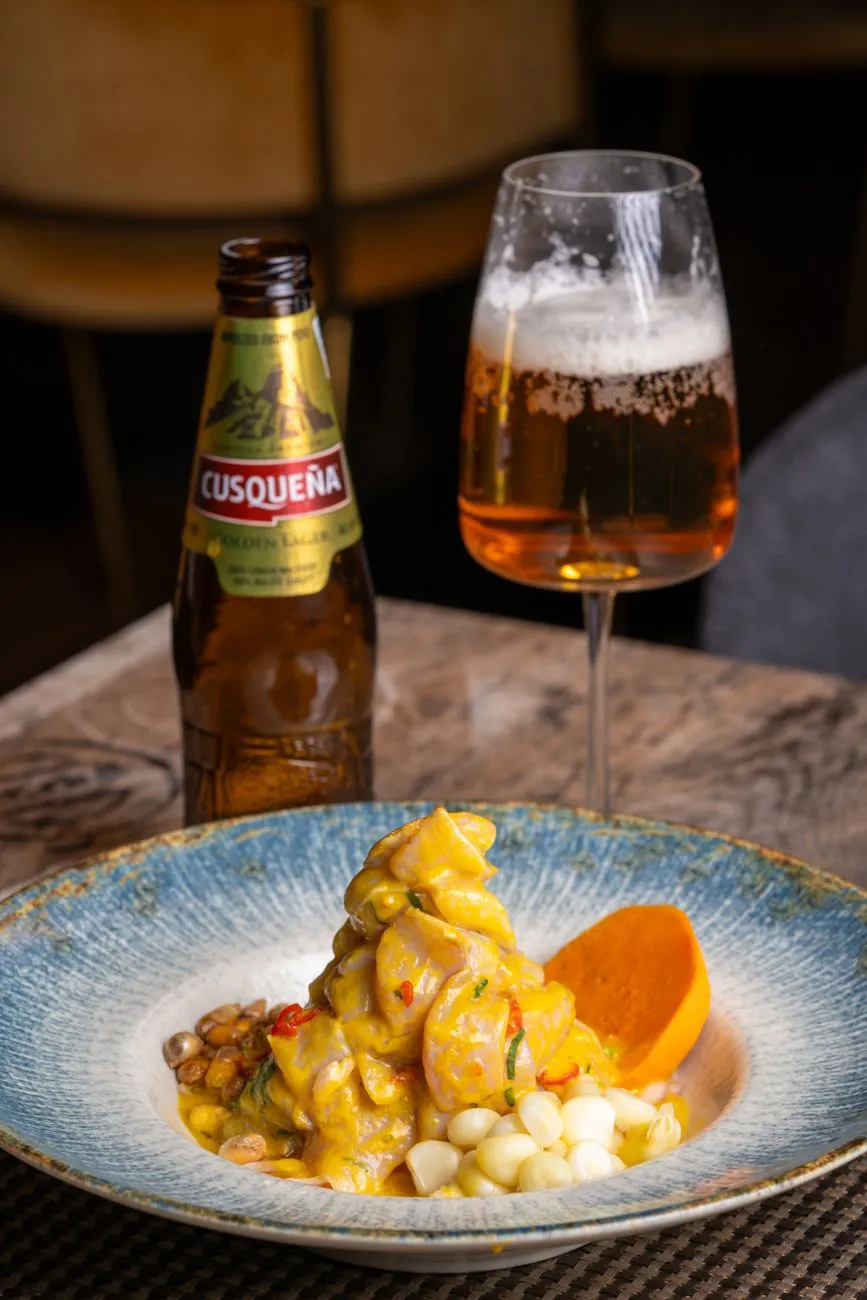
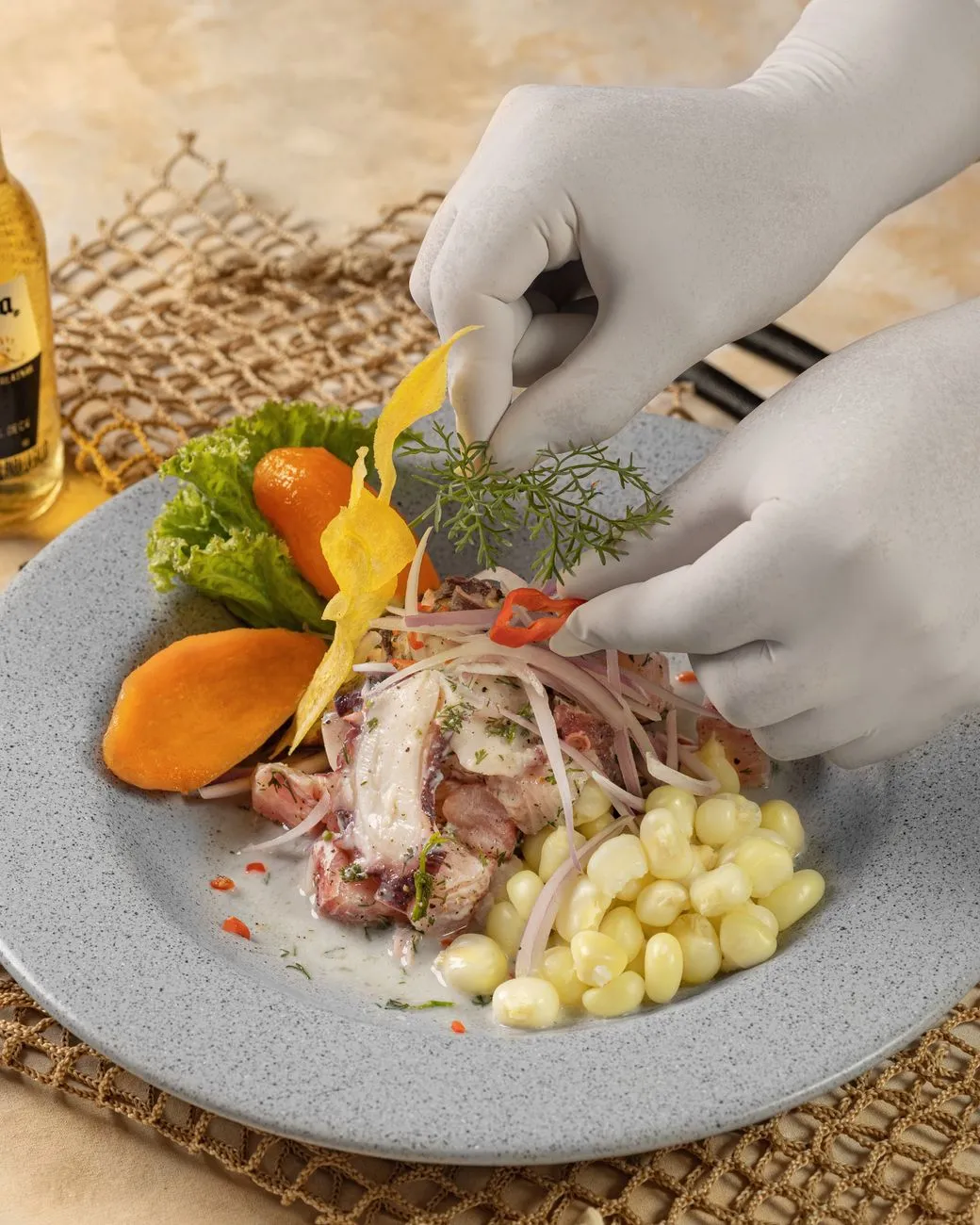
- Add diced sweet potatoes or corn kernels for textural contrast; these ingredients are traditional in “Ceviche Mixto.”
-
Season and Serve
- Finish with a drizzle of extra‑virgin olive oil, a squeeze of lime, and a pinch of black pepper.
- Plate on a chilled stone or banana leaf, accompanied by cancha (toasted corn) and a side of chilled chicha morada (purple corn beverage).
Chef’s tip: If you’re working in a high‑altitude kitchen (e.g., Cusco), increase the lime volume by 10 % because reduced atmospheric pressure subtly raises pH, slowing denaturation.
Safety reminder: Always keep the ceviche chilled (below 4 °C) during preparation. The acid lowers bacterial risk, but temperature control remains essential, especially when serving large groups.
Flavor Pairings, Regional Variations, and the Future of Ceviche on Menus Worldwide
Peru’s ceviche is a living canvas, constantly enriched by regional terroir and global culinary trends. In the north, the Amazonian influence introduces tropical fruits like mango and pineapple, while in the south, the Andean highlands contribute hearty roots such as chuño (freeze‑dried potatoes). Each addition recalibrates the acid‑protein balance, demanding precise adjustments in lime volume and marination time.
Below is a comparative snapshot of three popular ceviche styles, highlighting their macronutrient profiles and typical serving accompaniments. The data helps nutrition‑focused diners understand how variations impact caloric and omega‑3 intake.
| Style | Primary Fish | Typical Acid Mix (ml lime per 100 g fish) | Calories (kcal) | Protein (g) | Omega‑3 (mg) | Common Accompaniments |
|---|---|---|---|---|---|---|
| Classic Lime Ceviche | Corvina | 30 | 120 | 18 | 620 | Sweet potato, corn, cancha |
| Tropical Fusion | Snapper | 25 + 10 ml orange juice | 130 | 17 | 540 | Mango cubes, cilantro, toasted coconut |
| Andean Highland | Sardine | 35 | 140 | 19 | 700 | Chuño, quinoa flakes, aji panca |
The table illustrates that even subtle shifts—adding orange juice or increasing lime—alter the caloric density and omega‑3 delivery. Restaurants seeking to market “health‑focused ceviche” can leverage these metrics, aligning with the OpenAlex research that ties food environment to healthier diet choices.
Globally, chefs are reimagining ceviche as a platform for cross‑cultural dialogue. In Tokyo, a sashimi‑style ceviche uses yuzu, shiso, and kombu broth, marrying Japanese umami with Peruvian acidity. In Copenhagen, Nordic chefs pair fermented kelp with locally sourced Arctic char, spotlighting sustainability narratives that echo the business‑promotion concepts highlighted in recent studies.
The future trajectory points toward three converging trends:
- Zero‑Waste Philosophy – Utilizing fish heads for broth, citrus peels for zest‑infused oil, and leftover onions in pickled relishes, thereby reducing waste and reinforcing the sustainability pillar.
- Tech‑Enabled Traceability – QR‑linked blockchain records that verify the fish’s origin, aligning with consumer demand for transparent sourcing.
- Hybrid Fermentation – Introducing mild lactic fermentation before acid marination to deepen flavor complexity while extending shelf life for packaged ceviche kits.
By embracing these innovations, ceviche can maintain its authentic soul while resonating with contemporary diners who prioritize health, ethics, and experiential gastronomy.
Savoring the Acid‑Kissed Legacy
The journey from a fisherman’s humble shoreline preparation to a globally celebrated culinary icon illustrates the power of a simple chemical reaction—acid meeting fresh catch—to bridge culture, science, and sustainability. Every slice of fish that turns opaque under lime’s kiss tells a story of the Humboldt Current’s bounty, centuries of communal adaptation, and emerging research that champions aquatic foods as cornerstones of healthy diets.
When you next raise a forkful of ceviche, consider the layers beneath: the geographical forces that delivered the fish, the precise pH that safeguards it, the business models that keep coastal families thriving, and the promotional strategies that invite the world to taste responsibly. In honoring these dimensions, you not only enjoy a delicious meal but also become an active participant in a culinary tradition that continues to evolve, inspire, and sustain.
#Ceviche #SustainableSeafood #FoodScience #PeruvianCuisine #HealthyEating