The Mortal Instruments Book Review and Summary
-
 Maximilian Fischer
 - 18 Jan, 2025 18:30
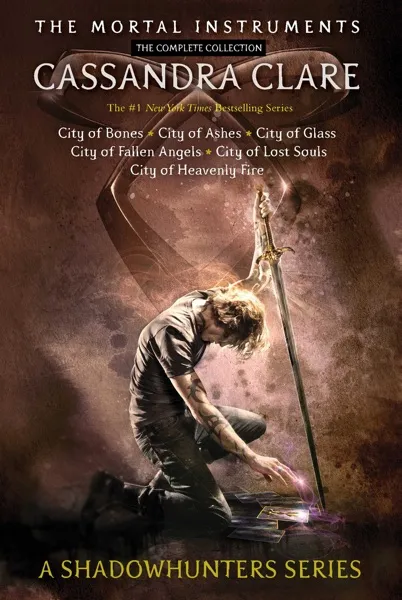
The Mortal Instruments
Author: Cassandra Clare
Page Count: Unknown
Publication Year: 2023-GB
Shadows, Swords, and Supernatural Secrets: Cassandra Clare’s The Mortal Instruments Still Casts Its Spell
There’s something almost mythic about The Mortal Instruments—a series that doesn’t just tell a story but immerses you in a world where demons lurk in the corners of modern cities, angels walk among us in disguise, and love is as perilous as any blade. Cassandra Clare’s 2023 reimagining of her 2007 breakout hit isn’t just a revival; it’s a resurrection of a fantasy that never truly faded. With its razor-sharp wit, relentless pacing, and characters who feel like old friends (or frenemies) by the end of the first chapter, this book proves that some stories are timeless for a reason.
At its core, The Mortal Instruments is a tale of duality—the sacred and the profane, duty and desire, light and the shadows that cling to it. The central theme is identity, both personal and supernatural. The protagonist, Clary Fray, is a seemingly ordinary teenager until she discovers she’s not just a mundane girl but the daughter of a Shadowhunter, a secret race of warriors who police the world of demons and fallen angels. This revelation forces her to confront not only her own hidden heritage but the fractured loyalties of the people around her. Clare excels at exploring how power reshapes relationships—how a kiss can be a weapon, a betrayal, or a lifeline, and how the bonds of family (biological or chosen) can be both a shield and a cage.
What makes this series so enduring isn’t just its high-stakes action or its lush world-building—it’s Clare’s razor-sharp dialogue and her ability to blend humor with heartbreak. Her prose is snappy, almost cinematic, with a dialogue that crackles with sarcasm, flirtation, and the kind of banter that makes you groan and grin in the same breath. The banter between Clary and her best friend Simon, for instance, is a masterclass in platonic chemistry—equal parts loyal and exasperating, with a dry humor that cuts through the darkness. Meanwhile, the romantic entanglements—particularly the love triangle that defines much of the first book—are handled with a deft touch, avoiding the pitfalls of melodrama while still making the stakes feel desperately real.
Clare’s world-building is another standout. The Shadow World, a hidden dimension of vampires, werewolves, warlocks, and angels, is vividly realized, with its own politics, slang, and history. Yet what’s most impressive is how she grounds this supernatural realm in the familiar. The story unfolds in New York City, a place teeming with hidden magic but also with the grit and grime of real urban life. The contrast between the neon-lit streets and the seedy underbelly of demon trafficking is what makes the world feel alive. Clare doesn’t just drop her characters into a fantastical playground; she makes the stakes personal by tying them to real-world emotions—fear of abandonment, the struggle for acceptance, the terror of losing someone you love.
One of the most compelling aspects of The Mortal Instruments is its exploration of what it means to be “chosen.” Clary, like many protagonists in YA fantasy, is thrust into a role she never asked for, but Clare doesn’t shy away from the psychological toll of destiny. The series asks: Is it better to know your purpose, even if it’s dangerous, or to live in ignorance, blissfully unaware? The answer isn’t simple, and that ambiguity gives the story its depth. The villains, too, are morally complex—not just mustache-twirling evildoers but characters whose pain and anger make them compelling, even sympathetic.
Clare’s style is deceptive in its simplicity. She writes in a way that feels effortless, as if the story is pouring out of her, but behind the scenes, there’s a masterful control of pacing and tension. The action sequences are visceral without being gratuitous, and the emotional beats land with precision. She’s also unafraid to kill off characters, which adds a layer of unpredictability that keeps readers on their toes. By the final pages of City of Bones (the first book in the series), you’ll be left breathless, desperate to know what happens next—not because the plot demands it, but because you’ve become so invested in these characters that their fates matter to you.
If there’s a critique to be made, it’s that the series occasionally leans too heavily on tropes—the brooding love interest, the “chosen one” narrative, the love triangle that feels like it’s holding the story back. But Clare’s strength lies in her ability to transcend these clichés by infusing them with fresh energy. The romance, for all its drama, never overshadows the deeper themes of family and self-discovery. And while the original trilogy has its flaws, the later books in the series expand the lore in fascinating ways, proving that Clare’s imagination only grows richer with time.
The Mortal Instruments is more than just a vampire romance or a demon-slaying adventure—it’s a story about finding your place in a world that doesn’t always make sense. It’s about the scars we carry, the people who help us heal them, and the battles we fight not just against external foes, but within ourselves. Cassandra Clare doesn’t just write fantasy; she crafts a universe that feels as real as the one outside your window, complete with its own rules, its own heartaches, and its own brand of magic.
If you’ve never read The Mortal Instruments, now is the perfect time to dive in. And if you’re returning to the Shadow World after years away? Prepare to fall in love all over again.
#Shadowhunters #ClaryFray #JaceWayland #CassandraClare #FantasyBooks #YAReads