The Stone Dreams of Kings: Unveiling the Loire Valley’s Living Tapestry
-
 Cemre Seyyah
 - 04 Sep, 2026 20:02
The morning mist clings to the silver ribbon of the Loire River like a half-remembered dream, obscuring the foundations of limestone giants that have stood watch over France for half a millennium. To travel here is not merely to sightsee; it is to perform a gentle excavation of time itself. Here, the landscape is defined by the heavy, sweet scent of ripening vineyards and the imposing silhouettes of châteaux that were birthed from the vanity, vision, and often the blood of kings. I am Cemre Seyyah, and I invite you to walk with me through the corridors of power, where the echoes of Valois and Bourbon footsteps still vibrate against the tapestries of history.
Where the River Whispers Renaissance Secrets
The Loire Valley, often heralded as the “Garden of France,” serves as a physical manifestation of the transition from the fortified medieval fortress to the opulent pleasure palace. As the Hundred Years’ War faded into the collective memory, the French nobility turned their gaze from defensive fortifications toward the pursuit of beauty, art, and intellectual inquiry.
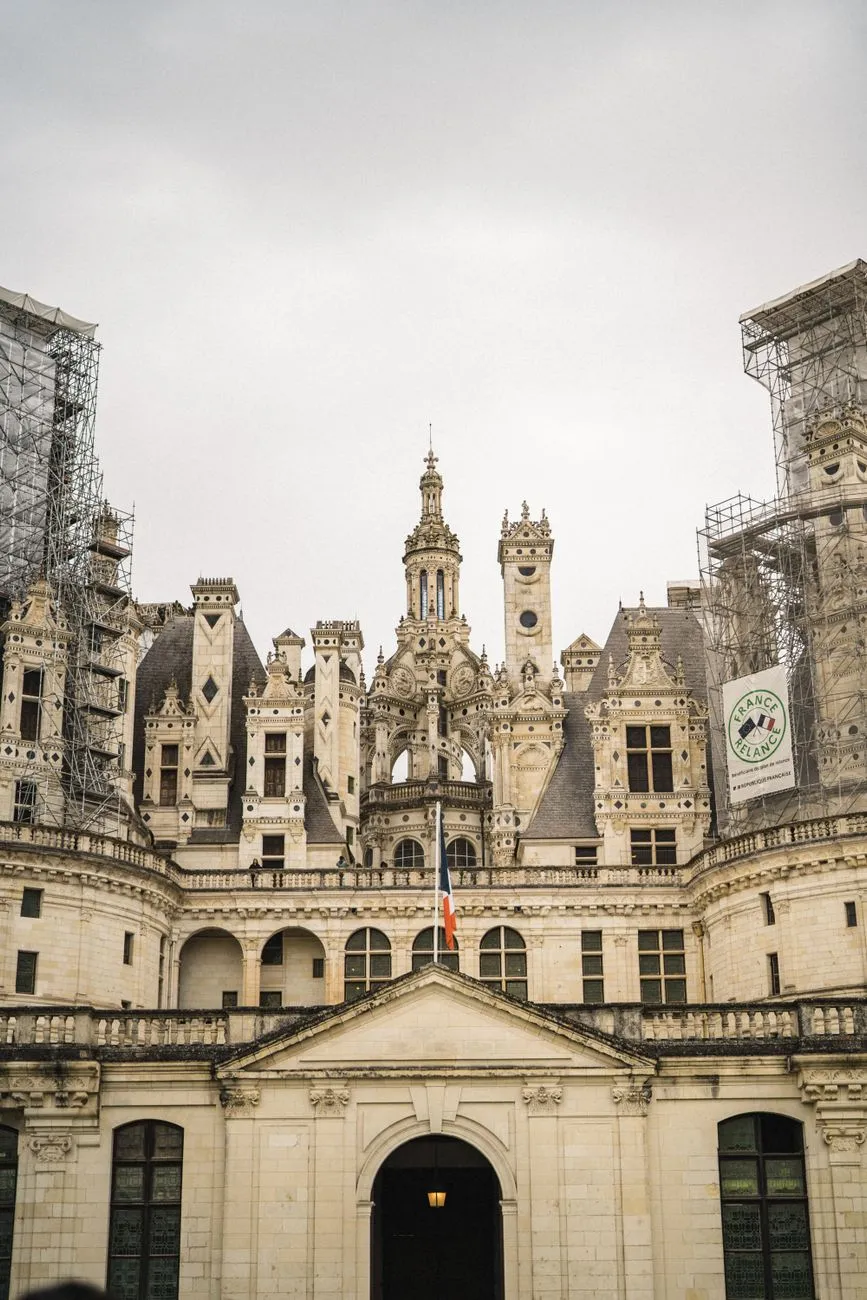
Château de Chambord stands as the absolute zenith of this transition. Commissioned by King Francis I, it is a dizzying display of French Renaissance architecture fused with traditional medieval forms. It was never intended to be a permanent residence, but rather a colossal hunting lodge, a stage upon which the king could project his immense power. Its most famous feature—the double-helix staircase—is a masterwork often attributed to the influence of Leonardo da Vinci. It functions on a principle where two people can ascend and descend without ever crossing paths, a perfect metaphor for the intricate, layered politics of the sixteenth-century French court.
The Duality of Chenonceau: A Bridge Over Turbulent Waters
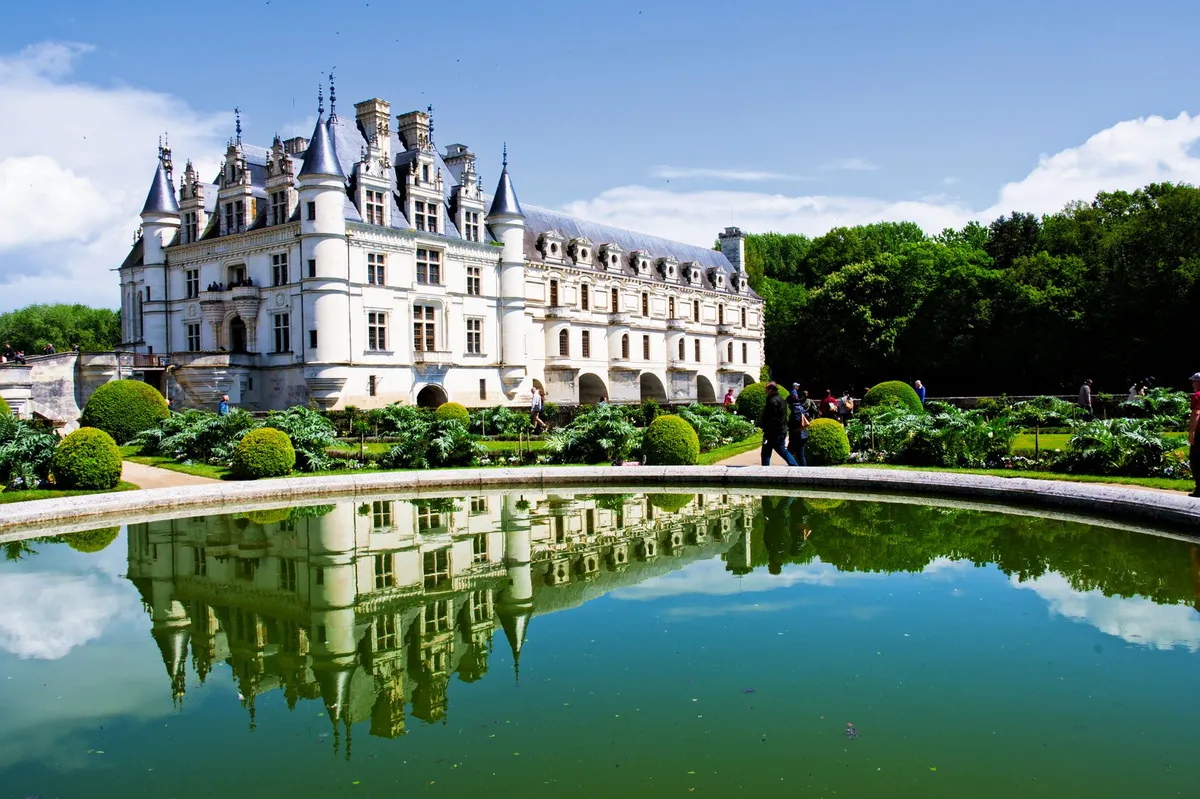
If Chambord is the manifestation of masculine ego, Château de Chenonceau is the soul of feminine resilience. Known as the “Château des Dames,” its history is inextricably linked to the influential women who shaped it: Diane de Poitiers, Catherine de’ Medici, and Louise de Lorraine.
Stretching gracefully across the River Cher, the bridge-gallery of Chenonceau creates a dreamlike illusion of floating architecture. Under the stewardship of Catherine de’ Medici, the chateau became a center of political intrigue and grand festivals. However, the true beauty of Chenonceau lies in its endurance; it served as a hospital during the First World War and a secret passage during the Second, marking the boundary between occupied and free France. To stand in its gallery is to feel the weight of centuries pressing against the river stones.
Architectural Alchemy at Blois and Amboise
To understand the evolution of French royal taste, one must visit the Royal Château de Blois. It is a architectural palimpsest, where the layers of time are laid bare for the observant traveler. The chateau features four distinct wings built across different centuries, showcasing the shift from Gothic flamboyant styles to the refined, geometric grace of the Renaissance.
The spiral staircase at Blois, built during the reign of Francis I, is an open-air spectacle of stone carving—a structural jewel box that defies the rigid austerity of the earlier medieval towers. Nearby, the Château d’Amboise offers a different perspective. It was here that Charles VIII met his sudden end, and here that Leonardo da Vinci spent his final years under the king’s protection. His tomb in the Saint-Hubert Chapel remains a pilgrimage site for those who worship at the altar of genius. The gardens of Amboise, cascading down toward the river, provide the perfect vantage point to appreciate the strategic importance of the Loire Valley as a riverine corridor of trade and defense.
The Art of Living in the Valley of Kings
The châteaux of the Loire were never intended to be stagnant museums. In their prime, they were the epicenters of a vibrant culture defined by the “art de vivre.” The surrounding vineyards, which have been cultivated since the Roman era, provide the liquid narrative for the valley. The crisp, acidic whites of Sancerre and the robust reds of Chinon are not merely wine; they are the terroir of the Loire, distilled through centuries of tradition.
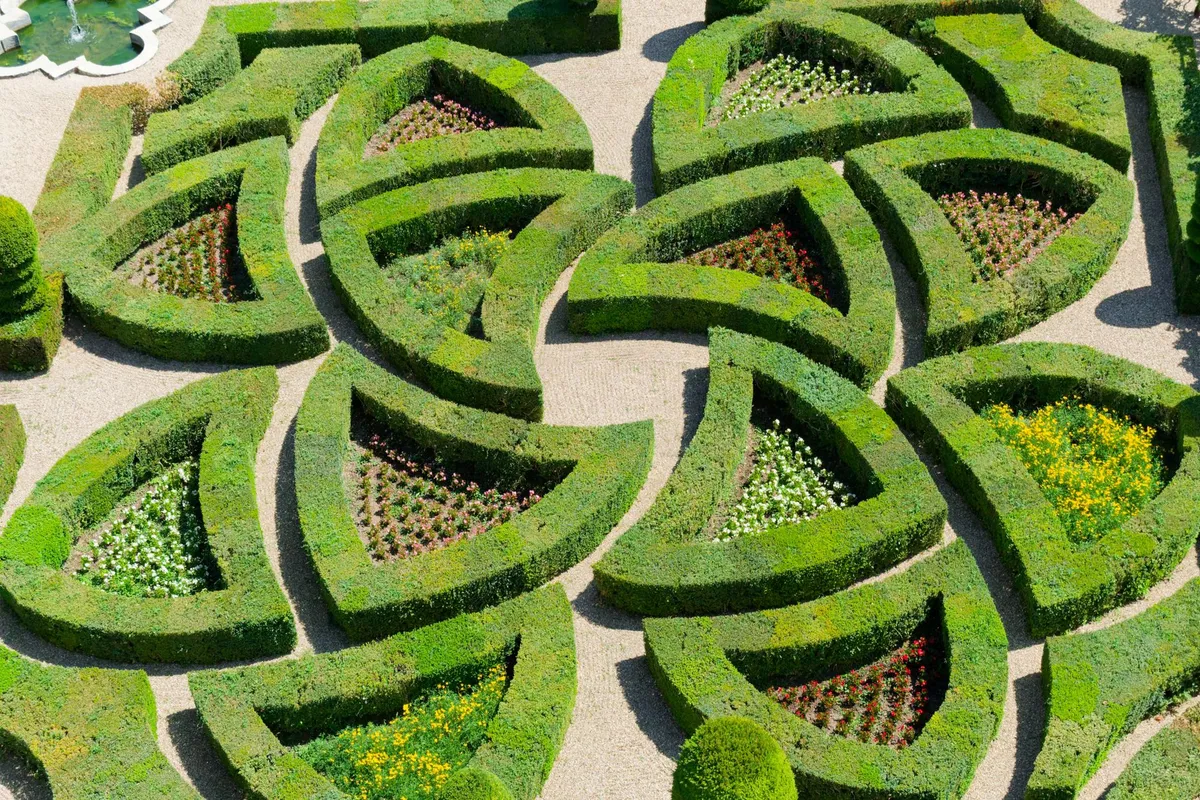
When you walk through the Hall of Mirrors at smaller, perhaps less famous estates like Cheverny, you are witnessing the interior design sensibilities that would eventually inspire the grandeur of Versailles. The tapestries, the intricate woodworking, and the meticulously manicured topiary gardens are all remnants of a time when the king’s court was a migratory entity, moving from one castle to another to display authority and indulge in the excesses of the hunt and the feast.
Hidden Echoes in the Limestone Grottoes
The landscape of the Loire Valley is as much below the surface as it is above. Many of the châteaux were constructed from “tuffeau,” a soft, white limestone that gives these buildings their luminous quality as the sun traverses the sky. For centuries, this stone was quarried directly from the hillsides, creating a vast network of subterranean caves.
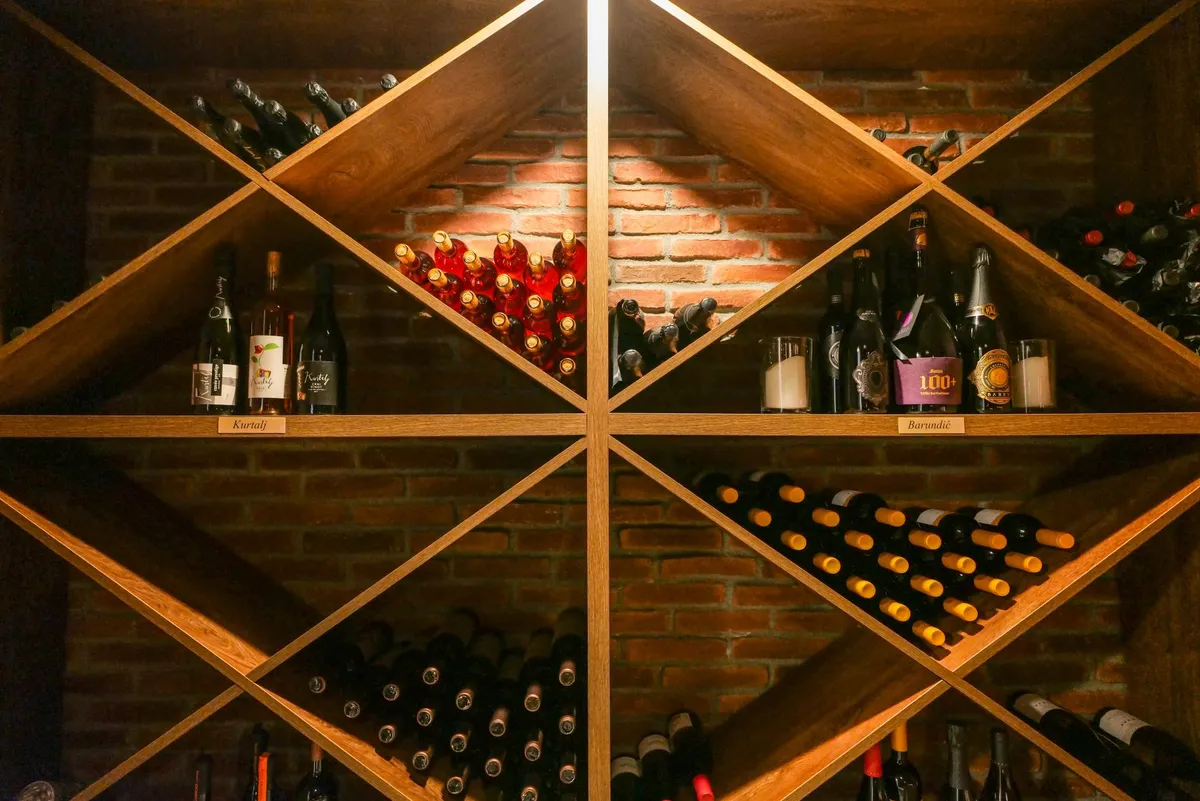
Today, these troglodyte dwellings have found new life as mushroom farms, wine cellars, and even eccentric boutique hotels. To enter these cool, damp spaces is to encounter the silent, working history of the region—the artisans and masons whose labor made the dreams of kings a reality. This duality—the towering, ornate spires above and the rugged, earthy grit of the limestone caves below—is what makes the Loire Valley so profoundly compelling.
A Pilgrimage of Perpetual Wonder
As you traverse the river, moving from the medieval defensive walls of Angers—with its legendary Apocalypse Tapestry—to the refined beauty of Azay-le-Rideau, you begin to understand the rhythm of the valley. It is a slow, measured pace that demands patience. The Loire does not rush; it winds.
The châteaux serve as anchors in this landscape, grounding the ethereal beauty of the light and water. Each castle tells a story of survival—survival against the whims of shifting political alliances, the ravages of war, and the relentless creep of the centuries. Yet, they remain. They are stone prayers cast against the horizon, asking that we remember the men and women who, despite the brevity of their lives, sought to leave behind a legacy of absolute, uncompromising beauty.
Traveler, when you arrive in the Loire Valley, do not simply check the items off your itinerary. Find a spot along the banks of the river near sunset, watch as the tuffeau stone turns a pale, ethereal pink, and let the silence of the valley speak to you. There is no better way to understand the heart of France than to listen to the whispers of its ancient stone guardians.
#LoireValley #FrenchHistory #ChateauLife #RenaissanceArchitecture #TravelFrance