Trunk No. 3 Book Review and Summary
-
 Klaus Weber
 - 15 Aug, 2026 14:17
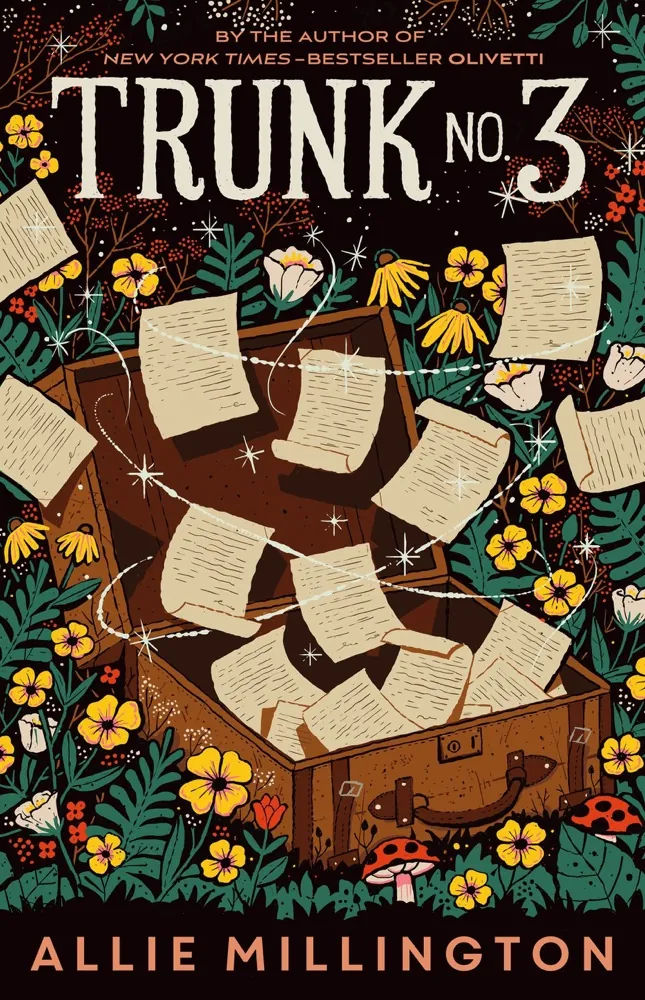
Author: Allie Millington
Page Count: Unknown
Publication Date: Expected publication 2026-10-20 APL
Sunday mornings are best spent avoiding the wire services and watching the neighborhood feral cat population assert its dominance over my hydrangeas. Yet here I am, staring at a digital galley announcement for Allie Millington’s Trunk No. 3 because the publishing industrial complex refuses to let a cynical expatriate drink his single-origin roast in peace.
The Archive of Lost Baggage
We are expected to marvel at a sentient, wrinkled suitcase and an eleven-year-old named after a breakfast tea at the Repertorium. A library of forgotten items with tangible memories. Groundbreaking. Truly. One half expects the luggage to start dispensing unsolicited wisdom about healing one’s inner child while playing an acoustic guitar in a subway station. But let us look past the aggressively twee premise. Millington struck gold with Olivetti, and now we get the sophomore slump—or a magnificent exercise in whimsy that somehow avoids being total garbage.
The synopsis leans hard into anthropomorphic luggage and epistolary tropes. A despondent runaway steals a leather box, a mysterious note appears, and suddenly we are hurtling down a narrative pipe of manufactured serendipity. I lost brain cells reading that. Wait, no, that is entirely unfair; the prose style of the blurb is actually quite sharp, even if the premise makes one want to launch the manuscript directly into a smelting furnace.
Epistolary Cuteness Meets Existential Dread
Let us interrogate the mechanics of this correspondence. Two lonely souls—one of them literally calfskin with brass latches—find salvation through written notes. It is 84 Charing Cross Road by way of Pixar, filtered through the sort of magical realism that makes Twitter book influencers weep into their matcha lattes. Yet, beneath the saccharine surface lies a fascinating architectural obsession with memory objects. The Repertorium curates things people left behind. A glove, a ticket stub, a pocket watch.
Or perhaps the suitcase is just a metaphor for emotional baggage. God forbid a book for young readers simply be about a cool piece of vintage luggage without dragging generational trauma into the mix. We cannot escape psychoanalysis in modern children’s lit; every fictional inanimate object must now double as a therapist couch.
Compare this to Susan Cooper or Diana Wynne Jones, who understood that magic requires actual peril, not just a cozy aesthetic designed for BookTok aesthetics. Millington is playing a different game, admittedly. She wants the emotional resonance of Neil Gaiman stripped of the creeping dread.
The thematic architecture relies entirely on the weight of the mundane. We are told the story examines connection and worth. Naturally. Because a book released in late 2026 cannot simply tell a rattling good yarn about theft and correspondence without demanding we reflect on our own commodified identities in the digital age.
Actually, scratch that critique. The inclusion of an institutional library for discarded memories is genuinely clever world-building, even if the synopsis plays it for maximum emotional extortion. If Millington keeps the sentimentality on a tight leash, this might transcend its aggressively precious marketing copy. If not, we are in for two hundred pages of anthropomorphic leather whispering about self-love.
I have to go rescue a stack of vinyl records from a damp basement.