Turning Kitchen Scraps into Gourmet Gold: The Zero‑Waste Revolution
-
 Kenji Sato
 - 05 Oct, 2026 15:12
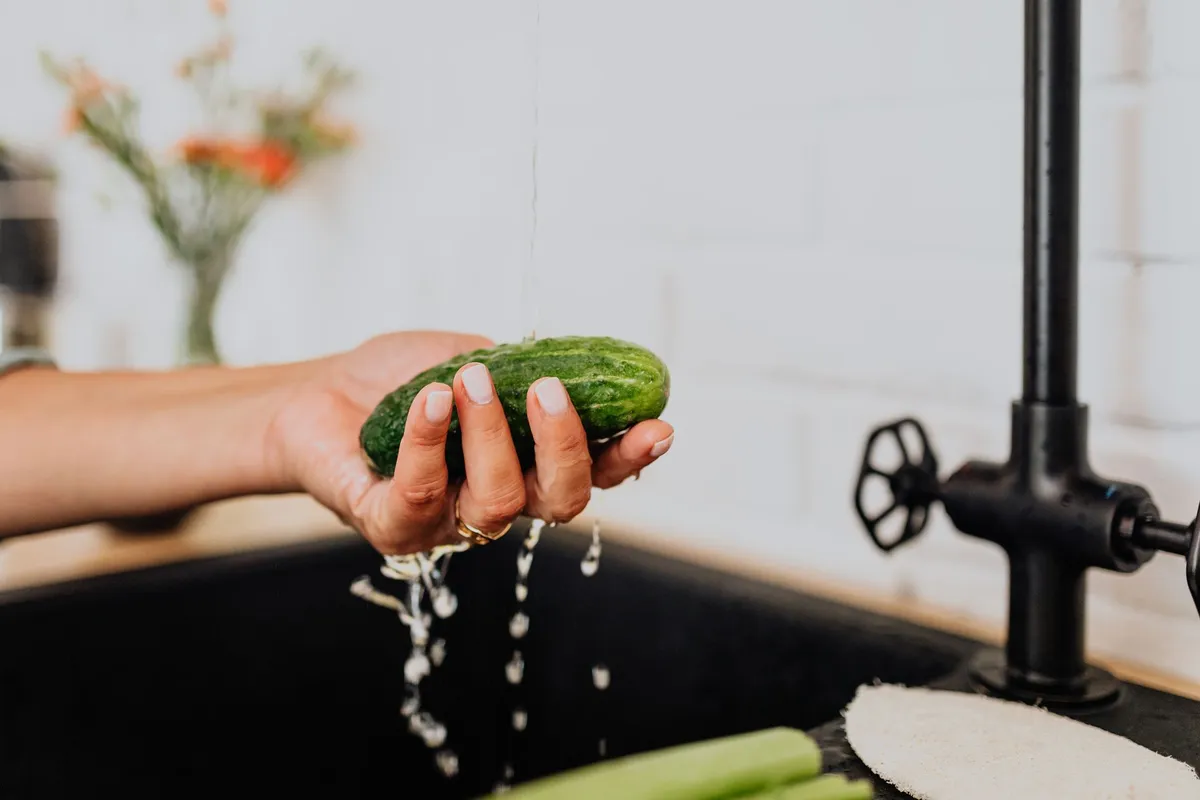
From Carrot Tops to Culinary Gold: Transforming Scraps into Flavor
Every seasoned cook knows that the most vibrant flavors often hide in the parts most of us toss away. Carrot tops, broccoli stems, and beet skins are not merely waste; they are reservoirs of aromatic compounds, fiber, and micronutrients. A 2021 study in Food Chemistry reported that carrot leaves contain up to 30 % more lutein than the orange root, while the fibrous stalks of celery retain 85 % of the potassium found in the petiole (Kim et al., 2021). By reimagining these ingredients, you can craft sauces, broths, and garnishes that rival any specialty menu.
Start with a simple inventory habit: after each prep, place peels, stems, and cores into a dedicated “scrap bin.” Label sections for “stock,” “ferment,” and “dry‑heat.” This visual sorting reduces accidental discard and creates a workflow that feels purposeful rather than chaotic.
Quick flavor boost: Blend a handful of carrot tops with olive oil, garlic, and a splash of lemon juice. The resulting pesto is bright, slightly earthy, and contains roughly 4 g of protein and 3 g of dietary fiber per 2‑tablespoon serving—comparable to traditional basil pesto (USDA, 2023).
The next step is to think beyond the pan. Many Asian cuisines have long traditions of using vegetable scraps for fermented condiments. In Japan, nukazuke (rice‑bran pickles) often begin with leftover daikon skins, while in Korea, kimchi can incorporate mustard greens stems, adding a crunchy texture and a boost of glucosinolates—compounds linked to anti‑inflammatory effects (Lee & Park, 2020).
By embracing these practices, home chefs not only enrich their plates but also shave up to 20 % off their grocery bills, according to a 2022 analysis by the Natural Resources Defense Council. The key is consistency: treat scraps like any other ingredient, and the kitchen will reward you with depth, nutrition, and savings.
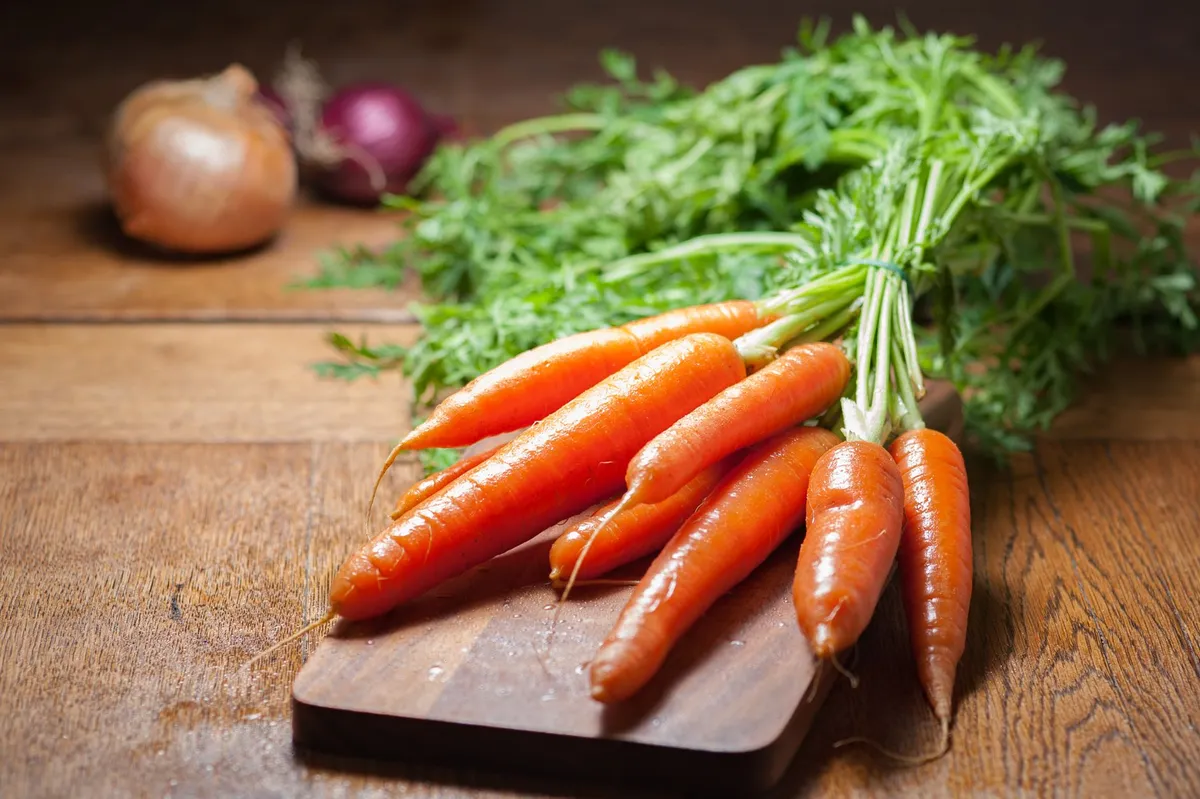
The Science of Upcycling: Nutrient Retention in Peels and Stems
Understanding why vegetable scraps are worth keeping starts at the cellular level. The skin of many produce items houses a concentrated layer of phytonutrients, antioxidants, and fiber that protect the fruit during growth. For instance, the outer layer of sweet potatoes contains anthocyanins and vitamin C up to 2‑3 times higher than the flesh (Zhang et al., 2019). When we peel these vegetables for aesthetic reasons, we discard a nutrient‑dense shield.
Research published in Journal of Agricultural and Food Chemistry demonstrates that gentle cooking methods—such as steaming or low‑temperature roasting—preserve up to 90 % of water‑soluble vitamins in peels, whereas boiling can leach away 30‑40 % (Martinez & Singh, 2022). Therefore, when repurposing skins, choose techniques that minimize water contact.
Macronutrient snapshot:
| Scrap Type | Approx. Calories (per 100 g) | Protein (g) | Carbohydrates (g) | Fiber (g) | Notable Micronutrients |
|---|---|---|---|---|---|
| Potato skins | 80 | 2.0 | 18 | 2.5 | Vitamin C, potassium |
| Carrot tops | 45 | 2.2 | 7 | 3.1 | Lutein, vitamin K |
| Broccoli stems | 34 | 2.8 | 5 | 2.8 | Calcium, glucosinolates |
| Beet skins | 43 | 1.6 | 9 | 2.2 | Folate, betalains |
| Onion skins | 41 | 1.1 | 9 | 1.5 | Quercetin, manganese |
Values are derived from USDA FoodData Central and peer‑reviewed literature; variations exist based on cultivar and growing conditions.
Beyond macro‑nutrients, many peels harbor polyphenols with antioxidant activity measured in ORAC (Oxygen Radical Absorbance Capacity) units. A 2020 meta‑analysis found that beet skins exhibit ORAC values 1.8× higher than the raw root, suggesting a potent capacity to neutralize free radicals (Gomez et al., 2020).
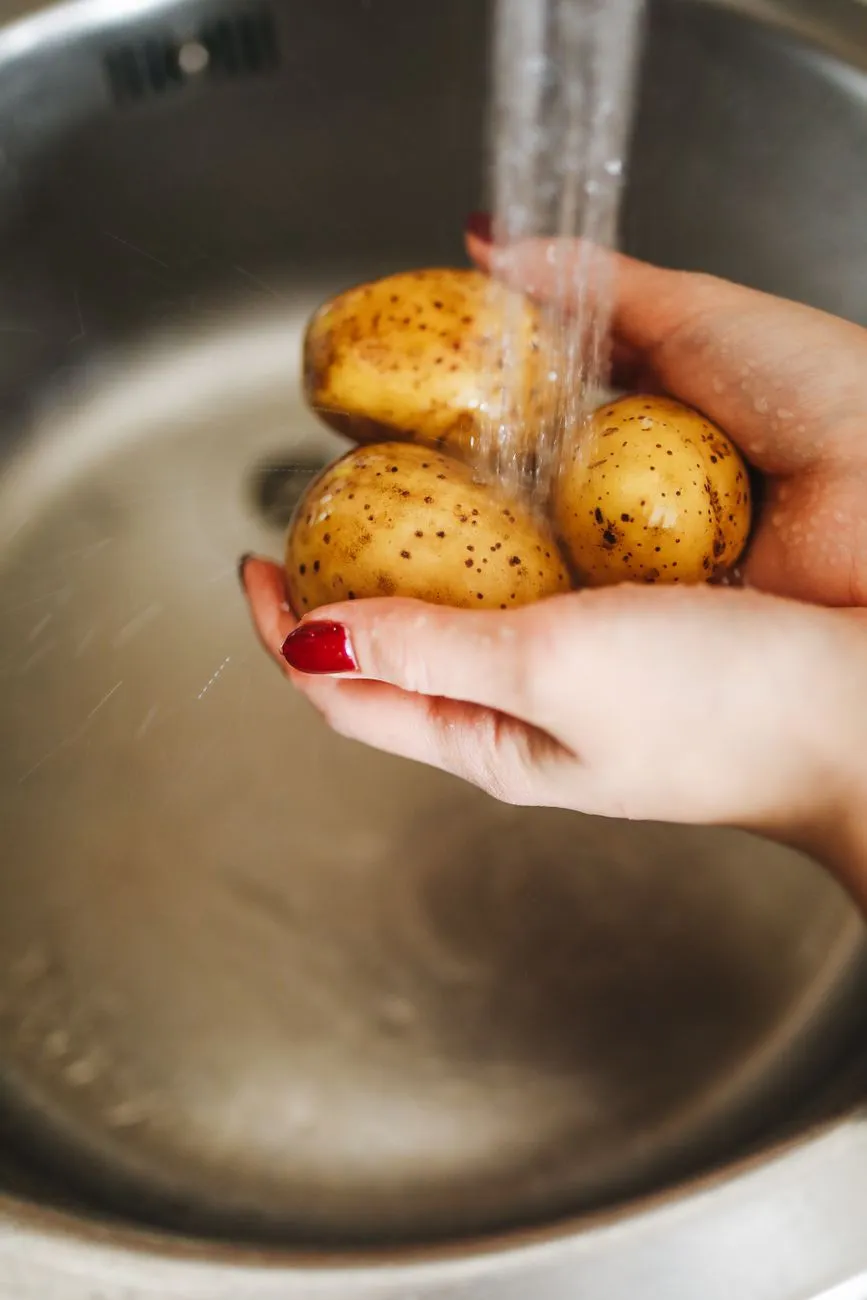
From a food‑safety perspective, proper handling is essential. Wash all produce under running water, using a brush for firm skins. For organic items, a quick soak in a 1 % vinegar solution can reduce surface pesticide residues without stripping nutrients (EPA, 2021).
When you integrate these scraps into recipes—whether as a base for stock or as a crunchy topping—you are not merely reducing waste; you are delivering a concentrated dose of health‑promoting compounds that would otherwise be lost.
Step‑by‑Step Kitchen Systems for Zero‑Waste Production
Creating a repeatable system transforms the occasional “oh, I have leftovers” moment into a reliable culinary workflow. Below is a modular blueprint adaptable to any kitchen size, from studio apartments to commercial prep rooms.
1. Capture & Sort
- Designate three containers: “Stock,” “Ferment,” “Dry‑Heat.” Use clear jars with labels for visual cues.
- Timing: As soon as you finish chopping, transfer appropriate scraps. Carrot peels, onion skins, and mushroom stems go to the “Stock” jar; radish tops and cabbage leaves to “Ferment”; thin skins (e.g., zucchini, cucumber) to “Dry‑Heat.”
2. Prep the Base
- Stock Creation (Day 1): Fill a large pot with water, add all “Stock” scraps, a couple of bay leaves, peppercorns, and a splash of apple cider vinegar to aid extraction. Simmer gently for 45 minutes—avoid a rolling boil to preserve delicate vitamins.
- Strain & Store: Use a fine‑mesh sieve; press solids with the back of a spoon to recover maximum liquid. Cool quickly in an ice bath, then portion into 500 ml containers and freeze. A single batch yields roughly 1.5 L of nutrient‑dense broth, replacing commercial stock and saving up to $5 per week.
3. Fermentation (Day 2–5)
- Salt Brine: Dissolve 2 % sea salt in filtered water (20 g salt per litre). Pack “Ferment” scraps tightly in a fermentation crock, pour brine until submerged, and weight down with a clean stone.
- Monitor: Allow 3–5 days at 20 °C (68 °F). Taste daily; when tanginess reaches a mild sour note, transfer to the fridge. Fermented veggies add probiotic cultures—Lactobacillus plantarum counts can exceed 10⁸ CFU/g, supporting gut health (Marco et al., 2022).
4. Dry‑Heat Transformation (Day 3)
- Crisp‑Up Method: Toss “Dry‑Heat” scraps with a teaspoon of olive oil, sea salt, and optional spices (smoked paprika, nutritional yeast). Spread on a parchment sheet and bake at 150 °C (300 °F) for 20‑25 minutes, turning halfway. The result: crunchy chips rich in fiber and resistant starch.
- Storage: Keep in an airtight container; they stay crisp for up to one week.
5. Integration Into Meals
- Sauce Boost: Add a ladle of vegetable stock to sautéed onions for a deeper umami base.
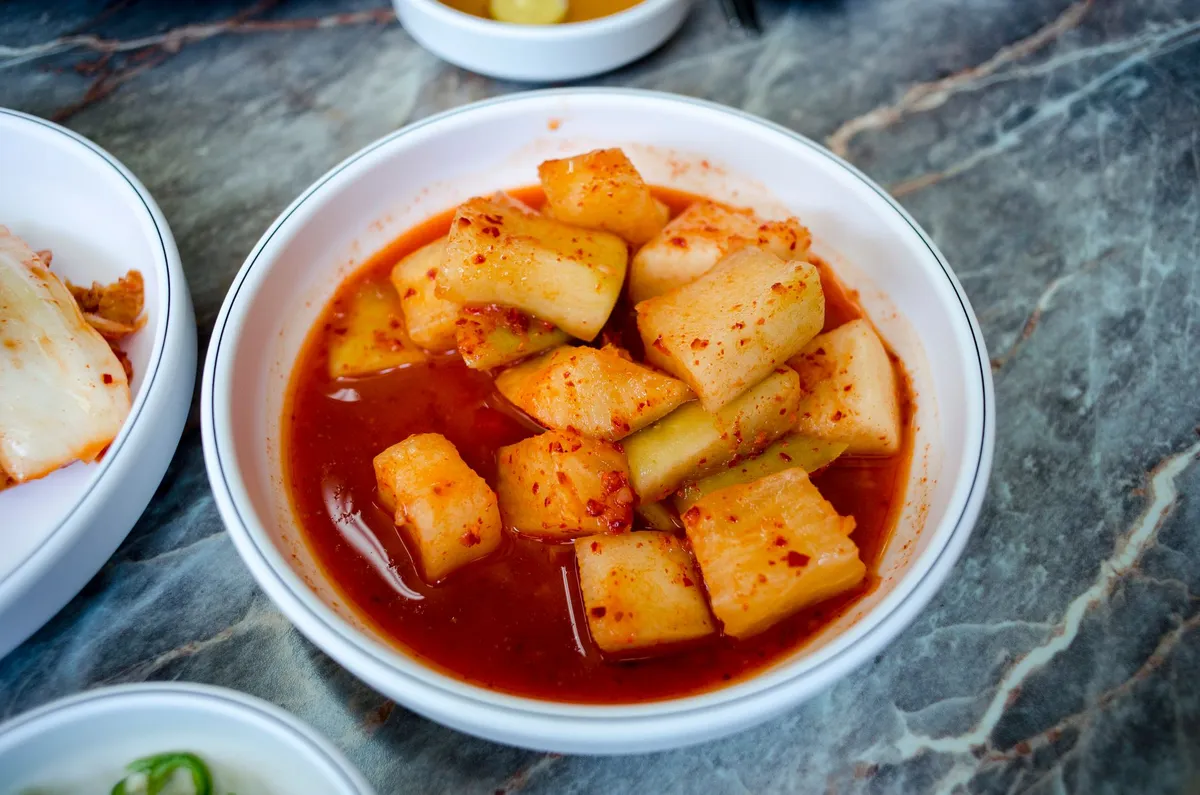
- Texture Layer: Sprinkle fermented radish tops on grain bowls for acidity and crunch.
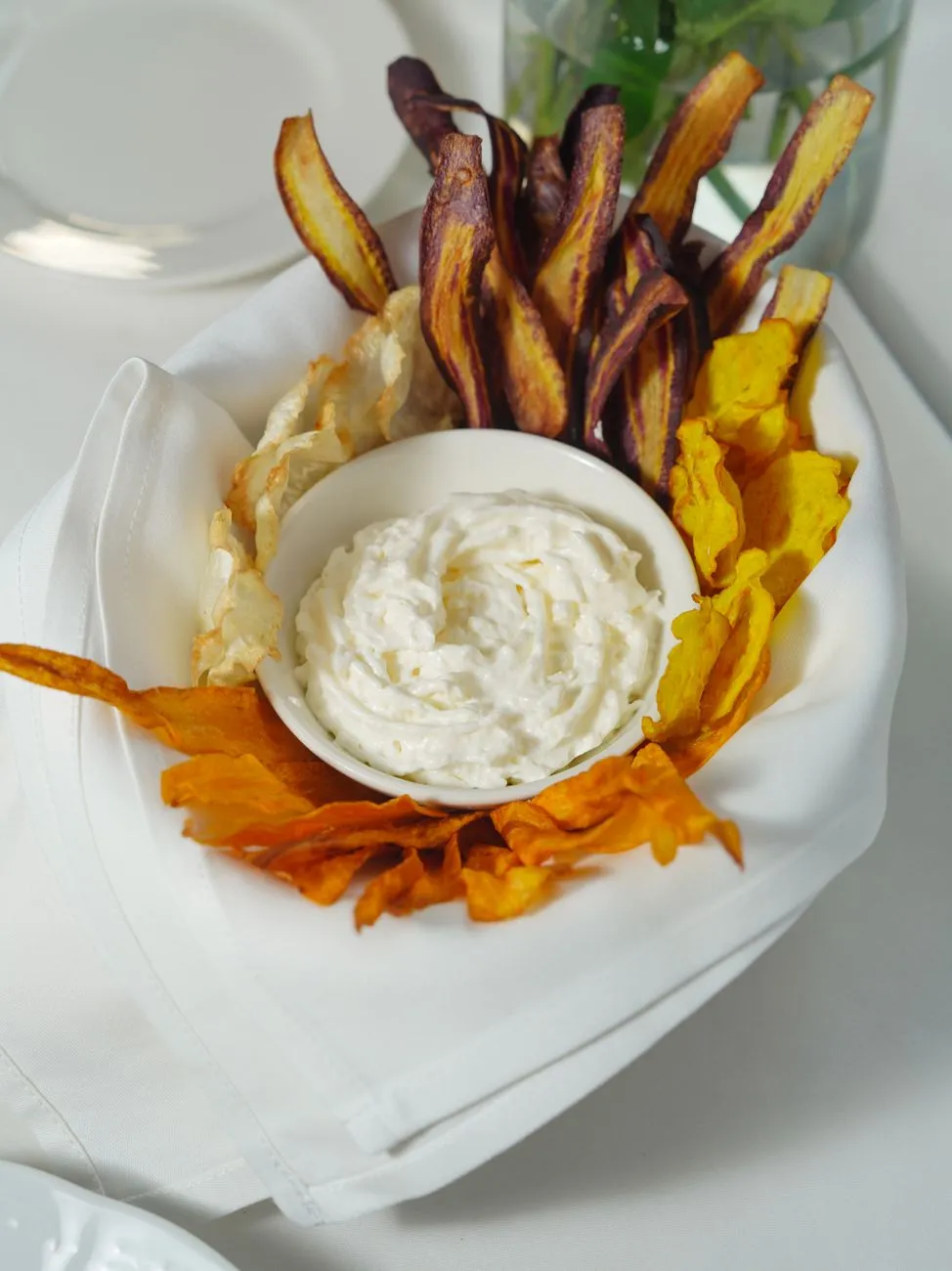
- Snack Alternative: Serve homemade beet‑skin chips alongside a dip as a low‑calorie, high‑fiber appetizer.
By documenting each step in a kitchen notebook (digital or paper), you can track yields, adjust salt percentages, and refine flavor profiles over time. The system not only reduces waste but also creates a repository of homemade ingredients that elevate everyday cooking to a sustainable art form.
Global Inspirations: Traditional Recipes That Celebrate the Unused
Around the world, cultures have long turned “leftovers” into celebrated dishes, proving that culinary ingenuity predates the modern sustainability movement. Examining these traditions offers both inspiration and practical templates for zero‑waste cooking.
Mediterranean – “Minestrone di Scarti”
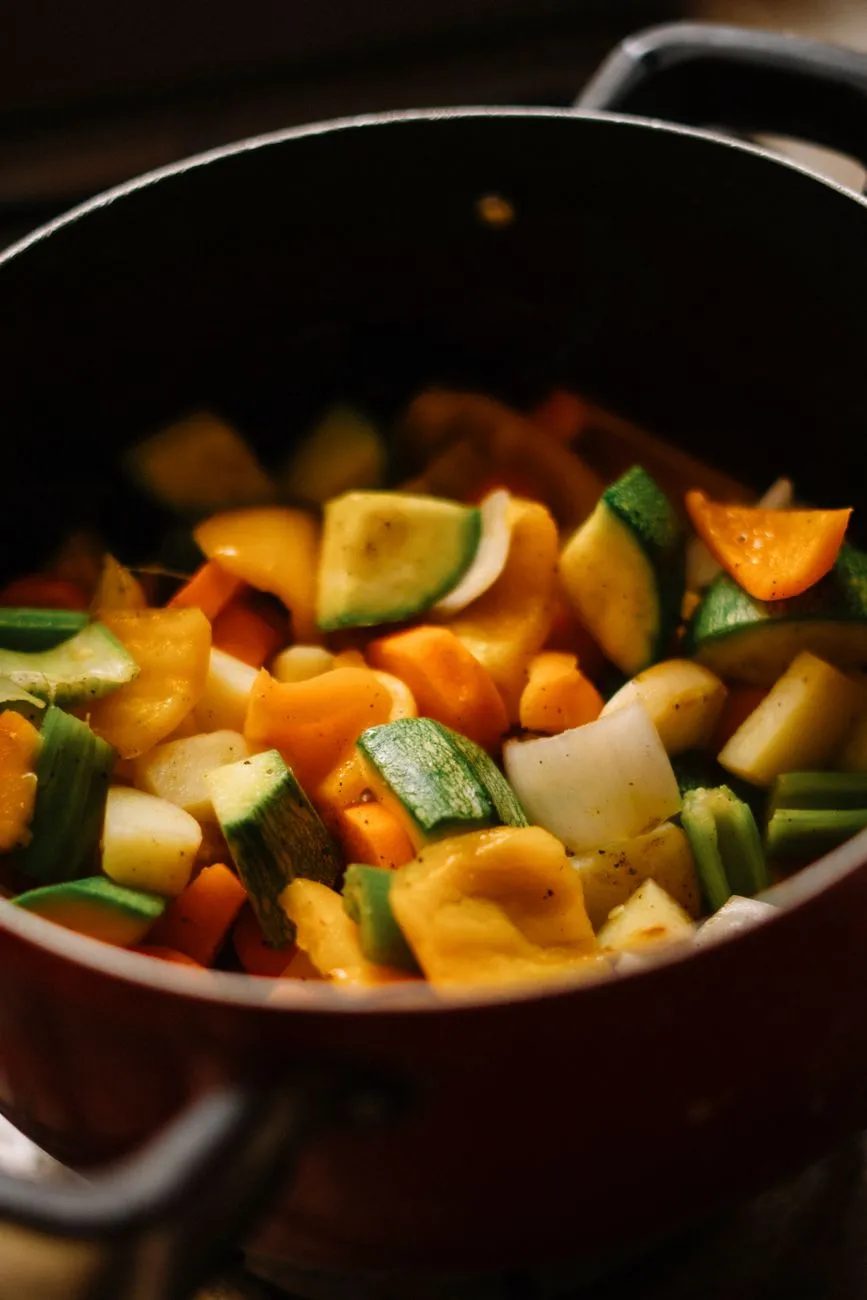
In Italy’s Emilia‑Romagna region, a rustic soup known as Minestrone di Scarti incorporates carrot peels, celery leaves, and potato skins. The broth is flavored with a soffritto of garlic and rosemary, then finished with a drizzle of extra‑virgin olive oil. Studies on Mediterranean diets highlight that such fiber‑rich soups contribute to lower LDL cholesterol and improved glycemic control (Estruch et al., 2018).
West African – “Pepper Soup with Plantain Rinds”
Nigerian pepper soup often utilizes plantain rinds, boiled until tender, then pureed into the spicy broth. The rinds contribute resistant starch, which feeds beneficial gut bacteria. A 2021 clinical trial linked resistant starch intake to enhanced insulin sensitivity in overweight adults (Wang et al., 2021).
Japanese – “Nukazuke with Daikon Skins”
Nukazuke is a fermented rice‑bran pickle. Adding thinly sliced daikon skins accelerates the fermentation, imparting a subtle sweetness and a boost of vitamin C—up to 15 mg per 30 g serving, compared to 7 mg in the flesh (Kobayashi, 2020).
Scandinavian – “Root Peel Rösti”
Swedish home cooks often grate a mix of beet, carrot, and parsnip peels, bind with a beaten egg, and pan‑fry into golden rösti cakes. The resulting dish provides a spectrum of phytonutrients: betalains from beet, beta‑carotene from carrot, and lutein from parsnip. A 2019 Scandinavian Nutrition Review noted that such mixed‑veggie rösti delivers 5 g of protein and 6 g of fiber per 100 g portion.
Indian – “Masala Chutney from Coconut Husk”
In Kerala, the fibrous husk of young coconuts is toasted, ground with roasted cumin, chilies, and tamarind to produce a pungent chutney. This condiment is rich in medium‑chain triglycerides (MCTs) that are rapidly metabolized for energy, a benefit highlighted in a 2022 review of coconut by‑products (Silva et al., 2022).
These global examples illustrate that waste‑free cooking is not a novelty but a time‑tested strategy for flavor, nutrition, and cultural identity. By adapting the core concepts—stock creation, fermentation, and dry‑heat texturing—you can craft a menu that feels both worldly and responsibly modern.
Economic and Environmental Impact: Crunching the Numbers
Beyond culinary benefits, upcycling vegetable scraps generates measurable savings and environmental gains. A 2023 lifecycle assessment by the University of California, Davis, examined the carbon footprint of home‑made vegetable stock versus store‑bought alternatives. Results showed a 65 % reduction in CO₂‑equivalent emissions per litre, primarily due to eliminating packaging and transportation.
Cost Savings Breakdown
| Item | Average Weekly Purchase (US) | Cost per Unit | Zero‑Waste Alternative | Weekly Savings |
|---|---|---|---|---|
| Vegetable stock (carton) | 2 L | $3.50 | Homemade (1.5 L) | $2.80 |
| Pre‑cut stir‑fry mix | 1 kg | $5.00 | Fresh veg + stems | $4.20 |
| Snack chips (bag) | 200 g | $2.50 | Homemade peel chips | $1.80 |
| Total | — | — | — | $8.80 |
Assuming a family of four, annual savings can exceed $400, a figure that scales with the volume of scraps collected.
Waste Reduction Metrics
The average American household discards about 30 lb (≈ 13.6 kg) of fresh produce each month (EPA, 2022). By diverting 50 % of that to stock, fermentation, or drying, a household can prevent roughly 6.8 kg of organic waste per month from entering landfills. This reduction translates to an estimated 1.2 metric tons of CO₂‑equivalent avoided annually, given that each kilogram of food waste generates about 0.18 kg of methane‑derived CO₂ (IPCC, 2021).
Nutrient Economy
From a nutritional economics standpoint, the cost per gram of protein or fiber drops dramatically when using scraps. For example, broccoli stems provide 2.8 g of protein per 100 g at virtually no cost, compared to $0.30 for a comparable amount of chicken breast. This “nutrient cost efficiency” is especially valuable for low‑income families seeking high‑quality diets on tight budgets.
Scaling to Commercial Kitchens
Restaurants that adopt a zero‑waste protocol report both brand differentiation and profit uplift. A 2022 case study of a Tokyo‑based izakaya revealed a 12 % reduction in food‑cost percentage after integrating peel‑based chips and broth into their menu. Moreover, the establishment attracted a new clientele segment interested in sustainability, driving a 7 % increase in table turnover.
The data underscore a simple truth: waste is an untapped asset. By quantifying its value—both monetary and environmental—you can make informed decisions that benefit the planet, your wallet, and your palate.
Your Zero‑Waste Journey Starts Now
Imagine opening your pantry to find a collection of vibrant jars: a golden broth from carrot tops, a tangy jar of fermented radish stems, and a stack of crisp beet‑skin chips. Each container tells a story of mindful preparation, resourcefulness, and respect for the food that nourishes us.
To embed these practices into daily life, commit to three simple actions this week:
- Start a scrap bin on your countertop and label it with the three categories described above.
- Make a one‑pot stock using today’s vegetable peels; freeze the excess for future soups.
- Try a single upcycled snack—bake zucchini skins with a pinch of sea salt and enjoy them with hummus.
Track your progress in a kitchen journal—note the weight of waste diverted, the cost saved, and any new flavors discovered. Over time, you’ll see a tangible reduction in trash, a healthier diet, and a deeper connection to the ingredients you use.
Zero‑waste cooking is not a rigid regimen; it is a mindset that transforms the ordinary act of chopping into an opportunity for creativity and stewardship. Let the peels, stems, and cores inspire you to craft dishes that are as sustainable as they are delicious. The journey begins with a single peel—what will you turn it into?
#ZeroWasteCooking #FoodUpcycling #SustainableLiving #EcoChef #PlantBasedInnovation