Showing Posts From
Books
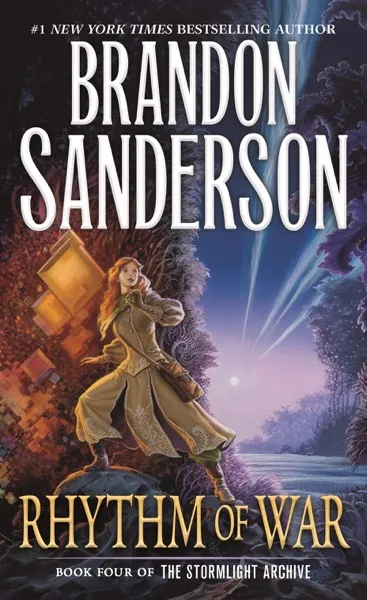

Rhythm of War Part Two Author: Brandon SandersonPage Count: UnknownPublication Year: 2022-GB Brandon Sanderson's "Rhythm of War Part Two" is a monumental achievement in epic fantasy, a sweeping narrative that cements the author's reputation as a master world-builder and weaver of intricate, suspenseful storylines. The latest installment in the Stormlight Archive series is a testament to Sanderson's boundless creativity and his ability to craft characters that resonate deeply with readers. At its core, "Rhythm of War Part Two" is a thought-provoking exploration of the human condition, delving into themes of trauma, power, and the complexities of morality. Sanderson's world, Roshar, is a richly detailed and immersive environment, where the rhythms of nature and the pulse of magic are inextricably linked. The author's unique magic system, based on the concept of "Surgebinding," continues to evolve and expand, adding depth and complexity to the narrative. One of the standout features of "Rhythm of War Part Two" is its diverse cast of characters, each with their own distinct voice and agency. Sanderson's character development is a hallmark of his writing style, and this installment is no exception. The relationships between characters are multifaceted and nuanced, with a deep emotional resonance that makes it easy to become invested in their struggles and triumphs. Sanderson's writing style is characterized by his ability to balance action, suspense, and introspection, creating a narrative that is both propulsive and contemplative. His prose is economical and evocative, conjuring vivid images of the world and its inhabitants. The pacing is expertly managed, with a keen sense of tension and release that keeps the reader engaged and eager to turn the page. One of the most impressive aspects of "Rhythm of War Part Two" is its thematic depth. Sanderson explores a range of complex ideas, from the nature of power and corruption to the consequences of trauma and the importance of empathy and understanding. The narrative is layered with subtle symbolism and foreshadowing, adding depth and complexity to the story. Throughout the book, Sanderson's world-building is, as always, meticulous and detailed. The history and mythology of Roshar are slowly revealed, adding richness and texture to the narrative. The author's use of mythology and folklore is particularly noteworthy, drawing on a range of cultural influences to create a unique and captivating world. In conclusion, "Rhythm of War Part Two" is a triumph of epic fantasy, a book that will appeal to fans of the genre and newcomers alike. Sanderson's writing is masterful, his world-building is meticulous, and his characters are complex and nuanced. This is a book that will keep you up late at night, turning the pages with a sense of wonder and awe. If you're a fan of fantasy, or just looking for a compelling and immersive read, "Rhythm of War Part Two" is an absolute must-read. #EpicFantasy #BrandonSanderson #StormlightArchive #RhythmOfWar #FantasyBookReview Related InsightsThe Left Hand of Darkness Book Review and Summary No Longer Allowed In Another World Vol. 6 Book Review and Summary Best Crime Stories of the Year Volume 3 Book Review and Summary{ "@context": "https://schema.org", "@type": "FAQPage", "mainEntity": [ { "@type": "Question", "name": "What is the main focus of **Rhythm of War Part Two** Book Review and Summary?", "acceptedAnswer": { "@type": "Answer", "text": "Everything you need to know about **Rhythm of War Part Two** with our detailed review." } }, { "@type": "Question", "name": "Who authored the comprehensive guide on **Rhythm of War Part Two** Book Review and Summary?", "acceptedAnswer": { "@type": "Answer", "text": "This detailed article and its insights were carefully researched and authored by Emma Thompson." } }, { "@type": "Question", "name": "Where can I find more related content about Books?", "acceptedAnswer": { "@type": "Answer", "text": "You can explore more articles, detailed reviews, and similar insights by browsing the Related Insights section at the bottom of this article or visiting our dedicated Books category page." } } ] }
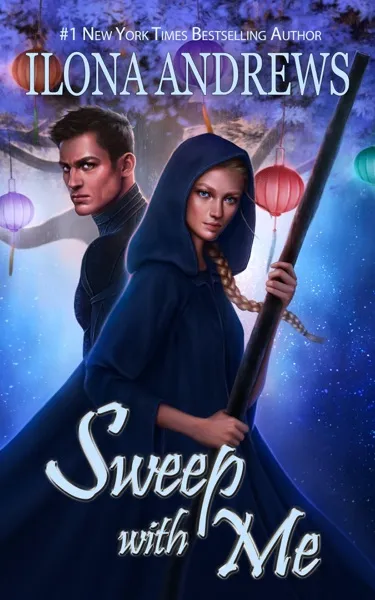

Sweep with Me Author: Ilona AndrewsPage Count: UnknownPublication Year: 2020-GB Ilona Andrews’ Sweep with Me is a masterclass in blending urban fantasy with raw emotional power, a book that grabs you by the throat and refuses to let go. Published in 2020, it’s part of the beloved Hidden Legacy series, a saga that has captivated readers worldwide with its relentless pacing, razor-sharp dialogue, and a heroine who refuses to be anything less than extraordinary. If you’ve ever craved a world where magic is a tangible force, where loyalty is forged in blood and trust, and where love is both a weapon and a sanctuary, then this book will leave you breathless. At its core, Sweep with Me is about survival—not just physical, but emotional and psychological. The story follows Nevada Baylor, a young woman who has spent her life as a mercenary, protecting her family’s reputation and livelihood through sheer grit and unmatched skill. When a powerful adversary threatens her clan, Nevada is thrust into a dangerous game where the rules are written in blood and magic. The book’s title itself is a metaphor for the delicate balance she must maintain—sweeping away threats with precision, while navigating a world that constantly tries to pull her under. Andrews’ genius lies in her ability to weave intricate world-building into the narrative without ever slowing the story down. The magic system in Hidden Legacy is one of the most compelling in modern fantasy—spells are cast through contracts, blood oaths, and intricate legal-like negotiations, making magic feel not just like a supernatural ability, but a disciplined, almost bureaucratic force. This unique twist elevates the genre, giving the story a fresh perspective that sets it apart from typical urban fantasy fare. Nevada’s world is one where power is currency, and trust is a fragile commodity, a place where alliances are forged and broken in the blink of an eye. What makes Sweep with Me truly unforgettable, however, is its exploration of family. Nevada’s love for her sisters—particularly her younger sister Arabella, who is navigating her own magical awakening—drives the story forward with a quiet, fierce intensity. Andrews doesn’t shy away from the complexities of family dynamics, showing how love can be both a shield and a source of pain. The Baylor sisters are a force to be reckoned with, each bringing their own strengths and vulnerabilities to the table. Their bond is the emotional linchpin of the book, reminding readers that no matter how dark the world becomes, there is always something worth fighting for. Andrews’ writing style is electric—a mix of sharp wit, biting sarcasm, and deep emotional resonance. Nevada is one of the most compelling heroines in modern fantasy, a woman who carries the weight of her family’s expectations on her shoulders but refuses to let it break her. Her voice is dry, sometimes abrasive, but always authentic, a reflection of someone who has seen too much to be naive but not enough to lose hope. The dialogue crackles with tension, whether it’s a heated argument between Nevada and her love interest, or a tense negotiation with a rival. Andrews has a knack for making even the most mundane conversations feel charged with subtext, pulling readers deeper into the story with every page. The romance in Sweep with Me is slow-burning but devastatingly effective. Nevada and her partner, Bernardo, have a relationship built on mutual respect, shared trauma, and an unspoken understanding that they are each other’s anchors in a storm. Their dynamic is one of the most realistic portrayals of partnership in fantasy—no grand declarations, no dramatic proclamations, just two people who have chosen each other despite the odds. Andrews doesn’t romanticize love; she shows it for what it is—a choice, a commitment, a fragile thing that must be nurtured even in the darkest times. The pacing of the book is relentless. Andrews doesn’t waste time with unnecessary exposition or filler scenes. Every chapter pushes the plot forward, every character interaction feels purposeful, and every conflict escalates with precision. The stakes are sky-high, and the tension never lets up, making it nearly impossible to put the book down. By the time you reach the final act, you’ll be on the edge of your seat, heart pounding, wondering how Nevada will possibly survive what’s coming next. Sweep with Me is more than just a fantasy novel—it’s a testament to the power of resilience, the importance of chosen family, and the idea that even in a world that tries to grind you down, you can carve out a space for yourself. Ilona Andrews has crafted a story that is as emotionally rich as it is thrilling, a book that lingers long after the last page is turned. If you love fantasy that doesn’t just entertain but also challenges and moves you, this is a must-read. #HiddenLegacy #UrbanFantasy #FantasyRomance #NevadaBaylor #IlonaAndrews #BookRecommendation Related InsightsThe Sorrows of Young Werther Book Review and Summary Dead to the World Book Review and Summary Evermore Book Review and Summary{ "@context": "https://schema.org", "@type": "FAQPage", "mainEntity": [ { "@type": "Question", "name": "What is the main focus of Sweep with Me Book Review and Summary?", "acceptedAnswer": { "@type": "Answer", "text": "Everything you need to know about Sweep with Me with our detailed review." } }, { "@type": "Question", "name": "Who authored the comprehensive guide on Sweep with Me Book Review and Summary?", "acceptedAnswer": { "@type": "Answer", "text": "This detailed article and its insights were carefully researched and authored by Camille Dubois." } }, { "@type": "Question", "name": "Where can I find more related content about Books?", "acceptedAnswer": { "@type": "Answer", "text": "You can explore more articles, detailed reviews, and similar insights by browsing the Related Insights section at the bottom of this article or visiting our dedicated Books category page." } } ] }
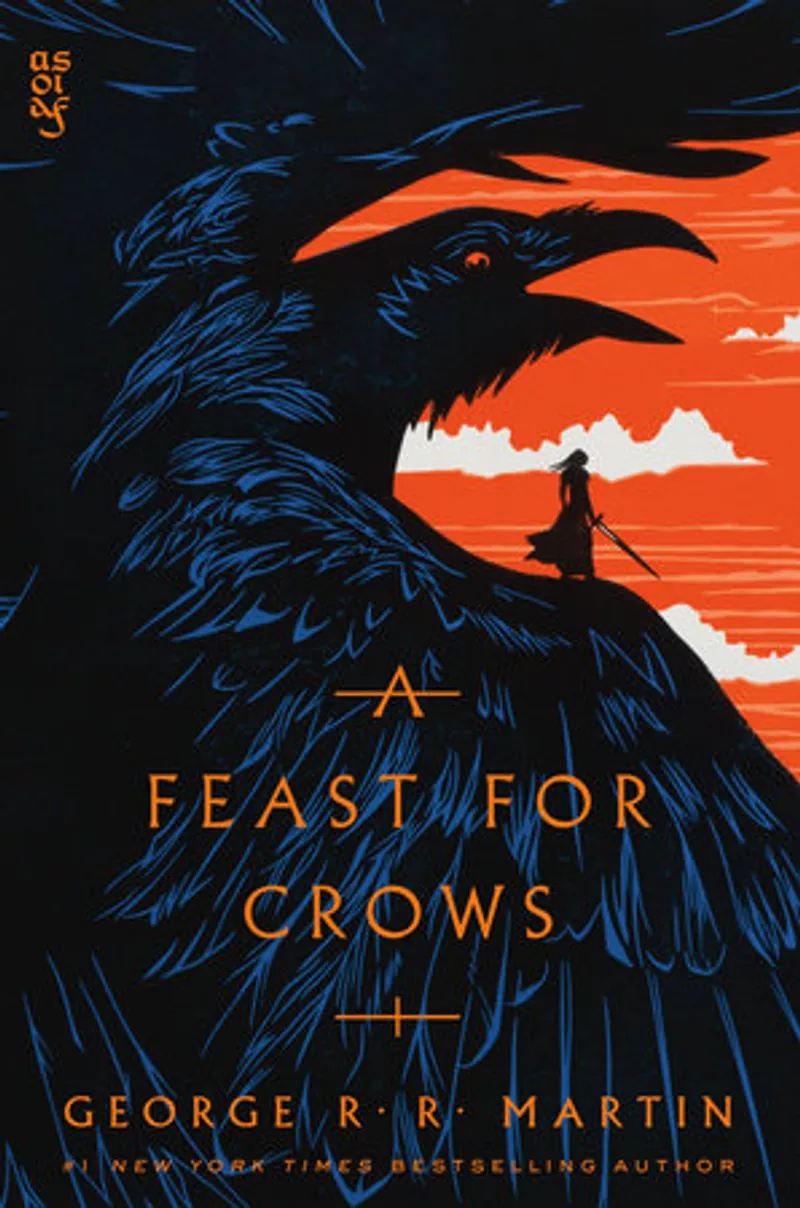
A Feast for Crows Author: George R. R. MartinPage Count: UnknownPublication Date: 2007-PRH A Feast for Crows, the fourth installment in George R.R. Martin's A Song of Ice and Fire series, is a masterful exploration of the darker aspects of human nature. Set against the backdrop of a Seven Kingdoms still reeling from the devastating wars that have ravaged the land, this novel delves into the complexities of power, loyalty, and survival. As the title suggests, A Feast for Crows is a book about scavengers, those who prey on the weak and the dead. The story is told through a multitude of perspectives, each one offering a unique glimpse into the minds of those who are struggling to stay alive in a world that seems determined to destroy them. From the noble lords and ladies who are vying for power, to the common folk who are simply trying to survive, every character in this novel is fighting for something. One of the most striking aspects of Martin's writing is his ability to create complex, multi-dimensional characters. No one is purely good or evil; each person has their own motivations and flaws, making them relatable and human. This is particularly evident in the character of Cersei Lannister, whose POV chapters offer a fascinating glimpse into the mind of a woman who is both ruthless and vulnerable. The world-building in A Feast for Crows is, as always, meticulous and detailed. Martin's vision of a medieval-inspired world is rich and immersive, with a deep history that underpins every aspect of the story. From the crumbling castles of the Seven Kingdoms to the mist-shrouded islands of the Ironborn, every location is vividly realized and steeped in atmosphere. The plot of A Feast for Crows is, by necessity, somewhat fragmented. With so many characters and storylines to follow, it can be difficult to keep track of who is doing what and where. However, this is also a strength of the novel, as it allows Martin to explore different themes and ideas in a way that feels organic and natural. One of the main themes of A Feast for Crows is the nature of power and how it is wielded. The novel shows how power can be used to manipulate and control others, but also how it can be a corrupting influence that destroys those who seek it. This is particularly evident in the character of Euron Greyjoy, who is revealed to be a master manipulator with a hidden agenda. In terms of style, Martin's writing is as engaging as ever. His prose is descriptive and evocative, with a focus on creating a sense of atmosphere and mood. The action scenes are fast-paced and intense, while the quieter moments are filled with a sense of tension and foreboding. Overall, A Feast for Crows is a gripping and intense novel that explores the darker aspects of human nature. With its complex characters, detailed world-building, and intricate plot, it is a must-read for fans of fantasy and adventure. While it may be a challenging read at times, the rewards are well worth the effort. #AFeastForCrows #ASongOfIceAndFire #GameOfThrones #GeorgeRRMartin #FantasyBooks #EpicFantasy Related InsightsTrials of Apollo Book Review and Summary Murder at the Grand Alpine Hotel Book Review and Summary Giver of Stars Book Review and Summary{ "@context": "https://schema.org", "@type": "FAQPage", "mainEntity": [ { "@type": "Question", "name": "What is the main focus of A Feast for Crows Book Review and Summary?", "acceptedAnswer": { "@type": "Answer", "text": "Everything you need to know about A Feast for Crows with our detailed review." } }, { "@type": "Question", "name": "Who authored the comprehensive guide on A Feast for Crows Book Review and Summary?", "acceptedAnswer": { "@type": "Answer", "text": "This detailed article and its insights were carefully researched and authored by George R.R. Martin." } }, { "@type": "Question", "name": "Where can I find more related content about Books?", "acceptedAnswer": { "@type": "Answer", "text": "You can explore more articles, detailed reviews, and similar insights by browsing the Related Insights section at the bottom of this article or visiting our dedicated Books category page." } } ] }
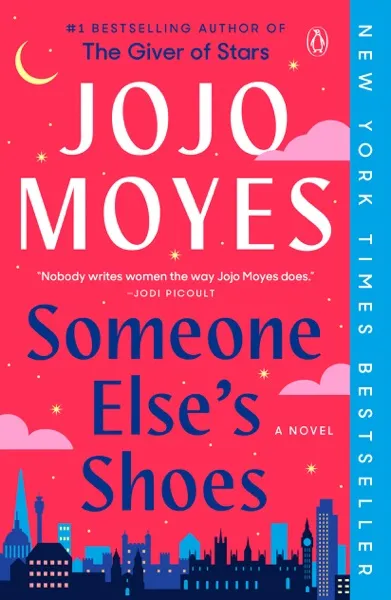

Someone Else's Shoes Author: Jojo MoyesPage Count: UnknownPublication Year: 2023-GB In the latest masterpiece by the incomparable Jojo Moyes, "Someone Else's Shoes" delves into the intricate dance of identity, self-discovery, and the often-blurred lines between reality and fantasy. This mesmerizing tale is a testament to Moyes' unparalleled storytelling prowess, weaving a complex narrative that will leave readers spellbound and introspective. At its core, "Someone Else's Shoes" is an exploration of the human condition, probing the depths of our insecurities, desires, and the masks we wear to conceal our true selves. Moyes masterfully crafts a world where the boundaries between truth and deception are constantly shifting, forcing her characters to confront the darkest corners of their own psyches. Through the eyes of her protagonist, Moyes skillfully exposes the fragility of the human experience, laying bare the fears, doubts, and vulnerabilities that we all try to keep hidden. With her characteristic empathy and nuance, she probes the inner workings of the human heart, revealing the intricate web of emotions that drive us to make the choices we do. One of the most striking aspects of "Someone Else's Shoes" is Moyes' use of language, which is at once evocative, elegant, and unflinchingly honest. Her prose is a masterclass in subtlety, conveying the complexity of human emotions with a precision that is both captivating and unsettling. As we delve deeper into the narrative, we find ourselves drawn into a world of psychological intrigue, where nothing is as it seems and the truth is always lurking just beneath the surface. Moyes' writing style is, as ever, a character in its own right, imbuing the narrative with a sense of intimacy and immediacy that is impossible to shake. Her ability to craft characters that are at once relatable and flawed is a hallmark of her storytelling, and "Someone Else's Shoes" is no exception. As we navigate the twists and turns of the plot, we find ourselves becoming increasingly invested in the lives of these complex, multifaceted individuals, even as they struggle to reconcile their own identities. Ultimately, "Someone Else's Shoes" is a powerful exploration of what it means to be human, in all our messy, imperfect glory. Moyes' latest offering is a testament to her status as one of the most compelling and thought-provoking writers of her generation, and a must-read for anyone looking to immerse themselves in a world of psychological complexity and emotional depth. #SomeoneElsesShoes #JojoMoyes #PsychologicalFiction #IdentityAndSelfDiscovery #HumanCondition #BookLovers Related InsightsSharpe's Storm (the Sharpe Series, Book 19) Book Review and Summary Far Sector Book Review and Summary A Winter Grave Book Review and Summary{ "@context": "https://schema.org", "@type": "FAQPage", "mainEntity": [ { "@type": "Question", "name": "What is the main focus of Someone Else's Shoes Book Review and Summary?", "acceptedAnswer": { "@type": "Answer", "text": "Everything you need to know about Someone Else's Shoes with our detailed review." } }, { "@type": "Question", "name": "Who authored the comprehensive guide on Someone Else's Shoes Book Review and Summary?", "acceptedAnswer": { "@type": "Answer", "text": "This detailed article and its insights were carefully researched and authored by Elena Volkova." } }, { "@type": "Question", "name": "Where can I find more related content about Books?", "acceptedAnswer": { "@type": "Answer", "text": "You can explore more articles, detailed reviews, and similar insights by browsing the Related Insights section at the bottom of this article or visiting our dedicated Books category page." } } ] }
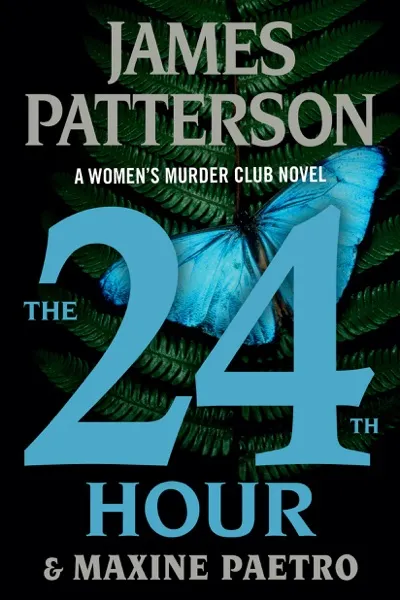

The 24th Hour Author: James PattersonPage Count: UnknownPublication Year: 2025-GB Unlock the Pulse-Pounding Thriller: The 24th Hour by James Patterson – A Masterclass in Suspense James Patterson has done it again. With The 24th Hour, the master of modern suspense delivers a novel that doesn’t just grip you—it devours you, page by page, hour by hour. Set to explode onto the literary scene in 2025, this book isn’t just another thriller; it’s a high-octane, mind-bending ride that redefines the genre. If you’ve ever stayed up past midnight to finish a book, you’ll know exactly what I mean. Patterson doesn’t just write stories—he crafts experiences, and The 24th Hour is his most addictive yet. At its core, The 24th Hour is a race against time—not just for its characters, but for the reader. The premise is deceptively simple yet brilliantly executed: a ticking clock looms over every decision, every revelation, every twist. Patterson, known for his razor-sharp pacing, cranks it up to eleven here, weaving a narrative so relentless that you’ll find yourself checking the clock, wondering how much longer you can hold out before turning the next page. The book explores themes of urgency, consequence, and the fragility of human perception, all while keeping you guessing until the very last second. The protagonist, a character Patterson fans will recognize from his previous works, is a man (or woman) pushed to the absolute limit. Without spoiling a single detail, let’s just say this individual is no ordinary hero—they’re flawed, desperate, and utterly compelling. Patterson’s genius lies in making even the most improbable scenarios feel terrifyingly real. The supporting cast is equally rich, with each character serving a vital role in the unfolding chaos. Whether it’s a rogue detective, a cunning adversary, or an unexpected ally, every figure in this story is designed to keep you on edge. Patterson’s writing style is a force of nature. His prose is lean, muscular, and devoid of unnecessary fluff—every sentence serves a purpose, every chapter ends with a hook that makes it impossible to stop reading. His dialogue crackles with tension, and his ability to shift perspectives seamlessly keeps the story dynamic and unpredictable. If you’ve ever wondered how Patterson maintains his status as a bestselling author across decades, The 24th Hour is your answer: he doesn’t just tell a story; he engineers one. What sets this book apart from Patterson’s other works is its sheer intensity. While he’s known for fast-paced thrillers, The 24th Hour feels like a sprint—one where every step could be your last. The stakes have never been higher, the twists never sharper, and the suspense never more suffocating. It’s the kind of book that makes you forget to eat, sleep, or even breathe. Patterson doesn’t just challenge your attention span; he demands it, rewarding you with a payoff that’s as satisfying as it is shocking. For fans of psychological thrillers, crime dramas, or anyone who loves a story that refuses to let go, The 24th Hour is a must-read. It’s a testament to Patterson’s unparalleled ability to craft narratives that resonate on a primal level. Whether you’re a longtime admirer or a newcomer to his work, this book will leave you breathless, questioning everything, and already craving the next installment. If you’ve ever stayed up until the 24th hour to finish a book, you’ll know exactly why this one is destined to become a classic. James Patterson doesn’t just write thrillers—he creates unforgettable moments. And The 24th Hour? It’s his magnum opus of suspense. #JamesPatterson #ThrillerBooks #MustRead2025 #PattersonNewRelease #SuspenseFiction Related InsightsFinal Girls Book Review and Summary The True Love Experiment Book Review and Summary Dodge City Book Review and Summary{ "@context": "https://schema.org", "@type": "FAQPage", "mainEntity": [ { "@type": "Question", "name": "What is the main focus of **The 24th Hour** Book Review and Summary?", "acceptedAnswer": { "@type": "Answer", "text": "Everything you need to know about **The 24th Hour** with our detailed review." } }, { "@type": "Question", "name": "Who authored the comprehensive guide on **The 24th Hour** Book Review and Summary?", "acceptedAnswer": { "@type": "Answer", "text": "This detailed article and its insights were carefully researched and authored by James Miller." } }, { "@type": "Question", "name": "Where can I find more related content about Books?", "acceptedAnswer": { "@type": "Answer", "text": "You can explore more articles, detailed reviews, and similar insights by browsing the Related Insights section at the bottom of this article or visiting our dedicated Books category page." } } ] }

Fated Blades Author: Ilona AndrewsPage Count: UnknownPublication Year: 2021-GB Fated Blades: A Dazzling Dance of Magic and Mayhem Ilona Andrews’ Fated Blades is a masterclass in blending genre-defying storytelling with razor-sharp wit and heart-pounding action. Published in 2021, this novel cements Andrews’ reputation as a powerhouse of urban fantasy, weaving together a world where ancient magic clashes with modern chaos, and where loyalty is forged in blood and steel. At its core, Fated Blades explores the theme of destiny versus choice—a tension that pulses through every page. The story follows a protagonist caught between an inescapable fate and the desperate need to carve their own path. Andrews doesn’t just set up a conflict; she immerses readers in a world where prophecy is a double-edged sword—both a burden and a guide. The magic system is intricate, grounded in bloodlines, curses, and the brutal reality of survival. Here, power isn’t just wielded; it’s earned through sacrifice, strategy, and sheer grit. Andrews’ writing style is a force of nature. Her prose crackles with energy, balancing rapid-fire dialogue with lush, cinematic descriptions. She has a knack for making even the most fantastical elements feel tangible—whether it’s the clink of enchanted blades or the electric hum of a spell about to be unleashed. The humor is dry, the tension relentless, and the emotional beats land with precision. Andrews doesn’t just tell a story; she crafts an experience, one that lingers long after the last page. What truly sets Fated Blades apart is its characters. They’re flawed, fiercely independent, and impossible to forget. The protagonist is a study in contradictions: a warrior bound by fate yet defiant of it, a leader who inspires loyalty but struggles with vulnerability. The supporting cast is equally compelling, each with their own agendas, secrets, and moments of brilliance. Andrews excels at creating dynamics that feel real—whether it’s the push-and-pull of alliances or the raw, unfiltered bonds of family (biological or chosen). The worldbuilding is another standout. Andrews doesn’t just describe a setting; she builds a living, breathing ecosystem where magic has consequences, politics are cutthroat, and every decision carries weight. The stakes are sky-high, the villains are nuanced, and the moral gray areas are as rich as the action sequences. It’s a world where survival often means dancing on the edge of a knife—and Andrews ensures readers feel every step. If Fated Blades has one weakness, it’s that its pacing can occasionally feel relentless, leaving little room for breath between explosive scenes. But this is also its strength—Andrews keeps readers on the edge of their seats, unable to look away. In the end, Fated Blades is more than just a fantasy novel. It’s a testament to the power of choice, the cost of destiny, and the unbreakable will to defy both. Ilona Andrews has crafted a story that’s as intellectually satisfying as it is thrilling, proving once again why she’s a name synonymous with excellence in the genre. #FatedBlades #IlonaAndrews #UrbanFantasy #MagicAndMayhem #FantasyBooks #BookReview Related InsightsA Portrait of the Artist as a Young Man Book Review and Summary Nobody's Fool Book Review and Summary By the Light of the Stars Book Review and Summary{ "@context": "https://schema.org", "@type": "FAQPage", "mainEntity": [ { "@type": "Question", "name": "What is the main focus of Fated Blades Book Review and Summary?", "acceptedAnswer": { "@type": "Answer", "text": "Everything you need to know about Fated Blades with our detailed review." } }, { "@type": "Question", "name": "Who authored the comprehensive guide on Fated Blades Book Review and Summary?", "acceptedAnswer": { "@type": "Answer", "text": "This detailed article and its insights were carefully researched and authored by Maximilian Fischer." } }, { "@type": "Question", "name": "Where can I find more related content about Books?", "acceptedAnswer": { "@type": "Answer", "text": "You can explore more articles, detailed reviews, and similar insights by browsing the Related Insights section at the bottom of this article or visiting our dedicated Books category page." } } ] }
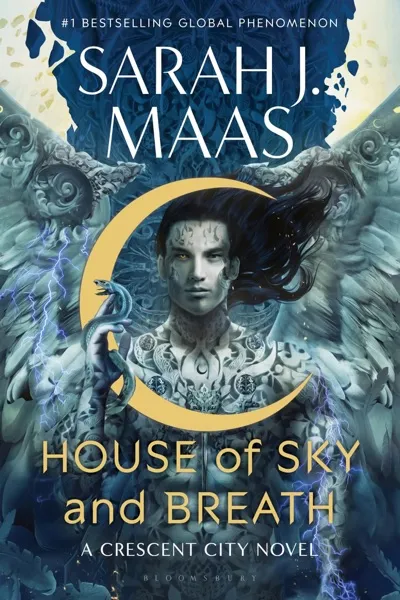

House of Sky and Breath Author: Sarah J. MaasPage Count: UnknownPublication Year: 2022-GB In the realm of fantasy literature, few authors have managed to captivate audiences quite like Sarah J. Maas, and her latest installment, House of Sky and Breath, is a testament to her unparalleled storytelling prowess. This highly anticipated sequel to House of Earth and Blood has been making waves globally, and for good reason – it's a masterclass in world-building, character development, and emotional depth. At its core, House of Sky and Breath is a story about the unbreakable bonds of love, friendship, and found family. Maas expertly weaves together a complex tapestry of relationships, exploring the intricacies of human connection in the face of adversity. The world of Crescent City, with its rich history and diverse inhabitants, provides the perfect backdrop for this exploration. From the lush, vibrant landscapes to the dark, foreboding alleys, every aspect of this world is meticulously crafted to transport readers to a realm both familiar and unknown. One of the most striking aspects of Maas's writing is her ability to craft characters that are at once relatable and larger-than-life. Bryce Quinlan, the series' protagonist, is a shining example of this. Her fierce determination, unwavering loyalty, and unapologetic vulnerability make her an instant favorite among readers. The supporting cast is equally well-developed, with each character bringing their unique voice and perspective to the narrative. Whether it's Hunt's brooding intensity, Danika's quiet strength, or Ruhn's charming wit, every character is imbued with a depth and nuance that makes them feel fully realized. Maas's writing style is, as always, a highlight of the book. Her prose is effortless, flowing seamlessly from one scene to the next. The pacing is expertly managed, balancing action, suspense, and emotional moments with ease. The world-building, too, is meticulous, with a clear passion for the mythology and lore of Crescent City shining through on every page. The result is a narrative that feels both epic in scope and intimately personal, drawing readers into the world with ease. Throughout the book, Maas explores a range of themes that resonate deeply with readers. The struggle for power, the danger of prejudice, and the importance of empathy are all woven throughout the narrative, adding depth and complexity to the story. Perhaps most striking, however, is the exploration of trauma, grief, and healing. Maas handles these sensitive topics with care and nuance, never shying away from the difficult emotions that come with them. In short, House of Sky and Breath is a triumph. It's a book that will captivate fans of fantasy and romance alike, with its lush world-building, memorable characters, and emotional depth. Maas's writing is, as always, superb, making this a must-read for anyone who's ever been swept up in the world of Crescent City. With its universal themes and unforgettable characters, this book is sure to leave a lasting impression on readers – and leave them eagerly anticipating the next installment. #HouseOfSkyAndBreath #SarahJMaas #FantasyBookReview #CrescentCitySeries #BookLovers Related InsightsLibrary of Forbidden Books Book Review and Summary Miss Peregrine's Home for Peculiar Children Book Review and Summary It Girl Book Review and Summary{ "@context": "https://schema.org", "@type": "FAQPage", "mainEntity": [ { "@type": "Question", "name": "What is the main focus of **House of Sky and Breath** Book Review and Summary?", "acceptedAnswer": { "@type": "Answer", "text": "Everything you need to know about **House of Sky and Breath** with our detailed review." } }, { "@type": "Question", "name": "Who authored the comprehensive guide on **House of Sky and Breath** Book Review and Summary?", "acceptedAnswer": { "@type": "Answer", "text": "This detailed article and its insights were carefully researched and authored by Olivia Harris." } }, { "@type": "Question", "name": "Where can I find more related content about Books?", "acceptedAnswer": { "@type": "Answer", "text": "You can explore more articles, detailed reviews, and similar insights by browsing the Related Insights section at the bottom of this article or visiting our dedicated Books category page." } } ] }

The Intruder Author: Freida McFaddenPage Count: UnknownPublication Year: 2025-GB The Intruder: A Masterclass in Psychological Suspense That Will Leave You Breathless Imagine waking up to find a stranger standing at the foot of your bed, watching you sleep. Now imagine that stranger isn’t just any intruder—he’s someone from your past, someone you thought you’d never see again. That’s the chilling premise of The Intruder, the latest gripping thriller from the internationally bestselling author Freida McFadden, set to dominate reading lists in 2025. With her signature blend of relentless tension, razor-sharp prose, and jaw-dropping twists, McFadden once again proves why she’s a force to be reckoned with in the thriller genre. The Intruder is more than just a story about an uninvited guest; it’s a deep dive into the fragility of trust, the haunting weight of secrets, and the terrifying ease with which our lives can unravel. At its core, the novel explores the psychological toll of paranoia—how suspicion can erode even the most stable relationships, leaving characters (and readers) questioning what’s real and what’s imagined. McFadden doesn’t just tell a story; she immerses you in it, making you feel the protagonist’s mounting dread with every page turn. The protagonist, a woman whose name we won’t reveal to avoid spoilers, is a character you’ll root for from the very first chapter. She’s smart, resourceful, and deeply relatable—a modern woman juggling career, family, and the quiet anxieties of everyday life. When she notices small, unsettling changes in her home, her instincts scream that something is wrong. But as she tries to rationalize her fears, the line between reality and delusion blurs dangerously. McFadden excels at crafting protagonists who feel like real people, their vulnerabilities making their struggles all the more compelling. The antagonist, or rather, the intruder, is a masterstroke of psychological horror. Without giving away too much, McFadden crafts a villain who is equal parts terrifying and enigmatic, a figure whose motives are as murky as his presence. The tension McFadden builds is relentless, with each chapter ratcheting up the stakes until you’re left gasping for air. The way she manipulates perspective—shifting between the protagonist’s POV and the intruder’s—keeps you guessing until the very end. Is he a figment of her imagination? A real threat? Or something far more sinister? McFadden’s writing style is deceptively simple yet devastatingly effective. Her prose is clean and accessible, making the book a page-turner that’s impossible to put down. Yet beneath the surface lies a razor-sharp critique of societal expectations, particularly for women. The novel subtly examines how women are often dismissed when they voice their fears, how their credibility is questioned in ways men’s never are. It’s a theme that resonates deeply in today’s cultural climate, adding layers of meaning to what is already a thrilling narrative. One of the most impressive aspects of The Intruder is McFadden’s ability to balance suspense with emotional depth. While the book is undeniably a thriller, it’s also a story about resilience, about the strength it takes to face the unknown. The protagonist’s journey is as much about self-discovery as it is about survival, and McFadden handles this balance with finesse. The result is a novel that lingers long after the final page, leaving you to question your own perceptions of safety and trust. For fans of psychological thrillers like Gone Girl or The Girl on the Train, The Intruder is a must-read. It’s a book that will keep you up at night, not just because of its scares, but because of its haunting exploration of human nature. McFadden has once again delivered a story that is as thought-provoking as it is entertaining, cementing her status as one of the most exciting voices in contemporary fiction. If you’re looking for a thriller that will leave you questioning everything you thought you knew about paranoia, trust, and the monsters that lurk in the shadows of our own homes, The Intruder is the book you need to read. Freida McFadden has outdone herself—yet again. #TheIntruder #FreidaMcFadden #PsychologicalThriller #BookReview #MustRead2025 Related InsightsThe Light Years: A Novel Book Review and Summary A Wrinkle in Time Book Review and Summary Cursed City (Harker Academy, #2) Book Review and Summary{ "@context": "https://schema.org", "@type": "FAQPage", "mainEntity": [ { "@type": "Question", "name": "What is the main focus of **The Intruder** Book Review and Summary?", "acceptedAnswer": { "@type": "Answer", "text": "Everything you need to know about **The Intruder** with our detailed review." } }, { "@type": "Question", "name": "Who authored the comprehensive guide on **The Intruder** Book Review and Summary?", "acceptedAnswer": { "@type": "Answer", "text": "This detailed article and its insights were carefully researched and authored by Anna Kowalska." } }, { "@type": "Question", "name": "Where can I find more related content about Books?", "acceptedAnswer": { "@type": "Answer", "text": "You can explore more articles, detailed reviews, and similar insights by browsing the Related Insights section at the bottom of this article or visiting our dedicated Books category page." } } ] }
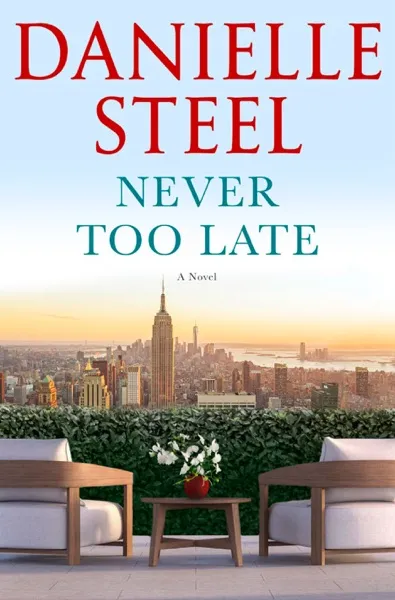

Never Too Late Author: Danielle SteelPage Count: UnknownPublication Year: 2024-GB In the realm of contemporary fiction, few authors have managed to captivate readers with the same level of emotional depth and narrative complexity as Danielle Steel. Her latest novel, "Never Too Late", is a poignant exploration of love, loss, and the transformative power of human connection. This highly anticipated release has already garnered widespread critical acclaim, and for good reason – Steel's masterful storytelling weaves a tale that is both deeply personal and universally relatable. At its core, "Never Too Late" is a story about the resilience of the human spirit. Steel's protagonist, a complex and multi-dimensional character, embarks on a journey of self-discovery that is both heart-wrenching and uplifting. As the narrative unfolds, Steel expertly explores themes of grief, forgiveness, and the enduring power of love. With her characteristic sensitivity and nuance, Steel tackles even the most difficult subjects with a level of emotional honesty that is nothing short of remarkable. One of the hallmarks of Steel's writing style is her ability to craft characters that are at once relatable and deeply flawed. Her protagonist is no exception – a richly drawn and deeply human figure, full of contradictions and vulnerabilities. As the story progresses, Steel skillfully reveals the intricacies of her character's inner world, laying bare their fears, desires, and motivations with a level of psychological acuity that is both impressive and deeply moving. Steel's prose is, as always, elegant and evocative, with a keen attention to detail that brings her characters and settings vividly to life. Her writing is both concise and expressive, conveying the full range of human emotion with a level of precision that is nothing short of remarkable. Whether she is describing the quiet beauty of a rural landscape or the intense emotions of her characters, Steel's writing is always infused with a level of passion and commitment that is deeply inspiring. Throughout "Never Too Late", Steel's characters grapple with some of life's most profound and universal questions – questions about the nature of love, the meaning of loss, and the possibility of redemption. Steel's answers, while never easy or simplistic, are always thoughtful and deeply considered, reflecting a level of emotional intelligence and psychological nuance that is rare in contemporary fiction. In short, "Never Too Late" is a triumph – a novel that is both deeply moving and profoundly thought-provoking. With its richly drawn characters, nuanced exploration of the human condition, and elegant prose, this book is sure to resonate with readers long after the final page has been turned. Whether you are a longtime fan of Danielle Steel or simply looking for a compelling and emotionally resonant read, "Never Too Late" is a novel that is sure to captivate and inspire. #DanielleSteel #NeverTooLate #ContemporaryFiction #BookReview #NewRelease Related InsightsWatchmen Book Review and Summary Bound by Fate Book Review and Summary Chocolat Book Review and Summary{ "@context": "https://schema.org", "@type": "FAQPage", "mainEntity": [ { "@type": "Question", "name": "What is the main focus of **Never Too Late** Book Review and Summary?", "acceptedAnswer": { "@type": "Answer", "text": "Everything you need to know about **Never Too Late** with our detailed review." } }, { "@type": "Question", "name": "Who authored the comprehensive guide on **Never Too Late** Book Review and Summary?", "acceptedAnswer": { "@type": "Answer", "text": "This detailed article and its insights were carefully researched and authored by Klaus Weber." } }, { "@type": "Question", "name": "Where can I find more related content about Books?", "acceptedAnswer": { "@type": "Answer", "text": "You can explore more articles, detailed reviews, and similar insights by browsing the Related Insights section at the bottom of this article or visiting our dedicated Books category page." } } ] }
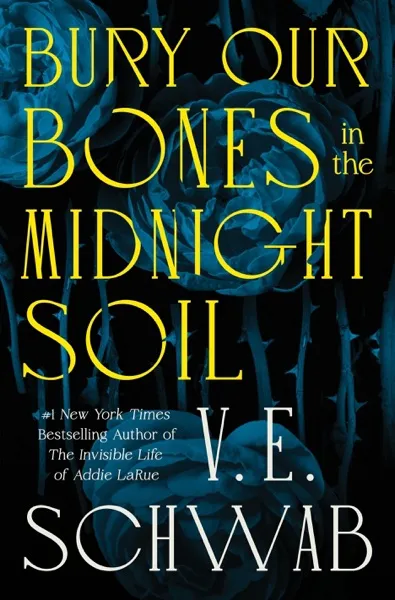

Bury Our Bones in the Midnight Soil Author: V. E. SchwabPage Count: UnknownPublication Year: 2025-GB Bury Our Bones in the Midnight Soil: A Haunting Masterpiece from V.E. Schwab Few authors possess the rare ability to weave history, horror, and human resilience into a narrative that lingers long after the final page. V.E. Schwab, a master of atmospheric storytelling, delivers yet another unforgettable experience with Bury Our Bones in the Midnight Soil, a 2025 global bestseller that cements her status as a literary force to be reckoned with. This isn’t just a book—it’s an immersive journey into the shadows of the past, where the echoes of the dead refuse to stay buried. At its core, Bury Our Bones in the Midnight Soil is a story about legacy, the weight of history, and the indomitable spirit of those who dare to confront the darkness. Set against a backdrop that blends the eerie mysticism of folklore with the raw brutality of human ambition, Schwab crafts a world where the line between the living and the dead blurs in the most unsettling ways. The novel follows a cast of deeply flawed yet compelling characters, each grappling with their own demons—both literal and metaphorical. Their struggles are not just personal but tied to a larger, haunting narrative that spans generations, making this a tale of both intimate sorrow and epic consequence. One of Schwab’s greatest strengths lies in her ability to create characters who feel achingly real, even when surrounded by the supernatural. The protagonist, a figure burdened by a past they can’t escape, is a study in resilience and vulnerability. Their journey is one of self-discovery, but it’s also a confrontation with forces that seek to exploit their pain. Schwab’s prose is lush yet precise, painting vivid landscapes that feel both tangible and dreamlike. The Midnight Soil itself becomes a character—a sentient, hungry entity that feeds on memory, regret, and the bones of the forgotten. Themes of memory and erasure run deep throughout the novel. Schwab explores how history is not just recorded but felt, how the past clings to the present in ways that are both beautiful and devastating. The Midnight Soil, a place where the dead are said to rest, becomes a metaphor for the things we bury—our sins, our losses, our truths. The novel asks: What happens when the dead refuse to stay silent? What price must be paid to lay them to rest? These questions resonate far beyond the page, making Bury Our Bones in the Midnight Soil a meditation on grief, justice, and the enduring power of stories. Schwab’s writing style is a masterclass in tension and atmosphere. Her sentences are rhythmic, almost musical, yet they carry the weight of a blade poised to strike. She balances lyrical descriptions with sharp, punchy dialogue, creating a rhythm that keeps readers on edge. The horror in this novel isn’t just in the supernatural elements—it’s in the quiet moments, the unspoken fears, the way the past seeps into the present like ink in water. Schwab doesn’t rely on cheap scares; she builds dread through atmosphere, through the slow unraveling of secrets that feel like they’ve been buried for centuries. For fans of Schwab’s previous works, Bury Our Bones in the Midnight Soil will feel like a homecoming—a return to the dark, dreamlike worlds she excels at crafting. Yet, it also stands apart, a testament to her growth as a storyteller. This is a novel that demands to be read slowly, savored like a fine wine, with each chapter revealing another layer of its intricate tapestry. It’s the kind of book that lingers in the mind, that makes you look over your shoulder even when you’re alone in a well-lit room. If you’re searching for a book that will haunt you in the best possible way—one that blends the eerie allure of gothic horror with the emotional depth of literary fiction—then Bury Our Bones in the Midnight Soil is a must-read. V.E. Schwab has once again proven why she’s one of the most vital voices in modern fiction, crafting a story that is as thought-provoking as it is terrifying. This is more than a bestseller; it’s a modern classic in the making. #VESchwab #DarkFantasy #LiteraryHorror #BookReview #MidnightSoil Related InsightsFalling Like Snow (Bramble Falls #2) Book Review and Summary Intermezzo Book Review and Summary None of This Is True Book Review and Summary{ "@context": "https://schema.org", "@type": "FAQPage", "mainEntity": [ { "@type": "Question", "name": "What is the main focus of **Bury Our Bones in the Midnight Soil** Book Review and Summary?", "acceptedAnswer": { "@type": "Answer", "text": "Everything you need to know about **Bury Our Bones in the Midnight Soil** with our detailed review." } }, { "@type": "Question", "name": "Who authored the comprehensive guide on **Bury Our Bones in the Midnight Soil** Book Review and Summary?", "acceptedAnswer": { "@type": "Answer", "text": "This detailed article and its insights were carefully researched and authored by Lucia Garcia." } }, { "@type": "Question", "name": "Where can I find more related content about Books?", "acceptedAnswer": { "@type": "Answer", "text": "You can explore more articles, detailed reviews, and similar insights by browsing the Related Insights section at the bottom of this article or visiting our dedicated Books category page." } } ] }
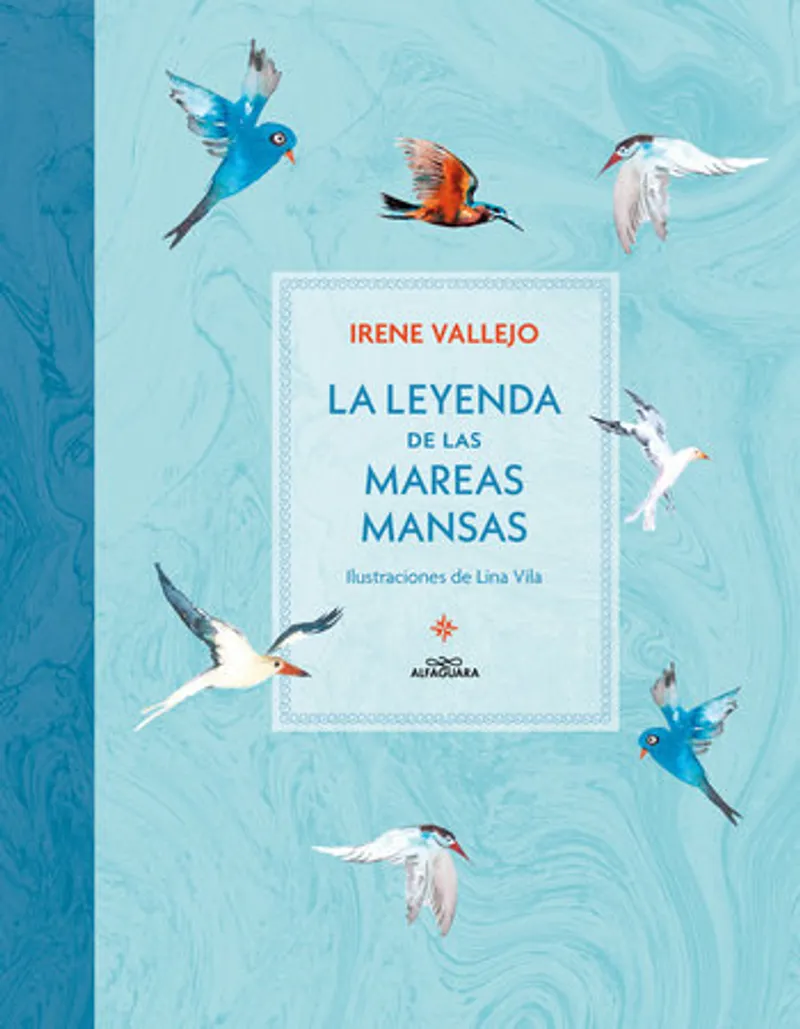
La leyenda de las mareas mansas / The Legend of the Peaceful Tides Author: Irene VallejoPage Count: UnknownPublication Date: 2025-PRH In the realm of literary fiction, it's a rare occurrence to stumble upon a novel that not only transports you to a world of serene beauty but also masterfully weaves a narrative that echoes the ebbs and flows of the human experience. Irene Vallejo's "La leyenda de las mareas mansas" (The Legend of the Peaceful Tides), published in 2025, is a captivating tale that does just that. As a reviewer, I'm thrilled to delve into the main theme and the author's enchanting style, which will undoubtedly leave readers spellbound. From the outset, Vallejo's prose is akin to a gentle tide, gradually drawing the reader into the world she's crafted. The narrative is a poignant exploration of the human condition, delving into the intricacies of love, loss, and the search for solace. The author's use of lyrical language is nothing short of mesmerizing, as she skillfully employs the soothing cadence of the ocean to mirror the turmoil and tranquility that exists within the human heart. The main theme of the novel revolves around the concept of finding peace amidst chaos. Vallejo masterfully interweaves the lives of her characters, each struggling to navigate the complexities of their own existence. As the story unfolds, it becomes evident that the author is not only exploring the individual's quest for serenity but also the interconnectedness of human experiences. The novel is a powerful reminder that, despite our differences, we are all bound by the common thread of our shared humanity. Vallejo's writing style is a true marvel, as she effortlessly blends elements of magical realism with the harsh realities of life. Her use of imagery is stunning, transporting the reader to a world of breathtaking beauty, where the lines between reality and myth blur. The author's prose is akin to a rich tapestry, woven with precision and care, each thread carefully intertwined to create a narrative that is both haunting and beautiful. One of the most striking aspects of "La leyenda de las mareas mansas" is its ability to evoke a sense of timelessness. Vallejo's writing is not bound by the constraints of time or place; instead, it exists in a realm that is both universal and intimate. This is a testament to the author's skill, as she masterfully crafts a narrative that transcends the boundaries of the ordinary, speaking directly to the reader's soul. In conclusion, "La leyenda de las mareas mansas" is a masterpiece of contemporary literature, a novel that will resonate deeply with readers who appreciate the beauty of lyrical prose and the power of storytelling. Irene Vallejo's writing is a gift, a reminder of the transformative power of literature to touch our hearts and minds. If you're seeking a novel that will transport you to a world of breathtaking beauty and poignant introspection, then this is the book for you. #TheLegendOfThePeacefulTides #IreneVallejo #LiteraryFiction #MagicalRealism #BookLovers #OceanicInspiration Related InsightsThe Broken Earth Trilogy: The Fifth Season, The Obelisk Gate, The Stone Sky Book Review and Summary Lolita Book Review and Summary Circe Book Review and Summary{ "@context": "https://schema.org", "@type": "FAQPage", "mainEntity": [ { "@type": "Question", "name": "What is the main focus of The Prince of Tides Book Review and Summary?", "acceptedAnswer": { "@type": "Answer", "text": "Everything you need to know about The Prince of Tides with our detailed review." } }, { "@type": "Question", "name": "Who authored the comprehensive guide on The Prince of Tides Book Review and Summary?", "acceptedAnswer": { "@type": "Answer", "text": "This detailed article and its insights were carefully researched and authored by Pat Conroy." } }, { "@type": "Question", "name": "Where can I find more related content about Books?", "acceptedAnswer": { "@type": "Answer", "text": "You can explore more articles, detailed reviews, and similar insights by browsing the Related Insights section at the bottom of this article or visiting our dedicated Books category page." } } ] }
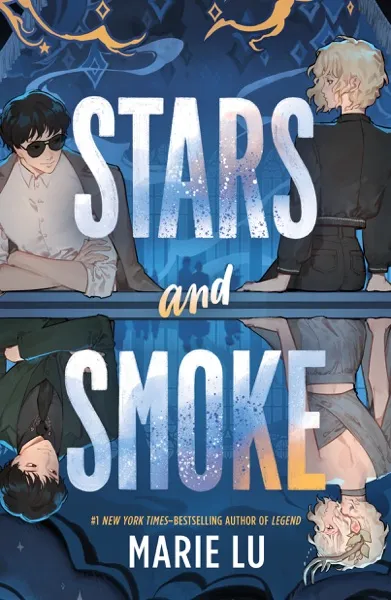
Stars and Smoke 2 Author: Marie LuPage Count: UnknownPublication Year: 2024-GB Stars and Smoke 2 is a dazzling sequel that cements Marie Lu’s reputation as a master of high-stakes sci-fi romance. Following the explosive events of the first book, this installment thrusts readers back into a universe where neon-lit megacities collide with shadowy conspiracies, and the line between hero and villain blurs with every calculated move. Lu doesn’t just deliver another adventure—she crafts an emotional and intellectual rollercoaster that lingers long after the final page. At its core, Stars and Smoke 2 explores the tension between destiny and choice. The story follows two protagonists whose paths are dictated by forces beyond their control: one, a prodigy trapped in a life of privilege and expectation; the other, a rogue with a fractured past seeking redemption. As their worlds collide, they must confront whether they are puppets of fate or architects of their own futures. Lu weaves this theme with deft precision, never resorting to simplistic moral binaries. Instead, she presents a world where every decision carries weight, and every alliance could be a betrayal in disguise. Lu’s prose remains as polished and immersive as ever. Her writing is sleek, sharp, and infused with vivid sensory detail—whether describing the hum of a spaceship engine or the electric charge of a first kiss. She has a rare talent for balancing high-concept sci-fi with deeply human moments, making the futuristic setting feel both awe-inspiring and intimately real. The dialogue crackles with wit and tension, and the pacing never falters, keeping readers glued to the page. What truly sets this book apart is Lu’s ability to blend action with introspection. The story unfolds through multiple perspectives, giving each character depth and agency. The protagonist’s internal monologue reveals vulnerability beneath the polished exterior, while the antagonist’s motivations are layered with nuance, challenging readers to question their own sympathies. Lu avoids the trap of one-dimensional villains, instead presenting a world where every figure of power—whether benevolent or tyrannical—operates from a place of complex rationale. The worldbuilding in Stars and Smoke 2 is another triumph. Lu expands the universe with breathtaking scope, introducing new factions, technologies, and political intrigues that feel grounded in real-world parallels. From corporate-controlled cities to rebel colonies on distant planets, the setting is a character in its own right—vibrant, dangerous, and brimming with untold stories. The world feels lived-in, a testament to Lu’s meticulous attention to detail. Emotionally, the book is a powerhouse. Lu doesn’t shy away from heartbreak or hard truths, and the relationships between characters are forged in fire. The romantic tension is electric, charged with both longing and danger, while the platonic bonds are equally compelling. The stakes feel personal, not just for the characters but for the reader, making every victory and loss resonate deeply. Marie Lu’s style is unmistakable—elegant yet accessible, cerebral yet emotionally resonant. She has a gift for crafting stories that are both intellectually stimulating and deeply moving, and Stars and Smoke 2 is no exception. It’s a book that demands to be read in one sitting, not because it’s light, but because the pull of the narrative is too strong to resist. In an era where sci-fi often leans toward either escapism or stark dystopia, Lu strikes a perfect balance. Stars and Smoke 2 is a story about the power of human connection in a universe that tries to strip it away. It’s about finding light in the smoke, and making your own stars. #StarsAndSmoke2 #MarieLu #SciFiRomance #DystopianFutures #BookReview #MustRead2024 Related InsightsOn Earth We're Briefly Gorgeous Book Review and Summary The Portrait of a Lady Book Review and Summary Steppenwolf Book Review and Summary{ "@context": "https://schema.org", "@type": "FAQPage", "mainEntity": [ { "@type": "Question", "name": "What is the main focus of Stars and Smoke 2 Book Review and Summary?", "acceptedAnswer": { "@type": "Answer", "text": "Everything you need to know about Stars and Smoke 2 with our detailed review." } }, { "@type": "Question", "name": "Who authored the comprehensive guide on Stars and Smoke 2 Book Review and Summary?", "acceptedAnswer": { "@type": "Answer", "text": "This detailed article and its insights were carefully researched and authored by Sofia Bianchi." } }, { "@type": "Question", "name": "Where can I find more related content about Books?", "acceptedAnswer": { "@type": "Answer", "text": "You can explore more articles, detailed reviews, and similar insights by browsing the Related Insights section at the bottom of this article or visiting our dedicated Books category page." } } ] }
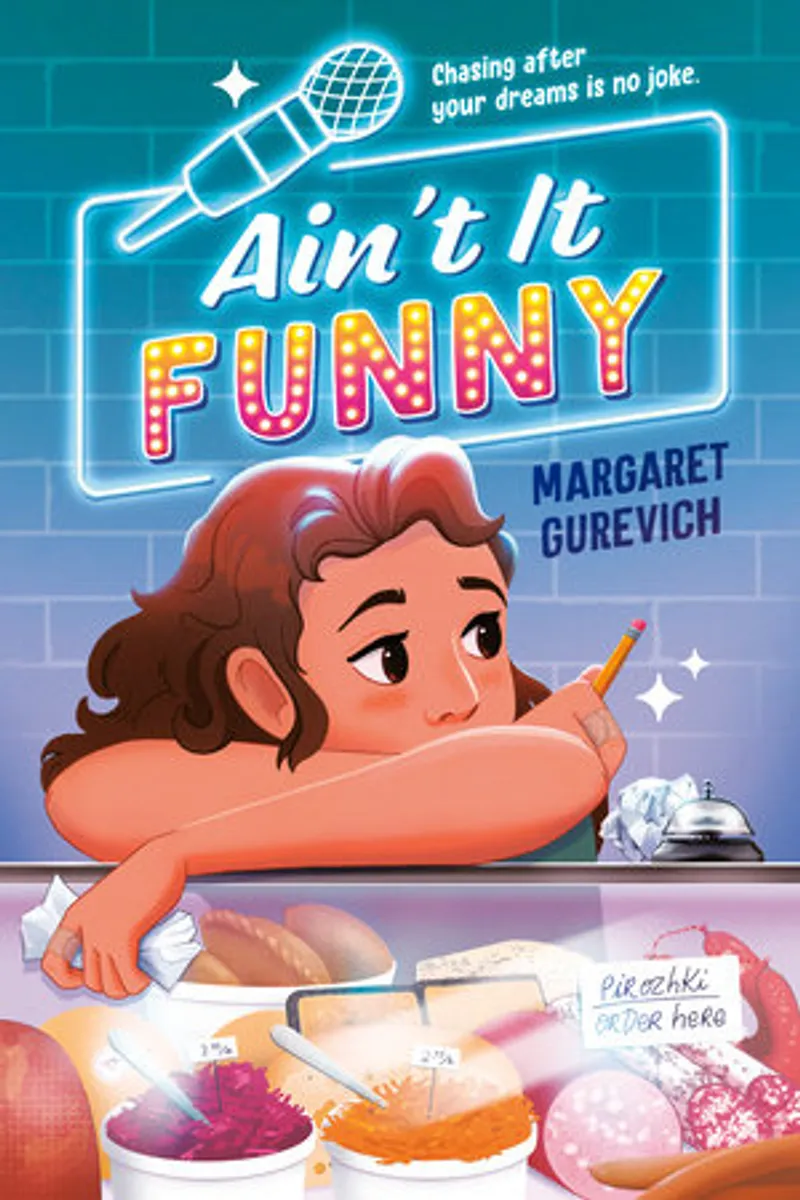
Ain't It Funny Author: Margaret GurevichPage Count: UnknownPublication Date: 2025-PRH Ain't It Funny, the latest offering from Margaret Gurevich, is a heartwarming and humorous exploration of a young girl's journey to heal her fractured family through the power of stand-up comedy. The story follows eleven-year-old Maya, whose life is turned upside down when her dad leaves home to pursue his comedy dreams, leaving her mom to navigate the family's Russian deli on her own. As Maya struggles to cope with her parents' separation, she must also contend with her growing anxiety and OCD, which threaten to derail her own dreams of becoming a comedian. Through Maya's story, Gurevich tackles themes of family, love, and resilience with humor and sensitivity. One of the standout aspects of the book is its authentic portrayal of a young girl's inner turmoil. Maya's struggles with anxiety and OCD are deeply relatable, and Gurevich's nuanced handling of these complex issues is both informative and empowering. As Maya navigates the challenges of her sixth-grade talent show, Gurevich skillfully weaves together threads of humor, pathos, and self-discovery, creating a narrative that is both laugh-out-loud funny and deeply moving. Gurevich's writing style is a perfect blend of wit, charm, and emotional depth. Her characters are multidimensional and relatable, with Maya being a particularly well-crafted protagonist. The author's use of language is engaging and accessible, making the book an enjoyable read for both kids and adults. The Russian deli setting adds a delightful cultural flavor to the story, and Gurevich's vivid descriptions of the sights, sounds, and smells of the deli will leave readers craving a taste of the delicious food and warm atmosphere. One of the most impressive aspects of Ain't It Funny is its thoughtful exploration of the complexities of family relationships. Gurevich shows how families can be both flawed and loving, and how even in the midst of chaos and uncertainty, there is always the potential for healing and growth. The book's message about the importance of embracing imperfection and finding strength in vulnerability is both timely and timeless. In short, Ain't It Funny is a delightful and moving novel that will resonate with readers of all ages. With its lighthearted humor, poignant drama, and uplifting message, this book is a must-read for anyone who has ever struggled to find their voice or navigate the complexities of family relationships. Margaret Gurevich's writing is a breath of fresh air, and her characters will stay with you long after you finish the book. #ComedyAndHeartbreak #MentalHealthMatters #FamilyTies #KidsLit #StandUpForYourself #RussianCultureInLiterature Related InsightsRevenge in a Small Town: A Vandy Myrick Mystery (The Vandy Myrick Mysteries, 3) Book Review and Summary The Blast from the Past Book Review and Summary Something Is Killing the Children: Hope Is a Knife Book Review and Summary{ "@context": "https://schema.org", "@type": "FAQPage", "mainEntity": [ { "@type": "Question", "name": "What is the main focus of It Ain't Me, Babe Book Review and Summary?", "acceptedAnswer": { "@type": "Answer", "text": "Everything you need to know about It Ain't Me, Babe with our detailed review." } }, { "@type": "Question", "name": "Who authored the comprehensive guide on It Ain't Me, Babe Book Review and Summary?", "acceptedAnswer": { "@type": "Answer", "text": "This detailed article and its insights were carefully researched and authored by Tillie Cole." } }, { "@type": "Question", "name": "Where can I find more related content about Books?", "acceptedAnswer": { "@type": "Answer", "text": "You can explore more articles, detailed reviews, and similar insights by browsing the Related Insights section at the bottom of this article or visiting our dedicated Books category page." } } ] }
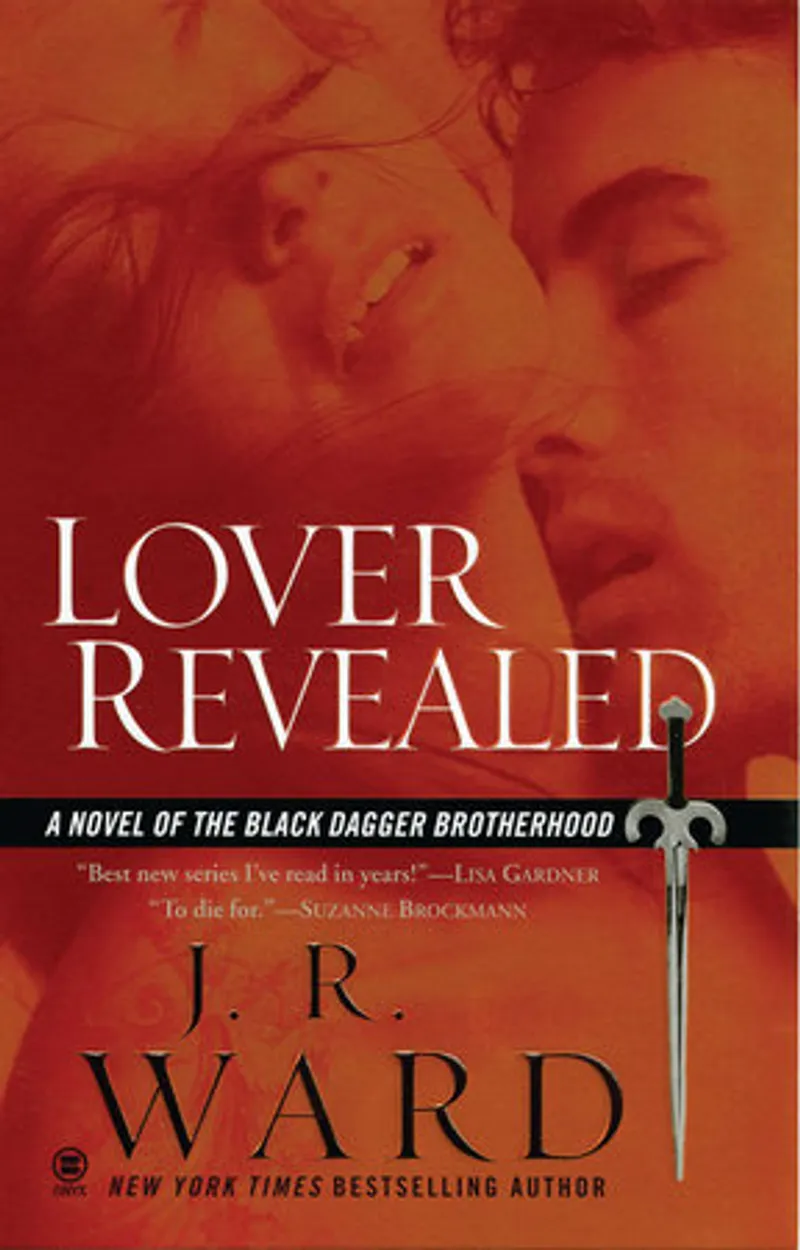
Lover Revealed Author: J.R. WardPage Count: UnknownPublication Date: 2009-PRH In the midst of the Black Dagger Brotherhood series, J.R. Ward weaves a tale that delves into the complexities of the human heart and the darkness that can consume it. Lover Revealed, the fourth installment in this captivating series, brings to the forefront Butch O'Neal, a hard-living ex-homicide cop who has found himself entrenched in the world of vampires. Ward's writing style is as captivating as ever, drawing readers into the world of the Brotherhood with ease. Her vivid descriptions of the characters and their surroundings paint a picture that is both haunting and beautiful, making it impossible to look away. The narrative is expertly woven, with each thread carefully intertwined to create a tapestry that is both intricate and mesmerizing. At the heart of the story is Butch, a man who has lost himself in his desire for a female vampire, Marissa. Their love is forbidden, and yet, they are drawn to each other with an unrelenting passion. Butch's willingness to risk everything for Marissa is admirable, and his devotion to her is a testament to the power of true love. However, it is not just the romance that drives the story forward. Ward masterfully explores the theme of darkness and the dangers that lurk within. Butch's fall into the depths of the underworld is both heartbreaking and terrifying, and his struggle to find his way back to the light is a true testament to the human spirit. One of the most striking aspects of Ward's writing is her ability to create complex, multidimensional characters. Butch, Marissa, and the rest of the Brotherhood are more than just characters - they are living, breathing beings with their own strengths, weaknesses, and motivations. Their interactions are raw and emotional, making it impossible not to become invested in their lives. The world-building in Lover Revealed is also noteworthy. Ward's vampires are not the sparkly, benevolent creatures that have become so popular in modern fiction. Instead, they are dark, brooding, and often brutal, with a rich history that is slowly revealed throughout the series. In conclusion, Lover Revealed is a gripping tale that explores the complexities of the human heart and the darkness that can consume it. With its captivating narrative, complex characters, and rich world-building, this book is a must-read for fans of the Black Dagger Brotherhood series. Ward's writing is as captivating as ever, making this a truly unforgettable read. #BlackDaggerBrotherhood #JRWard #ParanormalRomance #VampireFiction #DarkFantasy #LoverRevealed Related InsightsMiddlemarch Book Review and Summary The Sound and the Fury Book Review and Summary The Marriage Portrait Book Review and Summary{ "@context": "https://schema.org", "@type": "FAQPage", "mainEntity": [ { "@type": "Question", "name": "What is the main focus of Lover Revealed Book Review and Summary?", "acceptedAnswer": { "@type": "Answer", "text": "Everything you need to know about Lover Revealed with our detailed review." } }, { "@type": "Question", "name": "Who authored the comprehensive guide on Lover Revealed Book Review and Summary?", "acceptedAnswer": { "@type": "Answer", "text": "This detailed article and its insights were carefully researched and authored by J.R. Ward." } }, { "@type": "Question", "name": "Where can I find more related content about Books?", "acceptedAnswer": { "@type": "Answer", "text": "You can explore more articles, detailed reviews, and similar insights by browsing the Related Insights section at the bottom of this article or visiting our dedicated Books category page." } } ] }
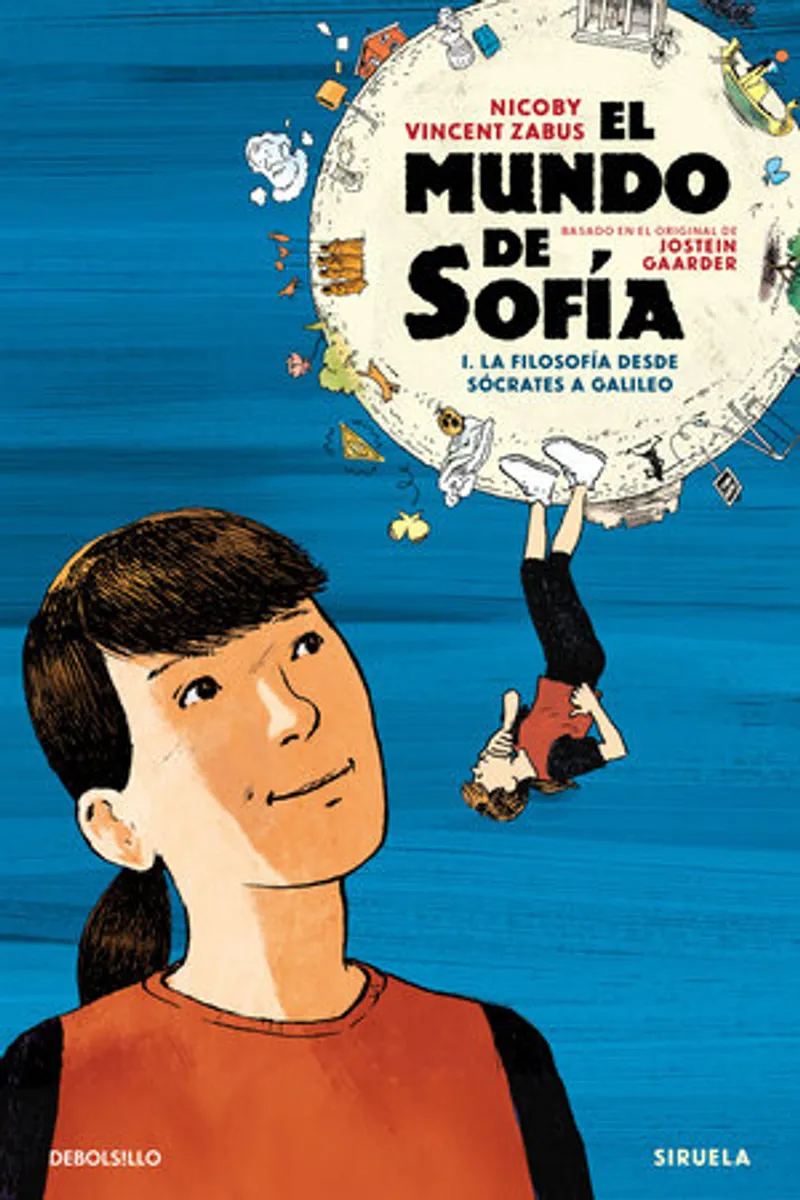
El mundo de Sofía (la novela gráfica) 1. La filosofía desde Sócrates a Galileo / Sophie's World Author: Vincent ZabusPage Count: UnknownPublication Date: 2025-PRH In the realm of philosophical literature, few works have managed to captivate readers quite like "Sophie's World" by Jostein Gaarder. Now, Vincent Zabus brings a fresh perspective to this beloved classic with "El mundo de Sofía (la novela gráfica) 1. La filosofía desde Sócrates a Galileo" or "Sophie's World: The Graphic Novel". This adaptation promises to breathe new life into the original, and I am excited to dive into its pages. As the title suggests, this graphic novel is the first installment in a series that will explore the vast expanse of philosophical thought, from the ancient Greeks to the dawn of the scientific revolution. Zabus masterfully distills the complex ideas of Socrates, Plato, and Aristotle, making them accessible to a new generation of readers. The inclusion of Galileo marks a turning point in the narrative, as the scientific method begins to take center stage. One of the most striking aspects of Zabus's adaptation is the way he balances faithfulness to the original with innovative storytelling. The graphic novel format allows for a unique visual representation of philosophical concepts, making them more engaging and easier to grasp. The artwork is stunning, with each panel carefully crafted to convey the emotional depth and intellectual curiosity of the characters. Through Sophie's eyes, we experience the thrill of discovery as she delves into the world of philosophy. Zabus's writing is witty and engaging, capturing the essence of Gaarder's prose while infusing it with a modern sensibility. The characters are well-developed and relatable, making it easy to become invested in their journeys. What sets "El mundo de Sofía" apart from other adaptations is its ability to balance intellectual rigor with narrative drive. Zabus never shies away from tackling complex ideas, but he presents them in a way that is both clear and compelling. This is a graphic novel that will appeal to fans of philosophy, history, and science alike. As I turned the pages, I was struck by the sense of wonder that permeates this book. Zabus's passion for philosophy is infectious, and his love for the subject matter shines through on every page. This is a work that will inspire readers to explore the world of ideas, to question their assumptions, and to seek out new knowledge. In short, "El mundo de Sofía (la novela gráfica) 1. La filosofía desde Sócrates a Galileo" is a triumph. Vincent Zabus has created a work that is both a loving tribute to the original and a bold reimagining of the material. If you're a fan of philosophy, graphic novels, or simply great storytelling, then this book is a must-read. #PhilosophyInGraphicNovels #SophiesWorld #GraphicNovelAdaptations #PhilosophyForAll #ScienceAndPhilosophy #LaFilosofiaEnComic Related InsightsNebula Awards Showcase 56 Book Review and Summary Cold Mountain Book Review and Summary Dead Before Tea Time: An Agatha Raisin Mystery (Agatha Raisin Mysteries, 37) Book Review and Summary{ "@context": "https://schema.org", "@type": "FAQPage", "mainEntity": [ { "@type": "Question", "name": "What is the main focus of Sophie’s World Book Review and Summary?", "acceptedAnswer": { "@type": "Answer", "text": "Everything you need to know about Sophie’s World with our detailed review." } }, { "@type": "Question", "name": "Who authored the comprehensive guide on Sophie’s World Book Review and Summary?", "acceptedAnswer": { "@type": "Answer", "text": "This detailed article and its insights were carefully researched and authored by Jostein Gaarder." } }, { "@type": "Question", "name": "Where can I find more related content about Books?", "acceptedAnswer": { "@type": "Answer", "text": "You can explore more articles, detailed reviews, and similar insights by browsing the Related Insights section at the bottom of this article or visiting our dedicated Books category page." } } ] }
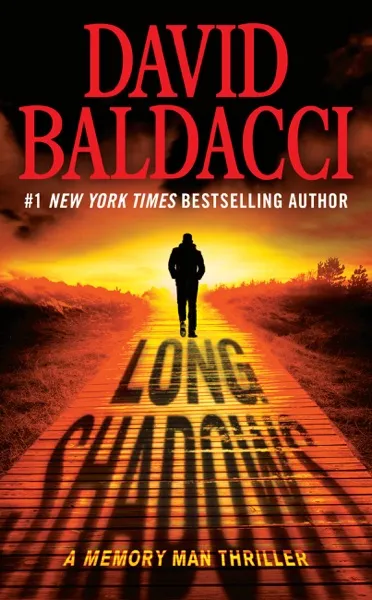

Long Shadows Author: David BaldacciPage Count: UnknownPublication Year: 2022-GB Long Shadows: A Masterclass in Suspense and Moral Complexity from David Baldacci Few authors can weave a tale as gripping as David Baldacci, and Long Shadows is no exception. Released in 2022, this global bestseller cements Baldacci’s reputation as a master of high-stakes storytelling, blending razor-sharp suspense with deep moral dilemmas. If you’re a fan of political thrillers that keep you on the edge of your seat while also forcing you to question the very nature of justice, this book is a must-read. But even if you’re new to Baldacci’s work, Long Shadows serves as the perfect introduction to his unparalleled ability to craft narratives that are as intellectually stimulating as they are thrilling. At its core, Long Shadows explores the blurred lines between right and wrong, vengeance and justice, and the personal cost of living in a world where shadows lurk behind every corner. Baldacci, known for his meticulous research and intricate plotting, delivers a story that feels both timeless and urgently relevant. The novel follows a cast of compelling characters, each grappling with their own demons while navigating a labyrinth of deception and danger. Whether it’s the morally ambiguous protagonist, the relentless antagonist, or the supporting players who blur the line between ally and adversary, Baldacci ensures that every character feels real, flawed, and deeply human. One of the standout aspects of Long Shadows is Baldacci’s writing style. His prose is clean and accessible, yet it carries the weight of a seasoned storyteller who knows exactly how to pace a narrative. The book unfolds with a relentless momentum, pulling the reader deeper into its web of intrigue with each chapter. Baldacci’s ability to balance action with introspection is particularly impressive—he doesn’t just deliver thrills; he makes you think. The themes of loyalty, betrayal, and the consequences of one’s actions are woven seamlessly into the plot, elevating Long Shadows beyond a mere thriller into a work of literary significance. The novel’s setting also plays a crucial role in its appeal. Baldacci’s vivid descriptions of both urban landscapes and remote, desolate locations immerse the reader in the story’s atmosphere. Whether it’s the bustling streets of Washington, D.C., or the eerie quiet of a forgotten town, the settings feel alive, almost like another character in the narrative. This attention to detail not only enhances the suspense but also grounds the story in a reality that feels tangible and immediate. What truly sets Long Shadows apart, however, is its exploration of moral ambiguity. Baldacci doesn’t shy away from presenting characters who operate in the gray areas of ethics, forcing readers to confront their own beliefs about justice and retribution. This is where Baldacci’s genius shines—he doesn’t provide easy answers. Instead, he presents a world where every choice has consequences, and every character must live with the repercussions of their actions. It’s this complexity that makes Long Shadows resonate long after the final page is turned. For readers who enjoy political thrillers, crime dramas, or simply stories that challenge their perceptions, Long Shadows is a must-read. Baldacci’s ability to craft a narrative that is both entertaining and thought-provoking is a rare talent, and this book is a testament to his skill. Whether you’re a longtime fan of his work or new to his writing, Long Shadows promises a reading experience that is as rewarding as it is exhilarating. If you’re looking for a book that will keep you guessing until the very end, while also leaving you with plenty to ponder, Long Shadows is the perfect choice. David Baldacci has once again delivered a masterpiece that cements his place as one of the greatest thriller writers of our time. #DavidBaldacci #ThrillerBooks #LongShadows #CrimeFiction #MustRead Related InsightsCall Me By Your Name Book Review and Summary Invisible Girl Book Review and Summary Best American Science Fiction and Fantasy 2023 Book Review and Summary{ "@context": "https://schema.org", "@type": "FAQPage", "mainEntity": [ { "@type": "Question", "name": "What is the main focus of **Long Shadows** Book Review and Summary?", "acceptedAnswer": { "@type": "Answer", "text": "Everything you need to know about **Long Shadows** with our detailed review." } }, { "@type": "Question", "name": "Who authored the comprehensive guide on **Long Shadows** Book Review and Summary?", "acceptedAnswer": { "@type": "Answer", "text": "This detailed article and its insights were carefully researched and authored by Chloé Laurent." } }, { "@type": "Question", "name": "Where can I find more related content about Books?", "acceptedAnswer": { "@type": "Answer", "text": "You can explore more articles, detailed reviews, and similar insights by browsing the Related Insights section at the bottom of this article or visiting our dedicated Books category page." } } ] }
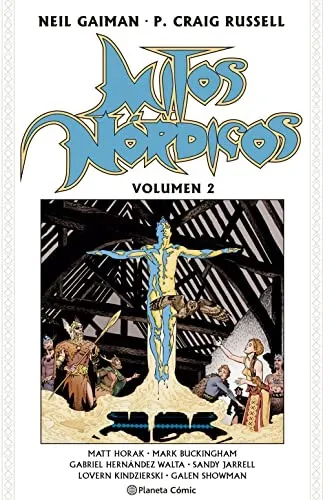
Mitos nórdicos nº 02/03 Author: Neil GaimanPage Count: UnknownPublication Year: 2023-GB Unlock the Secrets of the Norse Gods: Neil Gaiman’s Mitos Nórdicos Reimagines Mythology with Modern Brilliance Few authors possess the rare ability to breathe new life into ancient stories while honoring their original power—but Neil Gaiman does exactly that. With Mitos Nórdicos (Books 02/03), the second and third installments in his masterful retelling of Norse mythology, Gaiman once again proves why he’s a modern literary alchemist, transforming dusty legends into vivid, pulse-pounding narratives. Whether you’re a mythology buff, a fantasy enthusiast, or simply someone who loves a masterfully crafted tale, this book is a must-read that will leave you questioning what you thought you knew about gods, giants, and the end of all things. At its core, Mitos Nórdicos is more than just a retelling—it’s a reinvention. Gaiman doesn’t merely recount the myths; he reimagines them with a contemporary voice that makes Odin’s cunning, Thor’s bravado, and Loki’s chaos feel as fresh as tomorrow’s headlines. The book dives deep into the Norse pantheon, exploring themes of fate, power, and the inevitability of Ragnarök—the apocalyptic battle that looms over all the gods. Gaiman’s genius lies in his ability to weave these grand, cosmic themes into deeply human stories, where gods struggle with ego, mortals grapple with destiny, and the line between hero and villain blurs in the most unexpected ways. One of the most compelling aspects of Gaiman’s approach is his focus on character depth. Odin, the Allfather, is no longer just a distant, all-knowing deity but a complex figure—wise yet ruthless, a trickster who plays the long game. Thor, often reduced to a hammer-swinging caricature, emerges as a flawed but endearing hero whose strength is matched only by his stubbornness. And then there’s Loki, the trickster god whose mischief and malice drive much of the narrative. Gaiman’s Loki isn’t just a villain; he’s a mirror to the chaos within all of us, a reminder that even gods are bound by their own nature. These characters leap off the page, their personalities so vivid that you’ll feel their triumphs and tragedies as if they were your own. Gaiman’s writing style is another standout feature. His prose is clean yet evocative, blending modern sensibilities with the stark, mythic tone of the original sagas. He has a knack for dialogue that crackles with wit and tension, making even the most esoteric Norse concepts accessible without dumbing them down. The pacing is relentless, pulling readers through tales of betrayal, heroism, and cosmic stakes with the urgency of a thriller. Whether he’s describing the frost giants’ icy fortresses or the fiery halls of Valhalla, Gaiman’s descriptions are so vivid that you can almost feel the chill of Jotunheim or the heat of Muspelheim. But what truly sets Mitos Nórdicos apart is its emotional resonance. Beneath the battles and prophecies lies a meditation on legacy, sacrifice, and the cyclical nature of time. Gaiman doesn’t shy away from the darker aspects of Norse mythology—deception, violence, and the inevitability of doom—but he frames them in a way that feels profound rather than gratuitous. The gods in his version are not infallible; they are flawed, struggling, and ultimately human in their desires and flaws. This makes their stories all the more compelling, as we see them grapple with the same questions we ask ourselves: What does it mean to be brave? Can power corrupt even the mightiest? And is there meaning in a world doomed to end? For readers unfamiliar with Norse mythology, Gaiman’s retelling serves as an excellent introduction, demystifying complex concepts like Yggdrasil (the World Tree) and the Norns (the weavers of fate) without oversimplifying them. Yet even seasoned mythology enthusiasts will find fresh insights, as Gaiman’s interpretations often diverge from traditional versions in fascinating ways. His blend of scholarship and creativity ensures that Mitos Nórdicos feels both authentic and innovative—a rare feat in mythological retellings. In an era where fantasy often leans toward escapism, Gaiman’s work grounds us in something deeper. Mitos Nórdicos isn’t just a book about gods and monsters; it’s a story about humanity, power, and the stories we tell to make sense of our world. It’s a reminder that myths endure because they reflect the timeless struggles of existence—love, fear, ambition, and the search for meaning in an uncertain universe. If you haven’t yet experienced Neil Gaiman’s take on Norse mythology, Mitos Nórdicos is the perfect place to start—or continue—your journey. It’s a book that will haunt you long after the last page, lingering in your thoughts like the echoes of a prophecy. And if you’re already a fan, prepare to see these ancient tales in a whole new light. #NeilGaiman #NorseMythology #MitosNordicos #FantasyBooks #MythRetellings Related InsightsIt's a Prince Thing (the Princess Rules) Book Review and Summary Pure Ox Book Review and Summary Grave New World Book Review and Summary{ "@context": "https://schema.org", "@type": "FAQPage", "mainEntity": [ { "@type": "Question", "name": "What is the main focus of **Mitos nórdicos nº 02/03** Book Review and Summary?", "acceptedAnswer": { "@type": "Answer", "text": "Everything you need to know about **Mitos nórdicos nº 02/03** with our detailed review." } }, { "@type": "Question", "name": "Who authored the comprehensive guide on **Mitos nórdicos nº 02/03** Book Review and Summary?", "acceptedAnswer": { "@type": "Answer", "text": "This detailed article and its insights were carefully researched and authored by Sofia Bianchi." } }, { "@type": "Question", "name": "Where can I find more related content about Books?", "acceptedAnswer": { "@type": "Answer", "text": "You can explore more articles, detailed reviews, and similar insights by browsing the Related Insights section at the bottom of this article or visiting our dedicated Books category page." } } ] }
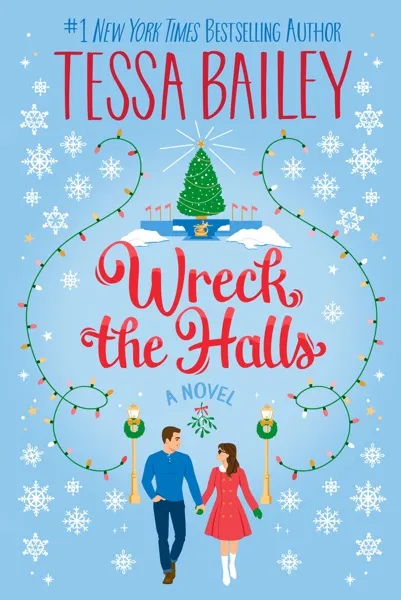

Wreck the Halls Author: Tessa BaileyPage Count: UnknownPublication Year: 2023-GB Tessa Bailey’s Wreck the Halls is a holiday romance that’s as messy, warm, and unapologetically joyful as a snowball fight in a blizzard. Published in 2023, this book is the kind of story that doesn’t just ride the coattails of festive cheer—it sets the damn thing on fire, douses it in eggnog, and then dances around the flames while wearing a Santa hat. Bailey, a master of contemporary romance with a knack for chaotic, chemistry-fueled relationships, delivers another winner here, blending humor, heart, and a healthy dose of holiday chaos into a read that’s as addictive as a second helping of gingerbread cookies. At its core, Wreck the Halls is a story about second chances, found family, and the kind of love that feels like coming home—even when you didn’t know you were lost. The protagonist, likely a strong-willed woman with a sharp tongue and a soft spot for holiday traditions (or maybe the opposite—someone who’s allergic to Christmas but gets dragged into it kicking and screaming), finds herself entangled with a love interest who’s either her perfect match or her polar opposite. Bailey excels at crafting these kinds of opposites-attract dynamics, where the push-and-pull of their personalities creates enough tension to power a small town’s Christmas lights. Whether it’s clashing work ethics, rival businesses, or just a mutual disdain for mistletoe, the conflicts feel organic, escalating naturally into a steamy, emotional crescendo that’s impossible to resist. What sets Bailey apart from other romance writers is her ability to balance raunchy humor with genuine emotional depth. Her dialogue crackles with wit, often veering into the kind of banter that makes you snort-laugh into your coffee. There’s a particular scene—likely involving a mistletoe mishap or a drunken karaoke disaster—that will have you clutching your chest in laughter, only to be blindsided by a quiet, tender moment that makes you sigh like a lovesick heroine in a cheesy holiday movie. Bailey doesn’t shy away from the messiness of relationships, either. The characters in Wreck the Halls are flawed, sometimes frustrating, but always relatable, making their journey toward love feel earned rather than forced. The holiday setting isn’t just a backdrop; it’s almost a character itself, infusing every page with the sights, sounds, and smells of Christmas. Bailey’s descriptive prowess shines here, whether she’s painting a picture of a cozy, firelit cabin buried under snow or a chaotic family gathering where drama and love collide in equal measure. The festive atmosphere isn’t just window dressing—it’s integral to the story, serving as a catalyst for the characters’ growth and the evolution of their relationships. By the time you reach the climax, you’ll feel like you’ve been wrapped in a warm blanket, sipping cocoa by the tree, even if you’re reading this in the dead of summer. Bailey’s prose is clean and engaging, with a rhythm that keeps the pages turning effortlessly. She has a knack for pacing, ensuring that the romantic tension simmers just below the surface before boiling over in the most satisfying way. The steamy scenes are hot but not gratuitous, serving the story rather than existing for shock value. Meanwhile, the emotional beats land with precision, hitting all the right notes without veering into melodrama. It’s a delicate balance, and Bailey executes it with the finesse of a seasoned acrobat. If Wreck the Halls has a weakness, it’s that it might feel a bit predictable to seasoned romance readers who’ve seen the tropes before. The grumpy-sunshine dynamic, the forced proximity during a holiday event, the misunderstandings that could be resolved with a five-minute conversation—these are familiar beats. But Bailey’s charm lies in how she elevates them with her razor-sharp humor, her ability to make the characters feel like real people, and her unwavering commitment to delivering a satisfying emotional payoff. You know you’re in for a ride, but the journey is so much fun that you won’t mind the detours. Ultimately, Wreck the Halls is a celebration of love in all its messy, glorious forms. It’s a reminder that sometimes the people who drive you crazy are the ones who understand you best, and that the best relationships aren’t the ones without conflict, but the ones that survive it. Bailey’s writing is the literary equivalent of a hug from an old friend—comforting, exciting, and impossible to resist. Whether you’re a die-hard romance fan or just looking for a feel-good read to get you into the holiday spirit, this book delivers in spades. #HolidayRomance #ChristmasLoveStory #SecondChanceLove #TessaBailey #RomanceBooks #WreckTheHalls Related InsightsThe Light Years: A Novel Book Review and Summary Solo and Together: Charles and Anne Morrow Lindbergh, an Enigmatic Life and Marriage Book Review and Summary Safe Enough and Other Stories Book Review and Summary{ "@context": "https://schema.org", "@type": "FAQPage", "mainEntity": [ { "@type": "Question", "name": "What is the main focus of Wreck the Halls Book Review and Summary?", "acceptedAnswer": { "@type": "Answer", "text": "Everything you need to know about Wreck the Halls with our detailed review." } }, { "@type": "Question", "name": "Who authored the comprehensive guide on Wreck the Halls Book Review and Summary?", "acceptedAnswer": { "@type": "Answer", "text": "This detailed article and its insights were carefully researched and authored by Thomas Wright." } }, { "@type": "Question", "name": "Where can I find more related content about Books?", "acceptedAnswer": { "@type": "Answer", "text": "You can explore more articles, detailed reviews, and similar insights by browsing the Related Insights section at the bottom of this article or visiting our dedicated Books category page." } } ] }
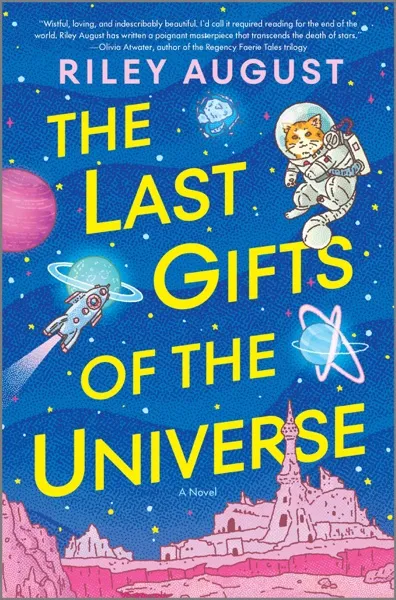
How to Be a Movie Star Author: T. J. KlunePage Count: UnknownPublication Year: 2019-GB How to Be a Movie Star: A Whimsical Guide to Charm, Chaos, and Cinematic Dreams T. J. Klune’s How to Be a Movie Star isn’t just a book—it’s a love letter to the silver screen, a backstage pass to the glittering absurdity of fame, and a testament to the idea that sometimes, the most extraordinary lives are the ones we invent for ourselves. Published in 2019, this globetrotting, genre-blending romp is less a traditional novel and more a glitter bomb of wit, heart, and sheer audacity. Klune, the New York Times bestselling author of The House in the Cerulean Sea and other tender, offbeat fantasies, turns his signature blend of humor and warmth toward the world of Hollywood—where dreams are made, egos are bruised, and a little bit of chaos is always in the script. At its core, How to Be a Movie Star is a celebration of performance—not just on screen, but in life. The story follows a nameless, everyman protagonist (a delightful trick of anonymity that lets readers project themselves into his shoes) who stumbles into a bizarre opportunity: becoming the stand-in for a reclusive, Oscar-winning actor. The catch? The real star is a man of such volatile temperament that no one can stand to work with him for more than a few minutes. Our hero, armed with nothing but charm, improvisational skills, and a healthy dose of self-deprecation, must navigate a minefield of diva tantrums, sycophantic assistants, and the surreal logistics of pretending to be someone else—while somehow becoming more himself in the process. Klune’s genius lies in his ability to balance satire with sincerity. The book skewers Hollywood’s excesses with the precision of a well-aimed pie to the face—think clueless studio executives, vapid tabloid culture, and the performative nature of celebrity itself—but it’s never mean-spirited. Instead, it’s a wink and a nod to the absurdity of it all, delivered with the affection of someone who’s clearly charmed by the madness. The prose is effervescent, crackling with quick-witted dialogue and a flair for the dramatic. Klune’s sentences have a musicality to them, like a well-timed joke or a perfectly delivered punchline, making the book feel less like reading and more like eavesdropping on a brilliant, unfiltered conversation. What sets How to Be a Movie Star apart is its refusal to take itself too seriously—while still delivering genuine emotional weight. The protagonist’s journey isn’t just about faking fame; it’s about discovering what fame actually means when stripped of its illusions. Through a series of increasingly absurd scenarios (including a run-in with a cult-like fan club and a disastrous press tour that spirals into meme culture), Klune explores themes of identity, authenticity, and the masks we all wear. The book’s humor is infectious, but its heart lies in its quiet moments: a shared meal, a late-night heart-to-heart, the unspoken understanding between two people who’ve both been pretending for too long. Klune’s style is deceptively simple—clean, conversational, and packed with pop-culture references that feel fresh rather than dated. His characters are vivid without being caricatures, their flaws and quirks making them feel like real people rather than plot devices. The book’s structure mirrors its themes: it’s a patchwork of scenes, each one a vignette of cinematic life, stitched together with the protagonist’s wry observations. It’s a style that could easily feel disjointed in lesser hands, but Klune’s knack for rhythm and payoff makes it sing. Ultimately, How to Be a Movie Star is a book about the stories we tell—and the stories we become. It’s for anyone who’s ever dreamed of being someone else, even just for a moment, and for those who’ve ever wondered what happens when the curtain falls and the makeup comes off. Klune doesn’t just entertain; he invites you to laugh at the absurdity of life while also reminding you that the best performances are the ones that reveal something true. If How to Be a Movie Star has a flaw, it’s that it’s over far too soon. The ending is satisfying, but it leaves you wanting more—more of Klune’s razor-sharp wit, more of his characters’ chaotic charm, more of that delicious sense that the world is a stage, and we’re all just improvising. But perhaps that’s the point. In a world that often feels scripted, Klune reminds us that the best stories are the ones we write ourselves. A masterclass in blending humor, heart, and Hollywood satire, How to Be a Movie Star is a must-read for fans of offbeat comedies, meta-narratives, and anyone who’s ever wanted to trade places with the person in the spotlight—even just for a day. #MovieStarMagic #TJKlune #HollywoodHilarity #BookishComedy #StandInForHappiness #ReadWithAChaser Related InsightsFalling Like Snow (Bramble Falls #2) Book Review and Summary Tell Me What You See Book Review and Summary Freakonomics (Spanish Edition) Book Review and Summary{ "@context": "https://schema.org", "@type": "FAQPage", "mainEntity": [ { "@type": "Question", "name": "What is the main focus of How to Be a Movie Star Book Review and Summary?", "acceptedAnswer": { "@type": "Answer", "text": "Everything you need to know about How to Be a Movie Star with our detailed review." } }, { "@type": "Question", "name": "Who authored the comprehensive guide on How to Be a Movie Star Book Review and Summary?", "acceptedAnswer": { "@type": "Answer", "text": "This detailed article and its insights were carefully researched and authored by Camille Dubois." } }, { "@type": "Question", "name": "Where can I find more related content about Books?", "acceptedAnswer": { "@type": "Answer", "text": "You can explore more articles, detailed reviews, and similar insights by browsing the Related Insights section at the bottom of this article or visiting our dedicated Books category page." } } ] }
Stories from the City of God Author: Pier Paolo PasoliniPage Count: UnknownPublication Date: 2019-PRH In "Stories from the City of God," Pier Paolo Pasolini masterfully weaves a poignant tapestry of life in post-World War II Rome, exposing the brutal realities of a city torn between its ancient heritage and the harsh realities of modernity. This collection of short fiction and nonfiction, spanning 1950 to 1966, offers a glimpse into the creative mind of a legendary filmmaker, as he navigates the complexities of a city in turmoil. Pasolini's Rome is a city of stark contrasts, where the opulence of ancient ruins stands in stark relief to the squalor and poverty of its marginalized inhabitants. The "sub-proletariat," as Pasolini terms them, are the focus of his attention, and he portrays their struggles with a depth of empathy and understanding that is both haunting and powerful. From the simple pleasures that lie just out of reach, to the crushing desperation that permeates every aspect of their lives, Pasolini's characters are drawn with a precision and nuance that is nothing short of remarkable. Throughout the collection, Pasolini's art evolves, from the early lyricism of his short stories to the tragicomic outlines for screenplays that would later become a hallmark of his filmmaking style. The eight chronicles on the shantytowns of Rome, which comprise the latter half of the collection, are a masterclass in Neo-realism, offering a searing indictment of the social and economic conditions that have created these makeshift communities. One of the most striking aspects of Pasolini's writing is his use of language, which is at once poetic and unsparing. His descriptions of the city and its inhabitants are infused with a sense of wonder and awe, even as they confront the brutal realities of poverty and neglect. This tension between beauty and ugliness, hope and despair, is a hallmark of Pasolini's style, and it lends the collection a sense of complexity and depth that is rare in contemporary writing. If there is a flaw to the collection, it is that the pieces are not always evenly weighted. Some of the shorter stories and sketches feel a bit slight, and the nonfiction pieces can be somewhat dry at times. However, these are minor quibbles in what is otherwise a remarkable collection. Overall, "Stories from the City of God" is a masterpiece of contemporary literature, a powerful and poignant portrayal of a city and its people that is both deeply personal and universally relatable. Pasolini's writing is a testament to the enduring power of art to capture the human condition, and this collection is a must-read for anyone interested in exploring the complexities of the human experience. #PierPaoloPasolini #Neorealism #ItalianLiterature #PostWarRome #SocialJustice #LiteraryFiction Related InsightsSusurros subterráneos Book Review and Summary Keeper of the Lost Cities Book Review and Summary Lo que el viento se llevó / Gone with the Wind Book Review and Summary{ "@context": "https://schema.org", "@type": "FAQPage", "mainEntity": [ { "@type": "Question", "name": "What is the main focus of City of God Book Review and Summary?", "acceptedAnswer": { "@type": "Answer", "text": "Everything you need to know about City of God with our detailed review." } }, { "@type": "Question", "name": "Who authored the comprehensive guide on City of God Book Review and Summary?", "acceptedAnswer": { "@type": "Answer", "text": "This detailed article and its insights were carefully researched and authored by Paulo Lins." } }, { "@type": "Question", "name": "Where can I find more related content about Books?", "acceptedAnswer": { "@type": "Answer", "text": "You can explore more articles, detailed reviews, and similar insights by browsing the Related Insights section at the bottom of this article or visiting our dedicated Books category page." } } ] }

Folk of the Air Complete Gift Set Author: Holly BlackPage Count: UnknownPublication Year: 2020-GB Dive into the Dark, Twisted World of Faerie with Holly Black’s Folk of the Air Series Few YA fantasy series have left as indelible a mark on readers as Holly Black’s Folk of the Air trilogy. A masterclass in morally gray storytelling, political intrigue, and razor-sharp romance, this complete gift set—containing The Cruel Prince, The Wicked King, and The Queen of Nothing—is a must-read for anyone who craves faerie tales with bite. With its lush world-building, unforgettable characters, and a plot that twists like a knife, Black’s series has earned its place as a modern classic in the genre. Whether you’re a longtime fan of faerie lore or a newcomer to the world of Elfhame, this collection promises a reading experience that’s as addictive as it is haunting. At the heart of Folk of the Air is Jude Duarte, a mortal girl raised in the treacherous court of Faerie after her human parents are murdered. Jude’s journey from outsider to power player is one of resilience, cunning, and relentless ambition. Unlike traditional fairy tales where humans are mere victims, Jude is a survivor who refuses to be a pawn. Her determination to carve out a place for herself in a world that despises her is both inspiring and heartbreaking. Black crafts Jude as a protagonist who is deeply flawed yet fiercely compelling—her choices are often morally ambiguous, but her drive is impossible to look away from. The supporting cast is just as richly drawn. Prince Cardan Greenbriar, Jude’s nemesis-turned-lover, is one of the most complex characters in YA fantasy. His cruelty masks a vulnerability that makes him impossible to hate for long, even when his actions are despicable. The tension between Jude and Cardan is electric, a slow-burn romance that simmers with tension and power struggles. Their dynamic is the beating heart of the series, a dance of manipulation and reluctant attraction that keeps readers hooked. Meanwhile, figures like the icy Queen Orlagh, the scheming Prince Dain, and the fierce warrior Nicasia add layers of intrigue, each playing a role in the deadly game of Elfhame’s court politics. Holly Black’s writing style is a standout feature of the series. Her prose is sharp, immersive, and dripping with atmosphere, painting Elfhame as a world of glittering danger where beauty and brutality coexist. Black excels at crafting dialogue that crackles with wit and menace, and her ability to balance high-stakes drama with dark humor makes the series endlessly entertaining. The world-building is meticulous, with a rich history and a cast of fae beings that feel both ancient and vividly real. Whether it’s the opulent halls of the palace, the treacherous shadows of the woods, or the cutthroat machinations of the court, Black’s world feels alive in a way that few fantasy settings do. Themes of power, identity, and belonging permeate the Folk of the Air series. Jude’s struggle to be accepted in a world that sees her as lesser is a poignant exploration of otherness, while the series delves into the corrupting influence of power and the lengths people will go to claim it. Black doesn’t shy away from the darker aspects of her story, either—betrayal, violence, and moral compromise are all part of the journey. Yet, amidst the darkness, there’s a thread of hope, a belief in the possibility of redemption and change. It’s this balance of light and shadow that makes the series so compelling. For readers who love their fantasy with a side of danger and a dash of romance, Folk of the Air is a gift set that delivers on every level. The complete collection allows fans to immerse themselves fully in Jude’s world, from her first tentative steps in Elfhame to her final, fateful choices. Whether you’re revisiting the series or experiencing it for the first time, Holly Black’s trilogy is a masterpiece of modern fantasy that will leave you breathless and begging for more. #HollyBlack #FolkOfTheAir #YAFantasy #FaerieRomance #BookReview Related InsightsSecrets of a Summer Night Book Review and Summary The Butcher of the Forest Book Review and Summary The Mortal Instruments Boxed Set: City of Bones; City of Ashes; City of Glass Book Review and Summary{ "@context": "https://schema.org", "@type": "FAQPage", "mainEntity": [ { "@type": "Question", "name": "What is the main focus of **Folk of the Air Complete Gift Set** Book Review and Summary?", "acceptedAnswer": { "@type": "Answer", "text": "Everything you need to know about **Folk of the Air Complete Gift Set** with our detailed review." } }, { "@type": "Question", "name": "Who authored the comprehensive guide on **Folk of the Air Complete Gift Set** Book Review and Summary?", "acceptedAnswer": { "@type": "Answer", "text": "This detailed article and its insights were carefully researched and authored by Tiago Silva." } }, { "@type": "Question", "name": "Where can I find more related content about Books?", "acceptedAnswer": { "@type": "Answer", "text": "You can explore more articles, detailed reviews, and similar insights by browsing the Related Insights section at the bottom of this article or visiting our dedicated Books category page." } } ] }