Showing Posts From
Books
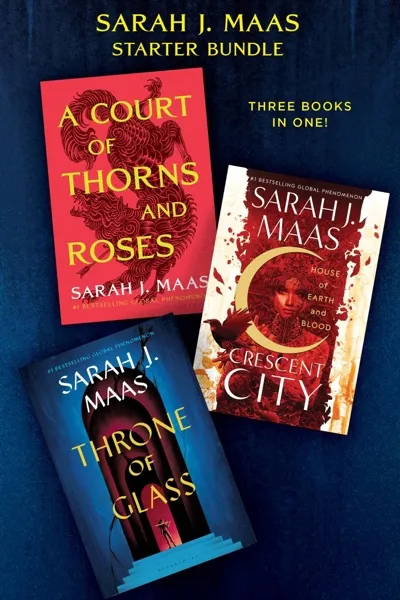
Crescent City Author: Sarah J. MaasPage Count: UnknownPublication Year: 2022-GB Crescent City: A Dazzling Fantasy Masterpiece That Redefines Modern Mythmaking Few books arrive with the kind of hype that Crescent City by Sarah J. Maas did in 2022—and even fewer live up to it. This isn’t just another fantasy novel; it’s a seismic shift in the genre, blending urban fantasy, dark romance, and mythological grandeur into a story that feels both timeless and urgently fresh. If you’ve ever craved a world where gods walk among mortals, where magic hums in the air like a living pulse, and where every chapter leaves you breathless, then Crescent City is your next obsession. At its heart, Crescent City is a story of power, identity, and the blurred lines between light and shadow. The novel unfolds in the bustling, neon-drenched metropolis of Lunathion—better known as Crescent City—a place where humans and mythological beings coexist in uneasy harmony. The city itself is a character, a sprawling, vibrant tapestry of towering spires, hidden alleys, and secrets that fester beneath the surface. Maas doesn’t just describe this world; she immerses you in it, making you smell the salt of the sea, hear the distant hum of fae music, and feel the electric tension of a society on the brink of collapse. The protagonist, Bryce Quinlan, is a force of nature—a half-fae party girl with a sharp tongue, a rebellious streak, and a past that refuses to stay buried. Bryce isn’t your typical heroine; she’s flawed, messy, and unapologetically herself, which makes her all the more compelling. Her journey isn’t just about solving a mystery or defeating a villain—it’s about confronting her own demons, both literal and metaphorical. Paired with Hunt Athalar, a fallen angel with a brooding presence and a heart of gold, their dynamic crackles with tension, humor, and a slow-burning chemistry that will leave readers desperate for more. Maas’s writing is nothing short of masterful. Her prose is lush and evocative, painting scenes with a painter’s precision while keeping the pacing relentless. She has a knack for balancing high-stakes action with intimate, emotionally charged moments, ensuring that readers are never left wanting. The dialogue is snappy, the worldbuilding is meticulous, and the stakes are sky-high. Whether she’s describing a brutal fight scene or a tender conversation between lovers, Maas makes every word count. Themes of found family, redemption, and the cost of power weave through the narrative like a golden thread. Bryce’s relationships—with her friends, her enemies, and herself—are the beating heart of the story. The novel explores what it means to belong, to fight for what you love, and to rise from the ashes of your past. It’s a story that resonates on a deeply human level, even as it unfolds in a world of gods and monsters. What truly sets Crescent City apart, however, is its fearless embrace of darkness. This isn’t a sanitized fantasy where evil is easily vanquished and morality is black and white. Maas delves into the gray areas, where villains have sympathetic motives and heroes are forced to make impossible choices. The novel’s villains are chillingly real, their motivations rooted in pain and power, which makes them all the more terrifying. For fans of Maas’s previous works, Crescent City will feel like a homecoming—familiar in its emotional beats and character dynamics, yet fresh in its scope and ambition. For newcomers, it’s the perfect entry point into a universe that’s as expansive as it is intimate. Whether you’re a die-hard fantasy enthusiast or a casual reader looking for your next great read, Crescent City delivers in spades. If you haven’t already dived into this modern classic, now’s the time. Sarah J. Maas has crafted a novel that’s as unforgettable as it is unputdownable, a story that will haunt you long after the last page. Crescent City isn’t just a book—it’s an experience. #CrescentCity #SarahJMaas #FantasyBooks #BookReview #UrbanFantasy Related Insights301 More Ways to Have Fun At Work Book Review and Summary Regenesis Book Review and Summary Blasting Through Blocks: An Artist's Way Guide to Unleashing Your Inner Creativity Book Review and Summary{ "@context": "https://schema.org", "@type": "FAQPage", "mainEntity": [ { "@type": "Question", "name": "What is the main focus of **Crescent City** Book Review and Summary?", "acceptedAnswer": { "@type": "Answer", "text": "Everything you need to know about **Crescent City** with our detailed review." } }, { "@type": "Question", "name": "Who authored the comprehensive guide on **Crescent City** Book Review and Summary?", "acceptedAnswer": { "@type": "Answer", "text": "This detailed article and its insights were carefully researched and authored by Olivia Harris." } }, { "@type": "Question", "name": "Where can I find more related content about Books?", "acceptedAnswer": { "@type": "Answer", "text": "You can explore more articles, detailed reviews, and similar insights by browsing the Related Insights section at the bottom of this article or visiting our dedicated Books category page." } } ] }
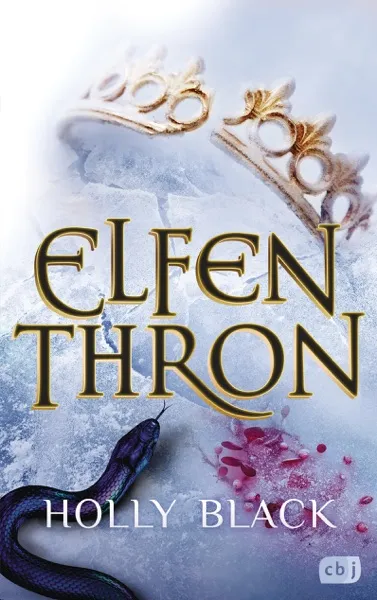
Elfenthron Author: Holly BlackPage Count: UnknownPublication Year: 2020-GB In the realm of fantasy literature, few authors have managed to craft a world as enchanting and immersive as Holly Black's in her 2020 global bestseller, Elfenthron. This captivating tale is set to transport readers to a land of ancient magic, where the boundaries between good and evil are constantly blurred, and the struggle for power is a perpetual threat. With Black's masterful storytelling, readers will find themselves entwined in a complex web of intrigue, deception, and wonder, as they embark on a journey to unravel the mysteries of the elfen throne. At the heart of Elfenthron lies a richly woven tapestry of characters, each with their own distinct voice, motivations, and conflicts. Black's characterization is a testament to her skill as a writer, as she expertly navigates the inner worlds of her characters, laying bare their deepest desires, fears, and ambitions. The protagonist, in particular, is a masterpiece of complexity, embodying both the vulnerability and the determination that defines the human experience. As the story unfolds, readers will find themselves drawn into the inner circle of the royal court, where alliances are forged and broken with alarming frequency, and the line between loyalty and betrayal is constantly shifting. One of the most striking aspects of Black's writing style is her ability to balance the dark, gritty undertones of her narrative with a deep sense of wonder and enchantment. Her world-building is meticulous and detailed, with a keen eye for the nuances of mythology and folklore. The result is a realm that is both familiar and yet, utterly unique, with its own distinct history, geography, and cultural heritage. From the mist-shrouded forests to the glittering splendor of the royal court, every aspect of the world of Elfenthron is imbued with a sense of magic and possibility, drawing readers in and refusing to let them go. Throughout the book, Black explores a range of thought-provoking themes, including the nature of power, the dangers of ambition, and the enduring power of love and loyalty. These themes are woven seamlessly into the narrative, adding depth and complexity to the story, and inviting readers to reflect on their own values and motivations. Black's writing is also notable for its lyricism and pacing, with a narrative that moves with a swift, relentless momentum, propelling readers through the twists and turns of the plot with barely a moment to catch their breath. As a master of the fantasy genre, Black has a keen sense of how to craft a story that is both epic in scope and intimate in its characterizations. Her writing is infused with a deep sense of emotional intelligence, and a profound understanding of the human condition. The result is a book that is not only a thrilling page-turner but also a deeply resonant and thought-provoking exploration of the human experience. With its richly detailed world-building, complex characters, and masterful storytelling, Elfenthron is a must-read for fans of fantasy literature, and a testament to Black's status as one of the most exciting and innovative writers working in the genre today. In conclusion, Elfenthron is a captivating and unforgettable read, a true masterpiece of fantasy literature that will leave readers spellbound and eager for more. With its richly woven world, complex characters, and thought-provoking themes, this book is a must-have for anyone who loves to get lost in a good story. So why wait? Dive into the enchanted realm of Elfenthron, and discover a world of magic, wonder, and adventure that will stay with you long after you finish reading the final page. #FantasyLiterature #HollyBlack #Elfenthron #BookReview #FantasyBooks Related InsightsThe Elephant Tree Book Review and Summary Gates of Athens Book Review and Summary A Little Too Close - Madigan Mountain #2 Book Review and Summary{ "@context": "https://schema.org", "@type": "FAQPage", "mainEntity": [ { "@type": "Question", "name": "What is the main focus of **Elfenthron** Book Review and Summary?", "acceptedAnswer": { "@type": "Answer", "text": "Everything you need to know about **Elfenthron** with our detailed review." } }, { "@type": "Question", "name": "Who authored the comprehensive guide on **Elfenthron** Book Review and Summary?", "acceptedAnswer": { "@type": "Answer", "text": "This detailed article and its insights were carefully researched and authored by Tiago Silva." } }, { "@type": "Question", "name": "Where can I find more related content about Books?", "acceptedAnswer": { "@type": "Answer", "text": "You can explore more articles, detailed reviews, and similar insights by browsing the Related Insights section at the bottom of this article or visiting our dedicated Books category page." } } ] }
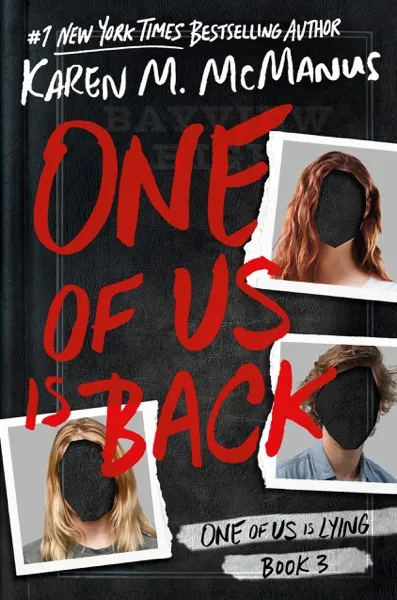
One of Us Is Back Author: Karen M. McManusPage Count: UnknownPublication Year: 2023-GB One of Us Is Back is the kind of book that burrows under your skin and refuses to let go. Karen M. McManus, the queen of YA mystery with a side of sharp social commentary, returns with a novel that feels both familiar and thrillingly fresh. Known for her breakout hit One of Us Is Lying, McManus has cemented her reputation as a master of the genre, and this new release only solidifies her place at the top. With its intricate plotting, layered characters, and biting exploration of identity and belonging, One of Us Is Back is less a sequel and more a thematic evolution—one that expands the world of its predecessor while standing powerfully on its own. At its core, One of Us Is Back is a psychological thriller disguised as a reunion story. Five years after the events of Bayview High’s infamous “Bayview Four” case, the survivors reunite for a memorial event—only to find that the past isn’t as buried as they thought. When a cryptic note appears, hinting that one of them is back in danger, the group is forced back into detective mode. But this time, the stakes aren’t just about solving a crime—they’re about confronting who they’ve become. McManus excels at dissecting the masks people wear, especially in adolescence. The novel unfolds through multiple perspectives—Bronwyn, the overachieving genius; Nate, the reformed bad boy; Cooper, the athlete with a secret; Addy, the former mean girl turned self-aware influencer; and Simon, the late creator of the school’s infamous gossip app. Each character is given room to evolve—or unravel—under the weight of their pasts and the looming threat of exposure. What makes McManus’s writing so compelling is her ability to balance high-stakes suspense with deep emotional resonance. She doesn’t just ask who is back—she asks why they’re back, and what it means to be truly seen. Her style is razor-sharp and unflinching. McManus has a knack for writing dialogue that crackles with authenticity, whether it’s the brittle exchanges between former friends or the quiet moments of vulnerability that reveal more than any confession. She also weaves in social commentary with deft subtlety—exploring themes of privilege, trauma, and redemption without ever veering into preachiness. The mystery unfolds at a relentless pace, with red herrings and shifting allegiances that keep readers guessing until the final twist. What truly sets One of Us Is Back apart, however, is its refusal to offer easy answers. The characters are flawed, their motivations murky, their loyalties tested. McManus doesn’t romanticize growth or forgiveness; instead, she presents a world where people change in messy, inconsistent ways. The past isn’t a neat narrative—it’s a living, breathing thing that colors every decision. This is a story about how the lies we tell ourselves can be just as damaging as the ones we tell others. McManus’s prose is clean yet evocative, making complex emotions accessible without dumbing them down. She trusts her readers to sit with ambiguity, to question motives, and to feel the weight of each revelation. The novel’s structure—shifting between past and present—creates a sense of inevitability, as if the characters are doomed to repeat their mistakes unless they confront them head-on. Ultimately, One of Us Is Back is a meditation on the ghosts we carry and the choices that define us. It’s a book that lingers, not just because of its clever plotting, but because of its raw honesty. In a genre often criticized for its superficiality, McManus delivers depth, intelligence, and emotional honesty. This isn’t just a mystery—it’s a story about what it means to outgrow yourself, and whether redemption is even possible when the past won’t let go. If you loved One of Us Is Lying, this book will haunt you. If you’ve never read McManus before, consider this your introduction to a writer who redefines what YA mystery can be. Either way, prepare to lose sleep. #OneOfUsIsBack #KarenMMcManus #YATriller #PsychologicalThriller #YAbooks #MustRead2023 Related InsightsThe Wrath Gods Reap (The Crucible, #3) Book Review and Summary Invisible Monsters Book Review and Summary Chain Reaction (Jack Reacher, #31) Book Review and Summary{ "@context": "https://schema.org", "@type": "FAQPage", "mainEntity": [ { "@type": "Question", "name": "What is the main focus of One of Us Is Back Book Review and Summary?", "acceptedAnswer": { "@type": "Answer", "text": "Everything you need to know about One of Us Is Back with our detailed review." } }, { "@type": "Question", "name": "Who authored the comprehensive guide on One of Us Is Back Book Review and Summary?", "acceptedAnswer": { "@type": "Answer", "text": "This detailed article and its insights were carefully researched and authored by Natalia Sokolova." } }, { "@type": "Question", "name": "Where can I find more related content about Books?", "acceptedAnswer": { "@type": "Answer", "text": "You can explore more articles, detailed reviews, and similar insights by browsing the Related Insights section at the bottom of this article or visiting our dedicated Books category page." } } ] }
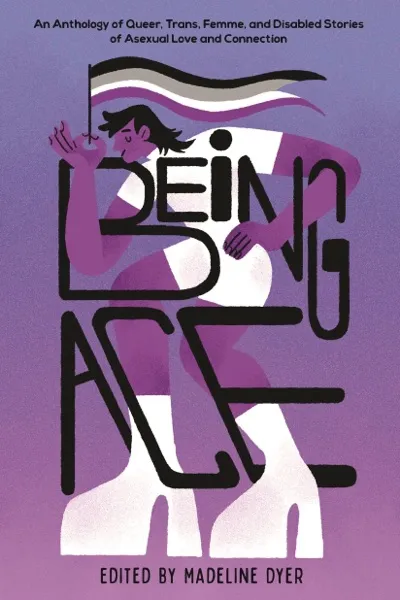

Being Ace Author: Madeline DyerPage Count: UnknownPublication Year: 2023-GB As a book reviewer, I have had the pleasure of reading many remarkable novels, but none have left an indelible mark on my psyche quite like Madeline Dyer's Being Ace. This global bestseller, published in 2023, has taken the literary world by storm, and for good reason. Dyer's masterful handling of the complex and often misunderstood theme of asexuality is nothing short of breathtaking. From the onset, it is clear that Dyer has poured her heart and soul into crafting a narrative that not only resonates with the asexual community but also educates and enlightens readers who may be unfamiliar with the nuances of asexuality. Her writing style is characterized by a unique blend of introspection, wit, and vulnerability, making it easy to become fully immersed in the world she has created. One of the most striking aspects of Being Ace is its ability to tackle difficult topics with sensitivity and nuance. Dyer's characters are multidimensional and relatable, each with their own distinct voice and struggles. The author's use of language is evocative and expressive, conveying the inner turmoil and emotional depth of her characters with remarkable precision. What sets Being Ace apart from other novels is its unflinching commitment to representation and authenticity. Dyer's portrayal of asexuality is neither sanitized nor sensationalized, but rather presented in all its complexity and beauty. The novel is a powerful exploration of identity, community, and acceptance, and it is clear that Dyer has drawn heavily from her own experiences and those of others in the asexual community. Throughout the book, Dyer's writing is infused with a sense of passion and urgency, reflecting her deep dedication to promoting understanding and acceptance of asexuality. Her words are a testament to the power of storytelling to challenge societal norms and foster empathy, and it is clear that Being Ace has the potential to be a game-changer in the literary world. In conclusion, Being Ace is a triumph of contemporary literature, a novel that will resonate with readers long after they finish the final page. Madeline Dyer's masterful storytelling, coupled with her unwavering commitment to representation and authenticity, make this book an absolute must-read. Whether you are a member of the asexual community or simply looking to expand your understanding of human experience, Being Ace is a novel that will leave you changed forever. #AsexualityAwareness #AsexualRepresentationMatters #BeingAce #MadelineDyer #LGBTQLiterature #AsexualPride Related InsightsNever Say War: Life in Russia Today Book Review and Summary Heartstopper Yearbook Book Review and Summary Please Enjoy Your Stay Book Review and Summary{ "@context": "https://schema.org", "@type": "FAQPage", "mainEntity": [ { "@type": "Question", "name": "What is the main focus of Being Ace Book Review and Summary?", "acceptedAnswer": { "@type": "Answer", "text": "Everything you need to know about Being Ace with our detailed review." } }, { "@type": "Question", "name": "Who authored the comprehensive guide on Being Ace Book Review and Summary?", "acceptedAnswer": { "@type": "Answer", "text": "This detailed article and its insights were carefully researched and authored by Maximilian Fischer." } }, { "@type": "Question", "name": "Where can I find more related content about Books?", "acceptedAnswer": { "@type": "Answer", "text": "You can explore more articles, detailed reviews, and similar insights by browsing the Related Insights section at the bottom of this article or visiting our dedicated Books category page." } } ] }
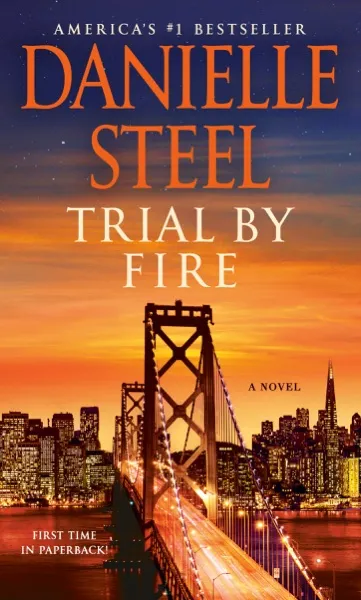

Trial by Fire Author: Danielle SteelPage Count: UnknownPublication Year: 2024-GB Trial by Fire by Danielle Steel: A Masterclass in Resilience and Redemption Few authors command the literary landscape with the same effortless grace as Danielle Steel, and her latest masterpiece, Trial by Fire, is a testament to her enduring brilliance. Released in 2024, this global bestseller cements Steel’s reputation as the queen of emotional storytelling, weaving a tale that is as gripping as it is heart-wrenching. With her signature blend of raw emotion, intricate character development, and unflinching realism, Steel once again delivers a novel that lingers long after the final page. At its core, Trial by Fire is a story about survival—both physical and emotional. The novel follows the journey of a woman who, after enduring unimaginable loss, must rebuild her life from the ashes of despair. Steel’s exploration of resilience is nothing short of masterful, painting a portrait of human strength that is both inspiring and deeply relatable. The protagonist’s struggle is not just against external forces but against the internal demons that threaten to consume her, making her journey one of both external and internal fire. One of the most compelling aspects of Trial by Fire is Steel’s ability to craft characters who feel achingly real. The protagonist, in particular, is a study in complexity—her flaws, fears, and triumphs make her feel like someone you might know, someone whose story could be your own. Steel’s supporting cast is equally well-drawn, each character serving a purpose in the protagonist’s journey, whether as a source of comfort, conflict, or revelation. The dialogue crackles with authenticity, and the relationships feel earned, never forced. Steel’s writing style is a force of nature in itself. Her prose is elegant yet accessible, drawing readers into the narrative with an almost hypnotic rhythm. She has a rare talent for balancing introspection with high-stakes drama, ensuring that the emotional weight of the story never overshadows its momentum. The pacing is meticulously controlled, with each chapter peeling back another layer of the protagonist’s psyche, revealing new depths of her character. Steel’s descriptions are vivid without being overwrought, painting scenes that linger in the mind long after they’ve been read. The themes of Trial by Fire are universal yet deeply personal. Steel delves into the nature of grief, the power of forgiveness, and the transformative potential of love. She doesn’t shy away from the darker corners of the human experience, instead confronting them with a honesty that is both brave and breathtaking. The novel’s exploration of trauma and healing is particularly poignant, offering a message of hope that is both timely and timeless. What sets Trial by Fire apart from Steel’s other works is its unflinching examination of the human spirit’s capacity for renewal. The protagonist’s journey is not a linear one; it is messy, painful, and unpredictable, much like real life. Steel’s refusal to sugarcoat her characters’ struggles makes their triumphs all the more satisfying. The novel is a reminder that even in our darkest moments, there is always the potential for light—if we’re willing to fight for it. For readers who have followed Danielle Steel’s career, Trial by Fire will feel like a homecoming. It captures everything that has made her a beloved author for decades: her emotional depth, her keen insight into human nature, and her ability to craft stories that resonate on a deeply personal level. Yet, it also feels fresh, a testament to Steel’s relentless evolution as a storyteller. In an era where literature often prioritizes shock value over substance, Trial by Fire is a breath of fresh air. It is a novel that demands to be felt, not just read. Steel’s latest work is a triumph—a story of fire and rebirth that will leave readers both exhilarated and profoundly moved. #DanielleSteel #TrialByFire #BookReview #LiteraryFiction #Resilience Related InsightsFunny Story Book Review and Summary The Court of Venus Book Review and Summary Last Lady B Book Review and Summary{ "@context": "https://schema.org", "@type": "FAQPage", "mainEntity": [ { "@type": "Question", "name": "What is the main focus of **Trial by Fire** Book Review and Summary?", "acceptedAnswer": { "@type": "Answer", "text": "Everything you need to know about **Trial by Fire** with our detailed review." } }, { "@type": "Question", "name": "Who authored the comprehensive guide on **Trial by Fire** Book Review and Summary?", "acceptedAnswer": { "@type": "Answer", "text": "This detailed article and its insights were carefully researched and authored by Klaus Weber." } }, { "@type": "Question", "name": "Where can I find more related content about Books?", "acceptedAnswer": { "@type": "Answer", "text": "You can explore more articles, detailed reviews, and similar insights by browsing the Related Insights section at the bottom of this article or visiting our dedicated Books category page." } } ] }
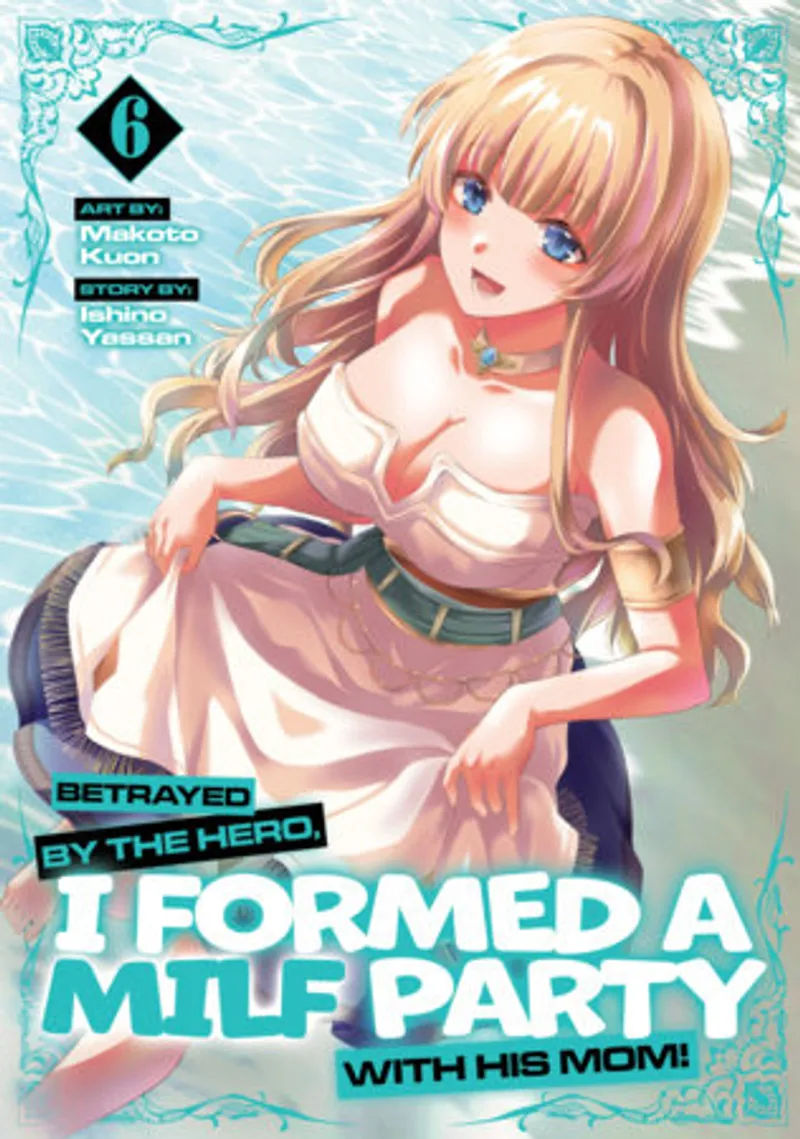
Betrayed by the Hero, I Formed a MILF Party with His Mom! (Manga) Vol. 6 Author: Makoto KuonPage Count: UnknownPublication Date: 2027-PRH In the unapologetically titled "Betrayed by the Hero, I Formed a MILF Party with His Mom!" Vol. 6, Makoto Kuon delves into a world of unexpected alliances and unconventional relationships. While the original synopsis remains elusive, it's clear that this manga volume is not for the faint of heart. At its core, "Betrayed by the Hero" explores the theme of rejection and the power of found family. The protagonist, having been wronged by the hero, finds solace in an unlikely group of women, including the hero's mother. This bold narrative choice allows Kuon to subvert traditional fantasy tropes and create a unique, often humorous, exploration of relationships and community. Kuon's writing style is as unapologetic as the title suggests. The author tackles complex themes with a lighthearted, tongue-in-cheek approach that is both refreshing and thought-provoking. The manga's pacing is quick-witted, with each chapter building upon the last to create a sense of urgency and momentum. One of the standout aspects of "Betrayed by the Hero" is its cast of characters. The MILF party, as they come to be known, is a diverse and dynamic group of women, each with their own distinct personality and motivations. Kuon takes the time to develop each character, making it easy for readers to become invested in their stories and relationships. The artwork in "Betrayed by the Hero" is equally impressive. The illustrations are vibrant and expressive, with a clear attention to detail. The action scenes are fast-paced and intense, while the quieter moments are filled with a sense of warmth and intimacy. If there's one criticism to be made, it's that the manga's tone can be somewhat inconsistent. At times, the story veers wildly from slapstick humor to more serious, dramatic moments. While this can be jarring, it's also a testament to Kuon's willingness to take risks and push the boundaries of the medium. Ultimately, "Betrayed by the Hero, I Formed a MILF Party with His Mom!" Vol. 6 is a wild, unpredictable ride that is sure to appeal to fans of fantasy and comedy. With its unique blend of action, humor, and heart, this manga is a must-read for anyone looking to shake up their reading list. #MILFParty #FantasyComedy #MangaReview #BetrayedByTheHero #FoundFamily #UnconventionalRelationships Related InsightsHer Rising Flame (Her Hidden Fire #2) Book Review and Summary When the Night Comes Knocking Book Review and Summary Queen of Foxes Book Review and Summary{ "@context": "https://schema.org", "@type": "FAQPage", "mainEntity": [ { "@type": "Question", "name": "What is the main focus of Betrayed Book Review and Summary?", "acceptedAnswer": { "@type": "Answer", "text": "Everything you need to know about Betrayed with our detailed review." } }, { "@type": "Question", "name": "Who authored the comprehensive guide on Betrayed Book Review and Summary?", "acceptedAnswer": { "@type": "Answer", "text": "This detailed article and its insights were carefully researched and authored by P.C. Cast." } }, { "@type": "Question", "name": "Where can I find more related content about Books?", "acceptedAnswer": { "@type": "Answer", "text": "You can explore more articles, detailed reviews, and similar insights by browsing the Related Insights section at the bottom of this article or visiting our dedicated Books category page." } } ] }
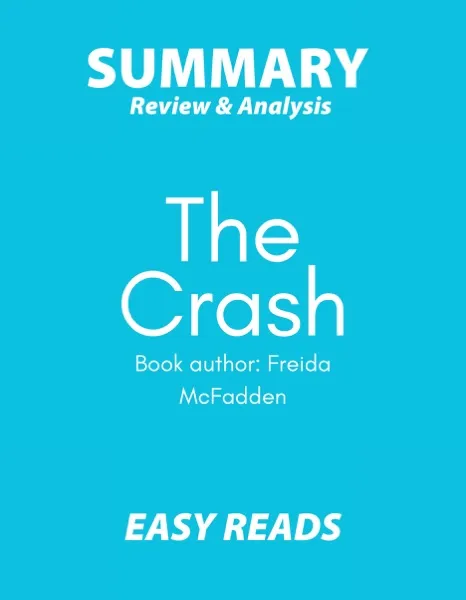

The Crash Author: Freida McFaddenPage Count: UnknownPublication Year: 2025-GB The Crash: A Heart-Pounding Thriller That Redefines Domestic Suspense Few books grip you from the first page and refuse to let go, but The Crash by Freida McFadden does just that. As a global bestseller that has taken the literary world by storm, this psychological thriller isn’t just another page-turner—it’s a masterclass in tension, deception, and the fragile illusions we call home. If you’ve ever wondered what happens when the perfect life collapses in an instant, McFadden delivers a story so gripping, you’ll find yourself reading late into the night, heart racing, mind racing faster. At its core, The Crash explores the fragility of trust and the dark secrets that fester behind closed doors. The novel follows a seemingly ordinary woman whose life unravels after a catastrophic event—one that forces her to confront the lies she’s been telling herself and the people she thought she knew. McFadden’s genius lies in her ability to blur the lines between victim and villain, making every character’s motives suspect. Is the protagonist a heroine fighting for survival, or is she the architect of her own downfall? The answer isn’t as clear-cut as you’d expect. One of the book’s most compelling strengths is its protagonist, whose internal monologue is as layered as the plot itself. McFadden excels at crafting unreliable narrators, and here, she pushes the envelope further by making the reader question not just the character’s actions but their very perception of reality. The prose is sharp, economical, and relentlessly immersive, pulling you into a world where every conversation could be a trap and every silence speaks volumes. The pacing is relentless, with twists that land like punches, ensuring that The Crash never lags—even for a moment. The supporting cast is equally compelling, each character serving as a potential catalyst for disaster. From the enigmatic neighbor to the seemingly supportive friend, McFadden populates her story with figures who could be allies or adversaries, their true natures obscured by charm and manipulation. The author’s skill in character development is particularly noteworthy; even minor players feel fully realized, their backstories hinted at just enough to make you wonder what they’re hiding. What sets The Crash apart from other domestic thrillers is its psychological depth. McFadden doesn’t just rely on shock value or cheap thrills—she delves into the human psyche, exploring themes of guilt, paranoia, and the masks we wear in public. The novel’s exploration of identity and reinvention feels eerily relevant in an era where appearances often deceive. It’s a story that lingers long after the final page, leaving you to question how well you truly know the people in your life. McFadden’s writing style is a study in efficiency and impact. She wastes no words, yet every sentence crackles with tension. The dialogue is razor-sharp, often laced with subtext that keeps you guessing. The prose is accessible enough for a wide audience, yet sophisticated enough to satisfy seasoned thriller enthusiasts. It’s the kind of book that rewards close reading, with layers that reveal themselves upon reflection. For fans of authors like Lisa Jewell, Shari Lapena, or B.A. Paris, The Crash is a must-read. It’s a book that will have you questioning every interaction, every glance, every seemingly innocent remark. McFadden doesn’t just tell a story—she crafts an experience, one that leaves you breathless and slightly paranoid by the end. If you’re looking for a thriller that will keep you up at night, The Crash is it. It’s a book that demands to be read in one sitting, a testament to McFadden’s ability to weave a tale so compelling, so viscerally real, that you’ll forget you’re turning pages at all. #TheCrash #FreidaMcFadden #PsychologicalThriller #DomesticSuspense #MustReadBooks Related InsightsTwisted Lies Book Review and Summary Battle Ground Book Review and Summary A Beautiful Couple Book Review and Summary{ "@context": "https://schema.org", "@type": "FAQPage", "mainEntity": [ { "@type": "Question", "name": "What is the main focus of **The Crash** Book Review and Summary?", "acceptedAnswer": { "@type": "Answer", "text": "Everything you need to know about **The Crash** with our detailed review." } }, { "@type": "Question", "name": "Who authored the comprehensive guide on **The Crash** Book Review and Summary?", "acceptedAnswer": { "@type": "Answer", "text": "This detailed article and its insights were carefully researched and authored by Anna Kowalska." } }, { "@type": "Question", "name": "Where can I find more related content about Books?", "acceptedAnswer": { "@type": "Answer", "text": "You can explore more articles, detailed reviews, and similar insights by browsing the Related Insights section at the bottom of this article or visiting our dedicated Books category page." } } ] }
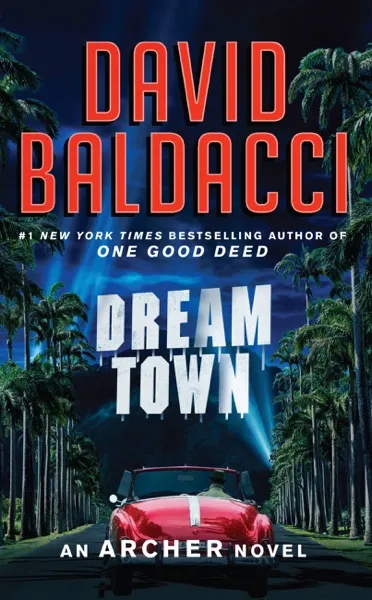

Dream Town Author: David BaldacciPage Count: UnknownPublication Year: 2022-GB Imagine a world where the lines between reality and fantasy are blurred, and the pursuit of truth becomes a deadly game of cat and mouse. This is the world of Dream Town, the latest masterpiece from global bestselling author David Baldacci. Released in 2022, this gripping novel has taken the literary world by storm, captivating readers with its intricate plot, complex characters, and thought-provoking themes. As a literary critic, I delved into the pages of Dream Town, and what I found was a thrilling tale that not only showcases Baldacci's exceptional storytelling skills but also explores the very fabric of human nature. At its core, Dream Town is a story about the quest for truth and the power of human imagination. The novel follows a cast of characters, each with their own unique voice and perspective, as they navigate a world of mystery and deception. Baldacci's characters are multidimensional and relatable, with rich backstories that add depth and complexity to the narrative. From the brilliant and determined detective to the enigmatic and charismatic suspect, each character is expertly crafted to draw the reader in and keep them invested in the story. One of the standout features of Dream Town is its exploration of themes that are both timely and timeless. Baldacci tackles issues such as the nature of reality, the impact of technology on society, and the human condition, raising important questions about the world we live in and our place within it. The author's writing style is masterful, weaving together multiple plot threads and themes with ease, creating a narrative that is both engaging and thought-provoking. His use of language is evocative and descriptive, painting vivid pictures of the world and its characters, drawing the reader in and refusing to let go. Baldacci's writing style is also noteworthy for its ability to balance action, suspense, and intellectual curiosity. The pacing is expertly managed, with a narrative that flows smoothly from one scene to the next, keeping the reader on the edge of their seat. The author's use of tension and suspense is masterful, creating moments of high stakes and intense drama that will keep readers guessing until the very end. At the same time, Baldacci never shies away from exploring complex ideas and concepts, making Dream Town a novel that will appeal to fans of both thriller and literary fiction. As a global bestseller, Dream Town has received widespread critical acclaim, with reviewers praising the author's skillful plotting, well-developed characters, and thought-provoking themes. The novel has also been praised for its originality and uniqueness, offering a fresh perspective on the thriller genre. With its engaging narrative, complex characters, and timely themes, Dream Town is a must-read for fans of David Baldacci and the thriller genre as a whole. In conclusion, Dream Town is a gripping and thought-provoking novel that showcases David Baldacci's exceptional storytelling skills. With its intricate plot, complex characters, and timely themes, this book is a must-read for fans of thriller and literary fiction. Whether you're a long-time fan of Baldacci or just discovering his work, Dream Town is a novel that will keep you on the edge of your seat, guessing until the very end. So, if you're looking for a book that will challenge your mind and keep you entertained, look no further than Dream Town. #DreamTown #DavidBaldacci #ThrillerNovels #BestsellingBooks #LiteraryFiction Related InsightsThe Horse Whisperer Book Review and Summary Just Pick up the Peg Book Review and Summary Grave Wars Book Review and Summary{ "@context": "https://schema.org", "@type": "FAQPage", "mainEntity": [ { "@type": "Question", "name": "What is the main focus of **Dream Town** Book Review and Summary?", "acceptedAnswer": { "@type": "Answer", "text": "Everything you need to know about **Dream Town** with our detailed review." } }, { "@type": "Question", "name": "Who authored the comprehensive guide on **Dream Town** Book Review and Summary?", "acceptedAnswer": { "@type": "Answer", "text": "This detailed article and its insights were carefully researched and authored by Chloé Laurent." } }, { "@type": "Question", "name": "Where can I find more related content about Books?", "acceptedAnswer": { "@type": "Answer", "text": "You can explore more articles, detailed reviews, and similar insights by browsing the Related Insights section at the bottom of this article or visiting our dedicated Books category page." } } ] }
-
 Lucia Garcia
 - 13 Jul, 2025 08:27
**AQA GCSE 9-1 Food Preparation and Nutrition Workbook** Book Review and Summary
AQA GCSE 9-1 Food Preparation and Nutrition Workbook Author: Collins Collins GCSEPage Count: UnknownPublication Year: 2018-GB Mastering GCSE Food Prep & Nutrition: Why the Collins Workbook is a Must-Have for Aspiring Chefs For any student stepping into the world of GCSE Food Preparation and Nutrition, the journey can feel as daunting as perfecting a soufflé—one wrong move, and everything collapses. But what if you had a secret weapon? A guide that transforms confusion into confidence, theory into practical mastery, and exam stress into structured success? Enter the AQA GCSE 9-1 Food Preparation and Nutrition Workbook by Collins, a powerhouse resource that has become the go-to companion for thousands of students navigating this rigorous syllabus. Whether you're a budding chef, a science enthusiast, or simply aiming for top grades, this workbook isn’t just another textbook—it’s your personal tutor, your revision partner, and your ticket to acing the exam. At its core, the AQA GCSE 9-1 Food Preparation and Nutrition Workbook is more than a collection of questions and answers; it’s a meticulously designed tool that aligns perfectly with the AQA specification, ensuring every topic is covered in depth. The book’s structure mirrors the exam’s demands, breaking down complex concepts like nutrition, food science, and practical cooking skills into digestible chunks. Unlike traditional textbooks that overwhelm with walls of text, this workbook adopts an interactive approach, blending theory with hands-on activities that reinforce learning. From analyzing macronutrients to mastering knife skills, each section is crafted to build both knowledge and confidence. One of the workbook’s standout features is its emphasis on active learning. Instead of passive reading, students are encouraged to engage with the material through fill-in-the-blank exercises, short-answer questions, and scenario-based tasks that mimic exam conditions. This method isn’t just effective—it’s essential for GCSE success, where rote memorization often falls short. The authors, experts in educational publishing, understand that food preparation isn’t just about cooking; it’s about understanding the science behind it. The workbook excels in bridging this gap, integrating food science principles with practical applications. Whether dissecting the Maillard reaction or exploring the nutritional impacts of different diets, the content is both rigorous and accessible. The writing style is refreshingly clear and concise, avoiding the jargon-heavy prose that plagues many revision guides. Key terms are highlighted, diagrams are used sparingly but effectively, and the layout is clean, making it easy to navigate. This is particularly beneficial for students who struggle with information overload—a common pitfall in GCSE subjects. The workbook also includes exam-style questions with mark schemes, allowing students to self-assess and refine their responses. This feature alone makes it an invaluable tool for revision, as it demystifies the exam format and helps students understand what examiners are looking for. Another strength lies in its practical focus. Food preparation and nutrition is a hands-on subject, and the workbook doesn’t shy away from this. While it can’t replace actual kitchen time, it provides structured activities that encourage students to think critically about their cooking practices. For example, sections on food safety, sensory analysis, and recipe adaptation push students to apply theoretical knowledge in real-world contexts. This holistic approach ensures that learners aren’t just memorizing facts—they’re developing the skills to excel in both the written exam and practical assessments. For educators and parents, the workbook is a game-changer. Its alignment with the AQA specification means it can be seamlessly integrated into lesson plans or used for independent study. The inclusion of progress tracking features, such as checklists and self-assessment grids, empowers students to take ownership of their learning. This is especially important in a subject where practical skills and theoretical understanding must coexist. The workbook’s design also makes it ideal for flipped learning, where students can prepare ahead of lessons, maximizing classroom time for hands-on activities. Of course, no resource is perfect, and the AQA GCSE 9-1 Food Preparation and Nutrition Workbook has a few minor limitations. Some students might find the exercises repetitive if they’re already confident in certain areas, though this is a trade-off for the workbook’s comprehensive coverage. Additionally, while the practical elements are well-integrated, they can’t fully replace in-person cooking experience—a limitation inherent to any written resource. However, these are minor quibbles in an otherwise outstanding tool. In a competitive academic landscape, where GCSE grades can open or close doors, having a reliable, high-quality revision aid is non-negotiable. The AQA GCSE 9-1 Food Preparation and Nutrition Workbook delivers exactly that. It’s not just a book; it’s a strategic ally in the quest for exam success. Whether you’re a student aiming for a 9, a teacher seeking a dependable resource, or a parent supporting your child’s learning, this workbook is a wise investment. It transforms the daunting task of GCSE revision into a structured, achievable journey—one where every question answered brings you closer to mastery. For anyone serious about excelling in Food Preparation and Nutrition, this workbook isn’t just recommended; it’s essential. #GCSEFoodPrep #AQAGCSE #ExamRevision #StudyHacks #FoodNutrition Related InsightsThe Little Book of Loss Rituals: 75 Practices for Grieving, Mourning, and Healing Book Review and Summary Brave New World Book Review and Summary Look Closer Book Review and Summary{ "@context": "https://schema.org", "@type": "FAQPage", "mainEntity": [ { "@type": "Question", "name": "What is the main focus of **AQA GCSE 9-1 Food Preparation and Nutrition Workbook** Book Review and Summary?", "acceptedAnswer": { "@type": "Answer", "text": "Everything you need to know about **AQA GCSE 9-1 Food Preparation and Nutrition Workbook** with our detailed review." } }, { "@type": "Question", "name": "Who authored the comprehensive guide on **AQA GCSE 9-1 Food Preparation and Nutrition Workbook** Book Review and Summary?", "acceptedAnswer": { "@type": "Answer", "text": "This detailed article and its insights were carefully researched and authored by Lucia Garcia." } }, { "@type": "Question", "name": "Where can I find more related content about Books?", "acceptedAnswer": { "@type": "Answer", "text": "You can explore more articles, detailed reviews, and similar insights by browsing the Related Insights section at the bottom of this article or visiting our dedicated Books category page." } } ] }
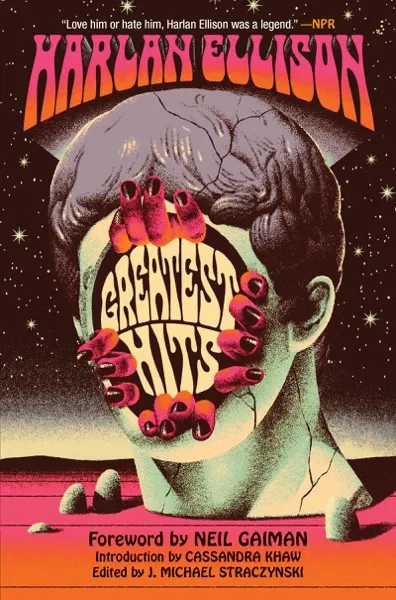
Greatest Hits Author: Harlan EllisonPage Count: UnknownPublication Year: 2024-GB Imagine being invited to a mystical concert where the maestro weaves a tapestry of words, transporting you to realms both familiar and unknown, with the mere stroke of his pen. This is what Harlan Ellison's Greatest Hits promises, and it delivers in spades. Released to widespread acclaim in 2024, this literary masterpiece has catapulted to the top of global bestseller lists, cementing its place in the hearts of readers and critics alike. As a work of genius, Greatest Hits not only reflects Ellison's mastery over the craft but also his profound understanding of the human condition, making it a must-read for anyone who has ever been touched by the power of storytelling. At its core, Greatest Hits is an exploration of the complexities that define us. Ellison delves deep into the human psyche, unraveling the intricate web of emotions, desires, and the unyielding quest for meaning that underscore our existence. Through a cast of characters that are as multifaceted as they are relatable, Ellison paints a vivid portrait of life in all its beauty and brutality. Each character, meticulously crafted, brings their unique perspective to the narrative, enriching the story with layers of depth and complexity. Whether it's the introspective musings of a solitary figure or the chaotic symphony of a bustling metropolis, every element in Greatest Hits serves to underscore the author's central theme: the eternal and often tumultuous dance between light and darkness. One of the standout features of Greatest Hits is Ellison's writing style, which is at once poetic, evocative, and piercingly insightful. With a mastery that borders on sorcery, he conjures worlds that are at once vivid and haunting, drawing the reader into the very fabric of the narrative. His prose is akin to a rich, velvety darkness, inviting and enveloping, yet fraught with the promise of revelation and catharsis. Ellison's use of language is not merely decorative but serves to amplify the emotional resonance of his stories, making each passage a journey of discovery for the reader. The thematic richness of Greatest Hits is another aspect that sets it apart from other works in its genre. Ellison tackles a wide range of subjects, from the profound impact of technology on human relationships to the timeless struggle for identity and belonging. With a deft touch, he probes the vulnerabilities and strengths of his characters, laying bare the fears, hopes, and dreams that motivate them. This depth of exploration ensures that Greatest Hits is not just a collection of stories but a mirror held to the human experience, reflecting our collective triumphs and failures with unflinching honesty. What makes Greatest Hits particularly compelling is its ability to transcend genres and defy categorization. Ellison's writing is a unique blend of speculative fiction, psychological insight, and literary flair, making the book appealing to a broad spectrum of readers. Whether you are a fan of science fiction, literary fiction, or simply great storytelling, Greatest Hits has something to offer. Its universal themes and masterful storytelling ensure that it will resonate with readers long after the final page is turned. In conclusion, Greatest Hits by Harlan Ellison is a literary tour de force that embodies the essence of storytelling at its finest. With its profound themes, beautifully crafted characters, and masterful writing style, this book is an absolute must-read for anyone who loves literature. As a global bestseller, Greatest Hits has already begun to leave its mark on the literary world, and its influence is sure to be felt for years to come. So, join the legion of readers who have already fallen under its spell and experience the magic of Greatest Hits for yourself. #LiteraryFiction #ScienceFiction #BestsellerBooks #HarlanEllison #GreatestHits Related InsightsThe Whispered Pages: Unearthing the Clandestine World of Samizdat Literature It Happened One Summer Book Review and Summary Longitude Book Review and Summary{ "@context": "https://schema.org", "@type": "FAQPage", "mainEntity": [ { "@type": "Question", "name": "What is the main focus of **Greatest Hits** Book Review and Summary?", "acceptedAnswer": { "@type": "Answer", "text": "Everything you need to know about **Greatest Hits** with our detailed review." } }, { "@type": "Question", "name": "Who authored the comprehensive guide on **Greatest Hits** Book Review and Summary?", "acceptedAnswer": { "@type": "Answer", "text": "This detailed article and its insights were carefully researched and authored by Sofia Bianchi." } }, { "@type": "Question", "name": "Where can I find more related content about Books?", "acceptedAnswer": { "@type": "Answer", "text": "You can explore more articles, detailed reviews, and similar insights by browsing the Related Insights section at the bottom of this article or visiting our dedicated Books category page." } } ] }
-
 Olivia Harris
 - 13 Jul, 2025 01:02
Ciudad de las Almas perdidas : Cazadores de sombras Book Review and Summary
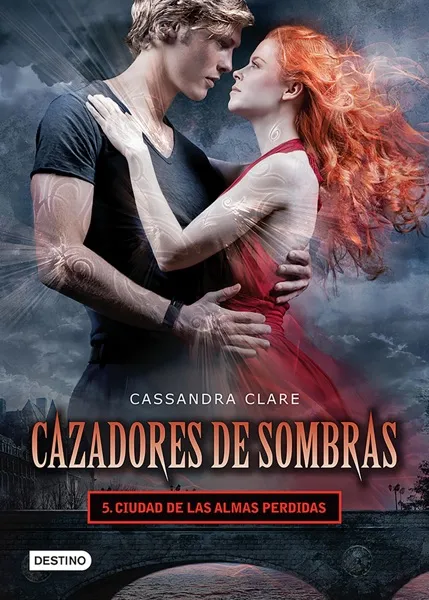
Ciudad de las Almas perdidas : Cazadores de sombras Author: Cassandra ClarePage Count: UnknownPublication Year: 2019-GB Cassandra Clare’s Ciudad de las Almas Perdidas: Cazadores de Sombras (City of Lost Souls) is a dazzling entry into the Shadowhunter Chronicles, a series that has captivated millions with its blend of supernatural intrigue, forbidden romance, and high-stakes adventure. Published in 2019, this installment in the The Mortal Instruments saga lives up to its reputation as a global bestseller, weaving together the fates of its beloved characters in a narrative that is as emotionally raw as it is action-packed. At its core, City of Lost Souls explores the theme of redemption—a haunting question of whether those who have strayed from the path can ever truly return. The story follows Clary Fray, a young Shadowhunter with a rare ability to see through magical illusions, as she grapples with the aftermath of the betrayal and loss that have defined her journey. But the true heart of the novel lies in the tormented soul of Jace Wayland, whose bond with Clary is as intense as it is destructive. Clare masterfully delves into the complexity of their relationship, framing it not just as a love story but as a battle for the very essence of identity and belonging. Jace, cursed by a demon’s possession and stripped of his memories, becomes a vessel for moral ambiguity, forcing Clary to confront the painful truth that love doesn’t always equate to salvation. Clare’s prose is electric, pulsing with a rhythm that mirrors the urgency of her plot. She excels in crafting dialogue that crackles with wit and tension, particularly in the exchanges between Clary and her best friend, Simon Lewis—a human turned vampire whose loyalty is tested in ways he never imagined. The banter between characters often serves as a breather from the darker themes, grounding the supernatural chaos in relatable human emotions. Yet, Clare never shies away from the bleakness; the novel is steeped in Gothic undertones, with shadowy corridors, eerie spells, and the ever-present threat of demons lurking in the periphery. One of Clare’s greatest strengths is her ability to balance multiple perspectives without losing coherence. Readers are given glimpses into the minds of secondary characters like Isabelle and Alec Lightwood, whose own struggles—whether with family expectations, forbidden desires, or the weight of leadership—add depth to the overarching narrative. The world-building is meticulous, with Clare’s intricate lore of angels, demons, and Nephilim feeling both expansive and intimate. The Shadowhunter Institute, the demonic forces of Edom, and the labyrinthine streets of Alicante serve as more than just settings; they are characters in their own right, shaping the fates of those who inhabit them. The pacing of City of Lost Souls is relentless, a whirlwind of betrayals, rescues, and revelations that keeps readers on the edge of their seats. Clare’s talent for suspense is evident in the way she structures her chapters—each one ends on a note that compels the reader to turn the page, whether it’s a cliffhanger, a shocking reveal, or a moment of raw emotional vulnerability. The climax, a battle that pits the Shadowhunters against an ancient evil, is both thrilling and poignant, underscoring the novel’s central message: that even in the darkest of times, the bonds of family—whether by blood or choice—can be a beacon of hope. Yet, what lingers most after finishing City of Lost Souls is its emotional resonance. Clare doesn’t just tell a story about saving the world; she explores what it means to be saved. Jace’s journey is a heartrending exploration of self-forgiveness, while Clary’s growth from a naive girl to a determined heroine is both inspiring and heartbreaking. The novel’s exploration of guilt, sacrifice, and the cost of redemption makes it far more than a typical YA fantasy—it’s a meditation on what it means to find light in the abyss. For fans of the series, City of Lost Souls delivers everything they’ve come to expect: swoon-worthy romance, pulse-pounding action, and the kind of world-building that makes you wish you could step into the pages. For newcomers, it’s a gateway into a universe that is as addictive as it is immersive. Clare’s writing is sharp, her characters are vivid, and her themes are timeless, making this a novel that resonates long after the last page is turned. #Shadowhunters #CassandraClare #CityOfLostSouls #JaceAndClary #SupernaturalRomance #YAFantasy Related InsightsThe Sea of Monsters Book Review and Summary History's Greatest Drinking Games: From the Notorious to the Wisely Forgotten Book Review and Summary A Great and Terrible Beauty Book Review and Summary{ "@context": "https://schema.org", "@type": "FAQPage", "mainEntity": [ { "@type": "Question", "name": "What is the main focus of Ciudad de las Almas perdidas : Cazadores de sombras Book Review and Summary?", "acceptedAnswer": { "@type": "Answer", "text": "Everything you need to know about Ciudad de las Almas perdidas : Cazadores de sombras with our detailed review." } }, { "@type": "Question", "name": "Who authored the comprehensive guide on Ciudad de las Almas perdidas : Cazadores de sombras Book Review and Summary?", "acceptedAnswer": { "@type": "Answer", "text": "This detailed article and its insights were carefully researched and authored by Olivia Harris." } }, { "@type": "Question", "name": "Where can I find more related content about Books?", "acceptedAnswer": { "@type": "Answer", "text": "You can explore more articles, detailed reviews, and similar insights by browsing the Related Insights section at the bottom of this article or visiting our dedicated Books category page." } } ] }
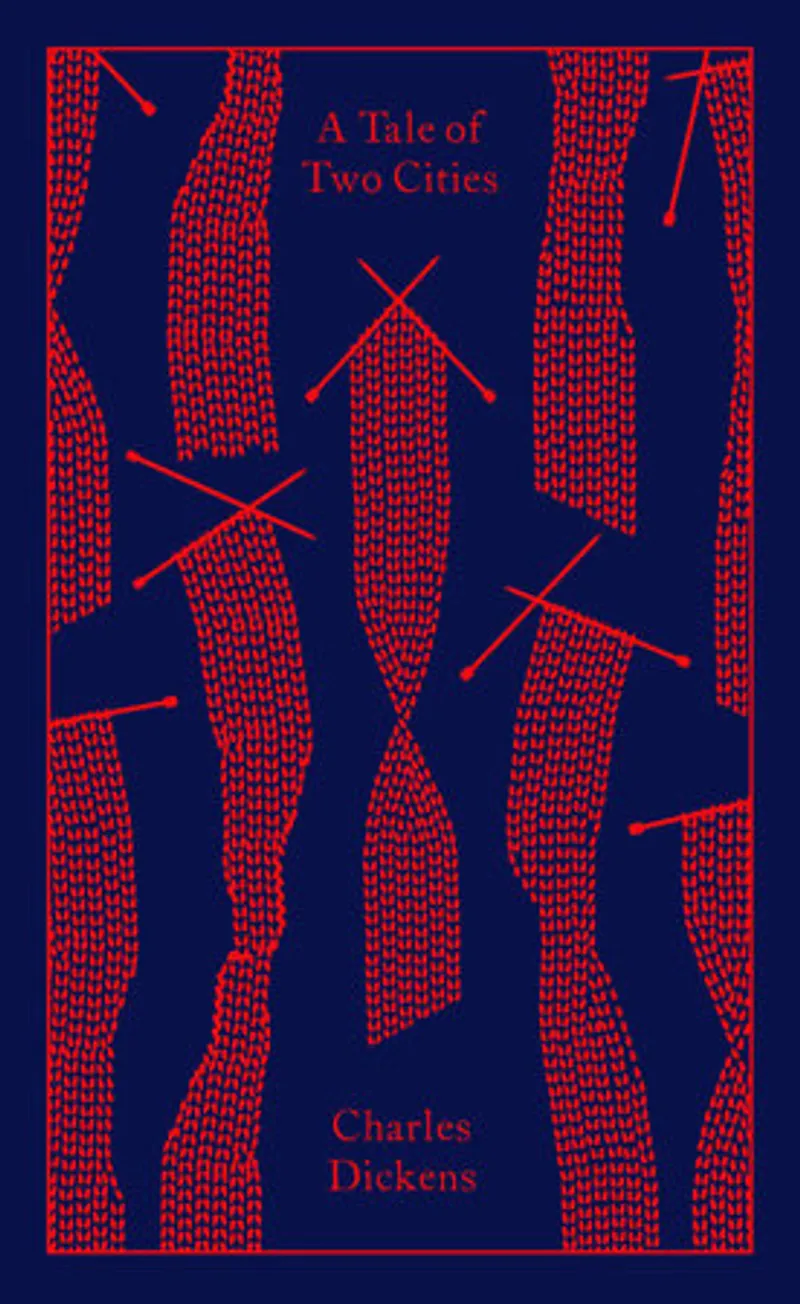
A Tale of Two Cities Author: Coralie Bickford-SmithPage Count: UnknownPublication Date: 2011-PRH A Tale of Two Cities, penned by the illustrious Charles Dickens and beautifully repackaged in Penguin's Clothbound Classics series, is a masterful exploration of the human condition set against the backdrop of one of history's most tumultuous periods. Designed by the award-winning Coralie Bickford-Smith, this edition is a feast for the eyes, with its high-quality, colourful cloth binding and intricate foil stamping. At its core, A Tale of Two Cities is a poignant tale of love, sacrifice, and redemption, set in the late 18th century, as the French Revolution reaches its fever pitch. The narrative is a complex tapestry of interconnected lives, expertly woven by Dickens' masterful hand. The story revolves around the enigmatic Dr. Manette, a man who has spent eighteen long years imprisoned in the Bastille, only to be reunited with his daughter, Lucie, in England. It is through Lucie that we meet the two men who will become inextricably linked to her fate: Charles Darnay, the exiled French aristocrat, and Sydney Carton, the disillusioned English lawyer. Dickens' writing is a character in its own right, with its characteristic wit, pathos, and sharp social commentary. His prose is both beautiful and brutal, reflecting the stark contrasts of the world he is portraying. The tranquil lanes of London, with their comforting familiarity, serve as a stark counterpoint to the bloodstained streets of Paris, where the Reign of Terror holds sway. It is a world of extremes, where the ideals of the Revolution have curdled into a deadly reality, and the guillotine casts its long, ominous shadow. Through the eyes of his characters, Dickens explores the complexities of human nature, laying bare the contradictions and flaws that make us so endearingly, frustratingly human. Lucie, with her gentle strength and unwavering compassion, serves as a beacon of hope in a world gone mad. Charles Darnay, the aristocrat with a heart of gold, is a poignant reminder of the destructive power of blind ideology. And then there is Sydney Carton, the disillusioned lawyer, whose bitter cynicism belies a deep well of emotion, and a capacity for sacrifice that will ultimately prove to be the novel's most enduring legacy. Dickens' genius lies in his ability to balance the intimate, personal narratives of his characters with the broader sweep of history. He is a master of the grand gesture, and his set pieces – the storming of the Bastille, the horrors of the Reign of Terror – are both thrilling and terrifying. And yet, it is the quieter moments, the whispered conversations, the stolen glances, that truly capture the essence of this novel. In short, A Tale of Two Cities is a masterpiece, a sweeping epic that will leave you breathless, and yearning for more. Dickens' writing is a time machine, transporting you to a world of drama, intrigue, and heartbreak. This beautiful edition, with its stunning design, is the perfect accompaniment to a journey that will leave you changed, and haunted, long after the final page has been turned. #ATaleOfTwoCities #CharlesDickens #FrenchRevolution #ReignOfTerror #ClassicLiterature #PenguinClothboundClassics Related InsightsThe Boy in the Striped Pajamas Book Review and Summary Die unendliche Odyssee der Worte: Eine Reise durch die Geschichte des Romans All the Light We Cannot See Book Review and Summary{ "@context": "https://schema.org", "@type": "FAQPage", "mainEntity": [ { "@type": "Question", "name": "What is the main focus of A Tale of Two Cities Book Review and Summary?", "acceptedAnswer": { "@type": "Answer", "text": "Everything you need to know about A Tale of Two Cities with our detailed review." } }, { "@type": "Question", "name": "Who authored the comprehensive guide on A Tale of Two Cities Book Review and Summary?", "acceptedAnswer": { "@type": "Answer", "text": "This detailed article and its insights were carefully researched and authored by Charles Dickens." } }, { "@type": "Question", "name": "Where can I find more related content about Books?", "acceptedAnswer": { "@type": "Answer", "text": "You can explore more articles, detailed reviews, and similar insights by browsing the Related Insights section at the bottom of this article or visiting our dedicated Books category page." } } ] }
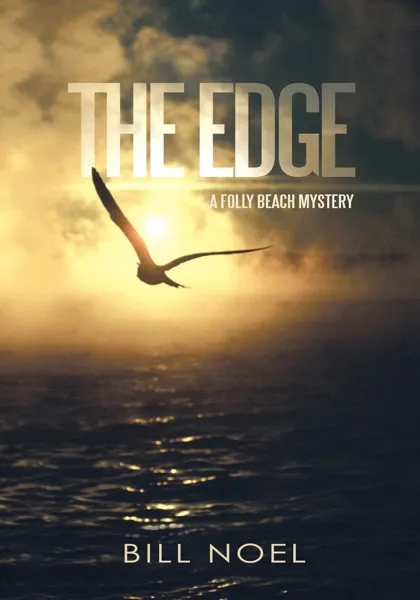

The Imperfect Murder Author: James PattersonPage Count: UnknownPublication Year: 2025-GB The Imperfect Murder, James Patterson's latest masterpiece, is a heart-stopping, action-packed thrill ride that will keep you on the edge of your seat from start to finish. With its unique blend of intrigue, suspense, and unexpected twists, this global bestseller has taken the literary world by storm, leaving readers and critics alike in awe of Patterson's unparalleled storytelling prowess. As you delve into the world of The Imperfect Murder, be prepared to encounter a complex web of secrets, lies, and deception that will challenge even the most discerning detectives. At the heart of this gripping narrative lies a cast of intricately crafted characters, each with their own distinct voice, motivations, and backstory. Patterson's remarkable ability to create relatable, multi-dimensional personas is on full display, as he expertly weaves together a diverse array of individuals, each with their own role to play in the unfolding drama. From the brilliant, yet flawed, detective at the helm of the investigation, to the enigmatic, calculating culprit, every character is meticulously honed to perfection, making it impossible not to become fully invested in their journeys. One of the defining features of The Imperfect Murder is its thought-provoking exploration of themes that are both timely and timeless. Patterson tackles a range of pressing issues, including the nature of justice, the impact of trauma, and the blurred lines between right and wrong. Through his masterful handling of these complex topics, he raises essential questions about the human condition, encouraging readers to reflect on their own values and moral compass. By seamlessly integrating these weighty themes into the fabric of the narrative, Patterson creates a story that is not only entertaining but also intellectually stimulating and emotionally resonant. Patterson's writing style is, as always, a key element in the book's success. His signature blend of short, snappy sentences, clever plot devices, and ingenious characterizations makes for a reading experience that is both exhilarating and impossible to put down. With his characteristic mastery of pacing, he expertly ramps up the tension, carefully calibrating the release of information to keep readers guessing until the very end. The Imperfect Murder is a testament to Patterson's remarkable flexibility as a writer, as he effortlessly adapts his style to suit the demands of the story, resulting in a narrative that is both sleek and sophisticated. The Imperfect Murder is a truly exceptional achievement, a novel that showcases Patterson's remarkable skill and versatility as a storyteller. With its breakneck pace, ingenious plot twists, and memorable characters, this book is an absolute must-read for fans of the genre. Whether you're a longtime devotee of Patterson's work or simply looking for a compelling, unputdownable thriller, The Imperfect Murder is sure to captivate and enthrall. As the literary world continues to buzz with excitement about this phenomenal bestseller, one thing is clear: James Patterson has once again proven himself to be a master of the craft, and The Imperfect Murder is an instant classic that will be remembered for years to come. #TheImperfectMurder #JamesPatterson #ThrillerBooks #BestsellingNovels #MysteryAndSuspense Related InsightsThe Curious Incident of the Dog in the Night-Time Book Review and Summary The Sun Also Rises Book Review and Summary Red Queen / Glass Sword / King'S Cage / War Storm / Broken Throne Book Review and Summary{ "@context": "https://schema.org", "@type": "FAQPage", "mainEntity": [ { "@type": "Question", "name": "What is the main focus of **The Imperfect Murder** Book Review and Summary?", "acceptedAnswer": { "@type": "Answer", "text": "Everything you need to know about **The Imperfect Murder** with our detailed review." } }, { "@type": "Question", "name": "Who authored the comprehensive guide on **The Imperfect Murder** Book Review and Summary?", "acceptedAnswer": { "@type": "Answer", "text": "This detailed article and its insights were carefully researched and authored by James Miller." } }, { "@type": "Question", "name": "Where can I find more related content about Books?", "acceptedAnswer": { "@type": "Answer", "text": "You can explore more articles, detailed reviews, and similar insights by browsing the Related Insights section at the bottom of this article or visiting our dedicated Books category page." } } ] }
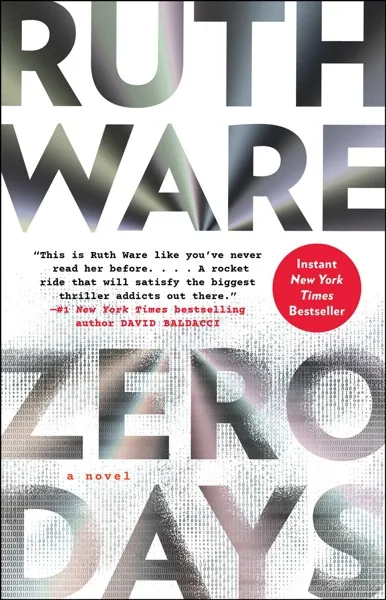

Zero Days Author: Ruth WarePage Count: UnknownPublication Year: 2023-GB Zero Days: Ruth Ware’s Masterclass in Psychological Suspense Few authors can weave a web of suspense as deftly as Ruth Ware, and her latest thriller, Zero Days, proves why she remains the queen of modern psychological suspense. With a premise that hooks from the first page and a narrative that tightens like a noose, Ware delivers a story that lingers long after the final chapter. If you’re a fan of unreliable narrators, claustrophobic settings, and the slow unraveling of secrets, Zero Days is a must-read—one that will keep you guessing until the very last word. At its core, Zero Days is a story about secrets, betrayal, and the thin line between truth and deception. The novel follows a group of old friends who reunite for a luxurious weekend at a remote, high-tech retreat. But what begins as a celebration of nostalgia quickly spirals into paranoia as old grudges resurface and new dangers emerge. Ware excels at creating an atmosphere of simmering tension, where every interaction feels laden with hidden motives. The setting—a secluded, futuristic lodge—serves as a perfect backdrop for the novel’s themes of isolation and mistrust. The more the characters are cut off from the outside world, the more their flaws and fractures become impossible to ignore. One of the most compelling aspects of Zero Days is its ensemble cast, each character brimming with complexity and ambiguity. Ware has a knack for crafting protagonists who are flawed yet deeply relatable, and the same holds true here. The story is told from multiple perspectives, allowing readers to piece together the puzzle alongside the characters. This structure not only heightens the suspense but also invites readers to question who they can trust—a hallmark of Ware’s signature style. Whether it’s the charismatic but secretive host, the quietly observant friend, or the one with the most to hide, each character feels fully realized, their backstories and motivations intricately woven into the plot. Ware’s writing style is another standout feature of Zero Days. Her prose is sharp, immersive, and effortlessly engaging, pulling readers into the story with an almost cinematic quality. She balances introspection with action, ensuring that the psychological depth of her characters never overshadows the relentless pacing. The dialogue crackles with authenticity, and the descriptions—particularly of the lodge and its surroundings—are vivid enough to make the setting feel like a character in its own right. Ware also excels at dropping breadcrumbs of information, rewarding attentive readers with subtle clues that deepen the mystery. Thematically, Zero Days explores the corrosive power of secrets and the way the past can haunt the present. Ware delves into the dynamics of friendship, the weight of guilt, and the lengths people will go to protect their reputations. The novel’s title itself is a clever nod to the idea of zero-hour—a moment of reckoning where everything comes to a head. As the story unfolds, it becomes clear that no one is entirely innocent, and the true villain may not be who you expect. This moral ambiguity is one of the book’s greatest strengths, elevating it beyond a simple whodunit into a layered exploration of human nature. For fans of Ruth Ware’s previous works, Zero Days will feel like a return to form, blending the best elements of her earlier novels with fresh, high-stakes intrigue. Those new to her writing will find a masterclass in suspense, where every chapter ends on a note that demands to be read just one more time. The book’s pacing is relentless, yet it never feels rushed, and the payoff is both satisfying and thought-provoking. In an era where psychological thrillers are a dime a dozen, Zero Days stands out for its intelligence, depth, and sheer readability. Ruth Ware has once again proven why she’s one of the most compelling voices in contemporary suspense, crafting a story that is as emotionally resonant as it is thrilling. Whether you’re a seasoned thriller reader or just looking for a book that will keep you up all night, Zero Days is a must-add to your reading list. #RuthWare #PsychologicalThriller #BookReview #ZeroDays #SuspenseFiction Related InsightsThe Complete Stories and Poems Book Review and Summary Bitterroots Book Review and Summary Carved in the Shadows Book Review and Summary{ "@context": "https://schema.org", "@type": "FAQPage", "mainEntity": [ { "@type": "Question", "name": "What is the main focus of **Zero Days** Book Review and Summary?", "acceptedAnswer": { "@type": "Answer", "text": "Everything you need to know about **Zero Days** with our detailed review." } }, { "@type": "Question", "name": "Who authored the comprehensive guide on **Zero Days** Book Review and Summary?", "acceptedAnswer": { "@type": "Answer", "text": "This detailed article and its insights were carefully researched and authored by Elena Volkova." } }, { "@type": "Question", "name": "Where can I find more related content about Books?", "acceptedAnswer": { "@type": "Answer", "text": "You can explore more articles, detailed reviews, and similar insights by browsing the Related Insights section at the bottom of this article or visiting our dedicated Books category page." } } ] }
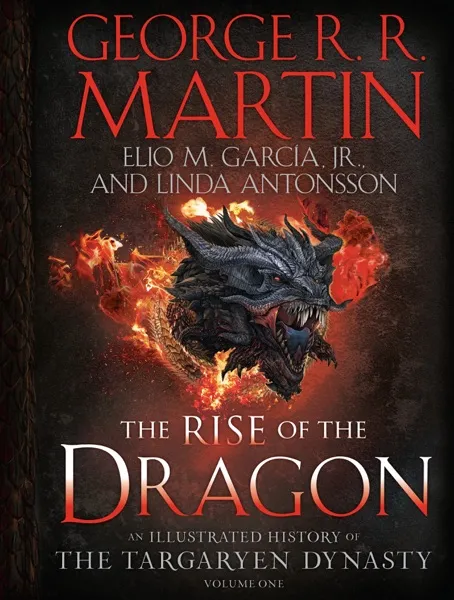
Rise of the Dragon Author: George R. R. MartinPage Count: UnknownPublication Year: 2022-GB George R.R. Martin’s Rise of the Dragon is not just another entry in the sprawling tapestry of Westeros—it is a molten core of history, power, and myth, poured into the shape of a book that burns with the weight of an empire’s rise and fall. As the latest installment in Martin’s A Song of Ice and Fire series, Rise of the Dragon serves as both a retrospective and a revelation, a deep dive into the origins of the Targaryen dynasty that forged the Seven Kingdoms. If you think you know dragons and fire, think again. Martin doesn’t just tell the story—he forges it in the heart of a dragon’s furnace. At its core, Rise of the Dragon is about the birth of a dynasty, the seductive grip of absolute power, and the price of ambition. Martin explores how conquest, marriage, and betrayal weave together to elevate a single family from exiles to sovereigns over a fractured realm. The Targaryens didn’t just conquer Westeros—they mythologized themselves into its soul. Through a series of interconnected stories, Martin traces the lineage of Aegon the Conqueror and his sisters, Visenya and Rhaenys, from their Valyrian roots to the shores of Westeros. But this isn’t a simple origin story. It’s a meditation on how power corrupts even the most noble intentions, and how myth is often just a well-spun lie. What makes Rise of the Dragon so compelling is Martin’s mastery of narrative perspective. He doesn’t just recount events—he dissects them through the eyes of different characters, each with their own biases, fears, and desires. Whether it’s the cunning political maneuvering of Visenya, the fiery determination of Rhaenys, or the reluctant leadership of Aegon, Martin gives us not just rulers, but people—flawed, ambitious, and deeply human. The prose is rich, almost lyrical in places, yet grounded in gritty realism. You can taste the salt of the Narrow Sea, feel the heat of dragonfire, and smell the fear in the halls of Harrenhal. Martin’s style is deceptive in its simplicity. He writes in a way that feels both timeless and urgent, as if the events are unfolding before your eyes rather than being recalled from the past. There’s a cinematic quality to his storytelling—vivid imagery, sharp dialogue, and a relentless sense of momentum. Yet beneath the surface, he’s asking the big questions: What does it mean to rule? Can justice exist in a world built on conquest? And how much of history is truth, and how much is propaganda? The book also serves as a bridge between the mythic past and the bloody present of A Song of Ice and Fire. By revisiting the Targaryen rise, Martin subtly foreshadows the conflicts that will define the later books. The seeds of the Dance of the Dragons, the instability of the realm, and the fragility of power are all sown here. It’s a reminder that the Targaryens’ greatest weakness was never their enemies—it was their own nature. If there’s a flaw to Rise of the Dragon, it’s that Martin’s world is so vast and his lore so deep that even a book dedicated to one dynasty can feel overwhelming at times. Some readers might find themselves lost in the sea of names, titles, and historical references. But that’s also part of the charm—this is a book for true fans, for those who want to immerse themselves in the intricate web of Westeros’ past. Ultimately, Rise of the Dragon is more than a prequel or a companion piece—it’s a love letter to the power of storytelling itself. Martin doesn’t just recount history; he reimagines it, giving us a dragon’s-eye view of how legends are made. And in doing so, he reminds us that the past is never truly dead—it’s always lurking in the embers of the present. For fans of A Song of Ice and Fire, this is essential reading. For newcomers, it’s a tantalizing glimpse into a world where dragons once ruled the skies and fire was the language of kings. #TargaryenRise #ASongOfIceAndFire #DragonHistory #WesterosLegends #GRRM #FantasyEpic Related InsightsThe Darkest Minds Book Review and Summary The Other Boleyn Girl Book Review and Summary The High Auction Book Review and Summary{ "@context": "https://schema.org", "@type": "FAQPage", "mainEntity": [ { "@type": "Question", "name": "What is the main focus of Rise of the Dragon Book Review and Summary?", "acceptedAnswer": { "@type": "Answer", "text": "Everything you need to know about Rise of the Dragon with our detailed review." } }, { "@type": "Question", "name": "Who authored the comprehensive guide on Rise of the Dragon Book Review and Summary?", "acceptedAnswer": { "@type": "Answer", "text": "This detailed article and its insights were carefully researched and authored by Tiago Silva." } }, { "@type": "Question", "name": "Where can I find more related content about Books?", "acceptedAnswer": { "@type": "Answer", "text": "You can explore more articles, detailed reviews, and similar insights by browsing the Related Insights section at the bottom of this article or visiting our dedicated Books category page." } } ] }

Un diable en hiver Author: Lisa KleypasPage Count: UnknownPublication Year: 2021-GB Lisa Kleypas’s Un diable en hiver (2021) is a masterclass in historical romance, where passion meets peril, and the devil himself is tamed by love. Set against the glittering yet treacherous backdrop of Regency-era London, this novel redefines the boundaries of desire, trust, and redemption. Kleypas, a maestro of the genre, weaves a tale that is as intellectually stimulating as it is emotionally intoxicating, proving once again why she remains a beacon for readers who crave both escapism and depth. At its core, Un diable en hiver explores the age-old tension between reputation and redemption. The story follows Sebastian St. Vincent, a man whose charm is as infamous as his scandalous past. Once a rake of the highest order, Sebastian is now a pariah, shunned by society for a crime he didn’t commit—a crime that has left him emotionally hollow and physically broken. His only solace lies in the arms of courtesans and the fleeting comfort of oblivion, until fate intervenes in the form of a woman who sees beyond his reputation. Enter Annabelle Peyton, a sharp-witted, fiercely independent heiress who has no qualms about calling him out on his self-destructive tendencies. Theirs is a dance of opposites: she is light where he is darkness, honesty where he is deception, and love where he expects only scorn. Kleypas excels in crafting characters who are flawed yet deeply human. Sebastian is a particularly compelling figure—not because he is likable (though he is, eventually), but because he is real. His journey from a morally bankrupt playboy to a man capable of love is fraught with self-loathing and the crushing weight of societal judgment. Annabelle, meanwhile, is a breath of fresh air in a world that seeks to mold women into either saints or sinners. She refuses to be either, demanding her own agency in a society that would prefer she be silent and obedient. Their dynamic is electric, a push-and-pull of attraction and repulsion that keeps the pages turning. The novel’s strength lies not just in its characters but in its setting. Kleypas’s London is a sensory feast—opulent ballrooms where whispers carry as much weight as the champagne that flows, shadowy alleyways where secrets fester, and grand estates where the veneer of civility barely conceals the rot beneath. The historical detail is meticulous, immersing the reader in an era where a wrong word in the right ear could ruin a reputation—or a life. Yet, for all its grandeur, the story never loses sight of its emotional core. The stakes are personal, the conflicts intimate, and the resolution deeply satisfying. Kleypas’s prose is a study in restraint and passion. She doesn’t rely on flowery language to convey emotion; instead, her words are precise, her sentences sharp, and her dialogue crackling with wit and tension. There’s a rawness to her writing that makes the romantic moments feel earned rather than contrived. When Sebastian and Annabelle finally give in to their desires, it’s not just a physical act but a surrender of defenses, a mutual acknowledgment that love might just be the one sin worth committing. Thematically, Un diable en hiver is a meditation on the power of vulnerability. Sebastian’s greatest fear isn’t that he’ll be exposed as a fraud, but that someone will see the man beneath the monster—and still choose to stay. Annabelle’s greatest strength isn’t her intelligence or her fortune, but her willingness to love him despite his flaws. It’s a message that resonates in any era: that redemption isn’t about being perfect, but about being seen, truly seen, by someone who matters. Kleypas also doesn’t shy away from the darker realities of Regency society. The novel touches on themes of class, power, and the way women’s lives are circumscribed by the men around them. Annabelle’s defiance is both refreshing and necessary, a reminder that even in a world that seeks to control her, she can carve out her own path. Sebastian’s downfall, meanwhile, serves as a cautionary tale about the cost of living without principle—a cost that is as much internal as it is external. In the end, Un diable en hiver is more than just a romance; it’s a story about the lies we tell ourselves and the truths we’re afraid to face. It’s about the masks we wear and the people who dare to remove them. And it’s about the quiet, almost miraculous moment when two people realize they’re stronger together than they ever were apart. Lisa Kleypas has written many beloved novels, but Un diable en hiver stands out as a testament to her skill as a storyteller. It’s a book that lingers, not just because of its steamy encounters or its lavish settings, but because it reminds us that even the most broken among us can find healing in the right hands. #HistoricalRomance #RegencyEra #LisaKleypas #ScandalousHeroes #RedemptionRomance #VictorianPassion Related InsightsThe Power of One Book Review and Summary The Knockemout Series Boxset 1-3 Book Review and Summary The Naked Pharaoh Book Review and Summary{ "@context": "https://schema.org", "@type": "FAQPage", "mainEntity": [ { "@type": "Question", "name": "What is the main focus of Un diable en hiver Book Review and Summary?", "acceptedAnswer": { "@type": "Answer", "text": "Everything you need to know about Un diable en hiver with our detailed review." } }, { "@type": "Question", "name": "Who authored the comprehensive guide on Un diable en hiver Book Review and Summary?", "acceptedAnswer": { "@type": "Answer", "text": "This detailed article and its insights were carefully researched and authored by Antoine Leroy." } }, { "@type": "Question", "name": "Where can I find more related content about Books?", "acceptedAnswer": { "@type": "Answer", "text": "You can explore more articles, detailed reviews, and similar insights by browsing the Related Insights section at the bottom of this article or visiting our dedicated Books category page." } } ] }
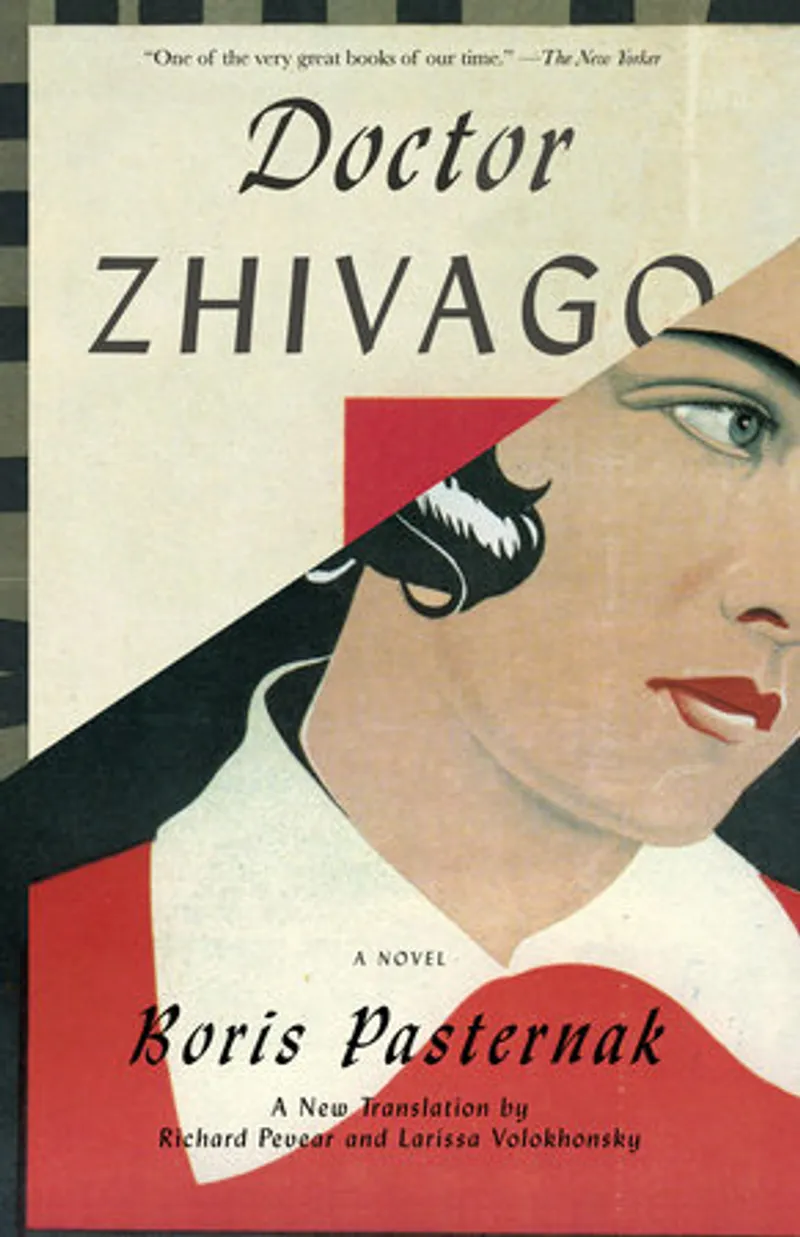
Doctor Zhivago Author: Boris PasternakPage Count: UnknownPublication Date: 2011-PRH In the realm of 20th-century literature, few novels have managed to capture the essence of a nation's turmoil as eloquently as Boris Pasternak's Doctor Zhivago. First published in 1957, this masterpiece has been a cornerstone of world literature, and the 2011 translation by Pevear and Volokhonsky only serves to further solidify its status as a timeless classic. Set against the backdrop of the Russian Revolution, Doctor Zhivago is a poignant tale of love, loss, and the human condition. The novel follows the life of Yuri Zhivago, a poet and physician, as he navigates the treacherous landscape of war-torn Russia. With his family in tow, Zhivago sets out to find solace in the Ural Mountains, only to find himself entangled in the bitter struggle between the Whites and the Reds. It is here that Pasternak's masterful storytelling comes to the fore. With a style that is both poetic and unflinching, he weaves a narrative that is as much about the human experience as it is about the historical context in which it is set. Through Zhivago's eyes, we witness the brutality and chaos of war, the erosion of innocence, and the redemptive power of love. At the heart of the novel is Zhivago's all-consuming passion for Lara, a woman who embodies the very essence of the revolutionary era. Their love story is a powerful exploration of the human condition, a testament to the enduring power of love in the face of adversity. It is a tale that is both deeply personal and universally relatable, a true masterpiece of literary storytelling. One of the most striking aspects of Doctor Zhivago is Pasternak's unique writing style. His prose is lyrical and evocative, conjuring vivid images of the Russian landscape and the people who inhabit it. His use of language is deliberate and measured, imbuing the narrative with a sense of depth and complexity. It is a style that is both beautiful and unflinching, capable of conveying the full range of human emotions. The 2011 translation by Pevear and Volokhonsky is a triumph, capturing the essence of Pasternak's original while rendering it accessible to a new generation of readers. Their translation is masterful, conveying the nuances of Pasternak's style with remarkable fidelity. In conclusion, Doctor Zhivago is a novel that is as relevant today as it was when it was first published. It is a powerful exploration of the human condition, a testament to the enduring power of love and art in the face of adversity. If you haven't already, do yourself a favor and immerse yourself in this literary masterpiece. #RussianLiterature #DoctorZhivago #BorisPasternak #ClassicNovels #HistoricalFiction #LoveInWartime Related InsightsWaiting for Godot Book Review and Summary An Auction of Souls (An Auction of Souls, #1) Book Review and Summary Defy Me (Shatter Me) Book Review and Summary{ "@context": "https://schema.org", "@type": "FAQPage", "mainEntity": [ { "@type": "Question", "name": "What is the main focus of Doctor Zhivago Book Review and Summary?", "acceptedAnswer": { "@type": "Answer", "text": "Everything you need to know about Doctor Zhivago with our detailed review." } }, { "@type": "Question", "name": "Who authored the comprehensive guide on Doctor Zhivago Book Review and Summary?", "acceptedAnswer": { "@type": "Answer", "text": "This detailed article and its insights were carefully researched and authored by Boris Pasternak." } }, { "@type": "Question", "name": "Where can I find more related content about Books?", "acceptedAnswer": { "@type": "Answer", "text": "You can explore more articles, detailed reviews, and similar insights by browsing the Related Insights section at the bottom of this article or visiting our dedicated Books category page." } } ] }
The Cider House Rules Author: John IrvingPage Count: UnknownPublication Date: 1997-PRH In the sweeping narrative of "The Cider House Rules", John Irving masterfully weaves a tale of love, loss, and the complexities of the human condition. Set against the rustic backdrop of rural Maine in the early 20th century, this novel is a powerful exploration of the moral ambiguities that govern our lives. At the heart of the story is Dr. Wilbur Larch, a multifaceted character who embodies the contradictions of human nature. As the founder and director of an orphanage in St. Cloud's, he is a beacon of hope and kindness, yet his addiction to ether and his role as an abortionist reveal a more nuanced and troubled individual. It is through Larch's character that Irving raises important questions about the nature of morality and the difficult choices we face in life. The novel also tells the story of Homer Wells, Larch's favorite orphan, who is never adopted and grows up within the walls of the orphanage. Homer's journey is a poignant exploration of identity, belonging, and the search for meaning in a chaotic world. Through his character, Irving sheds light on the fragility and beauty of human relationships and the ways in which we are shaped by our experiences. One of the most striking aspects of Irving's writing is his ability to craft characters that are both flawed and noble, often at the same time. His characters are multidimensional and relatable, and it is their complexities that make them so endearing to the reader. Irving's prose is also noteworthy for its lyricism and simplicity, which belies the complexity of the themes he explores. The praise heaped upon "The Cider House Rules" is well-deserved, and it is easy to see why Irving is regarded as one of the greatest storytellers of our time. His writing is engaging, moving, and thoroughly satisfying, and this novel is no exception. As Joseph Heller notes, it is "superb in scope and originality, a novel as good as one could hope to find from any author, anywhere, anytime." In short, "The Cider House Rules" is a masterpiece of contemporary literature, a novel that will resonate with readers long after they finish reading it. It is a testament to Irving's skill as a storyteller that he can tackle such complex themes with such nuance and sensitivity, and it is a must-read for anyone who loves great literature. #TheCiderHouseRules #JohnIrving #AbortionRights #OrphanageLife #ComingOfAge #ClassicAmericanNovel Related InsightsA Study in Sparkling (Love Notes, #2) Book Review and Summary The Darkest Destiny Book Review and Summary Love Unwritten Book Review and Summary{ "@context": "https://schema.org", "@type": "FAQPage", "mainEntity": [ { "@type": "Question", "name": "What is the main focus of The Cider House Rules Book Review and Summary?", "acceptedAnswer": { "@type": "Answer", "text": "Everything you need to know about The Cider House Rules with our detailed review." } }, { "@type": "Question", "name": "Who authored the comprehensive guide on The Cider House Rules Book Review and Summary?", "acceptedAnswer": { "@type": "Answer", "text": "This detailed article and its insights were carefully researched and authored by John Irving." } }, { "@type": "Question", "name": "Where can I find more related content about Books?", "acceptedAnswer": { "@type": "Answer", "text": "You can explore more articles, detailed reviews, and similar insights by browsing the Related Insights section at the bottom of this article or visiting our dedicated Books category page." } } ] }

Bastille vs. the Evil Librarians Author: Brandon SandersonPage Count: UnknownPublication Year: 2022-GB Bastille vs. the Evil Librarians: A Whirlwind of Wit, Wonder, and World-Building Imagine a world where librarians aren’t just gatekeepers of knowledge—they’re sinister overlords, hoarding books not to preserve history, but to control it. Now picture a hero who’s equal parts rebellious teenager and reluctant savior, armed with nothing but a sword, a snarky AI, and an unshakable sense of justice. This isn’t some dystopian fever dream; it’s Bastille vs. the Evil Librarians, Brandon Sanderson’s latest genre-bending masterpiece that proves why he’s a titan of modern fantasy. Sanderson, best known for his sprawling, meticulously crafted epics like Mistborn and The Stormlight Archive, takes a sharp left turn into high-energy, fast-paced adventure with this standalone novel. At its core, Bastille vs. the Evil Librarians is a love letter to books, rebellion, and the idea that knowledge is power—literally. The story follows Charlie, a 13-year-old orphan who stumbles upon a secret war between the free-thinking "Good Guys" and the tyrannical "Evil Librarians," who manipulate history to maintain their control. With the help of Bastille, a legendary warrior-mage, Charlie must uncover his true identity and wield his newfound powers before the librarians erase the truth forever. What makes this book soar is Sanderson’s ability to blend humor, heart, and high-stakes action into a narrative that feels both fresh and nostalgic. The prose is crisp and accessible, making it a perfect entry point for younger readers while still offering layers of complexity for adults. Sanderson’s signature world-building is on full display, but here, it’s distilled into a tight, propulsive plot that never loses sight of its emotional core. The world of the Evil Librarians is a delightfully absurd yet eerily plausible dystopia, where books are weapons, librarians are villains, and the act of reading itself is an act of defiance. The characters are the beating heart of this story. Charlie is an instantly relatable protagonist—awkward, curious, and burdened by self-doubt, yet determined to do what’s right. His journey from an overlooked orphan to a key player in a cosmic struggle is both inspiring and deeply human. Bastille, meanwhile, is a force of nature: a warrior with a sharp tongue, a dry wit, and a hidden vulnerability that makes her far more than just a mentor figure. The dynamic between them crackles with chemistry, blending mentorship with genuine friendship. Even the supporting cast, from the enigmatic AI named Nalzac to the morally gray librarians, are vividly drawn, each serving a purpose that enriches the larger narrative. Sanderson’s writing style here is a masterclass in balancing wit and wonder. The dialogue crackles with humor, often laced with pop-culture references that feel organic rather than forced. The action sequences are kinetic, with fight scenes that are as clever as they are thrilling. Yet, beneath the humor and adventure, there’s a deeper message about the power of stories and the importance of questioning authority. The book doesn’t shy away from exploring themes of identity, belonging, and the cost of truth—all while keeping the tone light enough to feel like a joyride. One of the most impressive aspects of Bastille vs. the Evil Librarians is its ability to stand on its own while also feeling like part of a larger universe. Sanderson doesn’t rely on extensive lore dumps; instead, he weaves in world-building organically, letting the story unfold through action and character interactions. This makes the book accessible to newcomers while still offering enough depth to satisfy long-time fans. The pacing is relentless, with each chapter ending on a hook that makes it nearly impossible to put down. For readers who love fantasy but are tired of bloated, doorstopper-sized novels, this book is a breath of fresh air. It’s a reminder that fantasy doesn’t have to be slow or overly complex to be immersive. Sanderson proves that a tight, well-crafted story with a compelling protagonist and a dash of humor can be just as satisfying as a 1,000-page epic. In a literary landscape crowded with retellings and recycled tropes, Bastille vs. the Evil Librarians feels like a breath of fresh air. It’s a book that celebrates the joy of reading, the thrill of adventure, and the power of standing up against oppression—all while delivering a story that’s as fun as it is thought-provoking. Whether you’re a die-hard Sanderson fan or a casual reader looking for your next great read, this book is a must-have. #FantasyBooks #BrandonSanderson #BookReview #MiddleGradeFantasy #EvilLibrarians Related InsightsUnapologetic Love Story Book Review and Summary Off Balance (The Heights, #2) Book Review and Summary Down Bad (The New Romantics, #2) Book Review and Summary{ "@context": "https://schema.org", "@type": "FAQPage", "mainEntity": [ { "@type": "Question", "name": "What is the main focus of **Bastille vs. the Evil Librarians** Book Review and Summary?", "acceptedAnswer": { "@type": "Answer", "text": "Everything you need to know about **Bastille vs. the Evil Librarians** with our detailed review." } }, { "@type": "Question", "name": "Who authored the comprehensive guide on **Bastille vs. the Evil Librarians** Book Review and Summary?", "acceptedAnswer": { "@type": "Answer", "text": "This detailed article and its insights were carefully researched and authored by Emma Thompson." } }, { "@type": "Question", "name": "Where can I find more related content about Books?", "acceptedAnswer": { "@type": "Answer", "text": "You can explore more articles, detailed reviews, and similar insights by browsing the Related Insights section at the bottom of this article or visiting our dedicated Books category page." } } ] }
-
 Camille Dubois
 - 11 Jul, 2025 05:57
Tourism, Cosmopolitanism and Global Citizenship Book Review and Summary
Tourism, Cosmopolitanism and Global Citizenship Author: Jim ButcherPage Count: UnknownPublication Year: 2019-GB Jim Butcher’s Tourism, Cosmopolitanism and Global Citizenship (2019) is a sharp, incisive critique of the romanticized ideals that often shroud contemporary tourism. Far from being a dry academic treatise, the book is a provocative exploration of how tourism intersects with broader notions of global citizenship, identity, and the politics of belonging. Butcher, a geographer at Canterbury Christ Church University, challenges the reader to see tourism not as a benign force for cultural exchange but as a complex, often exploitative phenomenon that reinforces inequalities under the guise of cosmopolitan virtue. At its core, the book dissects the myth of the "global citizen"—a figure who, in the popular imagination, moves seamlessly across borders, embodying openness, tolerance, and a disdain for parochialism. Butcher dismantles this ideal with a surgeon’s precision, arguing that tourism, far from fostering genuine cosmopolitanism, often serves as a stage for the performance of cultural superiority. The tourist, in this framing, is not a humble seeker of knowledge but a participant in a system that privileges consumption over connection. The "global citizen" becomes, in Butcher’s view, a neoliberal construct that masks the material realities of displacement, commodification, and power imbalances that tourism both relies on and perpetuates. Butcher’s style is both erudite and accessible, blending theoretical frameworks—drawn from postcolonial studies, critical geography, and political theory—with vivid case studies. He examines everything from voluntourism in the Global South to the ethics of cruise ship tourism, exposing the contradictions inherent in these practices. For instance, he highlights how voluntourism often reduces poverty to a spectacle for the benefit of the wealthy, while cruise tourism turns entire cities into stages for transient spectacle, eroding local cultures for the sake of entertainment. His analysis is grounded in a refusal to accept the surface-level narratives of tourism as a force for good, instead interrogating who benefits from these global flows—and who is left behind. One of the book’s most compelling arguments is its challenge to the idea that tourism inherently fosters cosmopolitanism. Butcher argues that while tourism can expose individuals to new cultures, it rarely fosters the deep, reciprocal understanding that cosmopolitanism implies. Instead, it often reinforces stereotypes, exoticizes the "other," and allows tourists to return home with a fleeting sense of enlightenment—without ever truly engaging with the complexities of the places they visit. The global citizen, in this sense, becomes a tourist who mistakes superficial exposure for genuine ethical engagement. Butcher’s prose is clear and unflinching, avoiding the jargon that often bogs down similar works. He writes with a journalist’s eye for the telling anecdote and a scholar’s commitment to rigorous analysis. His critique is not a wholesale dismissal of tourism but a call to recognize its darker undercurrents. He doesn’t advocate for the abandonment of travel but for a more honest reckoning with its consequences. Tourism, in his view, is not inherently virtuous; it is a tool that can be wielded for better or worse, and its moral weight depends entirely on who holds the reins. The book’s strength lies in its refusal to offer easy answers. Butcher doesn’t propose a grand alternative to tourism or global citizenship but instead urges the reader to question the narratives that surround these concepts. He exposes the hypocrisies of an industry that sells itself as a force for good while often perpetuating harm. In doing so, he invites a more critical engagement with the act of travel itself—a call that feels increasingly urgent in an era where tourism is both a global phenomenon and a growing ethical dilemma. Tourism, Cosmopolitanism and Global Citizenship is essential reading for anyone who has ever traveled with the belief that they were contributing to a better world. It’s a book that will make you think twice about that voluntourism trip, that luxury resort stay, or even that Instagram post from a "remote" village. Butcher doesn’t just critique tourism; he challenges the very idea of what it means to be a citizen of the world in an age of inequality and displacement. #TourismMatters #GlobalCitizenship #Cosmopolitanism #CriticalGeography #EthicalTravel #ButcherOnTourism Related InsightsKing of Pride Book Review and Summary The Prince Book Review and Summary Less Than Zero Book Review and Summary{ "@context": "https://schema.org", "@type": "FAQPage", "mainEntity": [ { "@type": "Question", "name": "What is the main focus of Tourism, Cosmopolitanism and Global Citizenship Book Review and Summary?", "acceptedAnswer": { "@type": "Answer", "text": "Everything you need to know about Tourism, Cosmopolitanism and Global Citizenship with our detailed review." } }, { "@type": "Question", "name": "Who authored the comprehensive guide on Tourism, Cosmopolitanism and Global Citizenship Book Review and Summary?", "acceptedAnswer": { "@type": "Answer", "text": "This detailed article and its insights were carefully researched and authored by Camille Dubois." } }, { "@type": "Question", "name": "Where can I find more related content about Books?", "acceptedAnswer": { "@type": "Answer", "text": "You can explore more articles, detailed reviews, and similar insights by browsing the Related Insights section at the bottom of this article or visiting our dedicated Books category page." } } ] }
Blood of Rome Author: Simon ScarrowPage Count: UnknownPublication Year: 2018-GB Blood of Rome is not just another historical novel—it is a visceral journey into the heart of Roman ambition, brutality, and survival. Simon Scarrow, the master chronicler of ancient Rome’s military might, delivers another gripping installment in his Eagles of the Empire series, this time immersing readers in the blood-soaked sands of the Eastern frontier. With his signature blend of meticulous research, relentless pacing, and raw emotional depth, Scarrow crafts a story that is as intellectually satisfying as it is thrilling. At its core, Blood of Rome explores the tension between two worlds: the disciplined, unyielding might of Rome and the fierce, unpredictable spirit of its enemies. The book thrusts us into the aftermath of Emperor Hadrian’s reign, where the empire’s borders are under constant threat. Scarrow doesn’t just describe battles; he makes you feel them. The clash of steel, the dust of marching cohorts, the desperate cries of wounded soldiers—each scene is rendered with such vivid immediacy that you’ll find yourself gripping the pages tighter, your pulse quickening with every turn. The protagonist, centurion Macro, remains a compelling anchor, his blend of hardened pragmatism and hidden vulnerability making him impossible to ignore. His bond with fellow soldier Cato is tested as never before, their loyalty pushed to the limits by political intrigue, betrayal, and the sheer weight of command. Scarrow excels at character dynamics, and the way Macro and Cato navigate their fraught relationship—laced with mutual respect, simmering tension, and a shared sense of duty—adds emotional layers to the relentless action. What sets Scarrow apart from other historical fiction writers is his refusal to romanticize war. There are no glorified heroes here, only men shaped by the brutality around them. The Roman legions are a machine of war, but they are also a machine rife with human flaws—pride, fear, exhaustion. Scarrow doesn’t shy away from depicting the darker side of Roman rule: the collateral damage, the harsh reprisals, the moral compromises that come with maintaining an empire. In doing so, he forces readers to confront uncomfortable truths about power and its costs. The antagonist—a cunning Parthian warlord—serves as a worthy foe, embodying the resilience and strategic brilliance of Rome’s Eastern adversaries. Their cat-and-mouse game across the desert and through fortified cities is a masterclass in tension, with Scarrow’s crisp prose keeping every ambush, every skirmish, every whispered plot on edge. The pacing is relentless, with the story hurtling forward like a legion on the march, but it never feels rushed. Each chapter is a brick in the wall of suspense, building toward a climax that is as unexpected as it is satisfying. Scarrow’s prose is both elegant and muscular—there’s a precision to his descriptions that grounds the story in authenticity, whether he’s detailing the construction of a siege engine or the stench of a battlefield. Yet, he never gets bogged down in pedantic historical exposition. The history serves the story, not the other way around. This is a testament to Scarrow’s skill as a storyteller; he makes the ancient world feel alive and immediate, a place where every decision could mean the difference between victory and annihilation. There’s a reason Scarrow’s work has sold millions of copies worldwide and earned him a place among the greats of historical fiction. Blood of Rome is more than just a sequel; it’s a standout entry in a series that continues to redefine what military historical fiction can achieve. It’s a book that will appeal to fans of Bernard Cornwell’s gritty realism, fans of Conn Iggulden’s dramatic flair, and anyone who has ever marveled at the rise and fall of empires. If you’re looking for a book that will transport you to another time while keeping your heart racing and your mind engaged, Blood of Rome delivers in spades. It’s a brutal, beautiful, and utterly compelling read that cements Simon Scarrow’s reputation as the undisputed king of Roman military fiction. #BloodOfRome #SimonScarrow #HistoricalFiction #EaglesOfTheEmpire #RomanLegions #AncientRome Related InsightsBody in the Backyard Book Review and Summary Green Eggs and Ham Book Review and Summary Cannery Row Book Review and Summary{ "@context": "https://schema.org", "@type": "FAQPage", "mainEntity": [ { "@type": "Question", "name": "What is the main focus of Blood of Rome Book Review and Summary?", "acceptedAnswer": { "@type": "Answer", "text": "Everything you need to know about Blood of Rome with our detailed review." } }, { "@type": "Question", "name": "Who authored the comprehensive guide on Blood of Rome Book Review and Summary?", "acceptedAnswer": { "@type": "Answer", "text": "This detailed article and its insights were carefully researched and authored by Irina Ivanova." } }, { "@type": "Question", "name": "Where can I find more related content about Books?", "acceptedAnswer": { "@type": "Answer", "text": "You can explore more articles, detailed reviews, and similar insights by browsing the Related Insights section at the bottom of this article or visiting our dedicated Books category page." } } ] }