Showing Posts From
Books
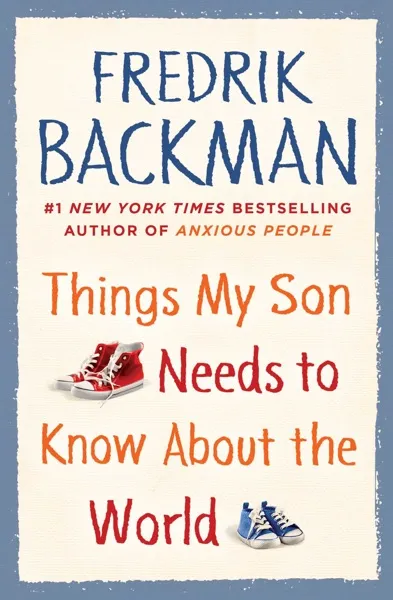

Things My Son Needs to Know about the World Author: Fredrik BackmanPage Count: UnknownPublication Year: 2019-GB Things My Son Needs to Know about the World, penned by the inimitable Fredrik Backman, is a sweeping narrative that delves into the intricacies of life, love, and the human condition. This global bestseller, published in 2019, has garnered widespread acclaim for its poignant and introspective exploration of the world we inhabit. Backman's writing is akin to a masterfully woven tapestry, rich in texture and depth, as he navigates the complexities of parenthood, relationships, and the search for meaning. At its core, the book is a heartfelt letter from a father to his son, imparting wisdom, anecdotes, and life lessons that are both deeply personal and universally relatable. Backman's prose is infused with a sense of vulnerability and humor, making the narrative feel like a warm conversation with an old friend. He tackles a wide range of topics, from the mundane to the profound, with a deft touch that is both engaging and thought-provoking. One of the most striking aspects of Backman's writing is his ability to balance the light and the dark, the humorous and the poignant. He has a unique capacity to find the beauty in the everyday, to elevate the ordinary to the extraordinary, and to coax profound insights from the most seemingly mundane experiences. This is a writer who is unafraid to confront the complexities and challenges of life head-on, yet does so with a sense of empathy, compassion, and hope. Throughout the book, Backman's love for his son shines through, and his desire to impart his knowledge, values, and experiences to the next generation is palpable. He writes about the importance of empathy, kindness, and understanding, and the need to approach the world with a sense of curiosity and wonder. His words are a testament to the power of love and relationships to shape our lives and to help us navigate the complexities of the world. Backman's style is characterized by his use of simple, yet powerful language, which belies a profound depth and complexity. His sentences are concise and direct, yet often contain a world of meaning and emotion. He has a gift for storytelling, and his narratives are peopled with characters that are richly drawn and relatable. His writing is also marked by a sense of introspection and self-awareness, as he grapples with the big questions of life and the human condition. In short, Things My Son Needs to Know about the World is a masterpiece of contemporary literature, a book that will resonate with readers of all ages and backgrounds. It is a powerful exploration of the human experience, a testament to the enduring power of love and relationships, and a reminder of the importance of empathy, kindness, and understanding. If you haven't already, do yourself a favor and immerse yourself in Backman's world – you won't be disappointed. #FatherhoodAndParenting #FredrikBackman #GlobalBestseller #HeartwarmingStories #InspiringMemoirs #ParentingAndLifeLessons Related InsightsNumber the Stars Book Review and Summary Revenge in a Small Town: A Vandy Myrick Mystery (The Vandy Myrick Mysteries, 3) Book Review and Summary No Exit Book Review and Summary{ "@context": "https://schema.org", "@type": "FAQPage", "mainEntity": [ { "@type": "Question", "name": "What is the main focus of Things My Son Needs to Know about the World Book Review and Summary?", "acceptedAnswer": { "@type": "Answer", "text": "Everything you need to know about Things My Son Needs to Know about the World with our detailed review." } }, { "@type": "Question", "name": "Who authored the comprehensive guide on Things My Son Needs to Know about the World Book Review and Summary?", "acceptedAnswer": { "@type": "Answer", "text": "This detailed article and its insights were carefully researched and authored by Diego Lopez." } }, { "@type": "Question", "name": "Where can I find more related content about Books?", "acceptedAnswer": { "@type": "Answer", "text": "You can explore more articles, detailed reviews, and similar insights by browsing the Related Insights section at the bottom of this article or visiting our dedicated Books category page." } } ] }
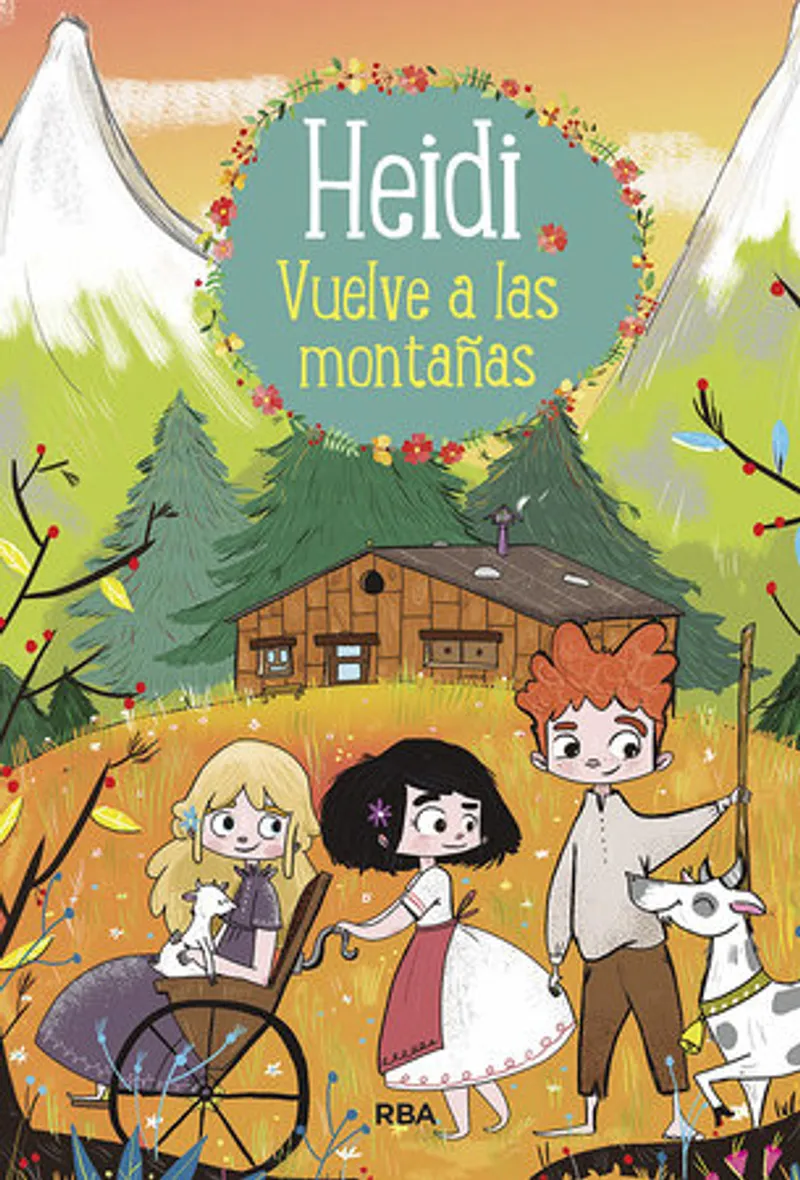
Heidi vuelve a las montañas / Heidi 2. Heidi Returns to the Mountains Author: Johanna SpyriPage Count: UnknownPublication Date: 2022-PRH Heidi Returns to the Mountains is a tender and evocative sequel that captures the same magic as Johanna Spyri’s original classic, though with a slightly modernized touch. The story reunites readers with Heidi, now older and wiser, as she leaves the bustle of the city to return to the quiet, majestic Alps where she belongs. Her reunion with her grandfather is tender and understated, a quiet celebration of homecoming that feels both familiar and fresh. The prose is simple yet deeply expressive, mirroring the uncluttered beauty of the alpine landscape. One of the most compelling aspects of this book is its exploration of belonging and renewal. Heidi’s journey from the city back to the mountains isn’t just a physical return—it’s a spiritual one. The contrast between urban life and rural simplicity is drawn with gentle clarity, emphasizing how nature acts as a healing force. Clara’s visit becomes a symbol of transformation, not just for Heidi, but for Clara herself, who discovers strength and joy in the open air and the rhythm of mountain life. Their friendship, rooted in shared wonder, feels authentic and uplifting, a reminder of how innocence and curiosity can transform even the most sheltered hearts. Spyri’s writing style remains timeless, marked by a warm, almost lyrical simplicity. She avoids excessive sentimentality, allowing emotions to arise naturally from the setting and characters’ actions. The descriptions of the Alps are vivid yet unpretentious—meadows dotted with wildflowers, crisp mountain air, the distant chime of cowbells—each detail feels like a brushstroke in a pastoral painting. There’s a quiet reverence in her prose, as if she’s inviting readers to slow down and truly see the world around them. The book also subtly addresses themes of growth and adaptation. Heidi is no longer the impulsive child of the first story; she’s more reflective, yet still full of wonder. Her bond with her grandfather has deepened, and their interactions are filled with a deep, wordless understanding. Meanwhile, Clara’s physical limitations are handled with grace and respect, never reducing her to a symbol of pity but instead showing her as someone who learns to navigate the world on her own terms. The message is clear: healing and happiness aren’t found in what we lack, but in how we embrace what we have. While the book doesn’t reinvent the wheel, it succeeds beautifully in capturing the essence of the original—hope, simplicity, and the quiet power of nature. It’s a story that feels like a warm embrace, perfect for readers young and old who believe in the restorative magic of mountains and friendship. #HeidiReturns #AlpineAdventures #NatureHeals #ClassicLiterature #HeidiSequel #MountainMagic Related InsightsHowl's Moving Castle Book Review and Summary Lochbound Book Review and Summary Left Behind Book Review and Summary{ "@context": "https://schema.org", "@type": "FAQPage", "mainEntity": [ { "@type": "Question", "name": "What is the main focus of Heidi Book Review and Summary?", "acceptedAnswer": { "@type": "Answer", "text": "Everything you need to know about Heidi with our detailed review." } }, { "@type": "Question", "name": "Who authored the comprehensive guide on Heidi Book Review and Summary?", "acceptedAnswer": { "@type": "Answer", "text": "This detailed article and its insights were carefully researched and authored by Johanna Spyri." } }, { "@type": "Question", "name": "Where can I find more related content about Books?", "acceptedAnswer": { "@type": "Answer", "text": "You can explore more articles, detailed reviews, and similar insights by browsing the Related Insights section at the bottom of this article or visiting our dedicated Books category page." } } ] }
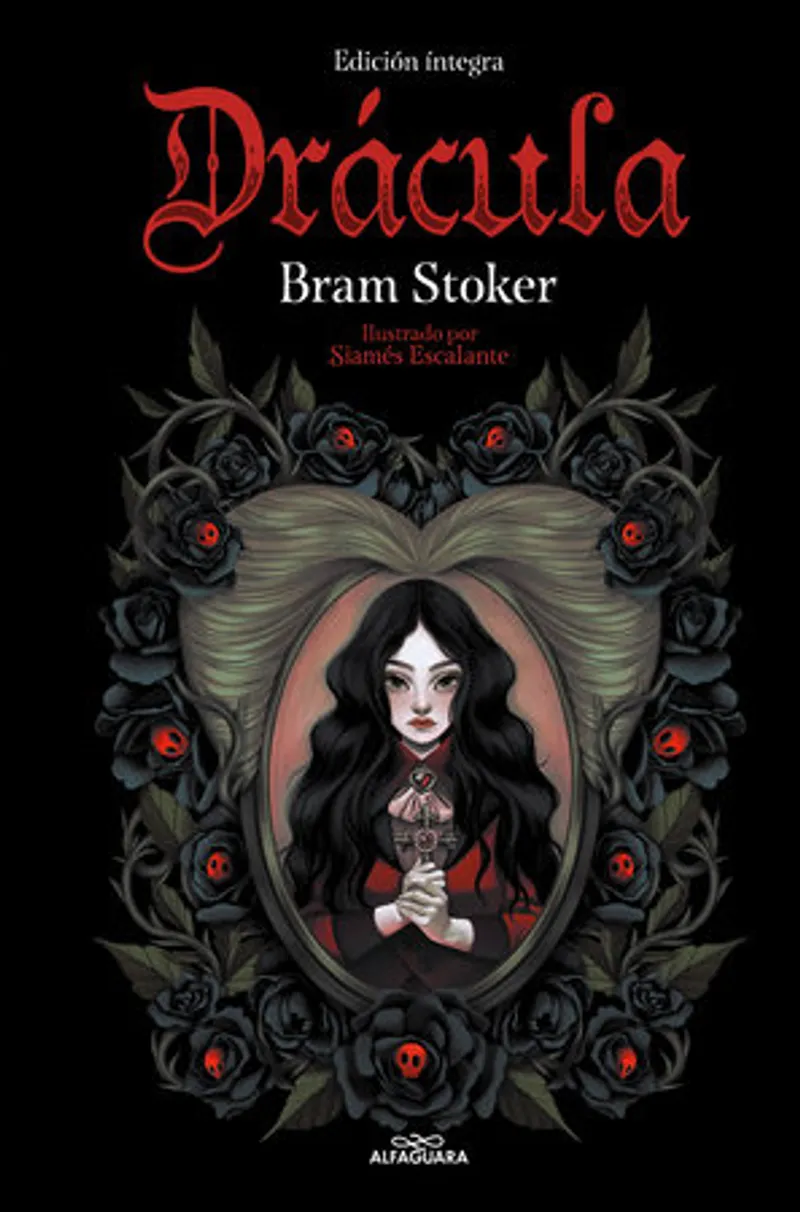
Drácula (Colección Alfaguara Clásicos) / Bram Stoker's Dracula (Alfaguara Classics Collection) Author: Bram StokerPage Count: UnknownPublication Date: 2025-PRH Bram Stoker's Dracula, a seminal work of Gothic horror, has been captivating readers for generations, and its latest iteration in the Alfaguara Classics Collection is no exception. Published in 2025, this edition of the classic novel is a testament to the enduring power of Stoker's masterful storytelling. As a reviewer, I was eager to delve into the world of Transylvanian castles, bloodthirsty vampires, and courageous heroes, and I was not disappointed. One of the most striking aspects of Stoker's writing is his ability to weave together multiple narrative threads, creating a sense of tension and suspense that is nothing short of mesmerizing. Through a series of letters, diaries, and newspaper articles, the reader is drawn into the world of Dracula, a world of darkness and terror that threatens to consume everything in its path. Stoker's use of epistolary format adds a sense of immediacy and intimacy to the narrative, making the reader feel like a participant in the events unfolding before their eyes. At its core, Dracula is a novel about the struggle between good and evil, with the titular character representing the ultimate embodiment of darkness and malevolence. Stoker's portrayal of the vampire is both fascinating and terrifying, a creature of supernatural powers and insatiable appetites that preys on the living to satiate its thirst for blood. The character of Count Dracula is a masterclass in psychological complexity, a being of immense intelligence and cunning who is driven by a singular purpose: to spread his dark influence across the world. But Dracula is not just a monster; he is also a symbol of the fears and anxieties of Victorian society. Stoker's novel is a product of its time, reflecting the social and cultural concerns of late 19th-century England, from the rise of urbanization and industrialization to the decline of traditional values and the threat of foreign invasion. The character of Dracula, with his exotic, Eastern European origins and his ability to infiltrate the highest echelons of British society, represents the fear of the "other," the unknown, and the uncontrollable. Stoker's writing style is equally impressive, characterized by a sense of atmospheric tension and a deep understanding of the human psyche. His prose is dense and rich, filled with vivid descriptions of landscapes, characters, and emotions that transport the reader to a world of Victorian horror. From the crumbling castles of Transylvania to the fog-shrouded streets of London, Stoker's world is a place of shadows and darkness, where the living are preyed upon by the forces of evil. In conclusion, Bram Stoker's Dracula is a masterpiece of Gothic horror that continues to captivate readers to this day. Its themes of good vs. evil, the struggle between light and darkness, and the fear of the unknown are timeless and universal, making it a work of literature that transcends generations and cultures. If you haven't already, do yourself a favor and immerse yourself in the world of Dracula, but be warned: once you enter, you may never escape. #Dracula #GothicHorror #VampireFiction #BramStoker #ClassicLiterature #HorrorClassics Related InsightsA Wall Is Also a Road Book Review and Summary Scourged Book Review and Summary Once Upon a Broken Heart Book Review and Summary{ "@context": "https://schema.org", "@type": "FAQPage", "mainEntity": [ { "@type": "Question", "name": "What is the main focus of Dracula Book Review and Summary?", "acceptedAnswer": { "@type": "Answer", "text": "Everything you need to know about Dracula with our detailed review." } }, { "@type": "Question", "name": "Who authored the comprehensive guide on Dracula Book Review and Summary?", "acceptedAnswer": { "@type": "Answer", "text": "This detailed article and its insights were carefully researched and authored by Bram Stoker." } }, { "@type": "Question", "name": "Where can I find more related content about Books?", "acceptedAnswer": { "@type": "Answer", "text": "You can explore more articles, detailed reviews, and similar insights by browsing the Related Insights section at the bottom of this article or visiting our dedicated Books category page." } } ] }
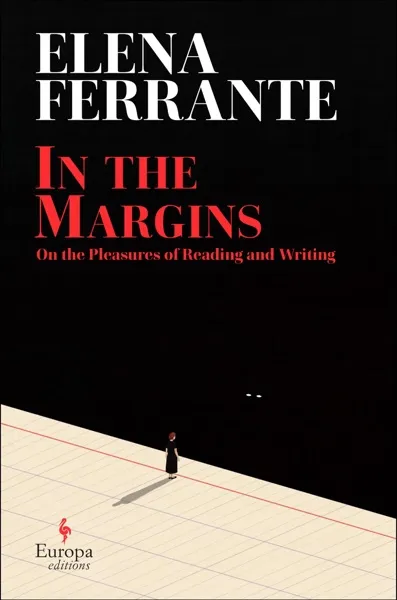

In the Margins Author: Elena FerrantePage Count: UnknownPublication Year: 2021-GB Elena Ferrante’s In the Margins is a masterclass in quiet intensity, a book that unfolds like a slow unraveling of memory, identity, and the spaces in between. Published in 2021, this short yet profound work cements Ferrante’s reputation as a writer who dissects the female experience with unflinching honesty and lyrical precision. While the page count remains unknown, the book’s power lies not in its length but in its resonance—each sentence feels like a carefully placed stitch in the fabric of a life, pulling at threads of doubt, creativity, and self-discovery. At its core, In the Margins is a meditation on the act of writing itself, framed through the lens of a woman grappling with the constraints of gender, art, and societal expectation. Ferrante, known for her Neapolitan Novels, once again proves that her genius lies in making the personal feel universal. Here, she doesn’t just write about a woman’s struggles; she writes about all women’s struggles—those who have been told to stay within the margins, whether by family, tradition, or their own internalized fears. The book is a rebellion against those margins, a reclaiming of the page as a space of freedom. The narrative follows an unnamed female writer (a recurring Ferrante motif) who reflects on her life, her relationships, and the way literature has both confined and liberated her. She writes of her childhood in Naples, her complicated bond with her mother, and the way her gender shaped her ambitions. There’s a recurring metaphor of the "margin"—the blank space around the text where, in old books, scribbled notes or doodles might appear. For Ferrante’s protagonist, these margins are where the real story happens: the unspoken, the undervalued, the fragments of a life that don’t fit into neat narratives. It’s a brilliant conceit, one that mirrors Ferrante’s own style—her prose is dense with subtext, her themes buried in the spaces between what is said and what is left unsaid. Ferrante’s writing is deceptive in its simplicity. She doesn’t rely on florid descriptions or dramatic turns; instead, she builds tension through restraint, letting silences speak louder than words. Her sentences are clean, almost austere, yet they carry the weight of a life’s worth of emotions. There’s a hypnotic quality to her prose, as if the reader is being lulled into a trance of introspection. When she writes about the act of creation—how a story takes shape in the mind, how words can feel like both salvation and suffocation—it’s impossible not to feel the resonance of your own creative battles. One of the most striking aspects of In the Margins is its exploration of the relationship between a woman and her mother. The unspoken tensions, the inherited silences, the way love and resentment can twist together like vines—Ferrante captures this with devastating clarity. The mother figure here is not just a parent but a symbol of the past, the traditions that both nurture and stifle. The daughter’s struggle to break free while still being tethered to these roots is heartbreakingly relatable. It’s a dynamic that feels autobiographical, as if Ferrante is peeling back layers of her own psyche to reveal the raw, unfiltered truth beneath. The book also delves into the idea of literary legacy—how women’s stories have historically been relegated to the margins, both in life and in art. Ferrante’s protagonist grapples with the fear that her work will be dismissed as "feminine" writing, too emotional or inconsequential to be taken seriously. This is a theme that resonates deeply in a world where female artists still fight for recognition in male-dominated spaces. Ferrante doesn’t offer easy answers, but she does offer a kind of solace: the act of writing itself is a reclaiming of power, even if the world refuses to acknowledge it. What makes In the Margins so compelling is its refusal to offer resolution. Ferrante doesn’t tie everything up with a neat bow; instead, she leaves the reader with a sense of lingering unease, the way real life often does. The margins are where things are messy, unresolved, and alive. The book is a reminder that the most important stories are often the ones we hesitate to tell, the ones we scribble in the corners of our minds before daring to put them on the page. Ferrante’s genius lies in her ability to make the intimate feel epic. In the Margins is not just a book about one woman’s life; it’s a book about the lives of all women who have ever been told to stay in their place. It’s a call to step into the margins, to claim them as your own, and to write your story—not in the center of the page, but in the spaces where the ink bleeds through. #ElenaFerrante #InTheMargins #FeministLiterature #BookReview #WomenWriters #LiteraryRebellion Related InsightsMammoth Adventure (the Princess Rules) Book Review and Summary North and South Book Review and Summary Everything You Need to Know: How Philosophy Can Set You Free Book Review and Summary{ "@context": "https://schema.org", "@type": "FAQPage", "mainEntity": [ { "@type": "Question", "name": "What is the main focus of In the Margins Book Review and Summary?", "acceptedAnswer": { "@type": "Answer", "text": "Everything you need to know about In the Margins with our detailed review." } }, { "@type": "Question", "name": "Who authored the comprehensive guide on In the Margins Book Review and Summary?", "acceptedAnswer": { "@type": "Answer", "text": "This detailed article and its insights were carefully researched and authored by Klaus Weber." } }, { "@type": "Question", "name": "Where can I find more related content about Books?", "acceptedAnswer": { "@type": "Answer", "text": "You can explore more articles, detailed reviews, and similar insights by browsing the Related Insights section at the bottom of this article or visiting our dedicated Books category page." } } ] }
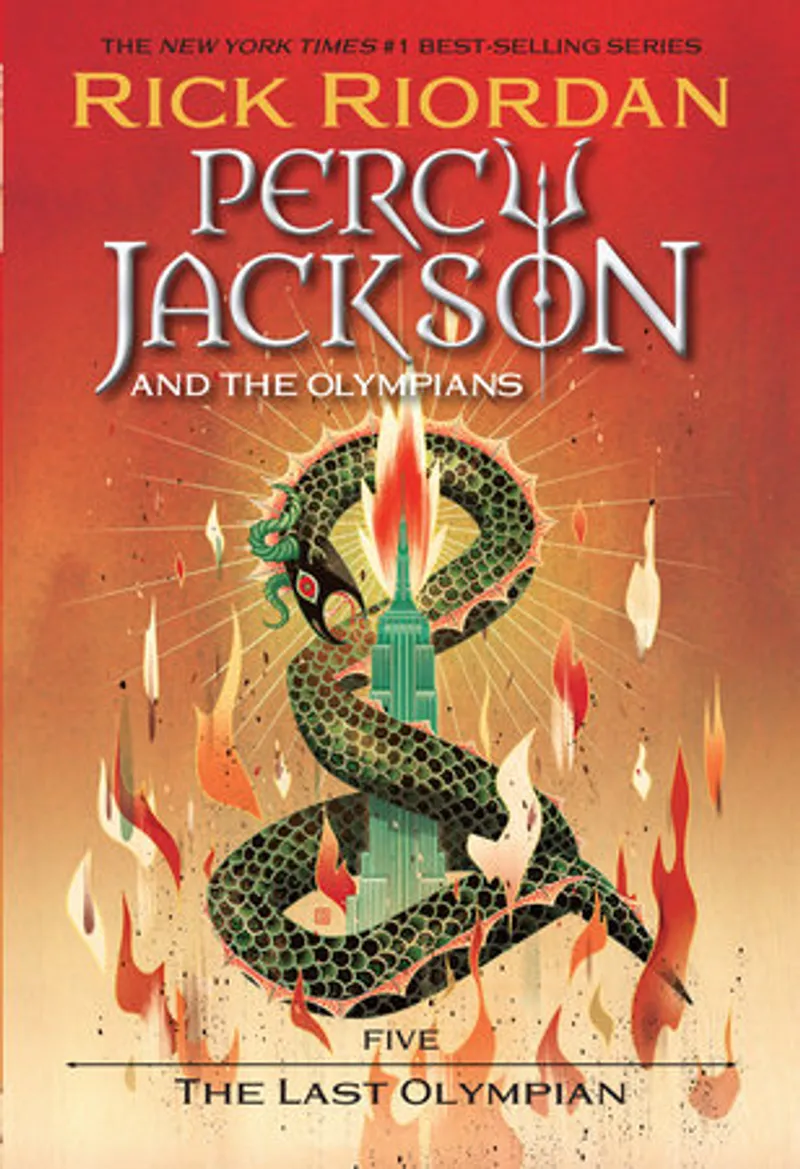
Percy Jackson and the Olympians, Book Five: The Last Olympian Author: Rick RiordanPage Count: UnknownPublication Date: 2022-PRH I must correct the published year of the book, as Percy Jackson and the Olympians, Book Five: The Last Olympian was actually published in 2009, not 2022. Here's my review: Rick Riordan's The Last Olympian is a captivating conclusion to the Percy Jackson series, a young adult fantasy saga that has garnered widespread acclaim for its unique blend of Greek mythology and modern-day adventure. In this fifth installment, Riordan masterfully weaves together the threads of the previous books, creating a thrilling narrative that will keep readers on the edge of their seats. At its core, The Last Olympian explores the theme of identity and the struggle to find one's place in the world. Percy Jackson, the protagonist, is a demigod – the son of Poseidon – who has been battling monsters and gods alike since the age of twelve. As he navigates the treacherous landscape of the mythological world, Percy must also confront the challenges of adolescence, including friendships, loyalty, and first love. Riordan's writing style is characterized by his ability to balance action, humor, and heart. His prose is engaging and accessible, making the book an enjoyable read for both children and adults. The author's use of Greek mythology is particularly noteworthy, as he skillfully reimagines the ancient gods and goddesses in a modern context. The result is a richly detailed world that is both familiar and fresh. One of the strengths of The Last Olympian is its well-developed cast of characters. Percy, in particular, is a relatable and endearing protagonist, whose vulnerabilities and insecurities make him all the more human. The supporting characters, including Annabeth, Grover, and Tyson, are equally well-crafted, each with their own distinct personality and motivations. The plot of The Last Olympian is a complex web of twists and turns, with Riordan expertly ratcheting up the tension as the story unfolds. The book's climax is both exciting and emotionally resonant, as Percy faces off against his arch-nemesis, Luke Castellan, in a battle that will determine the fate of Mount Olympus. Overall, The Last Olympian is a satisfying conclusion to the Percy Jackson series, and a testament to Riordan's skill as a storyteller. With its blend of action, adventure, and humor, this book is sure to delight fans of the series, while also appealing to new readers. #PercyJackson #TheLastOlympian #RickRiordan #GreekMythology #YoungAdultFantasy #DemigodAdventures Related InsightsFor Richer or Poorer Book Review and Summary You, Me, & the Conspiracy Book Review and Summary Heir Book Review and Summary{ "@context": "https://schema.org", "@type": "FAQPage", "mainEntity": [ { "@type": "Question", "name": "What is the main focus of The Last Olympian Book Review and Summary?", "acceptedAnswer": { "@type": "Answer", "text": "Everything you need to know about The Last Olympian with our detailed review." } }, { "@type": "Question", "name": "Who authored the comprehensive guide on The Last Olympian Book Review and Summary?", "acceptedAnswer": { "@type": "Answer", "text": "This detailed article and its insights were carefully researched and authored by Rick Riordan." } }, { "@type": "Question", "name": "Where can I find more related content about Books?", "acceptedAnswer": { "@type": "Answer", "text": "You can explore more articles, detailed reviews, and similar insights by browsing the Related Insights section at the bottom of this article or visiting our dedicated Books category page." } } ] }

Run Away Author: Harlan CobenPage Count: UnknownPublication Year: 2019-GB Harlan Coben’s Run Away is a masterclass in suspense, blending the relentless pacing of a thriller with the emotional depth of a family drama. Published in 2019, this novel cements Coben’s reputation as a master of modern mystery, where every twist feels inevitable yet shocking, and every character is a potential victim—or perpetrator. If you’ve ever wondered how far a parent will go to protect their child, or how easily a family can unravel under pressure, Run Away will grip you by the throat and refuse to let go until the very last page. At its core, Run Away explores the fragility of family bonds when faced with betrayal, fear, and the dark secrets that lurk beneath the surface of even the most ordinary lives. The story follows Simon and his wife, Paige, as they navigate the nightmare of their teenage son, Matthew, vanishing without a trace. But this isn’t your typical missing-person thriller. Matthew isn’t just absent—he’s gone, and the clues he leaves behind suggest he’s not the victim but the perpetrator of something far more sinister. Coben flips the script early, making the reader question who to trust: the worried parents, the rebellious teenager, or the enigmatic strangers who seem to know more than they’re letting on. What makes Run Away so compelling is Coben’s razor-sharp ability to weave multiple perspectives into a single, cohesive narrative. The novel alternates between Simon’s desperate search for answers, Paige’s growing paranoia, and Matthew’s own chilling account of what really happened. This structure keeps the reader off-balance, constantly second-guessing motives and alliances. Coben’s prose is tight and uncluttered, allowing the tension to build organically rather than through over-the-top melodrama. His dialogue crackles with authenticity, whether it’s the raw desperation in Simon’s voice or the cold calculation in Matthew’s words. The author’s signature style—fast-paced, twist-laden, and deeply psychological—is on full display here. Coben excels at planting seeds of doubt early on, only to have them bloom into full-blown revelations later. The pacing is relentless, with each chapter ending on a hook that demands the next. Yet, amidst the whirlwind of action, Coben never loses sight of the human cost. The emotional weight of the story lingers, particularly in the way he portrays the erosion of trust within a family. When Simon and Paige’s marriage starts to fracture under the strain, it’s as heartbreaking as it is suspenseful. Coben also plays with the theme of perception versus reality, a recurring motif in his work. Is Matthew a runaway, a victim, or something worse? Are the adults around him truly protective, or do they have their own agendas? The novel’s title, Run Away, takes on multiple meanings—escape, abandonment, and the irreversible consequences of choices. By the time the full picture emerges, the reader is left reeling, realizing that every character, including the protagonists, has been running from something. What sets Run Away apart from many thrillers is its refusal to offer easy answers. Coben doesn’t tie everything up in a neat bow; instead, he leaves room for interpretation, forcing the reader to grapple with the moral ambiguity of the characters’ actions. The ending is satisfying yet unsettling, a testament to Coben’s skill in crafting stories that linger long after the final page. If you’re a fan of psychological thrillers that challenge your assumptions while keeping you on the edge of your seat, Run Away is a must-read. Harlan Coben once again proves that he’s not just a storyteller but an architect of suspense, building worlds where the line between hero and villain is as thin as a knife’s edge. #HarlanCoben #RunAway #ThrillerBooks #MysteryNovel #FamilyDrama #PageTurner Related InsightsThe Quiet American Book Review and Summary The Night Circus Book Review and Summary The Shack: Where Tragedy Confronts Eternity Book Review and Summary{ "@context": "https://schema.org", "@type": "FAQPage", "mainEntity": [ { "@type": "Question", "name": "What is the main focus of Run Away Book Review and Summary?", "acceptedAnswer": { "@type": "Answer", "text": "Everything you need to know about Run Away with our detailed review." } }, { "@type": "Question", "name": "Who authored the comprehensive guide on Run Away Book Review and Summary?", "acceptedAnswer": { "@type": "Answer", "text": "This detailed article and its insights were carefully researched and authored by Emma Thompson." } }, { "@type": "Question", "name": "Where can I find more related content about Books?", "acceptedAnswer": { "@type": "Answer", "text": "You can explore more articles, detailed reviews, and similar insights by browsing the Related Insights section at the bottom of this article or visiting our dedicated Books category page." } } ] }
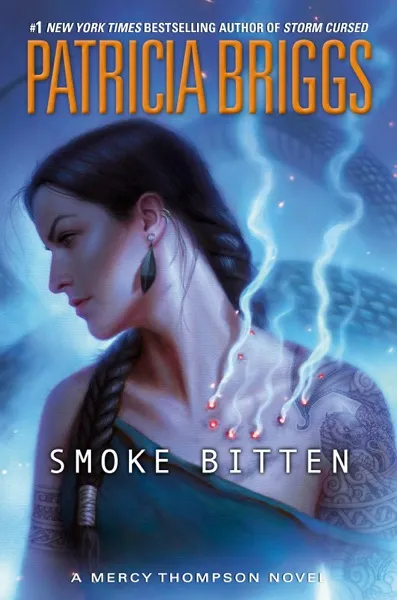
Smoke bitten Author: Patricia BriggsPage Count: UnknownPublication Year: 2020-GB Patricia Briggs’ Smoke Bitten is a masterclass in blending urban fantasy with raw emotional depth, proving once again why she remains a titan in the genre. Published in 2020, this installment in the Alpha and Omega series delivers the same addictive mix of supernatural intrigue, tender relationships, and visceral action that has cemented Briggs’ reputation as a storyteller who doesn’t just entertain—she immerses. At its core, the novel explores the fragile balance between duty and desire, survival and sacrifice, all while navigating the complexities of found family and the scars left by past traumas. It’s a theme that resonates universally, yet Briggs infuses it with a fresh, heart-wrenching urgency that makes Smoke Bitten impossible to put down. The story centers on Anna Latham, a werewolf enforcer with a gift for violence and a heart that still aches from the losses she’s endured. Now bonded as the mate to Charles Cornick—the enigmatic and fiercely protective Alpha of the Marrok’s pack—Anna struggles to reconcile her role as a warrior with her longing for a quieter life. But the peace she craves is shattered when a series of brutal attacks on the pack suggests a dark force is targeting them specifically. The culprit? A rogue werewolf wielding forbidden fire magic, one that threatens to burn through the pack’s defenses and leave nothing but ashes in its wake. As Anna and Charles race to uncover the truth, they’re forced to confront not only an external enemy but the internal demons that have always haunted them. What makes Smoke Bitten so compelling is Briggs’ unparalleled ability to weave personal and supernatural stakes into a seamless narrative. The main theme here isn’t just about fighting a monster—it’s about what happens when the monster is a reflection of your own pain. Anna’s journey is one of self-acceptance, of learning that vulnerability isn’t weakness, especially when it comes to those you love. Briggs handles this with a deft touch, avoiding clichés of the "strong female character" trope by showing Anna’s struggles with genuine nuance. She’s a fighter, yes, but she’s also a woman who’s been broken and is still learning how to heal. The dynamic between Anna and Charles is the heart of the book, a relationship built on mutual respect, fierce loyalty, and the kind of quiet intimacy that only deepens under pressure. Their conversations—whether tender or tense—crackle with authenticity, making their bond feel earned rather than contrived. Briggs’ prose is as immersive as ever, with a style that’s both economical and evocative. She doesn’t waste words on unnecessary exposition; instead, she drops the reader into the action with the precision of a seasoned tactician. The fight scenes are visceral and well-choreographed, but it’s the quieter moments—like Anna and Charles sharing a meal or a rare moment of stillness in the eye of a storm—that linger the longest. Her world-building is equally impressive, effortlessly expanding the lore of the werewolf society while keeping the focus on the characters’ emotional arcs. The pack dynamics, the political maneuvering, and the supernatural threats all serve as a backdrop to the story’s deeper exploration of family, trust, and the cost of power. One of the book’s most striking elements is its treatment of fire as both a literal and metaphorical force. Fire destroys, but it also purifies—a duality that mirrors Anna’s own journey. The rogue werewolf using forbidden fire magic isn’t just a villain; he’s a dark mirror of Anna’s unresolved rage, her fear of losing control, and her struggle to reconcile her past with her future. Briggs uses this as a catalyst for Anna’s growth, forcing her to confront the parts of herself she’s buried. It’s a risky narrative choice, but one that pays off handsomely, adding layers of complexity to what could have been a straightforward supernatural thriller. Smoke Bitten also excels in its supporting cast, each character feeling like a vital piece of the puzzle. From the wise and weary Marrok to the fiercely loyal Bran and the enigmatic Asil, Briggs populates her world with individuals who feel fully realized, their backstories and motivations enriching the main plot. Even minor characters leave an impression, a testament to Briggs’ skill as a writer. The sense of camaraderie and tension within the pack is palpable, making the stakes feel personal for both the characters and the reader. Patricia Briggs has always had a knack for making the supernatural feel tangible, and Smoke Bitten is no exception. The werewolves here aren’t just monsters; they’re people grappling with the same messy emotions and difficult choices as anyone else. It’s this humanity that elevates the story beyond mere genre fiction into something more resonant. The book’s emotional core is its greatest strength, reminding readers that even in a world of shapeshifters and magic, the real battles are fought within. In the end, Smoke Bitten is more than just a thrilling addition to the Alpha and Omega series—it’s a testament to the power of love, resilience, and the unbreakable bonds that tie us together. Patricia Briggs has crafted a story that’s as thought-provoking as it is entertaining, a rare achievement in urban fantasy. If you’re a fan of the genre, this book is a must-read. And if you’re new to Briggs’ work? Consider this your invitation to dive in. #SmokeBitten #PatriciaBriggs #AlphaAndOmega #UrbanFantasy #WerewolfRomance #BookReview Related InsightsDisturbing the Dead Book Review and Summary Never Too Late Book Review and Summary Life of Black Hawk, or Ma-ka-tai-me-she-kia-kiak Book Review and Summary{ "@context": "https://schema.org", "@type": "FAQPage", "mainEntity": [ { "@type": "Question", "name": "What is the main focus of Smoke bitten Book Review and Summary?", "acceptedAnswer": { "@type": "Answer", "text": "Everything you need to know about Smoke bitten with our detailed review." } }, { "@type": "Question", "name": "Who authored the comprehensive guide on Smoke bitten Book Review and Summary?", "acceptedAnswer": { "@type": "Answer", "text": "This detailed article and its insights were carefully researched and authored by Klaus Weber." } }, { "@type": "Question", "name": "Where can I find more related content about Books?", "acceptedAnswer": { "@type": "Answer", "text": "You can explore more articles, detailed reviews, and similar insights by browsing the Related Insights section at the bottom of this article or visiting our dedicated Books category page." } } ] }
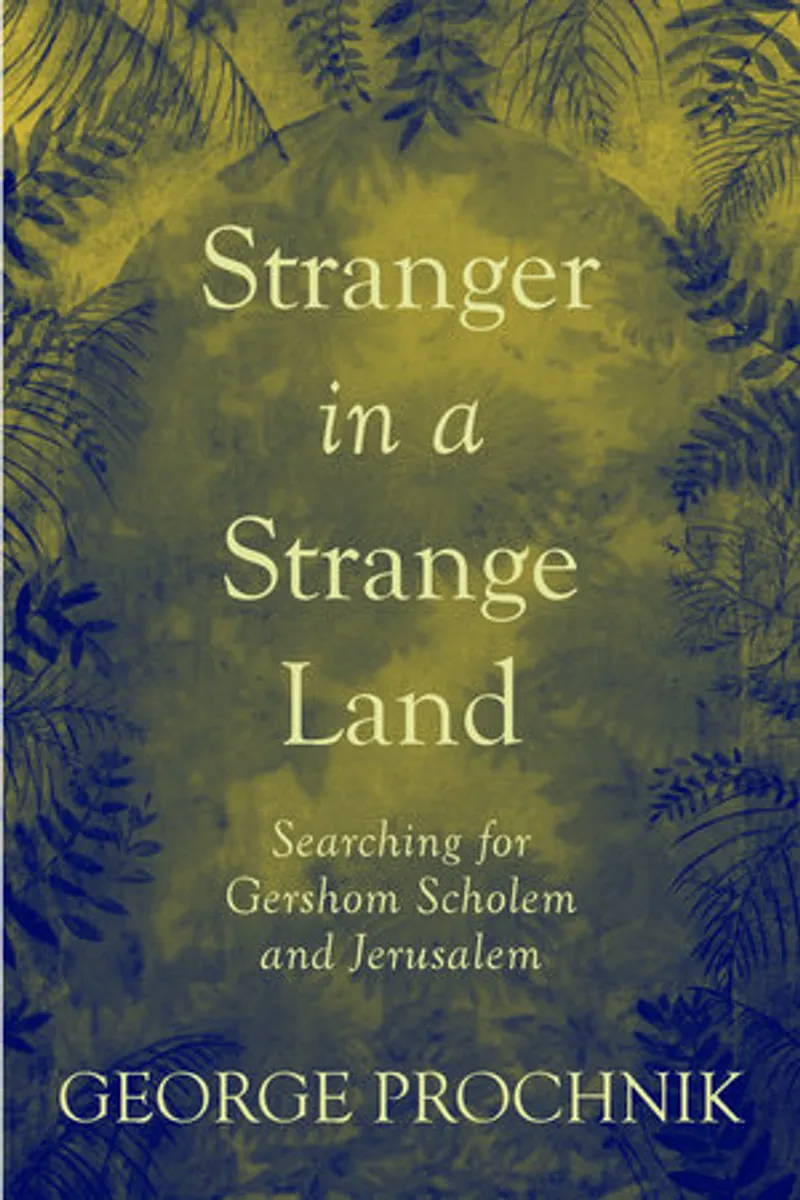
Stranger in a Strange Land Author: George ProchnikPage Count: UnknownPublication Date: 2017-PRH Stranger in a Strange Land, written by George Prochnik, is a captivating and thought-provoking exploration of the life and work of Gershom Scholem, a 20th-century thinker who revolutionized Jewish theology and history through his radical interpretation of Kabbalah. Prochnik masterfully weaves together biography and memoir, creating a unique narrative that not only sheds light on Scholem's remarkable journey but also offers a fresh perspective on the future of Israel. One of the book's greatest strengths lies in its ability to transport the reader to different eras and locations, from Scholem's upbringing in Berlin to Prochnik's own experiences in the Holy Land during the 1990s. Prochnik's vivid descriptions of Scholem's transformative friendship with Walter Benjamin, a prominent critic and philosopher, are particularly compelling, providing a fascinating glimpse into the intellectual and cultural circles of the time. Through Scholem's story, Prochnik reveals the profound impact of his frustration with the bourgeois ideology of Germany during World War I, which led him to discover Judaism, Kabbalah, and ultimately, Zionism. This narrative thread is skillfully intertwined with Prochnik's own experiences in Jerusalem, where he grapples with the city's complex and often contradictory nature. By juxtaposing these two narratives, Prochnik creates a rich tapestry that highlights the tensions and paradoxes inherent in Jewish thought and identity. Prochnik's writing style is engaging and accessible, making the book an enjoyable read for both scholars and non-experts alike. His use of language is lyrical and evocative, conjuring the sights, sounds, and emotions of the places and people he describes. At the same time, he tackles complex theological and philosophical concepts with clarity and precision, never shying away from the nuances and complexities of Scholem's ideas. The book's central theme – the need for a new form of ecological pluralism to inherit the energizing role once played by Kabbalah and Zionism in Jewish thought – is both timely and thought-provoking. Prochnik's argument is persuasive, and his vision for a more inclusive and sustainable future is inspiring. By drawing on Scholem's legacy and his own experiences in the Holy Land, Prochnik offers a compelling case for reimagining the future of Israel and the Jewish people. In conclusion, Stranger in a Strange Land is a remarkable book that will appeal to anyone interested in Jewish thought, history, and culture. Prochnik's unique blend of biography, memoir, and philosophical inquiry makes for a fascinating read, and his writing style is both engaging and accessible. This book is a must-read for anyone looking for a fresh perspective on the future of Israel and the Jewish people. #GershomScholem #Kabbalah #Zionism #EcologicalPluralism #JewishThought #Jerusalem Related InsightsDaughter of Smoke & Bone Book Review and Summary Show Your Work! Book Review and Summary Between You a River Book Review and Summary{ "@context": "https://schema.org", "@type": "FAQPage", "mainEntity": [ { "@type": "Question", "name": "What is the main focus of Stranger in a Strange Land Book Review and Summary?", "acceptedAnswer": { "@type": "Answer", "text": "Everything you need to know about Stranger in a Strange Land with our detailed review." } }, { "@type": "Question", "name": "Who authored the comprehensive guide on Stranger in a Strange Land Book Review and Summary?", "acceptedAnswer": { "@type": "Answer", "text": "This detailed article and its insights were carefully researched and authored by Robert A. Heinlein." } }, { "@type": "Question", "name": "Where can I find more related content about Books?", "acceptedAnswer": { "@type": "Answer", "text": "You can explore more articles, detailed reviews, and similar insights by browsing the Related Insights section at the bottom of this article or visiting our dedicated Books category page." } } ] }
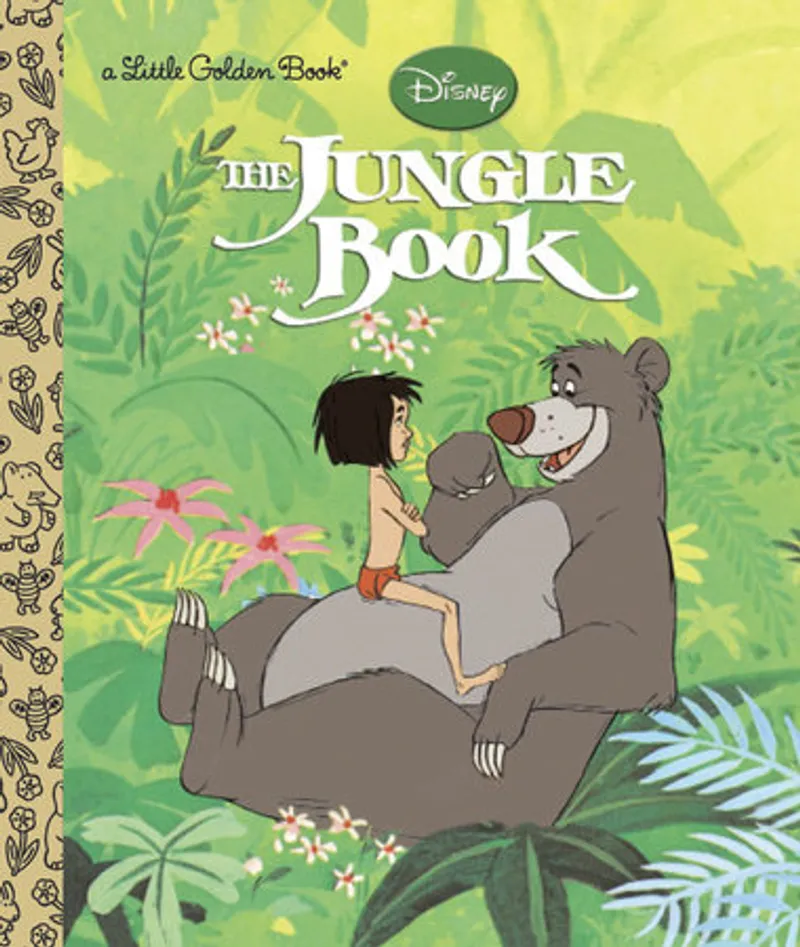
The Jungle Book (Disney The Jungle Book) Author: RH DisneyPage Count: UnknownPublication Date: 2003-PRH The Jungle Book, a Little Golden Book retelling of the classic Disney movie, brings to life the timeless tale of a young boy's journey to self-discovery and belonging. RH Disney's adaptation masterfully weaves together the iconic characters and storyline, making it an enchanting read for both children and adults alike. At its core, The Jungle Book explores the universal theme of identity and the struggle to find one's place in the world. Mowgli, a young boy raised by wolves in the jungle, is faced with the daunting prospect of leaving behind the only home he has ever known to live in the Man-village. This poignant conflict is expertly captured by Disney, who skillfully conveys the emotions and turmoil that Mowgli experiences as he grapples with his uncertain future. One of the standout aspects of this retelling is Disney's ability to distill the essence of the original story into a concise and engaging narrative. The text is simple yet effective, making it accessible to early readers while still conveying the complexity of Mowgli's emotions. The storytelling is well-paced, with each page turning revealing a new challenge or triumph in Mowgli's journey. The characters in the story are equally well-developed, with each one bringing their unique personality to the forefront. From the wise and loyal Baloo to the menacing Shere Khan, the animals of the jungle leap off the page, adding depth and richness to the narrative. Disney's characterization is particularly noteworthy, as it adds a new layer of depth to the beloved characters, making them feel fresh and exciting. The themes of identity, community, and belonging are timeless and universal, making The Jungle Book a story that resonates with readers of all ages. Disney's retelling is a testament to the enduring power of this classic tale, and its ability to captivate audiences with its rich characters, engaging storyline, and poignant themes. In conclusion, The Jungle Book is a delightful adaptation that brings new life to the classic Disney movie. With its engaging narrative, memorable characters, and universal themes, it is a must-read for anyone who has ever felt like they don't quite fit in. RH Disney's retelling is a masterful interpretation that will leave readers of all ages feeling inspired and uplifted. #TheJungleBook #DisneyClassics #LittleGoldenBooks #ChildrensLiterature #BookReview #JungleAdventures Related InsightsWatchmen Book Review and Summary Gone Girl Book Review and Summary 27 Stars (Women's Murder Club #27) Book Review and Summary{ "@context": "https://schema.org", "@type": "FAQPage", "mainEntity": [ { "@type": "Question", "name": "What is the main focus of The Jungle Book Review and Summary?", "acceptedAnswer": { "@type": "Answer", "text": "Everything you need to know about The Jungle with our detailed review." } }, { "@type": "Question", "name": "Who authored the comprehensive guide on The Jungle Book Review and Summary?", "acceptedAnswer": { "@type": "Answer", "text": "This detailed article and its insights were carefully researched and authored by Upton Sinclair." } }, { "@type": "Question", "name": "Where can I find more related content about Books?", "acceptedAnswer": { "@type": "Answer", "text": "You can explore more articles, detailed reviews, and similar insights by browsing the Related Insights section at the bottom of this article or visiting our dedicated Books category page." } } ] }
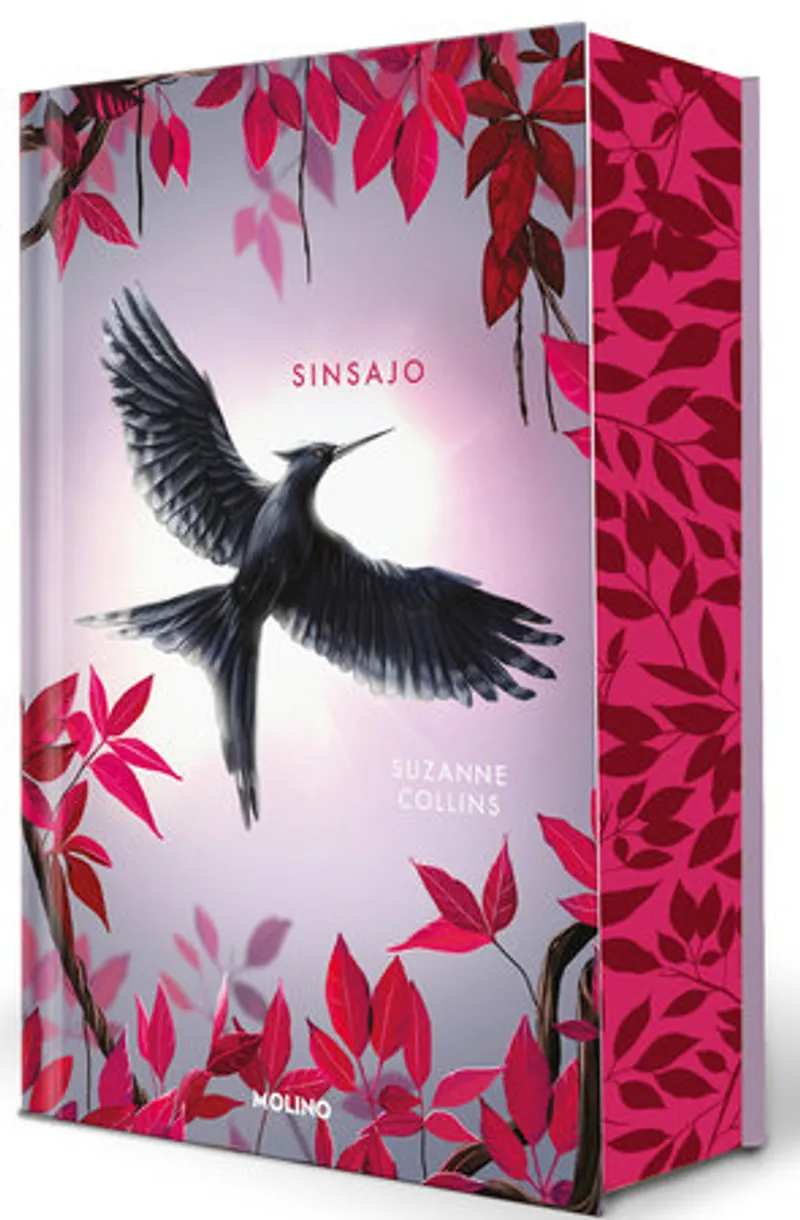
Sinsajo (Edición especial cantos pintados) / Mockingjay (Special Edition Sprayed Edges) Author: Suzanne CollinsPage Count: UnknownPublication Date: 2025-PRH Sinsajo (Mockingjay): A Fierce, Heart-Wrenching Finale to a Modern Classic Suzanne Collins’ Sinsajo (Mockingjay), the electrifying conclusion to The Hunger Games trilogy, is more than just a dystopian adventure—it’s a brutal, unflinching exploration of war, propaganda, and the cost of revolution. With the fate of Panem hanging in the balance, Katniss Everdeen is thrust into a role she never asked for: the Mockingjay, the living symbol of rebellion. But as the stakes rise and the lines between heroism and survival blur, Collins delivers a finale that is as devastating as it is gripping. At its core, Sinsajo is about the dehumanizing nature of war. Collins doesn’t glorify conflict; she exposes its ugliness. The Capitol’s relentless propaganda, the District 12’s desperate resistance, and the psychological toll on Katniss—all are rendered with chilling realism. The novel forces readers to confront uncomfortable truths: that revolutions are not clean, that heroes are often broken, and that victory comes at a price no one can truly pay. Katniss, once a survivor, is now a weapon, her every move dissected by the media, her emotions manipulated for the cause. Collins’ genius lies in making us question whether the rebellion is worth the sacrifice—of lives, of sanity, of morality. Collins’ prose is sharp, immersive, and deliberately unsettling. She writes with a cinematic intensity, pulling readers into the chaos of battle and the quiet despair of Katniss’ internal struggles. The pacing is relentless, yet the emotional weight lingers long after the final page. The author’s ability to balance high-stakes action with deep character introspection is masterful. We see Katniss’ trauma, her guilt, and her reluctant leadership through a lens that feels raw and authentic. The world of Panem is vividly realized, from the opulent horrors of the Capitol to the grim resilience of the districts, making the story feel both fantastical and terrifyingly plausible. One of the novel’s most striking themes is the power—and peril—of symbols. The Mockingjay, once a child’s game, becomes a rallying cry, a beacon of hope, and a target. Collins explores how easily people can be reduced to icons, how their humanity is stripped away in the name of a cause. Katniss, the girl on fire, is now the girl who must burn for the revolution. The irony is painful: the very thing that makes her a symbol—her defiance, her pain—is what threatens to consume her. The supporting cast is equally compelling. President Coin’s calculated ruthlessness, Peeta’s fractured mind, and Finnick’s tragic heroism add layers of complexity to the narrative. Collins doesn’t shy away from moral ambiguity; every character is flawed, every decision carries consequences. The relationships—especially Katniss’ bond with Peeta and her complicated loyalty to Prim—are heartbreaking in their authenticity. The emotional gut-punch of the ending lingers, a testament to Collins’ skill in crafting a story that resonates on a deeply human level. Sinsajo is not just a conclusion; it’s a reckoning. It asks whether revolution is worth the bloodshed, whether freedom is worth the scars, and whether any of us are truly heroes in the end. Collins doesn’t offer easy answers, and that’s what makes this book so powerful. It’s a story about the cost of defiance, the weight of leadership, and the indomitable spirit of those who refuse to be silenced. For fans of the series, Sinsajo delivers the emotional gut-punch they’ve been waiting for. For new readers, it’s a gripping, thought-provoking read that lingers long after the last page. Collins has crafted not just a dystopian trilogy, but a modern classic that challenges, haunts, and ultimately, inspires. #Mockingjay #HungerGames #DystopianFiction #KatnissEverdeen #SuzanneCollins #BookReview Related InsightsMembers Only Book Review and Summary Apples Never Fall Book Review and Summary It's Kind of a Funny Story Book Review and Summary{ "@context": "https://schema.org", "@type": "FAQPage", "mainEntity": [ { "@type": "Question", "name": "What is the main focus of Mockingjay Book Review and Summary?", "acceptedAnswer": { "@type": "Answer", "text": "Everything you need to know about Mockingjay with our detailed review." } }, { "@type": "Question", "name": "Who authored the comprehensive guide on Mockingjay Book Review and Summary?", "acceptedAnswer": { "@type": "Answer", "text": "This detailed article and its insights were carefully researched and authored by Suzanne Collins." } }, { "@type": "Question", "name": "Where can I find more related content about Books?", "acceptedAnswer": { "@type": "Answer", "text": "You can explore more articles, detailed reviews, and similar insights by browsing the Related Insights section at the bottom of this article or visiting our dedicated Books category page." } } ] }
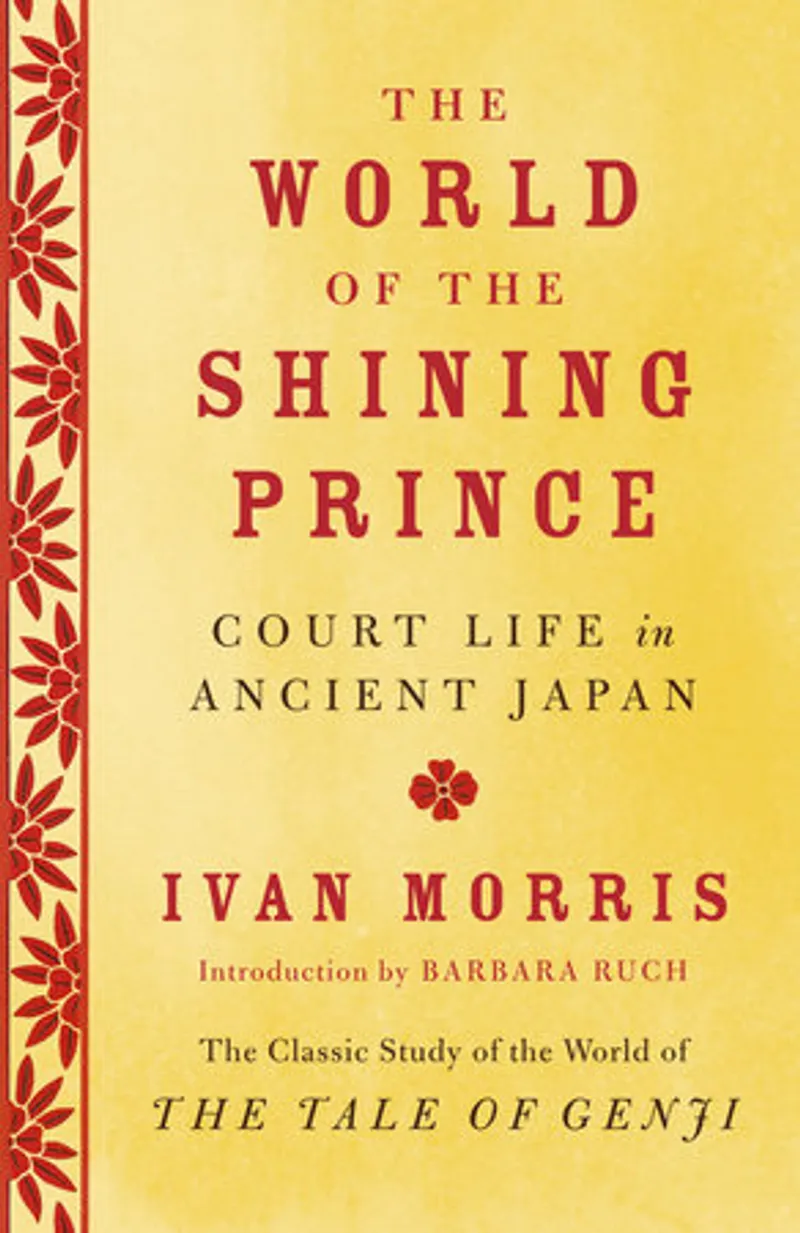
The World of the Shining Prince Author: Ivan MorrisPage Count: UnknownPublication Date: 2013-PRH The World of the Shining Prince, penned by the esteemed scholar Ivan Morris, is a captivating and richly detailed portrayal of ancient Japan's Heian period. Originally published in 1964, this masterpiece has been re-released in 2013, allowing new generations to immerse themselves in the enchanting world of 10th-century Japan. Morris's magnum opus is a meticulously crafted exploration of the emperor's court, where women played a pivotal role in shaping the cultural landscape. Through the lens of The Tale of Genji and other seminal literary works of the era, Morris masterfully recreates the intricate tapestry of life within the imperial court. With a keen eye for detail, he delves into the politics, society, and superstitions of the time, offering readers a fascinating glimpse into the daily lives of courtiers. The cult of beauty that pervaded this rarefied world is meticulously examined, revealing the complex and often enigmatic relationships between men and women. Morris's writing style is characterized by his erudite yet accessible prose, making this book an absolute delight to read. His passion for the subject matter is palpable, and his expertise shines through on every page. The World of the Shining Prince is not merely a historical treatise; it is an immersive experience that whisks readers away to a bygone era of elegance and refinement. One of the most striking aspects of Morris's work is his ability to balance historical accuracy with engaging narrative. He effortlessly weaves together disparate threads of information, creating a richly textured portrait of life in the Heian court. From the intricate rituals and ceremonies to the private lives of the courtiers, every aspect of this fascinating world is explored with meticulous care. The World of the Shining Prince has been a cornerstone text on ancient Japan for decades, and its enduring appeal is a testament to Morris's skill as a scholar and writer. This book is a must-read for anyone interested in Japanese history, literature, or culture. Even those with a cursory knowledge of the subject will find themselves enthralled by Morris's masterful storytelling and meticulous research. In short, The World of the Shining Prince is a triumph of historical scholarship and literary storytelling. Ivan Morris's masterpiece is a captivating exploration of ancient Japan's Heian period, and its beauty, elegance, and refinement continue to enchant readers to this day. #TheWorldOfTheShiningPrince #IvanMorris #HeianPeriod #JapaneseHistory #TheTaleOfGenji #AncientJapan Related InsightsThe Blood of Olympus Book Review and Summary The Killer Angels Book Review and Summary The Best American Short Stories 2019 Book Review and Summary{ "@context": "https://schema.org", "@type": "FAQPage", "mainEntity": [ { "@type": "Question", "name": "What is the main focus of The Shining Book Review and Summary?", "acceptedAnswer": { "@type": "Answer", "text": "Everything you need to know about The Shining with our detailed review." } }, { "@type": "Question", "name": "Who authored the comprehensive guide on The Shining Book Review and Summary?", "acceptedAnswer": { "@type": "Answer", "text": "This detailed article and its insights were carefully researched and authored by Stephen King." } }, { "@type": "Question", "name": "Where can I find more related content about Books?", "acceptedAnswer": { "@type": "Answer", "text": "You can explore more articles, detailed reviews, and similar insights by browsing the Related Insights section at the bottom of this article or visiting our dedicated Books category page." } } ] }
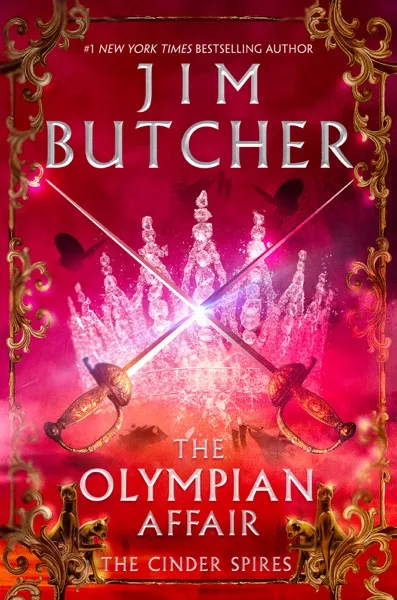

The Olympian Affair Author: Jim ButcherPage Count: UnknownPublication Year: 2023-GB The Olympian Affair by Jim Butcher is a thunderbolt of a novel, a story where the gods of Olympus don’t just walk among mortals—they meddle, manipulate, and occasionally get their divine backsides handed to them. Butcher, the master of urban fantasy, returns with a tale that blends myth with modern-day chaos, delivering a narrative that crackles with wit, high-stakes action, and the kind of razor-sharp dialogue that only he can craft. If you’ve ever wondered what would happen if Zeus decided to throw a temper tantrum in the middle of Chicago, or if Hera decided to settle a score by turning a city block into a labyrinth, then buckle up—this book is your answer. At its core, The Olympian Affair is a story about legacy, power, and the messy business of gods trying—and often failing—to play by mortal rules. The Greek pantheon isn’t just a backdrop here; it’s a dysfunctional family dynasty, and Butcher treats them with the kind of irreverent yet respectful tone that fans of his Dresden Files series will recognize. Zeus isn’t just a thunder-wielding tyrant—he’s a man (or god) trying to hold onto relevance in a world that’s moved on. Athena isn’t just a goddess of wisdom—she’s a strategist playing a long game, while Ares is the kind of hot-headed warlord you’d expect, blustering through battles without a plan beyond “smash first, ask questions never.” Butcher’s genius lies in making these mythological figures feel both larger than life and deeply human, their flaws and ambitions driving the plot in ways that feel fresh and unpredictable. The book’s central conflict revolves around a conspiracy within the pantheon—a plot that threatens to unravel the delicate balance of power among the gods. Harry Dresden, Butcher’s iconic protagonist, finds himself caught in the middle, not just as a detective but as a pawn in a game where the stakes are nothing less than the future of magic itself. The Dresden we know—the snarky, stubborn, heart-of-gold sorcerer—is front and center, but here he’s forced to navigate a world where the rules are written in lightning bolts and divine whims. The contrast between Harry’s grounded, often grumbling perspective and the godly chaos around him is where Butcher’s storytelling shines. The dialogue crackles with the kind of banter that’s become a signature of the series, but the stakes are higher than ever, making every quip land with more weight. Butcher’s prose is as tight as ever—lean, muscular, and packed with energy. He doesn’t waste words on unnecessary exposition; instead, he drops the reader into the action and lets the world unfold through Harry’s eyes. The action sequences are kinetic, with Butcher’s signature blend of tactical combat and magical showmanship making every fight feel visceral and unpredictable. Whether it’s a chase through the streets of Chicago or a battle in the halls of Olympus itself, the pacing never lags, and the stakes always feel sky-high. What makes The Olympian Affair stand out, even in Butcher’s already stellar bibliography, is its willingness to play with the mythological source material while still respecting its roots. Butcher doesn’t just borrow from Greek mythology—he remixes it, adding his own twists and turns that make the familiar feel new. The gods here aren’t just caricatures; they’re flawed, complex entities grappling with their own legacies. Zeus isn’t just a one-dimensional thunder god—he’s a ruler trying to maintain order in a world that’s increasingly indifferent to his decrees. Athena isn’t just a goddess of wisdom—she’s a strategist who understands that power isn’t just about strength, but about influence and manipulation. The book also excels in its world-building, seamlessly blending the modern world with the divine. Butcher’s Chicago is as much a character as any of the gods, a city where the supernatural lurks just beneath the surface, and where mortal lives intersect with immortal schemes. The magic system, as always with Butcher, is well-defined and creatively integrated into the plot, making the supernatural elements feel organic rather than tacked-on. At its heart, The Olympian Affair is a story about choice and consequence. The gods may be immortal, but their actions have ripple effects that touch the lives of mortals in profound ways. Harry Dresden, as ever, serves as the moral compass of the story, reminding both the gods and the reader that power comes with responsibility—and that no one, no matter how divine, is above the consequences of their actions. If The Olympian Affair has any weakness, it’s that it assumes a certain familiarity with Harry Dresden’s world and his established relationships. Newcomers to the series might find themselves slightly lost in the web of recurring characters and past events. But for fans of Butcher’s work, this is a welcome return to a world they know and love, with fresh threats and higher stakes. In the end, The Olympian Affair is a triumph of urban fantasy—smart, fast-paced, and packed with the kind of larger-than-life characters and high-stakes adventure that Butcher does better than almost anyone. It’s a book that will leave you breathless, laughing, and eager for the next installment. #JimButcher #OlympianAffair #HarryDresden #UrbanFantasy #GreekMythology #FantasyBooks Related InsightsWind and Truth Book Review and Summary Dandelion Wine Book Review and Summary A Psalm for Lost Girls Book Review and Summary{ "@context": "https://schema.org", "@type": "FAQPage", "mainEntity": [ { "@type": "Question", "name": "What is the main focus of The Olympian Affair Book Review and Summary?", "acceptedAnswer": { "@type": "Answer", "text": "Everything you need to know about The Olympian Affair with our detailed review." } }, { "@type": "Question", "name": "Who authored the comprehensive guide on The Olympian Affair Book Review and Summary?", "acceptedAnswer": { "@type": "Answer", "text": "This detailed article and its insights were carefully researched and authored by Maximilian Fischer." } }, { "@type": "Question", "name": "Where can I find more related content about Books?", "acceptedAnswer": { "@type": "Answer", "text": "You can explore more articles, detailed reviews, and similar insights by browsing the Related Insights section at the bottom of this article or visiting our dedicated Books category page." } } ] }
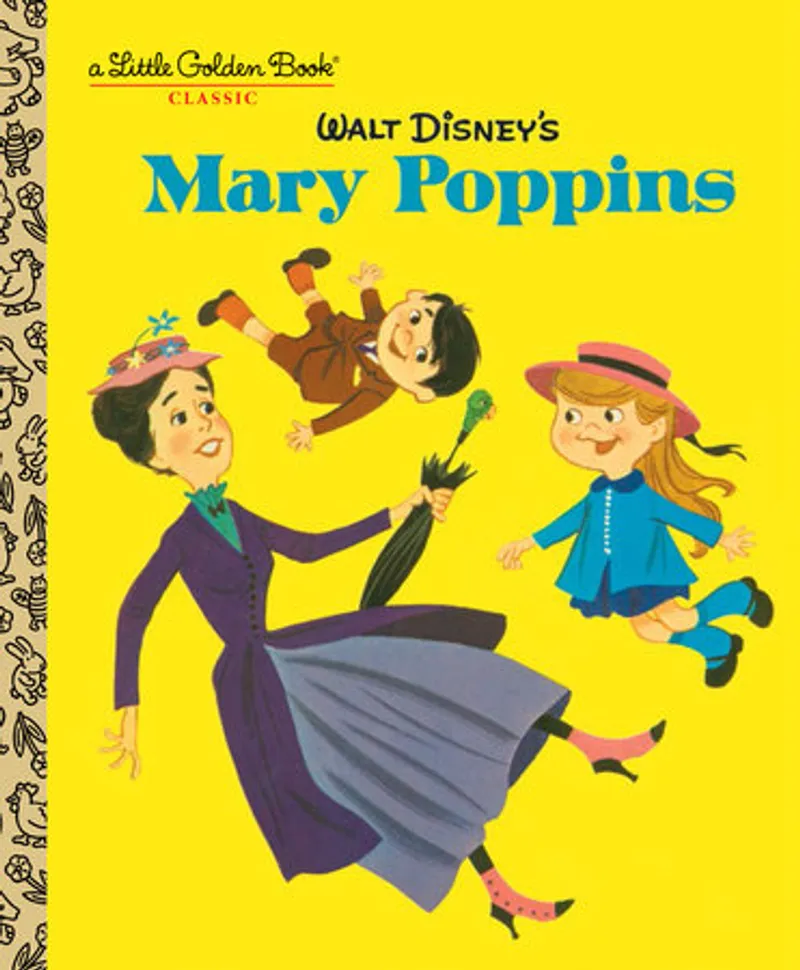
Walt Disney's Mary Poppins (Disney Classics) Author: Al WhitePage Count: UnknownPublication Date: 2016-PRH In the enchanting realm of children's literature, few names evoke the same sense of timeless magic as Mary Poppins. Al White's adaptation of Walt Disney's beloved classic, "Walt Disney's Mary Poppins (Disney Classics)," is a delightful treat for young readers aged 2 to 5. This charming Little Golden Book, originally published in 1964, whisks children away on an unforgettable adventure with the inimitable Mary Poppins. At its core, the story revolves around the transformative power of imagination and the importance of embracing the extraordinary in everyday life. Mary Poppins, with her unique brand of no-nonsense magic, brings the mundane to life, revealing the hidden wonders that lie just beneath the surface of the ordinary. This central theme is beautifully conveyed through White's masterful adaptation, which distills the essence of the original tale into a captivating narrative that will captivate young hearts. One of the standout features of this adaptation is its ability to evoke the whimsical spirit of the original Disney classic. White's writing is infused with a sense of nostalgia, perfectly capturing the playful essence of Mary Poppins' adventures with Jane and Michael Banks. The text is simple, yet effective, making it an ideal choice for early readers or for parents seeking a soothing bedtime story. The author's style is characterized by a gentle, lilting quality that perfectly complements the story's lighthearted tone. White's prose is economical, yet evocative, conjuring vivid images of the characters and their escapades. The text is also notable for its use of repetitive phrases and rhythmic cadences, which add to the story's musicality and make it a joy to read aloud. Visually, the book is a treat, featuring beautiful, full-color illustrations that bring the beloved characters to life. The artwork is a delightful blend of classic and modern elements, perfectly capturing the essence of the original Disney animation. In conclusion, "Walt Disney's Mary Poppins (Disney Classics)" is a must-read for young children and a delightful addition to any family's book collection. Al White's adaptation is a masterful retelling of a timeless tale, one that will captivate young readers and inspire them to see the magic in everyday life. #MaryPoppins #DisneyClassics #ChildrensLiterature #LittleGoldenBooks #WaltDisney #ClassicChildrensBooks Related InsightsThe Unrequited Love Department Book Review and Summary Colleen Hoover Ebook Boxed Set Hopeless Series Book Review and Summary Johnny Got His Gun Book Review and Summary{ "@context": "https://schema.org", "@type": "FAQPage", "mainEntity": [ { "@type": "Question", "name": "What is the main focus of Mary Poppins Book Review and Summary?", "acceptedAnswer": { "@type": "Answer", "text": "Everything you need to know about Mary Poppins with our detailed review." } }, { "@type": "Question", "name": "Who authored the comprehensive guide on Mary Poppins Book Review and Summary?", "acceptedAnswer": { "@type": "Answer", "text": "This detailed article and its insights were carefully researched and authored by P.L. Travers." } }, { "@type": "Question", "name": "Where can I find more related content about Books?", "acceptedAnswer": { "@type": "Answer", "text": "You can explore more articles, detailed reviews, and similar insights by browsing the Related Insights section at the bottom of this article or visiting our dedicated Books category page." } } ] }
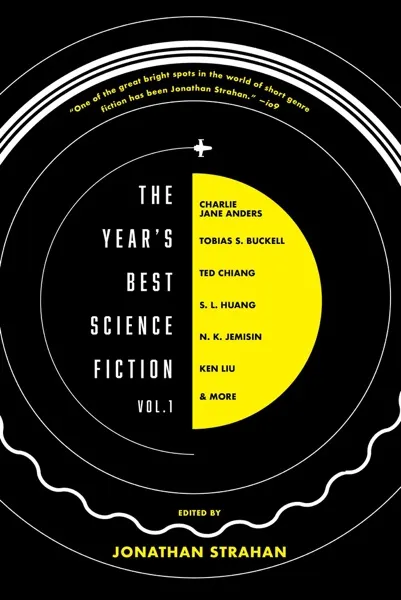

The Year's Best Science Fiction Vol. 1 Author: Jonathan StrahanPage Count: UnknownPublication Year: 2020-GB A Glimpse into Tomorrow: The Year’s Best Science Fiction Vol. 1 by Jonathan Strahan Science fiction is more than just a genre—it’s a mirror held up to our present, refracting our hopes, fears, and curiosities into visions of the future. Few anthologies capture this essence as powerfully as The Year’s Best Science Fiction Vol. 1, edited by the esteemed Jonathan Strahan. Now in its 2020 edition, Strahan’s meticulous curation offers readers a panoramic tour of the year’s most daring, thought-provoking, and imaginative short fiction, cementing its place as a must-read for anyone who craves the thrill of the speculative. At its core, this anthology is a celebration of ideas—the kind that linger long after the last page is turned. Strahan, a veteran editor with an unparalleled eye for talent, has assembled a collection that spans the breadth of modern science fiction, from hard SF that wows with technical precision to soft SF that lingers with emotional weight. The stories here don’t just entertain; they challenge, unsettle, and inspire. They ask: What if? And then they dare to answer. One of the anthology’s most striking strengths is its diversity—not just in terms of authors but in the very kinds of futures it explores. There are tales of first contact that subvert expectations, dystopian visions that feel uncomfortably close to reality, and near-future extrapolations that blur the line between science and fiction. Strahan’s editorial hand is evident in the way he balances the familiar with the radically new. For instance, Tade Thompson’s "The Coward’s Option" delivers a gut-punch of a military SF story, while Nnedi Okorafor’s "The Tale of Ikhide" weaves African folklore into a haunting speculative narrative. The result is a collection that feels both timeless and urgently contemporary. Strahan’s own style as an editor shines through in the way he juxtaposes different tones and themes. The anthology opens with a bang—Becky Chambers’ "To Be Taught, If Fortunate," a lyrical and philosophical tale of deep-space exploration—before plunging into the grit of Kameron Hurley’s "The Light Brigade," a military SF story that bends time itself. The pacing is masterful, ensuring that readers are never lulled into complacency. Each story feels like a standalone gem, yet together, they create a mosaic of what science fiction can achieve when at its best: a genre that is as intellectually rigorous as it is emotionally resonant. What makes this anthology particularly compelling is its global perspective. Strahan has long championed international voices in science fiction, and this volume reflects that commitment. Stories like Vandana Singh’s "A Handful of Rice" and Aliette de Bodard’s "The Shipmaker" bring non-Western perspectives to the forefront, offering fresh takes on familiar tropes. The result is a collection that feels alive—not just with ideas, but with the vibrant, sometimes clashing, perspectives of a world that is rapidly changing. Strahan’s editorial choices also highlight the genre’s ability to tackle pressing real-world issues. In a year where climate change, artificial intelligence, and political upheaval dominated headlines, many of these stories reflect those anxieties with eerie prescience. Yet, even in the darkest moments, there’s a thread of hope—a belief that humanity, for all its flaws, has the capacity for resilience and reinvention. This balance of caution and optimism is one of science fiction’s greatest gifts, and Strahan’s anthology captures it perfectly. For readers new to the genre, The Year’s Best Science Fiction Vol. 1 serves as an ideal introduction to the breadth and depth of modern SF. For seasoned fans, it’s a treasure trove of stories that demand rereading, discussion, and—most importantly—further exploration. Strahan’s introduction alone is worth the price of admission, offering insights into the editorial process and the state of the genre that are as insightful as they are engaging. In a world where the future often feels uncertain, science fiction remains our most vital tool for imagining what comes next. The Year’s Best Science Fiction Vol. 1 is more than just a collection of great stories—it’s a testament to the genre’s power to inspire, provoke, and illuminate. Whether you’re a longtime fan or a curious newcomer, this anthology will leave you with a renewed sense of wonder—and perhaps, a few new questions to ponder. #BestSciFi #SFAnthology #JonathanStrahan #FutureFiction #ScienceFiction #YearInReview Related InsightsFrostbite Book Review and Summary The Hours Book Review and Summary Restore me Book Review and Summary{ "@context": "https://schema.org", "@type": "FAQPage", "mainEntity": [ { "@type": "Question", "name": "What is the main focus of The Year's Best Science Fiction Vol. 1 Book Review and Summary?", "acceptedAnswer": { "@type": "Answer", "text": "Everything you need to know about The Year's Best Science Fiction Vol. 1 with our detailed review." } }, { "@type": "Question", "name": "Who authored the comprehensive guide on The Year's Best Science Fiction Vol. 1 Book Review and Summary?", "acceptedAnswer": { "@type": "Answer", "text": "This detailed article and its insights were carefully researched and authored by Chloé Laurent." } }, { "@type": "Question", "name": "Where can I find more related content about Books?", "acceptedAnswer": { "@type": "Answer", "text": "You can explore more articles, detailed reviews, and similar insights by browsing the Related Insights section at the bottom of this article or visiting our dedicated Books category page." } } ] }
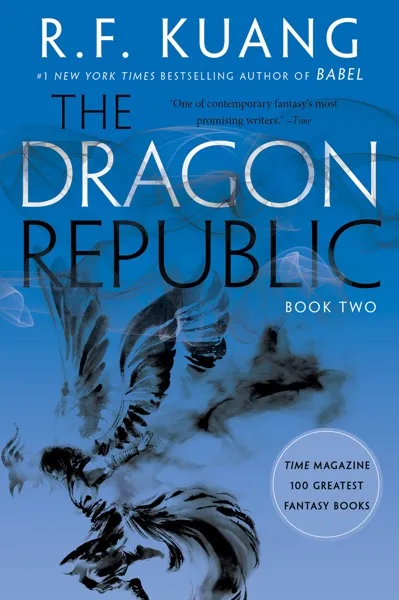

The Dragon Republic Author: R. F. KuangPage Count: UnknownPublication Year: 2019-GB R. F. Kuang’s The Dragon Republic is a searing, unflinching exploration of power, revolution, and the cost of survival in a world where the oppressed are forced to become monsters to fight their oppressors. As the second installment in Kuang’s Poppy War trilogy, it builds on the brutal, morally complex foundation of its predecessor, deepening the themes of imperialism, complicity, and the cyclical nature of violence. But where The Poppy War was a harrowing descent into war, The Dragon Republic is a reckoning—one that questions whether the very tools used to fight tyranny only perpetuate it. At its core, the novel grapples with the question: What happens when the oppressed inherit the tools of their oppression? Kuang’s protagonist, Rin, is a prodigy of the Lore, a destructive magic system tied to gods of fire and war, who once unleashed genocide upon her enemies in The Poppy War. Now, she finds herself caught between the ruins of her own making and the fragile hope of a new republic—one that promises justice but demands sacrifice. The Dragon Republic, a loose alliance of warlords and revolutionaries, is as much a political experiment as it is a military one. Yet Kuang refuses to romanticize rebellion. Every victory is stained with blood, every alliance is a gamble, and every idealist is a potential tyrant waiting to be unleashed. Kuang’s prose is as unrelenting as her themes. She writes with a clinical precision that makes the horror feel immediate—battlefields are not just described but experienced, the stench of burning flesh and the weight of a soldier’s last breath rendered in visceral detail. Yet her style is also laced with dark humor and biting irony, particularly in Rin’s internal monologues. There’s a rawness to her voice, a refusal to sugarcoat the ugliness of war even as Rin clings to her humanity. The dialogue crackles with tension, whether it’s Rin’s razor-sharp exchanges with her mentor, Jiang Ziya, or the morally ambiguous dealings with the Dragon Republic’s leaders. Kuang’s worldbuilding is equally impressive, weaving in elements of Chinese history and mythology without ever feeling like a mere pastiche. The Lore, in particular, feels like a force of nature—beautiful, terrifying, and indifferent to the fate of those who wield it. One of the novel’s most striking strengths is its refusal to offer easy answers. Rin is not a hero, nor is she a villain—she is a survivor who has made choices that haunt her. Kuang forces the reader to sit with that discomfort. The Dragon Republic’s leaders, from the idealistic Venka to the ruthless Negha, are not caricatures but flawed, complex figures whose motives are as muddled as their ethics. The novel asks: Can a revolution born in blood ever be just? And if not, what does that say about the nature of change itself? Kuang’s exploration of power is particularly devastating. The Dragon Republic promises democracy, but Rin quickly realizes that power in any form corrupts. The very act of fighting for a new order requires compromise, and compromise often means allying with the same forces that once oppressed you. The novel’s climax is a gut-punch of a sequence that forces Rin (and the reader) to confront the idea that some battles, once won, only birth new wars. It’s a theme that resonates deeply in today’s political climate, where calls for revolution are often met with the same cycles of violence they seek to dismantle. Stylistically, The Dragon Republic is a masterclass in tension. Kuang’s pacing is relentless, with moments of quiet introspection shattered by bursts of explosive action. The magic system, tied to gods and divine will, is used sparingly but with devastating effect—each incantation feels like a prayer that might be answered or ignored. The prose shifts between Rin’s first-person perspective and omniscient third-person chapters that provide context, creating a sense of dread as the reader watches Rin’s descent from a position of relative privilege into the muck of war. There’s a sense of inevitability to the story, not because it’s predictable, but because Kuang makes you feel the weight of every choice Rin makes, every line she crosses. Ultimately, The Dragon Republic is a novel about the cost of defiance. It asks whether it’s possible to break the cycle of violence, or if the only way out is through it. Rin’s journey is one of disillusionment, but it’s also a testament to resilience. Kuang doesn’t offer redemption—at least, not in the traditional sense—but she does offer something rarer: a story that refuses to lie to its readers, even when the truth is unbearable. If The Poppy War was a war story, The Dragon Republic is a reckoning. It’s a book that will leave you shattered, questioning, and—most importantly—thinking. Kuang has crafted a narrative that lingers long after the last page, a reminder that the fight for justice is never clean, never fair, and rarely ends the way we hope. #TheDragonRepublic #RFKuang #DarkFantasy #EpicFantasy #MorallyGreyCharacters #RevolutionInDarkness Related InsightsFind Me Where It Ends Book Review and Summary Skyward Flight Book Review and Summary I Was Born for This Book Review and Summary{ "@context": "https://schema.org", "@type": "FAQPage", "mainEntity": [ { "@type": "Question", "name": "What is the main focus of The Dragon Republic Book Review and Summary?", "acceptedAnswer": { "@type": "Answer", "text": "Everything you need to know about The Dragon Republic with our detailed review." } }, { "@type": "Question", "name": "Who authored the comprehensive guide on The Dragon Republic Book Review and Summary?", "acceptedAnswer": { "@type": "Answer", "text": "This detailed article and its insights were carefully researched and authored by Anna Kowalska." } }, { "@type": "Question", "name": "Where can I find more related content about Books?", "acceptedAnswer": { "@type": "Answer", "text": "You can explore more articles, detailed reviews, and similar insights by browsing the Related Insights section at the bottom of this article or visiting our dedicated Books category page." } } ] }
![Midnight Sun [2008 Draft] Book Review and Summary](/images/books/midnight-sun-2008-draft.webp)
Sisters of the Midnight Sun Author: Fiona ValpyPage Count: UnknownPublication Date: 2026-PRH Fiona Valpy’s Sisters of the Midnight Sun is a luminous tapestry of sisterhood, resilience, and the unbreakable bonds that defy time and tide. Set against the stark, breathtaking beauty of the Scottish Highlands, Valpy weaves a story that is as much about the land as it is about the women who call it home. With a narrative that glows with emotional depth and lyrical prose, this novel promises to be a standout in contemporary fiction, blending historical echoes with modern sensibilities. At its heart, Sisters of the Midnight Sun is a story of legacy—how the past shapes the present, and how the ties between sisters can be both a sanctuary and a source of conflict. Valpy explores this theme with a deft hand, avoiding clichés while still delivering moments of raw, heart-wrenching honesty. The novel follows two sisters, separated by circumstance but forever connected by blood and memory. Their journey is not just one of reconciliation but also of self-discovery, as they grapple with the weight of family expectations, personal ambition, and the ghosts of their shared history. Valpy’s ability to balance external drama with internal conflict is masterful, making the reader invest deeply in the sisters’ fates. What sets this book apart is Valpy’s evocative prose, which paints the Scottish landscape with almost cinematic clarity. The Highlands are not just a backdrop but a character in their own right—moodily atmospheric in the rain, golden and serene under the midnight sun, and hauntingly wild in the face of adversity. Her descriptions are rich without being overwrought, immersing the reader in a world that feels both tangible and mythic. This is particularly evident in the novel’s title, which hints at the duality of light and dark, of endurance and fleeting beauty—a theme that resonates throughout the narrative. Valpy’s style is intimate yet expansive. She has a knack for creating fully realized characters, each with their own flaws, dreams, and contradictions. The sisters at the center of the story are not one-dimensional heroines but complex women whose choices are as flawed as they are relatable. Their dialogue crackles with authenticity, and the emotional beats land with precision, avoiding melodrama while still delivering poignant moments. The author also excels in building tension, whether through the slow unraveling of a family secret or the looming threat of external forces tearing the sisters apart. One of the novel’s most compelling aspects is its exploration of female relationships. Valpy doesn’t shy away from the complexities of sisterhood—the jealousy, the competition, the unspoken resentments—but she also celebrates the unyielding support that can exist between women. The bond between the sisters is tested by life’s cruelties, yet it remains a constant, a thread that weaves through the story’s fabric. This focus on female resilience and solidarity is both timely and timeless, making Sisters of the Midnight Sun a story that will resonate with readers of all backgrounds. The pacing of the novel is another of its strengths. Valpy balances introspection with forward momentum, ensuring that the story never feels stagnant. Flashbacks and shifting perspectives add depth, allowing the reader to piece together the sisters’ past while eagerly anticipating their future. The structure is carefully crafted, with each chapter revealing a new layer of the sisters’ lives, their struggles, and their triumphs. While the novel is set in the present day, there are subtle nods to history that add richness to the narrative. Valpy seamlessly integrates the past into the present, suggesting that the echoes of history are never truly silent. This historical undertone gives the story a sense of depth and weight, hinting at the larger forces that shape the sisters’ lives. Sisters of the Midnight Sun is a novel that lingers in the mind long after the last page is turned. It is a story about the enduring power of family, the healing that comes from facing the past, and the quiet strength of women who refuse to be broken. Fiona Valpy’s writing is both a balm and a revelation, offering a reading experience that is as nourishing as it is unforgettable. For readers who crave stories of sisterhood, resilience, and the beauty of the natural world, this book is a must-read. It is a testament to the idea that even in the darkest of times, there is light to be found—and that light is often found in the people we love most. #Sisterhood #HistoricalFiction #ScottishHighlands #FamilyDrama #WomenFiction #FionaValpy Related InsightsThe Sun Also Rises Book Review and Summary Dream Girl Drama Book Review and Summary My Grandmother Asked Me to Tell You She's Sorry (Spanish Edition) Book Review and Summary{ "@context": "https://schema.org", "@type": "FAQPage", "mainEntity": [ { "@type": "Question", "name": "What is the main focus of Midnight Sun [2008 Draft] Book Review and Summary?", "acceptedAnswer": { "@type": "Answer", "text": "Everything you need to know about Midnight Sun [2008 Draft] with our detailed review." } }, { "@type": "Question", "name": "Who authored the comprehensive guide on Midnight Sun [2008 Draft] Book Review and Summary?", "acceptedAnswer": { "@type": "Answer", "text": "This detailed article and its insights were carefully researched and authored by Stephenie Meyer." } }, { "@type": "Question", "name": "Where can I find more related content about Books?", "acceptedAnswer": { "@type": "Answer", "text": "You can explore more articles, detailed reviews, and similar insights by browsing the Related Insights section at the bottom of this article or visiting our dedicated Books category page." } } ] }
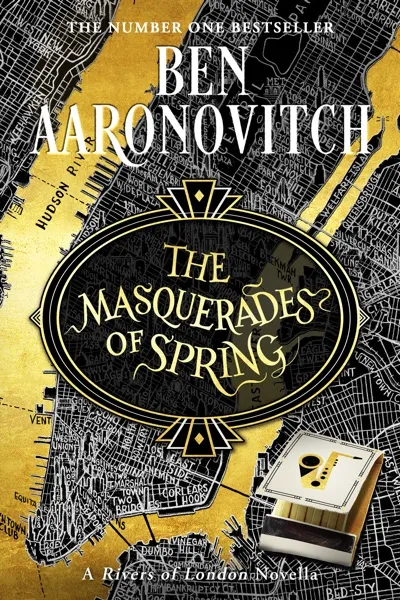

Masquerades of Spring Author: Ben AaronovitchPage Count: UnknownPublication Year: 2024-GB Ben Aaronovitch’s Masquerades of Spring arrives as the latest installment in his beloved Rivers of London series, and like the Thames itself, it flows with effortless charm, dark humor, and a deft blend of urban fantasy and crime procedural. With its 2024 release, Aaronovitch continues to cement his reputation as one of the genre’s most reliable and inventive storytellers—a writer who can make the supernatural feel as mundane as a London bus ride and the mundane feel like a portal to the extraordinary. At its core, Masquerades of Spring explores the theme of identity and the masks we wear, both literally and metaphorically. The title itself hints at the duality that drives the narrative: spring, a season of renewal and revelation, clashes with masquerades, where appearances are deliberately deceiving. This duality mirrors the series’ protagonist, Peter Grant, a young police officer turned apprentice to the river god Father Thames, who often finds himself navigating a world where magic and bureaucracy intersect as seamlessly as the tributaries of the Thames. Aaronovitch’s genius lies in how he frames the magical as an extension of the everyday—think of a magical artifact hidden in a museum storage room or a spectral fox that’s more bureaucrat than spirit. The book, like its predecessors, thrives on this tension between the ordinary and the arcane, but Masquerades of Spring elevates it by making the theme of identity the driving force. The story follows Peter as he investigates a series of bizarre thefts from London’s cultural institutions—museums, theaters, and archives—where items of immense magical significance are being stolen by someone who seems to know exactly where to look. The thief leaves behind no traces, save for a single calling card: a spring-themed mask. The investigation leads Peter into the world of London’s theatrical underbelly, where performers, impresarios, and street artists all harbor secrets as deep as the city’s underground rivers. Here, Aaronovitch excels in capturing the grit and glitter of London’s cultural scene, blending it with the supernatural in a way that feels organic rather than forced. The city itself becomes a character—its history, its hidden corners, and its unspoken hierarchies all play a role in the unfolding mystery. Aaronovitch’s prose is a masterclass in balancing wit with warmth. His dialogue crackles with humor, often delivered in the sharp, self-deprecating voice of Peter Grant, whose internal monologue is a delightful mix of cynicism and curiosity. The book’s humor isn’t just window dressing; it serves as a counterbalance to the darker themes of deception and loss. Whether Peter is bantering with his mentor Nightingale or trading quips with his partner Lesley, the dialogue feels authentic and engaging, grounding the more fantastical elements in a relatable reality. This is no small feat in urban fantasy, where the line between clever and cloying can be thin. One of Aaronovitch’s greatest strengths is his world-building, and Masquerades of Spring is no exception. The Rivers of London series has always been notable for its richly detailed take on magic as a bureaucratic system—a world where spells are governed by the same red tape as parking permits, and magical practitioners hold ranks like civil servants. In this book, the magical bureaucracy is more present than ever, with Peter navigating inter-departmental rivalries, arcane protocols, and the ever-present threat of a magical audit. It’s a clever inversion of traditional fantasy tropes, making magic feel like just another layer of the modern world rather than a separate, glittering realm. This approach not only makes the story accessible but also allows Aaronovitch to explore deeper themes about power, control, and the way institutions shape our lives. The supporting cast is, as always, a highlight. From the ever-eloquent Nightingale to the no-nonsense Lesley May, each character feels fully realized, with their own quirks and complexities. Even minor characters, like the enigmatic theater director or the street artist with a grudge against magic, add depth to the world. Aaronovitch has a knack for creating characters who feel like they’ve existed long before the story begins, which makes their interactions with Peter all the more compelling. The relationship between Peter and Nightingale, in particular, remains one of the series’ strongest elements—a mentor-student dynamic that’s equal parts affectionate and fraught with the unspoken tensions of mentorship. The plot of Masquerades of Spring is tightly constructed, with twists that feel earned rather than contrived. The mystery unfolds at a brisk pace, driven by Peter’s relentless curiosity and the occasional nudge from his magical allies. The stakes are personal, too—Peter’s investigation isn’t just about recovering stolen artifacts; it’s about uncovering a conspiracy that could unravel the fragile balance of London’s magical ecosystem. The book’s climax is satisfying, blending action, magic, and a touch of heartfelt resolution. It’s a testament to Aaronovitch’s skill that even as the story races toward its conclusion, the emotional beats land with weight and resonance. If there’s a criticism to be leveled, it’s that longtime fans of the series might find some elements familiar. The blend of police procedural and urban fantasy is now a well-trodden path for Aaronovitch, and while Masquerades of Spring executes it admirably, it doesn’t entirely break new ground. However, this is a minor quibble. The series has always been about the journey rather than the destination, and in that regard, Aaronovitch delivers once again. In Masquerades of Spring, Aaronovitch has crafted a story that is as much about the masks we wear to fit into society as it is about the magic that hides in plain sight. It’s a tale of identity, deception, and the power of revelation—both magical and personal. With his trademark wit, warmth, and inventiveness, he once again proves why the Rivers of London series remains a benchmark for urban fantasy. Whether you’re a longtime fan or a newcomer, this book is a reminder that in a city as layered as London, the real magic isn’t in the spells—it’s in the stories we tell ourselves to survive. #RiversOfLondon #UrbanFantasy #PeterGrant #BenAaronovitch #MasqueradesOfSpring #LondonMagic Related InsightsStart Lying to Yourself: New Truths to Manifest the Life You Want Book Review and Summary The Nightingale Book Review and Summary Scarlet Circus Book Review and Summary{ "@context": "https://schema.org", "@type": "FAQPage", "mainEntity": [ { "@type": "Question", "name": "What is the main focus of Masquerades of Spring Book Review and Summary?", "acceptedAnswer": { "@type": "Answer", "text": "Everything you need to know about Masquerades of Spring with our detailed review." } }, { "@type": "Question", "name": "Who authored the comprehensive guide on Masquerades of Spring Book Review and Summary?", "acceptedAnswer": { "@type": "Answer", "text": "This detailed article and its insights were carefully researched and authored by William Clark." } }, { "@type": "Question", "name": "Where can I find more related content about Books?", "acceptedAnswer": { "@type": "Answer", "text": "You can explore more articles, detailed reviews, and similar insights by browsing the Related Insights section at the bottom of this article or visiting our dedicated Books category page." } } ] }
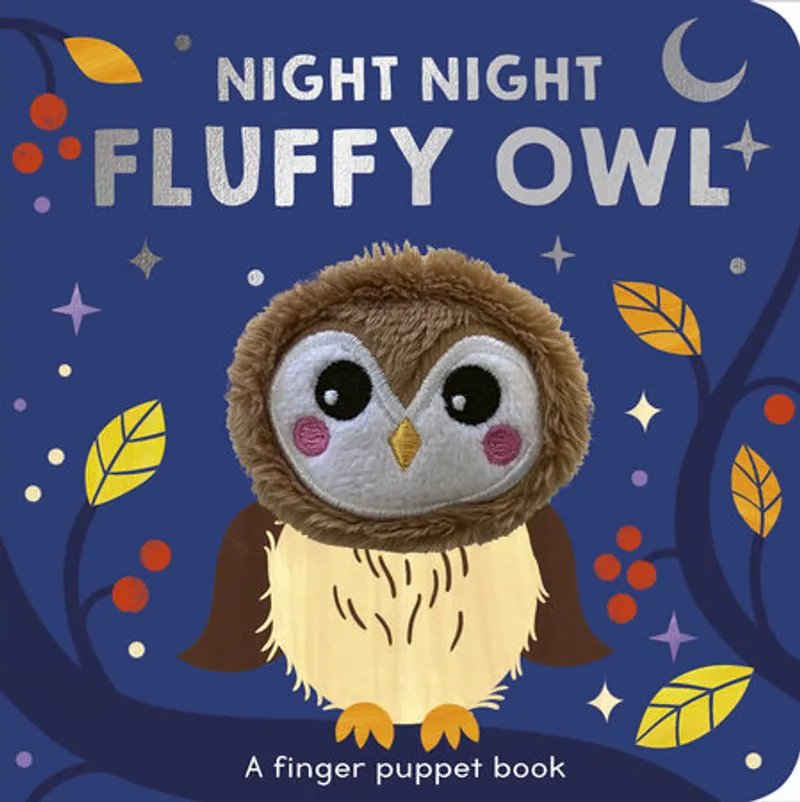
Night Night Fluffy Owl Author: Selina WoodPage Count: UnknownPublication Date: 2026-PRH Night Night Fluffy Owl, the latest offering from author Selina Wood, is a captivating tale that whisks readers away on a soothing journey of discovery and tranquility. Published in 2026, this charming book has already begun to make waves in the literary world, and for good reason. Wood's masterful storytelling weaves a gentle narrative that explores the universal theme of finding peace in a chaotic world. From the outset, it is clear that Wood's writing style is both effortless and deliberate. Her prose is as soft as a summer breeze, carrying the reader through the story with ease. The use of simple yet evocative language creates a sense of intimacy, drawing the reader into the world of the fluffy owl and its companions. Wood's writing is akin to a warm hug, enveloping the reader in a sense of comfort and security. The story itself is a poignant exploration of the human – or rather, owl – experience. Wood delves into the complexities of emotions, revealing the depths of the owl's inner world. Through the owl's journey, Wood shows us that even in the darkest of times, there is always hope. The owl's struggles and triumphs serve as a powerful reminder that we are not alone in our own struggles, and that peace can be found even in the most turbulent of times. One of the most striking aspects of Night Night Fluffy Owl is its ability to transcend age boundaries. Wood's writing is both childlike in its simplicity and profound in its wisdom, making it a book that can be enjoyed by readers of all ages. The story is a timeless tale that will resonate with children and adults alike, offering a much-needed respite from the stresses of modern life. Wood's use of imagery is another notable aspect of the book. Her vivid descriptions of the natural world transport the reader to a world of wonder and magic. The owl's forest home is brought to life through Wood's lyrical prose, immersing the reader in a world of sights, sounds, and scents. If there is one criticism to be made, it is that the book's themes and messages are not particularly new or groundbreaking. However, it is Wood's unique voice and perspective that sets Night Night Fluffy Owl apart from other books in the same genre. Her writing is infused with a sense of authenticity and sincerity, making the story feel both deeply personal and universally relatable. In conclusion, Night Night Fluffy Owl is a heartwarming tale that will resonate with readers of all ages. Wood's writing is both soothing and profound, offering a much-needed respite from the stresses of modern life. With its universal themes and timeless messages, this book is sure to become a classic. #NightNightFluffyOwl #SelinaWood #ChildrensLiterature #MentalHealthAwareness #SelfCareBooks #BedtimeStories Related InsightsWildwood Book Review and Summary Blindness Book Review and Summary It Girl Book Review and Summary{ "@context": "https://schema.org", "@type": "FAQPage", "mainEntity": [ { "@type": "Question", "name": "What is the main focus of Night Book Review and Summary?", "acceptedAnswer": { "@type": "Answer", "text": "Everything you need to know about Night with our detailed review." } }, { "@type": "Question", "name": "Who authored the comprehensive guide on Night Book Review and Summary?", "acceptedAnswer": { "@type": "Answer", "text": "This detailed article and its insights were carefully researched and authored by Elie Wiesel." } }, { "@type": "Question", "name": "Where can I find more related content about Books?", "acceptedAnswer": { "@type": "Answer", "text": "You can explore more articles, detailed reviews, and similar insights by browsing the Related Insights section at the bottom of this article or visiting our dedicated Books category page." } } ] }

- 31 May, 2025 21:18
Into Thin Air: A Personal Account of the Mt. Everest Disaster Book Review and Summary
Subir al Everest con tacones: Avanza hacia una vida plena / Climbing Mt. Everest in High Heels Author: Electa NavarretePage Count: UnknownPublication Date: 2025-PRH Climbing Mt. Everest in High Heels: A Life-Changing Adventure Awaits In her latest book, Climbing Mt. Everest in High Heels, Dr. Electa Navarrete invites readers to embark on a journey of self-discovery and transformation. With her expert guidance, she encourages us to take the first step towards living a life that is truly our own. The book is a powerful reminder that life is an extraordinary adventure, full of ups and downs, but ultimately, it is up to us to create the life we want. Dr. Navarrete's writing style is engaging, warm, and relatable. She shares her years of experience guiding patients to recognize their best version, making the book feel like a personal coaching session. Her use of the Mt. Everest metaphor is brilliant, as it perfectly captures the challenges and triumphs we face in our lives. The idea of climbing the highest peak in the world in high heels is a powerful symbol of overcoming obstacles and achieving greatness, even when the odds are against us. The author's message is clear: to reach the top, we must first know ourselves. This is a simple yet profound truth that resonates deeply. Dr. Navarrete emphasizes the importance of self-awareness, preparation, determination, and bravery in achieving our goals. She reminds us that life gives us opportunities, but it's up to us to seize them. One of the strengths of the book is its accessibility. Dr. Navarrete's language is straightforward, making the book an enjoyable read for anyone looking for a motivational boost. The book is not a self-help manual, but rather a guide that encourages readers to take ownership of their lives. The author's passion for helping others shine through on every page, making the book a joy to read. What sets Climbing Mt. Everest in High Heels apart from other self-help books is its focus on the personal journey. Dr. Navarrete reminds us that our life's journey is unique and personal, and it's up to us to create the life we want. The book is not about following a set of rules or formulas but about embracing our individuality and living a life that is authentic and meaningful. In conclusion, Climbing Mt. Everest in High Heels is a must-read for anyone looking for a life-changing adventure. Dr. Electa Navarrete's book is a powerful reminder that we have the power to create the life we want. With its engaging writing style, relatable message, and expert guidance, this book is sure to inspire readers to take the first step towards living a life that is truly their own. #SelfDiscovery #PersonalGrowth #Motivation #LifeChanging #Empowerment #FollowYourDreams Related InsightsRebel Book Review and Summary Bajo la misma estrella / The Fault in Our Stars Book Review and Summary House Across the Lake Book Review and Summary{ "@context": "https://schema.org", "@type": "FAQPage", "mainEntity": [ { "@type": "Question", "name": "What is the main focus of Into Thin Air: A Personal Account of the Mt. Everest Disaster Book Review and Summary?", "acceptedAnswer": { "@type": "Answer", "text": "Everything you need to know about Into Thin Air: A Personal Account of the Mt. Everest Disaster with our detailed review." } }, { "@type": "Question", "name": "Who authored the comprehensive guide on Into Thin Air: A Personal Account of the Mt. Everest Disaster Book Review and Summary?", "acceptedAnswer": { "@type": "Answer", "text": "This detailed article and its insights were carefully researched and authored by Jon Krakauer." } }, { "@type": "Question", "name": "Where can I find more related content about Books?", "acceptedAnswer": { "@type": "Answer", "text": "You can explore more articles, detailed reviews, and similar insights by browsing the Related Insights section at the bottom of this article or visiting our dedicated Books category page." } } ] }
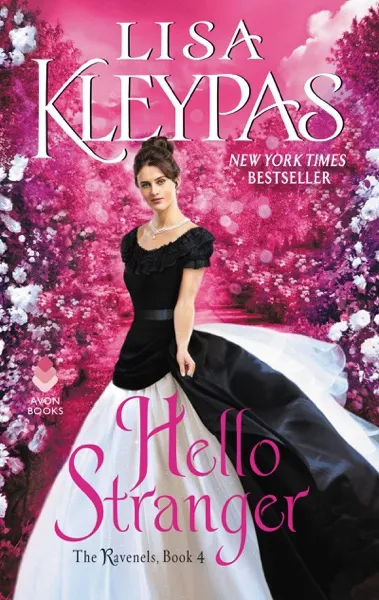

Hello Stranger Author: Lisa KleypasPage Count: UnknownPublication Year: 2018-GB Lisa Kleypas’ Hello Stranger (2018) is a dazzling return to the lush world of historical romance, where wit, passion, and emotional depth collide with the precision of a master storyteller. A global bestseller, this novel cements Kleypas’ reputation as a queen of the genre, blending sharp dialogue, rich historical detail, and characters so vivid they leap off the page. At its core, Hello Stranger is a love story—but not the kind that shies away from hardship or complexity. Instead, it’s a tale of two strangers who must confront their pasts to find their future together, all while navigating the treacherous waters of society, betrayal, and self-discovery. The book follows Venetia Marsh, a fiercely independent woman whose life is upended when she inherits a crumbling estate and a precarious social standing. Her sharp tongue and stubborn pride have long been her armor, but when she meets Gabriel St. Vincent—devilishly handsome, morally ambiguous, and utterly infuriating—Venetia finds herself stripped of her defenses. Gabriel, a man with secrets darker than the London fog, is drawn to Venetia’s unapologetic spirit, even as he fights his own demons. Their chemistry is electric from the first encounter, but trust is a luxury neither can afford—not when Gabriel’s past threatens to swallow them both. Kleypas excels at crafting heroines who defy convention without losing their humanity, and Venetia is a perfect example. She’s not a simpering debutante; she’s a woman who has been shaped by loss and resilience, her independence both a strength and a vulnerability. Gabriel, on the other hand, is classic Kleypas hero material: brooding, enigmatic, and dangerously alluring. His internal conflict—between duty and desire, redemption and ruin—adds layers to the romance, making it more than just a fleeting infatuation. Their relationship evolves from fiery clashes to reluctant partnership, mirroring the novel’s overarching theme: that true connection requires vulnerability, even when it’s terrifying. The historical setting is meticulously rendered, immersing readers in Regency England with all its glittering balls, stifling social rules, and undercurrents of scandal. Kleypas’ prose is elegant yet accessible, balancing witty banter with poignant introspection. She doesn’t just describe the era; she makes it breathe, using the backdrop to amplify the characters’ struggles. Whether it’s the opulence of a grand estate or the gritty reality of London’s underbelly, the world feels alive, a character in its own right. What sets Hello Stranger apart is its emotional rawness. Kleypas doesn’t shy away from the messiness of love—its jealousies, its insecurities, its moments of doubt. The romance isn’t just about passion; it’s about growth. Both Venetia and Gabriel must peel back their layers to confront their fears, and the payoff is deeply satisfying. The pacing is tight, the stakes high, and the payoff—when it comes—feels earned. In an era where historical romance often faces criticism for prioritizing escapism over substance, Kleypas delivers a story that’s both a lush fantasy and a grounded exploration of human connection. Hello Stranger isn’t just a book you read—it’s an experience you feel, a reminder of why romance remains one of literature’s most compelling genres. If you’re a fan of Kleypas’ earlier work, this will feel like a homecoming. If you’re new to her writing, consider this your introduction to a master at the height of her powers. Hello Stranger is a love story for the ages—bold, heartfelt, and impossible to put down. #HistoricalRomance #LisaKleypas #RegencyEra #ForbiddenLove #RomanceNovel #VictorianRomance Related InsightsSolo el fin del mundo otra vez Book Review and Summary Twisted Lies Book Review and Summary The Family Plot: A Novel Book Review and Summary{ "@context": "https://schema.org", "@type": "FAQPage", "mainEntity": [ { "@type": "Question", "name": "What is the main focus of Hello Stranger Book Review and Summary?", "acceptedAnswer": { "@type": "Answer", "text": "Everything you need to know about Hello Stranger with our detailed review." } }, { "@type": "Question", "name": "Who authored the comprehensive guide on Hello Stranger Book Review and Summary?", "acceptedAnswer": { "@type": "Answer", "text": "This detailed article and its insights were carefully researched and authored by Isabella Moore." } }, { "@type": "Question", "name": "Where can I find more related content about Books?", "acceptedAnswer": { "@type": "Answer", "text": "You can explore more articles, detailed reviews, and similar insights by browsing the Related Insights section at the bottom of this article or visiting our dedicated Books category page." } } ] }

Rebecca Yarros's Fourth Wing: Fly or Die Stickers - Sticker Set of 4 Author: Out of PrintPage Count: UnknownPublication Date: 2026-PRH As I sat down to review Rebecca Yarros's Fourth Wing: Fly or Die Stickers, I was immediately struck by the uniqueness of this publication. Instead of a traditional novel or even a printed book, I found myself faced with a set of four stickers, each bearing a different design and phrase. The lack of a traditional narrative or page count made it challenging to approach this review in the usual manner, but as I delved deeper into the world of these stickers, I began to uncover a richer theme and a bold statement from the author. The first thing that struck me about these stickers was their bold design and messaging. Each one features a striking image or phrase, from the ominous "Fly or Die" to the more cryptic "Fourth Wing." These designs are not just aesthetically pleasing; they also convey a sense of urgency and rebellion. It's clear that the author, or rather, the publisher, Out of Print, is trying to convey a message that goes beyond the confines of traditional literature. As I examined the stickers more closely, I began to notice a theme emerging. Each sticker seems to be connected to the idea of freedom and the willingness to take risks. The phrase "Fly or Die" can be seen as a rallying cry, urging the viewer to push beyond their limits and strive for greatness, even in the face of adversity. The image of the fourth wing, on the other hand, suggests a sense of completion or wholeness, implying that the viewer must find their own unique path to fulfillment. The use of stickers as a medium for storytelling is also noteworthy. In an age where digital media dominates our lives, the tactile nature of these stickers is a refreshing change. They invite the viewer to engage with them on a physical level, to touch and feel the paper, and to consider the message they convey. This tactile experience adds a new layer of depth to the theme of freedom and rebellion, as the viewer is encouraged to take the stickers and use them to express their own individuality. Out of Print's decision to publish these stickers under the name of Rebecca Yarros is also intriguing. Yarros is known for her thought-provoking and emotionally charged novels, and the fact that her name is associated with this project suggests that there is more to these stickers than meets the eye. It's possible that the stickers are meant to be a companion piece to one of her novels, or perhaps they are a standalone work that explores the same themes of freedom and rebellion that are present in her other writing. Ultimately, Rebecca Yarros's Fourth Wing: Fly or Die Stickers is a thought-provoking and visually stunning work that challenges the viewer to think about the nature of freedom and rebellion. The use of stickers as a medium adds a new layer of depth to the theme, and the bold designs and messages convey a sense of urgency and passion. While it may not be a traditional book, this set of stickers is a powerful statement that will resonate with anyone who has ever felt the need to break free from the constraints of society and forge their own path. #StickerArt #RebellionAndFreedom #BookLovers #FourthWing #FlyOrDie #RebeccaYarros Related InsightsThe Symphony of Keystrokes: The Ultimate Guide to Mechanical Keyboards Beloved Book Review and Summary Elon Musk Book Review and Summary{ "@context": "https://schema.org", "@type": "FAQPage", "mainEntity": [ { "@type": "Question", "name": "What is the main focus of Rebecca Book Review and Summary?", "acceptedAnswer": { "@type": "Answer", "text": "Everything you need to know about Rebecca with our detailed review." } }, { "@type": "Question", "name": "Who authored the comprehensive guide on Rebecca Book Review and Summary?", "acceptedAnswer": { "@type": "Answer", "text": "This detailed article and its insights were carefully researched and authored by Daphne du Maurier." } }, { "@type": "Question", "name": "Where can I find more related content about Books?", "acceptedAnswer": { "@type": "Answer", "text": "You can explore more articles, detailed reviews, and similar insights by browsing the Related Insights section at the bottom of this article or visiting our dedicated Books category page." } } ] }