Showing Posts From
Books
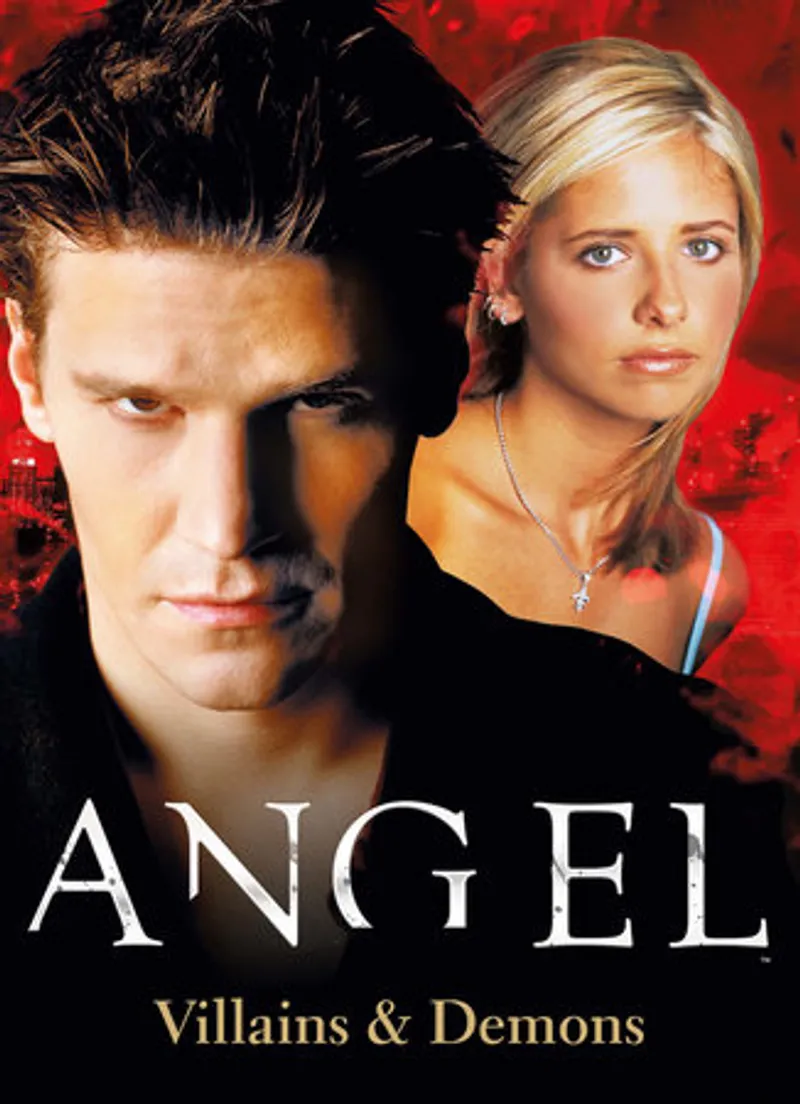
Angel: The Official Collection Volume 2 - Villains & Demons Author: TitanPage Count: UnknownPublication Date: 2016-PRH Angel: The Official Collection Volume 2 – Villains & Demons: A Deep Dive into the Shadows of a Beloved Series Few television characters have left as indelible a mark on pop culture as Angel, the brooding vampire with a soul who traded bloodlust for redemption. Angel: The Official Collection Volume 2 – Villains & Demons isn’t just another coffee-table book—it’s a love letter to the darker corners of the Angel universe, a meticulously curated exploration of the forces that shaped Buffy’s spin-off into something far more complex than its predecessor. Compiled by Titan from the pages of the now-defunct Angel Magazine, this volume is a treasure trove for fans, offering a behind-the-scenes glimpse into the show’s most chilling adversaries and the creative minds who brought them to life. At its core, Villains & Demons is a celebration of the show’s moral ambiguity. Where Buffy the Vampire Slayer often thrived on clear-cut battles between good and evil, Angel reveled in the gray areas—where demons could be tragic figures, where villains were as compelling as heroes, and where redemption was never guaranteed. This volume leans into that theme with precision, dissecting the psychology of characters like Angelus, Faith, and the enigmatic Holtz, while also shining a light on the lesser-known but equally fascinating antagonists who populated the series. The book doesn’t just rehash familiar lore; it dissects it, asking why these villains resonated so deeply with audiences and how their stories elevated the show beyond its supernatural trappings. Titan’s editorial approach is one of reverence mixed with scholarly rigor. The collection is structured like a dossier on the show’s darkest elements, blending interviews with cast and crew—including David Boreanaz, James Marsters, and Joss Whedon himself—with in-depth features that analyze everything from the symbolism of Wolfram & Hart’s corporate facade to the cultural significance of demonic lore in the Buffy universe. What makes this volume stand out is its refusal to glorify its subjects. Instead, it treats the villains with the same nuance as the heroes, acknowledging their flaws while still exploring what made them compelling. There’s a sense of intellectual curiosity here, as if the book itself is on a quest for understanding, much like Angel himself. The writing style is accessible yet layered, catering to both casual fans and die-hard enthusiasts. The prose avoids the dry academic tone that can plague retrospective analyses, instead opting for a conversational yet insightful approach. The inclusion of behind-the-scenes secrets—such as the original pitch for certain episodes or the creative struggles behind iconic villain arcs—adds a layer of intimacy that makes the book feel like a secret club for Angel devotees. The photography, too, is a highlight: candid shots of the cast in character, concept art for demon designs, and stills from pivotal episodes serve as visual anchors, grounding the text in the show’s rich aesthetic. One of the most compelling aspects of Villains & Demons is its exploration of the show’s themes of guilt, vengeance, and the cost of redemption. Angel’s journey is, at its heart, a struggle against his own nature, and the villains he faces often reflect aspects of his own darkness. The book doesn’t shy away from this, instead using it as a lens to examine how Angel used its antagonists to challenge its audience. Whether it’s the tragic figure of Darla, whose love for Angel is as destructive as it is redemptive, or the relentless Holtz, whose obsession with vengeance mirrors Angel’s own, the villains here aren’t just obstacles—they’re mirrors. Titan’s decision to focus on villains and demons in this volume is a masterstroke. While earlier collections might have leaned into the show’s more heroic moments, Villains & Demons embraces the shadowy underbelly that made Angel so distinct. It’s a reminder that the best stories aren’t just about the heroes; they’re about the forces that test them, the demons—both literal and metaphorical—that force them to confront their own humanity. For fans, this book is a must-own. It’s not just a nostalgia trip; it’s a deep dive into the DNA of a show that dared to ask hard questions. For newcomers, it’s an invitation to understand why Angel remains a cult classic, a series that balanced horror, drama, and wit in a way few others have matched. In the end, Angel: The Official Collection Volume 2 – Villains & Demons is more than a retrospective—it’s a testament to the power of storytelling, where the villains are as vital as the heroes, and the darkness is just as illuminating as the light. #AngelTheSeries #VampireWithASoul #Buffyverse #TVVillains #DarkFantasy #AngelFan Related InsightsThe Art of Racing in the Rain Book Review and Summary Day of Ascension Book Review and Summary Interview with the Vampire Book Review and Summary{ "@context": "https://schema.org", "@type": "FAQPage", "mainEntity": [ { "@type": "Question", "name": "What is the main focus of Angels & Demons Book Review and Summary?", "acceptedAnswer": { "@type": "Answer", "text": "Everything you need to know about Angels & Demons with our detailed review." } }, { "@type": "Question", "name": "Who authored the comprehensive guide on Angels & Demons Book Review and Summary?", "acceptedAnswer": { "@type": "Answer", "text": "This detailed article and its insights were carefully researched and authored by Dan Brown." } }, { "@type": "Question", "name": "Where can I find more related content about Books?", "acceptedAnswer": { "@type": "Answer", "text": "You can explore more articles, detailed reviews, and similar insights by browsing the Related Insights section at the bottom of this article or visiting our dedicated Books category page." } } ] }
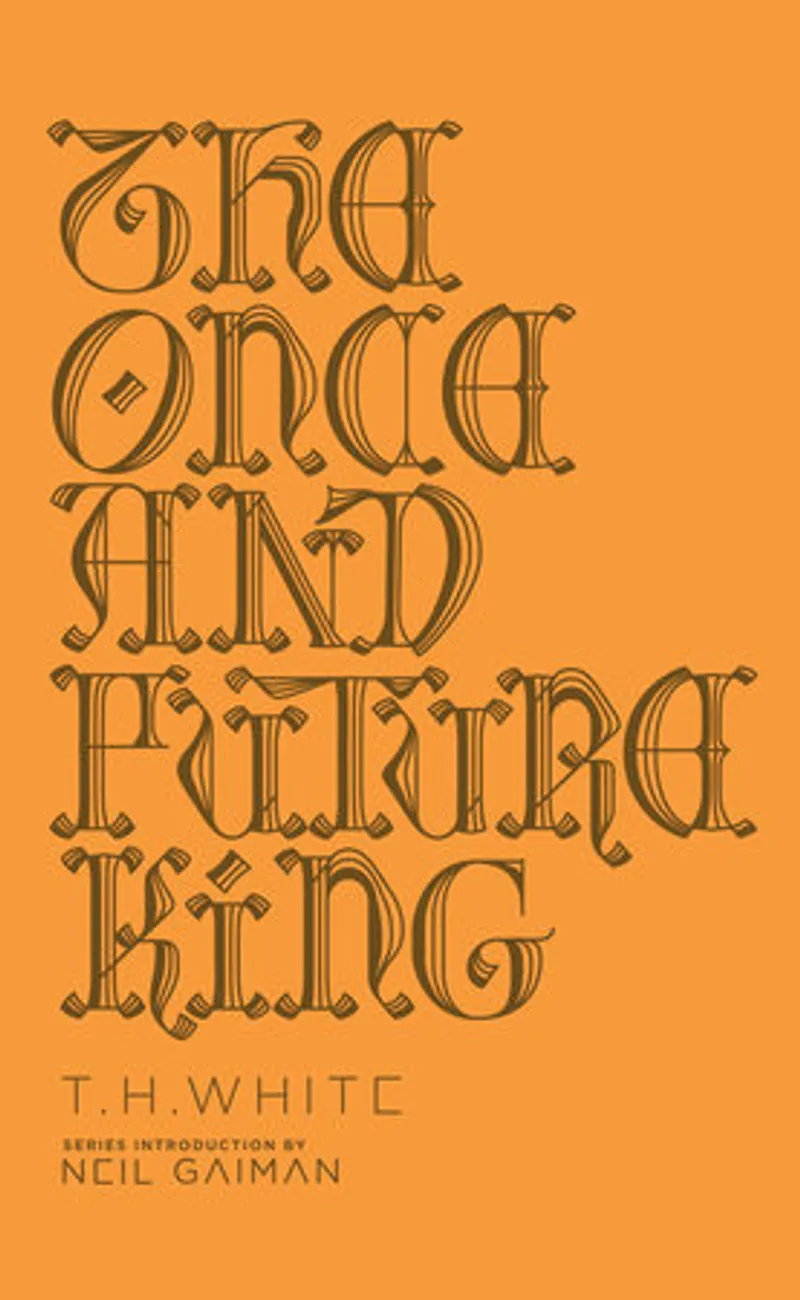
The Once and Future King Author: T. H. WhitePage Count: UnknownPublication Date: 2016-PRH In the realm of fantasy literature, few works have managed to capture the hearts and imaginations of readers quite like T.H. White's "The Once and Future King". This timeless masterpiece, first published in 1958, has been re-released as part of the Penguin Galaxy series, a collectible collection of six sci-fi/fantasy classics, featuring a series introduction by the inimitable Neil Gaiman. White's retelling of the Arthurian legend is a sweeping epic that whisks readers away to a world of magic, adventure, and romance. From the halcyon days of Arthur's youth to the disillusioning realities of his reign, the novel is a poignant exploration of the human condition. With its memorable cast of characters, including the enigmatic Merlin, the wise and wistful Owl, and the doomed Guinevere, "The Once and Future King" is a work of fantasy that has become the standard against which all others are judged. One of the most striking aspects of White's writing is his masterful use of language. His prose is at once lyrical and accessible, conjuring vivid images of a bygone era while remaining remarkably relevant to modern readers. The world he creates is richly detailed, with a deep sense of history and culture that draws the reader in and refuses to let go. At its core, "The Once and Future King" is a story about the power of imagination and the enduring allure of myth. White's Arthur is a complex and multifaceted character, full of contradictions and flaws, yet ultimately redeemed by his capacity for love and compassion. The novel is also a powerful exploration of the human condition, tackling themes of morality, duty, and the search for meaning in a chaotic world. Throughout the book, White's writing is infused with a deep sense of wonder and enchantment. His depiction of the magical world of Camelot is nothing short of breathtaking, with its talking beasts, flying men, and wizardry. And yet, despite the fantastical elements, the novel remains grounded in a profound sense of reality, acknowledging the darkness and complexity of human nature. The Penguin Galaxy edition of "The Once and Future King" is a stunning tribute to White's masterpiece. With its beautiful hardcover design and series introduction by Neil Gaiman, this is a book that will delight both longtime fans and new readers alike. As part of a series that also includes works by Robert A. Heinlein, Frank Herbert, and Ursula K. Le Guin, "The Once and Future King" is a testament to the enduring power of science fiction and fantasy to inspire and transform us. In short, "The Once and Future King" is a must-read for anyone who loves fantasy, adventure, and romance. With its richly detailed world, memorable characters, and timeless themes, this novel is a true classic of the genre. So if you haven't already, join the ranks of readers who have fallen under the spell of T.H. White's magical world. #TheOnceAndFutureKing #THWhite #FantasyClassic #KingArthur #Camelot #PenguinGalaxy Related InsightsThe Elegance of the Hedgehog Book Review and Summary Vastlands - The Crossing Book Review and Summary The Architecture of Alienation: Unmasking the Eternal Angst of Holden Caulfield{ "@context": "https://schema.org", "@type": "FAQPage", "mainEntity": [ { "@type": "Question", "name": "What is the main focus of The Once and Future King Book Review and Summary?", "acceptedAnswer": { "@type": "Answer", "text": "Everything you need to know about The Once and Future King with our detailed review." } }, { "@type": "Question", "name": "Who authored the comprehensive guide on The Once and Future King Book Review and Summary?", "acceptedAnswer": { "@type": "Answer", "text": "This detailed article and its insights were carefully researched and authored by T.H. White." } }, { "@type": "Question", "name": "Where can I find more related content about Books?", "acceptedAnswer": { "@type": "Answer", "text": "You can explore more articles, detailed reviews, and similar insights by browsing the Related Insights section at the bottom of this article or visiting our dedicated Books category page." } } ] }
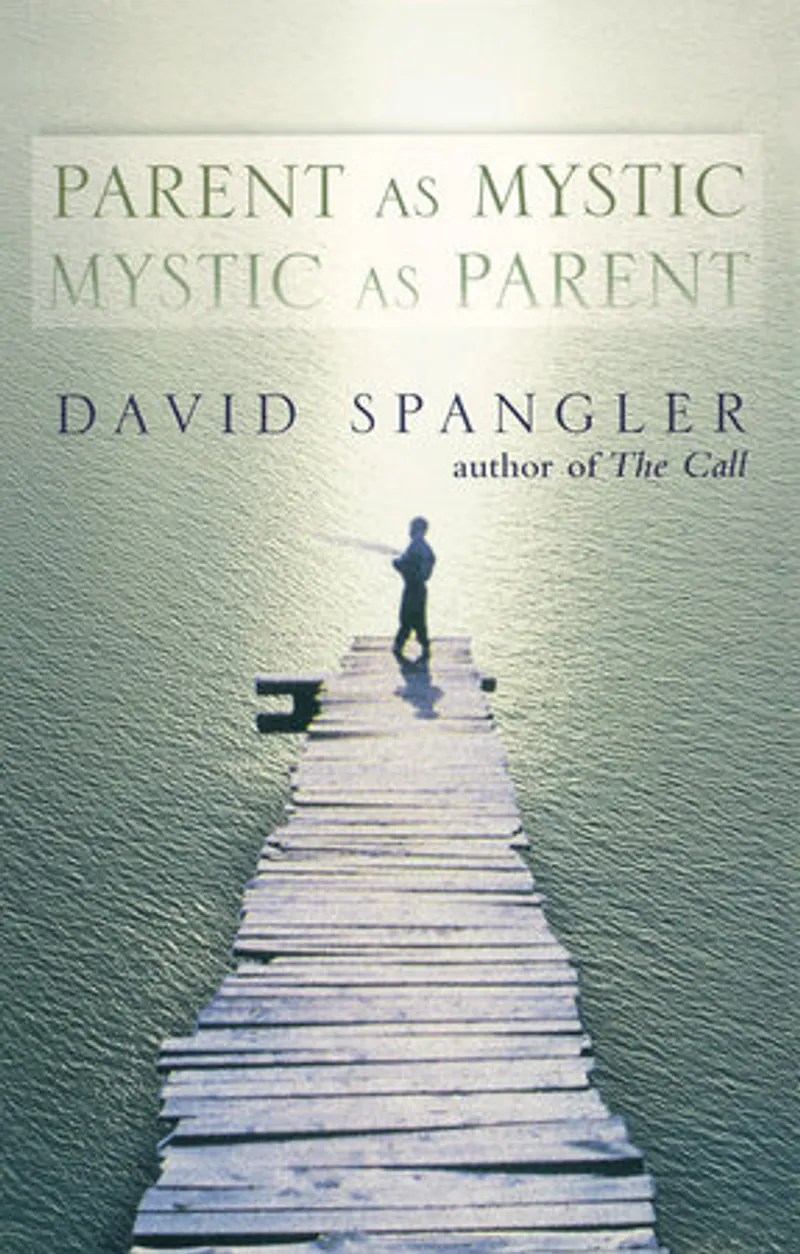
Parent as Mystic, Mystic as Parent Author: David SpanglerPage Count: UnknownPublication Date: 2000-PRH In "Parent as Mystic, Mystic as Parent," David Spangler weaves a profound narrative that delves into the mystical dimensions of parenthood. This thought-provoking book, penned by a father of four and a renowned mystic, offers a refreshing perspective on the parent-child relationship, one that transcends the mundane and enters the realm of the sacred. Spangler's writing is characterized by its accessibility, warmth, and humor, making this book an engaging read for parents and non-parents alike. Through a series of anecdotes, stories, and reflections, he shares his own experiences as a parent, highlighting the moments of magic, wonder, and awe that arise from the simplest interactions with his children. These stories are not mere reminiscences but serve as a gateway to exploring the deeper, spiritual aspects of parenthood. The author's central argument is that the birth of a child is a spiritually significant event, one that holds the potential for transformation and growth for both the parent and the child. This perspective is rooted in the idea that the parent-child relationship is built on intuition, presence, and the subtle, often unspoken, connections that arise from the soul. Spangler encourages parents to tap into this mystical dimension, to approach parenting as a sacred calling that requires attention, compassion, and an openness to the unknown. Throughout the book, Spangler draws on his own experiences as a mystic, offering practical advice and insights on how to cultivate a deeper sense of awareness and connection with one's children. He writes about the importance of being present, of listening to the subtle cues and impulses that arise from the child, and of creating a sense of safety and trust that allows the child to flourish. One of the book's greatest strengths lies in its ability to balance the spiritual and the practical. Spangler's writing is infused with a sense of wonder and awe, yet he remains grounded in the everyday realities of parenting. He acknowledges the challenges and difficulties that arise from raising children, but rather than offering simplistic solutions or quick fixes, he encourages parents to approach these challenges as opportunities for growth and transformation. The book's title, "Parent as Mystic, Mystic as Parent," suggests a reciprocal relationship between the parent and the child, one in which both parties are transformed and elevated through their interactions. This idea is at the heart of Spangler's vision for parenting, one that emphasizes the importance of mutual growth, respect, and understanding. In an age where parenting is often reduced to a set of techniques, strategies, and expert advice, "Parent as Mystic, Mystic as Parent" offers a refreshing alternative. This book reminds us that parenting is not just about raising children, but about cultivating a deeper sense of awareness, compassion, and connection with ourselves and the world around us. Ultimately, "Parent as Mystic, Mystic as Parent" is a book that will resonate with anyone who has ever experienced the profound joy and mystery of parenthood. It is a testament to the transformative power of love and connection, and a reminder that the parent-child relationship holds the potential for growth, transformation, and spiritual awakening. #ParentingAsASpiritualPractice #MysticalParenting #ConsciousParenting #SpiritualGrowthThroughParenting #ParentChildRelationship #SacredParenting Related InsightsAll My Rage Book Review and Summary Le Pulitzer de la Fiction : Une Odyssée Littéraire au Cœur de l'Âme Américaine DARLING in the FRANXX Vol. 7-8 Book Review and Summary{ "@context": "https://schema.org", "@type": "FAQPage", "mainEntity": [ { "@type": "Question", "name": "What is the main focus of Mystic River Book Review and Summary?", "acceptedAnswer": { "@type": "Answer", "text": "Everything you need to know about Mystic River with our detailed review." } }, { "@type": "Question", "name": "Who authored the comprehensive guide on Mystic River Book Review and Summary?", "acceptedAnswer": { "@type": "Answer", "text": "This detailed article and its insights were carefully researched and authored by Dennis Lehane." } }, { "@type": "Question", "name": "Where can I find more related content about Books?", "acceptedAnswer": { "@type": "Answer", "text": "You can explore more articles, detailed reviews, and similar insights by browsing the Related Insights section at the bottom of this article or visiting our dedicated Books category page." } } ] }
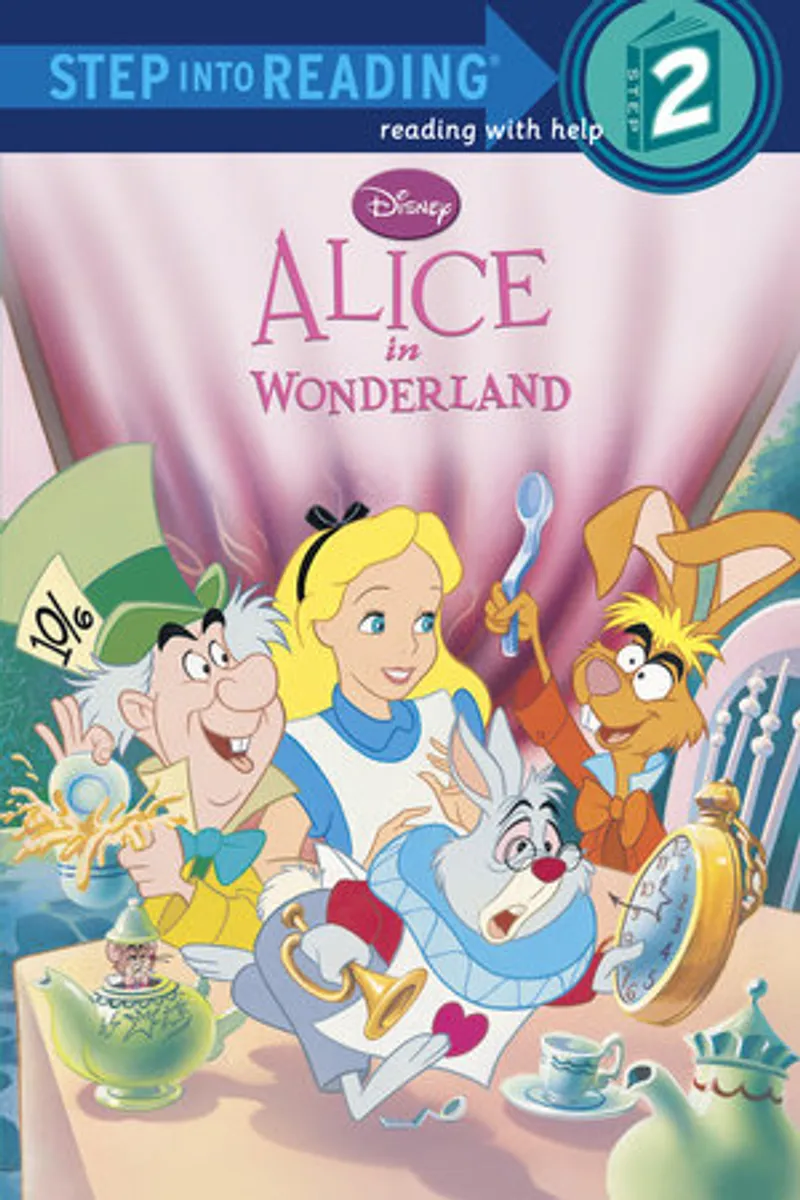
Alice in Wonderland (Disney Alice in Wonderland) Author: Pamela BobowiczPage Count: UnknownPublication Date: 2013-PRH In the whimsical world of children's literature, few tales have captivated young hearts and minds quite like Lewis Carroll's timeless classic, Alice's Adventures in Wonderland. Disney's adaptation of this beloved story has been a staple of many a childhood, and Pamela Bobowicz's 2013 rendition, Disney Alice in Wonderland, is a delightful interpretation geared towards early readers aged 4-6. This Step into Reading adaptation masterfully distills the essence of the animated film, inviting little ones to join Alice on her fantastical journey down the rabbit hole. Bobowicz's writing style is clear, concise, and engaging, making it perfect for emerging readers or for parents seeking a fun and interactive reading experience with their children. The narrative is cleverly simplified, retaining the core elements of the original story while omitting complexities that might confuse younger readers. The result is a charming and accessible tale that will likely leave young audiences enthralled and eager to explore the wonders of Wonderland. One of the most striking aspects of this adaptation is its ability to convey the absurdity and illogic of Wonderland, a world where up is down, and down is up. Bobowicz skillfully navigates this topsy-turvy landscape, using simple yet evocative language to bring the fantastical creatures and events to life. The White Rabbit's frantic hurrying, the Cheshire Cat's mischievous grin, and the Queen of Hearts' explosive temper are all vividly rendered, making it easy for young readers to visualize and become immersed in the story. At its core, Disney Alice in Wonderland is a tale about the power of imagination, curiosity, and the boundless possibilities that await us when we dare to venture into the unknown. Bobowicz's adaptation beautifully captures this sense of wonder, encouraging young readers to think creatively, question the ordinary, and embrace the magic that surrounds them. While some may argue that this adaptation lacks the complexity and depth of the original, it is essential to remember that this book is designed for early readers, not literary scholars. Bobowicz's achievement lies in her ability to distill the essence of the story, making it accessible and enjoyable for her target audience. The result is a captivating and engaging tale that will undoubtedly delight children and parents alike, inspiring a lifelong love of reading and a deeper appreciation for the wonders of Wonderland. In conclusion, Pamela Bobowicz's Disney Alice in Wonderland is a delightful adaptation that will transport young readers to a world of wonder and enchantment. With its clear and concise language, engaging narrative, and timeless themes, this book is an excellent choice for early readers or for parents seeking a fun and interactive reading experience with their children. #DisneyAliceInWonderland #AliceInWonderland #ChildrensLiterature #EarlyReaders #StepIntoReading #WonderlandAdventures Related InsightsCharlaine Harris Cemetery Girl Book Three Book Review and Summary Mortal Things Book Review and Summary Winter's Gifts Book Review and Summary{ "@context": "https://schema.org", "@type": "FAQPage", "mainEntity": [ { "@type": "Question", "name": "What is the main focus of Alice in Wonderland Book Review and Summary?", "acceptedAnswer": { "@type": "Answer", "text": "Everything you need to know about Alice in Wonderland with our detailed review." } }, { "@type": "Question", "name": "Who authored the comprehensive guide on Alice in Wonderland Book Review and Summary?", "acceptedAnswer": { "@type": "Answer", "text": "This detailed article and its insights were carefully researched and authored by Jane Carruth." } }, { "@type": "Question", "name": "Where can I find more related content about Books?", "acceptedAnswer": { "@type": "Answer", "text": "You can explore more articles, detailed reviews, and similar insights by browsing the Related Insights section at the bottom of this article or visiting our dedicated Books category page." } } ] }
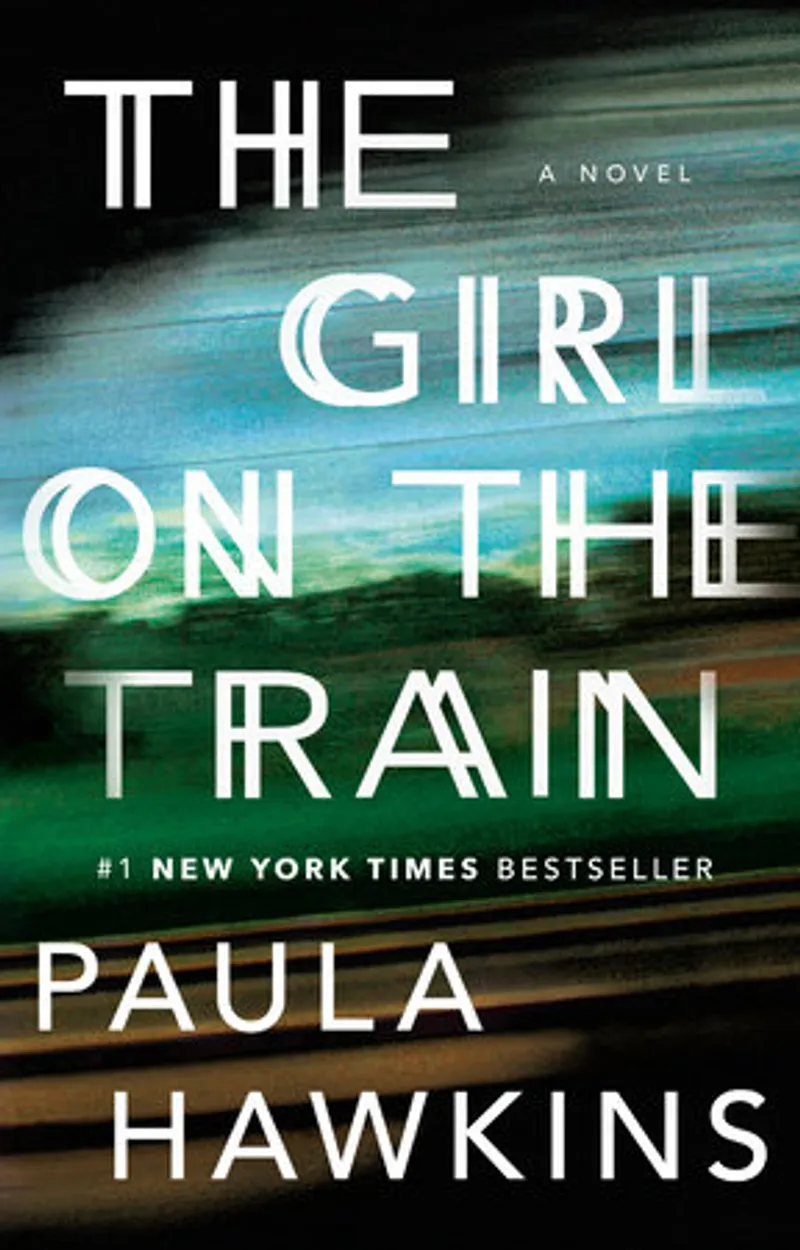

The Girl on the Train Author: Paula HawkinsPage Count: UnknownPublication Date: 2016-PRH The Girl on the Train by Paula Hawkins is a masterclass in psychological suspense, a novel that grips you from the first page and refuses to let go until the final, chilling revelation. It’s not just a thriller—it’s a dark mirror held up to the fragile, fractured lives of ordinary people, where perception is as unreliable as memory and the line between victim and perpetrator blurs with every twist. Hawkins doesn’t just tell a story; she constructs a psychological puzzle, one that forces readers to question everything they think they know. At its core, the book explores the theme of unreliable narration and the danger of living vicariously. Rachel Watson, our protagonist, is a deeply flawed narrator—a woman drowning in alcohol, self-loathing, and the wreckage of her failed marriage. She rides the same train every day, fixating on a couple she calls "Jess and Jason," imagining their perfect life as a salve for her own emptiness. But when she witnesses something shocking from the train window, her fragile grip on reality begins to unravel. Is she a witness to a crime, or is she the crime? Hawkins plays with this ambiguity masterfully, making Rachel both pitiable and infuriating, a woman whose every memory is suspect. The brilliance of Hawkins’ writing lies in her ability to weave multiple perspectives without ever giving the reader a stable foothold. The story unfolds through Rachel’s drunken, fragmented recollections, the sharp, calculating voice of Megan Hipwell (the "Jess" of Rachel’s imagination), and the detached, almost clinical observations of Detective Sergeant Gaskell. Each narrator is unreliable in their own way—Rachel because of her addiction, Megan because of her secrets, and Gaskell because of his professional detachment. This layered approach creates a sense of paranoia; the reader, like Rachel, is never quite sure who to trust. Hawkins’ prose is deceptively simple, almost sparse, but it’s this very restraint that makes the novel so unsettling. There are no grand, overwrought descriptions—just the cold, hard facts of people’s lives unraveling. The train itself becomes a metaphor for the unstoppable momentum of fate, carrying Rachel through the suburbs of London while she watches, powerless, as the lives around her crumble. The setting is crucial; the contrast between the idyllic facades of the suburbs and the ugliness beneath is stark. Hawkins doesn’t just describe a place—she uses it to reflect the inner turmoil of her characters. One of the most compelling aspects of the book is its exploration of how trauma distorts perception. Rachel’s alcoholism isn’t just a plot device—it’s a symptom of her inability to cope with the loss of her marriage and her unraveling sense of self. Megan, meanwhile, is trapped in a cycle of self-deception, her past a labyrinth of lies she’s told herself to survive. Even Anna, Rachel’s ex-husband’s new wife, is a victim of her own assumptions, her life upended by Rachel’s intrusion. Hawkins doesn’t offer easy answers or redemption; instead, she forces the reader to sit with the uncomfortable truth that people are messy, contradictory, and often their own worst enemies. The pacing is relentless, with Hawkins doling out information in carefully measured doses. Just when you think you’ve pieced together the puzzle, she yanks the rug out from under you. The tension builds like a slow-burning fuse, culminating in a finale that is as shocking as it is inevitable. It’s the kind of book that demands to be read in one sitting, not because it’s light or escapist, but because the pull of the story is too strong to resist. The Girl on the Train is more than just a thriller—it’s a meditation on the lies we tell ourselves and the stories we construct to make sense of a world that often feels senseless. Hawkins doesn’t just entertain; she unsettles, leaving the reader questioning the very nature of truth and memory. It’s a novel that lingers, like the echo of a train whistle in the distance, long after the last page is turned. #GirlOnTheTrain #PsychologicalThriller #UnreliableNarrator #PaulaHawkins #DarkMystery #MustRead2024 Related InsightsLust: Pleasure, Performance, Power Book Review and Summary Heart Bones Book Review and Summary The Fragile Threads of Power Book Review and Summary{ "@context": "https://schema.org", "@type": "FAQPage", "mainEntity": [ { "@type": "Question", "name": "What is the main focus of The Girl on the Train Book Review and Summary?", "acceptedAnswer": { "@type": "Answer", "text": "Everything you need to know about The Girl on the Train with our detailed review." } }, { "@type": "Question", "name": "Who authored the comprehensive guide on The Girl on the Train Book Review and Summary?", "acceptedAnswer": { "@type": "Answer", "text": "This detailed article and its insights were carefully researched and authored by Sofia Bianchi." } }, { "@type": "Question", "name": "Where can I find more related content about Books?", "acceptedAnswer": { "@type": "Answer", "text": "You can explore more articles, detailed reviews, and similar insights by browsing the Related Insights section at the bottom of this article or visiting our dedicated Books category page." } } ] }
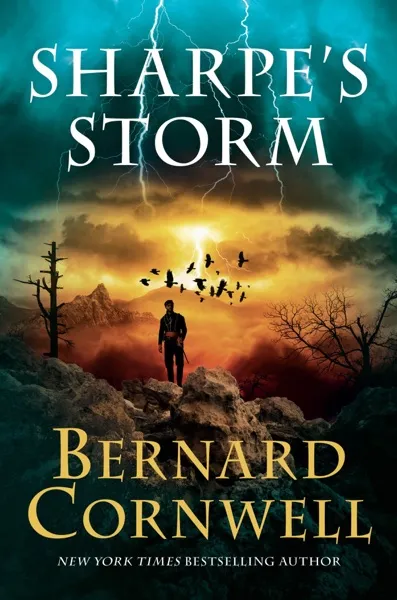

Sharpe's Storm Author: Bernard CornwellPage Count: UnknownPublication Year: 2024-GB Sharpe’s Storm: A Tempest of Heroism and Brutality Bernard Cornwell’s Sharpe’s Storm arrives as the latest thunderclap in his legendary Sharpe series, a saga that has enthralled readers for decades with its relentless blend of historical grit and rousing adventure. Set against the backdrop of the Napoleonic Wars, this installment promises to plunge Richard Sharpe—Cornwell’s indomitable rifleman—into a vortex of political intrigue, battlefield chaos, and personal vendettas. With Cornwell’s signature precision and flair, Sharpe’s Storm isn’t just a book; it’s a storm of its own, one that fans will feel buffeting their senses from the first page to the last. At its core, Sharpe’s Storm is a story of survival and defiance. The Napoleonic Wars were a crucible of human endurance, where nations clashed not just on battlefields but in the shadows of espionage and betrayal. Cornwell captures this with unflinching realism, painting a world where honor is a luxury few can afford. Sharpe, ever the outsider—a man of low birth thrust into the ranks of the aristocracy—finds himself once again at odds with the very system that seeks to use him. His loyalty is tested, his instincts honed by years of hardship, and his sword arm never wavers. This is Sharpe’s essence: a man who fights not for kings or causes, but for himself and those he cares about, even when the odds are insurmountable. Cornwell’s genius lies in his ability to make history feel alive. The Napoleonic Wars were a global conflagration, and Sharpe’s Storm doesn’t shy away from its scale. The reader is plunged into the mud and blood of Spain, the tension of occupied cities, and the desperation of those caught between warring armies. Cornwell’s research is meticulous, but his greatest triumph is in making the past feel immediate. You don’t just read about the Battle of Talavera or the guerilla warfare in the Peninsula; you experience them through Sharpe’s eyes. The rifleman’s perspective—his acute awareness of terrain, his tactical cunning, his gut-wrenching fear—transforms history from a dusty textbook into a visceral, heart-pounding spectacle. What sets Cornwell apart from mere historical fiction writers is his refusal to romanticize war. Sharpe is no invincible hero; he’s a man scarred by loss, haunted by past failures, and constantly tested by the cruelty of fate. Cornwell doesn’t glorify violence, yet he doesn’t shirk from its brutality either. Battles are chaotic, brutal affairs where courage and cowardice blur, and survival often hinges on sheer luck. In this, Sharpe’s Storm is a masterclass in tension. The pacing is relentless, each chapter a new skirmish, a new betrayal, or a new twist that keeps the reader locked in Sharpe’s world with white-knuckled intensity. The novel’s title is apt. A storm is unpredictable, destructive, and all-consuming—and so is the narrative of Sharpe’s Storm. Cornwell’s prose crackles with energy, his sentences sharp as a bayonet, his dialogue terse and charged with meaning. There’s no fat in this book; every word serves the story, every character exists for a reason, and every battle feels like a life-or-death gamble. Whether Sharpe is leading a desperate rearguard action, outwitting a cunning enemy officer, or navigating the treacherous politics of the British army, the reader is right there beside him, feeling the weight of his choices. Yet for all its action, Sharpe’s Storm is also a deeply personal story. Sharpe’s relationships—with his men, with his lovers, with his enemies—are as complex as the wars he fights. There’s a poignancy to his journey, a sense that despite his hard-won victories, he remains an outsider, forever caught between the world he was born into and the one he has fought to earn. Cornwell doesn’t shy away from Sharpe’s flaws, but he also doesn’t let them define him. Instead, Sharpe emerges as a man of resilience, a flawed but unforgettable hero who refuses to be broken. For longtime fans, Sharpe’s Storm will feel like coming home—a familiar yet exhilarating ride through territory they know and love. For newcomers, it’s a gateway into one of the most gripping historical series ever written. Cornwell doesn’t just write about war; he writes about the human spirit in its rawest form, and that’s why Sharpe endures. If Sharpe’s Storm is anything like its predecessors, it won’t just be a book—it will be an event. A storm that sweeps you up and doesn’t let go until the very last page. #SharpeSeries #NapoleonicWars #HistoricalFiction #BernardCornwell #RichardSharpe #MilitaryFiction Related InsightsThe Alchemist Book Review and Summary Family Remains Book Review and Summary La pitonisa y el idiota / The Prophet and the Idiot Book Review and Summary{ "@context": "https://schema.org", "@type": "FAQPage", "mainEntity": [ { "@type": "Question", "name": "What is the main focus of Sharpe's Storm Book Review and Summary?", "acceptedAnswer": { "@type": "Answer", "text": "Everything you need to know about Sharpe's Storm with our detailed review." } }, { "@type": "Question", "name": "Who authored the comprehensive guide on Sharpe's Storm Book Review and Summary?", "acceptedAnswer": { "@type": "Answer", "text": "This detailed article and its insights were carefully researched and authored by Antoine Leroy." } }, { "@type": "Question", "name": "Where can I find more related content about Books?", "acceptedAnswer": { "@type": "Answer", "text": "You can explore more articles, detailed reviews, and similar insights by browsing the Related Insights section at the bottom of this article or visiting our dedicated Books category page." } } ] }
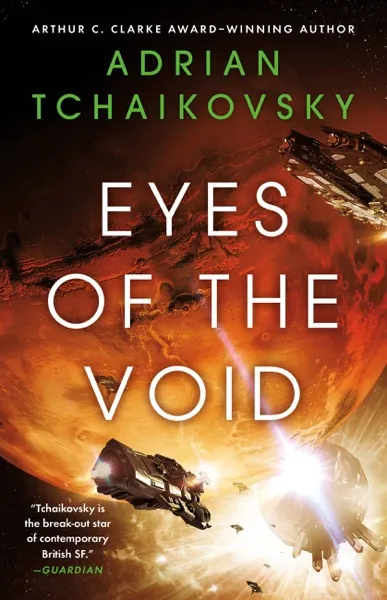

Eyes of the Void Author: Adrian TchaikovskyPage Count: UnknownPublication Year: 2022-GB Eyes of the Void is the second instalment in Adrian Tchaikovsky’s sprawling space opera series The Final Architecture, and it confirms what his fans already know: Tchaikovsky is a master of high-concept science fiction who can make the cosmic feel intimate and the alien deeply human. Where the first book, Children of Time, dazzled with its multi-millennial narrative and evolutionary storytelling, Eyes of the Void sharpens the focus, zooming in on the psychological and moral consequences of contact between species that are not just different, but fundamentally incomprehensible. This is not a story about first contact; it’s a story about the terror and wonder of failed contact—of staring into the abyss and wondering if the abyss is staring back. Central to the book is the theme of perception. Tchaikovsky forces us to question what it means to witness, to understand, and to communicate when the very frameworks of reality differ. The novel follows multiple strands: human colonists on a doomed world, an ancient machine intelligence awakening to a universe it no longer recognizes, and the enigmatic Architects—beings of such alien geometry that their very presence warps space and time. The human characters, particularly Dr. Avrana Kern (the AI fragment of a long-dead scientist) and her reluctant host, the void-touched Captain Holsten Mason, grapple with the idea that they may not be the observers they think they are. Are they studying the Architects, or is the Architects’ gaze the one that matters? Tchaikovsky flips the script on the classic "humans vs. the universe" trope, suggesting that humanity’s greatest threat isn’t exploitation or conquest, but irrelevance—a chilling thought in an era where our species is obsessed with leaving a mark on the cosmos. The author’s style is deceptively simple, yet layered with complexity. Tchaikovsky’s prose is clean and unadorned, but that’s a deliberate choice to mirror the clinical detachment of his characters—scientists, engineers, and explorers who treat the impossible as routine. His real strength lies in his ability to weave vast, philosophical ideas into the fabric of his narrative without ever losing sight of the human (or post-human) heart of the story. There’s a moment early in the book where a character reflects on the "terror of symmetry"—the idea that some truths might only be accessible to minds that operate on principles we can’t comprehend. It’s a brilliant distillation of the novel’s core tension: the void isn’t just empty space; it’s a mirror that reflects our own limitations. Tchaikovsky’s worldbuilding is another standout feature. The Final Architecture series is set in a universe where civilizations rise and fall not through war or plague, but through the slow, inevitable decay of meaning. The Architects, for instance, are not villains in the traditional sense; they are custodians of a dying cosmic order, and their actions—however incomprehensible—may be driven by a sense of duty as much as by malice. This ambiguity is what makes Eyes of the Void so compelling. The book doesn’t just ask what we would do if we encountered the unknowable; it asks whether we’d even recognize it when we saw it. Would we mistake their silence for hostility? Their indifference for aggression? The answers are left tantalizingly unresolved. One of the most striking aspects of Tchaikovsky’s approach is his use of time. Eyes of the Void spans centuries, yet it never feels sprawling or indulgent. Instead, the passage of time is a tool to explore how different species—and even different iterations of the same consciousness—adapt (or fail to adapt) to change. The human colonists, for example, are forced into hibernation for generations, only to wake into a world that has moved on without them. It’s a poignant metaphor for the human condition itself: we’re always playing catch-up, always trying to make sense of a reality that has already reshaped itself around us. Tchaikovsky also excels at creating a sense of creeping dread. The void isn’t just a setting; it’s a character—a silent, watchful presence that looms over every page. The book’s title is a clue to its central metaphor: eyes imply vision, but the void suggests absence. What are we seeing when we look into the void? Ourselves? Nothing at all? The tension between these possibilities is what drives the story forward. And yet, despite the existential weight of its themes, Eyes of the Void never loses its emotional core. The relationships between characters—whether human, AI, or something in between—are deeply felt, and their struggles to connect in a universe that seems designed to keep them apart are heartbreakingly relatable. In many ways, Eyes of the Void is a meditation on the hubris of intelligence. It asks whether understanding is even possible when the universe’s architecture is built on principles we can’t grasp. Tchaikovsky doesn’t offer easy answers, but he does offer something rarer: a story that leaves you staring into the dark, wondering what you might have missed—and whether that missing piece was ever meant for you to see. #EyesOfTheVoid #AdrianTchaikovsky #SciFi #SpaceOpera #FinalArchitecture #CosmicHorror Related InsightsAmerican Heroes Book Review and Summary The Magical Cheese Emporium (Spellshop, #4) Book Review and Summary Rule of Wolves/King of Scars Book Review and Summary{ "@context": "https://schema.org", "@type": "FAQPage", "mainEntity": [ { "@type": "Question", "name": "What is the main focus of Eyes of the Void Book Review and Summary?", "acceptedAnswer": { "@type": "Answer", "text": "Everything you need to know about Eyes of the Void with our detailed review." } }, { "@type": "Question", "name": "Who authored the comprehensive guide on Eyes of the Void Book Review and Summary?", "acceptedAnswer": { "@type": "Answer", "text": "This detailed article and its insights were carefully researched and authored by Michael Brown." } }, { "@type": "Question", "name": "Where can I find more related content about Books?", "acceptedAnswer": { "@type": "Answer", "text": "You can explore more articles, detailed reviews, and similar insights by browsing the Related Insights section at the bottom of this article or visiting our dedicated Books category page." } } ] }
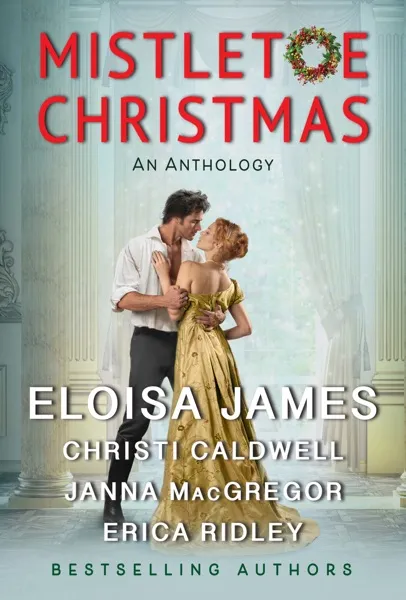

Mistletoe Christmas Author: Eloisa JamesPage Count: UnknownPublication Year: 2021-GB Eloisa James’ Mistletoe Christmas (2021) is a glittering holiday romance that shimmers with wit, warmth, and a touch of mischief, proving that love can bloom even in the unlikeliest of places. Set against the snowy backdrop of a small Vermont town, this novel blends the cozy charm of Christmas traditions with the steamier intrigue of second chances and unexpected attraction. James, known for her deft hand at blending historical romance with modern sensibilities, delivers a tale that feels both timeless and refreshingly contemporary—a perfect antidote to the winter blues. At its heart, Mistletoe Christmas explores the theme of reinvention and the courage it takes to embrace change, especially when it comes to matters of the heart. The story centers on a woman who, after a series of personal setbacks, finds herself back in her hometown—only to encounter the one person who once knew her better than anyone else. The rekindling of their connection forms the emotional core of the novel, but it’s the way James frames their journey that makes it so compelling. Rather than relying on clichés of holiday magic or forced reconciliation, she crafts a narrative that feels grounded in real emotional stakes. The protagonist isn’t just searching for love; she’s grappling with self-doubt, past mistakes, and the fear of repeating them. Meanwhile, the love interest—a man who once represented stability but now embodies the very chaos she’s trying to escape—forces her to confront whether her past defines her future. James’ signature style shines in her ability to balance humor and heartache with effortless grace. Her dialogue crackles with sharp, witty exchanges that keep the pages turning, while her descriptions of the snowy Vermont setting are so vivid you can almost feel the chill in the air. The banter between the leads is electric, filled with the kind of playful teasing that makes readers root for their reunion. Yet, beneath the sparkling surface, there’s a deeper current of vulnerability. James doesn’t shy away from the messier aspects of relationships—miscommunication, pride, and the stubbornness that can drive a wedge between even the most well-intentioned people. It’s this blend of light and dark that makes Mistletoe Christmas more than just a fluffy holiday read; it’s a story about healing, growth, and the messy, beautiful process of falling in love again. One of the novel’s strongest suits is its supporting cast, who add layers of depth and humor to the narrative. From quirky town locals to nosy family members, each character feels fully realized, their quirks serving both comedic and thematic purposes. Even the town itself becomes a character—a cozy, snow-dusted haven where secrets are harder to keep and second chances feel possible. James excels at creating settings that feel lived-in, and the Vermont town in Mistletoe Christmas is no exception. It’s the kind of place where everyone knows your name, for better or worse, and where the mistletoe isn’t just a decoration—it’s a symbol of the risks and rewards of opening up to someone new. What elevates this book beyond a standard holiday romance is James’ refusal to take the easy route. The love story here isn’t about grand gestures or instant gratification; it’s about two people who’ve grown in different directions and must decide if they’re willing to bridge the gap. The tension between them is palpable, their chemistry undeniable, but James ensures that their journey feels earned. There are no shortcuts to redemption, no magical fixes—just the slow, steady work of communication, compromise, and, ultimately, trust. It’s a refreshing departure from the instant-love tropes that often dominate the genre, and it’s all the more satisfying for it. For readers who love their holiday romances with a side of depth, Mistletoe Christmas delivers in spades. Eloisa James has a knack for crafting stories that feel both escapist and emotionally resonant, and this novel is a perfect example of her talent. Whether you’re a longtime fan of her work or new to her writing, you’ll find plenty to love here—laughter, longing, and a love story that lingers long after the last page. #MistletoeChristmas #HolidayRomance #SecondChanceLove #EloisaJames #ChristmasReads #RomanceNovel Related InsightsPeople Pleasing Book Review and Summary Kitapların Büyülü Dünyası: Okumak Bir Yaşam Biçimidir Harry Potter and the Goblet of Fire Book Review and Summary{ "@context": "https://schema.org", "@type": "FAQPage", "mainEntity": [ { "@type": "Question", "name": "What is the main focus of Mistletoe Christmas Book Review and Summary?", "acceptedAnswer": { "@type": "Answer", "text": "Everything you need to know about Mistletoe Christmas with our detailed review." } }, { "@type": "Question", "name": "Who authored the comprehensive guide on Mistletoe Christmas Book Review and Summary?", "acceptedAnswer": { "@type": "Answer", "text": "This detailed article and its insights were carefully researched and authored by Beatriz Costa." } }, { "@type": "Question", "name": "Where can I find more related content about Books?", "acceptedAnswer": { "@type": "Answer", "text": "You can explore more articles, detailed reviews, and similar insights by browsing the Related Insights section at the bottom of this article or visiting our dedicated Books category page." } } ] }
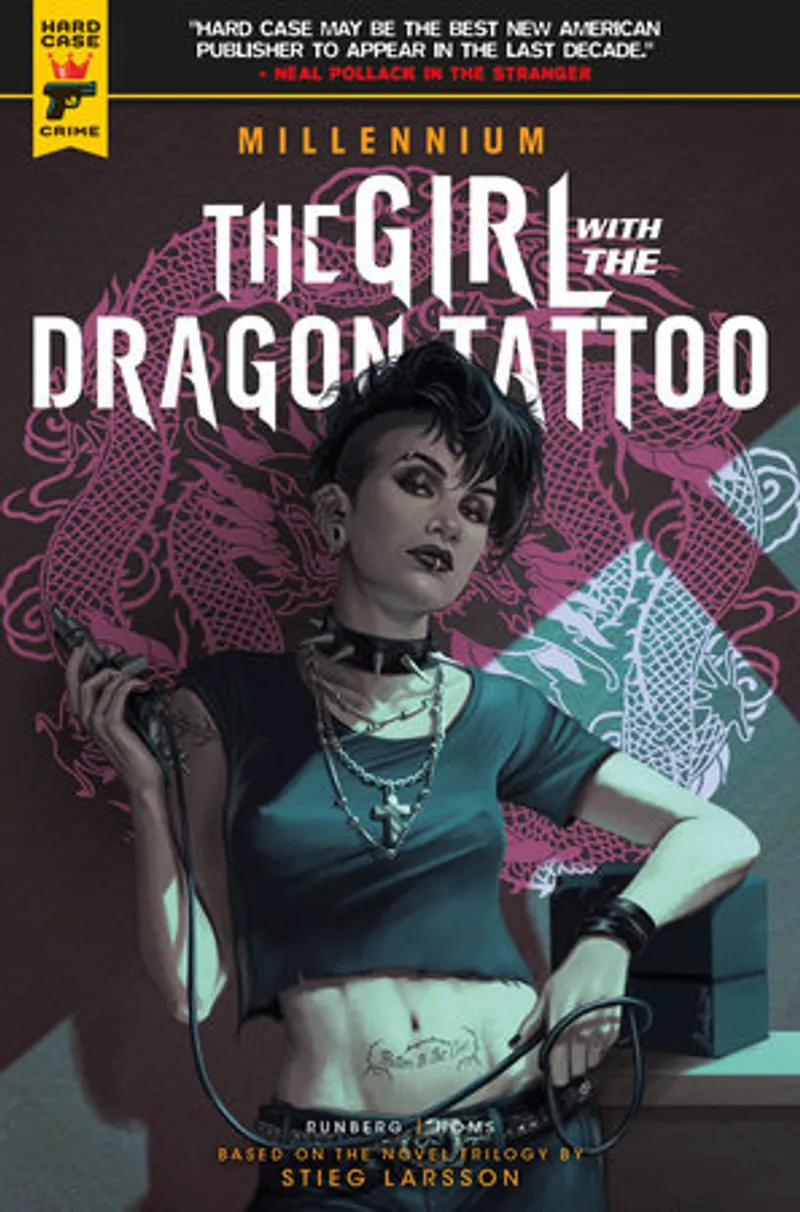
Millennium Vol. 1: The Girl With The Dragon Tattoo Author: Manolo CarotPage Count: UnknownPublication Date: 2017-PRH The Girl With The Dragon Tattoo, a graphic novel adaptation of Stieg Larsson's bestselling novel, brings to life the dark and gritty world of journalist Mikel Blomkvist and computer hacker Lisbeth Salander. Manolo Carot's masterful illustrations and the original story by Larsson have been beautifully translated into the English language, allowing a new audience to experience this thrilling tale. From the onset, it's clear that Carot's adaptation is not just a visual representation of the novel, but a thoughtful and deliberate interpretation of Larsson's work. The illustrations are stark and haunting, perfectly capturing the mood and atmosphere of the original story. The dark colors and bold lines bring the characters to life, making it easy to become fully immersed in the world of the story. The narrative itself is a complex web of murder, deception, and dark secrets. Blomkvist, a discredited journalist, is hired by a reclusive industrialist to investigate a decades-old family disappearance. As he delves deeper into the mystery, he's aided by the enigmatic and brilliant Lisbeth Salander. Together, they unravel a brutal trail of clues that lead them from the dark alleys of Stockholm to the highest echelons of Swedish society. One of the most striking aspects of this adaptation is the way it explores the theme of corruption and the abuse of power. Larsson's original novel was a scathing critique of Swedish society, and this adaptation does not shy away from that critique. The story exposes the dark underbelly of a society that prides itself on being progressive and egalitarian, revealing a complex web of corruption and deceit that goes all the way to the top. Carot's illustrations add a new layer of depth to this theme, using visual metaphors and symbolism to drive home the point. The characters are often depicted in dark, claustrophobic spaces, emphasizing the sense of confinement and suffocation that comes with being trapped in a corrupt system. The use of shadows and lighting is also noteworthy, creating a sense of tension and foreboding that propels the reader through the story. The characters themselves are also beautifully realized. Blomkvist is portrayed as a complex and flawed individual, driven by a desire for justice but also by his own personal demons. Lisbeth Salander, on the other hand, is a force of nature, a brilliant and fiercely independent individual who is also deeply vulnerable. The chemistry between the two characters is palpable, and their relationship is a highlight of the story. If there's one criticism to be made, it's that the pacing of the story can be a bit uneven at times. Some scenes feel a bit rushed, while others are drawn out for maximum tension. However, this is a minor quibble in what is otherwise a masterful adaptation. In conclusion, The Girl With The Dragon Tattoo is a gripping and thought-provoking graphic novel that is sure to appeal to fans of the original novel and newcomers alike. Carot's illustrations are stunning, and the story is a complex and nuanced exploration of corruption and the abuse of power. If you're looking for a thrilling and unsettling read, then this is the book for you. #TheGirlWithTheDragonTattoo #StiegLarsson #GraphicNovel #Mystery #Thriller #Corruption Related InsightsThe House of Cromwell: Britain's Forgotten Dynasty Book Review and Summary Love, Death + Robots Book Review and Summary Happily Ever After the Murders Book Review and Summary{ "@context": "https://schema.org", "@type": "FAQPage", "mainEntity": [ { "@type": "Question", "name": "What is the main focus of The Girl With the Dragon Tattoo Book Review and Summary?", "acceptedAnswer": { "@type": "Answer", "text": "Everything you need to know about The Girl With the Dragon Tattoo with our detailed review." } }, { "@type": "Question", "name": "Who authored the comprehensive guide on The Girl With the Dragon Tattoo Book Review and Summary?", "acceptedAnswer": { "@type": "Answer", "text": "This detailed article and its insights were carefully researched and authored by Stieg Larsson." } }, { "@type": "Question", "name": "Where can I find more related content about Books?", "acceptedAnswer": { "@type": "Answer", "text": "You can explore more articles, detailed reviews, and similar insights by browsing the Related Insights section at the bottom of this article or visiting our dedicated Books category page." } } ] }

A Wish Upon the Stars Author: T. J. KlunePage Count: UnknownPublication Year: 2018-GB T. J. Klune’s A Wish Upon the Stars is a luminous testament to the idea that even in the darkest corners of the universe, kindness remains the most powerful magic of all. Published in 2018, this novel cements Klune’s reputation as a master storyteller of heartfelt, whimsical tales that blend fantasy with deep emotional resonance. Though the exact page count is unknown, the book’s impact feels boundless—less a story confined between covers and more an experience that lingers long after the final page. At its core, A Wish Upon the Stars explores the transformative power of compassion, especially when extended to those society deems unworthy or forgotten. The narrative unfolds in a universe where sentient beings—humans, aliens, and sentient machines—coexist in a fragile web of connection and conflict. Klune crafts a world that is both vast and intimately personal, where characters are defined not by their origins but by their capacity for empathy. The plot revolves around an unlikely friendship between a lonely, disillusioned man and an alien refugee marooned on a distant planet. Through their bond, the story interrogates themes of belonging, redemption, and the quiet courage it takes to see another soul as worthy of love. Klune’s writing style is deceptively simple, weaving prose that feels effortless yet carries profound weight. His sentences hum with warmth, humor, and quiet wisdom, avoiding pretension in favor of authenticity. There are no grand, overwrought metaphors here—just honest, grounded dialogue and moments of quiet reflection that resonate deeply. The author excels at creating characters who feel real, flawed, and deeply human, even when they’re not entirely human at all. His alien characters, in particular, are not monstrous or otherworldly in the traditional sci-fi sense, but tender, emotional beings who challenge Earth’s rigid definitions of worth. One of the book’s most striking strengths is its refusal to shy away from pain. Klune doesn’t flinch from depicting loneliness, loss, or the scars of past betrayals. Yet, he balances these darker notes with moments of pure joy—shared meals, unexpected laughter, the simple act of listening. This balance is where the book shines. It’s not a saccharine tale of easy happiness, but a story that insists hope is worth fighting for, even when the odds are against you. The title itself, A Wish Upon the Stars, is a poetic metaphor for the fragility and power of hope. A wish is a small thing, often dismissed as childish or naive. But Klune reminds us that wishes are the seeds of change—they are how we dare to believe in a better world. The novel’s climax hinges on a collective act of faith, a moment where belief becomes action, and that shift alters the fate of many. Klune’s storytelling voice is unmistakable: gentle but not weak, hopeful but not naive, whimsical but never frivolous. He writes with the soul of a poet and the heart of a caregiver, crafting stories that feel like a warm embrace in a cold universe. In an era where cynicism often trumps kindness, A Wish Upon the Stars is a defiant celebration of the latter. Ultimately, this book is a love letter to the outsiders—the misfits, the forgotten, the broken-hearted—and a reminder that their stories matter. It’s a story for anyone who has ever felt alone and dared to wish for connection. In Klune’s hands, even the coldest stars can become beacons of warmth. A Wish Upon the Stars is more than a novel; it’s an invitation—to see the magic in the ordinary, to extend a hand when it’s least expected, and to believe that no one is truly beyond redemption. #TJKlune #HeartwarmingFiction #SciFiWithHeart #HopeInDarkness #KindnessMatters #UpliftingReads Related InsightsThe Boys of Summer Book Review and Summary Me quiero, te quiero. El cuaderno / Love Me Love You. The Notebook Book Review and Summary Cryptonomicon Book Review and Summary{ "@context": "https://schema.org", "@type": "FAQPage", "mainEntity": [ { "@type": "Question", "name": "What is the main focus of A Wish Upon the Stars Book Review and Summary?", "acceptedAnswer": { "@type": "Answer", "text": "Everything you need to know about A Wish Upon the Stars with our detailed review." } }, { "@type": "Question", "name": "Who authored the comprehensive guide on A Wish Upon the Stars Book Review and Summary?", "acceptedAnswer": { "@type": "Answer", "text": "This detailed article and its insights were carefully researched and authored by James Miller." } }, { "@type": "Question", "name": "Where can I find more related content about Books?", "acceptedAnswer": { "@type": "Answer", "text": "You can explore more articles, detailed reviews, and similar insights by browsing the Related Insights section at the bottom of this article or visiting our dedicated Books category page." } } ] }
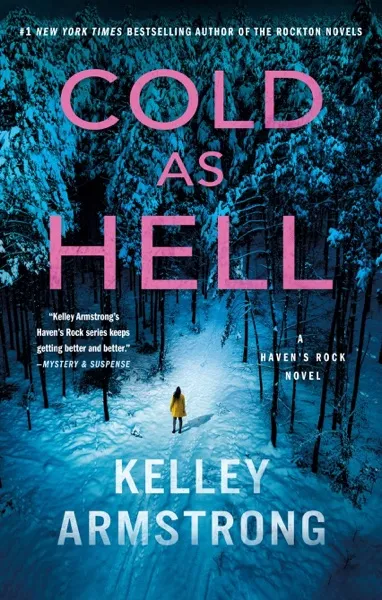

Cold As Hell Author: Kelley ArmstrongPage Count: UnknownPublication Year: 2025-GB Kelley Armstrong’s Cold As Hell isn’t just another thriller—it’s a chilling descent into the human psyche, where the line between predator and prey blurs with every turn of the page. As a master of dark, supernatural suspense, Armstrong has crafted a narrative that is as intellectually gripping as it is viscerally unsettling. With her signature blend of razor-sharp prose and psychological depth, she delivers a book that lingers long after the final word, leaving readers questioning not just the story, but their own capacity for both fear and fascination. At its core, Cold As Hell explores the theme of survival—both physical and moral—in a world where evil isn’t just lurking in the shadows but thriving in plain sight. The story follows a protagonist whose resilience is tested by forces that defy logic, forcing them to confront the question: How much of ourselves are we willing to sacrifice to endure? Armstrong doesn’t shy away from the raw, unflinching realities of trauma, weaving in themes of guilt, retribution, and the cyclical nature of violence. It’s a story that feels urgent, almost uncomfortably so, as if the events unfolding could spill over into our own lives at any moment. The antagonist, in particular, is a masterstroke—a character whose depravity isn’t just plausible but terrifyingly relatable in their motivations. Armstrong has a knack for crafting villains who feel like dark reflections of our own darker impulses, making the horror all the more personal. What sets Cold As Hell apart, however, is Armstrong’s unparalleled ability to balance action with introspection. Her prose is tight, economical, and always purposeful, never indulging in unnecessary flourishes that would distract from the relentless momentum of the plot. Yet within that precision, there’s a poetic undercurrent to her descriptions, particularly when she lingers on the eerie, otherworldly elements of her setting. Whether it’s the claustrophobic confines of a derelict asylum or the eerie silence of a frozen wilderness, Armstrong’s world-building is immersive without being overbearing. She trusts the reader to fill in the blanks, and that trust elevates the story from mere suspense to something far more haunting. The dialogue, too, is razor-sharp, crackling with tension and subtext. Armstrong excels at writing exchanges that feel authentic yet charged with deeper meaning—characters who speak in ways that reveal their fears, their lies, and their hidden desires. There’s a particular brilliance in the way she handles power dynamics, whether it’s the uneasy alliance between allies or the twisted intimacy of a captor and their captive. The power struggles in Cold As Hell aren’t just about control; they’re about identity, about who gets to define the narrative of your own life when someone else is determined to write it for you. One of the most striking aspects of Armstrong’s style is her refusal to romanticize the violence in her stories. There’s no glorification of suffering here, no catharsis to be found in the brutality. Instead, she presents pain as something raw, something that leaves scars—both visible and invisible. This unflinching honesty makes the book all the more disturbing, because it refuses to offer easy answers or false hope. The resolution, when it comes, is hard-won and bittersweet, reflecting the cost of survival in a world that often rewards the ruthless. For readers who appreciate psychological depth alongside their thrills, Cold As Hell is a must-read. It’s a book that demands your attention, that pulls you into its orbit and doesn’t let go until the very last page. Armstrong doesn’t just tell a story; she crafts an experience, one that will leave you sleepless, questioning, and perhaps even a little changed. In a crowded genre, Cold As Hell stands out—not just because it’s shocking, but because it’s smart. It’s the kind of book that lingers in your thoughts, that makes you see the world a little differently. And that, perhaps, is the most terrifying thing of all. #ColdAsHell #KelleyArmstrong #PsychologicalThriller #SupernaturalHorror #DarkFiction #ThrillerBooks Related InsightsSophie, Standing There Book Review and Summary Bones: A Novel (The Bone Series) Book Review and Summary Fury in Death (In Death, #63) Book Review and Summary{ "@context": "https://schema.org", "@type": "FAQPage", "mainEntity": [ { "@type": "Question", "name": "What is the main focus of Cold As Hell Book Review and Summary?", "acceptedAnswer": { "@type": "Answer", "text": "Everything you need to know about Cold As Hell with our detailed review." } }, { "@type": "Question", "name": "Who authored the comprehensive guide on Cold As Hell Book Review and Summary?", "acceptedAnswer": { "@type": "Answer", "text": "This detailed article and its insights were carefully researched and authored by Anna Kowalska." } }, { "@type": "Question", "name": "Where can I find more related content about Books?", "acceptedAnswer": { "@type": "Answer", "text": "You can explore more articles, detailed reviews, and similar insights by browsing the Related Insights section at the bottom of this article or visiting our dedicated Books category page." } } ] }
-
 William Clark
 - 14 May, 2025 05:12
Happy Birthday 2-Year My Boy : Happy Birthday Guest Book Book Review and Summary
Happy Birthday 2-Year My Boy : Happy Birthday Guest Book Author: Lu Lu Marie everywherePage Count: UnknownPublication Year: 2019-GB A Celebration of Love, Memories, and Milestones: The Magic of Happy Birthday 2-Year My Boy There are books that entertain, others that educate, and a rare few that capture the essence of human emotion so vividly they feel like a heartbeat. Happy Birthday 2-Year My Boy: Happy Birthday Guest Book by Lu Lu Marie Everywhere is one such treasure—a heartfelt, visually stunning keepsake that transforms a simple birthday tradition into a timeless record of love, joy, and shared memories. More than just a guest book, this volume is a celebration of parenthood, a testament to the fleeting yet monumental moments of a child’s second year, and a canvas for the people who matter most to paint their love in words, drawings, and wishes. At its core, Happy Birthday 2-Year My Boy is about the power of community in raising a child. Every page is an invitation to family and friends to pause, reflect, and contribute to a growing tapestry of affection. The book’s genius lies in its simplicity: it provides structured spaces—some lined, some blank, some adorned with prompts—where loved ones can write notes, draw pictures, paste photos, or even leave fingerprints. The result is a deeply personal and ever-evolving keepsake that a parent can revisit years later, not just to remember a birthday, but to relive the voices of those who helped shape their child’s early life. What sets this book apart is the author’s intuitive understanding of the emotional landscape of parenthood. Lu Lu Marie Everywhere doesn’t just create a physical book; she crafts an emotional experience. The tone is warm, inviting, and unpretentiously tender. There’s no over-the-top sentimentality, no forced prose—just genuine, heartfelt space for others to express their connection to the child and, by extension, to the family. The prompts are thoughtful without being intrusive, allowing even the shyest guest to contribute meaningfully. A typical prompt might read: “What do you love most about [Child’s Name]?” or “Draw a picture of your favorite memory with him.” These simple invitations open the door to authenticity, turning each page into a small, intimate snapshot of a child’s world as seen through the eyes of the people who cherish him. The design of the book is equally thoughtful. While the exact page count is unspecified, the layout suggests a balance between structure and freedom. Sections may include pages for guests to sign their names, spaces for messages, areas to attach photos or mementos, and even dedicated pages for milestone celebrations—first words, first steps, or favorite toys. The aesthetic is clean and modern, with a soft color palette that feels gentle and welcoming, much like a child’s room. The use of high-quality paper and lay-flat binding ensures durability, making it a book that can be cherished for decades. One of the most striking aspects of Lu Lu Marie Everywhere’s style is her ability to make the ordinary feel sacred. In a culture that often rushes past childhood milestones, this book slows everything down. It insists that the second birthday is not just another date on the calendar, but a milestone worth pausing for—a chance to collect the love that surrounds a child and preserve it in ink and color. The book doesn’t preach; it simply offers a vessel. It’s up to the guests—and the parents—to fill it with meaning. And in doing so, it becomes far more than a guest book. It becomes a family heirloom. The book’s universal appeal lies in its adaptability. While the title references a son, the design and intent are gender-neutral and inclusive. It could easily be used for a girl’s birthday, a gender-neutral celebration, or even as a milestone journal for other important events. The message transcends birthdays; it’s about connection, legacy, and the quiet magic of being seen and loved. For parents, this book offers something rare: the gift of time reclaimed. In an age of digital overload, where memories are often reduced to fleeting social media posts, Happy Birthday 2-Year My Boy offers a tactile, enduring alternative. It’s a book that can be flipped through on quiet evenings, shared with grandparents, or passed down as a family treasure. It’s proof that some traditions are worth preserving—not just in memory, but in paper and print. Lu Lu Marie Everywhere’s approach is refreshingly human. She doesn’t claim to have all the answers or to offer a life philosophy. Instead, she creates a space—a sacred pause—where love can be recorded, honored, and revisited. The result is a book that feels less like a product and more like a ritual, less like a purchase and more like a legacy in the making. If there is one criticism to offer, it’s minor: the book’s title may feel overly specific to some, potentially limiting its perceived audience. However, the content is so warm and well-crafted that it easily overcomes any hesitation. Once opened, the heart behind it shines through. In a world that often feels fragmented, Happy Birthday 2-Year My Boy is a gentle reminder of what binds us together—love, memory, and the people who help us grow. It’s not just a book. It’s a hug on a page. It’s a voice preserved in time. It’s a parent’s most treasured gift: proof that their child is loved, not just today, but always. This is more than a guest book. It’s a love letter to childhood. And to the people who make it beautiful. #HappyBirthdayBook #MilestoneGift #ParentingJoy #KeepsakeBook #ToddlerMemories #CelebrateLove Related InsightsShiver Book Review and Summary Lo que el viento se llevó / Gone with the Wind Book Review and Summary A Little Too Close - Madigan Mountain #2 Book Review and Summary{ "@context": "https://schema.org", "@type": "FAQPage", "mainEntity": [ { "@type": "Question", "name": "What is the main focus of Happy Birthday 2-Year My Boy : Happy Birthday Guest Book Book Review and Summary?", "acceptedAnswer": { "@type": "Answer", "text": "Everything you need to know about Happy Birthday 2-Year My Boy : Happy Birthday Guest Book with our detailed review." } }, { "@type": "Question", "name": "Who authored the comprehensive guide on Happy Birthday 2-Year My Boy : Happy Birthday Guest Book Book Review and Summary?", "acceptedAnswer": { "@type": "Answer", "text": "This detailed article and its insights were carefully researched and authored by William Clark." } }, { "@type": "Question", "name": "Where can I find more related content about Books?", "acceptedAnswer": { "@type": "Answer", "text": "You can explore more articles, detailed reviews, and similar insights by browsing the Related Insights section at the bottom of this article or visiting our dedicated Books category page." } } ] }
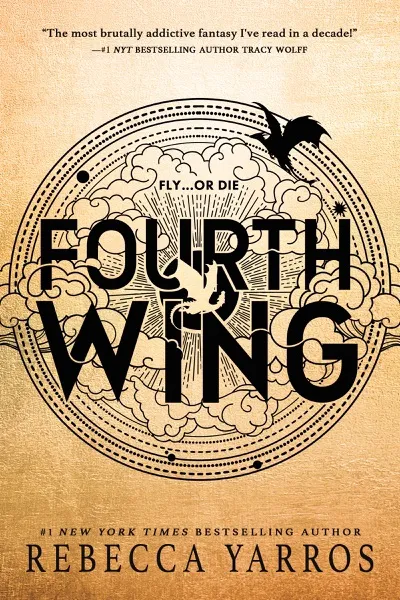

Fourth Wing Author: Rebecca YarrosPage Count: UnknownPublication Year: 2023-GB Fourth Wing: A Daring Ascent into Fantasy’s Most Addictive Territory Rebecca Yarros’ Fourth Wing isn’t just another entry in the dragon-riding fantasy canon—it’s a full-throttle, adrenaline-fueled ride that merges the grit of military training with the raw, untamed power of dragon lore. Published in 2023, this global bestseller has clawed its way to the top of bestseller lists, not just because of its high-stakes premise, but because Yarros crafts a world where survival is as much about strategy as it is about sheer willpower. At its core, Fourth Wing is a story about defying limits, but it’s also a meditation on the cost of ambition, the weight of legacy, and the bonds that form when survival depends on trust. The book follows Violet Sorrengail, a diminutive but fiercely intelligent young woman who refuses to be sidelined by her family’s expectations. Despite her fragile frame and a physical condition that should disqualify her, she enrolls in Basgiath War College—a brutal academy where cadets train to bond with and ride dragons in a world teetering on the edge of war. The catch? Violet isn’t just fighting to prove herself; she’s doing it to uncover the truth behind her mother’s mysterious death, a mystery tied to the very dragons she’s meant to master. Yarros’ genius lies in her ability to blend genre tropes with emotional depth. The dragon-riding academy trope is nothing new, but Fourth Wing subverts expectations by making the dragons more than just magical beasts—they’re volatile, sentient forces of nature, each with their own personalities and agendas. The bond between rider and dragon isn’t just a magical convenience; it’s a fragile, high-stakes relationship built on mutual respect and, often, sheer terror. Violet’s dragon, Tairn, is a particularly standout character—a massive, enigmatic force of destruction who communicates in ways that feel eerily real. Their dynamic isn’t just about control; it’s about partnership, and that tension drives much of the book’s emotional weight. Yarros’ prose is lean and propulsive, favoring action over introspection but never sacrificing character development. Violet is a protagonist who feels real—not because she’s flawless, but because her flaws make her relentless. Her determination borders on self-destructive, and her relationships with her peers are fraught with tension, rivalry, and unexpected camaraderie. The supporting cast, from the brooding Xaden Riorson to the ruthless General Lilith Sorrengail, are vividly drawn, each serving a purpose in Violet’s journey whether as allies, foes, or mirrors to her own ambitions. Thematically, Fourth Wing is a story about breaking barriers. Violet isn’t just fighting to survive the war college; she’s fighting to redefine what’s possible for someone like her. The book doesn’t shy away from the physical and emotional toll of that struggle—broken bones, sleepless nights, and the ever-present fear of failure are all rendered in stark, unflinching detail. Yet, for all its brutality, there’s an undercurrent of hope. Violet’s resilience isn’t just about strength; it’s about refusing to be defined by the limits others place on her. Yarros also excels in world-building, weaving in political intrigue, magical systems, and a richly detailed magic-infused society without overwhelming the reader. The magic isn’t just window dressing; it’s integral to the conflict, tied to the dragons’ ancient, almost sacred role in the world’s history. The lore is woven seamlessly into the narrative, making the stakes feel personal rather than abstract. If there’s a criticism to be leveled, it’s that the book’s pacing can feel relentless—there’s little downtime, and the emotional beats sometimes get buried under the sheer volume of action. But that’s also part of its appeal. Fourth Wing isn’t a book you read to relax; it’s a book you read to be swept up in the chaos, to feel the adrenaline of every near-death experience, and to root for a heroine who refuses to stay in her place. Ultimately, Fourth Wing is more than a fantasy novel. It’s a story about finding your fire in a world that tries to extinguish it. Yarros has crafted something rare—a book that balances spectacle with heart, where the dragons aren’t just creatures of legend, but symbols of the untamed potential within all of us. #FourthWing #DragonRiders #FantasyBooks #RebeccaYarros #BookTok #MustReadFantasy Related InsightsGalinda: A Charmed Childhood Book Review and Summary Mystery Play Book Review and Summary Freakonomics (Spanish Edition) Book Review and Summary{ "@context": "https://schema.org", "@type": "FAQPage", "mainEntity": [ { "@type": "Question", "name": "What is the main focus of Fourth Wing Book Review and Summary?", "acceptedAnswer": { "@type": "Answer", "text": "Everything you need to know about Fourth Wing with our detailed review." } }, { "@type": "Question", "name": "Who authored the comprehensive guide on Fourth Wing Book Review and Summary?", "acceptedAnswer": { "@type": "Answer", "text": "This detailed article and its insights were carefully researched and authored by Hannah Schmidt." } }, { "@type": "Question", "name": "Where can I find more related content about Books?", "acceptedAnswer": { "@type": "Answer", "text": "You can explore more articles, detailed reviews, and similar insights by browsing the Related Insights section at the bottom of this article or visiting our dedicated Books category page." } } ] }
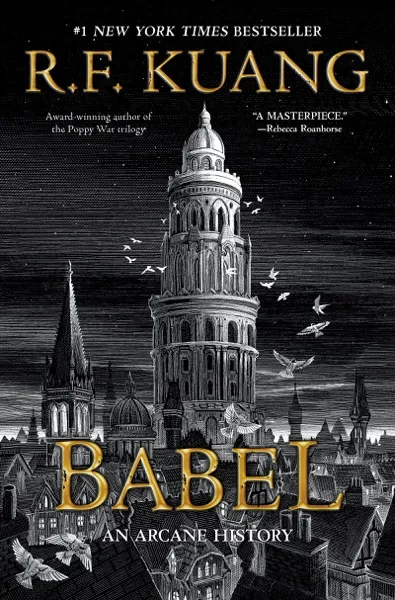
Babel Author: R. F. KuangPage Count: UnknownPublication Year: 2022-GB Babel: A Masterclass in Language, Power, and Empire R.F. Kuang’s Babel is a dazzling, devastating novel that weaves together the intellectual rigor of linguistic theory, the brutal mechanics of colonialism, and the personal cost of revolution. Set in an alternate 1830s Oxford where silver-working magic is powered by language, Babel follows Robin, a poor Chinese boy plucked from his homeland to study at the Royal Institute of Translation—Babel Tower—where he masters the art of "silver-tongued" magic. But as Robin rises through the ranks, he confronts the hypocrisy of the British Empire, the erasure of his own culture, and the question of whether language can ever truly be a tool for justice—or merely another weapon of oppression. At its core, Babel is a novel about the power of words—not just as a means of communication, but as a mechanism of control, resistance, and self-definition. Kuang, a brilliant academic who holds degrees in history and Chinese studies, grounds the fantastical premise in meticulous research, blending real historical events (like the Opium Wars) with speculative magic. The result is a world that feels both exquisitely crafted and eerily plausible. Silver-working, the novel’s central magic system, operates on the idea that precise translations—where every word, every nuance, carries material weight—can bend reality. A misplaced preposition doesn’t just alter meaning; it can shatter a bridge. This literalization of linguistic precision is more than clever worldbuilding—it’s a metaphor for the way language shapes power. The British Empire doesn’t just conquer through guns; it dominates through dictionaries, through the very act of defining what is "correct" and what is "savage." Kuang’s prose is as precise as the silver-working it celebrates. Her writing is intellectual without being cold, emotional without being sentimental. She balances dense academic debates on linguistics with raw, visceral scenes of violence and betrayal. The dialogue crackles with wit and tension, particularly in the exchanges between Robin and his fellow students—each representing different colonized nations, each grappling with their own complicity in the empire’s machinery. The novel’s tone shifts seamlessly from the gothic grandeur of Oxford’s spires to the grimy underbelly of London’s opium dens, mirroring the duality of Robin’s own identity: the outsider who has internalized the oppressor’s gaze. What makes Babel so compelling is its refusal to offer easy answers. Robin’s journey is one of disillusionment, but Kuang doesn’t let him (or the reader) settle into comfortable moralizing. The empire is monstrous, yes, but its monsters are not faceless—they are scholars, linguists, and bureaucrats who believe, however naively, in the rightness of their cause. The novel forces us to ask: Can language be reclaimed? Can a system built on theft ever be used for justice? Robin’s growing radicalization is both inevitable and heartbreaking, as he realizes that the tools of his oppression—his mastery of English, his silver-working—are also the only weapons he has left. Kuang’s style is also deeply intertextual, drawing on postcolonial theory, Marxist critique, and even the structure of The Canterbury Tales to frame her narrative. The novel’s epistolary elements—letters, manifestos, and essays—ground the fantastical elements in something tangible, reminding us that ideas have consequences. Yet for all its intellectual weight, Babel never feels like a lecture. It’s a gripping, often brutal story about friendship, betrayal, and the cost of speaking truth to power. By the novel’s climax, Kuang delivers a devastating critique of assimilation and revolution alike. Robin’s choices are not triumphant; they are tragic, necessary, and deeply human. Babel doesn’t just ask us to admire its prose or its worldbuilding—it demands we sit with the discomfort of its questions. What does it mean to be free when the language of your oppressor is the only one that grants you power? Can a stolen tongue ever sing a song of liberation? In an era where political rhetoric is weaponized daily, Babel feels like a warning and a rallying cry. It’s a novel for anyone who has ever felt the knife-edge of words—those who wield them, those who are silenced by them, and those who dare to turn them against their makers. #Babel #RFKuang #FantasyWithDepth #ColonialismInSF #SilverTongue #MustRead2023 Related InsightsThe Nightingale Book Review and Summary How to Let Go: A Memoir of Finding Peace in Endings Book Review and Summary Murakami T Book Review and Summary{ "@context": "https://schema.org", "@type": "FAQPage", "mainEntity": [ { "@type": "Question", "name": "What is the main focus of Babel Book Review and Summary?", "acceptedAnswer": { "@type": "Answer", "text": "Everything you need to know about Babel with our detailed review." } }, { "@type": "Question", "name": "Who authored the comprehensive guide on Babel Book Review and Summary?", "acceptedAnswer": { "@type": "Answer", "text": "This detailed article and its insights were carefully researched and authored by William Clark." } }, { "@type": "Question", "name": "Where can I find more related content about Books?", "acceptedAnswer": { "@type": "Answer", "text": "You can explore more articles, detailed reviews, and similar insights by browsing the Related Insights section at the bottom of this article or visiting our dedicated Books category page." } } ] }

Initial D Omnibus 11 (Vol. 21-22) Author: Shuichi ShigenoPage Count: UnknownPublication Date: 2026-PRH Initial D Omnibus 11, comprised of volumes 21 and 22, is the latest installment in Shuichi Shigeno's iconic manga series. As a long-time fan of the series, I was eager to dive back into the world of street racing and witness the continued growth of Takumi Fujiwara, the gifted but humble driver from the mountains. Shigeno's masterful storytelling and intricate plot developments have consistently impressed readers, and this omnibus is no exception. One of the most striking aspects of Initial D is its ability to balance action, drama, and character development. Shigeno's writing is characterized by his meticulous attention to detail, particularly when it comes to the automotive world. The series' focus on the technical aspects of racing, from engine tuning to handling, is unparalleled in the manga genre. This level of expertise not only adds depth to the narrative but also helps to create a sense of authenticity, making the racing scenes feel incredibly realistic and visceral. The main theme of Initial D Omnibus 11 revolves around Takumi's ongoing quest to improve his driving skills and confront his personal demons. As he faces off against new opponents and navigates the complexities of his relationships with friends and rivals, Takumi must also contend with the pressures of fame and the weight of his own expectations. Shigeno handles these character-driven storylines with ease, crafting relatable and engaging story arcs that explore the human side of his characters. Shigeno's artwork is, as always, a highlight of the series. His dynamic illustrations bring the world of street racing to life, with stunning depictions of the mountains, cars, and characters. The attention to detail in every panel is remarkable, from the intricate designs of the cars to the subtle expressions of the characters. The artwork is both visually stunning and expertly composed, making each page a joy to read. Throughout the series, Shigeno has demonstrated a keen understanding of his characters' psyches, and Initial D Omnibus 11 is no exception. The supporting cast, including characters like Ryosuke Takahashi and Keisuke Takahashi, are given ample page time, allowing readers to delve deeper into their motivations and backstories. This level of characterization adds layers to the story, making the world of Initial D feel rich and immersive. The pacing of the omnibus is well-balanced, with a mix of intense racing scenes, character-driven drama, and quieter moments of introspection. Shigeno's ability to shift between these different tones is impressive, creating a narrative that is both engaging and emotionally resonant. As the story unfolds, the stakes are raised, and the tension builds, culminating in a series of thrilling racing sequences that will keep readers on the edge of their seats. In conclusion, Initial D Omnibus 11 is a must-read for fans of the series and the manga genre as a whole. Shuichi Shigeno's masterful storytelling, combined with his exceptional artwork, creates a reading experience that is both exhilarating and emotionally satisfying. With its rich characters, intricate plotlines, and authentic racing action, this omnibus is a testament to the enduring appeal of the Initial D series. #InitialDOmnibus #ShuichiShigeno #MangaReview #StreetRacingManga #JapaneseComics #RacingAnime Related InsightsJust Listen Book Review and Summary Damned If I Do Book Review and Summary Daughters of the Dynasty Book Review and Summary{ "@context": "https://schema.org", "@type": "FAQPage", "mainEntity": [ { "@type": "Question", "name": "What is the main focus of 11/22/63 Book Review and Summary?", "acceptedAnswer": { "@type": "Answer", "text": "Everything you need to know about 11/22/63 with our detailed review." } }, { "@type": "Question", "name": "Who authored the comprehensive guide on 11/22/63 Book Review and Summary?", "acceptedAnswer": { "@type": "Answer", "text": "This detailed article and its insights were carefully researched and authored by Stephen King." } }, { "@type": "Question", "name": "Where can I find more related content about Books?", "acceptedAnswer": { "@type": "Answer", "text": "You can explore more articles, detailed reviews, and similar insights by browsing the Related Insights section at the bottom of this article or visiting our dedicated Books category page." } } ] }
Death at a Highland Wedding Author: Kelley ArmstrongPage Count: UnknownPublication Year: 2025-GB Kelley Armstrong’s Death at a Highland Wedding is a masterclass in atmospheric tension, blending the cozy charm of a small-town murder mystery with the rugged, eerie beauty of the Scottish Highlands. As a writer who has carved a niche in supernatural and crime fiction, Armstrong once again proves her versatility, this time with a tale that feels both familiar and fresh—a whodunit where the setting itself is a character, and the guests at a wedding may be the most dangerous of all. At its core, Death at a Highland Wedding explores the deceptive nature of appearances. The story unfolds at a lavish wedding in a remote Highland estate, where family secrets, long-standing grudges, and personal ambitions simmer beneath the surface of polite conversation. When a guest is found dead under mysterious circumstances, the idyllic celebration quickly curdles into a nightmare of suspicion and danger. Armstrong excels at dissecting the fragility of social facades, particularly in a setting where ancient traditions and modern lives collide. The Highlands, with their mist-shrouded glens and crumbling castles, serve as more than just a picturesque backdrop; they become a metaphor for the buried truths that refuse to stay hidden. Armstrong’s strength lies in her ability to craft characters who feel real—flawed, contradictory, and deeply human. The protagonist, likely a returning figure from her other works (though new readers won’t feel lost), is a keen observer with a sharp wit and a knack for uncovering secrets. But it’s the ensemble cast that truly shines: the proud clan patriarch, the estranged daughter with a hidden past, the charming best man with a hidden agenda. Each guest at the wedding has a motive, and Armstrong ensures that their secrets are revealed with precision, often in devastating bursts of dialogue or quiet introspection. The prose is crisp, the pacing relentless, and the dialogue crackles with authenticity, whether it’s a heated argument in the great hall or a whispered confession in the dead of night. What sets this novel apart is its refusal to rely solely on the tropes of the traditional murder mystery. Armstrong injects the story with a layer of psychological depth, exploring themes of betrayal, guilt, and the masks people wear to survive. The Highlands themselves feel almost alive, their rugged beauty mirroring the emotional landscapes of the characters. There’s a gothic undercurrent here, one that lingers in the uneasy silences between words and the way the wind seems to carry whispers of the past. The murder isn’t just a plot device; it’s a catalyst that forces the characters to confront the fractures in their relationships and their own identities. Armstrong’s writing style is deceptively effortless. She balances humor and darkness with ease, ensuring that even the most chilling moments are leavened by moments of levity. Her descriptions are vivid but never overwrought, allowing the reader to immerse themselves in the setting without getting lost in purple prose. The dialogue, especially, is a standout—sharp, natural, and often laced with subtext. It’s the kind of writing that makes you feel like you’re eavesdropping on a conversation you weren’t meant to hear, which is exactly the effect a mystery writer should aim for. For fans of Armstrong’s previous work, Death at a Highland Wedding will feel like a reunion with old friends, though newcomers won’t feel excluded. The plot is accessible, the characters engaging, and the mystery compelling enough to keep even the most discerning reader guessing. There are red herrings aplenty, but they’re not so convoluted that they feel like cheap tricks. Instead, they’re woven into the fabric of the story, each clue a thread that slowly unravels the truth. Ultimately, this novel is a triumph of atmosphere and character, a murder mystery that transcends its genre to deliver a story that’s as emotionally resonant as it is suspenseful. It’s a reminder that the most dangerous secrets aren’t always buried in the ground—they’re the ones we carry in our hearts, waiting for the right moment to surface. #DeathAtAHighlandWedding #MysteryNovel #ScottishHighlands #CrimeFiction #Whodunit #KelleyArmstrong Related InsightsSavages Book Review and Summary The Subtle Knife Book Review and Summary Terraformed Book Review and Summary{ "@context": "https://schema.org", "@type": "FAQPage", "mainEntity": [ { "@type": "Question", "name": "What is the main focus of Death at a Highland Wedding Book Review and Summary?", "acceptedAnswer": { "@type": "Answer", "text": "Everything you need to know about Death at a Highland Wedding with our detailed review." } }, { "@type": "Question", "name": "Who authored the comprehensive guide on Death at a Highland Wedding Book Review and Summary?", "acceptedAnswer": { "@type": "Answer", "text": "This detailed article and its insights were carefully researched and authored by Sofia Bianchi." } }, { "@type": "Question", "name": "Where can I find more related content about Books?", "acceptedAnswer": { "@type": "Answer", "text": "You can explore more articles, detailed reviews, and similar insights by browsing the Related Insights section at the bottom of this article or visiting our dedicated Books category page." } } ] }

Los doce códigos del amor / The Twelve Codes of Love. Heal Your Wounds and Find Your Match with the Help of Astrology Author: Elva AbrilPage Count: UnknownPublication Date: 2023-PRH In "Los doce códigos del amor" or "The Twelve Codes of Love," Elva Abril offers a unique and intriguing perspective on love and relationships through the lens of astrology. This thought-provoking book delves into the world of lunar patterns and their profound impact on our interactions with others, ultimately guiding readers towards healing and self-discovery. Abril's approach is refreshingly straightforward, as she posits that many of us are held back in our pursuit of love by unconscious fears and unresolved childhood wounds. By examining the position of the moon in our birth charts, we can gain a deeper understanding of these patterns and how they influence our relationships. The author's use of astrology as a tool for self-reflection and growth is both captivating and insightful, making this book an excellent choice for those interested in exploring the mysteries of the universe and their own hearts. One of the most compelling aspects of "The Twelve Codes of Love" is its emphasis on personal responsibility and agency. Rather than attributing our romantic misfortunes to luck or circumstance, Abril encourages readers to take an active role in recognizing and transforming their negative patterns. By doing so, we can break free from the cycle of toxic relationships and cultivate healthier, more fulfilling connections with others. Abril's writing style is engaging and accessible, making this book an enjoyable read for both astrology enthusiasts and newcomers alike. Her use of clear, concise language helps to demystify complex astrological concepts, rendering them accessible to a broad audience. The author's passion for her subject matter is evident throughout the book, and her enthusiasm is infectious, inspiring readers to embark on their own journey of self-discovery and growth. Throughout the book, Abril draws upon her expertise in astrology to provide a comprehensive and nuanced exploration of the twelve possible moon patterns and their corresponding unconscious fears. Her analysis is both thoughtful and well-researched, offering readers a wealth of practical advice and guidance as they navigate the complexities of love and relationships. In "The Twelve Codes of Love," Elva Abril has created a truly unique and captivating book that will resonate with anyone seeking to deepen their understanding of themselves and their place in the world. By combining the ancient wisdom of astrology with a modern, empowering approach to relationships, Abril has crafted a truly unforgettable reading experience. #AstrologyAndLove #TheTwelveCodesOfLove #HealingThroughSelfDiscovery #LoveAndRelationships #AstrologyForPersonalGrowth #SpiritualGuidanceForRomance Related InsightsWild EXPORT Book Review and Summary Clash of Kings Book Review and Summary Merciful is the Dark (Cruel is the Light, #2) Book Review and Summary{ "@context": "https://schema.org", "@type": "FAQPage", "mainEntity": [ { "@type": "Question", "name": "What is the main focus of The Help Book Review and Summary?", "acceptedAnswer": { "@type": "Answer", "text": "Everything you need to know about The Help with our detailed review." } }, { "@type": "Question", "name": "Who authored the comprehensive guide on The Help Book Review and Summary?", "acceptedAnswer": { "@type": "Answer", "text": "This detailed article and its insights were carefully researched and authored by Kathryn Stockett." } }, { "@type": "Question", "name": "Where can I find more related content about Books?", "acceptedAnswer": { "@type": "Answer", "text": "You can explore more articles, detailed reviews, and similar insights by browsing the Related Insights section at the bottom of this article or visiting our dedicated Books category page." } } ] }
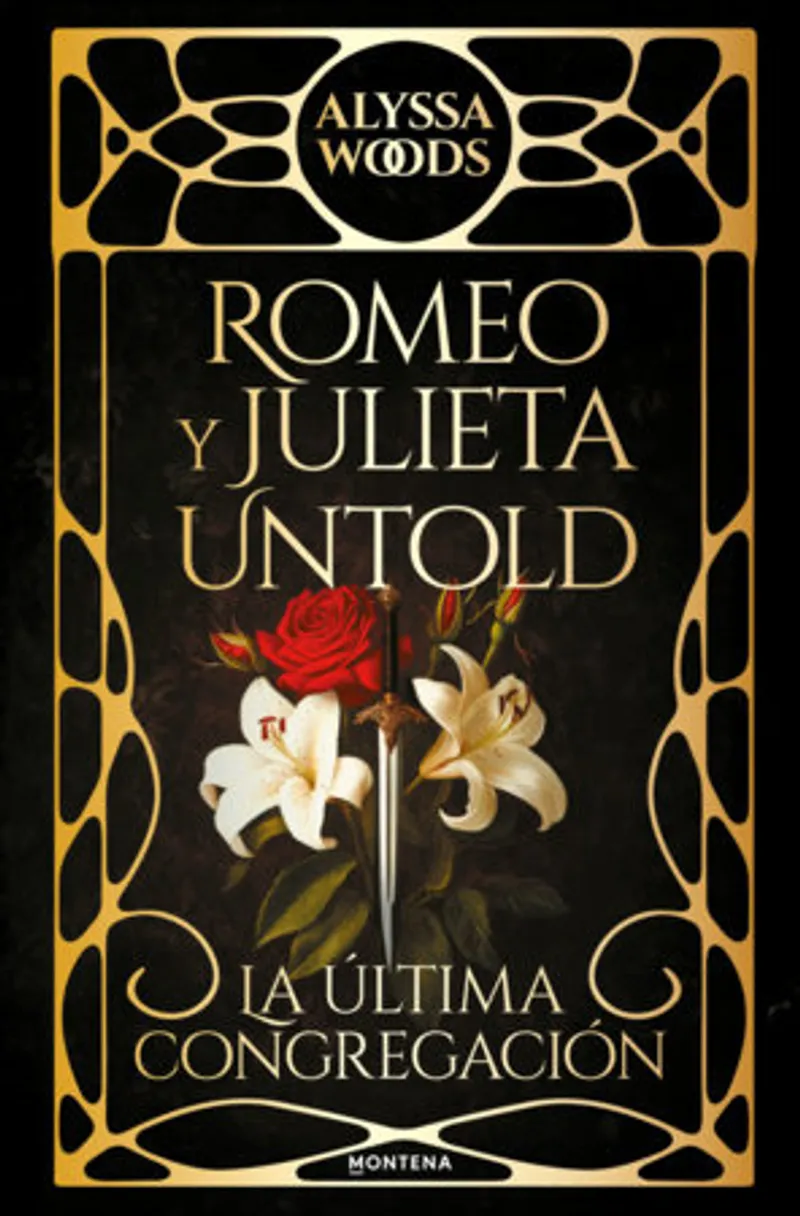
Romeo y Julieta Untold / Romeo and Juliet Untold Author: Alyssa WoodsPage Count: UnknownPublication Date: 2026-PRH In the realm of reimagined classics, Alyssa Woods' "Romeo y Julieta Untold" is a bold and captivating retelling of the timeless tale of star-crossed lovers. This 2026 publication promises to breathe new life into the iconic narrative, and Woods' masterful storytelling does not disappoint. From the onset, it becomes clear that Woods' vision is not merely a rehashing of the original, but a thoughtful deconstruction of the classic tale. By weaving in fresh perspectives and unexpected twists, the author skillfully peels back the layers of the narrative, exposing the raw emotions and complexities that have made Romeo and Juliet an enduring part of our cultural heritage. One of the most striking aspects of Woods' style is her ability to balance action, drama, and romance, creating a narrative that is both propulsive and introspective. Her prose is evocative and expressive, conjuring the vibrant world of Verona with ease, from the sun-drenched streets to the moonlit balconies where the ill-fated lovers exchange their vows. At its core, "Romeo y Julieta Untold" is a powerful exploration of the destructive nature of hate and the redemptive power of love. Woods' portrayal of the bitter feud between the Montagues and Capulets is both nuanced and unflinching, highlighting the devastating consequences of a cycle of violence that seems impossible to break. Against this backdrop of animosity and intolerance, the love between Romeo and Juliet shines like a beacon, a testament to the human spirit's capacity for hope, forgiveness, and transcendence. Woods' characterization of the titular duo is equally impressive, imbuing them with a depth and agency that feels authentic and relatable. Romeo's impulsive passion and Juliet's quiet strength are skillfully captured, making their tragic fate all the more heart-wrenching. If there is a criticism to be made, it is that Woods' ambition sometimes gets the better of her, resulting in a few narrative threads that feel slightly underdeveloped or convenient. However, these minor quibbles do little to detract from the overall impact of the novel, which remains a compelling and emotionally resonant read. In conclusion, "Romeo y Julieta Untold" is a triumphant reimagining of a classic tale, one that will appeal to both fans of the original and newcomers alike. Alyssa Woods' masterful storytelling, coupled with her bold and innovative approach, makes this novel a must-read for anyone looking to experience the magic of Romeo and Juliet anew. #RomeoAndJulietReimagined #StarCrossedLovers #VeronaReborn #LoveConquersHate #TragicRomance #ShakespeareanFiction Related InsightsGoodnight Moon Book Review and Summary Harry Potter y la cámara secreta (Edición con ilustraciones de Xavier Bonet) / Harry Potter and the Chamber of Secrets Book Review and Summary Furies Book Review and Summary{ "@context": "https://schema.org", "@type": "FAQPage", "mainEntity": [ { "@type": "Question", "name": "What is the main focus of Romeo and Juliet Book Review and Summary?", "acceptedAnswer": { "@type": "Answer", "text": "Everything you need to know about Romeo and Juliet with our detailed review." } }, { "@type": "Question", "name": "Who authored the comprehensive guide on Romeo and Juliet Book Review and Summary?", "acceptedAnswer": { "@type": "Answer", "text": "This detailed article and its insights were carefully researched and authored by William Shakespeare." } }, { "@type": "Question", "name": "Where can I find more related content about Books?", "acceptedAnswer": { "@type": "Answer", "text": "You can explore more articles, detailed reviews, and similar insights by browsing the Related Insights section at the bottom of this article or visiting our dedicated Books category page." } } ] }

La pitonisa y el idiota / The Prophet and the Idiot Author: Jonas JonassonPage Count: UnknownPublication Date: 2024-PRH In his latest novel, "The Prophet and the Idiot," Jonas Jonasson weaves a captivating tale of adventure, satire, and self-discovery, set against the backdrop of an impending apocalypse. The story follows Petra, a young astrophysicist who has calculated that the atmosphere will collapse in just twelve days, ending the world as we know it. As she grapples with the weight of this knowledge, she meets Johan, a man who has just lost his job as a mailman, and Agnes, a seventy-five-year-old widow who has built a fortune by posing as a young influencer on social media. As the trio embarks on a road trip to Rome in search of Johan's brother, Fredrik, they become convinced that they must make the most of their remaining time on earth. With their unique blend of skills and perspectives, they set out to make the world a more just place, one absurd adventure at a time. Along the way, they encounter a cast of eccentric characters, including Barack Obama and African dictators, leading to a series of hilarious and unexpected events. Through his signature blend of humor, satire, and heart, Jonasson explores the human condition in the face of uncertainty and chaos. As the clock ticks down to the supposed apocalypse, Petra, Johan, and Agnes are forced to confront their own mortality and the meaning of their lives. Will they be able to find a way to save the world, or will they succumb to the impending doom? One of the standout features of Jonasson's writing is his ability to balance humor and pathos. His characters are expertly crafted, with each one bringing their own unique voice and perspective to the narrative. Petra's intensity and conviction are perfectly counterbalanced by Johan's laid-back humor and Agnes's wit and wisdom. Throughout the book, Jonasson also tackles a range of timely themes, from social media obsession to the power of human connection. Agnes's character, in particular, serves as a commentary on the ways in which technology can both empower and isolate us. As she navigates the complexities of online fame, she must also confront the emptiness and loneliness that can come with it. Jonasson's writing style is, as always, engaging and effortless. His prose is peppered with clever wordplay and witty observations, making the book a joy to read. The pacing is well-balanced, with a mix of fast-paced action and more introspective moments. Overall, "The Prophet and the Idiot" is a hilarious and heartwarming tale that will appeal to fans of Jonasson's previous work. With its unique blend of humor, satire, and adventure, it is sure to delight readers looking for a fun and thought-provoking read. #TheProphetAndTheIdiot #JonasJonasson #ApocalypseComedy #RoadTripAdventures #SatireAndSocialCommentary #HeartwarmingTales Related InsightsMemoirs of a Geisha Book Review and Summary Lochbound Book Review and Summary Kingdom of Ash Book Review and Summary{ "@context": "https://schema.org", "@type": "FAQPage", "mainEntity": [ { "@type": "Question", "name": "What is the main focus of The Prophet Book Review and Summary?", "acceptedAnswer": { "@type": "Answer", "text": "Everything you need to know about The Prophet with our detailed review." } }, { "@type": "Question", "name": "Who authored the comprehensive guide on The Prophet Book Review and Summary?", "acceptedAnswer": { "@type": "Answer", "text": "This detailed article and its insights were carefully researched and authored by Kahlil Gibran." } }, { "@type": "Question", "name": "Where can I find more related content about Books?", "acceptedAnswer": { "@type": "Answer", "text": "You can explore more articles, detailed reviews, and similar insights by browsing the Related Insights section at the bottom of this article or visiting our dedicated Books category page." } } ] }
Every Story Is a Love Story Author: Imbolo MbuePage Count: UnknownPublication Date: 2026-PRH Every Story Is a Love Story, the latest offering from acclaimed author Imbolo Mbue, is a sweeping and poignant exploration of the human experience. While the specifics of the narrative remain shrouded in mystery, Mbue's masterful hand weaves a tapestry of love, loss, and longing that is at once deeply personal and universally relatable. Mbue's writing style, as evidenced in her previous works, is a character in its own right – evocative, nuanced, and possessed of a quiet power that can be both devastating and uplifting. Her prose is akin to a whispered secret, drawing the reader into a world of intricate emotions and complex relationships. With Every Story Is a Love Story, Mbue further refines her craft, imbuing each sentence with a sense of deliberate, measured pace that perfectly captures the ebb and flow of the human heart. At its core, the book appears to be an examination of the many faces of love – romantic, familial, platonic, and selfless. Mbue's characters, though unknown to us at this juncture, are undoubtedly multidimensional and richly drawn, each one embodying a unique facet of love's multifaceted gem. Through their stories, Mbue raises essential questions about the nature of love, its capacity to both heal and harm, and the ways in which it shapes us into the people we become. One of the most striking aspects of Mbue's writing is her ability to balance the specific with the universal. Her characters, though rooted in their own distinct experiences, are somehow relatable to us all. This is a testament to Mbue's profound understanding of the human condition, as well as her skill in crafting narratives that are at once deeply personal and broadly resonant. As with any book that explores the complexities of love, Every Story Is a Love Story is likely to be a deeply emotional and potentially cathartic read. Mbue's writing has a way of getting under the reader's skin, of awakening feelings and memories that may have long been dormant. This is a book that will make you laugh, cry, and perhaps even challenge your own assumptions about the nature of love. In short, Every Story Is a Love Story promises to be a masterpiece – a beautifully written, deeply moving exploration of the human heart. With Mbue at the helm, we can expect a narrative that is both nuanced and powerful, one that will linger in the reader's mind long after the final page has been turned. #LoveStoriesMatter #ImboloMbue #NewRelease2026 #LiteraryFiction #BookLovers #EveryStoryIsALoveStory Related InsightsWitch Dance (The Spellbound History Quartet, #2) Book Review and Summary The Red Pyramid Book Review and Summary The Five People You Meet in Heaven Book Review and Summary{ "@context": "https://schema.org", "@type": "FAQPage", "mainEntity": [ { "@type": "Question", "name": "What is the main focus of Love Story Book Review and Summary?", "acceptedAnswer": { "@type": "Answer", "text": "Everything you need to know about Love Story with our detailed review." } }, { "@type": "Question", "name": "Who authored the comprehensive guide on Love Story Book Review and Summary?", "acceptedAnswer": { "@type": "Answer", "text": "This detailed article and its insights were carefully researched and authored by Erich Segal." } }, { "@type": "Question", "name": "Where can I find more related content about Books?", "acceptedAnswer": { "@type": "Answer", "text": "You can explore more articles, detailed reviews, and similar insights by browsing the Related Insights section at the bottom of this article or visiting our dedicated Books category page." } } ] }
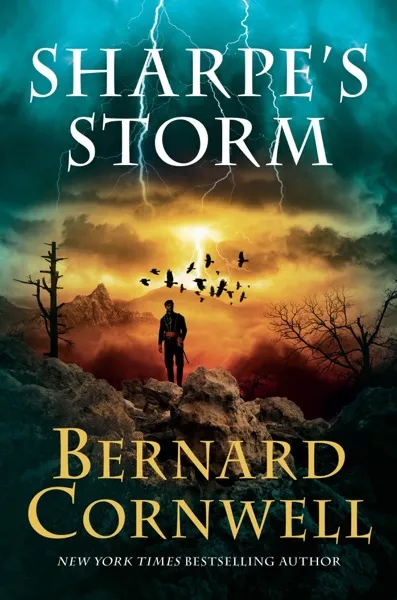
-
 Maximilian Fischer
 - 12 May, 2025 15:22
Sharpe's Storm (the Sharpe Series, Book 19) Book Review and Summary
Sharpe's Storm (the Sharpe Series, Book 19) Author: Bernard CornwellPage Count: UnknownPublication Year: 2024-GB Sharpe’s Storm: A Masterclass in Military Fiction Bernard Cornwell’s Sharpe’s Storm, the 19th installment in his legendary Sharpe Series, is a triumph of historical fiction—a book that cements Sharpe’s place as one of literature’s most enduring military heroes. Published in 2024, this novel arrives with the weight of expectation, not just as a continuation of a beloved saga but as a testament to Cornwell’s unmatched ability to blend gritty realism with swashbuckling adventure. With Sharpe now in his later years, the book explores themes of legacy, redemption, and the relentless march of history, all wrapped in the unmistakable Cornwell touch: relentless action, sharp dialogue, and a historian’s eye for detail. At its core, Sharpe’s Storm is a tale of war’s cruel ironies. Set against the backdrop of the Peninsular War—a conflict Cornwell has mastered across decades—the novel follows a now-elderly Richard Sharpe as he navigates the shifting sands of command, loyalty, and personal demons. The title itself is a metaphor: storms are both literal and figurative, washing over battlefields and lives alike. Cornwell uses this motif to great effect, juxtaposing the chaos of war with Sharpe’s internal struggle to remain relevant in an era that no longer needs his kind of soldier. What makes this book stand out is not just its adherence to Sharpe’s established character but its willingness to challenge him. The Sharpe of old was a rough-hewn survivor, a man who clawed his way up from the ranks to earn his officer’s commission. Now, decades later, he faces a different kind of battle—not just against the French but against irrelevance. Cornwell doesn’t shy away from Sharpe’s vulnerabilities; his age is a constant presence, his body aching, his reflexes slower. Yet, his strategic mind remains razor-sharp, proving that true leadership is as much about wisdom as it is about courage. This evolution is what makes Sharpe’s Storm more than just another war story—it’s a meditation on what it means to age in a world that values youth and innovation above all else. Cornwell’s prose remains as crisp and vivid as ever. His battle scenes are visceral, placing the reader right in the mud and blood of the fray. Whether it’s the thunderous artillery barrages or the intimate, desperate fights in close quarters, the action feels immediate and brutal. Yet, what sets Cornwell apart is his ability to balance spectacle with intimacy. Sharpe’s relationships—with his men, his superiors, and his past—are just as compelling as the battlefield itself. The dialogue crackles with authenticity, whether Sharpe is trading barbs with his old nemesis, Sergeant Major Hagman, or reflecting on his long-lost son. Cornwell’s research shines through in the period details, from the clatter of muskets to the political maneuvering of Wellington’s headquarters, but it never feels like a history lesson. It simply is—the way life was for those who fought. One of the novel’s most compelling threads is Sharpe’s reckoning with his past. The series has always been about redemption, but Sharpe’s Storm pushes deeper, asking whether a man can ever truly outrun his sins. Sharpe’s relationships with his estranged family, particularly his son, are fraught with tension, and Cornwell handles these moments with a deft touch, avoiding melodrama in favor of quiet, painful realism. There’s a sense that Sharpe, now a legend in his own right, is acutely aware of how history will remember him—and whether it will remember him at all. It’s a poignant contrast to the younger Sharpe, who fought more for survival than legacy. The supporting cast is, as always, stellar. From the ever-loyal Harper to the cunning and ambitious Captain Lavisser, Cornwell’s secondary characters are fully realized, each playing a role in Sharpe’s final chapter. Wellington himself looms large, a figure as much admired as despised, and Cornwell captures his icy, calculating nature perfectly. Even minor characters feel like real people, their fates intertwined with Sharpe’s in ways that heighten the stakes. If there’s a criticism to be leveled, it’s that Sharpe’s Storm might feel slightly different to longtime fans. Sharpe is no longer the brash young officer making his name; he’s a man looking back, and the story reflects that introspection. Some may miss the raw energy of the early books, but this is a necessary evolution. Sharpe’s journey has always been about more than just battles—it’s about the man behind the sword, and Sharpe’s Storm delivers that in spades. In the end, Sharpe’s Storm is a fitting capstone to a monumental series. It’s a story about the cost of war, the burden of leadership, and the inescapable passage of time. Bernard Cornwell has given us not just another Sharpe adventure, but a nuanced, emotionally resonant conclusion to a saga that has defined military fiction for generations. Sharpe may be older now, but his fire hasn’t dimmed—and neither has Cornwell’s skill. #SharpeSeries #BernardCornwell #MilitaryFiction #HistoricalFiction #PeninsularWar #RichardSharpe Related InsightsExotic Amphibians and Reptiles of the United States Book Review and Summary The Girl Who Played with Fire Book Review and Summary Desert Star Book Review and Summary{ "@context": "https://schema.org", "@type": "FAQPage", "mainEntity": [ { "@type": "Question", "name": "What is the main focus of Sharpe's Storm (the Sharpe Series, Book 19) Book Review and Summary?", "acceptedAnswer": { "@type": "Answer", "text": "Everything you need to know about Sharpe's Storm (the Sharpe Series, Book 19) with our detailed review." } }, { "@type": "Question", "name": "Who authored the comprehensive guide on Sharpe's Storm (the Sharpe Series, Book 19) Book Review and Summary?", "acceptedAnswer": { "@type": "Answer", "text": "This detailed article and its insights were carefully researched and authored by Maximilian Fischer." } }, { "@type": "Question", "name": "Where can I find more related content about Books?", "acceptedAnswer": { "@type": "Answer", "text": "You can explore more articles, detailed reviews, and similar insights by browsing the Related Insights section at the bottom of this article or visiting our dedicated Books category page." } } ] }