Showing Posts From
Books
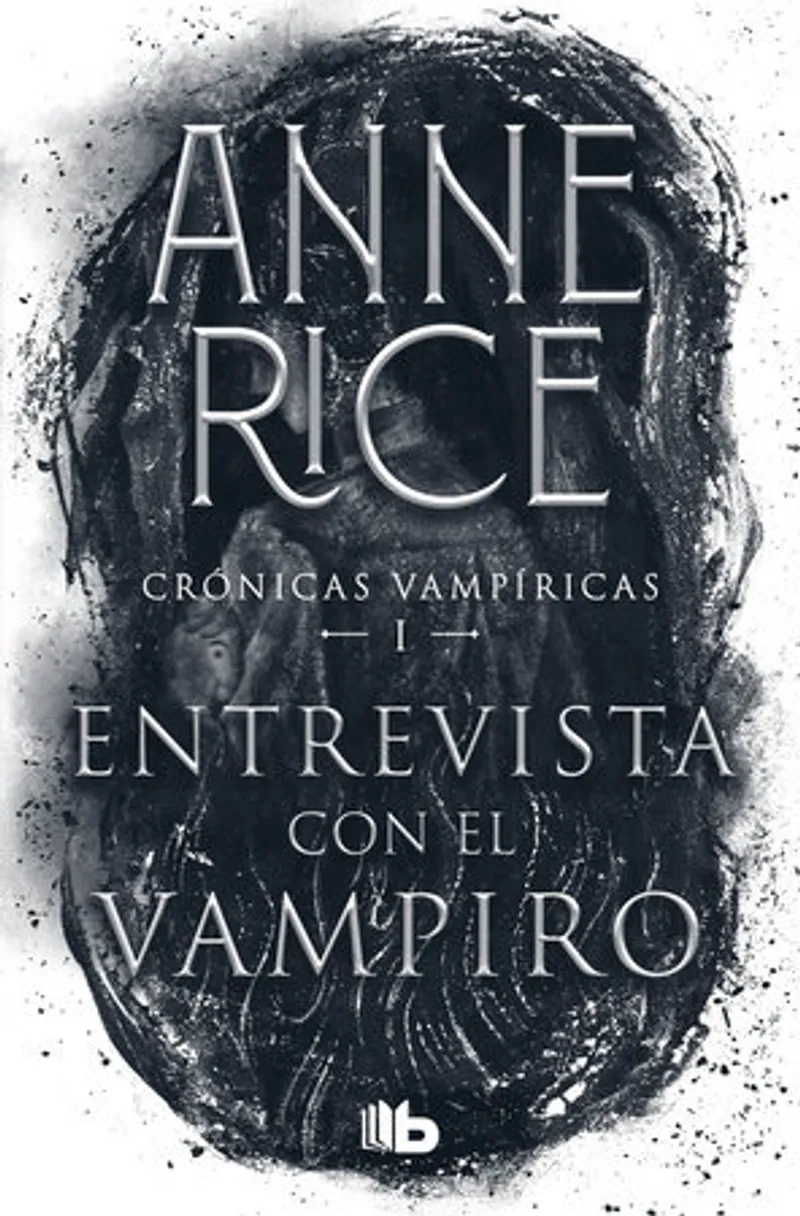
Entrevista con el vampiro / Interview with the Vampire Author: Anne RicePage Count: UnknownPublication Date: 2021-PRH In the realm of vampire lore, few tales have captivated readers as utterly as Anne Rice's Interview with the Vampire. This timeless classic, first published in 1976 and re-released in various forms over the years including a 2021 edition, weaves a hypnotic narrative that transcends the conventional boundaries of the horror genre, delving deep into themes of immortality, loneliness, and the human condition. At the heart of the novel is Louis, a vampire who recounts his tale of transformation and the centuries that follow, filled with despair, bloodlust, and an unquenchable thirst for human connection. Through Louis's voice, Rice masterfully explores the dichotomy between the monstrous and the sympathetic, creating a character so richly layered that the reader cannot help but be drawn into his world of eternal darkness. The author's style is as much a character in the book as Louis himself. Rice's prose is lyrical and evocative, painting vivid pictures of 18th-century New Orleans, the lush landscapes of Europe, and the decadent interiors of the vampire's lairs. Her writing is a sensory experience, immersing the reader in the sights, sounds, and emotions of the characters. The way she describes the vampires' heightened senses, their experience of the world in all its beauty and horror, is nothing short of enchanting. One of the most striking aspects of Interview with the Vampire is its exploration of the vampire's existential crisis. These creatures, cursed with immortality, are forced to watch as humanity evolves around them, leaving them isolated and disconnected. Louis, in particular, grapples with the moral implications of his nature, questioning whether he can ever truly find peace in a world where he must prey on others to survive. This introspection adds depth to the narrative, making the vampires more than just bloodthirsty monsters but complex, multidimensional beings. The relationship between Louis and Claudia, the child vampire, is another compelling aspect of the novel. Claudia's character, with her intellect and passion trapped in a child's body, serves as a poignant reminder of the vampires' unnatural state. Her bond with Louis, filled with both tenderness and danger, highlights the tragic nature of their existence. Together, they embark on a perilous journey, seeking answers about their kind and their place in the world. The world Rice creates is vast and detailed, filled with characters that are as fascinating as they are terrifying. From the enigmatic Lestat to the mysterious figures they encounter in Europe, each character adds to the rich tapestry of the vampire world. The setting of 19th-century Europe, with its opulence and decay, provides a backdrop for the vampires' struggles, a reflection of their own corrupt and beautiful natures. In conclusion, Interview with the Vampire is a masterpiece of Gothic literature that continues to enthrall readers with its haunting beauty and profound themes. Anne Rice's masterful storytelling and vivid prose ensure that this novel will remain a classic of the genre, captivating audiences for generations to come. With its exploration of the human condition, morality, and the search for meaning in an eternal existence, this book is a must-read for anyone drawn to the darker corners of literature. #VampireLiterature #GothicFiction #Immortality #TheVampireChronicles #AnneRice #EternalLove Related Insights1984 (edición definitiva avalada por The Orwell Estate) (edición especial limitada con cantos pintados) / 1984 (Edition Endorsed by The Orwell Estate) Book Review and Summary The Red Pyramid Book Review and Summary The Origin of Species Book Review and Summary{ "@context": "https://schema.org", "@type": "FAQPage", "mainEntity": [ { "@type": "Question", "name": "What is the main focus of Interview with the Vampire Book Review and Summary?", "acceptedAnswer": { "@type": "Answer", "text": "Everything you need to know about Interview with the Vampire with our detailed review." } }, { "@type": "Question", "name": "Who authored the comprehensive guide on Interview with the Vampire Book Review and Summary?", "acceptedAnswer": { "@type": "Answer", "text": "This detailed article and its insights were carefully researched and authored by Anne Rice." } }, { "@type": "Question", "name": "Where can I find more related content about Books?", "acceptedAnswer": { "@type": "Answer", "text": "You can explore more articles, detailed reviews, and similar insights by browsing the Related Insights section at the bottom of this article or visiting our dedicated Books category page." } } ] }
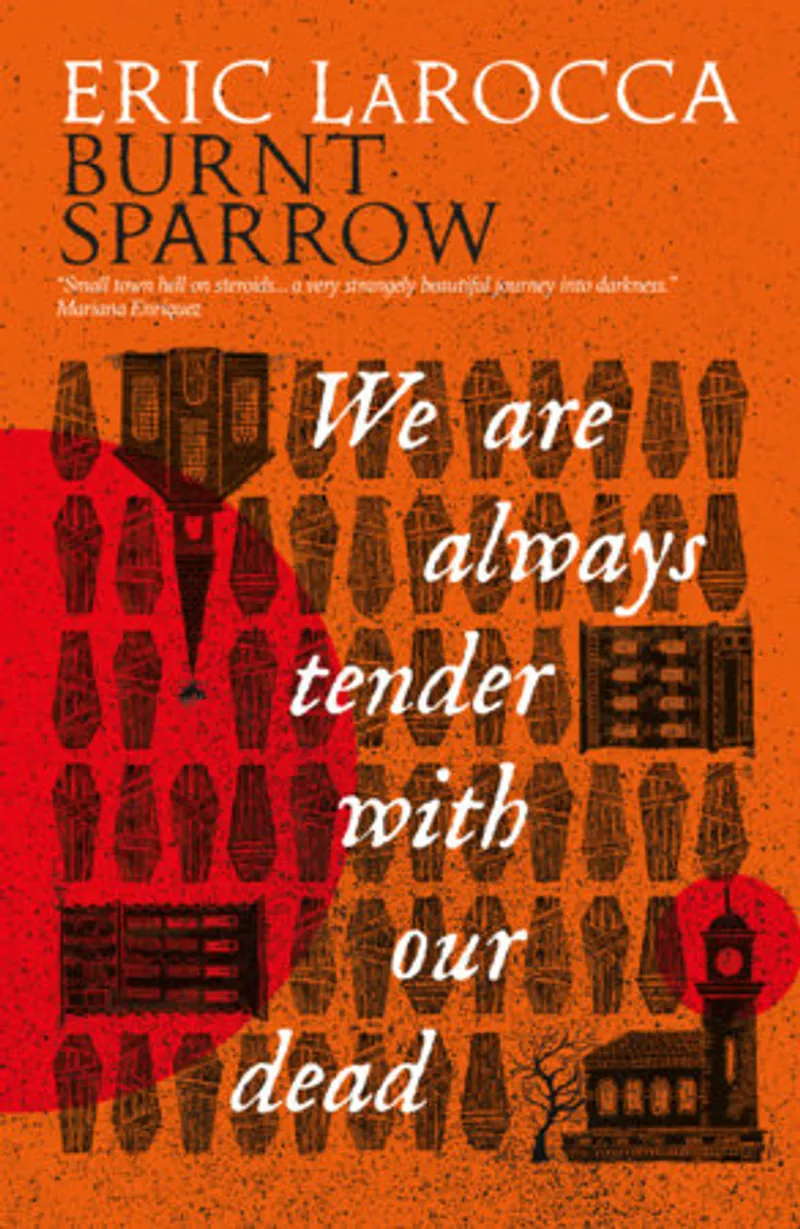
We Are Always Tender with Our Dead Author: Eric LaRoccaPage Count: UnknownPublication Date: 2026-PRH We Are Always Tender with Our Dead, the latest offering from Eric LaRocca, is a haunting and deeply unsettling exploration of the human condition, one that probes the darkest recesses of our collective psyche and emerges with a profoundly disturbing portrait of mortality, grief, and the unbridgeable chasm between life and death. From the outset, it is clear that LaRocca is a master of atmospheric tension, weaving a narrative that is at once both elegiac and unnerving. His prose is economical, yet evocative, conjuring images that sear themselves into the reader's consciousness like scars. The author's use of language is deliberate and measured, each word chosen for its maximum impact, creating a sense of creeping unease that permeates every aspect of the narrative. At its core, We Are Always Tender with Our Dead is a meditation on the fragility of human existence, a stark reminder that our lives are but a fleeting moment, a brief flicker of consciousness in the grand tapestry of time. LaRocca's exploration of this theme is both unflinching and unsentimental, eschewing easy answers or comforting platitudes in favor of a stark, unvarnished truth. Through his characters, LaRocca exposes the fault lines of human emotion, laying bare the raw, unbridled feelings that we often seek to conceal beneath a veneer of civility and decorum. His portrayal of grief, in particular, is both heart-wrenching and unflinchingly honest, capturing the desperate, animalistic intensity of loss, the feeling of being unmoored and adrift in a world that seems suddenly, irreparably broken. One of the most striking aspects of LaRocca's style is his ability to balance the intimate, personal nature of his narrative with a broader, more philosophical exploration of the human condition. His writing is both deeply personal and universally relatable, speaking to fundamental questions about the nature of existence, the meaning of life, and the inevitability of death. If there is a flaw to be found in We Are Always Tender with Our Dead, it is that the author's unflinching gaze can sometimes make for uncomfortable reading. LaRocca pulls no punches, confronting his readers with the harsh, unvarnished realities of mortality, and the result can be a narrative that is, at times, almost unbearably intense. And yet, it is precisely this intensity, this unwavering commitment to exploring the darkest recesses of the human experience, that makes the book so compelling, so impossible to look away from. In the end, We Are Always Tender with Our Dead is a masterpiece of contemporary horror, a work of unflinching, unsentimental genius that will leave even the most seasoned readers gasping for breath. It is a testament to LaRocca's skill as a storyteller, his ability to craft a narrative that is both deeply unsettling and profoundly, unforgettably human. #HorrorFiction #DarkLiterature #MortalityAndGrief #ExistentialHorror #PsychologicalTerror #ContemporaryHorror Related InsightsDead to the World Book Review and Summary Game of Gravestones Book Review and Summary Un diable en hiver Book Review and Summary{ "@context": "https://schema.org", "@type": "FAQPage", "mainEntity": [ { "@type": "Question", "name": "What is the main focus of Rosencrantz and Guildenstern Are Dead Book Review and Summary?", "acceptedAnswer": { "@type": "Answer", "text": "Everything you need to know about Rosencrantz and Guildenstern Are Dead with our detailed review." } }, { "@type": "Question", "name": "Who authored the comprehensive guide on Rosencrantz and Guildenstern Are Dead Book Review and Summary?", "acceptedAnswer": { "@type": "Answer", "text": "This detailed article and its insights were carefully researched and authored by Tom Stoppard." } }, { "@type": "Question", "name": "Where can I find more related content about Books?", "acceptedAnswer": { "@type": "Answer", "text": "You can explore more articles, detailed reviews, and similar insights by browsing the Related Insights section at the bottom of this article or visiting our dedicated Books category page." } } ] }
Innkeeper Chronicles Author: Ilona AndrewsPage Count: UnknownPublication Year: 2024-GB Ilona Andrews’ Innkeeper Chronicles is a masterclass in blending the cozy familiarity of urban fantasy with the high-stakes intrigue of a hidden supernatural world. Set in the same universe as her beloved Kate Daniels series, this new collection of novellas continues to explore the delicate balance between magic and modernity, but with a fresh twist: the narratives now revolve around the enigmatic innkeepers—powerful beings who maintain the boundaries between the magical and the mundane. At its heart, Innkeeper Chronicles is a meditation on sanctuary. The inns themselves are more than mere lodgings; they are sanctuaries for the desperate, the hunted, and the extraordinary. Andrews crafts these spaces with a deft hand, making them feel like characters in their own right—places of warmth, safety, and, occasionally, danger lurking just beyond the threshold. The theme of sanctuary is woven through each story, whether it’s a run-down motel shielding a fugitive from a vengeful spirit or a grand, ancestral inn harboring secrets that could unravel reality itself. Andrews doesn’t just tell us these places are special; she makes us feel it through vivid descriptions and the emotional weight they carry. What sets Andrews apart—and what makes this book so compelling—is her ability to juggle multiple narrative voices and tones without ever losing coherence. Some stories are lighthearted and humorous, like a bickering innkeeper and her reluctant assistant navigating a supernatural squatter problem. Others are darker, delving into themes of betrayal, sacrifice, and the cost of power. Andrews’ prose is sharp, economical, and always engaging, pulling the reader into each tale with an irresistible blend of wit and tension. Her world-building is meticulous yet unobtrusive; the magic system, while complex, feels organic because it’s so deeply tied to the characters’ struggles and motivations. One of the standout novellas in the collection, Magic Bites (a nod to her earlier series), introduces a new innkeeper, Curran, who brings a different energy to the stories. His narrative voice is laced with dry humor and a no-nonsense attitude, a refreshing contrast to the more introspective tones of earlier tales. Andrews excels at creating characters who are both larger-than-life and deeply human—flawed, vulnerable, and driven by complex desires. The dialogue crackles with authenticity, whether it’s the banter between allies or the tense exchanges with adversaries. This is a testament to Andrews’ skill as a storyteller; she makes even the most fantastical elements feel grounded in relatable emotions. The book also shines in its exploration of found family. The innkeepers, though powerful, are often isolated by their roles, and the relationships they forge—whether with humans, other supernatural beings, or even rival innkeepers—are the emotional core of these stories. Andrews doesn’t shy away from the messiness of these bonds; there are moments of betrayal, resentment, and heartbreak, but also profound loyalty and love. It’s this balance that makes her work so resonant. She reminds us that even in a world where magic can warp reality, the human (or human-like) heart remains the most unpredictable and resilient force of all. Stylistically, Andrews’ writing is a masterclass in pacing. She knows when to linger on a scene to build atmosphere and when to rush forward to keep the tension taut. Her action sequences are kinetic and vivid, with a sense of immediacy that makes the supernatural threats feel visceral. Yet, she never sacrifices depth for speed; each story has a thematic throughline that elevates it beyond mere entertainment. Whether she’s exploring the ethics of power, the nature of sacrifice, or the blurred lines between good and evil, Andrews ensures that her stories linger in the mind long after the last page is turned. For fans of urban fantasy, Innkeeper Chronicles is a must-read. It’s a series that rewards long-time readers of Andrews’ work while also standing strong as a gateway for newcomers. The world feels lived-in, the characters feel real, and the stakes feel personal. Andrews has a rare talent for making the extraordinary feel intimate, and that’s what makes this book so special. If you’re looking for a series that combines the cozy comfort of a favorite inn with the thrill of a supernatural mystery, look no further. Andrews has once again crafted a world where magic is as unpredictable as the people who wield it—and where the greatest battles are often fought not with spells, but with love, loyalty, and the unshakable need to protect what matters most. #InnkeeperChronicles #IlonaAndrews #UrbanFantasy #ParanormalRomance #SupernaturalFiction #FantasyReads Related InsightsHunger Like No Other Book Review and Summary Diario de Anne Frank (edición ilustrada) / The Diary of a Young Girl (Illustrated Edition) Book Review and Summary Cursed City (Harker Academy, #2) Book Review and Summary{ "@context": "https://schema.org", "@type": "FAQPage", "mainEntity": [ { "@type": "Question", "name": "What is the main focus of Innkeeper Chronicles Book Review and Summary?", "acceptedAnswer": { "@type": "Answer", "text": "Everything you need to know about Innkeeper Chronicles with our detailed review." } }, { "@type": "Question", "name": "Who authored the comprehensive guide on Innkeeper Chronicles Book Review and Summary?", "acceptedAnswer": { "@type": "Answer", "text": "This detailed article and its insights were carefully researched and authored by Piotr Nowak." } }, { "@type": "Question", "name": "Where can I find more related content about Books?", "acceptedAnswer": { "@type": "Answer", "text": "You can explore more articles, detailed reviews, and similar insights by browsing the Related Insights section at the bottom of this article or visiting our dedicated Books category page." } } ] }
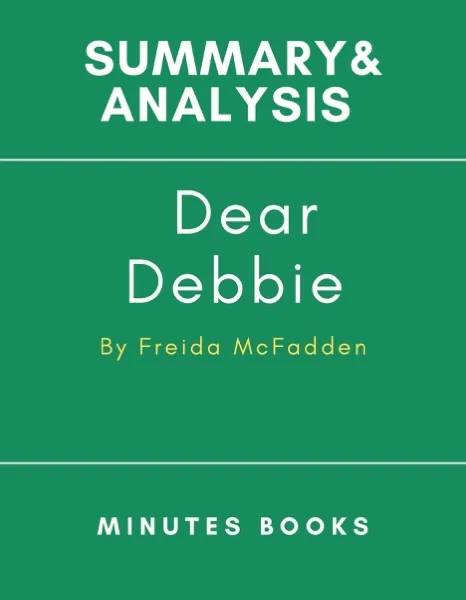

Dear Debbie Author: Freida McFaddenPage Count: UnknownPublication Year: 2026-GB Unraveling the Twists of Dear Debbie: A Literary Masterpiece That Keeps You Guessing Few books manage to grip readers from the first page to the last, but Dear Debbie by Freida McFadden does just that—and then some. This highly anticipated 2026 release has already taken the world by storm, earning rave reviews from critics and readers alike. With its razor-sharp suspense, unforgettable characters, and a narrative that refuses to let go, Dear Debbie isn’t just another thriller—it’s a psychological rollercoaster that redefines the genre. At its core, Dear Debbie explores the fragile boundaries between truth and deception, trust and betrayal. The story follows Debbie, a seemingly ordinary woman whose life unravels when she receives a series of cryptic letters from an unknown sender. As she delves deeper into their contents, she’s forced to confront long-buried secrets, fractured relationships, and the unsettling realization that nothing is as it seems. McFadden masterfully weaves a tale of suspense where every revelation feels like a punch to the gut, leaving readers questioning their own assumptions with each turn of the page. One of the novel’s greatest strengths lies in its characters—each flawed, complex, and utterly human. Debbie is a protagonist readers will root for, not because she’s perfect, but because her struggles feel achingly real. Her journey is mirrored by a cast of supporting characters, each with their own agendas and hidden motives. McFadden’s ability to craft multi-dimensional figures ensures that no one in Dear Debbie is simply good or evil; instead, they exist in the morally gray areas that make real life so unpredictable. The tension between them simmers beneath the surface, building to a crescendo that will leave even the most seasoned thriller enthusiasts breathless. McFadden’s writing style is a force to be reckoned with. Her prose is crisp, engaging, and devoid of unnecessary fluff, allowing the story to unfold at a relentless pace. She excels at dropping breadcrumbs—subtle hints that seem innocuous at first but later reveal themselves as crucial pieces of the puzzle. The dialogue crackles with authenticity, making every conversation feel like a high-stakes game where the wrong word could spell disaster. What’s most impressive, however, is McFadden’s knack for misdirection. Just when readers think they’ve pieced together the truth, she delivers a twist that reshapes everything they thought they knew. The themes in Dear Debbie resonate deeply, particularly in an era where misinformation and hidden agendas dominate headlines. The novel forces readers to confront uncomfortable questions: How well do we really know the people we love? Can trust ever be fully restored once it’s broken? And what happens when the person you thought you were isn’t the one you’ve become? These questions linger long after the final page, making Dear Debbie more than just a gripping read—it’s a thought-provoking experience that lingers in the mind. For fans of psychological thrillers, Dear Debbie is a must-read. It’s the kind of book that demands to be devoured in one sitting, with readers racing to uncover the truth alongside Debbie. Yet, it’s also the kind of story that lingers, its themes and characters haunting you long after the last word is read. McFadden has crafted a modern classic, one that will undoubtedly cement her status as a master of suspense. If you’re looking for a book that will keep you on the edge of your seat, challenge your perceptions, and leave you utterly satisfied, Dear Debbie is the answer. It’s not just a bestseller—it’s a literary triumph. #BookReview #ThrillerBooks #FreidaMcFadden #PsychologicalSuspense #MustRead2026 Related InsightsSouls Unfractured Book Review and Summary American Heroes Book Review and Summary Layla Book Review and Summary{ "@context": "https://schema.org", "@type": "FAQPage", "mainEntity": [ { "@type": "Question", "name": "What is the main focus of **Dear Debbie** Book Review and Summary?", "acceptedAnswer": { "@type": "Answer", "text": "Everything you need to know about **Dear Debbie** with our detailed review." } }, { "@type": "Question", "name": "Who authored the comprehensive guide on **Dear Debbie** Book Review and Summary?", "acceptedAnswer": { "@type": "Answer", "text": "This detailed article and its insights were carefully researched and authored by Anna Kowalska." } }, { "@type": "Question", "name": "Where can I find more related content about Books?", "acceptedAnswer": { "@type": "Answer", "text": "You can explore more articles, detailed reviews, and similar insights by browsing the Related Insights section at the bottom of this article or visiting our dedicated Books category page." } } ] }
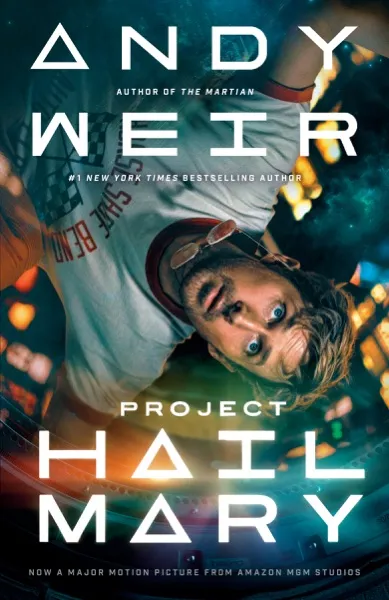
Project Hail Mary Author: Andy WeirPage Count: UnknownPublication Year: 2021-GB Project Hail Mary, the latest offering from acclaimed author Andy Weir, is a thought-provoking and intensely gripping sci-fi thriller that delves into the very fabric of human existence, the universe, and our place within it. Weir, known for his meticulous research and unique blend of science, technology, and adventure, has once again proven his mastery over the genre with this riveting tale. At its core, Project Hail Mary is a story about survival, hope, and the indomitable human spirit. The protagonist, Ryland Grace, a brilliant and eccentric scientist, finds himself at the forefront of a desperate bid to save humanity from an extinction-level threat. With Earth on the brink of collapse, Ryland embarks on a perilous journey to the far reaches of the solar system, driven by a singular focus: to unravel the mysteries of an alien microorganism that holds the key to the planet's survival. Weir's writing style is characterized by his remarkable ability to balance complex scientific concepts with compelling narrative and well-developed characters. His use of language is lucid and accessible, making the book an enjoyable read for both sci-fi enthusiasts and newcomers to the genre. The author's passion for science and technology shines through on every page, as he expertly weaves together threads of astrobiology, physics, and mathematics to create a rich and immersive world. One of the most striking aspects of Project Hail Mary is its thought-provoking exploration of the Fermi Paradox. Weir's unique take on this enduring question - "Where is everybody?" - adds a layer of depth and intrigue to the narrative, inviting readers to ponder the implications of humanity's existence within the vast expanse of the universe. The book also touches on themes of isolation, loneliness, and the human condition, raising important questions about our place in the grand scheme of things. Throughout the book, Weir's protagonist, Ryland Grace, undergoes a significant transformation, evolving from a brilliant but reclusive scientist to a symbol of hope and resilience. The character's development is expertly handled, with Weir using a combination of humor, wit, and pathos to create a deeply relatable and endearing protagonist. In conclusion, Project Hail Mary is a masterpiece of modern science fiction, showcasing Andy Weir's exceptional storytelling skills and his ability to craft a compelling narrative that is both entertaining and thought-provoking. With its unique blend of science, adventure, and humor, this book is sure to appeal to a wide range of readers, from fans of sci-fi and thriller genres to anyone interested in exploring the complexities of human existence and our place in the universe. #ScienceFiction #AndyWeir #ProjectHailMary #SpaceExploration #SciFiThriller #FermiParadox Related InsightsPersuasion Book Review and Summary The Time Traveler's Wife Book Review and Summary The Boy in the Striped Pajamas Book Review and Summary{ "@context": "https://schema.org", "@type": "FAQPage", "mainEntity": [ { "@type": "Question", "name": "What is the main focus of Project Hail Mary Book Review and Summary?", "acceptedAnswer": { "@type": "Answer", "text": "Everything you need to know about Project Hail Mary with our detailed review." } }, { "@type": "Question", "name": "Who authored the comprehensive guide on Project Hail Mary Book Review and Summary?", "acceptedAnswer": { "@type": "Answer", "text": "This detailed article and its insights were carefully researched and authored by Irina Ivanova." } }, { "@type": "Question", "name": "Where can I find more related content about Books?", "acceptedAnswer": { "@type": "Answer", "text": "You can explore more articles, detailed reviews, and similar insights by browsing the Related Insights section at the bottom of this article or visiting our dedicated Books category page." } } ] }
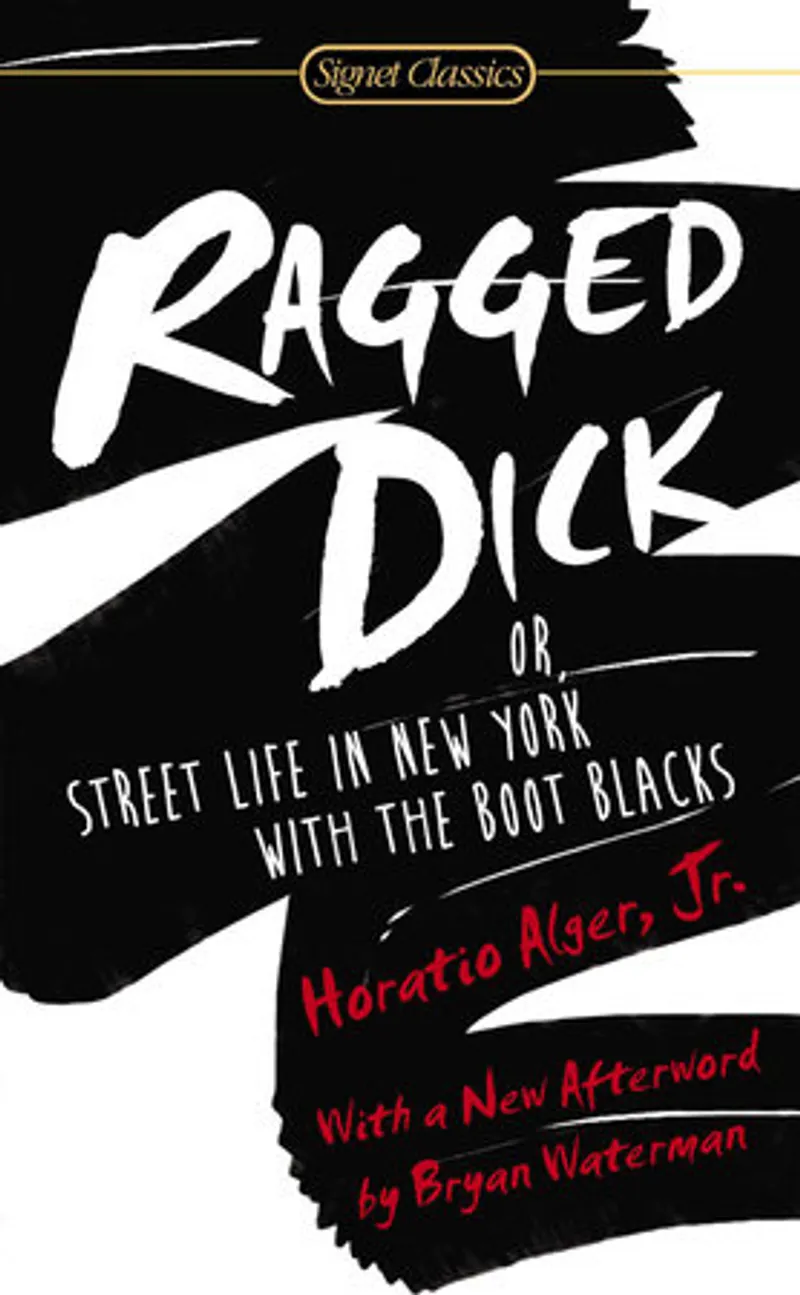
Ragged Dick: Or, Street Life in New York with the Boot Blacks Author: Horatio AlgerPage Count: UnknownPublication Date: 2014-PRH Ragged Dick: Or, Street Life in New York with the Boot Blacks, penned by the inimitable Horatio Alger, is a timeless tale of self-discovery and perseverance that has captivated readers for generations. First published in 1868, this classic rags-to-riches story has been re-released in 2014 with an introduction by Michael Meyer and a new afterword by Bryan Waterman, offering a fresh perspective on this enduring masterpiece. At its core, Ragged Dick is a coming-of-age tale that chronicles the transformation of its eponymous protagonist, a street-smart and resourceful young boy, from a life of poverty and uncertainty to one of respectability and purpose. Through Dick's journey, Alger masterfully explores the themes of self-reliance, hard work, and determination, underscoring the notion that even in the face of adversity, individuals have the power to shape their own destinies. One of the most striking aspects of Alger's writing style is his ability to balance gritty realism with an unyielding optimism. His vivid portrayal of the harsh realities of street life in 19th-century New York City is tempered by a deep-seated faith in the human spirit's capacity for resilience and adaptation. This nuanced approach lends depth and complexity to the narrative, making it both a compelling page-turner and a thought-provoking exploration of the human condition. Throughout the novel, Alger's prose is marked by a clarity and directness that belies its 19th-century origins. His writing is economical and unadorned, yet possesses a quiet power that draws the reader inexorably into the world of the story. The characters, too, are skillfully drawn, with Dick himself being a particularly memorable creation – a plucky, fast-talking young hero whose struggles and triumphs are deeply relatable. One of the most significant aspects of Ragged Dick is its commentary on the social and economic realities of its time. Alger's depiction of the struggles faced by the urban poor, the perils of child labor, and the limited options available to those seeking to improve their circumstances is both a powerful indictment of the social ills of the era and a testament to the enduring power of the human spirit. In the end, Ragged Dick is a triumphant tale of self-overcoming, a testament to the notion that with hard work, determination, and a bit of luck, even the most marginalized and disadvantaged individuals can achieve a better life. As a work of literature, it is a masterclass in storytelling, with a narrative that is both propulsive and emotionally resonant. As a social commentary, it remains a powerful and thought-provoking exploration of the human condition. In short, Ragged Dick is a must-read for anyone interested in classic American literature, social commentary, or simply a compelling and inspiring tale of self-discovery. With its timeless themes, vivid characters, and masterful storytelling, it is a novel that will continue to captivate readers for generations to come. #RagsToRiches #ComingOfAge #ClassicAmericanLiterature #SocialCommentary #SelfDiscovery #HoratioAlger Related InsightsThe Red Pyramid Book Review and Summary Hopeless Book Review and Summary Erotic Seasons: Tuning into the Rhythms of Women's Sexuality and Spirituality Book Review and Summary{ "@context": "https://schema.org", "@type": "FAQPage", "mainEntity": [ { "@type": "Question", "name": "What is the main focus of Walden or, Life in the Woods Book Review and Summary?", "acceptedAnswer": { "@type": "Answer", "text": "Everything you need to know about Walden or, Life in the Woods with our detailed review." } }, { "@type": "Question", "name": "Who authored the comprehensive guide on Walden or, Life in the Woods Book Review and Summary?", "acceptedAnswer": { "@type": "Answer", "text": "This detailed article and its insights were carefully researched and authored by Henry David Thoreau." } }, { "@type": "Question", "name": "Where can I find more related content about Books?", "acceptedAnswer": { "@type": "Answer", "text": "You can explore more articles, detailed reviews, and similar insights by browsing the Related Insights section at the bottom of this article or visiting our dedicated Books category page." } } ] }
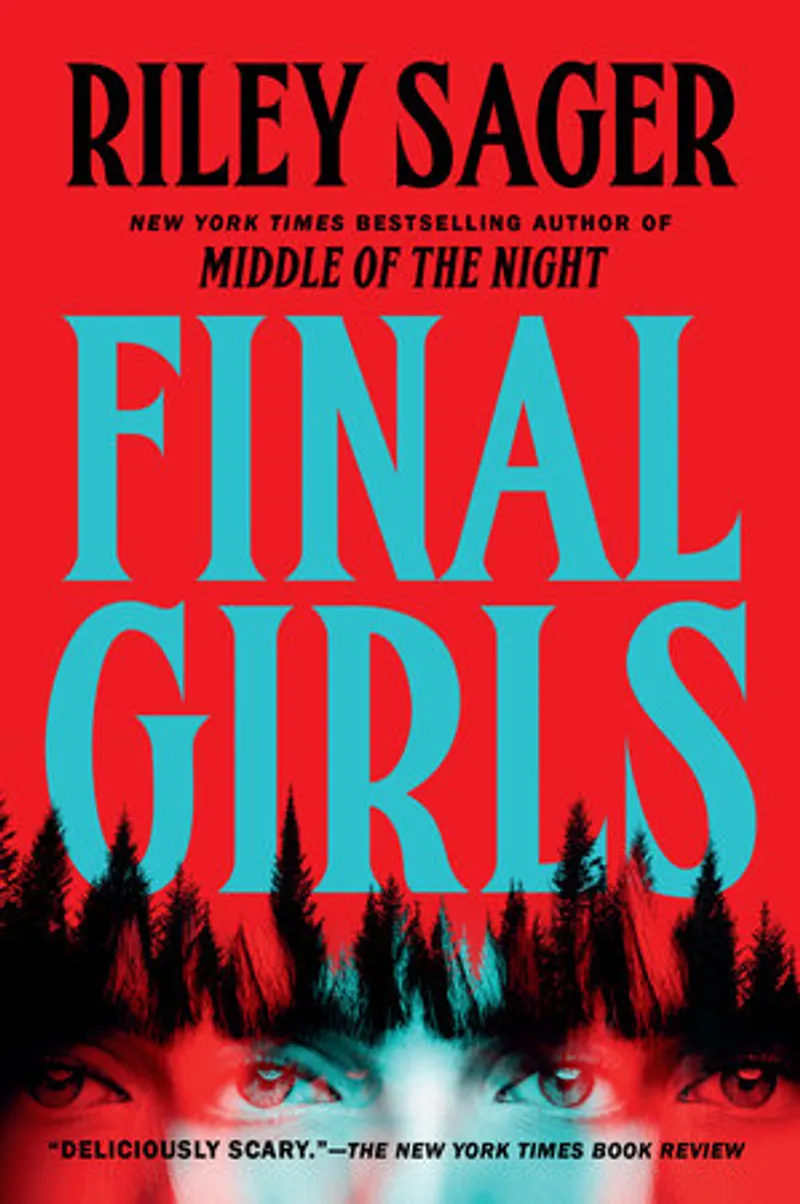
Final Girls Author: Riley SagerPage Count: UnknownPublication Date: 2018-PRH In the gripping psychological thriller "Final Girls," Riley Sager delves into the dark world of trauma, survival, and the blurring of reality. This award-winning novel, touted by Stephen King as a must-read for fans of "Gone Girl," follows Quincy Carpenter, a college student who narrowly escaped a massacre at Pine Cottage, leaving her the sole survivor. Ten years have passed, and Quincy has built a seemingly perfect life – a loving partner, a popular baking blog, and a beautiful apartment. However, her tranquil existence is shattered when Lisa, one of the other "Final Girls," is found dead, and Sam, the enigmatic survivor of the Sack Man, appears at her doorstep. As Quincy's world begins to unravel, she is forced to confront the traumatic events of her past and the truth about the night of the massacre. Sager's writing style is masterful, weaving a complex narrative that expertly manipulates the reader's perceptions. Through Quincy's voice, we experience the fragmented nature of her memories, as she struggles to recall the events of that fateful night. The author's use of non-linear storytelling and multiple timelines adds to the sense of tension and unease, mirroring Quincy's growing anxiety as she tries to unravel the mystery surrounding Lisa's death. At its core, "Final Girls" is a thought-provoking exploration of the psychological effects of trauma on its survivors. Sager raises important questions about the nature of survival, the impact of media scrutiny, and the lasting consequences of violence on individuals and society. Through Quincy's character, we see the devastating consequences of being defined by a single event, as she struggles to reclaim her identity and move beyond her status as a "Final Girl." One of the most striking aspects of Sager's writing is his ability to craft complex, multidimensional characters. Quincy, Sam, and Lisa are all skillfully drawn, with rich backstories that add depth to the narrative. The author's portrayal of the relationships between the Final Girls is particularly noteworthy, as he explores the bonds that form between survivors of traumatic events. As the story hurtles towards its shocking conclusion, Sager's pacing becomes increasingly frenetic, propelling the reader towards a stunning revelation. Without giving too much away, the author's use of twists and turns is expertly handled, adding to the sense of tension and suspense that permeates the novel. In conclusion, "Final Girls" is a gripping, thought-provoking thriller that will appeal to fans of psychological suspense. Sager's masterful writing, coupled with his thought-provoking exploration of trauma and survival, makes for a compelling read. If you're looking for a novel that will keep you on the edge of your seat, look no further than "Final Girls." #FinalGirls #RileySager #PsychologicalThriller #TraumaAndSurvival #GoneGirl #ThrillerThursday Related InsightsEl peor vecino del mundo Book Review and Summary The Pirate Queen Book Review and Summary In Search of Safety: Voices of Refugees Book Review and Summary{ "@context": "https://schema.org", "@type": "FAQPage", "mainEntity": [ { "@type": "Question", "name": "What is the main focus of Final Girls Book Review and Summary?", "acceptedAnswer": { "@type": "Answer", "text": "Everything you need to know about Final Girls with our detailed review." } }, { "@type": "Question", "name": "Who authored the comprehensive guide on Final Girls Book Review and Summary?", "acceptedAnswer": { "@type": "Answer", "text": "This detailed article and its insights were carefully researched and authored by Riley Sager." } }, { "@type": "Question", "name": "Where can I find more related content about Books?", "acceptedAnswer": { "@type": "Answer", "text": "You can explore more articles, detailed reviews, and similar insights by browsing the Related Insights section at the bottom of this article or visiting our dedicated Books category page." } } ] }
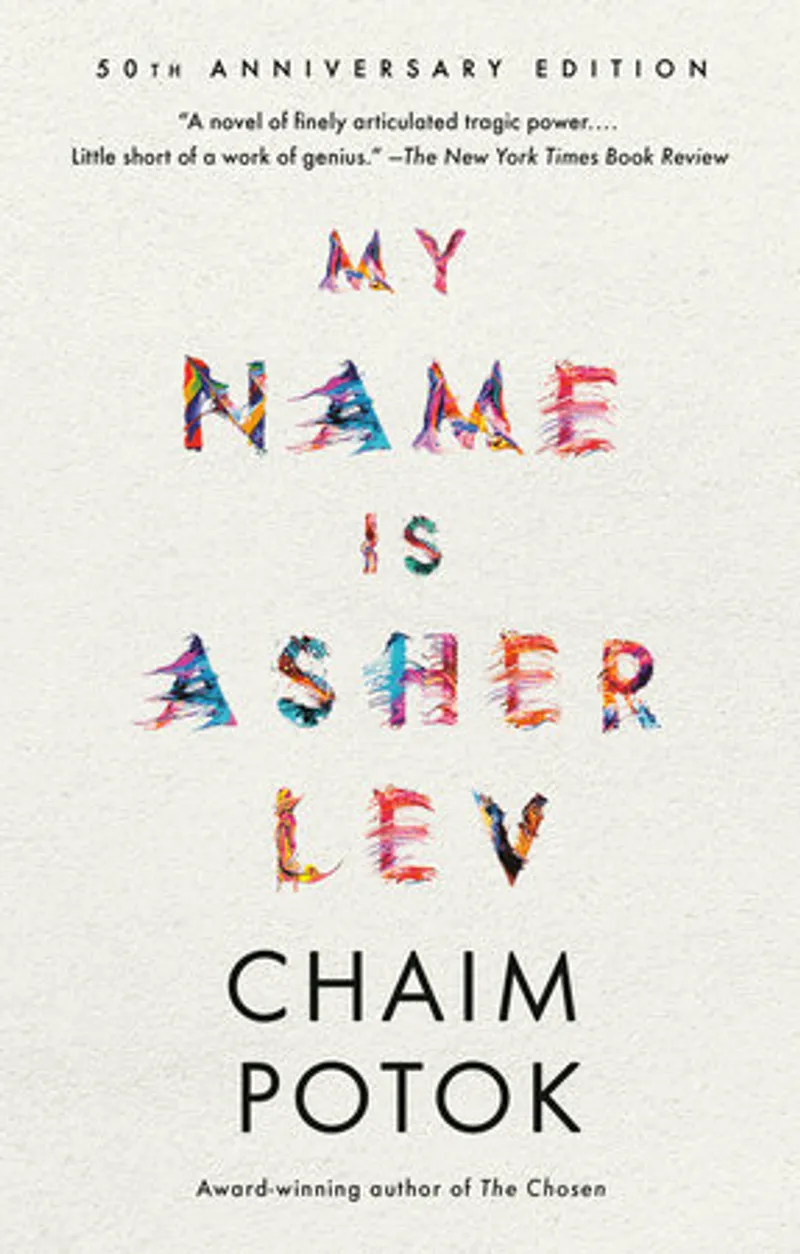
My Name Is Asher Lev Author: Chaim PotokPage Count: UnknownPublication Date: 2003-PRH In "My Name Is Asher Lev," Chaim Potok masterfully weaves a poignant tale of artistic expression, spirituality, and the unrelenting struggle to reconcile two seemingly disparate worlds. This modern classic, first published in 1972, not 2003, is a thought-provoking exploration of the human condition, as embodied by the protagonist Asher Lev, a young Ladover Hasid with an unyielding passion for art. Potok's narrative is a beautifully crafted, introspective journey that delves into the complexities of Asher's existence. Born into a cloistered Hasidic community in postwar Brooklyn, Asher's life is steeped in tradition and ritual. His days are marked by prayer, study, and devotion to the Ribbono Shel Olom, the Master of the Universe. However, Asher's artistic inclinations threaten to disrupt this carefully constructed world, as he finds himself increasingly drawn to the secular realm of art. Through Asher's story, Potok poses profound questions about the nature of creativity, faith, and identity. Can an individual reconcile their spiritual obligations with their artistic ambitions, or are these two pursuits mutually exclusive? Asher's struggles to navigate this dichotomy are deeply relatable, and his ultimate decision to pursue his art, despite the potential costs, is both heartbreaking and exultant. One of the most striking aspects of Potok's writing is his ability to evoke the world of the Ladover Hasidim with remarkable sensitivity and nuance. His depiction of the community's rituals, traditions, and inner workings is meticulous and respectful, reflecting his own background and experiences. At the same time, Potok is unafraid to tackle the complexities and challenges of this insular world, revealing the tensions and conflicts that can arise when individual desires collide with communal expectations. Potok's prose is characterized by its lyricism, simplicity, and elegance. His writing is reminiscent of a gentle stream, flowing effortlessly as it explores the depths of Asher's consciousness. The author's use of language is deliberate and evocative, conjuring vivid images of the Brooklyn streets, the Ladover community, and the inner workings of Asher's mind. Ultimately, "My Name Is Asher Lev" is a testament to the transformative power of art and the human spirit. Asher's journey, though marked by struggle and sacrifice, is a triumphant celebration of the artist's unwavering commitment to their vision. This modern classic is a must-read for anyone interested in exploring the intersections of art, faith, and identity. #MyNameIsAsherLev #ChaimPotok #TheChosen #LadoverHasidim #ArtAndFaith #ComingOfAge Related InsightsNormal Women Book Review and Summary Anthropocene Book Review and Summary Death & Honey Book Review and Summary{ "@context": "https://schema.org", "@type": "FAQPage", "mainEntity": [ { "@type": "Question", "name": "What is the main focus of My Name Is Asher Lev Book Review and Summary?", "acceptedAnswer": { "@type": "Answer", "text": "Everything you need to know about My Name Is Asher Lev with our detailed review." } }, { "@type": "Question", "name": "Who authored the comprehensive guide on My Name Is Asher Lev Book Review and Summary?", "acceptedAnswer": { "@type": "Answer", "text": "This detailed article and its insights were carefully researched and authored by Chaim Potok." } }, { "@type": "Question", "name": "Where can I find more related content about Books?", "acceptedAnswer": { "@type": "Answer", "text": "You can explore more articles, detailed reviews, and similar insights by browsing the Related Insights section at the bottom of this article or visiting our dedicated Books category page." } } ] }
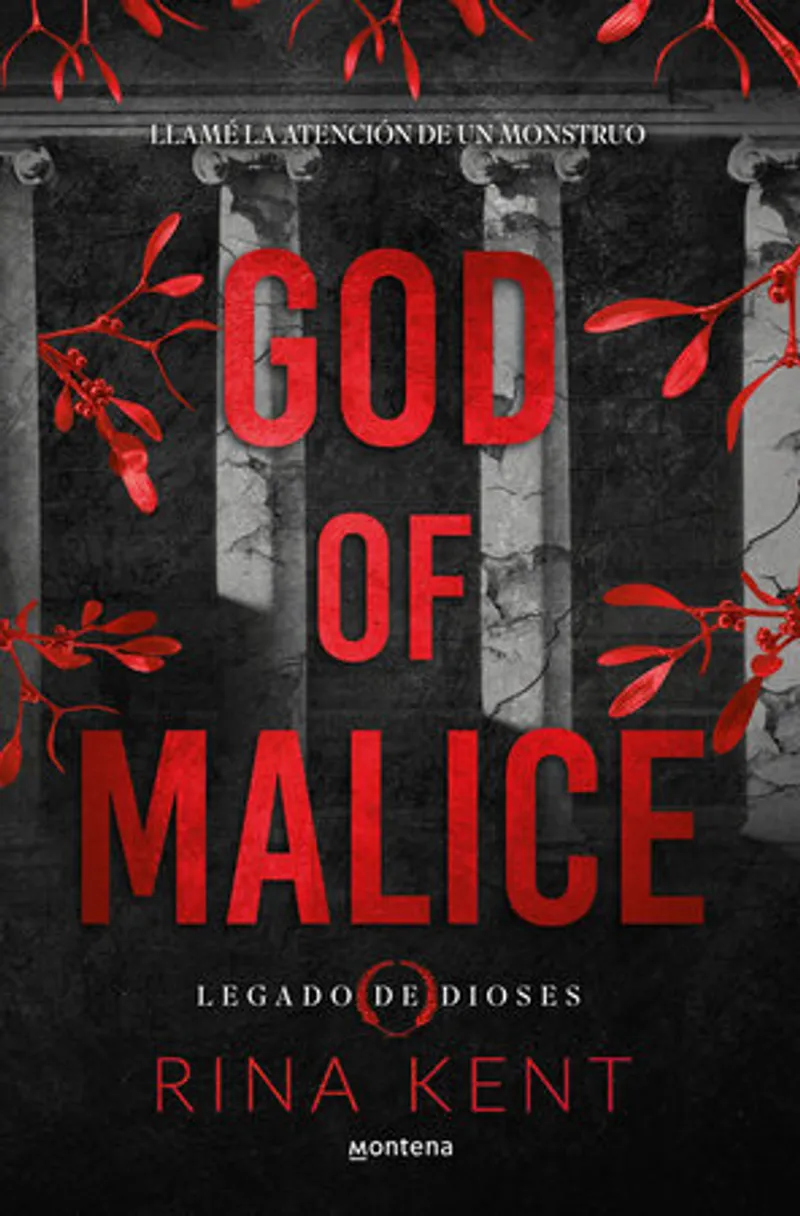
God of Malice: Un dark romance universitario / God of Malice: A Dark College Romance Author: Rina KentPage Count: UnknownPublication Date: 2024-PRH In the realm of dark romance, Rina Kent has carved out a niche for herself as a masterful storyteller, weaving tales that are as captivating as they are unsettling. Her latest offering, "God of Malice," is a gripping exploration of the darker aspects of human nature, a twisted dance between predator and prey that will leave readers breathless. At the heart of this story is Killian Carson, a complex and chilling figure who embodies the very essence of malice. With a sophisticated charm that belies his true nature, Killian is a master manipulator, a cold-blooded predator who stalks his prey with calculated precision. His is a world of shadows, where the lines between good and evil are blurred, and the only constant is the thrill of the hunt. Kent's writing style is a perfect match for this dark and twisted world. Her prose is sleek and sophisticated, with a keen eye for detail that draws the reader in and refuses to let go. She has a remarkable ability to craft characters that are multidimensional and relatable, even as they navigate the darkest depths of human emotion. One of the most striking aspects of "God of Malice" is its exploration of the theme of obsession. Killian's fixation on his prey is all-consuming, a relentless drive that propels the story forward with a sense of inevitability. And yet, Kent also explores the other side of the coin, the ways in which obsession can be a two-way street, with both parties drawn into a dance of mutual destruction. Throughout the book, Kent's writing is infused with a sense of tension and foreboding, a feeling that the stakes are always escalating, and the consequences of failure are dire. This is a world where the rules are constantly shifting, where the only constant is the darkness that lurks at the heart of human nature. Ultimately, "God of Malice" is a story about the dangers of playing with fire, of tempting the darkness that lurks within us all. It is a cautionary tale, a reminder that some secrets are better left unspoken, and some desires are too dangerous to indulge. With "God of Malice," Rina Kent has once again proven herself to be a master of the dark romance genre. This is a book that will appeal to fans of authors like Pepper Winters and Anna Zaires, anyone who enjoys a good thriller with a healthy dose of romance and suspense. #DarkRomance #Obsession #CollegeRomance #NewRelease #BookLovers #RinaKent Related InsightsScarlet Circus Book Review and Summary Like Water for Chocolate Book Review and Summary Malibu Rising Book Review and Summary{ "@context": "https://schema.org", "@type": "FAQPage", "mainEntity": [ { "@type": "Question", "name": "What is the main focus of Consequences A Dark Wealth and Power Romance Book Review and Summary?", "acceptedAnswer": { "@type": "Answer", "text": "Everything you need to know about Consequences A Dark Wealth and Power Romance with our detailed review." } }, { "@type": "Question", "name": "Who authored the comprehensive guide on Consequences A Dark Wealth and Power Romance Book Review and Summary?", "acceptedAnswer": { "@type": "Answer", "text": "This detailed article and its insights were carefully researched and authored by Aleatha Romig." } }, { "@type": "Question", "name": "Where can I find more related content about Books?", "acceptedAnswer": { "@type": "Answer", "text": "You can explore more articles, detailed reviews, and similar insights by browsing the Related Insights section at the bottom of this article or visiting our dedicated Books category page." } } ] }
Thief among the Trees Author: Sabaa TahirPage Count: UnknownPublication Year: 2020-GB Sabaa Tahir’s Thief Among the Trees is a dazzling tale of survival, deception, and the blurred lines between hero and villain. As the third installment in the An Ember in the Ashes series, Tahir continues to weave a story that is as much about the strength of the human spirit as it is about the harsh realities of war and power. With her signature prose—lyrical yet gritty, lush yet unflinching—Tahir crafts a narrative that lingers long after the last page, leaving readers breathless and haunted. At its core, Thief Among the Trees explores the cost of ambition and the moral compromises that come with power. The story centers on Elias Veturius, a former Mask turned fugitive, now hunted by both the Empire and the rebels who once fought alongside him. His journey is one of redemption, but redemption is never clean or easy. Tahir forces her characters—and her readers—to confront uncomfortable truths: that survival often demands sacrifices, and that the line between justice and vengeance is razor-thin. Elias’s struggle isn’t just against external enemies but against the darkness within himself, a darkness that threatens to consume him as much as the Empire ever could. Tahir’s genius lies in her ability to balance high-stakes action with deep emotional introspection. The prose is rich with sensory detail, immersing the reader in the scorching deserts and crumbling ruins where Elias and his allies evade capture. Yet, what truly sets her writing apart is her unflinching portrayal of human resilience. The characters in Thief Among the Trees are flawed, broken, and sometimes morally ambiguous, but their struggles feel achingly real. Whether it’s Elias’s internal conflict or the quiet determination of characters like Laia and Helene, Tahir doesn’t shy away from the complexities of war and loyalty. The title itself, Thief Among the Trees, is a metaphor for the book’s central tension. Elias, once a thief in the truest sense, is now a fugitive stealing moments of peace in a world that offers none. The “trees” could symbolize the fleeting glimpses of hope or the shifting loyalties that define his journey. Tahir’s use of metaphor is subtle but powerful, enriching the narrative without overpowering it. One of the book’s most striking features is its pacing. Tahir doesn’t waste time on unnecessary exposition; instead, she plunges the reader into the action, trusting them to keep up. The dialogue crackles with tension, and the action sequences are visceral and immediate. Yet, amidst the chaos, there’s a sense of rhythm, a balance between chaos and contemplation that keeps the story from feeling overwhelming. The supporting cast is equally compelling. Laia’s growth from a frightened slave to a determined rebel is inspiring, while Helene’s struggle to reconcile duty with desire adds layers of complexity. Even minor characters feel vivid and real, their fates intertwined with the larger narrative in meaningful ways. Tahir’s world-building is another standout. The Empire and the resistance factions are vividly realized, with their own codes, cultures, and hierarchies. The world feels lived-in, a place where every decision has consequences. This attention to detail makes the stakes feel even higher, as readers come to care not just about the characters but about the world they inhabit. Ultimately, Thief Among the Trees is a meditation on what it means to be human in a world that often strips away humanity. It’s a story about the choices we make when pushed to our limits, and the price we pay for survival. Tahir doesn’t offer easy answers, but she does offer something far more valuable: a story that challenges, moves, and stays with you. For readers who love morally complex narratives, high-stakes action, and prose that sings, Thief Among the Trees is a must-read. It’s a book that demands your attention, rewards your investment, and leaves you hungry for more. #ThiefAmongTheTrees #SabaaTahir #AnEmberInTheAshes #FantasyBooks #DarkFantasy #YAFantasy Related InsightsCounting Miracles Book Review and Summary War and Peace and War Book Review and Summary The Bound Guardians of Knowledge: Unlocking the Enduring Legacy of Chained Libraries{ "@context": "https://schema.org", "@type": "FAQPage", "mainEntity": [ { "@type": "Question", "name": "What is the main focus of Thief among the Trees Book Review and Summary?", "acceptedAnswer": { "@type": "Answer", "text": "Everything you need to know about Thief among the Trees with our detailed review." } }, { "@type": "Question", "name": "Who authored the comprehensive guide on Thief among the Trees Book Review and Summary?", "acceptedAnswer": { "@type": "Answer", "text": "This detailed article and its insights were carefully researched and authored by Natalia Sokolova." } }, { "@type": "Question", "name": "Where can I find more related content about Books?", "acceptedAnswer": { "@type": "Answer", "text": "You can explore more articles, detailed reviews, and similar insights by browsing the Related Insights section at the bottom of this article or visiting our dedicated Books category page." } } ] }
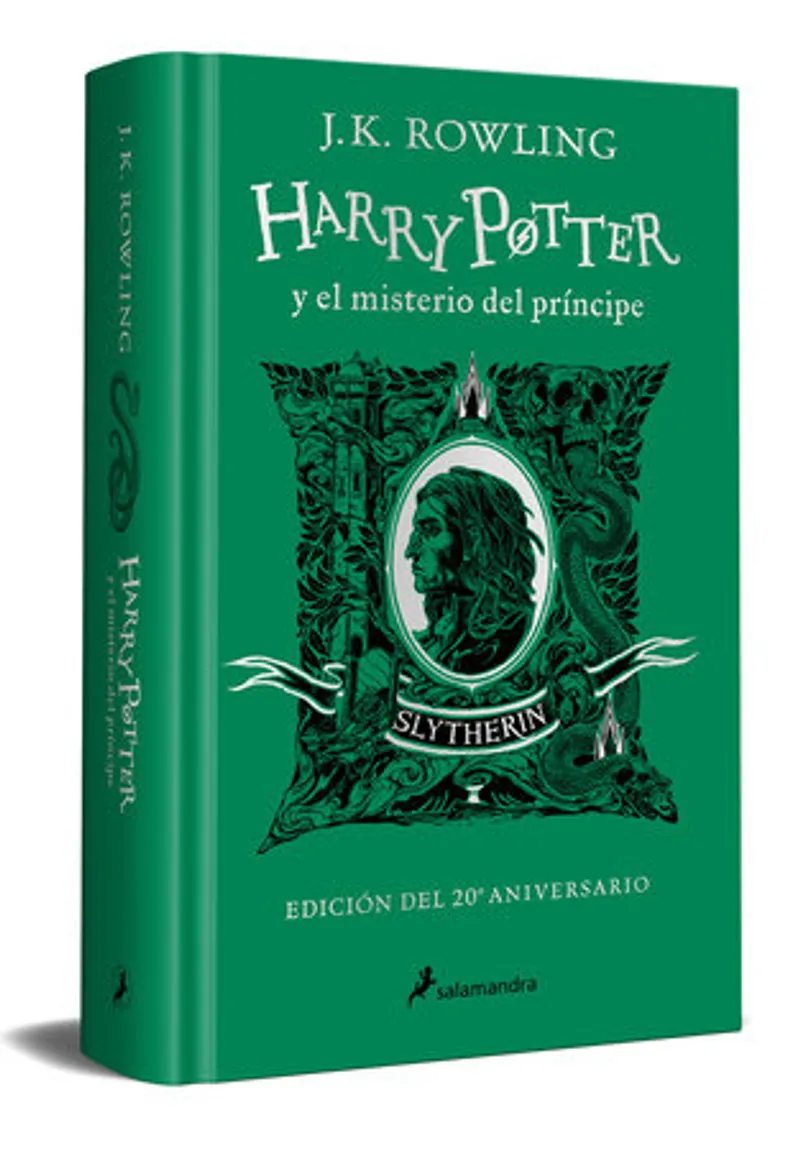
Harry Potter y el misterio del Príncipe (20 Aniv. Slytherin) / Harry Potter and the Half-Blood Prince (Slytherin) Author: J.K. RowlingPage Count: UnknownPublication Date: 2022-PRH In the midst of the wizarding world's chaos, J.K. Rowling masterfully weaves a narrative that delves into the complexities of adolescence, friendship, and the eternal struggle between good and evil in "Harry Potter and the Half-Blood Prince". This special edition, commemorating the 20th anniversary of the beloved series, invites readers to don the proud colors of Slytherin House, immersing themselves in the richly detailed world that has captivated audiences for generations. As Harry begins his sixth year at Hogwarts, the atmosphere is tense with foreboding. The Dark Lord Voldemort's power continues to grow, casting a dark shadow over the land. Amidst this turmoil, Harry must navigate the challenges of adolescence, including romantic entanglements, academic pressures, and the weight of his destiny as "The Chosen One". Rowling expertly captures the nuances of teenage angst, as Harry grapples with his own emotions, often finding solace in his relationships with Ron and Hermione. The central plot revolves around Harry's discovery of an old potions textbook, once belonging to a mysterious individual known as the Half-Blood Prince. This enigmatic figure, whose true identity is slowly unraveled throughout the narrative, provides Harry with valuable insights into the Dark Arts, as well as the nature of his own nemesis. Through this narrative thread, Rowling skillfully explores the theme of duality, highlighting the blurred lines between good and evil, and the inherent complexities of human nature. Rowling's writing style in "Harry Potter and the Half-Blood Prince" is characteristic of her mastery of the fantasy genre. Her world-building is meticulous, with a keen attention to detail that transports readers to the hallowed halls of Hogwarts. The narrative is well-paced, with a seamless balance of action, suspense, and introspection. The characters, too, are multidimensional, with even the most minor players possessing a depth that adds richness to the story. One of the most striking aspects of this installment is its exploration of the human condition. Rowling tackles themes of prejudice, ambition, and the corrupting influence of power, raising important questions about the nature of morality. The character of Severus Snape, in particular, is a masterclass in complexity, his motivations and loyalties expertly woven into the narrative. In "Harry Potter and the Half-Blood Prince", Rowling sets the stage for the series' ultimate showdown, expertly ratcheting up the tension as the story hurtles towards its climax. This special edition, with its Slytherin House theme, is a must-read for fans of the series, offering a fresh perspective on the wizarding world and its beloved characters. #HarryPotter #HalfBloodPrince #SlytherinHouse #JKRowling #FantasyLiterature #WizardingWorld Related InsightsThe Tower of Nero Book Review and Summary In the Woods They Wait Book Review and Summary It's a Prince Thing (the Princess Rules) Book Review and Summary{ "@context": "https://schema.org", "@type": "FAQPage", "mainEntity": [ { "@type": "Question", "name": "What is the main focus of Harry Potter and the Half-Blood Prince Book Review and Summary?", "acceptedAnswer": { "@type": "Answer", "text": "Everything you need to know about Harry Potter and the Half-Blood Prince with our detailed review." } }, { "@type": "Question", "name": "Who authored the comprehensive guide on Harry Potter and the Half-Blood Prince Book Review and Summary?", "acceptedAnswer": { "@type": "Answer", "text": "This detailed article and its insights were carefully researched and authored by J.K. Rowling." } }, { "@type": "Question", "name": "Where can I find more related content about Books?", "acceptedAnswer": { "@type": "Answer", "text": "You can explore more articles, detailed reviews, and similar insights by browsing the Related Insights section at the bottom of this article or visiting our dedicated Books category page." } } ] }
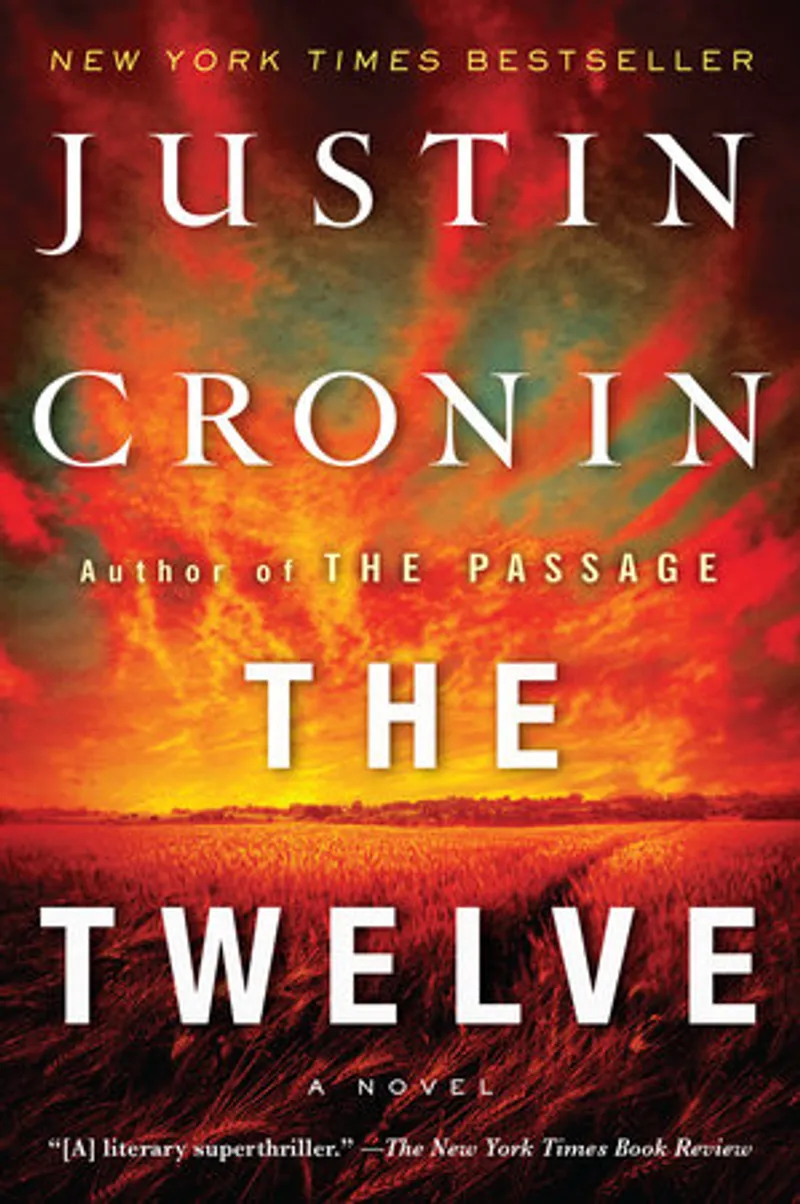
The Twelve (Book Two of The Passage Trilogy) Author: Justin CroninPage Count: UnknownPublication Date: 2016-PRH The Twelve: A Masterclass in Apocalyptic Storytelling Justin Cronin’s The Twelve is not just a sequel—it’s a revelation. Where The Passage introduced us to a world ravaged by a vampiric plague, this second installment in the trilogy deepens the horror, widens the scope, and elevates the stakes to a cosmic level. Cronin doesn’t just write dystopian fiction; he crafts an epic that feels both intimate and vast, blending literary ambition with the relentless pacing of a thriller. If The Passage was a slow-burn descent into madness, The Twelve is a full-throttle sprint toward an uncertain, blood-soaked future. At its core, The Twelve explores the fragility of hope in the face of annihilation. The novel splits its narrative between three distinct timelines: the immediate aftermath of the viral outbreak, a near-future struggle for survival, and a century later, where humanity’s last bastion clings to existence against an evolved enemy. Cronin’s genius lies in how he weaves these threads together, making the reader care as much about the fate of a single child as they do about the survival of the species. Lila, a doctor clinging to sanity as the world burns; Kittridge, a hardened survivor fleeing the collapse of his stronghold; April, a teenager guiding her brother through a wasteland of death—these characters are not just survivors, but symbols of resilience. Their stories are heartbreaking yet inspiring, a testament to the human spirit’s refusal to surrender even when the odds are impossible. But The Twelve is more than just a tale of survival—it’s a meditation on sacrifice. The novel forces its characters (and its readers) to confront the cost of hope. Amy, the enigmatic girl at the heart of the original outbreak, now wields power she never asked for, while those around her must decide how much they’re willing to give to keep the flame of humanity alive. Cronin doesn’t shy away from moral ambiguity; every victory comes at a price, and every act of kindness is shadowed by betrayal. The Twelve, the vampiric rulers of this new world, are not mere monsters—they are a dark reflection of humanity’s own capacity for cruelty and control. Their evolution into something even more terrifying forces the survivors to question whether they are fighting for a future worth saving. Cronin’s prose is a study in precision and power. He balances lyrical descriptions with sharp, punchy action, making the horrors of his world feel visceral. The infected—now more than just ravenous beasts—are given a chilling intelligence, their movements described with a predator’s grace. The emotional beats, too, are handled with care; the bond between siblings, the quiet despair of a mother-to-be, the weary determination of a soldier—these moments ground the story in humanity, even as the world crumbles around them. It’s a rare feat to make a post-apocalyptic novel feel both epic and deeply personal, but Cronin pulls it off with effortless skill. What truly sets The Twelve apart, however, is its willingness to subvert expectations. Just when you think you understand the rules of this world, Cronin flips them on their head. The enemy isn’t static; it adapts, evolves, and forces the survivors to do the same. The stakes aren’t just about survival—they’re about what kind of future humanity is willing to fight for. Is it worth preserving a world that has already shown its capacity for destruction? The novel doesn’t offer easy answers, but it does offer something rarer: a story that lingers long after the last page. If The Passage was a descent into darkness, The Twelve is a reckoning. It’s a book that demands to be read in one sitting, not just for its gripping plot, but for its emotional weight. Cronin has crafted something extraordinary here—a thriller that’s also a tragedy, a horror story that’s also a love letter to humanity’s stubborn will to endure. By the time you reach the final pages, you’ll be left breathless, haunted, and desperate to know what comes next. This is not just a sequel. It’s a masterpiece. #ThePassageTrilogy #PostApocalyptic #JustinCronin #VampireApocalypse #DystopianFiction #MustRead Related InsightsInnkeeper Chronicles Book Review and Summary From Blood and Ash Book Review and Summary Swann’s Way Book Review and Summary{ "@context": "https://schema.org", "@type": "FAQPage", "mainEntity": [ { "@type": "Question", "name": "What is the main focus of The Passage Book Review and Summary?", "acceptedAnswer": { "@type": "Answer", "text": "Everything you need to know about The Passage with our detailed review." } }, { "@type": "Question", "name": "Who authored the comprehensive guide on The Passage Book Review and Summary?", "acceptedAnswer": { "@type": "Answer", "text": "This detailed article and its insights were carefully researched and authored by Justin Cronin." } }, { "@type": "Question", "name": "Where can I find more related content about Books?", "acceptedAnswer": { "@type": "Answer", "text": "You can explore more articles, detailed reviews, and similar insights by browsing the Related Insights section at the bottom of this article or visiting our dedicated Books category page." } } ] }
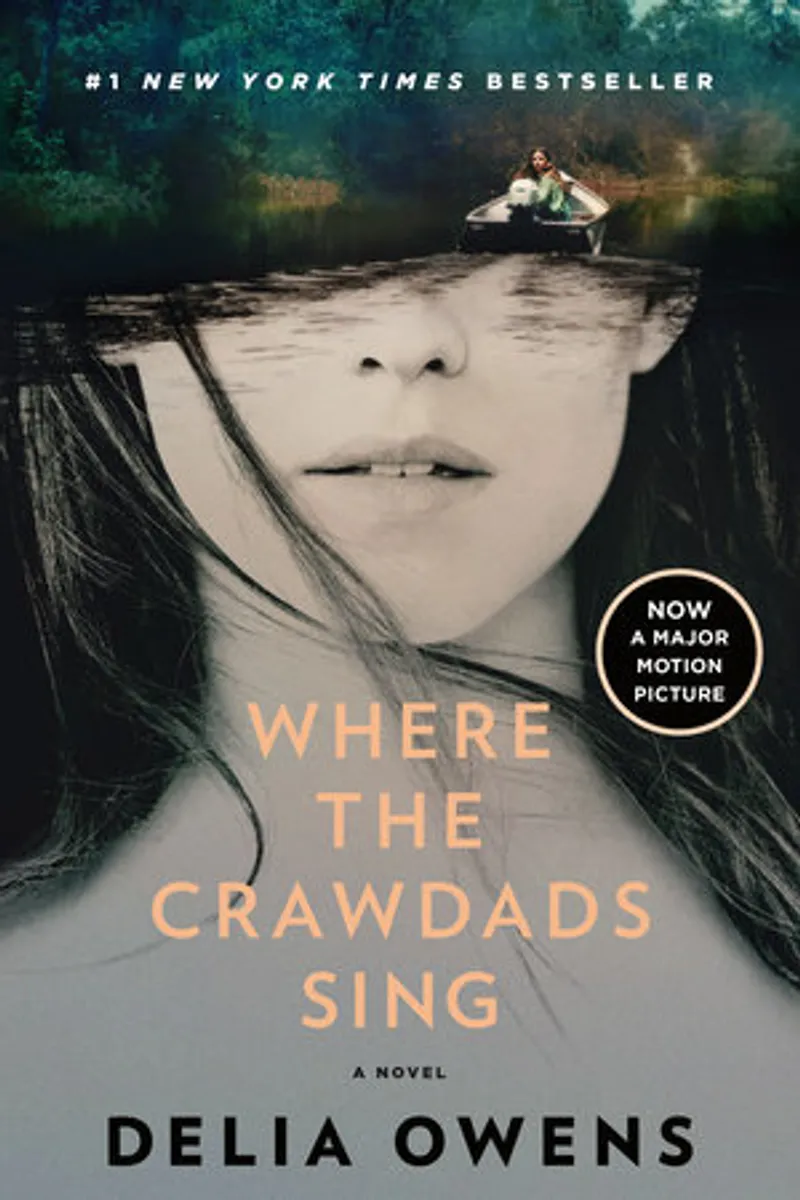
Where the Crawdads Sing: Reese's Book Club Author: Delia OwensPage Count: UnknownPublication Date: 2022-PRH Where the Crawdads Sing by Delia Owens is a mesmerizing and poignant tale that weaves together the intricate threads of human experience, nature, and mystery. This New York Times bestselling novel has captured the hearts of millions worldwide, and for good reason. Owens' masterful storytelling transports readers to the depths of the North Carolina marsh, where the enigmatic Kya Clark, known to the locals as the "Marsh Girl," resides. At its core, the novel is a powerful exploration of loneliness, love, and the human condition. Kya, a sensitive and intelligent young woman, has grown up in isolation, finding solace in the natural world that surrounds her. Her story is a heart-wrenching coming-of-age narrative that delves into the complexities of human relationships and the longing for connection. As Kya navigates her way through the challenges of adulthood, Owens skillfully exposes the fragility and beauty of the human spirit. One of the most striking aspects of Owens' writing style is her ability to seamlessly blend the boundaries between nature and human experience. The marsh, with its majestic beauty and unforgiving power, becomes a character in its own right, shaping Kya's existence and influencing the lives of those around her. Owens' vivid descriptions of the natural world are breathtaking, immersing readers in the sights, sounds, and scents of the marsh. The novel is also a gripping murder mystery, as the sudden death of Chase Andrews sets off a chain of events that threatens to upend Kya's life. Owens expertly weaves together the threads of the mystery, keeping readers on the edge of their seats as they try to unravel the truth. Throughout the novel, Owens' prose is lyrical and evocative, with a poetic quality that adds depth and nuance to the narrative. Her writing is both elegant and accessible, making the novel a joy to read. The characters are multidimensional and complex, with Kya being a particularly compelling protagonist. One of the most significant themes of the novel is the way in which our past experiences shape us into the people we become. Kya's childhood, marked by abandonment and loneliness, has a profound impact on her adult life, influencing her relationships and worldview. Owens reminds us that we are all products of our past, and that the memories and experiences we accumulate over time continue to shape us in profound ways. In conclusion, Where the Crawdads Sing is a masterpiece of contemporary literature, a novel that will resonate with readers long after they finish the book. Owens' writing is a testament to the power of storytelling, and her ability to craft a narrative that is both beautiful and heartbreaking is a rare gift. If you haven't already, do yourself a favor and immerse yourself in the world of Kya Clark and the North Carolina marsh. #WhereTheCrawdadsSing #DeliaOwens #MarshGirl #NorthCarolinaCoast #ComingOfAgeStory #NatureWriting Related InsightsNever Book Review and Summary With a Vengeance Book Review and Summary The Little Book of Loss Rituals: 75 Practices for Grieving, Mourning, and Healing Book Review and Summary{ "@context": "https://schema.org", "@type": "FAQPage", "mainEntity": [ { "@type": "Question", "name": "What is the main focus of Where the Crawdads Sing Book Review and Summary?", "acceptedAnswer": { "@type": "Answer", "text": "Everything you need to know about Where the Crawdads Sing with our detailed review." } }, { "@type": "Question", "name": "Who authored the comprehensive guide on Where the Crawdads Sing Book Review and Summary?", "acceptedAnswer": { "@type": "Answer", "text": "This detailed article and its insights were carefully researched and authored by Delia Owens." } }, { "@type": "Question", "name": "Where can I find more related content about Books?", "acceptedAnswer": { "@type": "Answer", "text": "You can explore more articles, detailed reviews, and similar insights by browsing the Related Insights section at the bottom of this article or visiting our dedicated Books category page." } } ] }
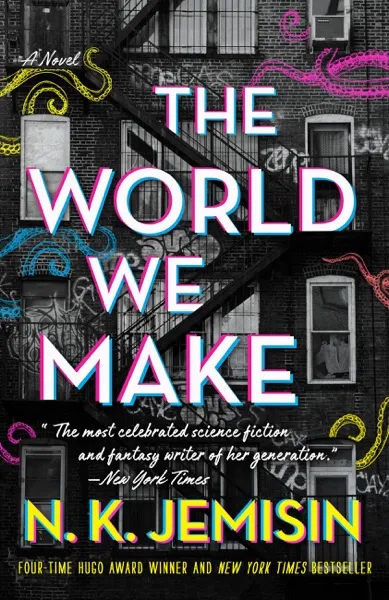
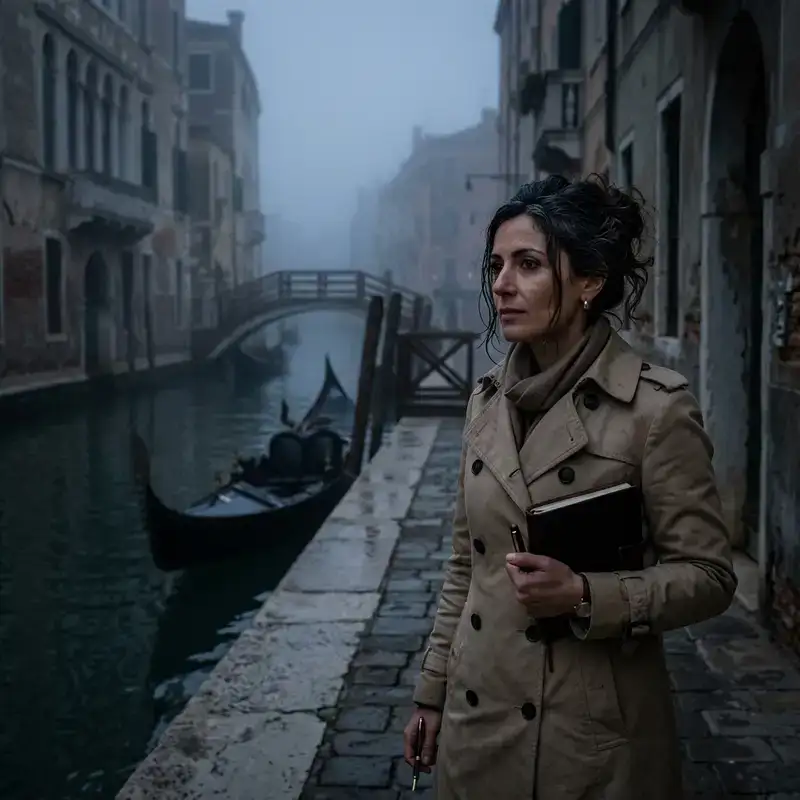
The World We Make Author: N. K. JemisinPage Count: UnknownPublication Year: 2022-GB N. K. Jemisin’s The World We Make is a masterclass in speculative fiction that doesn’t just build worlds—it reshapes reality itself. As the concluding volume in Jemisin’s Great Cities trilogy (following The City We Became), this novel deepens the stakes of what it means to be human in a city that breathes, fights, and dreams. Jemisin, a three-time Hugo Award winner, once again proves why she’s one of the most visionary writers of our time, blending myth, urban fantasy, and existential dread into a narrative that feels both timeless and urgently necessary. At its core, The World We Make explores the fragility of identity and belonging in a world where cities are sentient entities, and human lives are inextricably woven into their survival. The story follows a cast of characters—architects, artists, and activists—who must confront a reality where New York City, embodied as a living, breathing entity named Manhattan, is under siege by an ancient, malevolent force. But this is no mere allegory for gentrification or systemic oppression. Jemisin’s genius lies in how she layers her narrative with personal and collective trauma, making the city’s survival feel like an extension of the characters’ own struggles with memory, displacement, and self-worth. Jemisin’s prose is electric, pulsing with the rhythm of a jazz improvisation—sometimes lyrical, sometimes jagged, always immersive. She doesn’t just describe the city; she embodies it. The prose mimics the ebb and flow of subway trains, the cacophony of street vendors, the weight of history pressing down on every corner. When Manhattan speaks, it’s through the voice of its past inhabitants, their voices layered like sedimentary rock, each layer a different era of joy, pain, and resilience. Jemisin’s world-building is so vivid that New York doesn’t feel like a setting—it feels like a character, one that’s as flawed, brilliant, and contradictory as any human. The novel’s central theme—creation and destruction—is explored with devastating precision. Jemisin forces her characters (and readers) to grapple with the question: What do we owe the worlds we build? The city, like art, like love, is a living thing that demands sacrifice. The characters must confront their own complicity in systems of power, whether as artists who profit from appropriation or activists who burn out under the weight of resistance. The book doesn’t offer easy answers, but it does demand that we look unflinchingly at the cost of survival. Jemisin’s style is also deeply political, though never didactic. She weaves in themes of racial identity, queer love, and class struggle with a deft hand, making the fantastical feel rooted in lived experience. The villain, a force of entropy called The Enemy, isn’t just a faceless monster—it’s a manifestation of the cycles of decay that capitalism thrives on. To defeat it, the characters must embrace creation in all its messy, imperfect forms, from the art that binds communities to the friendships that sustain them. What makes The World We Make so compelling is how it refuses to let its readers stay comfortable. Jemisin doesn’t just tell a story; she unsettles you. The novel’s climax is a breathtaking sequence where the city’s very architecture bends and warps, a visual and emotional tour de force that feels like watching New York City dance on the edge of a knife. The ending is bittersweet—hopeful, but never naive. It acknowledges that cities, like people, are always in the process of becoming, of making and remaking themselves. If The City We Became was a love letter to New York, The World We Make is a manifesto. It’s a book that challenges us to see the world not as something we passively inhabit, but as something we actively co-create. In an era where cities are increasingly commodified and identities are policed, Jemisin’s work feels like a rebellion. It’s a reminder that the worlds we make are only as strong as the communities we build within them. For readers who love speculative fiction that packs an emotional punch, The World We Make is essential. It’s a novel that lingers, not just because of its dazzling world-building, but because it asks us to confront the very foundations of our existence. Jemisin doesn’t just write about the world we live in; she writes about the world we could make—if we dare. #NkJemisin #TheWorldWeMake #SpeculativeFiction #UrbanFantasy #GreatCitiesTrilogy #SFF Related InsightsIdentity Book Review and Summary The Hours Book Review and Summary First Sign of Danger Book Review and Summary{ "@context": "https://schema.org", "@type": "FAQPage", "mainEntity": [ { "@type": "Question", "name": "What is the main focus of The World We Make Book Review and Summary?", "acceptedAnswer": { "@type": "Answer", "text": "Everything you need to know about The World We Make with our detailed review." } }, { "@type": "Question", "name": "Who authored the comprehensive guide on The World We Make Book Review and Summary?", "acceptedAnswer": { "@type": "Answer", "text": "This detailed article and its insights were carefully researched and authored by Sofia Bianchi." } }, { "@type": "Question", "name": "Where can I find more related content about Books?", "acceptedAnswer": { "@type": "Answer", "text": "You can explore more articles, detailed reviews, and similar insights by browsing the Related Insights section at the bottom of this article or visiting our dedicated Books category page." } } ] }
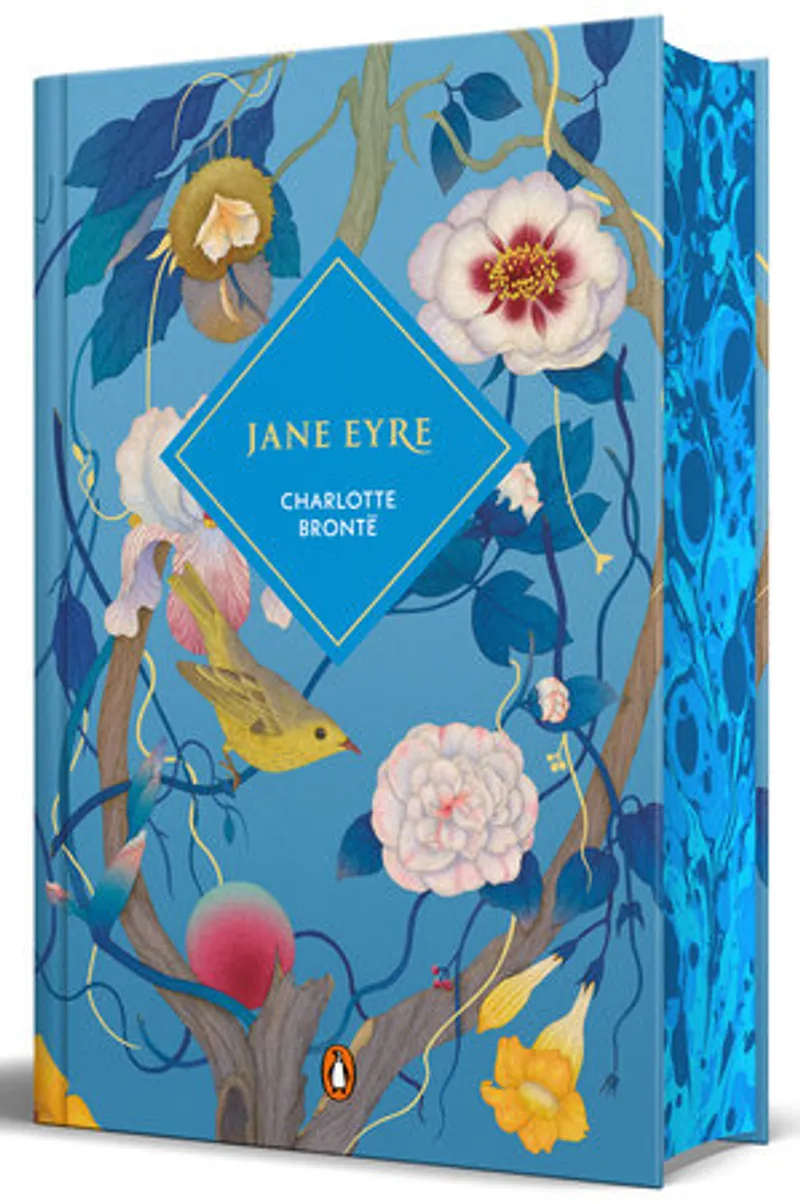
Jane Eyre (edición limitada con cantos pintados) / Jane Eyre (Limited Sprayed Edges Edition) Author: Charlotte BrontëPage Count: UnknownPublication Date: 2026-PRH A Gothic Flame in Gilded Pages: Charlotte Brontë’s Jane Eyre Revisited in Splendor Charlotte Brontë’s Jane Eyre is not merely a novel; it is a tempest in a teacup, a rebellion whispered in corseted prose, a love story that dares to burn before it bends. First published in 1847 under the pseudonym Currer Bell, this tale of an orphaned governess who finds both passion and principle in the brooding halls of Thornfield Hall has endured as a cornerstone of Gothic romance and feminist literature. Now, with the release of the Limited Sprayed Edges Edition—a sumptuous reimagining with painted edges that shimmer like the moors under moonlight—Brontë’s masterpiece is given a visual homage worthy of its emotional intensity. At its core, Jane Eyre is a meditation on autonomy. Jane, the titular heroine, is a woman forged in adversity: neglected by relatives, tormented at Lowood School, and later subjected to the whims of a master who both fascinates and terrifies her. Yet what makes her immortal is not her suffering, but her refusal to be diminished by it. "I am no bird," she declares, "and no net ensnares me." This defiance is the beating heart of the novel, a quiet but unyielding assertion of self-worth in a world that seeks to silence women. Brontë does not write Jane as a victim, but as a survivor who demands dignity, equality, and—crucially—love on her own terms. The novel’s power lies in its duality: it is both a Gothic thriller and a psychological portrait. Thornfield Hall, with its hidden attic, eerie laughter, and the madwoman in the attic (the unforgettable Bertha Mason), is a labyrinth of secrets and suppressed desires. Yet Brontë’s genius is in making the supernatural feel like an extension of the human psyche. The creaking floorboards and flickering candles are not just Gothic tropes; they mirror Jane’s inner turmoil—the fear of losing control, the struggle between duty and desire, the terror of being consumed by passion. When Jane finally confronts Mr. Rochester, her equal in spirit if not in station, their reunion is not just a romantic climax but a triumph of mutual respect. "Reader, I married him," she declares, and in that simple sentence, Brontë dismantles centuries of female subjugation. Brontë’s prose is a study in restraint and rawness. Her sentences are precise, almost austere, yet they crackle with suppressed emotion. There is no melodrama in Jane’s voice, only a steady, unshakable resolve. When she confesses her love for Rochester, it is not with the breathless ardor of a romance novel, but with the quiet certainty of a woman who knows her worth: "I have as much soul as you—and full as much heart!" This economy of language makes the novel’s emotional peaks all the more devastating. Brontë never over-explains; she trusts the reader to feel the weight of Jane’s silences as much as her words. The Limited Sprayed Edges Edition elevates this experience further. The painted edges—deep blues, fiery reds, or muted golds—hint at the novel’s duality: the beauty of Thornfield’s gardens and the darkness of its secrets. Holding the book, one can almost feel the moors’ chill in the fingertips, the weight of Jane’s solitude in the spine’s resistance. It is a tactile reminder that literature is not just read; it is inhabited. Some critics have dismissed Jane Eyre as a product of its time, a Victorian morality tale in Gothic clothing. But Brontë’s subversion is too radical to be contained by era. Jane’s insistence on equality, her rejection of a life of quiet obedience, and her unapologetic sexuality (yes, she admits to loving Rochester before marriage) were radical in 1847—and remain so in many corners of the world today. This is a novel that dares to ask: Can a woman be both passionate and principled? Can she love fiercely without losing herself? The answer, Brontë insists, is yes. In an age where women’s autonomy is still contested, Jane Eyre feels less like a relic and more like a manifesto. The painted edges of this edition are not just decorative; they are a shield, a border between the ordinary and the extraordinary, much like Jane herself. This is a book to be read by candlelight, to be held with reverence, to be quoted in moments of defiance. It is, in every sense, a classic—but not because it is safe. It is a classic because it refuses to be tamed. Charlotte Brontë did not write a love story. She wrote a battle cry. #JaneEyre #GothicRomance #FeministLiterature #ClassicNovel #BrontëSisters #Bookstagram Related InsightsThe Complete Calvin and Hobbes Book Review and Summary The Art of Rivalry Book Review and Summary The City We Became Book Review and Summary{ "@context": "https://schema.org", "@type": "FAQPage", "mainEntity": [ { "@type": "Question", "name": "What is the main focus of Jane Eyre Book Review and Summary?", "acceptedAnswer": { "@type": "Answer", "text": "Everything you need to know about Jane Eyre with our detailed review." } }, { "@type": "Question", "name": "Who authored the comprehensive guide on Jane Eyre Book Review and Summary?", "acceptedAnswer": { "@type": "Answer", "text": "This detailed article and its insights were carefully researched and authored by Charlotte Brontë." } }, { "@type": "Question", "name": "Where can I find more related content about Books?", "acceptedAnswer": { "@type": "Answer", "text": "You can explore more articles, detailed reviews, and similar insights by browsing the Related Insights section at the bottom of this article or visiting our dedicated Books category page." } } ] }
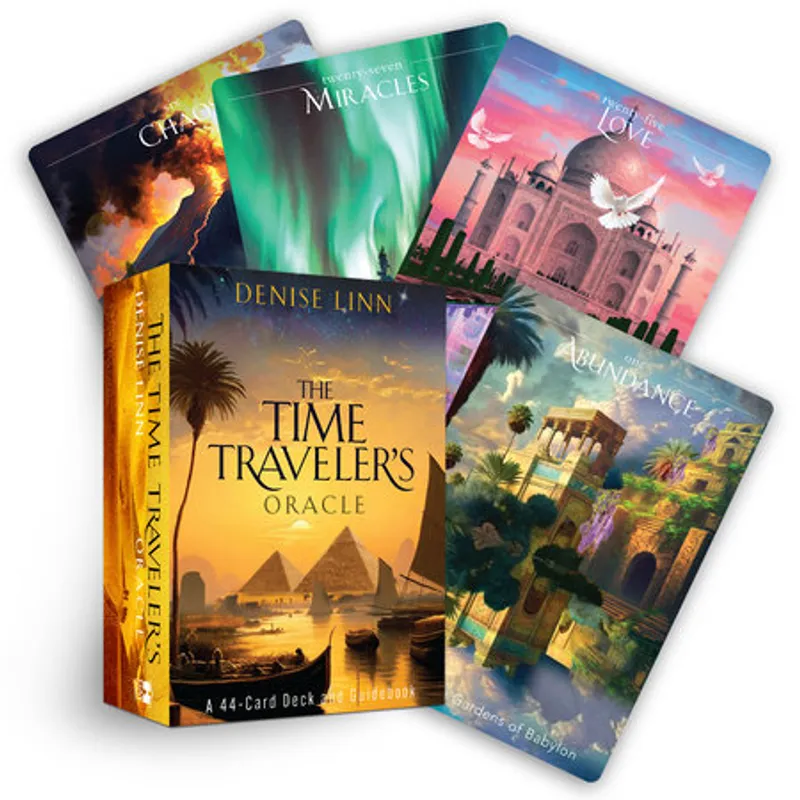
The Time Traveler's Oracle Author: Denise LinnPage Count: UnknownPublication Date: 2024-PRH In the realm of spiritual and metaphysical exploration, few authors have managed to capture the essence of the human experience as eloquently as Denise Linn. Her latest offering, "The Time Traveler's Oracle", is a testament to her profound understanding of the mysteries that govern our existence. This enigmatic book is an odyssey that delves into the very fabric of time, inviting readers to embark on a transformative journey of self-discovery and introspection. From the onset, it becomes apparent that Linn's writing style is as much a character in the narrative as the concepts she explores. Her prose is akin to a gentle breeze on a summer's day, soothing and calming, yet imbued with an undercurrent of profundity that resonates deeply. As she navigates the complexities of time and its role in shaping our lives, Linn's words become a catalyst for introspection, coaxing readers to confront the depths of their own consciousness. The Time Traveler's Oracle is, in essence, a guidebook for navigating the labyrinthine corridors of time. Linn posits that our experiences, past, present, and future, are intertwined, and that by tapping into this collective unconscious, we can transcend the limitations of our mundane reality. Through a series of exercises, meditations, and philosophical musings, she empowers readers to become the architects of their own destiny, to weave a tapestry of time that is at once personal and universal. One of the most striking aspects of Linn's approach is her ability to synthesize disparate concepts from various spiritual traditions, rendering them accessible to a broad audience. Her writing is replete with allusions to ancient wisdom, from the mysticism of the Egyptians to the philosophical musings of modern-day sages. This eclecticism not only adds depth to her narrative but also serves as a testament to the timeless nature of her subject matter. Throughout the book, Linn's passion for her subject is palpable, and her enthusiasm is infectious. She writes with the conviction of a mystic, yet tempers her fervor with a healthy dose of skepticism, acknowledging the mysteries that lie beyond the realm of human comprehension. This balance between the rational and the intuitive lends an air of authenticity to her narrative, rendering it all the more compelling. If there is a criticism to be levied, it is that Linn's writing occasionally veers into the realm of the esoteric, potentially alienating readers who are not familiar with the more arcane aspects of spiritual lore. However, for those willing to embark on this journey, the rewards are well worth the effort. In conclusion, "The Time Traveler's Oracle" is a masterpiece of spiritual literature, a testament to Denise Linn's mastery of her craft. This book is an invitation to explore the hidden recesses of our consciousness, to navigate the labyrinth of time, and to emerge transformed, renewed, and reborn. For those seeking a deeper understanding of themselves and the mysteries that surround us, this book is an indispensable guide. #TimeTravelersOracle #DeniseLinn #SpiritualLiterature #MetaphysicalExploration #TimeAndConsciousness #OracleGuidance Related InsightsFirst Person Singular Book Review and Summary Crossing the Wine-Dark Sea: Journeys Through Ancient Literature Book Review and Summary Midnight Sun [2008 Draft] Book Review and Summary{ "@context": "https://schema.org", "@type": "FAQPage", "mainEntity": [ { "@type": "Question", "name": "What is the main focus of The Time Traveler's Wife Book Review and Summary?", "acceptedAnswer": { "@type": "Answer", "text": "Everything you need to know about The Time Traveler's Wife with our detailed review." } }, { "@type": "Question", "name": "Who authored the comprehensive guide on The Time Traveler's Wife Book Review and Summary?", "acceptedAnswer": { "@type": "Answer", "text": "This detailed article and its insights were carefully researched and authored by Audrey Niffenegger." } }, { "@type": "Question", "name": "Where can I find more related content about Books?", "acceptedAnswer": { "@type": "Answer", "text": "You can explore more articles, detailed reviews, and similar insights by browsing the Related Insights section at the bottom of this article or visiting our dedicated Books category page." } } ] }
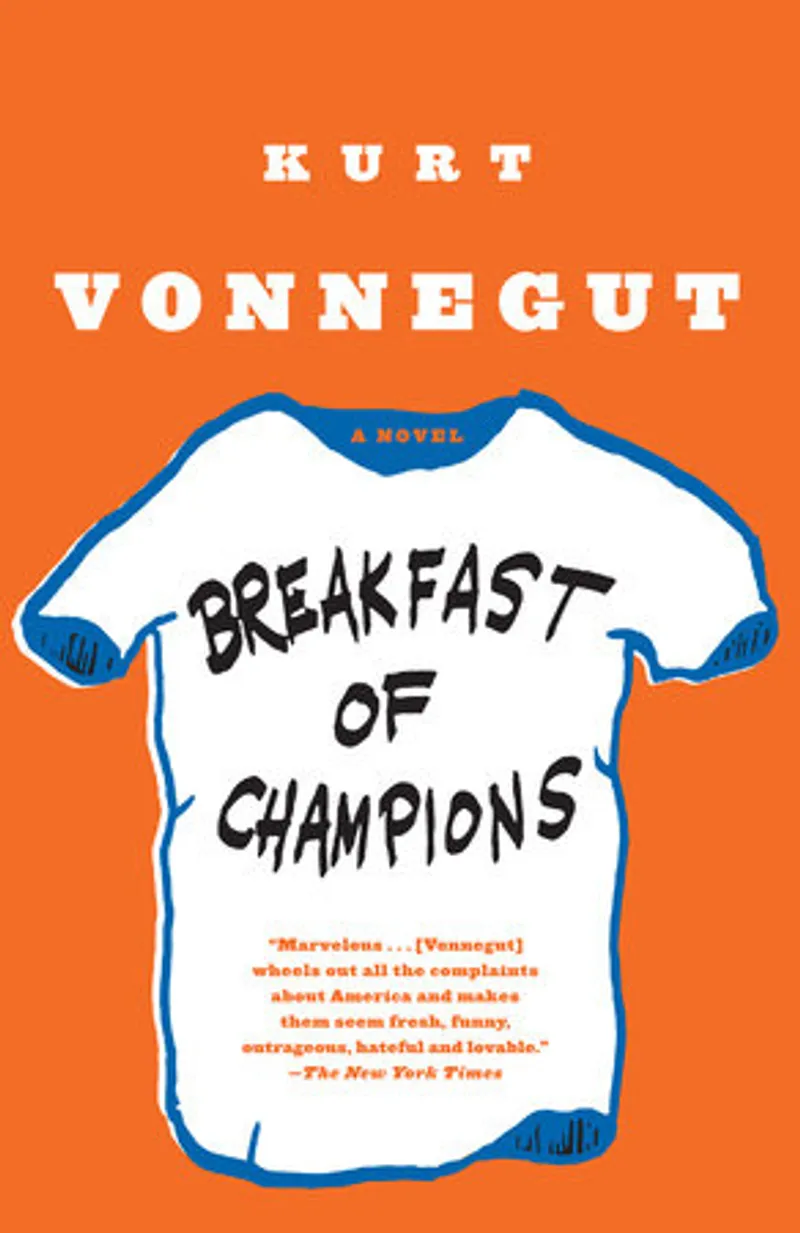
Breakfast of Champions Author: Kurt VonnegutPage Count: UnknownPublication Date: 1999-PRH Breakfast of Champions, penned by the inimitable Kurt Vonnegut, is a scathing satire that lays bare the darker underbelly of the American Dream. Written in Vonnegut's characteristic free-wheeling style, this novel is a wild ride that defies conventions and pushes the boundaries of social commentary. At its core, Breakfast of Champions is a searing critique of modern society, tackling a myriad of issues including war, racism, pollution, and the commodification of success. Vonnegut's unique voice, both humorous and irreverent, skewers the sacred cows of American culture, leaving no stone unturned in his quest for truth. Through the character of Kilgore Trout, an aging writer whose fiction is taken as gospel by a Midwestern car dealer, Vonnegut explores the notion that truth is relative and that the lines between reality and fiction are increasingly blurred. This theme is echoed in the novel's exploration of the intersection of technology and humanity, where the proliferation of media and advertising has created a society in which people are more likely to believe what they see on television than what they experience in their own lives. Vonnegut's writing style is uniquely suited to this subject matter. His prose is conversational, witty, and engaging, making the novel feel like a wild, late-night conversation with a friend. At the same time, however, his words are laced with a deep sense of sadness and outrage, a sense that the world is spinning out of control and that we are powerless to stop it. One of the most striking aspects of Breakfast of Champions is its ability to balance humor and pathos. Vonnegut is a master of the absurd, and his writing is full of clever one-liners and humorous set pieces. At the same time, however, he is not afraid to tackle the darker aspects of human nature, and the novel is peppered with moments of profound sadness and introspection. In short, Breakfast of Champions is a masterpiece of satire, a novel that is both a product of its time and a timeless commentary on the human condition. Vonnegut's unique voice and style make this novel a must-read for anyone interested in social commentary, satire, or simply great writing. #KurtVonnegut #BreakfastOfChampions #Satire #AmericanDream #SocialCommentary #ClassicLiterature Related InsightsWorld Without End Book Review and Summary David Baldacci November 2024 Book Review and Summary A Time of Witches Book Review and Summary{ "@context": "https://schema.org", "@type": "FAQPage", "mainEntity": [ { "@type": "Question", "name": "What is the main focus of Breakfast of Champions Book Review and Summary?", "acceptedAnswer": { "@type": "Answer", "text": "Everything you need to know about Breakfast of Champions with our detailed review." } }, { "@type": "Question", "name": "Who authored the comprehensive guide on Breakfast of Champions Book Review and Summary?", "acceptedAnswer": { "@type": "Answer", "text": "This detailed article and its insights were carefully researched and authored by Kurt Vonnegut Jr.." } }, { "@type": "Question", "name": "Where can I find more related content about Books?", "acceptedAnswer": { "@type": "Answer", "text": "You can explore more articles, detailed reviews, and similar insights by browsing the Related Insights section at the bottom of this article or visiting our dedicated Books category page." } } ] }
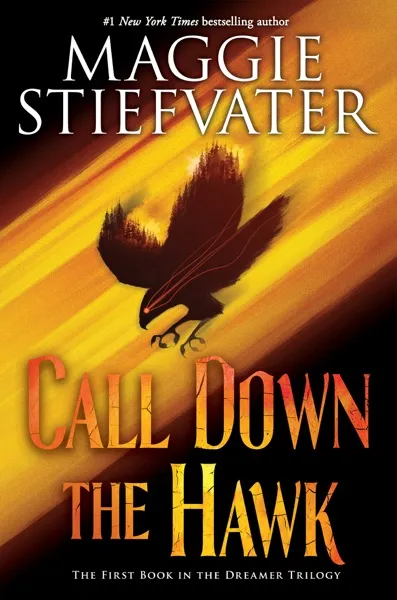

Call Down the Hawk Author: Maggie StiefvaterPage Count: UnknownPublication Year: 2019-GB Maggie Stiefvater’s Call Down the Hawk is a masterclass in weaving myth into modern realism, a novel that feels both timeless and urgently contemporary. Part of the Dreamer Trilogy, it introduces readers to a world where dreams are not just the stuff of sleep but a tangible, dangerous force—one that can be stolen, weaponized, or lost entirely. Stiefvater, a writer of rare emotional precision and lyrical power, crafts a story that is as much about the fragility of human connection as it is about the supernatural. At its core, Call Down the Hawk explores the cost of power and the loneliness of being different. The protagonist, Ronan Lynch, is a character who has always been an enigma, even to himself. He comes from a family cursed with the ability to pull dreams into reality—a gift that is as much a burden as it is a wonder. Ronan’s dreams, in particular, have a habit of bleeding into the waking world in violent, unpredictable ways. The novel opens with him waking from a nightmare only to find a dead body in his kitchen, a man he doesn’t recognize but whose death is somehow tied to his subconscious. This eerie inciting incident sets the tone for a story that is equal parts noir thriller and psychological horror. Stiefvater’s genius lies in her ability to balance the surreal with the deeply human. Her prose is rich and immersive, painting the American South—a place she clearly adores—with a painter’s eye. The decaying grandeur of the Lynch family estate, the neon glow of diners in the dead of night, the quiet desperation of small-town life all serve as a backdrop to a story that is fundamentally about isolation. Ronan, along with his brothers Declan and Matthew, each grapple with their own versions of alienation. Declan, the responsible older brother, buries himself in academia to escape the family’s curse; Matthew, the youngest, is still learning to control his own burgeoning abilities. Together, they form a fractured unit, bound not just by blood but by the shared weight of their legacy. What makes Call Down the Hawk so compelling is its refusal to simplify the supernatural elements into neat, explanatory packages. Dreams here are not just metaphors—they are forces with their own rules, their own dangers. The novel introduces the concept of Dreamers, people who can pull dreams into reality, and the Rooks, those who hunt them. The conflict between these two groups drives much of the plot, but Stiefvater never reduces the story to a mere chase. Instead, she uses the supernatural as a lens to examine deeper themes: the fear of losing control, the struggle to belong, and the desperate need for someone to see you, really see you, beyond the masks you wear. Stiefvater’s style is a blend of the poetic and the visceral. She has a knack for writing scenes that are both breathtakingly beautiful and viscerally intense. Consider a moment where Ronan, in a fit of rage, tears apart a motel room with his bare hands, his emotions manifesting in the physical world in a way that is terrifying and awe-inspiring. Or the quiet, aching tenderness of a scene where he tries to explain his fears to his brothers, only to find that words fail him. These moments are where Stiefvater’s writing shines brightest—when she balances the raw, unfiltered emotion of her characters with the haunting, dreamlike quality of their world. The novel also excels in its character dynamics, particularly in the relationships between the Lynch brothers. Their interactions are fraught with tension, love, and resentment, a dynamic that feels achingly real. Stiefvater doesn’t shy away from showing the ugly sides of these characters—their selfishness, their cowardice, their moments of cruelty—yet she never lets these flaws diminish their humanity. Ronan, in particular, is a study in contradictions: he is fiercely loyal but emotionally closed-off, powerful yet vulnerable, a predator who fears he will never be tamed. One of the most striking aspects of Call Down the Hawk is its exploration of trauma and healing. The Lynch family is haunted not just by their curse but by the loss of their father, a man who was both a Dreamer and a monster. His absence looms large over the story, a wound that refuses to heal. Stiefvater doesn’t offer easy resolutions to this pain; instead, she shows how her characters navigate it, how they try to piece together a future despite the weight of their past. It’s a message that resonates deeply in a world where so many of us carry our own invisible scars. Ultimately, Call Down the Hawk is a novel about the things we create—whether they are dreams, nightmares, or the stories we tell ourselves to survive. It’s a story about the power of imagination, the terror of losing control, and the quiet courage it takes to face the darkness, both within and without. Stiefvater has crafted a world that is as vivid and immersive as it is haunting, a testament to her skill as a storyteller. If you’re a fan of urban fantasy that feels grounded in real emotion, or if you’ve ever woken up from a dream and wondered how much of it was real, this book will grip you from the first page to the last. #DreamerTrilogy #MaggieStiefvater #UrbanFantasy #SupernaturalThriller #RonanLynch #DarkFantasy Related InsightsThe Bloodfire Oath (The Arcanum Order, #1) Book Review and Summary Fahrenheit 451 (Edición Icónica) / Fahrenheit 451 Book Review and Summary A Gambling Man Book Review and Summary{ "@context": "https://schema.org", "@type": "FAQPage", "mainEntity": [ { "@type": "Question", "name": "What is the main focus of Call Down the Hawk Book Review and Summary?", "acceptedAnswer": { "@type": "Answer", "text": "Everything you need to know about Call Down the Hawk with our detailed review." } }, { "@type": "Question", "name": "Who authored the comprehensive guide on Call Down the Hawk Book Review and Summary?", "acceptedAnswer": { "@type": "Answer", "text": "This detailed article and its insights were carefully researched and authored by Sarah Davis." } }, { "@type": "Question", "name": "Where can I find more related content about Books?", "acceptedAnswer": { "@type": "Answer", "text": "You can explore more articles, detailed reviews, and similar insights by browsing the Related Insights section at the bottom of this article or visiting our dedicated Books category page." } } ] }

El lector de la tabaquería / The Reader at the Tobacconist’s Author: Susana VidalPage Count: UnknownPublication Date: 2026-PRH In the midst of a literary landscape that often prioritizes grand narratives, Susana Vidal's "El lector de la tabaquería" (The Reader at the Tobacconist's) is a breath of fresh air, a poignant and introspective exploration of the human experience that will linger long after the final page is turned. This quietly powerful novel is a testament to Vidal's masterful storytelling and her unique ability to craft characters that feel at once deeply personal and universally relatable. At its core, "The Reader at the Tobacconist's" is a meditation on the transformative power of stories and the ways in which they can both unite and isolate us. The novel's unnamed protagonist, a regular at the local tobacconist's shop, is a voracious reader who finds solace in the pages of great literature. As they delve deeper into the world of words, they begin to see the world around them in a new light, and the boundaries between reality and fiction start to blur. Vidal's prose is a character in its own right, weaving a spell of quiet contemplation that draws the reader inexorably into the world of the tobacconist's shop. Her writing is economical yet evocative, conjuring the musty scent of old books and the faint tang of tobacco smoke with ease. The result is a novel that feels both deeply rooted in the physical world and effortlessly transportive. One of the most striking aspects of "The Reader at the Tobacconist's" is its exploration of the tension between solitude and connection. The protagonist's love of reading is both a source of comfort and a barrier to meaningful relationships, and Vidal handles this paradox with a nuanced sensitivity that is both heartbreaking and profoundly relatable. Throughout the novel, Vidal's touch is light yet assured, guiding the reader through a narrative that is both deeply personal and strangely universal. The result is a novel that feels both intimate and expansive, a true triumph of literary storytelling. If you're looking for a novel that will challenge your assumptions about the power of stories and the human experience, look no further than "The Reader at the Tobacconist's". This is a book that will linger in your mind long after you finish reading it, a testament to the enduring power of great literature to transform and transcend. #TheReaderAtTheTobacconists #SusanaVidal #LiteraryFiction #BookLovers #ReadingIsLife #TobaccoAndTales Related InsightsAnxious People Book Review and Summary Return to the Shack: A Journey into Redemption Book Review and Summary Emerald Blaze Book Review and Summary{ "@context": "https://schema.org", "@type": "FAQPage", "mainEntity": [ { "@type": "Question", "name": "What is the main focus of The Reader Book Review and Summary?", "acceptedAnswer": { "@type": "Answer", "text": "Everything you need to know about The Reader with our detailed review." } }, { "@type": "Question", "name": "Who authored the comprehensive guide on The Reader Book Review and Summary?", "acceptedAnswer": { "@type": "Answer", "text": "This detailed article and its insights were carefully researched and authored by Bernhard Schlink." } }, { "@type": "Question", "name": "Where can I find more related content about Books?", "acceptedAnswer": { "@type": "Answer", "text": "You can explore more articles, detailed reviews, and similar insights by browsing the Related Insights section at the bottom of this article or visiting our dedicated Books category page." } } ] }
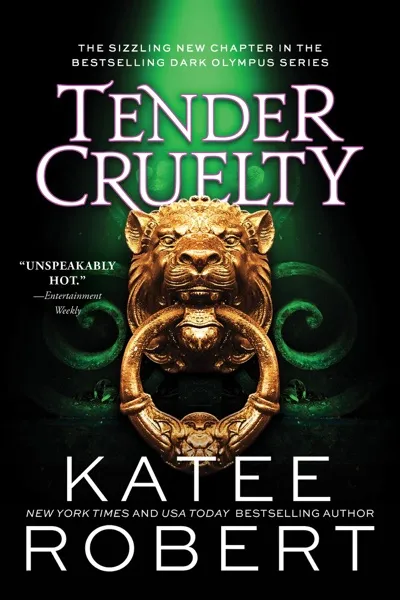

Tender Cruelty Author: Katee RobertPage Count: UnknownPublication Year: 2025-GB Tender Cruelty: A Dark, Dazzling Descent into Love’s Most Brutal Beauty Katee Robert’s Tender Cruelty isn’t just a book—it’s an experience, a visceral punch to the gut wrapped in the silk of lyrical prose. Slated for 2025, this highly anticipated novel has already been hailed as a global bestseller before its release, and for good reason. Robert, known for her razor-sharp wit and unflinching exploration of human darkness, delivers a story that is as tender as it is cruel, as intoxicating as it is devastating. If you think love is soft, Robert will remind you it’s also a blade. At its core, Tender Cruelty is a love story—but not the kind that glows with candlelight and whispered promises. This is love stripped bare, love that claws its way through the underbelly of human nature, leaving scars that refuse to fade. The novel follows two characters, their fates entwined in a dance of obsession and sacrifice, where every touch could be a caress or a curse. Robert doesn’t just write romance; she dissects it, turning it inside out to reveal the raw, unfiltered truth beneath. Love here isn’t an escape; it’s a battlefield. Robert’s style is electric, a mix of gothic grandeur and contemporary grit. Her prose is lush, dripping with sensory detail that immerses the reader in the story’s oppressive, intoxicating atmosphere. Yet, she never shies away from the grotesque or the taboo, threading themes of power, control, and the blurred lines between devotion and destruction throughout the narrative. The dialogue crackles with tension, each line loaded with subtext, while the pacing is relentless, pulling the reader forward with the inevitability of a train hurtling toward a cliff. What makes Tender Cruelty so compelling is its refusal to romanticize its characters. They are flawed, often despicable, but undeniably human. Robert doesn’t ask us to root for them so much as she forces us to understand them—even when we shouldn’t. The result is a story that lingers, that haunts, that makes you question whether love is worth the pain it inflicts. It’s a theme that feels particularly urgent in a world where so many relationships are built on performative tenderness, where cruelty is often dressed in pretty lies. Robert tears those lies apart. The novel’s structure is another standout. Robert weaves multiple perspectives seamlessly, giving voice to each character’s inner turmoil without ever losing sight of the central conflict. The shifting viewpoints add depth, making the reader complicit in the unfolding tragedy. You’ll find yourself justifying actions you know are wrong, empathizing with villains, and questioning your own moral compass. That’s the mark of a truly great writer—one who doesn’t just tell a story but reshapes the way you think. Tender Cruelty is not for the faint of heart. It’s a book that demands to be felt, not just read. It’s about the kind of love that leaves bruises, the kind that lingers like a ghost long after the last page is turned. Katee Robert doesn’t just write dark romance; she crafts an experience that is as intellectually stimulating as it is emotionally exhausting. This is a novel that will divide readers—some will adore its unapologetic rawness, while others may recoil from its unflinching brutality. But one thing is certain: no one will forget it. If you’re looking for a love story that doesn’t comfort but confronts, Tender Cruelty is your next obsession. It’s the kind of book that seeps into your bones, leaving you changed. And that, perhaps, is its greatest cruelty of all. #TenderCruelty #DarkRomance #KateeRobert #LoveInDarkness #ObsessionAndSacrifice #NewRelease2025 Related InsightsLas tinieblas y el alba Book Review and Summary Crash into You Book Review and Summary Ethical Public Leadership Book Review and Summary{ "@context": "https://schema.org", "@type": "FAQPage", "mainEntity": [ { "@type": "Question", "name": "What is the main focus of Tender Cruelty Book Review and Summary?", "acceptedAnswer": { "@type": "Answer", "text": "Everything you need to know about Tender Cruelty with our detailed review." } }, { "@type": "Question", "name": "Who authored the comprehensive guide on Tender Cruelty Book Review and Summary?", "acceptedAnswer": { "@type": "Answer", "text": "This detailed article and its insights were carefully researched and authored by Olivia Harris." } }, { "@type": "Question", "name": "Where can I find more related content about Books?", "acceptedAnswer": { "@type": "Answer", "text": "You can explore more articles, detailed reviews, and similar insights by browsing the Related Insights section at the bottom of this article or visiting our dedicated Books category page." } } ] }
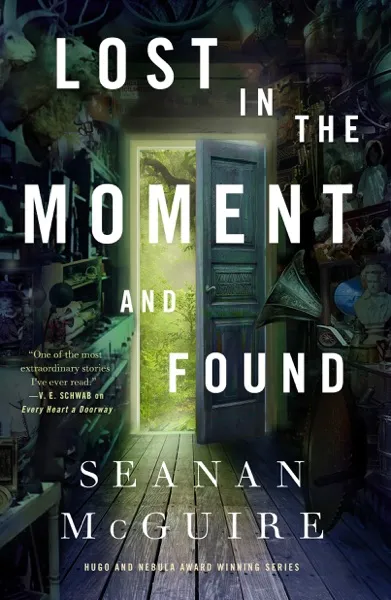
Lost in the Moment and Found Author: Seanan McGuirePage Count: UnknownPublication Year: 2023-GB Seanan McGuire’s Lost in the Moment and Found is a mesmerizing dance between time and memory, a story that lingers like the echo of a half-remembered dream. Published in 2023, this novel cements McGuire’s reputation as a master of speculative fiction, weaving a tale that is both deeply personal and universally resonant. With her signature blend of wit, heart, and uncanny imagination, she crafts a narrative that feels like stepping into a labyrinth of forgotten moments—where every turn reveals something unexpected, and every end is just another beginning. At its core, Lost in the Moment and Found explores the fragility of time and the ways in which memory shapes our identities. The story follows protagonist Elspeth, a woman who finds herself adrift in a shifting, surreal landscape where past, present, and future blur into one another. McGuire doesn’t just tell a story about time; she immerses the reader in its fluidity, making the abstract tangible through vivid, dreamlike prose. The world Elspeth inhabits is both familiar and alien—think the cozy corridors of a beloved library fused with the eerie, dream logic of a David Lynch film. Yet beneath the whimsy lies a poignant meditation on loss, resilience, and the stories we tell ourselves to survive. McGuire’s writing is deceptively accessible, laced with humor and warmth even in the face of profound themes. Her characters are vividly drawn, flawed yet endearing, and their struggles feel achingly real despite the fantastical backdrop. The dialogue crackles with sharp, naturalistic exchanges, while the prose effortlessly shifts between lyrical and grounded, mirroring the protagonist’s own journey through disorientation and clarity. There’s a melancholic beauty in the way McGuire handles time—not as a linear force, but as something malleable, something we can lose ourselves in or, perhaps, find ourselves through. The novel’s strength lies in its refusal to offer easy answers. Time, McGuire suggests, isn’t something to be conquered or controlled; it’s something to be experienced, even when it unravels us. The pacing is deliberate, allowing the story to unfold like a puzzle where the pieces only click into place when they’re ready. This might frustrate readers seeking a straightforward plot, but for those who appreciate the journey as much as the destination, Lost in the Moment and Found is a revelation. What truly sets this book apart, however, is McGuire’s ability to blend the fantastical with the deeply human. The surreal elements never overshadow the emotional core—if anything, they heighten it. The novel asks: What do we hold onto when everything else slips away? The answer, McGuire implies, isn’t in the moments we remember, but in the act of remembering itself. For fans of McGuire’s Wayward Children series or her other works like Every Heart a Doorway, this novel will feel like a natural evolution—more introspective, perhaps, but no less magical. For newcomers, it’s a masterclass in how to make the impossible feel intimate. Lost in the Moment and Found isn’t just a story about time; it’s a story about being human in a world that constantly tries to define us by its rules. Seanan McGuire has once again delivered a novel that lingers long after the last page. It’s a book that makes you question how much of your life is shaped by the moments you’ve lost—and how many of them you’ve found again, buried in the stories you tell yourself. #LostInTheMomentAndFound #SeananMcGuire #TimeTravelFiction #SpeculativeFiction #MagicalRealism #BookRecommendation Related InsightsEl nombre de la rosa (edición especial en tapa dura) / The Name of the Rose (Special Hardcover Edition) Book Review and Summary The 100 Hats of the Cat in the Hat: A Celebration of the 100th Day of School Book Review and Summary Hawk & Sparrow Book Review and Summary{ "@context": "https://schema.org", "@type": "FAQPage", "mainEntity": [ { "@type": "Question", "name": "What is the main focus of Lost in the Moment and Found Book Review and Summary?", "acceptedAnswer": { "@type": "Answer", "text": "Everything you need to know about Lost in the Moment and Found with our detailed review." } }, { "@type": "Question", "name": "Who authored the comprehensive guide on Lost in the Moment and Found Book Review and Summary?", "acceptedAnswer": { "@type": "Answer", "text": "This detailed article and its insights were carefully researched and authored by Natalia Sokolova." } }, { "@type": "Question", "name": "Where can I find more related content about Books?", "acceptedAnswer": { "@type": "Answer", "text": "You can explore more articles, detailed reviews, and similar insights by browsing the Related Insights section at the bottom of this article or visiting our dedicated Books category page." } } ] }