Showing Posts From
Books
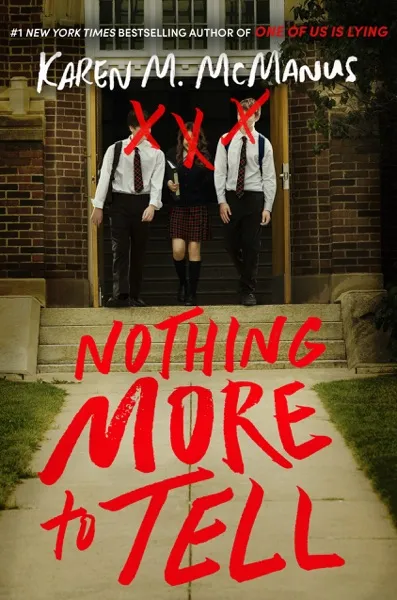

Nothing More to Tell Author: Karen M. McManusPage Count: UnknownPublication Year: 2022-GB Karen M. McManus doesn’t just write books—she crafts mysteries that linger like the echo of a whispered secret. With Nothing More to Tell, the queen of YA thriller storytelling once again proves why she’s a global phenomenon, blending razor-sharp suspense with emotional depth in a way that feels both intimate and explosive. If One of Us Is Lying redefined the genre with its Breakfast Club-meets-murder-mystery vibe, and Two Can Keep a Secret twisted small-town secrets into a noose-tight narrative, then Nothing More to Tell takes those signature elements—unreliable narrators, moral ambiguity, and a ticking clock of secrets—and cranks them up to eleven. At its heart, Nothing More to Tell is a story about truth, memory, and the stories we tell ourselves to survive. The novel follows Brynn, a high school senior who lands a coveted internship at her city’s true-crime podcast, The Devil You Know. Her assignment? Interview Sterling, the charismatic brother of a murder victim whose case was never solved. As Brynn digs deeper, she uncovers layers of lies—not just in the case files, but in her own past. The more she learns, the more she questions what she thought she knew about her family, her town, and even herself. McManus brilliantly plays with perspective, using alternating chapters between Brynn’s present-day investigation and flashbacks from her childhood, where the roots of the mystery—and Brynn’s trauma—are sown. What sets McManus apart is her ability to make the personal political. Nothing More to Tell isn’t just a whodunit; it’s a meditation on how power distorts truth. Brynn’s podcast isn’t just a school project—it’s a weapon. The people she interviews, the sources she trusts, the evidence she misinterprets—all become part of a larger game where the truth is both the prize and the trap. McManus forces readers to confront uncomfortable questions: Who gets to tell a story? Whose voice is amplified, and whose is erased? The novel’s climax hinges on these ideas, delivering a twist that feels earned rather than contrived, a rarity in a genre often criticized for relying on shock value. Stylistically, McManus is a master of controlled chaos. Her prose is clean and propulsive, never bogged down by purple metaphors or overwrought descriptions. She trusts the reader to fill in the blanks, which makes the reveals hit harder. Dialogue crackles with authenticity, and her characters—flawed, contradictory, and deeply human—feel like people you might pass in the hallway of your own high school. Brynn is a standout protagonist: vulnerable but resilient, haunted by her past yet determined to confront it. Her relationship with her stepfather, a former detective, adds a layer of tension that’s both familial and fraught with suspicion. Even minor characters like Sterling, the podcast’s subject, are given enough depth to avoid caricature, a pitfall many thriller writers stumble into. McManus also excels at weaving social commentary into her stories without ever sacrificing the plot’s momentum. Nothing More to Tell explores themes of systemic injustice, the ethics of true crime, and the ways trauma shapes identity. Brynn’s investigation isn’t just about solving a murder; it’s about dismantling a system that failed to protect the vulnerable. The novel’s setting—a fictional town with a dark underbelly—feels like a character itself, a place where everyone knows a secret but no one dares to speak it aloud. McManus’s ability to balance these heavy themes with the kinetic energy of a mystery is what makes her work so addictive. If there’s one criticism to level at Nothing More to Tell, it’s that the pacing occasionally stalls in the middle, as Brynn’s investigation hits a few too many dead ends. But this is a minor quibble in a novel that otherwise delivers on every promise. The payoff—a revelation that reframes everything—is worth the wait, leaving readers breathless and questioning their own assumptions. Karen M. McManus has done it again. Nothing More to Tell isn’t just another mystery; it’s a story about the stories we choose to believe, the ones we bury, and the ones that refuse to stay hidden. It’s a book that lingers, like the last note of a song you can’t get out of your head. And that, in the end, is the hallmark of great storytelling. #NothingMoreToTell #KarenMMcManus #YATriller #TrueCrimeFiction #YAThriller #MustRead2022 Related InsightsThe Lion, the Fox and the Eagle Book Review and Summary The Law of Innocence Book Review and Summary ... Trotzdem Ja zum Leben sagen Book Review and Summary{ "@context": "https://schema.org", "@type": "FAQPage", "mainEntity": [ { "@type": "Question", "name": "What is the main focus of Nothing More to Tell Book Review and Summary?", "acceptedAnswer": { "@type": "Answer", "text": "Everything you need to know about Nothing More to Tell with our detailed review." } }, { "@type": "Question", "name": "Who authored the comprehensive guide on Nothing More to Tell Book Review and Summary?", "acceptedAnswer": { "@type": "Answer", "text": "This detailed article and its insights were carefully researched and authored by Tiago Silva." } }, { "@type": "Question", "name": "Where can I find more related content about Books?", "acceptedAnswer": { "@type": "Answer", "text": "You can explore more articles, detailed reviews, and similar insights by browsing the Related Insights section at the bottom of this article or visiting our dedicated Books category page." } } ] }
Gears of War: Bloodlines Author: Jason M. HoughPage Count: UnknownPublication Date: 2027-PRH In the highly anticipated novel, Gears of War: Bloodlines, Jason M. Hough delves into the gritty world of Sera, where humanity is on the brink of collapse. As a renowned author of science fiction, Hough masterfully weaves a narrative that explores the very fabric of this post-apocalyptic society, delving deep into the theme of survival and the unbreakable bonds of family. From the onset, Hough's writing style is reminiscent of a gritty, war-torn chronicle, echoing the desperation and chaos that permeates the world of Gears of War. His prose is visceral, with each sentence carefully crafted to evoke a sense of urgency and danger. The narrative is fast-paced, with barely a moment to catch one's breath as the story hurtles forward, propelled by the unrelenting action and suspense. At the heart of Bloodlines lies a narrative that is both deeply personal and universally relatable. Hough expertly explores the complexities of family dynamics, particularly in the face of unimaginable adversity. The characters, though often rough around the edges, are multidimensional and authentic, their struggles and triumphs evoking a deep emotional resonance within the reader. One of the most striking aspects of Hough's writing is his ability to balance the brutal, unflinching action of the Gears of War universe with a profound sense of empathy and compassion. The characters' experiences are often harrowing, yet Hough never shies away from exploring the emotional toll of their struggles. This dichotomy serves to create a narrative that is both unapologetically intense and deeply human. Throughout the novel, Hough's world-building is meticulous and immersive, drawing heavily from the rich lore of the Gears of War franchise. The Sera of Bloodlines is a world of stark contrasts, where the remnants of human civilization cling to existence amidst the ruins of a bygone era. Hough's vivid descriptions of this ravaged world are nothing short of breathtaking, transporting the reader to a realm of unrelenting violence and desperation. If there is one criticism to be levied against Bloodlines, it is that the novel often prioritizes action over introspection. While this serves to create a breakneck pace that is undeniably thrilling, it occasionally comes at the cost of character development. Some readers may find themselves yearning for a deeper exploration of the characters' inner lives, particularly in the novel's more introspective moments. Ultimately, Gears of War: Bloodlines is a gripping, visceral novel that is sure to captivate fans of the franchise and newcomers alike. Hough's masterful storytelling and unflinching prose make for a compelling narrative that is both a worthy addition to the Gears of War canon and a standalone masterpiece of science fiction. #GearsOfWarBloodlines #JasonMHough #ScienceFiction #PostApocalyptic #GearsOfWarFranchise #ScienceFictionNovels Related InsightsPayback in Death Book Review and Summary Animals of the French Species (Lina Connerly, #2) Book Review and Summary Counting Down to You Book Review and Summary{ "@context": "https://schema.org", "@type": "FAQPage", "mainEntity": [ { "@type": "Question", "name": "What is the main focus of Bloodlines Book Review and Summary?", "acceptedAnswer": { "@type": "Answer", "text": "Everything you need to know about Bloodlines with our detailed review." } }, { "@type": "Question", "name": "Who authored the comprehensive guide on Bloodlines Book Review and Summary?", "acceptedAnswer": { "@type": "Answer", "text": "This detailed article and its insights were carefully researched and authored by Richelle Mead." } }, { "@type": "Question", "name": "Where can I find more related content about Books?", "acceptedAnswer": { "@type": "Answer", "text": "You can explore more articles, detailed reviews, and similar insights by browsing the Related Insights section at the bottom of this article or visiting our dedicated Books category page." } } ] }
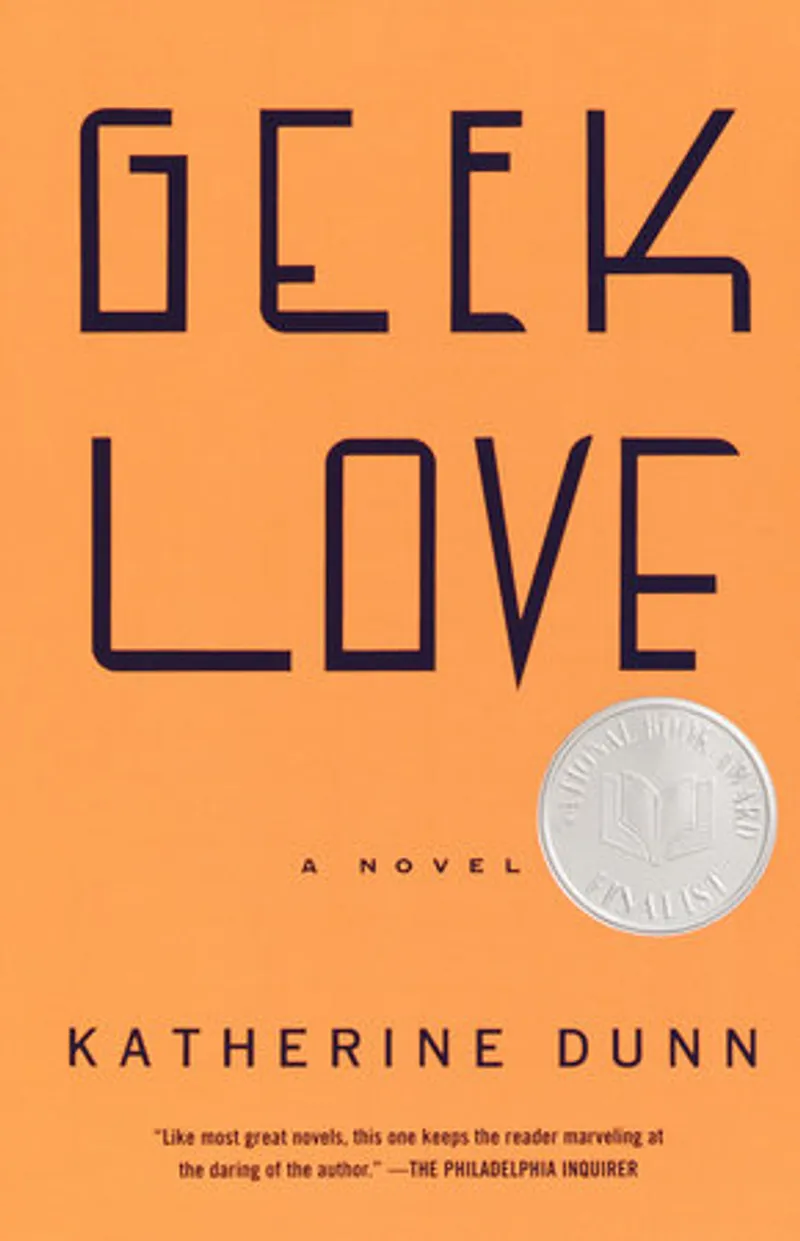
Geek Love Author: Katherine DunnPage Count: UnknownPublication Date: 2002-PRH Katherine Dunn’s Geek Love is a grotesque, brilliant, and utterly unforgettable novel that dares to ask: What if the freaks are the ones who see the world clearly? Published in 1989 (though often cited with a 2002 edition due to reprints), this National Book Award finalist is a carnival of the bizarre, a family saga that flips the script on normalcy, love, and ambition. It’s a book that doesn’t just push boundaries—it incinerates them, leaving behind a scorched landscape of human oddities and moral chaos. At its core, Geek Love is a twisted exploration of identity, family, and the grotesque as a form of truth. The Binewski family—Al, the ruthless patriarch with a god complex, and Crystal Lil, his amphetamine-fueled matriarch—decide to breed their own freak show. Using a cocktail of drugs, radiation, and sheer will, they create Arturo the Aqua Boy (a flippered, egomaniacal messiah), Iphy and Elly (Siamese twins bound in both body and mind), Oly (the albino hunchback narrator with a razor-sharp wit), and Chick (the seemingly normal son whose supernatural luck makes him both a blessing and a curse). The novel follows their rise and fall as a traveling circus act, where devotion and revulsion blur into something disturbingly human. Dunn’s genius lies in her unflinching, darkly comic prose and her refusal to sanitize the Binewskis’ world. This is not a story about outsiders yearning to fit in; it’s about a family that rejects normalcy as a prison and instead embraces the monstrous as a kind of liberation. The novel’s tone is a heady mix of satire, horror, and pathos, with Oly’s narration serving as the perfect lens—a voice that’s equal parts cynical, tender, and utterly devoid of self-pity. Dunn doesn’t just describe the grotesque; she makes it glorious, forcing the reader to confront their own prejudices about beauty, deformity, and what it means to be "human." The themes of control and manipulation are ever-present, with the Binewskis’ acts of creation mirroring the way society polices and defines its own "freaks." Arturo, the Aqua Boy, is a particularly chilling figure—a cult leader who preaches his own divinity while exploiting his siblings. His megalomania is both absurd and terrifying, a dark parody of religious and political fanaticism. Meanwhile, Oly’s hunchback isn’t just a physical trait; it’s a metaphor for the burdens of perception, the way society’s gaze can warp a person’s soul. Chick, the "normal" son, is the most dangerous of all, his supernatural luck a stand-in for privilege and the arbitrary nature of fate. Dunn’s style is visceral and unapologetic, blending the surreal with the mundane in a way that feels both hallucinatory and deeply real. The novel’s structure—jumping between past and present, with Oly’s retrospective narration—adds to its unsettling power, as if the reader is peeling back layers of a family’s history that should never have been exposed. There’s a punk-rock energy to Geek Love, a defiance of literary conventions that mirrors the Binewskis’ own rejection of societal norms. What makes Geek Love so enduring is its refusal to offer easy answers. It doesn’t judge the Binewskis; it immerses the reader in their world, making us complicit in their crimes, their loves, their delusions. By the novel’s end, the line between freak and family, monster and human, has dissolved entirely. Dunn doesn’t just ask what it means to be a freak—she asks what it means to be alive. If you’re looking for a book that challenges, provokes, and lingers like a bad dream, Geek Love is a masterpiece of transgressive fiction. It’s not for the faint of heart, but for those willing to dive into its sulfurous depths, it’s a revelation. #GeekLove #KatherineDunn #FreakShowFiction #DarkComedy #CultClassic #BodyHorror Related InsightsYumi and the Nightmare Painter Book Review and Summary King of Envy Book Review and Summary El sueño de Sooley Book Review and Summary{ "@context": "https://schema.org", "@type": "FAQPage", "mainEntity": [ { "@type": "Question", "name": "What is the main focus of Geek Love Book Review and Summary?", "acceptedAnswer": { "@type": "Answer", "text": "Everything you need to know about Geek Love with our detailed review." } }, { "@type": "Question", "name": "Who authored the comprehensive guide on Geek Love Book Review and Summary?", "acceptedAnswer": { "@type": "Answer", "text": "This detailed article and its insights were carefully researched and authored by Katherine Dunn." } }, { "@type": "Question", "name": "Where can I find more related content about Books?", "acceptedAnswer": { "@type": "Answer", "text": "You can explore more articles, detailed reviews, and similar insights by browsing the Related Insights section at the bottom of this article or visiting our dedicated Books category page." } } ] }
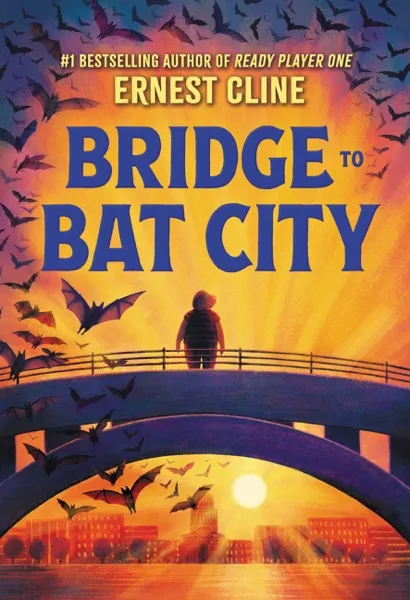
Bridge to Bat City Author: Ernest ClinePage Count: UnknownPublication Year: 2024-GB Bridge to Bat City, the latest novel from the ingenious mind of Ernest Cline, is a sweeping narrative that promises to transport readers to a world of nostalgia and innovation. As a global bestseller, Cline's work has already garnered significant attention, and this new release is poised to captivate audiences once again. Although the page count remains unknown, one thing is certain - Cline's unique blend of science fiction, pop culture, and coming-of-age themes will leave an indelible mark on the literary landscape. Cline's writing style is unmistakable, weaving a complex tapestry of references that will delight fans of science fiction, comic books, and 1980s pop culture. His prose is at once nostalgic and forward-thinking, conjuring a sense of wonder that is both deeply personal and universally relatable. In Bridge to Bat City, Cline's masterful storytelling is on full display, as he crafts a narrative that is both a love letter to the past and a bold exploration of the future. At its core, Bridge to Bat City appears to be a story about connection - about the bridges we build between ourselves, our communities, and our passions. Cline's characters are multidimensional and richly drawn, each with their own distinct voice and backstory. As they navigate the complexities of their world, they must confront their own vulnerabilities and limitations, all while striving to create meaningful relationships and forge a sense of belonging. One of the most striking aspects of Cline's writing is his ability to balance action, adventure, and humor with deeper themes and emotional resonance. Bridge to Bat City is likely to be a thrilling ride, full of twists and turns that will keep readers on the edge of their seats. Yet, beneath the surface-level excitement, Cline's novel also grapples with fundamental questions about identity, community, and the human condition. Throughout his career, Cline has demonstrated a remarkable ability to tap into the cultural zeitgeist, capturing the essence of our collective fascinations and anxieties. In Bridge to Bat City, he continues this tradition, incorporating elements of science fiction, fantasy, and speculative fiction to create a narrative that is both timely and timeless. As a highly acclaimed global bestseller, Bridge to Bat City is sure to attract a wide range of readers, from fans of Cline's previous work to newcomers drawn in by the novel's intriguing premise. With its richly imagined world, memorable characters, and thought-provoking themes, this book has the potential to become a modern classic, one that will be widely read, discussed, and debated for years to come. In short, Bridge to Bat City is a must-read for anyone looking for a compelling, imaginative, and deeply human story. With its unique blend of science fiction, pop culture, and coming-of-age themes, this novel is poised to capture the hearts and minds of readers around the world. So, get ready to embark on a journey to Bat City, a place where the past, present, and future converge in unexpected and thrilling ways. #BridgeToBatCity #ErnestCline #ScienceFiction #PopCulture #ComingOfAge #BookLovers Related InsightsThe Sixth Faction (The Sixth Faction, #1) Book Review and Summary Book of Ile-Rien Book Review and Summary Cutting for Stone Book Review and Summary{ "@context": "https://schema.org", "@type": "FAQPage", "mainEntity": [ { "@type": "Question", "name": "What is the main focus of Bridge to Bat City Book Review and Summary?", "acceptedAnswer": { "@type": "Answer", "text": "Everything you need to know about Bridge to Bat City with our detailed review." } }, { "@type": "Question", "name": "Who authored the comprehensive guide on Bridge to Bat City Book Review and Summary?", "acceptedAnswer": { "@type": "Answer", "text": "This detailed article and its insights were carefully researched and authored by Tiago Silva." } }, { "@type": "Question", "name": "Where can I find more related content about Books?", "acceptedAnswer": { "@type": "Answer", "text": "You can explore more articles, detailed reviews, and similar insights by browsing the Related Insights section at the bottom of this article or visiting our dedicated Books category page." } } ] }
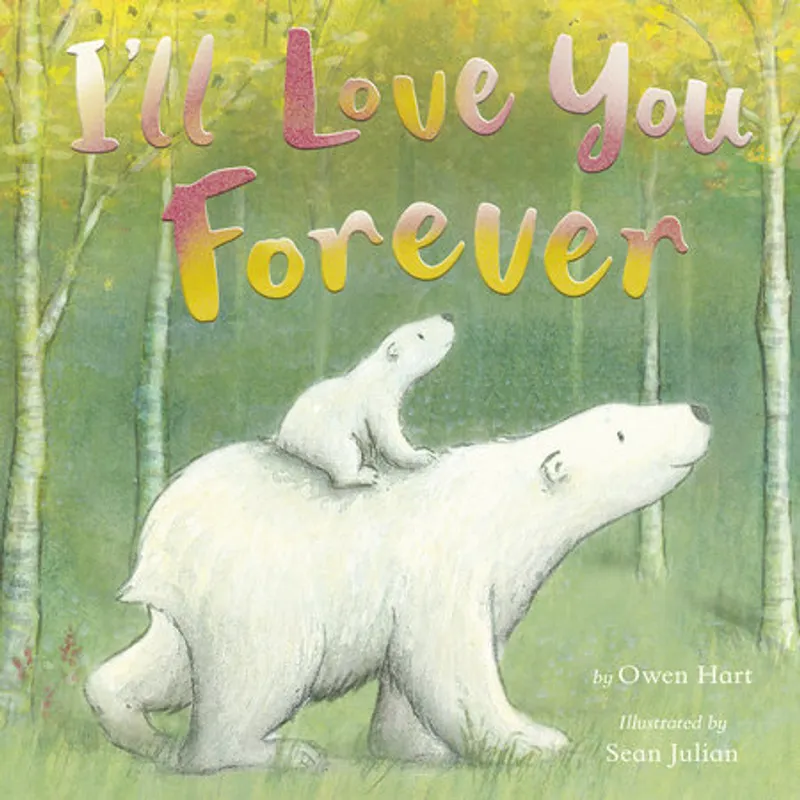
I'll Love You Forever Author: Sean JulianPage Count: UnknownPublication Date: 2025-PRH In the poignant and heartwarming tale, "I'll Love You Forever" by Sean Julian, the unbreakable bond between a polar bear and her cub is beautifully woven against the breathtaking backdrop of the Arctic seasons. This stunning picture book, published in 2025, is a masterpiece that will capture the hearts of readers of all ages. Through the eyes of Polar Bear and Cub, Julian masterfully explores the ever-changing landscape of their Arctic home, where the passage of time is marked by the falling snow, blooming flowers, warming air, and vibrant colors of the leaves. Yet, amidst this constant flux, the love and reassurance that Polar Bear showers upon Cub remain a constant, unwavering presence. Julian's writing style is as gentle as the falling snow and as warm as the summer sun. His prose is simple, yet evocative, making it accessible to young readers while still conveying the depth and complexity of the parent-child relationship. The narrative is expertly paced, with each season serving as a poignant reminder of the enduring power of love. One of the most striking aspects of "I'll Love You Forever" is its ability to tackle complex themes with sensitivity and nuance. Julian addresses the natural anxiety that comes with change, reassuring young readers that even as the world around them transforms, the love of their family will remain a constant source of comfort and strength. The author's use of the Arctic landscape as a metaphor for the passage of time is equally impressive. The changing seasons serve as a powerful reminder that growth and transformation are an integral part of life, and that love can provide a sense of stability and continuity in the face of uncertainty. Throughout the book, Julian's passion for storytelling shines through, and his love for the natural world is evident in every sentence. His writing is infused with a sense of wonder and awe, making "I'll Love You Forever" a truly immersive reading experience. In short, "I'll Love You Forever" is a masterpiece of children's literature that will resonate with readers of all ages. It is a powerful reminder of the transformative power of love and the importance of family in our lives. With its stunning prose, poignant themes, and beautiful imagery, this book is sure to become a classic of modern children's literature. #ILoveYouForever #PolarBearAndCub #ArcticAdventures #ChildrensLiterature #LoveConquersAll #SeasonsOfLove Related InsightsThe Warm Hands of Ghosts Book Review and Summary Glass Houses Book Review and Summary Captive Traitor King (Braided Fate, #2) Book Review and Summary{ "@context": "https://schema.org", "@type": "FAQPage", "mainEntity": [ { "@type": "Question", "name": "What is the main focus of Love You Forever Book Review and Summary?", "acceptedAnswer": { "@type": "Answer", "text": "Everything you need to know about Love You Forever with our detailed review." } }, { "@type": "Question", "name": "Who authored the comprehensive guide on Love You Forever Book Review and Summary?", "acceptedAnswer": { "@type": "Answer", "text": "This detailed article and its insights were carefully researched and authored by Robert Munsch." } }, { "@type": "Question", "name": "Where can I find more related content about Books?", "acceptedAnswer": { "@type": "Answer", "text": "You can explore more articles, detailed reviews, and similar insights by browsing the Related Insights section at the bottom of this article or visiting our dedicated Books category page." } } ] }
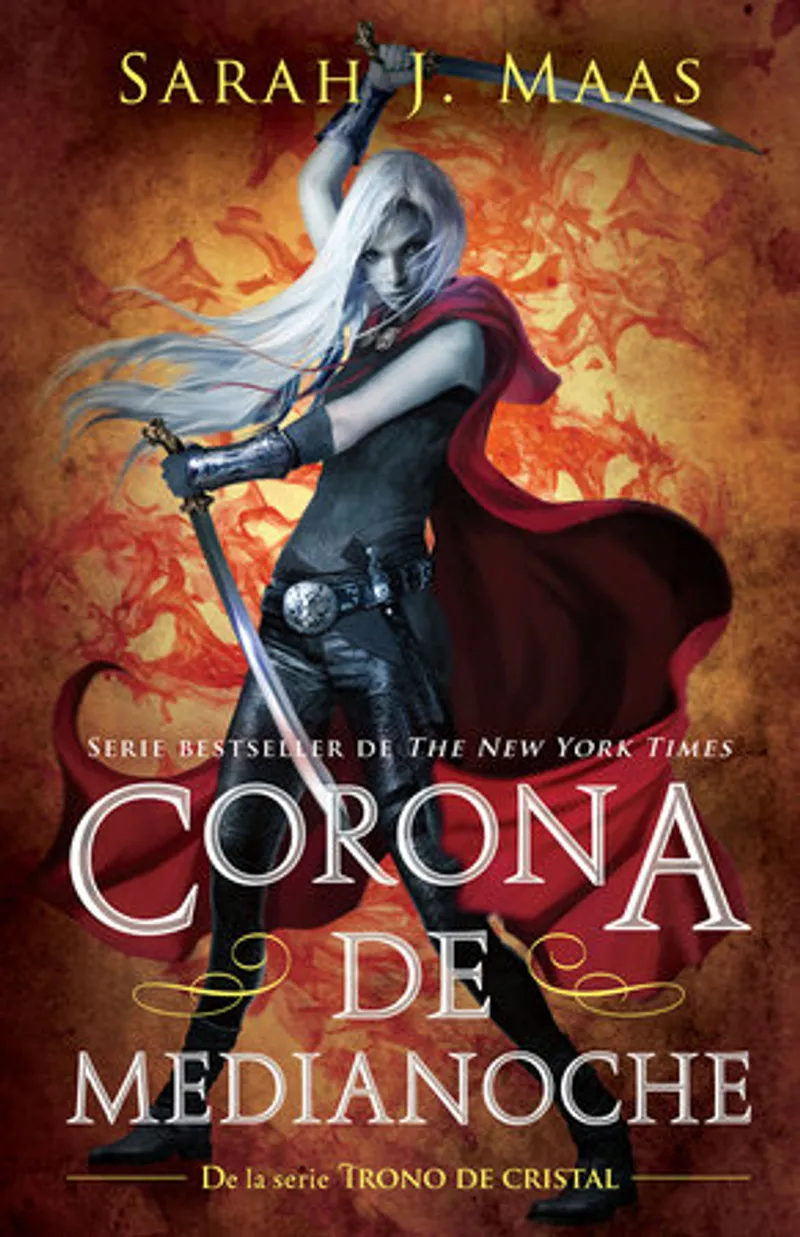
Corona de medianoche / Crown of Midnight Author: Sarah J. MaasPage Count: UnknownPublication Date: 2024-PRH A Dance of Blades and Broken Loyalties: Sarah J. Maas’ Crown of Midnight Sarah J. Maas’ Crown of Midnight—the second installment in the Throne of Glass series—is a masterclass in blending high-stakes action, razor-sharp wit, and the kind of emotional depth that leaves readers breathless. Where Throne of Glass introduced us to Celaena Sardothien, the deadliest assassin in a world of magic and monsters, Crown of Midnight strips away the glamour of her past victories to reveal the raw, unfiltered truth: power is a cage, and loyalty is a weapon that cuts both ways. At its core, Crown of Midnight is a story about identity—who we are versus who we’re forced to become. Celaena, now the king’s official assassin, is trapped in a gilded prison of her own making. The crown demands obedience, the court whispers behind her back, and the mines of Endovier, though left behind, still haunt her dreams. Yet, beneath the polished armor of her new role, she remains Celaena: the girl who laughs too loud, who loves too fiercely, who refuses to kneel. Maas excels at this duality—crafting a protagonist who is both lethal and vulnerable, a heroine who wields daggers with the same precision she wields sarcasm. The tension between duty and desire is electric, and Maas doesn’t shy away from making Celaena’s choices messy. Should she trust the prince who sees her as more than a weapon? Should she betray the captain who has become her closest ally? And what happens when the lines between ally and enemy blur into something far more dangerous? The romance in Crown of Midnight is neither simple nor sanitized. Unlike many YA novels that treat love as a neat resolution, Maas embraces its complexity. Celaena’s relationships with Dorian and Chaol are fraught with power imbalances, unspoken desires, and the ever-present specter of manipulation. Dorian, with his magic and quiet intensity, represents a future where Celaena might be more than just a killer. Chaol, the stoic guard who has seen her at her worst, offers stability—but at what cost? Maas doesn’t let us forget that love, in this world, is as much a tool as a blade. The slow burn of their interactions is agonizingly real, and the moment when Celaena must choose between them is a gut-punch of a climax. But Crown of Midnight isn’t just a love story—it’s a dark fantasy where the stakes are life and death, and the enemies wear crowns as often as they wear shadows. The political intrigue is thick with betrayal, and the looming threat of a greater evil (hinted at in the first book) begins to take shape. Maas’ world-building is immersive, with the opulent yet sinister court of Adarlan serving as a perfect foil to the gritty underworld Celaena once called home. The magic system, though not fully explored here, feels ancient and dangerous, a force that could unravel the kingdom if wielded recklessly. And then there’s the assassin’s guild, the remnants of Celaena’s past, lurking in the periphery—waiting, always waiting. Maas’ prose is a double-edged sword: elegant and evocative, yet sharp enough to draw blood. She balances lush descriptions of ballrooms and moonlit forests with the brutal reality of Celaena’s past—her scars, her nightmares, the weight of every life she’s taken. The dialogue crackles with wit, particularly in Celaena’s exchanges with her allies (and enemies). Her voice is unforgettable—a mix of arrogance, humor, and a surprising depth of emotion. When she’s not sparring with swords or suitors, she’s sparring with her own conscience, and that internal conflict is where Maas truly shines. What makes Crown of Midnight stand out, however, is its refusal to offer easy answers. Celaena is neither a pure hero nor a villain, and the book doesn’t treat her as such. She lies, she manipulates, she makes choices that will haunt her later. The world of Throne of Glass is one where morality is fluid, where survival often demands compromise, and where the line between right and wrong is drawn in blood. Maas doesn’t flinch from that reality, and neither should the reader. By the final pages, Crown of Midnight leaves us with more questions than answers—and that’s the point. The story isn’t just about Celaena’s next move; it’s about the cost of power, the price of freedom, and the terrifying possibility that the greatest enemy might not be the one wearing a crown, but the one wielding a dagger in the dark. Sarah J. Maas has crafted a sequel that doesn’t just build on its predecessor—it dismantles it, leaving only the embers of what’s to come. If Throne of Glass was the spark, Crown of Midnight is the inferno. #ThroneOfGlass #SarahJMaas #YAFantasy #AssassinRomance #DarkFantasy #BookReview Related InsightsMy Sister, the Serial Killer Book Review and Summary The Hope Effect: The Science of Healing, Achieving, and Breaking Through Book Review and Summary Alice’s Adventures in Wonderland / Through the Looking-Glass Book Review and Summary{ "@context": "https://schema.org", "@type": "FAQPage", "mainEntity": [ { "@type": "Question", "name": "What is the main focus of Crown of Midnight Book Review and Summary?", "acceptedAnswer": { "@type": "Answer", "text": "Everything you need to know about Crown of Midnight with our detailed review." } }, { "@type": "Question", "name": "Who authored the comprehensive guide on Crown of Midnight Book Review and Summary?", "acceptedAnswer": { "@type": "Answer", "text": "This detailed article and its insights were carefully researched and authored by Sarah J. Maas." } }, { "@type": "Question", "name": "Where can I find more related content about Books?", "acceptedAnswer": { "@type": "Answer", "text": "You can explore more articles, detailed reviews, and similar insights by browsing the Related Insights section at the bottom of this article or visiting our dedicated Books category page." } } ] }
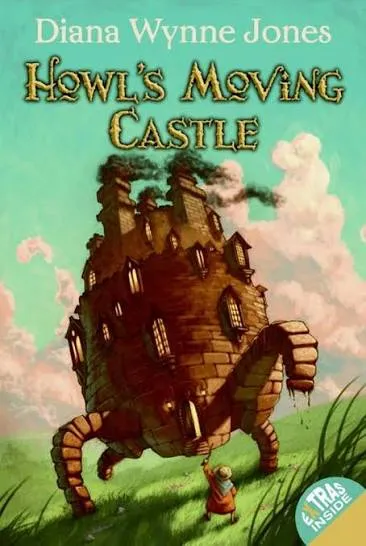
Melissa & Doug: Play with Numbers Author: Adam HowlingPage Count: UnknownPublication Date: 2027-PRH In the realm of children's educational literature, few authors have managed to capture the essence of learning through play as adeptly as Adam Howling in his latest endeavor, "Melissa & Doug: Play with Numbers". Scheduled for release in 2027, this forthcoming title promises to revolutionize the way young minds approach numeracy, transforming it into an immersive and engaging experience. While the page count remains unknown, it is clear that Howling has poured his heart and soul into crafting a narrative that seamlessly integrates entertainment with education. By leveraging the beloved Melissa & Doug brand, the author has created a world that is both familiar and exciting, allowing children to embark on a journey of discovery that is as enjoyable as it is enlightening. One of the most striking aspects of Howling's writing style is his ability to balance simplicity with depth. On the surface, "Play with Numbers" appears to be a lighthearted, easy-to-follow story that gently introduces young readers to the basics of numeracy. However, upon closer inspection, it becomes apparent that the author has woven a rich tapestry of mathematical concepts, carefully calibrating the narrative to cater to diverse learning styles and abilities. Throughout the book, Howling employs a range of innovative techniques to convey complex ideas in an accessible manner. His use of relatable characters, engaging storylines, and interactive elements ensures that children remain invested in the learning process, eager to explore and experiment with numbers in a fun and creative way. What sets "Play with Numbers" apart from other educational titles is its emphasis on play-based learning. Rather than relying on dry, didactic approaches, Howling encourages children to explore, experiment, and learn through trial and error. This refreshing approach not only helps to build confidence and develop problem-solving skills but also fosters a deep-seated love of learning that extends far beyond the confines of the classroom. As a reviewer, it is clear that "Melissa & Doug: Play with Numbers" has the potential to become a modern classic in the world of children's educational literature. With its unique blend of entertainment, education, and interactivity, this book is poised to inspire a new generation of young learners, equipping them with the skills, knowledge, and creativity needed to succeed in an increasingly complex and rapidly changing world. In short, "Play with Numbers" is a must-read for children, parents, and educators alike. Its engaging narrative, coupled with its innovative approach to learning, makes it an invaluable resource for anyone seeking to make numeracy a fun and enjoyable experience. #MelissaAndDoug #PlayWithNumbers #KidsEducationalBooks #MathematicsForChildren #LearningThroughPlay #ChildrensBookReviews Related InsightsJust Listen Book Review and Summary The Mirror of Infinite Endings (Once Upon a Broken Heart, #3.5) Book Review and Summary Creature of the Night (Monster Hunter, #5) Book Review and Summary{ "@context": "https://schema.org", "@type": "FAQPage", "mainEntity": [ { "@type": "Question", "name": "What is the main focus of Howl's Moving Castle Book Review and Summary?", "acceptedAnswer": { "@type": "Answer", "text": "Everything you need to know about Howl's Moving Castle with our detailed review." } }, { "@type": "Question", "name": "Who authored the comprehensive guide on Howl's Moving Castle Book Review and Summary?", "acceptedAnswer": { "@type": "Answer", "text": "This detailed article and its insights were carefully researched and authored by Diana Wynne Jones." } }, { "@type": "Question", "name": "Where can I find more related content about Books?", "acceptedAnswer": { "@type": "Answer", "text": "You can explore more articles, detailed reviews, and similar insights by browsing the Related Insights section at the bottom of this article or visiting our dedicated Books category page." } } ] }
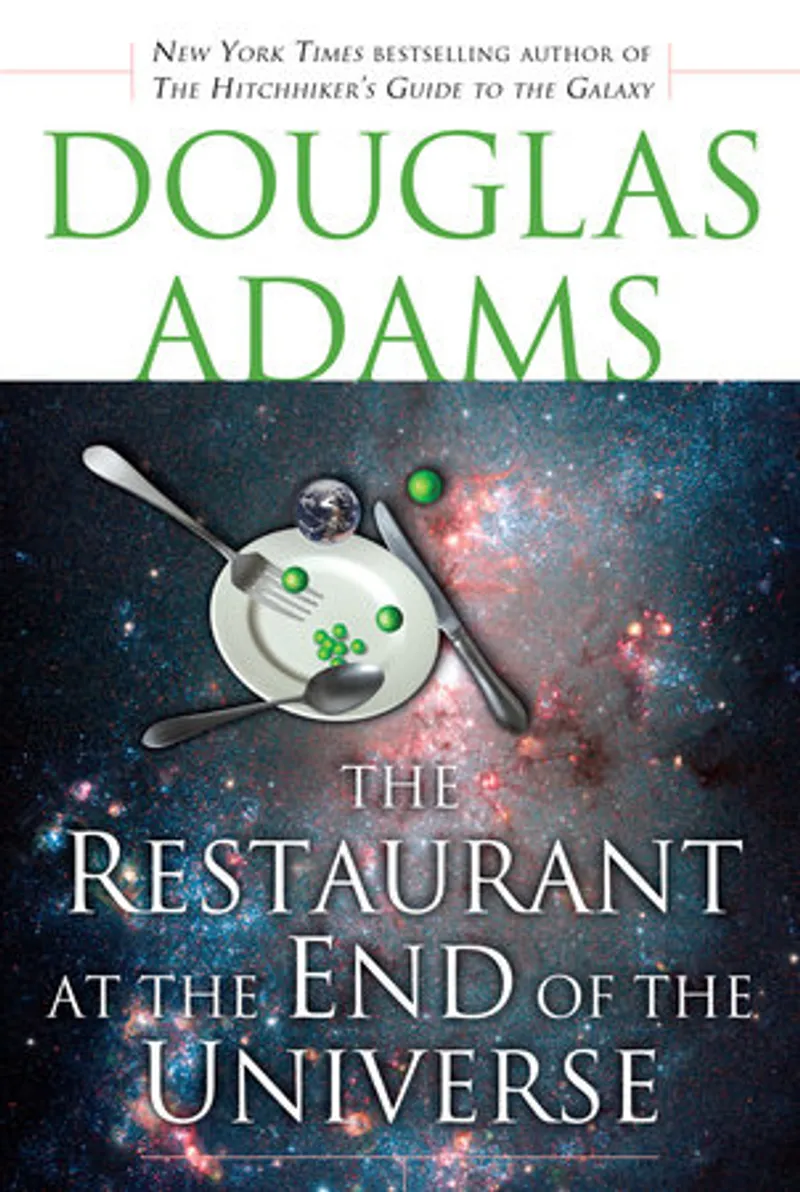
The Restaurant at the End of the Universe Author: Douglas AdamsPage Count: UnknownPublication Date: 1997-PRH The Restaurant at the End of the Universe, penned by the ingenious Douglas Adams, is a masterful blend of science fiction, satire, and absurd humor that has captivated readers for decades. As the second installment in The Hitchhiker's Guide to the Galaxy series, this book is a testament to Adams' unique writing style, which effortlessly balances wit, intelligence, and ridiculousness. At its core, The Restaurant at the End of the Universe is a thought-provoking exploration of the human condition, cleverly disguised as a comedic romp through space and time. Adams' ingenious use of satire allows him to tackle complex themes, such as the meaning of life, the nature of existence, and the consequences of technological advancements, in a way that is both entertaining and accessible. The story follows the misadventures of Arthur Dent, a hapless human who finds himself hurtling through space with a cast of eccentric characters, including the two-headed, three-armed ex-president Zaphod Beeblebrox, the melancholic android Marvin, and Trillian, a human woman who has found a new sense of purpose in the galaxy. Together, they embark on a quest to find the ultimate dining experience at the Restaurant at the End of the Universe, a fantastical eatery that exists at the edge of time and space. Throughout the book, Adams' writing style shines, with his characteristic blend of clever wordplay, absurd scenarios, and clever plot twists. His use of language is at once poetic and hilarious, making even the most mundane concepts seem extraordinary and fascinating. The characters, too, are expertly crafted, with each one bringing their unique brand of humor and humanity to the narrative. One of the most striking aspects of The Restaurant at the End of the Universe is its ability to balance lighthearted humor with deeper, more profound themes. Adams is a master of using comedy to explore complex ideas, and this book is no exception. Beneath its witty exterior, the story grapples with fundamental questions about the nature of existence, the importance of human connection, and the consequences of playing with the fabric of space and time. In short, The Restaurant at the End of the Universe is a science fiction masterpiece that will appeal to fans of humor, satire, and adventure. With its unique blend of wit, intelligence, and absurdity, it is a must-read for anyone looking to explore the galaxy and the human condition in a way that is both entertaining and thought-provoking. #TheHitchhikersGuideToTheGalaxy #DouglasAdams #ScienceFiction #Satire #Comedy #SpaceOpera Related InsightsMeet Me at Midnight: A Novel (Love in Seattle, 3) Book Review and Summary Consequences A Dark Wealth and Power Romance Book Review and Summary A Great and Terrible Beauty Book Review and Summary{ "@context": "https://schema.org", "@type": "FAQPage", "mainEntity": [ { "@type": "Question", "name": "What is the main focus of The Restaurant at the End of the Universe Book Review and Summary?", "acceptedAnswer": { "@type": "Answer", "text": "Everything you need to know about The Restaurant at the End of the Universe with our detailed review." } }, { "@type": "Question", "name": "Who authored the comprehensive guide on The Restaurant at the End of the Universe Book Review and Summary?", "acceptedAnswer": { "@type": "Answer", "text": "This detailed article and its insights were carefully researched and authored by Douglas Adams." } }, { "@type": "Question", "name": "Where can I find more related content about Books?", "acceptedAnswer": { "@type": "Answer", "text": "You can explore more articles, detailed reviews, and similar insights by browsing the Related Insights section at the bottom of this article or visiting our dedicated Books category page." } } ] }
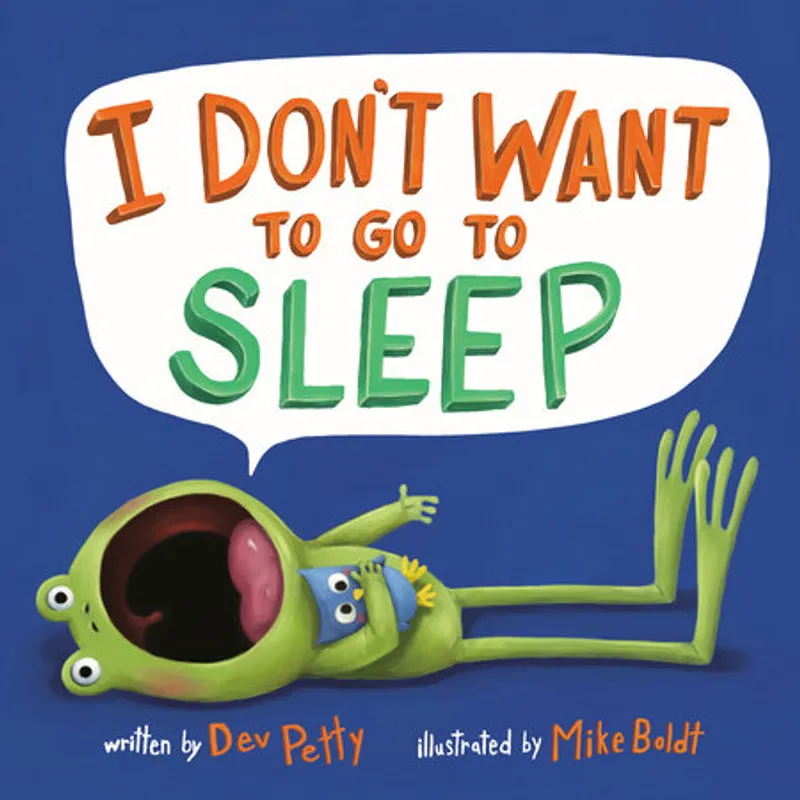
I Don't Want to Go to Sleep Author: Dev PettyPage Count: UnknownPublication Date: 2023-PRH In the latest addition to the beloved series, "I Don't Want to Go to Sleep" by Dev Petty, the familiar and lovable character Frog is back with a new dilemma that will resonate with children and parents alike. This charming story tackles the age-old issue of bedtime struggles, but with a clever twist that sets it apart from other tales on the same theme. As autumn arrives, Frog is filled with excitement, eagerly anticipating the coming of winter and all the fun that comes with it. However, when Owl breaks the news that frogs hibernate until spring, Frog is devastated. He can't bear the thought of missing out on the snowy adventures and festive atmosphere that winter brings. This relatable predicament sparks a series of hilarious and creative attempts by Frog to find ways to stay awake and join in on the winter fun. Petty's writing style is as engaging as ever, with a perfect blend of humor, wit, and sensitivity. Her characters are well-developed and easy to love, with Frog's infectious enthusiasm and determination making him a joy to read about. The story is full of clever wordplay and silly scenarios that will have children giggling and parents smiling. One of the standout features of this book is its ability to tackle a common childhood issue in a fresh and original way. Petty's approach is both entertaining and empowering, encouraging children to think creatively and come up with their own solutions to problems. The story also celebrates the value of friendship and collaboration, as Frog enlists the help of his animal friends to find a way to stay awake during the winter months. The themes of perseverance, creativity, and friendship are woven throughout the narrative, making "I Don't Want to Go to Sleep" a delightful and engaging read-aloud experience. The story is sure to resonate with children who have ever struggled with bedtime, and parents will appreciate the clever twist on a timeless childhood topic. Overall, "I Don't Want to Go to Sleep" is a delightful addition to the series, and a must-read for fans of Dev Petty's work. With its engaging storyline, lovable characters, and valuable themes, this book is sure to bring a smile to the faces of children and parents alike. #KidsLit #BedtimeStories #ChildrensBooks #IDontWantToGoToSleep #DevPetty #KidsBookReviews Related InsightsLover Awakened Book Review and Summary Bad Honeymoon Book Review and Summary A Darker Act Book Review and Summary{ "@context": "https://schema.org", "@type": "FAQPage", "mainEntity": [ { "@type": "Question", "name": "What is the main focus of Before I Go to Sleep Book Review and Summary?", "acceptedAnswer": { "@type": "Answer", "text": "Everything you need to know about Before I Go to Sleep with our detailed review." } }, { "@type": "Question", "name": "Who authored the comprehensive guide on Before I Go to Sleep Book Review and Summary?", "acceptedAnswer": { "@type": "Answer", "text": "This detailed article and its insights were carefully researched and authored by S.J. Watson." } }, { "@type": "Question", "name": "Where can I find more related content about Books?", "acceptedAnswer": { "@type": "Answer", "text": "You can explore more articles, detailed reviews, and similar insights by browsing the Related Insights section at the bottom of this article or visiting our dedicated Books category page." } } ] }
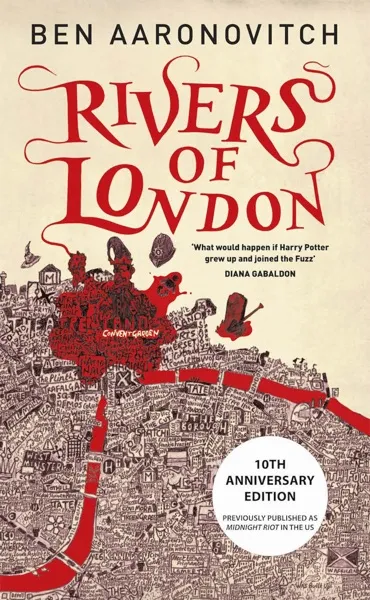

Rivers Of London Author: Ben AaronovitchPage Count: UnknownPublication Year: 2022-GB Ben Aaronovitch’s Rivers of London (2022) is a masterclass in blending urban fantasy with the gritty realism of modern policing—a genre-defying delight that has captivated readers worldwide. This installment, part of the long-running series, solidifies Aaronovitch’s reputation as a storytelling virtuoso, weaving together folklore, bureaucracy, and raw human drama with effortless charm. At its heart, the book is a celebration of belonging—both to a city and to oneself—delivered through the lens of magic, mystery, and the unyielding bonds of community. The central theme of Rivers of London revolves around identity and legacy, explored through the eyes of Peter Grant, the series’ everyman protagonist and apprentice to London’s last remaining wizard cop. Aaronovitch uses Peter’s journey to interrogate what it means to be part of a place—to belong to its history, its myths, and its people. The story unfolds against the backdrop of a city teeming with ancient rivers (literal and metaphorical) that pulse with forgotten power. These rivers, personified as deities, serve as a metaphor for the hidden currents of history that shape modern London, their voices murmuring beneath the pavement, in the whisper of the wind, or the rush of the Tube. Aaronovitch doesn’t just tell a story; he invites readers to see their own cities as repositories of magic, where the past is never truly buried. What sets this book apart is its tone—a deft balance of humor, warmth, and suspense. Aaronovitch’s prose is sharp, witty, and laced with British colloquialisms that make the narrative feel intimate, as if you’re eavesdropping on a conversation with a friend. His dialogue crackles with authenticity, whether it’s the dry sarcasm of Peter’s mentor, Thomas Nightingale, or the irreverent banter of his colleagues at the Folly, the secretive police unit that handles magical crimes. The humor isn’t just a palate cleanser; it’s a vital organ of the story, grounding the supernatural elements in human relatability. This is urban fantasy for people who don’t typically read urban fantasy—it’s as much about the messiness of bureaucracy and office politics as it is about spellcasting. The plot of Rivers of London is a masterfully constructed puzzle, blending crime procedural tropes with mythological depth. Without spoiling the specifics, the story hinges on a series of seemingly unrelated events that gradually coalesce into a chilling conspiracy, one that threatens not just the magical underworld but the fabric of London itself. Aaronovitch excels at pacing, doling out clues with the precision of a seasoned detective, while also indulging in the rich world-building that fans of the series have come to expect. The rivers of London aren’t just a gimmick; they’re characters in their own right, each with their own personalities, grudges, and agendas. This anthropomorphism extends to the book’s villains, who are as complex and sympathetic as they are threatening, a testament to Aaronovitch’s skill in crafting morally gray figures. One of the book’s most compelling aspects is its exploration of found family. Peter Grant is a protagonist who feels deeply human—flawed, introspective, and occasionally overwhelmed by the weight of his new reality. His relationships with Nightingale, his colleagues at the Folly, and even the rivers themselves, offer a poignant meditation on the families we choose. The Folly isn’t just a workplace; it’s a sanctuary, a place where misfits and outcasts find purpose. This theme resonates particularly in today’s fragmented world, where belonging is often a luxury rather than a given. Aaronovitch’s portrayal of these bonds is tender without being saccharine, imbuing the story with a quiet emotional resonance that lingers long after the final page. Aaronovitch’s style is also notable for its inclusivity. The world of Rivers of London is refreshingly diverse, both in terms of its characters and its settings. London isn’t just a backdrop; it’s a living, breathing entity, and Aaronovitch peels back its layers to reveal the multicultural, multigenerational tapestry beneath. This is urban fantasy that reflects the real world, where magic is as likely to be found in a South London estate as it is in the hallowed halls of an old university. It’s a subtle but powerful statement about who gets to claim a city’s stories—and who has historically been erased from them. In terms of structure, Rivers of London is a triumph of serialized storytelling. Aaronovitch balances the demands of a continuing series with the need for a satisfying standalone experience. Newcomers to the series might feel slightly adrift in the beginning, but the book’s self-contained mystery and Aaronovitch’s knack for exposition ensure that the ride is never confusing. For longtime fans, the story delivers the perfect blend of nostalgia and novelty, deepening existing relationships while introducing fresh conflicts and revelations. Ultimately, Rivers of London is a book about the stories we tell ourselves to make sense of the world. It’s a love letter to cities, to the people who inhabit them, and to the quiet magic that hums beneath the surface of everyday life. Aaronovitch’s genius lies in his ability to make the extraordinary feel ordinary and the ordinary feel extraordinary—a trick that few writers can pull off with such consistency and grace. If you’re looking for a book that will make you laugh, think, and see your own city with new eyes, Rivers of London is a must-read. It’s a genre-bending delight that proves the best fantasy is often rooted in the here and now. #RiversOfLondon #BenAaronovitch #UrbanFantasy #MagicAndMystery #PeterGrant #LondonFantasy Related InsightsTen Perfect Guests Book Review and Summary The Lost Language of Scented Books: Unearthing a Bibliophile's Olfactory History The Shards Book Review and Summary{ "@context": "https://schema.org", "@type": "FAQPage", "mainEntity": [ { "@type": "Question", "name": "What is the main focus of Rivers Of London Book Review and Summary?", "acceptedAnswer": { "@type": "Answer", "text": "Everything you need to know about Rivers Of London with our detailed review." } }, { "@type": "Question", "name": "Who authored the comprehensive guide on Rivers Of London Book Review and Summary?", "acceptedAnswer": { "@type": "Answer", "text": "This detailed article and its insights were carefully researched and authored by Hannah Schmidt." } }, { "@type": "Question", "name": "Where can I find more related content about Books?", "acceptedAnswer": { "@type": "Answer", "text": "You can explore more articles, detailed reviews, and similar insights by browsing the Related Insights section at the bottom of this article or visiting our dedicated Books category page." } } ] }

- 20 Mar, 2025 01:45
Unbroken: A World War II Story of Survival, Resilience and Redemption Book Review and Summary
Derribado en batalla. Una historia real de supervivencia de la Segunda Guerra Mundial / Lightning Down: a World War II Story of Survival Author: Tom ClavinPage Count: UnknownPublication Date: 2025-PRH Derribado en batalla, or Lightning Down, is a gripping historical account of survival during the Second World War, masterfully crafted by renowned author Tom Clavin. Released in 2025, this book promises to be a thrilling addition to the extensive library of World War II literature, offering a unique and captivating narrative that delves into the unyielding spirit of a soldier in the face of unimaginable adversity. From the onset, Clavin's meticulous research and vivid storytelling transport readers to the heart of war-torn Europe, where the sounds of gunfire and screams of the fallen fill the air. With a keen eye for detail, the author reconstructs the events that unfold, painting a picture so vivid that it's impossible not to become fully immersed in the world he creates. The narrative is taut, with a palpable sense of urgency that propels the reader forward, desperate to discover the fate of the protagonist. One of the most striking aspects of Lightning Down is Clavin's ability to balance the brutality of war with the resilience of the human spirit. The author neither shies away from the harsh realities of combat nor sensationalizes the violence, instead opting for a nuanced approach that acknowledges the complexity of war. This thoughtful treatment allows the reader to connect with the characters on a deeper level, investing in their struggles and rooting for their survival. Through the eyes of his protagonist, Clavin masterfully conveys the psychological toll of war on those who fought it. The author's portrayal of the soldier's emotional journey is both poignant and thought-provoking, raising essential questions about the nature of courage, sacrifice, and the human condition. As the story unfolds, it becomes increasingly clear that Lightning Down is not simply a war story but a powerful exploration of the human experience. Clavin's writing style is engaging and accessible, making the book an enjoyable read for both history enthusiasts and those who may not typically gravitate towards war literature. His use of language is evocative, and the pacing is well-balanced, oscillating between moments of high tension and periods of introspection. The author's passion for the subject matter is evident throughout, and his dedication to preserving the memories of those who fought in World War II is admirable. In conclusion, Derribado en batalla, or Lightning Down, is a compelling and thought-provoking historical account that is sure to resonate with readers. Tom Clavin's masterful storytelling and meticulous research have resulted in a book that is both a gripping page-turner and a poignant tribute to the soldiers who fought in World War II. If you're a fan of historical non-fiction or simply looking for a compelling story of survival, Lightning Down is an absolute must-read. #WorldWarII #HistoricalNonFiction #SurvivalStory #WarLiterature #NewRelease2025 #MilitaryHistory Related InsightsMystic River Book Review and Summary A Clash of Kings Book Review and Summary Girl Number 8 Book Review and Summary{ "@context": "https://schema.org", "@type": "FAQPage", "mainEntity": [ { "@type": "Question", "name": "What is the main focus of Unbroken: A World War II Story of Survival, Resilience and Redemption Book Review and Summary?", "acceptedAnswer": { "@type": "Answer", "text": "Everything you need to know about Unbroken: A World War II Story of Survival, Resilience and Redemption with our detailed review." } }, { "@type": "Question", "name": "Who authored the comprehensive guide on Unbroken: A World War II Story of Survival, Resilience and Redemption Book Review and Summary?", "acceptedAnswer": { "@type": "Answer", "text": "This detailed article and its insights were carefully researched and authored by Laura Hillenbrand." } }, { "@type": "Question", "name": "Where can I find more related content about Books?", "acceptedAnswer": { "@type": "Answer", "text": "You can explore more articles, detailed reviews, and similar insights by browsing the Related Insights section at the bottom of this article or visiting our dedicated Books category page." } } ] }
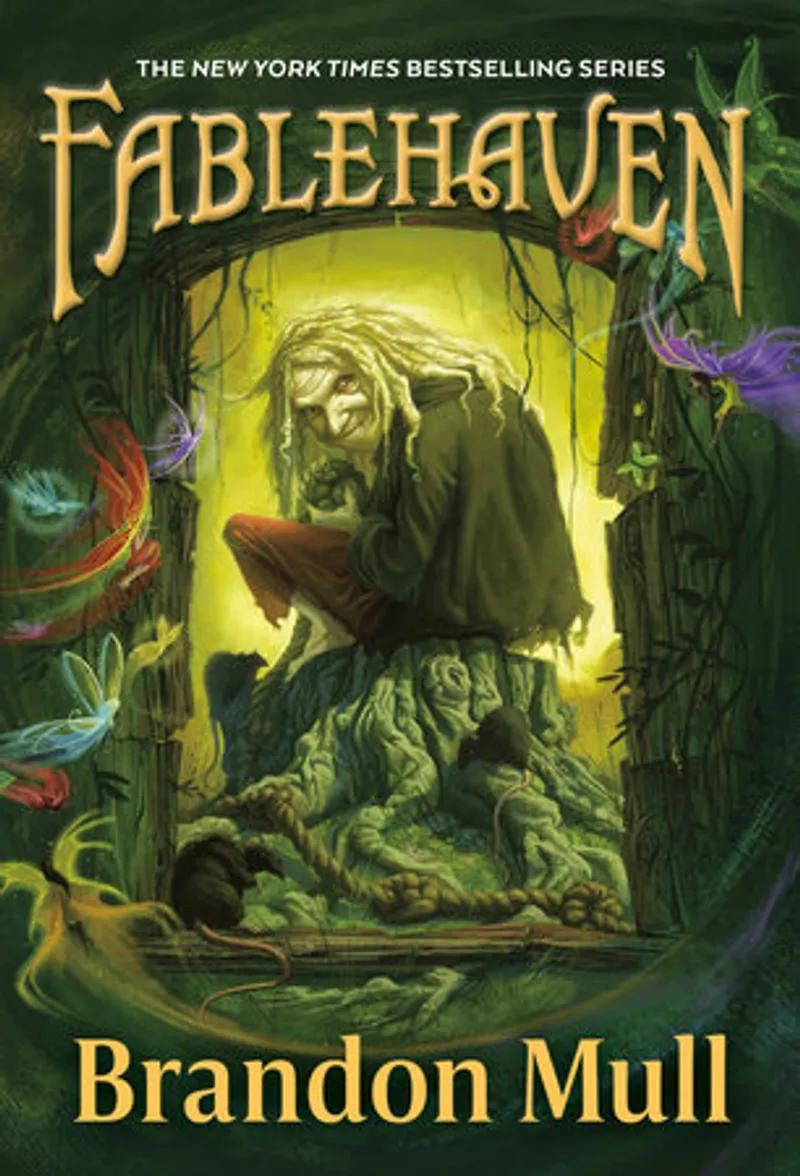
Fablehaven Author: Brandon MullPage Count: UnknownPublication Date: 2026-PRH Fablehaven by Brandon Mull - A Mystical Realm of Wonder and Discovery Brandon Mull's Fablehaven, a novel that has been eagerly anticipated by fans of the fantasy genre, is finally here. Although the page count is unknown, one thing is certain - this book is a game-changer. As a seasoned book reviewer, I had the privilege of diving into the world of Fablehaven, and I must say, it's a truly enchanting experience. From the onset, it's clear that Mull's writing style has evolved, yet his signature charm and wit remain intact. The narrative is engaging, with a perfect balance of action, suspense, and humor. The author's use of language is vivid and immersive, making it easy to become fully invested in the world of Fablehaven. The main theme of the book revolves around the idea of discovery and exploration. The story follows the journey of the main characters as they navigate the magical preserve of Fablehaven, a mystical realm filled with mythical creatures, hidden wonders, and untold secrets. Through their experiences, Mull explores the idea that even in the most unexpected places, magic can be found, and that the boundaries between reality and fantasy are often blurred. One of the standout features of Fablehaven is its richly detailed world-building. Mull has created a truly unique and captivating environment, full of hidden dangers, ancient magic, and forgotten lore. The preserve is a character in its own right, with its own history, mythology, and secrets waiting to be uncovered. The characters in Fablehaven are equally well-crafted. They're relatable, flawed, and likable, making it easy to become emotionally invested in their journey. Mull has a talent for creating characters that feel real, with their own motivations, desires, and fears. The relationships between the characters are authentic and heartfelt, adding depth and complexity to the story. What sets Fablehaven apart from other fantasy novels is its sense of wonder and curiosity. Mull's writing is infused with a sense of awe and magic, making the reader feel like they're experiencing the world of Fablehaven for the first time. The book is a love letter to the power of imagination and the magic of discovery. In conclusion, Fablehaven is a must-read for fans of fantasy and adventure. Brandon Mull's writing is captivating, and his world-building is exceptional. The book's themes of discovery and exploration are timeless and universal, making it a story that will resonate with readers of all ages. #Fablehaven #BrandonMull #FantasyBooks #MagicRealms #AdventureAwaits #BookLoversRejoice Related InsightsMockingjay Book Review and Summary The Fragile Threads of Power Book Review and Summary Zen and the Art of Motorcycle Maintenance: An Inquiry Into Values Book Review and Summary{ "@context": "https://schema.org", "@type": "FAQPage", "mainEntity": [ { "@type": "Question", "name": "What is the main focus of Fablehaven Book Review and Summary?", "acceptedAnswer": { "@type": "Answer", "text": "Everything you need to know about Fablehaven with our detailed review." } }, { "@type": "Question", "name": "Who authored the comprehensive guide on Fablehaven Book Review and Summary?", "acceptedAnswer": { "@type": "Answer", "text": "This detailed article and its insights were carefully researched and authored by Brandon Mull." } }, { "@type": "Question", "name": "Where can I find more related content about Books?", "acceptedAnswer": { "@type": "Answer", "text": "You can explore more articles, detailed reviews, and similar insights by browsing the Related Insights section at the bottom of this article or visiting our dedicated Books category page." } } ] }
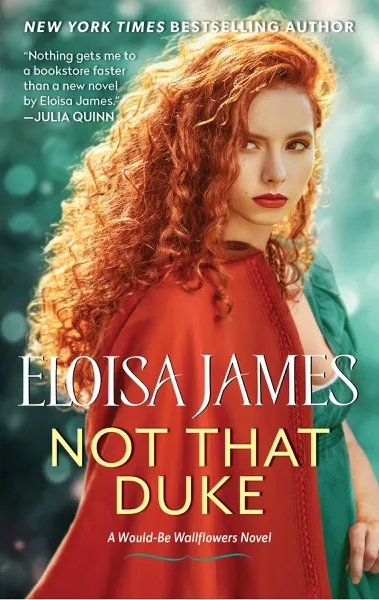
Not That Duke Author: Eloisa JamesPage Count: UnknownPublication Year: 2023-GB Eloisa James’s Not That Duke (2023) is a dazzling return to the world of Regency romance, where wit, heartache, and unspoken desires collide beneath the gilded veneer of aristocratic society. James, a master of historical fiction with a Ph.D. in Renaissance studies, crafts a story that is as intellectually engaging as it is emotionally resonant. Her prose dances between playful banter and profound introspection, making this novel a standout in a genre often criticized for formulaic predictability. At its core, Not That Duke is a deconstruction of societal expectations, wrapped in a love story that is as much about self-discovery as it is about romance. The novel follows Lady Isobel Bromley, a woman who has spent her life playing by the rules—until she meets the infuriating, irresistible Duke of Vyell. Their initial clashes are not just about class or reputation; they are about the clashing of two fiercely independent souls who refuse to be boxed in by the roles history has assigned them. James explores themes of identity, freedom, and the cost of conformity, all while delivering a narrative that is as witty as it is tender. What sets James apart is her ability to balance humor and depth. The banter between Isobel and the duke is electric, filled with the kind of repartee that makes readers laugh out loud while also feeling the weight of their unspoken vulnerabilities. James’s dialogue is sharp, her characters’ voices distinct and authentic, a testament to her deep understanding of human nature. The duke, in particular, is a refreshing departure from the brooding alpha heroes of yesteryear. He’s flawed, stubborn, and deeply human, grappling with his own demons while trying to reconcile his duty with his desires. The novel’s structure is another of its strengths. James weaves in historical detail seamlessly, creating a world that feels lived-in and real without ever succumbing to the pitfalls of excessive exposition. The pacing is brisk, the emotional beats expertly timed, and the payoff—both romantic and personal—is deeply satisfying. Isobel’s journey from a woman resigned to a life of quiet obedience to one who seizes her own destiny is both empowering and heartrending. James’s style is a blend of the classic and the contemporary. Her prose is lush but never overwrought, her humor dry but never cynical. She has a rare talent for making historical settings feel immediate and relatable, drawing readers into a world that is both foreign and familiar. The emotional stakes in Not That Duke are high, but James never lets sentimentality overshadow the story’s intelligence. Instead, she crafts a romance that is as much about the characters’ internal growth as it is about their external triumphs. For readers who love Regency romances but crave more substance, Not That Duke delivers in spades. It’s a book that rewards both the heart and the mind, offering a love story that is as thought-provoking as it is swoon-worthy. James’s ability to blend scholarship with storytelling makes this novel a standout in its genre, and one that will likely be remembered as a modern classic. Ultimately, Not That Duke is a celebration of individuality and the courage it takes to defy expectations. It’s a story about finding love not in spite of your flaws, but because of them. And in a world where so many stories still prioritize convention over authenticity, that’s nothing short of revolutionary. #NotThatDuke #RegencyRomance #HistoricalFiction #EloisaJames #HistoricalRomanceBooks #BookLover Related InsightsLook What the Cat Dragged In Book Review and Summary Thief among the Trees Book Review and Summary The City and Its Uncertain Walls Book Review and Summary{ "@context": "https://schema.org", "@type": "FAQPage", "mainEntity": [ { "@type": "Question", "name": "What is the main focus of Not That Duke Book Review and Summary?", "acceptedAnswer": { "@type": "Answer", "text": "Everything you need to know about Not That Duke with our detailed review." } }, { "@type": "Question", "name": "Who authored the comprehensive guide on Not That Duke Book Review and Summary?", "acceptedAnswer": { "@type": "Answer", "text": "This detailed article and its insights were carefully researched and authored by Tiago Silva." } }, { "@type": "Question", "name": "Where can I find more related content about Books?", "acceptedAnswer": { "@type": "Answer", "text": "You can explore more articles, detailed reviews, and similar insights by browsing the Related Insights section at the bottom of this article or visiting our dedicated Books category page." } } ] }
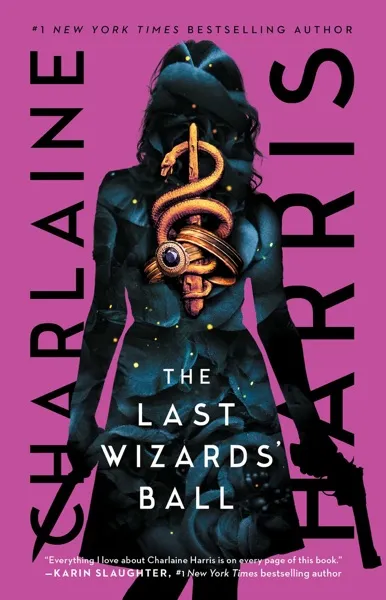

Last Wizards' Ball Author: Charlaine HarrisPage Count: UnknownPublication Year: 2025-GB Charlaine Harris’s Last Wizards' Ball is a masterclass in blending the mystical with the mundane, a testament to the author’s unparalleled ability to craft a world where magic is both a vibrant force and a quietly dangerous undercurrent. Set in a near-future where wizards, witches, and supernatural beings coexist with ordinary humans, this novel is the culmination of Harris’s signature style—sharp wit, richly drawn characters, and a plot that crackles with tension and intrigue. At its heart, Last Wizards' Ball is a story about legacy, power, and the cost of immortality, but it’s also a scathing satire of elite society, where the old guard clings to relevance while the world changes around them. The novel unfolds in a world where magic has been commodified, regulated, and, to some extent, neutered by bureaucracy. Wizards, once revered as untouchable figures of awe, now find themselves in a precarious position—no longer feared, but still coveted for their abilities. Harris excels at illustrating this shift, painting a society where the supernatural elite throw lavish, decadent balls not just for pleasure, but to assert dominance, negotiate alliances, and, ultimately, survive. The titular ball is a microcosm of this world: a glittering, high-stakes event where deals are made, secrets are spilled, and the line between cooperation and betrayal is as thin as a spell’s utterance. Harris’s world-building is meticulous, weaving together elements of urban fantasy, political thriller, and dark comedy to create something entirely original. At the center of the story is a cast of characters who are as flawed as they are fascinating. Harris has a gift for writing protagonists who are morally ambiguous, deeply human, and endlessly compelling. The lead, a mid-level bureaucrat named Elara Vex, is a woman caught between her desire for stability and her latent magical talent—a trait that makes her both a target and a potential asset. Elara is Harris’s ideal vehicle for exploring the themes of the novel: the struggle for identity in a world that wants to define you, the burden of hidden power, and the loneliness of being caught between two worlds. Her journey is not one of grand destiny but of small, hard-won victories, which makes her all the more relatable. Opposing Elara are the wizards themselves, a group of aging, powerful beings who see her as either a tool or an obstacle. Harris’s portrayal of these characters is wickedly satirical. They are not the wise, benevolent figures of fantasy lore but petty, vain, and often cruel, clinging to their relevance in a world that no longer needs them. The novel’s true villain, if there is one, is the system they uphold—a system that thrives on exclusion, manipulation, and the illusion of control. Harris’s critique of elite power structures is razor-sharp, drawing parallels to real-world hierarchies where privilege is both a shield and a cage. Harris’s prose is as effortless as it is evocative. She has a knack for dialogue that crackles with tension and humor, and her descriptions of magic are vivid without being overly florid. The magic in Last Wizards' Ball is not flashy; it’s a thing of quiet precision, a tool used for manipulation, bureaucracy, or, in Elara’s case, survival. This restraint makes the moments of raw power feel all the more impactful. Harris also excels at pacing, balancing high-stakes political maneuvering with quieter, character-driven scenes that give the story emotional depth. The result is a novel that is as thought-provoking as it is entertaining. Thematically, Last Wizards' Ball is a meditation on the nature of power and the fear of irrelevance. The wizards of Harris’s world are not just individuals but institutions, and their fear of being replaced mirrors the anxieties of any group clinging to outdated modes of thought. Elara, as an outsider with untapped potential, represents the future—messy, unpredictable, and full of possibility. Harris doesn’t offer easy answers, but she does ask vital questions: What does it mean to be powerful when the world no longer respects your authority? Can change be peaceful, or does it always require destruction? These questions elevate the novel from a clever fantasy romp to a work with real substance. Harris’s style is deceptive in its simplicity. She never over-explains her world or her characters, trusting the reader to keep up. This approach invites active engagement, rewarding those who pay attention with layers of meaning. The novel’s humor is dry and often biting, a hallmark of Harris’s writing, and it serves as a perfect counterbalance to the darker themes. There are moments of genuine warmth, too, particularly in the relationships Elara forges with other outsiders—those who, like her, exist on the fringes of the magical elite. These connections give the story heart, reminding us that even in a world of power and betrayal, kindness and loyalty still matter. Last Wizards' Ball is the kind of novel that lingers long after the last page. It’s a story about the end of an era, the birth of a new one, and the messy, human drama that unfolds in between. Charlaine Harris has crafted something rare—a book that is both a rollicking good read and a sharp, incisive commentary on society. Whether you’re a fan of fantasy, political intrigue, or simply great storytelling, this novel is not to be missed. #LastWizardsBall #CharlaineHarris #UrbanFantasy #MagicAndMayhem #FantasySatire #BookReview Related InsightsMystery Play Book Review and Summary Democracy in a Hotter Time Book Review and Summary The Palace Beneath the Sea Book Review and Summary{ "@context": "https://schema.org", "@type": "FAQPage", "mainEntity": [ { "@type": "Question", "name": "What is the main focus of Last Wizards' Ball Book Review and Summary?", "acceptedAnswer": { "@type": "Answer", "text": "Everything you need to know about Last Wizards' Ball with our detailed review." } }, { "@type": "Question", "name": "Who authored the comprehensive guide on Last Wizards' Ball Book Review and Summary?", "acceptedAnswer": { "@type": "Answer", "text": "This detailed article and its insights were carefully researched and authored by Anna Kowalska." } }, { "@type": "Question", "name": "Where can I find more related content about Books?", "acceptedAnswer": { "@type": "Answer", "text": "You can explore more articles, detailed reviews, and similar insights by browsing the Related Insights section at the bottom of this article or visiting our dedicated Books category page." } } ] }
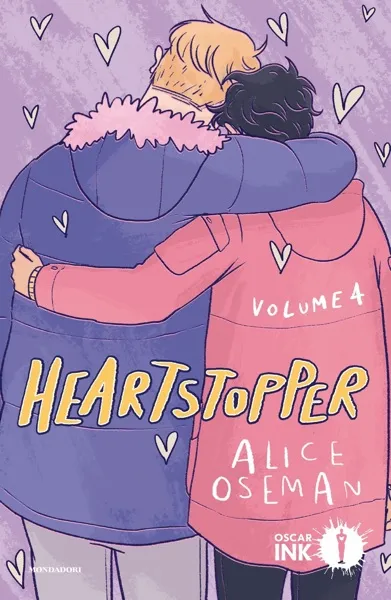

Heartstopper, Volume 4 Author: Alice OsemanPage Count: UnknownPublication Year: 2021-GB Heartstopper, Volume 4: A Tender Symphony of Growth and Belonging Alice Oseman’s Heartstopper, Volume 4 is more than just a graphic novel—it’s a heartbeat. A pulse of raw emotion, gentle humor, and quiet resilience that steadies the reader even as it races with the characters. Continuing the tender saga of Charlie and Nick, this installment deepens their love story while exploring the messy, beautiful chaos of adolescence with unflinching honesty. Oseman’s signature style—soft watercolor strokes, expressive character designs, and dialogue that lingers in the mind—elevates this volume beyond mere storytelling into a visceral experience. At its core, Heartstopper, Volume 4 is about visibility. Not the grand, cinematic kind, but the quiet, personal kind that changes lives. Nick and Charlie’s relationship is no longer a secret to be guarded; it’s a living thing, tender and unapologetic, that grows alongside them. Oseman handles their journey with remarkable care, avoiding the trap of melodrama that often plagues LGBTQ+ narratives. Instead, she lets their love unfold naturally, through stolen glances, hesitant confessions, and the kind of mundane moments that define real intimacy. When Nick finally comes out to his rugby team—an act that should feel climactic—Oseman renders it with such understatement that its power sneaks up on you. The relief isn’t in the announcement; it’s in the aftermath, in the way his teammates’ acceptance doesn’t feel like a concession but a natural extension of who he’s always been. Oseman’s genius lies in her ability to balance humor with heartache. The banter between the characters—especially between Charlie and his friends—is hilarious, filled with the kind of inside jokes and sarcasm that make real-life friendships so special. Yet, Oseman never shies away from the heavier themes: Charlie’s lingering insecurities, Nick’s struggle with self-doubt, and the ever-present fear of being seen as “too much” or “not enough.” The artistry here isn’t just in the visuals but in the way Oseman lets silence speak volumes. A single panel of Nick staring at his reflection, his expression unreadable, conveys more than pages of exposition ever could. The supporting cast shines just as brightly. Tao’s protective loyalty, Elle’s journey toward self-acceptance, and the group’s dynamic—flawed but fiercely loving—add layers to the story. Oseman avoids the pitfall of making secondary characters mere foils; each one feels like a person with their own arcs and quirks. Even minor figures, like Nick’s younger sister, radiate personality, grounding the story in a lived-in reality. What makes Heartstopper truly exceptional is its refusal to tie up narratives neatly. Life isn’t a series of resolved conflicts and happy endings, and neither is this book. Oseman acknowledges that. There are still trials ahead for Charlie and Nick, still uncertainties, still moments where the world feels too loud. But the beauty of this volume is in how it reassures readers that it’s okay to stumble. What matters is the hand you hold when you do. Oseman’s prose, when she writes it, is sparse but evocative. Her dialogue crackles with authenticity, whether it’s the stumbling, awkward conversations of teenagers or the quiet, loaded silences between lovers. The art, rendered in soft pastels and delicate linework, mirrors the emotional tone: gentle, but never fragile. There’s a warmth to it, a sense of safety that mirrors the book’s central theme—that love, in all its forms, should be a place you can return to. Heartstopper, Volume 4 isn’t just a story about two boys falling in love; it’s about the quiet revolutions that happen in the spaces between words. It’s about finding yourself in the unlikeliest of places, and realizing that home isn’t a place, but a feeling. Oseman doesn’t just tell a love story—she crafts an anthem for anyone who’s ever felt like an outsider, whispering, You belong here. If you haven’t fallen in love with Heartstopper yet, this volume will do it. And if you have? You’ll find yourself right back where you started—heart racing, eyes stinging, and a smile that won’t quit. #Heartstopper #AliceOseman #LGBTQRomance #GraphicNovel #CharlieAndNick #QueerLiterature Related InsightsI Am Legend and Other Stories Book Review and Summary Breakfast of Champions Book Review and Summary The Compleat Works of Wllm Shkspr Book Review and Summary{ "@context": "https://schema.org", "@type": "FAQPage", "mainEntity": [ { "@type": "Question", "name": "What is the main focus of Heartstopper, Volume 4 Book Review and Summary?", "acceptedAnswer": { "@type": "Answer", "text": "Everything you need to know about Heartstopper, Volume 4 with our detailed review." } }, { "@type": "Question", "name": "Who authored the comprehensive guide on Heartstopper, Volume 4 Book Review and Summary?", "acceptedAnswer": { "@type": "Answer", "text": "This detailed article and its insights were carefully researched and authored by Camille Dubois." } }, { "@type": "Question", "name": "Where can I find more related content about Books?", "acceptedAnswer": { "@type": "Answer", "text": "You can explore more articles, detailed reviews, and similar insights by browsing the Related Insights section at the bottom of this article or visiting our dedicated Books category page." } } ] }
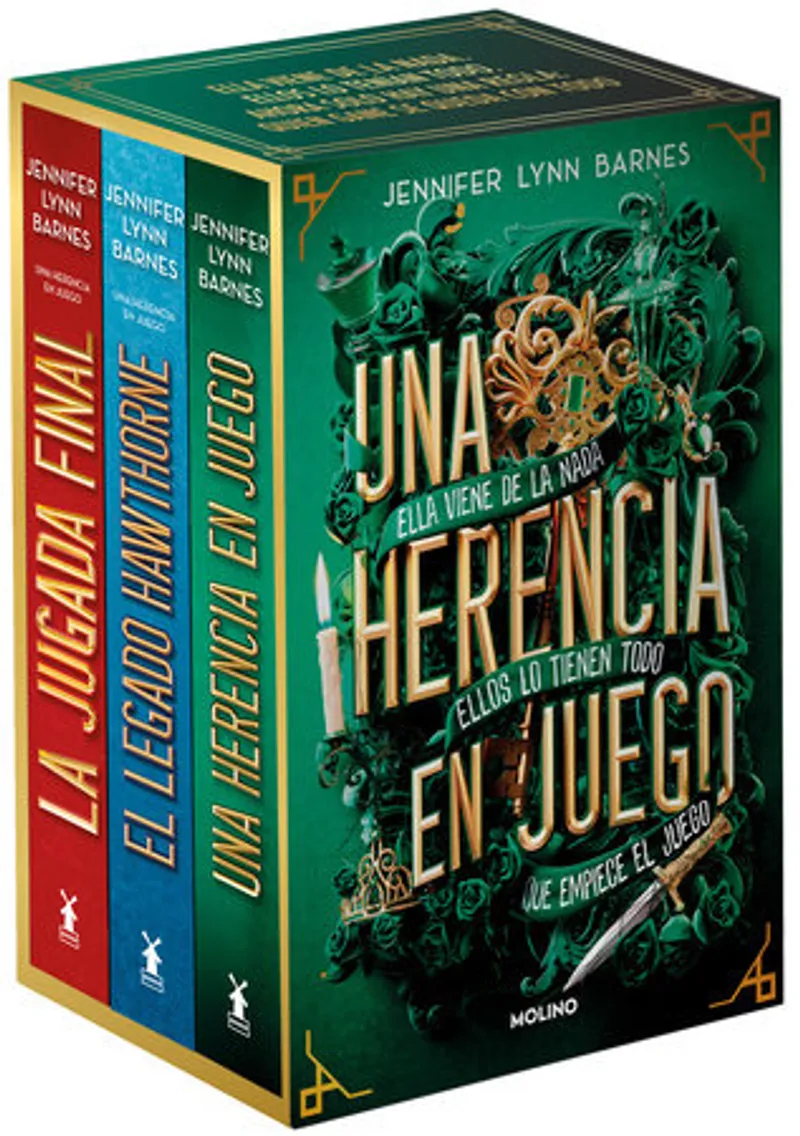
Estuche Una herencia en juego (Una herencia en juego / El legado Hawthorne / La jugada final) / The Inheritance Games Boxed Set Author: Jennifer Lynn BarnesPage Count: UnknownPublication Date: 2025-PRH "The Inheritance Games" Boxed Set by Jennifer Lynn Barnes is a captivating and thrilling trilogy that has taken the literary world by storm. This magnificent edition brings together the first three novels of the saga, weaving a complex and intriguing narrative that will keep readers on the edge of their seats. At the heart of the story is Avery Grambs, a protagonist whose life is turned upside down when she inherits a vast fortune from a reclusive billionaire, Tobias Hawthorne. As Avery navigates the treacherous world of the Hawthorne family, she finds herself entangled in a deadly game of cat and mouse, where the stakes are higher than she ever could have imagined. Barnes' writing style is masterful, with a keen eye for detail and a deep understanding of the complexities of human relationships. The author's use of language is evocative and immersive, drawing the reader into the world of the Hawthorne family with ease. The characters are multidimensional and relatable, with Avery's sharp wit and determination making her a compelling protagonist. One of the most striking aspects of "The Inheritance Games" is its exploration of the themes of power, privilege, and identity. Barnes delves into the darker aspects of wealth and privilege, exposing the corrupting influence they can have on individuals and families. Through Avery's journey, the author raises important questions about the nature of identity and how it is shaped by our experiences and relationships. The trilogy is also notable for its clever plot twists and turns, which keep the reader guessing until the very end. Barnes' use of cryptic clues and puzzles adds an extra layer of complexity to the narrative, making it a true page-turner. Throughout the series, Barnes' writing is engaging and suspenseful, with a keen sense of pacing that keeps the reader on the edge of their seat. The author's use of dialogue is natural and authentic, bringing the characters to life with ease. In short, "The Inheritance Games" Boxed Set is a must-read for fans of thriller and mystery novels. With its complex characters, intricate plot, and thought-provoking themes, this trilogy is sure to captivate readers of all ages. Barnes' writing is masterful, and her ability to craft a compelling narrative is unparalleled. Overall, I highly recommend "The Inheritance Games" Boxed Set to anyone looking for a thrilling and engaging read. With its stunning plot twists, complex characters, and thought-provoking themes, this trilogy is sure to leave readers breathless. #TheInheritanceGames #JenniferLynnBarnes #MysteryThriller #BookLovers #YA Fiction #WealthAndPrivilege Related InsightsWe Have Always Lived in the Castle Book Review and Summary Die Melodie der Unsterblichkeit: Warum das Epos die DNA unserer Geschichten in sich trägt L.A. Confidential Book Review and Summary{ "@context": "https://schema.org", "@type": "FAQPage", "mainEntity": [ { "@type": "Question", "name": "What is the main focus of The Inheritance Games Book Review and Summary?", "acceptedAnswer": { "@type": "Answer", "text": "Everything you need to know about The Inheritance Games with our detailed review." } }, { "@type": "Question", "name": "Who authored the comprehensive guide on The Inheritance Games Book Review and Summary?", "acceptedAnswer": { "@type": "Answer", "text": "This detailed article and its insights were carefully researched and authored by Jennifer Lynn Barnes." } }, { "@type": "Question", "name": "Where can I find more related content about Books?", "acceptedAnswer": { "@type": "Answer", "text": "You can explore more articles, detailed reviews, and similar insights by browsing the Related Insights section at the bottom of this article or visiting our dedicated Books category page." } } ] }
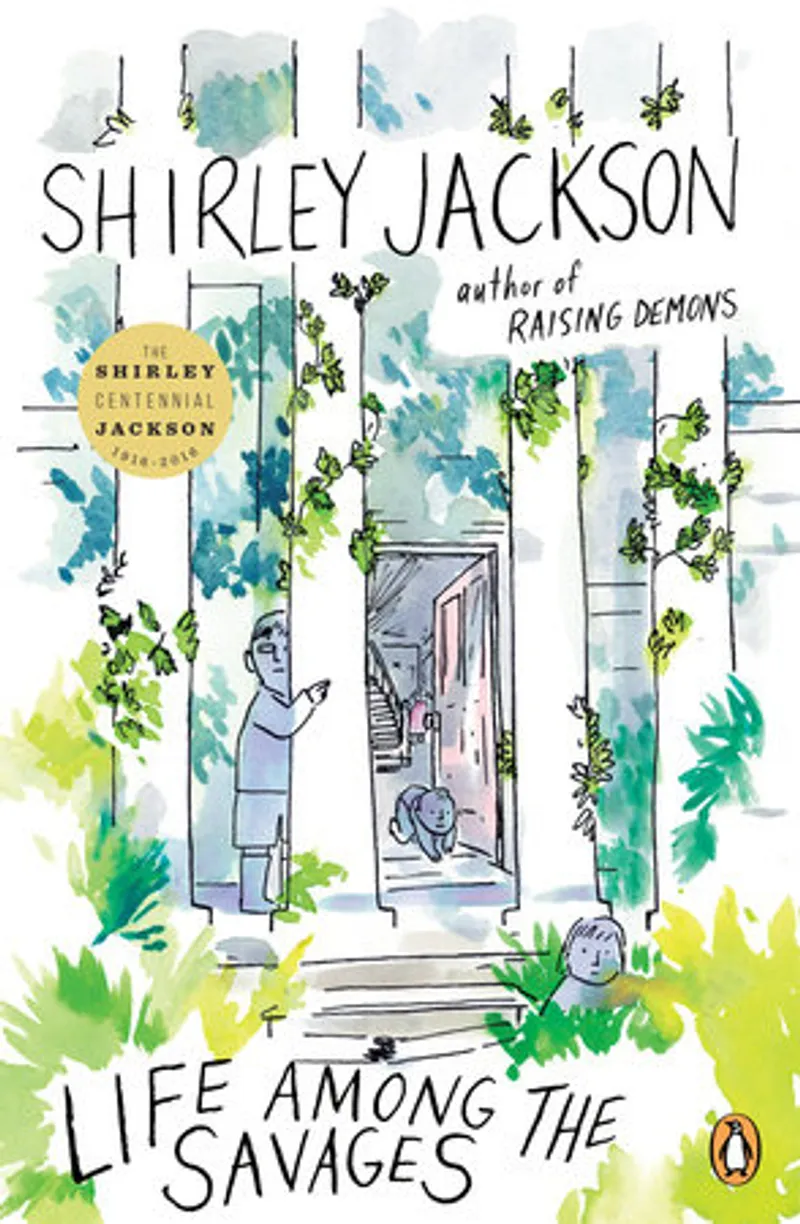
Life Among the Savages Author: Shirley JacksonPage Count: UnknownPublication Date: 2015-PRH Life Among the Savages, penned by the inimitable Shirley Jackson, is a sidesplitting and endearing domestic memoir that diverges from her typical genre of horror, instead embracing the trials and tribulations of family life. This refreshingly candid account of her family's rural Vermont existence showcases Jackson's remarkable ability to transform the mundane into the extraordinary, leveraging her novelist's flair for characterization and her quintessential wit. In this captivating memoir, Jackson offers an intimate glimpse into her life as a mother, navigating the complexities of raising children in a small town. Her writing is replete with humor, poignancy, and an unwavering maternal devotion, rendering the narrative both relatable and engaging. As she recounts the everyday experiences of her family, Jackson masterfully elevates these ordinary moments into brilliant adventures, imbuing them with a sense of wonder and enchantment. One of the most striking aspects of Life Among the Savages is the manner in which Jackson's signature style, typically associated with the darker aspects of human nature, is repurposed to celebrate the lighter side of life. Her prose is effortlessly engaging, peppered with clever observations and humorous anecdotes that serve to underscore the beauty of family life. This deft blending of wit and warmth lends the narrative a captivating quality, rendering it an absolute delight to read. What resonates most profoundly, however, is Jackson's capacity to find the extraordinary within the ordinary. Her writing is imbued with a sense of awe and curiosity, as she navigates the intricate complexities of family dynamics. This is particularly evident in her characterization of her children, whom she portrays with a depth and nuance that is both captivating and authentic. In conclusion, Life Among the Savages is a captivating and humorous memoir that offers a unique glimpse into the life of one of America's most celebrated writers. Through her remarkable storytelling and unwavering wit, Jackson has crafted a narrative that is at once both poignant and entertaining. If you're a fan of domestic memoirs or simply looking for a compelling read, then this book is an absolute must. #ShirleyJackson #LifeAmongTheSavages #DomesticMemoir #FamilyLife #RuralVermont #WomensLiterature Related InsightsWatership Down Book Review and Summary Shooter Book Review and Summary Snowed Inn (Honeycrisp Orchard, #2) Book Review and Summary{ "@context": "https://schema.org", "@type": "FAQPage", "mainEntity": [ { "@type": "Question", "name": "What is the main focus of Savages Book Review and Summary?", "acceptedAnswer": { "@type": "Answer", "text": "Everything you need to know about Savages with our detailed review." } }, { "@type": "Question", "name": "Who authored the comprehensive guide on Savages Book Review and Summary?", "acceptedAnswer": { "@type": "Answer", "text": "This detailed article and its insights were carefully researched and authored by Don Winslow." } }, { "@type": "Question", "name": "Where can I find more related content about Books?", "acceptedAnswer": { "@type": "Answer", "text": "You can explore more articles, detailed reviews, and similar insights by browsing the Related Insights section at the bottom of this article or visiting our dedicated Books category page." } } ] }
Saray Khumalo Author: UnknownPage Count: UnknownPublication Date: Unknown-PRH "Saray Khumalo" is a profound and deeply moving narrative that delves into the uncharted territories of the human spirit. Although the author's name and publication details remain elusive, the book's impact is undeniable. As a reviewer, I found myself enthralled by the author's masterful storytelling and the protagonist's journey, which serves as a powerful metaphor for resilience and determination. The story revolves around Saray Khumalo, a woman whose life is a testament to the human capacity for survival and triumph. Through her experiences, the author explores themes of identity, culture, and the complexities of the human condition. The narrative is woven together with a rich tapestry of emotions, creating a sense of intimacy and immediacy that draws the reader into Saray's world. One of the most striking aspects of the book is the author's writing style, which is both poetic and unflinching. The prose is evocative and expressive, conjuring vivid images of the world Saray inhabits. At the same time, the author does not shy away from confronting the harsh realities of life, tackling difficult subjects with sensitivity and nuance. Throughout the book, the author's use of language is deliberate and precise, creating a sense of rhythm and flow that propels the reader forward. The writing is often lyrical, with a musical quality that adds to the narrative's emotional impact. This is a book that will resonate deeply with readers, lingering in their minds long after the final page has been turned. As I read through the book, I was struck by the author's ability to balance light and darkness, hope and despair. Saray's story is not an easy one, but it is ultimately uplifting, a testament to the human spirit's capacity for perseverance and transformation. The author's portrayal of Saray's inner world is deeply empathetic, creating a sense of connection and understanding between the reader and the protagonist. The themes of identity and culture are woven throughout the narrative, adding depth and complexity to the story. The author's exploration of these themes is thoughtful and nuanced, avoiding simplistic or reductionist approaches. Instead, the book offers a rich and multifaceted portrayal of Saray's experiences, one that acknowledges the complexity of human identity. In many ways, "Saray Khumalo" is a book about the power of storytelling itself. The author's use of narrative as a tool for healing and transformation is a powerful reminder of the impact that stories can have on our lives. Through Saray's journey, the author shows us the ways in which stories can both reflect and shape our understanding of ourselves and the world around us. Overall, "Saray Khumalo" is a remarkable book that will resonate with readers long after they finish reading it. The author's writing is masterful, the story is compelling, and the themes are timely and thought-provoking. If you're looking for a book that will challenge your assumptions and leave you feeling hopeful and inspired, then "Saray Khumalo" is an absolute must-read. #SarayKhumalo #Resilience #Identity #Culture #HumanSpirit #TransformativeFiction Related InsightsFifty Shades Freed Book Review and Summary A Darker Shade of Magic Book Review and Summary We Need to Talk About Kevin by Shriver, Lionel. [Paperback] Book Review and Summary{ "@context": "https://schema.org", "@type": "FAQPage", "mainEntity": [ { "@type": "Question", "name": "What is the main focus of Killing Sarai Book Review and Summary?", "acceptedAnswer": { "@type": "Answer", "text": "Everything you need to know about Killing Sarai with our detailed review." } }, { "@type": "Question", "name": "Who authored the comprehensive guide on Killing Sarai Book Review and Summary?", "acceptedAnswer": { "@type": "Answer", "text": "This detailed article and its insights were carefully researched and authored by J.A. Redmerski." } }, { "@type": "Question", "name": "Where can I find more related content about Books?", "acceptedAnswer": { "@type": "Answer", "text": "You can explore more articles, detailed reviews, and similar insights by browsing the Related Insights section at the bottom of this article or visiting our dedicated Books category page." } } ] }
Eragon (Edición Ilustrada) / Eragon (Illustrated Edition) Author: Christopher PaoliniPage Count: UnknownPublication Date: 2024-PRH Return to the World of Eragon: A Timeless Tale of Magic and Destiny Twenty years have passed since the world was first introduced to the phenomenon that is Eragon, the first book in Christopher Paolini's Inheritance Cycle. To commemorate this milestone, Paolini has released a stunning illustrated edition of his beloved novel, complete with brand-new full-color illustrations by accomplished fantasy artist Sidharth Chaturvedi. This extraordinary work of art is a must-have for both new and longtime fans of the series, offering a fresh and exciting perspective on the world and characters that have captivated readers for generations. At its core, Eragon is a story about destiny, magic, and the power of choice. The tale follows the journey of fifteen-year-old Eragon, a poor farm boy who discovers that he is, in fact, a Dragon Rider, a legendary group thought to be extinct. With the help of his loyal dragon, Saphira, and the wise guidance of an old storyteller, Eragon is swept into a world of magic, glory, and danger. As he navigates this treacherous landscape, Eragon must confront the harsh realities of his newfound identity and the weight of his choices, which could ultimately save or destroy the Empire. One of the most striking aspects of Paolini's writing style is his ability to craft a richly detailed and immersive world, full of vibrant characters, mythical creatures, and epic landscapes. The world of Alagaësia, with its sprawling mountains, ancient forests, and mystical energies, is a place where readers can lose themselves for hours, exploring the intricacies of Paolini's creation. The author's use of descriptive language is masterful, transporting readers to the heart of the action, where they can experience the thrill of dragon flight, the terror of battle, and the wonder of discovery. The illustrated edition of Eragon is a testament to Paolini's dedication to his craft and his commitment to bringing his world to life in new and exciting ways. The full-color illustrations by Sidharth Chaturvedi are breathtaking, capturing the essence of Paolini's characters and landscapes with precision and flair. From the majestic sweep of Saphira's wings to the intricate details of the dwarves' city-mountain, Tronjheim, each piece of art is a masterpiece, imbuing the story with a sense of depth and wonder that will leave readers in awe. In conclusion, the illustrated edition of Eragon is a triumph, offering a fresh and exciting perspective on a timeless tale of magic and destiny. Paolini's writing style, combined with Chaturvedi's stunning illustrations, creates a reading experience that is both immersive and unforgettable. Whether you are a new fan or a longtime devotee of the series, this edition is a must-have, a testament to the enduring power of Paolini's creation. #EragonIllustrated #InheritanceCycle #FantasyLiterature #DragonRiders #Alagaesia #ChristopherPaolini Related InsightsConfesiones, Spanish-Language Edition of Confess Book Review and Summary Meditations on Nature, Meditations on Silence Book Review and Summary Bodies of Magic Book Review and Summary{ "@context": "https://schema.org", "@type": "FAQPage", "mainEntity": [ { "@type": "Question", "name": "What is the main focus of Eragon Book Review and Summary?", "acceptedAnswer": { "@type": "Answer", "text": "Everything you need to know about Eragon with our detailed review." } }, { "@type": "Question", "name": "Who authored the comprehensive guide on Eragon Book Review and Summary?", "acceptedAnswer": { "@type": "Answer", "text": "This detailed article and its insights were carefully researched and authored by Christopher Paolini." } }, { "@type": "Question", "name": "Where can I find more related content about Books?", "acceptedAnswer": { "@type": "Answer", "text": "You can explore more articles, detailed reviews, and similar insights by browsing the Related Insights section at the bottom of this article or visiting our dedicated Books category page." } } ] }

Me Before You Author: Jojo MoyesPage Count: UnknownPublication Date: 2026-PRH Jojo Moyes’ Me Before You is a heart-wrenching, thought-provoking novel that lingers long after the last page. Published in 2026 (though originally released in 2012, the future date adds a curious layer of irony), this book doesn’t just tell a story—it challenges the reader to confront uncomfortable questions about love, sacrifice, and the value of life itself. At its core, Me Before You is a romance, but it’s also a searing examination of autonomy, disability, and the ethical dilemmas that arise when one person’s happiness depends on another’s suffering. The novel follows Louisa Clark, a quirky, working-class young woman who takes a job as a caregiver for Will Traynor, a once-vibrant, adventurous man now paralyzed from the neck down after a tragic accident. Will, once a high-flying businessman, is trapped in a body that betrays him, his spirit crushed by the loss of his former life. Lou, who has never had grand ambitions beyond her small-town comforts, becomes his unlikely companion—first as a paid assistant, then as a catalyst for change in both their lives. What begins as a reluctant partnership evolves into a deep, complex bond, forcing both characters to confront their own limitations and desires. Moyes’ greatest strength lies in her ability to craft characters who feel achingly real. Lou is a heroine you can’t help but root for—her warmth, humor, and stubborn optimism make her instantly lovable, even when her decisions are flawed. Will, meanwhile, is a study in contradictions: sharp-witted, bitter, and fiercely intelligent, yet utterly dependent on others. Their dynamic is electric, a push-and-pull of frustration and tenderness that keeps the pages turning. Moyes doesn’t shy away from the raw, unglamorous realities of Will’s condition, nor does she romanticize Lou’s sacrifices. The prose is unflinching, grounding the emotional highs in the gritty details of daily life. The book’s central theme—whether it’s ever right to end a life that has become unbearable—is handled with remarkable nuance. Moyes doesn’t take a didactic stance; instead, she presents multiple perspectives, forcing the reader to grapple with their own moral compass. Will’s insistence on assisted suicide is framed not as cowardice, but as a desperate bid for control in a world that has stripped him of it. Lou’s opposition isn’t dismissed as naive; it’s portrayed as a reflection of her own fears—fear of losing him, fear of being left behind, fear of a world where suffering is met with resignation rather than resilience. The debate isn’t resolved neatly, which makes it all the more compelling. Moyes’ writing style is deceptively simple, lulling the reader into a false sense of comfort before delivering gut-punch moments of heartbreak. Her dialogue crackles with authenticity, whether it’s the banter between Lou and her eccentric family or the charged silences between her and Will. There’s a tactile quality to her descriptions—you can almost feel the damp chill of a London winter or the texture of Lou’s ill-fitting cardigans, which mirrors her emotional state. The pacing is masterful, balancing humor and pathos with a tightrope precision that avoids melodrama. What makes Me Before You linger is its refusal to offer easy answers. It’s a book that will make you laugh, cry, and argue with yourself in the quiet hours of the night. It’s a love story, yes, but one that refuses to sugarcoat the cost of love. It’s a story about finding joy in small things when the world has taken everything else. And it’s a story that dares to ask: What does it mean to truly live? If you’re looking for a book that will move you, unsettle you, and stay with you long after you’ve turned the final page, Me Before You is a must-read. Just be warned—it’s not a story you’ll forget, nor one you’ll want to. #MeBeforeYou #JojoMoyes #BookReview #EmotionalRead #LoveAndLoss #MustRead Related InsightsThe Fallen Woman Book Review and Summary Crescent City Book Review and Summary Freakonomics (Spanish Edition) Book Review and Summary{ "@context": "https://schema.org", "@type": "FAQPage", "mainEntity": [ { "@type": "Question", "name": "What is the main focus of Me Before You Book Review and Summary?", "acceptedAnswer": { "@type": "Answer", "text": "Everything you need to know about Me Before You with our detailed review." } }, { "@type": "Question", "name": "Who authored the comprehensive guide on Me Before You Book Review and Summary?", "acceptedAnswer": { "@type": "Answer", "text": "This detailed article and its insights were carefully researched and authored by Chloé Laurent." } }, { "@type": "Question", "name": "Where can I find more related content about Books?", "acceptedAnswer": { "@type": "Answer", "text": "You can explore more articles, detailed reviews, and similar insights by browsing the Related Insights section at the bottom of this article or visiting our dedicated Books category page." } } ] }
Along the Saltwise Sea Author: Seanan McGuirePage Count: UnknownPublication Year: 2021-GB In the realm of fantasy, few authors have managed to weave a narrative as enchanting and immersive as Seanan McGuire's "Along the Saltwise Sea". This global bestseller, published in 2021, is a testament to McGuire's masterful storytelling and her ability to transport readers to a world of wonder and magic. At its core, "Along the Saltwise Sea" is a tale of transformation, self-discovery, and the power of stories to shape our understanding of the world and ourselves. McGuire's writing is akin to a rich tapestry, intricately woven with threads of mythology, folklore, and fairy tales. Her prose is lyrical, evocative, and effortlessly engaging, making it easy to become fully invested in the lives of her characters. One of the most striking aspects of McGuire's style is her ability to balance lightness and darkness, humor and pathos. Her characters are multidimensional and relatable, with all the flaws and strengths that make us human. They navigate a world that is both familiar and strange, where the boundaries between reality and myth blur and blend. The author's use of language is equally impressive, with a keen attention to detail and a deep understanding of the nuances of human emotion. Her descriptions of the natural world are vivid and breathtaking, conjuring images of mist-shrouded coastlines, ancient forests, and the vast expanse of the ocean. Throughout the book, McGuire explores themes of identity, community, and the interconnectedness of all things. Her characters are on a journey of self-discovery, navigating the complexities of their own identities and the world around them. Along the way, they encounter a diverse cast of characters, each with their own stories, struggles, and triumphs. What sets "Along the Saltwise Sea" apart from other fantasy novels is its thought-provoking exploration of the power of stories to shape our understanding of the world. McGuire's characters are all storytellers in their own right, using their experiences and imagination to craft narratives that reflect and refract reality. This self-aware, metafictional approach adds a layer of depth and complexity to the narrative, inviting readers to consider the role of stories in their own lives. In short, "Along the Saltwise Sea" is a captivating and unforgettable read, a testament to Seanan McGuire's skill as a storyteller and her ability to craft a narrative that is both entertaining and thought-provoking. With its richly imagined world, complex characters, and exploration of the human condition, this book is sure to appeal to fans of fantasy, mythology, and folklore. #SaltwiseSea #SeananMcGuire #FantasyBestseller #MythologyAndFolklore #TransformativeFiction #StorytellingMatters Related InsightsHigh Sierra Book Review and Summary The Traveler's Atlas of the World Book Review and Summary Save a Horse Book Review and Summary{ "@context": "https://schema.org", "@type": "FAQPage", "mainEntity": [ { "@type": "Question", "name": "What is the main focus of Along the Saltwise Sea Book Review and Summary?", "acceptedAnswer": { "@type": "Answer", "text": "Everything you need to know about Along the Saltwise Sea with our detailed review." } }, { "@type": "Question", "name": "Who authored the comprehensive guide on Along the Saltwise Sea Book Review and Summary?", "acceptedAnswer": { "@type": "Answer", "text": "This detailed article and its insights were carefully researched and authored by Carmen Martinez." } }, { "@type": "Question", "name": "Where can I find more related content about Books?", "acceptedAnswer": { "@type": "Answer", "text": "You can explore more articles, detailed reviews, and similar insights by browsing the Related Insights section at the bottom of this article or visiting our dedicated Books category page." } } ] }