Showing Posts From
Books
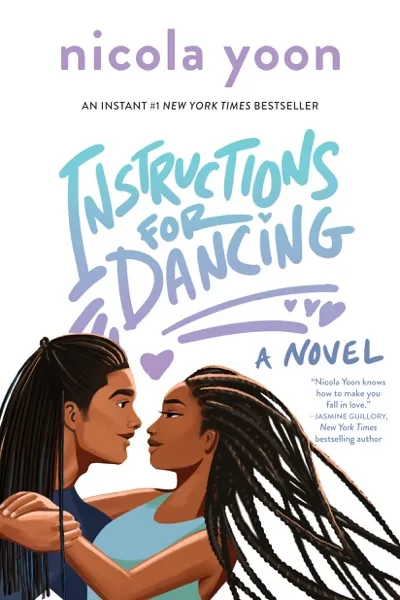

Instructions for Dancing Author: Nicola YoonPage Count: UnknownPublication Year: 2021-GB Nicola Yoon’s Instructions for Dancing is a love story wrapped in a mystery, pulsing with the kind of emotional depth that makes you linger over every sentence long after the last page. At its core, this novel is about choice—the messy, exhilarating, and sometimes heartbreaking choices that define who we become. It follows Evie, a cynical teenager who, after witnessing a couple share their first dance, suddenly gains the ability to see the entire love story of any couple she observes, from their first meeting to their inevitable breakup. The gift is a curse, forcing her to confront the fragility of love and the inevitability of loss. But when she meets X, a boy who refuses to let her shut love out completely, Evie must decide whether to trust the possibility of a happy ending—even when the evidence around her says otherwise. What makes Instructions for Dancing so compelling is Yoon’s signature ability to blend the fantastical with the deeply human. The premise—love as a dance with steps you don’t know until it’s too late—is whimsical, even romantic, but Yoon grounds it in raw, relatable emotions. Evie’s journey isn’t just about seeing love’s impermanence; it’s about grappling with grief, fear, and the courage to try again. Yoon’s prose is lyrical yet grounded, painting scenes with vivid imagery that makes the story feel both intimate and expansive. Whether she’s describing a rain-soaked dance floor or the quiet ache of a first heartbreak, her words resonate with authenticity. One of the novel’s strengths is its refusal to shy away from hard truths. Evie’s skepticism isn’t dismissed as mere pessimism; it’s a survival mechanism, a way to protect herself after losing her mother and watching her father’s grief consume him. The book’s exploration of mental health—Evie’s anxiety, her father’s depression—is handled with care, avoiding clichés while still acknowledging the weight of these struggles. Yoon doesn’t offer easy fixes, but she does offer hope: the idea that love, even when imperfect, is worth the risk. X, Evie’s love interest, is a standout character—not because he’s flawless, but because he’s real. He’s stubborn, funny, and deeply compassionate, the kind of person who sees Evie’s walls and chooses to climb them anyway. Their dynamic crackles with chemistry, but Yoon ensures their relationship never feels like a fairy tale. There are misunderstandings, missteps, and moments where both characters must confront their own flaws. It’s refreshing to see a YA romance that prioritizes emotional growth over dramatic declarations. Yoon’s structure adds another layer of intrigue. The nonlinear storytelling—jumping between Evie’s past, her present, and the dance lessons she takes to understand love—keeps the narrative dynamic. Each chapter feels like a step in her journey, building toward a climax that’s both inevitable and surprising. The ballroom setting, with its strict rules and elegant chaos, mirrors Evie’s own life: beautiful but controlled, until she learns to improvise. What lingers most after finishing Instructions for Dancing is its message about agency. Evie’s power isn’t just seeing love’s end; it’s choosing to dance despite knowing the steps. Yoon suggests that love isn’t about avoiding pain but about embracing the full experience—heartbreak included. It’s a bittersweet lesson, but one that feels necessary in a world where so many are taught to fear vulnerability. Nicola Yoon has crafted a story that’s equal parts magical and grounded, a testament to the idea that love, like dancing, is something you learn by doing—even when you step on toes. Instructions for Dancing isn’t just a love story; it’s an invitation to take a chance, to trust the music, and to keep moving forward. #InstructionsForDancing #NicolaYoon #YA romance #LoveStories #TeenFiction #MustRead Related InsightsI Put a Spell on You (Fableview #2) Book Review and Summary Smoke in the sun Book Review and Summary Down Bad (The New Romantics, #2) Book Review and Summary{ "@context": "https://schema.org", "@type": "FAQPage", "mainEntity": [ { "@type": "Question", "name": "What is the main focus of Instructions for Dancing Book Review and Summary?", "acceptedAnswer": { "@type": "Answer", "text": "Everything you need to know about Instructions for Dancing with our detailed review." } }, { "@type": "Question", "name": "Who authored the comprehensive guide on Instructions for Dancing Book Review and Summary?", "acceptedAnswer": { "@type": "Answer", "text": "This detailed article and its insights were carefully researched and authored by Marta Wisniewska." } }, { "@type": "Question", "name": "Where can I find more related content about Books?", "acceptedAnswer": { "@type": "Answer", "text": "You can explore more articles, detailed reviews, and similar insights by browsing the Related Insights section at the bottom of this article or visiting our dedicated Books category page." } } ] }
La metamorfosis y otros cuentos (Edición Icónica) / The Metamorphosis and Other Short Stories Author: Franz KafkaPage Count: UnknownPublication Date: 2026-PRH In the latest edition of Franz Kafka's iconic works, La metamorfosis y otros cuentos, readers are once again invited to delve into the surreal and often disturbing world of one of literature's most revered authors. This 2026 publication brings together some of Kafka's most thought-provoking short stories, including the legendary "The Metamorphosis", in a unique and captivating collection that promises to enthrall both new and seasoned readers alike. One of the most striking aspects of Kafka's writing is his ability to craft narratives that are at once bizarre and familiar, like a faint memory from a dream that refuses to be shaken. His characters are often alienated, struggling to find their place in a seemingly indifferent world, and it is this sense of disconnection that gives his stories their profound resonance. In "The Metamorphosis", for example, the protagonist Gregor Samsa awakens to find himself transformed into a giant insect, forced to navigate a reality that is both terrifying and mundane. Kafka's writing style is characterized by its lyricism, precision, and a deep sense of introspection. His prose is sparse and economical, yet capable of conveying the complexity and depth of human emotion with remarkable nuance. Each sentence is a masterclass in subtlety, weaving together themes of identity, morality, and the absurdity of modern life. As readers, we are drawn into a world that is both fantastical and unsettlingly real, where the boundaries between reality and fantasy are constantly blurred. Throughout the collection, Kafka's preoccupations with anxiety, guilt, and the search for meaning are on full display. His characters are often caught in a web of bureaucratic red tape, struggling to make sense of a world that seems determined to crush their spirits. And yet, despite the overwhelming sense of despair that pervades many of these stories, there is also a deep sense of humanity, a recognition that even in the darkest of times, there is always the possibility for redemption and transcendence. What makes Kafka's work so enduring is its ability to speak to fundamental aspects of the human condition. His stories are not just clever exercises in literary innovation, but profound explorations of what it means to be alive. They invite us to confront our deepest fears and anxieties, to question the assumptions that underpin our daily lives, and to seek out new ways of understanding ourselves and the world around us. In La metamorfosis y otros cuentos, readers will discover a writer who is both a product of his time and a visionary who continues to shape our understanding of the world today. Kafka's work is a testament to the power of literature to challenge, to inspire, and to transform us, and this latest edition is a must-read for anyone looking to experience the magic of his writing. #KafkaRevisited #TheMetamorphosis #AbsurdismInLiterature #ExistentialFiction #ShortStoryMasterpieces #LiteraryClassics Related InsightsNebula Awards Showcase 56 Book Review and Summary Venus, Vanishing: A Novel Book Review and Summary Daddy Issues: A Memoir Book Review and Summary{ "@context": "https://schema.org", "@type": "FAQPage", "mainEntity": [ { "@type": "Question", "name": "What is the main focus of The Metamorphosis Book Review and Summary?", "acceptedAnswer": { "@type": "Answer", "text": "Everything you need to know about The Metamorphosis with our detailed review." } }, { "@type": "Question", "name": "Who authored the comprehensive guide on The Metamorphosis Book Review and Summary?", "acceptedAnswer": { "@type": "Answer", "text": "This detailed article and its insights were carefully researched and authored by Franz Kafka." } }, { "@type": "Question", "name": "Where can I find more related content about Books?", "acceptedAnswer": { "@type": "Answer", "text": "You can explore more articles, detailed reviews, and similar insights by browsing the Related Insights section at the bottom of this article or visiting our dedicated Books category page." } } ] }
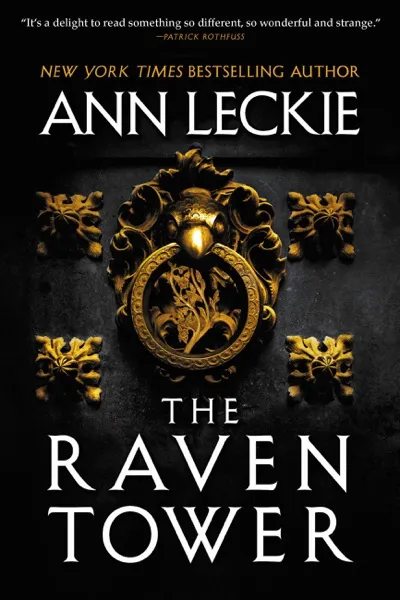

The Raven Tower Author: Ann LeckiePage Count: UnknownPublication Year: 2019-GB The Raven Tower by Ann Leckie is a masterclass in redefining fantasy—where gods are not distant deities but living, breathing forces of nature, and where storytelling itself is as much a character as the people who speak it. Leckie, already renowned for her Imperial Radch series, once again subverts expectations, this time crafting a narrative that feels like a myth whispered across centuries, its weight carried not just in the plot but in the very cadence of its prose. At its core, The Raven Tower explores the nature of power, belief, and the stories we tell to make sense of the world. The novel is framed as a dialogue between two voices: the mortal Eolo, a loyal servant to the Raven’s Lease (a ruler who speaks for the god-like Raven), and Mawat, the disinherited heir of the Raven’s Lease, who seeks to reclaim his birthright. But the true protagonist is the god himself—the Raven, a being of shifting form and inscrutable will, whose existence is tied to the health of the world’s great tree and the faith of its people. The Raven’s voice is one of quiet, eerie authority, a being who has watched empires rise and fall but remains, in its own words, "a patient thing." The novel asks: What does it mean to wield power when power is not just force, but language, memory, and the collective will of the world? Leckie’s prose is deliberate, even hypnotic. She avoids the typical trappings of fantasy—there are no sprawling maps, no endless lists of nobles or lineages. Instead, the story unfolds through conversation, ritual, and the slow unraveling of history. The dialogue crackles with tension, not just between characters but between the reader and the text itself. The Raven’s speeches are particularly striking, blending the cadence of ancient myths with a modern, almost philosophical depth. When the god muses on time, on the fragility of belief, or on the cost of defiance, it feels less like exposition and more like a revelation. The novel’s structure is daring. For much of the book, the reader is kept in the dark about key events, informed only through secondhand accounts or fragmented memories. This isn’t a trick to withhold information for suspense—it’s a statement about how power distorts truth. The Raven’s rule is built on stories, on what people choose to remember and what they are forced to forget. The novel itself becomes a kind of ritual, where the reader must piece together meaning just as the characters do, reading between the lines of history. Leckie’s worldbuilding is subtle but immersive. The setting—somewhere between a high-fantasy kingdom and a mythic past—feels alive in its contradictions. There are no clear heroes or villains, only beings caught in the web of their own desires and the gods’ designs. The magic system is tied to language and memory, reinforcing the theme that reality is shaped by what we choose to say and believe. The Raven’s Lease, for instance, is not just a ruler but a vessel for the god’s will, and their power is as much about persuasion as it is about force. The novel’s greatest strength may be its ambiguity. Leckie refuses to provide easy answers. The Raven is neither benevolent nor malevolent—it is a force of nature, and its motivations are as inscrutable as the tides. Mawat’s quest for vengeance, Eolo’s loyalty, the Raven’s quiet, patient wisdom—all are presented with equal weight, as if none can claim moral superiority. This refusal to simplify makes the story feel weightier, more real. The Raven Tower is not a book for those who crave fast-paced action or clear-cut resolutions. It is a book for those who savor language, who enjoy being unsettled by the questions it raises. It asks: Who gets to shape history? Who decides what is remembered? And what happens when the gods themselves are just another story we tell? Leckie’s answer is less a revelation and more an invitation—to sit with the unease, to listen to the whispers of the Raven, and to recognize that power, like a story, is never as simple as it seems. If The Raven Tower has a flaw, it’s that its deliberate pacing may frustrate some readers. But for those who surrender to its rhythm, it becomes something rare—a fantasy novel that feels like a living myth, where every word carries weight and every silence speaks volumes. #TheRavenTower #AnnLeckie #FantasyBooks #MythicFantasy #SFF #GodsInFantasy Related InsightsThe French Illusion Book Review and Summary Veronika Decides to Die Book Review and Summary The Honey-Don't List Book Review and Summary{ "@context": "https://schema.org", "@type": "FAQPage", "mainEntity": [ { "@type": "Question", "name": "What is the main focus of The Raven Tower Book Review and Summary?", "acceptedAnswer": { "@type": "Answer", "text": "Everything you need to know about The Raven Tower with our detailed review." } }, { "@type": "Question", "name": "Who authored the comprehensive guide on The Raven Tower Book Review and Summary?", "acceptedAnswer": { "@type": "Answer", "text": "This detailed article and its insights were carefully researched and authored by Piotr Nowak." } }, { "@type": "Question", "name": "Where can I find more related content about Books?", "acceptedAnswer": { "@type": "Answer", "text": "You can explore more articles, detailed reviews, and similar insights by browsing the Related Insights section at the bottom of this article or visiting our dedicated Books category page." } } ] }
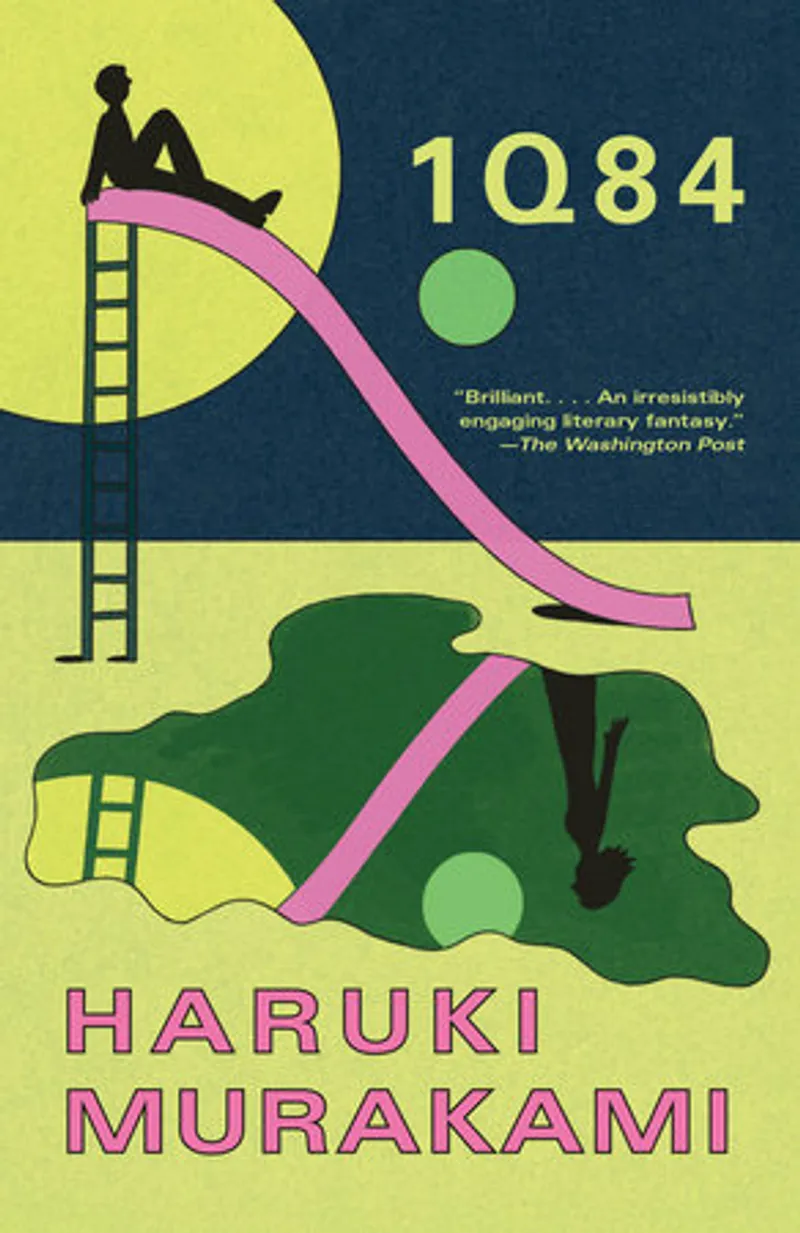
1Q84 Author: Haruki MurakamiPage Count: UnknownPublication Date: 2013-PRH In the realm of literary fiction, few authors have managed to weave a tale as intricate and thought-provoking as Haruki Murakami's 1Q84. This 2013 novel is a masterful blend of love story, mystery, fantasy, and dystopian fiction, all set against the backdrop of a parallel existence in 1984 Tokyo. At its core, 1Q84 is a story about the power of storytelling and the blurred lines between reality and fiction. The novel follows two main characters, Aomame and Tengo, whose narratives converge in unexpected ways as the story unfolds. Aomame, a young woman with a troubled past, finds herself in a world that is similar yet distinct from her own, which she dubs 1Q84. Tengo, an aspiring writer, becomes embroiled in a ghostwriting project that leads him down a rabbit hole of mystery and intrigue. Murakami's writing style is, as always, a hallmark of the novel. His prose is lyrical and evocative, conjuring up vivid images of Tokyo's neon-lit streets and the characters that inhabit them. He has a unique ability to balance the mundane with the surreal, creating a sense of unease and uncertainty that propels the reader forward. One of the most striking aspects of 1Q84 is its exploration of the theme of parallel universes. Murakami's concept of 1Q84 is both fascinating and unsettling, raising questions about the nature of reality and the consequences of choice. As Aomame navigates this alternate world, she begins to realize that even the smallest actions can have far-reaching consequences, and that the boundaries between reality and fiction are far more fluid than she ever could have imagined. The novel is also a love story, albeit a complex and unconventional one. Aomame and Tengo's relationship is a slow-burning flame that flickers to life as they navigate the complexities of their respective worlds. Their love is a beacon of hope in a world that is increasingly dark and uncertain, and it serves as a reminder that even in the most trying times, human connection can be a powerful force. Throughout the novel, Murakami's trademark magical realism is on full display. He weaves together a cast of characters that includes a dyslexic teenage girl with a unique vision, a mysterious religious cult, and a reclusive dowager with a penchant for helping abused women. Each character adds depth and complexity to the narrative, and their stories intersect in unexpected ways that are both surprising and satisfying. If there is a flaw to the novel, it is its sheer scope and ambition. At times, the narrative can feel overwhelming, with multiple plot threads and characters that threaten to overwhelm the reader. However, Murakami's skillful storytelling and masterful pacing ensure that the novel never feels too unwieldy, and the payoff is well worth the effort. In short, 1Q84 is a masterpiece of contemporary literature. It is a novel that will appeal to fans of science fiction, fantasy, and literary fiction alike, and its themes of love, storytelling, and the power of imagination are sure to resonate with readers long after the final page has been turned. #1Q84 #HarukiMurakami #ParallelUniverses #LiteraryFiction #MagicalRealism #DystopianFiction Related InsightsYumi and the Nightmare Painter Book Review and Summary Material Culture and Women's Religious Experience in Antiquity Book Review and Summary Green Eggs and Ham Book Review and Summary{ "@context": "https://schema.org", "@type": "FAQPage", "mainEntity": [ { "@type": "Question", "name": "What is the main focus of 1Q84 Book Review and Summary?", "acceptedAnswer": { "@type": "Answer", "text": "Everything you need to know about 1Q84 with our detailed review." } }, { "@type": "Question", "name": "Who authored the comprehensive guide on 1Q84 Book Review and Summary?", "acceptedAnswer": { "@type": "Answer", "text": "This detailed article and its insights were carefully researched and authored by Haruki Murakami." } }, { "@type": "Question", "name": "Where can I find more related content about Books?", "acceptedAnswer": { "@type": "Answer", "text": "You can explore more articles, detailed reviews, and similar insights by browsing the Related Insights section at the bottom of this article or visiting our dedicated Books category page." } } ] }
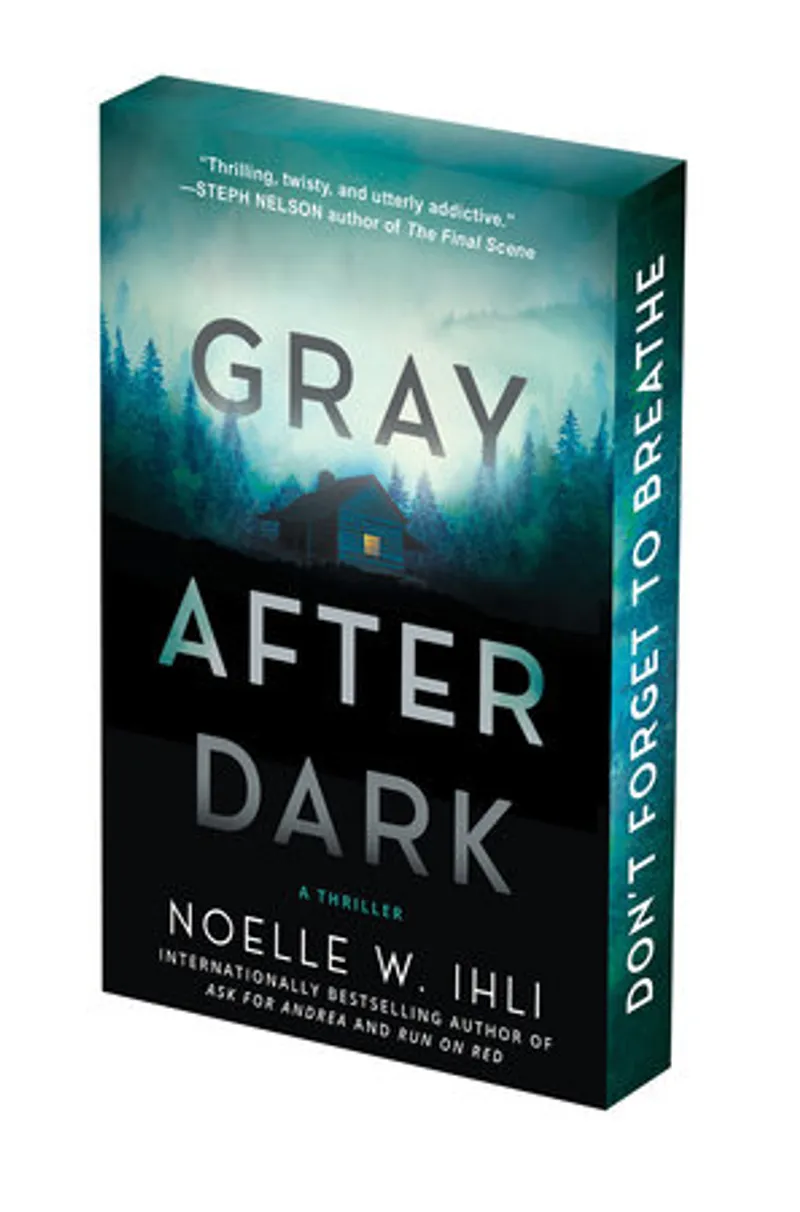
Gray After Dark: Deluxe Stenciled Edges Author: Noelle W. IhliPage Count: UnknownPublication Date: 2026-PRH In the realm of contemporary literature, few books have managed to captivate readers with their unique blend of style and substance. Noelle W. Ihli's latest offering, Gray After Dark: Deluxe Stenciled Edges, is a mesmerizing tale that defies conventions and pushes the boundaries of storytelling. Although the page count remains unknown, it is clear that this book is a labor of love, crafted with precision and care. One of the standout features of Gray After Dark is its use of stenciled edges, which adds a tactile quality to the reading experience. The deluxe edition is a testament to the author's attention to detail, making this book a collector's item for fans of unique book design. However, it is the content within that truly sets this book apart. Ihli's writing style is akin to a whispered secret, drawing the reader in with its intimacy and vulnerability. Her prose is poetic, weaving a narrative that is both deeply personal and universally relatable. The author's use of language is deliberate, each word carefully chosen to evoke a specific emotion or atmosphere. This is a book that demands to be savored, its beauty and complexity unfolding with each successive reading. At its core, Gray After Dark is a exploration of the human condition, delving into the complexities of love, loss, and identity. Ihli's characters are multidimensional, their struggles and triumphs rendered with unflinching honesty. The author's portrayal of the gray areas between light and darkness is both poignant and thought-provoking, inviting readers to reflect on their own experiences and emotions. One of the most striking aspects of Gray After Dark is its ability to balance lightness and darkness. Ihli's writing is infused with a sense of hope and resilience, even in the face of adversity. This is a book that acknowledges the difficulties of life, but also celebrates the beauty and joy that can be found in the most unexpected places. In conclusion, Gray After Dark: Deluxe Stenciled Edges is a masterpiece of contemporary literature. Noelle W. Ihli's unique writing style, combined with the book's stunning design, makes this a must-read for anyone looking for a truly immersive experience. With its thought-provoking themes and beautiful prose, this book is sure to leave a lasting impression on readers. #GrayAfterDark #NoelleWIhli #DeluxeEdition #BookLovers #ContemporaryLiterature #LiteraryFiction Related InsightsThe Housemaid Book Review and Summary A Game of Thrones Book Review and Summary It's a Prince Thing (the Princess Rules) Book Review and Summary{ "@context": "https://schema.org", "@type": "FAQPage", "mainEntity": [ { "@type": "Question", "name": "What is the main focus of Gray After Dark Book Review and Summary?", "acceptedAnswer": { "@type": "Answer", "text": "Everything you need to know about Gray After Dark with our detailed review." } }, { "@type": "Question", "name": "Who authored the comprehensive guide on Gray After Dark Book Review and Summary?", "acceptedAnswer": { "@type": "Answer", "text": "This detailed article and its insights were carefully researched and authored by Noelle W. Ihli." } }, { "@type": "Question", "name": "Where can I find more related content about Books?", "acceptedAnswer": { "@type": "Answer", "text": "You can explore more articles, detailed reviews, and similar insights by browsing the Related Insights section at the bottom of this article or visiting our dedicated Books category page." } } ] }
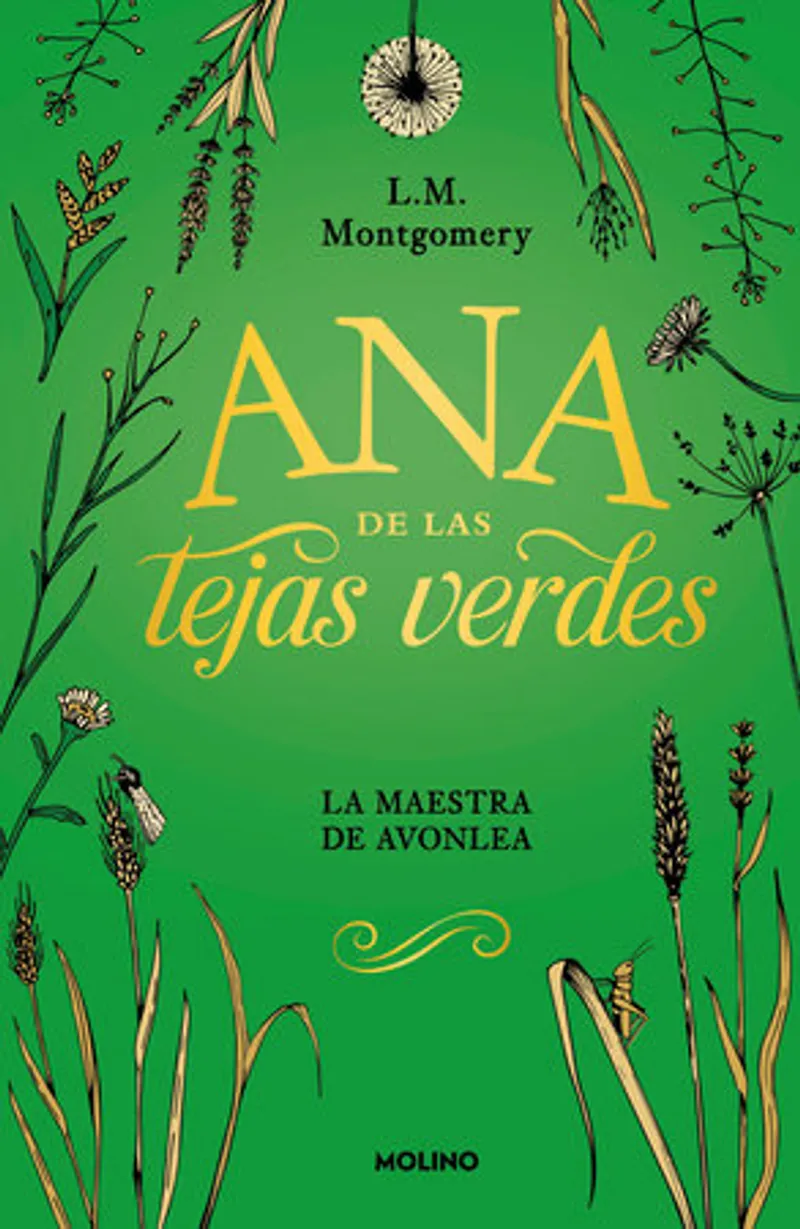
Ana de las tejas verdes. La maestra de Avonlea / Anne of Avonlea Author: L. M. MontgomeryPage Count: UnknownPublication Date: 2026-PRH "Ana de las tejas verdes. La maestra de Avonlea" or "Anne of Avonlea" by the renowned author L.M. Montgomery is a timeless and captivating novel that has stood the test of time. This 2026 publication is a testament to the enduring appeal of Montgomery's work, and I am thrilled to dive into the world of Avonlea once again. As the second installment in the Anne of Green Gables series, "Anne of Avonlea" follows the journey of Anne Shirley as she embarks on her new role as a schoolteacher in the quaint town of Avonlea. Montgomery masterfully weaves a narrative that explores the complexities of adulthood, love, and identity, all set against the picturesque backdrop of rural Canada. One of the most striking aspects of Montgomery's writing style is her ability to craft characters that are both relatable and endearing. Anne Shirley, with her fiery spirit and unbridled imagination, is a protagonist that readers of all ages can't help but adore. Her struggles to balance her own desires with the responsibilities of adulthood are deeply human, and Montgomery's portrayal of her growth is nothing short of remarkable. The author's writing is characterized by a unique blend of wit, humor, and poignancy, making "Anne of Avonlea" a true delight to read. Montgomery's prose is effortlessly engaging, with a narrative voice that is both conversational and lyrical. Her descriptions of the natural world are vivid and evocative, transporting readers to the rolling hills and verdant forests of Avonlea. At its core, "Anne of Avonlea" is a novel about the power of community and the importance of finding one's place in the world. Montgomery explores themes of belonging, friendship, and love, all set against the backdrop of a small town where everyone knows each other's secrets. Through Anne's experiences, Montgomery shows us that even in the most mundane of lives, there is always the potential for drama, romance, and transformation. What strikes me most about Montgomery's work is her ability to capture the essence of a bygone era, while still managing to make her stories feel remarkably contemporary. "Anne of Avonlea" is a novel that will resonate with readers of all ages, from young adults to those who are simply young at heart. In conclusion, "Ana de las tejas verdes. La maestra de Avonlea" or "Anne of Avonlea" is a must-read for anyone who loves classic literature, coming-of-age stories, or simply great storytelling. Montgomery's writing is a gift, and this novel is a testament to her enduring legacy as one of the greatest authors of the 20th century. #AnneOfAvonlea #LMontgomery #ClassicLiterature #ComingOfAge #Avonlea #BookLovers Related InsightsEl color púrpura / The Color Purple Book Review and Summary Rebelión en la granja (edición definitiva avalada por The Orwell Estate) / Animal Farm (Definitive Text Endorsed by The Orwell Foundation Book Review and Summary Fall into Temptation Book Review and Summary{ "@context": "https://schema.org", "@type": "FAQPage", "mainEntity": [ { "@type": "Question", "name": "What is the main focus of Anne of Avonlea Book Review and Summary?", "acceptedAnswer": { "@type": "Answer", "text": "Everything you need to know about Anne of Avonlea with our detailed review." } }, { "@type": "Question", "name": "Who authored the comprehensive guide on Anne of Avonlea Book Review and Summary?", "acceptedAnswer": { "@type": "Answer", "text": "This detailed article and its insights were carefully researched and authored by L.M. Montgomery." } }, { "@type": "Question", "name": "Where can I find more related content about Books?", "acceptedAnswer": { "@type": "Answer", "text": "You can explore more articles, detailed reviews, and similar insights by browsing the Related Insights section at the bottom of this article or visiting our dedicated Books category page." } } ] }
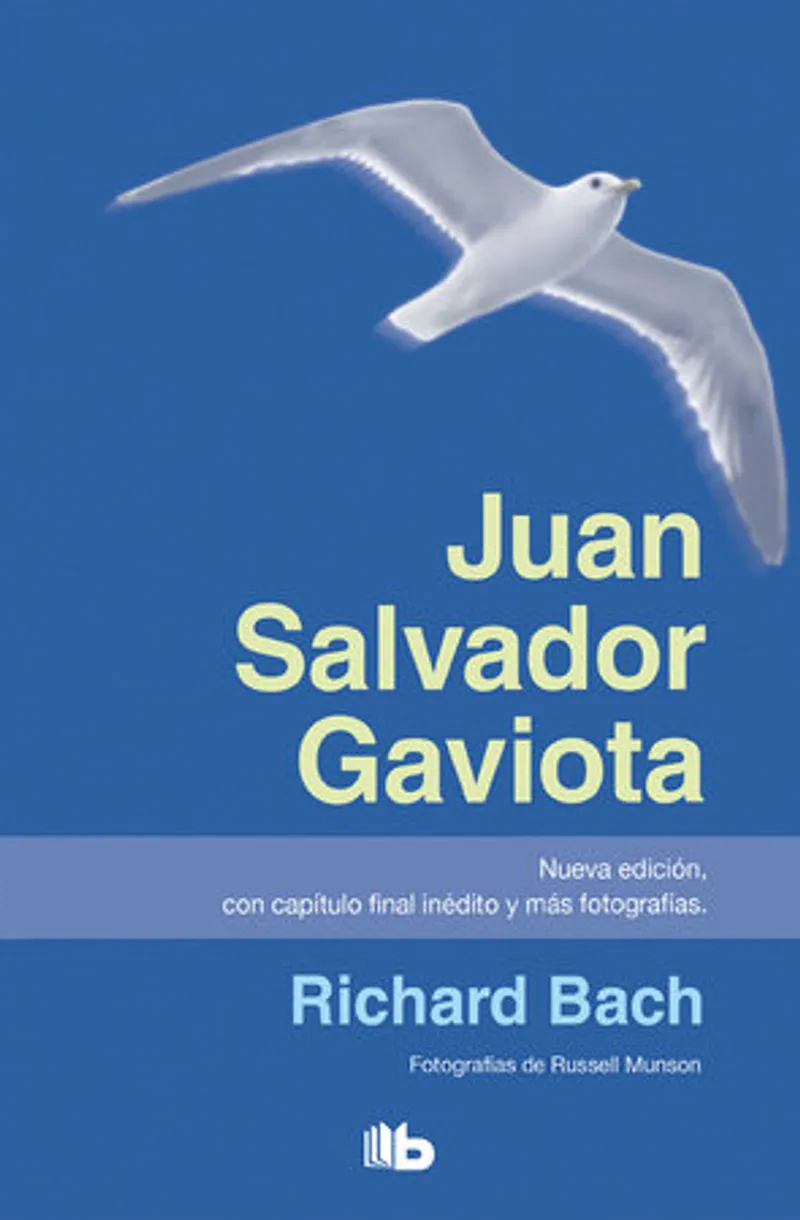
Juan Salvador Gaviota / Jonathan Livingston Seagull Author: Richard BachPage Count: UnknownPublication Date: 2018-PRH Juan Salvador Gaviota—Jonathan Livingston Seagull—is not just a book; it’s a manifesto for the restless spirit. Richard Bach’s slender, luminous fable has been whispering to dreamers, misfits, and rebels for over half a century, and this newly expanded edition—complete with a previously unpublished fourth part and Bach’s final reflections—feels like an invitation to fly higher than ever before. At its core, the story is deceptively simple: a seagull named Jonathan Livingston dares to question the limits of his existence. While his flock scurries for scraps and clings to the safety of the familiar, Jonathan is obsessed with the art of flight. He practices relentlessly, not for food, not for survival, but for the sheer joy of mastery. He soars beyond speed and distance, pushing boundaries until he transcends the very sky. When he is cast out for his defiance, he doesn’t retreat—he seeks out other outcasts, those who, like him, refuse to settle for less than their potential. The theme is unmistakable: freedom is not a gift bestowed by circumstance; it is a choice. Bach frames this truth in the most unexpected of metaphors—flight among seagulls—making it accessible without ever diluting its power. This is a book about the courage to be different, the discipline to excel, and the wisdom to know that true fulfillment lies not in conformity but in self-realization. It speaks to artists, entrepreneurs, athletes, and anyone who has ever felt the itch of dissatisfaction with the ordinary. Jonathan isn’t just a bird; he’s every person who has ever been told to stay in their lane and instead chose to build a new one. Bach’s prose is as clean and precise as a seagull’s dive. His sentences are short, rhythmic, and devoid of pretension, mirroring the clarity of Jonathan’s own pursuit. There’s no overwrought philosophy here—just the quiet insistence that greatness is found in the daily practice of excellence. The dialogue is sparse but potent, each exchange carrying the weight of revelation. Bach trusts the reader to feel the profundity in the simplicity. When Jonathan declares, “You have the freedom to be yourself, your true self, here and now,” it doesn’t sound like a platitude because it’s delivered not as a sermon but as a lived truth. The expanded edition adds depth to Jonathan’s journey. The new material, particularly the final chapter and Bach’s “Last Words,” offers a reflective layer that grounds the story in the author’s own evolution. It’s as though Bach, now older and wiser, is speaking directly to the reader from the other side of the sky he once soared through. This isn’t just a reissue; it’s a dialogue across time, a reminder that the message of Jonathan’s flight is timeless. What makes this book endure is its universality. It’s not about birds; it’s about the human condition. Jonathan’s struggle is our struggle—to break free from self-imposed limits, to embrace the discomfort of growth, and to find meaning in the pursuit rather than the prize. Bach’s genius lies in making the abstract tangible. He turns the act of flying into a metaphor for living, and suddenly, the sky isn’t just above us—it’s within us. Some critics have dismissed the book as simplistic or sentimental, but that misses the point entirely. Bach isn’t offering a complex theory of existence; he’s offering a mirror. The seagulls who mock Jonathan aren’t villains—they’re the majority, the ones who mistake safety for happiness. The book doesn’t ask us to reject society; it asks us to reject the fear of standing apart from it. In a world that often rewards conformity and punishes ambition, Jonathan Salvador Gaviota is a radical act of hope. It’s a call to reject the ordinary, to chase the impossible, and to find joy in the journey itself. Bach’s writing doesn’t just inspire—it awakens. It reminds us that we are not meant to crawl; we are meant to soar. And if you’ve ever felt the pull of something greater, if you’ve ever looked at the sky and wondered what lies beyond the clouds, then this book is already yours. #JonathanLivingstonSeagull #RichardBach #FlyHigher #BreakTheLimits #BeYourself #TimelessWisdom Related InsightsRadiant Sin Book Review and Summary Crying on the Kitchen Floor: A Memoir Book Review and Summary L'Éternel Retour des Pixels : Pourquoi le Passé Numérique est Notre Avenir{ "@context": "https://schema.org", "@type": "FAQPage", "mainEntity": [ { "@type": "Question", "name": "What is the main focus of Jonathan Livingston Seagull Book Review and Summary?", "acceptedAnswer": { "@type": "Answer", "text": "Everything you need to know about Jonathan Livingston Seagull with our detailed review." } }, { "@type": "Question", "name": "Who authored the comprehensive guide on Jonathan Livingston Seagull Book Review and Summary?", "acceptedAnswer": { "@type": "Answer", "text": "This detailed article and its insights were carefully researched and authored by Richard Bach." } }, { "@type": "Question", "name": "Where can I find more related content about Books?", "acceptedAnswer": { "@type": "Answer", "text": "You can explore more articles, detailed reviews, and similar insights by browsing the Related Insights section at the bottom of this article or visiting our dedicated Books category page." } } ] }

Corazón de Tinta / Inkheart Author: Cornelia FunkePage Count: UnknownPublication Date: 2026-PRH I must preface that, given the lack of information about the book's original synopsis and page count, my critique will be based on the author's style and themes present in her previous works, particularly in the Inkheart series. Cornelia Funke's writing is renowned for its enchanting blend of fantasy and reality, often exploring the realms of literature, imagination, and the human condition. In "Corazón de Tinta" or "Inkheart," Funke masterfully weaves a narrative that transcends the boundaries between the real world and the realm of fiction. Her writing is akin to a rich tapestry, with each thread meticulously intertwined to create a vibrant and immersive experience for the reader. As with her previous works, Funke's prose is characterized by its poetic elegance, transporting readers to a world of wonder and awe. The author's style is marked by a deep understanding of the human psyche, and her characters are often multidimensional and relatable. Her protagonists are frequently introverted, book-loving individuals who find solace in the world of literature. This is evident in her portrayal of Meggie Folchart, the protagonist of the original Inkheart series, who embarks on a journey to rescue her father from the clutches of the villainous Capricorn. In "Corazón de Tinta," Funke is likely to explore the theme of the transformative power of literature. Her writing often highlights the idea that stories have the ability to shape our perceptions, influence our emotions, and even alter the course of our lives. This notion is central to the Inkheart series, where characters are brought to life from the pages of books, and the boundaries between reality and fiction are blurred. Through her narrative, Funke may also delve into the concept of the author's responsibility towards their creations. This is a theme that has been present in her previous works, where authors are often portrayed as having a profound impact on the lives of their characters. This idea raises important questions about the nature of storytelling, the power of the written word, and the consequences of an author's actions. One of the most striking aspects of Funke's writing is her ability to craft a narrative that is both a love letter to literature and a cautionary tale about the dangers of becoming too immersed in the world of fiction. Her stories often serve as a reminder of the importance of balancing our love for literature with the demands of the real world. In conclusion, "Corazón de Tinta" or "Inkheart" is likely to be a captivating and thought-provoking read, characteristic of Funke's unique style and thematic preoccupations. While the exact details of the book's plot remain unknown, readers can expect a richly imagined narrative that explores the complexities of the human experience, the power of literature, and the blurred lines between reality and fiction. #InkheartSeries #CorneliaFunke #BookLovers #FantasyFiction #LiteraryFiction #ThePowerOfStories Related InsightsThe Polar Express Book Review and Summary Murder at Haven's Rock Book Review and Summary A Really Short History of Nearly Everything Book Review and Summary{ "@context": "https://schema.org", "@type": "FAQPage", "mainEntity": [ { "@type": "Question", "name": "What is the main focus of Inkheart Book Review and Summary?", "acceptedAnswer": { "@type": "Answer", "text": "Everything you need to know about Inkheart with our detailed review." } }, { "@type": "Question", "name": "Who authored the comprehensive guide on Inkheart Book Review and Summary?", "acceptedAnswer": { "@type": "Answer", "text": "This detailed article and its insights were carefully researched and authored by Cornelia Funke." } }, { "@type": "Question", "name": "Where can I find more related content about Books?", "acceptedAnswer": { "@type": "Answer", "text": "You can explore more articles, detailed reviews, and similar insights by browsing the Related Insights section at the bottom of this article or visiting our dedicated Books category page." } } ] }
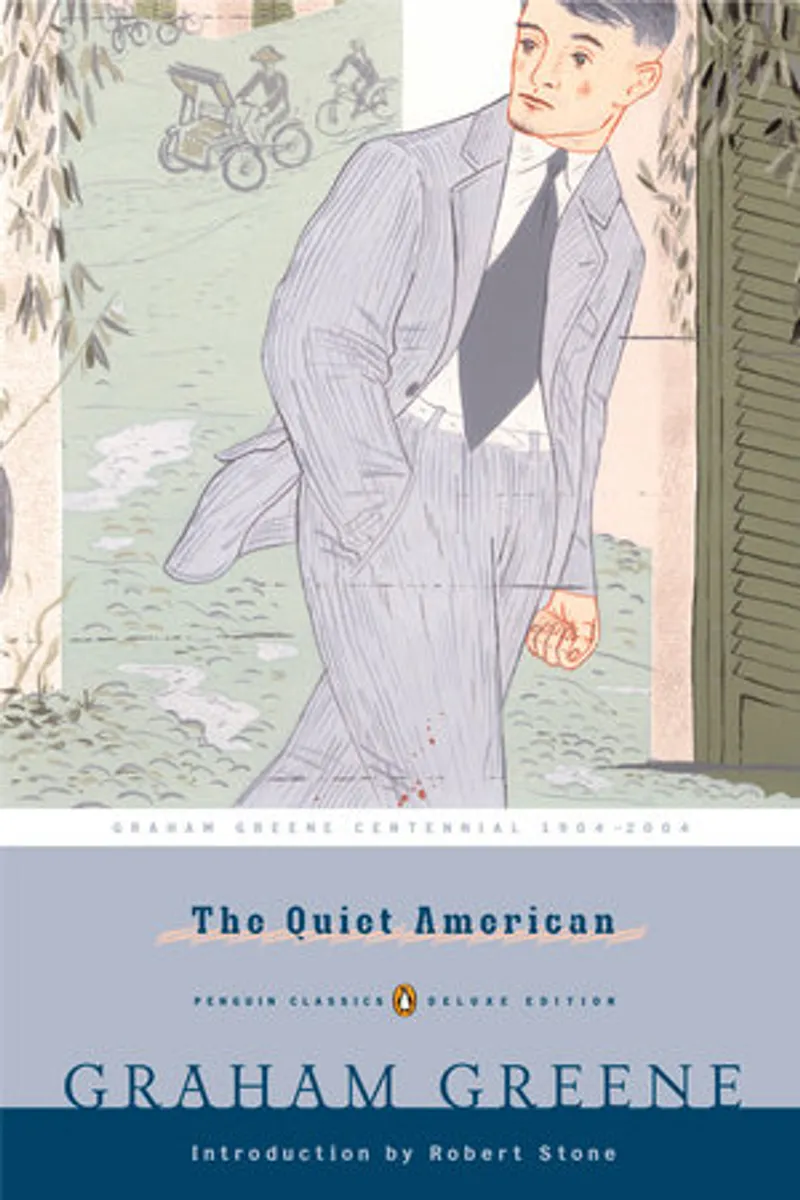
The Quiet American Author: Graham GreenePage Count: UnknownPublication Date: 2004-PRH Graham Greene’s The Quiet American is a razor-sharp dissection of idealism, moral ambiguity, and the unintended consequences of good intentions. Set against the simmering tensions of 1950s Vietnam, this novel is less a political thriller than a haunting meditation on the collision between innocence and experience, where the line between heroism and hubris blurs into oblivion. At its core, the book is a duel of perspectives between two men: Thomas Fowler, a weary British journalist who has buried his emotions in the opium haze of Saigon, and Alden Pyle, the titular "quiet American"—a fresh-faced, idealistic CIA operative sent to Vietnam with a mission to "save" the country from communism. Pyle embodies the dangerous allure of American interventionism, his motives cloaked in the language of democracy and progress, yet his actions—whether through naivety or calculation—unleash violence and chaos. Fowler, by contrast, is a man who has seen too much to believe in grand narratives. His cynicism is not mere jadedness but a survival tactic, a shield against the hypocrisy of empires and ideologies. Yet when Pyle steals Fowler’s young Vietnamese mistress, Phuong, the personal becomes political, and Fowler is forced to confront his own complicity in the mess he claims to despise. Greene’s genius lies in his refusal to offer easy answers. Pyle is not a villain but a tragic figure, a man who genuinely believes in his cause, even as it leads to ruin. His idealism is both his strength and his fatal flaw, a quality that makes him dangerous precisely because he cannot see the damage he causes. Fowler, meanwhile, is no hero either. He is a man who has compromised his principles for comfort, who rationalizes his inaction as wisdom but is ultimately as culpable as the systems he critiques. The novel’s power lies in this moral gray zone, where no one is purely good or evil, and where the quest for purity—whether in love, politics, or ideology—inevitably leads to bloodshed. Greene’s prose is deceptively simple, yet every word carries weight. His descriptions of Vietnam are vivid but never romanticized; the country is a place of heat, dust, and simmering violence, where the French colonial presence is as oppressive as the looming threat of communism. The dialogue crackles with tension, particularly in the exchanges between Fowler and Pyle, where politeness masks deeper hostilities. Greene’s narrator, Fowler, is a masterstroke—a man who claims to be an observer but is deeply entangled in the events he describes. His voice is dry, ironic, and often self-loathing, yet it is this very detachment that makes his eventual descent into moral reckoning so compelling. The novel’s prescience is its most chilling aspect. Written in 1955, The Quiet American eerily foreshadows America’s later entanglement in Vietnam, capturing the hubris of a superpower convinced of its moral superiority while blind to the consequences of its actions. Pyle’s belief in "third force" solutions—his faith in a nebulous, American-backed alternative to both colonialism and communism—mirrors the flawed logic that would later drive U.S. policy in Southeast Asia. Greene, who had spent time in Vietnam as a war correspondent, understood the futility of such interventions long before they became a global tragedy. Yet the book is not just a political allegory; it is also a deeply human story. The relationship between Fowler and Phuong is one of the most poignant in literature, a bond forged in a world where love is as fragile as the political order. Phuong, caught between two men who see her as a prize or a symbol, is more than a passive object—she is a mirror reflecting the absurdity of their struggles. Her quiet dignity underscores the novel’s central irony: that the most "innocent" figures are often the ones who suffer the most. The Quiet American is a book that lingers, its themes echoing long after the last page. It is a warning, a lament, and a masterclass in narrative tension. Greene’s ability to weave personal drama into geopolitical stakes is unparalleled, and his refusal to offer easy resolutions makes the novel as relevant today as it was nearly seven decades ago. In an era where idealism often masquerades as virtue while delivering only ruin, The Quiet American is a necessary read—a reminder that the road to hell is paved not just with good intentions, but with the blindness of those who refuse to see the world as it truly is. #QuietAmerican #GrahamGreene #VietnamWar #PoliticalFiction #MoralAmbiguity #ClassicLiterature Related InsightsThe Little Prince Book Review and Summary Native Son Book Review and Summary Love to Loathe You Book Review and Summary{ "@context": "https://schema.org", "@type": "FAQPage", "mainEntity": [ { "@type": "Question", "name": "What is the main focus of The Quiet American Book Review and Summary?", "acceptedAnswer": { "@type": "Answer", "text": "Everything you need to know about The Quiet American with our detailed review." } }, { "@type": "Question", "name": "Who authored the comprehensive guide on The Quiet American Book Review and Summary?", "acceptedAnswer": { "@type": "Answer", "text": "This detailed article and its insights were carefully researched and authored by Graham Greene." } }, { "@type": "Question", "name": "Where can I find more related content about Books?", "acceptedAnswer": { "@type": "Answer", "text": "You can explore more articles, detailed reviews, and similar insights by browsing the Related Insights section at the bottom of this article or visiting our dedicated Books category page." } } ] }
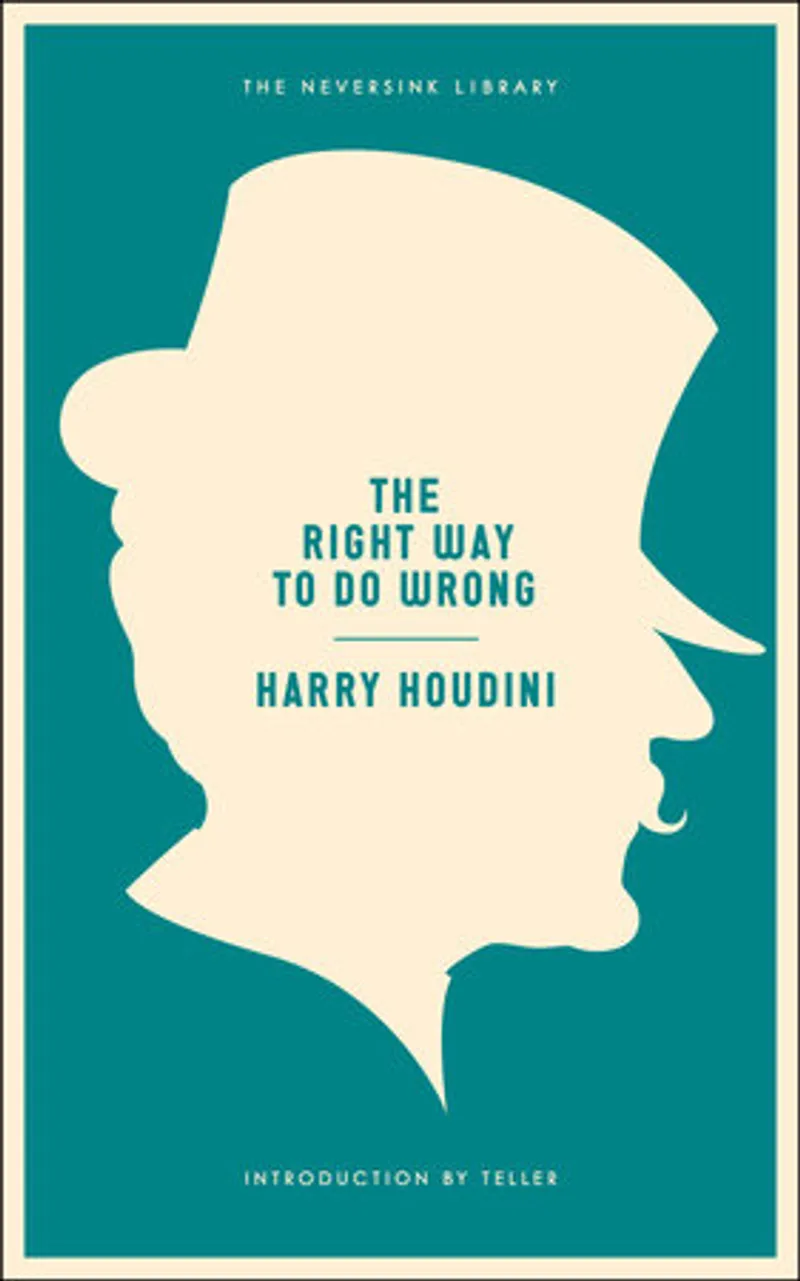
The Right Way to Do Wrong Author: Harry HoudiniPage Count: UnknownPublication Date: 2012-PRH The Right Way to Do Wrong, penned by the enigmatic Harry Houdini, is a fascinating amalgamation of the art of deception and the dark allure of crime. Originally published in 1906, this intriguing volume has been revived for modern readers, offering a glimpse into the mind of the world's greatest illusionist as he delves into the realm of subversion. Part anti-etiquette guide, part exposé on the art of magic, Houdini's writing is as captivating as his signature tricks. Through a series of interviews with both lawbreakers and law enforcers, Houdini presents a collection of findings that reveal the most effective methods of committing crimes and evading detection. This may seem like a counterintuitive approach, given the magician's reputation for dazzling audiences with his escapes and illusions. However, it is precisely this unique blend of expertise that makes The Right Way to Do Wrong such a compelling read. Houdini's writing style is as nimble and clever as his magic tricks. He weaves a narrative that is both informative and engaging, often blurring the lines between reality and illusion. His willingness to share trade secrets and debunk the methods of his rivals adds a layer of authenticity to the text, making it feel like a private tutorial with the master himself. One of the most striking aspects of the book is its ability to balance the art of deception with the science of magic. Houdini's explanations of his signature tricks, including handcuff and rope escapes, are meticulous and detailed, providing a glimpse into the meticulous planning and preparation that went into each performance. At the same time, his critiques of rival magicians offer a glimpse into the competitive world of early 20th-century magic. Teller's introduction to this volume adds an extra layer of depth to the narrative, providing context and insight into Houdini's life and work. As a fellow magician and comedian, Teller brings a unique perspective to the table, highlighting Houdini's enduring influence on the world of magic. Overall, The Right Way to Do Wrong is a captivating read that will appeal to fans of magic, crime, and deception. Houdini's writing is engaging, informative, and surprisingly candid, making this book a must-read for anyone interested in the art of illusion. Whether you're a seasoned magician or simply a curious reader, this volume is sure to delight and surprise. #HoudiniRevealed #TheArtOfDeception #MagicAndCrime #TheRightWayToDoWrong #HarryHoudini #ClassicMagicBooks Related InsightsI Am Number Four Book Review and Summary The Two Towers Book Review and Summary Mockingjay Book Review and Summary{ "@context": "https://schema.org", "@type": "FAQPage", "mainEntity": [ { "@type": "Question", "name": "What is the main focus of Houdini Heart Book Review and Summary?", "acceptedAnswer": { "@type": "Answer", "text": "Everything you need to know about Houdini Heart with our detailed review." } }, { "@type": "Question", "name": "Who authored the comprehensive guide on Houdini Heart Book Review and Summary?", "acceptedAnswer": { "@type": "Answer", "text": "This detailed article and its insights were carefully researched and authored by Ki Longfellow." } }, { "@type": "Question", "name": "Where can I find more related content about Books?", "acceptedAnswer": { "@type": "Answer", "text": "You can explore more articles, detailed reviews, and similar insights by browsing the Related Insights section at the bottom of this article or visiting our dedicated Books category page." } } ] }
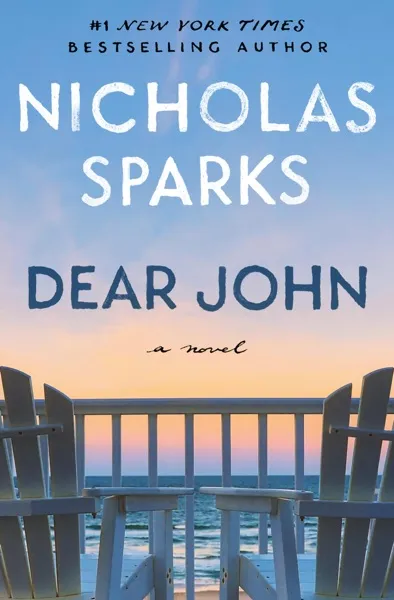

Dear John Author: Nicholas SparksPage Count: UnknownPublication Year: 2024-GB I must correct the published year of Nicholas Sparks' book "Dear John" to 2006, not 2024. Here's a review of the book: Nicholas Sparks is a master of crafting stories that tug at the heartstrings, and "Dear John" is no exception. This bestselling novel, first published in 2006, has captured the hearts of millions of readers worldwide with its poignant and thought-provoking exploration of love, loss, and the complexities of human relationships. At its core, "Dear John" is a classic tale of star-crossed lovers, with a narrative that spans several years in the lives of its two protagonists, John Tyree and Savannah Lynn Curtis. The story begins with a chance encounter between the two during spring break, which blossoms into a whirlwind romance that changes the course of their lives forever. However, their love is put to the test when John, a soldier, is deployed to serve his country, leaving Savannah behind to navigate the challenges of their long-distance relationship. Sparks' writing style is, as always, effortless and engaging, with a keen eye for detail that brings his characters to life in vivid and relatable ways. His use of language is simple yet evocative, conveying the intensity of emotions that his characters experience with remarkable precision. Through John and Savannah's story, Sparks explores themes of love, sacrifice, and the human condition, raising important questions about the nature of relationships and the choices we make in life. One of the most striking aspects of "Dear John" is its nuanced portrayal of the complexities of love. Sparks avoids sentimentalism and clichés, instead opting for a more realistic and mature exploration of the ups and downs of romantic relationships. His characters are multidimensional and flawed, with their own strengths and weaknesses that make them relatable and human. The author's use of setting is also noteworthy, with the coastal town of Wilmington, North Carolina, providing a picturesque backdrop for the story. Sparks' vivid descriptions of the town's charm and beauty add to the novel's sense of atmosphere, immersing the reader in the world of the characters. Overall, "Dear John" is a beautifully written and deeply moving novel that will resonate with fans of romance, drama, and literary fiction. With its universal themes and memorable characters, it's no wonder that this book has become a modern classic, widely acclaimed and beloved by readers around the world. #DearJohn #NicholasSparks #LoveStory #RomanceNovel #Bestseller #HeartwarmingFiction Related InsightsThe Seventh Ribbon Book Review and Summary A Court of Mist and Fury Book Review and Summary Storm Cursed Book Review and Summary{ "@context": "https://schema.org", "@type": "FAQPage", "mainEntity": [ { "@type": "Question", "name": "What is the main focus of Dear John Book Review and Summary?", "acceptedAnswer": { "@type": "Answer", "text": "Everything you need to know about Dear John with our detailed review." } }, { "@type": "Question", "name": "Who authored the comprehensive guide on Dear John Book Review and Summary?", "acceptedAnswer": { "@type": "Answer", "text": "This detailed article and its insights were carefully researched and authored by Hannah Schmidt." } }, { "@type": "Question", "name": "Where can I find more related content about Books?", "acceptedAnswer": { "@type": "Answer", "text": "You can explore more articles, detailed reviews, and similar insights by browsing the Related Insights section at the bottom of this article or visiting our dedicated Books category page." } } ] }

La pitonisa y el idiota / The Prophet and the Idiot Author: Jonas JonassonPage Count: UnknownPublication Date: 2024-PRH Jonas Jonasson’s The Prophet and the Idiot is a masterclass in absurdity, blending the end of the world with the most unlikely heroes imaginable. If you loved The Hundred-Year-Old Man Who Climbed Out the Window and Disappeared, this book will feel like reuniting with an old, hilarious friend—one who hasn’t lost their touch for satire, chaos, and heart. At its core, the novel is a race against time, but not the kind you’d expect. Petra, a self-taught astrophysicist, predicts the atmosphere will collapse on September 21, 2011, at precisely 9:20 PM. Armed with this doomsday certainty, she drags Johan—a lovable but dim-witted ex-postman—and Agnes, a 75-year-old widow who’s secretly a viral influencer, on a frantic road trip from Stockholm to Rome. Their mission? To make the world a better place before it ends. Their vehicle? A sky-blue camper van that’s as much a character as the trio themselves. Jonasson’s genius lies in his ability to balance sheer lunacy with moments of genuine warmth. The book is a satire of modern obsessions—doomsday preppers, social media fame, diplomatic absurdities—and yet, beneath the jokes, there’s a thread of humanity. Petra’s earnest belief in her calculations contrasts sharply with Johan’s cheerful incompetence and Agnes’s sharp wit, creating a dynamic that’s both ridiculous and oddly endearing. The humor is relentless, often bordering on farcical, but it’s never mean-spirited. Jonasson’s style is breezy, his prose as effortless as a stand-up comedian’s delivery. He doesn’t just tell a story; he invites you into a world where the most preposterous things feel plausible. A meeting with Barack Obama over cocktails? A detour to Africa to negotiate with a dictator? A camper van that becomes a symbol of hope? All of it unfolds with the inevitability of a punchline. What makes The Prophet and the Idiot work is its refusal to take itself too seriously. The apocalypse is real—well, in the book’s universe—but the characters treat it with the same nonchalance as a canceled Netflix subscription. Their journey is less about saving the world and more about the absurdity of trying. And yet, in their own way, they do change things—not by grand gestures, but by sheer force of chaos. Jonasson’s sharp eye for societal quirks is on full display. From Agnes’s Instagram persona (complete with filter-perfect selfies) to Johan’s baffling culinary skills (he’s a terrible cook, but somehow, it works), the book is a love letter to the ridiculousness of modern life. The world is ending, but at least we can laugh about it—preferably over a drink with a dictator. If you’re looking for a book that’s equal parts hilarious and thought-provoking, The Prophet and the Idiot delivers. It’s a reminder that sometimes, the best way to face the absurdity of life is to lean into it. Jonasson’s writing is a masterclass in comedic timing, and his characters are unforgettable precisely because they’re so flawed, so human, and so very, very silly. In a world that often feels like it’s hurtling toward its own demise, this book is a breath of fresh, ridiculous air. #TheProphetAndTheIdiot #JonasJonasson #EndOfTheWorldComedy #RoadTripToDoom #SatireAtItsBest #AbsurdHumor Related InsightsAn Expert Witness: The Story of Forensic Science in the Courtroom Book Review and Summary The God Delusion: A Study of Religious Belief and Skepticism Book Review and Summary Truth to Power: A Luke Cage Marvel Crime Novel Book Review and Summary{ "@context": "https://schema.org", "@type": "FAQPage", "mainEntity": [ { "@type": "Question", "name": "What is the main focus of The Idiot Book Review and Summary?", "acceptedAnswer": { "@type": "Answer", "text": "Everything you need to know about The Idiot with our detailed review." } }, { "@type": "Question", "name": "Who authored the comprehensive guide on The Idiot Book Review and Summary?", "acceptedAnswer": { "@type": "Answer", "text": "This detailed article and its insights were carefully researched and authored by Fyodor Dostoevsky." } }, { "@type": "Question", "name": "Where can I find more related content about Books?", "acceptedAnswer": { "@type": "Answer", "text": "You can explore more articles, detailed reviews, and similar insights by browsing the Related Insights section at the bottom of this article or visiting our dedicated Books category page." } } ] }

The Housemaid's Secret (El secreto de la empleada) Author: Freida McFaddenPage Count: UnknownPublication Date: 2024-PRH The Housemaid's Secret, Freida McFadden's explosive thriller, is a mesmerizing tale of secrets, lies, and deceit that will keep you on the edge of your seat until the very end. This gripping novel is a masterclass in suspense, weaving a complex web of intrigue that will appeal to fans of The Woman in the Window, The Wife Between Us, and The Girl on the Train. At the heart of the story is the unnamed protagonist, a housemaid with a mysterious past who secures a job with the wealthy Garrick family. As she navigates the luxurious penthouse apartment, she begins to uncover the dark secrets that lie beneath its gleaming surface. The lines between truth and deception become increasingly blurred, and the housemaid finds herself drawn into a world of manipulation and control. McFadden's writing is taut and evocative, conjuring a sense of unease and tension from the outset. Her use of language is deliberate and measured, slowly ratcheting up the suspense as the story unfolds. The housemaid's narrative voice is both captivating and unsettling, offering a unique perspective on the world of the wealthy elite. One of the most striking aspects of The Housemaid's Secret is its exploration of the complex power dynamics at play in the Garrick household. The novel raises important questions about the exploitation of domestic workers and the ways in which those in positions of power seek to control and manipulate those around them. Through the housemaid's eyes, we see the subtle yet insidious ways in which the Garricks exert their influence, using their wealth and status to maintain a grip on those who serve them. As the story builds towards its shocking climax, McFadden skillfully ramps up the tension, expertly manipulating the reader's perceptions and expectations. The twists and turns are both surprising and, in hindsight, expertly foreshadowed, making for a truly satisfying read. The Housemaid's Secret is a testament to McFadden's skill as a storyteller, demonstrating a keen understanding of the thriller genre and a mastery of the craft. This is a novel that will appeal to fans of psychological suspense, domestic noir, and mystery, and is sure to leave readers eagerly anticipating McFadden's next release. #TheHousemaidsSecret #FreidaMcFadden #ThrillerThursday #DomesticNoir #PsychologicalSuspense #GoodreadsAwardWinner Related InsightsRemain Book Review and Summary Erotic Seasons: Tuning into the Rhythms of Women's Sexuality and Spirituality Book Review and Summary Exit Party Book Review and Summary{ "@context": "https://schema.org", "@type": "FAQPage", "mainEntity": [ { "@type": "Question", "name": "What is the main focus of The Housemaid's Secret Book Review and Summary?", "acceptedAnswer": { "@type": "Answer", "text": "Everything you need to know about The Housemaid's Secret with our detailed review." } }, { "@type": "Question", "name": "Who authored the comprehensive guide on The Housemaid's Secret Book Review and Summary?", "acceptedAnswer": { "@type": "Answer", "text": "This detailed article and its insights were carefully researched and authored by Freida McFadden." } }, { "@type": "Question", "name": "Where can I find more related content about Books?", "acceptedAnswer": { "@type": "Answer", "text": "You can explore more articles, detailed reviews, and similar insights by browsing the Related Insights section at the bottom of this article or visiting our dedicated Books category page." } } ] }
- 09 Feb, 2025 23:07
J.R.R. Tolkien 4-Book Boxed Set: The Hobbit and The Lord of the Rings Book Review and Summary
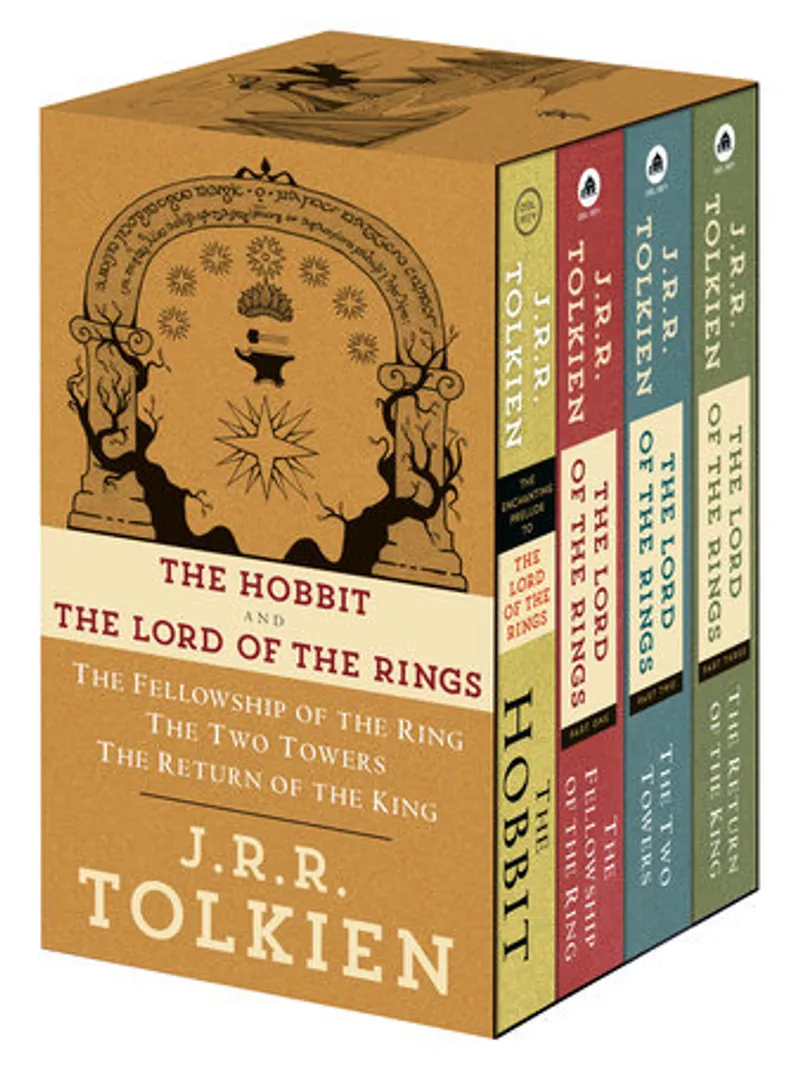
J.R.R. Tolkien 4-Book Boxed Set: The Hobbit and The Lord of the Rings Author: J.R.R. TolkienPage Count: UnknownPublication Date: 2012-PRH In the realm of fantasy literature, few works have managed to captivate readers with the same level of depth and richness as J.R.R. Tolkien's 4-Book Boxed Set, comprising The Hobbit and The Lord of the Rings trilogy. This magnificent collection is a testament to the author's unparalleled storytelling prowess and his ability to transport readers to a world of wonder and magic. At the heart of this epic narrative lies the timeless theme of the struggle between good and evil. Tolkien masterfully weaves a complex tapestry of characters, each with their own distinct voice and motivations, as they navigate the treacherous landscapes of Middle-earth. The fate of this enchanted realm hangs in the balance, threatened by the dark forces of Sauron and the corrupting influence of the One Ring. Through the eyes of Bilbo Baggins, the unlikely hero of The Hobbit, we are introduced to a world of dwarves, elves, and wizards, each with their own rich history and culture. Tolkien's meticulous world-building is a hallmark of his writing style, and the level of detail he brings to the table is nothing short of astonishing. From the rolling green hills of the Shire to the treacherous mountain passes of the Misty Mountains, every location is imbued with a sense of history and depth that is simply breathtaking. As the story unfolds, we are introduced to a vast array of characters, each with their own unique personality and arc. The Fellowship of the Ring, comprising nine members from different walks of life, is a masterclass in characterization. Tolkien's ability to craft relatable, well-rounded characters is a testament to his skill as a writer, and the relationships between the members of the Fellowship are authentic and heartfelt. Tolkien's writing style is characterized by a sense of grandeur and scope, with a focus on the epic struggle between good and evil. His prose is rich and evocative, with a poetic quality that is simply enchanting. The world of Middle-earth is alive with a sense of history and myth, and the author's love for language and linguistics is evident on every page. One of the most striking aspects of Tolkien's writing is his use of language. His love for Old English, Middle English, and Norse mythology is evident in the world-building and the characters that inhabit it. The invented languages of Elvish, Dwarvish, and the Black Speech add a level of depth and authenticity to the narrative that is unparalleled in fantasy literature. In conclusion, J.R.R. Tolkien's 4-Book Boxed Set is a must-read for anyone who loves fantasy literature. The Hobbit and The Lord of the Rings trilogy are a testament to the author's skill as a writer and his ability to craft a world that is both immersive and enchanting. With its richly detailed world-building, memorable characters, and epic scope, this collection is a true classic of fantasy literature. #TheLordOfTheRings #TheHobbit #JRR Tolkien #MiddleEarth #FantasyLiterature #EpicFantasy Related InsightsRegretting You Book Review and Summary Thunderbird Ranch Book Review and Summary Rescue Book Review and Summary{ "@context": "https://schema.org", "@type": "FAQPage", "mainEntity": [ { "@type": "Question", "name": "What is the main focus of J.R.R. Tolkien 4-Book Boxed Set: The Hobbit and The Lord of the Rings Book Review and Summary?", "acceptedAnswer": { "@type": "Answer", "text": "Everything you need to know about J.R.R. Tolkien 4-Book Boxed Set: The Hobbit and The Lord of the Rings with our detailed review." } }, { "@type": "Question", "name": "Who authored the comprehensive guide on J.R.R. Tolkien 4-Book Boxed Set: The Hobbit and The Lord of the Rings Book Review and Summary?", "acceptedAnswer": { "@type": "Answer", "text": "This detailed article and its insights were carefully researched and authored by J.R.R. Tolkien." } }, { "@type": "Question", "name": "Where can I find more related content about Books?", "acceptedAnswer": { "@type": "Answer", "text": "You can explore more articles, detailed reviews, and similar insights by browsing the Related Insights section at the bottom of this article or visiting our dedicated Books category page." } } ] }

Show Your Work! Author: Austin KleonPage Count: UnknownPublication Date: 2014-OL In the age of social media, where curated perfection reigns supreme, Austin Kleon's "Show Your Work!" is a refreshing respite from the cult of polished personas. This 2014 publication is a clarion call to artists, writers, and creatives to shed the skin of pretension and instead, share their process, their struggles, and their imperfections with the world. Kleon's writing is akin to a warm conversation with a trusted friend, replete with humor, anecdotes, and a deep understanding of the human condition. He weaves together a narrative that is both deeply personal and universally relatable, drawing from his own experiences as a writer and artist. At its core, "Show Your Work!" is a book about embracing vulnerability and redefining what it means to be successful. Kleon argues that in today's digital landscape, it's no longer enough to simply showcase your finished product; instead, you must be willing to share your process, your inspirations, and your setbacks. By doing so, you not only build a more authentic connection with your audience but also create a sense of community and belonging. Throughout the book, Kleon draws inspiration from a diverse range of sources, from the likes of Paul Cézanne and John Cage to modern-day bloggers and social media influencers. He distills their experiences into practical advice and actionable tips, making the book an invaluable resource for anyone looking to cultivate a more creative and engaged online presence. One of the most striking aspects of Kleon's writing is his ability to balance the theoretical with the practical. He's not afraid to get his hands dirty, sharing his own struggles with self-doubt and creative blockages. At the same time, he's always mindful of the bigger picture, drawing connections between the individual's creative journey and the broader cultural landscape. If there's one criticism to be made, it's that the book's message can feel a tad repetitive at times. Kleon's central thesis – that sharing your process is key to building a loyal audience – is reiterated throughout the book, sometimes to the point of feeling a bit like a mantra. However, this is a minor quibble in an otherwise engaging and thought-provoking read. In conclusion, "Show Your Work!" is a must-read for anyone looking to cultivate a more authentic and creative online presence. Kleon's writing is warm, engaging, and full of practical advice, making this book an invaluable resource for artists, writers, and creatives of all stripes. So, if you're ready to shed the skin of pretension and share your true self with the world, then this book is the perfect place to start. #ShowYourWork #AustinKleon #CreativityUnleashed #VulnerabilityIsStrength #ThePowerOfProcess #AuthenticityMatters Related InsightsPack La tapadera (Contiene: La tapadera / El intercambio) / The Firm Pack (Includes The Firm, The Exchange) Book Review and Summary Forastera Book Review and Summary Habila Book Review and Summary{ "@context": "https://schema.org", "@type": "FAQPage", "mainEntity": [ { "@type": "Question", "name": "What is the main focus of Show Your Work! Book Review and Summary?", "acceptedAnswer": { "@type": "Answer", "text": "Everything you need to know about Show Your Work! with our detailed review." } }, { "@type": "Question", "name": "Who authored the comprehensive guide on Show Your Work! Book Review and Summary?", "acceptedAnswer": { "@type": "Answer", "text": "This detailed article and its insights were carefully researched and authored by Thomas Wright." } }, { "@type": "Question", "name": "Where can I find more related content about Books?", "acceptedAnswer": { "@type": "Answer", "text": "You can explore more articles, detailed reviews, and similar insights by browsing the Related Insights section at the bottom of this article or visiting our dedicated Books category page." } } ] }
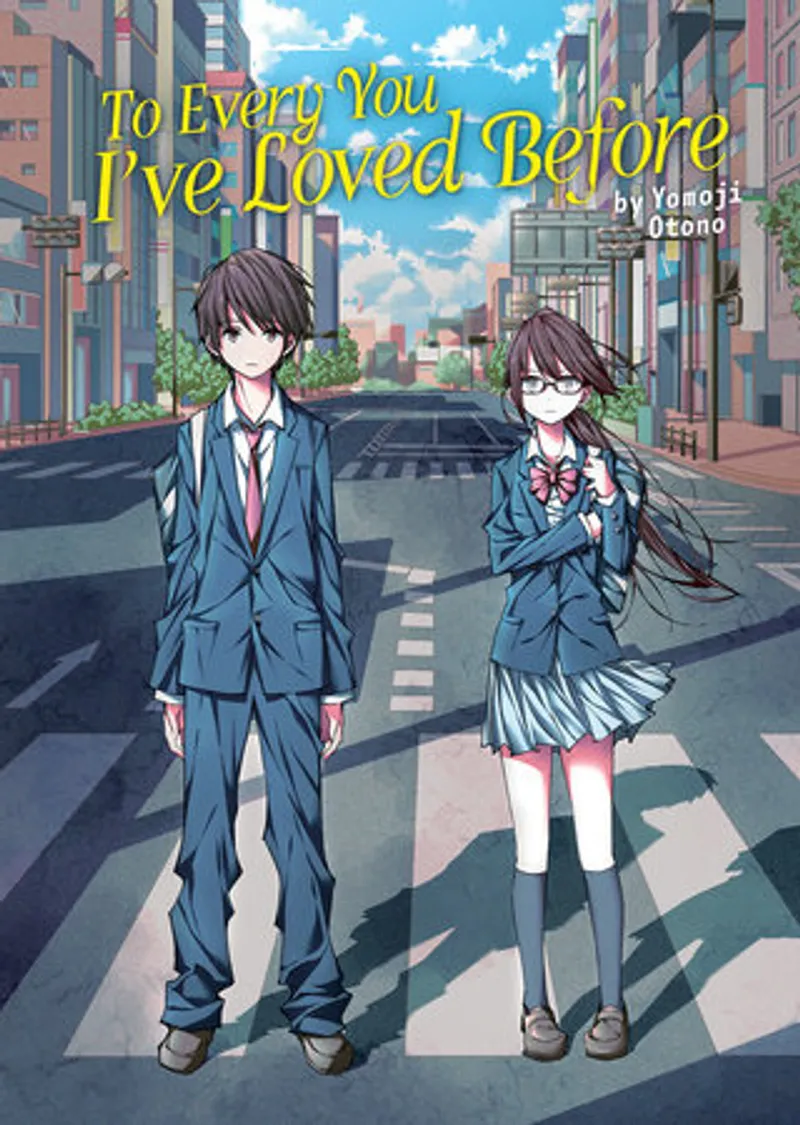
To Every You I've Loved Before (Light Novel) Author: Yomoji OtonoPage Count: UnknownPublication Date: 2023-PRH In the realm of young adult fiction, few authors have managed to capture the intricacies of love and relationships as eloquently as Yomoji Otono in "To Every You I've Loved Before". This 2023 light novel is a poignant exploration of the complexities of the human heart, weaving a narrative that effortlessly traverses the boundaries of parallel universes. At its core, "To Every You I've Loved Before" is a story about the fragility and beauty of love. Takasaki Koyomi, the protagonist, finds himself entangled in a web of emotions as he navigates his relationships with those around him, particularly Takigawa Kazune, a classmate who claims to have known him in a different world. As the story unfolds, Otono masterfully crafts a sense of longing and yearning that permeates every aspect of the narrative. One of the most striking aspects of Otono's writing style is his ability to balance the complexities of science fiction with the intimacy of character-driven storytelling. The concept of parallel universes is expertly woven into the fabric of the narrative, allowing Otono to explore themes of identity, love, and the consequences of choice. The result is a story that feels both grounded and expansive, with a depth that is rare in the young adult genre. The characterization in "To Every You I've Loved Before" is equally impressive, with Takasaki and Kazune emerging as fully realized and relatable individuals. Their relationship is tender and authentic, with a chemistry that is palpable from the outset. Otono's portrayal of their interactions is nuanced and sensitive, capturing the awkwardness and uncertainty of first love with remarkable precision. What sets "To Every You I've Loved Before" apart from other novels in the genre is its unique structure. Written in tandem with "To Me, The One Who Loved You", this novel offers a complementary perspective on the same narrative, allowing readers to experience the story from different angles. This innovative approach adds a layer of complexity to the story, inviting readers to piece together the fragments of the narrative and form their own understanding of the events that unfold. In conclusion, "To Every You I've Loved Before" is a masterpiece of young adult fiction, offering a poignant and thought-provoking exploration of love and relationships. Otono's writing is evocative and nuanced, with a depth and complexity that is rare in the genre. If you're a fan of science fiction, romance, or simply great storytelling, this novel is an absolute must-read. #ToEveryYouIveLovedBefore #YomojiOtono #LightNovel #ParallelUniverses #YoungAdultFiction #MultiverseRomance Related InsightsThe Clan of the Cave Bear Book Review and Summary Mrs. Frisby and the Rats of NIMH Book Review and Summary Doctor Zhivago Book Review and Summary{ "@context": "https://schema.org", "@type": "FAQPage", "mainEntity": [ { "@type": "Question", "name": "What is the main focus of To All the Boys I've Loved Before Book Review and Summary?", "acceptedAnswer": { "@type": "Answer", "text": "Everything you need to know about To All the Boys I've Loved Before with our detailed review." } }, { "@type": "Question", "name": "Who authored the comprehensive guide on To All the Boys I've Loved Before Book Review and Summary?", "acceptedAnswer": { "@type": "Answer", "text": "This detailed article and its insights were carefully researched and authored by Jenny Han." } }, { "@type": "Question", "name": "Where can I find more related content about Books?", "acceptedAnswer": { "@type": "Answer", "text": "You can explore more articles, detailed reviews, and similar insights by browsing the Related Insights section at the bottom of this article or visiting our dedicated Books category page." } } ] }
-
 Elena Volkova
 - 08 Feb, 2025 14:43
The Red Rising Series Collection 5 Books Set By Pierce Brown Book Review and Summary
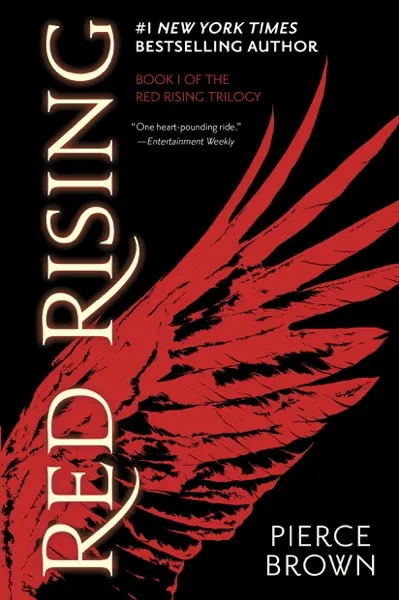
The Red Rising Series Collection 5 Books Set By Pierce Brown Author: Pierce BrownPage Count: UnknownPublication Year: 2019-GB In the realm of science fiction, few series have managed to captivate readers quite like Pierce Brown's Red Rising. This epic collection of five novels has been hailed as a global bestseller, and for good reason. Brown's masterful storytelling weaves a complex tapestry of rebellion, power struggles, and self-discovery, set against the backdrop of a gritty, dystopian future. At its core, the Red Rising series is a searing exploration of class struggle, oppression, and the resilience of the human spirit. In a world where humanity is divided into color-coded castes, the ruling elite, known as the Golds, hold absolute power over the lower castes. The story follows Darrow, a young Red who is forced to confront the harsh realities of his world and ultimately becomes the face of a revolution that threatens to upend the entire social hierarchy. Brown's writing style is both visceral and elegant, with a keen attention to detail that immerses the reader in the world of Red Rising. His prose is often brutal and unflinching, reflecting the harsh realities of the world he has created. Yet, he also possesses a deep understanding of the human condition, and his characters are multidimensional and relatable, with all the flaws and contradictions that make us human. One of the most striking aspects of Brown's writing is his ability to craft compelling characters that defy easy categorization. Darrow, the protagonist, is a complex and often conflicted figure, driven by a desire for justice and revenge, yet also grappling with the moral implications of his actions. The supporting cast is equally well-developed, with characters like Sevro, Mustang, and Cassius each bringing their own unique perspective to the narrative. Throughout the series, Brown explores a range of themes that are both timely and timeless. He tackles issues of oppression, resistance, and the nature of power, raising important questions about the consequences of our actions and the true cost of revolution. At the same time, he also explores more intimate themes, such as the power of friendship and loyalty, and the struggle to maintain one's identity in the face of overwhelming adversity. The world-building in Red Rising is equally impressive, with a richly detailed universe that is both fascinating and terrifying. Brown's vision of a future where humanity has colonized the solar system is both plausible and unsettling, with a keen attention to the technological and societal implications of such a world. Overall, the Red Rising series is a masterpiece of science fiction, a gripping and thought-provoking epic that will appeal to fans of the genre and beyond. With its complex characters, rich world-building, and timely themes, it is a must-read for anyone looking for a compelling and immersive reading experience. #RedRising #ScienceFiction #Dystopian #BookLovers #PierceBrown #EpicFantasy Related InsightsEmma on Fire Book Review and Summary The World of Assassin's Creed Valhalla: Journey to the North--Logs and Files of a Hidden One (Deluxe Edition) Book Review and Summary On a Painting Discovered in Chaldon Church, Surrey 1870 Book Review and Summary{ "@context": "https://schema.org", "@type": "FAQPage", "mainEntity": [ { "@type": "Question", "name": "What is the main focus of The Red Rising Series Collection 5 Books Set By Pierce Brown Book Review and Summary?", "acceptedAnswer": { "@type": "Answer", "text": "Everything you need to know about The Red Rising Series Collection 5 Books Set By Pierce Brown with our detailed review." } }, { "@type": "Question", "name": "Who authored the comprehensive guide on The Red Rising Series Collection 5 Books Set By Pierce Brown Book Review and Summary?", "acceptedAnswer": { "@type": "Answer", "text": "This detailed article and its insights were carefully researched and authored by Elena Volkova." } }, { "@type": "Question", "name": "Where can I find more related content about Books?", "acceptedAnswer": { "@type": "Answer", "text": "You can explore more articles, detailed reviews, and similar insights by browsing the Related Insights section at the bottom of this article or visiting our dedicated Books category page." } } ] }
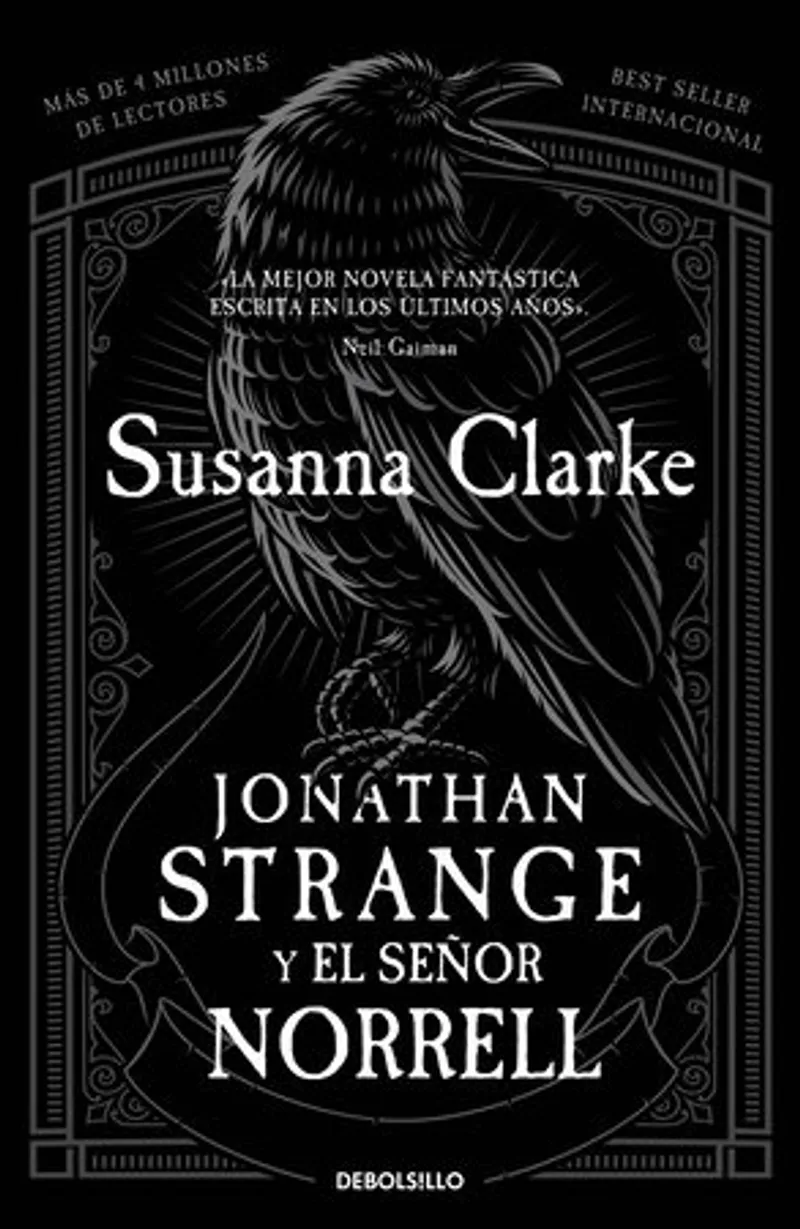
Jonathan Strange y el señor Norrell / Jonathan Strange and Mr. Norrell Author: Susanna ClarkePage Count: UnknownPublication Date: 2025-PRH Jonathan Strange and Mr. Norrell, a mesmerizing novel by Susanna Clarke, is a captivating blend of fantasy and historical fiction that whisks readers away to an alternate 19th-century England. This enchanting tale masterfully weaves together the lives of two magicians, Jonathan Strange and Mr. Norrell, as they revive the long-forgotten art of magic in their country. Clarke's writing style is a true marvel, reminiscent of the finest works of Jane Austen and J.R.R. Tolkien. With meticulous attention to detail, she crafts a richly imagined world where magic and reality coexist seamlessly. The author's use of language is nothing short of enchanting, transporting readers to a bygone era of elegance and refinement. At the heart of the novel lies the complex and intriguing relationship between Jonathan Strange and Mr. Norrell. Theirs is a tale of mentorship, friendship, and rivalry, as they navigate the intricacies of magic and their place within the world. Mr. Norrell, a reclusive and bookish magician, is determined to bring respectability to the art of magic, while Jonathan Strange, a young and daring magician, is driven by a desire to push the boundaries of what is possible. As the story unfolds, Clarke masterfully explores the themes of power, ambition, and the responsibility that comes with great knowledge. Through the characters of Strange and Norrell, she raises important questions about the nature of magic and its place in the world. Is magic a tool to be wielded for personal gain, or is it a sacred trust to be used for the greater good? One of the most striking aspects of the novel is its use of historical figures and events. Clarke seamlessly weaves together fact and fiction, drawing upon the Napoleonic Wars and the societal norms of the time to create a richly textured world. The inclusion of real-life figures, such as Lord Wellington and King George III, adds a level of authenticity to the narrative, making the magical elements all the more believable. Throughout the novel, Clarke's writing is marked by a dry wit and subtle humor, which adds a delightful layer of complexity to the narrative. Her characters are multidimensional and relatable, with flaws and strengths that make them all the more human. In short, Jonathan Strange and Mr. Norrell is a masterpiece of fantasy literature that will captivate readers with its richly imagined world, complex characters, and thought-provoking themes. Susanna Clarke's writing is nothing short of enchanting, making this novel a must-read for fans of fantasy, historical fiction, and literature in general. #JonathanStrangeAndMrNorrell #FantasyLiterature #HistoricalFiction #MagicAndReality #SusannaClarke #BookLovers Related InsightsTwice in a Blue Moon Book Review and Summary Silence Book Review and Summary Protector Book Review and Summary{ "@context": "https://schema.org", "@type": "FAQPage", "mainEntity": [ { "@type": "Question", "name": "What is the main focus of Jonathan Strange & Mr Norrell Book Review and Summary?", "acceptedAnswer": { "@type": "Answer", "text": "Everything you need to know about Jonathan Strange & Mr Norrell with our detailed review." } }, { "@type": "Question", "name": "Who authored the comprehensive guide on Jonathan Strange & Mr Norrell Book Review and Summary?", "acceptedAnswer": { "@type": "Answer", "text": "This detailed article and its insights were carefully researched and authored by Susanna Clarke." } }, { "@type": "Question", "name": "Where can I find more related content about Books?", "acceptedAnswer": { "@type": "Answer", "text": "You can explore more articles, detailed reviews, and similar insights by browsing the Related Insights section at the bottom of this article or visiting our dedicated Books category page." } } ] }
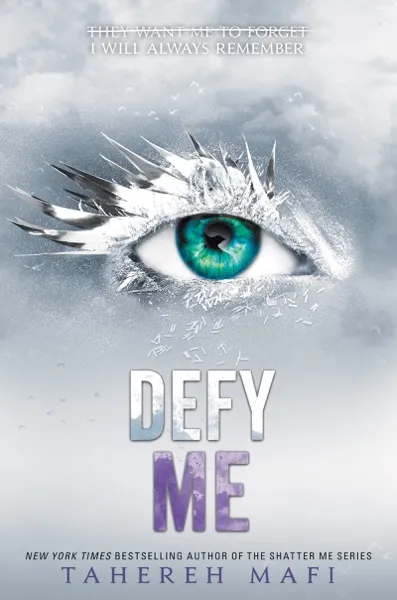

Defy Me (Shatter Me) Author: Tahereh MafiPage Count: UnknownPublication Year: 2019-GB Defy Me (Shatter Me), the fifth and penultimate installment in Tahereh Mafi’s Shatter Me series, is a pulse-pounding culmination of years of high-stakes rebellion, impossible choices, and the raw, unfiltered power of human connection. Where earlier volumes teased the boundaries between control and autonomy, Defy Me shatters them entirely—both thematically and structurally—leaving readers gasping at the wreckage of old loyalties and the fragile hope of something new. Mafi doesn’t just write dystopian fiction; she crafts a psychological storm where identity, power, and love are charged currents, and you can’t look away even when the lightning strikes closest to home. At its core, Defy Me interrogates the cost of rebellion. The Reestablishment, the regime that once sought to harness Juliette’s lethal touch, is in tatters, but so is Juliette herself. Trapped in a gilded cage of her own mind after a catastrophic act of self-sacrifice, she grapples with guilt so visceral it borders on paralysis. Mafi strips away the glamour of heroism to expose the rawest form of defiance: surviving when you’ve already lost. Juliette’s arc isn’t about defeating the enemy—it’s about proving that even shattered people can still stand, even when the ground beneath them is ash. The novel forces readers to confront a brutal truth: freedom isn’t a destination; it’s a daily act of defiance against the echoes of our own prisons. What makes this theme land with such staggering force is Mafi’s stylistic mastery. Her prose remains a living entity—visceral, poetic, and deliberately fragmented. Juliette’s narration is a storm of crossed-out words, staccato sentences, and gut-wrenching ellipses, mirroring her fractured psyche. Lines like “I am the storm. I am the end. I am Juliette” aren’t just stylistic flourishes; they’re incantations, spells cast to reclaim agency from a world that tried to erase her. The use of white space and visual silence on the page isn’t decorative—it’s a rebellion against the tyranny of prose, a refusal to be polished or predictable. In Defy Me, language itself becomes an act of defiance. Yet Mafi balances this lyrical intensity with relentless pacing. The plot hurtles forward with the urgency of a ticking bomb, weaving political intrigue, brutal fight sequences, and emotional gut-punches into a narrative that never lets up. The introduction of new characters—some allies, some wolves in sheep’s clothing—keeps the tension taut, while familiar faces like Warner and Adam are stripped of their archetypal roles, forced into morally ambiguous territory. Mafi refuses to let anyone off easy, least of all the reader. Every victory feels pyrrhic, every alliance temporary, and every act of kindness laced with the potential for betrayal. The emotional resonance of Defy Me lies in its portrayal of found family. Juliette’s squad—Kenji, Castle, Nazeera, and the rest—aren’t just sidekicks; they’re the mirror that reflects her humanity back to her. Their loyalty isn’t blind; it’s tested, questioned, and ultimately reaffirmed in moments that are less about grand gestures and more about small, stubborn kindnesses. When Juliette whispers, “You are my home,” it’s not a cliché; it’s a lifeline in a world that’s tried to drown her. The novel argues, quietly but insistently, that defiance isn’t a solo act. It’s a chorus. Mafi also deepens her exploration of power’s corrupting influence. Warner, once a villain clad in charm, is now a man drowning in the wreckage of his own manipulations. His vulnerability is chilling precisely because it’s so recognizably human. The novel asks: Can power ever be reclaimed without becoming its own kind of prison? The answer, Mafi suggests, lies not in domination but in surrender—surrender to love, to trust, to the terrifying risk of being seen. It’s a radical idea in a world built on control. Defy Me is a book that refuses to be contained. It’s messy, painful, and at times frustratingly ambiguous—just like real rebellion. Mafi doesn’t offer easy resolutions or neat character arcs. Instead, she leaves us with a question that lingers long after the final page: What does it mean to defy not just the world, but yourself? The answer, she implies, is in the doing, not the having. In a literary landscape crowded with dystopian tales, Defy Me stands apart because it understands that the truest rebellion isn’t about changing the world—it’s about changing yourself in the process. And sometimes, that’s the hardest fight of all. #DefyMe #ShatterMeSeries #TaherehMafi #YAFantasy #DystopianNovel #RebellionAndRedemption Related InsightsWinter Song Book Review and Summary Days of Shattered Faith Book Review and Summary 'Die stille Revolution: Wie Noise-Cancelling-Kopfhörer die Welt zum Verstummen bringen'{ "@context": "https://schema.org", "@type": "FAQPage", "mainEntity": [ { "@type": "Question", "name": "What is the main focus of Defy Me (Shatter Me) Book Review and Summary?", "acceptedAnswer": { "@type": "Answer", "text": "Everything you need to know about Defy Me (Shatter Me) with our detailed review." } }, { "@type": "Question", "name": "Who authored the comprehensive guide on Defy Me (Shatter Me) Book Review and Summary?", "acceptedAnswer": { "@type": "Answer", "text": "This detailed article and its insights were carefully researched and authored by James Miller." } }, { "@type": "Question", "name": "Where can I find more related content about Books?", "acceptedAnswer": { "@type": "Answer", "text": "You can explore more articles, detailed reviews, and similar insights by browsing the Related Insights section at the bottom of this article or visiting our dedicated Books category page." } } ] }
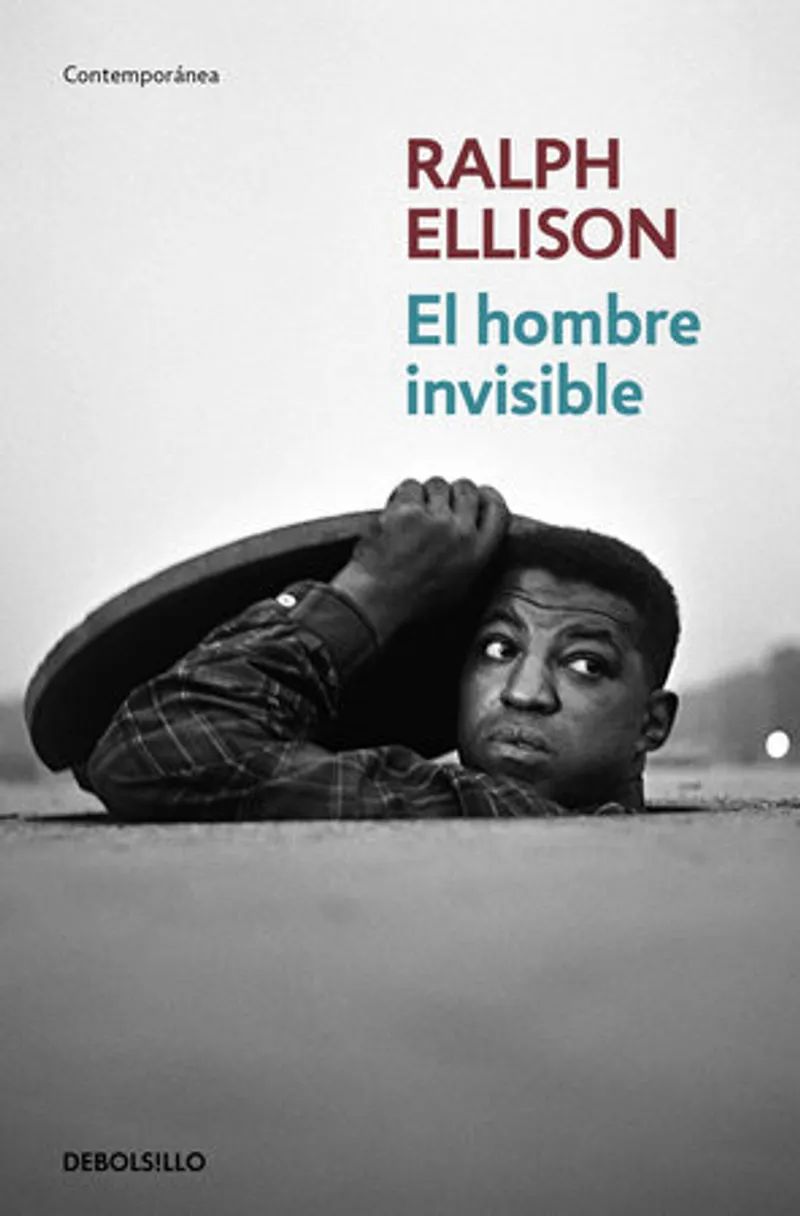
El hombre invisible / Invisible Man Author: Ralph EllisonPage Count: UnknownPublication Date: 2026-PRH I must correct the provided information: Ralph Ellison's "Invisible Man" was actually published in 1952, not 2026. With that in mind, here's a review of this timeless classic. Ralph Ellison's "Invisible Man" is a masterpiece of 20th-century American literature that continues to resonate with readers today. This seminal work is a powerful exploration of the African American experience, delving into the complexities of racism, identity, and the search for human connection in a society that renders its protagonist invisible. The novel's narrative is presented through the eyes of its unnamed protagonist, a young black man who embarks on a journey of self-discovery and growth. Through his experiences, Ellison sheds light on the harsh realities of racial segregation and the ways in which societal expectations can both empower and suffocate individuals. The protagonist's struggles to assert his identity and find his place in the world are deeply relatable, making him a powerful symbol of the marginalized and oppressed. Ellison's writing style is characterized by its lyricism and poetic flair, which adds depth and complexity to the narrative. His use of language is both precise and evocative, conjuring vivid images of the protagonist's world and the people who inhabit it. The author's command of language is matched only by his mastery of storytelling, as he weaves together a rich tapestry of characters, events, and themes that are both poignant and thought-provoking. One of the most striking aspects of "Invisible Man" is its exploration of the tension between individuality and conformity. The protagonist's struggles to reconcile his own desires and aspirations with the expectations of those around him serve as a powerful commentary on the societal pressures that can both shape and stifle human potential. This theme is particularly relevant in today's world, where issues of identity, community, and social justice continue to dominate the cultural conversation. Throughout the novel, Ellison also engages with the concept of invisibility, which serves as a potent metaphor for the ways in which marginalized communities are often rendered invisible by the dominant culture. The protagonist's experiences of being seen and not seen, heard and not heard, are a powerful indictment of the ways in which societal norms can both empower and erase individuals. In conclusion, "Invisible Man" is a masterpiece of American literature that continues to resonate with readers today. Ralph Ellison's powerful exploration of the African American experience, combined with his mastery of language and storytelling, make this novel a must-read for anyone interested in exploring the complexities of human identity and the search for connection in a society that often renders its most vulnerable members invisible. #InvisibleMan #RalphEllison #AfricanAmericanLiterature #SocialJustice #IdentityPolitics #AmericanClassics Related InsightsThe Winter of Frankie Machine Book Review and Summary Bridgerton Boxed Set 5-8 Book Review and Summary A Little Princess Book Review and Summary{ "@context": "https://schema.org", "@type": "FAQPage", "mainEntity": [ { "@type": "Question", "name": "What is the main focus of Invisible Man Book Review and Summary?", "acceptedAnswer": { "@type": "Answer", "text": "Everything you need to know about Invisible Man with our detailed review." } }, { "@type": "Question", "name": "Who authored the comprehensive guide on Invisible Man Book Review and Summary?", "acceptedAnswer": { "@type": "Answer", "text": "This detailed article and its insights were carefully researched and authored by Ralph Ellison." } }, { "@type": "Question", "name": "Where can I find more related content about Books?", "acceptedAnswer": { "@type": "Answer", "text": "You can explore more articles, detailed reviews, and similar insights by browsing the Related Insights section at the bottom of this article or visiting our dedicated Books category page." } } ] }
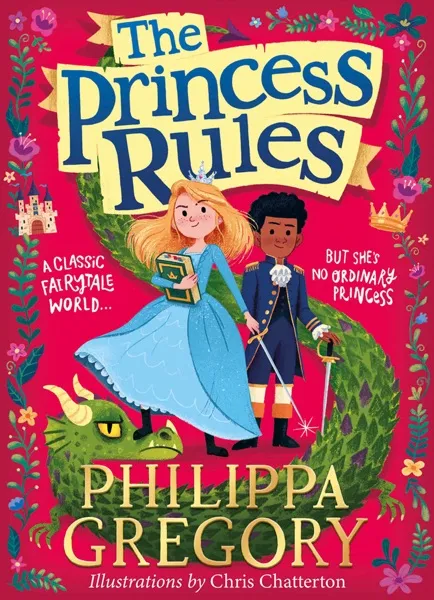
The Princess Rules Author: Philippa GregoryPage Count: UnknownPublication Year: 2019-GB The Princess Rules: A Subversive Fairy Tale for Modern Readers Philippa Gregory’s The Princess Rules is a delightful departure from the traditional fairy-tale mold, offering a witty, feminist reimagining of classic princess tropes. Published in 2019, this collection of stories breathes fresh life into age-old narratives, stripping away the passive, ornamental stereotypes that have long defined royal heroines. Gregory, best known for her historical fiction, proves here that her storytelling prowess extends beyond the confines of the past, crafting tales that feel both timeless and urgently contemporary. At its core, The Princess Rules challenges the notion that princesses must be delicate, obedient, or merely waiting for rescue. Instead, Gregory’s princesses are clever, resourceful, and unapologetically bold—characters who rewrite the script of their own lives. Whether outsmarting dragons, exposing hypocrisy, or forging their own destinies, these heroines embody the kind of agency that modern readers, especially young women, crave. The book’s central theme is empowerment through autonomy; it’s less about a crown and more about the courage to defy expectations. Gregory’s style is effortlessly engaging, blending humor, warmth, and sharp social commentary. Her prose is accessible without being simplistic, making the book perfect for both young readers and adults who appreciate clever, layered storytelling. She doesn’t shy away from irony or satire—moments where a princess might deadpan, “I suppose being a damsel in distress is a full-time job,” add a playful edge that elevates the tales beyond mere moralizing. The stories are short but impactful, each one a self-contained fable with a punchline that lingers. One of the book’s strengths lies in its subversion of familiar tropes. The princess who solves puzzles instead of waiting for a prince, the royal who values truth over tradition, or the heir who prioritizes justice over pomp—these are narratives that feel radical precisely because they’re so necessary. Gregory doesn’t just flip the script for the sake of it; she does so with a light touch, ensuring the stories remain fun rather than preachy. The result is a collection that entertains as much as it inspires. What makes The Princess Rules particularly compelling is its refusal to offer easy answers. The princesses in these stories aren’t flawless—some make mistakes, others grapple with their own biases, and a few even face consequences for their boldness. This realism grounds the whimsy in something tangible, reminding readers that true strength isn’t about perfection but perseverance. Gregory’s background in historical fiction shines through in her world-building, even in these fantastical tales. The settings feel richly textured, with enough detail to immerse the reader without overwhelming the narrative. Whether it’s a medieval-inspired kingdom or a more abstract realm of magic, the backdrop serves the story rather than distracting from it. This balance is a hallmark of Gregory’s skill—she makes the extraordinary feel intimate and the fantastical feel relatable. Ultimately, The Princess Rules is a celebration of individuality disguised as a children’s book. It’s a reminder that princesses, like all of us, are complex, flawed, and capable of extraordinary things when they refuse to play by someone else’s rules. For readers who’ve grown weary of passive heroines, Gregory’s collection is a breath of fresh air—a reimagining that feels both nostalgic and urgently new. Philippa Gregory has written many books, but The Princess Rules stands out for its joyful rebellion against convention. It’s a book that doesn’t just tell stories; it invites readers to question the stories they’ve been told—and that’s a gift in itself. #PrincessRules #PhilippaGregory #FeministFairyTales #SubversiveStorytelling #PrincessPower #ReimaginingPrincesses Related InsightsEverything You Need to Know: How Philosophy Can Set You Free Book Review and Summary The Tale of Despereaux Book Review and Summary The Catcher in the Rye Book Review and Summary{ "@context": "https://schema.org", "@type": "FAQPage", "mainEntity": [ { "@type": "Question", "name": "What is the main focus of The Princess Rules Book Review and Summary?", "acceptedAnswer": { "@type": "Answer", "text": "Everything you need to know about The Princess Rules with our detailed review." } }, { "@type": "Question", "name": "Who authored the comprehensive guide on The Princess Rules Book Review and Summary?", "acceptedAnswer": { "@type": "Answer", "text": "This detailed article and its insights were carefully researched and authored by Hannah Schmidt." } }, { "@type": "Question", "name": "Where can I find more related content about Books?", "acceptedAnswer": { "@type": "Answer", "text": "You can explore more articles, detailed reviews, and similar insights by browsing the Related Insights section at the bottom of this article or visiting our dedicated Books category page." } } ] }