Showing Posts From
Books
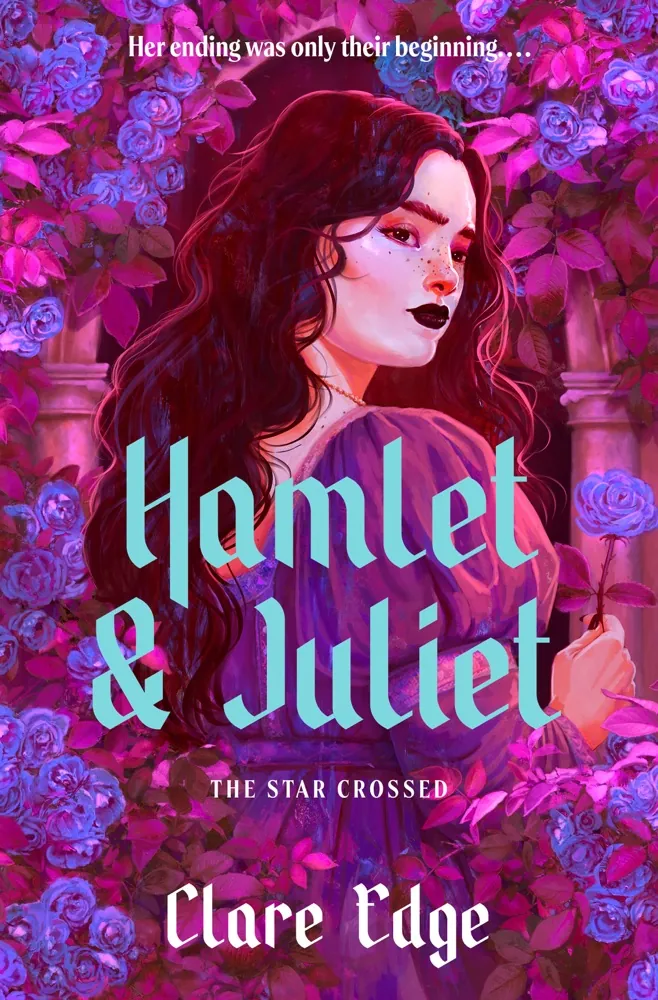

Author: Clare EdgePage Count: UnknownPublication Date: Expected publication 2026 APL Sweat is permanently glued to the back of my neck right now, thanks to the oppressive humidity radiating off the asphalt outside while the community center's sole window unit rattles on its last legs. People keep dropping by with clipboard complaints about municipal zoning laws and park funding cuts, as if I have a magic wand to fix the concrete heat islands we are forced to inhabit in August. Yet here I am, staring at a press release for Hamlet & Juliet by Clare Edge, wondering why modern publishing insists on treating classical literature like a messy closet of props to be rummaged through for a quick serotonin hit. The Mashup Industrial Complex We get it. Dead playwrights cannot sue for copyright infringement. But mashing up star-crossed teenagers from Verona with the brooding prince of Denmark feels less like an artistic statement and more like fanfiction written by an algorithm that ingested thirty high school English syllabi in one sitting. Edge drops Juliet into Castle Elsinore because apparently, geographical continuity is for cowards. And honestly, I am so exhausted by this exact creative crutch. It reminds me of the time the neighborhood association tried to merge our annual block party with the stray cat rescue drive—chaos ensued, nobody got a hot dog, and three people left in tears. Except instead of bewildered neighbors, we get Bottom the Weaver and Cordelia tossed into a supernatural blender. Bureaucracy and Malevolent Magic The synopsis promises a grand conspiracy threatening "the entire Globe"—pun entirely intended, I assume, because subtlety left the building years ago. We are supposed to care about malevolent magic taking root across the Continent. But what does that even mean in structural terms? Are we talking about a systemic failure of infrastructure, or just a ghost with a grievance? Hamlet wants to sniff out a villain in the royal family, which is roughly as original as discovering that a local zoning board meeting will run twenty minutes over schedule. Give me actual systemic critique instead of another magical monarchy falling apart because of daddy issues. The Slow Burn Trap Bar Fridman-Tell calls it a "gloriously slow-burn romantic fantasy," which usually translates to four hundred pages of people staring intensely across crowded rooms while a vague threat looms in the background like an uncollected pile of recycling on a Tuesday morning. I refuse to see the appeal. Give me direct conflict, or give me nothing at all. Edge is leaning hard into the irreverent twist angle, echoing the same tired playbook we saw when every YA author decided to rewrite Jane Austen with zombies or fae courts. Now if you will excuse me, I have to go convince a four-year-old that submerging his sticky limbs in tepid water is not a brutal human rights violation. #BookTwitter #HamletAndJuliet #PublishingTrends #ClareEdge Related InsightsLong Lost Book Review and Summary Tempest (The Lyrian Sea, #1) Book Review and Summary Crash into You Book Review and Summary{ "@context": "https://schema.org", "@type": "FAQPage", "mainEntity": [ { "@type": "Question", "name": "What is the main focus of Hamlet & Juliet (The Star Crossed #1) Book Review and Summary?", "acceptedAnswer": { "@type": "Answer", "text": "Everything you need to know about Hamlet & Juliet (The Star Crossed #1) with our detailed review." } }, { "@type": "Question", "name": "Who authored the comprehensive guide on Hamlet & Juliet (The Star Crossed #1) Book Review and Summary?", "acceptedAnswer": { "@type": "Answer", "text": "This detailed article and its insights were carefully researched and authored by Hannah Schmidt." } }, { "@type": "Question", "name": "Where can I find more related content about Books?", "acceptedAnswer": { "@type": "Answer", "text": "You can explore more articles, detailed reviews, and similar insights by browsing the Related Insights section at the bottom of this article or visiting our dedicated Books category page." } } ] }
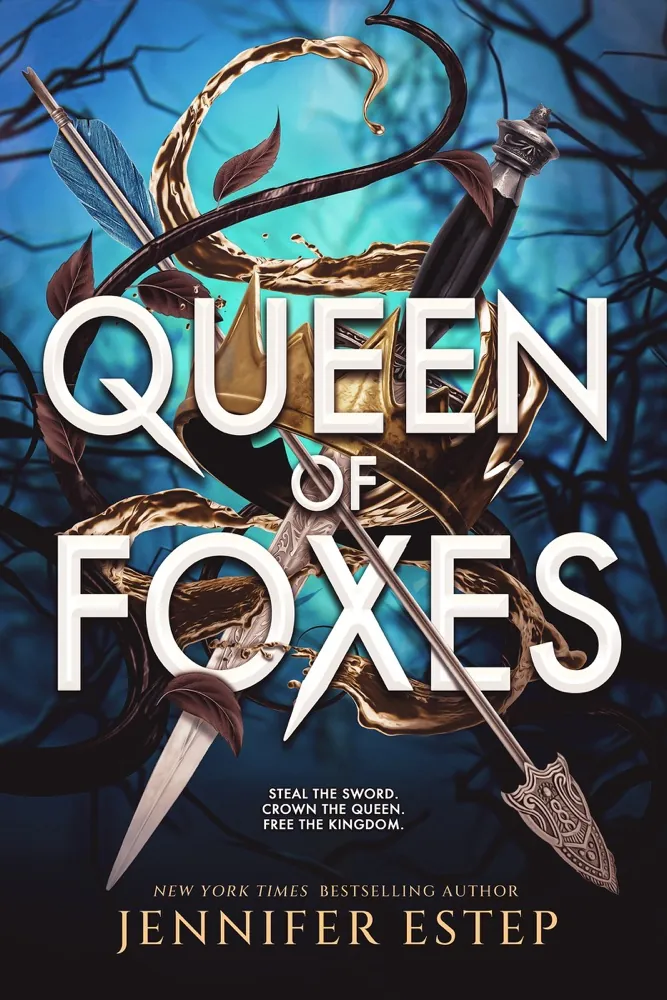

Author: Jennifer EstepPage Count: UnknownPublication Date: Expected publication 2026-11-10 APL My electricity bill is literally three hundred dollars and my landlord is threatening to impound my microwave, yet here I am, staring down the barrel of Queen of Foxes by Jennifer Estep. God forbid I check my inbox for a single second without a publisher trying to push another romantasy about a magically gifted pickpocket stealing her way into a high-security palace. The Physics of Stealing a Sword Let us talk about the sheer, unadulterated nonsense of pretending a human being can sneak into an enemy stronghold disguised as a guard just because she is a master thief. Have these authors ever studied kinetic friction? Or basic structural engineering? If you walk past armed patrols in a fortified citadel wearing a stolen tabard, somebody is going to ask for your security clearance or your shift rotation—they aren't just going to swoon because you have cheekbones that could cut glass. But sure, let's suspend all laws of thermodynamics and biology so Rinley Renard can enact her revenge. We love a physics-defying queen. The Mandatory Shadow-Emperor Boyfriend Complex Then we have Prince Zoren Dreiko. What a tragic, brooding little specimen. The synopsis tells us he is the empire's most powerful Dread Knight—which sounds less like a military rank and more like a heavy metal band from 2007—and he is desperately trying to dodge his father’s traitorous legacy while avoiding execution by a vicious empress. Naturally. Because no fantasy romance is complete without a traumatized enforcer who is deeply conflicted about his career choices until he meets a masked outlaw who kicks him in the ribs. The tension here is supposed to be thick enough to slice with a blunt dagger. Estep is clearly riding the exact same wave that Sarah J. Maas and Jennifer L. Armentrout have been surfing to the bank for a decade. Enemies-to-lovers in a pseudo-medieval thunderdome. But honestly? The synopsis is so aggressively vague it reads like a mad lib generated by an algorithm fed on old episodes of Robin Hood. Duty Versus Desire in the Absence of Healthcare And what even is this "forbidden attraction"? When victory for one dooms the other! The stakes are so high, guys. Someone might have to choose between loyalty to an oppressive empire and making out in a broom closet. I am shaking in my thrift-store boots. Yet I will probably still pre-order it on my phone while sitting in a lecture hall freezing my ass off because my heating is broken. I am going to go drink cheap absinthe in my damp kitchen and pretend I am an avant-garde bohemian in 1920s Paris instead of a broke student about to fail fluid dynamics. #romantasy #booktok #readingslump Related InsightsFair Warning Book Review and Summary Blood Over Bright Haven Book Review and Summary 27 Stars (Women's Murder Club #27) Book Review and Summary{ "@context": "https://schema.org", "@type": "FAQPage", "mainEntity": [ { "@type": "Question", "name": "What is the main focus of Queen of Foxes Book Review and Summary?", "acceptedAnswer": { "@type": "Answer", "text": "Everything you need to know about Queen of Foxes with our detailed review." } }, { "@type": "Question", "name": "Who authored the comprehensive guide on Queen of Foxes Book Review and Summary?", "acceptedAnswer": { "@type": "Answer", "text": "This detailed article and its insights were carefully researched and authored by Marco Conti." } }, { "@type": "Question", "name": "Where can I find more related content about Books?", "acceptedAnswer": { "@type": "Answer", "text": "You can explore more articles, detailed reviews, and similar insights by browsing the Related Insights section at the bottom of this article or visiting our dedicated Books category page." } } ] }
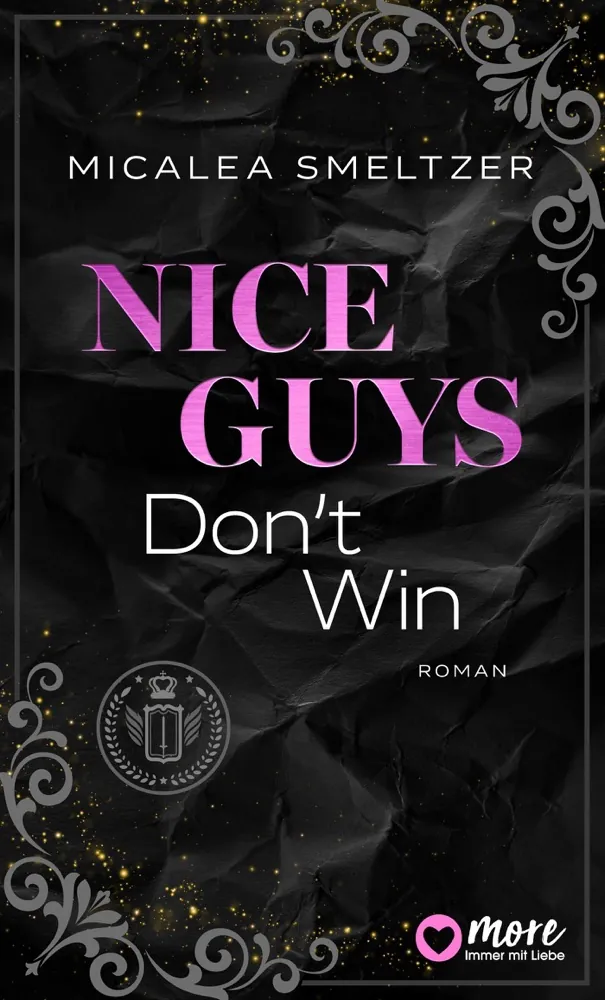

Author: Micalea SmeltzerPage Count: UnknownPublication Date: Expected publication 2026 APL The synopsis of Honest Boys Don’t Play reads like a love letter to the kind of sports romance that’s been written so many times before—so many times that the only thing more predictable than the plot is the way it’ll feel like a warm, sticky blanket you’ve already worn out. The tension between daughter and basketball prodigy, the forbidden attraction, the explosive reveal—it’s the same old script, but with the kind of glossy, self-aware sheen that makes you wonder if the author is laughing at the formula or just too tired to invent something new. And yet—there’s something in the phrasing, the way the protagonist’s fascination with Cole is framed as an almost physical force, that makes you pause. It’s not the plot that’s interesting; it’s the vibe. The way the synopsis leans into the magnetic, almost supernatural pull of Cole’s charisma—"diese magnetische Ausstrahlung"—suggests a story that wants to be more than just another Honey, I Shrunk the Kids meets Friday Night Lights mashup. But does it have the chops to pull it off? The real question isn’t whether this will be a rom-com or a slow-burn drama—it’s whether it’ll feel like it’s been written by someone who’s actually lived the tension between obligation and desire, or if it’s just another iteration of the "I’m the daughter of the coach, but I’m also a person" trope, which, let’s be honest, has been mined so thoroughly that it’s starting to feel like a haunted house attraction. The synopsis doesn’t even try to hide the clichés—it’s all there in the setup: the new town, the rule-breaking, the inevitable fallout. But here’s the thing: the best sports romances—think The Love Hypothesis or The Hating Game—don’t just use the setting as a backdrop; they let it breathe. They make the stakes feel real because the characters do. And right now, this synopsis doesn’t do that. It just sets up a chessboard where the pieces are already moving in predictable patterns. And then there’s the ADHD tangent—because of course there is. I was just thinking about how Bluey manages to be both hilarious and deeply human in its portrayal of childhood, how the show’s ability to make mundane moments feel like emotional gut-punches is what separates it from the endless cycle of kids’ cartoons that treat conflict as a series of escalating meltdowns. Meanwhile, this book’s synopsis treats emotional conflict like a video game difficulty setting—you know exactly what’s coming, and you can’t wait to skip ahead to the part where the protagonist finally snaps. But I digress. The point is, Honest Boys Don’t Play doesn’t have the same kind of aliveness that makes you care about the characters’ internal worlds. It’s all surface-level chemistry, all the time. The thematic core here—if we can even call it that—is the tension between identity and expectation. The protagonist is trapped between being the "good girl" and the woman who wants to defy the rules, but the synopsis doesn’t give us enough to believe she’s anything more than a vessel for the plot. Cole, meanwhile, is the classic "mysterious athlete" archetype—charismatic, untouchable, and just different enough to make the protagonist question everything she thought she knew. But is anyone actually falling for this? The synopsis doesn’t even attempt to make Cole feel like a real person; he’s just a plot device with a basketball and a smirk. And the daughter? She’s either a saint or a sinner, depending on which side of the reveal you’re on. There’s no gray area, no nuance—just the kind of black-and-white morality that makes you wonder if the author is trying to write a romance or a morality play. The biggest red flag isn’t the clichés—it’s the way the synopsis treats the conflict as something that can be resolved with a simple reveal. As if the protagonist’s entire worldview isn’t built on the foundation of her father’s legacy, and as if Cole’s reaction isn’t going to be more complicated than a simple "oh shit, my girlfriend’s my dad’s daughter." But then again, why bother with complexity when you can have a neat, tidy explosion? The synopsis reads like a Twitter thread—short, punchy, and designed to hook you with the promise of drama, but without any real substance to back it up. I’m going to hide in my study for exactly ten minutes of uninterrupted silence. Maybe I’ll read something by Tayari Jones instead. At least her books don’t make me feel like I’m watching a rerun of The Bachelor with better lighting. #BookTok #SportsRomance #WhyDoWeKeepDoingThis Related InsightsThe Westing Game Book Review and Summary How to Love in Sanskrit: Ancient Poems for Modern Readers Book Review and Summary Blood Lust (Blood Chronicles, #2) Book Review and Summary{ "@context": "https://schema.org", "@type": "FAQPage", "mainEntity": [ { "@type": "Question", "name": "What is the main focus of Honest Boys Don't Play Book Review and Summary?", "acceptedAnswer": { "@type": "Answer", "text": "Everything you need to know about Honest Boys Don't Play with our detailed review." } }, { "@type": "Question", "name": "Who authored the comprehensive guide on Honest Boys Don't Play Book Review and Summary?", "acceptedAnswer": { "@type": "Answer", "text": "This detailed article and its insights were carefully researched and authored by Michael Brown." } }, { "@type": "Question", "name": "Where can I find more related content about Books?", "acceptedAnswer": { "@type": "Answer", "text": "You can explore more articles, detailed reviews, and similar insights by browsing the Related Insights section at the bottom of this article or visiting our dedicated Books category page." } } ] }
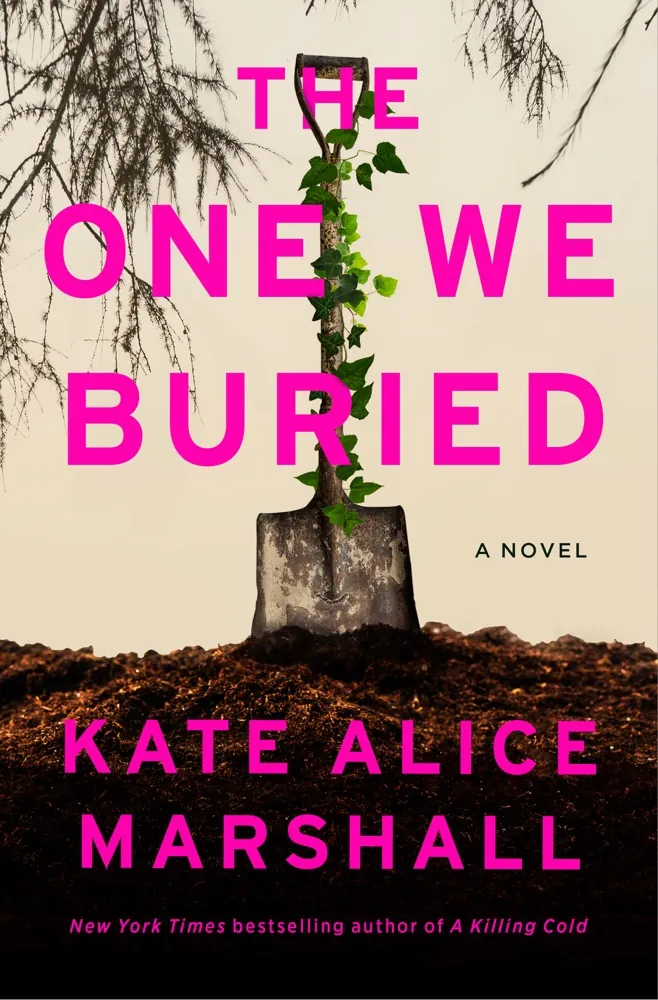

Author: Kate Alice MarshallPage Count: UnknownPublication Date: Expected publication 2026 APL The rain’s been falling sideways for three days now, like the sky’s trying to erase the subway’s grime with something more deliberate—something that might actually wash away the smell of wet concrete and regret. And here I am, hunched over a laptop in a seat that’s seen better decades, staring at this The One We Buried synopsis like it’s a half-eaten sandwich someone left on the bench beside me. Because let’s be honest, the fact that Kate Alice Marshall—who somehow turned What Lies in the Woods into a cult favorite for people who like their psychological horror served with a side of existential dread—is doing this again is either genius or a cry for help. Maybe both. The premise is the kind of thing that makes you pause mid-swipe on your feed, fingers hovering over the screen like you’re about to press “like” but instead you’re just waiting for the universe to confirm that yes, this is actually happening. Four girls, thirteen years ago, shipped off to some godforsaken wellness retreat in the hills—Sanctuary Springs, because of course it’s got a name that sounds like a Hallmark card for people who’ve already lost their souls. Dr. Elizabeth Sheffield and her daughter Rachel, the enigmatic duo running the show, promise these girls a rebirth. And what do you know? They get one. But not the kind where they just learn to meditate and stop eating their feelings. No, this is the kind of rebirth that comes with a side of ritual, transformation, and—oh yeah—murder. Because if you’re going to rewrite your life, you might as well do it with a little blood on your hands. The synopsis doesn’t give us the gory details, of course. It’s all vague, which is either a masterclass in leaving the reader hungry or just lazy writing. But the way it’s framed—“troubled girlhood, ritual, transformation—and murder”—sounds like it’s trying to be Yellowjackets meets Nine Perfect Strangers, which is either a brilliant mashup or a recipe for tonal whiplash. Marshall’s last book had that same air of suffocating intimacy, the kind where the reader is left wondering if they’re in on the secret or if they’re just another pawn in whatever game these characters are playing. And the fact that Nic returns to Sanctuary Springs after her fiancé’s murder? That’s the kind of setup that makes you lean in, because the question isn’t just what happened that summer, but what did they become? And more importantly, what are they willing to do to stay that way? The synopsis also drops hints about Talia’s wellness retreat, which is basically the sanitized, Instagram-friendly version of whatever dark magic happened back then. It’s the kind of thing that makes you think of The Secret History’s Baileys, only with more hot springs and less academic pretension. And the way the group “flirts with old rites and rituals”? That’s the kind of phrasing that makes you wonder if Marshall’s channeling something deeper, something about the way trauma gets rebranded as enlightenment. Because let’s face it, the wellness industry is just the modern-day equivalent of a cult, and if there’s one thing Marshall knows how to do, it’s make the ordinary feel like it’s hiding something monstrous beneath the surface. But here’s the thing—this synopsis is so vague that it’s almost too vague. It’s like reading a menu where every dish is just “meat” or “vegetables.” We don’t know if the murder is connected to the past or if it’s just another layer of the girls’ collective guilt. We don’t know if Rachel is the villain or if she’s just another victim of whatever system she helped create. And that’s where the real tension lies—not in the plot, but in the implications. Marshall’s strength has always been in the atmosphere, in the way she makes the reader feel like they’re standing at the edge of a cliff, looking down at something they can’t quite see. The synopsis doesn’t give us the cliff, but it gives us the vertigo. And that’s why I’m already invested. Because the best thrillers don’t just tell you what happened; they make you feel like you’re part of it. And if Marshall can pull off the same kind of psychological unraveling here that she did in What Lies in the Woods—where the reader is left questioning everything, including their own sanity—then this could be something special. But if it’s just another retread of the “troubled girls in a remote location” trope, then it’s just another book that’ll get lost in the shuffle of people who think they know what a cult looks like until they’re actually inside one. I need to go write a letter to an editor on a mechanical typewriter now, just to remember what it’s like to feel like I’m actually making something instead of just scrolling through the wreckage of my own thoughts. #bookstagram #psychologicalhorror #cultlit #wellnessindustry #typewriterlife Related InsightsTerms and Conditions Book Review and Summary Hello Stranger Book Review and Summary Anxious People Book Review and Summary{ "@context": "https://schema.org", "@type": "FAQPage", "mainEntity": [ { "@type": "Question", "name": "What is the main focus of The One We Buried Book Review and Summary?", "acceptedAnswer": { "@type": "Answer", "text": "Everything you need to know about The One We Buried with our detailed review." } }, { "@type": "Question", "name": "Who authored the comprehensive guide on The One We Buried Book Review and Summary?", "acceptedAnswer": { "@type": "Answer", "text": "This detailed article and its insights were carefully researched and authored by Piotr Nowak." } }, { "@type": "Question", "name": "Where can I find more related content about Books?", "acceptedAnswer": { "@type": "Answer", "text": "You can explore more articles, detailed reviews, and similar insights by browsing the Related Insights section at the bottom of this article or visiting our dedicated Books category page." } } ] }
-
 Diego Lopez
 - 29 Aug, 2026 07:56
Lucien (Darkness Reborn: Broken Bloodlines, #1) Book Review and Summary
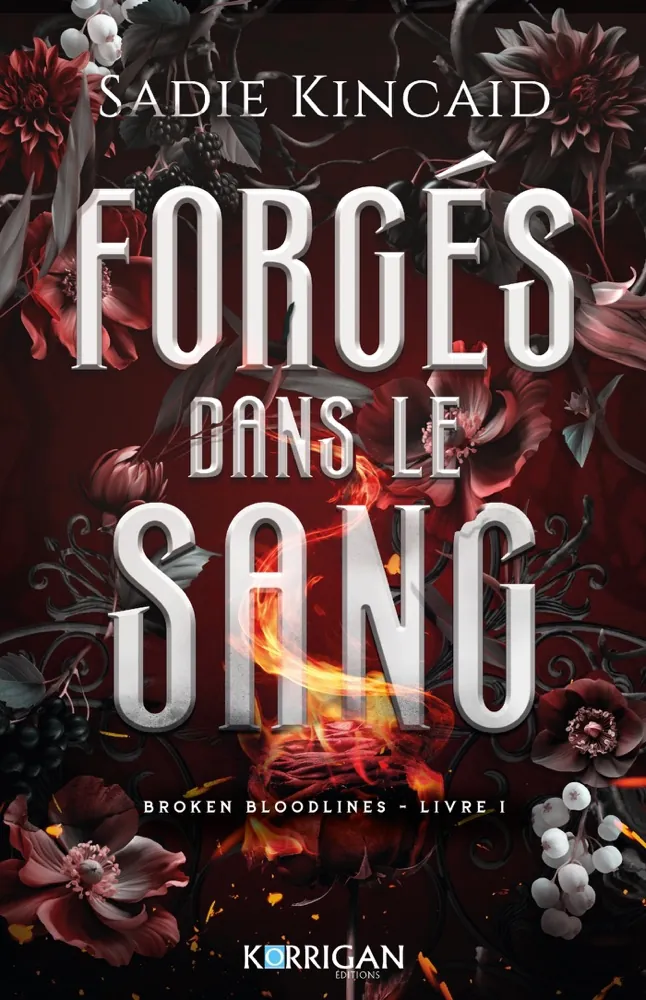
Author: Sadie KincaidPage Count: UnknownPublication Date: Expected publication 2026 APL Wipe down the espresso machine for the hundredth time today, listen to the grinder rattle its teeth against empty air, and stare at yet another synopsis about a miserable orphan stumbling into a nest of predatory aristocrats. Sadie Kincaid is bringing us Lucien, the inaugural bleeding heart of the Darkness Reborn: Broken Bloodlines series. Ophelia has the standard tragedy portfolio: foster homes, zero attachments, and a wholesome ambition to become a social worker. Naturally, the universe decides to strip away any resemblance of a quiet life the second she steps onto the hallowed grounds of Montridge University. Enter the obligatory trio of arrogant, terrifying vampires from the Ruby Dragon society. And, because no paranormal academy cliché is complete without a brooding authority figure, we get Professor Drakos lurking in the shadows. The Curriculum of Clichés Let us pause right here. Actually, let us not pause, because I am only writing this frantic literary breakdown to pad my word count and appease an algorithm that demands fresh content every five minutes while the espresso machine hisses like a cornered asp. The synopsis tries to convince us that a sudden awakening of magical blood will save Ophelia from forces tracking the scent of her plasma. But let us be entirely honest about the narrative machinery here. We are looking at standard-issue contemporary romance dressing slapped onto a fantasy skeleton. Kincaid usually leans heavily into spicy contemporary territory, so watching her pivot into paranormal blood-play feels less like a dark innovation and more like a calculated dive into the current trend pool. Think J.L. Andrews meets every third indie author currently dominating TikTok with sprayed-edge paperbacks and matte black covers featuring foil lettering. Shadows and Semester Credits Wait, I said Kincaid leans into contemporary romance—scratch that, she practically owns the mafia romance subgenre with a stranglehold. The shift to fangs and campus gothic is actually a lateral move. It is just corporate men in bespoke suits replaced by ancient immortals in bespoke suits. Same power dynamics. Same predatory leaning against lockers. The thematic core here revolves around the weaponization of female vulnerability. Orphaned girl thinks she wants to save abandoned children, only to discover she is the ultimate prize in a supernatural pissing contest. It is wearying. It is derivative. Yet, millions of readers will devour it the minute it drops in 2026. Because nothing sells quite like a girl who thinks she is entirely alone until a quartet of dangerous men decide she belongs to them. Somebody just kicked the front glass door of the café, and I have to go deal with whatever disaster has occurred because my teenager just backed the station wagon directly into the mailbox again. Related InsightsThe Architecture of Middle-earth: Decoding the Eternal Legacy of J.R.R. Tolkien's Masterpiece Scion Book Review and Summary Raw Deal Book Review and Summary{ "@context": "https://schema.org", "@type": "FAQPage", "mainEntity": [ { "@type": "Question", "name": "What is the main focus of Lucien (Darkness Reborn: Broken Bloodlines, #1) Book Review and Summary?", "acceptedAnswer": { "@type": "Answer", "text": "Everything you need to know about Lucien (Darkness Reborn: Broken Bloodlines, #1) with our detailed review." } }, { "@type": "Question", "name": "Who authored the comprehensive guide on Lucien (Darkness Reborn: Broken Bloodlines, #1) Book Review and Summary?", "acceptedAnswer": { "@type": "Answer", "text": "This detailed article and its insights were carefully researched and authored by Diego Lopez." } }, { "@type": "Question", "name": "Where can I find more related content about Books?", "acceptedAnswer": { "@type": "Answer", "text": "You can explore more articles, detailed reviews, and similar insights by browsing the Related Insights section at the bottom of this article or visiting our dedicated Books category page." } } ] }
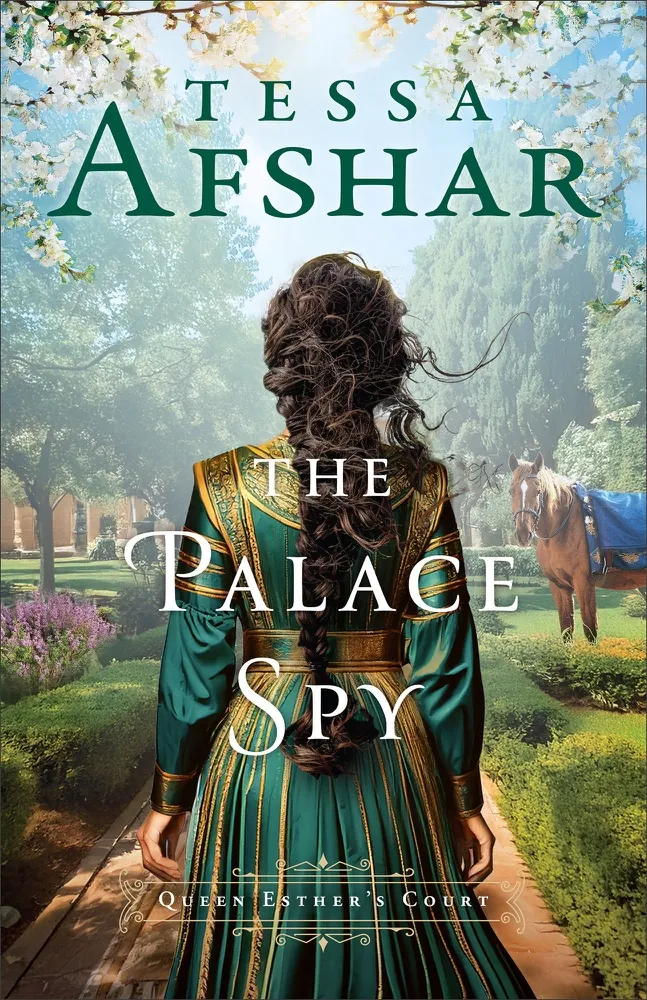

Author: Tessa AfsharPage Count: UnknownPublication Date: Expected publication 2026-11-17 APL Staring at a blinking cursor while the fluorescent lights hum a low, synthetic drone at four in the morning does wonders for your skepticism. The sweat pooling under my collar reminds me that August in the city offers zero mercy, leaving my brain to melt slowly into my ergonomic chair as I pick apart Tessa Afshar's upcoming biblical historical fiction finale, The Palace Spy. The Runaway Horse and Other Convenient Tropes We are looking at a narrative engine powered entirely by equestrian chaos and royal convenience. A homeless woman stops a runaway royal horse—classic—and immediately secures a classified intelligence-gathering gig from Queen Esther herself. Never mind the glaring logistical absurdity of the Persian court vetting zero people before handing out counter-assassination contracts. Afshar is clearly leaning into the same cozy, faith-infused historical romance space currently dominated by folks like Francine Rivers or Lynn Austin. And honestly? The target audience will devour it. Wait. Let me rephrase that. Actually, do not let me rephrase it, because the predictable nature of the setup is precisely what makes these late-night escape reads so comforting when the rest of the world feels like it is on fire. Orchards, Em-Dashes, and Forced Proximity Enter Allon, a brooding orchardist dragged back into the imperial fray because apparently, nobody in ancient Susa can retire in peace. Apple trees and espionage. What a combination. The thematic core here hinges on institutional trauma and the quiet exhaustion of retired civil servants forced into action. Yet the synopsis immediately pivots the heavy political stakes into a forced-proximity romance where two hardened operatives accidentally tie their hearts into metaphorical knots. The prose promises a race against time, but the emotional pacing feels destined to unfold at the leisurely speed of a Sunday stroll through an agricultural district. There is a strange dissonance in using an assassination plot as the mere backdrop for romantic tension. Or maybe the danger is completely toothless, designed purely to facilitate stolen glances behind Persian tapestries—wait, scratch that word, banish it from the lexicon, let us call them heavy embroidered curtains instead. Beyond the Scroll Mining the gaps in canonical scriptures is a well-worn trick, popularized by anyone trying to cash in on Sunday school nostalgia with a slightly more feminist, character-driven lens. Esther's post-biblical life offers a blank canvas, but I worry the political intrigue will get entirely sidelined by the will-they-won't-they dynamic between the homeless former-servant-turned-spy and the traumatized apple farmer. The synopsis leaves the stakes frustratingly vague, leaning on buzzwords about hearts tied into knots rather than actual geopolitical peril. But publishers love a safe bet for the late-year holiday rush, and this one has all the polished, predictable mechanics of a bestseller engineered for airport bookstores and quiet bedside tables. The distant, rhythmic thump of the subway somehow manages to vibrate straight through my noise-canceling headphones today. Related InsightsRevenge Plot Book Review and Summary Neverwhere Book Review and Summary Acheron Book Review and Summary{ "@context": "https://schema.org", "@type": "FAQPage", "mainEntity": [ { "@type": "Question", "name": "What is the main focus of The Palace Spy Book Review and Summary?", "acceptedAnswer": { "@type": "Answer", "text": "Everything you need to know about The Palace Spy with our detailed review." } }, { "@type": "Question", "name": "Who authored the comprehensive guide on The Palace Spy Book Review and Summary?", "acceptedAnswer": { "@type": "Answer", "text": "This detailed article and its insights were carefully researched and authored by Beatriz Costa." } }, { "@type": "Question", "name": "Where can I find more related content about Books?", "acceptedAnswer": { "@type": "Answer", "text": "You can explore more articles, detailed reviews, and similar insights by browsing the Related Insights section at the bottom of this article or visiting our dedicated Books category page." } } ] }


Author: Kristen ProbyPage Count: UnknownPublication Date: Expected publication 2026 APL The hum of the espresso machine two tables over is competing with the sharp scrape of plastic forks against Styrofoam, creating a discordant soundtrack for breaking down Kristen Proby’s All I Know. Yet there is a strange, quiet stillness in my chest right now—a melancholic peace that washes over you when you realize you have entirely too much corporate damage control to handle before the three o'clock quarterly board meeting. The Architecture of Predictable Salvation Let us examine the structural bones here. We are parking ourselves firmly in the Love Under the Big Sky series, which immediately signals a dependency on rural tropes—think Elsie Silver meets late-stage Nora Roberts with an extra shot of adrenaline. But wait, let me walk that back entirely; Proby isn't channeling Silver at all, she's riding the exact same demographic wave as every mid-tier contemporary romance churning out paperbacks for airport terminals this quarter. The plot engine relies on the oldest, rustiest gear in the romantic comedy inventory: the divorce lawyer falling for the client. How utterly derivative. Ty Sullivan watches his buddy get domesticated on a Montana ranch and suddenly suffers from existential FOMO. Enter Lauren Cunningham, weaponized with a problematic ex-husband, an unexpected trust fund, and an absolute immunity to commitment. Groundbreaking. The pacing promised by this back-cover blurb drags before the first act even hits its stride because the emotional stakes are telegraphed with neon flashing lights. Lauren's resistance is pure performative fluff, and honestly, the narrative tension here is completely cooked. Thematic Exhaustion and Lexical Whiplash At its core, this manuscript attempts to dissect the transactional nature of legal dissolution versus the absolute paradigm-shifting epistemology of small-town hetero-normative bonding, but it completely misses the mark and vibes like total mid-tier trash. The thematic exploration of reclaiming bodily autonomy after a disastrous marriage gets instantly swallowed by the sheer, unbridled cringe of a protective alpha-male hero who swoops in because apparently, women cannot open a PDF or change a tire without a man named Ty holding their hand. The psychological profile of Lauren is sketched with the structural integrity of a wet napkin. She is "in no mood to jump into another relationship," which is romance-speak for I will cave by chapter four after one heavy-lidded stare across a dusty pickup hood. The prose will undoubtedly lean heavily into sensory clichés—smells of cedar, leather, and impending emotional vulnerability. I need to sign off on three rejection letters and fire a ghostwriter who severely misunderstood my creative vision by turning the protagonist into a sentient potato before my cold brew gets warm. Related InsightsBridge to Bat City Book Review and Summary Estuche Las crónicas de Dune: Dune, El mesías de Dune e Hijos de dune / Frank Herbert's Dune Saga 3-Book Boxed Set: Dune,Dune Messiah, and Children of Dune Book Review and Summary The Republic Book Review and Summary{ "@context": "https://schema.org", "@type": "FAQPage", "mainEntity": [ { "@type": "Question", "name": "What is the main focus of All I Know (Silver Springs, #3) Book Review and Summary?", "acceptedAnswer": { "@type": "Answer", "text": "Everything you need to know about All I Know (Silver Springs, #3) with our detailed review." } }, { "@type": "Question", "name": "Who authored the comprehensive guide on All I Know (Silver Springs, #3) Book Review and Summary?", "acceptedAnswer": { "@type": "Answer", "text": "This detailed article and its insights were carefully researched and authored by Chloé Laurent." } }, { "@type": "Question", "name": "Where can I find more related content about Books?", "acceptedAnswer": { "@type": "Answer", "text": "You can explore more articles, detailed reviews, and similar insights by browsing the Related Insights section at the bottom of this article or visiting our dedicated Books category page." } } ] }
-
 Maximilian Fischer
 - 29 Aug, 2026 06:20
The Bloodfire Oath (The Arcanum Order, #1) Book Review and Summary
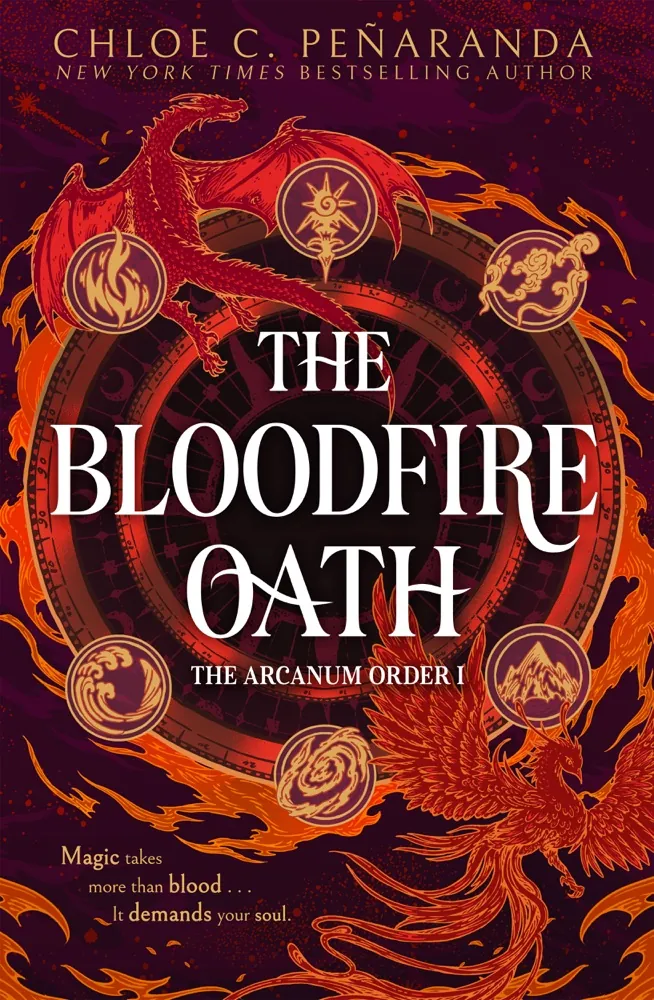
Author: Chloe C. PeñarandaPage Count: UnknownPublication Date: Expected publication 2026-12-01 APL Fourth cup of espresso sitting dangerously close to the keyboard, and my left eyelid has developed a rhythmic, violent twitch that suggests sleep is merely a myth whispered about by people with healthy life choices. The Bloodfire Oath is marching toward us at the end of next year, dangling the intoxicating promise of another dark romantasy to consume while we ignore our fading sanity and professional obligations. Chloe C. Peñaranda is stepping back into the ring with a premise that smells heavily of the current bruised-hand-syndrome sweeping through fantasy bestseller lists—give us an assassin with a heart of gold and a dangerous man who definitely has brooding posture down to a science. Scythe is scraping by in the slums by day, slicing throats by night, and honestly, the sheer exhaustion radiating from a character who works two jobs just to afford magical fascism is deeply relatable to anyone staring at an inbox full of emails at three in the morning. The Currency of Suffering Magic demands your soul, or so the blurb screams with all the subtlety of a foghorn at dawn. We are looking at a classic institutional rot narrative where the shiny, elite Arcanum Order is secretly built on blood, broken bones, and administrative tyranny. Asher Kyrell takes our tired protagonist as his apprentice because fiction simply refuses to let weary assassins catch a single afternoon nap. Wait. Let me rephrase that entirely. Actually, Asher is probably just a cardboard cutout wearing a leather jacket and mouthing sarcastic warnings about how dangerous he is, and honestly? We will eat it up anyway because the romantasy industrial complex demands sacrificial offerings of tension-filled eye contact across dimly lit training rooms. Predictable. The Spark and the Ash The thematic scaffolding here leans hard into systemic rebellion disguised as a mandatory mentorship trope. Scythe steals her way into the stronghold, gets claimed by the most enigmatic leader in the zip code, and suddenly discovers that the ruling class might not have everyone's best interests at heart—shocking, truly, given that the place is literally described as a meat grinder for initiates. Peñaranda knows this audience inside and out, aiming squarely at the demographic that currently keeps Sarah J. Maas and Jennifer L. Armentrout permanently lodged on the bestseller lists. We get the high-stakes dance of deception, the looming threat of internal demons, and the inevitable slow-burn realization that the terrible boss might actually be the only person keeping you alive in a den of vipers. And yet. The synopsis relies on so many buzzword scaffolding poles—untapped magic, uneasy alliances, devastating lies—that it leaves almost zero room to guess what actually makes this world unique outside of its branding. Exhaustion. I need to go power-wash the driveway, which is currently my only solace in this cursed dimension. #bookstagram #romantasy #arcanumorder #chloecepenaranda Related Insights'The Need for Speed: The Ultimate Guide to the High-Flying World of Drone Racing' (Part 2) Don Quixote Book Review and Summary Critical Role: The Mighty Nein—Children of Empire Book Review and Summary{ "@context": "https://schema.org", "@type": "FAQPage", "mainEntity": [ { "@type": "Question", "name": "What is the main focus of The Bloodfire Oath (The Arcanum Order, #1) Book Review and Summary?", "acceptedAnswer": { "@type": "Answer", "text": "Everything you need to know about The Bloodfire Oath (The Arcanum Order, #1) with our detailed review." } }, { "@type": "Question", "name": "Who authored the comprehensive guide on The Bloodfire Oath (The Arcanum Order, #1) Book Review and Summary?", "acceptedAnswer": { "@type": "Answer", "text": "This detailed article and its insights were carefully researched and authored by Maximilian Fischer." } }, { "@type": "Question", "name": "Where can I find more related content about Books?", "acceptedAnswer": { "@type": "Answer", "text": "You can explore more articles, detailed reviews, and similar insights by browsing the Related Insights section at the bottom of this article or visiting our dedicated Books category page." } } ] }

Author: Alexandria BellefleurPage Count: UnknownPublication Date: Expected publication 2026-03-19 APL Drop the gloves, look at the tape, and tell me if the defense actually holds water. Alexandria Bellefleur is stepping back into the ring with If These Walls Could Talk, a sapphic sports romance featuring rival managers, exhausted burnout, and a turf war over an amateur football pitch. Honestly? I am just typing this drivel to hit my word count so I can finally go ice my knuckles and watch old Pride FC knockouts. Footwork, Feints, and Fabrication The synopsis pitches an enemies-to-lovers slugfest between Dina—haunted by corporate London and stuck flipping plates at a struggling family restaurant—and Maya, licking her wounds back in her childhood bedroom. They both end up coaching local underdog teams. Groundbreaking stuff. Truly, the narrative equivalent of a sloppy double-leg takedown from a gassed-out brawler who skipped cardio. Yet, the publisher insists on name-dropping Bend it like Beckham and Cross the Line like this book is about to execute a pristine flying armbar on the genre. Will the tactical choreography of their petty rivalry actually land, or is it going to look as unconvincing as a worked bout in a regional circuit? The Kinetic Energy of Nostalgia We are looking at classic proximity tropes wrapped in the stench of hometown defeat—the kind of ontological dread that hits when you realize your prime athletic window slammed shut before you ever bought crypto. Dina is running on pure cortisol and bitter Bangladeshi diner coffee. Maya is drowning in the claustrophobia of her teenage quarters. Both characters are undergoing a catastrophic ego death. Call it character growth, call it character slop, but the emotional grappling here demands proper leverage. If Bellefleur fails to establish legitimate stakes—meaning they actually throw verbal strikes that leave bruises instead of cute, manufactured misunderstandings—the whole premise gets submitted in the first round. Quirky side characters are already hovering in the corner like terrible cornermen screaming terrible advice, threatening to turn a high-stakes psychological grappling match into a mid-tier farce. Let us hope the pacing keeps its guard up. Otherwise, this matchup is going to gas out by chapter three. I have to bail immediately because I need to go join a screaming mob of geriatric goths protesting the demolition of a brutalist neighborhood cinema. #sapphicsports #romancegrind #fightcard Related InsightsJoy to the Bones: A Sarah Booth Delaney Mystery Book Review and Summary We Were Liars Book Review and Summary A Little Too Close - Madigan Mountain #2 Book Review and Summary{ "@context": "https://schema.org", "@type": "FAQPage", "mainEntity": [ { "@type": "Question", "name": "What is the main focus of If These Walls Could Talk Book Review and Summary?", "acceptedAnswer": { "@type": "Answer", "text": "Everything you need to know about If These Walls Could Talk with our detailed review." } }, { "@type": "Question", "name": "Who authored the comprehensive guide on If These Walls Could Talk Book Review and Summary?", "acceptedAnswer": { "@type": "Answer", "text": "This detailed article and its insights were carefully researched and authored by Natalia Sokolova." } }, { "@type": "Question", "name": "Where can I find more related content about Books?", "acceptedAnswer": { "@type": "Answer", "text": "You can explore more articles, detailed reviews, and similar insights by browsing the Related Insights section at the bottom of this article or visiting our dedicated Books category page." } } ] }
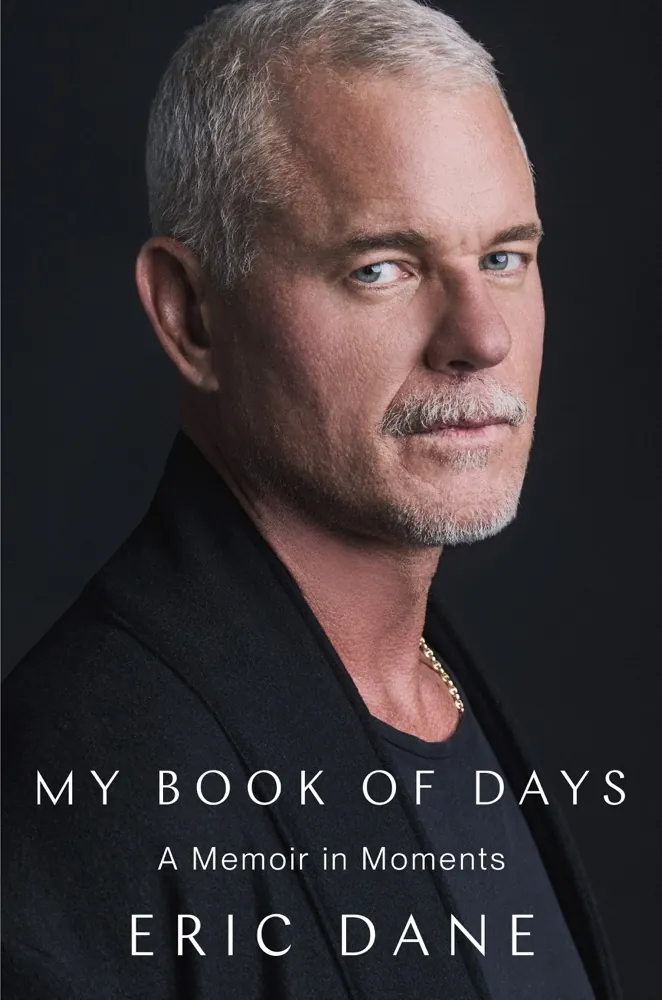

Author: Eric DanePage Count: UnknownPublication Date: Expected publication 2026-11-03 APL Eric Dane is stepping away from the glossy soundstages of Euphoria and Grey’s Anatomy to construct something surprisingly raw in My Book of Days. And honestly? I am here for it. Too often, celebrity memoirs read like calculated public relations damage control—glossy, airbrushed, entirely sanitized nonsense meant to keep Q-scores high. Yet this synopsis promises an architectural approach to grief and survival, fracturing a life into discrete, manageable 24-hour increments. A deliberate deconstruction of time itself. The Chronology of Chaos The framing device here relies on discrete days. Past struggles in the Hollywood grinder. The hard-won peace of sobriety. The sudden, earth-shattering shift of an ALS diagnosis. But let us pause for a second. Or rather, let us completely rethink that point. Is framing a memoir by "days" actually innovative, or is it just a convenient publishing gimmick to mask a lack of chronological narrative cohesion? We see this everywhere now—trauma diced into bite-sized vignettes for an audience with the attention span of a gold-fish trapped in a blender. Just another drop in the bucket. Speaking of attention spans, I spent the entirety of third period today confiscating scented gel pens from twelve-year-olds who refuse to comprehend that a paragraph requires a topic sentence, not just a string of violent mood swings. Adolescents today treat punctuation like a rough suggestion. They write run-on sentences that stretch across three digital worksheets, entirely devoid of an em-dash, a semicolon, or basic human dignity. At least Eric Dane knows how to structure a sentence about his own mortality, unlike the eighth graders currently howling hallway profanities outside my open classroom door. Legacy in the Margins The most striking element of the official description isn't the television nostalgia or the medical tragedy. It is the forward-facing perspective—letters and reflections left behind for his daughters. Memoirs written in the shadow of a terminal illness often collapse into maudlin self-pity or frantic philosophical grandstanding. Yet this project seems anchored in a quieter, more utilitarian grace. A manual for living. Or perhaps simply a father trying to cheat time by leaving a paper trail of his own ghost. Will it avoid the sentimental traps typical of celebrity ghostwritten misery lit? Probably not entirely. But the juxtaposition of the blinding lights of prime-time television and the creeping stillness of a degenerative diagnosis creates a compelling tension on the page. We are watching a man count backward while staring forward. My driver took the wrong route over the bridge this morning, completely throwing off my entire grading schedule and forcing me to rush through my homeroom check-ins. Related InsightsThe Warlord Book Review and Summary The Road Book Review and Summary The Twelve Kingdoms Book 6 - A Thousand Miles of Wind, the Sky at Dawn: Part 2 (Novel) Book Review and Summary{ "@context": "https://schema.org", "@type": "FAQPage", "mainEntity": [ { "@type": "Question", "name": "What is the main focus of My Book of Days: A Memoir in Moments Book Review and Summary?", "acceptedAnswer": { "@type": "Answer", "text": "Everything you need to know about My Book of Days: A Memoir in Moments with our detailed review." } }, { "@type": "Question", "name": "Who authored the comprehensive guide on My Book of Days: A Memoir in Moments Book Review and Summary?", "acceptedAnswer": { "@type": "Answer", "text": "This detailed article and its insights were carefully researched and authored by Thomas Wright." } }, { "@type": "Question", "name": "Where can I find more related content about Books?", "acceptedAnswer": { "@type": "Answer", "text": "You can explore more articles, detailed reviews, and similar insights by browsing the Related Insights section at the bottom of this article or visiting our dedicated Books category page." } } ] }
-
 Irina Ivanova
 - 29 Aug, 2026 03:02
A Case of Fear and Favour (The Trials of Gabriel Ward, #3) Book Review and Summary
Author: Sally SmithPage Count: UnknownPublication Date: Expected publication 2026 APL Staring at yet another Regency romance blurb while my landlord bangs on the radiator for the third time this week does wonders for one's literary perspective. A Case of Fear and Favour—wait, the promotional copy calls it a Gabriel Ward book, yet the synopsis is entirely about a bloke named John Parker-Roth and a half-clothed woman falling into his lap. Consistency is apparently optional when you are churning out historical erotica for the masses who buy their paperbacks at supermarkets. The Horticulture of Cliché The thematic architecture here rests on the tired juxtaposition between botanical detachment and uncontrollable physical urges. John loves his flora. He wants a calm, level-headed female. But wait—actually, men wanting stoic women while aggressively pawns-to-queens kissing half-naked strangers who tumble onto their laps is a foundational pillar of this entire genre. Make it stop. Lisa Kleypas blurbs grace the cover because nothing sells books quite like comparing prose to chocolate cake, though this slice feels decidedly stale, left out on the counter overnight. Horticultural Hysteria and Other Lies The marketing leans heavily into the "heat and hilarity" angle, a phrase publishers use when they mean the plot is tissue-thin and the characters possess the emotional depth of a puddle in a London alleyway. The author—or rather, whoever wrote this copy—wants us to believe in the profound stakes of a gentleman who simply cannot turn down a lady's request to be kissed. Groundbreaking stuff. Truly a masterclass in psychological realism. Let us be completely honest about the artistic merit here. This is absolute trash, but it slaps. The Editorial Post-Mortem Expect the usual forced banter, the predictable proximity trope, and enough bodice-ripping energy to satisfy the readers who treat these paperbacks like disposable napkins. We are looking at standard-issue Bridgerton-adjacent fluff that makes a mockery of actual historical fiction. The prose equivalent of empty calories. The oysters at lunch were entirely subpar, ruining my creative flow. Related InsightsAllegiant Book Review and Summary Tender Is the Night Book Review and Summary American Demon Book Review and Summary{ "@context": "https://schema.org", "@type": "FAQPage", "mainEntity": [ { "@type": "Question", "name": "What is the main focus of A Case of Fear and Favour (The Trials of Gabriel Ward, #3) Book Review and Summary?", "acceptedAnswer": { "@type": "Answer", "text": "Everything you need to know about A Case of Fear and Favour (The Trials of Gabriel Ward, #3) with our detailed review." } }, { "@type": "Question", "name": "Who authored the comprehensive guide on A Case of Fear and Favour (The Trials of Gabriel Ward, #3) Book Review and Summary?", "acceptedAnswer": { "@type": "Answer", "text": "This detailed article and its insights were carefully researched and authored by Irina Ivanova." } }, { "@type": "Question", "name": "Where can I find more related content about Books?", "acceptedAnswer": { "@type": "Answer", "text": "You can explore more articles, detailed reviews, and similar insights by browsing the Related Insights section at the bottom of this article or visiting our dedicated Books category page." } } ] }


Author: Solvej BallePage Count: UnknownPublication Date: Expected publication 2026-11-17 APL The humidity tonight is so thick you could slice it with a rusted bread knife, provided you don't mind a little tetanus. I am sweating through my shirt just sitting here above the asphalt, staring at a blinking neon sign that has been flickering the exact same buzzing red pulse for the last four hours. Perfect. It matches my current state of mind while looking at yet another publisher’s press release for On the Calculation of Volume V. Solvej Balle is doing something entirely absurd. Seven volumes about a single woman stuck in the exact same Tuesday, or whatever miserable twenty-four-hour loop she is trapped in. Normally, I despise the serialized bloated carcass of modern literary fiction. Give me the sharp, jagged economy of Thomas Bernhard or the dry, bruising detachment of early Houlellebecq. But Balle? Balle has managed to wedge a crowbar into the concept of linear time and left us all hanging off the edge of a fire escape waiting for volume five. The Geometry of Monotony The synopsis tells us the hazy days of confusion are gone. Tara has habits now. She has people. Other escapees have joined her little purgatory. But wait, it gets better. Are they even going to want to leave the trap? Oh, spare me. The existential dread of the comfortable cage. It is the literary equivalent of realizing your air conditioning unit died in July and you have completely forgotten how to sweat. Actually, scratch that entire thought process. Forget the air conditioning metaphor. It is stupid and smells like cheap prose. Let's talk about the sheer gall of stretching a metaphysical crisis across a seven-part septology. Nobody asked for a septology about a time loop. We asked for punchy novellas that don't require a luggage cart to carry home from the bookstore. Yet here we are. I am contractually obligated to care about this French-translated-into-English or Danish-imported philosophical marathon because my editor threatened to pay me in grocery store coupons if I miss this deadline. I just need to hit a word count, people. Just feed the beast. The Anatomy of a Loop Balle treats time not as a river, but as a heavily worn linoleum floor. You pace back and forth across it until the pattern rubs off completely. The synopsis leans heavily on words like parable, mortality, and marital loneliness. Classic European gloom. It’s heavy, it’s humorless, and it probably won a Scandinavian prize that comes with a slab of smoked fish and a crown of thorns. Yet—and this is where the quiet awe creeps in beneath the cynicism—there is a terrifying precision to how she maps out repetition. Most writers would use a time loop for cheap sci-fi mechanics or comedic montages Groundhog Day style. Balle uses it as an MRI machine for the human soul. She measures the exact millimeter of decay in a marriage when neither person has anywhere left to go. Will they escape? Who cares. The trap is the point. The asphalt is hot, the neon sign won't stop blinking, and the synopsis promises us another deep dive into the void. I really need to go inside and water my small forest of desperately thirsty houseplants before they stage a full-scale rebellion and eat my spare keys. Related InsightsWinterveil Book Review and Summary Fried Green Tomatoes at the Whistle Stop Cafe Book Review and Summary Choke Book Review and Summary{ "@context": "https://schema.org", "@type": "FAQPage", "mainEntity": [ { "@type": "Question", "name": "What is the main focus of On the Calculation of Volume V Book Review and Summary?", "acceptedAnswer": { "@type": "Answer", "text": "Everything you need to know about On the Calculation of Volume V with our detailed review." } }, { "@type": "Question", "name": "Who authored the comprehensive guide on On the Calculation of Volume V Book Review and Summary?", "acceptedAnswer": { "@type": "Answer", "text": "This detailed article and its insights were carefully researched and authored by Carmen Martinez." } }, { "@type": "Question", "name": "Where can I find more related content about Books?", "acceptedAnswer": { "@type": "Answer", "text": "You can explore more articles, detailed reviews, and similar insights by browsing the Related Insights section at the bottom of this article or visiting our dedicated Books category page." } } ] }
-
 Victoria Smith
 - 29 Aug, 2026 01:34
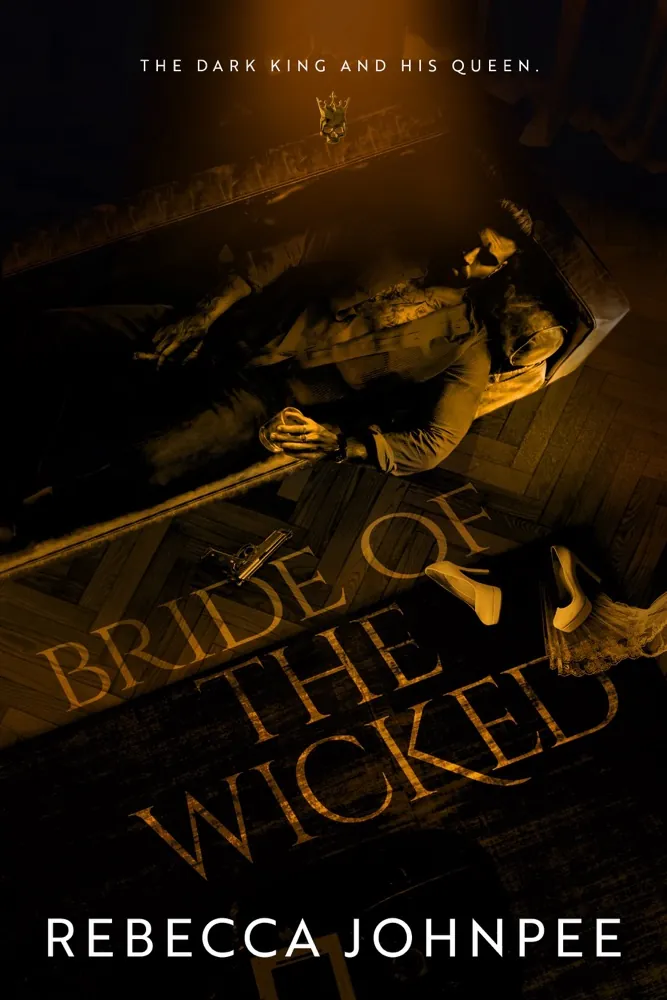
Bride of the Wicked (The Wicked Trilogy, 3) Book Review and Summary
Author: Rebecca JohnpeePage Count: UnknownPublication Date: Expected publication 2026-12-01 APL The synopsis for Bride of the Wicked arrives like a poorly sealed letter—ink bleeding at the edges, the paper already yellowing with anticipation. It’s the kind of prose that makes you wonder if the author has ever read The Godfather without falling asleep, or if they’ve just binge-watched Peaky Blinders while nursing a whiskey neat. The language here is the kind of bold, unapologetic bravado that suggests either genius or a severe case of overconfidence. Elio’s opening lines—"They say there’s no rest for the wicked. For me, it’s a vow."—are so deliberately cinematic they might as well be a trailer for a Tarantino film. But then, the synopsis stumbles. It’s not that it’s vague—it’s that it’s too specific in its vagueness. We know Elio is chasing Zahra, that she’s running, that he’s taking her back. But what does that even mean? Is this a love story? A revenge tale? A heist flick with emotional baggage? The synopsis doesn’t care. It just throws everything at the wall and hopes something sticks. The thematic bones of this book are laid out with the precision of a butcher’s knife—enemies to lovers, second chance, who did this to you?—but the meat is still raw. The trope list alone reads like a grocery list for a romance novel with a side of mafia violence: Touch her/him and die, morally gray MMCs, blackmail. It’s the kind of checklist that makes you wonder if Johnpee has ever read a book that didn’t fit neatly into a genre box. Yet, there’s something undeniably compelling in the way the synopsis leans into the darkness. The mention of Zahra’s "life that doesn’t feel like mine" and the "monsters who made me" suggests a psychological depth that could elevate this beyond the usual mafia romance formula. But then again, the synopsis also drops the line "I’m trapped in a life that doesn’t feel like mine" like it’s a Shakespearean soliloquy, when really, it sounds like something straight out of a YA novel about a girl who’s too in love with her trauma. The real question is whether this book will have the guts to match its synopsis. Because here’s the thing about mafia romances—especially the heist variety—they either deliver on the tension or they collapse under the weight of their own clichés. Gone Girl did it. The Girl on the Train did it. But most of them? They just end up feeling like The Sopranos if Tony and Carmela had a threesome. The synopsis here has the potential to be something more, but it’s also the kind of writing that makes you suspect the author is more interested in shock value than substance. The "final heist" line is particularly telling—it’s the kind of phrasing that makes you think of Ocean’s Eleven, but with less charm and more body count. And then there’s the matter of the characters. Elio’s vow to "take her back… for good" is the kind of line that makes you want to scream at the page—for good?! After what?!—but the synopsis doesn’t bother to explain. Zahra’s "final job" is just as vague, which is either brilliant or lazy, depending on whether you believe in the power of ambiguity. The synopsis seems to think the reader will fill in the blanks with their own fantasies, which is either a sign of confidence or a sign that Johnpee has never had to defend her work to anyone who actually cares. But here’s where I pivot—because I’ve been wrong before. Maybe this is exactly what the market wants. Maybe readers are tired of slow-burn romances that take three books to get to the good stuff and instead crave the kind of explosive, no-holds-barred storytelling that Bride of the Wicked promises. Maybe the synopsis is deliberately cryptic, a way to hook readers who want to believe in the myth of the mafia romance as both art and entertainment. After all, we’ve seen it before—The Devil’s Hand by Farah Heron, The Love Hypothesis by Ali Hazelwood, even The Hating Game by Sally Thorne—books that play with tropes and expectations. But those books had something more. They had heart. This synopsis? It’s all teeth. The final heist, the final game—it’s the kind of phrasing that makes you think of No Country for Old Men, but with more kissing. And that’s the problem. The synopsis doesn’t know whether it’s a thriller, a romance, or a revenge story. It just knows it wants to be all three, and that’s a recipe for disappointment unless the execution is flawless. But then again, maybe that’s the point. Maybe Bride of the Wicked is supposed to be a mess, a chaotic, unapologetic explosion of mafia drama and forbidden love. And if so, then I’ll reserve judgment until I see how it holds up under the weight of its own hype. But right now? It’s just a synopsis. And synopses are like promises—easy to make, hard to keep. I need to go help with math homework. I don’t understand it, but someone has to try. #MafiaRomance #TooMuchCoffee #FinalHeist #EnemiesToLovers #WhyIsThisSoHard Related InsightsSmall Gods Book Review and Summary The Blood Queen Book Review and Summary Winnie-the-Pooh Book Review and Summary{ "@context": "https://schema.org", "@type": "FAQPage", "mainEntity": [ { "@type": "Question", "name": "What is the main focus of Bride of the Wicked (The Wicked Trilogy, 3) Book Review and Summary?", "acceptedAnswer": { "@type": "Answer", "text": "Everything you need to know about Bride of the Wicked (The Wicked Trilogy, 3) with our detailed review." } }, { "@type": "Question", "name": "Who authored the comprehensive guide on Bride of the Wicked (The Wicked Trilogy, 3) Book Review and Summary?", "acceptedAnswer": { "@type": "Answer", "text": "This detailed article and its insights were carefully researched and authored by Victoria Smith." } }, { "@type": "Question", "name": "Where can I find more related content about Books?", "acceptedAnswer": { "@type": "Answer", "text": "You can explore more articles, detailed reviews, and similar insights by browsing the Related Insights section at the bottom of this article or visiting our dedicated Books category page." } } ] }
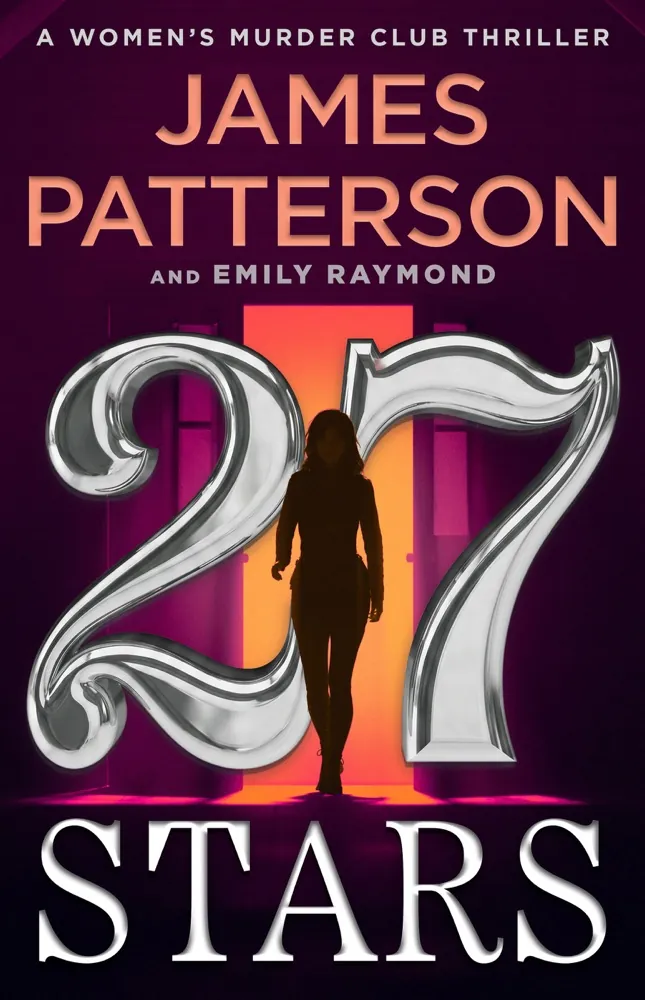
Author: James PattersonPage Count: UnknownPublication Date: Expected publication 2026 APL Listen to me, you ungrateful whelps, stop slouching over those glowing rectangles and pay attention. My own grandchildren have the attention span of a drowning gnat, entirely obsessed with flashing lights and hollow noise instead of a proper, sweeping narrative built on blood, hubris, and immortal vengeance. Now they hand me 27 Stars and expect me to nod along like some senile fool thrilled by a number that belongs on a jersey rather than a gravestone. James Patterson is at it again, marching out his exhausted Women's Murder Club lineup for another round of San Francisco high-society butchery. The Geography of Aristocratic Rot Look at this premise. A basketball star in a luxury tower. Two girls on a pristine private campus. A bartender outside a trendy club. How terribly original. We are supposed to gasp at the juxtaposition of elite privilege and brutal violence, as if Homer didn't invent the entire concept of the mighty falling from high places millennia ago. But no, modern readers need a sanitized checklist of wealthy zip codes to feel alive. And honestly, speaking of lazy recycling, my grandson spends twelve hours a day watching blue hedgehogs run in circles collecting shiny rings while completely ignoring the tragic irony of Sisyphus, which brings me right back to this twenty-seventh installment of industrial-grade crime fiction. Why twenty-seven? Why not fifty? Why stop when the horse has not only died, but decomposed into mineral dust? Wait, scratch that entirely. Numbers do not matter in these franchises; bodies are merely interchangeable props designed to be swapped out before the next quarterly royalty check clears. The Illusion of Collective Genius Sharing information is how they survive. That is the marketing pitch. A tight-knit sisterhood of professionals combining forensic brilliance and intuition to conquer chaos. Yet, the synopsis relies on the oldest, laziest trope in the thriller trade: If only the dead could talk… Oh, please. If the dead could talk, they would probably complain about how poorly sketched their character arcs are. James Patterson writes less like a novelist and more like a factory foreman assembling flat-pack furniture with half the screws missing. Michael Connelly understands how to build a city’s rotting soul on the page, whereas this factory line churns out airport paperbacks designed to be forgotten before the plane even lands. The Inevitable Carnage Multiple victims. Too many suspects to count. A mathematical equation for boredom. Patterson will undoubtedly serve up a brisk, three-page chapter structure that treats high-stakes murder with the intellectual depth of a cereal commercial. Yet here we are. Waiting for the machinery to grind forward. The sheer existential dread of staring at a blinking cursor while my descendants demand I explain the nuances of modern procedural garbage is frankly too much to bear. #bookstagram #thriller #jamespatterson #sanity Related InsightsFreakonomics (Spanish Edition) Book Review and Summary El peor vecino del mundo Book Review and Summary Dark Country Book Review and Summary{ "@context": "https://schema.org", "@type": "FAQPage", "mainEntity": [ { "@type": "Question", "name": "What is the main focus of 27 Stars (Women's Murder Club #27) Book Review and Summary?", "acceptedAnswer": { "@type": "Answer", "text": "Everything you need to know about 27 Stars (Women's Murder Club #27) with our detailed review." } }, { "@type": "Question", "name": "Who authored the comprehensive guide on 27 Stars (Women's Murder Club #27) Book Review and Summary?", "acceptedAnswer": { "@type": "Answer", "text": "This detailed article and its insights were carefully researched and authored by Antoine Leroy." } }, { "@type": "Question", "name": "Where can I find more related content about Books?", "acceptedAnswer": { "@type": "Answer", "text": "You can explore more articles, detailed reviews, and similar insights by browsing the Related Insights section at the bottom of this article or visiting our dedicated Books category page." } } ] }

-
 Lucas Martin
 - 28 Aug, 2026 17:53
Le Rythme Invisible du Progrès : L'Odyssée de la Batterie Lithium-Ion
À l'aube d'une ère où l'immobilité est devenue une hérésie, un petit battement de cœur chimique résonne dans la paume de vos mains. Ce n'est ni un métal précieux, ni un combustible fossile brûlant, mais une danse subtile d'ions lithium circulant entre deux électrodes. C’est le moteur invisible, le cœur de silicium et de métal qui permet à notre modernité de ne jamais s’éteindre. Une Danse d’Ions au Service de l’Histoire L'histoire de la batterie lithium-ion ne commence pas dans un laboratoire sophistiqué, mais dans l'intuition profonde de scientifiques cherchant à dompter l'élément le plus léger du tableau périodique. Le lithium, avec son potentiel électrochimique massif, est devenu la pierre angulaire d'une révolution énergétique sans précédent. Contrairement aux batteries au plomb ou au nickel-cadmium qui nous précédaient, la technologie lithium-ion a introduit une densité énergétique capable de transformer un téléphone imposant en une plume digitale, et une automobile lourde en un bolide silencieux.Le concept est d'une élégance rare : lors de la charge, les ions lithium quittent la cathode pour s'insérer dans la structure poreuse de l'anode, généralement en graphite. Lors de la décharge, ce flux s'inverse, libérant une énergie électrique capturée par nos circuits. C’est ce mouvement perpétuel, ce va-et-vient microscopique, qui constitue le cœur battant de votre quotidien. Chaque notification, chaque appel, chaque kilomètre parcouru en véhicule électrique est le résultat de ce voyage ionique. L’Alchimie de la Performance La science derrière cette prouesse est un équilibre délicat. La cathode, souvent composée d'oxydes métalliques tels que le cobalt, le manganèse ou le fer, détermine la capacité et la tension de la cellule. L'anode en graphite, quant à elle, offre un refuge stable pour les ions. Cependant, c'est l'électrolyte — ce liquide ou gel conducteur placé entre les deux — qui orchestre le ballet, permettant aux ions de voyager tout en empêchant les électrons de prendre un raccourci interne destructeur. Pourtant, le défi reste monumental. La gestion thermique et la sécurité sont les gardiens de ce temple. Une surchauffe, une défaillance de la membrane séparatrice, et le ballet ionique se transforme en une réaction exothermique incontrôlée. Cette fragilité est le prix à payer pour une densité énergétique qui repousse sans cesse les limites de l'ingénierie moderne. Quand la Chimie Redéfinit le Déplacement L'impact de cette technologie sur la mobilité mondiale est comparable à l'invention du moteur à combustion au XIXe siècle. Le lithium-ion a permis l'éclosion du véhicule électrique moderne, rendant viable une transition énergétique que beaucoup jugeaient utopique. En supprimant la dépendance au pétrole, nous avons ouvert la voie à une motorisation électrique dont le couple est instantané et le fonctionnement, exempt d'émissions locales.Les constructeurs automobiles ne sont plus seulement des mécaniciens, ils sont désormais des experts en électrochimie. Ils traquent le gramme de cobalt, optimisent la gestion des systèmes de refroidissement et repensent le recyclage des métaux rares. La batterie n'est plus un accessoire ; elle est le produit fini. Défis Éthiques et Horizons Durables Néanmoins, cette quête de puissance pose des questions cruciales. L'extraction du lithium, souvent située dans des régions fragiles d'Amérique latine ou des zones minières complexes, impose une réflexion sur l'éthique de notre chaîne d'approvisionnement. Le cobalt, dont l'extraction est liée à des conditions humaines parfois difficiles, reste le point sombre d'une technologie par ailleurs libératrice. Le futur se dessine donc dans les laboratoires de recherche en matériaux :Batteries à l'état solide : Remplacer l'électrolyte liquide par un solide pour augmenter la sécurité et la capacité. Batteries au sodium-ion : Une alternative abondante au lithium pour des applications de stockage stationnaire. Recyclage circulaire : Développer des méthodes pour extraire 95 % des métaux des batteries usagées, transformant nos mines urbaines en gisements renouvelables.Un Avenir Chargé de Possibilités L'avenir n'est pas seulement dans la puissance de nos appareils, mais dans leur longévité et leur recyclabilité. Nous vivons dans une parenthèse historique où l'énergie est devenue portable. Demain, cette énergie sera intégrée dans l'architecture même de nos bâtiments, dans les panneaux solaires que nous portons, et peut-être dans des réseaux intelligents capables de lisser les fluctuations des énergies renouvelables.Chaque fois que vous rechargez votre ordinateur ou votre smartphone, vous participez à une chaîne mondiale d'innovation. Vous êtes le maillon final d'une lignée de chercheurs qui, des décennies durant, ont scruté le comportement des ions pour nous offrir ce luxe moderne : la liberté de mouvement, déconnectée de la prise murale. En fin de compte, la batterie lithium-ion est bien plus qu'un composant électronique. Elle est le symbole de notre ingéniosité collective, une prouesse de miniaturisation qui nous permet de porter le monde entier dans nos poches. Elle nous enseigne que le progrès n'est pas une ligne droite, mais un processus itératif, fait de succès, de remises en question et d'une soif insatiable de toujours aller plus loin, plus vite, et de manière plus intelligente. Le rythme du monde a changé, et il bat désormais au rythme des électrons en mouvement.#Innovation #Technologie #Durabilité #Science #LithiumIon Related InsightsThe Gilded Mirage: Unmasking the Tragedy of the American Dream in The Great Gatsby Still Me Book Review and Summary Voyager Book Review and Summary{ "@context": "https://schema.org", "@type": "FAQPage", "mainEntity": [ { "@type": "Question", "name": "What is the main focus of Le Rythme Invisible du Progrès : L'Odyssée de la Batterie Lithium-Ion?", "acceptedAnswer": { "@type": "Answer", "text": "Plongez dans l'épopée technologique qui alimente notre monde moderne, de la genèse atomique à la révolution énergétique globale." } }, { "@type": "Question", "name": "Who authored the comprehensive guide on Le Rythme Invisible du Progrès : L'Odyssée de la Batterie Lithium-Ion?", "acceptedAnswer": { "@type": "Answer", "text": "This detailed article and its insights were carefully researched and authored by Lucas Martin." } }, { "@type": "Question", "name": "Where can I find more related content about Books?", "acceptedAnswer": { "@type": "Answer", "text": "You can explore more articles, detailed reviews, and similar insights by browsing the Related Insights section at the bottom of this article or visiting our dedicated Books category page." } } ] }

Author: James S.A. CoreyPage Count: UnknownPublication Date: Expected publication 2026 APL The Expanse series: a behemoth of science fiction that has captured the hearts of millions worldwide, its reputation preceded by the cacophony of critical acclaim. And now, James S.A. Corey returns with another installment, a novella set within the Captive's War trilogy, the second in the series. But what can we truly expect from this new addition? The synopsis is a masterclass in vagueness, leaving us to ponder the possibilities. And yet, the Expanse series has always been about possibilities - the infinite possibilities of space, the endless what-ifs that drive humanity forward. It's a testament to Corey's skill as a writer that they've managed to tap into this sense of wonder, of awe, and channel it into a narrative that's both intellectually stimulating and viscerally thrilling. But will this new novella live up to the hype? Or will it succumb to the pitfalls of being a middle child, lost in the shuffle of a larger narrative? The Captive's War trilogy, of which this novella is a part, has been touted as a "space opera at its best" - a bold claim, to say the least. But Corey's track record speaks for itself: they've managed to craft a universe that's both meticulously detailed and sprawling in scope, a true epic in every sense of the word. And yet, there's something to be said for the novella form, for the condensed, laser-like focus that it affords. Will Corey be able to distill the essence of the Expanse series into this smaller, more intimate format? It's a question that's been asked before, of course - by authors like Alastair Reynolds, who's also explored the possibilities of science fiction in his Revelation Space series. And it's a question that's been answered, in part, by Corey's own previous work. But the real test will be in the execution, in the way that Corey chooses to weave together the threads of this narrative. Will it be a tightly wound, expertly crafted tale, or a meandering, overstuffed mess? The Weight of Expectation Expectation is a heavy burden to bear, and the Expanse series has always been subject to the weight of its own hype. But Corey's proven themselves to be more than capable of handling the pressure, of crafting a narrative that's both intellectually stimulating and viscerally thrilling. And yet, there's something to be said for the dangers of complacency, of resting on one's laurels. Will this new novella be a bold, daring experiment, or a safe, predictable retread of familiar territory? Only time will tell, of course. But for now, we're left to ponder the possibilities, to speculate about the what-ifs and maybes of this new narrative. And it's a testament to Corey's skill as a writer that we're even bothering to speculate, that we're invested enough in the Expanse series to care about the outcome. But for now, I've got to scrounge for quarters to do laundry down the street. #TheExpanse #ScienceFiction #JamesSACorey Related InsightsWolf Pack Book Review and Summary Life After Life Book Review and Summary Harry Potter and the Philosopher's Stone Book Review and Summary{ "@context": "https://schema.org", "@type": "FAQPage", "mainEntity": [ { "@type": "Question", "name": "What is the main focus of New Novella (The Captive's War #2.5) Book Review and Summary?", "acceptedAnswer": { "@type": "Answer", "text": "Everything you need to know about New Novella (The Captive's War #2.5) with our detailed review." } }, { "@type": "Question", "name": "Who authored the comprehensive guide on New Novella (The Captive's War #2.5) Book Review and Summary?", "acceptedAnswer": { "@type": "Answer", "text": "This detailed article and its insights were carefully researched and authored by Sofia Bianchi." } }, { "@type": "Question", "name": "Where can I find more related content about Books?", "acceptedAnswer": { "@type": "Answer", "text": "You can explore more articles, detailed reviews, and similar insights by browsing the Related Insights section at the bottom of this article or visiting our dedicated Books category page." } } ] }
-
 Camille Dubois
 - 26 Aug, 2026 22:35
Keeper of the Grail (The Lives of Guinevere, #2) Book Review and Summary
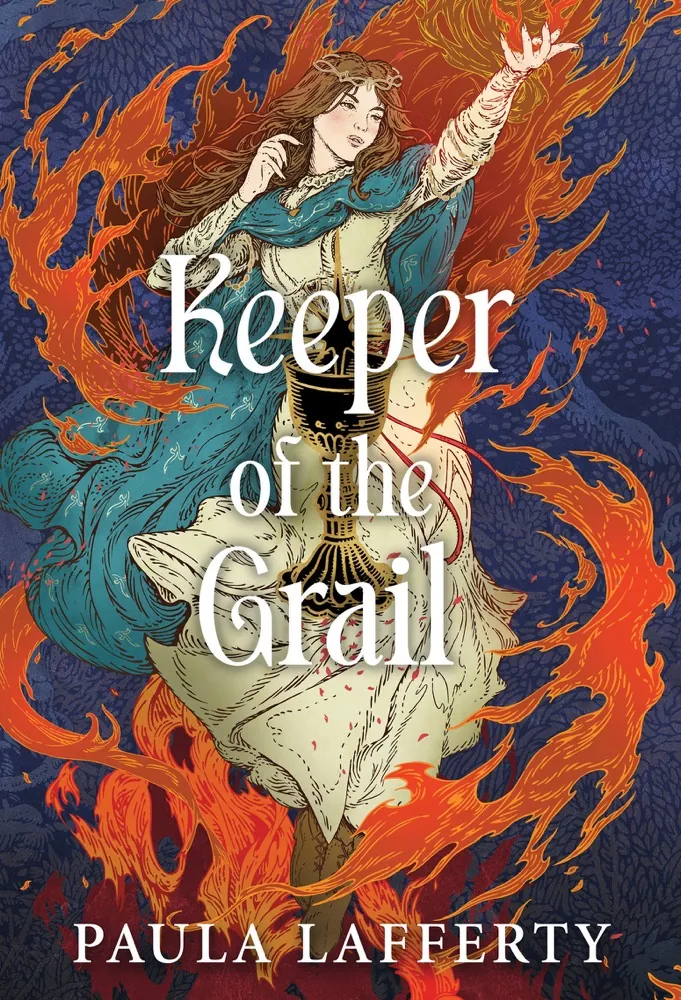
Author: Paula LaffertyPage Count: UnknownPublication Date: Expected publication 2026 APL What's the point of retelling a legend if you're just going to reimagine it with a 21st-century twist? That's the question I keep asking myself as I read through the synopsis of Keeper of the Grail. I mean, I get it - the Arthurian legend is ripe for reinterpretation, but do we really need to transport a modern-day waitress to medieval England to make it interesting? And yet, I'm drawn to the idea of Vera, a queen who's as much a fish out of water as I am in my own life. The more I read about Vera's journey, the more I'm reminded of The Mists of Avalon, Marion Zimmer Bradley's feminist retelling of the Arthurian legend. But whereas Bradley's work was a slow-burning, introspective epic, Keeper of the Grail seems to be more of a swashbuckling adventure, complete with magic potions, dashing knights, and daring maidens. It's a curious blend of genres, to say the least - but I suppose that's what makes it intriguing. And then, of course, there's the matter of Vera's incredible gift of healing. I'm not sure what to make of this plot point - is it a convenient deus ex machina, or a genuine attempt to subvert the traditional Arthurian narrative? I'm inclined to think the former, but I suppose I'll have to wait and see how it plays out. But what really catches my attention is the conflict brewing between the Knights of the Round Table and the High Council of Mages. It's a classic struggle between tradition and progress, with Vera caught in the middle. I can already imagine the dramatic showdowns, the heart-wrenching romances, and the snarky one-liners that will ensue. And yet, despite my growing interest in the plot, I'm still skeptical about the whole thing. I mean, can a modern-day queen really navigate the complexities of medieval politics and magic? It's a bit too convenient, a bit too... tidy. I want to see some real tension, some real conflict, not just a shallow retelling of the Arthurian legend with a 21st-century twist. But I suppose that's the point of a retelling - to challenge our assumptions, to subvert our expectations. And who knows? Maybe Keeper of the Grail will surprise me, will make me see the Arthurian legend in a whole new light. Maybe Vera will turn out to be more than just a fish out of water, more than just a convenient plot device. Oh, who am I kidding? I'm still going to be cynical about the whole thing. But hey, at least it'll be an interesting ride. The Art of Retelling You know what's even more annoying than a poorly executed retelling of a classic legend? A poorly executed kids' cartoon. I mean, have you seen Steven Universe? It's like the writers took every tired fantasy trope and mashed them all together into a mess of confusing plotlines and poorly developed characters. And don't even get me started on the "twists" - it's like they thought they were being clever, but really they were just being lazy. But I digress. Keeper of the Grail has its work cut out for it, if it wants to live up to the standards set by its predecessors. And I'm not just talking about The Mists of Avalon - I'm talking about all the other retellings, all the other reinterpretations of the Arthurian legend. Can it do it? I'm not holding my breath. My daughter's science project is currently on fire. #ArthurianLegend #Retellings #FantasyFiction Related InsightsThe Mark of Athena Book Review and Summary Disenchanted (Rewitched, #3) Book Review and Summary Keep It in the Family Book Review and Summary{ "@context": "https://schema.org", "@type": "FAQPage", "mainEntity": [ { "@type": "Question", "name": "What is the main focus of Keeper of the Grail (The Lives of Guinevere, #2) Book Review and Summary?", "acceptedAnswer": { "@type": "Answer", "text": "Everything you need to know about Keeper of the Grail (The Lives of Guinevere, #2) with our detailed review." } }, { "@type": "Question", "name": "Who authored the comprehensive guide on Keeper of the Grail (The Lives of Guinevere, #2) Book Review and Summary?", "acceptedAnswer": { "@type": "Answer", "text": "This detailed article and its insights were carefully researched and authored by Camille Dubois." } }, { "@type": "Question", "name": "Where can I find more related content about Books?", "acceptedAnswer": { "@type": "Answer", "text": "You can explore more articles, detailed reviews, and similar insights by browsing the Related Insights section at the bottom of this article or visiting our dedicated Books category page." } } ] }

Author: Nisha J. TuliPage Count: UnknownPublication Date: Expected publication 2026-11-10 APL The tundra of the human heart - a vast, unforgiving expanse where the frostbite of past wounds can leave one numb, and yet, a spark of attraction can set the whole landscape ablaze. Nisha J. Tuli's latest offering, Too Cold for Comfort, promises to be a steamy romance that will thaw even the coldest of hearts. In the frozen wilderness of northern Canada, photographer Aadya Williams finds herself face-to-face with the gruff Reid Doerksen, the owner of the Northern Wilderness Polar Bear Lodge. Their forced proximity, thanks to an overbooked lodge, sets the stage for a battle of wills, with Aadya's free-spirited nature pitted against Reid's tightly wound reserve. But as the storm clouds gather, and the snow begins to fall, the boundaries between them start to blur. And yet, I find myself wondering - what lies beneath Reid's gruff exterior? Is he a wounded soul, hiding behind a mask of indifference, or is he simply a man who has learned to shield himself from the world? The synopsis hints at a deeper complexity, but I'm left wanting more. How will Tuli peel back the layers of Reid's character, revealing the vulnerabilities that lie beneath? As I ponder this, my mind wanders to the likes of Kristan Higgins and her ability to craft complex, emotionally nuanced characters. Will Tuli follow in her footsteps, or will she forge her own path? The uncertainty is tantalizing, like a whispered promise of a winter's night. But, I must confess, my attention span is currently being tested by the antics of my youngest, who insists on watching an endless loop of Paw Patrol. The adventures of Marshall and Chase are all well and good, but I find myself longing for the quiet, introspective world of Too Cold for Comfort. The contrast between the two is jarring, like a splash of cold water on a sweltering summer day. And yet, as I return to the world of Aadya and Reid, I'm struck by the sense that this is a story about more than just romance - it's about the human need for connection, for understanding, and for healing. The frozen landscape of northern Canada serves as a backdrop for a deeper exploration of the human condition. I call bluff. If Tuli can deliver on the promise of this synopsis, Too Cold for Comfort will be a true masterpiece of the romance genre. But, if the characters remain one-dimensional, and the plot meanders into predictable territory, I fear it may fall flat. As I close this review, I'm reminded that I must explain to my teenager why the Wi-Fi has been temporarily disabled. It seems our router has decided to stage a rebellion, and I'm left to negotiate a peace treaty. #Romance #NewRelease #BookLovers Related InsightsHead On Book Review and Summary Thunderstruck Book Review and Summary Crone Book Review and Summary{ "@context": "https://schema.org", "@type": "FAQPage", "mainEntity": [ { "@type": "Question", "name": "What is the main focus of Too Cold for Comfort Book Review and Summary?", "acceptedAnswer": { "@type": "Answer", "text": "Everything you need to know about Too Cold for Comfort with our detailed review." } }, { "@type": "Question", "name": "Who authored the comprehensive guide on Too Cold for Comfort Book Review and Summary?", "acceptedAnswer": { "@type": "Answer", "text": "This detailed article and its insights were carefully researched and authored by Michael Brown." } }, { "@type": "Question", "name": "Where can I find more related content about Books?", "acceptedAnswer": { "@type": "Answer", "text": "You can explore more articles, detailed reviews, and similar insights by browsing the Related Insights section at the bottom of this article or visiting our dedicated Books category page." } } ] }
-
 Sofia Bianchi
 - 26 Aug, 2026 20:53
Split Second: Thirty-Two Switcheroo (Stephanie Plum Book 32) Book Review and Summary
Author: Janet EvanovichPage Count: UnknownPublication Date: Expected publication 2026-11-10 APL The inevitable return of Stephanie Plum - that irrepressible, certifiably insane bounty hunter who has been the lifeblood of Janet Evanovich's bestselling series for decades. As I sit here, sipping my iced coffee in the sweltering summer heat, I find myself pondering the existential implications of a protagonist who has been dodging bullets, skipping bail, and eating copious amounts of junk food for what feels like an eternity. Is this a commentary on the Sisyphean nature of life? Or merely a clever ruse to keep the series churning out page-turners like clockwork? The Agony of the Unseen Enemy The latest installment, Split Second: Thirty-Two Switcheroo, promises more of the same - Stephanie Plum facing off against an invisible stalker, a mysterious enemy whose name isn't on any list. It's a clever twist, one that taps into our primal fears of the unknown, the unseen. And yet, I find myself skeptical. Is this merely a rehashing of the same tired tropes, or a genuine attempt to subvert our expectations? Only time will tell. But one thing is certain - the tension will be palpable, the action non-stop. And then, of course, there's the obligatory romantic entanglement - Stephanie's marriage, her ex-fiancé and mentor Ranger, the obligatory will-they-won't-they tension that has been simmering in the background for what feels like an eternity. It's a delicate balancing act, one that requires a deft touch to avoid descending into melodrama. But Evanovich has always been a master of the genre, a virtuoso of the lighthearted, comedic thriller. But what of the themes that underpin this latest installment? Is this merely a shallow exercise in thrills and spills, or is there something more profound at play? I think back to the likes of Carl Hiaasen, another master of the comedic thriller, and his ability to weave social commentary seamlessly into the fabric of his narratives. Can Evanovich do the same? Or will Split Second be content to simply coast on its tried-and-true formula? The Problem of the Predictable As I read through the synopsis, I find myself drawn to the character of Greb Tusi, the bond jumper who has gone on a three-hour rampage, mugging an old lady and stealing a hearse. It's a deliciously absurd setup, one that promises a healthy dose of dark humor and wit. And yet, I worry that it's all too predictable, that the series has become a victim of its own success, relying on the same tired tropes and character archetypes to carry the narrative forward. It's a problem that has plagued many a long-running series - the inevitable law of diminishing returns, the creeping sense of familiarity that can stifle creativity and innovation. Can Evanovich overcome this hurdle, or will Split Second be just another iteration of the same old, same old? I predict that it will be the latter, that the series will continue to coast on its momentum, relying on the loyalty of its fans to carry it through. And with that, I must log off - I have an interview with Vogue to prepare for, and I need to mentally steel myself for the inevitable barrage of questions about my latest art acquisition. #bookreview #janetevanovich #stephanieplum Related InsightsFlow Down Like Silver Book Review and Summary AQA GCSE 9-1 Food Preparation and Nutrition Workbook Book Review and Summary Sapiens: A Brief History of Humankind Book Review and Summary{ "@context": "https://schema.org", "@type": "FAQPage", "mainEntity": [ { "@type": "Question", "name": "What is the main focus of Split Second: Thirty-Two Switcheroo (Stephanie Plum Book 32) Book Review and Summary?", "acceptedAnswer": { "@type": "Answer", "text": "Everything you need to know about Split Second: Thirty-Two Switcheroo (Stephanie Plum Book 32) with our detailed review." } }, { "@type": "Question", "name": "Who authored the comprehensive guide on Split Second: Thirty-Two Switcheroo (Stephanie Plum Book 32) Book Review and Summary?", "acceptedAnswer": { "@type": "Answer", "text": "This detailed article and its insights were carefully researched and authored by Sofia Bianchi." } }, { "@type": "Question", "name": "Where can I find more related content about Books?", "acceptedAnswer": { "@type": "Answer", "text": "You can explore more articles, detailed reviews, and similar insights by browsing the Related Insights section at the bottom of this article or visiting our dedicated Books category page." } } ] }
-
 Olivia Harris
 - 26 Aug, 2026 20:43
The Little Book of Loss Rituals: 75 Practices for Grieving, Mourning, and Healing Book Review and Summary
Author: Stephanie SarazinPage Count: UnknownPublication Date: Expected publication 2026-11-10 APL The art of ritualizing grief, a most primal of human experiences, and yet, one that remains shrouded in mystery, or rather, societal discomfort. The Little Book of Loss Rituals dares to tread where few have ventured before, offering a poignant exploration of the transformative power of rituals in the face of loss. In an era where the notion of "healing" has become a hackneyed, almost clichéd concept, it is refreshing to encounter a work that eschews the platitudes and instead, delves into the messy, often brutal, realities of grief. The promise of 75 gentle, practical actions to help honor what was, release pain, and reconnect with others is a tantalizing one, particularly for those who have found themselves bereft of solace in the face of unimaginable loss. But, I must confess, the vagueness of the synopsis raises more questions than it answers. What precisely do these "gentle, practical actions" entail? Are they rooted in empirical research or merely the product of the author's own experiences? The dearth of specificity is almost palpable, leaving one to wonder if the book will ultimately prove to be a shallow exercise in "self-help" platitudes or a genuinely groundbreaking work. And yet, the author's emphasis on the importance of rituals in the grieving process resonates deeply. In an age where the boundaries between the sacred and the mundane have become increasingly blurred, the notion of invoking ancient wisdom to navigate the treacherous waters of loss is a compelling one. The reference to "traditional global grieving practices" and "poignant personal narratives" suggests a work that is both deeply personal and broadly universal in its scope. But, I digress. The true test of The Little Book of Loss Rituals will lie in its ability to balance the twin imperatives of empathy and insight. Will the author succeed in crafting a work that is both a comforting companion for the grieving and a nuanced exploration of the human condition? Only time will tell. The Ghosts of Grief Past In many ways, The Little Book of Loss Rituals reminds me of Joan Didion's The Year of Magical Thinking, a work that similarly explored the labyrinthine corridors of grief with unflinching candor. Like Didion, Sarazin appears to be driven by a desire to confront the abyss of loss head-on, to find meaning in the meaningless. But, whereas Didion's work was characterized by a piercing, almost forensic, analysis of grief, The Little Book of Loss Rituals seems to be more concerned with the practical, the tactile, and the emotional. Whether this will prove to be a strength or a weakness remains to be seen. As I sit here, pondering the possibilities of this book, I am reminded of the infamous Threnody to the Victims of Hiroshima, a work that similarly explored the intersection of grief, loss, and the human condition. The comparison is not entirely apt, I confess, but it does serve to highlight the sense of scope and ambition that The Little Book of Loss Rituals appears to embody. And now, if you'll excuse me, I must attend to more pressing matters. My personal assistant has misplaced my passport, and I have a flight to Paris to catch. #GriefAndLoss #RitualsOfHealing #TheLittleBookOfLossRituals Related InsightsThe History of Love Book Review and Summary The Family Upstairs Book Review and Summary The Four Winds Book Review and Summary{ "@context": "https://schema.org", "@type": "FAQPage", "mainEntity": [ { "@type": "Question", "name": "What is the main focus of The Little Book of Loss Rituals: 75 Practices for Grieving, Mourning, and Healing Book Review and Summary?", "acceptedAnswer": { "@type": "Answer", "text": "Everything you need to know about The Little Book of Loss Rituals: 75 Practices for Grieving, Mourning, and Healing with our detailed review." } }, { "@type": "Question", "name": "Who authored the comprehensive guide on The Little Book of Loss Rituals: 75 Practices for Grieving, Mourning, and Healing Book Review and Summary?", "acceptedAnswer": { "@type": "Answer", "text": "This detailed article and its insights were carefully researched and authored by Olivia Harris." } }, { "@type": "Question", "name": "Where can I find more related content about Books?", "acceptedAnswer": { "@type": "Answer", "text": "You can explore more articles, detailed reviews, and similar insights by browsing the Related Insights section at the bottom of this article or visiting our dedicated Books category page." } } ] }
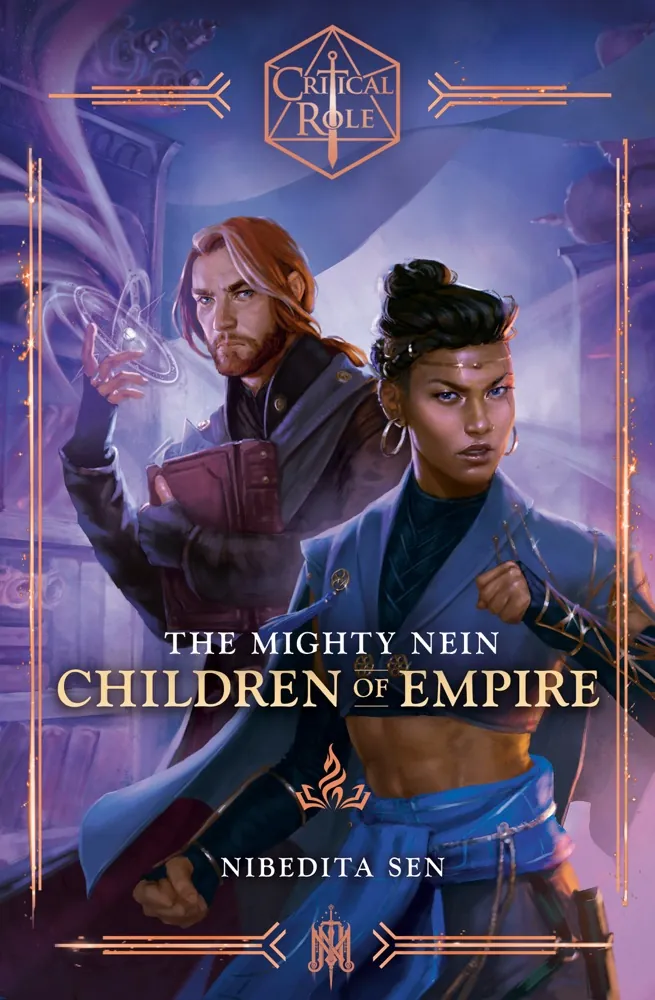
-
 Antoine Leroy
 - 26 Aug, 2026 20:12
Critical Role: The Mighty Nein—Children of Empire Book Review and Summary
Author: Nibedita SenPage Count: UnknownPublication Date: Expected publication 2026-11-10 APL The anticipation is palpable as we await the release of Critical Role: The Mighty Nein—Children of Empire, a first-of-its-kind official sequel to the hit Mighty Nein campaign from Critical Role. And what better way to dive back into the world of Wildemount than with a story centered around Caleb Widogast and Beauregard Lionett, two characters who have long been fan favorites? Yet, as I gaze out the window at the sweltering summer heat, I find myself pondering the weight of expectation that comes with a sequel of this magnitude. What can we truly expect from Children of Empire? The synopsis hints at a return to the empire that Caleb and Beau once called home, but the real question is: what secrets will they uncover? The Cerberus Assembly, with its enigmatic founder Ludinus Da'leth, promises to be a foe unlike any the Empire Kids have faced before. But will this new threat be enough to draw us in, or will it feel like a rehashing of old plotlines? I think back to the likes of The First Law trilogy by Joe Abercrombie, where the complexities of war and politics are woven together with such mastery. Can Children of Empire capture that same magic? And then, of course, there's the matter of Caleb and Beau's character development. As they settle back into their lives, will we see a more introspective side to these beloved characters? Or will they fall back into their old patterns, with Caleb's wit and Beau's... well, let's just say, "enthusiasm" for life? It's a delicate balance to strike, one that requires a deep understanding of the characters and their motivations. I'm reminded of the works of N.K. Jemisin, who has a remarkable ability to craft characters that are both flawed and relatable. Can Nibedita Sen, the Hugo, Nebula, and Ignyte Award-nominated author behind Children of Empire, achieve the same level of depth? But I digress. As I sit here, sipping my lukewarm coffee and staring out at the summer haze, I find myself drawn to the idea of Children of Empire as a commentary on the cyclical nature of power and corruption. The Cerberus Assembly, with its roots in the history of Wildemount, promises to be a fascinating exploration of the ways in which the past can shape our present. And yet, I worry that the vagueness of the synopsis might be a sign of a larger problem - a lack of clarity in the narrative itself. Only time will tell, I suppose. Literally. The ADHD Tangent You know what's really frustrating? When you're trying to write a review, and your kid decides to have a meltdown in the background. I mean, I'm trying to focus on the themes of Children of Empire, and my child is screaming about how they want a snack. It's like, hello, kid, Mom's busy trying to deconstruct the symbolism of the Cerberus Assembly. Can't you see I'm in the middle of something? And then, to make matters worse, I start thinking about the parallels between the tantrums of a toddler and the machinations of a power-hungry organization like the Cerberus Assembly. I mean, both are all about manipulation and control, right? But I digress. As I refocus on Children of Empire, I'm left with a sense of anticipation, but also a hint of trepidation. Can Nibedita Sen deliver a story that lives up to the hype? Only time will tell. For now, I'll just have to wait and see. And, as I stand up to take a break, I step on a remarkably sharp plastic toy in the hallway. #CriticalRole #TheMightyNein #ChildrenOfEmpire #FantasyFiction Related InsightsWe Who Will Rise (Empire of Blood, #2) Book Review and Summary Haunting of Paynes Hollow Book Review and Summary All Quiet on the Western Front Book Review and Summary{ "@context": "https://schema.org", "@type": "FAQPage", "mainEntity": [ { "@type": "Question", "name": "What is the main focus of Critical Role: The Mighty Nein—Children of Empire Book Review and Summary?", "acceptedAnswer": { "@type": "Answer", "text": "Everything you need to know about Critical Role: The Mighty Nein—Children of Empire with our detailed review." } }, { "@type": "Question", "name": "Who authored the comprehensive guide on Critical Role: The Mighty Nein—Children of Empire Book Review and Summary?", "acceptedAnswer": { "@type": "Answer", "text": "This detailed article and its insights were carefully researched and authored by Antoine Leroy." } }, { "@type": "Question", "name": "Where can I find more related content about Books?", "acceptedAnswer": { "@type": "Answer", "text": "You can explore more articles, detailed reviews, and similar insights by browsing the Related Insights section at the bottom of this article or visiting our dedicated Books category page." } } ] }