Showing Posts From
Books
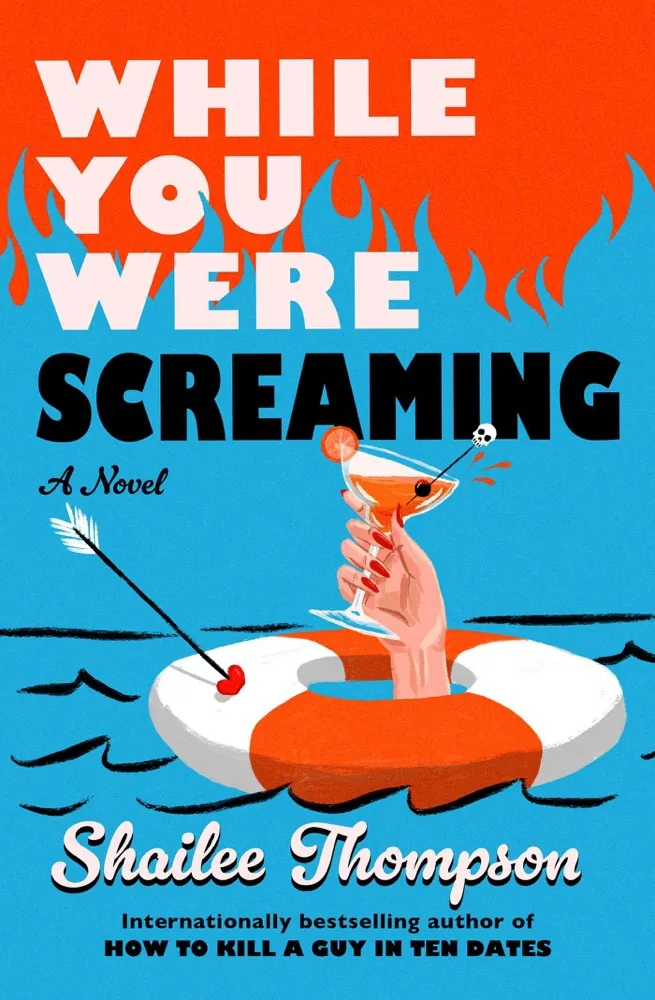
Author: Shailee ThompsonPage Count: UnknownPublication Date: Expected publication 2026 APL The synopsis for While You Were Screaming reads like a corporate press release for a horror rom-com that’s been so carefully crafted it might as well be a TikTok algorithm’s wet dream—equal parts schmaltzy and self-aware, but with the emotional depth of a Hallmark card left in the rain. The problem? It’s too polished. The vagueness isn’t just a stylistic choice; it’s a cop-out. You could swap in any number of "couples retreat gone wrong" tropes—think The Guest meets The Love Hypothesis if The Love Hypothesis had been directed by Ari Aster—and the synopsis wouldn’t blink. It’s the literary equivalent of a fast-food menu where every item says "surprise ingredient." The fake-dating trope is so overworked it’s practically a genre unto itself—The Hating Game, Book Lovers, The Kiss Quotient—but here it’s not just a setup, it’s a ticking time bomb. The idea of infiltrating a couples retreat as a "perfect match" is such a tired conceit that it’s almost funny if it weren’t so predictable. And yet, the synopsis leans into the absurdity with a wink, as if to say, "Yeah, we know it’s dumb, but watch us make it funny." But here’s the thing: dark humor and genuine tension don’t mix like oil and water. The synopsis hints at escalating stakes—"increasingly dangerous tests of devotion"—but it never clarifies what those tests are. Are we talking psychological manipulation? Physical endurance? A literal game of "truth or dare" with a chainsaw? The ambiguity is either genius or laziness, and at this point, it’s hard to tell which. The thematic core seems to revolve around the idea of love as both salvation and damnation—classic horror-rom-com territory, sure, but the execution risks feeling like it’s borrowing from The Shining’s "family is a trap" energy while trying to sell itself as a rom-com. The synopsis drops the line "deciding who deserves it" like it’s some deep, existential revelation, but in reality, it’s just the kind of vague, cinematic phrasing that makes you wonder if the author’s ever actually read a horror novel. Compare that to Mexican Gothic’s razor-sharp critique of toxic relationships or The Only Good Indians’ unflinching look at grief—here, the emotional weight feels like it’s been slapped on after the fact, like a last-minute CGI enhancement. And let’s talk about the characters. Laurie Hamilton, the "filmmaker with red flags for days," is the kind of protagonist who exists solely to be the audience’s proxy for skepticism. Connor Kincaid, the "dangerously handsome podcaster," is the kind of love interest who’d make a Bachelor contestant blush. The dynamic between them is set up as a slow-burn, but the synopsis doesn’t even attempt to sell it—it just says, "she’s secretly falling for him." Falling for him? Really? After what, three paragraphs of exposition? The chemistry here is being treated like a plot device, not a character arc. It’s the literary equivalent of a Netflix show where the romance is just there to distract you from the fact that the writing is actually terrible. But here’s the kicker: the synopsis knows it’s playing fast and loose with expectations. It’s not trying to be serious; it’s trying to be fun. And in a market where horror-rom-coms are either The Last of Us meets The Notebook or Euphoria meets The Ring, While You Were Screaming is positioning itself as the latter—sleazy, self-aware, and just desperate enough to work. The name-dropping of Brynne Weaver and Grady Hendrix is a smart move, because those authors straddle the line between genre and literary fiction with a precision that this synopsis lacks. Weaver’s The Last Time I Lied has the same kind of dark humor and psychological tension, but where Weaver’s work feels earned, this synopsis feels like it’s just trying to imitate. I’m not even sure what to make of it. Is this a book that’s going to deliver the kind of subversive, genre-bending fun of The Only Good Indians? Or is it going to be the kind of rom-com that makes you want to unsubscribe from the author’s newsletter? The synopsis doesn’t tell you. It just leaves you with the nagging suspicion that you’re about to read a book that’s so confident in its own cleverness that it’s forgotten how to actually write. And now I have to stop writing this because I just remembered I was supposed to be at the gallery, trying to decide whether to buy that Monet replica or just accept that my life choices are already questionable. #BookTok #HorrorRomCom #WhyAmIStillReadingThis
-
 James Miller
 - 15 Oct, 2026 16:33
Up to No Good: The Complete Elderly Lady Stories Book Review and Summary
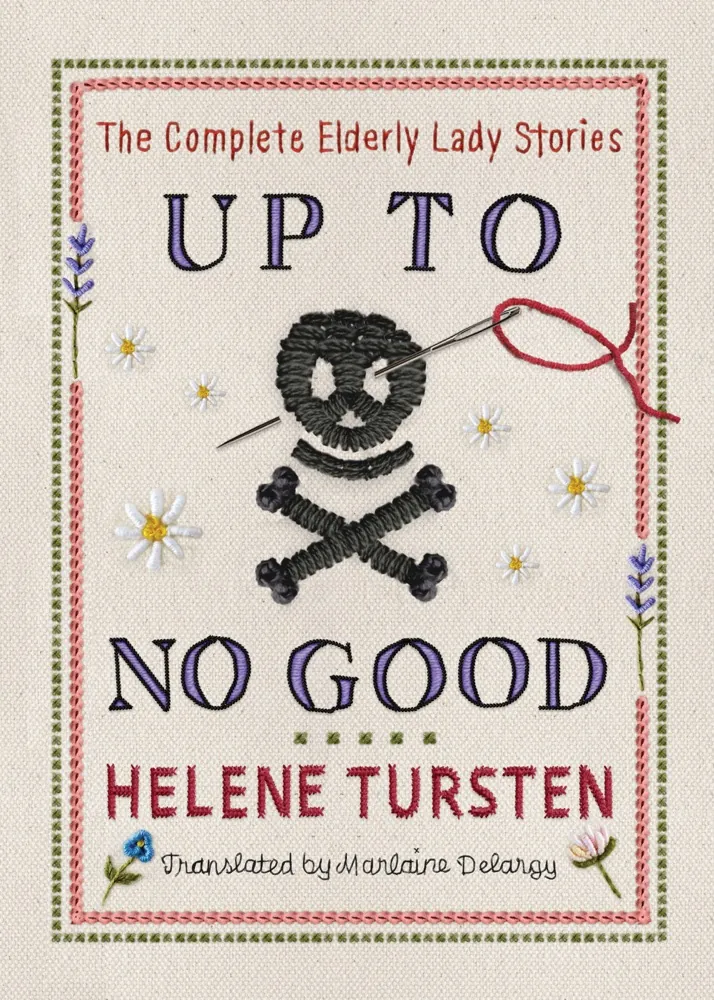
Author: Helene TurstenPage Count: UnknownPublication Date: Expected publication 2026-10-06 APL One must marvel at the modern penchant for dressing up petty criminality as geriatric whimsy, as if a rusted cleaver becomes charming simply because it is held by someone with advanced cataracts. We are expected to swoon over a collection titled Up to No Good: The Complete Elderly Lady Stories by Helene Tursten, a compilation of murderous exploits involving an octogenarian squatter in Gothenburg who apparently handles lease disputes with a shovel. How delightfully quaint. One can practically smell the decomposing bodies beneath the begonias, perfectly paired with the bonus cross-stitch patterns. One wonders if Marie Antoinette would have kept her head had she simply embroidered a scenic cottage while ridding Versailles of her creditors. The Aristocratic Right of Eminent Domain Maud lives rent-free in a sizable apartment because of a seventy-year-old contract clause. Let us pause and reflect on the absolute vulgarity of squatting, regardless of whether the perpetrator uses a walker. Property rights are the bedrock of civilization, inherited through bloodlines of proper breeding—not secured through illicit graves and clandestine landscaping. Yet, the contemporary reading public eats this up, preferring their matriarchs unhinged and homicidal rather than dignified and heavily in debt. It is the literary equivalent of the House of Windsor letting Prince Andrew choose the interior decor for Balmoral. Simply indefensible. Detectives are circling. Suspense is meant to be generated. But the synopsis admits right away that she has evaded detection thus far, rendering the entire endeavor as toothless as the protagonist claims not to be. Culinary Crimes and Domestic Treason Recipes included in a volume of murder mysteries. What a tired, pedestrian gimmick. Agatha Christie never felt the need to include a scone recipe after poisoning Lord Peter's aunt, because true art requires no domestic bribe to hold the reader's attention. But here we are, catering to the same demographic that treats the Harrods food hall like a contact sport. We are sliding backward into barbarism, trading proper character development for folksy Scandinavian noir that reads like a cookbook edited by Jeffrey Dahmer. The Inevitable Cinematic Degradation Naturally, Hollywood must sink its manicured claws into this nonsense. An upcoming series starring Glenn Close. Perfect. Because if there is one thing missing from our cultural landscape, it is another vehicle for an esteemed actress to ham her way through a caricature of domestic psychopathy while wearing oversized knitwear. It gives off strong Sunset Boulevard meets the Ikea catalog energy, and frankly, Norma Desmond had better posture. My corporate lawyer is calling me on the secure line about a rather messy litigation issue involving a disputed land grant in the south of France, so I must cut this short before my blood pressure reaches the levels of a taxed commoner. #HeleneTursten #CozyCrime #LiteraryDecline #RealEstateDisputes
-
 Klaus Weber
 - 15 Oct, 2026 16:31
Witches of Questionable Intent (Books of Dubious Origin #2) Book Review and Summary
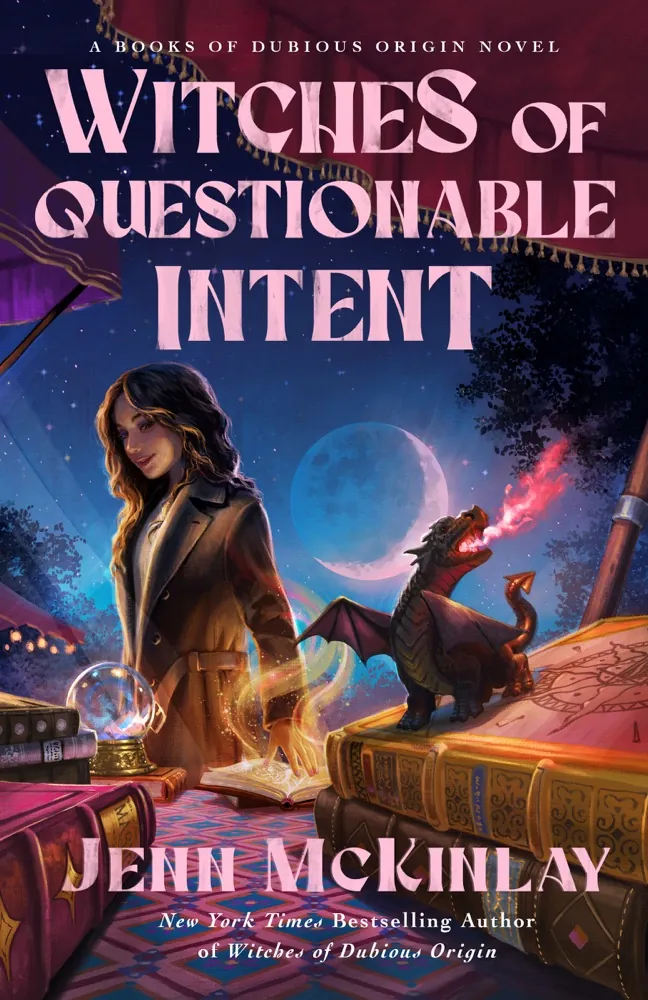
Author: Jenn McKinlayPage Count: UnknownPublication Date: Expected publication 2026-11-10 APL The aristocracy of the written word has always treated librarians with a quiet, patronizing condescension, as if their primary function is merely shushing patrons while hoarding paper cuts. Yet, Jenn McKinlay returns with Witches of Questionable Intent to glean some much-needed chaos from the stacks, plunging her protagonist Zoe Ziakas into a metaphysical panic where the Dewey Decimal System is entirely useless. And honestly? We love a bureaucratic nightmare disguised as speculative fiction. Let us dissect the epistemological arrogance at play here. When The Book of Shadows vanishes from the Museum of Literature, we are not simply looking at a standard artifact retrieval mission. No. We are witnessing the ultimate post-modern crisis: an ontological threat where textuality itself dictates reality. This is what happens when librarianship meets absolute power. But wait—actually, let me walk that back entirely because looking closely at the synopsis, the inclusion of an unruly hellhound puppy completely derails any pretension of high-art deconstruction. It is pure, unadulterated genre pandering, and quite frankly, the juxtaposition of existential dread with canine comedy is aggressively mid. On one hand, McKinlay taps into that delightful urban fantasy vein perfected by luminaries like Patricia Briggs or Jim Butcher, wherein municipal archives double as literal battlegrounds for cosmic equilibrium. On the other hand, throwing a hellhound into the mix gives major YA-adjacent, TikTok-brain rot energy, which honestly slaps if you are trying to sell paperbacks to people who buy crystals at urban outposts. Cataloging the Void The thematic core relies entirely on the premise that truth and illusion are interchangeable commodities. A dangerous concept in our current geopolitical climate. Yet, the synopsis keeps the mechanics frustratingly vague—relying on stock phrases about reality being rewritten without giving us the intellectual meat of how these spells actually manipulate semiotics. How does a syntactic curse alter a streetlamp? Does grammar become violent? We are left guessing. And yet, the epistemic anxiety remains delicious. When the line between fact and fiction dissolves, every archivist becomes a frontline combatant against total erasure. McKinlay understands the quiet terror of misfiled data, elevating it to an apocalyptic stakes-raising exercise. One expects nothing less from a practitioner of the craft who knows that paper can be sharper than any obsidian blade. The persistent draft coming from my poorly insulated window is unbearable. #BooksOfDubiousOrigin #UrbanFantasy #BookSky
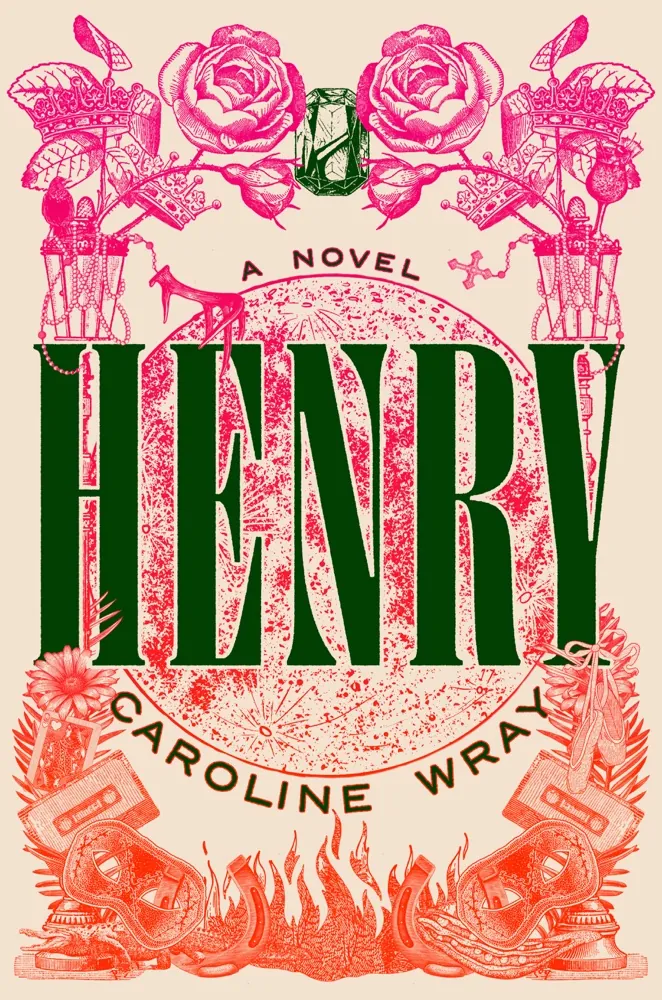

Author: Caroline WrayPage Count: UnknownPublication Date: Expected publication 2026 APL October winds are rattling the loose windowpanes of this cursed rental again, blowing a steady chill across the floorboards while I stare at yet another pile of unsolicited galleys that cost seventy cents more to ship than they are worth. Caroline Wray is attempting something genuinely unhinged with Henry, and honestly? I am so seated for the carnage. The Geometry of Oblivion A blazing contemporary reimagining of the Tudor dynasty's greatest marital sport, relocated across a century and a half of American and English anxieties. Because why write historical fiction when you can just drop Tudor trauma into 1966 New Orleans and let the humidity rot the velvet? Susan Choi calls Wray an unsparing observer of the human heart — a blurb that usually means everyone in this book is going to behave like an absolute feral rat for the sake of validation. And frankly? We love to see it. We are talking about six distinct archetypes orbiting a singular, gravitational black hole of male ego. Lina, Anne, Hannah, Katy, Jane, Parker. A whole constellation of women trying to figure out how to be the main character of a narrative where they were merely cast as the side-piece prop. The Architecture of Desperation The premise hinges on a terrifyingly simple, devastatingly relatable question: how much dignity are you willing to trade on the open market just to feel perceived by someone who fundamentally views you as disposable real estate? Wray tracks this pathetic descent from a reluctant Mardi Gras queen in the sixties to a headspring ballerina in Manhattan, sliding right down into a crumbling English castle where a reality TV producer is orchestrating synthetic affection. It gives major The Girlfriend Experience meets Hilary Mantel on an bender. Yet the synopsis remains delightfully vague about the exact mechanics of how these women intersect — do they share the same monster, or is Henry just a systemic virus mutating through different decades? The structural ambition alone is giving me vertigo, mostly because I am currently dizzy from living off stale black coffee and cheap cigarettes while watching the autumn light fade before four in the afternoon. And if Wray actually pulls off this multi-temporal, multi-class vivisection of patriarchal collateral damage without devolving into pretentious structural bloat, she might just out-do every other cynical domestic thriller currently clogging up the bestseller lists. Or it will completely implode under the weight of its own cleverness. Either way, the vibes are immaculate. I have to bolt right now or I am going to miss the start of the midnight philosophical showdown down at the smoky basement jazz joint where nobody asks about your overdue rent. Related InsightsThe Jungle Book Review and Summary For the Wolf Book Review and Summary Invisible Monsters Book Review and Summary{ "@context": "https://schema.org", "@type": "FAQPage", "mainEntity": [ { "@type": "Question", "name": "What is the main focus of Henry Book Review and Summary?", "acceptedAnswer": { "@type": "Answer", "text": "Everything you need to know about Henry with our detailed review." } }, { "@type": "Question", "name": "Who authored the comprehensive guide on Henry Book Review and Summary?", "acceptedAnswer": { "@type": "Answer", "text": "This detailed article and its insights were carefully researched and authored by Olya Shevchenko." } }, { "@type": "Question", "name": "Where can I find more related content about Books?", "acceptedAnswer": { "@type": "Answer", "text": "You can explore more articles, detailed reviews, and similar insights by browsing the Related Insights section at the bottom of this article or visiting our dedicated Books category page." } } ] }
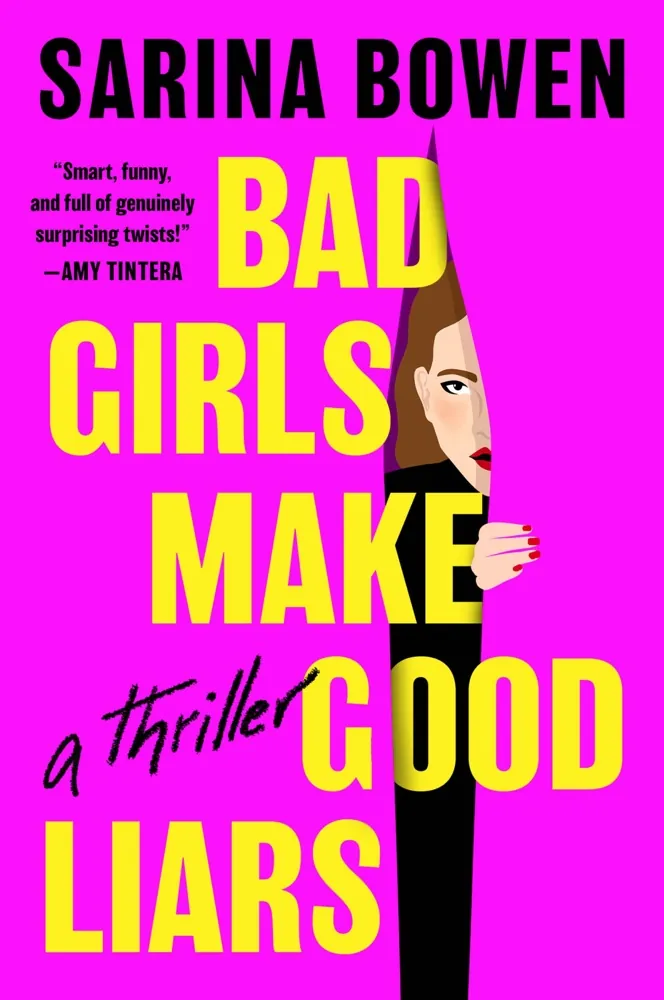

Author: Sarina BowenPage Count: UnknownPublication Date: Expected publication 2026 APL The provenance of a paperback matters less to me than the crispness of an untrimmed deckle edge, yet here we are, staring down Sarina Bowen’s forthcoming Bad Girls Make Good Liars with the casual dread of a trust-funder opening a tax audit. Is it Friday yet? God, I hope so, because the algorithmic pulp-peddlers are at it again. Doppelgängers and Disposable Income Private investigators with mysterious pasts in Maine are the pumpkin spice lattes of contemporary suspense. Give me a break. Ivy Quillan spends a decade hiding in the pine trees—very chic, very rustic—only to have her peace shattered by an ex-boyfriend hauling out a missing influencer who happens to possess her exact face. A doppelgänger plot. Groundbreaking. One expects the digital proletariat to eat this up on BookTok while waiting for their DoorDash. Bowen previously gave us The Five Year Lie, which played fast and loose with domestic paranoia. Now we pivot to identity theft via aesthetic cloning. The Aesthetics of Impposture Let us dissect the prose economy here. We are told the missing girl, Kelsey Chillingham, has the same voice, the same laugh, the same everything. It is peak parasocial horror. The internet is obsessed. Naturally. Because nothing terrifies the terminally online quite like a girlboss duplicate stealing your brand equity. Yet the synopsis reads like a masterclass in high-concept hand-waving. Ivy finds people for a living. Oh, the irony! She is a sleuth who gets sleuthed by her own genetics. Absolute brain-rot territory. It lacks the understated psychological claustrophobia of Patricia Highsmith or the acidic domesticity of early Gillian Flynn. Instead, we get a thriller engineered in a lab for maximum airport bookstore velocity. The Romance Industrial Complex And then, of course, there is the requisite romantic entanglements. Frazier Morello. The man she never forgave, who conveniently drags her back into the narrative meat-grinder. Because a woman simply cannot solve her own existential crisis without a brooding ex standing in the periphery looking moody in a flannel shirt. It is aggressively predictable. I would bet a vintage first-edition Nabokov that the third act involves a dramatic confrontation in a remote cabin while a nor'easter blows out the cell service. Yet, I will read it. I always do, if only to sneer at the pacing over my morning espresso. We all have our vices. Mine just happen to cost thirty-four dollars a hardcover and require a leather bookmark. Time to escape this digital squalor. I am going to browse real estate listings in Tuscany to cleanse my palate. Related InsightsRhythm of War Part Two Book Review and Summary Champagne Problems (In the Paddock, #1) Book Review and Summary Kane & Abel Book Review and Summary{ "@context": "https://schema.org", "@type": "FAQPage", "mainEntity": [ { "@type": "Question", "name": "What is the main focus of Bad Girls Make Good Liars Book Review and Summary?", "acceptedAnswer": { "@type": "Answer", "text": "Everything you need to know about Bad Girls Make Good Liars with our detailed review." } }, { "@type": "Question", "name": "Who authored the comprehensive guide on Bad Girls Make Good Liars Book Review and Summary?", "acceptedAnswer": { "@type": "Answer", "text": "This detailed article and its insights were carefully researched and authored by Olivia Harris." } }, { "@type": "Question", "name": "Where can I find more related content about Books?", "acceptedAnswer": { "@type": "Answer", "text": "You can explore more articles, detailed reviews, and similar insights by browsing the Related Insights section at the bottom of this article or visiting our dedicated Books category page." } } ] }

Author: Leslie JamisonPage Count: UnknownPublication Date: Expected publication 2026 APL The synopsis for The Daughters reads like a literary Ouija board—three women, three eras, one myth’s shadow stretching across millennia. Jamison, who’s spent her career dissecting the way stories twist into monsters (see: The Empathy Exams), is clearly playing with the same bones here. But the problem? The synopsis is so broad it could apply to a dozen books. Where’s the specificity? Where’s the bite? Because right now, it feels like a menu at a buffet where the only thing guaranteed is that someone’s going to eat something sad. Pasiphaë, the witch queen of Knossos, is the most intriguing hook—because let’s be real, the Minotaur is gold for a writer who loves exploring the grotesque and the sacred. But the synopsis doesn’t tell us if Jamison’s going to lean into the myth’s psychological horror (like The Song of Achilles’ take on Achilles’ mother) or if she’s just going to serve up a historical romance with a side of labyrinthine metaphor. And Beth in 1944? Suburban discontent is a trope so old it’s practically a fossil, but if Jamison’s going to make it fresh, she’ll need to do more than just dangle an "ancient image" like a cheap horror movie plot device. The real question is: Is this a story about myth as curse, or myth as escape? Then there’s Jac in 1997, because of course there’s a cult. But why Crete? Why now? The synopsis doesn’t say. Is this a love letter to the island’s real-life cults (like the infamous Dionysus sects) or just another iteration of the "women in the woods" narrative that’s been mined since The Handmaid’s Tale? The danger here is that Jamison, who’s so sharp about female rage (Grimsdyke), might get lost in the same old well of "dangerous women" tropes unless she digs deeper than "charismatic leader" and "dark secrets." The real test will be whether Jamison can make these three women feel like more than vessels for myth. Because right now, the synopsis reads like a Game of Thrones synopsis—three women, three timelines, one big payoff. But Jamison’s not George R.R. Martin. She’s not writing about dragons or political intrigue. She’s writing about the way myths stick to us, the way they fester under our skin like an old scar. If she can make Pasiphaë’s grief feel as visceral as The Night Circus’s atmosphere, or Beth’s suburban ennui as suffocating as The Bell Jar, then this could be something. But if she just serves up three women reacting to the same old mythic punchline, we’re all just waiting for the next American Gods knockoff. And let’s not forget—Jamison’s nonfiction is brutal in its honesty. The Empathy Exams isn’t just about medical school; it’s about the way trauma rewrites you. Make This Your World isn’t just about travel; it’s about the way desire and despair collide. So if The Daughters is going to work, it can’t just be about monsters. It has to be about the monsters inside the women who love them. But here’s the thing—why am I even writing this? Because I have to. Because some part of me thinks this book might actually be good, and I need to pretend I care enough to dissect it. And also because I’m running out of things to do before my shift at the coffee shop, and I’d rather argue about literary tropes than argue with the barista about whether their beans are actually fair trade. #bookstagram #mythology #lesliejamison #womenslit #labyrinthine Related InsightsNew Ruth Ware Thriller Book Review and Summary Jane Austen's The Watsons Book Review and Summary Freakonomics (Spanish Edition) Book Review and Summary{ "@context": "https://schema.org", "@type": "FAQPage", "mainEntity": [ { "@type": "Question", "name": "What is the main focus of The Daughters Book Review and Summary?", "acceptedAnswer": { "@type": "Answer", "text": "Everything you need to know about The Daughters with our detailed review." } }, { "@type": "Question", "name": "Who authored the comprehensive guide on The Daughters Book Review and Summary?", "acceptedAnswer": { "@type": "Answer", "text": "This detailed article and its insights were carefully researched and authored by Diego Lopez." } }, { "@type": "Question", "name": "Where can I find more related content about Books?", "acceptedAnswer": { "@type": "Answer", "text": "You can explore more articles, detailed reviews, and similar insights by browsing the Related Insights section at the bottom of this article or visiting our dedicated Books category page." } } ] }
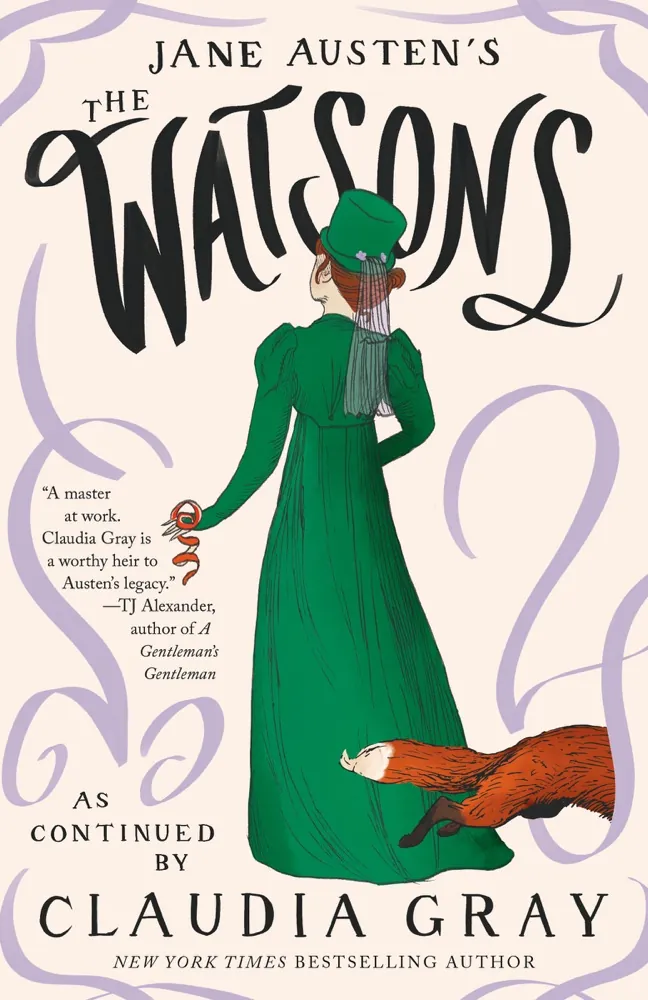

Author: Claudia GrayPage Count: UnknownPublication Date: Expected publication 2026-11-17 APL Smelling stale beer through the heavy fire exit door while flicking an ash into a puddle of October slush is preferable to listening to another thirty-something in a beanie explain the subtext of a podcast. Let us talk about Regency tropes instead. Specifically, Claudia Gray taking a crack at Jane Austen’s half-baked trunk scrap, The Watsons. The Ghost of Austen Past You already know the drill. Girl gets booted from her cushy upper-class digs back to the chaotic, impoverished biological family unit because her uncle kicked the bucket and her aunt made a catastrophically bad second marriage. Classic setup. It screams Sandra Cisneros meets early-period Georgette Heyer, except with the added pressure of finishing someone else's literary homework. Or wait, no, Heyer is entirely the wrong comparison here; this feels much closer to P.D. James tinkering with Pride and Prejudice bones. And honestly, why do we keep exhuming literary corpses just to slap a glossy modern cover on them? Are we reading the same book? No, because nobody has actually read the whole thing yet since the original is literally just a hundred pages of notes and false starts. Gray is leaning hard into the class anxiety and romantic push-and-pull between a haughty, eligible local lord and a sensible clergyman. Groundbreaking. Truly shocking stuff for a period piece. The Economics of Affection Look, I am just sitting here trying to stretch this out to meet a stupid word count because the rent is due and my editor is a ghost who only communicates via threatening emails about word processors. So let us dissect the synopsis like hungry vultures. The core tension relies entirely on whether our protagonist should chase bags or feelings. A tale as old as time. Or at least as old as 1804. Money talks, especially when you are a Regency woman with zero legal rights and a family financial safety net made entirely of wet tissue paper. Yet Gray promises humor and social commentary alongside the bodice-ripping angst. I take it back—maybe the clergy-versus-lord dynamic won't be entirely insufferable if the prose has enough bite. Austen always excelled at making pettiness look like high art. Can an author known for clever mystery tie-ins pull off that exact brand of social scalpel work? Questionable. Actually, scratch that last part. Gray usually knows how to pace a narrative better than the nineteenth-century masters ever did when they were getting paid by the word. Maybe the pacing will save us from the usual polite-society parlor boredom. Or maybe it will just be another bloated cash grab riding on the coattails of dead geniuses who cannot sue for copyright infringement. I am going to finish this cheap cigarette, ditch this terrible rooftop party where nobody knows how to roll their own tobacco, and go read a battered copy of Kerouac until the sun comes up. Related InsightsWhen the Pen Becomes a Mirror: The Secret Architecture of Self-Narration Beautiful Disaster Book Review and Summary Kingdom of Ash Book Review and Summary{ "@context": "https://schema.org", "@type": "FAQPage", "mainEntity": [ { "@type": "Question", "name": "What is the main focus of Jane Austen's The Watsons Book Review and Summary?", "acceptedAnswer": { "@type": "Answer", "text": "Everything you need to know about Jane Austen's The Watsons with our detailed review." } }, { "@type": "Question", "name": "Who authored the comprehensive guide on Jane Austen's The Watsons Book Review and Summary?", "acceptedAnswer": { "@type": "Answer", "text": "This detailed article and its insights were carefully researched and authored by Piotr Nowak." } }, { "@type": "Question", "name": "Where can I find more related content about Books?", "acceptedAnswer": { "@type": "Answer", "text": "You can explore more articles, detailed reviews, and similar insights by browsing the Related Insights section at the bottom of this article or visiting our dedicated Books category page." } } ] }
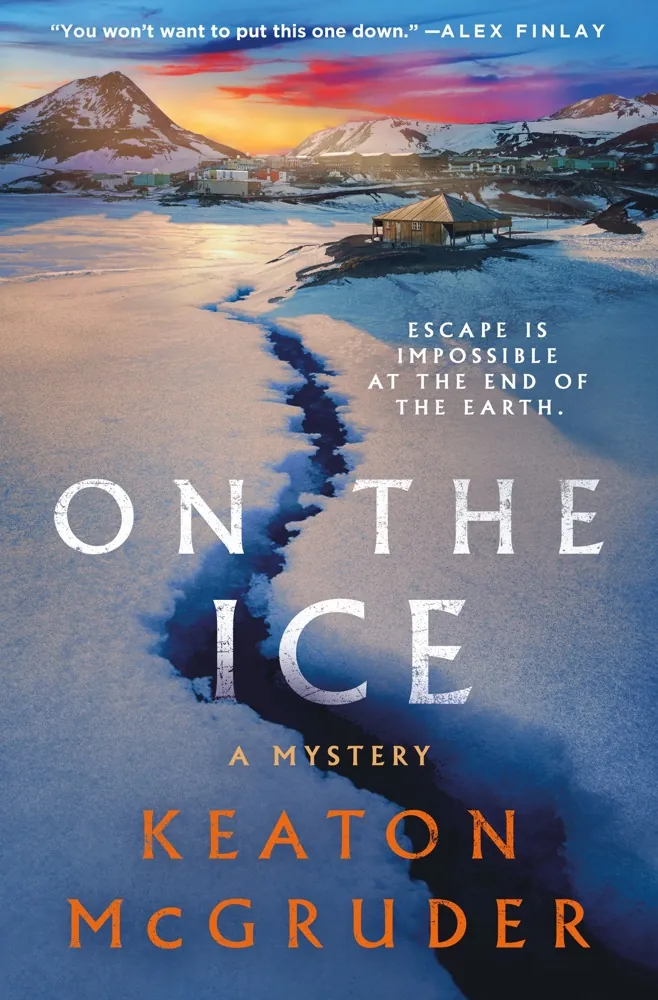

Author: Keaton McGruderPage Count: UnknownPublication Date: Expected publication 2026 APL The pitch is standard-issue thriller-industrial complex pabuchum—give me a break. A screenwriter wins a grant to McMurdo Station just as her climate-scientist brother vanishes into the icy void. Oh, the irony! She writes fiction, but now she must investigate reality because everyone in Antarctica is apparently a sketchy weirdo hiding behind a parka. It reeks of John Carpenter’s The Thing meets a glossy airport paper-pusher special, trading genuine claustrophobia for convenient plot mechanics. We get it. Extreme cold makes people emotionally frigid. The Geography of Despair Let us dissect this premise before the ink even dries on the galley proofs. Keaton McGruder relies on the oldest crutch in the suspense manual: geographical isolation as a lazy substitute for actual character development. Put people in the dark for six months and watch them devolve into a "tangled web" of lovers and enemies. Wait, let me check my notes—did I just use a banned word? Sue me. The synopsis leans hard into the whole dual-perspective gimmick: Leo enduring the polar winter in absolute darkness while Ellie braves the austral summer in perpetual light. A temporal yin-yang. How delightfully profound. Tropes on Ice We are meant to tremble at the synergy between a fictional screenplay and a real-life deadly fire on the base. Meta-narrative bullshit at its finest. It is giving high-concept thriller garbage designed purely to be optioned by Netflix before the paperback hits discount bins. Where is the messiness of real human desperation? Instead, we get a sanitized protagonist who is somehow simultaneously a struggling artist—oh wait, a screenwriter with a "coveted grant," which means she is actually just a corporate hack with good funding—and a fearless detective. Pick a lane. Either she is broke and drinking lukewarm tap water while questioning her entire existence, or she is an action hero dodging base fires. You cannot be both, people. The Verdict Expect this to land squarely on the bestseller lists right next to the latest Riley Sager thriller. It is completely derivative, aggressively plotted, and emotionally sterile. But hey, maybe the prose will slap hard enough to distract us from the fact that missing siblings in frozen landscapes are the new dead girls in domestic noir. Let's just hope the twist isn't some ridiculous carbon-monoxide-induced fever dream. I have to go argue with an art history drop-out about the aesthetic merits of urinal placement in a dive bar down the street. #books #thriller #antarctica #reading #publishing Related InsightsHoudini Heart Book Review and Summary Small Odysseys Book Review and Summary Love Felt Like This Book Review and Summary{ "@context": "https://schema.org", "@type": "FAQPage", "mainEntity": [ { "@type": "Question", "name": "What is the main focus of On the Ice: A Mystery Book Review and Summary?", "acceptedAnswer": { "@type": "Answer", "text": "Everything you need to know about On the Ice: A Mystery with our detailed review." } }, { "@type": "Question", "name": "Who authored the comprehensive guide on On the Ice: A Mystery Book Review and Summary?", "acceptedAnswer": { "@type": "Answer", "text": "This detailed article and its insights were carefully researched and authored by Giulia Ricci." } }, { "@type": "Question", "name": "Where can I find more related content about Books?", "acceptedAnswer": { "@type": "Answer", "text": "You can explore more articles, detailed reviews, and similar insights by browsing the Related Insights section at the bottom of this article or visiting our dedicated Books category page." } } ] }
-
 Camille Dubois
 - 15 Oct, 2026 10:30
Meet Me at Midnight: A Novel (Love in Seattle, 3) Book Review and Summary
Author: Sophie SullivanPage Count: UnknownPublication Date: Expected publication 2026-12-08 APL Midnight kisses always seem like a brilliant idea until the morning light exposes the absolute chaos of poor decision-making—especially when that midnight mistake happens to be your sibling's best friend. Sophie Sullivan is returning to the well in Meet Me at Midnight, dragging us back into the familiar, sun-drenched and emotionally constipated confines of her Seattle universe. And honestly? I am exhausted by the trope. Why must every contemporary romance hinge entirely on the sacred code of male friendship versus a woman's bodily autonomy? Let us look at the structural bones of this synopsis. Kyra Grand wants independence. Fine. Groundbreaking. But then she stumbles into the oldest cliché in the modern romance playbook: the forbidden proximity of a brother's confidant. It reminds me entirely of that godforsaken animated movie my youngest watches on loop where the protagonist stares into a swamp for three hours singing about leaving home, only to learn the true treasure was the emotional trauma they made along the way. Honestly, the badger puppet in that movie has more character depth than half of these paper-thin male leads who are allegedly "scared of settling down." Ethan Reynolds claims he is not the settling type. Yet, he immediately panics over a single night of intimacy because it might ruffle the feathers of another man. The priorities here are fascinatingly misplaced. Menaces. The thematic undercurrents of Meet Me at Midnight rely heavily on the tired juxtaposition between familial obligation and personal reinvention—a dynamic explored with vastly superior bite in Emily Henry’s earlier work or even a gritty contemporary domestic drama that actually trusts its audience to understand stakes without needing a brother's glaring oversight. Sullivan is playing it safe. She knows her demographic wants sparkling banter and predictable emotional friction. But romance needs teeth. It needs actual stakes. When the biggest obstacle in a relationship is a fragile bro-code pact rather than systemic or internal psychological ruin, I find myself checking the page count with profound skepticism. Will they overcome the tragic burden of mutual attraction? Or will they simply stare at each other across holiday dinner tables until someone finally confesses their feelings over dry turkey? I am placing my bets on the latter, delivered with at least three forced miscommunications and a grand gesture at an airport or coffee shop. Predictable. My daughter's science project is currently on fire. Related InsightsCamp Jupiter Classified - A Probatio's Journal Book Review and Summary Don't Stop Snowing Book Review and Summary The Exorcism of Faeries (Morbid Realities, #1) Book Review and Summary{ "@context": "https://schema.org", "@type": "FAQPage", "mainEntity": [ { "@type": "Question", "name": "What is the main focus of Meet Me at Midnight: A Novel (Love in Seattle, 3) Book Review and Summary?", "acceptedAnswer": { "@type": "Answer", "text": "Everything you need to know about Meet Me at Midnight: A Novel (Love in Seattle, 3) with our detailed review." } }, { "@type": "Question", "name": "Who authored the comprehensive guide on Meet Me at Midnight: A Novel (Love in Seattle, 3) Book Review and Summary?", "acceptedAnswer": { "@type": "Answer", "text": "This detailed article and its insights were carefully researched and authored by Camille Dubois." } }, { "@type": "Question", "name": "Where can I find more related content about Books?", "acceptedAnswer": { "@type": "Answer", "text": "You can explore more articles, detailed reviews, and similar insights by browsing the Related Insights section at the bottom of this article or visiting our dedicated Books category page." } } ] }

Author: Rose TremainPage Count: UnknownPublication Date: Expected publication 2026-10-06 APL The engine is idling, the heater is blowing that distinct scent of stale french fries and burning dust from the vents, and I am staring through a windshield smeared with someone else's sticky fingerprints while the middle school swarm hasn't even emerged from the double doors yet. Perfect time to dissect Rose Tremain manufacturing the secret gay origin story of Rebecca because apparently, nobody is allowed to let a gothic masterpiece just breathe in its own dark Cornish fog without turning the estate staff into a romantic conduit for Daphne du Maurier’s repressed desires. Manderville Hall. Lord Grenville-Whithers. Mrs. Danowski—affectionately or suspiciously dubbed Danni—sweeping the drafty corridors while nursing childhood abandonment issues and waiting for a cinematic meet-cute on the cliffs. And look, I love a good subversion of domestic hierarchy as much as the next exhausted organizer trying to pass a zoning amendment for the community garden against three retired accountants named Gary, but the sheer predictability of using the housekeeper as a vessel for forbidden queer awakening feels like screen-test engineering disguised as historical fiction, especially since Anthony Hopkins and Helena Bonham Carter are already fitted for their period wardrobe in whatever glossy prestige adaptation is dropping next autumn to sweep the BAFTAs. Or maybe it is a brilliant structural hijacking of the canon. Wait. Let me walk that back entirely. Actually, using the narrative ghost of Mrs. Danvers—reimagined here as a lonely working-class romantic rather than a shrieking pyromaniac obsessed with a dead first wife—is a genuinely sharp way to interrogate class friction and the theft of female desire by the literary elite. Tremain is a prose heavyweight; she wrote The Gustav Sonata and she knows how to build an interior life without leaning on cheap melodrama, even if this specific premise sounds suspiciously engineered for a prestige streaming platform's Sunday night slot. Cinematic. The Cliffside Blueprint Power dynamics in isolated mansions always rely on the invisible labor of women who see everything and own nothing, and if this book avoids turning du Maurier into a standard biographical caricature, it might just salvage the tired trope of the writer mining her working-class lover for plot points. Yet the synopsis reads like a screenplay treatment written by an algorithm that ingested three seasons of The Crown and a biography of the Bloomsbury group. Unoriginal. We are perpetually doomed to retread the ghosts of twentieth-century women writers instead of commissioning something entirely feral and new. Give me a sci-fi epic about municipal zoning board corruption instead of another prestige historical drama where wealthy people weep in the rain near the Atlantic ocean. Right on cue, the dismissal bell rings and forty packs of neon-colored synthetic backpacks are currently stampeding toward the parking lot, meaning I have to pretend I didn't spend the last twenty minutes aggressively judging British literary trends while trying to scrape dried strawberry jam off the laminate kitchen island at home. #RoseTremain #DaphneDuMaurier #HistoricalFiction #LiteraryGossip Related InsightsChampion Book Review and Summary Atmosphere Book Review and Summary As I Lay Dying Book Review and Summary{ "@context": "https://schema.org", "@type": "FAQPage", "mainEntity": [ { "@type": "Question", "name": "What is the main focus of The Housekeeper Book Review and Summary?", "acceptedAnswer": { "@type": "Answer", "text": "Everything you need to know about The Housekeeper with our detailed review." } }, { "@type": "Question", "name": "Who authored the comprehensive guide on The Housekeeper Book Review and Summary?", "acceptedAnswer": { "@type": "Answer", "text": "This detailed article and its insights were carefully researched and authored by Hannah Schmidt." } }, { "@type": "Question", "name": "Where can I find more related content about Books?", "acceptedAnswer": { "@type": "Answer", "text": "You can explore more articles, detailed reviews, and similar insights by browsing the Related Insights section at the bottom of this article or visiting our dedicated Books category page." } } ] }
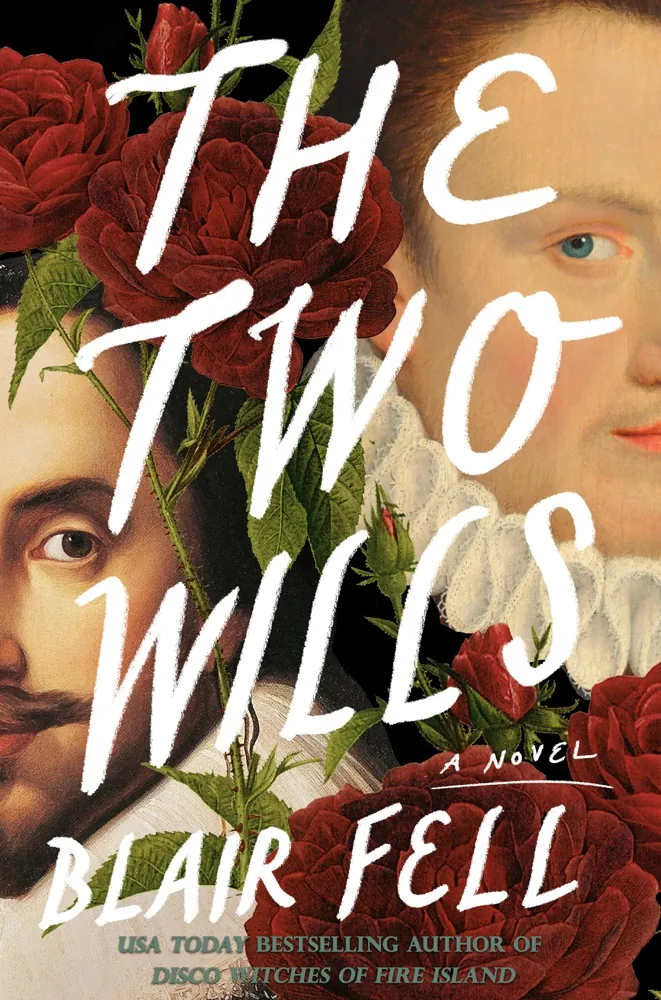

Author: Blair FellPage Count: UnknownPublication Date: Expected publication 2026-10-20 APL The synopsis for The Two Wills is so tantalizingly vague it makes me want to scream—like when you’re halfway through a Bluey episode and suddenly the plotline about the dog who won’t share his toys gets derailed by a random commercial for organic baby wipes. One minute you’re invested in the emotional core of a child’s tantrum, the next you’re being sold a product you didn’t know you needed. Blair Fell’s book, meanwhile, promises a love story so layered it could double as a Renaissance-era Shark Tank—except instead of investors, we’re dealing with a poet who’s either a genius or a fraud, and the stakes are whether or not he’ll finally admit he’s in love with a cross-dressing toilet cleaner. The synopsis leans hard into the "queer love story for fans of Hamnet and The Song of Achilles" angle, which is either a masterstroke or a desperate bid for algorithmic love. Because let’s be real—if you’re going to compare your book to Maggie O’Farrell and Madeline Miller, you’d better have the emotional gut-punch of a sonnet written by a man who just lost his wife and child, or the mythic weight of a Greek tragedy rewritten for the modern queer canon. The synopsis doesn’t even hint at the depth of Willy’s grief over Barnaby Stubb—just that he’s "heartbroken" and "desperate to escape." That’s the literary equivalent of saying a character is "angry" and then expecting us to care. Where’s the why? Why does Willy’s heartbreak manifest as a career in theft and impersonation? Is it trauma? Is it defiance? Is it just really good at selling the illusion of femininity to drunk men? The synopsis doesn’t say, and that’s a crime against narrative tension. Then there’s the poet Will—because of course he’s named Will, like every other Shakespearean stand-in since The King Must Die. The synopsis drops hints like breadcrumbs for a cat who’s already eaten the whole loaf: "Why does he look at Willy that way?" "Private love sonnets arrive." "Mistress who’s blocking Willy’s quest." It’s all there, but it’s all implied, which is either genius or lazy. If Fell pulls this off, it’ll be the kind of book where every line of dialogue feels like a sonnet in disguise, where the subtext is so thick you could spread it on toast. If she doesn’t, we’re left with a love triangle so predictable it could be plotted by a Teen Choice Awards algorithm—Will’s wife, Will’s mistress, and Willy, the poor sap who’s just trying to get laid by the greatest writer of his time. The Marlowe subplot is the cherry on top of this literary sundae, because nothing says "I’m a queer love story" like throwing in a real-life historical figure who was probably bisexual, possibly murdered, and definitely wrote some of the most scandalous poetry of the era. The synopsis doesn’t explain how Marlowe fits in, but I’ll wager it’s either a rival poet who’s also in love with Willy (because why not?) or a mentor figure who’s just here to remind us that art is always a little bit stolen. Either way, it’s a gambit that could either elevate the book into the realm of The Night Circus or reduce it to the level of a Doctor Who spin-off where every character is named after a famous writer. The real question is whether Fell can make this work without resorting to the kind of melodrama that makes Outlander fans weep into their porridge. The synopsis suggests a story about love that’s "not really lost," which sounds like the kind of romantic nonsense that would make Virginia Woolf roll her eyes in her grave. But if Fell can balance the historical weight of Shakespeare’s sonnets with the raw, messy reality of queer desire in the 16th century, she might just pull off something special. And if she doesn’t? Well, at least we’ll have another book to blame on the fact that people still think "historical romance" is a genre and not just a way to sell the same old stories with different names. Now, if you’ll excuse me, I have to go patch a hole in the drywall from last night’s indoor football incident. The drywall is holding, but my patience is not. #BookTok #QueerFiction #HistoricalRomance #ShakespeareProblems #WhyIsEverythingSoMessy Related InsightsThe Kingdom of Back Book Review and Summary Lover Unbound Book Review and Summary Meet Me at Midnight: A Novel Book Review and Summary{ "@context": "https://schema.org", "@type": "FAQPage", "mainEntity": [ { "@type": "Question", "name": "What is the main focus of The Two Wills: A Novel Book Review and Summary?", "acceptedAnswer": { "@type": "Answer", "text": "Everything you need to know about The Two Wills: A Novel with our detailed review." } }, { "@type": "Question", "name": "Who authored the comprehensive guide on The Two Wills: A Novel Book Review and Summary?", "acceptedAnswer": { "@type": "Answer", "text": "This detailed article and its insights were carefully researched and authored by Antoine Leroy." } }, { "@type": "Question", "name": "Where can I find more related content about Books?", "acceptedAnswer": { "@type": "Answer", "text": "You can explore more articles, detailed reviews, and similar insights by browsing the Related Insights section at the bottom of this article or visiting our dedicated Books category page." } } ] }
-
 Maximilian Fischer
 - 15 Oct, 2026 04:39
Just One More Chapter (Story Lake, #3) Book Review and Summary
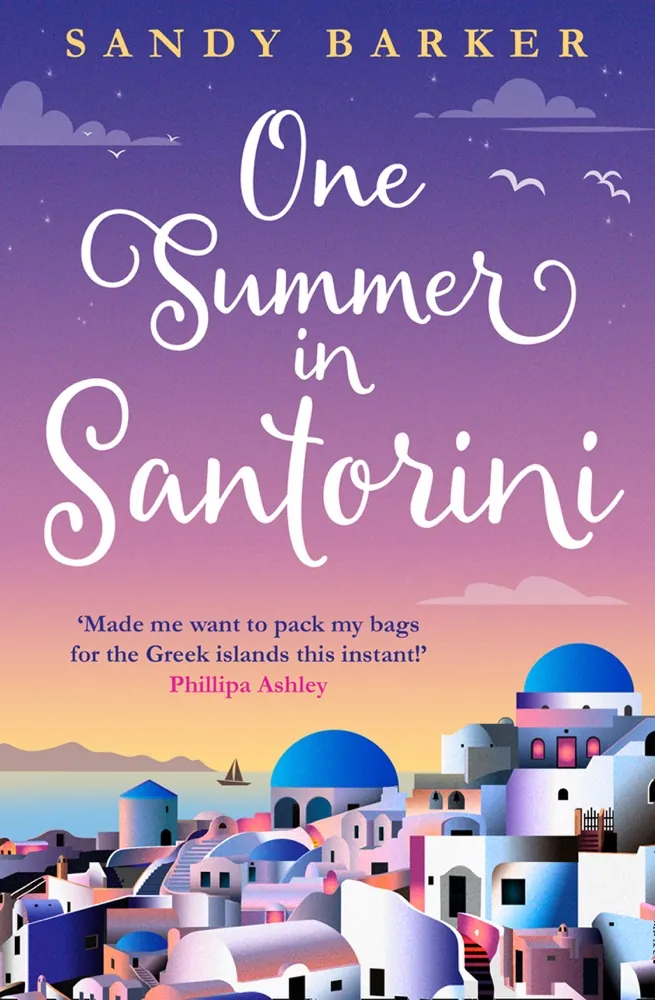
Author: Lucy ScorePage Count: UnknownPublication Date: Expected publication 2026 APL October winds are currently rattling the windowpanes against the glass while I sit wrapped in a woolen cardigan, staring at a synopsis that feels less like a narrative promise and more like a desperate cry for summer sunshine during a very gray, very chilly Tuesday afternoon. We are looking at a text that carries all the structural integrity of a house built entirely out of wet sand, courtesy of a metadata mix-up involving Lucy Score, Sandy Barker, and a revolving door of blurbs that read like frantic endorsements from people who owe the publisher a massive favor. The Geography of Broken Promises Sarah wants to rekindle her romance with travel instead of men, which is the literary equivalent of walking into a bakery specifically to stare at the sugar-free water display before someone shoves two distinct pastries directly into your face. But let us pause for a second to acknowledge the sheer audacity of a premise where a woman attempts emotional isolation on a floating vessel with strangers, only to immediately encounter a dual threat of romantic complication consisting of an American and a silver fox. Actually, strike that entire thought about isolation. It is clearly a tired trope anyway. The underlying architecture here rests entirely on the eternal human fatigue concerning dating apps, transforming a contemporary vacation into a localized battleground of romantic indecision, feta cheese consumption, and nautical anxiety. Escapism requires friction. Without it, we are just reading travel brochures disguised as prose, leaning heavily into the kind of coastal wish-fulfillment popularized by Mandy Baggot or Annie Robertson, where every minor inconvenience can be solved by an azure wave and a handsome stranger with questionable boundaries. Boring. The Weight of the Aegean Sea There is an unspoken melancholy to these books, buried beneath the cheerful cries of saltwater and sun-drenched deck shoes. The thirty-something single traveler seeking absolution on a Greek island is a modern archetype of exhaustion, fleeing the mundane horrors of modern romance for the democratic simplicity of a catamaran. Yet, the synopsis gives us so very little to anchor our teeth into. We get names of endorsers—Julie Houston, Phillipa Ashley, Samantha Tonge—sprawled out across the page like confetti at a party nobody remembered to plan, drowning out the actual narrative pulse of Sarah and her supposed culinary rebellion against heartache. Perhaps the feta will save us. The PTA Crisis Hard pass. I have forty-five minutes before I have to drive down to the elementary school gymnasium and listen to Brenda drone on about the bake sale fund allocation while pretending I care about industrial dishwasher warranties, which honestly sounds infinitely more thrilling than reading another manufactured triangle on the Aegean. #sandybarker #romcom #octoberreads Related InsightsEnlightenment Now Book Review and Summary Cher: Part Two (The Cher Memoir, #2) Book Review and Summary In Too Deep Book Review and Summary{ "@context": "https://schema.org", "@type": "FAQPage", "mainEntity": [ { "@type": "Question", "name": "What is the main focus of Just One More Chapter (Story Lake, #3) Book Review and Summary?", "acceptedAnswer": { "@type": "Answer", "text": "Everything you need to know about Just One More Chapter (Story Lake, #3) with our detailed review." } }, { "@type": "Question", "name": "Who authored the comprehensive guide on Just One More Chapter (Story Lake, #3) Book Review and Summary?", "acceptedAnswer": { "@type": "Answer", "text": "This detailed article and its insights were carefully researched and authored by Maximilian Fischer." } }, { "@type": "Question", "name": "Where can I find more related content about Books?", "acceptedAnswer": { "@type": "Answer", "text": "You can explore more articles, detailed reviews, and similar insights by browsing the Related Insights section at the bottom of this article or visiting our dedicated Books category page." } } ] }
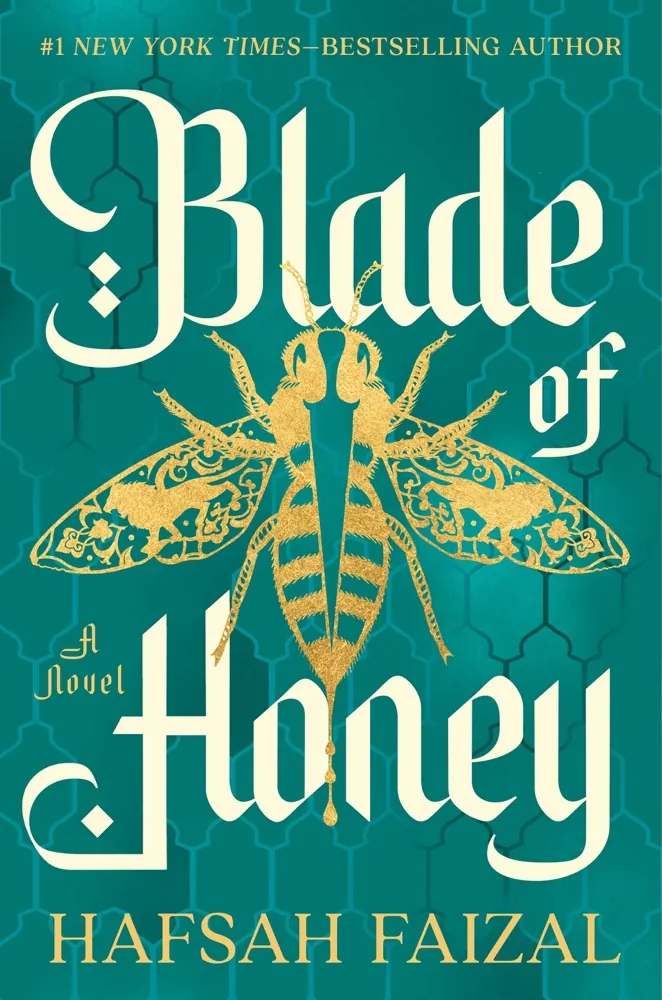

Author: Hafsah FaizalPage Count: UnknownPublication Date: Expected publication 2026 APL A damp chill presses against the glass tonight, smelling faintly of rotting pumpkin carcasses left too long on suburban porches and the sharp bite of October wind. Perfect weather to dissect yet another piece of derivative fantasy slop. Hafsah Faizal returns with Blade of Honey, and honestly, the literary world is about to suffer through the exact creative bankruptcy that ruined the final season of Succession. The Architecture of Despair Let us examine the scaffolding of this alleged narrative. We have a wounded bee. We have a cornered lion. We possess all the poetic subtlety of a high school diary locked with a cheap brass padlock. The synopsis tells us Yasmine Ra’ad wants revenge against the king because his throne rests on the bones of her family. Groundbreaking. Has any protagonist in speculative fiction ever sought vengeance for anything less than familial structural demolition? And the king himself—Altair al-Badawi—is cursed with a ticking clock. He faces execution by the next full moon unless he finds a bride. Naturally, his captain of the guard suggests a matchmaking bloodsport. Because nothing screams sovereign stability quite like turning royal matrimony into a broadcasted gauntlet that reads like a desperate cross between Jeff Probst’s worst nightmare and the Hapsburg family tree. The Aesthetic of the Grift Faizal leans hard into the romantic-fantasy industrial complex here. We are promised a dark and deadly twist on reality television dating. A girl angling for a throat who accidentally stumbles into an artery of affection. Play the doting suitor. Do it well. Too well! I can already taste the recycled adrenaline. It is the literary equivalent of serving mass-produced boxed wine at a Sotheby’s provenance auction. Everyone pretends to admire the vintage while quietly checking their watches to see when the coats can be retrieved. Yet, the synopsis relies entirely on mood boards rather than mechanics. We know nothing of the actual world-building beyond tired animal metaphors. Bees and lions. How aggressively banal. One expects the dialogue to drip with manufactured angst, characters whispering promises of ruin while brushing their knuckles together in a dimly lit corridor draped in sheer fabric. The Inevitable Verdict This book will inevitably dominate the bestseller lists for weeks, fueled entirely by readers who think The Cruel Prince was the pinnacle of Western letters. They will pre-order the special edition spray-edged copies and post dramatic aesthetic videos online with heavy synth tracks playing in the background. It is manufactured longing engineered in a boardroom. Give me a genuine structural flaw in a seventeenth-century Dutch masterwork any day over this predictable, focus-grouped romantic pandering. I need to appraise some heirloom jewelry my aunt bequeathed to you. Wait, no—bequeathed to me. My apologies. The drafty autumn air always messes with my syntax. Related InsightsCaptive in the Dark Book Review and Summary Archangel's Sun Book Review and Summary Being a Witch, and Other Things I Didn't Ask For Book Review and Summary{ "@context": "https://schema.org", "@type": "FAQPage", "mainEntity": [ { "@type": "Question", "name": "What is the main focus of Blade of Honey (The Lion & the Bee, #1) Book Review and Summary?", "acceptedAnswer": { "@type": "Answer", "text": "Everything you need to know about Blade of Honey (The Lion & the Bee, #1) with our detailed review." } }, { "@type": "Question", "name": "Who authored the comprehensive guide on Blade of Honey (The Lion & the Bee, #1) Book Review and Summary?", "acceptedAnswer": { "@type": "Answer", "text": "This detailed article and its insights were carefully researched and authored by Emma Thompson." } }, { "@type": "Question", "name": "Where can I find more related content about Books?", "acceptedAnswer": { "@type": "Answer", "text": "You can explore more articles, detailed reviews, and similar insights by browsing the Related Insights section at the bottom of this article or visiting our dedicated Books category page." } } ] }

Author: K-Ming ChangPage Count: UnknownPublication Date: Expected publication 2026-10-20 APL K-Ming Chang is back to eviscerate whatever neat little boundaries we built around girlhood after Bestiary dropped. Expected in late 2026, Needlemouth already smells like ozone, rotting berries, and the sharp, metallic tang of generational fury. And honestly? Thank god. We are so profoundly exhausted by sanitized narratives where young women simply learn to cope with their cages. The Aesthetics of Domestic Rot The setup is a masterclass in claustrophobia—three cousins melting away in a grandmother's suffocating house while foreign objects manifest uninvited in a sleeping girl's mouth. Buttons, berries, coins. The detritus of an old domesticity choking the young. Chang understands that family histories are not gently passed down like heirloom porcelain; they are swallowed whole, gagged on, and festering in the dark. Yangyang retreats inward. Mandy seeks validation in the dead-eyed void of the internet. Cindy wakes up choking. It is a brilliant, vicious metaphor for the sheer indignity of growing up female in spaces designed to erase you. Becoming the Apex Predator Enter Needlemouth—part vampire, part hungry ghost, completely lacking descendants to feed her. A starved parasite demanding blood and a man's life. What a gorgeous, feral subversion of the maternal lineage trope. We spend centuries telling girls to be gentle, to nurture, to consume themselves quietly so others might eat. But Chang’s demon forces these teenagers to cross a violent threshold—to stop sleepwalking through their apathy and break the cycle by becoming the absolute menace. Fans of Carmen Maria Machado and Akwaeke Emezi will recognize this blood-soaked lineage immediately. This is horror that refuses to apologize for its teeth. It is an indictment of the numb, air-conditioned apathy we demand of women, dragging us kicking and screaming into a demon realm where rage is the only currency that matters. The plot details in the synopsis are agonizingly sparse—we know next to nothing about how they actually execute this grim task or what the fallout looks like. But let us be entirely real here. The exact mechanics do not matter. The ideological thrust is razor-sharp. Chang is not interested in redemption arcs or tidy moral lessons. She is asking the only question that actually makes my blood run hot: what happens when you stop trying to slay the monster and realize the only way out is to grow fangs yourself? I am betting right now that this book is going to utterly polarize the coastal book clubs who prefer their trauma neatly gift-wrapped with a bow of resilience. Good. Let them choke on it. I need to go reorganize my towering, violently chaotic stacks of reference books before they slide across the floor and crush my ankles. #Needlemouth #KMingChang #FeministHorror #ContemporaryLiterature Related InsightsNineteen Minutes Book Review and Summary The Dating Game Book Review and Summary Night of the Mallrats: A Novel Book Review and Summary{ "@context": "https://schema.org", "@type": "FAQPage", "mainEntity": [ { "@type": "Question", "name": "What is the main focus of Needlemouth Book Review and Summary?", "acceptedAnswer": { "@type": "Answer", "text": "Everything you need to know about Needlemouth with our detailed review." } }, { "@type": "Question", "name": "Who authored the comprehensive guide on Needlemouth Book Review and Summary?", "acceptedAnswer": { "@type": "Answer", "text": "This detailed article and its insights were carefully researched and authored by Marta Wisniewska." } }, { "@type": "Question", "name": "Where can I find more related content about Books?", "acceptedAnswer": { "@type": "Answer", "text": "You can explore more articles, detailed reviews, and similar insights by browsing the Related Insights section at the bottom of this article or visiting our dedicated Books category page." } } ] }
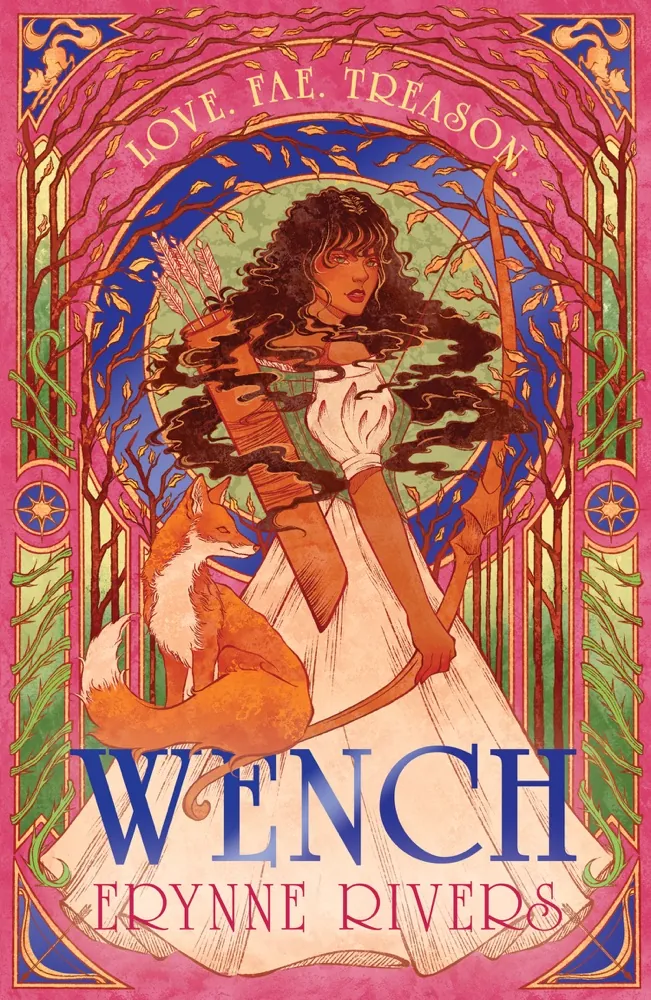

Author: Erynne RiversPage Count: UnknownPublication Date: Expected publication 2026-07-16 APL Raking these maples is an exercise in futility. The wind simply refuses to cooperate, scattering gold-brown debris across the sodgers just as I finally get a decent pile going. But looking at the promotional material for Erynne Rivers’ Wench, at least someone is managing to completely flip a tired narrative on its head. We are drowning in endless, lifeless retellings right now. Every publisher in New York seems convinced that teens and young adults will only read a book if it features a brooding monarch in a dark castle who stares intensely at a wall for three hundred pages. Give me a break. Compare this refreshing premise to the absolute dreck that flooded young adult fiction last semester—books with titles like The Dark Shadow of Whispering Shadows, where the main character learns absolutely nothing and just groans about her destiny for twelve chapters while a CGI wolf stares blankly into the middle distance. Respectfully, what? It is pure literary garbage that treats adolescents like they’ve never read a sentence with a semicolon in it. Rivers takes the classic Robin Hood myth—a story usually dominated by flannel-clad men shouting about redistribution of wealth—and centers the entire conflict on Maid Marian getting bundled off to marry a literal monster before getting carjacked by the very fae her parents warned her about. Unlearning the Propagandized Forest The thematic core here relies heavily on dismantling institutional indoctrination. Marian grows up believing Sherwood is a literal hellscape populated by monsters. Then she actually meets the outcasts. Shocking concept. People in power lie to maintain control. Teens deal with this exact brand of systemic gaslighting every single day in homeroom when administrators pretend dress codes solve bullying. Rivers understands that the most potent rebellion isn't just swinging a sword at a corrupt sheriff; it is unlearning the garbage your elders drilled into your skull. The Romance We Do Not Deserve And the romantic tension sounds delightfully predictable in the best possible way. Captor-to-confidant is a classic dynamic because it forces proximity. Marian has to choose between the predictable misery of human patriarchy or a chaotic, magical future with a man named Robin who apparently looks like he stepped out of a high-end fantasy art print. Critics calling it "cozy" and "lyrical" clearly haven't looked at the psychological implications of stockholm adjacent yearning, but frankly, I do not care. Give me the emotional whiplash. This debut is going to eclipse everything else on the shelves this July. It has that effortless charm that modern romantasy desperately needs right now. I just hope the pacing holds up once the Sheriff's men actually show up. Now I need to go inside and ice my lower back before grading forty essays on comma splices, provided I don't cripple myself first because I just stepped on a remarkably sharp plastic toy in the hallway.
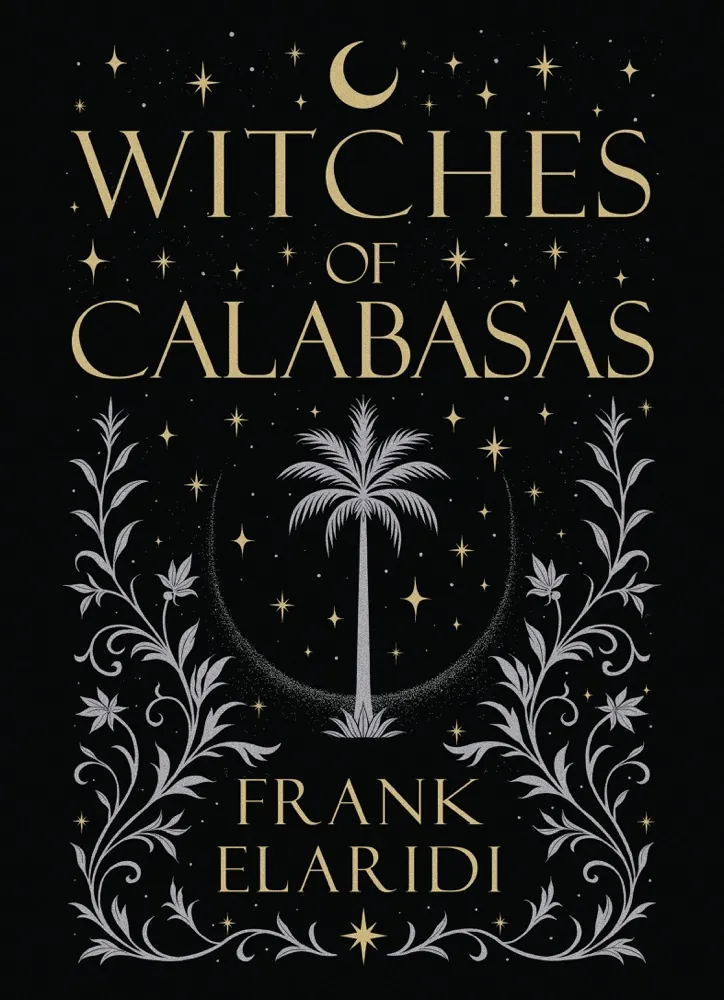

Author: Frank ElaridiPage Count: UnknownPublication Date: Expected publication 2026-10-06 APL October air smells like damp mulch and uncollected bonuses, which is to say, it smells like Los Angeles if you scrub away the ozone. Frank Elaridi is attempting something wildly audacious with Witches of Calabasas. Let us be entirely clear from the jump. The premise is a glittering, derivative mess of high-end real estate porn and low-rent supernatural tropes. Or is it actually a stroke of absolute genius? Wait. Scrap that entirely. I take it back. It is neither. It is simply a terrifyingly calculated marketing vehicle designed to separate trust-fund brats from their paperback allowances. The Real Estate of the Occult Look at the architecture of this synopsis. We have Maxim—what an utterly exhausted archetype of an aspiring writer, living in a guest house because rent in this city requires a blood sacrifice—sliding into the orbit of the Winters estate. The Calabasas Countess. Candace Winters. Say the name three times into a ring light and watch your engagement metrics plummet. Elaridi is leaning hard into the sort of sensory decadence that Bret Easton Ellis abandoned decades ago when he realized nobody wanted to read another three-page description of an overpriced suede jacket. But do not underestimate the sheer velocity of a narrative that weaponizes influencer culture against itself. Animals growing uneasy. Lights flickering. A laptop typing out eldritch prose on its own. Groundbreaking. Truly, I have never seen a ghost operate peripheral hardware before. Yet the rhythm of the marketing copy hits that precise, toxic sweet spot where The Secret History bleeds into a bad episode of Vanderpump Rules. We are promised psychological suspense, literary romance, and Hollywood noir. That is four entirely distinct genres stapled to a corpse. Whatever floats your boat. The Price of Admission The obsession with extreme wealth and occult glamour is frankly exhausting by this point in the fiscal quarter. Every manuscript landing on my mahogany desk features someone in the Hollywood Hills conjuring an identity while sipping a matcha latte laced with arsenic. Elaridi better deliver prose that actually bites, or this book is just expensive kindling for the fireplace in my study. The pacing of the synopsis alone drags in the middle, relying on recycled buzzwords—sultry, hypnotic, dripping—like a tired copywriter working overtime on a Friday evening. Give us teeth. Give us actual malice instead of vague supernatural atmosphere. My private flight to London has just been delayed by an entire hour because some bureaucratic phantom in air traffic control decided my morning needed to be actively ruined. #WitchesOfCalabasas #PublishingLife #BookTwitter #AutumnReads
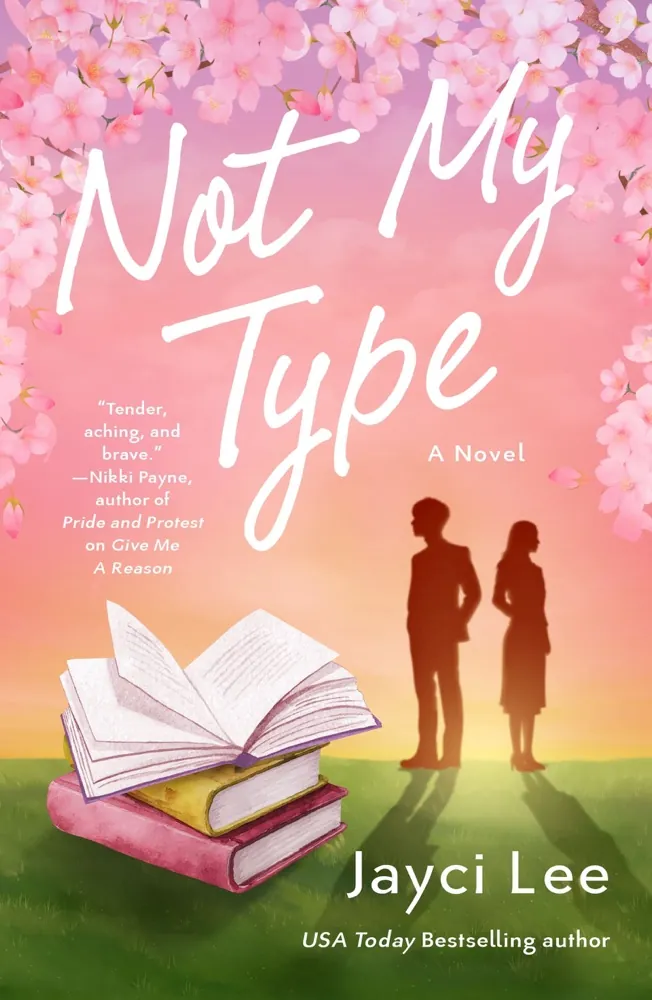

Author: Jayci LeePage Count: UnknownPublication Date: Expected publication 2026 APL The flour is currently coating every single surface of my kitchen because the eight-year-old insisted on cracking eggs directly into the mixing bowl without supervision, and frankly, Not My Type by Jayci Lee looks like the exact kind of high-octane emotional rescue I need once this sugar-fueled chaos finally subsides. Koreatown Coffee and Class Struggle We are looking at yet another Pride and Prejudice spin-off, which honestly makes me roll my eyes so hard I might pull a muscle, but putting it in Los Angeles' Koreatown gives it a fresh pulse that standard regency pastiche completely lacks. Jane Austen would probably approve of the capitalist critique here. Or she would hate it. Who cares. The synopsis leans hard into the classic enemies-to-lovers architecture—librarian versus corporate CEO—and while that trope is older than my grandmother's sourdough starter, Jayci Lee usually delivers enough sharp banter to keep things afloat. And let us be real for a second. If I have to read one more billionaire romance where the hero looks like a Greek god and acts like a damp sponge, I am going to throw my rolling pin through the drywall. Speaking of structural integrity, why do middle-grade chapter books feature such aggressively annoying talking animals lately? My youngest has been forcing me to listen to an audiobook about a squirrel detective who solves crimes using acorns, and the audio production is so shrill it makes my teeth vibrate while I am trying to measure out vanilla extract. At least Jayci Lee writes adults who presumably possess the capacity for basic eye contact and synchronized breathing. The Slow Burn We Actually Deserve The promise of K-drama-level yearning is doing some heavy lifting in this synopsis. Give me the lingering glances. Give me the hand-flexing. Give me the sheer agony of two stubborn people refusing to admit they are obsessed with each other while standing too close in a tight hallway. Chloe Gong and Emily Wibberley mastered this exact brand of delicious, slow-burn tension, and Lee has the chops to pull it off without making the characters sound like teenagers texting on a bus. Yet, I remain deeply suspicious of vague synopses. "Their lives continue to intersect in unexpected ways." Wow. Groundbreaking. Do they bump into each other at a organic grocery store? Do their dogs get their leashes tangled? Tell me something real, blurb-writers. I want grit. I want messy character flaws that cannot be solved by a nice dinner and a shared look across a dimly lit room. The thematic core here relies on shedding expectations, which is rich coming from someone whose entire daily schedule is dictated by three small humans demanding carbohydrate-heavy snacks every forty-five minutes. But hey, reading about fictional people breaking free from familial obligation is cheaper than therapy, and definitely less messy than this counter top. I need to go frost three dozen cupcakes by tomorrow morning or the school bake sale is going to feature my tear-stained panic disguised as vanilla buttercream. Related InsightsThe Crash Book Review and Summary Guilty Treasure Book Review and Summary Au Pair Affair Book Review and Summary{ "@context": "https://schema.org", "@type": "FAQPage", "mainEntity": [ { "@type": "Question", "name": "What is the main focus of Not My Type Book Review and Summary?", "acceptedAnswer": { "@type": "Answer", "text": "Everything you need to know about Not My Type with our detailed review." } }, { "@type": "Question", "name": "Who authored the comprehensive guide on Not My Type Book Review and Summary?", "acceptedAnswer": { "@type": "Answer", "text": "This detailed article and its insights were carefully researched and authored by Sarah Davis." } }, { "@type": "Question", "name": "Where can I find more related content about Books?", "acceptedAnswer": { "@type": "Answer", "text": "You can explore more articles, detailed reviews, and similar insights by browsing the Related Insights section at the bottom of this article or visiting our dedicated Books category page." } } ] }
-
 Sofia Romano
 - 14 Oct, 2026 21:07
L'Alchimia del Testo: Dalla Poetica di Aristotele alla Nuova Critica, Storia di uno Sguardo che Non Si Arrende
C'è un momento preciso, sospeso tra l'inchiostro e la pagina bianca, in cui la lettura smette di essere consumo e diventa indagine. È l'istante in cui il lettore posa il libro, alza lo sguardo e si domanda: cosa ho appena attraversato? Quella domanda, apparentemente innocua, è il seme da cui è germogliata un'intera disciplina: la critica letteraria. Non una scienza esatta, né un semplice giudizio di gusto, ma un'architettura mobile di sguardi, un dialogo millenario tra chi scrive e chi tenta di decifrare la scrittura, tra l'opera e la sua ombra.L'Origine dello Sguardo: Aristotele e l'Invenzione della Forma Tutto ha inizio in un pomeriggio ateniese del IV secolo a.C., quando Aristotele, allievo ribelle di Platone, decide di sistematizzare il caos delle arti. La sua Poetica non è solo il primo trattato di critica letteraria giunto a noi; è l'atto fondativo con cui l'umanità tenta di dare un nome alle cose invisibili che muovono le parole. Aristotele non si accontenta di dire "questo è bello". Disseziona. Introduce la mimesi — l'imitazione non come copia sterile, ma come ricreazione della realtà — e la catharsis, quella purificazione attraverso pietà e terrore che ancora oggi misura il respiro di ogni tragedia degna di questo nome. È vertiginoso pensare che concetti forgiati mentre l'ombra del Partenone si allungava sull'Agorà siano ancora gli strumenti base con cui, duemilaquattrocento anni dopo, uno studente universitario analizza un romanzo di Cormac McCarthy o una serie televisiva. La Poetica ha stabilito il patto originario: la critica nasce come tipologia, come tentativo di riconoscere le forme per capire le forze. Lodovico Castelvetro, nel 1570, scriverà commentari su quel testo come se fosse scrittura sacra, e per secoli l'autorità di Aristotele rimarrà l'orizzonte invalicabile oltre il quale non si poteva — non si doveva — andare. L'Ermeneutica del Sacro: Quando il Testo è Verità Rivelata Ma la critica non ha abitato solo le accademie laiche. Per secoli, il suo laboratorio più fervido è stato il chiostro, la sinagoga, la madrasa. Le tre grandi tradizioni abramitiche — ebraica, cristiana, islamica — hanno sviluppato l'ermeneutica e l'esegesi non come esercizi accademici, ma come necessità vitale: come si legge un testo che si crede dettato dal Divino? Come si concilia la lettera che uccide con lo spirito che vivifica?Qui la critica diventa arte dell'interpretazione infinita. Nel IX secolo, mentre l'Europa occidentale balbetta nel buio dell'alto Medioevo, Al-Jahiz a Baghdad scrive al-Bayān wa-'l-tabyīn (L'Eloquenza e la Chiarezza) e al-Ḥayawān (Il Libro degli Animali), fondando una critica araba che intreccia retorica, teologia e osservazione naturalistica. Abdullah ibn al-Mu'tazz, nel suo Kitāb al-Badīʿ, codifica le figure retoriche della poesia araba classica con una precisione chirurgica. Questi non sono "precursori": sono la critica nella sua forma più rigorosa, perché il loro oggetto non ammette errori. L'esegesi secolare, quella che oggi pratichiamo sui romanzi moderni, è debitrice di questa disciplina ferrea: l'idea che ogni parola pesi, che ogni silenzio significhi, che il testo sia un mondo da abitare con umiltà e rigore. Il Rinascimento: La Critica si Fa Custode della Tradizione Quando, nel 1498, Giorgio Valla riporta in latino la Poetica di Aristotele, l'Europa si riappropria del suo codice genetico. Il Rinascimento non "riscopre" i classici: li ricostruisce. La critica diventa neoclassicismo, custode dell'unità di forma e contenuto, investendo il poeta di una missione quasi sacerdotale: preservare la lunga catena della tradizione letteraria. Non si giudica l'originalità — parola ancora estranea all'orizzonte estetico — ma la fedeltà ai modelli, la decorum, l'appropriatezza. Castelvetro, con i suoi commentari del 1570, trasforma Aristotele in un manuale di regole ferree: le tre unità (azione, tempo, luogo) diventano gabbie d'oro per il teatro europeo. È una critica normativa, prescrittiva: dice come dovrebbe essere la letteratura. Ma proprio in questa tensione tra regola e genio, tra ars e ingenium, si annida il germe della modernità. Perché ogni regola, prima o poi, chiede di essere infranta.Il Seicento: La Crisi del Barocco e l'Invenzione della Meraviglia Il XVII secolo è il momento in cui l'edificio classico trema. I principi di proporzione, armonia, unità, decoro — pilastri del pensiero occidentale — entrano in crisi. Non crollano, ma vengono assediati da una sensibilità nuova: il Barocco. Qui la critica smette di cercare l'ordine e inizia a inseguire l'eccesso, il trasgressivo, l'estremo. È in questo turbinio che nascono concetti che ancora oggi fanno vibrare le nostre analisi: concetto (la concezione ingegnosa, la metafora spinta al limite), acutezza e ingegno (l'acutezza dell'intelletto che sa collegare l'incollegabile), meraviglia (lo stupore come fine estetico supremo). Emanuele Tesauro, nel 1654, pubblica Il Cannocchiale Aristotelico — titolo che è già un programma: usare la lente di Aristotele per vedere oltre Aristotele. Ispirato dall'Adone di Marino e dal gesuita spagnolo Baltasar Gracián, Tesauro teorizza la metafora non come ornamento, ma come "linguaggio universale delle immagini" e "atto intellettuale supremo", insieme artefice e via privilegiata alla verità. È una svolta epistemologica: la critica barocca capisce che la letteratura non riflette il mondo, lo costruisce per metafore. Il cannocchiale non avvicina l'oggetto; lo trasfigura. L'Illuminismo: La Critica Scende in Piazza (e nel Mercato) Con il XVIII secolo, la critica esce dalle accademie e dai salotti per invadere le piazze — o meglio, le edicole. L'alfabetizzazione cresce, la stampa accelera, la letteratura diventa merce. Leggere non è più solo educazione o devozione: è intrattenimento. Nasce il recensore professionista, e le riviste — The Times Literary Supplement, The New York Review of Books, The Nation — diventano i nuovi tribunali del gusto.Ma c'è un'ombra in questa democratizzazione. Il "mercato dell'Illuminismo", nato per educare il popolo e scacciare la superstizione, diventa presto "un affare con l'Illuminismo". La letteratura d'evasione dilaga, e la critica deve intensificarsi per arginare la marea. Jonathan Swift ne fa le spese: I viaggi di Gulliver vengono liquidati come "la detestabile storia degli Yahoo". La critica illuminista è armata di "chiarezza, audacia, precisione" — e talvolta del pregiudizio religioso sull'autore. È la critica come bussola morale, come controllo qualità di una produzione industriale che sfugge di mano ai suoi stessi ideatori. Il Romanticismo: Il Sublime, il Frammento, l'Ironia All'alba dell'Ottocento, il vento cambia ancora. Il Romanticismo britannico — Wordsworth, Coleridge, Shelley, Keats — rovescia il tavolo: la letteratura non deve essere "bella, nobile, perfetta". Può essere ruvida, incompiuta, persino grottesca, se riesce a innalzare "un soggetto comune al livello del sublime". La critica diventa apologia dell'immaginazione, difesa del genio contro la regola.Ma è il Romanticismo tedesco — i fratelli Schlegel, Novalis, Tieck — a offrire gli strumenti più affilati alla critica futura. Loro capiscono che la modernità è frammentaria. Valutano il Witz — quell'ironia romanzesca, quello spirito che gioca con le forme sapendole finite — più della serietà grave dei colleghi britannici. Friedrich Schlegel scrive: "Molte opere degli antichi sono diventate frammenti. Molte opere dei moderni sono frammenti nel momento in cui nascono." È un'intuizione che precorre di un secolo il postmodernismo. E mentre i poeti scrivono poemi, nasce una figura nuova: il critico di professione, più famoso per i suoi saggi che per i suoi versi. Matthew Arnold, nell'Inghilterra vittoriana, incarna questo passaggio: la critica come "disinteressato sforzo per conoscere e propagare il meglio che si è pensato e detto nel mondo". Una missione civile, quasi religiosa, in un'epoca che sta smarrendo le certezze. La Svolta del Novecento: Quando la Critica Diventa Scienza (o quasi) Ed eccoci alla frattura. "Tuttavia importanti siano stati tutti questi movimenti estetici come antecedenti," scrive la nostra fonte, "le idee correnti sulla critica letteraria derivano quasi interamente dalla nuova direzione impressa all'inizio del ventesimo secolo."Due movimenti, quasi simultanei, cambiano per sempre il paesaggio. In Russia, il Formalismo (Šklovskij, Propp, Ėjchenbaum) dichiara che l'oggetto della letteratura non è l'autore, né la storia, né la società, ma la forma — i procedimenti, gli artifici, la "stranificazione" (ostranenie) che rende percettibile ciò che l'abitudine ha reso invisibile. "L'arte è un modo per provare la fattura delle cose," scrive Šklovskij. La critica diventa anatomia del congegno letterario. Poco dopo, in Inghilterra e America, il New Criticism (Richards, Empson, Ransom, Brooks, Tate) porta avanti un programma parallelo: la "lettura ravvicinata" (close reading). Il testo è un'entità autonoma, un "oggetto ben fatto" (well-wrought urn). Non serve la biografia dell'autore, né il contesto storico, né l'effetto sul lettore (la "fallacia intenzionale" e la "fallacia affettiva" sono i due peccati capitali). Si studia la tensione interna, il paradosso, l'ironia, l'ambiguità. Il poema non significa: è. Teoria e Critica: Due Anime, Un Corpo A questo punto, la nostra mappa mostra una bifurcazione che ancora oggi genera dibattiti accesissimi. The Johns Hopkins Guide to Literary Theory and Criticism non distingue quasi mai i due termini: li usa insieme, come sinonimi. Ma molti studiosi insistono: la teoria letteraria è l'analisi filosofica degli obiettivi e dei metodi della letteratura — l'astratto, il generale. La critica letteraria è l'applicazione pratica: si sporca le mani con questo poema, questo romanzo, questa pagina. È la differenza tra avere una mappa e camminare il territorio. La teoria fornisce le lenti (strutturalismo, decostruzione, psicoanalisi, femminismo, postcolonialismo, ecocriticism, studi culturali); la critica le indossa e guarda. Ma i confini sono porosi. Il critico che non sa di teoria è cieco; il teorico che non fa critica è vuoto. Come scriveva T.S. Eliot (critico e teorico, poeta e filosofo): "La critica deve essere scritta da chi cerca di comporre, non da chi cerca di giudicare."L'Oggi: Un'Arcipelago di Sguardi Oggi la critica letteraria è un arcipelago. Nelle università, i literary critics insegnano nei dipartimenti di letteratura e pubblicano su riviste peer-reviewed, parlano il linguaggio denso della teoria, decostruiscono i canoni, scavano negli archivi, incrociano letteratura e diritto, letteratura e medicina, letteratura e codice informatico. Fuori dall'accademia, i "critici popolari" — sulle pagine del London Review of Books, del New Yorker, di Bookforum, del Dublin Review of Books — scrivono per un pubblico vasto, ibridando recensione e saggio, memoir e analisi culturale, con una prosa che aspira alla letterarietà. La commercializzazione della letteratura, iniziata nel Settecento, ha raggiunto vertici inimmaginabili: algoritmi che consigliano libri, booktok che fa bestseller in una notte, piattaforme di self-publishing che riversano milioni di titoli all'anno. In questo rumore, la critica — quella vera, lenta, ostinata — è più necessaria che mai. Non per dire "comprate questo", ma per dire "guardate qui, leggete così, fermatevi su questa frase, sentite come vibra". L'Arte di Non Finire Mai La storia della critica letteraria non ha una conclusione. Non è una linea retta che porta a una verità finale, ma una spirale che torna sempre sugli stessi nodi — mimesi, forma, intenzione, lettore, potere — portandoli a un livello più alto, o semplicemente laterale. Aristotele ci diede gli occhi per vedere la struttura. I mistici medievali ci insegnarono la pazienza dell'interpretazione. Il Rinascimento ci lasciò l'ossessione per la regola. Il Barocco ci regalò la metafora come chiave del reale. L'Illuminismo mise la critica al servizio della polis. Il Romanticismo la fece innamorare del frammento e del sublime. Il Novecento la Related Insights>- Last Tudor Book Review and Summary Houdini Heart Book Review and Summary
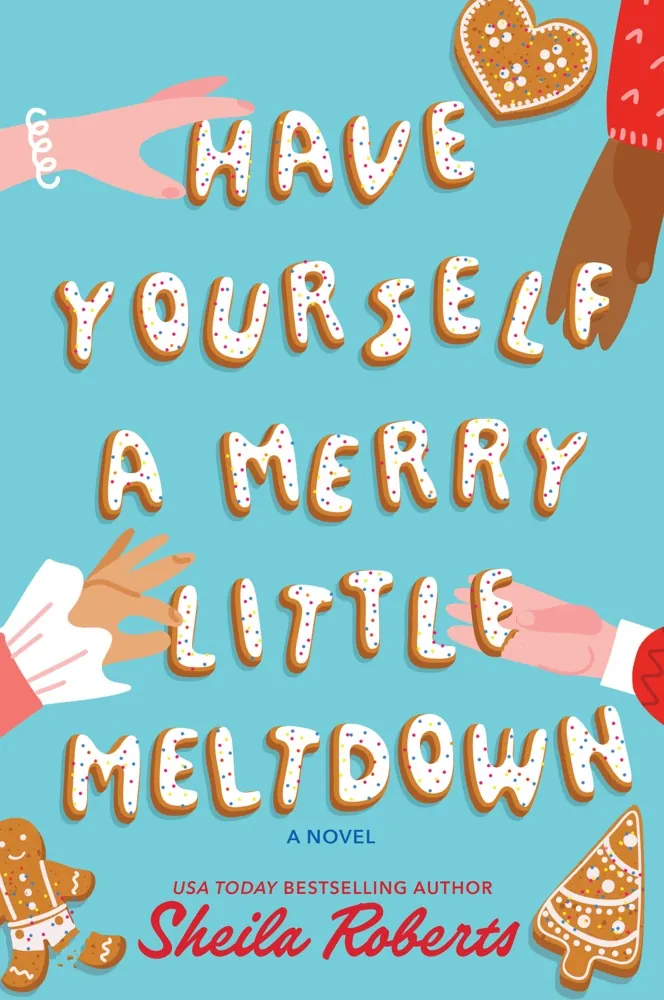

Author: Sheila RobertsPage Count: UnknownPublication Date: Expected publication 2026-10-13 APL Brace yourselves, darlings. Sheila Roberts is about to drop Have Yourself a Merry Little Meltdown upon our collective bedside tables, and honestly? The literary establishment is shaking. Or perhaps just desperately reaching for another pour of vintage Chablis before dealing with the sheer, unadulterated chaos of a fictional Pacific Northwest Christmas. The Pseudonym Paradox and Sartorial Deception Let us examine the architecture of this premise. A protagonist writing a roman à clef about her own eccentric bloodline—iconic behavior, truly—while attempting to evade detection via a disguise consisting entirely of a wig and spectacles. Clark Kent did it with less panacea. Yet, the synopsis relies on this transparent ruse with the earnestness of a Hallmark executive hopped on espresso. And yet, I live for the camp value. It is giving high-concept farce wrapped in seasonal sentimentality. We are promised a second-chance romance involving a bookstore employee named Charles. A man who allegedly views shelving her literary debut as a divine cosmic cue to slide into her affections. Charles is playing 4D chess while Jordan is merely trying not to combust under the weight of minor family emergencies. The narrative stakes are deliciously low-stakes. No sprawling dystopias here. Just small-town nosiness and the sheer horror of being perceived by someone who knew you when you had bangs and braces. The Intersection of Nostalgia and Absolute Cringe The thematic undercurrents here point toward the eternal struggle of outgrowing your hometown while simultaneously sliding right back into your childhood trauma the second you cross the county line. Roberts traffics in the same comforting literary ecosystem as Mary Kay Andrews or Jenny Colgan—frothy, digestible, and aggressively charming. But let us be real for a moment. Nobody reads this genre for avant-garde structural experimentation. They read it to watch emotionally constipated protagonists finally admit their feelings while a stray golden retriever watches uncomfortably. Actually, scratch that completely. The inclusion of a disguise-wearing author implies a biting satirical undercurrent about the commodification of familial dysfunction that Roberts might not even fully realize she is tapping into. Or maybe it is just pure literary junk food. Either way, buy the hardback. Put it on the coffee table next to the art books. Let the peasants think you have whimsy. Now, if you will excuse me, I must go select the artwork for the lobby of my new corporate headquarters. #BookTwitter #HolidayRomance #ReadingList Related InsightsWhere She Went Book Review and Summary Hamlet & Juliet (The Star Crossed #1) Book Review and Summary Death on the Nile Book Review and Summary{ "@context": "https://schema.org", "@type": "FAQPage", "mainEntity": [ { "@type": "Question", "name": "What is the main focus of Have Yourself a Merry Little Meltdown Book Review and Summary?", "acceptedAnswer": { "@type": "Answer", "text": "Everything you need to know about Have Yourself a Merry Little Meltdown with our detailed review." } }, { "@type": "Question", "name": "Who authored the comprehensive guide on Have Yourself a Merry Little Meltdown Book Review and Summary?", "acceptedAnswer": { "@type": "Answer", "text": "This detailed article and its insights were carefully researched and authored by Tiago Silva." } }, { "@type": "Question", "name": "Where can I find more related content about Books?", "acceptedAnswer": { "@type": "Answer", "text": "You can explore more articles, detailed reviews, and similar insights by browsing the Related Insights section at the bottom of this article or visiting our dedicated Books category page." } } ] }
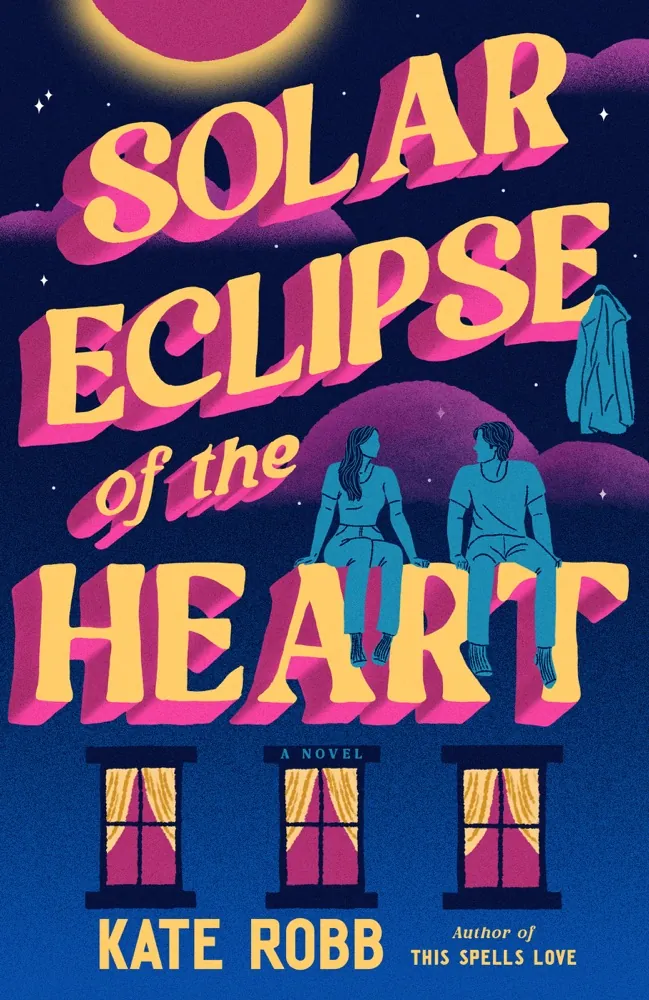

Author: Kate RobbPage Count: UnknownPublication Date: Expected publication 2026-10-06 APL The fire in the hearth is crackling with a dry, aggressive fury, casting long shadows across the mahogany floorboards while the October gale batters the reinforced glass of the conservatory. Another pastel-hued, emotionally sanitized contemporary romance has landed on my mahogany desk, courtesy of an industry that refuses to let me feel anything resembling genuine dread. Look at Solar Eclipse of the Heart. Kate Robb is attempting to weaponize grief via outerwear. A PhD candidate retreating into cold, hard logic inherits a dead relative's estate, escapes to an international program, and promptly draws the short straw on roommate assignments. Enter Mackenzie Smith. Wannabe rock star. Extremely attractive. Adorned in a magical leather jacket that defies the very fabric of spacetime to show her cryptic visions. Or maybe the jacket is just a metaphor for emotional vulnerability. Vomit. The Absurdity of Fabric-Based Epiphanies Let us dissect the sheer operational failure of this premise. We are expected to swallow the notion that an academic mind—someone presumably trained in peer-reviewed methodology and empirical data—slips on some distressed cowhide and immediately accepts clairvoyance. Yet, I take it all back. Perhaps the jacket is an inspired piece of magical realism designed to mock our collective cultural obsession with quantifiable metrics. We spend millions on therapy, self-help seminars, and mindfulness apps when all we really need is a vintage coat from a brooding musician. Truly, brilliant satire. No, wait. It is completely earnest, isn't it? That is the tragedy. Robb is channeling the commercial whimsy of Emily Henry crossed with the low-stakes domesticity of Book Lovers, minus any actual stakes or teeth. The Tyranny of Emotional Growth Annalise needs to learn how to feel. We get it. The synopsis reads like a checklist engineered by a focus group of algorithms designed to maximize pre-orders on BookTok. Logic versus passion. Grief versus happiness. The impending departure date ticking down like a cheap kitchen timer. It is predictable, sterile, and entirely devoid of the glorious, crushing nihilism I require from my leisure reading. Give me a sprawling epic where the protagonist gets flayed alive in a damp dungeon. Give me psychological ruin. Instead, I am subjected to a grieving academic finding her smile because a man wears outerwear with a bad attitude. Actually, the leather jacket detail is utterly laughable. Does it have pockets that store unresolved emotional baggage? Does the zipper get stuck on paternal abandonment issues? Let us be entirely honest with ourselves. This book will sell a quarter of a million copies before the leaves finish rotting on the front lawn. Readers will swoon. They will highlight trite sentences about learning how to love again. I will sit here in the silence of my estate, staring at the gray sky, wondering why contemporary fiction refuses to let people simply stay miserable. My assistant needs to understand that when I ask for dark, brooding literature that mirrors the rotting decay of late autumn, handing me a manuscript about a magical rock-star jacket is a terminable offense. I must fire the ghostwriter who severely misunderstood my creative vision yet again. Related InsightsSheever's Journal, Diary of a Poison Master Book Review and Summary A Clockwork Orange Book Review and Summary Falling Into Us Book Review and Summary{ "@context": "https://schema.org", "@type": "FAQPage", "mainEntity": [ { "@type": "Question", "name": "What is the main focus of Solar Eclipse of the Heart Book Review and Summary?", "acceptedAnswer": { "@type": "Answer", "text": "Everything you need to know about Solar Eclipse of the Heart with our detailed review." } }, { "@type": "Question", "name": "Who authored the comprehensive guide on Solar Eclipse of the Heart Book Review and Summary?", "acceptedAnswer": { "@type": "Answer", "text": "This detailed article and its insights were carefully researched and authored by Elena Volkova." } }, { "@type": "Question", "name": "Where can I find more related content about Books?", "acceptedAnswer": { "@type": "Answer", "text": "You can explore more articles, detailed reviews, and similar insights by browsing the Related Insights section at the bottom of this article or visiting our dedicated Books category page." } } ] }
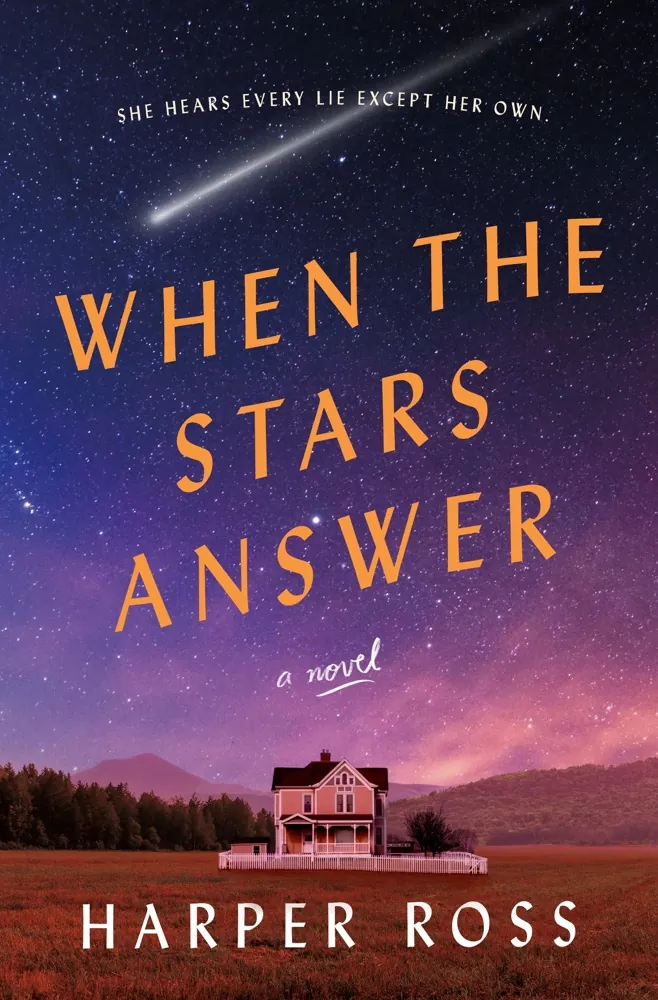

Author: Harper RossPage Count: UnknownPublication Date: Expected publication 2026 APL The espresso is far too acidic this morning, leaving a bitter ghost on the tongue that no amount of sparkling water can quite wash away. A cashmere sleeve brushes a polished walnut table as I slide the galley notes for Harper Ross's upcoming When the Stars Answer across the marble surface, wondering if we are all collectively doomed to read another supernatural conceit masquerading as profound human introspection. Pinebridge, Vermont. Of course it's Pinebridge. Why must every bruised protagonist retreat to a New England hamlet where the autumn leaves rot on cue and everybody knows the exact brand of cigarettes your estranged sibling smokes? It is an exhausting literary crutch. Speaking of lazy tropes, I am still recovering from that dreadful fantasy series last month where the protagonist spent four hundred pages staring into a magical pond while the entire kingdom collapsed into mud and political apathy—honestly, give me a well-rendered mortgage crisis or an awkward dinner party over another chosen one weeping into a mystical puddle any day of the week, but I suppose Ross is aiming for something slightly more grounded here, even if the premise hinges on a birthday wish during a meteor shower granting a disgraced Boston journalist the literal ability to hear dishonesty. Friction. Let us dissect the machinery of this premise. Rowan Winslow loses her high-status chair at a metropolitan daily because of an unyielding crusade for absolute veracity, only to retreat home and receive an omniscient lie detector kit via celestial RNG. The irony is thicker than cold cream. Ross—previously responsible for The Unwritten Rules of Magic—clearly loves a protagonist who confuses emotional bludgeoning with moral integrity. And that is where the architecture of this narrative will either soar or collapse into a puddle of melodramatic goo. Healthy human connection requires the delicate, trembling grace of mutual trust, not the psychological claustrophobia of weaponized omniscience. When you can hear every white lie, every defensive platitude, every tiny social omission designed to keep a fragile world from shattering, you do not become enlightened. You become a monster standing in a house of glass with a pocket full of stones. The synopsis promises an impossible choice regarding a family secret. Naturally. Because no modern domestic drama can simply let characters talk through their trauma without a supernatural plot device blowing up the living room floorboards. Yet, the true test of Ross's prose won't be how she orchestrates the external fallout of this magical eavesdropping, but whether she has the discipline to explore the terrifying loneliness of a person who no longer allows anyone the grace of a polite falsehood. We posture constantly, shaping our words to protect the people we love from the jagged edges of our unfiltered thoughts. Strip that away, and you are left with a scorched earth of pure, unadulterated hostility. Hard pass on the magical realism if it forgets that love is a choice we make despite what we do not know. God, I need to go wash a soccer uniform that smells truly horrific. #harperross #bookstagram #literaryfiction #readinglife