Showing Posts From
Books
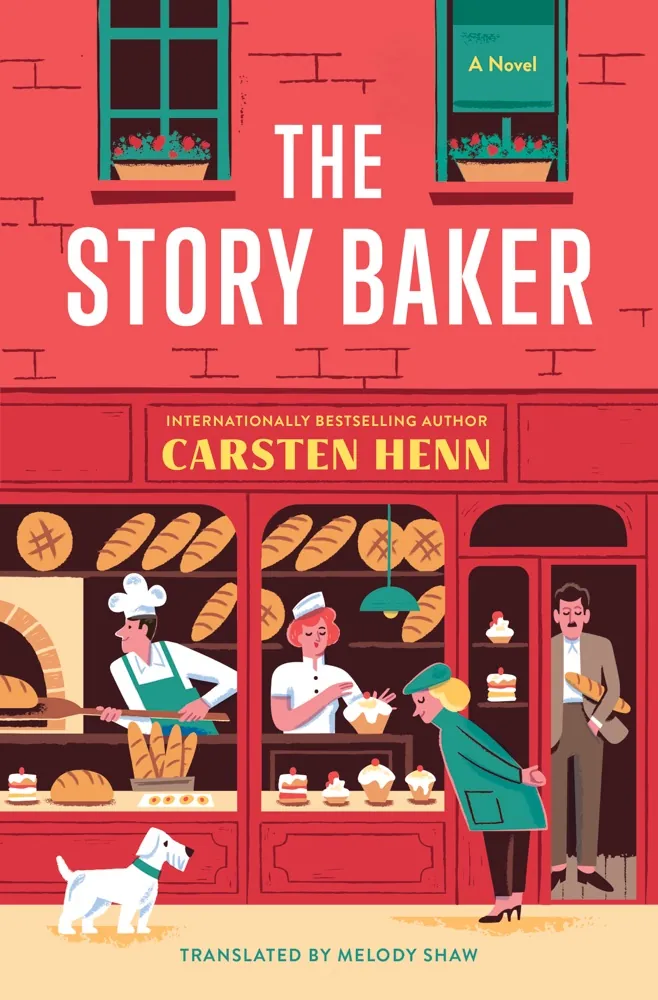

Author: Carsten HennPage Count: UnknownPublication Date: Expected publication 2026-10-13 APL Another day, another manuscript about a bruised ego finding salvation in the smell of yeast and suburban mediocrity. Carsten Henn wants us to swallow The Story Baker whole, expecting my black heart to suddenly flutter because a ballerina traded her pointe shoes for a wooden paddle. Give me a break. I read about flayed emperors and post-apocalyptic cannibals just to feel my pulse spike above forty beats per minute, yet the publishing houses keep shoveling this saccharine wellness-porn down our throats like industrial-grade Valium. The Choreography of Carbs The premise reeks of the exact brand of cozy escapism currently clogging the bestseller lists. Fredrik Backman walked so these aggressively whimsical European imports could jog at a sluggish, emotionally manipulative pace. Sofie breaks her body, loses her identity, and instantly finds her metaphysical redemption baked into a sourdough boule. And honestly? The conceptual bridge between ballet and bread-kneading is actually rather brilliant. I appreciate the kinetic metaphor of dough rising on beat. But let us not kid ourselves—this is pure bourgeois comfort food disguised as art. Wait. Scratch that. The kinetic metaphor is actually completely trite, recycled garbage that insults anyone who has ever spent a decade at the barre. The Commodification of Solace What truly fascinates me is the relentless societal demand for broken people to monetize their healing through manual labor. God forbid a ruined ballerina just sits in a dark room and drinks scotch like a rational adult. No, she must learn the "wisdom of a simple man"—because naturally, the old Italian baker is practically a Zen master hiding behind a flour sack—and discover the "joy of small things." Touch grass? Please. The protagonist is literally just coping through carbs while the author manufactures an artificial sanctuary to shield delicate readers from the bleak, indifferent void of late capitalism. It is peak aestheticized coping. Yet I will probably buy the hardcover just to throw it against the limestone wall of my east wing when the third act inevitably delivers its predictable, life-affirming epiphany. Literature should gut you, leave you bleeding on the cold stone, and demand an existential audit. This book will merely give you a warm hug and a croissant. Whatever. The market demands dopamine, and Henn is manufacturing it by the metric ton. I need to dye a vintage dress in the bathtub. Related InsightsClockwork Angel Book Review and Summary Taming Flame Book Review and Summary If I Stay Book Review and Summary{ "@context": "https://schema.org", "@type": "FAQPage", "mainEntity": [ { "@type": "Question", "name": "What is the main focus of The Story Baker: A Novel Book Review and Summary?", "acceptedAnswer": { "@type": "Answer", "text": "Everything you need to know about The Story Baker: A Novel with our detailed review." } }, { "@type": "Question", "name": "Who authored the comprehensive guide on The Story Baker: A Novel Book Review and Summary?", "acceptedAnswer": { "@type": "Answer", "text": "This detailed article and its insights were carefully researched and authored by Elena Volkova." } }, { "@type": "Question", "name": "Where can I find more related content about Books?", "acceptedAnswer": { "@type": "Answer", "text": "You can explore more articles, detailed reviews, and similar insights by browsing the Related Insights section at the bottom of this article or visiting our dedicated Books category page." } } ] }
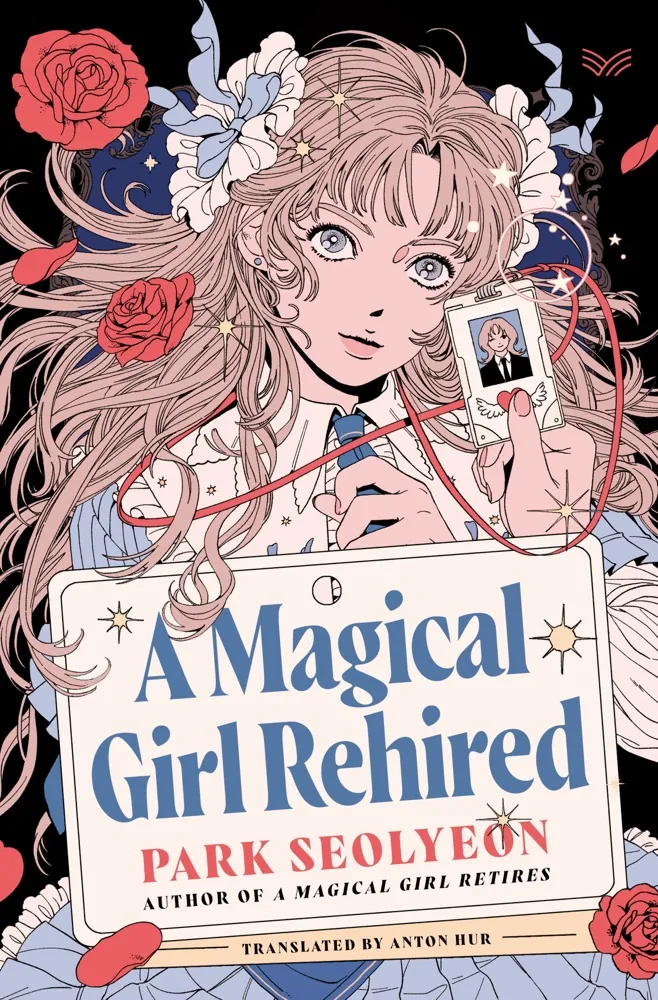

Author: Park SeolyeonPage Count: UnknownPublication Date: Expected publication 2026-12-08 APL The air conditioner hums like a dying insect against the August heat, but the condensation dripping from the ceiling fan blades is the only thing keeping me from sweating through my blouse. There’s a half-empty bottle of cheap wine on the desk—someone left it here last night, probably after a particularly bad date where the conversation derailed into existential dread and the other person kept calling them "a magical girl" in a way that suggested they’d read one too many Sailor Moon fanfictions. The synopsis for A Magical Girl Rehired arrived in my inbox this morning, and now I’m here, staring at it like it’s a particularly stubborn stain on a white shirt. The premise is so delightfully vague it’s almost a crime. A magical girl, presumably the same one from A Magical Girl Retires—though the synopsis doesn’t bother to confirm—gets dragged back into the workforce after a union rejects her retirement request. The stakes are low, the tone is breezy, and the setup feels like a middle finger to the kind of magical girl narratives that insist on grand, apocalyptic battles. Instead, we get a toxic leak, a business trip to some Far Eastern headquarters, and a "mysterious Magical Girl of Everything" who sounds like she’s either a cult leader or the protagonist’s long-lost aunt. It’s the kind of plot that thrives on ambiguity, the kind that makes you wonder if the author is playing with you or just too busy to flesh things out. But then—here’s the pivot—what if the vagueness is intentional? What if the charm lies in the gaps, the way The Magicians thrived on its own self-aware messiness? The synopsis doesn’t even bother to name the protagonist, which is either a sign of lazy writing or a deliberate nod to the way magical girl protagonists are often reduced to their outfits and catchphrases. Either way, it’s a risk. The book could collapse under its own weight, or it could become the kind of story that feels like a love letter to the chaos of modern work culture—where the real villain isn’t some cosmic entity but the slow, grinding exhaustion of being forced back into a job you swore you’d never do again. The thematic potential here is undeniable. Unemployment, housing crises, snake oil pseudo-religions—these aren’t just plot devices; they’re the scaffolding of a story that could feel urgently relevant. But the synopsis doesn’t do much to explore how these themes might manifest beyond a surface-level "oh, look, a magical girl has to work now." There’s no tension, no conflict beyond "bad things happen and she fights them," which is the kind of trope that makes magical girl stories feel like they’re stuck in a time loop. Where’s the subversion? Where’s the moment where the protagonist realizes the system is rigged, or that their powers are just another tool of capitalism? The synopsis doesn’t even hint at it. And yet—here’s the thing—I’m already imagining the dialogue. The way the protagonist would roll their eyes at the absurdity of it all, the way their friend Ah Roa would keep trying to cheer them up with bad puns, the way the "Magical Girl of Everything" would probably be some kind of corporate overlord with a smile that doesn’t reach her eyes. It’s the kind of setup that could either be hilarious or exhausting, depending on how it’s executed. The synopsis doesn’t give us enough to tell, but it gives us just enough to hope. But then again, maybe that’s the point. Maybe A Magical Girl Rehired is supposed to be a lighthearted, low-stakes romp through a world where magical girls are just another kind of gig worker, where the real battle isn’t against monsters but against the soul-crushing bureaucracy of the union. It’s the kind of story that could appeal to fans of The Unbeatable Squirrel Girl—where the heroine’s powers are a joke, but her heart isn’t. Or it could be the kind of story that feels like a parody of itself, the way The Legend of Korra tried and failed to balance its own idealism with its cynicism. I don’t know. The synopsis is too thin to tell. But I do know this: if Park Seolyeon can make the mundane feel magical, and the magical feel mundane, then this could be something special. The question is whether they’ll have the patience—or the ambition—to make it more than just another forgettable entry in the magical girl genre. Ugh, I have to finish this review before the school run. My daughter is already texting me from the bus stop, and I can’t leave her waiting. The editor will have to deal with the fact that I’ve only scratched the surface of this thing. Maybe next time, I’ll demand a full manuscript. Or maybe I’ll just wait until it’s actually out and see if it’s worth the hype. #magicalgirl #booktok #workplacecomedy #feministlit #chaoticenergy Related InsightsRussian Cage Book Review and Summary How the Grinch Stole Christmas! Book Review and Summary Deal Breaker (Aristocrats of London, #2) Book Review and Summary{ "@context": "https://schema.org", "@type": "FAQPage", "mainEntity": [ { "@type": "Question", "name": "What is the main focus of A Magical Girl Rehired Book Review and Summary?", "acceptedAnswer": { "@type": "Answer", "text": "Everything you need to know about A Magical Girl Rehired with our detailed review." } }, { "@type": "Question", "name": "Who authored the comprehensive guide on A Magical Girl Rehired Book Review and Summary?", "acceptedAnswer": { "@type": "Answer", "text": "This detailed article and its insights were carefully researched and authored by Marta Wisniewska." } }, { "@type": "Question", "name": "Where can I find more related content about Books?", "acceptedAnswer": { "@type": "Answer", "text": "You can explore more articles, detailed reviews, and similar insights by browsing the Related Insights section at the bottom of this article or visiting our dedicated Books category page." } } ] }
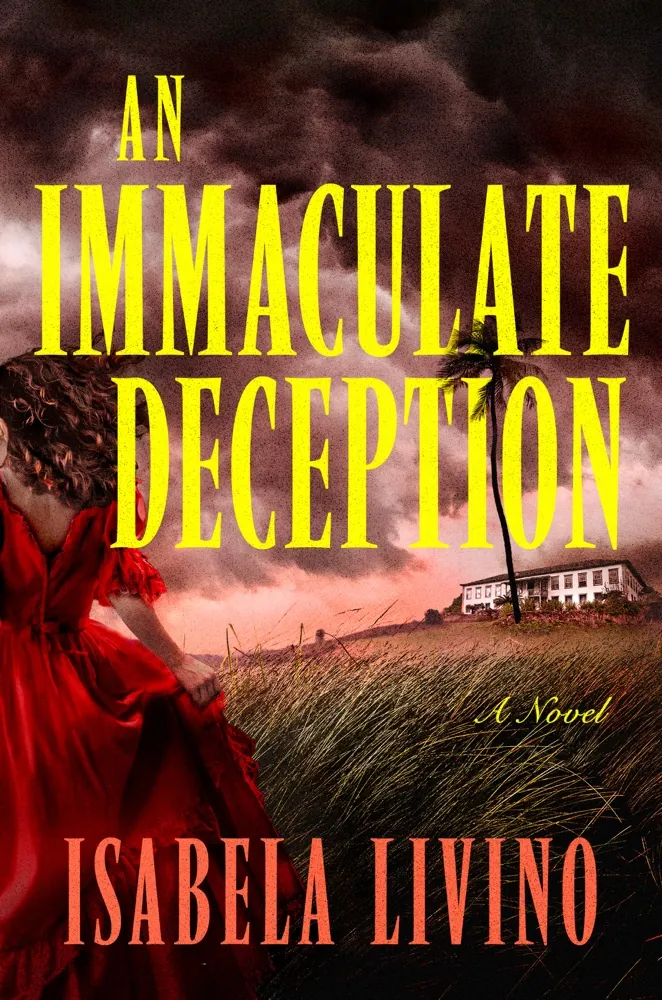

Author: Isabela LivinoPage Count: UnknownPublication Date: Expected publication 2026-09-01 APL Fans of Silvia Moreno-Garcia and Gothic stalwarts like Mexican Gothic should pay attention to Isabela Livino's upcoming An Immaculate Deception, though I have serious reservations about how well this Pernambuco-set period piece will handle its psychological mechanics once the dust settles from that carriage crash. The setup is practically begging for a heavy-handed metaphor about patriarchal control, pitting a religious girl who reads Dante against a fiancé who morphs from a charming poet into a silent, omnipresent stalker overnight—a dynamic I usually adore because it mimics the suffocating feeling of watching a once-promising bond curdle into bitter resentment, yet I worry the author relies far too heavily on stale haunted-house tropes like vanishing jewelry, missing book pages, and creeping perfumes to do the heavy lifting that genuine character chemistry should be handling instead. Honestly, why do writers always trap pregnant protagonists in decaying mansions with creepy doctors named Lobo? It is completely uninspired. Or perhaps it is brilliant. Let us be entirely fair to Livino for a moment. Setting 1870s Gothic horror against the humid, Catholic-saturated backdrop of rural Brazil offers a deliciously claustrophobic texture that separates this release from the standard gloomy English moors we have all read a thousand times. And Madalena's impending motherhood—born from a terrifying ultimatum issued by her own mother—creates an immediate, desperate relational tension that makes her reliance on Leandro agonizing to witness. A grueling exercise in patience. That is what watching these two interact in the synopsis feels like, and I desperately hope the full manuscript gives them actual conversational chemistry rather than just endless staring matches in mirror-less rooms. Suffocating. I need to go bake three dozen cupcakes by tomorrow morning. Related InsightsBridge to Terabithia Book Review and Summary Heat Wave Book Review and Summary Infinite Wisdom: A Novel Book Review and Summary{ "@context": "https://schema.org", "@type": "FAQPage", "mainEntity": [ { "@type": "Question", "name": "What is the main focus of An Immaculate Deception Book Review and Summary?", "acceptedAnswer": { "@type": "Answer", "text": "Everything you need to know about An Immaculate Deception with our detailed review." } }, { "@type": "Question", "name": "Who authored the comprehensive guide on An Immaculate Deception Book Review and Summary?", "acceptedAnswer": { "@type": "Answer", "text": "This detailed article and its insights were carefully researched and authored by Camille Dubois." } }, { "@type": "Question", "name": "Where can I find more related content about Books?", "acceptedAnswer": { "@type": "Answer", "text": "You can explore more articles, detailed reviews, and similar insights by browsing the Related Insights section at the bottom of this article or visiting our dedicated Books category page." } } ] }
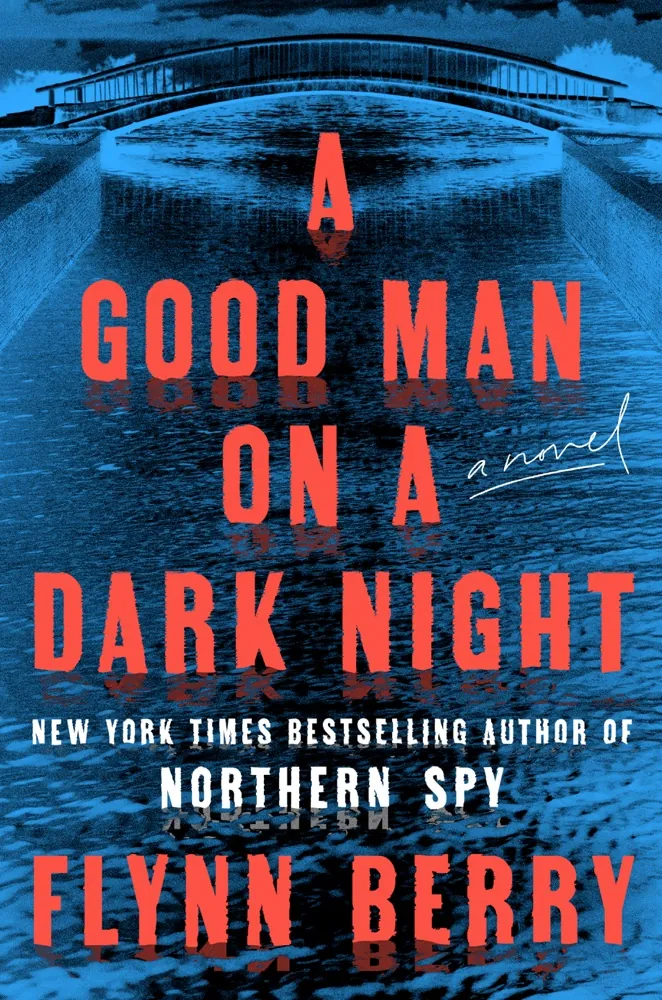

Author: Flynn BerryPage Count: UnknownPublication Date: Expected publication 2026 APL Flynn Berry is back with A Good Man on a Dark Night, and the industry is already losing its collective mind over a premise that relies entirely on an agency operative hiding in plain sight by a riverbank. I mean, sure, if you say so. Because when shadow-shrouded spooks routinely approach exhausted private nurses near the Potomac to demand state secrets, we just nod along and accept the geopolitical calculus. The Architecture of Paranoia The plot hinges on a classic institutional squeeze. Eleanor commutes from the quiet countryside into Washington, D.C.—the eternal playground of bureaucrats who have never patched a knee or sat vigil over a fever chart—only to be conscripted into an espionage game. Yet the synopsis remains maddeningly vague about the actual mechanics of the betrayal. What does Anna allegedly hide? A secret? Heavens forbid. We get the standard-issue thriller boilerplate about impossible choices and fractured trust. It feels less like a precise narrative architecture and more like a loose collection of mood boards designed for readers who consume John le Carré via TikTok summaries. Shadows and Playgrounds Speaking of manufactured tension, I spent forty-five minutes this morning trying to convince a small person that socks are not, in fact, instruments of state torture designed to strip away their autonomy. That is real resistance. That is the kind of trench warfare where you bargain with a tiny dictator over wool versus cotton while the coffee goes cold on the counter. Meanwhile, Berry’s characters are sipping tea and forging deep, soul-baring bonds with their assigned targets while the whole apparatus of the federal government watches from the bushes. Give me a break. Real betrayal happens when someone eats the last yogurt you specifically labeled with masking tape, not when a trench-coated cipher blackmails you into spying on a foreign service officer. The Predictable Trajectory Expect the usual cat-and-mouse choreography, complete with lingering glances across sterile office spaces and whispered conversations that should definitely be happening over encrypted messaging apps instead of a park bench. Berry writes lean, propulsive prose—evidenced by the success of Northern Spy—so the pacing will likely swallow up any glaring logic gaps. But I am exhausted by stories where women are forced to weaponize their empathy just to survive institutional machinery. We have enough systemic weight bearing down on us without turning friendship into a high-stakes intelligence asset. I am going to take a nap, assuming the house doesn't burn down first. Related InsightsExtremely Loud & Incredibly Close Book Review and Summary Sometimes I Scare Myself: A Collection of Horror Book Review and Summary Finding Mr Write Book Review and Summary{ "@context": "https://schema.org", "@type": "FAQPage", "mainEntity": [ { "@type": "Question", "name": "What is the main focus of A Good Man on a Dark Night Book Review and Summary?", "acceptedAnswer": { "@type": "Answer", "text": "Everything you need to know about A Good Man on a Dark Night with our detailed review." } }, { "@type": "Question", "name": "Who authored the comprehensive guide on A Good Man on a Dark Night Book Review and Summary?", "acceptedAnswer": { "@type": "Answer", "text": "This detailed article and its insights were carefully researched and authored by Michael Brown." } }, { "@type": "Question", "name": "Where can I find more related content about Books?", "acceptedAnswer": { "@type": "Answer", "text": "You can explore more articles, detailed reviews, and similar insights by browsing the Related Insights section at the bottom of this article or visiting our dedicated Books category page." } } ] }
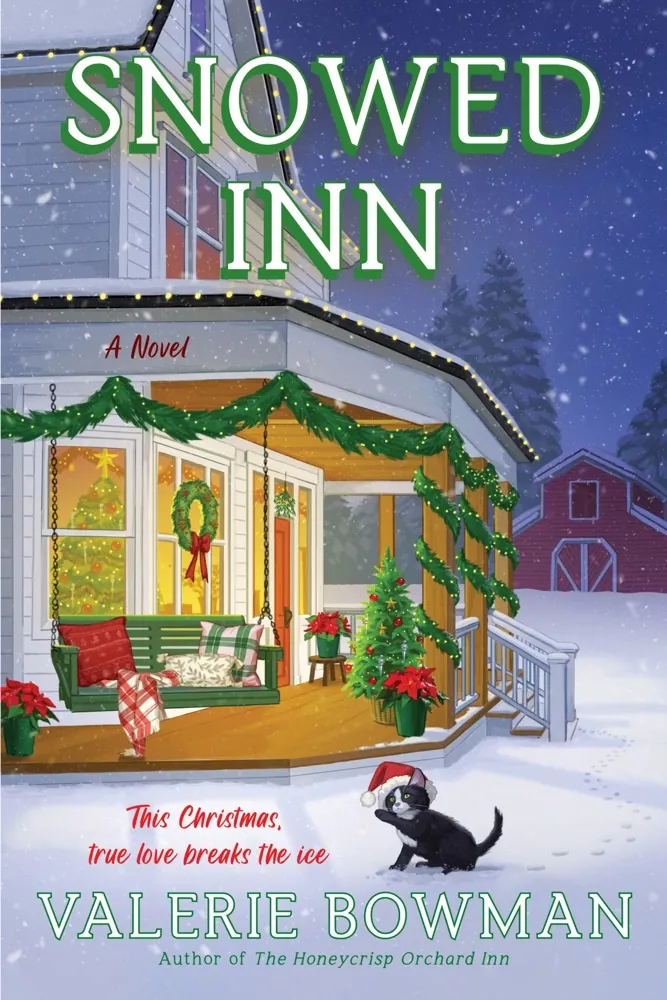

Author: Valerie BowmanPage Count: UnknownPublication Date: Expected publication 2026-09-29 APL Staring into the bottom of a chipped ceramic mug while the radiator clanks its death rattle against the living room wall is a distinct kind of purgatory. The grading basket sits across the room mocking me—thirty-two essays about why Holden Caulfield needs a nap and a juice box. Instead of red pen misery, let us dissect the corporate factory line of seasonal fiction. Specifically, Snowed Inn by Valerie Bowman, a book that promises six feet of sparkling snowdrifts and a publicist who apparently forgot that cell phones exist in 2026. Youth today look at romantic relationships the exact same way this synopsis views a snowstorm: an apocalyptic inconvenience that somehow forces two mutually annoyed people to make out by a fireplace. Honestly, why do we keep rewriting It Happened One Night for people who think checking an email is a traumatic injury? Maria is an overworked publicist—because heaven forbid a female protagonist have a hobby that isn't corporate exhaustion—trapped with Jesse, a ruggedly handsome brewery owner who probably smells like artisanal hops and flannel shirts bought from an Instagram ad. The publisher leans hard into the Lovelight series comparisons, invoking Ali Hazelwood-adjacent vibes for people who want zero emotional stakes and maximum ambient holiday lighting. Wait. Did I say zero emotional stakes? Let me back up. Actually, the forced proximity trope here might actually possess teeth if the characters weren't so aggressively archetypal. City girl meets country boy under the weight of Christmas garlands and hot chocolate. Groundbreaking. Cliché. The premise relies entirely on the suspension of disbelief regarding modern meteorology, but we aren't reading contemporary fiction for the Doppler radar accuracy. We read it because thirty-two teenagers just turned in papers claiming 'The Great Gatsby' was about a guy who really liked throwing parties, and my brain requires literary cotton candy before I start screaming into the sofa cushions. The synergy of small-town quirkiness and mandated proximity creates a vacuum where actual human conflict goes to die, replaced entirely by stolen glances under the mistletoe. Will Maria follow her heart when the snow melts? Spoiler alert: she definitely doesn't move back to her cubicle. I am going to go drink absinthe and pretend I am in 1920s Paris. #BookTwitter #RomanceBooks #HolidaysAreComing Related InsightsThe True Love Experiment Book Review and Summary A Court of Wings and Ruin Book Review and Summary Call Me By Your Name Book Review and Summary{ "@context": "https://schema.org", "@type": "FAQPage", "mainEntity": [ { "@type": "Question", "name": "What is the main focus of Snowed Inn (Honeycrisp Orchard, #2) Book Review and Summary?", "acceptedAnswer": { "@type": "Answer", "text": "Everything you need to know about Snowed Inn (Honeycrisp Orchard, #2) with our detailed review." } }, { "@type": "Question", "name": "Who authored the comprehensive guide on Snowed Inn (Honeycrisp Orchard, #2) Book Review and Summary?", "acceptedAnswer": { "@type": "Answer", "text": "This detailed article and its insights were carefully researched and authored by Thomas Wright." } }, { "@type": "Question", "name": "Where can I find more related content about Books?", "acceptedAnswer": { "@type": "Answer", "text": "You can explore more articles, detailed reviews, and similar insights by browsing the Related Insights section at the bottom of this article or visiting our dedicated Books category page." } } ] }
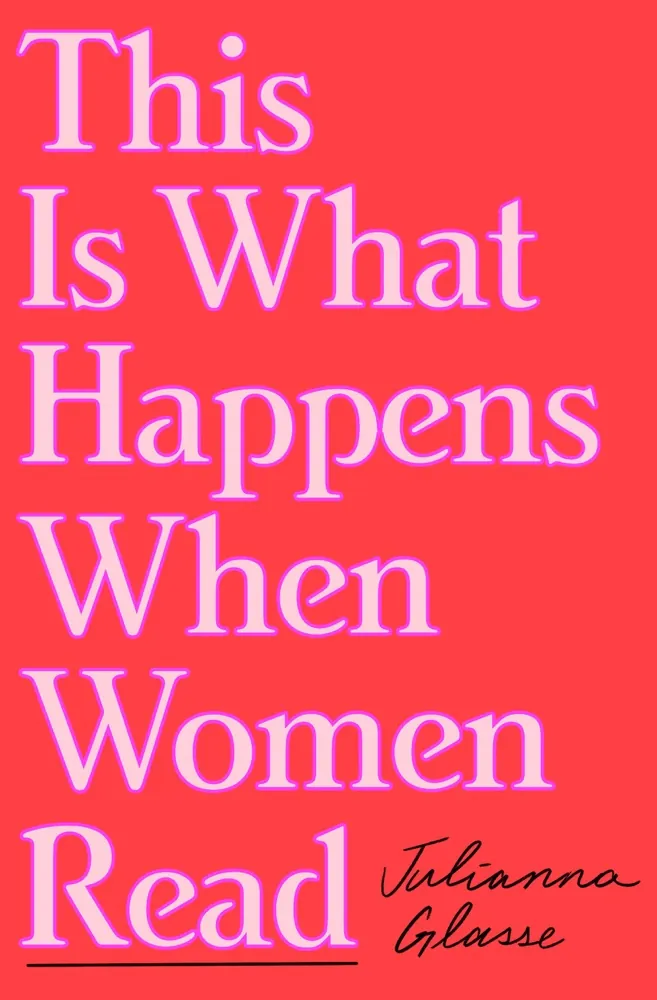

Author: Julianna GlassePage Count: UnknownPublication Date: Expected publication 2026-10-13 APL The synopsis for This Is What Happens When Women Read is so deliberately sparse it reads like a confession scribbled in the margins of a library book—deliberately unpolished, as if the author knows the real story is in the gaps. There’s a certain Brené Brown vulnerability here, but with the kind of evangelical precision that suggests Glasse isn’t just writing a memoir; she’s crafting a testimony—the kind that gets passed around in small, smoky rooms where people nod and say, “I’ve been there.” Yet the absence of specifics is maddening. Where’s the Rebecca Solnit razor edge? The Eula Biss clinical detachment? Instead, we get the Oprah Winfrey Book Club version of a crisis—cleaned up, sanitized, and sold as a self-help manual for the spiritually exhausted. The most interesting line isn’t the one about Oxford or the divorce—it’s the one about “the books she started to read opened doors she could not shut.” That’s the kind of metaphor that makes you wonder if Glasse is channeling Virginia Woolf’s ghost, or if she’s just really into Goodreads discussion boards. The phrasing is too cinematic, like a Hallmark movie where the heroine finally picks up The Bell Jar and suddenly sees the world in color. But here’s the thing: if this is a memoir about intellectual liberation, why does it feel like a Christianity Today article with a side of existential dread? Where’s the bell curve of the breakdown? The messy middle where the protagonist isn’t just “transformed” but unraveled? The synopsis reads like a TED Talk outline, not a novel or even a particularly gripping essay. And yet—there’s a dangerous potential here. Glasse’s background as a Christian pop star is the kind of backstory that could make this into the Megan Fox of memoirs—equal parts celebrity scandal and intellectual awakening. Imagine if she’d leaned into the Ann Patchett style of self-deprecating brilliance, where the reader gets the juicy details of the evangelical machine’s inner workings, the way faith is sold like a timeshare. But no. Instead, we get the safe version: the divorce, the depression, the a-ha! moment at Oxford. It’s the Netflix Original of spiritual autobiography—polished, marketable, and just slightly too neat. The real question is whether Glasse can resist the temptation to turn this into a self-help book disguised as a memoir. Because if she does, she’ll end up like Jen Hatmaker—loved for her story, but forgotten once the next woke influencer comes along with a sharper critique. The synopsis hints at something more subversive, something that could riff on Susan Sontag’s idea of “the imagination as resistance.” But right now, it reads like a book club pick rather than a cultural reset. And then there’s the Oxford bit—because let’s be real, no one goes to Oxford for the tea. They go for the intellectual arms race, the elite gaslighting of the uninitiated. If Glasse actually lived there, she probably got roasted by undergrads who saw her as the evangelical tourist. That’s the kind of gritty detail that could make this book unforgettable. Instead, we’re stuck with the safe version: the happy ending where the protagonist becomes autonomous and independent. Where’s the dark twist? The irony? The moment where she realizes the books didn’t save her—the people did, or the system did, or she just outgrew the need for salvation entirely? But perhaps that’s the point. Maybe this is exactly what we need—a gentle unraveling, a soft rebellion. A book that doesn’t shatter the system but slips through the cracks. If so, then fine. But don’t expect blood and thunder. Don’t expect the raw edge of Cheryl Strayed or the scathing wit of Rebecca Traister. This is the lifestyle memoir of the quiet revolution—polished, elegant, and just slightly too clean. I’m logging off now to enjoy a cigar on my private terrace, wondering if this book will be the next Big Little Lies of spiritual memoirs—or just another Netflix Original that gets canceled after one season. #BookTok #MemoirSeason #OxfordVibes #ChristianPopCrisis #WhyIsEverythingSoPolished Related InsightsThe Summer We Crossed Europe in the Rain Book Review and Summary Bridge to Terabithia Book Review and Summary Ninth House Book Review and Summary{ "@context": "https://schema.org", "@type": "FAQPage", "mainEntity": [ { "@type": "Question", "name": "What is the main focus of This Is What Happens When Women Read Book Review and Summary?", "acceptedAnswer": { "@type": "Answer", "text": "Everything you need to know about This Is What Happens When Women Read with our detailed review." } }, { "@type": "Question", "name": "Who authored the comprehensive guide on This Is What Happens When Women Read Book Review and Summary?", "acceptedAnswer": { "@type": "Answer", "text": "This detailed article and its insights were carefully researched and authored by Tiago Silva." } }, { "@type": "Question", "name": "Where can I find more related content about Books?", "acceptedAnswer": { "@type": "Answer", "text": "You can explore more articles, detailed reviews, and similar insights by browsing the Related Insights section at the bottom of this article or visiting our dedicated Books category page." } } ] }


Author: K. ChiucarelloPage Count: UnknownPublication Date: Expected publication 2026-11-17 APL In an era where motherhood is constantly reimagined, Nanny Nanny dares to venture into the dark crevices of our cultural psyche. I'm reminded of The Dispossessed by Ursula K. Le Guin, where the lines between personal and communal narratives blur, creating a sense of disorientation that's both disconcerting and liberating. This debut novel promises to tackle the fraught territories of domestic violence, class, and the labor of care – a brave endeavor, to say the least. But, let's get real, who wants to read about yet another woman's quest for motherhood? I'm talking about the obligatory narrative where the protagonist struggles to balance career and family, often leading to a contrived resolution that reinforces the very patriarchal norms we're supposedly critiquing. Yet, there's something about Nanny Nanny that piques my interest – perhaps it's the way the blurb teases the 'incendiary secret' beneath its deceptively tranquil surface. We're led to believe that the protagonist, a 35-year-old nanny, has finally succumbed to 'baby fever' after years of caring for the children of the elite. What's striking about this premise is the way it sidesteps the conventional 'working mom' trope, opting instead for a narrative that seems to be grappling with the aftermath of domestic violence. It's a bold move, one that subverts expectations and raises essential questions about the societal expectations placed on women. I'm currently stuck on the phrase 'what's the next most violent thing a woman can do to herself?' – a sentiment that's equal parts provocative and unsettling. It's a rhetorical question that lingers, refusing to be reduced to a neatly wrapped package of moral lessons or platitudes. It's this kind of unflinching gaze into the abyss that makes Nanny Nanny feel like a game-changer. K. Chiucarello's writing style is a siren's call, beckoning us into the uncharted territories of female experiences, queering the very notion of motherhood and challenging the conventions that govern our expectations. I can almost smell the intoxicating smoke of her prose, like the scent of a cigarette on a rainy night. I'm not sure what to make of the fact that I'm spending my Saturday afternoon writing this review, trying to hit my word count, and wondering if anyone will even care about my thoughts on this obscure book. The irony isn't lost on me – I'm critiquing a novel about the complexities of labor and care while simultaneously laboring over my own words. As I wrap up this review, I'm reminded of the futility of trying to distill the essence of a book into a neat package of critique. The more I write, the more I realize that Nanny Nanny is a puzzle box with too many pieces, each one revealing a different facets of the human experience. I'll leave you with a quote from that French existentialist philosopher I always get wrong: 'Le style, c'est l'homme même,' (The style is the man himself.) I guess what I'm saying is that I still have to translate this Camus dude's poem. #amreading #motherhood #domesticviolence #literaryfiction Related InsightsPicasso Heist Book Review and Summary The Night Circus Book Review and Summary The Cursed Diamond Book Review and Summary{ "@context": "https://schema.org", "@type": "FAQPage", "mainEntity": [ { "@type": "Question", "name": "What is the main focus of Nanny Nanny Book Review and Summary?", "acceptedAnswer": { "@type": "Answer", "text": "Everything you need to know about Nanny Nanny with our detailed review." } }, { "@type": "Question", "name": "Who authored the comprehensive guide on Nanny Nanny Book Review and Summary?", "acceptedAnswer": { "@type": "Answer", "text": "This detailed article and its insights were carefully researched and authored by Giulia Ricci." } }, { "@type": "Question", "name": "Where can I find more related content about Books?", "acceptedAnswer": { "@type": "Answer", "text": "You can explore more articles, detailed reviews, and similar insights by browsing the Related Insights section at the bottom of this article or visiting our dedicated Books category page." } } ] }
-
 Irina Ivanova
 - 14 Aug, 2026 04:40
The Way We Become (The Way I Used to Be, #3) Book Review and Summary
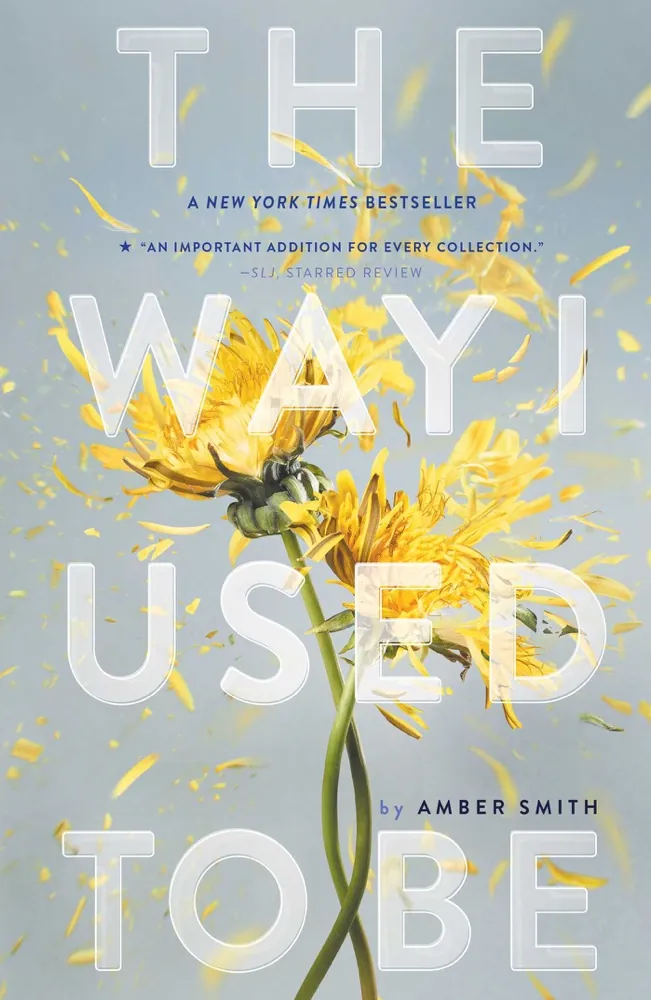
Author: Amber SmithPage Count: UnknownPublication Date: Expected publication 2026 APL Look at this synopsis. Just stare at it for a second. We are staring down the barrel of another installment in The Way I Used to Be universe—a series that apparently refuses to die despite having wrung every possible ounce of melodramatic trauma from its protagonist like a damp dishrag—and honestly? The publisher’s marketing copy is recycling the exact same blurbs from a decade ago. Seriously. They are still leaning on a quote from The Boston Globe regarding a debut novel published when some of these prospective readers were still losing their baby teeth. Make it make sense, or at least pay my invoice on time so I can afford decent coffee instead of this instant cardboard sludge. The Corpse-Revival Economy We are looking at an exercise in prolonged literary purgatory. The premise relies entirely on the commodification of adolescent suffering, stretching a linear narrative into an indefinite cinematic universe of woe because the YA market loves nothing more than a protracted cry. The synopsis tells us absolutely nothing new—it literally pastes the foundational blurb of the very first book right at the top like a lazy safety blanket. Are we getting character growth, or just another three hundred pages of performative melancholy designed to farm tears on TikTok? I am leaning heavily toward the latter. Amber Smith is about to give the BookTok girlies a collective aneurysm, and the algorithm is going to eat it up like feral raccoons at an overturned dumpster. The Aesthetic of Infinite Pain The thematic trajectory is painfully obvious—no pun intended, or perhaps completely intended—because the infrastructure of trauma fiction rarely builds new rooms; it just repaints the same depressing hallway. We get the standard-issue dichotomy of before versus after, the shattered identity, the obligatory first-love wreckage. Yet, the prose in the synopsis sounds like a discarded draft from a creative writing seminar populated entirely by ghosts. Words like capsizes and buries are doing all the heavy lifting while the actual stakes remain frustratingly opaque. Give me some stylistic friction. Give me a sentence that doesn't read like a copy-pasted trigger warning with a bow on it. If I have to read one more paragraph about a girl hiding a secret in her heart like a tragic little porcelain doll, I am going to throw this laptop out the window and take up woodworking. Or crime. Predicting how this holds up is like guessing the expiration date on a carton of heavy cream left in a broken fridge—you know it is going to curdle, you just want to know how foul the smell gets before someone finally cleans the damn thing out. Compare it to the endless churn of The Perks of Being a Wallflower clones or the more recent Colleen Hoover-industrial complex; it is trauma porn wrapped in pastel typography, engineered to trigger maximum parasocial grief. Eden deserves better. I deserve better. My landlord definitely deserves better than the check that is currently bouncing while I sit here editing this sophomore-slump fanfiction masquerading as high art. I have to go finish painting a terribly depressing portrait of a toaster engulfed in existential dread. Related InsightsRed Rising Book Review and Summary A Court of Thorns and Roses Book Review and Summary John Adams Book Review and Summary{ "@context": "https://schema.org", "@type": "FAQPage", "mainEntity": [ { "@type": "Question", "name": "What is the main focus of The Way We Become (The Way I Used to Be, #3) Book Review and Summary?", "acceptedAnswer": { "@type": "Answer", "text": "Everything you need to know about The Way We Become (The Way I Used to Be, #3) with our detailed review." } }, { "@type": "Question", "name": "Who authored the comprehensive guide on The Way We Become (The Way I Used to Be, #3) Book Review and Summary?", "acceptedAnswer": { "@type": "Answer", "text": "This detailed article and its insights were carefully researched and authored by Irina Ivanova." } }, { "@type": "Question", "name": "Where can I find more related content about Books?", "acceptedAnswer": { "@type": "Answer", "text": "You can explore more articles, detailed reviews, and similar insights by browsing the Related Insights section at the bottom of this article or visiting our dedicated Books category page." } } ] }
-
 Carmen Martinez
 - 14 Aug, 2026 03:39
Dead Before Tea Time: An Agatha Raisin Mystery (Agatha Raisin Mysteries, 37) Book Review and Summary
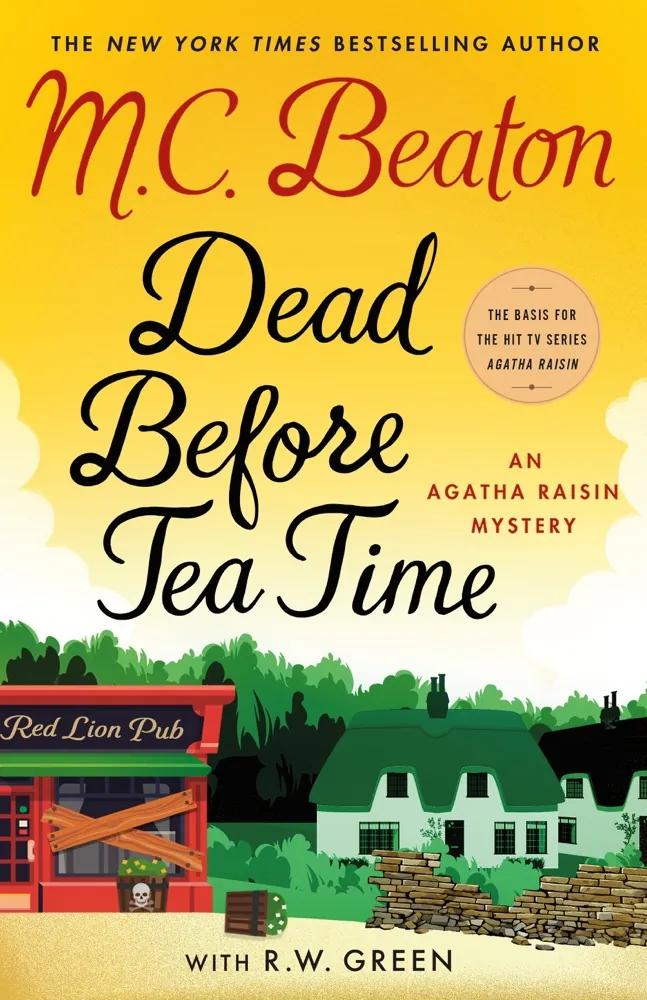
Author: M.C. BeatonPage Count: UnknownPublication Date: Expected publication 2026-10-13 APL Sweat is slowly dripping down my collar onto an expensive linen shirt while this relentless August heatwave turns the concrete outside into a frying pan, yet I am expected to care about the Cotswolds. The thirty-seventh installment of Dead Before Tea Time has arrived via press release, offering precisely what the geriatric cozy-mystery industrial complex demands: a geriatric harridan, a local watering hole facing gentrification, and a corpse conveniently dumped behind some shrubbery just in time to interrupt a historically inaccurate sword fight. Gentrification and Ale-Soaked Homicides The thematic architecture here is delightfully derivative. We have the sacred Red Lion pub falling victim to ruthless corporate predation because some soulless brewery decided rural alcoholism isn't profitable enough unless it is packaged into minimalist flats for London commuters. It is pure, unadulterated NIMBYism dressed up as a murder investigation. M.C. Beaton’s posthumous assembly line—or whoever is currently rattling the skeleton keys of this intellectual property—relies entirely on the comforting illusion that rural England is populated by quirky archetypes rather than xenophobic dullards hoarding real estate. And then, naturally, we get the romantic circus. Sir Charles Fraith versus James. Two aging, emotionally stunted aristocrats treating Agatha Raisin like the last discount bottle of gin at a provincial country club. They are duking it out during a seventeenth-century reenactment—because nothing screams high-stakes libido quite like middle-aged men in polyester doublets swinging blunt iron. The juxtaposition of feudal cosplay with contemporary zoning disputes is peak lazy plotting. Agatha ignores the swordplay because she smells a homicide, proving once again that her superpower is pathological nosiness mixed with absolute interpersonal toxicity. The Aesthetics of Mediocrity Let us discuss the literary hygiene of the synopsis itself. It reads like it was generated by an algorithm fed exclusively on reruns of Midsomer Murders and old copies of Country Life. Someone gets poisoned or bludgeoned near a brewery, Agatha takes a poorly aimed blow to her own skull, and we are supposed to gasp in absolute horror wondering if the titular protagonist will survive to eat another finger sandwich. Spoiler alert: she will. She possesses the unkillable cockroach energy of a soap opera villain who refuses to sign off. It gives off major Danielle Steel meets a Sunday afternoon television slot that your grandmother falls asleep to after three sherries. No one is asking for James Joyce when picking up a paperback featuring a cartoonish amateur sleuth on the cover, but holy hell, the narrative scaffolding is rotting. The synopsis explicitly tells us the victim had brewery connections as if it were a colossal detective breakthrough rather than the most glaringly obvious narrative neon sign since Agatha Christie invented the genre. The dialogue will inevitably feature words like blimey and posh groans, and everyone will drink entirely too much tea while avoiding therapy. Yet, here we are, staring down the barrel of another autumn reading season choked with the exact same cozy garbage. It is the literary equivalent of eating wet cardboard while pretending it's artisan sourdough. I have to go translate a particularly stubborn piece of French existential poetry about despair before the AC unit gives up entirely. #AgathaRaisin #CozyMystery #LiteraryTrash #Cotswolds Related InsightsEverything's Not Lost Book Review and Summary City of God Book Review and Summary Compensation Book Review and Summary{ "@context": "https://schema.org", "@type": "FAQPage", "mainEntity": [ { "@type": "Question", "name": "What is the main focus of Dead Before Tea Time: An Agatha Raisin Mystery (Agatha Raisin Mysteries, 37) Book Review and Summary?", "acceptedAnswer": { "@type": "Answer", "text": "Everything you need to know about Dead Before Tea Time: An Agatha Raisin Mystery (Agatha Raisin Mysteries, 37) with our detailed review." } }, { "@type": "Question", "name": "Who authored the comprehensive guide on Dead Before Tea Time: An Agatha Raisin Mystery (Agatha Raisin Mysteries, 37) Book Review and Summary?", "acceptedAnswer": { "@type": "Answer", "text": "This detailed article and its insights were carefully researched and authored by Carmen Martinez." } }, { "@type": "Question", "name": "Where can I find more related content about Books?", "acceptedAnswer": { "@type": "Answer", "text": "You can explore more articles, detailed reviews, and similar insights by browsing the Related Insights section at the bottom of this article or visiting our dedicated Books category page." } } ] }
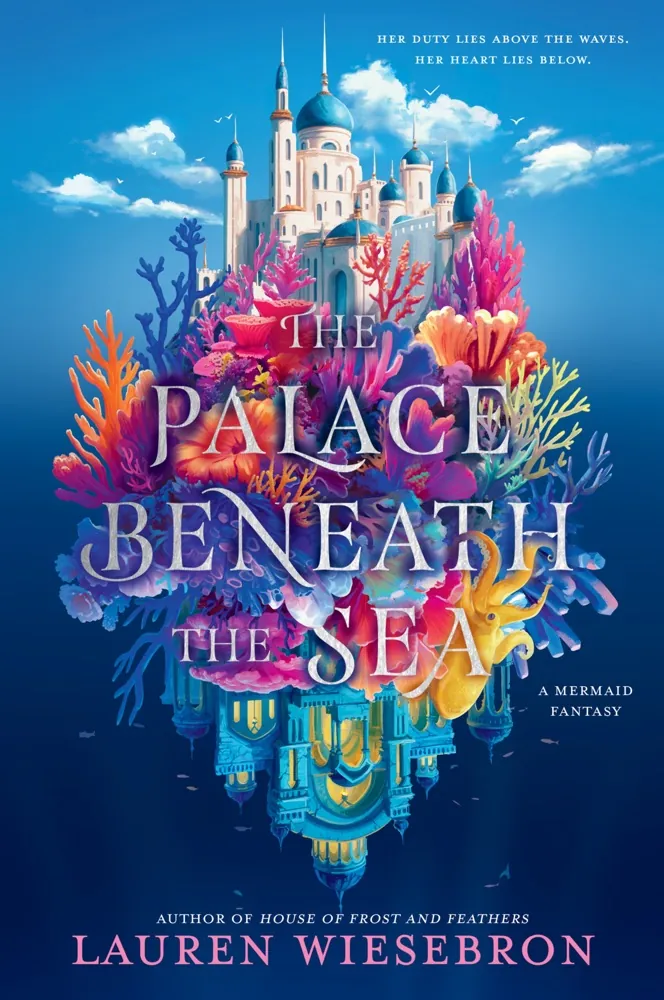

Author: Lauren WiesebronPage Count: UnknownPublication Date: Expected publication 2026-09-15 APL Eight hours staring at glowing spreadsheets of third-quarter projections will make a person crave a bit of mythological drowning, so finding Lauren Wiesebron’s upcoming The Palace Beneath the Sea on the desk tonight feels rather fitting—or perhaps deeply ironic, considering I spent all day trying to keep various corporate ventures afloat before commuting home through the kind of horizontal rain that makes one wonder why human beings ever left the pelagic mud in the first place—and honestly, looking at the promotional copy for this September 2026 release, we are in for the predictable literary waters of coastal folklore, where plucky lighthouse keepers swap dry land for brooding aquatic men with fish tails and abs carved from sea glass, which sounds suspiciously like every second indie fantasy novel currently choking the bestseller lists since Madeline Miller made ancient myth commercially viable for people who highlight quotes about grief on TikTok. Seasilk. Wait. Let me rephrase that entirely. The synopsis mentions "rare seasilk," which sounds less like ancient Breton myth and more like a high-end textile import from an overpriced boutique in Milan, completely stripping the grit away from the actual legend of the sunken city of Ys where the sea swallowed a capital city because a princess got too careless with her father's castle keys—though Wiesebron clearly wants us to focus on Nolwenn, our lighthouse-keeping protagonist who goes from guarding coastal cliffs to getting aggressively dragged into a coral palace by a creature named Morvan, who apparently checks all the requisite boxes for dark-water romance by being both terrifying and strangely alluring, because of course he is. Drowning in Tropes The thematic undercurrent here relies heavily on the age-old dichotomy of duty versus desire, pitting a woman's loyalty to her homeland against the intoxicating pull of an underwater society that sounds like an expensive hotel lobby designed by James Cameron. Yet the real thematic conflict is whether readers can tolerate another iteration of the forced-proximity aquatic abduction trope without groaning out loud. Actually, strike that. The mythology of Ys is genuinely terrifying when you look at the raw folklore—cities disappearing beneath the tide in a single night of divine retribution—so reducing it to a hormonal tug-of-war between a lighthouse keeper and a local fish-man feels like a terrible waste of architectural catastrophe. Still, Wiesebron’s previous work in House of Frost and Feathers proved she can spin atmospheric prose out of thin air, so perhaps the lyrical execution will save the text from feeling like a recycled episode of a streaming fantasy series. Fingers crossed the world-building expands beyond glowing coral and brooding stares, because if I have to read one more sentence about a character torn between her heart and her homeland, I am going to throw this manuscript directly into the recycling bin and take up knitting. Lord help me, I have to go downstairs and patch a hole in the drywall caused by an indoor football incident involving a rogue plastic ball and an overly enthusiastic eight-year-old. Related InsightsEl pacto del agua / The Covenant of Water Book Review and Summary Dreamland Book Review and Summary Dark Restraint Book Review and Summary{ "@context": "https://schema.org", "@type": "FAQPage", "mainEntity": [ { "@type": "Question", "name": "What is the main focus of The Palace Beneath the Sea Book Review and Summary?", "acceptedAnswer": { "@type": "Answer", "text": "Everything you need to know about The Palace Beneath the Sea with our detailed review." } }, { "@type": "Question", "name": "Who authored the comprehensive guide on The Palace Beneath the Sea Book Review and Summary?", "acceptedAnswer": { "@type": "Answer", "text": "This detailed article and its insights were carefully researched and authored by Antoine Leroy." } }, { "@type": "Question", "name": "Where can I find more related content about Books?", "acceptedAnswer": { "@type": "Answer", "text": "You can explore more articles, detailed reviews, and similar insights by browsing the Related Insights section at the bottom of this article or visiting our dedicated Books category page." } } ] }
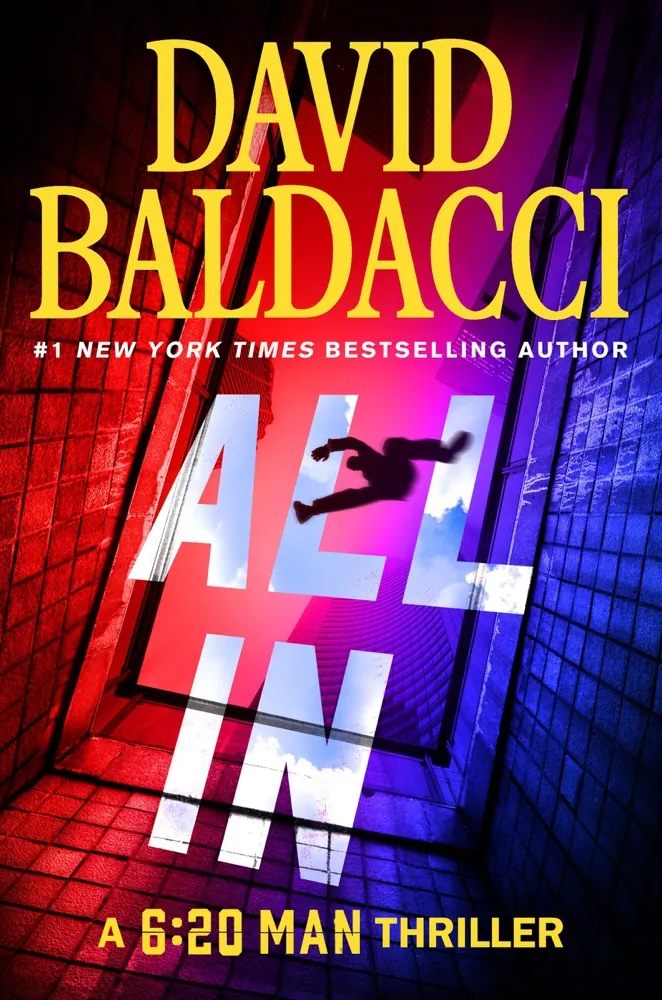

Author: David BaldacciPage Count: UnknownPublication Date: Expected publication 2026-11-10 APL The kitchen counters are still sticky from the flour explosion we called an after-school baking session, and the humidity outside is clinging to the windowpanes like a bad habit. Yet here I am, thinking about All In. David Baldacci is dragging Travis Devine out of the country, straight into the glittering harbors of Australia and a storm of billion-dollar secrets. Shadows in the Harbour Power plays that could shatter the world order? Groundbreaking. We have traded the cramped federal investigations for an Australian dynasty so obscenely wealthy they make nation-states look like mom-and-pop corner stores. But let us talk about the romance angle for a second, because the synopsis hints that a love story might actually be a complete lie. And honestly? Good. Give me heartbreak wrapped in weaponized data over a predictable happily-ever-after any day of the week, especially on a sticky August evening when the AC is humming like a dying jet engine. Speaking of domestic catastrophes, why did the third book in that cozy baking series by the pseudonym-happy author down the street involve a gluten-free murder weapon? It makes zero sense. You cannot strangle a man with a sourdough boule unless it has been left on the counter for three weeks and hardened into a literal brick—which, come to think of it, is precisely how my eldest approaches middle school geometry homework. Wait. Let me rephrase that entirely. Actually, scratch the notion that a bogus romance elevates a spy thriller. Fake dating tropes belong in fluffy rom-coms with pastel covers, not in the gritty, bullet-riddled domain of the Five Eyes alliance and rogue Russian mobsters. Baldacci is throwing too many genre ingredients into the bowl here: international journalism, billionaire dynasties, compromised prisons, and a missing analyst. It risks tasting like a badly mixed batch of snickerdoodles where someone accidentally dumped salt instead of sugar. The Currency of Information Information as currency is hardly a novel concept in twenty-first-year espionage fiction—we have read this exact maneuver in half the titles cluttering the airport bookstores right next to the thriller shelves bearing Daniel Silva's name. Yet Devine remains a compellingly bruised protagonist. A former Army Ranger wading through manufactured truths and glass-and-steel canyons. Will the execution match the grandiosity of the global stakes? Probably not entirely. But we will all preorder it anyway, hoping for a sharp punch to the gut before page three hundred. My daughter's papier-mâché volcano science project is currently on fire in the backyard because someone decided three ounces of lighter fluid was a valid substitute for baking soda and vinegar. Related InsightsThe One We Buried Book Review and Summary Ficciones Book Review and Summary Fire Book Review and Summary{ "@context": "https://schema.org", "@type": "FAQPage", "mainEntity": [ { "@type": "Question", "name": "What is the main focus of All In (6:20 Man, #4) Book Review and Summary?", "acceptedAnswer": { "@type": "Answer", "text": "Everything you need to know about All In (6:20 Man, #4) with our detailed review." } }, { "@type": "Question", "name": "Who authored the comprehensive guide on All In (6:20 Man, #4) Book Review and Summary?", "acceptedAnswer": { "@type": "Answer", "text": "This detailed article and its insights were carefully researched and authored by Sarah Davis." } }, { "@type": "Question", "name": "Where can I find more related content about Books?", "acceptedAnswer": { "@type": "Answer", "text": "You can explore more articles, detailed reviews, and similar insights by browsing the Related Insights section at the bottom of this article or visiting our dedicated Books category page." } } ] }
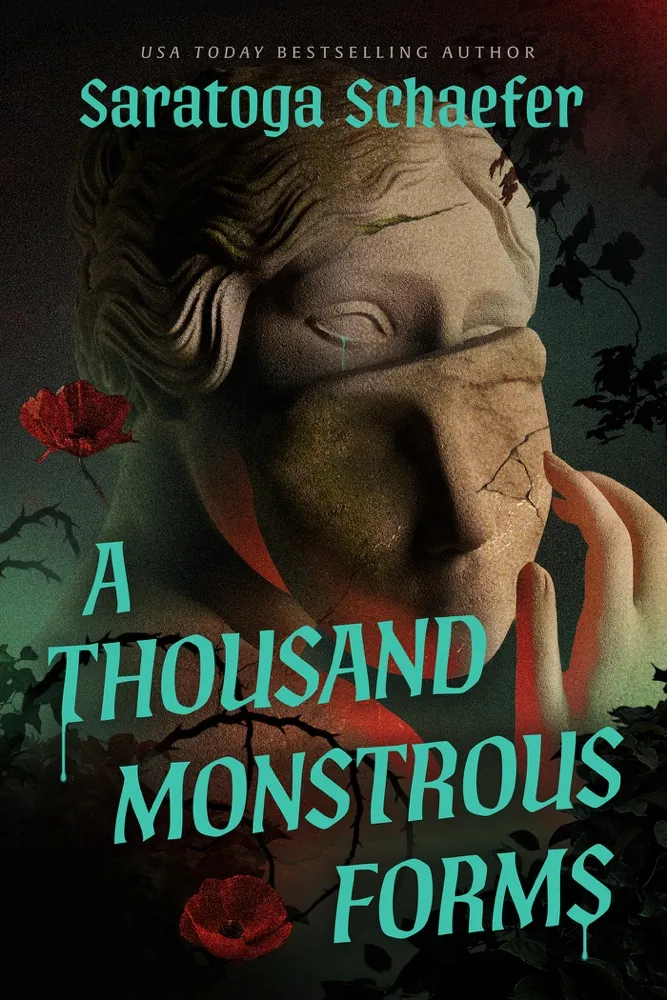

Author: Saratoga SchaeferPage Count: UnknownPublication Date: Expected publication 2026-09-15 APL Saratoga Schaefer is about to drag us through another architectural gaslighting exercise, and honestly, my blood pressure spikes just looking at the promo material for A Thousand Monstrous Forms. Six months of courtship before moving into a remote, art-filled manor called Busirane? Poppy Reed is asking to be shoved down a dumbwaiter. Or worse, turned into a modernist sculpture. Architectural Gaslighting and Sapphic Real Estate Mistakes Let's not kid ourselves. The Bluebeard blueprint is tired. Yet Schaefer managed to make Serial Killer Support Group feel mildly palatable—though I still maintain the pacing in the second act dragged harder than a Victorian mourning gown in mud. Now we are getting the gothic treatment with a sapphic twist. But wait, did I say the Bluebeard trope is tired? Scratch that, it is endlessly malleable if the psychological claustrophobia hits right. The premise relies entirely on whether Schaefer can sustain the dread of a snowed-in estate without leaning too heavily on creaking floorboards and obvious foreshadowing from faceless statues. The Semiotics of Locked Basements Art dealers with infamous romantic reputations should come with warning labels stamped across their foreheads in neon pink. The thematic weight here hinges on the subversion of trust within domestic spaces—the terrifying realization that the person who shares your pillow also hides industrial-grade secrets behind iron-reinforced deadbolts. Schaefer’s prose needs to bridge the gap between high-art pretensions and visceral, messy terror. If the dialogue dips into melodrama when the snow starts falling, I am throwing this ARC straight into the recycling bin. Give me psychological ruin or give me nothing. Actually, I take back my praise about her previous work; Trad Wife was a structural mess that completely lost its narrative momentum halfway through, so why am I expecting this to be any different? It will probably feature thirty pages of lingering descriptions over abstract paintings before anyone actually tries to survive anything. Peak lit-fic nonsense wrapped in a spooky aesthetic for booktok girlies who eat up basic gothic tropes like candy. Good grief, Hector is out by the terrace again and he is actively murdering my hydrangeas with that godforsaken weed whacker. Related InsightsNever Lose an Employee Again Book Review and Summary Charlie and the Chocolate Factory Book Review and Summary Erotic Seasons: Tuning into the Rhythms of Women's Sexuality and Spirituality Book Review and Summary{ "@context": "https://schema.org", "@type": "FAQPage", "mainEntity": [ { "@type": "Question", "name": "What is the main focus of A Thousand Monstrous Forms Book Review and Summary?", "acceptedAnswer": { "@type": "Answer", "text": "Everything you need to know about A Thousand Monstrous Forms with our detailed review." } }, { "@type": "Question", "name": "Who authored the comprehensive guide on A Thousand Monstrous Forms Book Review and Summary?", "acceptedAnswer": { "@type": "Answer", "text": "This detailed article and its insights were carefully researched and authored by Chloé Laurent." } }, { "@type": "Question", "name": "Where can I find more related content about Books?", "acceptedAnswer": { "@type": "Answer", "text": "You can explore more articles, detailed reviews, and similar insights by browsing the Related Insights section at the bottom of this article or visiting our dedicated Books category page." } } ] }
-
 Victoria Smith
 - 14 Aug, 2026 02:24
An Edge Sharp Enough (An Edge Sharp Enough, #1) Book Review and Summary
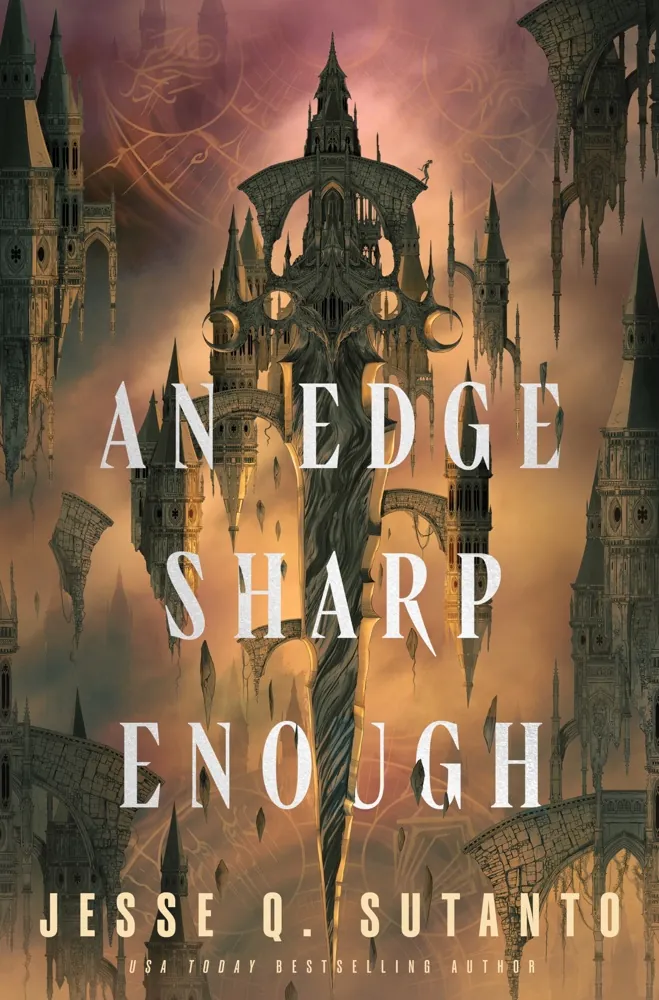
Author: Jesse Q. SutantoPage Count: UnknownPublication Date: Expected publication 2026-11-17 APL Grief is a peculiar thing, a shadow that follows us everywhere, like a lingering stench on our skin. I've lost count of the number of novels that attempt to capture its essence – a symphony of tears and regret, each one more cacophonous than the last. But this An Edge Sharp Enough promises to be different, to cut through the noise with an edge so sharp it'll leave us bleeding. The synopsis reads like a patchwork quilt, with disparate threads stitched together in a haphazard manner. Mara, an assassin, is the linchpin – her sole purpose is to resist the Divine Empress's plans, but what, exactly, does that mean? Is it a rebellion, a revolution, or just a desperate attempt to cling to a fading dream? The vagueness is palpable, a nagging itch I just can't scratch. But what I do know is that authors like Jesse Q. Sutanto have a knack for crafting worlds that feel lived-in, like dusty old armchairs creaking with the weight of history. Dial A for Aunties, their earlier novel, was a masterclass in subverting expectations – who knew that Taiwanese culture would be the key to unlocking a truly unique narrative? I'm not holding my breath for An Edge Sharp Enough to be a game-changer, but I do have a feeling it'll be a wild ride. Livya, the privileged daughter of a scientist, seems like the perfect foil to Mara's stoic assassin. There's something undeniably compelling about the intersection of duty and desire, of the suffocating weight of obligation versus the primal urge to break free. But what I find truly intriguing is the concept of the "indestructible" metal – is it a metaphor for something greater, or just a clever plot device? I suppose we'll have to wait and see. Fractured Identities & False Paradigms Grief, to me, is not just about loss – it's about the fragmented selves we leave behind, the personas we put on like a mask to hide the void within. These characters – Mara, Livya, the enigmatic Kaian, and Captain Fonde – are all walking contradictions, their identities frayed at the seams, begging to be rewoven. The question, of course, is whether author Sutanto will be able to do justice to this complex tapestry. Will the world-building be as immersive as, say, N.K. Jemisin's Broken Earth trilogy? Or will it falter, like a house of cards built on quicksand? Only time (and the book itself) will tell. But for now, I remain agnostic – a blank slate waiting to be etched by the author's words. Inconsistencies, Assumptions & The Pivot Mara's backstory seems like a jumbled mess of contradictions – five years old, behind fortress-like walls, dedicated to resisting the Divine Empress? It's a recipe for disaster, or a carefully crafted plot device. I'm inclined to believe the latter, but what if I'm wrong? And what's this about "a great revolution"? A revolution implies a sea change, a paradigm shift. But the mention of an "indestructible metal" suggests something far more... complicated. Wait, what was I saying? Ah yes, the metal. I think. The Unpredictable Nature of Trauma Grief, again, is a cruel mistress – it refuses to be tamed, to be wrapped neatly in a bow and presented as a gift. These characters will no doubt face their own share of trauma, their psyches frayed by the harsh realities of their world. And yet, somehow, they'll find a way to persevere. I suppose that's the true power of storytelling – to capture the human condition in all its messy, glorious complexity. Can An Edge Sharp Enough deliver on this promise? I'm not sure, but I'm willing to bet it'll be an intriguing ride. Just as I was about to finish this review, I stepped on a rogue building block. Related InsightsThe Perks of Being a Wallflower Book Review and Summary Dark Tides Book Review and Summary Far Sector Book Review and Summary{ "@context": "https://schema.org", "@type": "FAQPage", "mainEntity": [ { "@type": "Question", "name": "What is the main focus of An Edge Sharp Enough (An Edge Sharp Enough, #1) Book Review and Summary?", "acceptedAnswer": { "@type": "Answer", "text": "Everything you need to know about An Edge Sharp Enough (An Edge Sharp Enough, #1) with our detailed review." } }, { "@type": "Question", "name": "Who authored the comprehensive guide on An Edge Sharp Enough (An Edge Sharp Enough, #1) Book Review and Summary?", "acceptedAnswer": { "@type": "Answer", "text": "This detailed article and its insights were carefully researched and authored by Victoria Smith." } }, { "@type": "Question", "name": "Where can I find more related content about Books?", "acceptedAnswer": { "@type": "Answer", "text": "You can explore more articles, detailed reviews, and similar insights by browsing the Related Insights section at the bottom of this article or visiting our dedicated Books category page." } } ] }
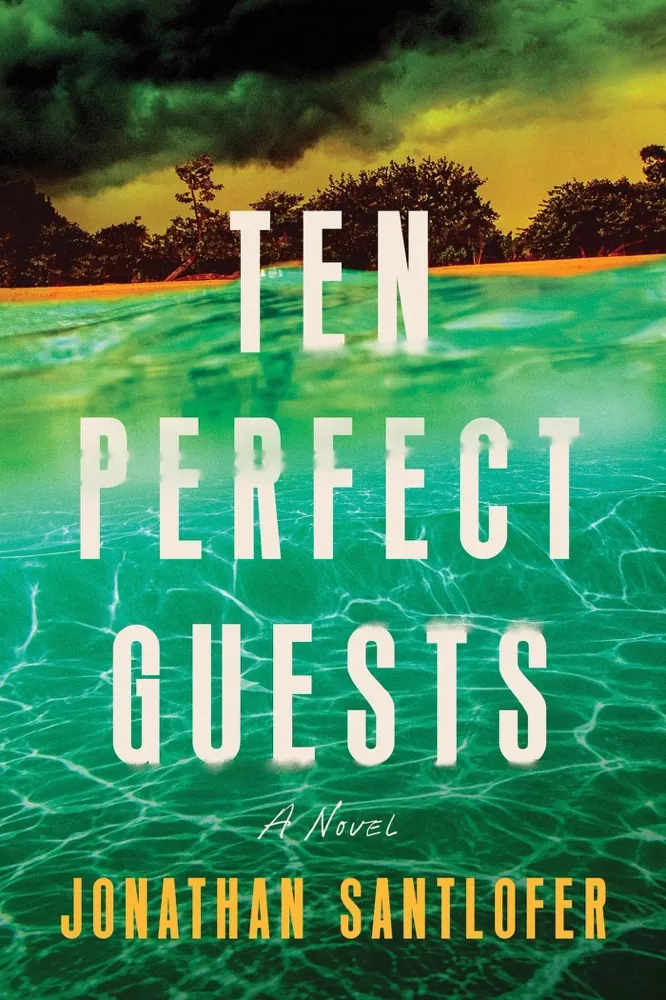

Author: Jonathan SantloferPage Count: UnknownPublication Date: Expected publication 2026-09-08 APL The air here is thick with the kind of quiet that only comes from knowing something terrible is about to happen—like the moment before a storm rolls in, when the sky isn’t just darkening but breathing. Ten Perfect Guests isn’t just a murder mystery; it’s a slow-motion car crash of ambition, betrayal, and the kind of art-world ego that could curdle a glass of champagne mid-sip. The synopsis reads like a dinner invitation from a man who knows exactly how many forks to set—ten, because he’s counting on every single one of them to dig into their own graves. And yet, the real genius—or folly—is that we’re not even sure if the victim is the villain here. Victor D’Arcangelo’s death is framed as a summons, not a tragedy, which is either a masterstroke of psychological manipulation or the kind of lazy writing that makes you wonder if the author’s only research was a Wikipedia deep dive into "artists who died mysteriously." The island isn’t just a setting; it’s a character in its own right, a tropical pressure cooker where the humidity clings to secrets like sweat to silk. The "no way out" isn’t just a plot device—it’s a metaphor for the kind of entrapment that comes with legacy. Think The Guest List meets Big Little Lies, but with the kind of razor-sharp dialogue that makes you suspect the author once eavesdropped on a gallery opening where the wine was free but the insults were not. The "ten perfect guests" line is dripping with irony, because nothing about this scenario is perfect. Not the inheritance, not the island, not the fact that someone—someone—is already circling like a vulture in a tuxedo. The question isn’t who will die; it’s who will get away with it, and that’s the kind of tension that makes you want to bookmark the page and never look back. But here’s where the synopsis stumbles—it’s too neat. The "someone knows their secrets" line is the kind of vague threat that could apply to any locked-room thriller, and the "revenge" angle feels like it’s been lifted from a screenplay where the villain monologues about childhood slights. Where’s the nuance? Where’s the suggestion that the guests aren’t just pawns but players in their own right? The synopsis reads like a press release for a Netflix original, not the kind of literary tension that lingers like a half-smoked cigarette in an ashtray. And yet—and yet—there’s something undeniably compelling about the idea of a memorial that’s less a farewell and more a gauntlet. It’s the kind of premise that makes you wonder if Santlofer is channeling the dark humor of Sharp Objects or the slow-burn dread of The Turn of the Screw, but with the kind of art-world specificity that could either elevate it or make it feel like a gilded cage. I was wrong earlier. The synopsis isn’t lazy—it’s deliberate. The vagueness isn’t a flaw; it’s a tease. The "ten perfect guests" line isn’t just a setup; it’s a promise that the real story will unfold in the cracks between the lines, where the guests’ flaws and fixations will be as much the killer as the knife. This isn’t just a murder mystery; it’s a dissection of the people who gather to mourn, who are really there to prove they’re the ones who deserve the inheritance. The island isn’t just a prison—it’s a mirror, reflecting back the worst in each of them. And the fact that the synopsis doesn’t spell out the mechanics of the crime? That’s the point. The masterpiece here isn’t the art; it’s the murder, and the real question is whether the guests will see it coming—or if they’ll be too busy admiring their own reflections to notice the blood on their hands. My home office has just been invaded by action figures. Related InsightsFind Me Where It Ends Book Review and Summary Boiling Point: How America Brought War to Ukraine Book Review and Summary Desert Star Book Review and Summary{ "@context": "https://schema.org", "@type": "FAQPage", "mainEntity": [ { "@type": "Question", "name": "What is the main focus of Ten Perfect Guests Book Review and Summary?", "acceptedAnswer": { "@type": "Answer", "text": "Everything you need to know about Ten Perfect Guests with our detailed review." } }, { "@type": "Question", "name": "Who authored the comprehensive guide on Ten Perfect Guests Book Review and Summary?", "acceptedAnswer": { "@type": "Answer", "text": "This detailed article and its insights were carefully researched and authored by Isabella Moore." } }, { "@type": "Question", "name": "Where can I find more related content about Books?", "acceptedAnswer": { "@type": "Answer", "text": "You can explore more articles, detailed reviews, and similar insights by browsing the Related Insights section at the bottom of this article or visiting our dedicated Books category page." } } ] }
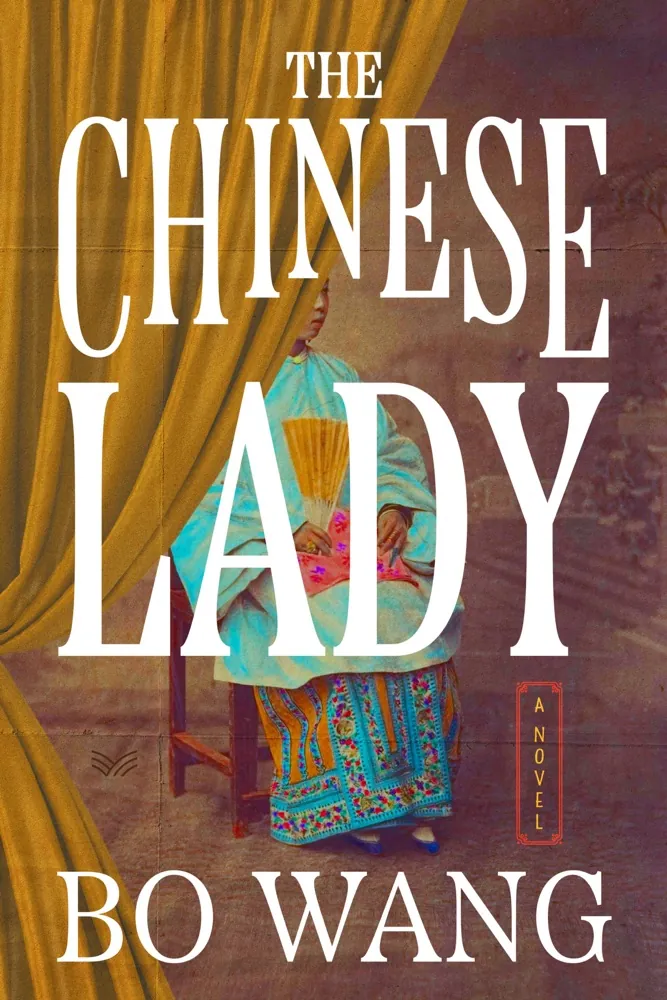

Author: Bo WangPage Count: UnknownPublication Date: Expected publication 2026-09-08 APL Velvet velvet everywhere, and not a single genuine syllable left in the parlor. They compare Bo Wang’s The Chinese Lady to Amy Tan’s The Joy Luck Club as if every piece of Asian-diaspora fiction must be packaged in the same bruised silk. How dreadfully unimaginative. Yet, I find myself tracing the edge of my Sèvres teacup, utterly seduced by the structural ambition promised here. A life fractured into titles. Little Sparrow. Julia. Afong Moy. Madame Moy. China. The nomenclature alone suggests a linguistic violence that excites the poet in me far more than any tidy chronological plot ever could. The Currency of Human Curiosities Look at the mechanics of this premise. In 1834, reduced to an oddity because of bound feet—those lotus feet molded into architectural tragedies for the male gaze. And P.T. Barnum enters the frame, because of course he does. America loves a sideshow. But the structural conceit is what demands our attention. We do not start with her voice. No. We hear her through the echoes of those who owned, named, and commodified her. A mother’s sale in Canton. A captain’s patronizing renaming in New York. The museum's dehumanizing moniker. Wait. Let me retract my praise for that structure. It is a tired trick. Why must we endure the chorus of oppressors before we are granted the privilege of the victim's interiority? It is an artistic indulgence that flirts too closely with the very exploitation it purports to condemn. Let her speak from page one. We do not need the white captain's wife to translate the agony for us. The Weight of the Name And yet, the promise of San Francisco’s Chinatown at the terminus offers a sharp, bitter fruit. The reclamation of a stolen identity. Wang is attempting a monumental feat—filling the silent chasms of archival history with the breath of imaginative prose. Will it soar? Or will it buckle under the heavy-handed marketing of historical trauma porn designed to win literary prizes on the backs of broken bones? My daughter just burst into the study to inform me that her science fair is tomorrow, not next week. Related InsightsFight Club Book Review and Summary The Christmas Yes List Book Review and Summary Charlaine Harris Gunnie Rose 4 Book Review and Summary{ "@context": "https://schema.org", "@type": "FAQPage", "mainEntity": [ { "@type": "Question", "name": "What is the main focus of The Chinese Lady Book Review and Summary?", "acceptedAnswer": { "@type": "Answer", "text": "Everything you need to know about The Chinese Lady with our detailed review." } }, { "@type": "Question", "name": "Who authored the comprehensive guide on The Chinese Lady Book Review and Summary?", "acceptedAnswer": { "@type": "Answer", "text": "This detailed article and its insights were carefully researched and authored by Lucia Garcia." } }, { "@type": "Question", "name": "Where can I find more related content about Books?", "acceptedAnswer": { "@type": "Answer", "text": "You can explore more articles, detailed reviews, and similar insights by browsing the Related Insights section at the bottom of this article or visiting our dedicated Books category page." } } ] }
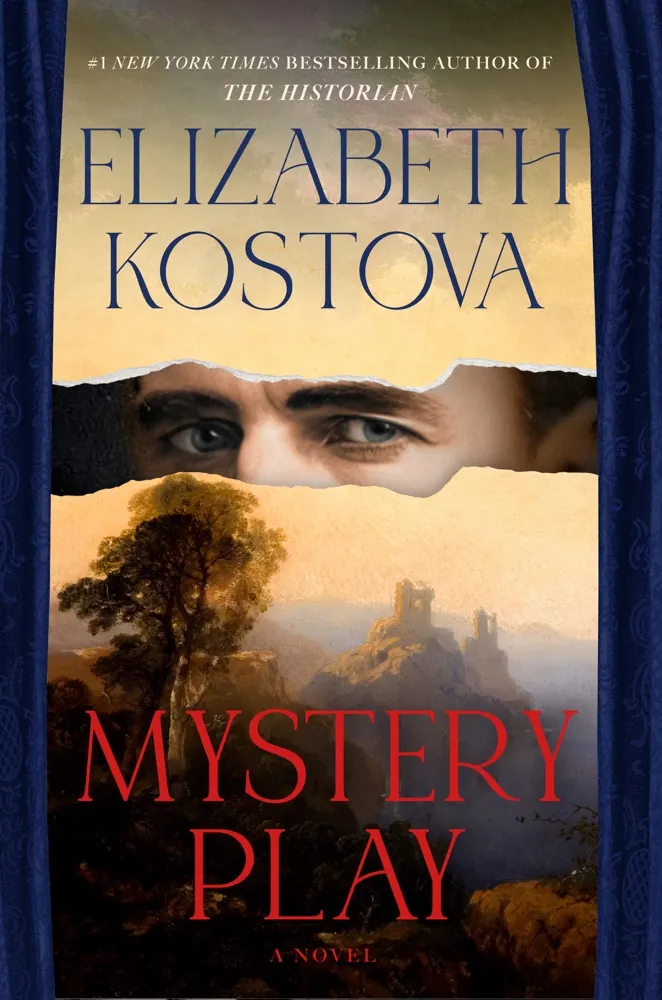

Author: Elizabeth KostovaPage Count: UnknownPublication Date: Expected publication 2026-10-13 APL Kostova's back, and it's time to see if she can recapture the lightning in a bottle that made her a household name with her debut, The Historian. I'm thinking 2006-esque epic, Gilded Age glamour, with dashes of horror and, most definitely, Dracula. And yeah, because we all need more of that in our lives. But let's get to the nitty-gritty, shall we? —The fact that Elizabeth Kostova is revisiting the Dracula lore is fascinating, but the real draw here is the new protagonist, Jay Turner. This guy's got a solid reason to be paranoid: a partially burned newspaper with a name on it, "Gael Brogan," and a package containing a creepy leather-bound book at his doorstep. And we all love a protagonist with secrets, don't we? It's a little too convenient that Gael Brogan is some 19th-century actor who played the part of Dracula, don't you reckon? Still, you gotta hand it to Kostova: she knows how to spin a narrative that has you hooked from the get-go. But what if she—The Mystery Play turns out to be just another exercise in nostalgia, another attempt to cash in on Dracula's timeless appeal? That would be a real shame, seeing how this book does feel like it's tapping into the zeitgeist. I mean, the whole "ancient evil and its dramatic followers" thing is, at the very least, a tantalizing setup. Think The League of Extraordinary Gentlemen meets a dash of Penny Dreadful, and you've got a solid premise on your hands. Kostova's got a lot of work ahead of her if she wants to make this book stand out, though. Let's be real, folks: the real test will come when she tries to make Gael Brogan more than just a curiosity. The Play's Dark Shadows But here's the thing: The Mystery Play feels like it's trying too hard to be something greater than it is. This book is a thriller, yes, and a good one at that. And yeah, sure, I'd totally read a Stephen King novel about an actor who goes to far in his portrayal of Dracula. But what if this isn't just some clever rehash of the classic, what if it's something more... something more... well, that's the million-dollar question, isn't it? The Theater of the Absurd Still, as a fan of The Historian, I won't lie: I'm a little skeptical. Kostova's got a real knack for crafting atmosphere, for making you feel like you're right there within the world she's so meticulously created. And, man, does she love her period settings. It's a lot like The Alienist meets The Night Circus with a dash of Dracula thrown in for good measure. Okay, so it may be a bit on the nose at times, but that's all part of the fun, isn't it? But, let's get real, The Mystery Play better bring the heat. I've read it all before, from The Historian to Dracula's castle to—okay, you get the idea. This has got to be something more, more original, more wow. Otherwise, it's just another tired Dracula adaptation, and we've been there, done that, and gotten the t-shirt to prove it. The Final Curtain I think what I'm really worried about is how much The Mystery Play relies on nostalgia and familiarity with the original Dracula lore. Don't get me wrong, the idea of it is solid. The problem lies in execution. Kostova's got this, I genuinely believe that. But until I see some real, tangible tension in these pages, I'll be keeping my expectations on the low side. I mean, let's face it: this is a high-risk, high-reward situation. Either this book blows me away, or I'll be the one getting a bad rap about being too cynical. I've got to get packing, by the way. I'm off to Tokyo tomorrow for business. Related InsightsAfter Midnight Book Review and Summary L'Eco del Destino: Il Viaggio Metafisico tra le Sabbie di L'Alchimista Jonathan Strange & Mr Norrell Book Review and Summary{ "@context": "https://schema.org", "@type": "FAQPage", "mainEntity": [ { "@type": "Question", "name": "What is the main focus of Mystery Play Book Review and Summary?", "acceptedAnswer": { "@type": "Answer", "text": "Everything you need to know about Mystery Play with our detailed review." } }, { "@type": "Question", "name": "Who authored the comprehensive guide on Mystery Play Book Review and Summary?", "acceptedAnswer": { "@type": "Answer", "text": "This detailed article and its insights were carefully researched and authored by Piotr Nowak." } }, { "@type": "Question", "name": "Where can I find more related content about Books?", "acceptedAnswer": { "@type": "Answer", "text": "You can explore more articles, detailed reviews, and similar insights by browsing the Related Insights section at the bottom of this article or visiting our dedicated Books category page." } } ] }
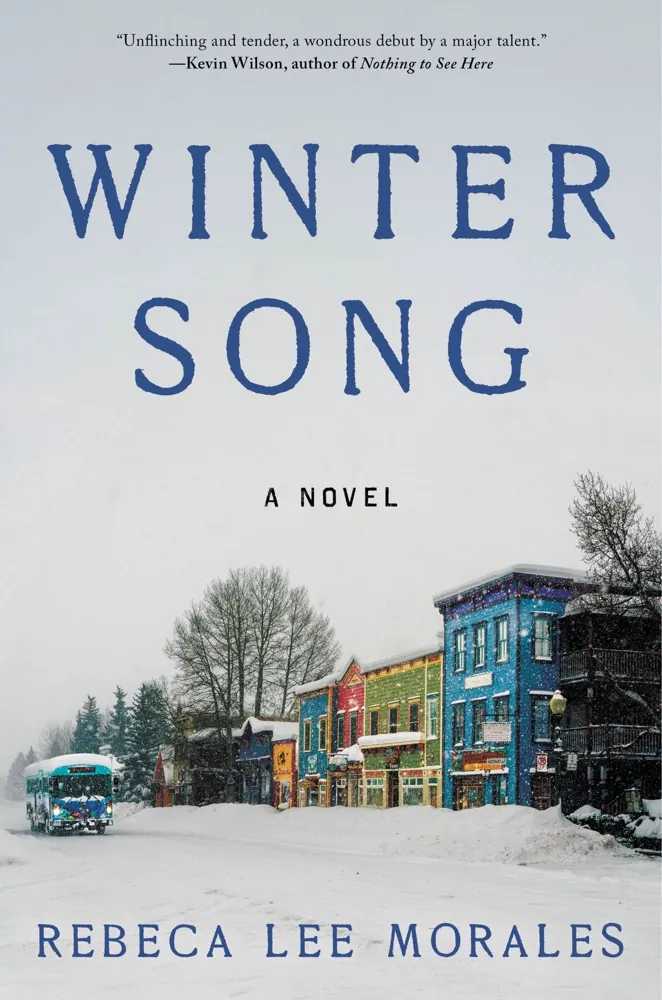
Author: Rebeca Lee MoralesPage Count: UnknownPublication Date: Expected publication 2026-12-01 APL The snow’s been falling in Minnesota for weeks—just like the way this synopsis buries its hooks deep, slow and inevitable, like a man shoveling his way through a yard that’s already been buried. You can almost hear the crunch of ice underfoot as Gordon Trent, a cop who’s spent his life measuring guilt by the inch, gets cornered by Byron Lugo, a man who’s spent his life insisting he’s been wronged by the very system Trent helped uphold. And yet—here’s the thing—this isn’t some grand, cinematic reckoning. It’s a story about the quiet, the real quiet, the kind that settles in the bones of a town where the biggest scandal is whether Old Man Hargrove’s tractor will start this winter. The synopsis sells this as a character study wrapped in a procedural—Winter Song as the literary equivalent of a slow-burn true crime podcast, where the real crime isn’t the vehicular homicide Byron’s been convicted of, but the way the town, the law, and even Gordon himself have already decided the verdict before the trial’s over. But—and this is where the vagueness starts to feel like a deliberate choice—where’s the song? The title’s a tease, a promise of something lyrical lurking beneath the frost, but all we’ve got so far is the structural beats: the retired cop, the wrongfully accused, the motley crew of allies who’ll stand by Byron no matter what. It’s the kind of setup that could go either way—The Secret History meets The Outsider, or A Prayer for Owen Meany if Owen had been framed for a hit-and-run instead of some cosmic misfortune. For what it’s worth, the comparison to Elizabeth Strout and Kent Haruf isn’t just marketing fluff. These are authors who understand how small towns are both prisons and sanctuaries, where everyone knows your business but no one’s willing to admit they’ve ever done anything wrong themselves. The tension here isn’t just between Byron and Gordon—it’s the tension of a man who’s spent his career believing in the system now being forced to confront the cracks in it. And yet, the synopsis doesn’t tell us how that confrontation plays out. Is Gordon a reformer? A cynic? A man who’s just tired of the job? The way it’s written, he could be any of those, or none of them—because the real work, the song, is in the telling. The other thing that jumps out? The year. 1986. Not just any year, but a year when the world outside Minnesota’s hinterland was still feeling the aftershocks of Reaganomics, when the Cold War was a constant hum in the background, when the idea of "justice" was still being debated in courtrooms and living rooms alike. That’s not just a setting—it’s a character. The town’s isolation isn’t just geographic; it’s ideological. And that’s where the real stakes lie. Because in a place like this, the biggest crime isn’t the one Byron’s accused of—it’s the one the town commits every day by looking the other way. But here’s where the synopsis starts to feel like it’s holding back. We’re told Byron’s friends will stand by him, but we’re not told who they are or why. Are they idealists? Criminals themselves? People who’ve seen the system work against them before? The way the synopsis frames it, it could be any of those, but the lack of specificity makes it feel like the author’s playing it safe. And in a genre where the tension comes from the unknown—from the way a character’s past might resurface, from the way a town’s secrets might unravel—holding back like that feels like a missed opportunity. Yet—and this is the thing—maybe that’s the point. Maybe Winter Song isn’t about the grand reveal, but about the slow, creeping realization that some wounds never close, that some songs are just meant to be sung in the dark. The comparison to Haruf’s Plainsong isn’t just about the small-town setting; it’s about the way both books treat redemption as something that’s never guaranteed, never clean. And if that’s the case, then the synopsis is doing its job by leaving us with more questions than answers. The only thing that feels off? The title. Winter Song sounds like it’s promising something poetic, something almost magical, when what we’ve got so far is a story about a man trying to clear his name in a town that’s already written him off. But then again, maybe that’s the beauty of it. Maybe the song isn’t in the resolution, but in the way the characters keep singing anyway, even when no one’s listening. And then there’s the question of style. The synopsis reads like it’s been written by someone who’s read too many other synopses—too many promises of "moving" and "pitch-perfect" and "brilliant new voices." It’s the kind of language that makes you want to roll your eyes, but also makes you wonder if the book itself will be the antithesis of that kind of hype. Will it be the quiet, unassuming masterpiece that doesn’t need to sell itself, or will it be the one that gets lost in the noise? For now, all we’ve got is the promise of a story about a man who’s been wronged, a cop who’s been wrong, and a town that’s been wrong for a long time. And if that’s the case, then Winter Song might just be the kind of book that gets better the longer you wait for it. But then again—what’s the point of waiting when you can just order it now and find out? The only thing worse than a book that doesn’t deliver is a book that makes you wait too long to find out if it does. #bookstagram #midwestlit #literaryfiction #winteriscoming #slowburn Related InsightsMeant to Be Series, Collection Set of 4 Books. If the Shoe Fits, by the Book, Kiss the Girl, Tangled up in You by Julie Murphy Book Review and Summary Sweep with Me Book Review and Summary A Brief History of Time Book Review and Summary{ "@context": "https://schema.org", "@type": "FAQPage", "mainEntity": [ { "@type": "Question", "name": "What is the main focus of Winter Song Book Review and Summary?", "acceptedAnswer": { "@type": "Answer", "text": "Everything you need to know about Winter Song with our detailed review." } }, { "@type": "Question", "name": "Who authored the comprehensive guide on Winter Song Book Review and Summary?", "acceptedAnswer": { "@type": "Answer", "text": "This detailed article and its insights were carefully researched and authored by Natalia Sokolova." } }, { "@type": "Question", "name": "Where can I find more related content about Books?", "acceptedAnswer": { "@type": "Answer", "text": "You can explore more articles, detailed reviews, and similar insights by browsing the Related Insights section at the bottom of this article or visiting our dedicated Books category page." } } ] }

Author: Tatiana Schlote-BonnePage Count: UnknownPublication Date: Expected publication 2026 APL The flickering fluorescent overhead tube is buzzing at a precise, brain-melting frequency of sixty hertz, and my coffee went lukewarm forty minutes ago while I stared at yet another pitch about a teenager who accidentally summons a literal demon through an indie horror game. Tatiana Schlote-Bonne's What Feeds Below drops in 2026, and I am already exhausted. Pixels and Penance The premise leans hard into contemporary millennial-and-young-adult anxiety, marrying the parasocial loneliness of Twitch streaming with old-school folklore doppelgangers. We get Viv, a chronic liar drowning in survivor's guilt over her sister's fatal accident, trying to monetize her trauma for parental approval. It is standard modern YA fare dressed up in ring lights and chat box overlays. Or maybe it isn't. Wait, let me rephrase that. Actually, looking closer at the marketing copy, the streaming angle might just be a shallow aesthetic wrapper for a standard psychological guilt-trip thriller. Who knows. The synopsis plays it safe, hitting every expected beat of the "reformed bully finds redemption through supernatural terror" checklist. The Boy Who Cried Demonic Mimic The central conflict relies on the oldest, most irritating trope in speculative fiction: nobody believes the protagonist because she lied in the past. It is the boy who cried wolf, translated into a high-saturation digital landscape. But let us be honest about the mechanics here. The synopsis tells us absolutely nothing about how this demonic mimic actually operates mechanically, leaving us stranded in a sea of vague threat implications. Yet, I read it so you don't have to. Well, technically I do have to, because my rent is due and this miserable night shift demands another thousand words of artificial enthusiasm for unreleased manuscripts. If Schlote-Bonne leans away from the moralizing cheese and embraces the genuinely nasty implications of a supernatural entity wearing a liar's face, this could punch above its weight class. Think Depraved meets a slightly more cynical iteration of Mara Rutherford's work, stripped of the usual genre gloss. Or it could drown in its own heavy-handed messaging about the power of truth. I have to leave now for a terribly pretentious avant-garde film screening where three people stare at a blank wall for two hours, which somehow still sounds more stimulating than proofreading another manuscript about a gamer fighting a digital ghost. #WhatFeedsBelow #BookTwitter #YAHorror #PublishingLife Related InsightsBlood Lust (Blood Chronicles, #2) Book Review and Summary Carrie Book Review and Summary This Season of Life: Stories and Gentle Practices for the Busy, Slow, and In-Between Book Review and Summary{ "@context": "https://schema.org", "@type": "FAQPage", "mainEntity": [ { "@type": "Question", "name": "What is the main focus of What Feeds Below Book Review and Summary?", "acceptedAnswer": { "@type": "Answer", "text": "Everything you need to know about What Feeds Below with our detailed review." } }, { "@type": "Question", "name": "Who authored the comprehensive guide on What Feeds Below Book Review and Summary?", "acceptedAnswer": { "@type": "Answer", "text": "This detailed article and its insights were carefully researched and authored by Irina Ivanova." } }, { "@type": "Question", "name": "Where can I find more related content about Books?", "acceptedAnswer": { "@type": "Answer", "text": "You can explore more articles, detailed reviews, and similar insights by browsing the Related Insights section at the bottom of this article or visiting our dedicated Books category page." } } ] }

Author: Natasha SiegelPage Count: UnknownPublication Date: Expected publication 2026-10-27 APL The humidity clinging to the silk of my collar today is nothing short of an absolute tragedy, a suffocating August blanket that mirrors the precise agony of staring at yet another derivative historical fantasy being shoveled onto the market by desperate publishers. Chateau Reverie arrives late next year courtesy of Natasha Siegel, demanding we care about a rococo parlor game masquerading as high art. And yet, Samantha Shannon is blubbering about being enchanted. How precious. We are promised a haunted house, a fable, and a romance during the twilight hours of the French Revolution—because apparently, the guillotine simply wasn't bloody enough without a touch of magical realism thrown in for the TikTok demographic. The Currency of Suppressed Trauma Genevieve de Vienne and Leander Sterne walk into a cursed architectural wet dream with empty pockets and heavy baggage. Or rather, Genevieve wants to obliterate the memory of a former lover while Leander merely desires basic autonomy. They must survive three days of transactional amnesia. Bidding secrets for desires sounds awfully like a graduate seminar in comparative literature, minus the stale coffee and career despair. Siegel previously gave us As Many Souls as Stars, which apparently prepared her to write about ethereal auctions where people trade their deepest shames like baseball cards. It is deeply unserious, low-key giving me brain rot just reading the logline, yet executed with enough rococo window dressing to hook the Erin Morgenstern sycophants. Actually, scratch that completely. The prose is allegedly "lush and transportive," and if Siegel leans hard enough into the decadent horror of the late eighteenth-century aristocracy, I might actually forgive the sheer absurdity of a magical house playing landlord to amnesiacs. The Aristocratic Audit of the Damned We are expected to marvel at the peril of seven attendees trapped in a sentient estate where winning means losing your humanity. How dreadfully original. One shudders at the structural integrity of a plot that relies entirely on people trading secrets they supposedly cannot remember. How does one bid a secret when memory is the price of admission? A glaring logical paradox, yet the V.E. Schwab crowd will eat it up without chewing. They adore aestheticized suffering wrapped in velvet ribbons and candle wax. We shall see if Siegel delivers an actual deconstruction of French aristocratic rot or merely another pastel-tinted YA-crossover dressed up in lace. My Rolex is losing five seconds an hour and the jeweler cannot look at it until Tuesday, which is a profound inconvenience. Related InsightsEmily Henry 3-Book Boxed Set Book Review and Summary The Drowning Woman Book Review and Summary Hard-Boiled Wonderland and the End of the World Book Review and Summary{ "@context": "https://schema.org", "@type": "FAQPage", "mainEntity": [ { "@type": "Question", "name": "What is the main focus of Chateau Reverie Book Review and Summary?", "acceptedAnswer": { "@type": "Answer", "text": "Everything you need to know about Chateau Reverie with our detailed review." } }, { "@type": "Question", "name": "Who authored the comprehensive guide on Chateau Reverie Book Review and Summary?", "acceptedAnswer": { "@type": "Answer", "text": "This detailed article and its insights were carefully researched and authored by James Miller." } }, { "@type": "Question", "name": "Where can I find more related content about Books?", "acceptedAnswer": { "@type": "Answer", "text": "You can explore more articles, detailed reviews, and similar insights by browsing the Related Insights section at the bottom of this article or visiting our dedicated Books category page." } } ] }

Author: Kyle WinklerPage Count: UnknownPublication Date: Expected publication 2026-09-29 APL Another autumn arrives with the predictable stench of desperate publicists attempting to resurrect the corpse of epistolary fiction. This time, the victim is Kyle Winkler’s The Ship of Death, a forthcoming manuscript marketed with the usual breathless blurbs that read like desperate emergency room triage. We are told to expect a collision between Mark Z. Danielewski’s spatial labyrinth and a board game. Naturally. Because what contemporary culture truly requires is another commercial product trading exclusively in the stale currency of structural gimmickry. The Architecture of Boredom Found documents. Ah, the absolute zenith of modern literary laziness. Give me emails, transcripts, and police reports instead of actual prose. Force the reader to sift through administrative detritus just to manufacture an artificial sense of dread. It feels precisely like reading the internal memos of the failing Conde Nast archives circa 2008. But we are expected to swoon because a couple saving up for domestic bliss gets trapped by an indie tabletop game. How dreadfully quaint. The bourgeoisie getting terrorized by cardboard and dice while actual geopolitical systems crumble outside my study window. Suburban Paranoia and Cheap Dice The premise hinges on a cursed indie game bleeding into real estate and cognition. A tabletop role-playing exercise demanding players possess a stranger's soul. Brilliant. Let us reduce metaphysical dread to the mechanical roll of a twenty-sided die. One expects the prose to vibrate with genuine psychological violence, yet the synopsis leans heavily on the tired trope of domestic precarity—saving for a house, signing NDAs, playing corporate-adjacent board games for pocket change. It reads less like cosmic horror and more like the average Wednesday afternoon at a failing tech startup in Zurich. Winkler clearly aims for the jugular, invoking comparisons to Dan Chaon and Benjamin Percy. Yet, the reliance on game reports and forum posts feels suspiciously like an evasion of actual stylistic craftsmanship. Anyone can scatter emails across a page and call it a nightmare. True terror requires language that cuts, sentences that bleed without needing a gimmick to hold the pages together. Instead, we get a glorified rulebook wrapped in horror-adjacent marketing, destined for the nightstands of people who still unironically quote the Hitchhiker's Guide at dinner parties. Save the cosmic dread for entities that actually wield structural power. A cursed game on a porch pales in comparison to the quiet devastation of central bank interest rate hikes. I need to call my broker immediately regarding a sudden market shift. Related InsightsThe Goose Girl Book Review and Summary Fifty Shades from Christian's Point of View Book Review and Summary Fifty Shades of Grey Book Review and Summary{ "@context": "https://schema.org", "@type": "FAQPage", "mainEntity": [ { "@type": "Question", "name": "What is the main focus of The Ship of Death Book Review and Summary?", "acceptedAnswer": { "@type": "Answer", "text": "Everything you need to know about The Ship of Death with our detailed review." } }, { "@type": "Question", "name": "Who authored the comprehensive guide on The Ship of Death Book Review and Summary?", "acceptedAnswer": { "@type": "Answer", "text": "This detailed article and its insights were carefully researched and authored by Klaus Weber." } }, { "@type": "Question", "name": "Where can I find more related content about Books?", "acceptedAnswer": { "@type": "Answer", "text": "You can explore more articles, detailed reviews, and similar insights by browsing the Related Insights section at the bottom of this article or visiting our dedicated Books category page." } } ] }

Author: Danielle ValentinePage Count: UnknownPublication Date: Expected publication 2026-09-15 APL The landlord has already knocked twice this week about the radiator knocking like a trapped ghost, and yet here I am, scraping dried rings of instant dark roast off my favorite chipped ceramic mug while staring down another publisher's glossy pitch for Danielle Valentine's Deadly Little Lessons. It is scheduled for late next September, meaning we are all supposed to pretend we care about high-concept YA thriller slop a full year before it hits the Barnes & Noble table next to the checkout queue. God, the literary industrial complex is exhausting. Let us talk about Luminary Prep — because apparently, every single boarding school in modern fiction needs to be a lethal deathtrap masquerading as an elite academy, a trope that was already starting to rot by the time we finished binge-watching Hiroshi's neon-soaked nightmares on Netflix. The Architecture of Elite Cannibalism The conceit here is transparently derivative—Squid Game meets prep school, a descriptor that publishers throw around like confetti at a dead man's wake. Lia Michaels, who apparently possesses the hacker-girl street cred of an early-2000s Angelina Jolie movie, gets plucked from juvie and tossed into an experimental campus with fancy cafeteria food and state-of-the-art tech. Naturally. Because nothing says pedagogical reform quite like a death-trap obstacle course in Physics and actual literal guillotines in Political Science. What an absolute vibe check for the college admissions process. Valentine is leaning hard into the hyper-capitalist dystopia genre she previously dabbled in with Two Sides to Every Murder and How to Survive Your Murder, and frankly, the cynicism is delicious. Yet one has to wonder if teenagers dying for a diploma has officially jumped the shark. Are we really supposed to buy that the board of trustees signs off on decapitation hazards for AP credits? Meritocracy as a Blood Sport The thematic undercurrent here is painfully obvious—the hyper-competitive hellscape of modern academic achievement taken to its logical, satirical extreme. Kids already kill themselves metaphorically for Ivy League acceptance letters; making it literal is just the next logical step in late-stage capitalism's educational roadmap. Only five survivors—pardon me, graduates—will make it out. It is Battle Royale for the AP Lit crowd. But let us be real for a second; if you are going to pitch a boarding school bloodbath, the prose better have more teeth than the average TikTok book review, or the whole thing collapses under the weight of its own absurd premise. I need literary structural integrity, not just cheap jump scares disguised as chemistry exams. Still, there is a manic, feral energy to the setup that appeals to my current sleep-deprived brain rot. Now I need to stop procrastinating and somehow dig my laptop out from under this terrifying, teetering avalanche of unpaid utility bills and out-of-print literary theory paperbacks before the entire desk finally caves in. Related InsightsHunt on Dark Waters Book Review and Summary The Familiar Book Review and Summary The Drowning Woman Book Review and Summary{ "@context": "https://schema.org", "@type": "FAQPage", "mainEntity": [ { "@type": "Question", "name": "What is the main focus of Deadly Little Lessons Book Review and Summary?", "acceptedAnswer": { "@type": "Answer", "text": "Everything you need to know about Deadly Little Lessons with our detailed review." } }, { "@type": "Question", "name": "Who authored the comprehensive guide on Deadly Little Lessons Book Review and Summary?", "acceptedAnswer": { "@type": "Answer", "text": "This detailed article and its insights were carefully researched and authored by Olya Shevchenko." } }, { "@type": "Question", "name": "Where can I find more related content about Books?", "acceptedAnswer": { "@type": "Answer", "text": "You can explore more articles, detailed reviews, and similar insights by browsing the Related Insights section at the bottom of this article or visiting our dedicated Books category page." } } ] }