Showing Posts From
Books
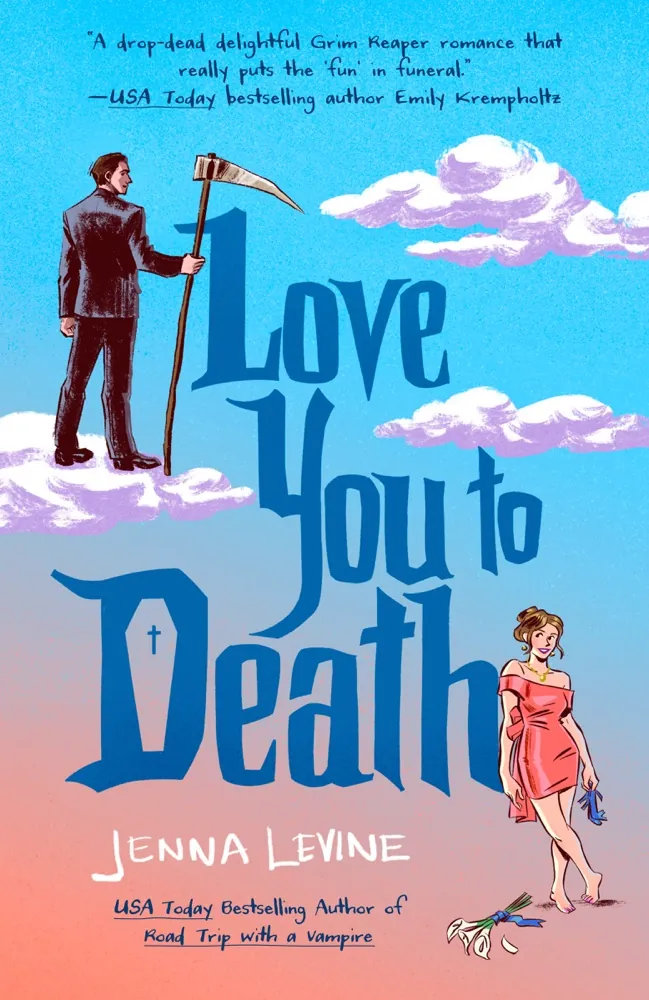

Author: Jenna LevinePage Count: UnknownPublication Date: Expected publication 2026-10-13 APL Love You to Death, the latest offering from Jenna Levine, promises to be a fascinating exploration of mortality, love, and the human condition. Or, at the very least, that's what I'm hoping for. As a broke university student, I've got better things to do than waste my time on subpar literature, and I expect my sci-fi and fantasy to be grounded in some semblance of scientific accuracy. That being said, I'm intrigued by the premise of this paranormal romance. A jaded grim reaper, Daniel, and a woman who's been given a second chance at life, Lucy, form an unlikely bond as they explore the complexities of human existence. It's a familiar trope, to be sure, but one that can be executed beautifully in the right hands. The setup is straightforward enough: Lucy dies, meets Daniel, and convinces him to help her cheat death for six more weeks. It's a Faustian bargain, of sorts, with Daniel observing Lucy's life and reporting back to the Agency in exchange for her temporary reprieve. But as they spend more time together, they begin to realize that their feelings for each other may be the real deal. Cue the swooning. What I find particularly interesting about this premise is the way it subverts traditional notions of mortality. Death, in this world, is not an absolute end, but rather a transition to something else. The Agency, whatever that may be, seems to be a bureaucratic entity that governs the afterlife, and Daniel's job as a grim reaper is to collect souls and ferry them to the next stage. It's a bleak existence, and one that Daniel has clearly grown tired of. His partnership with Lucy offers him a chance to experience humanity in a way he never has before, and to reevaluate his own existence. But what about Lucy? What drives her desire to cling to life, and what does she hope to achieve in her six-week reprieve? The synopsis doesn't give us much to go on, but I suspect that her character arc will be just as crucial to the story as Daniel's. Is she running from something, or someone? Does she have unfinished business to attend to, or is she simply desperate to experience the world in all its beauty and ugliness? As I read through the synopsis, I couldn't help but think of authors like Neil Gaiman and Holly Black, who have a knack for weaving together the mundane and the supernatural. There's a hint of darkness to this story, a sense that the stakes are high and the consequences of failure are dire. I'm also reminded of the TV show "Pushing Daisies," which explored similar themes of mortality and the afterlife with a similar blend of whimsy and pathos. Ultimately, I'm cautiously optimistic about Love You to Death. The premise is intriguing, the characters have potential, and the themes are ripe for exploration. But I need to see how Levine develops the story, how she balances the tone and the pacing, and how she resolves the central conflict. Will it be a satisfying, emotionally resonant read, or will it fall flat? I'll have to wait and see. In the meantime, I'm off to listen to some obscure synth-wave albums. Maybe something by Perturbator or Carpenter Brut will get me in the right mood for this one. #paranormalromance #grimreapers #secondchances Related InsightsI Am Legend and Other Stories Book Review and Summary Starship Troopers Book Review and Summary Possession Book Review and Summary{ "@context": "https://schema.org", "@type": "FAQPage", "mainEntity": [ { "@type": "Question", "name": "What is the main focus of Love You to Death Book Review and Summary?", "acceptedAnswer": { "@type": "Answer", "text": "Everything you need to know about Love You to Death with our detailed review." } }, { "@type": "Question", "name": "Who authored the comprehensive guide on Love You to Death Book Review and Summary?", "acceptedAnswer": { "@type": "Answer", "text": "This detailed article and its insights were carefully researched and authored by Marco Conti." } }, { "@type": "Question", "name": "Where can I find more related content about Books?", "acceptedAnswer": { "@type": "Answer", "text": "You can explore more articles, detailed reviews, and similar insights by browsing the Related Insights section at the bottom of this article or visiting our dedicated Books category page." } } ] }
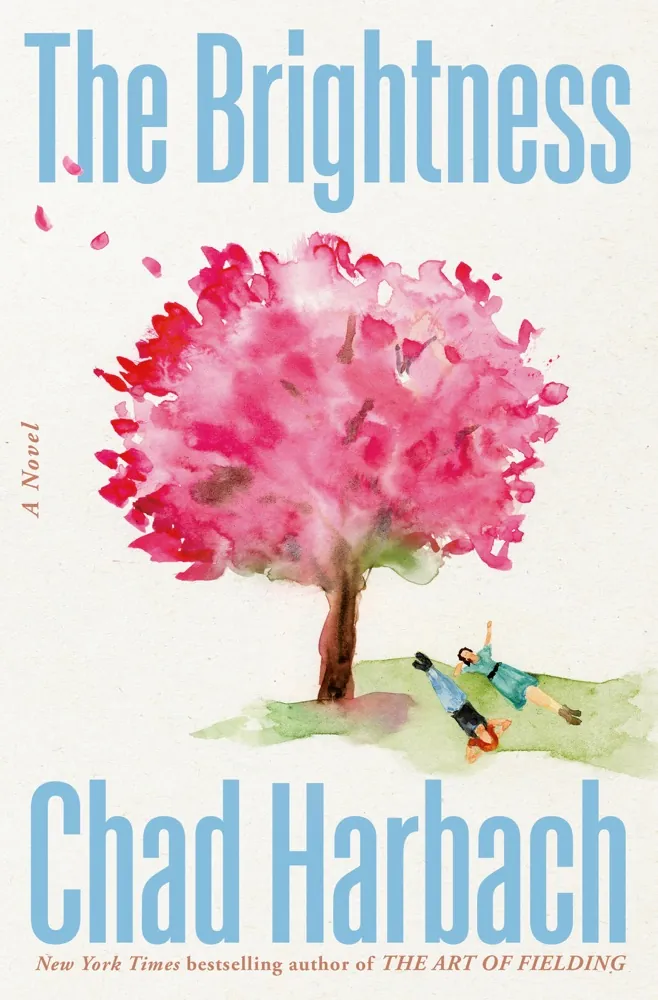

Author: Chad HarbachPage Count: UnknownPublication Date: Expected publication 2026-10-27 APL And so, another literary sensation is about to unfold before our eyes. Chad Harbach's The Brightness promises to capture the electric, chaotic essence of one's twenties, a decade of life that's as mesmerizing as a summer storm brewing on the horizon. As I sit here, surrounded by the musty scent of aged books and the warm glow of morning sunlight filtering through the blinds, I feel the anticipation building up inside me like a gentle hum of a harp string. The lives of Pella and Irma, two young women on the cusp of irrevocable change, are about to collide with the unforgiving world beyond the sleepy confines of Westish College. Harbach's prose, much like the works of Donna Tartt or Jennifer Egan, has a way of transporting us to a world that's both familiar and yet, utterly foreign. We're drawn into the whirlwind of parties, weddings, and messy hookups, all while the specter of grief and loss looms large, like the faint outline of a thunderstorm on a sweltering summer day. But what truly sets The Brightness apart is its unflinching examination of the human condition. Harbach's characters are multidimensional, flawed, and relatable, much like the protagonists of Sheila Heti's How Should a Person Be?. They're caught in the throes of passion and ambition, their identities in a state of flux as they grapple with the incalculable wages of love and loss. And it's here, in this precarious balancing act, that Harbach's prose truly shines, illuminating the dark recesses of the human heart with a precision that's both unnerving and exhilarating. As I delve into the world of The Brightness, I'm reminded of the works of Ottessa Moshfegh, whose protagonists often find themselves careening through life with a mix of detachment and desperation. Harbach's Pella and Irma are no different, their lives a testament to the capricious nature of fate and the often-blurred lines between choice and circumstance. And yet, despite the synopsis's tantalizing hints, I'm left with more questions than answers. What lies at the heart of Pella's past, and how will it collide with her present? How will Irma's involvement with the prank on campus affect her future? The vagueness is almost palpable, a deliberate choice that leaves me both intrigued and frustrated. Still, I have no doubt that The Brightness will be a literary tour de force, one that will leave readers breathless and yearning for more. Harbach's prose is a masterclass in evocative storytelling, a testament to the transformative power of language. As I close this preview, I'm filled with a sense of anticipation, a feeling that's both thrilling and terrifying. But for now, I'll put The Brightness aside, letting its themes and characters simmer in the back of my mind like a slow-cooked stew. The summer sun is calling, and I have a poolside lounge chair with my name on it. I'll lay back, close my eyes, and let the warmth wash over me, forgetting all about The Brightness and its mesmerizing world. #SummerReads #LiteraryFiction #TheBrightness Related InsightsRed Rising Book Review and Summary Birth of the Witch (A Coven of Three Trilogy, #1) Book Review and Summary Accidents Never Happen Book Review and Summary{ "@context": "https://schema.org", "@type": "FAQPage", "mainEntity": [ { "@type": "Question", "name": "What is the main focus of The Brightness Book Review and Summary?", "acceptedAnswer": { "@type": "Answer", "text": "Everything you need to know about The Brightness with our detailed review." } }, { "@type": "Question", "name": "Who authored the comprehensive guide on The Brightness Book Review and Summary?", "acceptedAnswer": { "@type": "Answer", "text": "This detailed article and its insights were carefully researched and authored by Emma Thompson." } }, { "@type": "Question", "name": "Where can I find more related content about Books?", "acceptedAnswer": { "@type": "Answer", "text": "You can explore more articles, detailed reviews, and similar insights by browsing the Related Insights section at the bottom of this article or visiting our dedicated Books category page." } } ] }
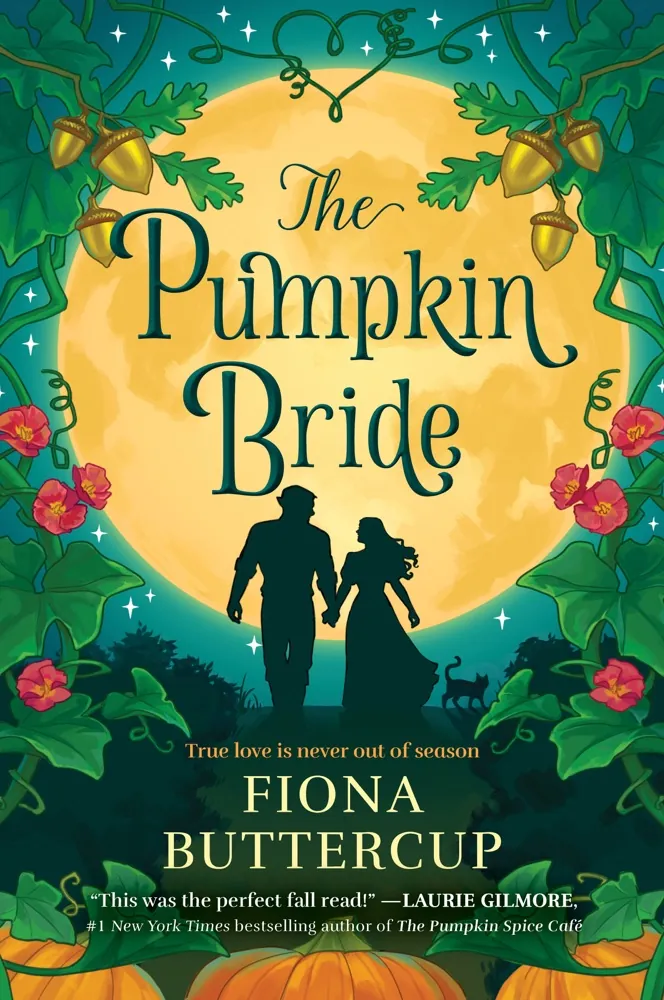
Author: Fiona ButtercupPage Count: UnknownPublication Date: Expected publication 2026-09-01 APL As I sit amidst the opulent furnishings of my Manhattan penthouse, surrounded by masterpieces from the likes of Monet and Picasso, I find myself pondering the forthcoming release of The Pumpkin Bride — a novel that promises to whisk readers away to a world of autumnal enchantment. But, I must confess, the synopsis leaves me with more questions than answers: what secrets lie beneath the surface of this seemingly idyllic tale? And, yet, it is this very vagueness that piques my interest, for I have always believed that the most captivating stories are those that subtly hint at the complexities that lie beneath. And so, I turn my attention to the protagonist, Sir Bram Duncan — a cursed knight, transformed into the hulking orc, Jask Bone-Cracker, by the whims of a jealous prince and the trickery of an autumn sprite. His is a tale of lost love and hidden identity, of a man torn asunder by the contradictions of his own nature. But, what of Princess Marigold, the runaway bride who stumbles upon Jask's charmed pumpkin farm? Does she embody the quintessential "sunshine" to Jask's "grumpy" persona, or is there more to her character than initially meets the eye? The tropes are familiar — Beauty and the Beast, Hidden Identity, Second Chance — and, yet, I am reminded of the works of authors like Naomi Novik and Patricia McKillip, who have mastered the art of weaving complex, atmospheric tales that defy easy categorization. But, I digress. The true test of The Pumpkin Bride will lie in its ability to balance the darker elements of its narrative — the curses, the lies, the wronged princes — with the lighter, more whimsical aspects of its world-building. Can Fiona Buttercup strike a chord similar to that of The Princess Bride, with its perfect blend of swashbuckling adventure, witty banter, and heartfelt romance? Or will The Pumpkin Bride succumb to the pitfalls of overly relying on familiar tropes, rather than forging its own unique path? These are the questions that will linger in my mind as I await the book's release — and, I must confess, I am eager to see how Buttercup will choose to answer them. As I consider the themes that underlie The Pumpkin Bride, I am struck by the notion that this is, at its core, a story about the power of love to transcend even the most seemingly insurmountable obstacles. And, yet, it is also a tale of identity, of the tensions that arise when our true selves are forced to confront the expectations of others. But, what of the setting, the autumnal landscape that provides the backdrop for this narrative? Does it serve merely as a picturesque backdrop, or does it play a more active role in shaping the characters and their journeys? These are the questions that will occupy my mind in the coming weeks, as I count down the days until The Pumpkin Bride finally hits the shelves. And, now, as I glance at my watch, I am reminded that I have a Zoom call with my board of directors in five minutes — a meeting that will, no doubt, be filled with discussions of the latest market trends and the ongoing quest for the next great literary sensation. But, for now, my thoughts remain with The Pumpkin Bride, and the promise it holds of a captivating, perhaps even enchanting, reading experience. #booklovers #newrelease #romanticfantasy Related InsightsMother's Love Book Review and Summary Princess Academy Book Review and Summary The Blade Itself Book Review and Summary{ "@context": "https://schema.org", "@type": "FAQPage", "mainEntity": [ { "@type": "Question", "name": "What is the main focus of The Pumpkin Bride Book Review and Summary?", "acceptedAnswer": { "@type": "Answer", "text": "Everything you need to know about The Pumpkin Bride with our detailed review." } }, { "@type": "Question", "name": "Who authored the comprehensive guide on The Pumpkin Bride Book Review and Summary?", "acceptedAnswer": { "@type": "Answer", "text": "This detailed article and its insights were carefully researched and authored by Emma Thompson." } }, { "@type": "Question", "name": "Where can I find more related content about Books?", "acceptedAnswer": { "@type": "Answer", "text": "You can explore more articles, detailed reviews, and similar insights by browsing the Related Insights section at the bottom of this article or visiting our dedicated Books category page." } } ] }
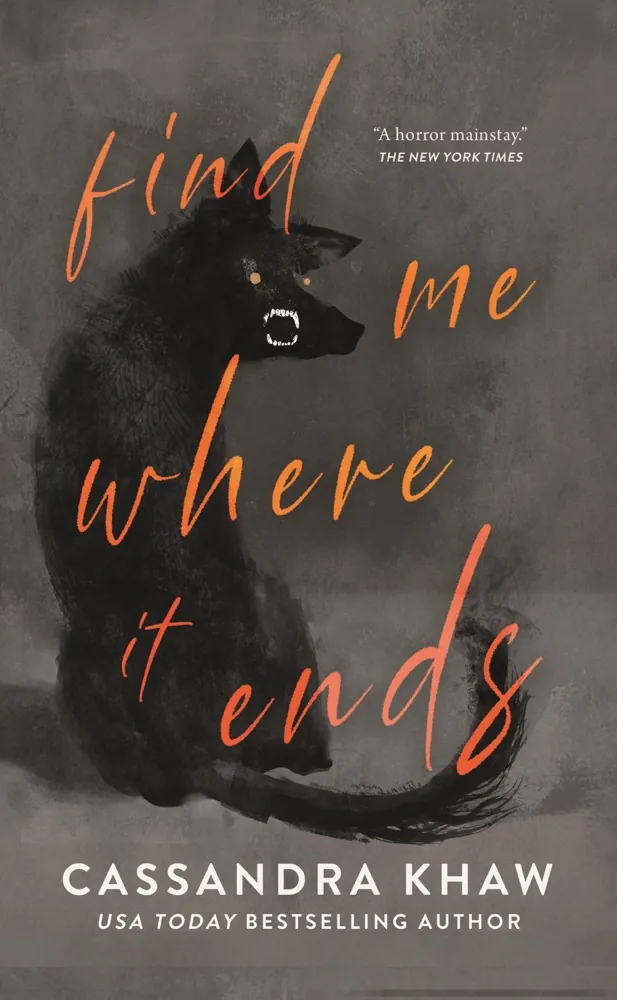

Author: Cassandra KhawPage Count: UnknownPublication Date: Expected publication 2026-10-06 APL August in Manhattan is a sticky, miserable affair, yet here I am, sweating through my bespoke linen blazer while trying to figure out why Cassandra Khaw’s latest offering, Find Me Where It Ends, insists on dragging its feet before page one even opens. As an executive who has rejected a thousand bloated manuscripts this quarter alone, I care about one thing above all else: momentum. Does this premise move, or does it idle? Let us dissect the anatomy of this blurb. Khaw gives us a woman, a doorstep, and a mythic hound. Standard gothic boilerplate. Yet—and this is where my interest is begrudgingly piqued—the pacing outlined in this synopsis is dangerously slow. We have a protagonist, Antigone, inviting Death's spectral puppy inside for tea and introspection. The Slow Burn Trap How long can a narrative sustain itself on mere self-reflection before the reader tosses the volume across a cramped Brooklyn apartment? Khaw’s bibliography—think The Salt Grows Heavy—relies on visceral, atmospheric shock. But interiority is a notoriously tricky beast. If Antigone spends the first hundred pages simply pondering her burnout and the pieces of herself she sacrificed for ungrateful relations, the structural integrity of the novella will collapse under its own melancholic weight. Pacing is not merely about velocity. It is about tension. And frankly, this synopsis lacks teeth. The Economics of Exhaustion Look at the thematic framing here. Burnout. The hollowing out of the self. It is the literary zeitgeist of our exhausted late-capitalist moment, echoing the bleak, atmospheric exhaustion found in Ottessa Moshfegh’s work or the folkloric dread of Mariana Enríquez. Yet, art requires propulsion. A good death coming at a price is a compelling hook—truly, what is the toll?—but the blurb stops dead right when the stakes should skyrocket. The Verdict Will it sell? Absolutely. Khaw’s cult following guarantees a robust pre-order window. But as an editor whose desk is currently buried under three competing drafts of grief-drenched horror, I worry about the middle act. Will the narrative drag like a humid August afternoon? Or will Khaw deliver the jagged, razor-sharp prose we expect? I suspect we are in for a lingering, atmospheric slog. Brilliant prose, perhaps. But narrative stagnation is a luxury few readers tolerate in our current hyper-accelerated attention economy. Somebody get my assistant. The caviar I ordered from room service is far too salty, and I refuse to tolerate culinary incompetence on top of sluggish editorial pacing. Related InsightsLucy Kline, Necromancer Book Review and Summary The Sun and the Star Book Review and Summary Switzy Book Review and Summary{ "@context": "https://schema.org", "@type": "FAQPage", "mainEntity": [ { "@type": "Question", "name": "What is the main focus of Find Me Where It Ends Book Review and Summary?", "acceptedAnswer": { "@type": "Answer", "text": "Everything you need to know about Find Me Where It Ends with our detailed review." } }, { "@type": "Question", "name": "Who authored the comprehensive guide on Find Me Where It Ends Book Review and Summary?", "acceptedAnswer": { "@type": "Answer", "text": "This detailed article and its insights were carefully researched and authored by Chloé Laurent." } }, { "@type": "Question", "name": "Where can I find more related content about Books?", "acceptedAnswer": { "@type": "Answer", "text": "You can explore more articles, detailed reviews, and similar insights by browsing the Related Insights section at the bottom of this article or visiting our dedicated Books category page." } } ] }
-
 Natalia Sokolova
 - 10 Aug, 2026 16:50
Snow This is Love: Meant to Be Holiday Tales Book Review and Summary
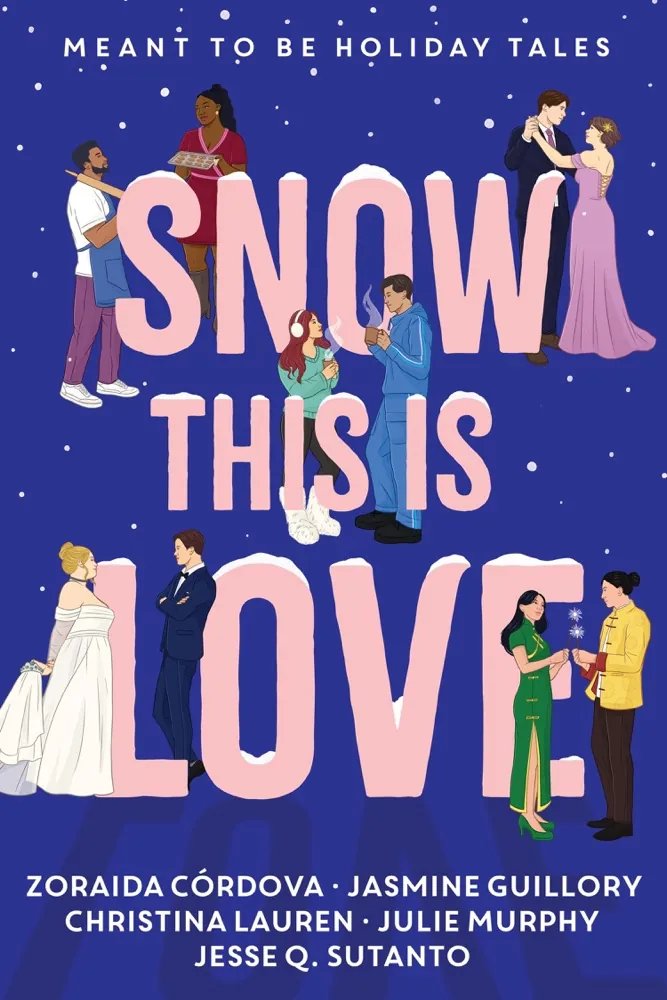
Author: Zoraida CórdovaPage Count: UnknownPublication Date: Expected publication 2026-10-13 APL Sweat is currently dripping off my nose into the prep-sink, and the dinner rush hasn't even hit its peak, but my mind is currently stuck on the upcoming release of Snow This Is Love. It’s a strange juxtaposition—this collection of holiday-themed Disney reimagining’s sitting next to my station, amidst the chaos of searing scallops and barking line cooks. The Heavyweight Division of Rom-Coms These authors aren't lightweight fighters. They are the heavy hitters. You have Zoraida Córdova, Jasmine Guillory, and Christina Lauren—the pound-for-pound champions of modern romance. When I look at a lineup like this, I’m not looking for the technical perfection of a defensive fighter. I’m looking for the knockout blow. I want the emotion that hits like a perfectly timed counter-hook in the twelfth round. And yet, looking at this synopsis, I have to ask: where is the friction? The setup for "Siren in the Snow" suggests a lost luggage incident as the catalyst for conflict. Listen, I’ve seen middleweights lose a title because their corner forgot their mouthguard. That is real stakes. But can a lost suitcase really sustain the emotional weight required for a satisfying romance? I’m skeptical. Then you have the "dream baking competition" in Beauty and the Baking Battle. It sounds lovely. It sounds sweet. But does it have the intensity of a high-stakes championship bout? I hope Guillory pushes the stakes higher than a collapsed soufflé, or else the reader is going to feel as cheated as a crowd watching a fixed fight. Footwork and Storytelling The thematic core here is the reimagining of classic Disney lore. It’s a trope—and a tired one, if I’m being honest—that relies heavily on the audience's preexisting affection for the source material. It’s the literary equivalent of a fighter leaning on the ropes to catch their breath. It works, but it’s not graceful. Still, Julie Murphy in "Deck the Heels" is tackling the stepmother narrative—a classic heel turn—and that gives me hope. If there’s one thing we know about professional combat, it’s that a good villain makes for the most memorable night of your life. I predict that Jesse Q. Sutanto’s entry, "Dreaming of a Perfect Lunar New Year," will be the dark horse of this anthology. The mention of a "possible curse" is the kind of aggressive storytelling I appreciate. It adds a layer of uncertainty that the other stories, based on the synopsis, seem to lack. It’s the difference between a technical sparring match and a brawl in a dive bar. Give me the brawl. Give me the stakes that feel like they could actually break something. The vagueness of the synopsis is a bit frustrating—a lot of "dreaming" and "magic" and not enough grit. But hey, I’m just a cook in a kitchen with aching feet. I’ll probably buy it anyway. My laptop battery is at 1% and I can't find the charger. Related InsightsThe House of Gardenias Book Review and Summary Ulysses Book Review and Summary Stations Book Review and Summary{ "@context": "https://schema.org", "@type": "FAQPage", "mainEntity": [ { "@type": "Question", "name": "What is the main focus of Snow This is Love: Meant to Be Holiday Tales Book Review and Summary?", "acceptedAnswer": { "@type": "Answer", "text": "Everything you need to know about Snow This is Love: Meant to Be Holiday Tales with our detailed review." } }, { "@type": "Question", "name": "Who authored the comprehensive guide on Snow This is Love: Meant to Be Holiday Tales Book Review and Summary?", "acceptedAnswer": { "@type": "Answer", "text": "This detailed article and its insights were carefully researched and authored by Natalia Sokolova." } }, { "@type": "Question", "name": "Where can I find more related content about Books?", "acceptedAnswer": { "@type": "Answer", "text": "You can explore more articles, detailed reviews, and similar insights by browsing the Related Insights section at the bottom of this article or visiting our dedicated Books category page." } } ] }
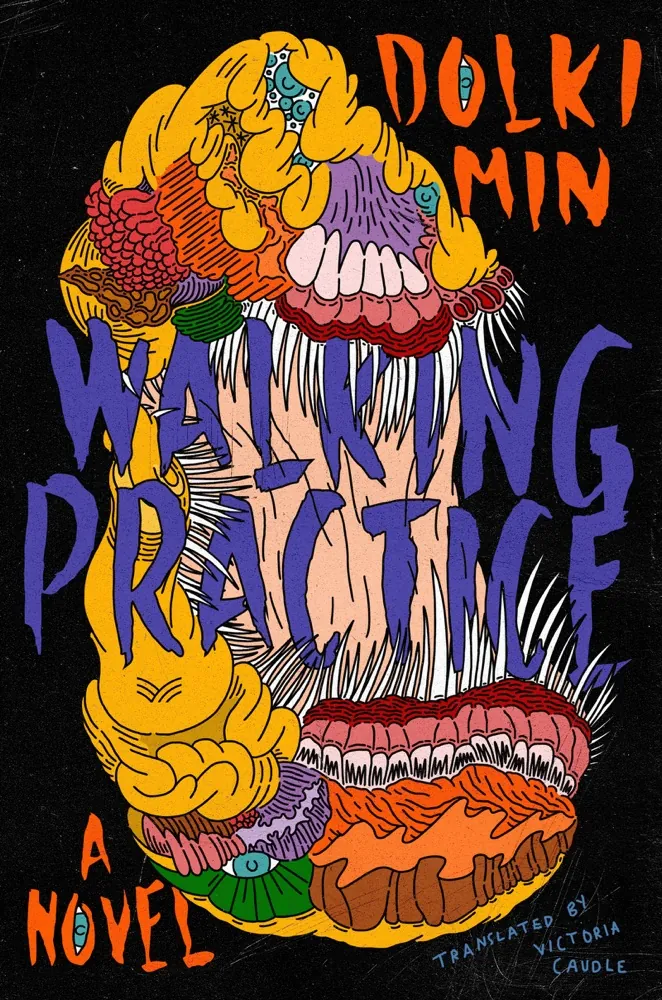

Author: A.N. CaudlePage Count: UnknownPublication Date: Expected publication 2026 APL What is it about humanity that we find so mesmerizing, even in the face of utter alienation? In Bound by Fate, South Korean author Dolki Min's debut novel, we're invited to explore the complexities of human existence through the disorienting lens of an extraterrestrial. This enigmatic novel promises to subvert our expectations, and based on the tantalizing synopsis, I'm convinced it will be a game-changer. Or is it just another variation on the "stranded alien" trope? —A la The Left Hand of Darkness, this iteration is notable for pairing the sci-fi staple with a shapeshifting alien, who adopts various identities to lure in unsuspecting prey. And what a deliciously dark concept it is. The tension is palpable as our cephalopod-like protagonist stalks their quarry through the city, armed with an unsettling array of hunting tools, including a dating app—because, of course. Yet, the true horror lies not in the alien's monstrous nature, but in the mirror it holds up to our own species' predilections for consumption. But what of the human condition? How does Min, in conjunction with translator Victoria Caudle, aim to illuminate our existential plight through this unsettling narrative? —I'm reminded of the visceral power of Kazuo Ishiguro's Never Let Me Go, where the blurred lines between life and death serve as a cautionary tale about the commodification of human experience. Similarly, Breaking Bad's Walter White, though morally reprehensible, forces us to confront the dark underbelly of American society. Will Dolki Min's novel join this pantheon of thought-provoking works, or falter in its attempt to dissect our peculiarities? Only time (and, hopefully, a competent editor) will tell. What if we're being sold a bill of goods, and Bound by Fate is merely a glossy facade, devoid of substance? —Perhaps the comparisons to Squid Game and Under the Skin are nothing more than a cynical marketing ploy. I, for one, am willing to take the bait. There's something to be said for a novel that can juggle multiple tonalities—shocking, horrifying, hilarious, intimate—and still manage to leave a lasting impression. As the venerable critic, James Wood, once astutely observed, "A good novel is a novel that you can no longer imagine living without." What will the aftermath be like, after we've devoured this peculiar feast? Will we emerge scarred, changed, or simply sated? —The answer, much like the novel itself, remains a tantalizing mystery. For now, I'm hooked. Give me a glimpse of humanity, warts and all, and I'll be there with bells on. Bring on the line drawings, too—the more unsettling the visuals, the better. The glare on my monitor is starting to give me a headache, but I'm too captivated to look away. As the words blur on the screen, I'm left to ponder the abyss that separates us from our alien "other." What do we really know about the Other, anyway? #AlienatedSouls, #ExistentialHorror, #KoreanLit, #DebutNovel Related InsightsRun Away Book Review and Summary When Page Turns Meet Pulse: The Untold Journey of Young Adult Literature The Inmate Book Review and Summary{ "@context": "https://schema.org", "@type": "FAQPage", "mainEntity": [ { "@type": "Question", "name": "What is the main focus of Bound by Fate Book Review and Summary?", "acceptedAnswer": { "@type": "Answer", "text": "Everything you need to know about Bound by Fate with our detailed review." } }, { "@type": "Question", "name": "Who authored the comprehensive guide on Bound by Fate Book Review and Summary?", "acceptedAnswer": { "@type": "Answer", "text": "This detailed article and its insights were carefully researched and authored by Maximilian Fischer." } }, { "@type": "Question", "name": "Where can I find more related content about Books?", "acceptedAnswer": { "@type": "Answer", "text": "You can explore more articles, detailed reviews, and similar insights by browsing the Related Insights section at the bottom of this article or visiting our dedicated Books category page." } } ] }
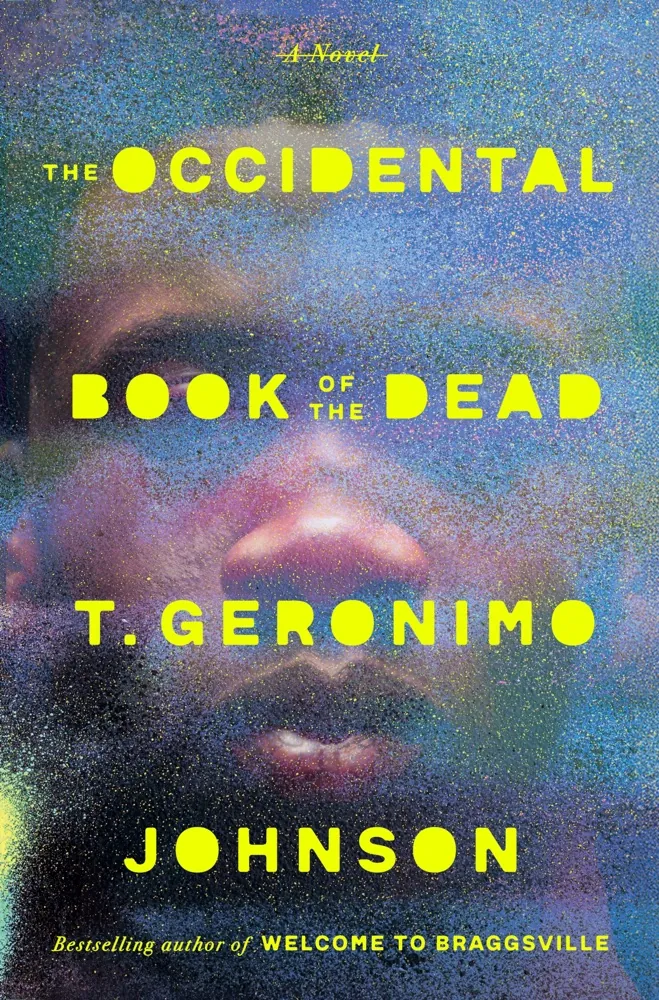

Author: T. Geronimo JohnsonPage Count: UnknownPublication Date: Expected publication 2026-10-06 APL As I swelter in this August heat, I find myself drawn to the provocative The Occidental Book of the Dead, T. Geronimo Johnson's latest literary crime masterpiece. But what exactly does that mean? We're given a protagonist, George Washington Jonson, a Black cop in an Atlanta precinct, and a narrative that splits into two contrasting versions of the American experience. And, of course, the obligatory promise of a "bold, inventive structure" and "virtuosic dissonance." Yet, I'm left wondering: what lies beneath the surface of this police procedural? Johnson's previous work, Welcome to Braggsville, was a National Book Award longlist contender, so I expect a certain level of sophistication in his exploration of corruption and conspiracy. The setup, at least, seems promising: a decade on the job, Jonson has fashioned a new life in an affluent suburb with his white wife and stepson, but he's still policing his old neighborhood. The tension between his past and present is palpable, and I'm eager to see how Johnson exploits this dichotomy. But let's not get ahead of ourselves. The synopsis is frustratingly vague, and I'm forced to fill in the gaps with my own speculation. What does it mean for Jonson's "façade of white alliance" to begin crumbling? Is this a commentary on the performative nature of identity, or simply a plot device to propel the narrative forward? And what of the "escalating lies" that follow the violent confrontation with a white teenager? Are we in for a nuanced exploration of systemic racism, or a more straightforward tale of corruption and cover-ups? One thing is certain: Johnson's prose is likely to be a highlight of the book. His "trademark virtuosic dissonance" has drawn comparisons to the likes of Attica Locke and Ron Charles, and I'm excited to see how he employs language to subvert our expectations. The promise of a "pyrotechnic exploration" is enticing, if a bit overwrought. As I sit here, sweating in the summer heat, I need a drink, and it’s only Tuesday. The Occidental Book of the Dead has the potential to be a scathing critique of American society, but it's hard to say for certain without more information. I'm reminded of the works of Paul Beatty, who has similarly used satire to eviscerate the hypocrisies of modern America. If Johnson can tap into that same vein of irreverent humor and social commentary, we might be in for a real treat. For now, I'll reserve judgment, but my expectations are high. Johnson has a proven track record, and the premise is undeniably compelling. As I await the book's release, I'll be watching with bated breath to see if he can deliver on his promises. And now, I'm going to go crochet a sweater out of spite. #LiteraryFiction #CrimeMasterpiece #SummerReading Related InsightsHope nation Book Review and Summary Translation State Book Review and Summary Drop Dead Handsome Book Review and Summary{ "@context": "https://schema.org", "@type": "FAQPage", "mainEntity": [ { "@type": "Question", "name": "What is the main focus of The Occidental Book of the Dead Book Review and Summary?", "acceptedAnswer": { "@type": "Answer", "text": "Everything you need to know about The Occidental Book of the Dead with our detailed review." } }, { "@type": "Question", "name": "Who authored the comprehensive guide on The Occidental Book of the Dead Book Review and Summary?", "acceptedAnswer": { "@type": "Answer", "text": "This detailed article and its insights were carefully researched and authored by Carmen Martinez." } }, { "@type": "Question", "name": "Where can I find more related content about Books?", "acceptedAnswer": { "@type": "Answer", "text": "You can explore more articles, detailed reviews, and similar insights by browsing the Related Insights section at the bottom of this article or visiting our dedicated Books category page." } } ] }
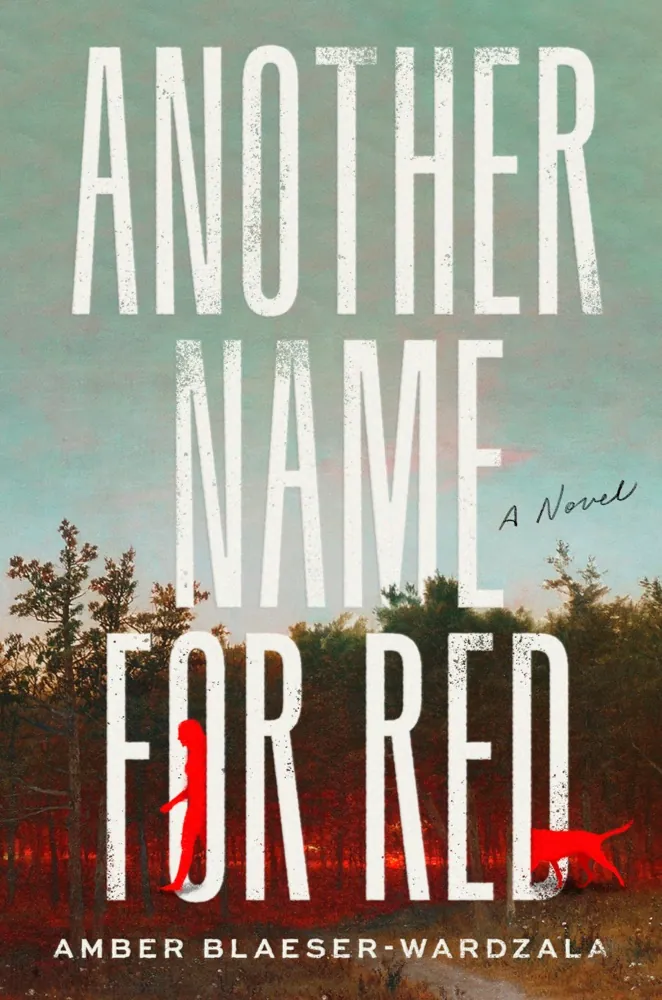

Author: Amber Blaeser-WardzalaPage Count: UnknownPublication Date: Expected publication 2026-10-13 APL The morbid allure of Another Name for Red, a novel that promises to unravel the dark threads of a community's collective trauma. Amber Blaeser-Wardzala's debut, born from the same twisted womb as Never Whistle at Night, whispers secrets of a young Anishinaabe woman's disappearance and the sister left behind to pick up the shards of her shattered family. What draws me to this narrative is the eerie presence of the absent – the ghosts of those who have vanished, and the lingering specters of those who remain. Middle Sister, the protagonist, is a vessel for the collective grief of her community, her family, and her own fractured identity. Her ex-best friend and ex-boyfriend are relics of a past she can't escape, while her family – an activist mother, a detached father, and attention-starved younger siblings – serves as a constant reminder of the elder sister she can never live up to. And then, there's John Smith, the enigmatic white man with red cowboy boots, whose presence is as repulsive as it is captivating. The echoes of thousands of unacknowledged missing and murdered Indigenous women, including Older Sister, reverberate throughout the narrative, a haunting reminder of the systemic injustices that have torn the family apart. But what truly piques my interest is the way Blaeser-Wardzala seems to be toying with the notion of identity – how it's forged, fractured, and reassembled in the face of trauma. Middle Sister's investigation into her sister's disappearance becomes an act of self-discovery, a desperate attempt to reclaim her own sense of self amidst the ruins of her family. The search for the elusive "Eric" – a white man from a neighboring town who Older Sister claimed to love – forces Middle Sister to confront the complexities of her own identity, caught between the expectations of her community and the allure of the unknown. Yet, as I read through the synopsis, I'm struck by the vagueness that shrouds the narrative. What lies at the heart of Middle Sister's investigation? What secrets will she uncover, and at what cost? The lack of specificity is both frustrating and intriguing, leaving me to wonder if Blaeser-Wardzala's prose will be as evocative as it is elusive. If Another Name for Red lives up to its promise, it could join the ranks of novels like The Round House by Louise Erdrich and The Marrow Thieves by Cherie Dimaline – works that unflinchingly confront the dark underbelly of colonialism and its ongoing impact on Indigenous communities. But only time will tell if Blaeser-Wardzala's debut will leave an indelible mark on the literary landscape. For now, I'll have to content myself with the promise of a haunting narrative, one that will undoubtedly leave me sleeping with the lights on. And speaking of which, I have a charity gala to attend tonight – a fundraiser for a local Indigenous arts organization – and I need to get ready. The tuxedo won't wear itself, after all. #Grimdark #IndigenousLiterature #NewRelease Related Insights'Twas the Night: A Novel – A Christmas Horror Mystery Where a Reporter Investigates Disappearances in a Village That Worships Santa Book Review and Summary My Last Duchess Book Review and Summary Mercy Book Review and Summary{ "@context": "https://schema.org", "@type": "FAQPage", "mainEntity": [ { "@type": "Question", "name": "What is the main focus of Another Name for Red Book Review and Summary?", "acceptedAnswer": { "@type": "Answer", "text": "Everything you need to know about Another Name for Red with our detailed review." } }, { "@type": "Question", "name": "Who authored the comprehensive guide on Another Name for Red Book Review and Summary?", "acceptedAnswer": { "@type": "Answer", "text": "This detailed article and its insights were carefully researched and authored by Elena Volkova." } }, { "@type": "Question", "name": "Where can I find more related content about Books?", "acceptedAnswer": { "@type": "Answer", "text": "You can explore more articles, detailed reviews, and similar insights by browsing the Related Insights section at the bottom of this article or visiting our dedicated Books category page." } } ] }
-
 Michael Brown
 - 10 Aug, 2026 14:07
The Exorcism of Faeries (Morbid Realities, #1) Book Review and Summary
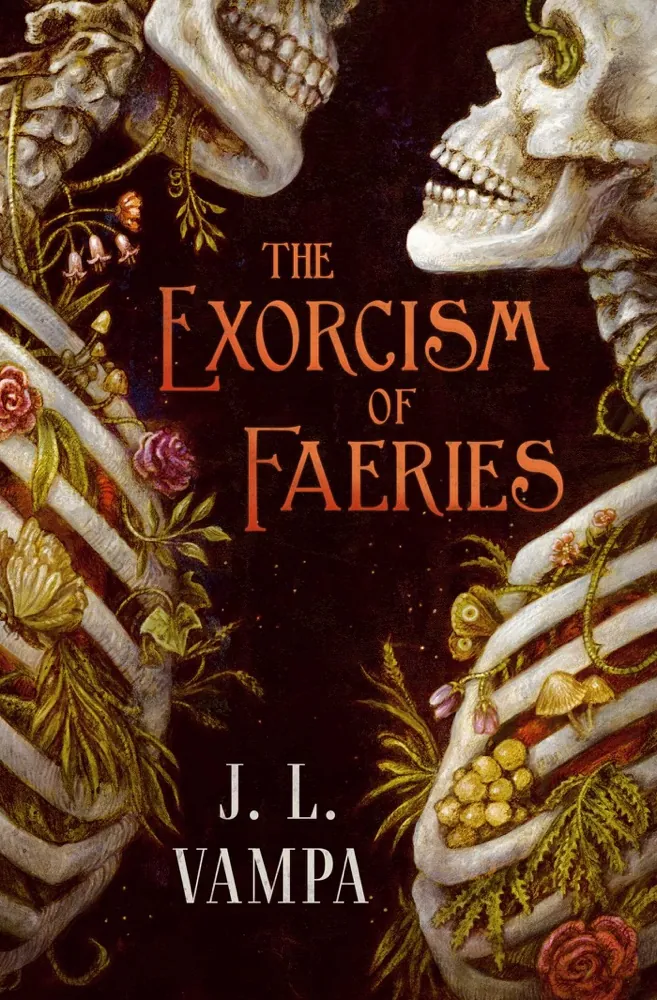
Author: J.L. VampaPage Count: UnknownPublication Date: Expected publication 2026-02-26 APL As a father who has spent countless hours holding the hand of a child learning how to reclaim their fractured sense of safety after trauma, I look at dark academia through a very specific lens. And The Exorcism of Faeries by J.L. Vampa—slated for early 2026—hits a nerve. Why? Because true recovery requires staring directly into the rot, not pretending it isn't there. The Pathology of Obsession The synopsis introduces us to Atta Morrow, a Trinity College botany grad student chasing a horrific plague that literally roots beneath human skin. Yet what fascinates me isn't the body horror—it's the psychology of relentless pursuit. When trauma shatters a young person's world, their coping mechanism often manifests as hyper-fixation. Atta's covert research is an obsession. But is it a quest for truth, or is it an avoidance strategy? And then we have Professor Sonder Murdoch. Morbid anatomy. Infamous. Brilliant. A dangerous temptation. It's the classic institutional power dynamic, wrapped in formaldehyde and folklore. But beneath the seductive gothic window dressing, what story are we actually being told about mentorship? When a young person seeks validation from a volatile, older authority figure, they are often unconsciously trying to rewrite an old script of emotional abandonment. Vampa—alongside comparative peers like Leigh Bardugo in Ninth House or Harper Woods—is leaning heavily into this trope. Will the narrative reward this dependency, or will it deconstruct it? As a parent, I watch kids struggle every day to untangle their self-worth from the approval of impenetrable mentors. Secrets Older Than Science Folklore always demands a blood sacrifice. The synopsis vaguely hints that Atta and Murdoch must confront ancient secrets before the city consumes them. Admittedly, the blurb suffers from standard genre vagueness—we get plenty of moody atmosphere, but very little concrete mechanics about how this plague actually functions or why a botanist and an anatomy professor are uniquely qualified to stop it. Yet, the thematic core remains potent. Recovery demands integration of the shadow. You cannot excise the parts of yourself—or your history—that you deem monstrous. You have to look at them. Vampa's pairing of botany (life, cultivation, growth) with morbid anatomy (decay, death, dissection) is a brilliant symbolic dichotomy. Growth requires death. Healing requires rupture. My bold prediction? This book will either brilliantly subvert the toxic professor-student romance dynamic into a mutual excavation of shared trauma, or it will lean too hard into lazy dark academia aesthetics. I am betting on the former. Vampa has the setup for a sharp exploration of how youth desperately attempts to dissect and control the chaotic plagues handed down by older generations. Excuse me for a second. I just burned my tongue on hot tea. Related InsightsThe Heights Book Review and Summary Never Greater Slaughter Book Review and Summary Emerald Blaze Book Review and Summary{ "@context": "https://schema.org", "@type": "FAQPage", "mainEntity": [ { "@type": "Question", "name": "What is the main focus of The Exorcism of Faeries (Morbid Realities, #1) Book Review and Summary?", "acceptedAnswer": { "@type": "Answer", "text": "Everything you need to know about The Exorcism of Faeries (Morbid Realities, #1) with our detailed review." } }, { "@type": "Question", "name": "Who authored the comprehensive guide on The Exorcism of Faeries (Morbid Realities, #1) Book Review and Summary?", "acceptedAnswer": { "@type": "Answer", "text": "This detailed article and its insights were carefully researched and authored by Michael Brown." } }, { "@type": "Question", "name": "Where can I find more related content about Books?", "acceptedAnswer": { "@type": "Answer", "text": "You can explore more articles, detailed reviews, and similar insights by browsing the Related Insights section at the bottom of this article or visiting our dedicated Books category page." } } ] }
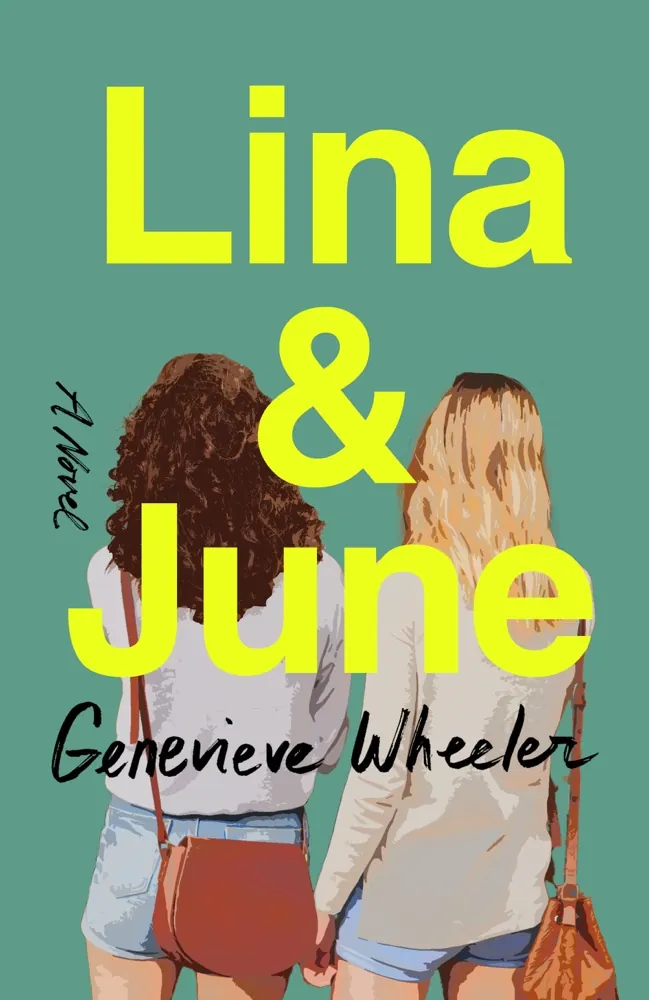
Author: Genevieve WheelerPage Count: UnknownPublication Date: Expected publication 2026-12-08 APL As I sit here on this sweltering August afternoon, sipping sweet tea on the porch, I find myself pondering the complexities of female friendships — and the heart-wrenching consequences of their unraveling. Genevieve Wheeler's upcoming novel, Lina & June, promises to be a poignant exploration of this very theme, one that resonates deeply with me as a mother who's witnessed her own daughter navigate the treacherous waters of adolescence. But, I must admit, the official synopsis leaves me with more questions than answers — what, exactly, is the nature of June's health issues? And how does Lina's decision to jet off to Paris affect their relationship? The vagueness is almost frustrating, like trying to grasp a handful of sand — the harder I squeeze, the more it slips through my fingers. And yet, despite the lack of concrete details, I'm drawn to the emotional resonance of this story. The contrast between Lina's carefree spirit and June's meticulous planning is a fascinating dynamic, one that reminds me of the push-and-pull relationships found in the works of authors like Celeste Ng or Emily St. John Mandel. But, as the synopsis suggests, this bond is put to the test when June's health takes a turn for the worse — and Lina's decision to leave her behind raises questions about the very fabric of their friendship. Is it a case of abandonment, or simply a necessary act of self-preservation? The ambiguity is almost palpable, like the heavy air that clings to my skin on a summer day. Fractured Bonds As I consider the themes of Lina & June, I'm struck by the ways in which female friendships can be both a source of strength and a catalyst for pain. The severing of a close bond can be a devastating experience, one that leaves both parties reeling — and wondering if the relationship is even worth repairing. It's a question that echoes through the works of authors like Elena Ferrante, who's explored the complexities of female relationships with unflinching honesty. But, I must wonder, will Lina & June offer a similarly nuanced exploration of this theme, or will it succumb to sentimental clichés? The synopsis suggests a deeply felt story, but I remain skeptical — after all, it's easy to reduce complex emotions to trite platitudes. But, as I ponder the psychology of Lina and June, I'm reminded of the ways in which our relationships are shaped by our individual experiences and personalities. Lina's spontaneity and June's planning are not just opposing traits — they're also coping mechanisms, ways of navigating the uncertainties of life. And when June's health issues arise, these mechanisms are put to the test — forcing both women to confront the fragility of their bond. It's a moment of reckoning, one that raises questions about the nature of loyalty, commitment, and the human capacity for forgiveness. Can Lina and June find a way to repair their fractured bond, or will the wounds of their past prove too deep to heal? The uncertainty is almost unbearable, like the wait for a summer storm to break. As the sun begins to set on this August evening, casting a golden glow over the landscape, I'm left with a sense of anticipation — and trepidation. Will Lina & June live up to its promise, or will it falter under the weight of its own emotional ambitions? I predict that this novel will be a haunting, deeply felt exploration of female friendship — one that will resonate with readers who've experienced the pain of a fractured bond. But, for now, I'm left to ponder the possibilities — and the vagueness of the synopsis. And, as I rise from my porch chair, I'm distracted by a strange noise coming from the kitchen — the dishwasher, it seems, is making a weird grinding sound. #booklovers #femalefriendship #newreleases Related InsightsSweet Pea Book Review and Summary Shadows Reel Book Review and Summary Reaper at the Gates Book Review and Summary{ "@context": "https://schema.org", "@type": "FAQPage", "mainEntity": [ { "@type": "Question", "name": "What is the main focus of Lina & June Book Review and Summary?", "acceptedAnswer": { "@type": "Answer", "text": "Everything you need to know about Lina & June with our detailed review." } }, { "@type": "Question", "name": "Who authored the comprehensive guide on Lina & June Book Review and Summary?", "acceptedAnswer": { "@type": "Answer", "text": "This detailed article and its insights were carefully researched and authored by Victoria Smith." } }, { "@type": "Question", "name": "Where can I find more related content about Books?", "acceptedAnswer": { "@type": "Answer", "text": "You can explore more articles, detailed reviews, and similar insights by browsing the Related Insights section at the bottom of this article or visiting our dedicated Books category page." } } ] }
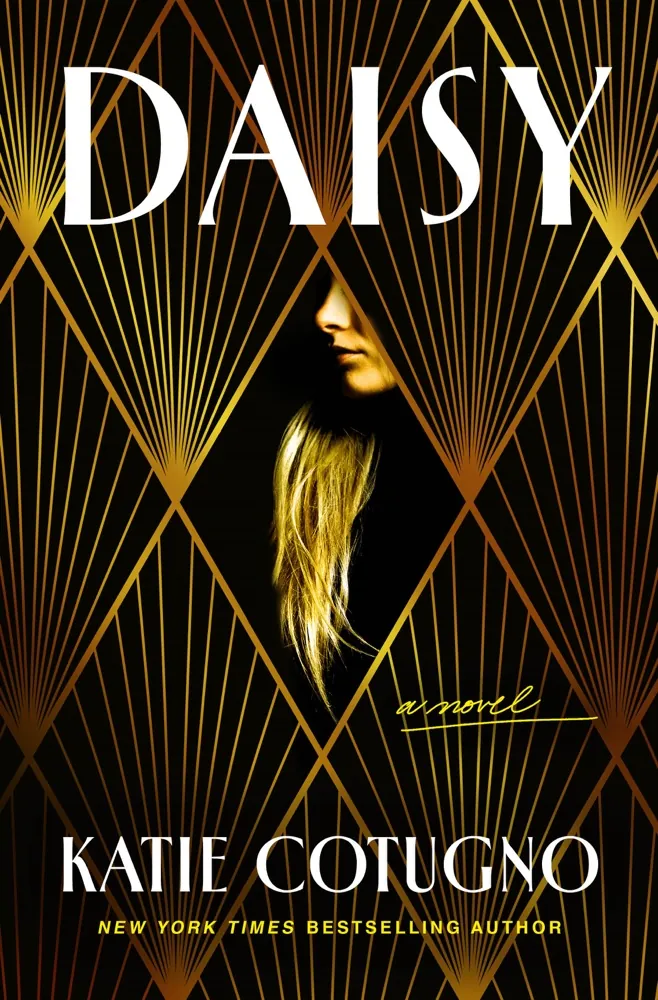
Author: Katie CotugnoPage Count: UnknownPublication Date: Expected publication 2026 APL Look, I watch people beat each other unconscious for a living. I understand the sweet science of trading leather, absorbing punishment, and figuring out who actually has a chin when the championship rounds start. So when I look at a synopsis for a psychological thriller, I am looking for one thing: a fighter who can take a punch and keep walking forward. Does Daisy by Katie Cotugno look like it has a granite jaw? Or is it just another glass-jawed hype job? Let us break down the tape. The Tale of the Tape and the Body Blows Cotugno wants us to believe that this modern Long Island socialite—our girl Daisy Buchanan—is dodging psychological body shots two summers after Gatsby caught a bullet. But what is the actual striking game here? The synopsis throws a wild, telegraphed right hook: Jordan Baker turns up dead in the pool. Classic. Yet, as any seasoned cornerman will tell you, you cannot win a fight on a single flash knockdown. The blurb leans heavily on vague paranoia. Is someone watching her? Or is it just the gin? Look, I am no stranger to a heavy night out after a brutal sparring session, but leaning on the "am I hallucinating or is this a conspiracy" trope is the literary equivalent of throwing naked haymakers. It is sloppy footwork. And yet, I respect the stamina. The setup positions Daisy as a counter-puncher caught in a clinch she did not ask for. People keep dropping dead around her. That is not just bad luck; that is a terrible defense. If your inner circle has a mortality rate higher than a bare-knuckle fighting circuit, you need to change your camp immediately. The Championship Rounds The thematic angle here—if we can pierce the guard of all those glossy East Egg descriptors—is survival after the bell rings. Cotugno is attempting to drag Fitzgerald's romanticized golden girl out of her plush corner and throw her into a gritty street fight. But will the prose have any actual power behind it, or are we just shadowboxing with ghosts? If you want a gritty, high-stakes psychological beatdown done right, look at how Gillian Flynn or Paula Hawkins operate. They do not just hint at trouble; they put their characters in a chokehold from page one. Cotugno needs to deliver real, bone-crunching suspense here, or this whole enterprise is going to get knocked out in the first round by readers who demand actual narrative gravity instead of just name-dropping iconic literature like a casual fan wearing a vintage boxing tee they bought at a thrift store. My official prediction? The pacing will be propulsive, exactly as promised—fighters love a fast starter—but the real test is whether Daisy has the stamina to go the distance once the police start landing clean counters. Rent in this city just went up another two hundred bucks for a studio that smells faintly of old gym socks, and yet somehow people expect me to give up my lifestyle to work a desk job answering emails about Q3 metrics. Not happening. I would rather take a left hook from heavyweight contender than stare at a spreadsheet all morning. #BookTwitter #LiteraryBoxing #ReadingList Related InsightsThe Butcher of the Forest Book Review and Summary Evermore Book Review and Summary Le Livre Oracle : Plongée dans l'Art Oublié de la Bibliomancie et ses Secrets Murmurés{ "@context": "https://schema.org", "@type": "FAQPage", "mainEntity": [ { "@type": "Question", "name": "What is the main focus of Daisy Book Review and Summary?", "acceptedAnswer": { "@type": "Answer", "text": "Everything you need to know about Daisy with our detailed review." } }, { "@type": "Question", "name": "Who authored the comprehensive guide on Daisy Book Review and Summary?", "acceptedAnswer": { "@type": "Answer", "text": "This detailed article and its insights were carefully researched and authored by Natalia Sokolova." } }, { "@type": "Question", "name": "Where can I find more related content about Books?", "acceptedAnswer": { "@type": "Answer", "text": "You can explore more articles, detailed reviews, and similar insights by browsing the Related Insights section at the bottom of this article or visiting our dedicated Books category page." } } ] }
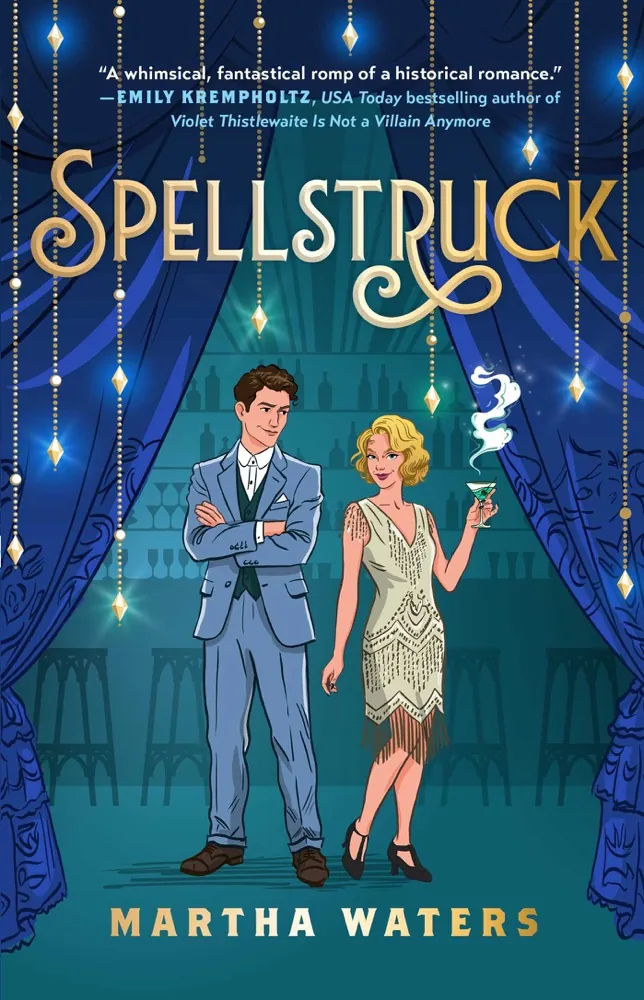
Author: Martha WatersPage Count: UnknownPublication Date: Expected publication 2026-09-29 APL Rushing to get my thoughts down on Spellstruck before my subway stop arrives — and I'm already hooked on the premise. A historical romance with a dash of magic, set in an alternate 1920s London, where the use of magic has been outlawed? It's like Martha Waters is speaking my language. But, I have to say, the synopsis feels a bit... vague. I mean, what exactly are these "accidents" that are striking the magical speakeasies? And how does Vesper Holloway's family club fit into the larger picture? Yet, despite the lack of detail, I'm intrigued by the idea of a magical underworld operating in secret. As I ponder the themes of Spellstruck, I'm reminded of authors like Naomi Novik and Susanna Clarke, who have mastered the art of blending fantasy and historical fiction. The idea of a hidden world of magic, existing just beneath the surface of everyday life, is a compelling one — and I'm curious to see how Waters explores this concept. And, of course, the romance between Vesper and Maxwell Ashbridge is a major draw. I love a good enemies-to-lovers story, and the fact that Max has a personal vendetta against the magical elite adds an extra layer of tension to their relationship. But, what really gets me is the chemistry between them — it's like the sparks are flying, even in the synopsis. The Magic of Subversion Now, I know some readers might be thinking, "Oh, great, another fantasy romance with a strong female lead and a brooding love interest." But, I think Waters is onto something more nuanced here. The fact that Vesper's family club is operating outside the law, and that Max is tasked with enforcing the ban on magic, raises interesting questions about power and rebellion. It's like Waters is asking us to consider the consequences of suppressing certain aspects of human nature — and whether the benefits of conformity are worth the cost. That’s certainly an opinion. And, as someone who devours thrillers like they're going out of style, I appreciate the potential for danger and suspense that this setup provides. As I see it, Spellstruck has the potential to be a real game-changer in the fantasy romance genre. With its unique blend of history, magic, and romance, it's like Waters is throwing down the gauntlet — challenging readers to rethink their assumptions about the genre. And, let's be real, the comparison to USA TODAY bestselling author Emily Krempholtz is no small thing. It's like the literary world is already buzzing with anticipation. But, will Spellstruck live up to the hype? Only time will tell. For now, I'm just excited to see where Waters takes us on this wild ride. A Dash of Magic One thing that's got me curious is the role of magic in the story. Is it just a plot device, or does it serve a deeper purpose? I mean, what does it say about Vesper and Max that they're drawn to each other, despite being on opposite sides of the law? And, how does the magical underworld reflect the societal tensions of the time? These are the kinds of questions that keep me up at night, wondering about the possibilities. Yet, as much as I want to dive in and start analyzing the themes and characters, I'm also aware that I'm working with limited information. The synopsis is just a tease, a hint of what's to come. In the end, it's all about the execution. Can Waters deliver on the promise of Spellstruck, or will it fall flat? I'm willing to take the risk, because the potential payoff is just too great. And, who knows, maybe I'll even find myself swept up in the magic of it all. But, for now, I have to go — my stop is coming up, and I still have to sweep the sawdust out of the garage #BookLovers #FantasyRomance #MagicalRealism #SubwayReads Related InsightsIn the Margins Book Review and Summary The Summer We Crossed Europe in the Rain Book Review and Summary Wonder Book Review and Summary{ "@context": "https://schema.org", "@type": "FAQPage", "mainEntity": [ { "@type": "Question", "name": "What is the main focus of Spellstruck Book Review and Summary?", "acceptedAnswer": { "@type": "Answer", "text": "Everything you need to know about Spellstruck with our detailed review." } }, { "@type": "Question", "name": "Who authored the comprehensive guide on Spellstruck Book Review and Summary?", "acceptedAnswer": { "@type": "Answer", "text": "This detailed article and its insights were carefully researched and authored by Piotr Nowak." } }, { "@type": "Question", "name": "Where can I find more related content about Books?", "acceptedAnswer": { "@type": "Answer", "text": "You can explore more articles, detailed reviews, and similar insights by browsing the Related Insights section at the bottom of this article or visiting our dedicated Books category page." } } ] }
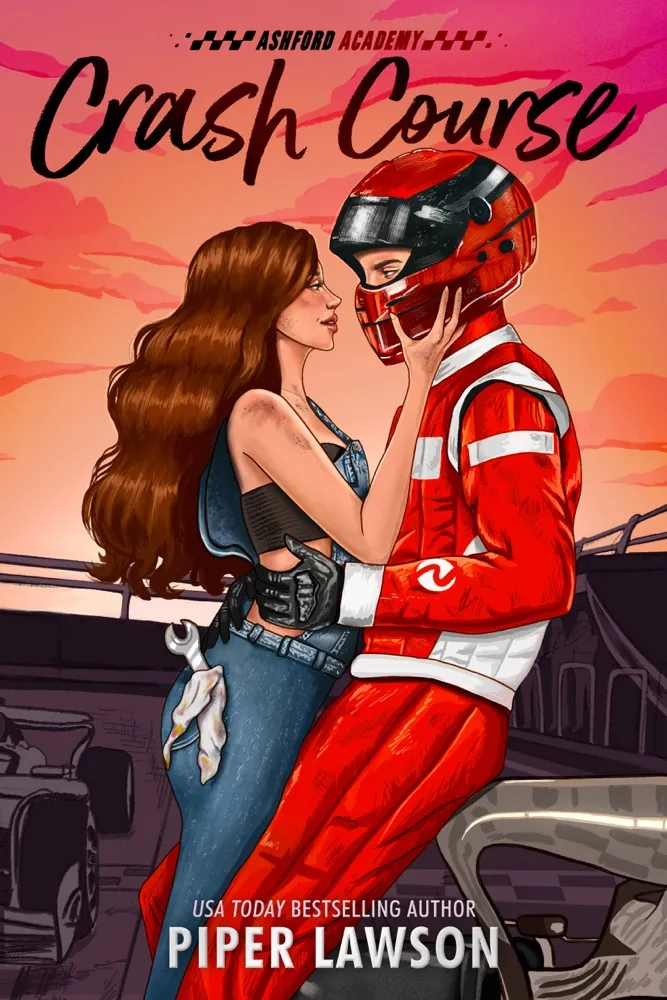
Author: Piper LawsonPage Count: UnknownPublication Date: Expected publication 2026-10-20 APL As I sit here, surrounded by the languid haze of an August summer, my mind begins to wander to the forthcoming release of Crash Course, a novel that promises to deliver a heady mix of forbidden attraction, family secrets, and the high-octane world of Formula 1 racing. And yet, the more I ponder the official synopsis, the more I find myself drawn to the enigmatic figure of Shay MacDonald, a young woman with a troubled past and a penchant for keeping secrets. But what secrets, exactly, is she hiding — and how will they be slowly unraveled as the story unfolds? In the sweltering heat of summer, my thoughts turn to the dark, moody atmosphere that often pervades the world of elite racing, where the stakes are high and the players are always on the verge of crashing and burning. It's a world that Piper Lawson, the USA Today bestselling author, seems to know intimately, judging by the way she weaves together the threads of Shay's story with those of the Ashford brothers, Theo and Jameson — two men who embody the very essence of racing royalty, with all its attendant privileges and pitfalls. But wait, it gets better. For as Shay becomes increasingly embroiled in their world, she begins to realize that everyone is hiding something, and that the truth is far more complex than she ever could have imagined. As I sit here, sipping my iced coffee and staring out at the sun-drenched landscape, I find myself drawn to the slow-burn tension that seems to simmer just beneath the surface of Crash Course. It's a tension that reminds me of the works of authors like Kristen Callihan and Taylor Jenkins Reid, who have a knack for crafting stories that are both deeply romantic and utterly compelling. And yet, despite the obvious similarities, I sense that Crash Course is going to be something entirely unique — a story that will push the boundaries of the traditional romance novel and explore the darker, more troubled aspects of the human psyche. But what of the Ashford brothers, those charismatic and troubled figures who seem to hold the key to Shay's secrets and desires? Are they merely cardboard cutouts, or will they be fleshed out into fully realized characters with their own motivations and conflicts? The synopsis is frustratingly vague on this point, leaving me to wonder whether Lawson will be able to bring them to life in a way that feels authentic and believable. Still, I have a feeling that she's going to pull it off, and that Crash Course will be a game-changer in the world of romance fiction. As the summer sun begins to set, casting a golden glow over the landscape, I find myself lost in thought, pondering the themes and motifs that seem to be woven throughout the fabric of Crash Course. It's a story about identity, about the secrets we keep and the lies we tell ourselves, and about the ways in which our past experiences shape us into the people we are today. And yet, despite its obvious depth and complexity, I sense that it's also going to be a deeply entertaining read — a story that will keep me on the edge of my seat, eager to find out what happens next. And so, as I close my eyes and let the warmth of the sun wash over me, I find myself wondering what the future holds for Crash Course. Will it be a bestseller, a game-changer in the world of romance fiction? Only time will tell, but for now, I'm just going to have to wait and see. But for now, I'm left to ponder the mysteries of the universe, and the fact that my manifestation journal still isn't working. #romancefiction #formula1 #newrelease #booklover #readingislife Related InsightsThe Yellow Wallpaper and Other Stories Book Review and Summary The French Illusion Book Review and Summary Ready Player One Book Review and Summary{ "@context": "https://schema.org", "@type": "FAQPage", "mainEntity": [ { "@type": "Question", "name": "What is the main focus of Crash Course Book Review and Summary?", "acceptedAnswer": { "@type": "Answer", "text": "Everything you need to know about Crash Course with our detailed review." } }, { "@type": "Question", "name": "Who authored the comprehensive guide on Crash Course Book Review and Summary?", "acceptedAnswer": { "@type": "Answer", "text": "This detailed article and its insights were carefully researched and authored by Giulia Ricci." } }, { "@type": "Question", "name": "Where can I find more related content about Books?", "acceptedAnswer": { "@type": "Answer", "text": "You can explore more articles, detailed reviews, and similar insights by browsing the Related Insights section at the bottom of this article or visiting our dedicated Books category page." } } ] }
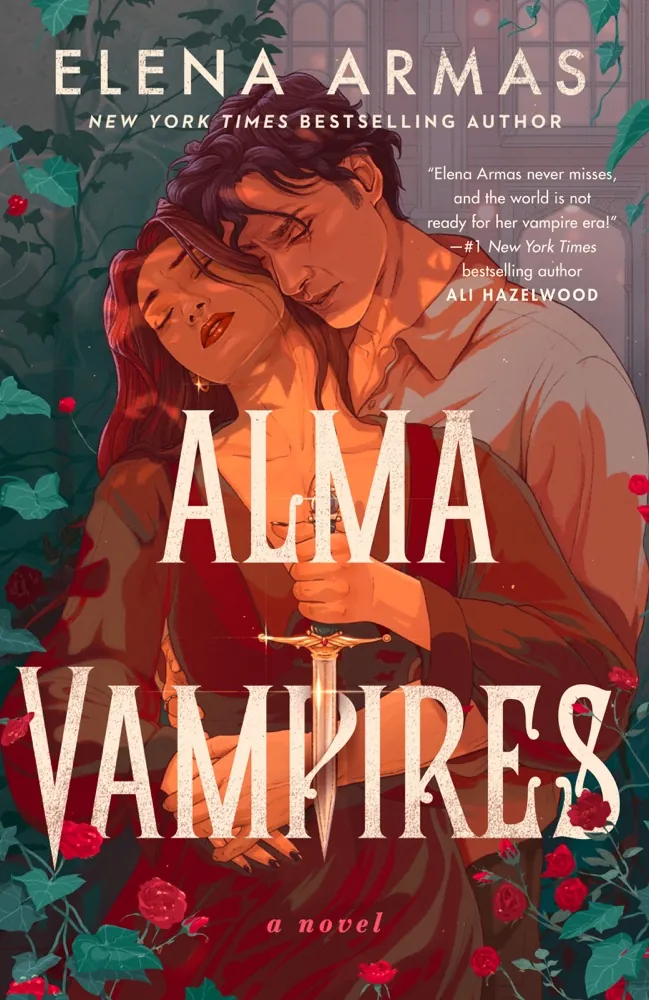

Author: Elena ArmasPage Count: UnknownPublication Date: Expected publication 2026-11-17 APL Listen, I grade thirty-five persuasive essays a day on why cell phones shouldn't be allowed in the cafeteria, so when I look at a piece of writing, I smell sincerity. Or the lack of it. Elena Armas is stepping out of her cozy contemporary lane and straight into the moody, stenciled-edge halls of Alma Vampires. And honestly? As someone who spends her days convincing thirteen-year-olds that reading is actually cooler than scrolling on TikTok, I am vibrating with pure, unadulterated caffeine and excitement. From Ivy League Desks to Immortal Danger Let us talk about the absolute whiplash of Valle Cepeda's syllabus. One day you are stressing over a macroeconomics midterm, and the next you own a multi-million-dollar fashion empire because of a mother you never even knew existed. Talk about a glow-up with a high body count. And Hadrian Cruz? The brooding, calculating vampire who is supposedly just playing a corporate game until a hundred-year-old blood debt comes due? Sign me up for this extra credit assignment immediately. The Adolescent Symphony of Power and Trust Why does this premise make teachers like me feel so wildly inspired? Because it captures the exact hormonal, volatile essence of being a teenager magnified by a thousand. Think about how high schoolers feel when their entire identity shifts in a single Tuesday homeroom period. Val goes back to Icarus University feeling manipulated by everyone, surrounded by shifting power dynamics—a classic coming-of-age metaphor wrapped nicely in fangs and designer clothes. She wants autonomy. She wants answers. But she has to rely on a literal monster just to survive her own inheritance. And let us be real for a second. The synopsis is delightfully vague on the actual mechanics of this blood debt. Is it a cursed family heirloom? A supernatural corporate merger? Who knows! But we are eating it up anyway. If this book channels even half the delicious, angsty tension of Tracy Wolff’s Crave or the sharp academic vibes of Ninth House, it is going to absolutely dominate the reading charts this winter. Armas knows how to write chemistry that makes your face hot—trust me, I have confiscated enough paperbacks under desks to recognize elite romantic tension when I read it. I just got a brain freeze. #BookTok #ElenaArmas #AlmaVampires #ParanormalRomance Related InsightsThe Red Pyramid Book Review and Summary Lectures on the Ethics of T. H. Green, Mr. Herbert Spencer, and J. Martineau Book Review and Summary Best American Science Fiction and Fantasy 2020 Book Review and Summary{ "@context": "https://schema.org", "@type": "FAQPage", "mainEntity": [ { "@type": "Question", "name": "What is the main focus of Alma Vampires (The Icarus University, #1) Book Review and Summary?", "acceptedAnswer": { "@type": "Answer", "text": "Everything you need to know about Alma Vampires (The Icarus University, #1) with our detailed review." } }, { "@type": "Question", "name": "Who authored the comprehensive guide on Alma Vampires (The Icarus University, #1) Book Review and Summary?", "acceptedAnswer": { "@type": "Answer", "text": "This detailed article and its insights were carefully researched and authored by Thomas Wright." } }, { "@type": "Question", "name": "Where can I find more related content about Books?", "acceptedAnswer": { "@type": "Answer", "text": "You can explore more articles, detailed reviews, and similar insights by browsing the Related Insights section at the bottom of this article or visiting our dedicated Books category page." } } ] }

Author: Zoé DuhaimePage Count: UnknownPublication Date: Expected publication 2026-09-29 APL So the kids are currently covered in flour, shrieking over a batch of snickerdoodles that are definitely going to fuse into one giant baking-sheet cookie, and I am sitting here reading about The Lost Spectacular by Zoé Duhaime. But let us be entirely honest from the jump. And do not even get me started on the absolute emotional carnage awaiting us in September 2026. Because if anyone dares hurt Noon Bonaventure or Munro Forrest, I am personally marching into the nearest bookstore and flipping tables. The Art of Refusing to Let Go Duhaime is handing us a premise wrapped in pure, unadulterated heartbreak. Childhood rivals? Check. Literary dimension-hopping through classic art and private letters? Absolutely. Yet it is the philosophical divide between the two protagonists that keeps me awake while waiting for bread dough to rise. Munro wants to trap a literal, magical festival of lost things in a museum exhibit. Noon becomes the captain of that very show. Why You Should Be Sweating And yet, look at the synopsis. It relies heavily on vibes. Are we getting actual world-building here, or just a string of gorgeous aesthetic adjectives like "lone pearl earrings" and "a skyful of umbrellas"? Erin Morgenstern made a career out of The Night Circus doing precisely that—which I adore, when executed with precision. But I demand mechanics. How does one curate a shipwreck? If Duhaime hand-waves the magical logistics just to force these two stubborn fools into a room to confront their grief, I will riot. Do not dangle classic literature and family dinners in front of me and then skimp on the prose. My hot take? This is going to read like a cross between Aimee Bender and Alix E. Harrow, heavy on the whimsical metaphors, light on the structural handholds. Munro is giving me major control-freak energy, and Noon sounds like the kind of chaotic-neutral heroine I want to protect with my life while simultaneously shaking by the shoulders. Let them be messy! Let them ruin each other! Just do not wrap up their trauma in a neat little bow by page three hundred. Art takes suffering. Also, baking takes patience, neither of which I possess today. Oh, lord. The dog just threw up on the vintage braided rug. Related InsightsLe Rythme Invisible du Progrès : L'Odyssée de la Batterie Lithium-Ion First Sign of Danger Book Review and Summary Longitude Book Review and Summary{ "@context": "https://schema.org", "@type": "FAQPage", "mainEntity": [ { "@type": "Question", "name": "What is the main focus of The Lost Spectacular Book Review and Summary?", "acceptedAnswer": { "@type": "Answer", "text": "Everything you need to know about The Lost Spectacular with our detailed review." } }, { "@type": "Question", "name": "Who authored the comprehensive guide on The Lost Spectacular Book Review and Summary?", "acceptedAnswer": { "@type": "Answer", "text": "This detailed article and its insights were carefully researched and authored by Sarah Davis." } }, { "@type": "Question", "name": "Where can I find more related content about Books?", "acceptedAnswer": { "@type": "Answer", "text": "You can explore more articles, detailed reviews, and similar insights by browsing the Related Insights section at the bottom of this article or visiting our dedicated Books category page." } } ] }
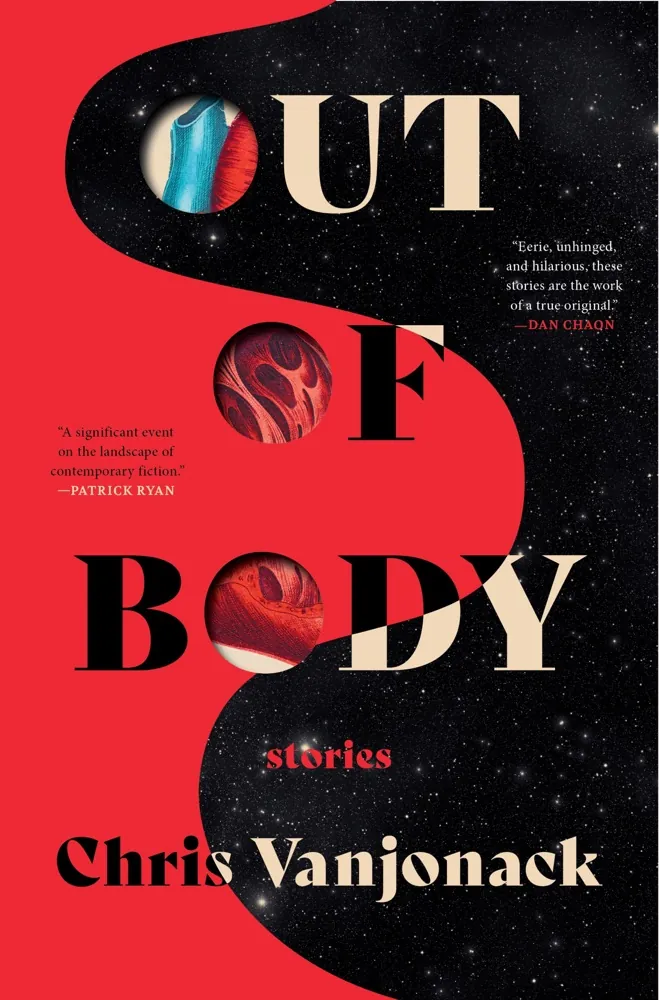

Author: Chris VanjonackPage Count: UnknownPublication Date: Expected publication 2026-09-22 APL Oh, the way that synopsis reads—like a late-night drive through a town where the streetlights flicker just enough to suggest something’s lurking in the shadows, but you’re too wired to look too closely. Chris Vanjonack’s Out of Body isn’t just a collection; it’s a haunted collection, the kind that slaps you with the idea that the universe is a glitchy, looping VHS tape where the characters are stuck rewinding their own bad decisions. And Gus Moreno’s blurb? Chef’s kiss—because it doesn’t just promise weirdness, it promises weight, the kind that lingers like the aftertaste of a cheap whiskey you drank at 3 AM after a breakup. Now, let’s talk about the vagueness—oh, the glorious, deliberate vagueness. The synopsis doesn’t just hint at themes; it dangles them like a carrot for a rabid dog. "Multiverse," "demonic attachment," "life after death"—these aren’t just buzzwords; they’re bait. The kind of bait that makes you think, Wait, is this going to be the next Mexican Gothic meets Annihilation, or is it just going to be a guy in a cheap suit whispering in your ear about how his ex is definitely lying about missing him? And yet—and yet—the synopsis doesn’t lean on the horror label like some modern author trying too hard to ride the "body horror" wave. No, it’s smarter than that. It’s speculative, but not in the "let’s explain the rules" way. It’s the kind of speculative that makes you feel like you’re reading a fever dream you had after too many espressos. The characters—oh, the characters!—are already perfectly Vanjonack if this is any indication. An aimless ghost? Classic. But the way it’s phrased—"haunts his ex-girlfriend for evidence that she’s actually upset"—that’s not just a ghost story, that’s a relationship story, but with the stakes cranked up to "what if your ex is the only person who can prove you mattered?" And the teens with the life-predicting machine? Oh, this is gold. It’s the kind of premise that could go either way—could be Black Mirror bleak, or it could be something else entirely, something more like The Twilight Zone meets The Secret History, where the machine isn’t just predicting futures, it’s curating them, and the teens are just along for the ride. The aggressive stranger in photos? Now that’s a twist on the "haunted by your past" trope. Because what if the past isn’t just in the past? What if it’s in the frame, waiting for you to look? The tone here is everything. Morbidly funny? Check. Brilliantly observed? Double check. But the real kicker is the way it’s framed as a "feast for the senses." That’s not just marketing fluff—it’s a promise. A promise that the stories won’t just happen to you; they’ll happen around you, like the hum of a fluorescent light or the way a bad song gets stuck in your head. And the mention of "longing, dread, and all-too-human frailties"? Now we’re talking. This isn’t just weird for weird’s sake. It’s weird because it’s true, or at least feels true, like the kind of truth you get from a bad relationship or a night where you drank too much and called your mom crying. I’m betting my shift tips that this collection is going to feel like a mashup of authors—like if Kelly Link and George Saunders had a lovechild, but that lovechild was raised by a cult of clowns who only speak in riddles. The kind of book that makes you want to highlight passages and send them to your friends at 2 AM, the kind that lingers like the smell of stale popcorn in a movie theater. And if it’s half as good as the synopsis suggests, it’s going to be the kind of book that gets misunderstood—because some people will think it’s just "weird," and others will see the beauty in the weirdness, the way a bad tattoo can still be art if you look at it the right way. But here’s the thing—this synopsis is too vague. It’s like a movie trailer that shows you a car chase, a kiss, and a gunshot, but never tells you if it’s a rom-com or a crime thriller. And that’s fine, because the best books leave you wanting more, leave you guessing. But I can’t help but wonder if Vanjonack is playing it safe by not giving us more. Because if this is the kind of book that’s going to haunt readers, it needs to commit—to the weirdness, to the emotional gut-punches, to the messiness of it all. And if it does? If it delivers on even half of what’s promised here? Then it’s going to be the kind of book that gets talked about in hushed tones, the kind that makes people say, I need to read that again. Now, if you’ll excuse me, I’m going to go bake vegan brownies—because sometimes, the best way to process a book like this is with something sweet, something that doesn’t judge you for your weirdness. #BookTok #WeirdFiction #SpeculativeHorror #LateNightReading #VeganBaking Related InsightsThat Someday Book Review and Summary High-Rise Book Review and Summary Ladies In Waiting Book Review and Summary{ "@context": "https://schema.org", "@type": "FAQPage", "mainEntity": [ { "@type": "Question", "name": "What is the main focus of Out of Body: Stories Book Review and Summary?", "acceptedAnswer": { "@type": "Answer", "text": "Everything you need to know about Out of Body: Stories with our detailed review." } }, { "@type": "Question", "name": "Who authored the comprehensive guide on Out of Body: Stories Book Review and Summary?", "acceptedAnswer": { "@type": "Answer", "text": "This detailed article and its insights were carefully researched and authored by Beatriz Costa." } }, { "@type": "Question", "name": "Where can I find more related content about Books?", "acceptedAnswer": { "@type": "Answer", "text": "You can explore more articles, detailed reviews, and similar insights by browsing the Related Insights section at the bottom of this article or visiting our dedicated Books category page." } } ] }
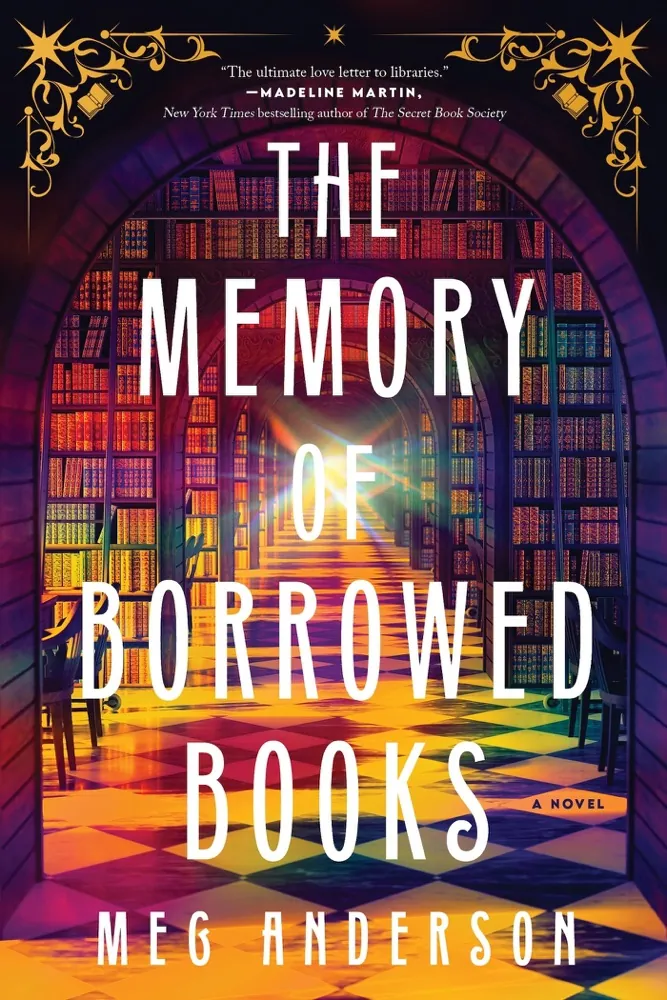
Author: Meg AndersonPage Count: UnknownPublication Date: Expected publication 2026-10-06 APL Having spent the past three decades analyzing how geopolitical hegemonies exert control over physical geography and civic architecture across the capitals of Europe and the Global South, I find myself strangely transfixed by Meg Anderson’s upcoming The Memory of Borrowed Books. Yet another coastal sanctuary threatened by municipal erasure. Yawn. But wait—there is a structural weapon here worth examining. Foxhollow Bay is not just a sleepy seaside hamlet; it is a microcosm of late-capitalist displacement. When municipal authorities target a centuries-old public archive for demolition, they are not merely clearing land. They are aggressively severing the collective memory of the populace. State-sanctioned gentrification masquerading as urban progress. It is a dynamic I have tracked from the brutalist housing blocks of post-reunification Berlin to the privatized waterfronts of Valparaíso. The Architecture of State-Mandated Amnesia Claire Ashford, our meticulously ordered librarian, stumbles upon a spatial anomaly. A hidden room. How delightfully magical-realist of her. Anderson leans heavily into the institutional safety blanket of cozy fantasy—evoking comparisons to the commodified nostalgia of How to Read a Book and the whimsical escapism of Evie Woods. Screaming, crying, throwing up. That is ostensibly the target demographic's reaction to every door that shouldn't exist in modern speculative fiction. Yet, beneath the quaint premise of unread memoirs and ghostly archives lies a sharper ideological question. Why must public spaces justify their existence through supernatural utility? The synopsis implies the hidden room contains a message meant to save the library. As if civic infrastructure requires spectral intervention or capitalist productivity to warrant preservation against the wrecking ball. Why can a building not simply exist because the citizenry demands it? The Commodification of Nostalgia Anderson’s narrative hinges on a dangerous trope: that our salvation rests not in collective political organizing or aggressive municipal lobbying, but in navel-gazing retrospection. If the key to saving the library is tangled in Claire’s personal memories, we have veered away from a robust critique of municipal asset-stripping and tumbled straight into solipsistic psychological excavation. Predicting the trajectory of 2026 fiction is a bloodsport, but I will place a substantial wager here. This book will either bravely interrogate how communities weaponize their shared history against corporate encroachment, or it will drown in its own saccharine sentimentality about the healing power of paper. One suspects the marketing department leans toward the latter. Consumers adore a sanitized struggle against faceless bureaucrats where magic does the heavy lifting. Give me a gritty exposé on municipal zoning laws any day over magical bookshelves. But perhaps I am being overly cynical. We shall see when the galleys drop this October. Now, if you will excuse me, I must catch a town car. I have an aggressively non-negotiable dinner reservation at a Michelin-starred steakhouse across town, and the sommelier will not tolerate tardiness from a globe-trotting critic. Related InsightsLast Tudor Book Review and Summary Ficciones Book Review and Summary Crone Book Review and Summary{ "@context": "https://schema.org", "@type": "FAQPage", "mainEntity": [ { "@type": "Question", "name": "What is the main focus of The Memory of Borrowed Books Book Review and Summary?", "acceptedAnswer": { "@type": "Answer", "text": "Everything you need to know about The Memory of Borrowed Books with our detailed review." } }, { "@type": "Question", "name": "Who authored the comprehensive guide on The Memory of Borrowed Books Book Review and Summary?", "acceptedAnswer": { "@type": "Answer", "text": "This detailed article and its insights were carefully researched and authored by Klaus Weber." } }, { "@type": "Question", "name": "Where can I find more related content about Books?", "acceptedAnswer": { "@type": "Answer", "text": "You can explore more articles, detailed reviews, and similar insights by browsing the Related Insights section at the bottom of this article or visiting our dedicated Books category page." } } ] }
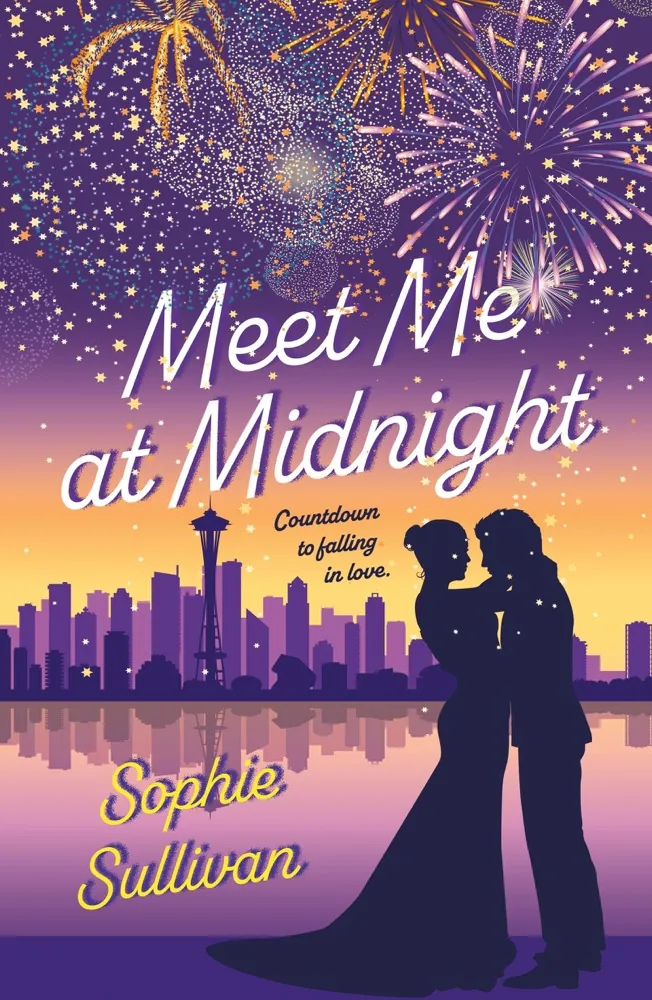

Author: Sophie SullivanPage Count: UnknownPublication Date: Expected publication 2026-12-08 APL The sweltering summer air clings to my skin like a damp shroud, a constant reminder that, even in the midst of this sweltering August, the promise of new beginnings lingers. Meet Me at Midnight: A Novel by Sophie Sullivan, with its tantalizing premise and sparkling rom-com tag, has piqued my interest. But, I must confess, the vagueness of the synopsis has left me both intrigued and irked. As I sit here, surrounded by the cramped, cluttered walls of my shared apartment, I find myself pondering the human condition — our propensity for self-discovery, our fear of change, and our unrelenting desire for love. It is within this fragile, often tumultuous landscape that Sullivan's protagonist, Kyra Grand, finds herself. With the clock striking midnight and the ball dropping, Kyra resolves to finally break free from the shackles of her family's business and forge her own path. Yet, an unexpected one-night-stand with her brother's best friend, Ethan Reynolds, threatens to upend her carefully laid plans. But, what is it about this chance encounter that sets the wheels of fate in motion? Is it the promise of a new connection, a chance to rewrite the narrative of their lives, or merely the intoxicating thrill of the unknown? The synopsis, in its brevity, leaves these questions unanswered, forcing me to fill in the gaps with my own imagination. And, it is here, in this liminal space, that the true magic of Sullivan's writing may reside. As I delve into the psychology of Kyra and Ethan, I am reminded of the works of authors like Emily Henry and Taylor Jenkins Reid, who have mastered the art of crafting relatable, flawed characters that leap off the page. Will Sullivan follow suit, or will she blaze her own trail? Only time will tell. Yet, the fact that she has chosen to explore the complexities of a one-night-stand turned complicated relationship, speaks to a deeper understanding of the human experience. The themes of self-discovery, love, and the fear of change are timeless, and Sullivan's take on these universal concerns will undoubtedly resonate with readers. But, what sets Meet Me at Midnight apart from its contemporaries? Is it the sparkling rom-com tag, or something more? The synopsis, in its vagueness, has left me with more questions than answers. As the summer sun beats down on my windowpane, I am left to ponder the possibilities. Will Meet Me at Midnight be a game-changer in the world of rom-com, or merely another addition to the genre? I, for one, cannot wait to find out. And, as I close this article, I am reminded of the power of anticipation, the thrill of the unknown, and the promise of new beginnings. Now, if you'll excuse me, I have to go bleach my eyebrows. #RomCom #NewRelease #BookLovers #SummerVibes Related InsightsThe Arabian Nights Book Review and Summary Tidal Creatures Book Review and Summary Tuck Everlasting Book Review and Summary{ "@context": "https://schema.org", "@type": "FAQPage", "mainEntity": [ { "@type": "Question", "name": "What is the main focus of Meet Me at Midnight: A Novel Book Review and Summary?", "acceptedAnswer": { "@type": "Answer", "text": "Everything you need to know about Meet Me at Midnight: A Novel with our detailed review." } }, { "@type": "Question", "name": "Who authored the comprehensive guide on Meet Me at Midnight: A Novel Book Review and Summary?", "acceptedAnswer": { "@type": "Answer", "text": "This detailed article and its insights were carefully researched and authored by Olya Shevchenko." } }, { "@type": "Question", "name": "Where can I find more related content about Books?", "acceptedAnswer": { "@type": "Answer", "text": "You can explore more articles, detailed reviews, and similar insights by browsing the Related Insights section at the bottom of this article or visiting our dedicated Books category page." } } ] }
-
 William Clark
 - 10 Aug, 2026 07:30
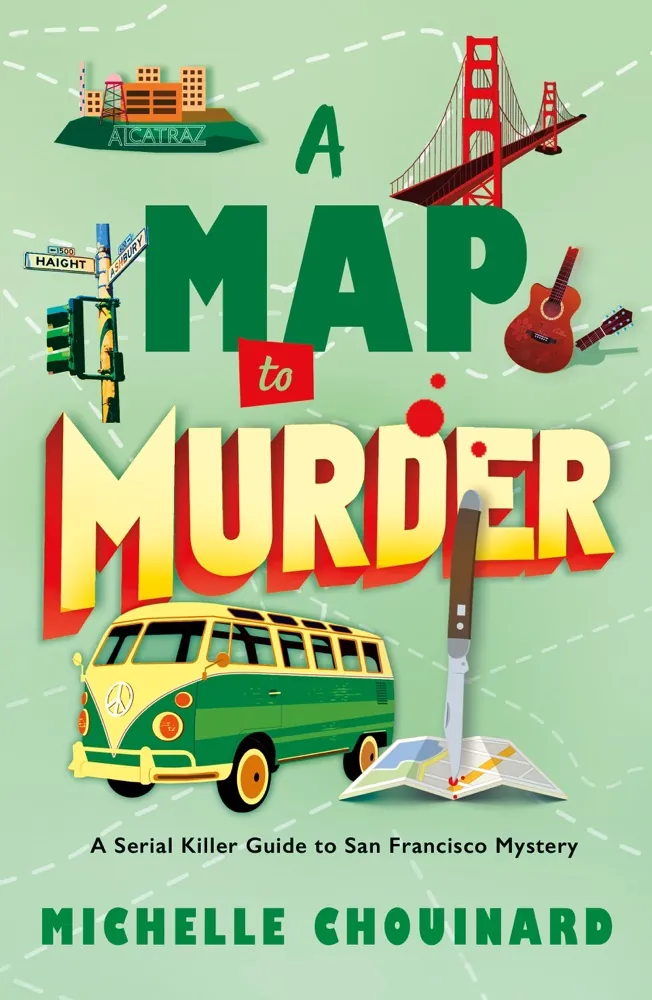
A Map to Murder: A Serial Killer Guide to San Francisco Mystery Book Review and Summary
Author: Michelle ChouinardPage Count: UnknownPublication Date: Expected publication 2026-09-22 APL The synopsis of A Map to Murder arrives like a ripe peach—sweet on the surface, but you know the pit’s still there, waiting to split open. Michelle Chouinard’s latest isn’t just another serial killer romp; it’s a haunted love letter to San Francisco’s contradictions, the kind of book that’ll make you wince at the irony of a true crime guide who’s also a tourist in her own city’s shadows. Capri Sanzio isn’t just a guide—she’s a cultivator of urban myth, someone who till the soil of the Haight-Ashbury’s past with both reverence and a scalpel. And yet—here she is, forced to confront the fact that the revolution she’s been romanticizing might’ve been fed to the same monsters it tried to liberate. The synopsis leans hard into the Summer of Love as a pressure cooker of ideals—flower children, counterculture, the kind of utopian fantasy that always collapses under its own weight. But Chouinard’s genius (and the book’s potential) lies in how she’ll likely unpack that collapse. Think of it like a compost pile: the stench of decay beneath the mulch of nostalgia. The missing woman’s quest to solve her aunt’s cold case isn’t just a plot device—it’s a mirror. Capri sees herself in her, just as she once saw herself in the ghosts of the past. And that’s the real tension: the way trauma replants itself in the next generation. It’s the same cycle that’s been haunting True Detective’s S1, only here, it’s wrapped in tie-dye and bad acid trips. But where the synopsis stumbles is in its vagueness—or rather, its willful ambiguity. We’re told Capri’s drawn into a case, but we’re not told how the killer’s connected to the Summer of Love, or why the Haight’s flower-power footprints have turned to blood. Is this a killer who’s been dormant, waiting for the next wave of idealists to show up? Or is it someone who became a killer during that era, and now the city’s gentrification is forcing them back into the light? Chouinard’s last book in this series (The Serial Killer Guide to San Francisco Mysteries) had the same kind of tease—just enough to make you crave the full meal. And that’s the problem: the synopsis here feels like a menu without the ingredients. We’re promised a trail of "flower-power footprints turned deadly," but we’re not told if those footprints are literal, metaphorical, or just another layer of Chouinard’s layered prose. Yet—and this is where the book’s potential lies—Chouinard’s strength is in her character psychology. Capri’s conflicted relationship with the Summer of Love isn’t just about nostalgia; it’s about ownership. She’s a guide who’s been commodified the city’s pain, turning it into a spectacle. And now, a real crisis forces her to ask: Can she separate the art from the atrocity? This is the kind of moral grappling that makes books like The Girl on the Train feel like watered-down tea compared to black coffee. But will Chouinard deliver? The synopsis hints at a killer who’s personal, who’s targeting Capri specifically—because she’s the one who’s been exposing the city’s wounds. That’s a bold move, the kind that could make this book stand out in a genre that’s starting to feel like a fast-food chain of predictable twists. And then there’s the environmental subtext—because of course there is. San Francisco’s gentrification isn’t just about real estate; it’s about erasure. The Summer of Love’s legacy is being bulldozed for condos, and the killer—if they’re tied to that era—might be a ghost of what the city used to be. Or maybe they’re a parasite, feeding on the new wave of idealists who’ve moved in, only to realize the city’s rot runs deeper than they thought. Chouinard’s not a nature writer, but she’s got the rhythm of one—she knows how to make the land itself feel like a character. And if she leans into that, A Map to Murder could be more than just another serial killer story. It could be a landscaped one. But here’s the thing: I won’t read it until it’s out. Because I’ve got a farm to tend, and the last time I tried to binge a true crime novel, I fell asleep five pages into chapter three—the chapter with the murder. And that’s not a reflection on the book. That’s just how my brain works when it’s been out in the sun too long. #BookTok #TrueCrime #SanFrancisco #MichelleChouinard #HaightAshbury Related InsightsThe Return Book Review and Summary Small Odysseys Book Review and Summary The Gods Will Sing Our Song Book Review and Summary{ "@context": "https://schema.org", "@type": "FAQPage", "mainEntity": [ { "@type": "Question", "name": "What is the main focus of A Map to Murder: A Serial Killer Guide to San Francisco Mystery Book Review and Summary?", "acceptedAnswer": { "@type": "Answer", "text": "Everything you need to know about A Map to Murder: A Serial Killer Guide to San Francisco Mystery with our detailed review." } }, { "@type": "Question", "name": "Who authored the comprehensive guide on A Map to Murder: A Serial Killer Guide to San Francisco Mystery Book Review and Summary?", "acceptedAnswer": { "@type": "Answer", "text": "This detailed article and its insights were carefully researched and authored by William Clark." } }, { "@type": "Question", "name": "Where can I find more related content about Books?", "acceptedAnswer": { "@type": "Answer", "text": "You can explore more articles, detailed reviews, and similar insights by browsing the Related Insights section at the bottom of this article or visiting our dedicated Books category page." } } ] }

Author: Emma NoyesPage Count: UnknownPublication Date: Expected publication 2026-11-17 APL The air in my study is thick with the scent of aged leather and the faintest hint of ozone—summer’s last stubborn heat clinging to the windows like a reluctant guest. One can almost taste the irony of it all: the gods are plotting ruin, yet here I am, lounging in a chair that cost more than most people’s mortgages, sipping a martini that’s been chilling since noon, while the world of Soul of Shadow burns with the kind of romantic tension that makes one wonder if Emma Noyes has ever actually read The Great Gatsby—or if she’s just channeling it through a particularly sultry filter. Dreams of Ruin arrives like a thunderstorm after a prolonged drought—dramatic, inevitable, and with the potential to leave everything in its wake. The synopsis is a masterclass in controlled ambiguity, the kind that makes one’s fingers twitch with anticipation. Charlie Hudson, our reluctant heroine, wakes from her Trial to find herself transformed into the very monster she despises: a nightmare. And not just any nightmare—one with the weight of divine lineage pressing down on her like the crushing heat of a London summer afternoon. The imagery here is deliciously cinematic, the kind that makes one imagine a slow-motion shot of Charlie’s shadow stretching unnaturally long, her reflection in a blackened mirror warping into something inhuman. It’s the kind of visual poetry that would make Caitlin Starling—bless her—nod in approval. But let’s talk about the real tension here: the love story. Or rather, the lack of it. Because what makes this synopsis so tantalizing isn’t just the magic or the gods—it’s the slow-burning, simmering, will-they-won’t-they dynamic between Charlie and Elias Everhart. The synopsis drops the bomb that he’s her "once-sworn enemy" who has somehow become her "closest ally." And then—oh, then—it delivers the kicker: "being near Elias didn’t make the darkness within Charlie grow bigger and more all-consuming by the day." That’s not just romantic tension; that’s literary alchemy. It’s the kind of writing that makes one think of Sarah J. Maas at her most melodramatic, but with the psychological depth of Tessa Bailey—if Tessa had ever written a book where the love interest was also the source of the protagonist’s greatest fear. Yet—yet—there’s a vagueness here that borders on the lazy. The synopsis teases the idea of Charlie’s magic "malfunctioning," but it doesn’t show us what that looks like. Is it a physical manifestation? A psychological unraveling? Does it manifest as literal shadows bleeding into the real world, or is it something more insidious, like the way love can twist into obsession? The lack of specificity is frustrating, like being handed a menu where the descriptions are all "delicious" and "unforgettable" but the actual dishes remain a mystery. One can almost hear the groans of the Twilight fanbase, who will no doubt arrive with their pitchforks and torches, demanding more clarity—or at least the promise of a werewolf equivalent to Jacob and Edward’s dynamic. The thematic weight here is undeniable. Charlie’s struggle isn’t just about mastering her newfound powers; it’s about reconciling the war within her. And what better metaphor for that than love? The synopsis doesn’t shy away from the dark romance trope—"the only thing worse than becoming a nightmare, is loving one"—but it doesn’t wallow in it either. It’s a balance, a tightrope walk between the poetic and the perilous. It’s the kind of writing that makes one think of Katherine Arden, where the stakes are high, the emotions are raw, and the world feels like it’s hanging by a thread. But here’s the thing: the synopsis doesn’t tell us enough. It doesn’t show us the training montages, the whispered confessions, the moments where Charlie’s shadow magic fails her in the most critical of ways. It doesn’t give us the visceral, the tactile, the sensory details that would make this feel like more than just another installment in the "chosen one" saga. And that’s a shame, because the potential is so there. I can already see the cover: a silhouette of Charlie, her shadow stretching like a living thing, Elias looming in the background, his expression unreadable. The title in bold, jagged letters, as if carved into stone. It’s the kind of cover that would make one’s pulse quicken, that would make one need to know what happens next. But will it deliver? Only time—and the patience of a wealthy literary sociologist—will tell. For now, I’ll leave you with this: if Noyes can pull off the psychological depth of Heart of Mischief while adding the romantic tension of A Court of Thorns and Roses, then Dreams of Ruin will be a triumph. But if she leans too heavily into the "chosen one" tropes, if she doesn’t give us enough to feel the stakes, then it might just be another entry in the crowded pantheon of YA fantasy that promises more than it delivers. And speaking of promises—did I mention the country club’s new membership application? It’s a disgrace. The wait for drinks is longer than the wait for the next Soul of Shadow book, and the Wi-Fi cuts out every time I try to order a copy of The Bell Jar for my summer reading list. Absolute shambles. #BookTok #FantasyFever #WhyIsMyWiFiSoSlow Related InsightsThe Monogamy Prize: How an American in Paris Found Her Game Book Review and Summary The Audacity of Hope Book Review and Summary Outlander Book Review and Summary{ "@context": "https://schema.org", "@type": "FAQPage", "mainEntity": [ { "@type": "Question", "name": "What is the main focus of Dreams of Ruin (Soul of Shadow #3) Book Review and Summary?", "acceptedAnswer": { "@type": "Answer", "text": "Everything you need to know about Dreams of Ruin (Soul of Shadow #3) with our detailed review." } }, { "@type": "Question", "name": "Who authored the comprehensive guide on Dreams of Ruin (Soul of Shadow #3) Book Review and Summary?", "acceptedAnswer": { "@type": "Answer", "text": "This detailed article and its insights were carefully researched and authored by Olivia Harris." } }, { "@type": "Question", "name": "Where can I find more related content about Books?", "acceptedAnswer": { "@type": "Answer", "text": "You can explore more articles, detailed reviews, and similar insights by browsing the Related Insights section at the bottom of this article or visiting our dedicated Books category page." } } ] }
Author: Gus KriegerPage Count: UnknownPublication Date: Expected publication 2026-10-27 APL The synopsis of The Seventh Ribbon is a glittering, if deliberately opaque, invitation into a genre that’s been quietly thriving in the literary margins—what I call the grieving genre, where loss isn’t just a plot device but the atmospheric pressure that warps everything else. And yet—and yet—this isn’t just another Me Before You wannabe. The typewriter ribbons? That’s the kind of specificity that makes me sit up. Because magic in literature isn’t about grand gestures; it’s about the friction of the mundane. Think of The Night Circus’s ribbon-like tent threads, but here, the magic is the act of writing itself, the way ink bleeds into reality like a bad metaphor. Or like the way grief bleeds into your coffee cup at 3 AM. The synopsis leans hard into the what if framework—Caroline’s attic discovery isn’t just a MacGuffin; it’s a structural choice. The typewriter ribbons force us to interrogate the very mechanics of storytelling. But here’s the rub: the synopsis doesn’t tell us how the magic works. Is it a literal spell? A psychological projection? A metaphor for the way grief rewrites memory? The vagueness is deliberate—it’s the same trick The Invisible Life of Addie LaRue pulls with its time-loop ambiguity. And yet, unlike Addie, which leans into existential dread, The Seventh Ribbon seems to want to be funny. The synopsis mentions "riveting, funny and heartbreaking by turns"—which is a bold claim. Because the grieving genre has a reputation for being either maudlin or nihilistic. To pull off humor here, Krieger would need to channel the dry wit of The Unhoneymooners or the absurdist levity of The House in the Cerulean Sea, but with the emotional core of Where’d You Go, Bernadette. That’s a tightrope. The character of Caroline Ora is already a fascinating study in liminal grief—that space between mourning and acceptance where you’re neither fully dead to the world nor fully alive in it. The snowbound cottage? Classic gothic isolation, but the oceanfront detail adds a layer of restlessness, like the sea is pulling her under even as she’s trying to hold onto the shore. And Forest’s death—hit-and-run, violent, sudden—is the kind of tragedy that demands a rewrite. But here’s where the synopsis stumbles. It doesn’t tell us why Caroline is a poet. Was she a romantic? A cynic? A woman who believed in love as a verb, not just a noun? That detail would ground her entire arc. Right now, she’s just a blank slate, which is fine for a debut, but it also means the book risks feeling like a projection of the reader’s own grief rather than a distinct narrative. The thematic tension here is control vs. chaos—Caroline’s attempt to rewrite reality is a classic feminist fairy tale trope, but with a twist. Most stories about women rewriting fate (The Time Traveler’s Wife, The Night Circus) end in tragedy because the system is rigged. But the synopsis hints at something more subversive. The ribbons aren’t just tools; they’re limits. Every wish has a cost, every miracle a reckoning—this sounds like The Perks of Being a Wallflower meets Practical Magic, but with the mechanical metaphor of typewriter ribbons. And that’s where the book could get interesting: if the magic isn’t just about love, but about language itself. Can you rewrite a life? Or are you just rewriting the story you tell yourself? The comparison to In Five Years is telling—both books play with temporal grief, but The Seventh Ribbon feels like it wants to be more playful. The synopsis’s mention of "whimsical" is either a promise or a red flag. Whimsy in grief stories often feels like a cop-out, like the author’s way of saying, "It’s okay to laugh, just don’t look too closely." But if Krieger pulls it off—if the humor isn’t just surface-level but structural—this could be the next big thing in emotional sci-fi, the kind of book that makes you question whether magic is just another word for hope. I predict this will be a cult favorite, not a blockbuster. It’s too specific, too personal to go mainstream. But in the right hands—like the hands of a reader who’s lost someone and needs to believe, just for a moment, that the universe might bend—it could be devastating. And that’s the mark of great art: it doesn’t just entertain. It haunts. Now, if you’ll excuse me, I have to remember to thaw the chicken. Again. Related InsightsRebel in the Deep Book Review and Summary Are You My Mother? Book Review and Summary From the Mixed-up Files of Mrs. Basil E. Frankweiler Book Review and Summary{ "@context": "https://schema.org", "@type": "FAQPage", "mainEntity": [ { "@type": "Question", "name": "What is the main focus of The Seventh Ribbon Book Review and Summary?", "acceptedAnswer": { "@type": "Answer", "text": "Everything you need to know about The Seventh Ribbon with our detailed review." } }, { "@type": "Question", "name": "Who authored the comprehensive guide on The Seventh Ribbon Book Review and Summary?", "acceptedAnswer": { "@type": "Answer", "text": "This detailed article and its insights were carefully researched and authored by Hannah Schmidt." } }, { "@type": "Question", "name": "Where can I find more related content about Books?", "acceptedAnswer": { "@type": "Answer", "text": "You can explore more articles, detailed reviews, and similar insights by browsing the Related Insights section at the bottom of this article or visiting our dedicated Books category page." } } ] }