Showing Posts From
Books
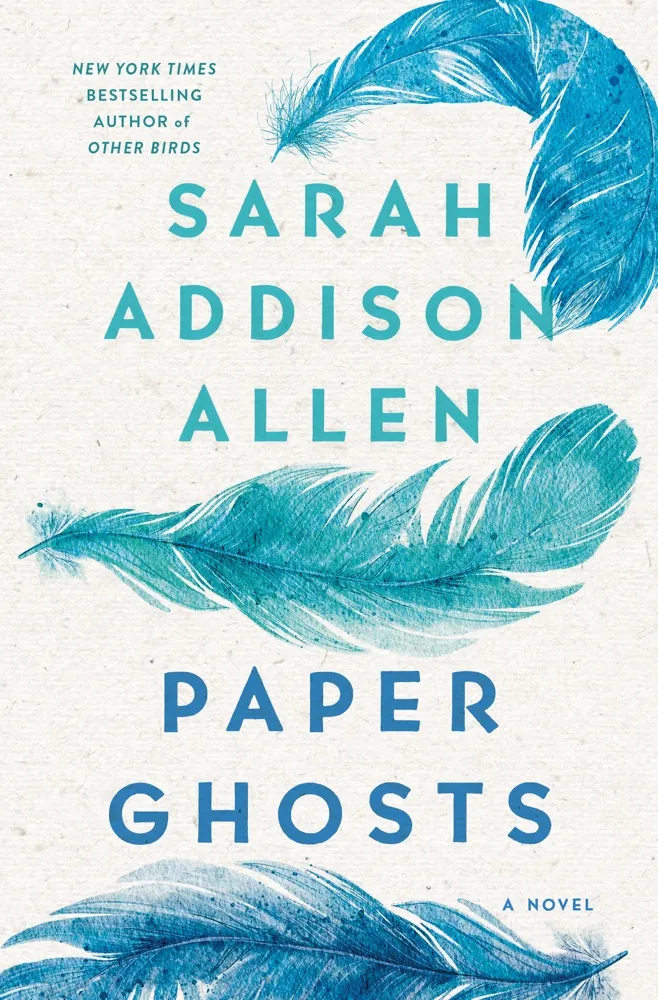
Paper Ghosts Author: Sarah Addison AllenPage Count: UnknownPublication Date: Expected publication 2026-09-01 APL Anticipated Release: "Paper Ghosts" by Sarah Addison Allen Sarah Addison Allen, the celebrated author of enchanting novels such as "Garden Spells" and "The Peach Keeper", is set to captivate readers once again with her upcoming release, "Paper Ghosts". Scheduled to hit bookshelves on September 1, 2026, this highly anticipated novel promises to transport readers to a world of magical realism, love, and secrets. A Haunting Family Legacy At the heart of "Paper Ghosts" lies the mysterious Wester family, whose secrets and whispers have long fascinated their small North Carolina town. The story revolves around Willamena Wester, a woman whose life has been marked by a fateful choice that altered her destiny forever. As Willamena reaches out to her estranged granddaughter, Bailey, long-buried truths begin to surface, threatening to upend the carefully constructed world of Wester House. A Tale of Love and Redemption Through the lens of two distinct timelines, "Paper Ghosts" weaves a narrative that spans decades. In 1976, young Willamena falls for a charismatic musician, who brings freedom and passion into her life. Their whirlwind romance promises to break free from the constraints of the Wester legacy, but ultimately, Willamena's choice sets her on a path that will forever change the course of her life. In the present day, Bailey Wester returns home, reluctantly, to reconnect with her grandmother, Willamena. As they navigate their complicated past, Bailey begins to grasp the depth of her family's secrets, heartbreak, and impossible choices. Through this journey, Allen masterfully explores the themes of love, redemption, and the power of the past to shape our present. A Masterful Blend of Romance, Southern Charm, and Wonder Sarah Addison Allen's signature prose and unique blend of magical realism, romance, and Southern charm are sure to enchant readers once again. If you loved her previous bestsellers, you'll be eager to dive into the world of "Paper Ghosts", where the past and present collide in unexpected ways. Mark your calendars for September 1, 2026, and get ready to be transported to a world of wonder and magic. With "Paper Ghosts", Sarah Addison Allen promises to deliver another unforgettable reading experience. #SarahAddisonAllen #PaperGhosts #MagicalRealism #SouthernFiction #RomanceNovels #BookLovers Related InsightsCurse of Krakens Book Review and Summary The Death of a Greek Lover Book Review and Summary Inferno Book Review and Summary{ "@context": "https://schema.org", "@type": "FAQPage", "mainEntity": [ { "@type": "Question", "name": "What is the main focus of Paper Ghosts Book Review and Summary?", "acceptedAnswer": { "@type": "Answer", "text": "Everything you need to know about Paper Ghosts with our detailed review." } }, { "@type": "Question", "name": "Who authored the comprehensive guide on Paper Ghosts Book Review and Summary?", "acceptedAnswer": { "@type": "Answer", "text": "This detailed article and its insights were carefully researched and authored by Victoria Smith." } }, { "@type": "Question", "name": "Where can I find more related content about Books?", "acceptedAnswer": { "@type": "Answer", "text": "You can explore more articles, detailed reviews, and similar insights by browsing the Related Insights section at the bottom of this article or visiting our dedicated Books category page." } } ] }
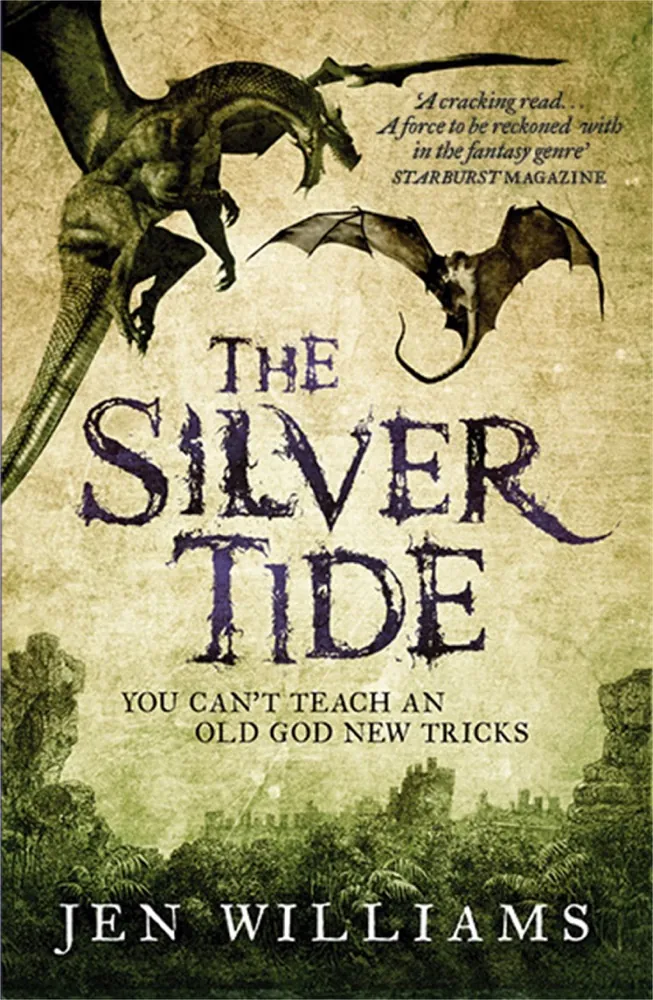

Peculiar Stars Author: Rebecca YarrosPage Count: UnknownPublication Date: Expected publication 2026 APL Literary Dispatches: The Countdown Begins for Rebecca Yarros's Peculiar Stars Fantasy enthusiasts and adventure-seekers, mark your calendars. The horizon is shimmering with the promise of high-octane magic, deadly secrets, and high-seas piracy as we look ahead to the anticipated 2026 release of Peculiar Stars by bestselling author Rebecca Yarros. While exact page counts remain under wraps, the excitement surrounding this final, explosive installment of the British Fantasy Award-nominated Copper Cat Trilogy is already reaching a fever pitch. If you have followed the harrowing exploits of the Black Feather Three—Wydrin of Crosshaven, Lord Aaron Frith, and Sir Sebastian—you know that Yarros delivers a brand of heroic fantasy that keeps pages turning late into the night. Blending the rich, character-driven depth beloved by fans of Robin Hobb with the relentless, razor-sharp pacing of Jay Kristoff's Nevernight series, this upcoming conclusion promises to be an unforgettable ride. What can we expect when we finally open the cover? According to the official synopsis, our favorite high-demand sell-swords are facing a challenge entirely unlike anything they have conquered before. This time, the danger hits close to home—literally. Wydrin finds herself face-to-face with her own mother, the notorious pirate and captain of the Poison Chalice, Devinia the Red. Devinia is on a relentless hunt for a fabled treasure rumored to be hidden deep within the treacherous, untamed jungles of the cursed island of Euriale. Naturally, she needs the unique talents of Wydrin and her companions to pull it off. Lured by the irresistible pull of coin and the thrill of the unknown, the trio takes the job, only to walk straight into a nightmare. As the synopsis warns, no explorer has ever returned from the heart of Euriale, where remnants of ancient, forgotten forces and mad magic lie waiting to be disturbed. Promised by Starburst magazine to deliver "dead gods, mad magic, piracy on the high seas, peculiar turns and pure fantasy fun," Peculiar Stars is shaping up to be the ultimate fantasy event of 2026. Whether you are a longtime devotee of the Copper Cat saga or a newcomer ready to dive into a world of swashbuckling peril and divine mysteries, this is one release you cannot afford to miss. Prepare your sails, guard your coin, and get ready for the final chapter of an extraordinary journey. #PeculiarStars #RebeccaYarros #CopperCatTrilogy #EpicFantasy #FantasyBooks #BookRelease2026 Related InsightsThe Steel Prince, Night of Knives Book Review and Summary Speaker for the Dead Book Review and Summary Six of Crows Book Review and Summary{ "@context": "https://schema.org", "@type": "FAQPage", "mainEntity": [ { "@type": "Question", "name": "What is the main focus of Peculiar Stars Book Review and Summary?", "acceptedAnswer": { "@type": "Answer", "text": "Everything you need to know about Peculiar Stars with our detailed review." } }, { "@type": "Question", "name": "Who authored the comprehensive guide on Peculiar Stars Book Review and Summary?", "acceptedAnswer": { "@type": "Answer", "text": "This detailed article and its insights were carefully researched and authored by Olya Shevchenko." } }, { "@type": "Question", "name": "Where can I find more related content about Books?", "acceptedAnswer": { "@type": "Answer", "text": "You can explore more articles, detailed reviews, and similar insights by browsing the Related Insights section at the bottom of this article or visiting our dedicated Books category page." } } ] }
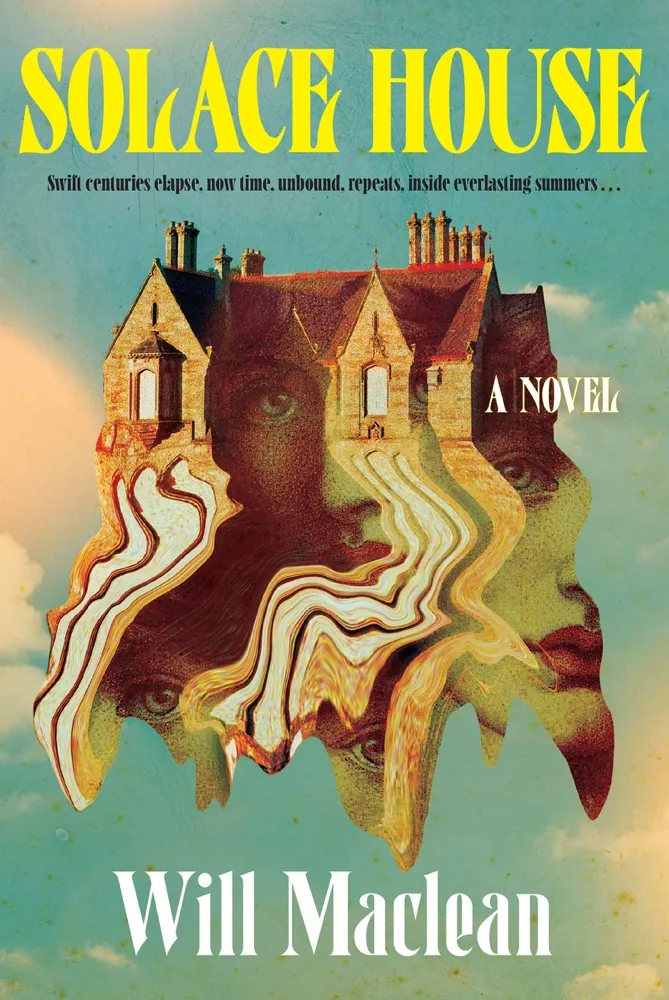
Solace House Author: Will MacleanPage Count: UnknownPublication Date: Expected publication 2026-10-13 APL A Promising New Voice in the Genre: Will Maclean's Highly Anticipated Debut, Solace House Bookworms and genre enthusiasts, rejoice! A thrilling new novel is on the horizon, courtesy of debut author Will Maclean. Scheduled to hit shelves on October 13, 2026, Solace House promises to be a captivating and unsettling read that will leave you questioning the boundaries of reality. A Synopsis of Enigmatic Intrigue "You are about to enter a place of strange genius, possible madness, and timeless love . . ." reads the blurb for Solace House. Described as a "puzzle box of a novel" by Nicholas Binge, author of Dissolution, the book follows a group of university students as they uncover an astonishing secret while clearing out a neglected Victorian mansion. The mansion, Solace House, is home to an eerie array of journals belonging to its former owner, Edwin Flayne, which detail his obsession with a mysterious realm lying parallel to our own. With the tagline of The Secret History meeting The Haunting of Hill House, expectations are sky-high for this dark and thought-provoking debut. As we await the release of Solace House, all we can do is speculate on the thrilling adventure that awaits us. While we don't know much about Will Maclean, this enigmatic debut is already generating buzz among literary enthusiasts. With its unique blend of mystery, horror, and philosophical themes, Solace House is undoubtedly a promising new voice in the genre. Get Ready for a Chilling Ride We can only imagine the twists and turns that await Alex Lane and his cohorts as they delve deeper into the mysteries of Solace House. As they uncover the secrets of the mansion, they'll face their own personal demons and the blurring of reality and the unknown. Stay tuned for the release of Solace House on October 13, 2026, and be prepared to enter a world of strange and wondrous possibilities. #booklovers #horrorfiction #mysterynovel #newrelease #literarythriller #debutauthor Related InsightsPerfume: The Story of a Murderer Book Review and Summary Fifty Shades of Grey Book Review and Summary Darkfever Book Review and Summary{ "@context": "https://schema.org", "@type": "FAQPage", "mainEntity": [ { "@type": "Question", "name": "What is the main focus of Solace House Book Review and Summary?", "acceptedAnswer": { "@type": "Answer", "text": "Everything you need to know about Solace House with our detailed review." } }, { "@type": "Question", "name": "Who authored the comprehensive guide on Solace House Book Review and Summary?", "acceptedAnswer": { "@type": "Answer", "text": "This detailed article and its insights were carefully researched and authored by Antoine Leroy." } }, { "@type": "Question", "name": "Where can I find more related content about Books?", "acceptedAnswer": { "@type": "Answer", "text": "You can explore more articles, detailed reviews, and similar insights by browsing the Related Insights section at the bottom of this article or visiting our dedicated Books category page." } } ] }
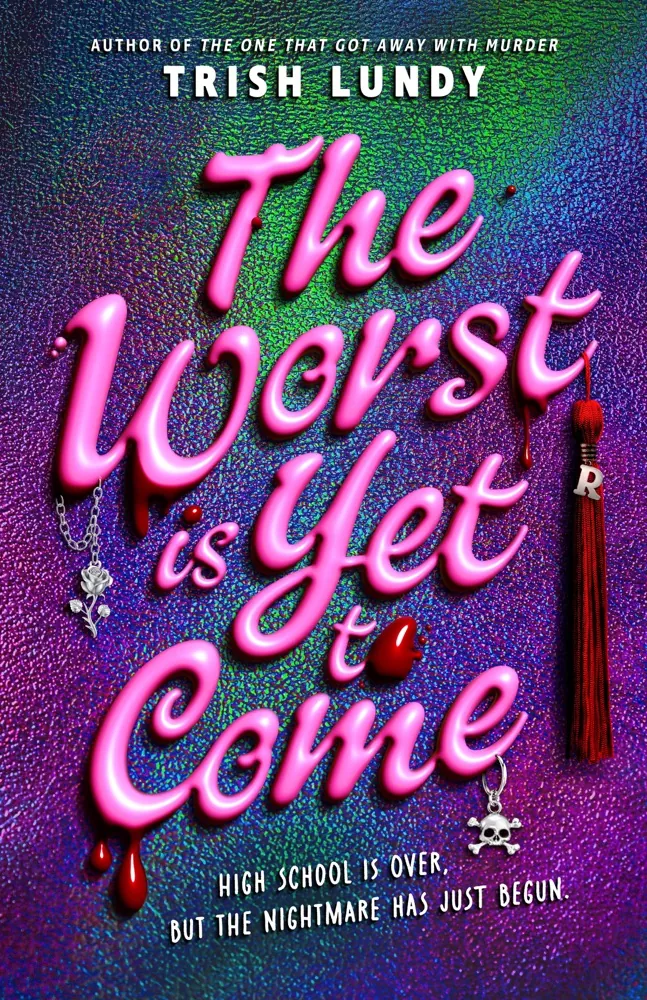

The Worst Is Yet to Come Author: Trish LundyPage Count: UnknownPublication Date: Expected publication 2026-10-06 APL Exclusive Preview: 'The Worst Is Yet to Come' by Trish Lundy - A Gripping YA Mystery Awaits Get ready to dive into the dark and thrilling world of Trish Lundy's latest novel, 'The Worst Is Yet to Come', set to hit shelves on October 6, 2026. This highly anticipated YA mystery promises to deliver a gripping tale of survival, secrets, and vengeance, perfect for fans of Holly Jackson and Karen M. McManus. For those who devoured Lundy's previous novel, 'The One That Got Away with Murder', the wait is almost over. Lundy's unique blend of suspense, intrigue, and relatable characters is sure to captivate readers once again. With 'The Worst Is Yet to Come', she delves into the complexities of small-town secrets and the horrors that can unfold when the truth begins to unravel. The story follows Rose, a high school graduate who survives a brutal murder attempt on graduation night, only to discover that her best friend was not so lucky. Left for dead at an abandoned house, Rose is rescued by Jake, a former high school quarterback and heartthrob, who becomes her unlikely ally in uncovering the truth behind the attacks. As Rose delves deeper into the mystery, she uncovers a dark history of similar events in her community, leaving her to wonder if a copycat killer is on the loose or if the original murderer has returned to finish what they started. With time running out, Rose must navigate the treacherous landscape of her town's secrets and lies to uncover the truth before she becomes the next victim. Lundy's masterful storytelling and intricate plotting promise to keep readers on the edge of their seats as they follow Rose's perilous journey. With its blend of mystery, suspense, and romance, 'The Worst Is Yet to Come' is set to become a must-read for fans of the YA thriller genre. Mark your calendars for October 6, 2026, and get ready to immerse yourself in the gripping world of 'The Worst Is Yet to Come'. With its dark and twisty plot, relatable characters, and small-town secrets, this novel is sure to leave you breathless. #YAMystery #ThrillerThursday #BookLovers #NewRelease #TrishLundy #TheWorstIsYetToCome Related InsightsThe Magus Book Review and Summary All the Bright Places Book Review and Summary Memoirs of a Geisha Book Review and Summary{ "@context": "https://schema.org", "@type": "FAQPage", "mainEntity": [ { "@type": "Question", "name": "What is the main focus of The Worst Is Yet to Come Book Review and Summary?", "acceptedAnswer": { "@type": "Answer", "text": "Everything you need to know about The Worst Is Yet to Come with our detailed review." } }, { "@type": "Question", "name": "Who authored the comprehensive guide on The Worst Is Yet to Come Book Review and Summary?", "acceptedAnswer": { "@type": "Answer", "text": "This detailed article and its insights were carefully researched and authored by James Miller." } }, { "@type": "Question", "name": "Where can I find more related content about Books?", "acceptedAnswer": { "@type": "Answer", "text": "You can explore more articles, detailed reviews, and similar insights by browsing the Related Insights section at the bottom of this article or visiting our dedicated Books category page." } } ] }
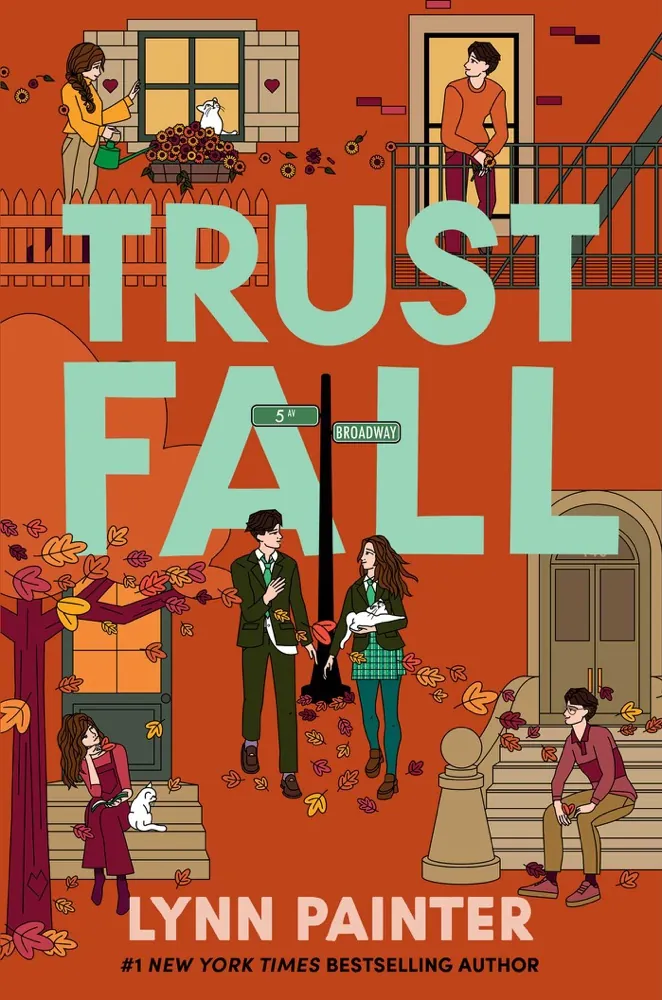

Trust Fall Author: Lynn PainterPage Count: UnknownPublication Date: Expected publication 2026-09-29 APL From the #1 New York Times bestselling author of Better Than the Movies comes one of the most anticipated romantic comedy releases on the horizon. Lynn Painter is returning to bookstore shelves with Trust Fall, scheduled for publication on September 29, 2026, and fans of contemporary romance are already clearing space on their nightstands. Known for her sharp wit, irresistible chemistry, and emotional storytelling, Painter has carved out a permanent spot in the hearts of romance readers everywhere. If you loved her previous bestsellers, this upcoming rags-to-riches rom-com promises to deliver the exact brand of heartwarming, high-stakes romance that readers have come to expect. Here is the official synopsis straight from the publisher: From the #1 New York Times bestselling author of Better Than the Movies, Lynn Painter, comes a rags-to-riches rom-com about a small-town girl whose family inherits a fortune and moves to New York City, where she meets a big-city boy hiding an explosive secret. Julia is just a small-town girl from Nebraska who loves her peaceful life. But when her elderly next-door neighbor—who just happens to be a secret multi-millionaire—leaves everything to Julia and her family after his passing, Julia is swept away to live in a historic brownstone in New York City and attend an elite private school for the super-rich. It should be a dream come true. Wrong. Julia doesn’t fit in at her new school; worse, she’s failing. Enter Damion, the mysterious and handsome tutor who will get Julia back on track. Except Damion has a secret. He is the great-nephew of the man who left everything to Julia’s family. Damion doesn’t buy for a second that the person who was like a father to him would leave his home to strangers. And he’s determined to prove it. To uncover the truth, Damion schemes to earn Julia’s trust. Not an easy task with Julia unsure about this rich boy with a rebellious personality. But the more time Damion spends with Julia, the more his plan begins to backfire. Because he is falling for the enemy—and the enemy is falling for him. As Damion and Julia figure out where they belong, can they see past their differences and act on their feelings, or will the trust Damion has worked so hard to gain fall apart? With a premise packed with secret identities, elite boarding school drama, forced proximity tutoring, and a delicious enemies-to-lovers arc, Trust Fall is shaping up to be an absolute must-read of 2026. Mark your calendars for September 29, because this is one emotional rollercoaster you will gladly fall for. #LynnPainter #TrustFall #BookTok #RomanceBooks #YAromance #ContemporaryRomance Related InsightsYou Are Special Book Review and Summary Lucy Kline, Necromancer Book Review and Summary City of Fallen Angels Book Review and Summary{ "@context": "https://schema.org", "@type": "FAQPage", "mainEntity": [ { "@type": "Question", "name": "What is the main focus of Trust Fall Book Review and Summary?", "acceptedAnswer": { "@type": "Answer", "text": "Everything you need to know about Trust Fall with our detailed review." } }, { "@type": "Question", "name": "Who authored the comprehensive guide on Trust Fall Book Review and Summary?", "acceptedAnswer": { "@type": "Answer", "text": "This detailed article and its insights were carefully researched and authored by Giulia Ricci." } }, { "@type": "Question", "name": "Where can I find more related content about Books?", "acceptedAnswer": { "@type": "Answer", "text": "You can explore more articles, detailed reviews, and similar insights by browsing the Related Insights section at the bottom of this article or visiting our dedicated Books category page." } } ] }
-
 Klaus Weber
 - 03 Aug, 2026 07:31
Sometimes I Scare Myself: A Collection of Horror Book Review and Summary
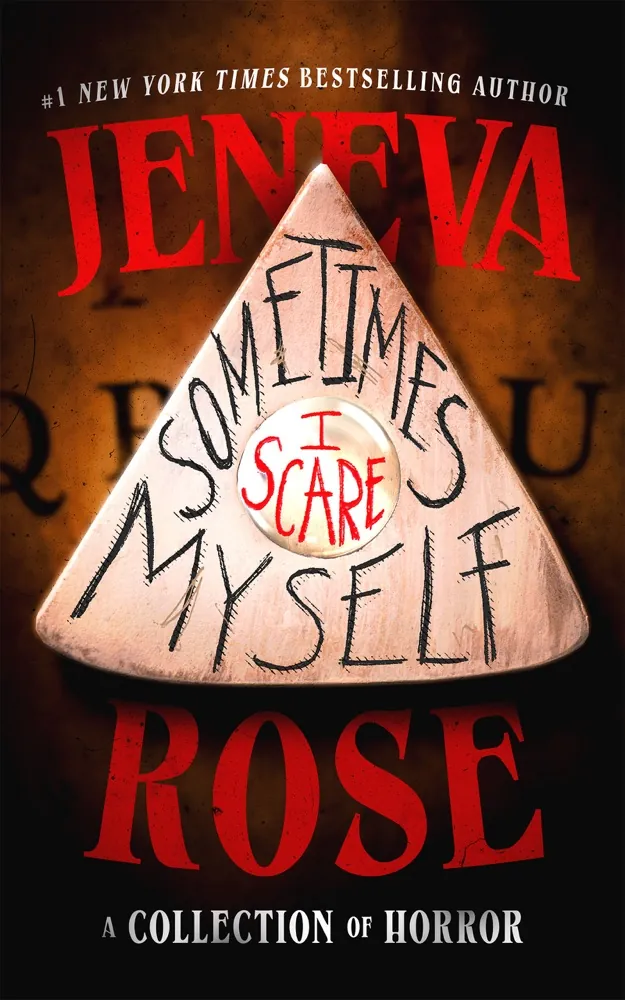
Sometimes I Scare Myself: A Collection of Horror Author: Jeneva RosePage Count: UnknownPublication Date: Expected publication 2026-09-08 APL What to Expect from Sometimes I Scare Myself: Jeneva Rose’s New Horror Collection Drops in September 2026 Jeneva Rose’s name is synonymous with the kind of horror that lingers long after the last page. A New York Times bestselling author whose work has been praised for its psychological depth, eerie atmosphere, and relentless dread, Rose has spent years perfecting the art of making readers question their own sanity. Now, with Sometimes I Scare Myself: A Collection of Horror—her first standalone anthology—she delivers three standalone tales that promise to unsettle, intrigue, and haunt in equal measure. Set for release on September 8, 2026, this collection isn’t just a return to form; it’s an evolution, a chance for Rose to stretch her storytelling muscles across three distinct yet thematically linked narratives. If you’ve devoured Rose’s previous works—like The Last Time I Lied or The Only Good Indians—you’ll recognize her signature blend of slow-burn tension and explosive horror. But Sometimes I Scare Myself isn’t just a rehash of her signature style; it’s a fresh exploration of the ways fear can manifest in the mundane. Whether it’s a dinner party gone wrong, a house that whispers secrets, or a cursed roadside shop that traps its victims in paranoia, Rose takes familiar settings and twists them into something far more sinister. Three Stories, Three Kinds of Terror The collection opens with Never Kill the Medium, a tale that begins with the kind of setup any horror fan would recognize: a group of friends, a birthday dinner, and a séance gone awry. But where most stories would lean into the supernatural, Rose subverts expectations, weaving in themes of guilt, denial, and the terrifying reality that some doors—once opened—cannot be closed. The medium’s death isn’t just a plot device; it’s a catalyst, a moment where the line between the living and the dead blurs in ways that will leave readers questioning whether the horror is real or if they’ve simply lost their grip on reality. Next is The Nightmare House, a slow-burn descent into domestic dread. The Dalton family moves into what seems like the perfect home—until the house itself begins to resist. Newly postpartum and emotionally vulnerable, Kristin Dalton becomes the first to hear the whispers, the creaks, the unnatural stillness of a home that has claimed every previous resident. Rose excels at making the ordinary terrifying, and here, the horror isn’t just in the supernatural but in the psychological unraveling of a woman already fragile. The question isn’t just what’s in the house, but what’s wrong with her—and the answer is far more unsettling. The collection closes with All Curses Are Final, a high-stakes, paranoia-driven thriller that begins with a seemingly harmless roadside stop. A hand-painted warning, a mysterious item, and a storm that traps a group of friends in a remote cabin—this is the setup for a story that will have readers flipping back to see if they missed any clues. As bodies begin to pile up and trust erodes, Rose masterfully turns the cabin into a pressure cooker of suspicion, where no one is safe and no one can be trusted. The curse isn’t just on the items; it’s on the people who bought them, and the realization comes too late. Why This Collection Matters Rose has always been a master of atmospheric horror, but Sometimes I Scare Myself feels like a deliberate step into more experimental territory. While her novels often rely on deep character studies and layered narratives, these three stories are tighter, more self-contained, and—dare we say—more accessible in their immediate impact. That doesn’t mean they’re any less terrifying; if anything, their brevity makes their chills more potent. For fans of Rose, this collection is a must-read. For newcomers, it’s the perfect introduction to her work—three distinct flavors of horror, each with its own flavor of dread. Whether you’re drawn to the psychological horror of Never Kill the Medium, the cosmic terror of The Nightmare House, or the paranoid descent of All Curses Are Final, there’s something here for every kind of horror lover. Mark your calendars for September 8, 2026. By then, Jeneva Rose will have given us another reason to stay up late, turn off the lights, and wonder—just for a moment—if we’re alone in our fear.#HorrorBooks #JenevaRose #NewHorrorCollection #SpookySeason #DarkFiction #BookToWatch2026 Related InsightsThe Life and Adventures of Joaquín Murieta Book Review and Summary Alice in Wonderland Book Review and Summary 3Gs: An Imaginary Memoir Book Review and Summary{ "@context": "https://schema.org", "@type": "FAQPage", "mainEntity": [ { "@type": "Question", "name": "What is the main focus of Sometimes I Scare Myself: A Collection of Horror Book Review and Summary?", "acceptedAnswer": { "@type": "Answer", "text": "Everything you need to know about Sometimes I Scare Myself: A Collection of Horror with our detailed review." } }, { "@type": "Question", "name": "Who authored the comprehensive guide on Sometimes I Scare Myself: A Collection of Horror Book Review and Summary?", "acceptedAnswer": { "@type": "Answer", "text": "This detailed article and its insights were carefully researched and authored by Klaus Weber." } }, { "@type": "Question", "name": "Where can I find more related content about Books?", "acceptedAnswer": { "@type": "Answer", "text": "You can explore more articles, detailed reviews, and similar insights by browsing the Related Insights section at the bottom of this article or visiting our dedicated Books category page." } } ] }
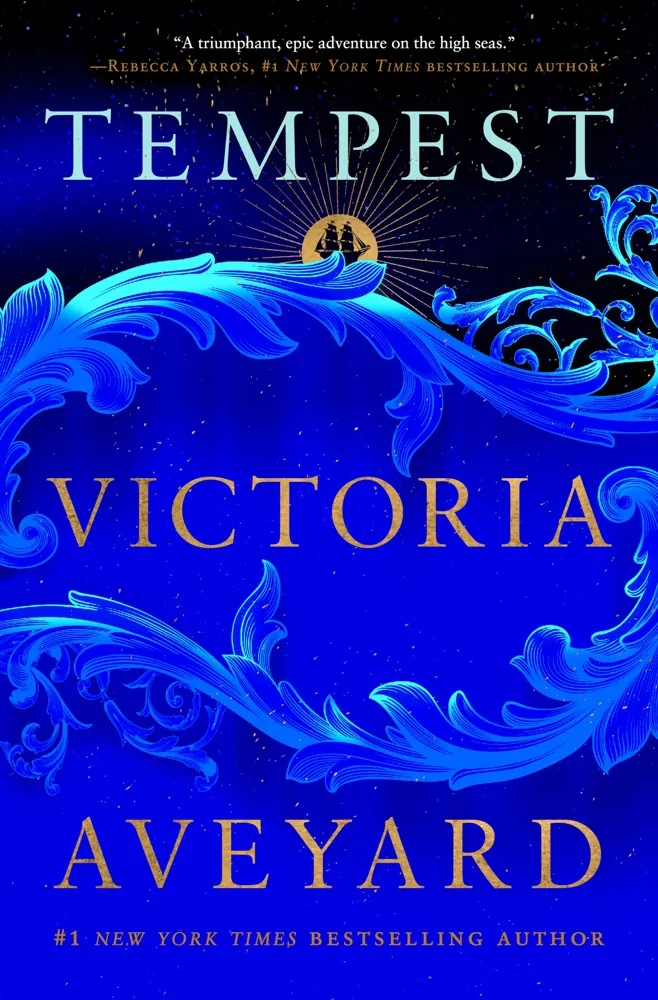
Tempest (The Lyrian Sea, #1) Author: Victoria AveyardPage Count: UnknownPublication Date: Expected publication 2026-09-08 APL A Storm Brews on the High Seas: Victoria Aveyard Returns with 'Tempest' (The Lyrian Sea, #1) In the world of literary fiction, few authors have captured the collective imagination quite like Victoria Aveyard. With a string of bestselling novels under her belt, including the iconic Red Queen series, fans have come to expect nothing short of epic storytelling, complex characters, and immersive world-building. Her latest foray, Tempest (The Lyrian Sea, #1), promises to be another thrilling installment in the world of epic fantasy. Set against the backdrop of a brutal war for the high seas, Tempest introduces us to Cat Rose, a resilient and determined protagonist who knows what it means to live in two worlds, in two times. From the treacherous waters of the Lyrian Sea to the opulent halls of the Meridian Empire, Cat's journey is set to be a wild ride, filled with love, betrayal, and adventure. Aveyard's masterful world-building is on full display as the stakes are high, and the fate of the pirate republic hangs precariously in the balance. With the Meridian Empire closing in, Cat must choose between loyalty and survival, all while navigating the treacherous waters of her own heart. As the official release date of September 8th approaches, fans are abuzz with anticipation. Will Cat find a way to rally the pirates and save her people, or will the Empire crush all hope? One thing is certain – with Aveyard at the helm, we're in for a treat that will leave us breathless and begging for more. If you loved the high-stakes politics and action-packed battles of Aveyard's Red Queen series, or relished the epic world-building of her subsequent novels, then Tempest is set to be your next obsession. With her unparalleled storytelling ability and mastery of the fantasy genre, this is an author who continues to raise the bar with each new release. So, set sail with Cat Rose and immerse yourself in the world of Tempest. The storm is rising, and we can't wait to see what the future holds. #FantasyLiterature #VictoriaAveyard #NewRelease #TheLyrianSea #Tempest #EpicFantasy Related InsightsSharpest Court (Thorn Season #2) Book Review and Summary Dream Girl Drama Book Review and Summary I, Claudius Book Review and Summary{ "@context": "https://schema.org", "@type": "FAQPage", "mainEntity": [ { "@type": "Question", "name": "What is the main focus of Tempest (The Lyrian Sea, #1) Book Review and Summary?", "acceptedAnswer": { "@type": "Answer", "text": "Everything you need to know about Tempest (The Lyrian Sea, #1) with our detailed review." } }, { "@type": "Question", "name": "Who authored the comprehensive guide on Tempest (The Lyrian Sea, #1) Book Review and Summary?", "acceptedAnswer": { "@type": "Answer", "text": "This detailed article and its insights were carefully researched and authored by Natalia Sokolova." } }, { "@type": "Question", "name": "Where can I find more related content about Books?", "acceptedAnswer": { "@type": "Answer", "text": "You can explore more articles, detailed reviews, and similar insights by browsing the Related Insights section at the bottom of this article or visiting our dedicated Books category page." } } ] }
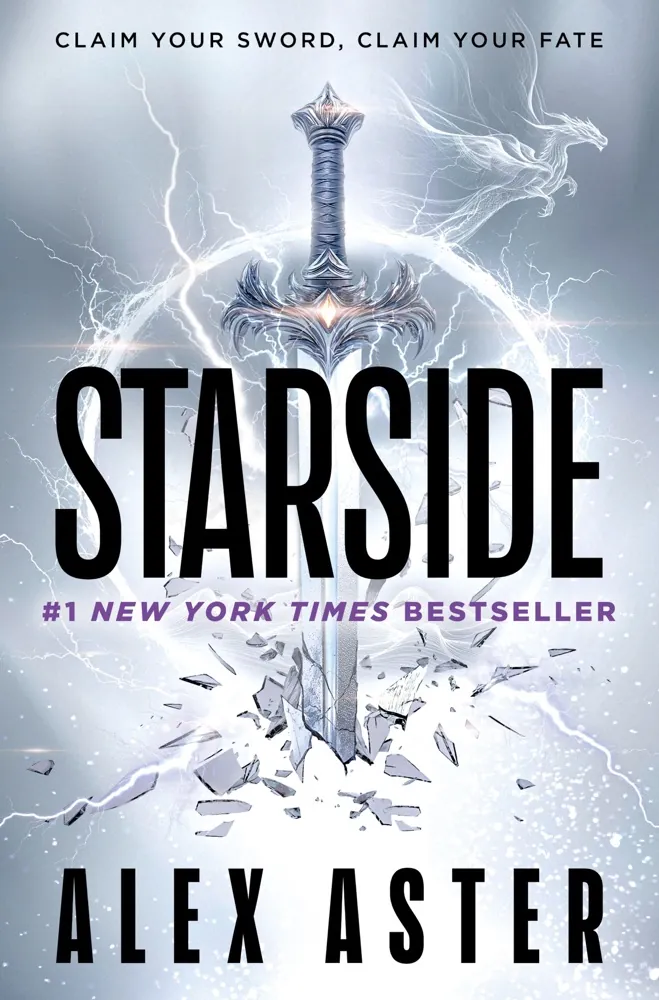

Stormside (Starside Series) Author: Alex AsterPage Count: UnknownPublication Date: Expected publication 2026-03-31 APL Stormside: Alex Aster’s Bold New Adventure into Adult Romantasy—Where Vengeance Meets Magic and the Gods Themselves Are the Enemy Alex Aster’s name is already synonymous with escapism—her Lightlark series, a lush, genre-defying fantasy for teens, has cemented her as a master of immersive worldbuilding and emotionally charged storytelling. Now, with Stormside, the #1 New York Times bestselling author is stepping into uncharted territory: adult romantasy. And if the explosive synopsis is any indication, this isn’t just a new series—it’s a high-stakes, morally complex odyssey where the line between hero and villain is as sharp as the blades wielded by its characters. Set in a fractured world where magic is power and immortality is a curse, Stormside introduces a realm where the gods are not benevolent figures but ancient, bloodthirsty beings whose descendants rule over a paradise of eternal youth and untold wealth. Below them lies the mortal world, where survival is a daily struggle—and where, every fifty years, the gates between realms open, offering fifty desperate souls the chance to cross into Starside in search of life-changing magic. For Aris, a blacksmith’s apprentice orphaned by a goddess’s fire, the quest isn’t about healing or wealth. It’s about vengeance. What makes Stormside so compelling is its refusal to play by the rules of traditional fantasy. Magic isn’t inherited—it’s claimed, and the weapons that hold it are as dangerous as the hands that wield them. Aris, with nothing but her wits and a stolen blade, becomes a target the moment she proves she’s no ordinary challenger. But the real danger isn’t just the monstrous creatures of Starside or the bloodthirsty immortals who see her as prey. It’s the secret tied to her family’s death—and the man who once betrayed her, now standing between her and her destiny. Harlan Raker, the king’s guard, is a man of contradictions: merciless yet mysterious, a survivor in a world where trust is a luxury. His presence looms large, not just as a potential ally but as a reminder that in a land where gods walk among mortals, loyalty is a fragile thing. And when Aris’s past catches up with her, the consequences won’t just reshape her journey—they’ll ignite a war that even the immortals fear. For fans of Aster’s work, Stormside promises the same richly textured worldbuilding and emotionally resonant characters, but with the added complexity of adult themes, morally gray choices, and a protagonist who is as ruthless as she is determined. If you loved the high-stakes drama of Lightlark but craved something darker, more politically charged, and utterly unforgiving, this is your next obsession. Stormside arrives on March 31, 2026, and with it, the promise of a new kind of fantasy—one where the gods are the villains, and the only way to survive is to become something even more dangerous than they are. #Stormside #AlexAster #Romantasy #FantasyBook #NewAdultFantasy #ComingSoon2026 Related InsightsThe Yellow Wallpaper and Other Stories Book Review and Summary Only the Brave Book Review and Summary The Damned Book Review and Summary{ "@context": "https://schema.org", "@type": "FAQPage", "mainEntity": [ { "@type": "Question", "name": "What is the main focus of Stormside (Starside Series) Book Review and Summary?", "acceptedAnswer": { "@type": "Answer", "text": "Everything you need to know about Stormside (Starside Series) with our detailed review." } }, { "@type": "Question", "name": "Who authored the comprehensive guide on Stormside (Starside Series) Book Review and Summary?", "acceptedAnswer": { "@type": "Answer", "text": "This detailed article and its insights were carefully researched and authored by Carmen Martinez." } }, { "@type": "Question", "name": "Where can I find more related content about Books?", "acceptedAnswer": { "@type": "Answer", "text": "You can explore more articles, detailed reviews, and similar insights by browsing the Related Insights section at the bottom of this article or visiting our dedicated Books category page." } } ] }
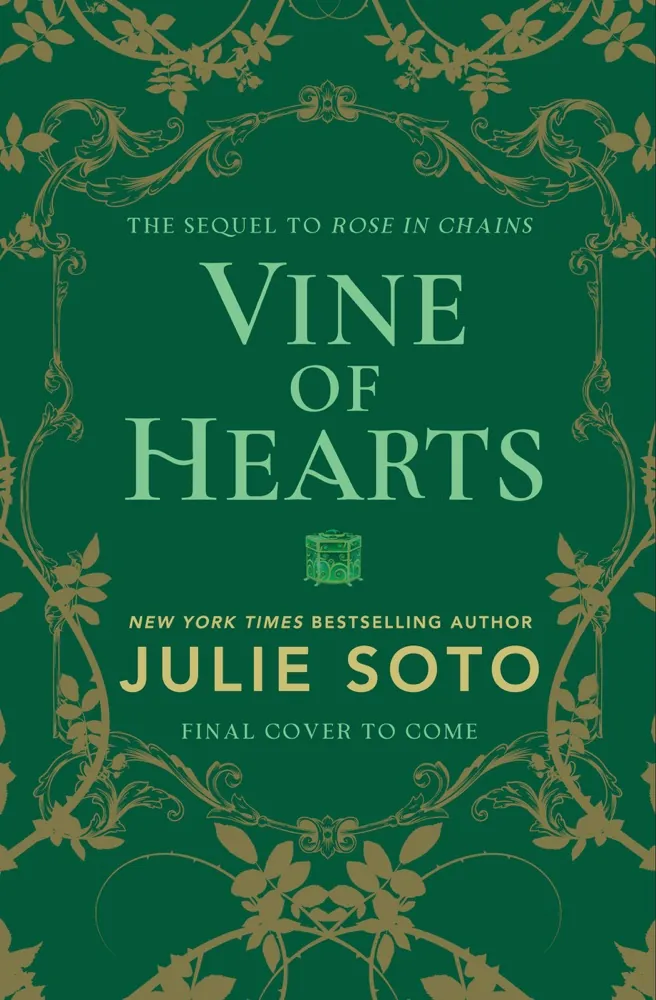

Vine of Hearts (The Evermore Trilogy, #2) Author: Julie SotoPage Count: UnknownPublication Date: Expected publication 2026-12-01 APL What to Expect: Vine of Hearts (The Evermore Trilogy, #2) by Julie Soto Fans of Julie Soto’s debut romantasy, Rose in Chains, have been waiting eagerly for the next chapter in the Evermore saga, and the wait is almost over. Slated for release on December 1, 2026, Vine of Hearts promises to dive deeper into the perilous world of magic, betrayal, and forbidden desire that made the first book a New York Times bestseller. The official synopsis sets the stage for a high‑stakes continuation:“To the world, she is a source for magic.To him, she is the one thing he cannot have—and cannot live without.Briony Rosewood escaped the worst of it—or so she tells herself. Being forced to serve the woman who betrayed her family and gutted the Evermore kingdom is the closest thing to safety she could ask for. But even the protection of the powerful Hearst family has limits, and now Briony must do the unthinkable: share her magic—and her heartbeat—with Toven Hearst. Once her enemy…now her tentative ally.Forced to travel to distant courts and glittering foreign kingdoms, Briony plays the part of Toven’s adoring heartspring, smiling for the enemy while secretly feeding the rebellion. Every whispered confidence, every stolen moment, becomes a weapon as she gathers information and forges dangerous new alliances. It’s devastating to pretend she’s in love with the man whose family helped destroy her own. But the cruelest part is that her treacherous heart has always been his.But the Hearsts harbor secrets of their own—and none is darker than Toven’s shadowy, devastating gift. For any of them to survive, Briony must learn what Toven can do…and what he can undo.Because when the lost daughter of Evermore finally chooses where her heart belongs, everyone will come to know the full force of their combined power—and her wrath.”From these lines we can anticipate a continuation of Briony’s precarious double life—publicly aligned with the Hearsts while covertly aiding the rebellion that seeks to restore Evermore. The tension between duty and desire appears to deepen, especially as Briony grapples with feelings for Toven, the very man whose lineage contributed to her family’s downfall. The synopsis also hints at a mysterious, potentially dangerous ability possessed by Toven, suggesting that the stakes will rise not only politically but magically. Julie Soto’s track record as a New York Times bestselling author of Rose in Chains ensures that readers can expect her signature blend of lush world‑building, dark romantic tension, and intricate political intrigue. If the first installment captivated you with its atmospheric settings and morally complex protagonists, Vine of Hearts looks poised to amplify those elements, delivering a sequel that both honors the original’s strengths and pushes the narrative into new, perilous territory. Mark your calendars for December 1, 2026, and prepare to lose yourself once more in the ever‑shifting courts of Evermore—where love, loyalty, and power are as intertwined as the vines that give the book its title. #VineofHearts #EvermoreTrilogy #JulieSoto #Romantasy #FantasyRelease #NewYorkTimesBestseller Related InsightsHappenstance Book Review and Summary Brideshead Revisited Book Review and Summary A Wish Upon the Stars Book Review and Summary{ "@context": "https://schema.org", "@type": "FAQPage", "mainEntity": [ { "@type": "Question", "name": "What is the main focus of Vine of Hearts (The Evermore Trilogy, #2) Book Review and Summary?", "acceptedAnswer": { "@type": "Answer", "text": "Everything you need to know about Vine of Hearts (The Evermore Trilogy, #2) with our detailed review." } }, { "@type": "Question", "name": "Who authored the comprehensive guide on Vine of Hearts (The Evermore Trilogy, #2) Book Review and Summary?", "acceptedAnswer": { "@type": "Answer", "text": "This detailed article and its insights were carefully researched and authored by Olivia Harris." } }, { "@type": "Question", "name": "Where can I find more related content about Books?", "acceptedAnswer": { "@type": "Answer", "text": "You can explore more articles, detailed reviews, and similar insights by browsing the Related Insights section at the bottom of this article or visiting our dedicated Books category page." } } ] }
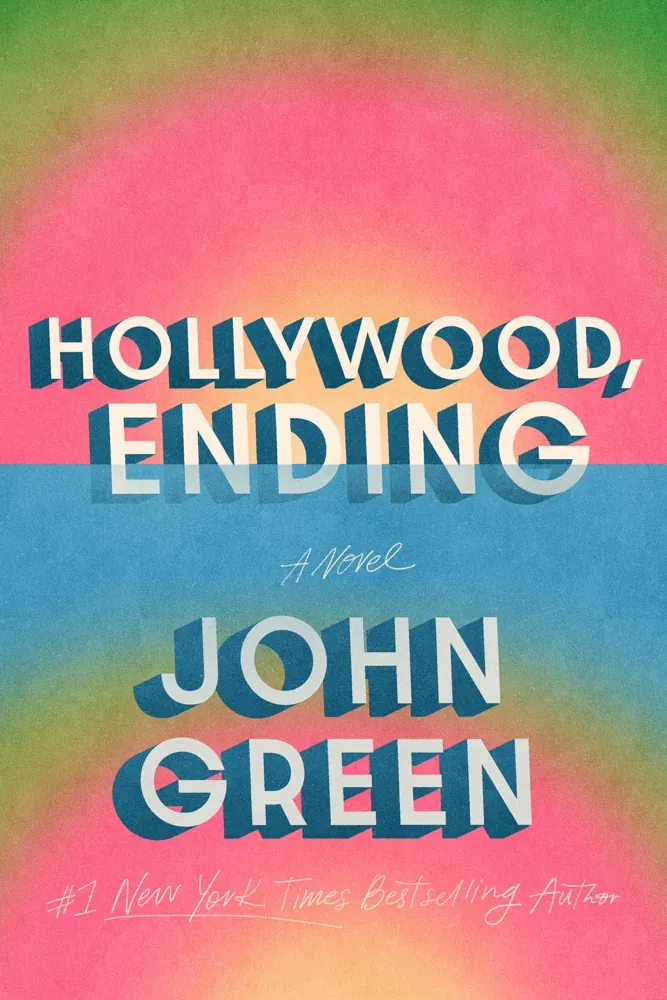

Hollywood, Ending Author: John GreenPage Count: UnknownPublication Date: Expected publication 2026-09-22 APL John Green’s Hollywood, Ending: A Love Story for the Age of Attention John Green’s return to fiction is one of the most eagerly awaited literary events of the year—and Hollywood, Ending, his first novel since The Anthropocene Reviewed, promises to be as sharp, tender, and culturally resonant as anything he’s written before. Set against the glittering, cutthroat world of Hollywood, this dual-narrative love story explores the tension between public spectacle and private longing, all while dissecting the modern obsession with attention. If you’ve ever wondered what it’s like to be young, ambitious, and adrift in a world that demands you be seen—or what it takes to find love in a place where trust is a luxury—this is the book for you. At its heart, Hollywood, Ending follows Kai Laramie and Juniper Castillo, two rising stars cast in the buzzed-about biopic Andy Warhol Never Gets Old. For them, the film isn’t just a career launchpad; it’s a crucible. As their lives collide on and off screen—amid the chaos of a movie blowing up overnight—they’re forced to navigate the fragile balance between authenticity and performance, between the person they are and the person they’re expected to be. Green, who has long been a master of blending humor, heart, and social commentary, weaves these dual perspectives with his signature wit, creating a story that’s as much about the industry that consumes us as it is about the people who dare to resist it. What makes this novel particularly compelling is its timely examination of the attention economy. Warhol’s own life—his fascination with fame, his blurring of art and celebrity—serves as a mirror to the modern experience, where every like, every share, every viral moment can feel like a transaction. Green, who has spent years reflecting on fame, privacy, and the search for meaning (Looking for Alaska, The Fault in Our Stars, Turtles All the Way Down), brings that same intellectual depth to this new project. But where his earlier works often focused on the internal struggles of adolescence, Hollywood, Ending expands that lens to the external pressures of a world that demands constant visibility. It’s a story about the cost of being seen—and the courage it takes to love someone when the world is watching. For fans of Green’s work, this novel offers a fresh but familiar voice. If you’ve loved his dual-narrative storytelling (Paper Towns), his sharp social observations (The Anthropocene Reviewed), or his ability to make the mundane feel profound (Let It Snow), you’ll find much to cherish here. Yet Hollywood, Ending also marks a bold new direction, venturing into the world of Hollywood itself—a setting Green has only glimpsed before, most notably in The Art of Starving, his 2015 memoir about his time as a struggling writer in Los Angeles. This time, though, he’s crafting a full-fledged fictional exploration of the industry’s allure and its dangers, all while keeping the emotional core of his storytelling intact. The dual POV structure ensures that no character feels one-dimensional. Kai and Juniper’s relationship unfolds with the same nuance Green brings to his most intimate portrayals of young love, but here, their bond is tested by the very forces that shape their world: the studio executives, the paparazzi, the algorithmic demands of modern fame. It’s a story about the audacity to love in a world that rewards performativity over authenticity, and about the quiet rebellions that make such love possible. With Hollywood, Ending, Green doesn’t just return to fiction—he redefines it. This isn’t just a love story; it’s a meditation on the price of being seen, the value of privacy, and the rare, beautiful moments when two people find a way to connect despite everything. If his past work has taught us anything, it’s that Green’s fiction doesn’t just entertain—it challenges, it comforts, and it lingers long after the last page. Hollywood, Ending will be no exception. Mark your calendars for September 22, 2026—this is one return you won’t want to miss. #JohnGreen #HollywoodEnding #NewJohnGreenBook #LoveStory #AttentionEconomy #DualNarrative Related InsightsA Reunion to Die For: A Novel Book Review and Summary The Unbearable Lightness of Being Book Review and Summary Homo Deus: Breve historia del mañana / Homo deus. A history of tomorrow Book Review and Summary{ "@context": "https://schema.org", "@type": "FAQPage", "mainEntity": [ { "@type": "Question", "name": "What is the main focus of Hollywood, Ending Book Review and Summary?", "acceptedAnswer": { "@type": "Answer", "text": "Everything you need to know about Hollywood, Ending with our detailed review." } }, { "@type": "Question", "name": "Who authored the comprehensive guide on Hollywood, Ending Book Review and Summary?", "acceptedAnswer": { "@type": "Answer", "text": "This detailed article and its insights were carefully researched and authored by Camille Dubois." } }, { "@type": "Question", "name": "Where can I find more related content about Books?", "acceptedAnswer": { "@type": "Answer", "text": "You can explore more articles, detailed reviews, and similar insights by browsing the Related Insights section at the bottom of this article or visiting our dedicated Books category page." } } ] }
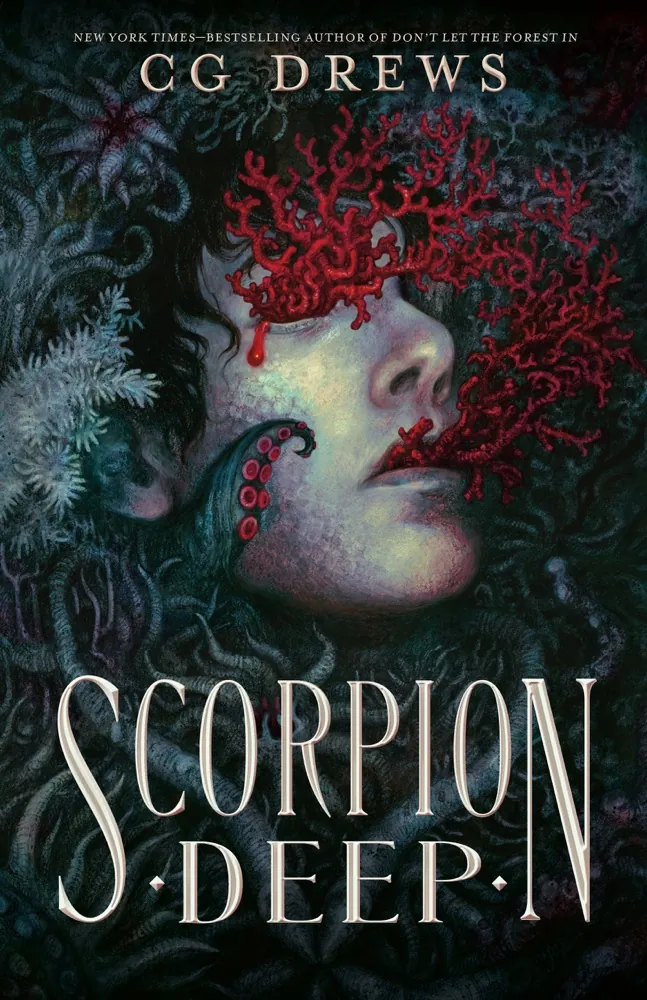

Scorpion Deep Author: C.G. DrewsPage Count: UnknownPublication Date: Expected publication 2026-10-27 APL "Scorpion Deep" Dives into the Abyss, a Haunting New Novel from CG Drews CG Drews, the #1 New York Times bestselling author of Don't Let the Forest In and Hazelthorn, has been mesmerizing readers with her dark, enchanting tales. And now, on October 27, 2026, she's set to cast her siren call once more with the eerie and spellbinding Scorpion Deep. Original Synopsis: A Gripping Tale of Obsession In Scorpion Deep, a lonely boy named Jonathan Covey unwittingly awakens an eldritch sea god on the isolated isle of Kelcarrow. The sea god, known as Scorpion Deep, has lain dormant for ages, dismissed by the locals as mere myth. But when Jonathan performs a desperate ritual, calling out to the creature in hopes of escaping his miserable fate, Scorpion Deep awakens. As the story unfolds, Jonathan finds himself entwined in an unholy obsession with the ageless entity. But beware – Scorpion Deep's adoration is both captivating and deadly, forcing Jonathan to confront the horrors that lurk in the depths of his own soul. Why You Should Be Excited CG Drews's previous novels have captivated readers with their atmospheric prose and unsettling themes. If you loved her previous bestsellers, which transported you to eerie forests and foreboding manors, then Scorpion Deep promises to take your breath away. With its unique blend of the eldritch and the darkly romantic, this novel is poised to become a new fan favorite. Scorpion Deep promises to be a haunting exploration of the human psyche, delving into the darker corners of the mind and plumbing the depths of obsession. With CW Drews at the helm, you can be sure that this novel will be a deeply unsettling, thoroughly immersive, and unmissable read. Get Ready to Dive into the Abyss Mark your calendars for October 27, 2026, and prepare to immerse yourself in the haunting world of Scorpion Deep. This promises to be a journey into the very depths of terror and fascination, and we can't wait to see what CG Drews has in store for us. #HorrificFiction #EldritchShores #DarkRomance #NewRelease #Cgdrews #FantasyLiteraryFiction Related InsightsThe Metamorphosis Book Review and Summary The Steel Prince, The Rebel Army Book Review and Summary Thief of Night Book Review and Summary{ "@context": "https://schema.org", "@type": "FAQPage", "mainEntity": [ { "@type": "Question", "name": "What is the main focus of Scorpion Deep Book Review and Summary?", "acceptedAnswer": { "@type": "Answer", "text": "Everything you need to know about Scorpion Deep with our detailed review." } }, { "@type": "Question", "name": "Who authored the comprehensive guide on Scorpion Deep Book Review and Summary?", "acceptedAnswer": { "@type": "Answer", "text": "This detailed article and its insights were carefully researched and authored by Sofia Bianchi." } }, { "@type": "Question", "name": "Where can I find more related content about Books?", "acceptedAnswer": { "@type": "Answer", "text": "You can explore more articles, detailed reviews, and similar insights by browsing the Related Insights section at the bottom of this article or visiting our dedicated Books category page." } } ] }
Weak Side (D.C. Stars, #7) Author: Chelsea CurtoPage Count: UnknownPublication Date: Expected publication 2026 ANTG Exclusive Preview: Weak Side (D.C. Stars #7) – The Next Chapter in Chelsea Curto’s High-Stakes Hockey Romance Saga Chelsea Curto’s D.C. Stars series has become a cornerstone of modern hockey romance, blending the grit of professional sports with the emotional depth of love stories that refuse to play by the rules. With Weak Side—the seventh installment in this beloved series—due in 2026, fans are already bracing for another electrifying clash of passion, rivalry, and the kind of chemistry that makes the ice feel like home. But what can we expect from this next chapter? While the official synopsis remains under wraps, Curto’s track record speaks volumes. Known for weaving intricate, high-stakes romances into the high-pressure world of hockey, her books have consistently delivered twists, tension, and the kind of slow-burn tension that keeps readers hooked. If you’ve devoured The Right Side of the Net, The Bottom Line, or The Face-Off, you know her knack for crafting heroes and heroines who challenge each other—both on and off the ice. Weak Side likely continues this tradition, possibly exploring fresh dynamics within the franchise’s interconnected cast or introducing a new player whose personal struggles mirror the physical battles of the game. What makes Curto’s work so compelling is her ability to make hockey feel visceral—whether through the sweat of a hard-fought game or the quiet intensity of a player’s off-ice life. Weak Side may very well push those boundaries further, diving into themes of vulnerability, redemption, or the pressure of legacy, all while keeping the romance at its heart. Given the series’ growth, this could also be a moment for long-time characters to evolve—or for a fresh perspective to shake up the team’s dynamics. For now, all we can do is anticipate. But with Curto’s reputation for delivering, Weak Side is already shaping up to be another must-read in a series that’s redefining sports romance. Stay tuned—this one’s going to be a goal. #DCSportsRomance #HockeyRomance #ChelseaCurto #WeakSide #SportsRomance #ComingSoon2026 Related InsightsLadies In Waiting Book Review and Summary And Then There Were None Book Review and Summary Sophie, Standing There Book Review and Summary{ "@context": "https://schema.org", "@type": "FAQPage", "mainEntity": [ { "@type": "Question", "name": "What is the main focus of Weak Side (D.C. Stars, #7) Book Review and Summary?", "acceptedAnswer": { "@type": "Answer", "text": "Everything you need to know about Weak Side (D.C. Stars, #7) with our detailed review." } }, { "@type": "Question", "name": "Who authored the comprehensive guide on Weak Side (D.C. Stars, #7) Book Review and Summary?", "acceptedAnswer": { "@type": "Answer", "text": "This detailed article and its insights were carefully researched and authored by Klaus Weber." } }, { "@type": "Question", "name": "Where can I find more related content about Books?", "acceptedAnswer": { "@type": "Answer", "text": "You can explore more articles, detailed reviews, and similar insights by browsing the Related Insights section at the bottom of this article or visiting our dedicated Books category page." } } ] }
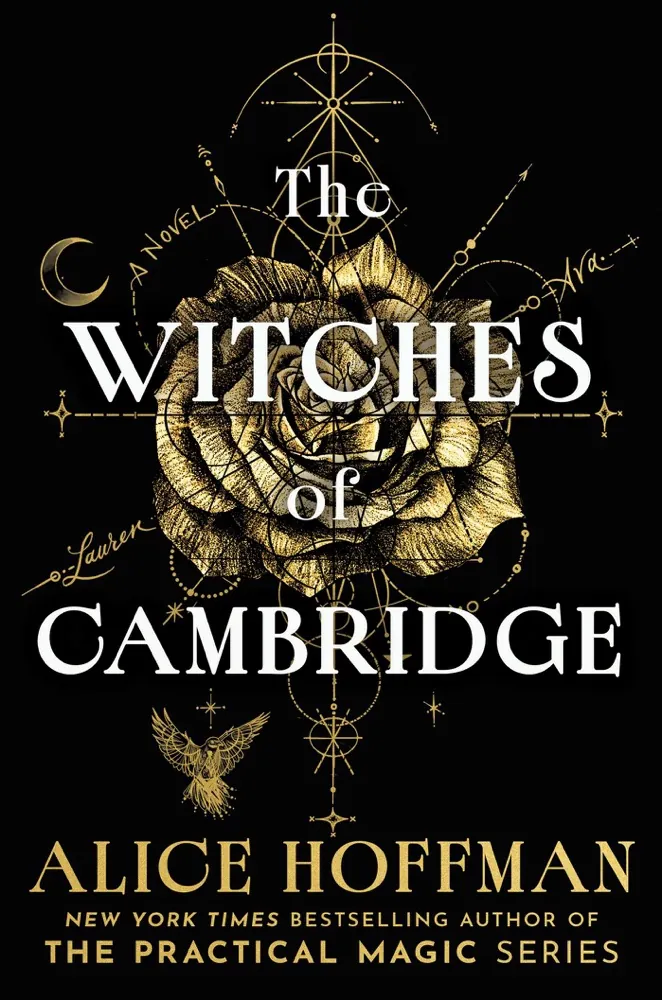
The Witches of Cambridge Author: Alice HoffmanPage Count: UnknownPublication Date: Expected publication 2026-09-08 APL LITERARY DISPATCH EXCLUSIVE: Step Back Into the Magic with Alice Hoffman's The Witches of Cambridge If you fell under the spell of Practical Magic, prepare to dust off your broomsticks and stock up on lavender. Bestselling author Alice Hoffman is returning to the enchanting world of witchcraft with a brand-new series, launching with the highly anticipated publication of The Witches of Cambridge, arriving on September 8, 2026. For decades, Hoffman has reigned as the undisputed queen of magical realism, weaving stories of sisterhood, destiny, and generational magic that have captivated millions of readers. Now, she is transporting us back to 1950s Massachusetts for a tale that marries academic ambition with clandestine sorcery. Here is the exclusive synopsis for what is shaping up to be one of the biggest releases of 2026: Once upon a time, women were drowned in the river and the only witnesses were the crows in the trees. The Puritans blamed Eve for the sins of the world. That was when we began to meet in the name of Lilith, Adam’s first wife—banished for refusing to do as she was told. We Fly Together… By the 1950s, Cambridge, Massachusetts feels far removed from the legendary witch trials that marked its early days as a colony. Ava, a bright young woman from a small town in Maine, arrives for her first year at Radcliffe College. There, she meets Lauren, her opposite in every way—the wild and brazen daughter of a wealthy and well-established Cambridge family. But the two have more in common than they think. Both are recruited by the Lilith Society, a secret organization of witches at Radcliffe dating back to colonial times. As they learn more about their legacy, Ava and Lauren form a close bond that is put to the test as they learn to navigate their new power, friendship, and love. While Radcliffe seems like a safe haven, the shadow of McCarthyism looms large, an ever-present threat to the flourishing creative and intellectual life in Cambridge. And as girls from the Lilith Society begin to go missing, Ava and Lauren realize the witch trials of the past may not be as deeply buried as they once believed. With the brilliant backdrop of 1950s academia colliding with the paranoid pressures of McCarthyism, Hoffman is uniquely positioned to deliver a masterclass in atmospheric tension and deep emotional resonance. The prospect of uncovering the secrets of the Lilith Society alongside Ava and Lauren has us eagerly marking our calendars. Keep your eyes on the shelves this fall—this is one spell you won't want to break. #AliceHoffman #TheWitchesOfCambridge #MagicalRealism #WitchLit #HistoricalFantasy #BookTok Related InsightsThe Killer Inside Me Book Review and Summary It's a Prince Thing (the Princess Rules) Book Review and Summary DK Super Planet A Journey Around our Continents Book Review and Summary{ "@context": "https://schema.org", "@type": "FAQPage", "mainEntity": [ { "@type": "Question", "name": "What is the main focus of The Witches of Cambridge Book Review and Summary?", "acceptedAnswer": { "@type": "Answer", "text": "Everything you need to know about The Witches of Cambridge with our detailed review." } }, { "@type": "Question", "name": "Who authored the comprehensive guide on The Witches of Cambridge Book Review and Summary?", "acceptedAnswer": { "@type": "Answer", "text": "This detailed article and its insights were carefully researched and authored by Olya Shevchenko." } }, { "@type": "Question", "name": "Where can I find more related content about Books?", "acceptedAnswer": { "@type": "Answer", "text": "You can explore more articles, detailed reviews, and similar insights by browsing the Related Insights section at the bottom of this article or visiting our dedicated Books category page." } } ] }
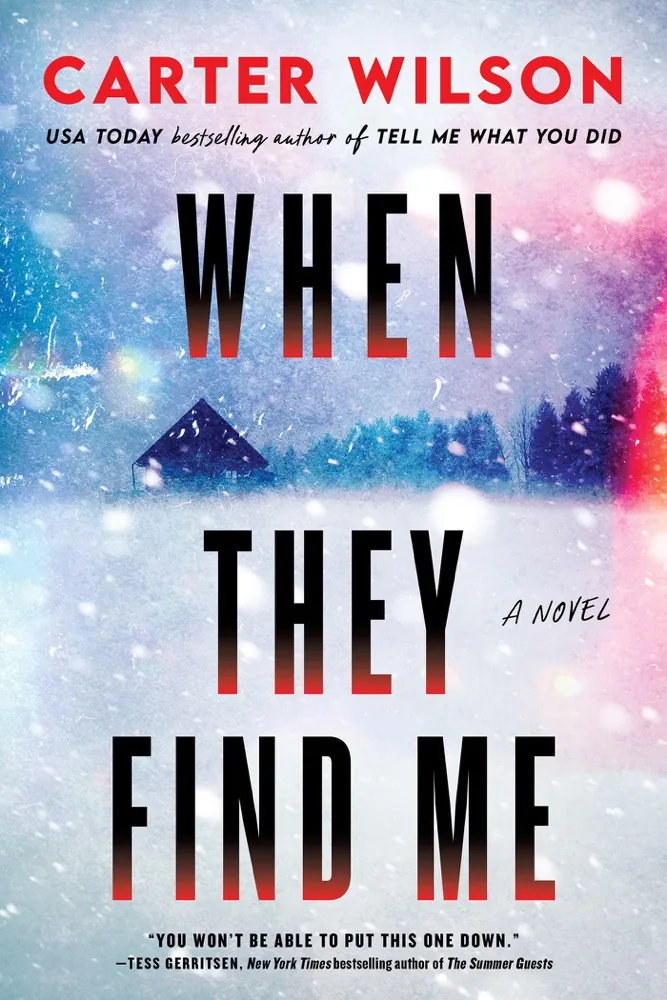
When They Find Me Author: Carter WilsonPage Count: UnknownPublication Date: Expected publication 2026-11-10 APL Exclusive Anticipated Release: Carter Wilson’s Bone-Chilling New Thriller, When They Find Me For thriller fans keeping a close eye on upcoming releases, mark your calendars for November 10, 2026. Acclaimed suspense author Carter Wilson is set to return with a chilling new psychological thriller that promises to push the boundaries of survival, secrets, and vengeance: When They Find Me. Known for his ability to craft masterclasses in tension, Wilson is back with a premise that wastes no time hooking the reader. Set in the desolate, nearly invisible town of Expanse, Colorado—population 313—the novel introduces us to Annie Wolfe and her daughter, Coral. Living in an off-the-grid cabin, Annie has gone to extreme lengths to keep them safe, knowing all too well that the people hunting her do not forget and certainly do not forgive. Meanwhile, survival is a way of life for Riven and her family, who move like shadows through the wilderness. Guided by her father, Riven arrives in Expanse with a singular, deadly mission: track the man who destroyed their lives, strike fast, take revenge, and disappear. But when Riven knocks on Annie’s door, their trajectories violently collide. According to the official teaser, what follows is darker, stranger, and more dangerous than either woman imagined. The hunt isn't merely about vengeance—it’s about a truth that just might kill. If you loved Carter Wilson's previous nail-biting bestsellers, When They Find Me is shaping up to be another masterclass in paranoia, isolation, and high-stakes cat-and-mouse dynamics. Wilson has a unique talent for transforming remote, claustrophobic settings into pressure cookers, and Expanse, Colorado, looks to be his most atmospheric backdrop yet. Keep this one high on your TBR pile as we count down to November 2026. #CarterWilson #WhenTheyFindMe #PsychologicalThriller #ThrillerBooks #BookTok #SuspenseFiction Related InsightsTidal Creatures Book Review and Summary The Soulmate Equation Book Review and Summary The Last Dragon Queen (The Dragon Queen, #2) Book Review and Summary{ "@context": "https://schema.org", "@type": "FAQPage", "mainEntity": [ { "@type": "Question", "name": "What is the main focus of When They Find Me Book Review and Summary?", "acceptedAnswer": { "@type": "Answer", "text": "Everything you need to know about When They Find Me with our detailed review." } }, { "@type": "Question", "name": "Who authored the comprehensive guide on When They Find Me Book Review and Summary?", "acceptedAnswer": { "@type": "Answer", "text": "This detailed article and its insights were carefully researched and authored by Olivia Harris." } }, { "@type": "Question", "name": "Where can I find more related content about Books?", "acceptedAnswer": { "@type": "Answer", "text": "You can explore more articles, detailed reviews, and similar insights by browsing the Related Insights section at the bottom of this article or visiting our dedicated Books category page." } } ] }
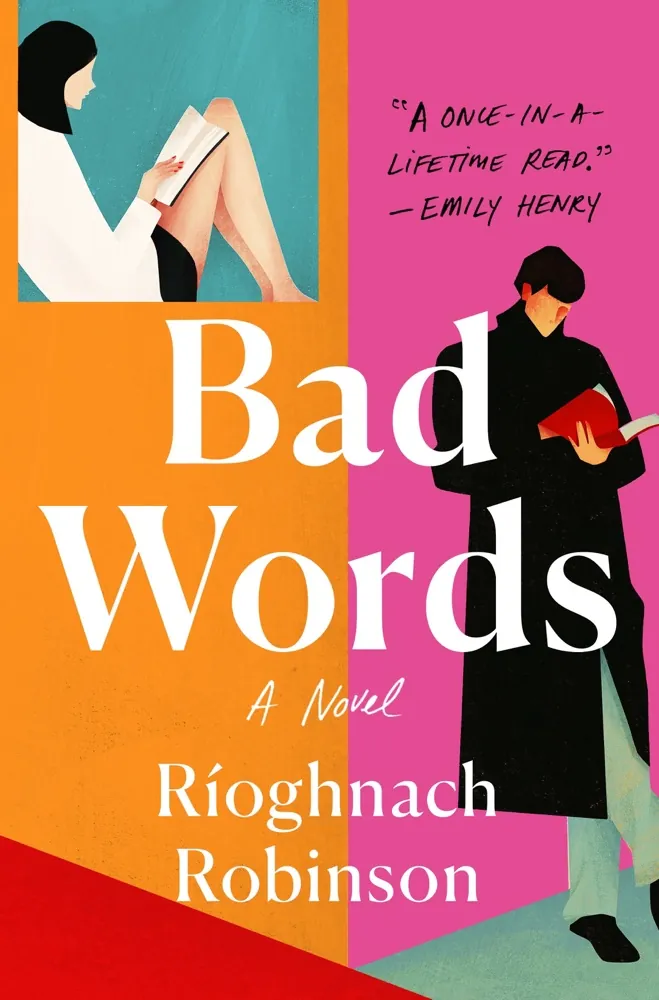
Bad Words Author: Rioghnach RobinsonPage Count: UnknownPublication Date: Expected publication 2026-10-06 APL What to Expect from Bad Words by Ríoghnach Robinson: A Literary Feud That Burns Bright When a book arrives with the kind of buzz that makes critics and readers alike lean in—Bad Words, Ríoghnach Robinson’s debut novel, is already shaping up to be one of the most talked-about releases of 2026. Part razor-sharp romance, part searing exploration of art, ambition, and the cost of being seen, this novel doesn’t just promise a story—it promises a reckoning. And if the early praise is any indication, it’s a reckoning we won’t soon forget. At its heart, Bad Words is a will-they-won’t-they romance with teeth. It follows Parker Navarro, a writer whose career was once destined for greatness—until a single, devastating review by literary critic Selina Chan reduced his debut to the flop of the decade. Four years later, both are at a crossroads: Parker, desperate to reclaim his voice, and Selina, torn between professional duty and the undeniable pull of the man who once haunted her. When their paths collide again—this time in a viral feud that ignites the literary world—what begins as a public battle soon fractures into something far more dangerous: a quiet, aching understanding of the spaces between words. What makes Bad Words so compelling isn’t just the tension of their feud, but the way Robinson dissects the very act of creation. This isn’t a story about love or hate—it’s about the messy, beautiful, and often brutal intersections of truth, art, and vulnerability. Parker and Selina are both artists, both people who have staked their identities on being seen, and their clash forces them to confront the question: Can you separate the work from the person? The answer, as Robinson reveals, is never as simple as it seems. The early buzz is electric. Emily Henry, whose own romances have redefined the genre, calls it “a book that could only ever have been written by Ríoghnach Robinson,” praising its “clever voice and incisive social commentary” that elevate it beyond a typical romance. Carley Fortune, another New York Times bestseller, goes further, calling it “genre-redefining” and “easily one of my favourites of the year, if not the decade.” And Mary H.K. Choi, whose work is known for its sharp wit and emotional depth, describes it as “full of blistering barbs, incisive takedowns, and searing gazes”—a perfect encapsulation of the novel’s tone. What’s most exciting about Bad Words is how Robinson blends the intellectual rigor of literary fiction with the emotional punch of contemporary romance. This isn’t a story about passive observers—it’s about two people who have spent their lives performing for the world, only to realize that the most dangerous truths are the ones they’ve never spoken aloud. The result is a narrative that’s as intellectually stimulating as it is deeply human, a rare feat in a genre often dismissed as frivolous. If you’ve ever wondered what happens when two brilliant, stubborn artists collide—when the things they say to each other in public are nothing compared to what they’re too afraid to admit in private—Bad Words is your answer. It’s a novel that doesn’t just entertain; it challenges, provokes, and lingers long after the last page. And with Robinson’s voice already established as one of the most distinctive in contemporary fiction, this debut is one to watch closely. Mark your calendars for October 6, 2026—because Bad Words isn’t just a book. It’s an event. #BadWordsBook #RoghnachRobinson #LiteraryRomance #BookTokMustRead #WillTheyWon’tThey #ContemporaryFiction Related InsightsVigilante and the Dancer Book Review and Summary Archangel's Lineage Book Review and Summary King Bullet Book Review and Summary{ "@context": "https://schema.org", "@type": "FAQPage", "mainEntity": [ { "@type": "Question", "name": "What is the main focus of Bad Words Book Review and Summary?", "acceptedAnswer": { "@type": "Answer", "text": "Everything you need to know about Bad Words with our detailed review." } }, { "@type": "Question", "name": "Who authored the comprehensive guide on Bad Words Book Review and Summary?", "acceptedAnswer": { "@type": "Answer", "text": "This detailed article and its insights were carefully researched and authored by Carmen Martinez." } }, { "@type": "Question", "name": "Where can I find more related content about Books?", "acceptedAnswer": { "@type": "Answer", "text": "You can explore more articles, detailed reviews, and similar insights by browsing the Related Insights section at the bottom of this article or visiting our dedicated Books category page." } } ] }
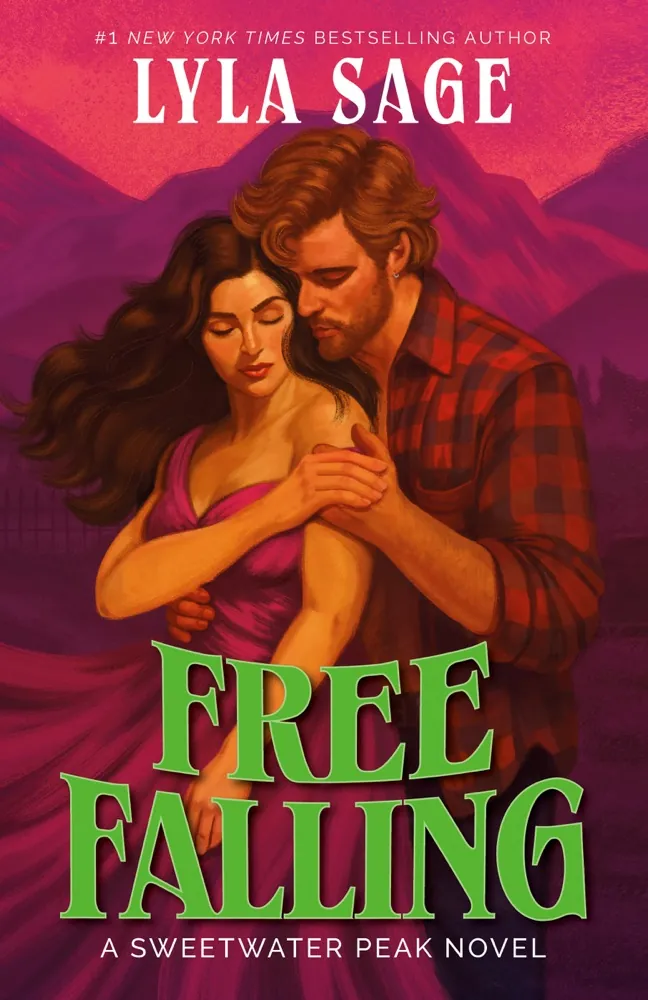

Free Falling (Sweetwater Peak #2) Author: Lyla SagePage Count: UnknownPublication Date: Expected publication 2026-09-22 APL Autumn in small-town romance just got a major upgrade. Lyla Sage, the #1 New York Times bestselling author celebrated for her captivating work in the Rebel Blue Ranch series, is heading back to the atmospheric and delightfully haunted town of Sweetwater Peak. Set to hit shelves on September 22, 2026, Free Falling serves as the second installment in the Sweetwater Peak series, and if early buzz and advance praise are any indication, readers are in for an intoxicating blend of small-town charm, family legacies, and a heavy dose of romantic tension. Praised by author Iman Hariri-Kia as "the queen of dreamy, spooky, atmospheric small-town romances," Sage is returning to familiar territory that fans already adore. But what can we expect when the book officially releases next fall? The publisher’s official synopsis sets the stage for a story steeped in old haunts and entirely new feelings: Old haunts, new feelings The #1 New York Times bestselling author of the Rebel Blue Ranch series returns to the haunted town of Sweetwater Peak for another love story, this one featuring an antiques shop owner and a farmer who fake a relationship to save their legacies . . . but will they be able to fool the ghosts of their past? Clarke Cartwright probably needs to get out more. She just has a lot to do. Running Toade’s Antiques is no small feat, especially considering that the roof is in shambles and half her merchandise is unsellable. But dealing with that feels easier than her other option: chatting it up with the ghost of her childhood crush’s father, who just can’t seem to leave her alone. Leith Wilkes has spent his life preparing to take over his family’s farm. Well, he’s actually spent most of his life flirting, but now he’s ready to buckle down, which has nothing to do with an oddly specific clause that his dad left in his inheritance. Leith is pretty sure he’s the only one who knows about it . . . until Clarke drunkenly spills that she knows, too, along with a bunch of other Wilkes family secrets. Leith starts to wonder if there’s more to Clarke than she lets on . . . and if his dad has something to do with it. And if she is keeping secrets of her own, maybe she won’t mind helping him with his. If you loved Lyla Sage's previous bestsellers, Free Falling promises to deliver all the signature witty banter, emotional depth, and cozy small-town vibes that define her work, wrapped up in a deliciously high-stakes fake-dating trope. Mark your calendars for September 22, 2026, because Sweetwater Peak is calling us back home. #LylaSage #FreeFalling #SweetwaterPeak #RomanceBooks #ContemporaryRomance #BookTok Related InsightsDeath on the Nile Book Review and Summary Carrie Soto Is Back Book Review and Summary City of Ghosts Book Review and Summary{ "@context": "https://schema.org", "@type": "FAQPage", "mainEntity": [ { "@type": "Question", "name": "What is the main focus of Free Falling (Sweetwater Peak #2) Book Review and Summary?", "acceptedAnswer": { "@type": "Answer", "text": "Everything you need to know about Free Falling (Sweetwater Peak #2) with our detailed review." } }, { "@type": "Question", "name": "Who authored the comprehensive guide on Free Falling (Sweetwater Peak #2) Book Review and Summary?", "acceptedAnswer": { "@type": "Answer", "text": "This detailed article and its insights were carefully researched and authored by Chloé Laurent." } }, { "@type": "Question", "name": "Where can I find more related content about Books?", "acceptedAnswer": { "@type": "Answer", "text": "You can explore more articles, detailed reviews, and similar insights by browsing the Related Insights section at the bottom of this article or visiting our dedicated Books category page." } } ] }
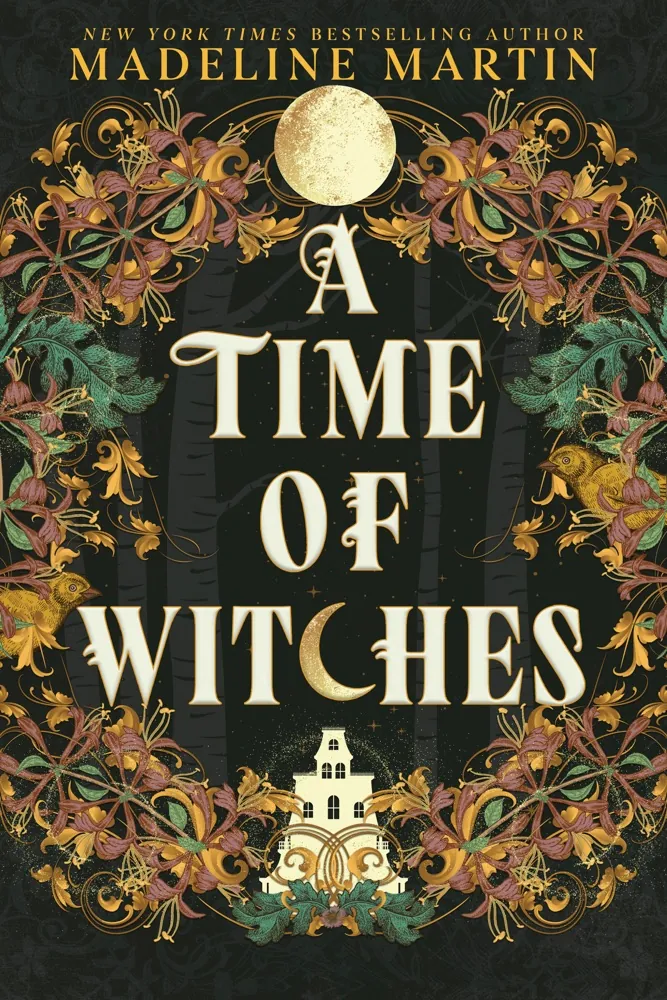

A Time of Witches Author: Madeline MartinPage Count: UnknownPublication Date: Expected publication 2026-09-01 APL Anticipated Release: A Time of Witches by Madeline Martin Historical fiction enthusiasts and fans of atmospheric drama, mark your calendars. New York Times bestselling author Madeline Martin is set to return with a spellbinding new novel, A Time of Witches, scheduled for publication on September 1, 2026. Known for her meticulously researched and emotionally resonant storytelling, Martin is once again diving into the past, this time weaving a tale of generational connection, historical persecution, and the enduring power of women's voices. If you loved her previous bestsellers that transport readers to richly detailed historical landscapes, this upcoming release promises to be another unputdownable journey. While the exact page count remains under wraps as we approach publication, the publisher's initial synopsis gives us plenty of intriguing details to look forward to. The novel spans centuries, anchored by two distinct women bound by blood, betrayal, and danger. In the present day, Lilith Legare is watching her life unravel following her mother’s death. Unexplained phenomena begin to manifest around her—plants responding to her touch, animals lingering near her, and a tingling birthmark on her arm—alongside terrifying recurring nightmares of being burned alive at the stake. Her quest for answers pulls her from Savannah to England, leading her to the decaying Brackenmere Manor, where the boundary between past and present dissolves and a dangerous legacy comes to light. Meanwhile, stepping back to 1645 Suffolk, we meet Sybil Brantham, an educated and wealthy widow accused of witchcraft. In a society where independent women are viewed as threats, Sybil must navigate a climate of rising suspicion and arrest while fighting to protect her younger sister against betrayal from within her own household. Across the centuries, Lilith and Sybil share a perilous connection. To survive, both women must confront the silence that has suppressed female power for generations and finally claim their voices. With Martin's proven talent for bringing history to vivid, emotional life, A Time of Witches is shaping up to be one of the most anticipated historical fiction releases of 2026. Keep an eye out for preorder links as we get closer to September. #MadelineMartin #ATimeOfWitches #HistoricalFiction #WitchFiction #BookPreview #HistoricalDrama Related InsightsYou Let Me In Book Review and Summary Finding Perfect Book Review and Summary Divine Secrets of the Ya-Ya Sisterhood Book Review and Summary{ "@context": "https://schema.org", "@type": "FAQPage", "mainEntity": [ { "@type": "Question", "name": "What is the main focus of A Time of Witches Book Review and Summary?", "acceptedAnswer": { "@type": "Answer", "text": "Everything you need to know about A Time of Witches with our detailed review." } }, { "@type": "Question", "name": "Who authored the comprehensive guide on A Time of Witches Book Review and Summary?", "acceptedAnswer": { "@type": "Answer", "text": "This detailed article and its insights were carefully researched and authored by Marco Conti." } }, { "@type": "Question", "name": "Where can I find more related content about Books?", "acceptedAnswer": { "@type": "Answer", "text": "You can explore more articles, detailed reviews, and similar insights by browsing the Related Insights section at the bottom of this article or visiting our dedicated Books category page." } } ] }
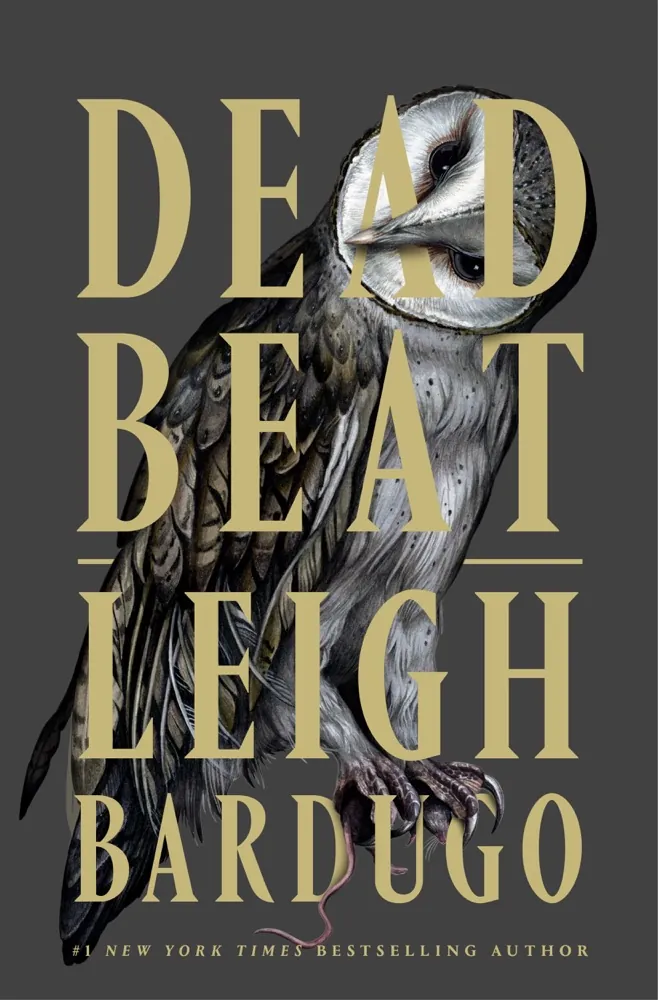

Dead Beat (Ninth House Trilogy, #3) Author: Leigh BardugoPage Count: UnknownPublication Date: Expected publication 2026-09-15 APL Gates of Hell, Open Wide: What to Expect from Leigh Bardugo’s Dead Beat For fans of dark academia and masterclass fantasy, the wait is almost over. Leigh Bardugo, the #1 New York Times bestselling author whose intricate world-building has captivated millions across the globe, is set to return with Dead Beat. Slated for publication on September 15, 2026, this upcoming title marks the explosive, highly anticipated conclusion to the acclaimed Ninth House trilogy. If you loved the razor-sharp grit of Ninth House and the breathless pacing of Hell Bent, Bardugo’s latest installment promises to push her characters to their absolute breaking point. While the exact page count remains under wraps, the official synopsis sets the stage for a high-stakes, apocalyptic confrontation in New Haven. As the tagline warns: Hell is empty and all the devils are here. According to the official publisher synopsis, Alex Stern made it to hell and back more than once, but this time she left the door open behind her. Demons are creeping through the streets of New Haven and the Yale campus, feeding on the souls of the living and terrifying the dead. While Alex and her allies can hunt them, it is only a matter of time before the gates to the underworld open entirely, leading to a war they cannot win. To stop the impending catastrophe, Alex and her team will have to dig deep into the darkest secrets of Yale and its elite societies, all while uncovering the terrifying truth hidden within Alex’s own blood. Complicating matters further, Alex must contend with a corrupt Lethe Board and a deadly vampire who shares his own mysterious connection to the societies. Yet, there is a glimmer of hope amidst the chaos. For the first time in her life, Alex won't have to face the fight alone. Dawes, Turner, Mercy, and Tripp are all stepping up to play their parts. Most crucially, Alex’s mentor—the golden boy Darlington, who spent so long trapped in her head—is finally back in the flesh, though now burdened with dangerous and unpredictable powers of his own. With Hell itself stalking the delegates of Lethe House, the characters are about to learn a brutal lesson: demons don’t play by human rules. As September 2026 approaches, the literary world is watching closely to see how Bardugo will tie together the threads of her dark, visceral universe. Whether you've followed Alex Stern's journey from the very beginning or are looking forward to this monumental trilogy-ender, Dead Beat is shaping up to be one of the most talked-about fantasy releases of the year. Mark your calendars for September 15, 2026, and prepare yourself to step back onto the Yale campus—because once the door to hell is left open, closing it is going to cost everything. #NinthHouse #LeighBardugo #DeadBeat #DarkAcademia #FantasyBooks #BookTok Related InsightsSmall Kingdoms and Other Stories Book Review and Summary My Grandmother Asked Me to Tell You She's Sorry (Spanish Edition) Book Review and Summary Capital Mysteries #12: The Ghost at Camp David Book Review and Summary{ "@context": "https://schema.org", "@type": "FAQPage", "mainEntity": [ { "@type": "Question", "name": "What is the main focus of Dead Beat (Ninth House Trilogy, #3) Book Review and Summary?", "acceptedAnswer": { "@type": "Answer", "text": "Everything you need to know about Dead Beat (Ninth House Trilogy, #3) with our detailed review." } }, { "@type": "Question", "name": "Who authored the comprehensive guide on Dead Beat (Ninth House Trilogy, #3) Book Review and Summary?", "acceptedAnswer": { "@type": "Answer", "text": "This detailed article and its insights were carefully researched and authored by Tiago Silva." } }, { "@type": "Question", "name": "Where can I find more related content about Books?", "acceptedAnswer": { "@type": "Answer", "text": "You can explore more articles, detailed reviews, and similar insights by browsing the Related Insights section at the bottom of this article or visiting our dedicated Books category page." } } ] }
-
 Antoine Leroy
 - 02 Aug, 2026 22:42
The Mirror of Infinite Endings (Once Upon a Broken Heart, #3.5) Book Review and Summary
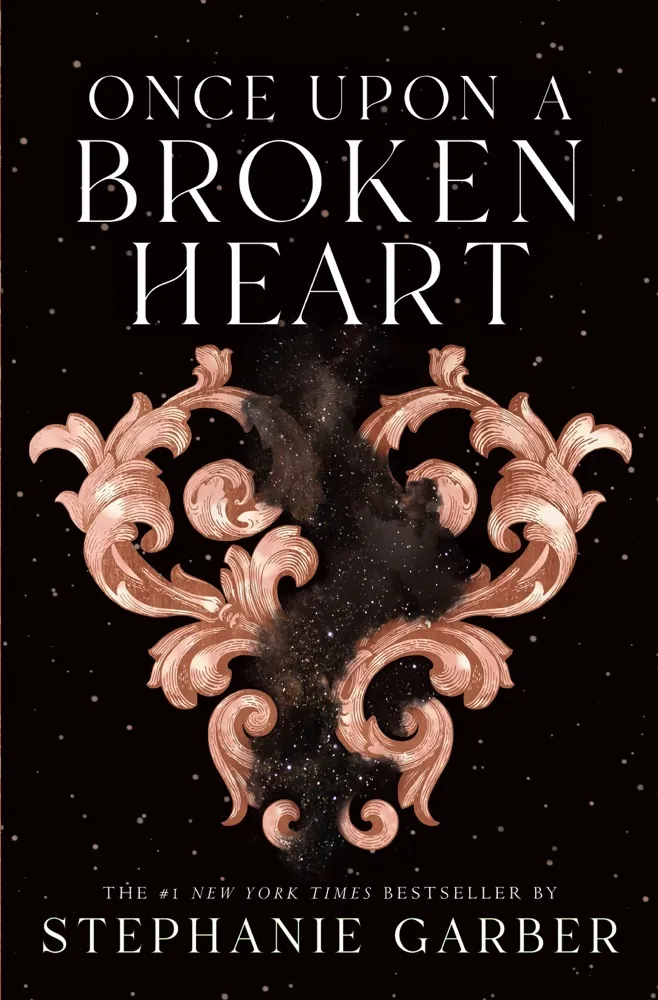
The Mirror of Infinite Endings (Once Upon a Broken Heart, #3.5) Author: Stephanie GarberPage Count: UnknownPublication Date: Expected publication 2026 APL What to Expect from Stephanie Garber's The Mirror of Infinite Endings Stephanie Garber is no stranger to crafting captivating and enchanting stories that transport readers to magical worlds. Her Once Upon a Broken Heart series has captured the hearts of many with its unique blend of love, curses, and happily ever afters. Now, fans of the series are eagerly awaiting the release of The Mirror of Infinite Endings, a highly anticipated installment in the series. While we don't have a detailed synopsis of The Mirror of Infinite Endings just yet, we can look back at the original premise of the series to get a sense of what we might expect. The Once Upon a Broken Heart series begins with Evangeline Fox, a young woman who believes in true love and happy endings, only to discover that the love of her life is set to marry another. Desperate to stop the wedding and heal her heart, Evangeline makes a deal with the charismatic but wicked Prince of Hearts, exchanging three kisses for his help. As fans of the series know, this deal sets off a chain of events that takes Evangeline on a journey of self-discovery, love, and heartbreak. With each installment, Garber has masterfully woven together elements of fantasy, romance, and adventure, creating a world that is both magical and relatable. Given Garber's track record of creating immersive and engaging stories, we can expect The Mirror of Infinite Endings to be just as captivating. If you loved her previous bestsellers, such as Caraval and The Ballad of Never After, you'll likely be drawn into the world of The Mirror of Infinite Endings just as easily. While we wait for the release of The Mirror of Infinite Endings, we can only speculate about what's in store for Evangeline and the other characters in the series. Will they find their happily ever after, or will they face even greater challenges and heartbreak? One thing is certain – with Garber at the helm, we can expect a story that is both enchanting and unforgettable. #OnceUponABrokenHeart #TheMirrorOfInfiniteEndings #StephanieGarber #FantasyRomance #YoungAdultFiction #NewRelease Related InsightsFrom Goethe’s Apprentice to Modern Hero: Unraveling the Bildungsroman’s Secret Path Sunflower Season Book Review and Summary That Someday Book Review and Summary{ "@context": "https://schema.org", "@type": "FAQPage", "mainEntity": [ { "@type": "Question", "name": "What is the main focus of The Mirror of Infinite Endings (Once Upon a Broken Heart, #3.5) Book Review and Summary?", "acceptedAnswer": { "@type": "Answer", "text": "Everything you need to know about The Mirror of Infinite Endings (Once Upon a Broken Heart, #3.5) with our detailed review." } }, { "@type": "Question", "name": "Who authored the comprehensive guide on The Mirror of Infinite Endings (Once Upon a Broken Heart, #3.5) Book Review and Summary?", "acceptedAnswer": { "@type": "Answer", "text": "This detailed article and its insights were carefully researched and authored by Antoine Leroy." } }, { "@type": "Question", "name": "Where can I find more related content about Books?", "acceptedAnswer": { "@type": "Answer", "text": "You can explore more articles, detailed reviews, and similar insights by browsing the Related Insights section at the bottom of this article or visiting our dedicated Books category page." } } ] }
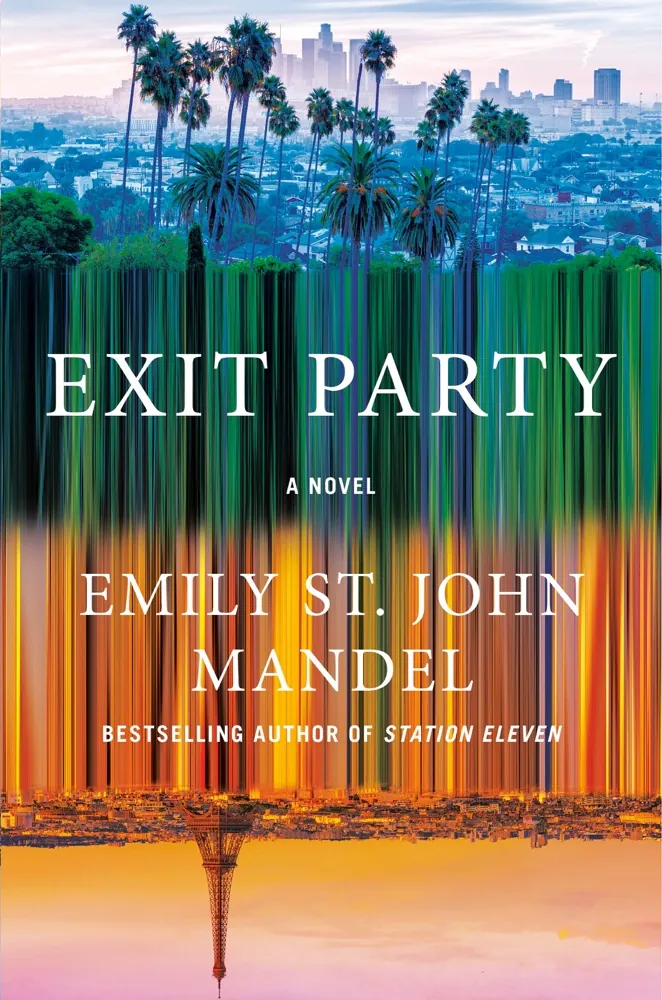

Exit Party Author: Emily St. John MandelPage Count: UnknownPublication Date: Expected publication 2026-09-15 APL Exit Party by Emily St. John Mandel: A Glimpse Into a World on the Brink Emily St. John Mandel’s Exit Party arrives in September 2026 as the latest masterpiece from one of contemporary fiction’s most visionary storytellers. With her previous novels—Station Eleven and Sea of Tranquility—earning critical acclaim and a devoted readership, Mandel has established herself as a writer who weaves speculative fiction with literary depth, exploring the fragility of civilization, the weight of memory, and the resilience of human connection. Exit Party promises to be no exception, offering a sprawling, atmospheric exploration of a fractured future where the remnants of the old world cling to existence amid chaos. Set in Los Angeles in 2031—just after the collapse of the United States—Mandel’s new novel unfolds with the urgency of a mystery wrapped in the grandeur of a dystopian epic. The story follows Ari Waker, a woman whose life is upended when a man vanishes from a glittering party, leaving behind only a doppelgänger and an air of inexplicable dread. As Ari digs deeper, the narrative expands across continents and time, weaving together threads of espionage, survival, and the haunting echoes of a world in ruins. What makes Exit Party particularly compelling is Mandel’s signature ability to blend the intimate with the monumental. The novel’s opening scene—a party in a post-catastrophe Los Angeles—sets the stage for a story that will likely explore themes of power, secrecy, and the cost of safety. The mention of a "shadow world" and "fractured timelines" suggests a narrative that will challenge perceptions of reality, much like the moon colony and the Greek resort hideouts hinted at in the synopsis. Mandel’s prose, known for its lyrical precision, will no doubt elevate these settings into something both visceral and transcendent. For fans of Station Eleven—a novel that grappled with the aftermath of a pandemic and the enduring power of art—Exit Party may feel like a natural evolution. Where that book was a meditation on loss and renewal, this one appears to be a darker, more intricate puzzle, where the line between past and present, reality and illusion, blurs. The inclusion of characters like a gunrunner, an art collector, and an operative of the State further cements the novel’s place in the tradition of high-stakes speculative fiction, reminiscent of works like Margaret Atwood’s The Handmaid’s Tale or Kazuo Ishiguro’s Never Let Me Go, but with Mandel’s distinct voice. Themes of surveillance, resilience, and the search for meaning in a collapsing world are sure to resonate deeply in an era where geopolitical instability and technological disruption feel increasingly inevitable. Mandel’s ability to make the speculative feel eerily plausible—whether through her depictions of climate collapse or the erosion of democratic structures—will likely make Exit Party a book that lingers long after the final page. As readers await its release, one thing is certain: Exit Party will be a novel to savor, a story that demands to be discussed, dissected, and debated. It’s the kind of book that doesn’t just transport you to another world but forces you to confront the fragility of the one you live in. And with Mandel at the helm, it’s impossible not to be excited for what’s to come. #ExitParty #EmilyStJohnMandel #SpeculativeFiction #DystopianNovel #PostApocalypticLiterature #BookToWatch2026 Related InsightsHigh Sierra Book Review and Summary The Thirteenth Tale Book Review and Summary First Person Singular Book Review and Summary{ "@context": "https://schema.org", "@type": "FAQPage", "mainEntity": [ { "@type": "Question", "name": "What is the main focus of Exit Party Book Review and Summary?", "acceptedAnswer": { "@type": "Answer", "text": "Everything you need to know about Exit Party with our detailed review." } }, { "@type": "Question", "name": "Who authored the comprehensive guide on Exit Party Book Review and Summary?", "acceptedAnswer": { "@type": "Answer", "text": "This detailed article and its insights were carefully researched and authored by Anna Kowalska." } }, { "@type": "Question", "name": "Where can I find more related content about Books?", "acceptedAnswer": { "@type": "Answer", "text": "You can explore more articles, detailed reviews, and similar insights by browsing the Related Insights section at the bottom of this article or visiting our dedicated Books category page." } } ] }
Hollow Bones Author: Jodi PicoultPage Count: UnknownPublication Date: Expected publication 2026-09-15 APL What to Expect: Hollow Bones by Jodi Picoult (Expected September 15, 2026) The literary world is already buzzing about Jodi Picoult’s next novel, Hollow Bones, slated for release in mid‑September 2026. Though the exact page count remains under wraps, the publisher’s synopsis offers a tantalizing glimpse into a story that promises to blend Picoult’s trademark emotional depth with a gripping, contemporary edge. From the #1 New York Times bestselling author of By Any Other Name comes a riveting novel about the risks we take to protect the ones we love in a world where crisis is always just around the corner. The narrative centers on Molly Fitzgerald, who was only two months old when her mother went to an appointment at the World Trade Center on September 11, 2001 and never returned. Raised by a devoted father and stepmother, Molly grew up carrying a quiet, persistent dread of disaster—a feeling that shaped her career path. Today she heads the Rhode Island Department for Emergency Preparedness, designing plans to safeguard lives during storms, epidemics, and airplane crashes. Her husband, Jesse, works as a police polygraph expert and brings his own history of crisis into their marriage. Together they have built a love that feels like a refuge in an unpredictable world—until an unexpected event shakes the foundations of everything they thought they knew. Moving between past and present, Hollow Bones explores the lies we tell ourselves as we write the narratives of our lives, the meticulous plans we craft to shield ourselves from the worst moments, and the enduring ties that bind mothers and daughters. The synopsis hints at a dual timeline that will let readers see how Molly’s childhood trauma informs her adult instincts for survival, while also revealing how her professional expertise collides with personal vulnerabilities when an unforeseen crisis forces both her and Jesse to question the stories they have built around safety, trust, and identity. Picoult’s reputation for weaving socially relevant themes into deeply human stories precedes her. Readers who have been moved by My Sister’s Keeper, The Storyteller, or Small Great Things will recognize her skill at turning personal drama into a lens for larger societal questions. In Hollow Bones, she appears to be turning that lens toward the modern preoccupation with preparedness—how we attempt to control the uncontrollable—and the emotional cost of living under the shadow of potential disaster. Anticipation is high not only because of Picoult’s proven ability to top bestseller lists but also because the premise feels both timely and intimately personal. The novel’s focus on emergency preparedness resonates in an era marked by climate anxiety, public health scares, and global uncertainty, while its core mother‑daughter dynamic promises the intimate, heart‑wrenching moments that have become a hallmark of her work. Fans can expect a narrative that balances pulse‑pounding tension with the quiet, reflective moments that allow characters—and readers—to confront what it truly means to love and protect in a fragile world. As the release date approaches, readers are encouraged to keep an eye out for cover reveals, early excerpts, and author interviews that will shed further light on the novel’s tone and style. Until then, the promise of Hollow Bones stands as a compelling invitation to revisit the questions that have long driven Picoult’s storytelling: How do we survive when the world feels unsafe? And what stories do we tell ourselves to make that survival meaningful? #HollowBones #JodiPicoult #NewRelease #Fiction #BookLovers #ReadingCommunity Related InsightsSay No to the Duke Book Review and Summary Why Trees Book Review and Summary The Best American Short Stories 2019 Book Review and Summary{ "@context": "https://schema.org", "@type": "FAQPage", "mainEntity": [ { "@type": "Question", "name": "What is the main focus of Hollow Bones Book Review and Summary?", "acceptedAnswer": { "@type": "Answer", "text": "Everything you need to know about Hollow Bones with our detailed review." } }, { "@type": "Question", "name": "Who authored the comprehensive guide on Hollow Bones Book Review and Summary?", "acceptedAnswer": { "@type": "Answer", "text": "This detailed article and its insights were carefully researched and authored by Klaus Weber." } }, { "@type": "Question", "name": "Where can I find more related content about Books?", "acceptedAnswer": { "@type": "Answer", "text": "You can explore more articles, detailed reviews, and similar insights by browsing the Related Insights section at the bottom of this article or visiting our dedicated Books category page." } } ] }