Showing Posts From
Books


Gözlerimi kapattığımda, parmaklarımın arasında hışırtılar çıkaran o kâğıt sayfaların kokusu burnuma dolar. Bir an için, şehrin gürültüsü, günlük telaşlar silinir gider. Sadece ben ve o, yani kitap kalırız. Bu an, her Türk okuru gibi benim için de sadece bir eylem değil, adeta bir nefes alma biçimi. Adım Aylin Okur, ve evet, soyadımın hakkını veren bir okur olmaktan gurur duyuyorum. Kitaplar, hayatımızın labirentlerinde bize yol gösteren, en iyi dostumuz, en bilge rehberimizdir. Peki, bu kağıt yığınları neden bu kadar büyüleyici? Neden Okuyoruz? Birkaç Sebepten Fazlası Okumak, sadece bilgi edinmekten çok daha fazlasıdır. O, ruhumuzun derinliklerine inen, duygularımızı besleyen, zihnimize yeni pencereler açan sihirli bir anahtar gibidir. Düşünsenize, bir otobüs yolculuğunda Shakespeare’in trajedilerine ortak olabilir, bir park bankında Dostoyevski’nin karakterleriyle felsefi sorgulamalara dalabiliriz. Bir de Türk edebiyatının o eşsiz lezzeti var ki, Orhan Pamuk’un İstanbul’unun puslu sokaklarında kaybolmak ya da Yaşar Kemal’in Çukurova’sının sıcaklığını hissetmek, tarifi imkansız bir zevk. Okumak, bizi empati kurmaya iter, farklı kültürleri ve insanları anlamamızı sağlar. Hani derler ya, “bir lisan bir insan, iki lisan iki insan”; ben buna “bir kitap bin insan” diye eklemek isterim. Her okuduğumuz kitapla, yazarın dünyasına adım atar, onun gözünden bambaşka hayatlara tanık oluruz.Kimimiz bilim kurgunun geleceğine yelken açar, kimimiz tarihin tozlu sayfalarında geçmişin sırlarını aralar. Polisiye meraklıları için her sayfa bir ipucu, her kelime bir şüphe kaynağıdır. Şahsen ben, son zamanlarda biyografik eserlere takmış durumdayım. Zira bir insanın başarı ve başarısızlıklarla dolu gerçek hikayesi, kurgusal dünyanın çok ötesinde ilham verebiliyor. Annem hep derdi: "Kızım, kitaplar senin en iyi arkadaşındır, asla yalnız kalmazsın." O zamanlar anlamazdım pek, şimdi anlıyorum ki en sessiz anlarımda bile fısıldayan o sesler, aslında kitapların bilgeliğiymiş. Türk Kültüründe Kitapların Yeri: Bir Aylin Okur Gözüyle Türk kültüründe sözlü gelenekler çok güçlü olsa da, kitapların yeri asla azımsanamaz. Özellikle Divan edebiyatından Halk hikayelerine, Mevlana'dan Yunus Emre'ye uzanan zengin bir mirasımız var. Bu miras, nesilden nesile aktarılan sadece hikayeler değil, aynı zamanda düşünce biçimleri ve yaşam felsefeleridir. #Anadolu’nun en ücra köşelerinde bile, çay sohbetlerinde Ahmet Hamdi Tanpınar’ın "Saatleri Ayarlama Enstitüsü"nden, Reşat Nuri Güntekin’in "Çalıkuşu"ndan dem vurulduğuna şahit olmuşumdur. Bu, kitapların sadece entelektüel bir uğraş olmadığını, aynı zamanda toplumsal hafızamızın ve kimliğimizin bir parçası olduğunu gösterir. Biz Türkler, misafirperverliğimizle biliniriz; evimize gelen her misafire ikramda bulunuruz. Benim evimde ise misafirlerime ikram ettiğim ilk şeylerden biri, her zaman sevdiğim bir kitaptan bir alıntı ya da ilginç bir bilgi olmuştur. Bu, aslında bir tür 'okur misafirperverliği' olsa gerek. Kitap fuarları, imza günleri, edebiyat sohbetleri... Ülkemizde her geçen gün daha da popülerleşiyor ve bu beni çok mutlu ediyor. Çünkü bu, "kitapsız büyüyen çocuk, susuz büyüyen ağaca benzer" atasözümüzün ne kadar doğru olduğunu bir kez daha kanıtlıyor. Okuma Alışkanlığı Edinmek: Küçük Adımlar, Büyük Farklar Peki, herkes Aylin Okur gibi bir 'kitap kurdu' olabilir mi? Elbette! Önemli olan küçük adımlarla başlamak. Her gün sadece 15 dakika okumakla işe başlayın. Sevdiğiniz türleri keşfedin, kendinizi zorlamayın. Bir kitabı beğenmediyseniz, bırakmaktan çekinmeyin. Unutmayın, okumak bir zorunluluk değil, bir keşif yolculuğudur. Kütüphanelerin büyülü atmosferine kendinizi bırakın ya da sahafların tozlu raflarında gizli hazineler arayın.Dijital kitaplar ve sesli kitaplar da bu yolculukta bize eşlik eden harika seçenekler. Benim favorim hâlâ basılı kitaplar olsa da, uzun otobüs yolculuklarında kulaklığı takıp bir sesli kitaba dalmak paha biçilmez bir deneyim olabiliyor. Önemli olan, kelimelerin dünyasıyla bağımızı koparmamak. Sonsöz: Kitaplar Bize Neler Vaat Ediyor? Kitaplar bize sadece hikayeler anlatmakla kalmaz, aynı zamanda kendimizi, dünyayı ve yaşamı anlama fırsatı sunar. Onlar, zamanın ve mekanın ötesine geçebilmemizi sağlayan köprülerdir. Bizi güldürür, ağlatır, düşündürür, ilham verir. Kısacası, kitaplar bize daha zengin, daha anlamlı bir yaşam vaat eder. Bu büyülü yolculukta daha fazla okurla buluşmak dileğiyle, sayfalarınız hiç boş kalmasın!#KitapAşkı #OkumaAlışkanlığı #Edebiyat #HayatOkumaklaGüzel #KitapOkuma #Edebiyat #OkurDeneyimi #KiiselGeliim Related InsightsGoing the Distance: Stallone, Philly, and the Story of Rocky Book Review and Summary Fallen Beauty Book Review and Summary The Cursed Diamond Book Review and Summary{ "@context": "https://schema.org", "@type": "FAQPage", "mainEntity": [ { "@type": "Question", "name": "What is the main focus of Kitapların Fısıltısı: Ruhumuza Dokunan Kelimelerin Yolculuğu?", "acceptedAnswer": { "@type": "Answer", "text": "Kitapların hayatımızdaki eşsiz yerini, ruhumuza dokunan fısıltılarını ve neden her zaman okumaya devam etmemiz gerektiğini Aylin Okur'un gözünden keşfedin." } }, { "@type": "Question", "name": "Who authored the comprehensive guide on Kitapların Fısıltısı: Ruhumuza Dokunan Kelimelerin Yolculuğu?", "acceptedAnswer": { "@type": "Answer", "text": "This detailed article and its insights were carefully researched and authored by Aylin Okur." } }, { "@type": "Question", "name": "Where can I find more related content about Books?", "acceptedAnswer": { "@type": "Answer", "text": "You can explore more articles, detailed reviews, and similar insights by browsing the Related Insights section at the bottom of this article or visiting our dedicated Books category page." } } ] }
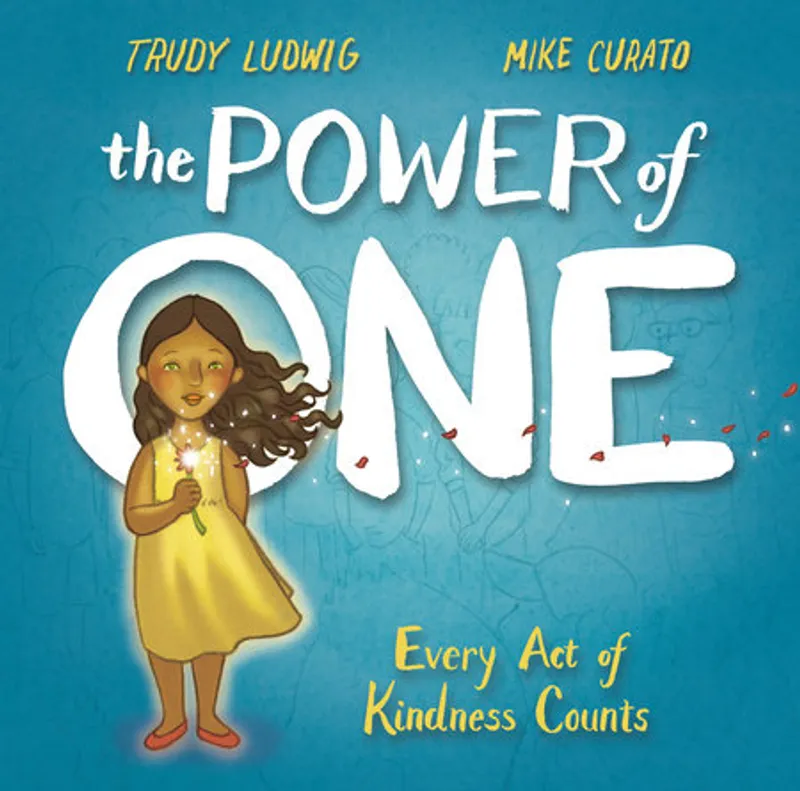
The Power of One Author: Trudy LudwigPage Count: UnknownPublication Date: 2020-PRH The Power of One: A Ripple of Kindness That Changes Everything In a world where headlines often scream division and cruelty, The Power of One by Trudy Ludwig is a gentle yet powerful reminder that kindness is not just a virtue—it’s a force. With her signature blend of warmth, wisdom, and practical insight, Ludwig once again proves why she’s a trusted voice in children’s literature about social-emotional learning. Paired with Mike Curato’s vibrant, heartfelt illustrations, this book isn’t just a story; it’s an invitation to be the change. At its core, The Power of One is about the domino effect of small, intentional acts of kindness. The narrative follows a young girl who notices a classmate sitting alone at lunch. Instead of turning away, she offers a simple gesture—a smile, a shared seat, a kind word. What begins as a single act of compassion quickly spreads, inspiring others to pay it forward. Ludwig masterfully illustrates how one person’s decision to be kind can transform an entire community, turning isolation into connection and apathy into action. What sets this book apart is its refusal to oversimplify kindness as something abstract or unattainable. Ludwig, a renowned bullying prevention advocate, grounds the story in tangible actions. The protagonist doesn’t just feel kind; she does kind. She invites the lonely child to join her table, then encourages others to do the same. The book doesn’t just tell children to be nice—it shows them how. From sharing a pencil to standing up for someone, the story provides a blueprint for empathy in action, making it a toolkit disguised as a tale. Ludwig’s writing is deceptively simple, yet every word serves a purpose. Her prose is clear and accessible, avoiding preachiness while still delivering a strong moral message. The rhythm of the story mirrors the ripple effect it describes—each act of kindness builds upon the last, creating a crescendo of community spirit. The repetition of "one" in the text isn’t just a literary device; it’s a mantra, reinforcing the idea that individual actions matter, no matter how small. Curato’s illustrations are a visual symphony of warmth and movement. His use of color—soft golds, gentle blues, and pops of red—draws the eye and evokes emotion. The characters’ expressions are vivid, capturing everything from loneliness to joy, making the story feel alive. The illustrations don’t just complement the text; they amplify it, turning abstract concepts into something tangible and relatable for young readers. One of the book’s greatest strengths is its universality. While the setting is a school, the themes transcend age and environment. Whether in a classroom, a workplace, or a neighborhood, the power of one kind act is undeniable. Ludwig doesn’t limit her message to children; she reminds adults that modeling kindness is just as crucial. The book’s final line—"Acts and words of kindness DO count, and it all starts with ONE."—is a call to action that resonates with readers of all ages. The Power of One is more than a children’s book; it’s a manifesto for humanity. In an era where social media often amplifies division, Ludwig offers a counter-narrative: that kindness, when chosen deliberately, can dismantle walls and build bridges. The book doesn’t shy away from the reality that not everyone will respond with kindness—some may even resist—but it emphasizes that our responsibility is to act anyway. For parents, educators, and caregivers, this book is a treasure trove of discussion starters. It invites questions: What small act of kindness can you do today? How can you inspire others to do the same? For children, it’s a beacon of hope, proving that they don’t need to wait for permission to make a difference. In a world that often feels overwhelming, The Power of One is a breath of fresh air. It’s a reminder that change doesn’t always require grand gestures—sometimes, it starts with a single step, a single word, a single choice to be kind. And from there? The possibilities are endless. #ThePowerOfOne #KindnessMatters #TrudyLudwig #ChildrenBooks #AntiBullying #SmallActsBigImpact Related InsightsThe Chain House: A Novel Book Review and Summary I'm Glad You're Dead: Preternatural Chronicles Book 1 Book Review and Summary I Was Born for This Book Review and Summary{ "@context": "https://schema.org", "@type": "FAQPage", "mainEntity": [ { "@type": "Question", "name": "What is the main focus of The Power of One Book Review and Summary?", "acceptedAnswer": { "@type": "Answer", "text": "Everything you need to know about The Power of One with our detailed review." } }, { "@type": "Question", "name": "Who authored the comprehensive guide on The Power of One Book Review and Summary?", "acceptedAnswer": { "@type": "Answer", "text": "This detailed article and its insights were carefully researched and authored by Bryce Courtenay." } }, { "@type": "Question", "name": "Where can I find more related content about Books?", "acceptedAnswer": { "@type": "Answer", "text": "You can explore more articles, detailed reviews, and similar insights by browsing the Related Insights section at the bottom of this article or visiting our dedicated Books category page." } } ] }
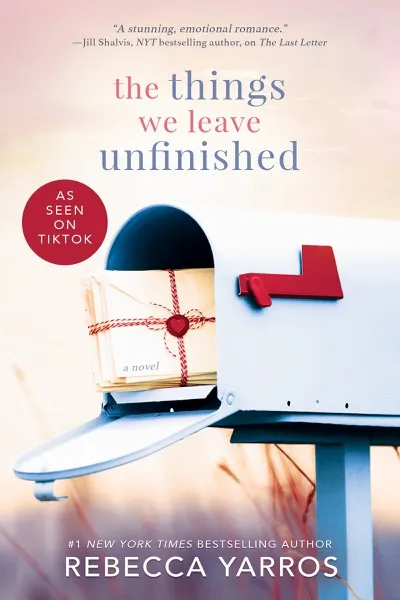

The Things We Leave Unfinished Author: Rebecca YarrosPage Count: UnknownPublication Year: 2021-GB In the realm of contemporary fiction, few authors have managed to weave a narrative as captivating as Rebecca Yarros in her 2021 global bestseller, The Things We Leave Unfinished. This poignant tale is a masterful exploration of the human experience, delving into the intricacies of love, loss, and the unrelenting passage of time. At its core, The Things We Leave Unfinished is a story about the choices we make and the consequences that follow. Yarros's writing is akin to a gentle breeze on a summer's day – soothing, yet laced with an undercurrent of complexity. Her prose is evocative, transporting readers to the sun-drenched landscapes of Italy and the rugged coastlines of England, where the narrative unfolds with the elegance of a fine wine. The author's style is characterized by a keen sense of observation, imbuing her characters with a depth that is both relatable and authentic. The protagonists, Georgia and Marco, are skillfully crafted to embody the fragility and resilience of the human spirit. Their story is a testament to the power of love and the unspoken understanding that can exist between two people. Yarros's exploration of the human condition is both nuanced and profound. She tackles themes of grief, regret, and the what-ifs that haunt us, rendering them with a sensitivity that is nothing short of remarkable. The narrative is peppered with subtle insights into the human psyche, making it a compelling read for those who appreciate character-driven fiction. One of the most striking aspects of The Things We Leave Unfinished is its non-linear narrative structure. Yarros employs a clever use of flashbacks and alternating perspectives, expertly weaving together the past and present to create a rich tapestry of emotions. This narrative device not only adds depth to the story but also serves to underscore the themes of memory, loss, and the passage of time. If there is one criticism to be made, it is that the pacing can be somewhat uneven at times. However, this is a minor quibble in an otherwise exceptional novel. Yarros's writing is engaging, and her characters are so well-developed that it is easy to become fully invested in their stories. In conclusion, The Things We Leave Unfinished is a triumph of contemporary fiction. Rebecca Yarros's masterful storytelling, coupled with her evocative prose, makes for a compelling read that will resonate with fans of character-driven fiction. This is a novel that will linger in the reader's mind long after the final page has been turned, its themes and characters leaving an indelible mark on the heart. #TheThingsWeLeaveUnfinished #RebeccaYarros #ContemporaryFiction #GlobalBestseller #BookLovers #RomanceNovels Related InsightsCreature of the Night (Monster Hunter, #5) Book Review and Summary With All My Haunted Heart Book Review and Summary AQA GCSE 9-1 Food Preparation and Nutrition Workbook Book Review and Summary{ "@context": "https://schema.org", "@type": "FAQPage", "mainEntity": [ { "@type": "Question", "name": "What is the main focus of The Things We Leave Unfinished Book Review and Summary?", "acceptedAnswer": { "@type": "Answer", "text": "Everything you need to know about The Things We Leave Unfinished with our detailed review." } }, { "@type": "Question", "name": "Who authored the comprehensive guide on The Things We Leave Unfinished Book Review and Summary?", "acceptedAnswer": { "@type": "Answer", "text": "This detailed article and its insights were carefully researched and authored by Michael Brown." } }, { "@type": "Question", "name": "Where can I find more related content about Books?", "acceptedAnswer": { "@type": "Answer", "text": "You can explore more articles, detailed reviews, and similar insights by browsing the Related Insights section at the bottom of this article or visiting our dedicated Books category page." } } ] }

Giriş: Dijital Çağın Kadim Dostu Hızla değişen, dijitalleşen ve sürekli yeni bilgilerin bombardımanına tutulduğumuz bu çağda, avucumuzdaki akıllı telefonlar, tabletler veya bilgisayar ekranları yetmezmiş gibi, hala bir kitabı elimize alıp sayfalarını çevirmenin büyüsüne kapılıyoruz. Neden mi? Çünkü kitaplar, sadece basılı kağıt yığınları değil, aynı zamanda geçmişten bugüne uzanan köprüler, bambaşka dünyalara açılan kapılar ve ruhumuza işleyen fısıltılardır. Ben Aylin Okur olarak, bir "kitap kurdu" ve "Turk" olarak bu kadim dostluktan bahsetmek için sabırsızlanıyorum. Sayfaların Bilgeliği ve Kucakladığı Hikayeler Bir kitabı açtığınızda, aslında sadece harflere bakmıyorsunuz; bir yazarın ruhuna, yılların birikimine, yaşanmışlıklara ve hayallere dokunuyorsunuz. Kitaplar, insanı düşünmeye sevk eden, sorgulatan, empati kurmasını sağlayan eşsiz araçlardır. Belki de bu yüzden, benim gibi Türk toplumunda da "okumak" ve "bilgi edinmek" her zaman önemli bir yer tutmuştur. Atalarımız boşuna "Bilgi kuvvettir," dememişler. Çocukluğumdan beri kütüphaneler benim için hep birer hazine sandığı olmuştur. O eski kütüphanelerdeki kitap kokusu yok mu... Ah, o nemli kağıt ve mürekkep karışımı, bazen en lüks parfümlerden bile daha çekici gelir bana.Kitap okumak, kişisel gelişimimizin en temel yapı taşlarından biridir. Farklı kültürleri, düşünce biçimlerini öğrenir, olaylara farklı perspektiflerden bakma yeteneği kazanırız. Kendi deneyimlerimizle sınırlı kalmayıp, binlerce yaşamın içinden süzülmüş bilgeliğe ulaşırız. Hatta bazen, elimizde bir romanla kendi hayatımızın içinden bir parçayı bulup, "Aaa, tam da benim hissettiğim şey buymuş!" diye mırıldandığımız anlar olur. Bu, kitapların bize sunduğu tarifsiz bir yakınlıktır. Türk Kültüründe Kitap ve Benim Serüvenim Bizim kültürümüzde misafirperverlik ne kadar önemliyse, bilgiye olan düşkünlük de o kadar köklüdür. Büyüklerimizden sıkça duyduğumuz, "oku, öğren, kendini geliştir" öğütleri aslında nesilden nesile aktarılan bu mirasın bir parçasıdır. Hatırlarım, anneannemin evindeki devasa ahşap kitaplık, çocukluk yıllarımda benim için adeta bir keşif alanıydı. Her bir kitap, farklı bir maceraya davet ederdi beni. O zamanlar belki hepsini anlayamazdım ama kokularıyla, dokularıyla bile ruhumu beslerlerdi. Bugün bile, bir fincan mis gibi demli çay ya da köpüklü bir Türk kahvesi eşliğinde kitabımın sayfalarında kaybolmak, benim için günün en huzurlu anlarından biridir. Bu anları yaratmak, modern hayatın karmaşasında kendime ayırdığım küçük bir meditasyon gibidir. Özellikle yağmurlu bir İstanbul akşamında, pencereden yağan yağmuru izlerken kitabın içine dalmak... İşte tam da bu anlar için yaşıyorum sanki! Okuma Alışkanlığı Edinmek: Küçük Adımlar, Büyük Keyifler "Okumaya zamanım yok" bahanesini sıkça duyuyoruz. Ancak okuma alışkanlığı, tıpkı her iyi alışkanlık gibi, küçük adımlarla başlar ve zamanla büyür. Günde sadece 15-20 dakika bile olsa, düzenli olarak kitap okumak, hem odaklanma becerinizi geliştirir hem de bilgi birikiminizi artırır. Başlangıçta ilginizi çeken türlerle başlayın: polisiye, aşk, tarih, kişisel gelişim... Ne olursa olsun, yeter ki okumaya başlayın. Unutmayın, "kötü kitap yoktur, sadece size uygun olmayan kitap vardır."Kitaplar, bize sadece bilgi vermekle kalmaz, aynı zamanda hayal gücümüzü besler, kelime dağarcığımızı genişletir ve ifade yeteneğimizi güçlendirir. Bu yüzden, hayatımızın her döneminde kitaplara sıkı sıkıya sarılmalıyız. Onlar, bizi hiç yarı yolda bırakmayacak, her zaman yanımızda olacak en sadık dostlarımızdır. Sonuç: Sonsuz Bir Keşif Yolu Kitaplar, insanlığın ortak mirası, zamanın ve mekanın ötesine geçen sessiz yol arkadaşlarıdır. Dijital ekranların parlak ışıkları ne kadar göz kamaştırsa da, bir kitabın sayfalarının sıcaklığı, kokusu ve verdiği huzur asla paha biçilemez. Bu yüzden, gelin kitaplara sarılmaya devam edelim, yeni dünyalar keşfedelim ve zihnimizi hep açık tutalım. Unutmayalım ki, her okunan kitap, bizi biraz daha zenginleştirir ve dünyaya daha anlamlı bakmamızı sağlar.#KitapOkuma #Edebiyat #OkumaAlışkanlığı #KişiselGelişim #KitapOkuma #Edebiyat #KiiselGeliim #OkumaAlkanl Related InsightsReady Player One Book Review and Summary You Are More Than You Think You Are Book Review and Summary The Hiding Place: The Triumphant True Story of Corrie Ten Boom Book Review and Summary{ "@context": "https://schema.org", "@type": "FAQPage", "mainEntity": [ { "@type": "Question", "name": "What is the main focus of Sayfaların Sihirli Dünyası: Neden Hala Kitaplara Âşığız??", "acceptedAnswer": { "@type": "Answer", "text": "Dijital çağda kaybolmayan bir hazine: Kitaplar. Okuma tutkunuzu yeniden alevlendirecek, sayfaların büyülü dünyasına bir yolculuğa çıkın." } }, { "@type": "Question", "name": "Who authored the comprehensive guide on Sayfaların Sihirli Dünyası: Neden Hala Kitaplara Âşığız??", "acceptedAnswer": { "@type": "Answer", "text": "This detailed article and its insights were carefully researched and authored by Aylin Okur." } }, { "@type": "Question", "name": "Where can I find more related content about Books?", "acceptedAnswer": { "@type": "Answer", "text": "You can explore more articles, detailed reviews, and similar insights by browsing the Related Insights section at the bottom of this article or visiting our dedicated Books category page." } } ] }
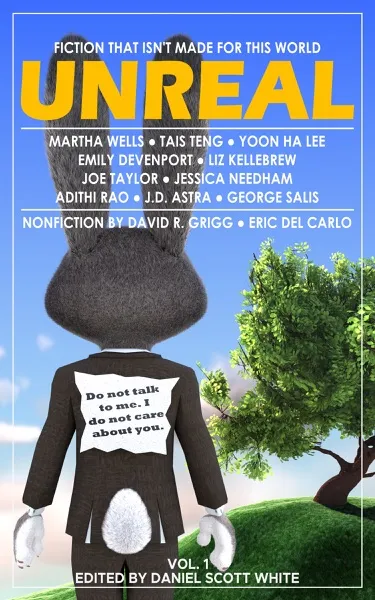
Unreal Magazine: Vol. 1 Author: Daniel Scott WhitePage Count: UnknownPublication Year: 2019-GB Unreal Magazine: Vol. 1 – A Visionary Masterpiece That Redefines Modern Storytelling Daniel Scott White’s Unreal Magazine: Vol. 1 is not just another anthology—it’s a bold, electrifying manifesto of the surreal, the uncanny, and the hypnotically real. Published in 2019, this volume cements White’s reputation as a literary provocateur, weaving together a tapestry of stories, essays, and visual art that blurs the line between dream and reality. With a voice that is both lyrical and unnervingly direct, White doesn’t just tell stories; he immerses readers in a world where the impossible feels inevitable. At its core, Unreal Magazine: Vol. 1 explores the fragility of perception. The book’s central theme revolves around the idea that reality is not a fixed construct but a fluid, often illusory experience shaped by memory, desire, and fear. The stories within—whether they delve into psychological horror, speculative fiction, or existential musings—all share a haunting, dreamlike quality. Characters grapple with versions of themselves that may or may not exist, questioning the very nature of their existence. White masterfully employs surrealism not as a gimmick but as a lens to examine the human condition, forcing readers to confront the unsettling truth that our perceptions of reality are as unreliable as they are deeply personal. White’s prose is a revelation—rich, rhythmic, and steeped in a poetic intensity that elevates even the most mundane moments into something transcendent. His writing is not just descriptive but alchemical, transforming ordinary language into something almost tactile. There’s a hypnotic quality to his sentences, a cadence that pulls you deeper into each narrative, making it impossible to look away. Whether he’s describing a decaying cityscape or the quiet dread of a character’s unraveling mind, his words feel like incantations, casting a spell that lingers long after the page is turned. One of the standout features of Unreal Magazine is its refusal to be pigeonholed. The book defies genre conventions, seamlessly blending elements of horror, science fiction, magical realism, and literary fiction. White’s versatility is on full display, as he shifts between perspectives with ease, each voice distinct yet undeniably his own. The stories are not merely narratives; they are experiences—visceral, disorienting, and often deeply unsettling. Take, for instance, the opening piece, where a man wakes to find his reflection aging rapidly while he remains unchanged. It’s a simple premise, yet White infuses it with such psychological depth that it becomes a meditation on mortality and the fear of being forgotten. The visual art interspersed throughout the book further enhances its surreal atmosphere. The illustrations—ranging from stark black-and-white sketches to vibrant, disorienting paintings—serve as visual counterparts to the written word, adding another layer of unease and wonder. Together, the text and imagery create a synesthetic experience, where the boundaries between sight and thought dissolve. White’s influence is undeniable. Unreal Magazine: Vol. 1 has been hailed as a global bestseller, a testament to its universal appeal. It’s easy to see why. In an era where storytelling often defaults to the familiar, White dares to go further, to embrace the strange and the unsettling without apology. His work is a clarion call for those who crave art that doesn’t just entertain but transforms—that doesn’t just reflect reality but reimagines it. For readers who have ever felt that the world is not quite as solid as it seems, Unreal Magazine: Vol. 1 is a revelation. It’s a book that lingers in the mind like a half-remembered dream, leaving you questioning what is real long after you’ve turned the last page. Daniel Scott White doesn’t just write about the surreal; he invites you to live inside it. #SurrealFiction #PsychologicalHorror #LiteraryMagic #DreamlikeNarratives #UnrealWorlds #DanielScottWhite Related InsightsShe’s Come Undone Book Review and Summary Her Rising Flame (Her Hidden Fire #2) Book Review and Summary Do I Have to Wear a Coat? Book Review and Summary{ "@context": "https://schema.org", "@type": "FAQPage", "mainEntity": [ { "@type": "Question", "name": "What is the main focus of Unreal Magazine: Vol. 1 Book Review and Summary?", "acceptedAnswer": { "@type": "Answer", "text": "Everything you need to know about Unreal Magazine: Vol. 1 with our detailed review." } }, { "@type": "Question", "name": "Who authored the comprehensive guide on Unreal Magazine: Vol. 1 Book Review and Summary?", "acceptedAnswer": { "@type": "Answer", "text": "This detailed article and its insights were carefully researched and authored by Irina Ivanova." } }, { "@type": "Question", "name": "Where can I find more related content about Books?", "acceptedAnswer": { "@type": "Answer", "text": "You can explore more articles, detailed reviews, and similar insights by browsing the Related Insights section at the bottom of this article or visiting our dedicated Books category page." } } ] }
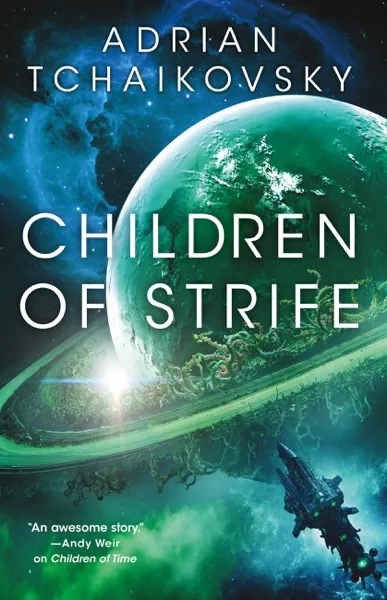

Children of Strife Author: Adrian TchaikovskyPage Count: UnknownPublication Year: 2026-GB Adrian Tchaikovsky’s Children of Strife is a masterclass in speculative fiction, a genre-bending epic that defies easy categorization while delivering the kind of immersive, thought-provoking storytelling that has cemented Tchaikovsky as one of modern fantasy’s most daring voices. Set in a future where humanity has fractured into warring factions, the novel explores the cost of survival, the nature of identity, and the indomitable will to endure—all wrapped in a narrative that is as lyrical as it is brutal. At its core, Children of Strife is a story about legacy and rebellion. The world Tchaikovsky constructs is one of perpetual conflict, where the remnants of civilization cling to fragile alliances and ancient grudges. The title itself is a nod to the cyclical violence that defines this era—children born into strife, inheriting the scars of their forebears without hope of escape. Yet, the novel refuses to wallow in despair. Instead, it asks a provocative question: What does it mean to be human when the very definition of humanity is under siege? Tchaikovsky’s prose is a marvel—richly textured yet accessible, blending the poetic with the visceral. His worldbuilding is meticulous, layering history, culture, and politics into a tapestry that feels alive. The setting is a dystopian future where technology and magic have blurred into something entirely new, a fusion that gives the story a fresh, unpredictable edge. The author’s background in biology shines through in his vivid descriptions of alien landscapes and the grotesque beauty of mutated lifeforms, making the setting feel as tangible as it is alien. The characters are the heart of the novel. Tchaikovsky excels at crafting protagonists who are flawed, resilient, and deeply human—even when they are not strictly human. The story follows a diverse cast, each grappling with their own burdens: a soldier seeking redemption, a scholar uncovering forbidden truths, a revolutionary fighting for a future they may never see. Their struggles are deeply personal, yet they resonate on a universal level, a testament to Tchaikovsky’s ability to weave individual narratives into a larger, haunting tapestry. The novel’s pacing is another standout feature. Tchaikovsky balances action and introspection with a deft hand, ensuring that the story never feels rushed or sluggish. The tension is relentless, but it’s the quiet moments—the whispered conversations, the fleeting glances, the weight of unspoken fears—that linger longest. This is a book that rewards patience, rewarding readers who are willing to sit with its themes and let them unfold naturally. One of the most striking aspects of Children of Strife is its exploration of power and corruption. The factions vying for dominance are not mere caricatures; they are complex entities with their own ideologies, some noble, some despicable. Tchaikovsky avoids simplistic morality, instead presenting a world where every choice has consequences, and where the line between hero and villain is often blurred by circumstance. This nuance elevates the novel beyond a mere adventure story, making it a meditation on the cost of ambition and the fragility of ideals. Tchaikovsky’s style is also marked by a keen sense of irony and dark humor, which cuts through the bleakness of the setting. There are moments of levity—sly asides, ironic twists—that remind readers that even in the darkest times, humanity’s capacity for resilience and wit endures. This balance of tone keeps the story from feeling oppressive, ensuring that readers are invested not just in the outcome, but in the journey. In many ways, Children of Strife feels like a spiritual successor to Tchaikovsky’s earlier works, particularly Children of Time and Children of Memory. Like those novels, it grapples with evolution, identity, and the legacy of the past. Yet, it carves out its own identity, a darker, more intimate exploration of what it means to rise from the ashes of a broken world. For fans of speculative fiction, this is a must-read. For anyone who has ever wondered what it takes to survive in a world that seems determined to destroy itself, Children of Strife is a book that will haunt you long after the last page. Adrian Tchaikovsky has once again proven himself a master of the genre, delivering a novel that is as intellectually stimulating as it is emotionally gripping. #ChildrenOfStrife #AdrianTchaikovsky #ScienceFiction #DystopianFiction #SpeculativeFiction #FuturisticWar Related InsightsFrom Whispers to Worlds: Charting the Timeless Odyssey of Children's Literature The Last Song Book Review and Summary Before You Were Anne Book Review and Summary{ "@context": "https://schema.org", "@type": "FAQPage", "mainEntity": [ { "@type": "Question", "name": "What is the main focus of Children of Strife Book Review and Summary?", "acceptedAnswer": { "@type": "Answer", "text": "Everything you need to know about Children of Strife with our detailed review." } }, { "@type": "Question", "name": "Who authored the comprehensive guide on Children of Strife Book Review and Summary?", "acceptedAnswer": { "@type": "Answer", "text": "This detailed article and its insights were carefully researched and authored by Isabella Moore." } }, { "@type": "Question", "name": "Where can I find more related content about Books?", "acceptedAnswer": { "@type": "Answer", "text": "You can explore more articles, detailed reviews, and similar insights by browsing the Related Insights section at the bottom of this article or visiting our dedicated Books category page." } } ] }
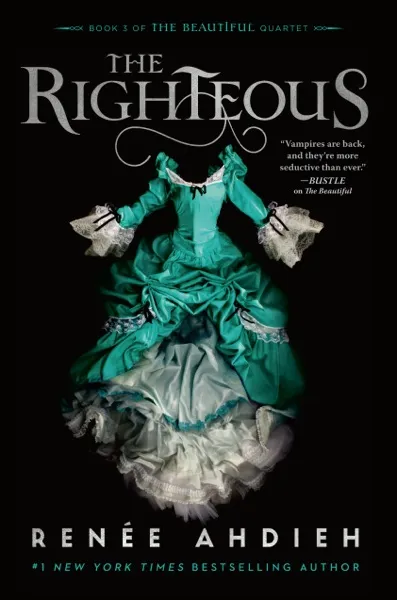

Righteous Author: Renée AhdiehPage Count: UnknownPublication Year: 2021-GB Renée Ahdieh’s Righteous is more than just a historical fantasy—it’s a shimmering tapestry of ambition, betrayal, and divine retribution, woven through the blood-soaked corridors of 19th-century Paris. Published in 2021, this novel cements Ahdieh’s reputation as a master of atmospheric storytelling, blending the grit of the Belle Époque with the mysticism of angels and demons. With its razor-sharp prose and morally complex characters, Righteous doesn’t just entertain; it haunts, lingering like the scent of gunpowder and roses long after the final page. At its core, Righteous explores the intoxicating allure of power and the cost of playing god. The story unfolds in an alternate Paris where angels and demons walk among mortals, their presence masked by the city’s glittering facade. The protagonist, Celine, is a woman caught between worlds—neither fully human nor divine, her loyalties fractured by love, vengeance, and an insatiable hunger for control. Ahdieh doesn’t shy away from the brutal realities of power; every decision Celine makes is a double-edged sword, slicing through her own soul as much as her enemies’. The novel’s central conflict isn’t just about who will rule the celestial hierarchy but whether justice can ever be righteous when it’s meted out by flawed hands. Ahdieh’s prose is a force of nature—lyrical yet precise, dripping with decadence and menace. She has a knack for painting vivid, almost cinematic scenes, whether it’s the opulent decadence of a Parisian ballroom or the claustrophobic terror of a back-alley duel. Her dialogue crackles with wit and danger, each line a potential betrayal. The author’s worldbuilding is equally impressive, seamlessly integrating supernatural elements into the historical setting without ever feeling anachronistic. The angels and demons of Righteous aren’t just mythological window dressing; they’re reflections of human nature, their conflicts mirroring the political and social upheavals of the era. What sets Righteous apart is its refusal to romanticize its characters. Celine is a protagonist who makes terrible choices, and Ahdieh doesn’t shy away from showing the consequences. Her relationships—whether with the enigmatic and morally ambiguous Sébastien or the fierce and loyal Odette—are built on shifting sands, their foundations as fragile as the glass ceilings of the Parisian opera houses. The novel’s villains are just as compelling, their motivations rooted in pain and ambition rather than pure malice. This complexity elevates Righteous beyond mere escapism; it becomes a meditation on what it means to be human in a world where divinity is just another weapon. Ahdieh’s style is also notable for its unflinching exploration of gender and agency. In a time when women were often relegated to the role of pawns in men’s games, Righteous gives its female characters teeth. They scheme, they fight, they kill—not out of desperation, but from a place of calculated power. Celine’s journey is as much about reclaiming her autonomy as it is about vengeance. The novel’s Paris is a gilded cage, and Ahdieh’s characters claw at its bars, determined to break free. The pacing of Righteous is relentless, each chapter a punch to the gut. Ahdieh doesn’t waste time on unnecessary exposition; instead, she drops the reader into the action, trusting them to piece together the world as they go. The stakes are sky-high from the beginning, and the tension never lets up. Whether it’s a high-stakes card game, a midnight duel, or a betrayal that shakes the very foundations of the celestial order, every moment feels urgent. The novel’s climax is a masterclass in suspense, a whirlwind of violence and revelation that leaves the reader breathless. For fans of historical fantasy, Righteous is a triumph. It’s a book that demands to be read in one sitting, not just for its plot but for the sheer pleasure of Ahdieh’s writing. She crafts sentences that linger, descriptions that dazzle, and characters that refuse to be forgotten. Righteous isn’t just a story about angels and demons—it’s a story about what it means to be human, to strive for greatness, and to face the consequences of your choices. If you’re looking for a book that will transport you to another world while forcing you to confront the darker corners of your own soul, Righteous is it. Renée Ahdieh has outdone herself, delivering a novel that is as thought-provoking as it is thrilling. #RighteousBook #HistoricalFantasy #AngelAndDemon #DarkFantasy #RenéeAhdieh #ParisianFantasy Related InsightsInto the Wild Book Review and Summary The Memory Police Book Review and Summary War Lord (the Last Kingdom Series, Book 13) Book Review and Summary{ "@context": "https://schema.org", "@type": "FAQPage", "mainEntity": [ { "@type": "Question", "name": "What is the main focus of Righteous Book Review and Summary?", "acceptedAnswer": { "@type": "Answer", "text": "Everything you need to know about Righteous with our detailed review." } }, { "@type": "Question", "name": "Who authored the comprehensive guide on Righteous Book Review and Summary?", "acceptedAnswer": { "@type": "Answer", "text": "This detailed article and its insights were carefully researched and authored by Antoine Leroy." } }, { "@type": "Question", "name": "Where can I find more related content about Books?", "acceptedAnswer": { "@type": "Answer", "text": "You can explore more articles, detailed reviews, and similar insights by browsing the Related Insights section at the bottom of this article or visiting our dedicated Books category page." } } ] }
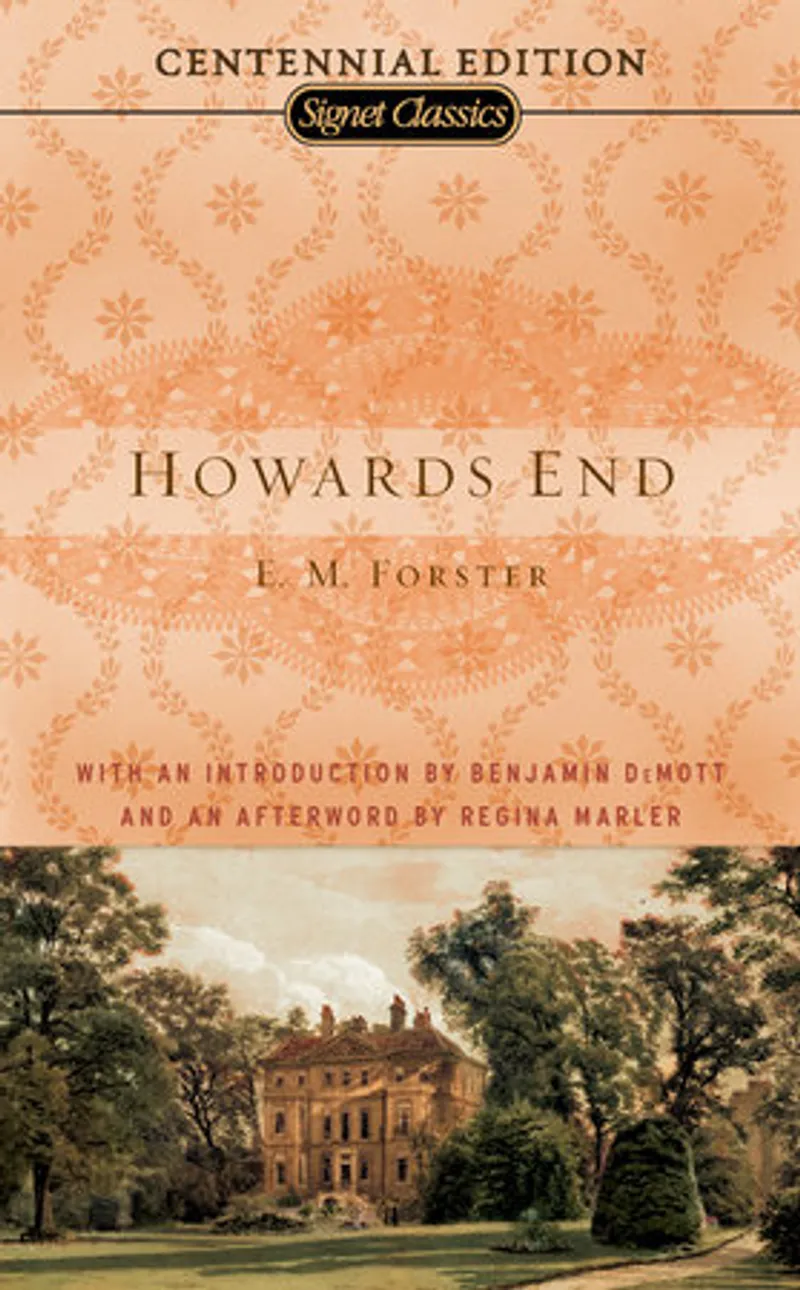
Howards End Author: E. M. ForsterPage Count: UnknownPublication Date: 2007-PRH In the realm of literary masterpieces, E.M. Forster's "Howards End" stands as a testament to the author's profound understanding of human nature and societal dynamics. Written in 1910, this novel has withstood the test of time, and its themes remain as poignant and relevant today as they were over a century ago. The story revolves around the intricate lives of two families: the wealthy and pragmatic Wilcoxes, and the cultured and idealistic Schlegels. As their paths intersect, a complex web of relationships, desires, and conflicts unfolds, culminating in a dispute over the inheritance of the Wilcoxes' enchanting country home, Howards End. At its core, "Howards End" is a novel about connection – or rather, the lack thereof. Forster's central tenet, "Only connect," resonates throughout the narrative, highlighting the deep-seated human need for meaningful relationships and understanding. Through his characters, Forster masterfully explores the chasm between individual wills, sexes, and classes, laying bare the social conventions and hypocrisies of Edwardian England. The Schlegels, with their passion for art and literature, embody the idealistic and intellectual aspects of human nature, while the Wilcoxes, with their emphasis on business and material possessions, represent the pragmatic and often superficial. Forster's writing style is characterized by his unique blend of wit, humor, and poignancy. His prose is elegant and refined, with a keen eye for detail and a deep understanding of the human condition. The characters are multidimensional and relatable, with their own distinct voices and perspectives. The novel's pacing is deliberate and measured, allowing the reader to absorb the complexity of the characters' emotions and relationships. One of the most striking aspects of "Howards End" is its ability to balance humor and tragedy. Forster's wit is razor-sharp, and his comedic moments are both amusing and insightful. However, the novel also tackles darker themes, such as the constraints placed on women, the dangers of unchecked capitalism, and the devastating consequences of social inequality. The author's nuanced approach to these issues adds depth and complexity to the narrative, making "Howards End" a rich and thought-provoking read. In conclusion, "Howards End" is a masterpiece of 20th-century literature that continues to captivate readers with its timeless themes and beautiful prose. Forster's exploration of human connection, social class, and individual wills is both poignant and profound, offering a powerful prescription for modern life. As a novel, it is a must-read for anyone interested in literary fiction, social commentary, and the human experience. #HowardsEnd #EMForster #ClassicsOfLiterature #SocialCommentary #HumanConnection #LiteraryMasterpiece Related InsightsTwilight Book Review and Summary Copperstitched Book Review and Summary If the Sun Never Sets Book Review and Summary{ "@context": "https://schema.org", "@type": "FAQPage", "mainEntity": [ { "@type": "Question", "name": "What is the main focus of Howards End Book Review and Summary?", "acceptedAnswer": { "@type": "Answer", "text": "Everything you need to know about Howards End with our detailed review." } }, { "@type": "Question", "name": "Who authored the comprehensive guide on Howards End Book Review and Summary?", "acceptedAnswer": { "@type": "Answer", "text": "This detailed article and its insights were carefully researched and authored by E.M. Forster." } }, { "@type": "Question", "name": "Where can I find more related content about Books?", "acceptedAnswer": { "@type": "Answer", "text": "You can explore more articles, detailed reviews, and similar insights by browsing the Related Insights section at the bottom of this article or visiting our dedicated Books category page." } } ] }
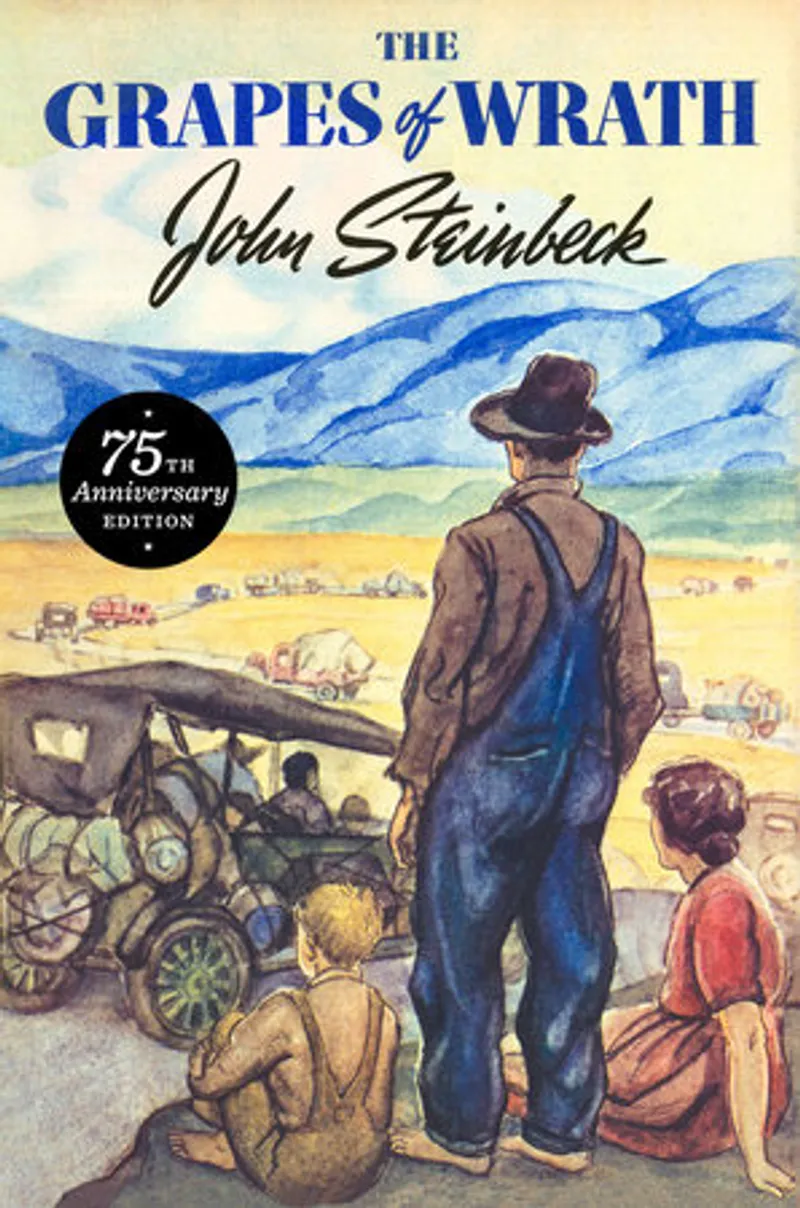
The Grapes of Wrath Author: John SteinbeckPage Count: UnknownPublication Date: 2014-PRH The Grapes of Wrath, a masterpiece penned by John Steinbeck, is a poignant and powerful portrayal of the Great Depression's unyielding grip on America's heartland. This classic novel, first published in 1939, has stood the test of time, and its 75th-anniversary edition is a testament to its enduring relevance. Steinbeck's magnum opus is a scathing critique of the social and economic injustices that plagued the nation during one of its darkest periods. At its core, The Grapes of Wrath is a story about the human condition, about the resilience of the human spirit in the face of unimaginable hardship. The Joads, an Oklahoma farm family, are forced to abandon their home and embark on a perilous journey to California, a land of promise and broken dreams. As they navigate the unforgiving landscape of the American West, they confront the harsh realities of poverty, exploitation, and disillusionment. Steinbeck's prose is a masterclass in subtlety and nuance, weaving a narrative that is both deeply personal and universally relatable. His characters are multidimensional and complex, with the Joads' struggles and triumphs serving as a microcosm for the larger societal issues of the time. The author's use of language is spare, yet evocative, conjuring the dusty, sun-scorched landscapes of the Great Plains and the cramped, squalid conditions of the migrant worker camps. One of the novel's most striking aspects is its exploration of the conflict between the powerful and the powerless. Steinbeck pulls no punches in his portrayal of the ruthless exploitation of the working class, the ways in which the capitalist system can crush the spirits of those who toil beneath it. And yet, even in the face of such oppression, the Joads and their fellow migrants find ways to resist, to organize, and to fight back. The character of Ma Joad is a particular standout, a testament to the strength and resilience of women in the face of adversity. Her stoicism and determination serve as a beacon of hope for her family, even as the world around them seems to be crumbling. Tom Joad, the novel's protagonist, is a complex and deeply human figure, driven by a fierce sense of justice and a desire to protect his family at all costs. The Grapes of Wrath is a novel that defies easy categorization, blending elements of social realism, drama, and tragedy to create a work of profound moral vision. It is a book that is both of its time and timeless, a powerful indictment of the social and economic ills that have always plagued America. As Don DeLillo so aptly put it, Steinbeck "shaped a geography of conscience" with this novel, one that continues to resonate with readers today. In short, The Grapes of Wrath is a masterpiece of American literature, a novel that should be read and reread by anyone who cares about the human condition. It is a powerful reminder of the importance of empathy, compassion, and social justice, and a testament to the enduring power of Steinbeck's prose. #TheGrapesOfWrath #JohnSteinbeck #GreatDepression #AmericanClassics #SocialJustice #DustBowl Related InsightsDear John Book Review and Summary Red (The Myth That Burns, #1) Book Review and Summary The Witches of Cambridge Book Review and Summary{ "@context": "https://schema.org", "@type": "FAQPage", "mainEntity": [ { "@type": "Question", "name": "What is the main focus of The Grapes of Wrath Book Review and Summary?", "acceptedAnswer": { "@type": "Answer", "text": "Everything you need to know about The Grapes of Wrath with our detailed review." } }, { "@type": "Question", "name": "Who authored the comprehensive guide on The Grapes of Wrath Book Review and Summary?", "acceptedAnswer": { "@type": "Answer", "text": "This detailed article and its insights were carefully researched and authored by John Steinbeck." } }, { "@type": "Question", "name": "Where can I find more related content about Books?", "acceptedAnswer": { "@type": "Answer", "text": "You can explore more articles, detailed reviews, and similar insights by browsing the Related Insights section at the bottom of this article or visiting our dedicated Books category page." } } ] }

A Clockwork Orange Tote Bag Author: Out of PrintPage Count: UnknownPublication Date: 2021-PRH I must confess, when I first laid eyes on "A Clockwork Orange Tote Bag" by Out of Print, I was both intrigued and perplexed. The title, a playful nod to Anthony Burgess's classic dystopian novel, seemed to hint at a work that would be both a tribute and a subversion of the original. As I delved into the book, I discovered a complex exploration of themes that, while not entirely new, were presented in a fresh and thought-provoking manner. At its core, "A Clockwork Orange Tote Bag" is a meditation on the tension between free will and determinism. The author, Out of Print, masterfully weaves together a narrative that challenges the reader to consider the nature of choice and the consequences of our actions. Through a series of vignettes and philosophical musings, the book probes the limits of human agency, raising questions about the extent to which our decisions are shaped by factors beyond our control. One of the most striking aspects of Out of Print's style is their use of language. The prose is at once lyrical and concise, with a keen attention to detail that rewards close reading. The author's writing is reminiscent of Burgess's own innovative use of language in "A Clockwork Orange," with its blend of slang, philosophical jargon, and poetic flourishes. This nod to the original is deliberate, and serves to underscore the themes of conditioning and control that run throughout the book. Throughout "A Clockwork Orange Tote Bag," Out of Print employs a range of narrative techniques to explore the tension between free will and determinism. The book is structured as a series of fragmented narratives, each of which offers a unique perspective on the central theme. These vignettes are often surreal and dreamlike, with a sense of disconnection that serves to underscore the sense of disorientation and confusion that pervades the book. One of the most compelling aspects of the book is its use of imagery and symbolism. The tote bag of the title becomes a recurring motif, representing both the constraints of societal expectations and the possibility of personal expression. The author's use of imagery is similarly evocative, with vivid descriptions of urban landscapes and interior spaces that serve to underscore the sense of disconnection and alienation that pervades the book. If I were to offer a critique of "A Clockwork Orange Tote Bag," it would be that the book's themes and ideas are not always fully developed. At times, the narrative feels disjointed and fragmented, with a sense of disconnection that can make it difficult to follow. However, this sense of disorientation is also a deliberate choice, one that serves to underscore the sense of confusion and dislocation that pervades the book. In conclusion, "A Clockwork Orange Tote Bag" is a thought-provoking and deeply unsettling work that challenges the reader to consider the nature of free will and determinism. Out of Print's innovative use of language and narrative technique serves to underscore the themes of conditioning and control that run throughout the book. While the book's ideas and themes are not always fully developed, the author's willingness to take risks and push boundaries makes for a compelling and deeply unsettling read. #AClockworkOrange #DystopianLiterature #FreeWillVsDeterminism #PhilosophicalFiction #ExperimentalLiterature #AnthonyBurgess Related InsightsThe Birthing Tree Book Review and Summary Extremely Loud & Incredibly Close Book Review and Summary Do Androids Dream of Electric Sheep? Book Review and Summary{ "@context": "https://schema.org", "@type": "FAQPage", "mainEntity": [ { "@type": "Question", "name": "What is the main focus of A Clockwork Orange Book Review and Summary?", "acceptedAnswer": { "@type": "Answer", "text": "Everything you need to know about A Clockwork Orange with our detailed review." } }, { "@type": "Question", "name": "Who authored the comprehensive guide on A Clockwork Orange Book Review and Summary?", "acceptedAnswer": { "@type": "Answer", "text": "This detailed article and its insights were carefully researched and authored by Anthony Burgess." } }, { "@type": "Question", "name": "Where can I find more related content about Books?", "acceptedAnswer": { "@type": "Answer", "text": "You can explore more articles, detailed reviews, and similar insights by browsing the Related Insights section at the bottom of this article or visiting our dedicated Books category page." } } ] }
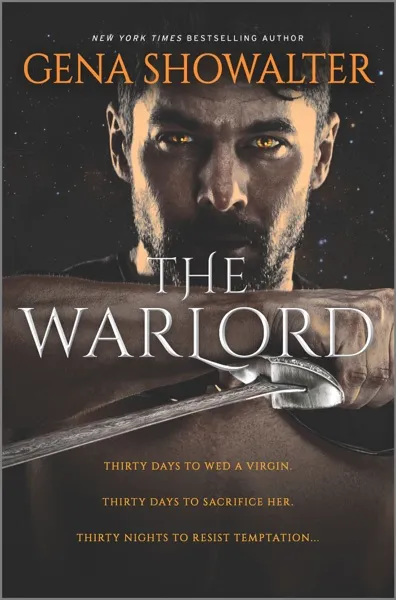
The Warlord Author: Gena Showalter,Page Count: UnknownPublication Year: 2021-GB In "The Warlord" by Gena Showalter, the acclaimed author weaves a captivating tale that delves into the complexities of power, loyalty, and the unyielding human spirit. This global bestseller is a testament to Showalter's mastery of storytelling, as she transports readers to a world of intrigue and adventure. At its core, "The Warlord" is a story about the unrelenting pursuit of power and the true cost of ambition. The protagonist, a formidable and enigmatic figure, is driven by a fierce determination to claim dominance in a world where only the strongest survive. As the narrative unfolds, Showalter skillfully explores the moral gray areas that often accompany the quest for power, raising questions about the nature of leadership, loyalty, and the consequences of one's actions. One of the standout aspects of "The Warlord" is Showalter's writing style, which is both evocative and immersive. Her prose is richly detailed, painting vivid pictures of the world and its inhabitants. The characters are multidimensional and complex, with each one bringing their unique perspective to the story. Showalter's use of dialogue is also noteworthy, as it adds depth and nuance to the narrative, revealing the intricacies of the characters' relationships and motivations. Throughout the book, Showalter's expertise in crafting compelling characters is on full display. The warlord of the title is a particularly fascinating figure, with a depth and complexity that makes them both captivating and relatable. As the story progresses, the layers of their personality are slowly revealed, exposing a rich tapestry of emotions, desires, and contradictions. The world-building in "The Warlord" is equally impressive, with Showalter creating a richly detailed and immersive environment that draws the reader in. The politics, culture, and mythology of this world are meticulously crafted, adding depth and complexity to the narrative. The pacing is well-balanced, with moments of high-octane action and suspense juxtaposed with quieter, more introspective scenes. One of the most striking aspects of "The Warlord" is its exploration of themes that are both timely and timeless. Showalter tackles issues of power, corruption, and the human condition with a deft hand, raising important questions about the nature of leadership and the consequences of our actions. The book is also a powerful exploration of the human spirit, highlighting the resilience and determination that defines us as a species. In conclusion, "The Warlord" is a gripping and thought-provoking read that is sure to captivate fans of fantasy and adventure. With its richly detailed world-building, complex characters, and timely themes, this book is a must-read for anyone looking for a compelling and immersive story. Showalter's writing style is engaging and evocative, making this book a true page-turner. #TheWarlord #GenaShowalter #FantasyBooks #PowerAndCorruption #LeadershipAndLoyalty #EpicFantasy Related InsightsBreakfast of Champions Book Review and Summary Be Sure Book Review and Summary Born to be Wilde Book Review and Summary{ "@context": "https://schema.org", "@type": "FAQPage", "mainEntity": [ { "@type": "Question", "name": "What is the main focus of The Warlord Book Review and Summary?", "acceptedAnswer": { "@type": "Answer", "text": "Everything you need to know about The Warlord with our detailed review." } }, { "@type": "Question", "name": "Who authored the comprehensive guide on The Warlord Book Review and Summary?", "acceptedAnswer": { "@type": "Answer", "text": "This detailed article and its insights were carefully researched and authored by Isabella Moore." } }, { "@type": "Question", "name": "Where can I find more related content about Books?", "acceptedAnswer": { "@type": "Answer", "text": "You can explore more articles, detailed reviews, and similar insights by browsing the Related Insights section at the bottom of this article or visiting our dedicated Books category page." } } ] }
-
 Tiago Silva
 - 22 Jun, 2026 13:22
Poesía reunida César Vallejo (Edición conmemorativa de la RAE y la ASALE) / Collected Poems by César Vallejo (Commemorative Edition by the RAE and ASALE) Book Review and Summary
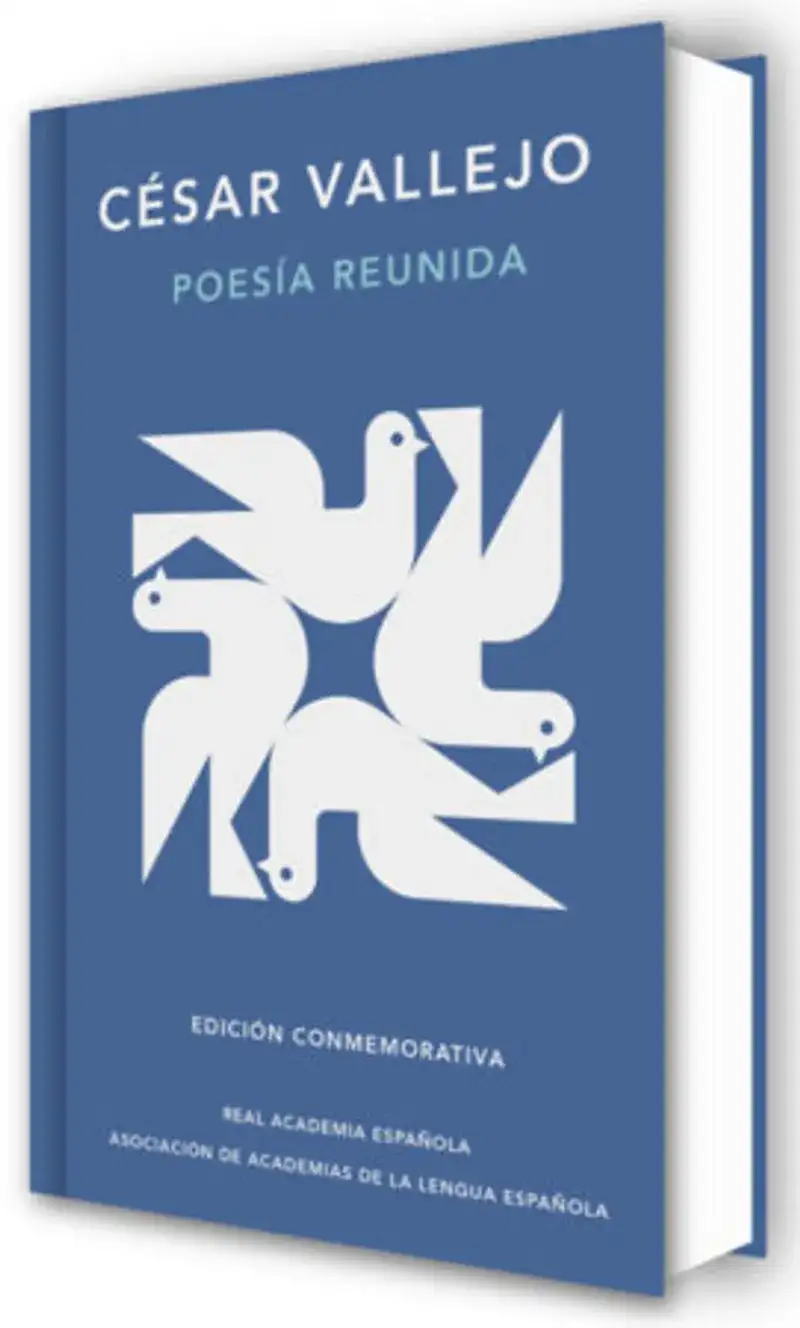
Poesía reunida César Vallejo (Edición conmemorativa de la RAE y la ASALE) / Collected Poems by César Vallejo (Commemorative Edition by the RAE and ASALE) Author: César VallejoPage Count: UnknownPublication Date: 2026-PRH César Vallejo’s Poesía reunida (Collected Poems), forthcoming in a landmark commemorative edition by the Royal Spanish Academy (RAE) and the Association of Spanish Language Academies (ASALE), is not merely a retrospective of one of Latin America’s most visionary poets—it is a seismic event in world literature. Scheduled for publication in 2026 to coincide with the 130th anniversary of Vallejo’s birth, this definitive volume arrives at a moment when poetry itself is being redefined by fragmentation, exile, and the raw urgency of human suffering. Vallejo, a poet who once wrote that “all sentiment is partial,” offers in this collection a totalizing vision of art as both wound and balm, prophecy and elegy. At the heart of Vallejo’s poetry is the theme of human solidarity in adversity—a theme that grows more urgent with each passing decade. Born in Peru in 1892 and later immersed in the bohemian ferment of Paris, Vallejo’s work traverses geographic and linguistic borders, yet never loses sight of the universal plight of the marginalized. His poems, whether rooted in the Andean highlands or drifting through European cafés, pulse with the heartbeat of the oppressed. In Trilce (1922)—one of the most radical collections of modern Spanish-language poetry—Vallejo dismantles syntax and punctuation to mirror the disorientation of modern life. Yet beneath the linguistic rupture lies a profound empathy: for the unemployed worker, the abandoned lover, the dying child. In poem after poem, Vallejo transforms personal grief into collective mourning, making every sorrow a shared one. Vallejo’s style is unmistakable and revolutionary. He wields language like a surgeon’s scalpel, dissecting emotion with clinical precision while infusing each incision with raw lyricism. His syntax often feels broken, as if the weight of existence has fractured the very tools of expression. In Poema XXVIII from Trilce, he writes:“¡Y el perro, el perro que no tiene perro! ¡El perro que no tiene perro y mira!”The repetition and exclamation mark the absence, the loneliness of a creature without its kind. Vallejo doesn’t just describe pain—he makes it visible, tangible, etched into the structure of the line. This technique—what critics have called his “poetry of the stutter”—is not decorative; it is ethical. It forces the reader to slow down, to stumble, to feel the same disorientation that afflicts the poem’s subjects. His later work, penned in exile and marked by the Spanish Civil War, deepens this commitment. In España, aparta de mí este cáliz (1939), written during the war, Vallejo elevates poetry to the level of spiritual resistance. The title, echoing Christ’s words on the cross, signals a poet not only bearing witness but offering himself as sacrifice. The poems here are incantatory, rhythmic, almost biblical in scope. Yet they remain grounded in the concrete horrors of war: children with “blue lips of hunger,” mothers clutching “empty breasts.” Vallejo’s genius lies in this alchemy—turning political outrage into spiritual transcendence without erasing the flesh-and-blood reality of suffering. What makes this commemorative edition by the RAE and ASALE so significant is its commitment to completeness and context. While earlier editions have gathered Vallejo’s verse, this one promises to include previously uncollected poems, variant drafts, and critical essays that illuminate the poet’s creative process. Given Vallejo’s habit of revising obsessively—often tearing up pages and starting anew—such editorial rigor is essential. The RAE’s imprimatur also signals a recognition of Vallejo as a central figure in the Spanish language, not just Peruvian or Latin American. This is poetry that belongs to the world. Reading Vallejo is to enter a world where language is not a shield but a wound. His poems do not comfort; they unsettle. They do not resolve; they persist. In an era when poetry is often dismissed as ornamental or irrelevant, Vallejo’s work stands as a defiant assertion of art’s moral necessity. He reminds us that to write is to bear witness, to love is to suffer, and to exist is to be in solidarity with all who hurt. This collected edition is not just a book—it is an act of cultural reparation, a gathering of scattered voices into a single, trembling chorus. It invites us to remember that poetry, at its highest, is not decoration but consecration. And César Vallejo, in every line, consecrates the pain of being human. #VallejoEterno #PoesíaReunida #TrilceYMásAllá #PoesíaComoResistencia #CésarVallejo2026 #LiteraturaQueDuele Related InsightsSomeone to Trust Book Review and Summary The Arabian Nights Book Review and Summary Sharpe's Command Book Review and Summary{ "@context": "https://schema.org", "@type": "FAQPage", "mainEntity": [ { "@type": "Question", "name": "What is the main focus of Poesía reunida César Vallejo (Edición conmemorativa de la RAE y la ASALE) / Collected Poems by César Vallejo (Commemorative Edition by the RAE and ASALE) Book Review and Summary?", "acceptedAnswer": { "@type": "Answer", "text": "Everything you need to know about Poesía reunida César Vallejo (Edición conmemorativa de la RAE y la ASALE) / Collected Poems by César Vallejo (Commemorative Edition by the RAE and ASALE) with our detailed review." } }, { "@type": "Question", "name": "Who authored the comprehensive guide on Poesía reunida César Vallejo (Edición conmemorativa de la RAE y la ASALE) / Collected Poems by César Vallejo (Commemorative Edition by the RAE and ASALE) Book Review and Summary?", "acceptedAnswer": { "@type": "Answer", "text": "This detailed article and its insights were carefully researched and authored by Tiago Silva." } }, { "@type": "Question", "name": "Where can I find more related content about Books?", "acceptedAnswer": { "@type": "Answer", "text": "You can explore more articles, detailed reviews, and similar insights by browsing the Related Insights section at the bottom of this article or visiting our dedicated Books category page." } } ] }


Love Arranged Author: Lauren AsherPage Count: UnknownPublication Year: 2025-GB Lauren Asher’s Love Arranged isn’t just another romance novel—it’s a masterclass in blending cultural expectations with personal desires, wrapped in a narrative so sharp and emotionally charged that it’s no wonder it’s already a global bestseller. Set against the backdrop of a modern diaspora, Asher crafts a story where love isn’t just a feeling but a calculated risk, a rebellion, and ultimately, a declaration of freedom. At its core, Love Arranged explores the tension between tradition and self-determination. The protagonist, a woman of South Asian heritage raised in the West, finds herself torn between her family’s expectations of an "arranged" marriage and her own burgeoning romantic desires. But Asher doesn’t stop at the surface-level conflict. She delves deep into the internalized guilt, the quiet defiance, and the slow-burning realization that love—true love—isn’t something that can be dictated by parents or society. It’s a theme that resonates universally, especially for anyone who’s ever felt the weight of cultural obligations pressing against their own happiness. What makes Asher’s writing so compelling is her ability to balance wit with raw emotion. Her prose is crisp, often laced with humor that cuts through the heavier moments without diminishing their impact. The dialogue crackles with authenticity, whether it’s the sarcastic banter between friends or the stilted, polite exchanges that mask so much unsaid. Asher excels at capturing the micro-expressions of cultural dissonance—the way a raised eyebrow from a mother can feel like a thousand judgmental words, or how a shared look between siblings can convey an entire lifetime of unspoken understanding. The novel’s structure is another of its strengths. Rather than a straightforward linear narrative, Asher weaves in flashbacks and letters from the past, revealing the protagonist’s backstory in fragments that feel deliberate and earned. This isn’t just a gimmick; it’s a way to mirror the protagonist’s own struggle to piece together her identity. She’s not just fighting against an arranged marriage—she’s fighting to understand who she is beyond her family’s script. One of the most striking aspects of Love Arranged is its refusal to offer easy answers. Asher doesn’t fall into the trap of painting tradition as purely oppressive or love as a simple escape. Instead, she presents a nuanced portrait where both sides have merit, even if they’re fundamentally at odds. The arranged marriage isn’t just a villainous imposition; it’s a complex institution with its own history, its own logic. The love interest isn’t a flawless savior but a flawed human being grappling with his own expectations. This moral ambiguity makes the story feel real, relatable, and ultimately, deeply satisfying. Asher’s world-building is equally impressive. Whether it’s the bustling streets of London’s South Asian community or the quiet intimacy of a diaspora home, she paints vivid, sensory-rich scenes that pull the reader in. You don’t just read Love Arranged; you live it. The emotional beats land with precision—there’s a scene where the protagonist stands at a crossroads, literally and metaphorically, that will leave you holding your breath. It’s the kind of moment that lingers, that makes you pause and reflect on your own life choices. What’s most impressive, however, is how Asher makes this deeply personal story feel universal. While the specifics of South Asian culture provide the novel’s backbone, the themes of identity, family, and love transcend borders. Anyone who’s ever struggled with the expectations placed upon them—whether by culture, family, or society—will see themselves in these pages. It’s a testament to Asher’s skill that she can write a story so rooted in a specific experience while still feeling like a mirror for so many. By the final act, Love Arranged delivers not just a satisfying conclusion but a powerful statement: love isn’t about what’s expected of you. It’s about what you choose, even when that choice is terrifying. Asher doesn’t just tell us that—she makes us feel it. If there’s any criticism to be levied, it’s that the pacing occasionally stutters in the middle act, where the emotional stakes feel like they’re building toward something before settling into a rhythm. But even this minor flaw is forgivable because Asher’s voice is so distinct, so engaging, that you’ll forgive her almost anything just to keep turning the pages. Love Arranged is more than a romance; it’s a cultural manifesto wrapped in a love story. It’s the kind of book that makes you laugh, cry, and question your own beliefs about love and duty. Lauren Asher has crafted something rare here—a novel that’s both a comfort and a challenge, a mirror and a window. #LoveArranged #ArrangedMarriage #CulturalRomance #DiasporaLoveStory #LaurenAsher #ModernLove Related InsightsSteve Jobs / Steve Jobs: A Biography Book Review and Summary The Assassin's Blade / Throne of Glass / Crown of Midnight / Heir of Fire / Queen of Shadows / Empire of Storms / Tower of Dawn / Kingdom of Ash Book Review and Summary Outlander Book Review and Summary{ "@context": "https://schema.org", "@type": "FAQPage", "mainEntity": [ { "@type": "Question", "name": "What is the main focus of Love Arranged Book Review and Summary?", "acceptedAnswer": { "@type": "Answer", "text": "Everything you need to know about Love Arranged with our detailed review." } }, { "@type": "Question", "name": "Who authored the comprehensive guide on Love Arranged Book Review and Summary?", "acceptedAnswer": { "@type": "Answer", "text": "This detailed article and its insights were carefully researched and authored by Marco Conti." } }, { "@type": "Question", "name": "Where can I find more related content about Books?", "acceptedAnswer": { "@type": "Answer", "text": "You can explore more articles, detailed reviews, and similar insights by browsing the Related Insights section at the bottom of this article or visiting our dedicated Books category page." } } ] }
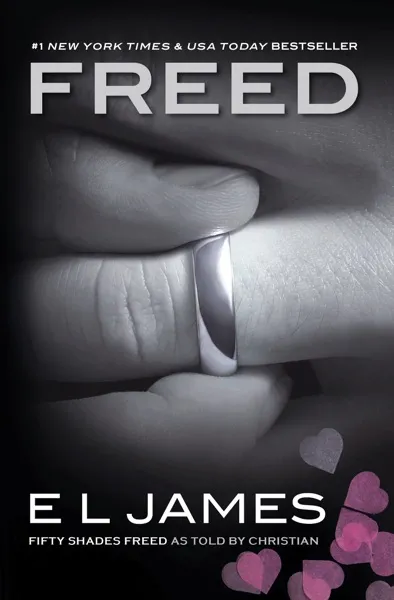

Freed Author: E. L. JamesPage Count: UnknownPublication Year: 2021-GB "Freed" by E.L. James, the concluding installment in the Fifty Shades trilogy, is a tale of love, obsession, and redemption that will leave readers breathless. Published in 2021, this novel brings the tumultuous journey of Anastasia Steele and Christian Grey to a close, wrapping up years of passion, power struggles, and emotional turmoil. At its core, "Freed" is a story about freedom—not just the physical kind, but the emotional and psychological liberation that comes from love, trust, and self-acceptance. Anastasia and Christian’s relationship has always been fraught with power imbalances, secrets, and the lingering shadows of Christian’s traumatic past. In this final book, James explores whether true freedom can exist within the confines of such a complex relationship. Can Anastasia break free from the chains of Christian’s control while still loving him? Can Christian overcome his demons to give her the partnership she deserves? These questions drive the narrative, making "Freed" more than just a romance—it’s a psychological and emotional odyssey. James’ signature style is unmistakable: lush, sensual prose that immerses readers in the intensity of the characters’ emotions. Her writing is undeniably addictive, with a rhythm that mirrors the ebb and flow of a passionate relationship. The dialogue crackles with tension, and the internal monologues of Anastasia and Christian lay bare their vulnerabilities, fears, and desires. James excels at creating a sense of intimacy, making readers feel as though they are privy to the most private moments of the protagonists’ lives. However, "Freed" is not without its flaws. Some critics argue that the characters’ flaws—particularly Christian’s controlling nature—are never fully resolved in a way that feels satisfying. While the book attempts to address his past trauma and its impact on their relationship, it sometimes feels like these issues are glossed over rather than deeply explored. Anastasia, too, often feels like a passive participant in her own story, reacting to Christian’s actions rather than driving the narrative forward. This can make their dynamic frustrating at times, as the power imbalance that defined their relationship remains unresolved. Yet, these imperfections do not detract from the overall allure of "Freed." James’ ability to tap into the primal emotions of love, desire, and fear is undeniable. The novel’s strength lies in its emotional rawness—readers will find themselves laughing, crying, and holding their breath as Anastasia and Christian navigate the final hurdles of their relationship. The book’s pacing is relentless, with each chapter pulling you deeper into their world, making it nearly impossible to put down. One of the most compelling aspects of "Freed" is its exploration of redemption. Christian’s journey is particularly poignant, as he grapples with the ghosts of his past and the realization that his need for control stems from a place of deep-seated pain. His evolution—though sometimes uneven—offers a glimmer of hope that he can change, that he can learn to love Anastasia in a way that liberates rather than constrains her. Anastasia, too, undergoes a transformation, finding her voice and asserting her independence in ways she never thought possible. James’ writing is at its best when it delves into the complexities of their relationship. The scenes of passion and intimacy are vivid and evocative, but it’s the quieter moments—where the characters confront their fears and insecurities—that truly resonate. These moments of vulnerability are what make "Freed" more than just a steamy romance; they elevate it to a story about the redemptive power of love. In the end, "Freed" delivers what fans of the series have been waiting for: a conclusion to Anastasia and Christian’s story. Whether it’s a satisfying one depends on the reader. Some will appreciate the emotional depth and the promise of a future together, while others may find the resolution too neat, too rushed. But one thing is certain—James’ ability to craft a narrative that is both gripping and emotionally charged ensures that "Freed" will leave a lasting impression. For those who have followed the Fifty Shades saga from the beginning, "Freed" is a bittersweet farewell. It’s a story about the messy, complicated, and sometimes painful journey toward love and freedom. And in that, it is undeniably compelling. #Freed #FiftyShadesSeries #ELEames #RomanceNovel #LoveAndRedemption #ChristianGrey Related InsightsHunted Book Review and Summary Words of Radiance Book Review and Summary Adam and Eve Book Review and Summary{ "@context": "https://schema.org", "@type": "FAQPage", "mainEntity": [ { "@type": "Question", "name": "What is the main focus of Freed Book Review and Summary?", "acceptedAnswer": { "@type": "Answer", "text": "Everything you need to know about Freed with our detailed review." } }, { "@type": "Question", "name": "Who authored the comprehensive guide on Freed Book Review and Summary?", "acceptedAnswer": { "@type": "Answer", "text": "This detailed article and its insights were carefully researched and authored by Camille Dubois." } }, { "@type": "Question", "name": "Where can I find more related content about Books?", "acceptedAnswer": { "@type": "Answer", "text": "You can explore more articles, detailed reviews, and similar insights by browsing the Related Insights section at the bottom of this article or visiting our dedicated Books category page." } } ] }
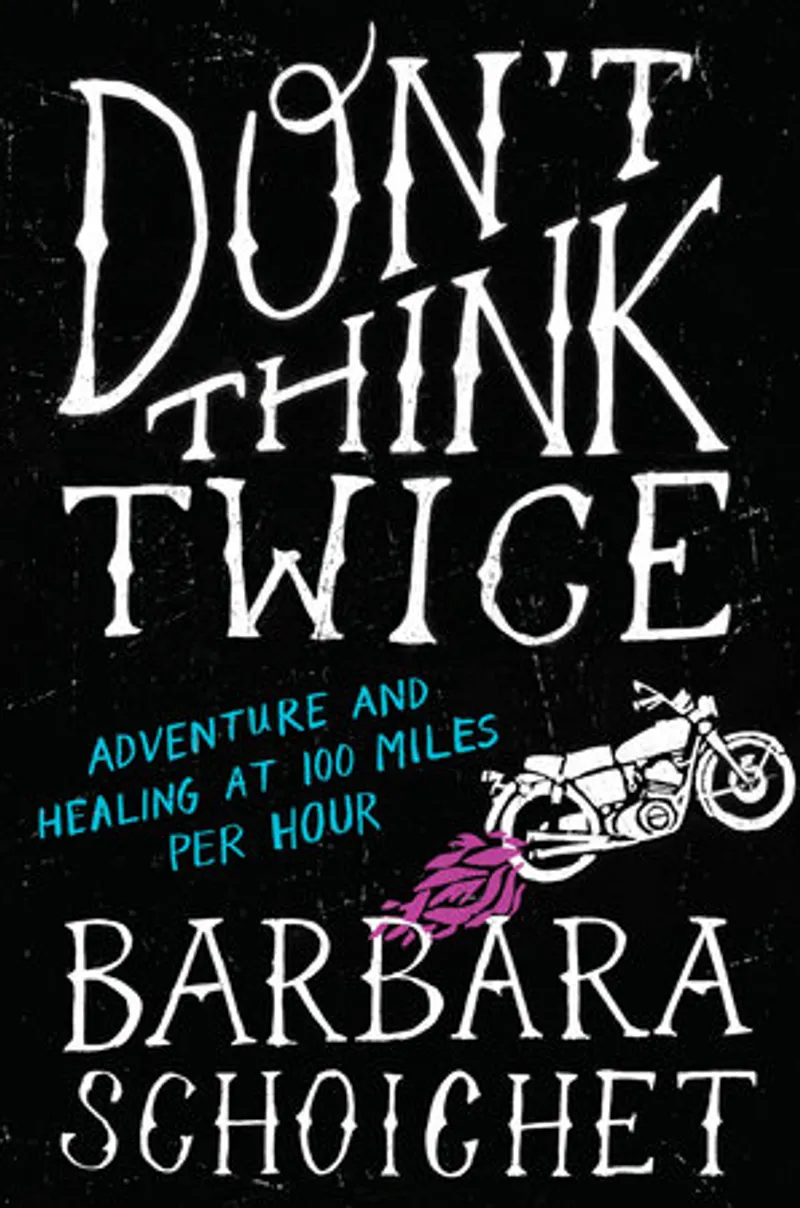
Don't Think Twice Author: Barbara SchoichetPage Count: UnknownPublication Date: 2016-PRH Barbara Schoichet’s Don’t Think Twice is a raw, roaring testament to the idea that sometimes, the only way out is straight through. At fifty, with her life in tatters—job gone, long-term relationship dissolved, and her mother dead from pancreatic cancer—Schoichet does the unthinkable: she buys a Harley on eBay from two guys named Dave and rides it solo from New York to Los Angeles. Not because she has a plan, but because she doesn’t. Not because she’s fearless, but because she’s too exhausted to care. What unfolds is less a travelogue than a cathartic scream into the wind, a middle-aged rebellion against grief that’s as hilarious as it is heartbreaking. The book’s central theme is resilience, but not the kind that wears a polished smile and a motivational quote. Schoichet’s resilience is messy, loud, and unapologetic. It’s the kind that manifests in speeding down Route 66 at 100 mph, in laughing through tears at a stranger’s kindness, in flipping off a guy who pulls a gun because, well, why not? Grief, she suggests, isn’t something you "get over." It’s something you carry, and sometimes, the only way to keep it from crushing you is to strap it to a motorcycle and ride until your hands go numb. Schoichet’s writing style is the book’s greatest strength—and its most disarming feature. Her voice is a cocktail of sass, sorrow, and unfiltered honesty, like if Dorothy Parker had been raised on road trips and bad decisions. She doesn’t romanticize her journey; she lives it. There’s no pretentious reflection here, no forced wisdom. Instead, there’s a woman who’s just trying to stay upright on two wheels while the world tries to knock her down. Her humor is sharp, her observations keen, and her vulnerability disarming. When she writes about her mother’s death, it’s not with maudlin sentimentality but with the kind of bluntness that makes you laugh through the ache: "Grief is a greedy bastard. It takes and takes, and you just keep giving, even when you’re empty." The road itself becomes a character in the story, a living, breathing entity that Schoichet both fears and adores. The Appalachian Mountains loom like ancient sentinels, the Turquoise Trail glows with otherworldly beauty, and Route 66 hums with the ghosts of travelers past. Schoichet doesn’t just pass through these places; she engages with them, whether it’s marveling at the decadence of Graceland, getting lost in a Cadillac graveyard, or nearly getting shot over a lane change. Each stop is a microcosm of her internal journey—sometimes awe-inspiring, sometimes absurd, always real. What makes Don’t Think Twice so compelling is its refusal to shy away from the ugly parts of healing. Schoichet isn’t a hero; she’s a woman who’s one wrong turn away from disaster, emotionally and physically. Her physical limitations—aging knees, a back that protests every mile—are as much a part of the story as her emotional ones. She’s not some invincible adventurer; she’s a woman who’s scared, tired, and occasionally reckless, but who’s also, against all odds, moving forward. That’s the magic of her story: it’s not about conquering grief, but about learning to dance with it. The book’s pacing mirrors the unpredictability of the open road. One chapter, Schoichet is marveling at the quiet beauty of a desert sunset; the next, she’s recounting a near-miss with a semi-truck. The prose is lean and muscular, mirroring the motorcycle she rides—no excess, just forward motion. There’s a rawness to her storytelling that feels intimate, like she’s confiding in you over a beer at a roadside dive, not performing for an audience. Ultimately, Don’t Think Twice is a book about the audacity of starting over, even when you’re broken. It’s about the strange alchemy of pain and freedom, how sometimes the only way to feel alive is to flirt with danger. Schoichet’s journey isn’t just a physical one; it’s a spiritual reckoning, a middle finger to the idea that life should be neat and tidy by fifty. Her message is simple: when the world takes everything from you, sometimes the only thing left to do is take something back—even if it’s just the open road and a motorcycle that might kill you. If you’ve ever felt like life has knocked you flat and you’re not sure how to get up, this book is your rallying cry. It’s proof that healing isn’t linear, that sometimes the bravest thing you can do is not think twice. #RoadTripMemoir #GriefAndGrit #SoloTravel #HarleyAdventures #LateBloomingRebel #HealingOnTheHighway Related InsightsBound by Fate Book Review and Summary Shadows Reel Book Review and Summary Las nueve revelaciones / The Celestine Prophecy : An Adventure Book Review and Summary{ "@context": "https://schema.org", "@type": "FAQPage", "mainEntity": [ { "@type": "Question", "name": "What is the main focus of Think Twice Book Review and Summary?", "acceptedAnswer": { "@type": "Answer", "text": "Everything you need to know about Think Twice with our detailed review." } }, { "@type": "Question", "name": "Who authored the comprehensive guide on Think Twice Book Review and Summary?", "acceptedAnswer": { "@type": "Answer", "text": "This detailed article and its insights were carefully researched and authored by Harlan Coben." } }, { "@type": "Question", "name": "Where can I find more related content about Books?", "acceptedAnswer": { "@type": "Answer", "text": "You can explore more articles, detailed reviews, and similar insights by browsing the Related Insights section at the bottom of this article or visiting our dedicated Books category page." } } ] }
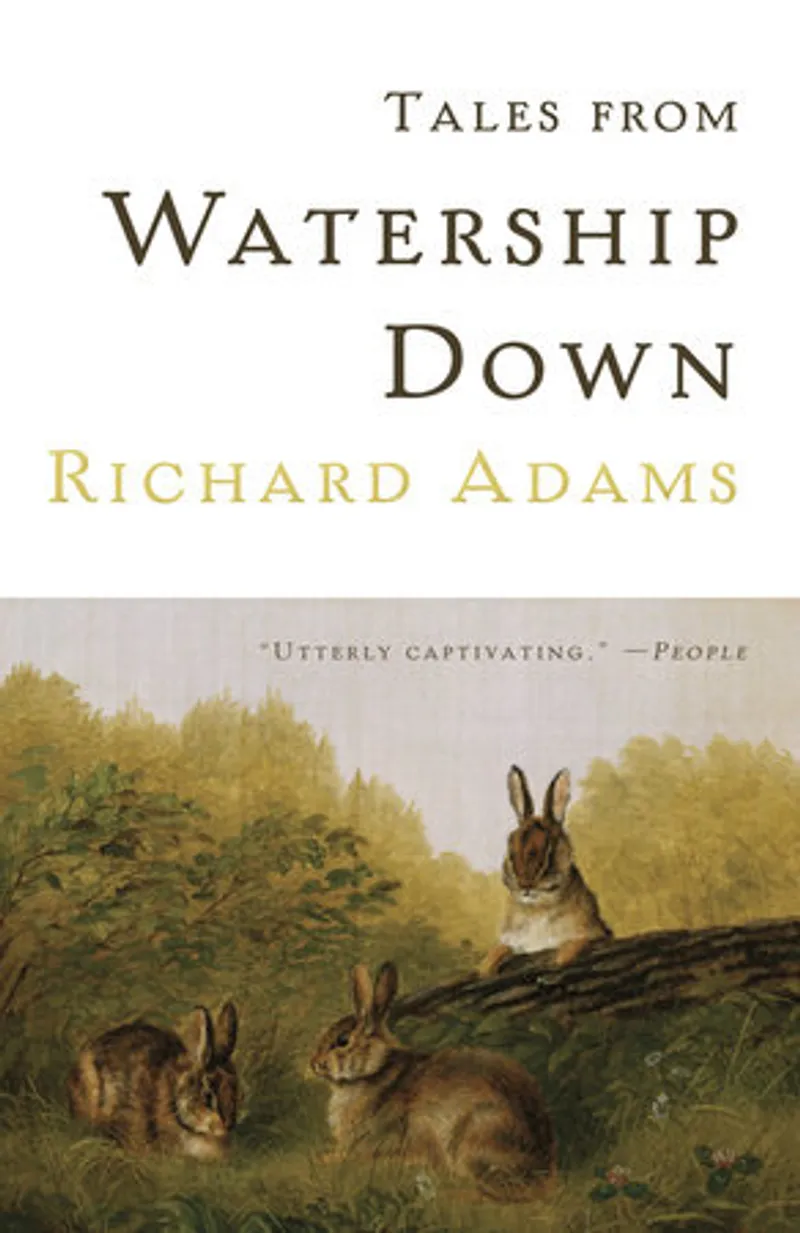
Tales from Watership Down Author: Richard AdamsPage Count: UnknownPublication Date: 2012-PRH In "Tales from Watership Down," Richard Adams masterfully weaves a captivating narrative that transports readers back to the enchanting world of rabbits he introduced in his beloved classic, "Watership Down." This spellbinding book of courage and survival is an exciting invitation to revisit a cherished world, reuniting us with the unforgettable characters of Fiver, Hazel, Bigwig, Dandelion, and the legendary hero El-ahrairah. Through a series of engaging tales, Adams recounts traditional stories of rabbit mythology, charming us once again with his imagination, heart, and wonder. The author's writing style is as captivating as ever, with his vivid descriptions of the natural world and the intricate social dynamics of rabbit society drawing readers into the narrative. Adams' masterful storytelling has the power to evoke a wide range of emotions, from the thrill of adventure to the poignancy of loss. One of the primary themes of "Tales from Watership Down" is the struggle for survival in a world fraught with danger and uncertainty. Adams skillfully explores the complexities of nature, where life and death walk a delicate balance, and the selfishness of humankind poses a constant threat to the rabbit's existence. Through the characters' experiences, the author highlights the importance of courage, perseverance, and community in the face of adversity. The characters in "Tales from Watership Down" are multidimensional and relatable, with each one bringing their unique personality and perspective to the narrative. The legendary hero El-ahrairah is as charismatic as ever, and the new heroes introduced in the book are equally well-crafted. Adams' characterization is so vivid that readers can't help but become emotionally invested in the characters' lives, sharing in their joys and sorrows. The world-building in "Tales from Watership Down" is equally impressive, with Adams expanding on the richly detailed landscape he created in "Watership Down." The author's depiction of the natural world is both beautiful and brutal, reflecting the harsh realities of life in the wild. The rabbit mythology and folklore that are woven throughout the narrative add depth and richness to the world, drawing readers into the rabbits' unique culture and way of life. In "Tales from Watership Down," Richard Adams has created a truly captivating book that will delight fans of the original classic and new readers alike. The author's writing style is engaging and accessible, making the book an enjoyable read for a wide range of audiences. The themes of survival, courage, and community are timely and thought-provoking, adding depth and complexity to the narrative. In conclusion, "Tales from Watership Down" is a spellbinding book that is sure to captivate readers with its imagination, heart, and wonder. Adams' masterful storytelling and vivid world-building make the book an exciting invitation to come home to a beloved world. If you're a fan of animal fiction, fantasy, or adventure stories, then "Tales from Watership Down" is definitely a must-read. #WatershipDown #RichardAdams #AnimalFiction #FantasyLiterature #RabbitMythology #ClassicSequel Related InsightsBlade of Two Faces (The Imperial Trials, 1) Book Review and Summary There Are No Giant Crabs in This Novel: A Novel of Giant Crabs (John Dies at the End, #5) Book Review and Summary Taking the Stand Book Review and Summary{ "@context": "https://schema.org", "@type": "FAQPage", "mainEntity": [ { "@type": "Question", "name": "What is the main focus of Watership Down Book Review and Summary?", "acceptedAnswer": { "@type": "Answer", "text": "Everything you need to know about Watership Down with our detailed review." } }, { "@type": "Question", "name": "Who authored the comprehensive guide on Watership Down Book Review and Summary?", "acceptedAnswer": { "@type": "Answer", "text": "This detailed article and its insights were carefully researched and authored by Richard Adams." } }, { "@type": "Question", "name": "Where can I find more related content about Books?", "acceptedAnswer": { "@type": "Answer", "text": "You can explore more articles, detailed reviews, and similar insights by browsing the Related Insights section at the bottom of this article or visiting our dedicated Books category page." } } ] }
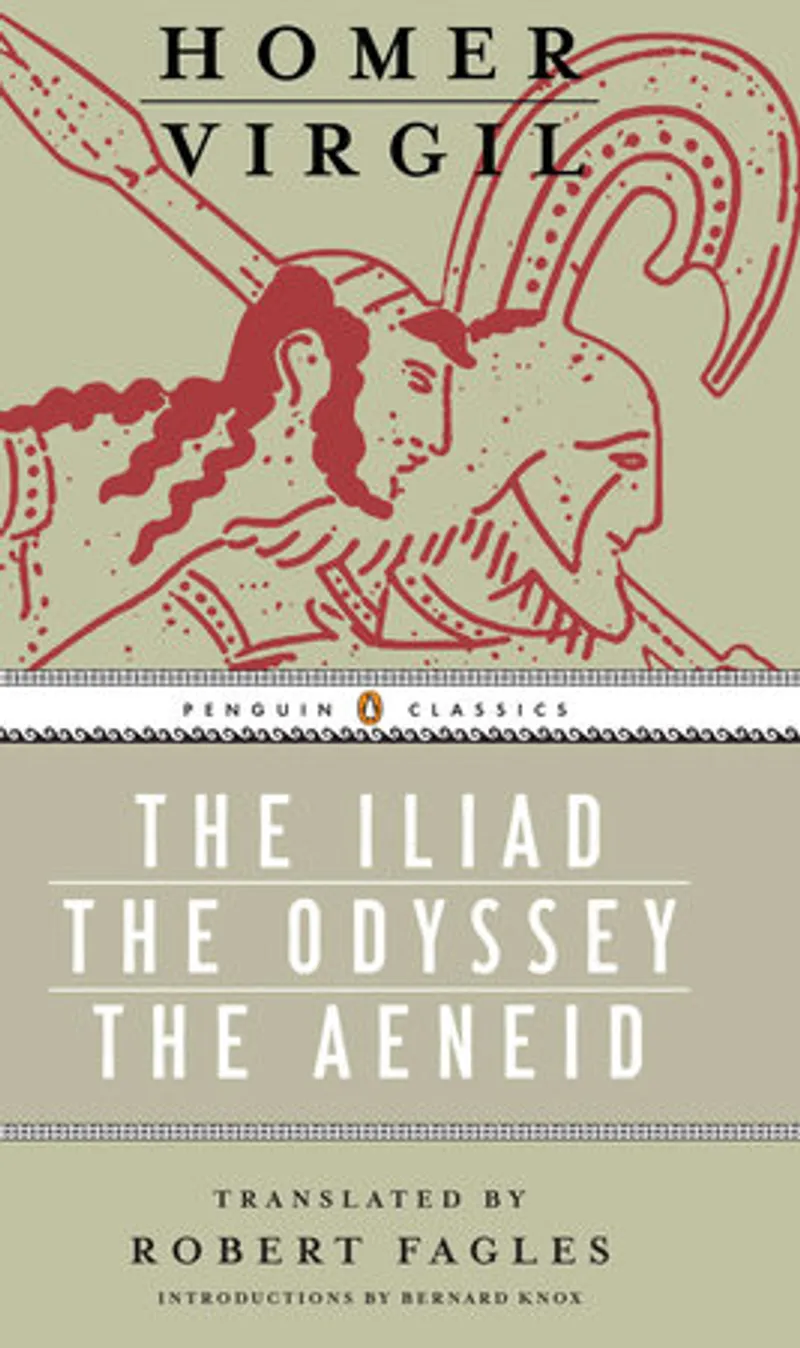
The Iliad, The Odyssey, and The Aeneid Box Set Author: VirgilPage Count: UnknownPublication Date: 2009-PRH The Iliad, The Odyssey, and The Aeneid Box Set, featuring Robert Fagles's award-winning translations, is a literary treasure that embodies the essence of Western literature. This exquisite collection brings together three epic poems that have shaped the course of human imagination and artistic expression. At the heart of this magnificent box set lies the masterful storytelling of Homer and Virgil, two of the greatest poets of the ancient world. Fagles's translations breathe new life into these timeless classics, infusing them with a freshness and vitality that resonates with modern readers. His interpretations are not mere renderings of the original texts but rather a deep understanding of the poets' visions, which he conveys with remarkable nuance and precision. The Iliad and The Odyssey, attributed to Homer, are foundational works of Western literature that explore the human condition in the face of war, loss, and the search for identity. The Iliad, with its focus on the Trojan War, delves into the complexities of honor, pride, and the devastating consequences of conflict. The Odyssey, on the other hand, follows the journey of Odysseus as he navigates the challenges of homecoming, confronting the darkness within himself and the world around him. Virgil's The Aeneid, written centuries later, is a profound meditation on the nature of empire, power, and the human experience. This epic poem tells the story of Aeneas, a Trojan hero who travels to Italy and becomes the ancestor of the Roman people. Through Aeneas's struggles and triumphs, Virgil explores the tensions between fate and free will, duty and desire, and the enduring legacy of Rome. Fagles's translations of these epic poems are characterized by their lyricism, clarity, and emotional depth. He captures the musicality of the original texts, conveying the rhythmic cadences and poetic flourishes that have made these works beloved for millennia. His language is both elegant and accessible, making these complex and nuanced poems feel approachable and engaging to readers who may be unfamiliar with the original texts. One of the most striking aspects of this box set is the way it highlights the connections and continuities between these three epic poems. Despite being written in different times and contexts, they share a common concern with the human condition, exploring fundamental questions about identity, morality, and the search for meaning. Through Fagles's translations, we can appreciate the ways in which these poems converse with one another, forming a rich and complex tapestry of ideas and emotions. The inclusion of Bernard Knox's introductions to each volume adds an additional layer of depth and insight to this collection. Knox's scholarship and expertise provide a valuable framework for understanding the historical and cultural contexts in which these poems were written, as well as their enduring relevance to contemporary readers. In conclusion, The Iliad, The Odyssey, and The Aeneid Box Set is a literary masterpiece that deserves to be cherished and celebrated. Fagles's translations are a triumph of scholarship and artistry, and this collection is a testament to the power of great literature to transcend time and touch our hearts and minds. Whether you are a seasoned classicist or a newcomer to these epic poems, this box set is an unforgettable reading experience that will leave you in awe of the beauty, wisdom, and timelessness of these ancient masterpieces. #TheIliad #TheOdyssey #TheAeneid #EpicPoetry #ClassicsReimagined #LiteraryMasterpieces Related InsightsAllegiant Book Review and Summary The Paris Files: A Novel Book Review and Summary A Breath of Snow and Ashes Book Review and Summary{ "@context": "https://schema.org", "@type": "FAQPage", "mainEntity": [ { "@type": "Question", "name": "What is the main focus of The Aeneid Book Review and Summary?", "acceptedAnswer": { "@type": "Answer", "text": "Everything you need to know about The Aeneid with our detailed review." } }, { "@type": "Question", "name": "Who authored the comprehensive guide on The Aeneid Book Review and Summary?", "acceptedAnswer": { "@type": "Answer", "text": "This detailed article and its insights were carefully researched and authored by Virgil." } }, { "@type": "Question", "name": "Where can I find more related content about Books?", "acceptedAnswer": { "@type": "Answer", "text": "You can explore more articles, detailed reviews, and similar insights by browsing the Related Insights section at the bottom of this article or visiting our dedicated Books category page." } } ] }
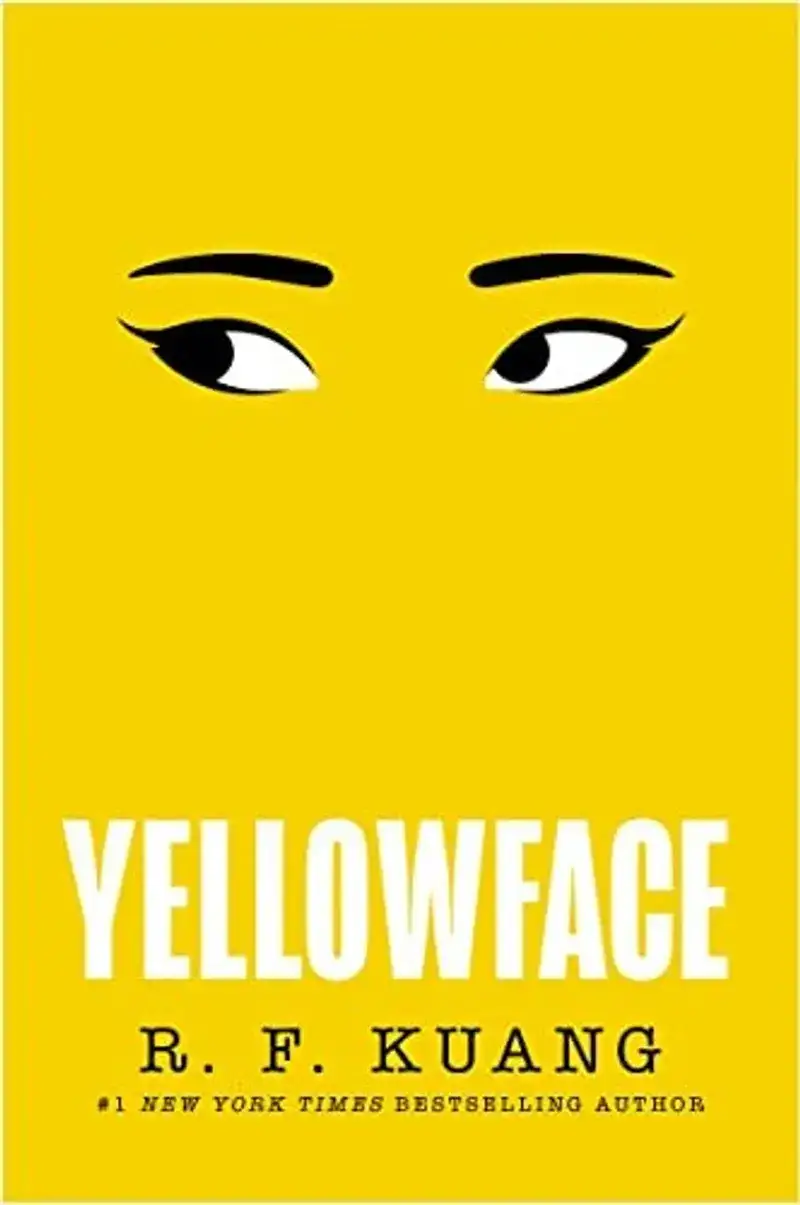

Yellowface Author: R. F. KuangPage Count: UnknownPublication Date: 2023-OL R.F. Kuang’s Yellowface is a literary Molotov cocktail disguised as a novel—sharp, acidic, and impossible to ignore. It detonates in your hands the moment you realize the narrator, June Hayward, is not just an unreliable guide through the cutthroat world of publishing but a villain straight out of a morality play. This is satire so biting it reads like truth serum, a first-person confession that forces you to confront the rot beneath the glitter of literary success. At its core, Yellowface is a dissection of cultural appropriation, but not the kind that unfolds in polite academic debates. Kuang weaponizes June’s voice—a white woman who weaponizes her own mediocrity by stealing the identity and labor of a dead Asian American author, Athena Liu. June doesn’t just misappropriate Athena’s story; she weaponizes it, rebranding herself as "Juniper Song," a pseudonymous genius of Asian American literature she neither is nor understands. The novel’s genius lies in how it forces the reader to inhabit June’s delusional self-justification. She doesn’t see herself as a thief; she sees herself as an artist who “deserves” the recognition Athena received simply by virtue of outlasting her. “Who wants stories about basic white girls?” June sneers, as if her whiteness isn’t the very foundation of the system that elevates her while Athena, brilliant and marginalized, is left behind. Kuang’s prose is a masterclass in toxic charm. June’s narration is a slurry of insecurity, entitlement, and performative wokeness, delivered in a voice that oscillates between self-pity and narcissism. She’s the kind of narrator who makes you cringe and laugh in the same breath because her delusions are so transparently human. When she recites hollow platitudes about diversity while exploiting Athena’s work, Kuang exposes the performative allyship that plagues literary circles. June doesn’t just want Athena’s book; she wants Athena’s identity, her trauma, her cultural capital—everything June herself lacks and resents. The horror isn’t just that June steals the work; it’s that she believes she’s entitled to it. The novel’s critique extends beyond individual malice to the systems that enable it. Publishing’s obsession with diversity is rendered as a grotesque farce. June’s publisher rebrands her with an “ambiguously ethnic” author photo, capitalizing on the demand for Asian American voices while sidelining the actual Asian American authors who created them. Kuang implicates not just June but the entire industry that rewards exploitation over integrity. The New York Times bestseller list isn’t a measure of merit; it’s a monument to June’s audacity, a monument built on stolen ground. What makes Yellowface so unsettling is its prescience. Kuang doesn’t need to exaggerate the publishing world’s hypocrisy because the real world already exceeds fiction. The novel’s social media subplot—a viral tweet about Athena’s stolen work—feels like a direct echo of real-life controversies where marginalized voices are erased by those who claim to amplify them. June’s panic isn’t just about losing her career; it’s about losing her carefully constructed identity as a “progressive” writer who gets to decide which stories are worthy of being told. Kuang’s style is deceptively accessible. The novel reads like a fever dream of viral tweets and backstage industry gossip, laced with June’s delusional inner monologue. It’s the kind of book you devour in one sitting, not because it’s comforting, but because it’s compulsively readable—like watching a car crash in slow motion while the driver insists they’re in control. Ultimately, Yellowface is a cautionary tale about the cost of unchecked entitlement. June isn’t a mustache-twirling villain; she’s a product of a system that rewards theft as long as the thief is charming enough. Kuang forces us to ask: Who gets to tell which stories? And more importantly, who decides? The answers aren’t pretty, but Yellowface doesn’t flinch. It’s a novel that will leave you questioning every book you’ve ever loved—and every author whose work you’ve uncritically celebrated. #Yellowface #BookTok #CulturalAppropriation #LiteraryFiction #PublishingIndustry #RFKuang Related InsightsSuch Charming Liars Book Review and Summary Boleyn Traitor Book Review and Summary Down Bad (The New Romantics, #2) Book Review and Summary{ "@context": "https://schema.org", "@type": "FAQPage", "mainEntity": [ { "@type": "Question", "name": "What is the main focus of Yellowface Book Review and Summary?", "acceptedAnswer": { "@type": "Answer", "text": "Everything you need to know about Yellowface with our detailed review." } }, { "@type": "Question", "name": "Who authored the comprehensive guide on Yellowface Book Review and Summary?", "acceptedAnswer": { "@type": "Answer", "text": "This detailed article and its insights were carefully researched and authored by Olya Shevchenko." } }, { "@type": "Question", "name": "Where can I find more related content about Books?", "acceptedAnswer": { "@type": "Answer", "text": "You can explore more articles, detailed reviews, and similar insights by browsing the Related Insights section at the bottom of this article or visiting our dedicated Books category page." } } ] }
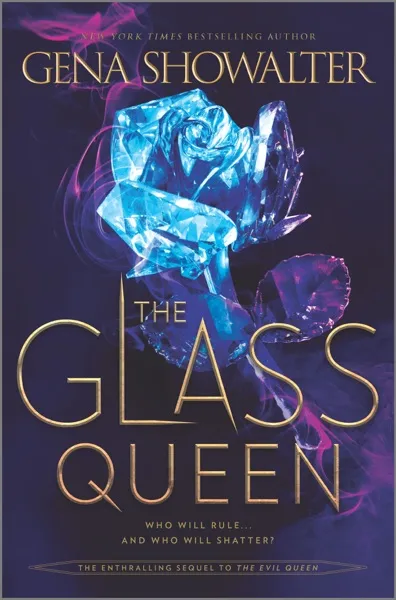
Glass Queen Author: Gena Showalter,Page Count: UnknownPublication Year: 2020-GB Glass Queen: A Dazzling, Dark Fantasy Where Power and Fragility Collide Gena Showalter’s Glass Queen (2020) is a glittering yet razor-sharp fantasy that blends the allure of high-stakes magic with the raw vulnerability of its protagonist. As a global bestseller, the novel cements Showalter’s reputation as a master of emotional, high-octane storytelling—a trait she wields with devastating precision in this tale of a woman who must shatter to rise. At its core, Glass Queen is a story about survival, identity, and the paradox of strength: the harder you fight to stay intact, the more likely you are to crack. The protagonist, Princess Adara, is a character carved from contradiction. She is the last in a bloodline of sorcerers who once ruled with unbreakable magic, now reduced to a fragile shell due to a curse that turns her bones to glass. Showalter’s genius lies in making Adara’s fragility her greatest weapon. Unlike the archetypal "chosen one" who wields power effortlessly, Adara’s magic is a double-edged sword—literally. Her every movement risks fracture, her every emotion a potential shatterpoint. This vulnerability isn’t just a plot device; it’s the emotional engine of the story, forcing readers to confront uncomfortable truths about resilience. What does it mean to be strong when your body is a liability? How much of yourself are you willing to break to save what’s left? Showalter’s prose is as polished as Adara’s cursed bones—sharp, vivid, and laced with a dark humor that cuts through the tension. Her writing thrives on contrasts: the opulence of courtly intrigue versus the grittiness of survival, the warmth of fleeting human connections against the cold calculations of power. The dialogue crackles with wit, particularly in the banter between Adara and her reluctant allies, whose loyalty is as precarious as the princess herself. Yet beneath the snark and spectacle, there’s a haunting melancholy. Showalter doesn’t shy away from exploring grief—whether it’s the loss of a kingdom, a loved one, or a version of oneself that no longer exists. The worldbuilding is equally compelling, though it serves primarily as a stage for Adara’s internal struggle. The kingdom of Iceanea, with its towering glass spires and treacherous politics, feels like a character in its own right—a frozen kingdom where beauty is as lethal as the blades in the dark. The magic system, rooted in bloodlines and curses, is inventive without being overly complex, allowing the focus to remain on Adara’s personal odyssey. Showalter excels at weaving personal stakes into larger conflicts, making the fate of a kingdom feel intimately tied to one woman’s fractured heart. What elevates Glass Queen beyond a mere fantasy romance is its refusal to offer easy answers. Adara’s journey isn’t about reclaiming her throne or mastering her magic—it’s about learning to exist in the in-between, where strength isn’t measured by unbreakability but by the courage to stay standing even when every step threatens to destroy you. The novel’s climax is a masterclass in emotional payoff, where victory isn’t celebrated with fanfare but with the quiet relief of a bruised survivor making it through another day. Showalter’s style is unmistakable: a blend of raw emotion and razor-sharp pacing, where every chapter feels like a duel—both external and internal. She doesn’t just tell a story; she immerses you in it, making you ache with Adara’s pain and cheer her on as she stumbles forward. Glass Queen is a testament to the idea that sometimes, the most powerful magic isn’t the kind that heals or destroys, but the kind that simply is—fragile, flawed, and fiercely alive. If you love dark fantasies that dig into the soul as much as they do into swordplay, if you’ve ever admired a heroine who’s as broken as she is brilliant, then Glass Queen is your next obsession. It’s a book that reminds you that even glass can reflect light—and that light is worth protecting, even if it means risking the cracks. #GlassQueen #DarkFantasy #GenaShowalter #FracturedHeroine #FantasyRomance #ShatterToRise Related InsightsBoy Who Cried Bear Book Review and Summary A Tree Grows in Brooklyn Book Review and Summary Camera Stays On Book Review and Summary{ "@context": "https://schema.org", "@type": "FAQPage", "mainEntity": [ { "@type": "Question", "name": "What is the main focus of Glass Queen Book Review and Summary?", "acceptedAnswer": { "@type": "Answer", "text": "Everything you need to know about Glass Queen with our detailed review." } }, { "@type": "Question", "name": "Who authored the comprehensive guide on Glass Queen Book Review and Summary?", "acceptedAnswer": { "@type": "Answer", "text": "This detailed article and its insights were carefully researched and authored by Antoine Leroy." } }, { "@type": "Question", "name": "Where can I find more related content about Books?", "acceptedAnswer": { "@type": "Answer", "text": "You can explore more articles, detailed reviews, and similar insights by browsing the Related Insights section at the bottom of this article or visiting our dedicated Books category page." } } ] }
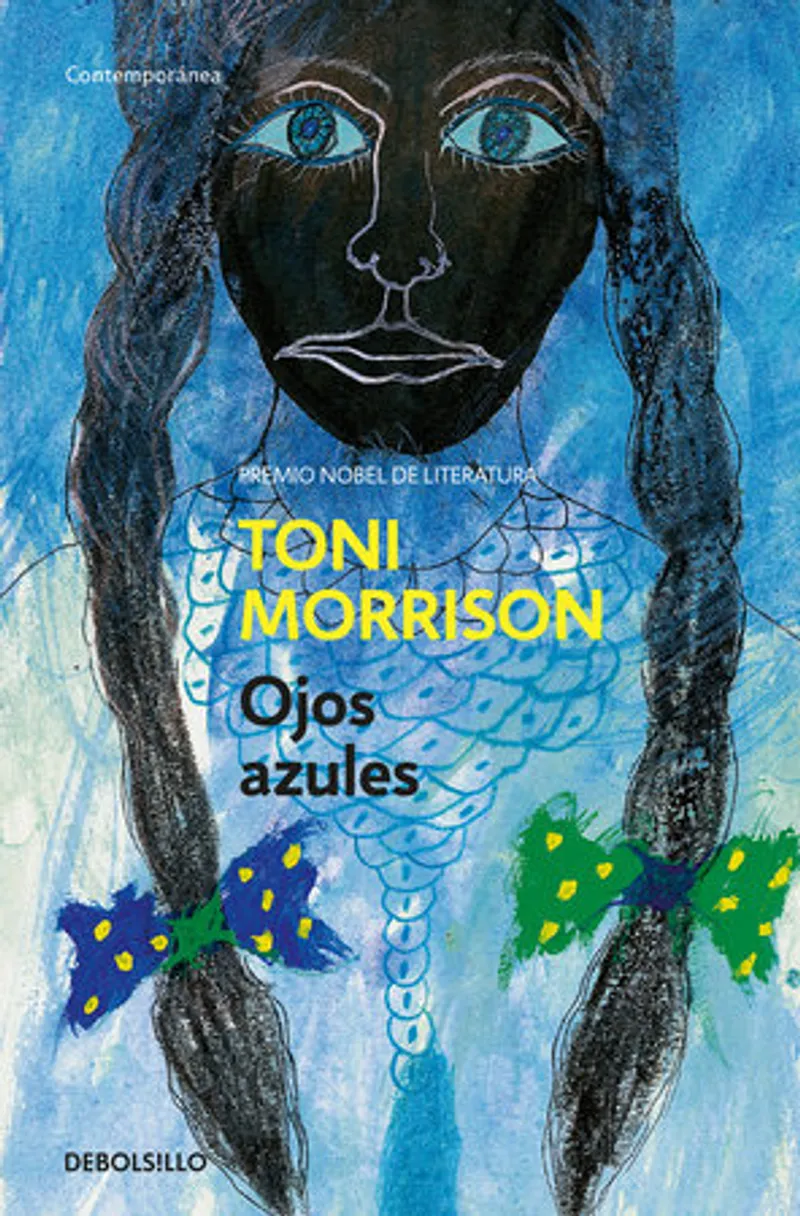
Ojos azules / The Bluest Eye Author: Toni MorrisonPage Count: UnknownPublication Date: 2022-PRH In the hauntingly beautiful "The Bluest Eye", Toni Morrison weaves a poignant tale of self-discovery, internalized racism, and the unrelenting pursuit of an unattainable beauty standard. This powerful novel, Morrison's acclaimed first, delves into the complexities of a society that reveres blue-eyed, blonde-haired children, leaving those who don't fit this mold to navigate a world of devastating rejection. At the heart of the story is Pecola Breedlove, an 11-year-old black girl who prays fervently for her eyes to turn blue. Her desire is not merely a childish whim but a desperate attempt to escape the cruel realities of her world. Pecola's obsession with blue eyes is a scathing critique of the societal beauty standards that devalue blackness. Through Pecola's narrative, Morrison masterfully exposes the ways in which internalized racism can erode a child's sense of self-worth, leaving her vulnerable to the whims of a society that deems her inferior. Morrison's writing is a triumph of lyrical prose, with a precision that is both faithful to the spoken word and charged with a deep sense of pain and wonder. Her use of language is akin to poetry, imbuing the narrative with a musical quality that is both haunting and beautiful. The characters in "The Bluest Eye" are multidimensional and complex, with Pecola's narrative serving as a powerful counterpoint to the societal norms that seek to define her. One of the most striking aspects of Morrison's writing is her ability to balance the harsh realities of Pecola's world with a deep sense of empathy and understanding. This is a novel that is unflinching in its portrayal of racism, poverty, and the destructive nature of internalized beauty standards. Yet, even in the midst of such devastation, Morrison's prose is infused with a sense of hope and resilience. Through Pecola's story, Morrison raises important questions about the nature of beauty, identity, and the human condition. What does it mean to be beautiful in a society that values whiteness above all else? How do we reconcile our own sense of self-worth with the societal norms that seek to define us? These are questions that are just as relevant today as they were when the novel was first published. In "The Bluest Eye", Morrison has created a masterpiece of contemporary literature that is both a powerful indictment of societal beauty standards and a testament to the enduring power of the human spirit. This is a novel that will leave readers moved, disturbed, and ultimately, transformed. #TheBluestEye #ToniMorrison #NobelPrizeWinner #RacismAndBeauty #InternalizedRacism #BlackLiteratureMatters Related InsightsThe Signal and the Noise Book Review and Summary B1 And now you're speaking Book Review and Summary Julius Caesar Book Review and Summary{ "@context": "https://schema.org", "@type": "FAQPage", "mainEntity": [ { "@type": "Question", "name": "What is the main focus of The Bluest Eye Book Review and Summary?", "acceptedAnswer": { "@type": "Answer", "text": "Everything you need to know about The Bluest Eye with our detailed review." } }, { "@type": "Question", "name": "Who authored the comprehensive guide on The Bluest Eye Book Review and Summary?", "acceptedAnswer": { "@type": "Answer", "text": "This detailed article and its insights were carefully researched and authored by Toni Morrison." } }, { "@type": "Question", "name": "Where can I find more related content about Books?", "acceptedAnswer": { "@type": "Answer", "text": "You can explore more articles, detailed reviews, and similar insights by browsing the Related Insights section at the bottom of this article or visiting our dedicated Books category page." } } ] }
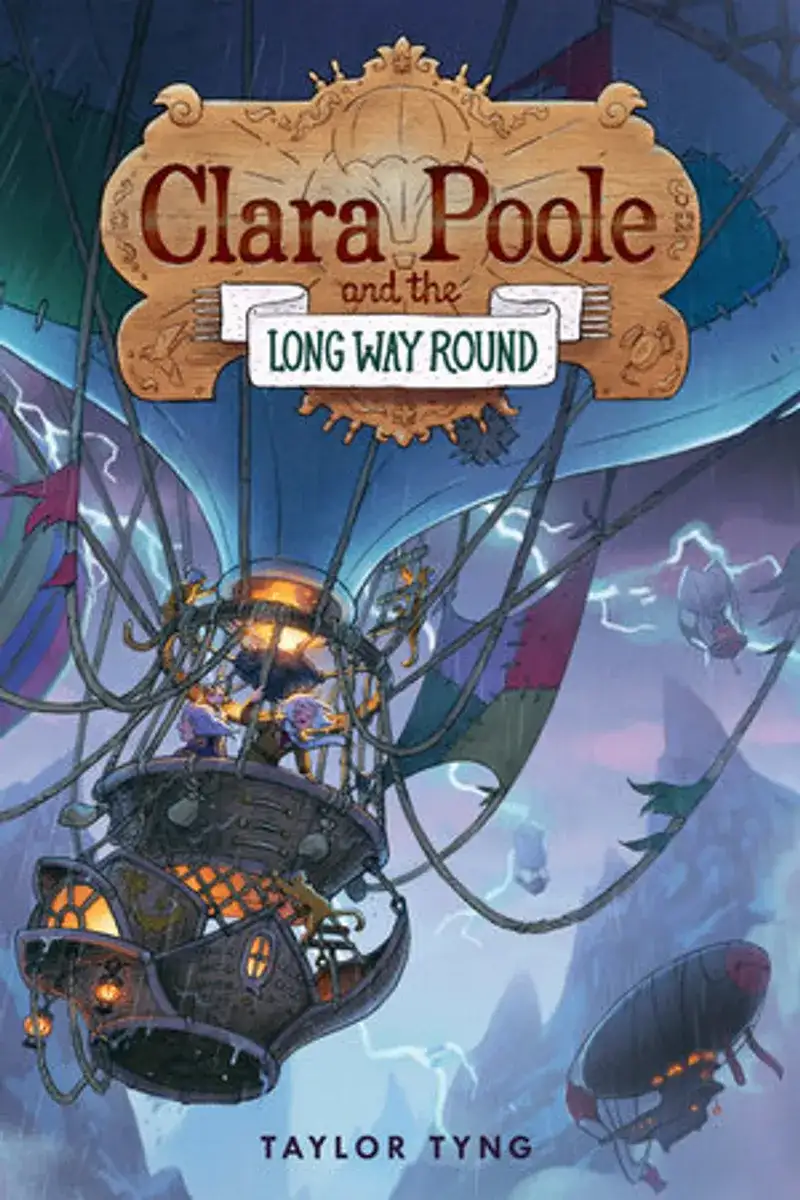

Clara Poole and the Long Way Round Author: Taylor TyngPage Count: UnknownPublication Date: 2024-PRH Clara Poole and the Long Way Round is a sparkling, high-flying debut that crackles with invention, heart, and the kind of relentless momentum that would make even Phileas Fogg check his watch. Taylor Tyng has crafted a middle-grade adventure that feels like a love letter to the golden age of around-the-world escapades, tempered by the emotional honesty of contemporary middle school life. The book is a quicksilver mix of slapstick humor, nail-biting peril, and a quietly devastating portrait of grief and self-forgiveness—all wrapped in prose that sings like a hot-air balloon catching a thermal. It’s Mr. Lemoncello meets The Amazing Race, but with a soul that lingers long after the last flag is captured. At its core, Clara Poole and the Long Way Round is about daring to live after loss. Clara’s mother died in a ballooning accident when Clara was just a child, and her father’s suffocating protectiveness has kept her earthbound ever since. Yet when her science project—a lawn chair tethered to weather balloons—accidentally lifts her over the Michigan countryside, Clara finds herself catapulted into a global race that demands courage, adaptability, and trust. Tyng beautifully frames the race not just as a physical challenge, but as a metaphorical journey toward emotional liberation. Each stage of the competition forces Clara to confront her fears: the jagged peaks of Nepal, the shifting dunes of the Sahara, the ring of fire in Hong Kong. But the real fireworks happen in Clara’s heart—when she learns that forgiving herself isn’t a solo act, that healing begins with leaning on others, even when they’ve been hurtful or absent. Tyng’s prose is one of the novel’s greatest strengths. It zips along with the speed of a racing balloon, full of punchy dialogue, vivid sensory detail, and a wry, self-aware humor that never condescends to its young audience. Clara is a narrator you want to root for immediately—clever, impulsive, and achingly human. Her voice is authentic, peppered with the kind of internal monologue that feels like eavesdropping on a bright, restless mind: “I didn’t run away to prove I could do it alone. I ran away because I was tired of being afraid.” Yet she’s not a perfect hero. Her impulsiveness leads to reckless decisions, and her emotional walls make her slow to trust her partner, the gruff and reluctant aeronaut, Captain Elias Voss. Their relationship is the emotional engine of the book, a slow-burn dynamic built on mutual exasperation and reluctant respect. Their dialogue crackles with tension—Voss’s gruffness masking a deep protectiveness, Clara’s stubbornness hiding a desperate need to prove she’s more than her grief. What sets Clara Poole apart is its refusal to sugarcoat hardship. The race is genuinely dangerous—balloon malfunctions, sabotage, near-fatal storms—and Tyng doesn’t shy away from the physical and emotional toll. Clara isn’t just racing against other teams; she’s racing against her own memories, her father’s grief, and the specter of her mother’s absence. Yet the book never feels bleak. The humor is abundant: a rival team named the “Dust Bunnies” who travel in a converted food truck, a maybe-wedding in the Sahara that devolves into a camel race, and a VIP lounge that serves nothing but plain oatmeal. These moments aren’t just comic relief—they’re proof that joy and sorrow can coexist, that life goes on even when it hurts. Tyng’s world-building is rich and immersive, painting a global tapestry with deft strokes. From the misty hills of Nepal to the neon-lit streets of Hong Kong, each location feels vivid and lived-in, infused with cultural details that never feel like window dressing. The international cast of competitors—each with their own quirks, dreams, and backstories—adds depth and diversity, making the race feel like a microcosm of the world itself. Clara’s journey isn’t just about winning; it’s about learning to belong to something bigger than herself. The emotional climax, when Clara finally faces the accident that took her mother, is handled with extraordinary tenderness. It’s not a moment of sudden catharsis, but a quiet, hard-won realization that healing isn’t about forgetting or excusing past pain—it’s about accepting it, carrying it, and choosing to move forward anyway. In that sense, Clara Poole and the Long Way Round transcends the adventure genre. It’s a story about the courage it takes to let go of fear, to trust others, and to forgive—not just others, but ourselves. Taylor Tyng has written a book that’s as smart as it is fun, as heartfelt as it is thrilling. It’s the kind of story that makes you want to leap out of your chair and into the nearest balloon, even if you’ve never left the ground. Clara Poole isn’t just a character; she’s a friend, a reminder that sometimes the bravest thing you can do is run toward what scares you—even when the skies are full of unknowns. #ClaraPooleAndTheLongWayRound #MiddleGradeAdventure #BalloonRaceAroundTheWorld #TaylorTyng #MGBooks #KidsFictionAdventure Related InsightsI'll Be Waiting Book Review and Summary The No. 1 Ladies' Detective Agency Book Review and Summary Ellie Ellie Book Review and Summary{ "@context": "https://schema.org", "@type": "FAQPage", "mainEntity": [ { "@type": "Question", "name": "What is the main focus of Clara Poole and the Long Way Round Book Review and Summary?", "acceptedAnswer": { "@type": "Answer", "text": "Everything you need to know about Clara Poole and the Long Way Round with our detailed review." } }, { "@type": "Question", "name": "Who authored the comprehensive guide on Clara Poole and the Long Way Round Book Review and Summary?", "acceptedAnswer": { "@type": "Answer", "text": "This detailed article and its insights were carefully researched and authored by Beatriz Costa." } }, { "@type": "Question", "name": "Where can I find more related content about Books?", "acceptedAnswer": { "@type": "Answer", "text": "You can explore more articles, detailed reviews, and similar insights by browsing the Related Insights section at the bottom of this article or visiting our dedicated Books category page." } } ] }