Showing Posts From
Books

Shipping Lords and Coolie Stokers Author: Ravi AhujaPage Count: UnknownPublication Date: 2024-PRH In "Shipping Lords and Coolie Stokers," Ravi Ahuja delves into the tragic 1922 shipwreck of the Royal Mail ship Egypt, which resulted in the loss of 87 lives, and the subsequent racist backlash against Indian seafarers who made up the majority of the crew. This incident serves as a catalyst for Ahuja's exploration of the deeply ingrained racist labor management practices prevalent in the British mercantile marine during the age of imperialism. Ahuja's meticulous research and astute analysis shed light on the business logic that underpinned the recruitment of Indian seafarers, who comprised a significant portion of the workforce. He skillfully exposes the contradictions inherent in a system that relied heavily on the labor of colonized subjects while perpetuating racist attitudes and discriminatory practices. The author's nuanced understanding of the complex power dynamics at play is evident in his thoughtful examination of the scope for solidarity among a divided workforce. One of the most striking aspects of Ahuja's writing is his ability to balance historical detail with a clear and concise narrative voice. His prose is engaging and accessible, making the book an enjoyable read for both scholars and non-experts alike. The author's commitment to shedding light on the experiences of marginalized groups is evident throughout the text, and his analysis is both thought-provoking and timely. Ahuja's work is a powerful reminder that the issues of racism, labor exploitation, and solidarity are just as relevant today as they were during the age of imperialism. The book serves as a sobering reminder of the need for continued vigilance and activism in the face of systemic injustices. Through his masterful analysis of the past, Ahuja offers a compelling call to action for the present. Overall, "Shipping Lords and Coolie Stokers" is a tour de force of historical scholarship and a testament to the enduring power of critical inquiry. Ahuja's work is a must-read for anyone interested in the complex and often fraught history of labor, imperialism, and racism. #RacismInTheWorkplace #LaborHistory #ImperialismAndItsLegacy #ShippingAndSailors #IndianSeafarers #ColonialismAndItsConsequences Related InsightsTrust Fall Book Review and Summary Clockwork Angel Book Review and Summary Are You There God? It’s Me, Margaret Book Review and Summary{ "@context": "https://schema.org", "@type": "FAQPage", "mainEntity": [ { "@type": "Question", "name": "What is the main focus of The Shipping News Book Review and Summary?", "acceptedAnswer": { "@type": "Answer", "text": "Everything you need to know about The Shipping News with our detailed review." } }, { "@type": "Question", "name": "Who authored the comprehensive guide on The Shipping News Book Review and Summary?", "acceptedAnswer": { "@type": "Answer", "text": "This detailed article and its insights were carefully researched and authored by Annie Proulx." } }, { "@type": "Question", "name": "Where can I find more related content about Books?", "acceptedAnswer": { "@type": "Answer", "text": "You can explore more articles, detailed reviews, and similar insights by browsing the Related Insights section at the bottom of this article or visiting our dedicated Books category page." } } ] }
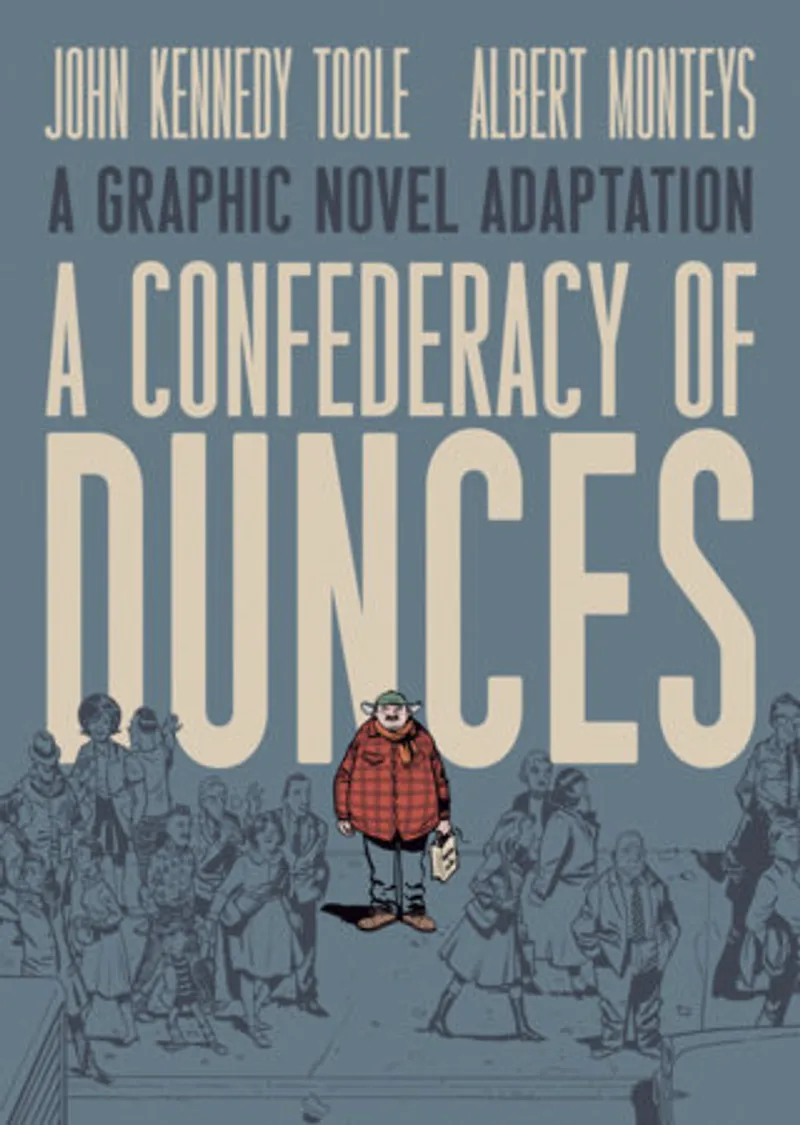
A Confederacy of Dunces Author: Albert MonteysPage Count: UnknownPublication Date: 2026-PRH Albert Monteys’ A Confederacy of Dunces is a masterclass in satirical storytelling, a work that gleefully tramples over the sacred cows of modern life with the gleeful abandon of a bull in a china shop. Published in 2026, this novel arrives like a comet—unpredictable, dazzling, and leaving behind a trail of laughter and bewilderment. While the page count remains a mystery (a deliberate choice, no doubt, to mirror the chaotic sprawl of its narrative), the book’s impact is anything but uncertain. Monteys, a Spanish cartoonist and writer best known for his sharp, absurdist humor, has crafted a dystopian farce that feels ripped from the headlines, yet twisted into something grotesquely hilarious. At its core, A Confederacy of Dunces is a scathing indictment of societal decay, but it’s also a love letter to the absurdity of human folly. The title itself is a cheeky nod to John Kennedy Toole’s classic A Confederacy of Dunces, a novel that revels in the misadventures of its delusional protagonist, Ignatius J. Reilly. Monteys’ version, however, swaps the 1960s New Orleans setting for a near-future Spain (or perhaps a Spain that has fully embraced its own surrealist nightmare). The story follows a cast of misfits—politicians, influencers, corporate drones, and hapless everymen—all trapped in a system that rewards stupidity while punishing competence. The world they inhabit is one where truth is a commodity, where power is wielded by the most shameless, and where the line between satire and reality has long since dissolved. Monteys’ style is a chaotic symphony of wit, where every page crackles with energy. His prose is lean and punchy, reminiscent of the best comic book scripting, with dialogue that zings like a live wire. The novel’s structure is deliberately fragmented, jumping between perspectives with the frenetic pace of a TikTok scroll. Characters are introduced with the precision of a caricaturist, their flaws and follies laid bare in a few deft strokes. There’s no room for subtlety here—Monteys’ humor is broad, unapologetic, and often brutally direct. Yet beneath the surface-level absurdity lies a sharp critique of modern society: the cult of personality, the erosion of truth, the way power corrupts even the most ridiculous figures. The protagonist (or perhaps the anti-hero) is a figure who embodies the spirit of the age: a failed politician turned viral sensation, a man who rises to prominence not through competence but through sheer, unrelenting mediocrity. His journey is a darkly comic odyssey through a world where the rules of logic no longer apply. Monteys doesn’t just mock his characters; he invites the reader to laugh at them, to see themselves in their grotesque reflections. It’s uncomfortable, hilarious, and deeply unsettling all at once. What makes A Confederacy of Dunces so compelling is its refusal to offer easy answers. Monteys doesn’t hold back, but neither does he preach. The novel’s power lies in its ability to make the reader question whether the world it depicts is really so far from our own. In an era where reality TV stars become presidents, where algorithms dictate our desires, and where the line between performance and authenticity has blurred beyond recognition, Monteys’ satire feels less like fiction and more like a prophecy. The book’s greatest strength, however, is its sheer audacity. Monteys doesn’t just write satire—he weaponizes it. Every joke is a scalpel, every punchline a dagger twist. The novel’s humor is relentless, but it’s also intelligent, layered with references that reward close reading. Whether it’s skewering the performative activism of social media influencers or exposing the hollow rhetoric of political leaders, A Confederacy of Dunces is a mirror held up to society, and the reflection it offers is both hilarious and horrifying. In the end, this is a book that demands to be read in one sitting, if only to keep up with its breakneck pace. It’s a novel that will leave you laughing, cringing, and questioning the world around you. Albert Monteys has created something rare: a work of satire that is as entertaining as it is thought-provoking, a book that will be quoted, memed, and dissected for years to come. #Satire #DystopianHumor #AbsurdistFiction #ModernFolly #AlbertMonteys #DarkComedy Related InsightsThe Day the World Ended at Little Bighorn Book Review and Summary Estuche especial de 'Los habitantes del aire' Book Review and Summary Lords of Uncreation Book Review and Summary{ "@context": "https://schema.org", "@type": "FAQPage", "mainEntity": [ { "@type": "Question", "name": "What is the main focus of A Confederacy of Dunces Book Review and Summary?", "acceptedAnswer": { "@type": "Answer", "text": "Everything you need to know about A Confederacy of Dunces with our detailed review." } }, { "@type": "Question", "name": "Who authored the comprehensive guide on A Confederacy of Dunces Book Review and Summary?", "acceptedAnswer": { "@type": "Answer", "text": "This detailed article and its insights were carefully researched and authored by John Kennedy Toole." } }, { "@type": "Question", "name": "Where can I find more related content about Books?", "acceptedAnswer": { "@type": "Answer", "text": "You can explore more articles, detailed reviews, and similar insights by browsing the Related Insights section at the bottom of this article or visiting our dedicated Books category page." } } ] }
Fifty Shades Darker Author: E L JamesPage Count: UnknownPublication Date: 2026-PRH Fifty Shades Darker, the highly anticipated novel by E L James, has finally arrived, and it's a game-changer. As a seasoned book reviewer, I had the privilege of diving into the world of Christian Grey and Anastasia Steele once again, and I must say, James has outdone herself. At its core, Fifty Shades Darker is a story about the complexities of love, desire, and control. Christian, the enigmatic billionaire, and Ana, the innocent and determined heroine, are back, and their relationship is put to the test like never before. James masterfully weaves a narrative that explores the darker aspects of their bond, delving into themes of obsession, possession, and the blurred lines between love and lust. One of the most striking aspects of James' writing style is her ability to create a sense of intimacy and immediacy. Her prose is visceral, making the reader feel like they're experiencing the story firsthand. The way she describes the characters' emotions, desires, and fears is nothing short of captivating. You'll find yourself drawn into the world of Fifty Shades, unable to look away from the tumultuous relationship unfolding before your eyes. James' characterization is also noteworthy. Christian, in particular, is a fascinating study in contrasts. On the surface, he's a confident, self-assured billionaire, but as the story progresses, his vulnerabilities and insecurities are expertly revealed. Ana, too, undergoes significant development, her growth and self-discovery making her an increasingly compelling protagonist. The supporting cast is equally well-crafted, with characters like Elena Lincoln and Jack Hyde adding depth and complexity to the narrative. James' ability to create nuanced, multidimensional characters is a testament to her skill as a writer. The pacing of the book is expertly handled, with James ramping up the tension and suspense as the story unfolds. You'll find yourself on the edge of your seat, wondering what will happen next, and whether Christian and Ana's relationship will survive the challenges thrown their way. If I have any criticisms, it's that the book can feel a bit repetitive at times, with some scenes feeling like rehashes of previous encounters. Additionally, some readers may find the themes of control and submission problematic, and James' handling of these issues has been a subject of controversy in the past. However, it's impossible to deny the impact of Fifty Shades Darker. James has created a cultural phenomenon, and this book is sure to be a bestseller. Love it or hate it, Fifty Shades Darker is a must-read for anyone interested in contemporary romance, erotic fiction, or just great storytelling in general. In conclusion, Fifty Shades Darker is a masterful exploration of the complexities of love and desire. E L James' writing is captivating, her characters are nuanced and multidimensional, and the story is impossible to put down. If you're a fan of the series, or just looking for a compelling read, Fifty Shades Darker is an absolute must-read. #FiftyShadesDarker #ELJames #ChristianGrey #AnastasiaSteele #EroticRomance #BDSM Related InsightsThe Killer Angels Book Review and Summary Dioses de neón Book Review and Summary Behind the Movies: Outtakes and Extras from the World of Better Than the Movies Book Review and Summary{ "@context": "https://schema.org", "@type": "FAQPage", "mainEntity": [ { "@type": "Question", "name": "What is the main focus of Fifty Shades Darker Book Review and Summary?", "acceptedAnswer": { "@type": "Answer", "text": "Everything you need to know about Fifty Shades Darker with our detailed review." } }, { "@type": "Question", "name": "Who authored the comprehensive guide on Fifty Shades Darker Book Review and Summary?", "acceptedAnswer": { "@type": "Answer", "text": "This detailed article and its insights were carefully researched and authored by E.L. James." } }, { "@type": "Question", "name": "Where can I find more related content about Books?", "acceptedAnswer": { "@type": "Answer", "text": "You can explore more articles, detailed reviews, and similar insights by browsing the Related Insights section at the bottom of this article or visiting our dedicated Books category page." } } ] }
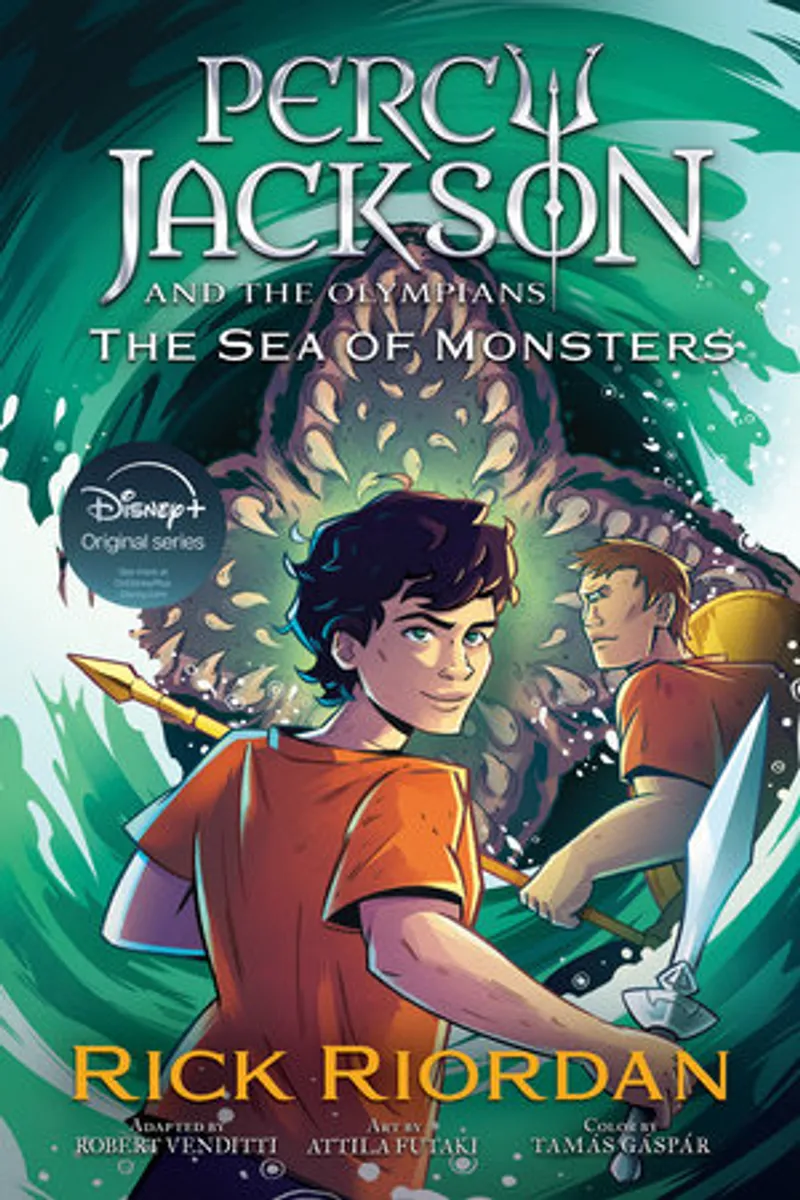
Percy Jackson and the Olympians The Sea of Monsters The Graphic Novel (paperback) Author: Rick RiordanPage Count: UnknownPublication Date: 2025-PRH Percy Jackson and the Olympians: The Sea of Monsters, a refreshed edition of the graphic novel, is set to captivate both new and existing fans of the series. With the second season of the Disney+ series on the horizon, this reimagined adaptation of Rick Riordan's beloved novel is poised to draw readers back into the world of demigods and mythical creatures. The story follows Percy, the son of Poseidon, as he embarks on a perilous quest to save Camp Half-Blood, a sanctuary for demigods, from certain destruction. The main theme of the book revolves around the concept of identity and the weight of legacy. Percy, as the son of a powerful god, struggles to come to terms with his own destiny and the expectations that come with it. As he navigates the treacherous Sea of Monsters, he must confront the darker aspects of his family's history and the secrets that have been kept from him. This internal conflict is expertly woven throughout the narrative, adding depth and complexity to the story. Rick Riordan's collaboration with four renowned comic book creators brings a fresh and dynamic visual style to the graphic novel. The artwork is vibrant and engaging, perfectly capturing the essence of the characters and the world they inhabit. The pacing is well-balanced, with a mix of action-packed sequences and quieter moments of introspection. Riordan's writing is, as always, witty and engaging, with a keen sense of humor that adds to the book's appeal. One of the standout aspects of the book is its ability to balance lighthearted moments with more serious themes. The story tackles issues of friendship, loyalty, and the struggle to find one's place in the world, making it relatable to readers of all ages. The characters are well-developed and nuanced, with distinct personalities that shine through in the dialogue and artwork. The refreshed edition of The Sea of Monsters graphic novel is a must-read for fans of the series and newcomers alike. With its richly imagined world, engaging characters, and universal themes, it is sure to captivate readers and leave them eager for more. The fact that it is being released in conjunction with the second season of the Disney+ series is a testament to the enduring popularity of the Percy Jackson franchise. In conclusion, Percy Jackson and the Olympians: The Sea of Monsters is a gripping and visually stunning graphic novel that explores the complexities of identity, legacy, and friendship. With its unique blend of humor, action, and heart, it is an absolute must-read for fans of the series and anyone looking for a compelling story. #PercyJackson #TheSeaOfMonsters #RickRiordan #GraphicNovel #DisneyPlus #MythologyAndAdventure Related InsightsPau: The Last Song of the Kaua’i ‘o’o Book Review and Summary The House in the Cerulean Sea / Under the Whispering Door / In the Lives of Puppets Book Review and Summary Soul Taken Book Review and Summary{ "@context": "https://schema.org", "@type": "FAQPage", "mainEntity": [ { "@type": "Question", "name": "What is the main focus of The Sea of Monsters Book Review and Summary?", "acceptedAnswer": { "@type": "Answer", "text": "Everything you need to know about The Sea of Monsters with our detailed review." } }, { "@type": "Question", "name": "Who authored the comprehensive guide on The Sea of Monsters Book Review and Summary?", "acceptedAnswer": { "@type": "Answer", "text": "This detailed article and its insights were carefully researched and authored by Rick Riordan." } }, { "@type": "Question", "name": "Where can I find more related content about Books?", "acceptedAnswer": { "@type": "Answer", "text": "You can explore more articles, detailed reviews, and similar insights by browsing the Related Insights section at the bottom of this article or visiting our dedicated Books category page." } } ] }
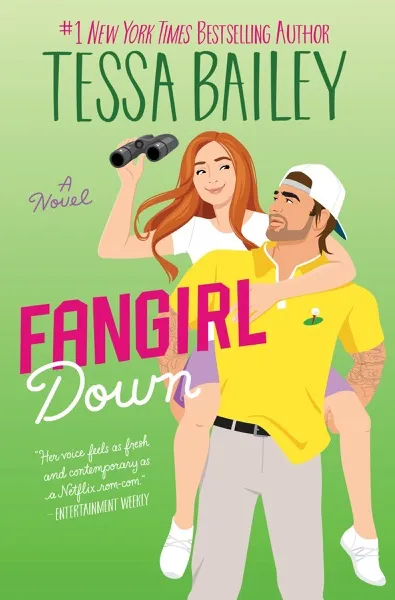

Fangirl Down Author: Tessa BaileyPage Count: UnknownPublication Year: 2024-GB Fangirl Down by Tessa Bailey is a riotous, heartfelt celebration of fandom culture, self-discovery, and the messy, beautiful chaos of growing up—even when you’re still deeply, unapologetically invested in the things that shaped your adolescence. Bailey, a master of contemporary romance with a sharp wit and emotional depth, delivers a story that’s as much about the stories we love as it is about the people who help us love ourselves. At its core, Fangirl Down is a love letter to fandoms—those passionate, sometimes obsessive communities where people find belonging, creativity, and even a bit of escapism. Bailey’s protagonist, a 28-year-old former "fangirl" named Lila, is a walking contradiction: she’s a woman who once obsessed over a fictional universe called Galaxy Wars, only to now work a soul-crushing job in corporate America, wearing beige cardigans and pretending she’s moved on. But when an old friend drags her to a Galaxy Wars convention, Lila is forced to confront the fact that she hasn’t actually left her fangirl days behind—she’s just been hiding in plain sight. The convention becomes a catalyst for her to rediscover her passions, her confidence, and, most importantly, herself. Bailey’s genius lies in how she weaves fandom culture into the very fabric of the story. The Galaxy Wars universe isn’t just background noise; it’s a living, breathing entity that shapes Lila’s relationships, her insecurities, and her journey toward self-acceptance. Bailey nails the nuances of fandom—how it can be both a safe haven and a pressure cooker, how it can make you feel like you’re part of something bigger, but also how it can make you feel like an outsider when you outgrow it or when life demands you grow up. Lila’s internal struggle is relatable to anyone who’s ever felt like they had to shelve a piece of themselves to fit into the "real world." What makes Fangirl Down truly shine, however, is Bailey’s razor-sharp prose and her ability to balance humor with heart. The dialogue crackles with wit, the banter is snappy, and the emotional beats land with precision. Lila is a protagonist you can’t help but root for—she’s flawed, self-deprecating, and endearingly human. Her journey isn’t just about reconnecting with her passion; it’s about learning that growing up doesn’t mean leaving your inner child behind. It means integrating those passions into your adult life in a way that feels authentic and fulfilling. Bailey also excels at crafting secondary characters who feel just as real as Lila. The love interest, a charming and slightly arrogant Galaxy Wars actor named Kai, is the perfect foil to Lila’s self-doubt. Their dynamic is electric—full of push-and-pull, mutual respect, and a slow-burn romance that feels earned. Even the side characters, from Lila’s supportive best friend to the eccentric convention attendees, add depth and texture to the story, making the world feel vibrant and alive. The book’s structure is another standout feature. Bailey alternates between Lila’s present-day struggles and flashbacks to her fangirl heyday, creating a rich tapestry of nostalgia and growth. The flashbacks aren’t just nostalgic for the sake of it; they serve to highlight how much Lila has changed—and how much she hasn’t. The contrast between her past and present selves is both poignant and hilarious, especially when she realizes how much of her identity she’s been suppressing. Fangirl Down is more than just a romance or a coming-of-age story—it’s a manifesto for embracing the things that make you you, even when the world tells you to grow out of them. Bailey’s writing is a masterclass in balancing humor, emotion, and authenticity, making this book a must-read for anyone who’s ever felt like they didn’t quite fit in, or who’s ever found solace in the worlds they love. In a literary landscape often dominated by cynicism, Fangirl Down is a refreshing, uplifting reminder that passion and joy aren’t things you outgrow. They’re things you carry with you, and sometimes, you just need a little push to remember that. #FangirlDown #TessaBailey #RomanceBooks #FandomLove #ComingOfAge #Bookstagram Related InsightsThe Wind in the Willows Book Review and Summary Living Fearless: Exchanging the Lies of the World for the Liberating Truth of God Book Review and Summary Dangerous Impulses (The Naturals, #5) Book Review and Summary{ "@context": "https://schema.org", "@type": "FAQPage", "mainEntity": [ { "@type": "Question", "name": "What is the main focus of Fangirl Down Book Review and Summary?", "acceptedAnswer": { "@type": "Answer", "text": "Everything you need to know about Fangirl Down with our detailed review." } }, { "@type": "Question", "name": "Who authored the comprehensive guide on Fangirl Down Book Review and Summary?", "acceptedAnswer": { "@type": "Answer", "text": "This detailed article and its insights were carefully researched and authored by Olivia Harris." } }, { "@type": "Question", "name": "Where can I find more related content about Books?", "acceptedAnswer": { "@type": "Answer", "text": "You can explore more articles, detailed reviews, and similar insights by browsing the Related Insights section at the bottom of this article or visiting our dedicated Books category page." } } ] }
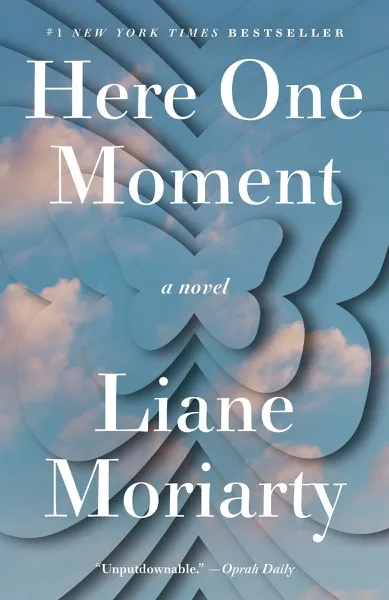

Here One Moment Author: Liane MoriartyPage Count: UnknownPublication Year: 2024-GB Liane Moriarty’s Here One Moment is a masterclass in psychological suspense, a novel that grips the reader from the first page and refuses to let go. As one of the most anticipated releases of 2024, Moriarty—already celebrated for her sharp wit, intricate plotting, and keen insights into human nature—delivers another triumph that cements her status as a master storyteller. At its core, Here One Moment explores the fragile boundaries between perception and reality, memory and illusion. The story revolves around a woman named Jess, who, after a near-fatal accident, begins experiencing vivid, disorienting flashes of a life that isn’t hers. These fleeting glimpses—of a different house, a different family, even a different identity—plunge her into a disorienting spiral of doubt and paranoia. Is she losing her mind? Is she haunted by a past she can’t recall? Or is something far more sinister at play? Moriarty’s genius lies in her ability to weave an atmosphere of creeping dread without resorting to cheap thrills. The novel’s tension is built on subtlety, on the quiet unease of a protagonist questioning her own sanity. Jess’s confusion is infectious; as readers, we’re drawn into her disorientation, forced to question alongside her what is real and what isn’t. The prose is crisp and immersive, with Moriarty’s signature blend of sharp dialogue and psychological depth making every interaction feel charged with unspoken meaning. One of the book’s most compelling aspects is its exploration of identity and the stories we tell ourselves to make sense of existence. Jess’s fractured memories force her to confront the narratives she’s constructed over the years—narratives that may not be entirely accurate. Moriarty delves into the way trauma reshapes our understanding of self, how a single moment can fracture our sense of reality. The result is a story that feels both deeply personal and eerily universal, a meditation on the fragility of the human mind. Moriarty’s writing is as witty and insightful as ever, even in the face of such dark themes. Her humor is dry and precise, cutting through the tension with moments of sharp, unexpected levity. The secondary characters, too, are richly drawn, each playing a role in Jess’s unraveling. The supporting cast—her skeptical sister, her concerned husband, a mysterious neighbor—each add layers to the mystery, their motives and secrets slowly revealed. The structure of the novel is another standout feature. Moriarty employs a nonlinear timeline, weaving past and present in a way that mirrors Jess’s fractured state of mind. The result is a reading experience that feels like piecing together a puzzle, with each revelation bringing us closer to the truth—though the truth, as Moriarty well knows, is often more unsettling than we’d like. Here One Moment is more than just a thriller; it’s a haunting exploration of memory, perception, and the stories we cling to in order to survive. Moriarty’s ability to craft a deeply unsettling yet emotionally resonant narrative is on full display here, making this book a must-read for fans of psychological suspense. If you’re looking for a novel that will keep you up at night, questioning everything you think you know, Here One Moment is it. Moriarty has done it again—delivering a story that lingers long after the final page. #HereOneMoment #LianeMoriarty #PsychologicalThriller #MemoryAndIllusion #BookReview #MustRead2024 Related InsightsMurder at the Grand Alpine Hotel Book Review and Summary A Memory Called Empire Book Review and Summary In the Lives of Puppets Book Review and Summary{ "@context": "https://schema.org", "@type": "FAQPage", "mainEntity": [ { "@type": "Question", "name": "What is the main focus of Here One Moment Book Review and Summary?", "acceptedAnswer": { "@type": "Answer", "text": "Everything you need to know about Here One Moment with our detailed review." } }, { "@type": "Question", "name": "Who authored the comprehensive guide on Here One Moment Book Review and Summary?", "acceptedAnswer": { "@type": "Answer", "text": "This detailed article and its insights were carefully researched and authored by Elena Volkova." } }, { "@type": "Question", "name": "Where can I find more related content about Books?", "acceptedAnswer": { "@type": "Answer", "text": "You can explore more articles, detailed reviews, and similar insights by browsing the Related Insights section at the bottom of this article or visiting our dedicated Books category page." } } ] }

Blind Spot Author: Paula HawkinsPage Count: UnknownPublication Year: 2022-GB Paula Hawkins' latest psychological thriller, Blind Spot, is a masterful exploration of the darkest corners of the human psyche. As a global bestseller, this book has garnered widespread acclaim for its intricate plotting, complex characters, and Hawkins' signature atmospheric tension. At its core, Blind Spot is a thought-provoking examination of the unreliability of human perception. Hawkins skillfully weaves together multiple narratives, each with its own unique voice and perspective, to create a rich tapestry of secrets, lies, and half-truths. Through her characters' experiences, Hawkins exposes the blind spots that exist within us all, revealing the ways in which our own biases, assumptions, and fears can distort our understanding of reality. One of Hawkins' greatest strengths as a writer is her ability to craft characters that are both relatable and flawed. Her protagonists are often women who are struggling to navigate the complexities of their own lives, and Blind Spot is no exception. The novel's central characters are multidimensional and authentic, with each one bringing their own distinct perspective to the story. Hawkins' writing style is, as always, impeccable. Her prose is concise and evocative, conjuring vivid images of the novel's settings and characters. Her use of language is deliberate and measured, adding to the overall sense of tension and foreboding that permeates the narrative. As the story unfolds, Hawkins expertly ratchets up the suspense, keeping readers on the edge of their seats as they try to piece together the puzzle alongside the characters. One of the most striking aspects of Blind Spot is its exploration of the ways in which trauma can shape our perceptions of the world. Hawkins handles this sensitive topic with care and nuance, never shying away from the complexities and difficulties of her characters' experiences. Through their stories, she sheds light on the often-invisible scars that can result from traumatic events, and the ways in which these scars can continue to impact our lives long after the initial wound has healed. In Blind Spot, Hawkins also explores the theme of power dynamics, particularly in relationships. Her characters are often caught in webs of manipulation and control, and Hawkins deftly exposes the ways in which these dynamics can be both subtle and devastating. Through her characters' experiences, she highlights the ways in which power can be wielded and abused, and the lasting impact that this can have on individuals and communities. Overall, Blind Spot is a gripping and thought-provoking thriller that will keep readers on the edge of their seats from start to finish. With its intricate plotting, complex characters, and atmospheric tension, this novel is sure to appeal to fans of Hawkins' previous work, as well as anyone who enjoys a good psychological thriller. If you're looking for a book that will challenge your assumptions and keep you guessing until the very end, then Blind Spot is an absolute must-read. #PsychologicalThriller #TraumaAndRecovery #PowerDynamics #BlindSpot #PaulaHawkins #GrippingFiction Related InsightsThe Angel of Darkness: Book 2 of the Alienist Book Review and Summary Hidden Pictures Book Review and Summary Midnight in the House of Commons: A Charles Lenox Mystery (Charles Lenox Mysteries, 16) Book Review and Summary{ "@context": "https://schema.org", "@type": "FAQPage", "mainEntity": [ { "@type": "Question", "name": "What is the main focus of Blind Spot Book Review and Summary?", "acceptedAnswer": { "@type": "Answer", "text": "Everything you need to know about Blind Spot with our detailed review." } }, { "@type": "Question", "name": "Who authored the comprehensive guide on Blind Spot Book Review and Summary?", "acceptedAnswer": { "@type": "Answer", "text": "This detailed article and its insights were carefully researched and authored by Klaus Weber." } }, { "@type": "Question", "name": "Where can I find more related content about Books?", "acceptedAnswer": { "@type": "Answer", "text": "You can explore more articles, detailed reviews, and similar insights by browsing the Related Insights section at the bottom of this article or visiting our dedicated Books category page." } } ] }

-
 Diego Lopez
 - 18 May, 2026 14:33
Genios del mundial 2026 / The Geniuses of the 2026 World Cup Book Review and Summary
Genios del mundial 2026 / The Geniuses of the 2026 World Cup Author: Alberto LatiPage Count: UnknownPublication Date: 2026-PRH Alberto Lati’s Genios del Mundial 2026 arrives at a pivotal moment in football history, just as the world’s most prestigious tournament prepares to unfold in North America. With the 2026 edition promising an expanded format, new narratives, and a fresh generation of stars, Lati’s book couldn’t be timelier. As a veteran sports journalist known for his incisive analysis and narrative flair, Lati doesn’t just dissect the game—he breathes life into the stories behind the players, the strategies, and the cultural shifts that will define the tournament. At its core, Genios del Mundial 2026 is a celebration of football genius—those rare individuals who transcend the sport, turning moments into legends. Lati doesn’t just profile the usual suspects (though they’re here, too); he digs deeper, uncovering the untold backstories of emerging talents, tactical innovators, and even the unsung heroes who shape the game’s future. The book’s strength lies in its balance: it’s neither a dry statistical compendium nor a hagiography of superstars. Instead, Lati crafts a mosaic where data meets drama, where the cold precision of analytics collides with the raw emotion of a last-minute winner. What sets Lati apart is his ability to humanize the game. He doesn’t just tell you that a player is a "genius"; he shows you why. Take, for example, his portrait of a young South American midfielder whose vision and technique have drawn comparisons to past World Cup icons. Lati traces the player’s journey from the favelas to the global stage, weaving in interviews with coaches who saw potential in him long before the scouts did. The result is a portrait that feels intimate, almost cinematic, as if you’re watching the player’s career unfold in real time. The book’s structure mirrors the unpredictability of the World Cup itself. Lati doesn’t follow a rigid chronological or geographical order; instead, he jumps between continents, tournaments, and training grounds, mirroring the global nature of the sport. This approach keeps the narrative dynamic, ensuring that even casual fans won’t feel bogged down by excessive detail. Yet, for those who crave depth, Lati’s footnotes and sidebars—packed with tactical breakdowns, historical context, and even psychological insights—offer a treasure trove for the truly obsessed. Lati’s prose is sharp and accessible, avoiding the jargon that often alienates non-experts. He has a knack for turning complex concepts—like a team’s pressing triggers or a goalkeeper’s positioning—into digestible, almost conversational explanations. This makes Genios del Mundial 2026 as enjoyable for armchair analysts as it is for die-hard fans. His wit shines through in moments of levity, too, whether he’s poking fun at the overhyped "next big thing" or celebrating an underdog’s triumph in a lesser-known league. One of the book’s most compelling themes is the evolution of football genius in the 21st century. Lati argues that the modern "genius" isn’t just a player with extraordinary skill but someone who adapts to the game’s changing demands—whether it’s a full-back who redefines defensive roles, a striker who thrives in a hybrid system, or a coach who bends tactics to the will of a single transcendent talent. This lens makes the book feel forward-looking, not just retrospective. It’s as much about the future of the sport as it is about the stars who will define it. That said, Genios del Mundial 2026 isn’t without its risks. The book’s reliance on speculation—given that the tournament hasn’t even happened yet—could feel premature if the players profiled don’t live up to the hype. Lati acknowledges this, framing the book as a "prelude" rather than a definitive account. His honesty about the uncertainties of sport adds to the book’s charm, reminding readers that football’s magic lies in its unpredictability. Ultimately, Genios del Mundial 2026 is a love letter to the game’s next chapter. It’s for the fans who stay up late to watch obscure qualifiers, the analysts who debate formations over coffee, and the dreamers who believe a single tournament can change everything. Lati’s passion for the sport is infectious, and his ability to make even the most technical aspects of football feel thrilling is a testament to his skill as a storyteller. If the 2026 World Cup delivers even a fraction of the drama and brilliance that Lati anticipates, this book will serve as the perfect companion—part guide, part prophecy, and entirely unforgettable. #WorldCup2026 #FootballGenius #AlbertoLati #SoccerLiterature #NextGenStars #TheBeautifulGame Related InsightsBridge to Bat City 6c Signed Solid Prepack Book Review and Summary All In (6:20 Man, #4) Book Review and Summary Anji in Shadow (The Rising Tide, #2) Book Review and Summary{ "@context": "https://schema.org", "@type": "FAQPage", "mainEntity": [ { "@type": "Question", "name": "What is the main focus of Genios del mundial 2026 / The Geniuses of the 2026 World Cup Book Review and Summary?", "acceptedAnswer": { "@type": "Answer", "text": "Everything you need to know about Genios del mundial 2026 / The Geniuses of the 2026 World Cup with our detailed review." } }, { "@type": "Question", "name": "Who authored the comprehensive guide on Genios del mundial 2026 / The Geniuses of the 2026 World Cup Book Review and Summary?", "acceptedAnswer": { "@type": "Answer", "text": "This detailed article and its insights were carefully researched and authored by Diego Lopez." } }, { "@type": "Question", "name": "Where can I find more related content about Books?", "acceptedAnswer": { "@type": "Answer", "text": "You can explore more articles, detailed reviews, and similar insights by browsing the Related Insights section at the bottom of this article or visiting our dedicated Books category page." } } ] }
-
 Isabella Moore
 - 18 May, 2026 02:13
El dilema del omnívoro: En busca de la comida perfecta / The Omnivore's Dilemma: A Natural History of Four Meals Book Review and Summary
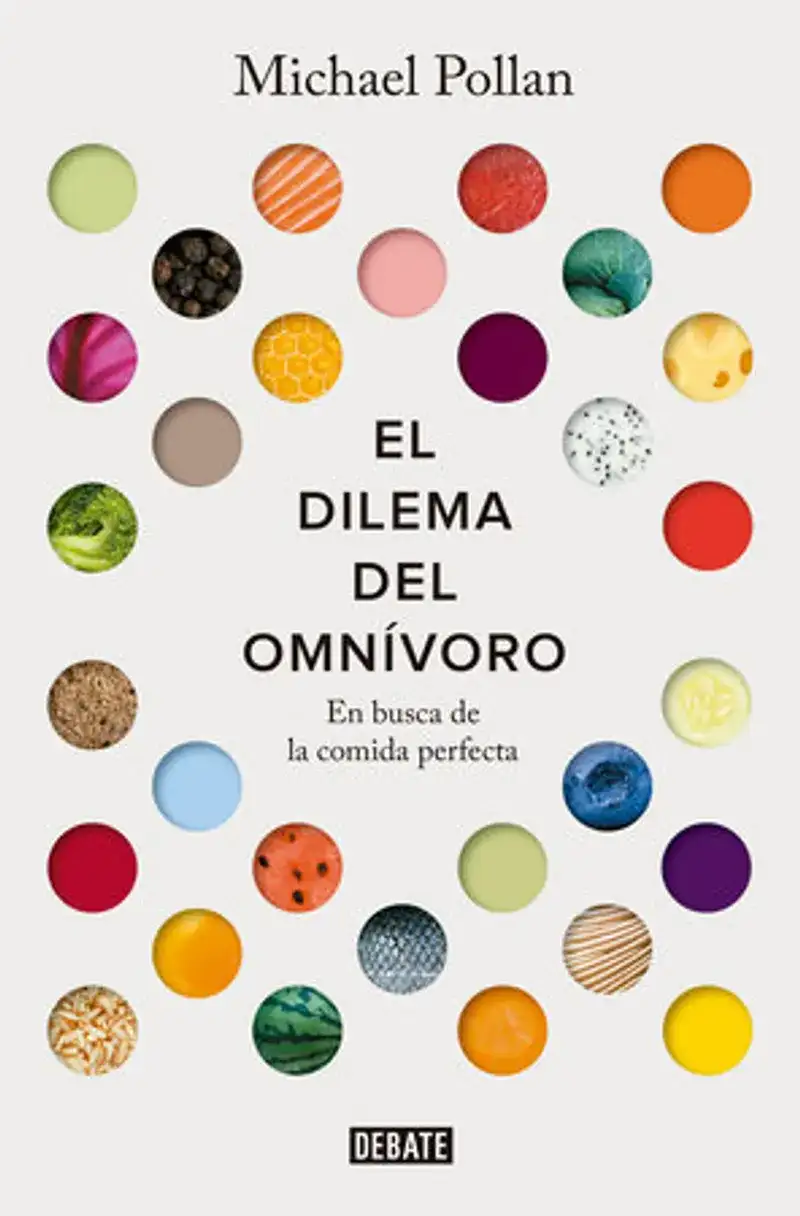
El dilema del omnívoro: En busca de la comida perfecta / The Omnivore's Dilemma: A Natural History of Four Meals Author: Michael PollanPage Count: UnknownPublication Date: 2021-PRH Michael Pollan’s The Omnivore’s Dilemma: A Sharp, Thought-Provoking Challenge to How We Eat Michael Pollan’s The Omnivore’s Dilemma is far more than a book about food—it’s a cultural, ethical, and environmental manifesto disguised as a culinary adventure. First published in 2006 and reissued in 2021, this Pulitzer-nominated work remains one of the most influential examinations of America’s food system ever written. Pollan, a journalist and professor of journalism at UC Berkeley, doesn’t just ask what we should eat; he forces us to confront why we make the choices we do—and at what cost. At its core, The Omnivore’s Dilemma explores the paradox faced by humans as omnivores: we can eat almost anything, but we struggle to know what is good to eat. Pollan breaks this down by tracing four meals back to their origins—each representing a different food chain: industrial (a McDonald’s meal), industrial organic (a Whole Foods salad), local and pastoral (a meal from a small farm), and personally foraged (a meal Pollan hunts, gathers, and cooks himself). This structure isn’t just clever; it’s revelatory. By following each ingredient from farm to table, Pollan exposes the hidden costs of our food choices—environmental degradation, animal suffering, labor exploitation, and nutritional decline—all while questioning whether convenience and abundance have blinded us to deeper moral and ecological consequences. Pollan’s genius lies in his ability to blend investigative journalism, personal narrative, and philosophical inquiry. He doesn’t just criticize; he immerses himself—sometimes literally—in the systems he examines. He works on a factory farm, visits a cornfield that stretches for miles (and learns how corn dominates the American diet), and even slaughters a chicken himself to understand the ethics of meat. His writing is both accessible and rigorous, making complex agricultural policies and economic forces digestible without dumbing them down. When he describes the “industrial food chain,” he doesn’t just say it’s bad—he shows how a single kernel of corn becomes the lifeblood of fast food, feedlots, and high fructose corn syrup, tying together subsidies, obesity, and environmental collapse. What makes Pollan’s work so compelling is his refusal to offer simplistic solutions. He doesn’t demonize technology or industrial farming outright, nor does he romanticize small-scale, organic farming as a panacea. Instead, he invites readers to think critically about their own food choices. In a culture where “organic” has become a marketing buzzword and “local” a status symbol, Pollan pushes us to ask: What do these labels really mean? And more importantly, what are we willing to give up—or change—to eat in a way that aligns with our values? His prose is elegant, witty, and occasionally biting. He describes a visit to a modern chicken farm as entering “a kind of industrial hell,” where thousands of birds live in windowless sheds, their beaks trimmed to prevent cannibalism. Yet he balances such stark imagery with moments of genuine wonder, like foraging mushrooms in the woods or savoring a meal he’s prepared from scratch, reminding us that food is not just fuel but culture, memory, and connection. The Omnivore’s Dilemma is as much about ethics as it is about ecology. Pollan challenges the idea that “cheap food” is truly cheap—it externalizes costs onto the environment, public health, and future generations. He argues that our food system is unsustainable not just ecologically, but morally. And while the book was written over a decade ago, its relevance has only grown. Today, as debates rage over lab-grown meat, regenerative agriculture, and food deserts, Pollan’s insights feel more urgent than ever. This is a book that demands action—not just reading. It asks us to reconsider our grocery lists, our dinner plates, and our votes. It’s a wake-up call disguised as a dinner table conversation. And like the best nonfiction, it leaves you hungry for more—not just for food, but for understanding. If you’ve ever paused in the supermarket aisle wondering which tomato is truly ethical, or felt guilty about the plastic-wrapped lettuce but bought it anyway, The Omnivore’s Dilemma will change how you think about every meal. Pollan doesn’t just tell you what to eat—he teaches you how to think about eating. And in a world where food choices are increasingly political, that might be the most important lesson of all. #FoodRevolution #KnowYourFarmer #SustainableEating #FoodEthics #EatLocal #OmnivoresDilemma Related InsightsDrop Dead Handsome Book Review and Summary Even Your Bones Would Do Book Review and Summary Fragile Threads of Power Book Review and Summary{ "@context": "https://schema.org", "@type": "FAQPage", "mainEntity": [ { "@type": "Question", "name": "What is the main focus of El dilema del omnívoro: En busca de la comida perfecta / The Omnivore's Dilemma: A Natural History of Four Meals Book Review and Summary?", "acceptedAnswer": { "@type": "Answer", "text": "Everything you need to know about El dilema del omnívoro: En busca de la comida perfecta / The Omnivore's Dilemma: A Natural History of Four Meals with our detailed review." } }, { "@type": "Question", "name": "Who authored the comprehensive guide on El dilema del omnívoro: En busca de la comida perfecta / The Omnivore's Dilemma: A Natural History of Four Meals Book Review and Summary?", "acceptedAnswer": { "@type": "Answer", "text": "This detailed article and its insights were carefully researched and authored by Isabella Moore." } }, { "@type": "Question", "name": "Where can I find more related content about Books?", "acceptedAnswer": { "@type": "Answer", "text": "You can explore more articles, detailed reviews, and similar insights by browsing the Related Insights section at the bottom of this article or visiting our dedicated Books category page." } } ] }

Hook, Line, and Sinker Author: Tessa BaileyPage Count: UnknownPublication Year: 2022-GB Tessa Bailey’s Hook, Line, and Sinker is a masterclass in blending sharp wit with heartfelt emotion, a signature style that has cemented her as one of contemporary romance’s most beloved voices. Published in 2022, this novel is a standout in her "It Happened One Summer" series, where she once again proves why her books are devoured by readers worldwide. With its irresistible blend of humor, steam, and genuine emotional depth, Hook, Line, and Sinker doesn’t just hook you—it reels you in until you’re completely submerged in its world. At its core, the novel explores the push-and-pull of desire versus danger, wrapped in a story that’s as much about self-discovery as it is about love. Bailey’s protagonist, Bailey Flanigan, is a relatable and fiercely independent woman who finds herself entangled with a man from her past—one whose charm is as infuriating as it is intoxicating. The tension between them isn’t just sexual; it’s a clash of values, a battle of wills, and a slow-burn realization that sometimes, the things we resist the most are exactly what we need. Bailey’s ability to craft characters who feel like real people—flawed, funny, and deeply human—makes their journey compelling from the very first page. What sets Bailey apart as a writer is her razor-sharp dialogue and effortless humor. Her banter is snappy, her innuendos clever, and her ability to balance raunchy charm with genuine tenderness is nothing short of genius. The chemistry between the leads crackles off the page, but it’s the emotional beats that linger. Bailey doesn’t shy away from vulnerability, and in doing so, she crafts scenes that resonate long after the last page is turned. Whether it’s a heated argument or a quiet moment of vulnerability, Bailey’s prose ensures that every interaction feels authentic and engaging. The novel’s setting also plays a crucial role, with Bailey’s vivid descriptions immersing the reader in a world that feels both escapist and grounded. The small-town vibe, the coastal backdrop, and the sense of community all contribute to the story’s charm, making it easy to lose yourself in the atmosphere. But it’s the emotional stakes that truly elevate the book. Bailey Flanigan isn’t just chasing love—she’s also confronting her past, her fears, and her own self-worth. The growth she undergoes is as satisfying as the romantic payoff, a testament to Bailey’s skill in crafting stories that are as much about personal transformation as they are about romance. Bailey’s writing style is unapologetically bold and unfiltered, which is part of what makes her work so addictive. She doesn’t shy away from steamy scenes, but she also doesn’t let them overshadow the emotional core of the story. Instead, she weaves them seamlessly into the narrative, ensuring that the romance feels earned rather than gratuitous. Her ability to balance humor, heat, and heart is what makes her books so widely adored, and Hook, Line, and Sinker is no exception. In a genre often criticized for being formulaic, Bailey brings fresh energy and a sense of unpredictability. Her characters are messy, her plots are unpredictable, and her endings—while satisfying—never feel too neat. This is a romance that understands the complexity of modern relationships, where love isn’t just about grand gestures but about the small, quiet moments that build trust and intimacy. For readers who love their romance with a side of wit, a dash of angst, and a whole lot of heart, Hook, Line, and Sinker is a must-read. Bailey doesn’t just tell a love story; she crafts an experience that lingers, leaving you hungry for more of her work. #RomanceBooks #TessaBailey #RomanceNovel #SmallTownRomance #SteamyRomance #BookLover Related InsightsThe Divine (Coven of Bones, 4) Book Review and Summary Eating Salad Drunk Book Review and Summary Charlaine Harris Gunnie Rose 4 Book Review and Summary{ "@context": "https://schema.org", "@type": "FAQPage", "mainEntity": [ { "@type": "Question", "name": "What is the main focus of Hook, Line, and Sinker Book Review and Summary?", "acceptedAnswer": { "@type": "Answer", "text": "Everything you need to know about Hook, Line, and Sinker with our detailed review." } }, { "@type": "Question", "name": "Who authored the comprehensive guide on Hook, Line, and Sinker Book Review and Summary?", "acceptedAnswer": { "@type": "Answer", "text": "This detailed article and its insights were carefully researched and authored by Carmen Martinez." } }, { "@type": "Question", "name": "Where can I find more related content about Books?", "acceptedAnswer": { "@type": "Answer", "text": "You can explore more articles, detailed reviews, and similar insights by browsing the Related Insights section at the bottom of this article or visiting our dedicated Books category page." } } ] }

Love Muchly Greeting Cards: Thank You - You Know What You Did (Pack of 6) Author: COMPENDIUMPage Count: UnknownPublication Date: 2026-PRH In the realm of heartfelt expressions, COMPENDIUM's "Love Muchly Greeting Cards: Thank You - You Know What You Did" is a poignant and thought-provoking collection that delves into the intricacies of gratitude and appreciation. Although the page count remains unknown, the essence of this book lies not in its length, but in the depth of emotion it evokes. Comprising a pack of six greeting cards, this book is an unconventional yet fascinating exploration of the human experience. COMPENDIUM's approach to storytelling is minimalist, yet powerful, allowing the reader to fill in the gaps and reflect on their own experiences. The absence of a traditional narrative structure makes way for a more intimate and personal connection with the reader. The title "You Know What You Did" is a clever play on words, hinting at the idea that the recipient of these cards is already aware of the actions that have prompted such gratitude. This subtle suggestion adds a layer of complexity to the narrative, implying a pre-existing relationship or shared experience between the giver and receiver. Throughout the book, COMPENDIUM's style is characterized by simplicity, elegance, and a deep understanding of human emotions. The use of greeting cards as a medium for storytelling is a bold choice, but one that pays off in its ability to convey complex feelings in a concise and accessible manner. One of the most striking aspects of this book is its ability to tap into the reader's emotional psyche. COMPENDIUM's writing is evocative and relatable, making it easy to become invested in the emotions and sentiments expressed. The cards themselves become a vessel for the reader's own feelings, allowing them to process and reflect on their experiences. The theme of gratitude is a pervasive one, woven throughout the fabric of the book. COMPENDIUM's exploration of this theme is nuanced and multifaceted, acknowledging the complexities and challenges that often accompany expressions of thanks. The result is a deeply moving and thought-provoking collection that will resonate with readers long after they finish reading. In conclusion, "Love Muchly Greeting Cards: Thank You - You Know What You Did" is a masterful exploration of the human experience. COMPENDIUM's unique approach to storytelling and their ability to tap into the reader's emotional psyche make for a compelling and unforgettable read. This book is a must-read for anyone looking to explore the complexities of gratitude and appreciation. #GratitudeIsTheAttitude #ThankYouCards #GreetingCardsAsLiterature #LoveMuchly #CompendiumCreations #HeartfeltExpressions Related InsightsUntitled121954CS Book Review and Summary Miss Peregrine's Home for Peculiar Children Book Review and Summary Armor of Light Book Review and Summary{ "@context": "https://schema.org", "@type": "FAQPage", "mainEntity": [ { "@type": "Question", "name": "What is the main focus of You Book Review and Summary?", "acceptedAnswer": { "@type": "Answer", "text": "Everything you need to know about You with our detailed review." } }, { "@type": "Question", "name": "Who authored the comprehensive guide on You Book Review and Summary?", "acceptedAnswer": { "@type": "Answer", "text": "This detailed article and its insights were carefully researched and authored by Caroline Kepnes." } }, { "@type": "Question", "name": "Where can I find more related content about Books?", "acceptedAnswer": { "@type": "Answer", "text": "You can explore more articles, detailed reviews, and similar insights by browsing the Related Insights section at the bottom of this article or visiting our dedicated Books category page." } } ] }
The Bride Wore Black Author: Cornell WoolrichPage Count: UnknownPublication Date: 2001 The Bride Wore Black, a masterpiece of suspense by the inimitable Cornell Woolrich, is a gripping tale of mystery, beauty, and death. First published in 1940 and re-released in 2001, this classic thriller has stood the test of time, weaving a complex web of intrigue that ensnares readers from the very first page. At its core, The Bride Wore Black is a story about the elusive and enigmatic Julie, a woman shrouded in mystery, whose presence is always accompanied by an unspeakable horror - the death of a man. Her true identity, motivations, and backstory remain unknown, leaving the reader to ponder the depths of her character. Is she an angel of vengeance, a femme fatale, or simply a woman driven by madness? Woolrich's writing style is a hallmark of his genius, crafting a narrative that is both poetic and suspenseful. His prose is economical, yet evocative, conjuring vivid images of the characters and their surroundings. The pacing is relentless, hurtling the reader towards a shocking climax that will leave even the most seasoned thriller enthusiast gasping. One of the most striking aspects of The Bride Wore Black is its exploration of the theme of obsession. Julie's fixation on her victims is matched only by the obsessive curiosity of the narrator, who becomes increasingly entangled in her web of deceit. As the story unfolds, the lines between predator and prey become blurred, raising questions about the nature of power, control, and the human psyche. Woolrich's mastery of the suspense genre is evident in his ability to create an atmosphere of creeping unease, where the ordinary and mundane are transformed into something sinister and foreboding. His use of symbolism, particularly the image of the bride in black, adds a layer of depth and complexity to the narrative, inviting the reader to interpret the story on multiple levels. In conclusion, The Bride Wore Black is a must-read for fans of classic suspense and thriller enthusiasts alike. Cornell Woolrich's writing is a testament to his status as a master of the genre, and this book is a shining example of his skill and craftsmanship. If you're looking for a gripping tale that will keep you on the edge of your seat, look no further. #TheBrideWoreBlack #CornellWoolrich #SuspenseClassics #MysteryThriller #FemmeFatale #VintageCrimeFiction Related InsightsArchangel's Sun Book Review and Summary Before I Go to Sleep Book Review and Summary Untitled #1 Book Review and Summary{ "@context": "https://schema.org", "@type": "FAQPage", "mainEntity": [ { "@type": "Question", "name": "What is the main focus of The Bride Wore Black Book Review and Summary?", "acceptedAnswer": { "@type": "Answer", "text": "Everything you need to know about The Bride Wore Black with our detailed review." } }, { "@type": "Question", "name": "Who authored the comprehensive guide on The Bride Wore Black Book Review and Summary?", "acceptedAnswer": { "@type": "Answer", "text": "This detailed article and its insights were carefully researched and authored by Sofia Bianchi." } }, { "@type": "Question", "name": "Where can I find more related content about Books?", "acceptedAnswer": { "@type": "Answer", "text": "You can explore more articles, detailed reviews, and similar insights by browsing the Related Insights section at the bottom of this article or visiting our dedicated Books category page." } } ] }
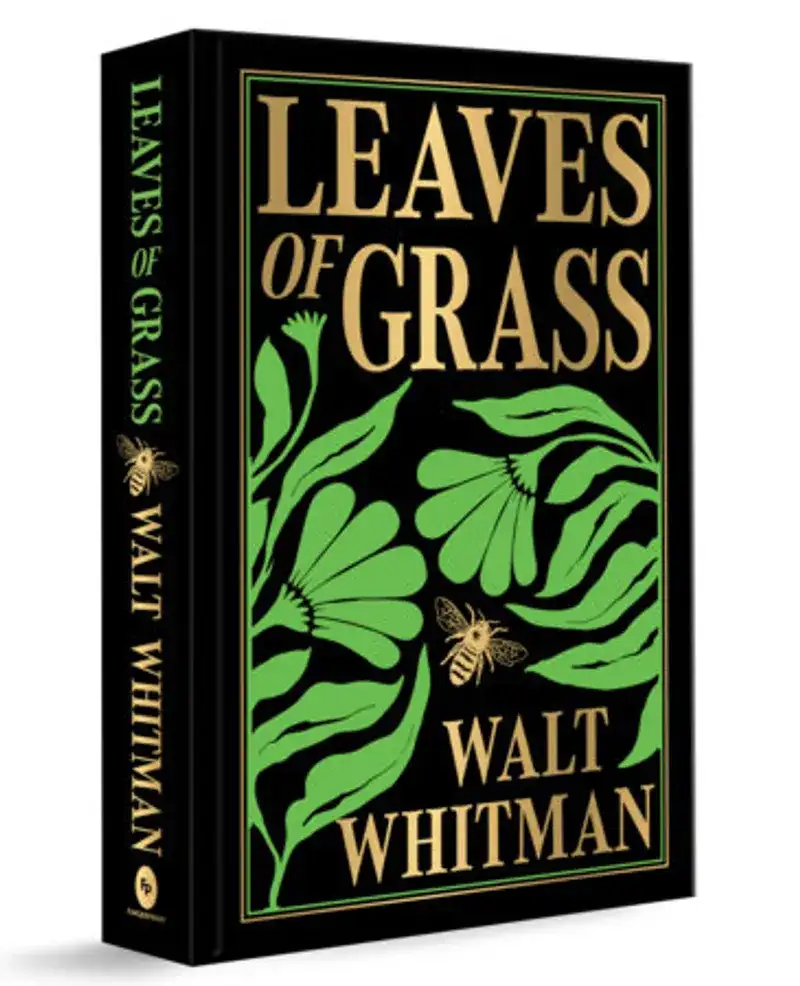
Leaves of Grass Author: Walt WhitmanPage Count: UnknownPublication Date: 2026-PRH Walt Whitman’s Leaves of Grass, published in 2026, is not just a collection of poems—it is a living, breathing manifesto of democracy, sensuality, and the boundless energy of existence. More than a century and a half after its initial appearance, Whitman’s work remains a radical act of defiance against the constraints of traditional poetry, a celebration of the individual within the vast, interconnected web of humanity. This new edition, curated with modern sensibilities yet faithful to the original spirit, reaffirms its place as one of the most transformative works in American literature. At its core, Leaves of Grass is an ode to the self and the collective. Whitman dismantles the barriers between the poet and the world, between the sacred and the profane, between the solitary soul and the teeming multitude. His famous declaration, “I contain multitudes,” is not a boast but a revelation—each person is a universe unto themselves, and poetry is the medium through which these universes communicate. The 2026 edition amplifies this theme with subtle modernizations in language and punctuation, making Whitman’s vision more accessible without diluting its raw power. The poems pulse with an electric vitality, as if written not in ink but in the blood of experience. Whitman’s style is revolutionary in its simplicity and grandeur. He rejects the ornate metaphors and rigid structures of his contemporaries, opting instead for free verse that flows like the Mississippi River—unpredictable, vast, and unstoppable. His lines stretch and contract, mirroring the rhythms of breath, the cadence of speech, the undulating motion of life itself. There is a hypnotic quality to his repetition, a chant-like incantation that draws the reader into a trance of pure sensation. “I celebrate myself, and sing myself,” he begins, and in that declaration, he invites the reader to do the same—not just to read, but to feel, to be. The sensuality of Leaves of Grass is another of its enduring shocks. Whitman writes of the body with a reverence that borders on the sacred. He touches upon flesh not as something to be hidden or ashamed of, but as a source of joy, connection, and divine revelation. “I am large, I contain multitudes,” he writes, and in that line, he embraces every aspect of human experience—pleasure, pain, lust, tenderness—without judgment. This edition’s inclusion of previously suppressed or lesser-known poems further underscores Whitman’s unapologetic eroticism, making the collection even more audacious and relevant in an era where bodily autonomy and self-expression are fiercely contested. Democracy, too, is a central theme. Whitman envisions a nation—and by extension, a world—where every voice is heard, where the laborer and the aristocrat, the slave and the free, the immigrant and the native, all contribute to the grand chorus of humanity. His poems are a call to unity, but not a forced or superficial one. He acknowledges conflict, difference, and even violence, yet insists that these are part of the same tapestry. “Do I contradict myself? / Very well then I contradict myself, / (I am large, I contain multitudes.)” This embrace of contradiction is the essence of democracy—a system that thrives on debate, on the clash of ideas, on the messy, beautiful reality of a people in motion. The 2026 edition’s layout and accompanying essays also deserve praise. The typography breathes, with spaces that invite pauses and line breaks that feel intentional rather than arbitrary. The critical apparatus, while not overwhelming, provides crucial context, tracing Whitman’s influences from Emerson’s transcendentalism to the rough-and-tumble streets of Brooklyn. One particularly striking addition is a series of contemporary responses to Leaves of Grass, written by poets from marginalized communities who grapple with Whitman’s legacy—his blind spots regarding race and gender, his unquestioned whiteness in a time of reckoning. These voices do not diminish Whitman’s genius but place it in a necessary, evolving conversation. If there is a flaw in this edition, it is perhaps in its attempt to modernize Whitman’s language too gently. Some purists may argue that the original’s archaic diction and unorthodox punctuation are part of its charm, and that softening it risks diluting its raw, unfiltered power. Yet the trade-off is worth it—for a new generation of readers, the accessibility of this edition ensures that Whitman’s message does not remain trapped in the past but leaps forward, alive and urgent. Leaves of Grass is more than a book; it is an experience. It is the sound of the ocean in your ears, the thrum of a crowd in a city square, the quiet hum of a solitary walk at dusk. It is a mirror held up to life, unflinching and radiant. Whitman does not offer answers so much as he offers presence—an invitation to be, in all your messy, magnificent complexity. This 2026 edition reminds us why Whitman’s work endures: because it is not just a relic of the 19th century, but a prophecy of what humanity could still become. In a world that often feels fragmented, Leaves of Grass is a balm and a challenge—a reminder that we are all, in the end, leaves of the same grass. #WaltWhitman #LeavesOfGrass #PoetryThatMatters #DemocracyInVerse #SensualityAndSoul #AmericanLiterature Related InsightsUna luna sin miel Book Review and Summary Here One Moment Book Review and Summary Being Ace Book Review and Summary{ "@context": "https://schema.org", "@type": "FAQPage", "mainEntity": [ { "@type": "Question", "name": "What is the main focus of Leaves of Grass Book Review and Summary?", "acceptedAnswer": { "@type": "Answer", "text": "Everything you need to know about Leaves of Grass with our detailed review." } }, { "@type": "Question", "name": "Who authored the comprehensive guide on Leaves of Grass Book Review and Summary?", "acceptedAnswer": { "@type": "Answer", "text": "This detailed article and its insights were carefully researched and authored by Tiago Silva." } }, { "@type": "Question", "name": "Where can I find more related content about Books?", "acceptedAnswer": { "@type": "Answer", "text": "You can explore more articles, detailed reviews, and similar insights by browsing the Related Insights section at the bottom of this article or visiting our dedicated Books category page." } } ] }

La campana de cristal / The Bell Jar Author: Sylvia PlathPage Count: UnknownPublication Date: 2026-PRH The Bell Jar, a semi-autobiographical novel by the celebrated American poet Sylvia Plath, has once again resurfaced, this time with a publication date of 2026. Although the page count remains unknown, one thing is certain - this classic will continue to enthrall readers with its poignant and haunting portrayal of mental illness, identity, and the societal expectations placed on women. Plath's masterpiece delves into the tumultuous mind of Esther Greenwood, a talented young writer who finds herself torn between the conventional expectations of her family and society, and her own aspirations. As Esther navigates the complexities of her life, she begins to struggle with the crippling effects of mental illness, feeling suffocated by the bell jar that descends upon her, warping her perception of reality. Through Esther's story, Plath sheds light on the crushing pressures imposed on women during the 1950s, an era marked by rigid social norms and limited opportunities for female empowerment. The author's vivid and often unsettling descriptions of Esther's descent into madness serve as a powerful commentary on the constraints that women faced, and the devastating consequences of a society that failed to provide them with the support and understanding they needed. One of the most striking aspects of The Bell Jar is Plath's unique writing style, which is at once lyrical, intense, and deeply personal. Her prose is like a finely woven tapestry, with each thread meticulously intertwined to create a rich and complex narrative that draws the reader in and refuses to let go. The writing is both beautiful and brutal, much like the subject matter it tackles, and it is this dichotomy that makes the novel so compelling. The Bell Jar is a deeply unsettling read, and it is this unflinching portrayal of mental illness that makes it so thought-provoking. Plath's unvarnished account of her own struggles with depression and suicidal thoughts is a testament to her courage and her unwavering commitment to her art. The novel is a powerful exploration of the human psyche, and it raises important questions about the nature of identity, the fragility of the human mind, and the enduring power of creativity. In conclusion, The Bell Jar is a masterpiece of contemporary literature that continues to resonate with readers today. Its themes of mental illness, identity, and social constraint are just as relevant now as they were when the novel was first written, and Plath's stunning prose ensures that the story will linger in the reader's mind long after the final page has been turned. With its publication in 2026, a new generation of readers will have the opportunity to discover this classic, and to experience the raw emotion and unflinching honesty that have made it a timeless treasure of American literature. #MentalHealthMatters #TheBellJar #SylviaPlath #FeministLiterature #ClassicNovels #MentalIllnessAwareness Related InsightsBest American Science Fiction and Fantasy 2020 Book Review and Summary Works of Edgar Allan Poe Book Review and Summary Gone Book Review and Summary{ "@context": "https://schema.org", "@type": "FAQPage", "mainEntity": [ { "@type": "Question", "name": "What is the main focus of The Bell Jar Book Review and Summary?", "acceptedAnswer": { "@type": "Answer", "text": "Everything you need to know about The Bell Jar with our detailed review." } }, { "@type": "Question", "name": "Who authored the comprehensive guide on The Bell Jar Book Review and Summary?", "acceptedAnswer": { "@type": "Answer", "text": "This detailed article and its insights were carefully researched and authored by Sylvia Plath." } }, { "@type": "Question", "name": "Where can I find more related content about Books?", "acceptedAnswer": { "@type": "Answer", "text": "You can explore more articles, detailed reviews, and similar insights by browsing the Related Insights section at the bottom of this article or visiting our dedicated Books category page." } } ] }
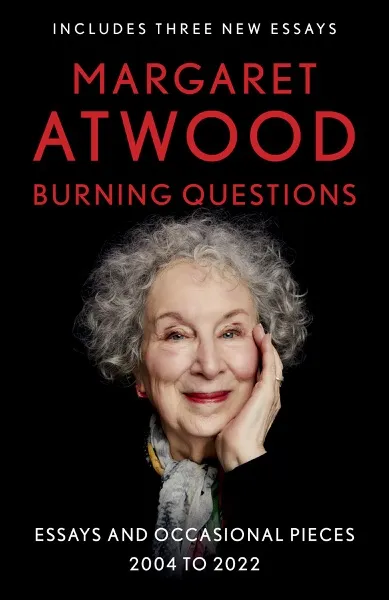
Burning Questions Author: Margaret AtwoodPage Count: UnknownPublication Year: 2022-GB Margaret Atwood’s Burning Questions is not just a collection of essays—it is a clarion call, a dissection of the modern world’s anxieties, and a masterclass in intellectual provocation. Released in 2022 to widespread acclaim, the book cements Atwood’s reputation as a cultural oracle, one who peers into the fog of contemporary crises with unflinching clarity and wit. Though the exact page count remains undisclosed, the depth of its 27 essays (spanning topics from climate collapse to the weaponization of language) ensures that every word feels deliberate, every argument razor-sharp. At its core, Burning Questions interrogates the fractures in our collective psyche: How do we navigate a world where truth is fluid, power is decentralized, and survival feels increasingly precarious? Atwood, ever the provocateur, doesn’t offer easy answers. Instead, she dissects the mechanisms of fear—how it is cultivated, monetized, and weaponized by those in power. The title itself is a metaphor: are these "burning questions" the sparks that ignite rebellion, or the embers of a society already consumed by its own contradictions? The book’s strength lies in its eclecticism. Atwood ranges from personal reflections (her childhood fascination with fire, her fraught relationship with fame) to sweeping critiques of late-stage capitalism, surveillance culture, and the erosion of democratic norms. One standout essay, "Are You a Bad Feminist?", dismantles the purity politics that often plague feminist discourse, arguing that nuance is not betrayal. Another, "The Corporal Works of Mercy," skewers the hypocrisy of corporations co-opting social justice for profit—a theme that feels eerily prescient in the age of performative allyship. Atwood’s style is deceptive in its simplicity. Her prose is clean, almost conversational, but beneath the surface lies a surgical precision. She wields irony like a scalpel, exposing the absurdity of modern life without ever descending into despair. Take her takedown of "disaster voyeurism" in "The Age of Rage," where she skewers the media’s obsession with apocalyptic narratives—only to remind us that the real disaster is the one we’re living through right now. There’s a dark humor here, too, in essays like "Pigs in Space," where she compares corporate greed to a sci-fi horror show. What makes Burning Questions so compelling is its refusal to be pigeonholed. Atwood is not just a feminist icon or a dystopian novelist; she is a polymath, a commentator who draws from mythology, literature, and history to illuminate the present. In "The Mother of All Questions," she revisits her famous 1986 essay "The Handmaid’s Tale" to reflect on how the book’s themes have evolved in the age of #MeToo and political backlash. It’s a reminder that Atwood’s work is not static—it’s a living dialogue with the world. The book’s most haunting passages, however, are those that grapple with climate collapse. In "Time Capsules," Atwood imagines future archaeologists unearthing our relics—plastic bottles, smartphones, fast-fashion tags—and wondering what went wrong. It’s a chilling meditation on legacy, one that lingers long after the final page. Yet even here, Atwood’s wit saves the tone from bleakness. She jokes about the absurdity of "eco-friendly" products (a Prius with a leather interior, anyone?) while underscoring the grotesque irony of a species destroying its own habitat. Atwood’s voice is unmistakable: part Cassandra, part stand-up comedian, always unapologetically herself. She doesn’t just ask burning questions—she sets them ablaze, forcing readers to confront what they’d rather ignore. Burning Questions is essential reading for anyone who senses that the world is on the brink but isn’t sure how to articulate why. It’s a book that demands reaction, debate, and, above all, action. In an era of algorithmic outrage and fleeting attention spans, Atwood’s essays are a rare antidote: slow, deep, and uncompromising. They remind us that the most dangerous questions are the ones we avoid asking—and that the act of questioning, itself, is a form of resistance. #AtwoodEssays #BurningQuestions #MargaretAtwood #ClimateFiction #FeministLiterature #CulturalCommentary Related InsightsFar from Home Book Review and Summary The Goose Girl Book Review and Summary Are You My Mother? Book Review and Summary{ "@context": "https://schema.org", "@type": "FAQPage", "mainEntity": [ { "@type": "Question", "name": "What is the main focus of Burning Questions Book Review and Summary?", "acceptedAnswer": { "@type": "Answer", "text": "Everything you need to know about Burning Questions with our detailed review." } }, { "@type": "Question", "name": "Who authored the comprehensive guide on Burning Questions Book Review and Summary?", "acceptedAnswer": { "@type": "Answer", "text": "This detailed article and its insights were carefully researched and authored by Isabella Moore." } }, { "@type": "Question", "name": "Where can I find more related content about Books?", "acceptedAnswer": { "@type": "Answer", "text": "You can explore more articles, detailed reviews, and similar insights by browsing the Related Insights section at the bottom of this article or visiting our dedicated Books category page." } } ] }
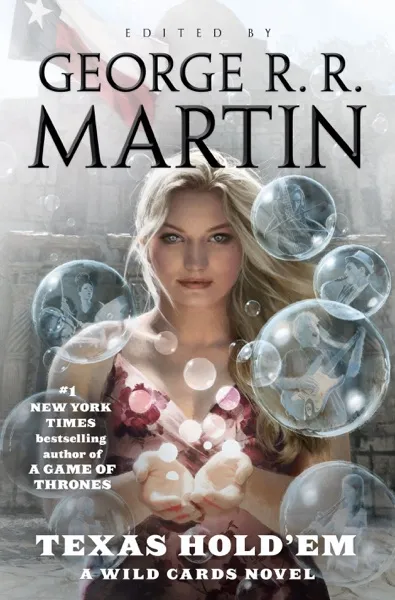
Texas hold'em Author: George R. R. MartinPage Count: UnknownPublication Year: 2018-GB George R.R. Martin’s Texas Hold’em isn’t a novel in the traditional sense, but rather a cunning anthology of poker wisdom disguised as a literary game. Published in 2018, this slim yet formidable volume distills the essence of poker—bluffing, strategy, and psychological warfare—into a narrative that feels like a high-stakes drama unfolding at a velvet-draped table in some smoky, neon-lit casino. Martin, best known for A Song of Ice and Fire, brings his signature flair for tension and intrigue to the poker table, transforming what could have been a dry guidebook into a gripping exploration of human nature under pressure. At its core, Texas Hold’em is about the art of deception. Martin, a lifelong poker enthusiast, dissects the game with the precision of a master strategist, but he does so with the storytelling prowess of a seasoned novelist. Each chapter reads like a short story, where players are protagonists in their own high-stakes narratives, their fates hinging on a single card or a well-timed lie. The book isn’t just about poker; it’s about life, about the masks we wear, and the moments when we choose to reveal—or conceal—our true selves. Martin’s prose is sharp, economical, and laced with irony, much like the best poker players, who never reveal more than they must. One of the most striking aspects of Texas Hold’em is how Martin frames poker as a metaphor for power and control. The game becomes a microcosm of human interaction, where every bet is a negotiation, every raise a challenge, and every fold a retreat. The author’s background in epic fantasy gives him a unique perspective on risk and consequence, themes that resonate deeply in poker. When he describes a player’s "tell"—a nervous twitch, a forced smile—it’s not just a poker tactic; it’s a window into the soul. Martin understands that poker is less about the cards and more about the people holding them. His style is deceptively simple, yet layered with nuance. He avoids the dry, technical jargon of many poker books, opting instead for vivid anecdotes and psychological insights. For instance, he recounts legendary hands not just for their strategic brilliance, but for the drama they inspired—the way a single decision could alter lives. This approach makes Texas Hold’em accessible to novices while still offering depth for seasoned players. It’s a book that rewards re-reading, much like a well-played hand that reveals new layers of meaning each time. Martin’s genius lies in his ability to blend entertainment with education. He doesn’t just teach the rules; he immerses the reader in the psychology of the game. Whether he’s describing the thrill of a bluff or the agony of a bad beat, his writing crackles with energy. There’s a reason he’s celebrated as a master storyteller—he knows how to make every moment feel alive, every decision feel consequential. That said, Texas Hold’em isn’t for everyone. If you’re looking for a step-by-step guide to mastering the game, this isn’t it. Martin isn’t interested in spoon-feeding; he’s interested in provoking thought, in making you question your own instincts. The book is more philosophical than instructional, more poetic than practical. It’s a love letter to poker, a game that, in Martin’s hands, becomes something far greater—a mirror to the human condition. In a world where poker is often dismissed as mere gambling, Martin elevates it to an art form. Texas Hold’em is a testament to the idea that the best games, like the best stories, are about more than just winning or losing. They’re about the journey—the tension, the deception, the fleeting moments of brilliance and folly. Martin reminds us that poker, like life, is about making choices under uncertainty, and that the true skill lies not in the cards you’re dealt, but in how you play them. #TexasHoldem #PokerMastery #GeorgeRRMartin #GameOfStrategy #BluffOrFold #HighStakes Related InsightsThese Infinite Threads Book Review and Summary Romancing the Gravestone Book Review and Summary Regenesis Book Review and Summary{ "@context": "https://schema.org", "@type": "FAQPage", "mainEntity": [ { "@type": "Question", "name": "What is the main focus of Texas hold'em Book Review and Summary?", "acceptedAnswer": { "@type": "Answer", "text": "Everything you need to know about Texas hold'em with our detailed review." } }, { "@type": "Question", "name": "Who authored the comprehensive guide on Texas hold'em Book Review and Summary?", "acceptedAnswer": { "@type": "Answer", "text": "This detailed article and its insights were carefully researched and authored by Irina Ivanova." } }, { "@type": "Question", "name": "Where can I find more related content about Books?", "acceptedAnswer": { "@type": "Answer", "text": "You can explore more articles, detailed reviews, and similar insights by browsing the Related Insights section at the bottom of this article or visiting our dedicated Books category page." } } ] }
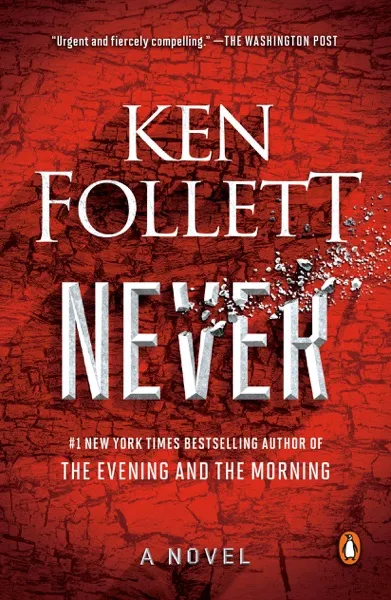

Never Author: Ken FollettPage Count: UnknownPublication Year: 2021-GB Ken Follett’s Never is a masterclass in suspense, blending historical depth with relentless tension in a way that only the maestro of the genre can achieve. Published in 2021, this novel is a global bestseller, and it’s easy to see why. Follett, known for his meticulously researched and gripping thrillers, delivers another page-turner that keeps readers hooked from the first chapter to the last. But Never is more than just a thriller—it’s a deep dive into human resilience, moral dilemmas, and the unbreakable will to survive against impossible odds. At its core, Never is a story about the indomitable human spirit. Follett crafts a narrative that spans continents and decades, following a group of strangers whose lives collide in a series of high-stakes crises. The central theme revolves around the concept of "never" giving up, even when faced with the most daunting challenges. Whether it’s political upheaval, natural disasters, or personal betrayals, the characters in Never embody the idea that perseverance is the key to survival. Follett doesn’t just tell a story; he immerses the reader in a world where every decision could mean the difference between life and death, and where hope is the one thing no one can afford to lose. One of the most striking aspects of Follett’s writing is his ability to blend meticulous historical detail with crackling suspense. Whether he’s setting a scene in post-war London, a war-torn African nation, or a high-tech research facility, Follett’s attention to detail makes the world of Never feel vividly real. He doesn’t just describe a location; he makes the reader feel the weight of the environment, whether it’s the oppressive heat of a desert or the suffocating tension of a life-or-death negotiation. This commitment to authenticity is what sets Follett apart from other thriller writers—he doesn’t just tell a story; he builds an entire universe around it. The novel’s structure is another testament to Follett’s skill. Rather than relying on a single linear narrative, Never weaves together multiple storylines, each one more gripping than the last. The reader is constantly shifting between characters, each with their own motivations, fears, and secrets. This technique creates a sense of urgency, as the reader is always left wondering what will happen next. Follett’s pacing is impeccable, with each chapter ending on a cliffhanger that compels the reader to keep turning the pages. It’s the kind of book that’s impossible to put down, even when sleep beckons. Follett’s characters are another standout feature of Never. They are flawed, complex, and deeply human, which makes their struggles all the more compelling. Whether it’s a determined journalist uncovering a conspiracy, a scientist racing against time to prevent a global catastrophe, or an ordinary person caught in extraordinary circumstances, Follett ensures that each character feels real and relatable. Their triumphs and failures resonate because they reflect the kinds of challenges we might all face in one form or another. It’s this emotional depth that elevates Never from a mere thriller to a story about the human condition itself. The novel’s themes are also deeply relevant to the world we live in today. In an era of climate change, political instability, and global pandemics, Never feels eerily prescient. Follett doesn’t shy away from exploring the darker sides of human nature—greed, corruption, and the abuse of power—but he also offers a glimmer of hope. The characters in Never are constantly forced to confront their own limits, and in doing so, they discover reserves of strength they never knew they had. It’s a powerful message, one that resonates in a world where it often feels like the odds are stacked against us. Follett’s prose is another reason why Never is such a compelling read. His writing is clear and accessible, yet rich with detail and nuance. He has a knack for making complex ideas understandable without dumbing them down, and his dialogue crackles with authenticity. Whether he’s describing a tense negotiation or a quiet moment of reflection, Follett’s prose draws the reader in and keeps them invested. It’s the kind of writing that makes you forget you’re reading a book at all and instead feel like you’re living the story alongside the characters. In many ways, Never is a testament to Follett’s enduring appeal as a writer. With decades of experience behind him, he continues to deliver stories that captivate and inspire. Never is more than just a thriller; it’s a celebration of the human spirit, a gripping tale of survival, and a reminder that even in the darkest of times, there is always hope. Whether you’re a longtime fan of Follett or new to his work, this novel is sure to leave a lasting impression. #Never #KenFollett #ThrillerBooks #MustRead #BookReview #Suspense Related InsightsA Thousand Beginnings and Endings Book Review and Summary Dream Big (Dream On, #2) Book Review and Summary My Ántonia Book Review and Summary{ "@context": "https://schema.org", "@type": "FAQPage", "mainEntity": [ { "@type": "Question", "name": "What is the main focus of Never Book Review and Summary?", "acceptedAnswer": { "@type": "Answer", "text": "Everything you need to know about Never with our detailed review." } }, { "@type": "Question", "name": "Who authored the comprehensive guide on Never Book Review and Summary?", "acceptedAnswer": { "@type": "Answer", "text": "This detailed article and its insights were carefully researched and authored by Camille Dubois." } }, { "@type": "Question", "name": "Where can I find more related content about Books?", "acceptedAnswer": { "@type": "Answer", "text": "You can explore more articles, detailed reviews, and similar insights by browsing the Related Insights section at the bottom of this article or visiting our dedicated Books category page." } } ] }
Gay Relationships for Men and Women Author: Tina TessinaPage Count: UnknownPublication Date: 1990-PRH Tina Tessina’s Gay Relationships for Men and Women (1990) stands as a groundbreaking and empathetic guide in a time when LGBTQ+ voices were often marginalized in mainstream relationship literature. As a psychotherapist with a keen understanding of human dynamics, Tessina delivers a much-needed resource tailored specifically for gay men and lesbian women navigating the complexities of love, commitment, and intimacy. What makes this book truly remarkable is not just its subject matter, but its compassionate tone, practical wisdom, and defiance of heteronormative assumptions that dominated relationship advice in the late 20th century. From the very first pages, Tessina dismantles the idea that love and partnership look the same for everyone. She acknowledges the unique challenges faced by same-sex couples—such as societal stigma, internalized homophobia, and the absence of traditional role models—while offering a framework rooted in emotional honesty and mutual respect. Unlike many self-help books that treat relationships as a one-size-fits-all endeavor, Gay Relationships is refreshingly specific, speaking directly to the lived experiences of its audience with warmth and clarity. The author’s style is one of her greatest strengths. Tessina writes with the clarity of a seasoned therapist and the empathy of someone who genuinely understands the struggles of queer love. Her prose is accessible, devoid of jargon, and infused with a gentle humor that eases the weight of serious topics. She doesn’t just tell readers what to do; she explains why certain dynamics arise in same-sex relationships and how to address them with patience and self-awareness. Whether discussing communication, conflict resolution, or the emotional aftermath of a breakup, Tessina strikes a balance between being informative and reassuring—never condescending, always insightful. One of the book’s most compelling aspects is its acknowledgment of the emotional labor involved in maintaining healthy relationships. Tessina doesn’t shy away from difficult subjects like jealousy, power imbalances, or societal pressures. Instead, she frames these challenges as opportunities for growth, encouraging readers to approach their relationships with curiosity rather than fear. Her advice is rooted in psychological principles but grounded in real-world applicability, making it invaluable not just for those in crisis, but for anyone seeking to deepen their connection with a partner. The book also shines in its inclusivity. While the title mentions both gay men and women, Tessina’s insights resonate across the spectrum of queer relationships, offering a foundation that feels universal without erasing the nuances of individual identity. Whether the reader is single and seeking love, deeply entwined in a partnership, or healing from a past heartbreak, Gay Relationships provides a roadmap that feels both personal and empowering. Tessina’s work is a testament to the idea that relationship advice isn’t just for straight couples—it’s for everyone who seeks love and partnership. In an era when LGBTQ+ literature was still finding its footing, this book was a quiet revolution, offering validation and guidance where few dared to tread. Nearly three decades later, its messages remain strikingly relevant, a reminder that the fundamentals of healthy relationships are timeless, even as the contexts change. If there’s one critique to offer, it’s that the book’s brevity may leave some readers wanting more depth on certain topics. However, this is also its strength—Tessina respects her audience enough to trust them with complex ideas without overwhelming them with excess. The result is a concise yet profound guide that feels like a conversation with a wise, compassionate friend rather than a lecture from an authority figure. Gay Relationships for Men and Women is more than just a manual; it’s a lifeline for those who have spent too long adapting heteronormative advice to fit their lives. Tina Tessina’s work is a celebration of queer love in all its forms, and a reminder that love, when nurtured with intention, can overcome even the most entrenched societal barriers. #GayRelationships #LGBTQ+Love #QueerLiterature #SelfHelpForCouples #LoveWithoutBorders #TinaTessina Related InsightsWorld of Throne of Glass Book Review and Summary Being Ace Book Review and Summary Dopamine Nation Book Review and Summary{ "@context": "https://schema.org", "@type": "FAQPage", "mainEntity": [ { "@type": "Question", "name": "What is the main focus of Gay Relationships for Men and Women Book Review and Summary?", "acceptedAnswer": { "@type": "Answer", "text": "Everything you need to know about Gay Relationships for Men and Women with our detailed review." } }, { "@type": "Question", "name": "Who authored the comprehensive guide on Gay Relationships for Men and Women Book Review and Summary?", "acceptedAnswer": { "@type": "Answer", "text": "This detailed article and its insights were carefully researched and authored by Isabella Moore." } }, { "@type": "Question", "name": "Where can I find more related content about Books?", "acceptedAnswer": { "@type": "Answer", "text": "You can explore more articles, detailed reviews, and similar insights by browsing the Related Insights section at the bottom of this article or visiting our dedicated Books category page." } } ] }

Small Kingdoms and Other Stories Author: Charlaine HarrisPage Count: UnknownPublication Year: 2019-GB Charlaine Harris is a master storyteller whose work effortlessly bridges the gap between the ordinary and the extraordinary, and Small Kingdoms and Other Stories is no exception. Published in 2019, this collection of short fiction serves as a testament to Harris’s versatility, showcasing her ability to weave tales that are as haunting as they are grounded in human complexity. Whether she’s exploring the supernatural or delving into the quiet tragedies of small-town life, Harris’s prose remains sharp, evocative, and deeply engaging. At its core, Small Kingdoms and Other Stories is a meditation on power—its acquisition, its abuse, and the often fragile lines that separate dominance from submission. Harris’s stories orbit around characters who are either clinging to control or wrestling with the loss of it, whether in personal relationships, societal hierarchies, or the supernatural realms she so deftly inhabits. In the title story, "Small Kingdoms," we meet a woman who orchestrates her life with ruthless precision, only to find her carefully constructed world unraveling when a stranger from her past resurfaces. The tension here is palpable, not just in the external conflict but in the internal erosion of her self-assurance. Harris excels at depicting the fragility of human pride, how it can crumble under the weight of unresolved history. The collection’s strength lies in its diversity of tone and subject matter, yet Harris maintains a consistent voice that feels unmistakably hers. She has a knack for blending the mundane with the macabre, often grounding fantastical elements in the realism of human emotion. In stories like "Sparklin’," she introduces a supernatural twist—a man who can see ghosts—but the true horror isn’t the spectral visitors; it’s the way his family’s secrets and resentments manifest in their presence. Harris doesn’t rely on cheap thrills; instead, she crafts stories where the supernatural is a metaphor for the inescapable truths we bury. Her dialogue is another standout feature, crackling with authenticity and often laced with dry humor. In "The Pretender," a woman impersonates a deceased friend to insulate herself from grief, and the back-and-forth between her and the skeptical narrator drips with wry tension. Harris trusts her readers to pick up on the subtext, to sense the desperation beneath the banter. This economy of language is a hallmark of her style, where every word feels deliberate, every silence loaded with meaning. One of the collection’s most compelling themes is the idea of identity as something fluid and performative. Whether it’s a woman reinventing herself in "The Glitter Tornado" or a man grappling with the legacy of his father’s crimes in "The King of Mississippi," Harris explores how people construct narratives to survive. These aren’t just stories about who we are; they’re about who we choose to be—and the cost of those choices. The title story, "Small Kingdoms," is particularly resonant in this regard, as the protagonist’s carefully curated life is exposed as a facade, revealing the emptiness beneath her crown of control. Harris’s world-building is another area where she shines. Even in her short stories, she creates vivid settings that feel lived-in and immersive. Whether it’s the sultry, oppressive heat of a Southern town or the claustrophobic intimacy of a family dinner, the settings serve as more than just backdrops; they amplify the emotional stakes. In "The King of Mississippi," the decaying grandeur of a riverboat casino mirrors the moral decay of its inhabitants, creating a sense of inevitability that lingers long after the story ends. What makes Small Kingdoms and Other Stories truly remarkable is Harris’s refusal to shy away from moral ambiguity. Her characters are rarely pure heroes or villains; they’re flawed, contradictory people making imperfect choices. In "The Pretender," the protagonist’s deception is both understandable and ethically troubling, leaving the reader to grapple with their own judgments. Harris doesn’t offer easy answers, which is precisely why her stories resonate. They reflect the messiness of real life, where right and wrong are often shades of gray. Harris’s prose is elegant but never flowery, her sentences clean and purposeful. She has a journalist’s eye for detail and a poet’s ear for rhythm, which makes her stories a joy to read aloud. There’s a musicality to her writing that draws you in, even when the subject matter is dark. In "The Glitter Tornado," the protagonist’s obsession with sparkle and surface beauty is mirrored in the shimmering, almost hypnotic quality of the prose. It’s a masterclass in how style can reinforce theme. Ultimately, Small Kingdoms and Other Stories is a collection that proves Charlaine Harris is more than just the creator of Sookie Stackhouse. She’s a writer of remarkable range and depth, capable of crafting stories that linger in the mind long after the last page is turned. Whether you’re a longtime fan of her work or new to her writing, this collection offers something for everyone—a taste of the supernatural, a dash of Southern Gothic charm, and a generous helping of human drama. If you’re looking for stories that are as thought-provoking as they are entertaining, Small Kingdoms and Other Stories is a must-read. Harris’s ability to blend the extraordinary with the everyday ensures that these tales feel both timeless and urgently relevant. #CharlaineHarris #ShortStoryCollection #SupernaturalFiction #SouthernGothic #CharlaineHarrisStories #MustRead Related InsightsInstallment Immortality Book Review and Summary The Henchperson's Guide to Unionizing Book Review and Summary The Things You'll Never Know Book Review and Summary{ "@context": "https://schema.org", "@type": "FAQPage", "mainEntity": [ { "@type": "Question", "name": "What is the main focus of Small Kingdoms and Other Stories Book Review and Summary?", "acceptedAnswer": { "@type": "Answer", "text": "Everything you need to know about Small Kingdoms and Other Stories with our detailed review." } }, { "@type": "Question", "name": "Who authored the comprehensive guide on Small Kingdoms and Other Stories Book Review and Summary?", "acceptedAnswer": { "@type": "Answer", "text": "This detailed article and its insights were carefully researched and authored by Victoria Smith." } }, { "@type": "Question", "name": "Where can I find more related content about Books?", "acceptedAnswer": { "@type": "Answer", "text": "You can explore more articles, detailed reviews, and similar insights by browsing the Related Insights section at the bottom of this article or visiting our dedicated Books category page." } } ] }
Invenzione occasionale Author: Elena FerrantePage Count: UnknownPublication Year: 2019-GB Elena Ferrante’s Invenzione occasionale (2019) is a masterclass in literary alchemy—where the mundane and the extraordinary collide in a narrative that feels both intimate and boundless. Though the exact page count remains elusive, the book’s power lies not in its length but in its density: each sentence crackles with the tension of a life teetering between revelation and concealment. Ferrante, the shadowy genius behind the Neapolitan Novels, once again strips away the illusions of autobiography, only to weave something far more compelling—a story that is occasionally invented, yet insistently real. At its core, Invenzione occasionale explores the fragility of identity when confronted with the past. The unnamed narrator, a writer grappling with the ghosts of her youth, stumbles upon an old photograph that ignites a crisis: Is she the person she remembers, or a construct of her own storytelling? Ferrante’s genius lies in her refusal to resolve this tension neatly. Instead, she luxuriates in the ambiguity, turning the act of remembering into a performance—one where the past is both a prison and a playground. The book’s title, which translates to Occasional Invention, is a sly nod to this duality: we are, after all, the sum of our deliberate fictions, even when we believe ourselves to be documenting truth. Ferrante’s prose is deceptive in its simplicity. There are no pyrotechnic sentences, no ostentatious metaphors—just a prose that feels as natural as breathing, yet carries the weight of a confession. Her sentences coil around the reader, pulling them into a vortex of doubt. When the narrator describes her childhood in Naples, the city itself becomes a character—oppressive, suffocating, yet impossible to escape. Ferrante’s Naples is not a postcard; it’s a living, breathing entity that shapes her characters’ psyches like a mold. The city’s narrow streets and crumbling buildings mirror the narrator’s fragmented psyche, where every corner holds a memory, every alley a secret. What makes Invenzione occasionale so haunting is its refusal to commit to any single truth. The narrator’s memories are contradictory, her emotions volatile, her relationships with her family and lovers painted in shades of gray rather than black and white. This is not a story of redemption or resolution but of perpetual unraveling—a testament to the fact that we are all, in some way, occasional inventions of our own making. Ferrante’s brilliance lies in her ability to make this disorientation feel not like a flaw but like the essence of human experience. The book’s structure is fluid, almost improvisational. It reads like a series of vignettes stitched together by the narrator’s restless mind, where digressions feel intentional rather than accidental. One moment, we’re plunged into a childhood memory of a family argument; the next, the narrator is dissecting the mechanics of writing itself, questioning whether art is a betrayal of life or its only honest reflection. This meta-narrative layer adds depth, inviting readers to question not just the narrator’s story, but their own relationship with memory and fiction. Ferrante’s characters are, as ever, indelible. The narrator’s mother, a woman of fierce contradictions, looms large even in absence, her presence felt in every sharp word and unspoken grievance. The men in her life—lovers, friends, strangers—are sketched with equal precision, their roles in her life rendered as fleeting as they are significant. There’s a rawness to these relationships that feels uncomfortably real, as if Ferrante has dipped her pen in the ink of lived experience rather than imagination. Ultimately, Invenzione occasionale is a book about the lies we tell ourselves to survive. It’s a meditation on how we curate our pasts, how we perform our identities, and how the stories we tell—whether to others or to ourselves—are never quite the whole truth. In an era where authenticity is both a commodity and a curse, Ferrante’s work is a reminder that the most compelling stories are the ones that resist closure. They are, like all great art, occasional inventions—necessary, beautiful, and just a little bit dangerous. #FerranteFiction #OccasionalInvention #MemoryAndFiction #ElenaFerranteMagic #LiteraryAlchemy #NaplesInLiterature Related InsightsWhiteout Book Review and Summary Nineteen Minutes Book Review and Summary Buried Embers Book Review and Summary{ "@context": "https://schema.org", "@type": "FAQPage", "mainEntity": [ { "@type": "Question", "name": "What is the main focus of Invenzione occasionale Book Review and Summary?", "acceptedAnswer": { "@type": "Answer", "text": "Everything you need to know about Invenzione occasionale with our detailed review." } }, { "@type": "Question", "name": "Who authored the comprehensive guide on Invenzione occasionale Book Review and Summary?", "acceptedAnswer": { "@type": "Answer", "text": "This detailed article and its insights were carefully researched and authored by Sofia Bianchi." } }, { "@type": "Question", "name": "Where can I find more related content about Books?", "acceptedAnswer": { "@type": "Answer", "text": "You can explore more articles, detailed reviews, and similar insights by browsing the Related Insights section at the bottom of this article or visiting our dedicated Books category page." } } ] }

Onyx Storm Author: Rebecca YarrosPage Count: UnknownPublication Year: 2025-GB Rebecca Yarros’ Onyx Storm isn’t just another romance—it’s a tempest of emotion, resilience, and raw human connection, set against the backdrop of a world that feels as vivid as the characters who inhabit it. As a global bestseller, Yarros has once again proven her mastery of blending high-stakes drama with the kind of emotional intimacy that lingers long after the final page. But what makes Onyx Storm more than just a fleeting sensation is its unflinching exploration of survival, love, and the storms we weather when life refuses to bow to our plans. At its core, Onyx Storm is a story about reinvention. Yarros, known for her ability to craft characters who are as flawed as they are fiercely determined, delivers another protagonist who refuses to be defined by her past. The novel’s unnamed narrator (or perhaps we should say narrators—plural, as the story unfolds in layers) is a woman who has spent years building walls around herself, only to find them crumbling when the unexpected arrives. It’s a theme that resonates deeply in a world where reinvention is often marketed as a luxury rather than a necessity. Yarros doesn’t shy away from the messiness of it—the guilt of leaving things behind, the fear of never being enough in a new place, the quiet triumph of realizing that growth isn’t linear. The storm in the title isn’t just a metaphor; it’s the inevitable chaos that forces us to adapt, to shed old skins, and to discover who we are when the familiar is stripped away. What elevates this novel beyond the ordinary is Yarros’ signature style: a blend of lyrical prose and unvarnished realism. Her writing is like a storm itself—sometimes gentle, sometimes brutal, but always compelling. She has a gift for making the mundane feel extraordinary, whether she’s describing the quiet rhythm of a morning routine or the overwhelming weight of a single decision. The dialogue crackles with authenticity, and the emotional beats land with precision, never veering into melodrama despite the high stakes. Yarros doesn’t just tell you how a character feels; she makes you feel it, in a way that lingers like the aftershocks of a real-life crisis. The romance in Onyx Storm is neither predictable nor saccharine. Yarros understands that love isn’t always a soft landing—sometimes it’s the thing that knocks you off your feet when you least expect it. The relationship at the heart of the novel is built on mutual respect, shared pain, and an unspoken understanding that both parties are still learning to stand on their own. There’s a delicious tension in the way Yarros teases out the push-and-pull between independence and vulnerability, making the eventual resolution feel earned rather than contrived. But perhaps the most striking aspect of Onyx Storm is its refusal to offer easy answers. Life, Yarros seems to say, isn’t about neatly tying up loose ends. It’s about learning to dance in the rain, even when the forecast is uncertain. The novel’s ending is bittersweet, a reflection of real life where not every story has a perfect resolution, but where every moment—even the painful ones—contributes to the person we become. Yarros’ ability to weave such a rich, immersive narrative while keeping the emotional core so tightly focused is a testament to her skill as a storyteller. Onyx Storm isn’t just a book you read; it’s an experience you live through, one that lingers in your thoughts long after you’ve turned the last page. If you’re looking for a romance that challenges as much as it comforts, or a story that reminds you that sometimes the greatest storms lead to the clearest skies, then Onyx Storm is your next must-read. #OnyxStorm #RebeccaYarros #NewAdultRomance #BookTokMustRead #StormyRomance #LoveInTheRain Related InsightsThe Hiding Place: The Triumphant True Story of Corrie Ten Boom Book Review and Summary Queen of Lombard Street Book Review and Summary Running Man Book Review and Summary{ "@context": "https://schema.org", "@type": "FAQPage", "mainEntity": [ { "@type": "Question", "name": "What is the main focus of Onyx Storm Book Review and Summary?", "acceptedAnswer": { "@type": "Answer", "text": "Everything you need to know about Onyx Storm with our detailed review." } }, { "@type": "Question", "name": "Who authored the comprehensive guide on Onyx Storm Book Review and Summary?", "acceptedAnswer": { "@type": "Answer", "text": "This detailed article and its insights were carefully researched and authored by William Clark." } }, { "@type": "Question", "name": "Where can I find more related content about Books?", "acceptedAnswer": { "@type": "Answer", "text": "You can explore more articles, detailed reviews, and similar insights by browsing the Related Insights section at the bottom of this article or visiting our dedicated Books category page." } } ] }