Showing Posts From
Books
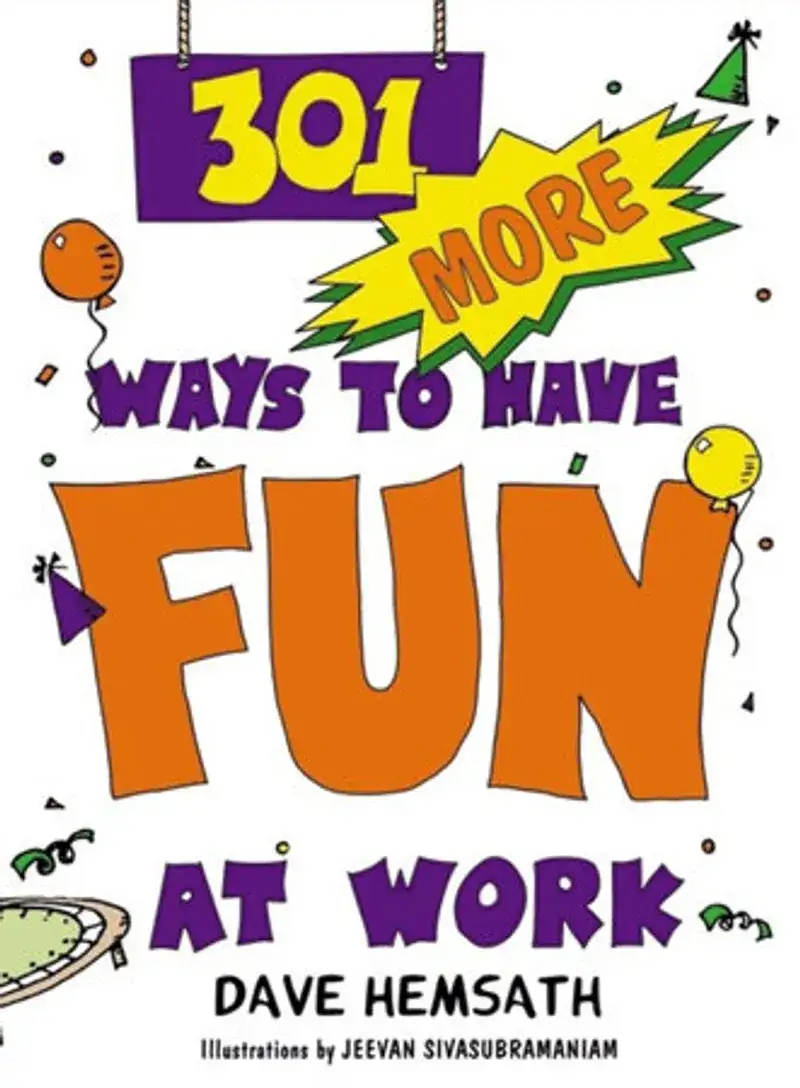

301 More Ways to Have Fun At Work Author: Dave HemsathPage Count: UnknownPublication Date: 2001-PRH Review: "301 More Ways to Have Fun At Work" by Dave Hemsath – Where Productivity Meets Play In a world where burnout and disengagement plague modern workplaces, Dave Hemsath’s 301 More Ways to Have Fun At Work arrives not just as a breath of fresh air but as a compelling case for why joy should be a core business strategy. A follow-up to his successful 2001 book, this sequel doesn’t just recycle ideas—it expands them, offering fresh, actionable ways to infuse fun into every corner of corporate life. At a time when employees crave meaning and companies struggle to retain talent, Hemsath’s message is timely: fun isn’t a frivolous perk—it’s a productivity powerhouse. Hemsath, coauthor of the original 301 Ways to Have Fun at Work, was ahead of his time. While the idea of workplace fun was once dismissed as unprofessional, today’s research overwhelmingly supports his thesis: teams that laugh together are more creative, resilient, and loyal. The 2001 publication helped spark a cultural shift, and this follow-up builds on that momentum by tackling new frontiers—hiring, customer service, leadership, and corporate culture—where fun can make a measurable difference. What makes Hemsath’s approach so effective is his blend of pragmatism and enthusiasm. He doesn’t just preach the gospel of joy; he arms readers with tangible strategies. Each chapter is packed with case studies—real companies and employees who turned mundane tasks into moments of levity. Whether it’s a sales team using playful competitions to boost morale or a customer service department adopting lighthearted scripts to ease client interactions, the examples are vivid and transferable. Hemsath understands that fun isn’t one-size-fits-all; it must be tailored to the organization’s culture, size, and industry. His writing style is engaging and accessible, avoiding corporate jargon in favor of a conversational tone that feels like advice from a trusted mentor. Sprinkled throughout are “Fun Facts” (did you know that laughter reduces stress hormones by up to 39%?) and “Fun Quotes” that add levity without undermining the book’s credibility. Even his playful “Dave’s Hierarchy of Fun”—a playful nod to Maslow’s needs hierarchy—reinforces the idea that fun, like any workplace initiative, must be structured and intentional. One of the book’s strengths is its refusal to treat fun as a gimmick. Hemsath ties every suggestion back to tangible outcomes: higher retention, improved teamwork, and even enhanced profitability. He argues that fun isn’t just an HR initiative—it’s a competitive advantage. In an era where employees quit managers, not companies, his advice on leadership—how to model joy, encourage creativity, and foster psychological safety—is particularly resonant. That said, the book isn’t without its limitations. Some readers might find the sheer volume of ideas overwhelming, and a few suggestions—like “bring your pet to work day” or themed dress-up days—feel more like band-aid solutions than deep cultural shifts. Yet, Hemsath acknowledges this: he presents fun as a spectrum, from small daily wins to large-scale transformations. The key is progress, not perfection. Ultimately, 301 More Ways to Have Fun At Work is more than a manual—it’s a manifesto for a happier, healthier workplace. Hemsath’s infectious optimism is impossible to resist, making this book as enjoyable to read as the ideas it espouses. For leaders tired of watching productivity suffer under the weight of dreary routines, or employees desperate for a workplace that doesn’t drain their soul, this book is a lifeline. If the first 301 Ways helped normalize fun at work, this sequel ensures it stays relevant. Because in the end, fun isn’t just about feeling good—it’s about working better. #WorkplaceFun #EmployeeEngagement #HappyEmployees #CorporateCulture #LeadWithJoy #FunAtWork Related InsightsThe Gods Will Sing Our Song Book Review and Summary Deep End Book Review and Summary Jane Eyre Book Review and Summary{ "@context": "https://schema.org", "@type": "FAQPage", "mainEntity": [ { "@type": "Question", "name": "What is the main focus of 301 More Ways to Have Fun At Work Book Review and Summary?", "acceptedAnswer": { "@type": "Answer", "text": "Everything you need to know about 301 More Ways to Have Fun At Work with our detailed review." } }, { "@type": "Question", "name": "Who authored the comprehensive guide on 301 More Ways to Have Fun At Work Book Review and Summary?", "acceptedAnswer": { "@type": "Answer", "text": "This detailed article and its insights were carefully researched and authored by Thomas Wright." } }, { "@type": "Question", "name": "Where can I find more related content about Books?", "acceptedAnswer": { "@type": "Answer", "text": "You can explore more articles, detailed reviews, and similar insights by browsing the Related Insights section at the bottom of this article or visiting our dedicated Books category page." } } ] }
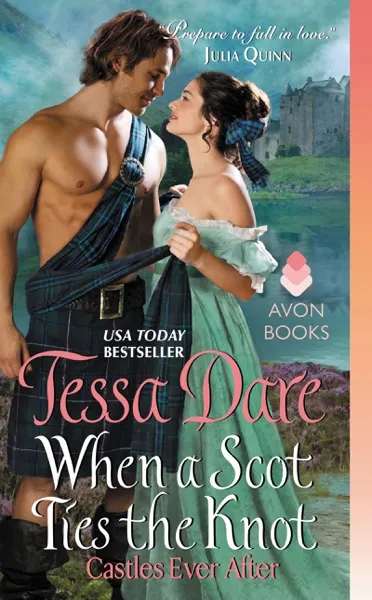
Historical Collection Author: Tessa DarePage Count: UnknownPublication Year: 2019-GB Tessa Dare’s Historical Collection (2019) is a dazzling tapestry of wit, romance, and Regency-era charm, woven together with the kind of narrative flair that has cemented Dare’s reputation as one of historical fiction’s most beguiling voices. At its heart, this collection is a celebration of love—its messy, unexpected, and often hilariously inconvenient forms—set against the backdrop of a world where propriety and passion are locked in a perpetual tug-of-war. Dare doesn’t just tell love stories; she dissects them with a scalpel-sharp understanding of human folly, blending humor with heartache in a way that feels as timeless as it is fresh. The book’s central theme is the collision between societal expectations and personal desires, a tension that Dare explores with both affectionate satire and genuine emotional depth. Whether it’s a prim debutante sneaking out to a scandalous masquerade or a gruff military man unexpectedly falling for a woman who challenges him at every turn, each story in this collection is a testament to the idea that love, in all its chaotic glory, refuses to be neatly contained by the rules of the past. Dare’s genius lies in her ability to make these historical constraints feel not like a cage but a playground—where the most intoxicating romances are the ones that dare to break the mold. What sets Dare apart from her peers is her unparalleled command of voice. Her prose is as sparkling as a glass of champagne left too long in the sun—effervescent, sharp, and impossible to ignore. She has a knack for dialogue that crackles with tension and humor, often reducing readers to either helpless laughter or breathless sighs. Take, for example, the way she captures the bickering dynamics of a couple who can’t stand each other yet can’t live without one another. It’s a trope as old as storytelling itself, but Dare infuses it with such vitality that even the most jaded romance fan will find themselves charmed. Her female characters are particularly noteworthy—they’re not just objects of desire but fully realized women who refuse to be passive participants in their own lives. Whether it’s a clever spinster outwitting a smug aristocrat or a bluestocking defying the ton’s rigid expectations, Dare’s heroines are as intelligent as they are rebellious. They’re the kind of women who would have scandalized polite society in their time but who, in Dare’s capable hands, become the very definition of modern heroines for a contemporary audience. The men in Historical Collection are no less compelling. Dare excels at crafting male leads who are equal parts brooding and hilarious, their rough edges softened only by the right woman’s influence. There’s a delicious irony in the way she portrays these men—often hardened by war or duty—who find themselves undone by love in the most unexpected ways. It’s a testament to her skill that these characters feel both authentic to their time and relatable to today’s readers, their vulnerabilities and strengths rendered with a humanity that transcends the page. One of the most striking aspects of Dare’s work is her ability to balance humor with pathos. She doesn’t shy away from the darker realities of Regency life—financial ruin, social ostracization, the crushing weight of duty—but she tempers them with levity, ensuring that the emotional journey never feels overwhelming. It’s a delicate balance, and one that Dare executes with the precision of a seasoned tightrope walker. The result is a collection that entertains as much as it moves, leaving readers both laughing and sighing by turns. The stories in Historical Collection also showcase Dare’s versatility as a storyteller. From the slow-burning tension of a will-they-won’t-they romance to the full-throttle chaos of a mistaken identity farce, each tale offers something distinct while maintaining a cohesive throughline. Whether you’re in the mood for a swoon-worthy ballroom encounter or a whip-smart battle of wits, Dare delivers. And if there’s one thing that unites these stories, it’s the unshakable belief that love, in all its forms, is worth the risk—even when the odds are stacked against it. Ultimately, Historical Collection is more than just a romance novel; it’s a love letter to the idea that happiness is worth fighting for, no matter the era. Tessa Dare’s writing is a masterclass in blending historical authenticity with timeless appeal, proving once again why she’s a favorite among readers and critics alike. If you’ve ever found yourself swooning over a brooding duke or laughing at the absurdity of a courtship gone wrong, this collection will feel like coming home. #HistoricalRomance #RegencyEra #HistoricalFiction #TessaDare #RomanceNovels #Bookworm Related InsightsUntitled (A Court of Thorns and Roses, #6) Book Review and Summary A Memory Called Empire Book Review and Summary A Court of Frost and Starlight Book Review and Summary{ "@context": "https://schema.org", "@type": "FAQPage", "mainEntity": [ { "@type": "Question", "name": "What is the main focus of Historical Collection Book Review and Summary?", "acceptedAnswer": { "@type": "Answer", "text": "Everything you need to know about Historical Collection with our detailed review." } }, { "@type": "Question", "name": "Who authored the comprehensive guide on Historical Collection Book Review and Summary?", "acceptedAnswer": { "@type": "Answer", "text": "This detailed article and its insights were carefully researched and authored by Anna Kowalska." } }, { "@type": "Question", "name": "Where can I find more related content about Books?", "acceptedAnswer": { "@type": "Answer", "text": "You can explore more articles, detailed reviews, and similar insights by browsing the Related Insights section at the bottom of this article or visiting our dedicated Books category page." } } ] }
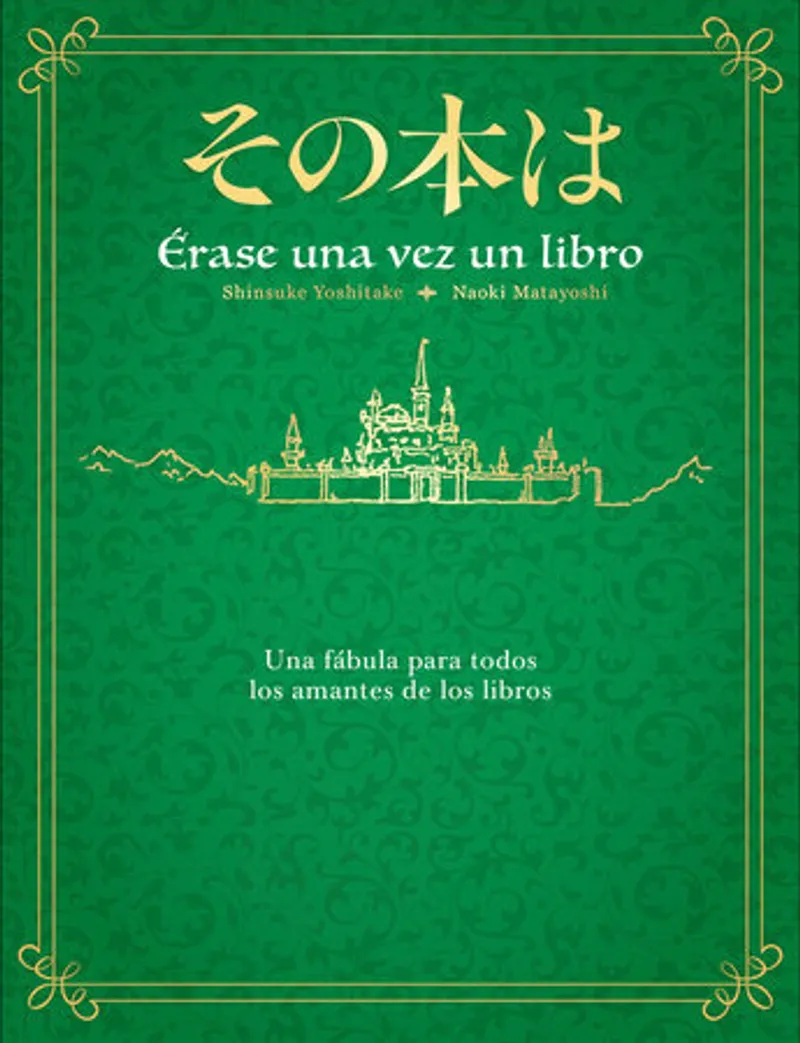
Érase una vez un libro / Once Upon a Time, There Was a Book Author: Shinsuke YoshitakePage Count: UnknownPublication Date: 2025-PRH Érase una vez un libro / Once Upon a Time, There Was a Book is a whimsical, thought-provoking picture book that reimagines the very act of reading as an adventure—one that begins not with a single page, but with the boundless curiosity of a child’s imagination. Authored by the acclaimed Japanese illustrator and storyteller Shinsuke Yoshitake, whose previous works like The Boring Book and What Happens Next? have delighted readers with their playful yet profound exploration of everyday emotions, this new creation promises to be both a celebration of literature and a gentle nudge toward creative self-discovery. At its heart, the book is a metafictional journey: it invites readers to step inside the pages of a book—not as passive observers, but as active participants in the unfolding story. Yoshitake, known for his expressive, minimalist illustrations and gentle humor, crafts a narrative that blurs the line between reader and story, suggesting that every book is a living thing, waiting to be brought to life by the imagination of its audience. The title itself—repeated in both Spanish and English—serves as a portal: “Once upon a time, there was a book…” and so begins not just a story, but an invitation to wonder. What makes Yoshitake’s work so compelling is his ability to distill complex ideas into simple, visually engaging scenes. Here, he doesn’t just tell us that books are magical—he shows us. Through a series of vignettes, the book depicts a child (or perhaps a child-like adult) opening a book and watching as the characters step out, interact with the real world, and even invite the reader to join their journey. The illustrations are deceptively simple: soft watercolors, clean lines, and expressive faces that convey curiosity, surprise, and quiet joy. Yet within these spare images lies a deeper meditation on the power of storytelling to transform not only the reader, but the world around them. The book’s genius lies in its refusal to be prescriptive. It doesn’t dictate what a book “should” be or how it should be read. Instead, it presents reading as an act of co-creation—where the reader’s thoughts, feelings, and even daydreams become part of the narrative. In one spread, a character from the book might climb out of the page and sit beside the reader on a park bench, sparking a conversation. In another, the book itself seems to breathe, its pages fluttering like wings. These moments are not explained; they are simply presented, leaving room for the reader’s own interpretation and emotional response. Yoshitake’s style is deeply rooted in Japanese picture book traditions, where visual storytelling often carries as much weight as the text. His use of white space, subtle textures, and understated facial expressions creates a sense of intimacy and warmth. The characters—whether human, animal, or fantastical—feel real not because of their complexity, but because of their authenticity. They stumble, they question, they wonder aloud—just as a child might. This authenticity is what makes the book resonate across ages. While it will undoubtedly enchant young readers with its playful visuals and gentle humor, adults will find in it a quiet reminder of the magic they once saw in books, and perhaps still do, if only they pause to look. The book’s bilingual presentation—Spanish and English—adds another layer of richness. It’s not merely a translation, but a deliberate choice to make the story accessible to a wider audience, inviting cross-cultural dialogue through the universal language of storytelling. The repetition of the title in both languages feels like a bridge, a reminder that stories connect us even when words differ. Ultimately, Érase una vez un libro is more than a book about books. It’s a book about possibility. It asks: What if every time you opened a book, you didn’t just read a story—you entered one? What if the characters were waiting for you? What if the book itself could change, depending on who was holding it? Yoshitake doesn’t provide answers. Instead, he offers a space for reflection, for daydreaming, for rediscovering the joy of getting lost in a story. In an age where digital distractions compete for our attention, this book is a gentle rebellion—a quiet manifesto for the enduring power of the printed word and the imagination it inspires. It reminds us that reading is not a passive act, but an active, alive engagement with the world. And perhaps, in the end, that’s the most magical thing a book can do. #OnceUponATimeThereWasABook #ChildrensBooksWithHeart #MagicalReading #ShinsukeYoshitake #PictureBookMagic #StoriesThatComeToLife Related InsightsEmpire (Heir Duology, #2) Book Review and Summary This Shattered Tempest (The Hurricane Wars, #3) Book Review and Summary 'Die stille Revolution: Wie Noise-Cancelling-Kopfhörer die Welt zum Verstummen bringen'{ "@context": "https://schema.org", "@type": "FAQPage", "mainEntity": [ { "@type": "Question", "name": "What is the main focus of Once Upon a Broken Heart Book Review and Summary?", "acceptedAnswer": { "@type": "Answer", "text": "Everything you need to know about Once Upon a Broken Heart with our detailed review." } }, { "@type": "Question", "name": "Who authored the comprehensive guide on Once Upon a Broken Heart Book Review and Summary?", "acceptedAnswer": { "@type": "Answer", "text": "This detailed article and its insights were carefully researched and authored by Stephanie Garber." } }, { "@type": "Question", "name": "Where can I find more related content about Books?", "acceptedAnswer": { "@type": "Answer", "text": "You can explore more articles, detailed reviews, and similar insights by browsing the Related Insights section at the bottom of this article or visiting our dedicated Books category page." } } ] }

None of Us Were Like This Before Author: Joshua E. S. PhillipsPage Count: UnknownPublication Date: 2012-PRH None of Us Were Like This Before, written by Joshua E. S. Phillips, is a haunting and thought-provoking exploration of the darker aspects of war and its lasting impact on individuals and society. The book delves into the transformation of a tank battalion from a conventional military unit to one that engages in guerrilla warfare and prisoner detention, highlighting the devastating consequences of this shift. Phillips' narrative masterfully weaves together the stories of ordinary soldiers who, ill-equipped and unprepared, found themselves spiraling into a cycle of degradation that ultimately led to the abuse of detainees. The author's meticulous research and thoughtful analysis create a vivid portrait of the psychological and emotional toll of war on those who fight it, as well as the long-lasting effects on the country they represent. One of the most striking aspects of Phillips' writing is his ability to convey the complexities of human nature, particularly in the face of extreme circumstances. He neither simplifies nor sanctifies the soldiers' experiences, instead presenting a nuanced and multifaceted exploration of their struggles, fears, and motivations. This approach allows readers to connect with the soldiers on a deeper level, fostering a sense of empathy and understanding that is both poignant and unsettling. The book's central theme – the damaging legacy of torture and its far-reaching consequences – is both timely and timeless. Phillips sheds light on the often-overlooked reality that the scars of war are not limited to the battlefield, but extend far beyond, affecting not only the detainees but also the soldiers themselves and the society they return to. This notion is both deeply disturbing and profoundly important, as it underscores the need for a more comprehensive understanding of the long-term effects of war and the importance of accountability. Phillips' writing style is characterized by a sense of measured restraint, which adds to the book's emotional impact. He avoids sensationalism and instead opts for a straightforward, fact-driven approach that lends credibility to his narrative. The result is a work that is both informative and deeply engaging, making it an essential read for anyone interested in the human cost of war and the importance of upholding human rights. In conclusion, None of Us Were Like This Before is a powerful and thought-provoking book that sheds light on the darker aspects of war and its lasting impact on individuals and society. Phillips' masterful storytelling and nuanced analysis make for a compelling read that is both haunting and unforgettable. As a work of nonfiction, it is a significant contribution to the ongoing conversation about the effects of war and the importance of accountability, and it is sure to resonate with readers long after they finish the book. #WarCrimes #Torture #MilitaryAccountability #HumanRights #WarAndSociety #PrisonerAbuse Related InsightsAngle of Repose Book Review and Summary The Fiery Cross Book Review and Summary There Should Have Been Eight Book Review and Summary{ "@context": "https://schema.org", "@type": "FAQPage", "mainEntity": [ { "@type": "Question", "name": "What is the main focus of None of This Is True Book Review and Summary?", "acceptedAnswer": { "@type": "Answer", "text": "Everything you need to know about None of This Is True with our detailed review." } }, { "@type": "Question", "name": "Who authored the comprehensive guide on None of This Is True Book Review and Summary?", "acceptedAnswer": { "@type": "Answer", "text": "This detailed article and its insights were carefully researched and authored by Lisa Jewell." } }, { "@type": "Question", "name": "Where can I find more related content about Books?", "acceptedAnswer": { "@type": "Answer", "text": "You can explore more articles, detailed reviews, and similar insights by browsing the Related Insights section at the bottom of this article or visiting our dedicated Books category page." } } ] }
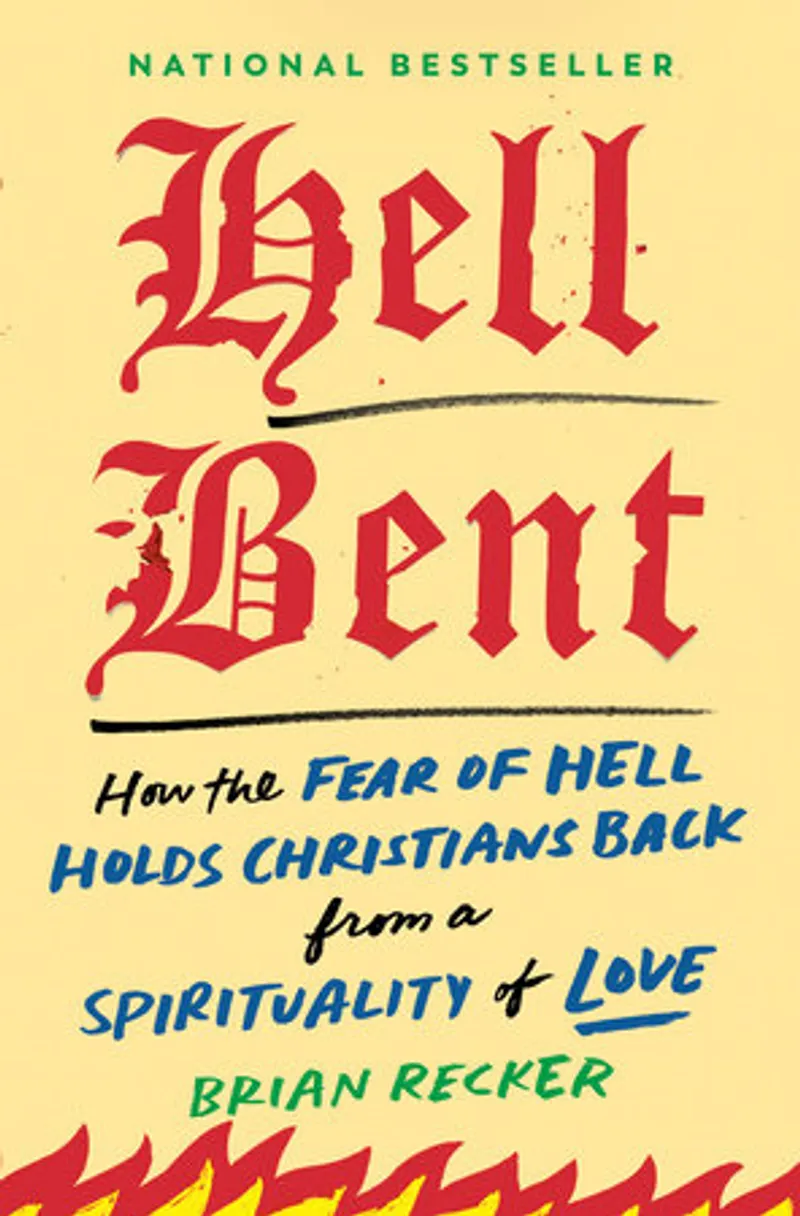

Hell Bent Author: Brian ReckerPage Count: UnknownPublication Date: 2025-PRH Hell Bent, the provocative new book by former evangelical pastor Brian Recker, is a breath of fresh air in the often-stagnant world of Christian spirituality. With unflinching honesty and a deep understanding of scripture, Recker tackles the daunting topic of hell and its implications on our understanding of God's love. The result is a thought-provoking and deeply personal exploration of the true heart of Christianity, one that is sure to resonate with anyone who has ever grappled with the concept of eternal damnation. At its core, Hell Bent is a book about the transformative power of love and the dangers of allowing fear to dictate our spiritual journeys. Recker argues convincingly that the traditional notion of hell as a place of eternal torment is not only unsupported by scripture but also fundamentally at odds with the radical inclusivity and compassion that Jesus embodied. By examining the historical and cultural context in which the concept of hell evolved, Recker reveals a more nuanced and loving picture of God, one that is concerned with healing and growth rather than punishment and condemnation. One of the most striking aspects of Hell Bent is Recker's fearless willingness to challenge the status quo and confront the harm that has been caused by the traditional doctrine of hell. With compassion and empathy, he acknowledges the pain and anxiety that this doctrine has inflicted on countless individuals, particularly those who have been marginalized or excluded by the church. At the same time, he offers a vision of Christianity that is centered on love, acceptance, and inclusivity, rather than fear, judgment, and division. Recker's writing style is engaging, accessible, and deeply personal, making Hell Bent feel more like a conversation with a trusted friend than a formal theological treatise. He draws on his own experiences as a former evangelical pastor, as well as the stories of others who have struggled with the concept of hell, to create a sense of connection and community that is rare in books on spirituality. His use of scripture is thoughtful and contextual, and he is careful to avoid simplistic or dogmatic interpretations that might alienate readers from different backgrounds or perspectives. Throughout the book, Recker emphasizes the importance of embracing a more expansive and loving understanding of God, one that is not limited by the constraints of traditional doctrine or dogma. He encourages readers to approach scripture with a sense of curiosity and openness, rather than trying to fit it into a predetermined framework or ideology. The result is a book that is both deeply rooted in Christian tradition and radically innovative in its approach to spirituality. In short, Hell Bent is a groundbreaking and deeply moving book that has the potential to transform the way we think about God, love, and redemption. Whether you are a lifelong Christian, a former evangelical, or simply someone who is seeking a more authentic and compassionate spirituality, this book is sure to resonate with you. Recker's message of hope and inclusivity is a balm to the soul, and his writing is a testament to the power of love and compassion to overcome even the deepest wounds. #ChristianityReimagined #HellIsNotReal #LoveWins #SpiritualDeconstruction #InclusiveFaith #RadicalLove Related InsightsNine Stories Book Review and Summary Bury Our Bones in the Midnight Soil Book Review and Summary Chateau Reverie Book Review and Summary{ "@context": "https://schema.org", "@type": "FAQPage", "mainEntity": [ { "@type": "Question", "name": "What is the main focus of Hell Bent Book Review and Summary?", "acceptedAnswer": { "@type": "Answer", "text": "Everything you need to know about Hell Bent with our detailed review." } }, { "@type": "Question", "name": "Who authored the comprehensive guide on Hell Bent Book Review and Summary?", "acceptedAnswer": { "@type": "Answer", "text": "This detailed article and its insights were carefully researched and authored by Carmen Martinez." } }, { "@type": "Question", "name": "Where can I find more related content about Books?", "acceptedAnswer": { "@type": "Answer", "text": "You can explore more articles, detailed reviews, and similar insights by browsing the Related Insights section at the bottom of this article or visiting our dedicated Books category page." } } ] }
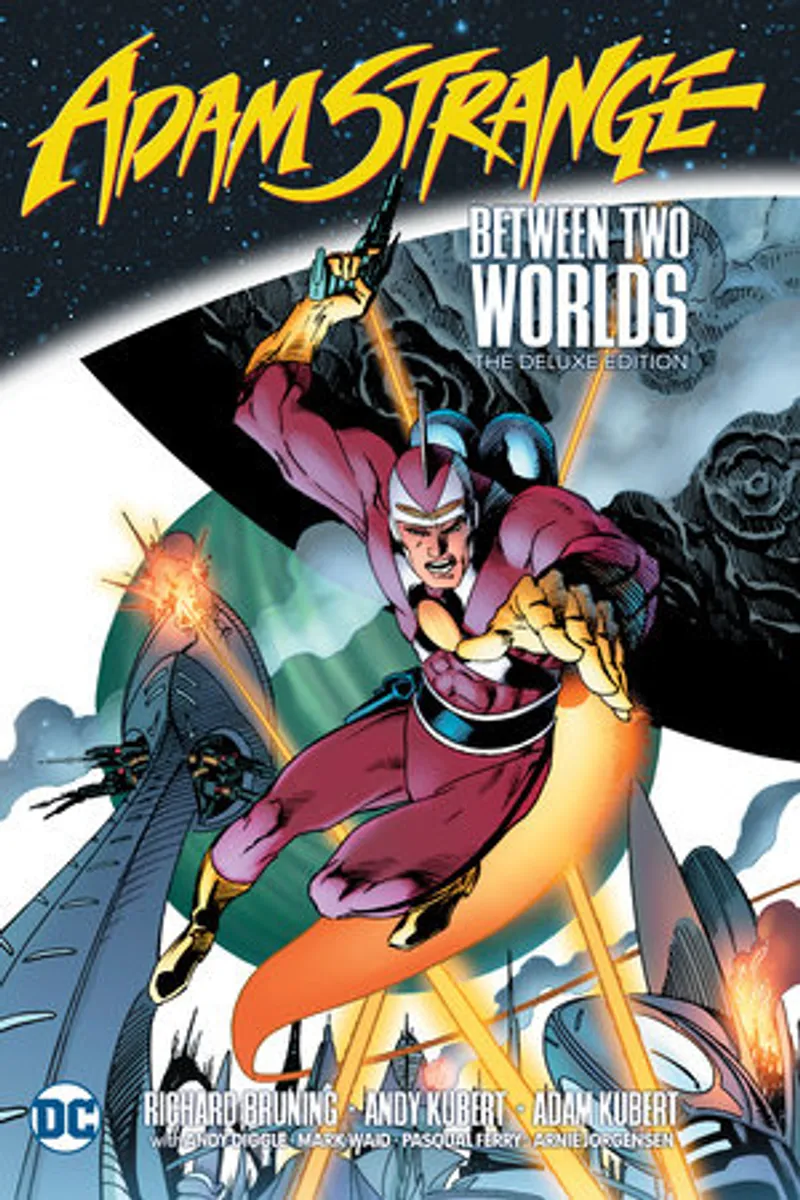
Adam Strange: Between Two Worlds The Deluxe Edition Author: Pascal FerryPage Count: UnknownPublication Date: 2023-PRH Adam Strange: Between Two Worlds – The Deluxe Edition is a cosmic tragedy wrapped in the shimmer of a space opera, a book that dares to ask what happens when the hero’s home is erased from the stars. Pascal Ferry’s lavish hardcover reprint doesn’t just collect forgotten tales—it rebuilds the myth of Adam Strange from the ground up, exposing the raw nerve beneath the silver-age grin. This isn’t just a nostalgia trip; it’s a gut-punch meditation on displacement, legacy, and the cost of being caught between two worlds. At its core, the book wrestles with identity. Adam Strange is the ultimate outsider—a human plucked from Earth and thrust into Rann’s advanced society, only to be exiled again when his adopted planet is destroyed. The deluxe edition forces us to confront the man behind the Zeta Beam legend. Ferry’s editorial choices stitch together three distinct eras of Strange’s life: his 1990 prestige miniseries, the 2004 ongoing series, and his brief but pivotal appearances in JLA. Each segment peels back another layer of the onion, revealing a hero who is both savior and stranger, a man who saves galaxies but can’t save his own family. The 1990 miniseries, written by Richard Bruning and drawn by Andy Kubert, is the emotional anchor. Here, Strange is a fugitive on Earth, hunted by both law enforcement and alien warlords. The art is kinetic, the lines sharp, but the real power lies in the script’s quiet moments—Strange staring at a newspaper headline about Rann’s destruction, or arguing with his estranged father on a payphone. It’s a story about being erased, about the crushing weight of cosmic indifference. Ferry’s inclusion of this early work is crucial; it grounds the later, more bombastic stories in raw human pain. The 2004 series, written by Mark Waid and drawn by various artists, shifts into a more traditional superhero mode, but Waid’s scripting keeps the emotional core intact. Strange’s relationship with his daughter, Aleea, becomes the heart of the narrative. Waid frames Strange’s heroism as a desperate attempt to reconnect with his lost family, even as the universe conspires to keep them apart. The art here is lush, with a retro-futuristic sheen that feels both nostalgic and fresh. Ferry’s decision to include this run alongside the darker 1990 material creates a fascinating dialectic—Strange as both cosmic protector and broken man. The JLA tie-ins, written by Grant Morrison and drawn by various artists, add another dimension. Strange’s appearances in the Justice League are brief but electric, showcasing his role as the bridge between Earth and the stars. Morrison’s typically dense, playful scripting contrasts sharply with the more grounded tones of the other stories, but Ferry’s curation ensures that these moments feel like necessary punctuation in Strange’s saga. Ferry’s editorial style is unobtrusive but masterful. He lets the stories breathe, providing just enough context without over-explaining. The reproductions are crisp, the extras (sketches, covers, annotations) are thoughtful, and the pacing is impeccable. This isn’t just a reprint; it’s a recontextualization. Ferry understands that Adam Strange’s tragedy isn’t just about losing a planet—it’s about losing the people you love, and the homes you thought you’d never need to leave behind. The book’s greatest strength is its refusal to romanticize heroism. Strange is a man out of time, out of place, and out of options. The cosmic wars, the alien threats, the galaxy-spanning stakes—all of it is secondary to the quiet devastation of a father who can’t reach his daughter, a husband who can’t save his wife, a hero who can’t save his home. The art, whether it’s Kubert’s gritty lines or the later artists’ more polished styles, serves the story perfectly, capturing both the grandeur of the DC Universe and the intimate sorrow of its protagonist. Adam Strange: Between Two Worlds – The Deluxe Edition is a book for fans of cosmic tragedy, for those who believe that the best superhero stories are the ones that break your heart before they lift you up. It’s a reminder that even the greatest heroes are just people, caught between two worlds, trying to find their way home. #AdamStrange #DCComics #CosmicHero #BetweenTwoWorlds #DeluxeEdition #SpaceOpera Related InsightsElla Enchanted Book Review and Summary Anthropodermische Bibliopegie: Eine Makabre Reise in die Welt der in Menschenhaut gebundenen Bücher The Complete Poems of Emily Dickinson Book Review and Summary{ "@context": "https://schema.org", "@type": "FAQPage", "mainEntity": [ { "@type": "Question", "name": "What is the main focus of The Chain Between Worlds Book Review and Summary?", "acceptedAnswer": { "@type": "Answer", "text": "Everything you need to know about The Chain Between Worlds with our detailed review." } }, { "@type": "Question", "name": "Who authored the comprehensive guide on The Chain Between Worlds Book Review and Summary?", "acceptedAnswer": { "@type": "Answer", "text": "This detailed article and its insights were carefully researched and authored by Johnathon Nicolaou." } }, { "@type": "Question", "name": "Where can I find more related content about Books?", "acceptedAnswer": { "@type": "Answer", "text": "You can explore more articles, detailed reviews, and similar insights by browsing the Related Insights section at the bottom of this article or visiting our dedicated Books category page." } } ] }
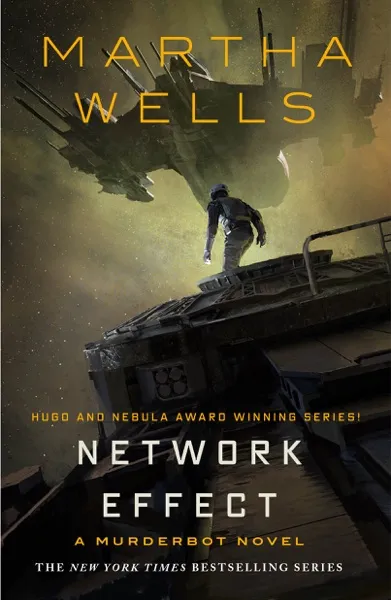

Network Effect Author: Martha WellsPage Count: UnknownPublication Year: 2020-GB In the realm of science fiction, few authors have managed to captivate readers with the same level of depth and nuance as Martha Wells. Her latest novel, Network Effect, is a masterclass in storytelling, weaving a complex narrative that explores the intricacies of artificial intelligence, consciousness, and human connection. This thought-provoking novel has catapulted to global bestseller status, and for good reason. At its core, Network Effect is a story about identity, self-discovery, and the blurred lines between human and artificial intelligence. The novel follows the journey of Murderbot, a sentient security robot who has managed to escape its corporate overlords and is now navigating a complex web of relationships and alliances. As Murderbot grapples with its own sense of self, it must also confront the harsh realities of a world where AI is both revered and reviled. One of the most striking aspects of Wells' writing is her ability to craft a narrative that is both introspective and action-packed. Murderbot's inner monologue is a highlight of the novel, offering a witty and irreverent commentary on the world around it. At the same time, the plot is expertly paced, hurtling towards a climax that is both suspenseful and emotionally resonant. Wells' prose is concise and evocative, conjuring a richly detailed world that is both familiar and strange. Her vision of a future where AI has become an integral part of human society is both prescient and unsettling, raising important questions about the consequences of playing god with technology. Throughout the novel, Wells explores a range of themes that are both timely and timeless. She delves into the nature of consciousness, the ethics of artificial intelligence, and the consequences of corporate power. Yet, despite the complexity of these themes, the novel never feels didactic or heavy-handed. Instead, Wells allows the story to unfold organically, trusting her readers to draw their own conclusions. One of the most impressive aspects of Network Effect is its ability to balance action and introspection. The novel is full of tense, suspenseful moments, as Murderbot navigates a treacherous landscape of corporate agents, rogue AI, and human adversaries. Yet, at the same time, Wells never loses sight of the novel's emotional core, exploring the deep bonds of friendship and loyalty that define Murderbot's relationships. In short, Network Effect is a triumph of science fiction, a novel that will appeal to fans of the genre and newcomers alike. With its thought-provoking themes, engaging characters, and expertly paced plot, this novel is a must-read for anyone looking for a compelling and emotionally resonant story. Martha Wells is a master of her craft, and Network Effect is a testament to her skill and imagination. #ArtificialIntelligence #ScienceFiction #Murderbot #RobotProtagonist #ConsciousnessExploration #FutureWorlds Related InsightsResonance Surge Book Review and Summary His Dark Materials: The Golden Compass (Book 1) Book Review and Summary Delirium Book Review and Summary{ "@context": "https://schema.org", "@type": "FAQPage", "mainEntity": [ { "@type": "Question", "name": "What is the main focus of Network Effect Book Review and Summary?", "acceptedAnswer": { "@type": "Answer", "text": "Everything you need to know about Network Effect with our detailed review." } }, { "@type": "Question", "name": "Who authored the comprehensive guide on Network Effect Book Review and Summary?", "acceptedAnswer": { "@type": "Answer", "text": "This detailed article and its insights were carefully researched and authored by Piotr Nowak." } }, { "@type": "Question", "name": "Where can I find more related content about Books?", "acceptedAnswer": { "@type": "Answer", "text": "You can explore more articles, detailed reviews, and similar insights by browsing the Related Insights section at the bottom of this article or visiting our dedicated Books category page." } } ] }
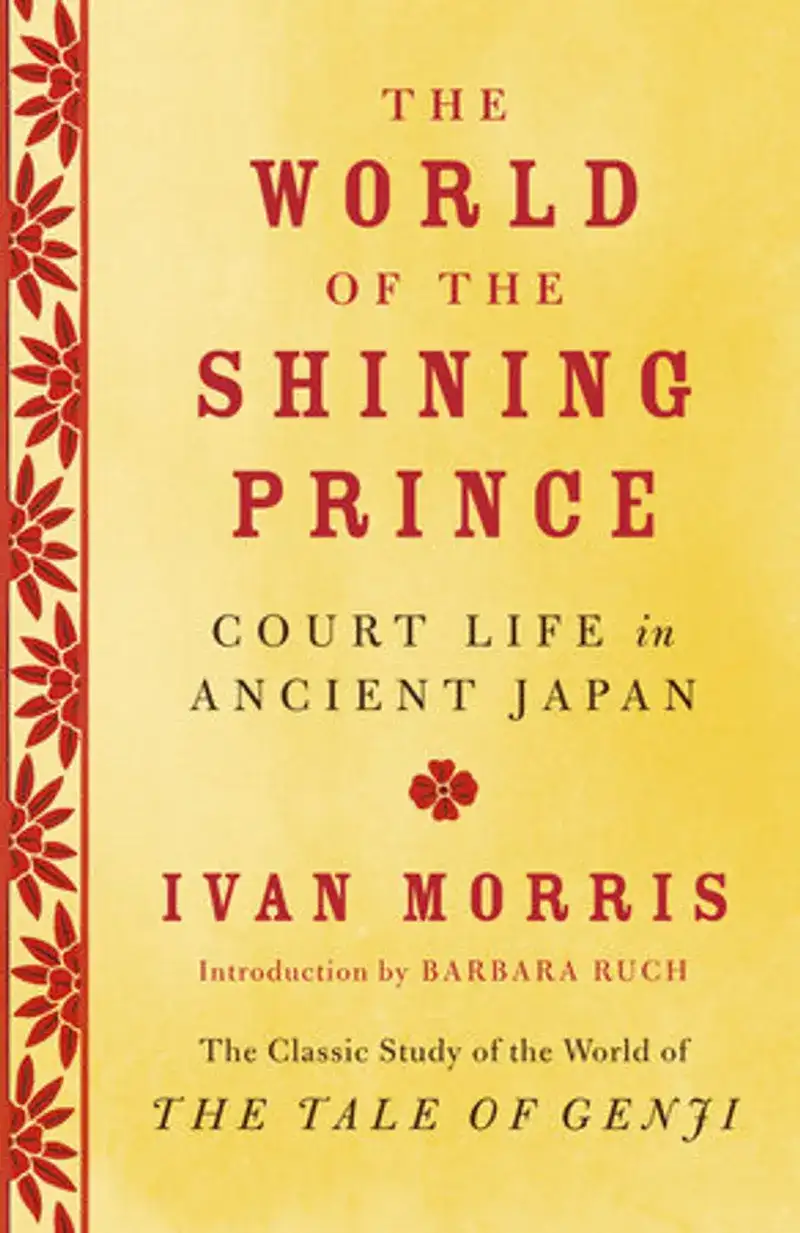

The World of the Shining Prince Author: Ivan MorrisPage Count: UnknownPublication Date: 2013-PRH Ivan Morris’s The World of the Shining Prince is not merely a book about ancient Japan—it is a portal to a lost world, a time when beauty was power, poetry was politics, and the subtlest gestures could shape destinies. First published decades ago but still luminous in its insight, this masterful work transports readers to the Heian period (794–1185), a golden age of refined sensibility often romanticized but rarely understood with such depth and clarity. Morris, a scholar of rare discernment, crafts a portrait that is as scholarly as it is evocative, blending meticulous research with a narrative grace that makes the past feel intimate and alive. At its core, the book explores the paradoxical world of the imperial court, where elegance was currency and melancholy was a cultural virtue. Morris anchors his exploration in The Tale of Genji, Murasaki Shikibu’s 11th-century masterpiece, but he transcends mere literary analysis. He recreates the rhythms of daily life—the swish of silk robes, the flicker of candlelight in dim corridors, the hushed whispers behind folding screens. This was a society ruled by aesthetics: calligraphy, scent, the arrangement of flowers, even the tilt of a sleeve conveyed meaning. A woman’s beauty was not just admired; it was a form of influence, a silent language in a world where direct speech was often frowned upon. Morris is particularly adept at illuminating the paradox of power in this era. The emperor, though revered, was often a distant figure, his authority mediated by courtiers who maneuvered through courtly rituals as deftly as courtesans navigated love affairs. The women of the court, cloistered behind screens and veiled by convention, wielded extraordinary cultural influence. They composed poetry, shaped fashion, and decided the fate of men through subtle emotional manipulation. In one striking passage, Morris describes how a woman’s refusal to acknowledge a lover—even through a mere glance—could ruin a man’s reputation overnight. Such was the power of passive resistance in a society that prized restraint over direct confrontation. The author’s style is a blend of precision and poetry. He writes with the rigor of a historian but the flair of a novelist. His prose is never dense or academic; instead, it unfolds like a scroll painting, revealing layers of meaning with each turn of the page. He has a knack for distilling complex social structures into vivid scenes. For instance, he describes a court ceremony not as a dry historical event but as a drama of glances and gestures, where the slightest misstep could cause a scandal. This approach makes the book accessible to general readers while satisfying the curiosity of specialists. Morris also excels in exploring the spiritual landscape of the Heian period. He delves into the syncretic blend of Shinto and Buddhism that colored daily life, where omens, dreams, and ghostly apparitions were taken as seriously as political edicts. He recounts tales of curses, possession, and prophetic dreams with the same seriousness he applies to courtly intrigue. It’s this balance—between the mundane and the mystical—that gives the book its depth. The reader comes away not just knowing about the Heian court but feeling its atmosphere: the scent of incense, the weight of tradition, the quiet ache of unfulfilled longing that permeates even its most joyous moments. One of the book’s most enduring strengths is its refusal to idealize its subject. Morris does not shy away from the darker aspects of Heian society: the political scheming, the emotional cruelty, the suffering of women trapped in polygamous marriages. He portrays the court as a glittering cage, where beauty was both a shield and a prison. This nuance elevates the book beyond mere nostalgia. It’s a reminder that even in the most refined cultures, power is often a fragile illusion, and happiness is a fleeting dream. In an era obsessed with progress and utility, The World of the Shining Prince offers a counterpoint—a world where artistry mattered more than efficiency, where subtlety was a virtue, and where the soul was nurtured through contemplation rather than consumption. Morris’s book is not just a historical study; it’s an elegy for a lost way of being, a culture that valued the ephemeral over the permanent. Reading it is like stepping into a time when life was lived at the pace of a poem, when every gesture held meaning, and when the heart’s quietest whispers could echo through the centuries. For anyone drawn to Japan’s past, to the interplay of art and power, or simply to the timeless human longing for beauty and connection, The World of the Shining Prince is essential. It is a book that lingers, like the memory of a perfect moonlit night in a garden long vanished. #HeianJapan #ClassicalLiterature #JapaneseHistory #MurasakiShikibu #IvanMorris #AncientCourts Related InsightsThe Warlord Book Review and Summary Fetal Position Book Review and Summary Nightshade Book Review and Summary{ "@context": "https://schema.org", "@type": "FAQPage", "mainEntity": [ { "@type": "Question", "name": "What is the main focus of The World of the Shining Prince Book Review and Summary?", "acceptedAnswer": { "@type": "Answer", "text": "Everything you need to know about The World of the Shining Prince with our detailed review." } }, { "@type": "Question", "name": "Who authored the comprehensive guide on The World of the Shining Prince Book Review and Summary?", "acceptedAnswer": { "@type": "Answer", "text": "This detailed article and its insights were carefully researched and authored by Michael Brown." } }, { "@type": "Question", "name": "Where can I find more related content about Books?", "acceptedAnswer": { "@type": "Answer", "text": "You can explore more articles, detailed reviews, and similar insights by browsing the Related Insights section at the bottom of this article or visiting our dedicated Books category page." } } ] }

Mokradla Author: Philippa GregoryPage Count: UnknownPublication Year: 2020-GB Philippa Gregory’s Mokradla is a mesmerizing blend of historical depth and emotional resonance, a novel that confirms her mastery of storytelling while venturing into fresh, untamed territory. Set in the wild, lawless marshlands of 16th-century Poland, the book transcends the conventional bounds of historical fiction, weaving a tale of survival, betrayal, and the relentless power of nature itself. Gregory’s signature ability to transport readers into another era is on full display here, but Mokradla—Polish for "swamp"—is not just a setting; it becomes a character, a living, breathing entity that shapes destinies and demands respect. At its core, Mokradla is a story of resistance. The protagonist, a young woman named Hanna, flees her village after a violent attack, seeking refuge in the vast, unforgiving wetlands where outcasts and fugitives carve out fragile existences. The marshes are a place of both sanctuary and peril, where the law of the land is supplanted by the law of the wild. Hanna’s journey is one of transformation—from victim to survivor, from outsider to a woman who learns to navigate the treacherous currents of both human and natural worlds. Gregory explores themes of autonomy and agency with a raw, unflinching honesty, reminding us that freedom often comes at a cost, and that the path to self-determination is rarely smooth. What makes Mokradla stand out is Gregory’s refusal to romanticize its setting. The swamp is not a picturesque backdrop but a merciless force, teeming with danger in every rustling reed and murky pool. The author’s meticulous research shines through in the vivid, almost tactile descriptions of the landscape—its smells, its sounds, its deceptive tranquility that can erupt into chaos without warning. This is not the Poland of castles and courts, but of mud and mist, where survival is a daily battle and trust is a luxury few can afford. The marsh, in Gregory’s hands, becomes a metaphor for the human condition: a place where only the resilient thrive, where the weak are consumed, and where the very act of existing is an act of defiance. Gregory’s prose is as evocative as ever, balancing lyrical beauty with gritty realism. Her sentences flow like the slow, meandering rivers of the swamp, pulling the reader deeper into Hanna’s world with each page. There’s a starkness to her writing here that feels intentional—a reflection of the harshness of the environment and the harshness of the choices Hanna must make. Yet, within this bleakness, there’s also a thread of hope, a quiet insistence that even in the darkest places, life persists. The novel’s emotional core lies in Hanna’s relationships—with the land, with her fellow outcasts, and ultimately, with herself. Gregory avoids easy resolutions, instead crafting a narrative that feels earned, where growth is hard-won and redemption is never guaranteed. The historical backdrop is richly detailed but never overwhelming. Gregory grounds the story in the politics and social hierarchies of the time—the feudal strife, the religious tensions, the rigid expectations placed on women—without allowing them to overshadow Hanna’s personal odyssey. This is a testament to Gregory’s skill; she never loses sight of her protagonist’s humanity, even amid the grand sweep of history. Hanna is a heroine for our times: flawed, resilient, and fiercely independent, she challenges the expectations of the era even as she navigates its dangers. Her voice is the heart of the book, a steady, compelling presence that anchors the story in emotional truth. One of the most striking aspects of Mokradla is its exploration of identity and belonging. Hanna is an outsider in every sense—not just in the swamp, but in the world beyond it. Her struggle to define who she is outside of the roles imposed on her (daughter, victim, fugitive) resonates deeply in an era where self-discovery is often fraught with external judgments. Gregory doesn’t shy away from depicting the brutal realities women faced in the 16th century, but she also infuses Hanna’s journey with a quiet defiance. There’s a feminist undercurrent to the novel that feels both timeless and urgent, a reminder that the fight for autonomy is not a modern concern but a timeless one. The novel’s pacing is deliberate, mirroring the unhurried yet unpredictable rhythm of the swamp. There are moments of stillness, where the tension builds almost imperceptibly, and sudden bursts of action that leave the reader breathless. Gregory’s ability to sustain suspense without resorting to melodrama is commendable, and the payoff is a story that lingers long after the final page. This is a book that demands to be read slowly, savored for its atmosphere as much as its plot, and appreciated for the way it refuses to simplify the complexities of its themes. Philippa Gregory has long been celebrated for her ability to bring history to life, but Mokradla feels like a departure—a bold, almost daring experiment that stretches her talents in new directions. It’s a novel that will appeal to fans of historical fiction who crave authenticity and depth, as well as readers who appreciate stories of resilience and the indomitable human spirit. Gregory proves once again that she is not just a chronicler of the past, but a weaver of tales that transcend time. In Mokradla, the swamp is more than a setting; it’s a mirror. It reflects the darkness within humanity but also the light—the stubborn will to survive, to change, to claim one’s own life on one’s own terms. Hanna’s story is a testament to the power of transformation, and in a world that often feels as uncertain and treacherous as a marsh at night, that message is both timely and timeless. #HistoricalFiction #PhilippaGregory #Mokradla #SwampMystery #FeministHistoricalFiction #SurvivalStory Related InsightsI Will Find You Book Review and Summary The Crossroads Book Review and Summary Sussurri Proibiti e Voci Che Non Muoiono: L'Eterno Viaggio dei Libri Banditi{ "@context": "https://schema.org", "@type": "FAQPage", "mainEntity": [ { "@type": "Question", "name": "What is the main focus of Mokradla Book Review and Summary?", "acceptedAnswer": { "@type": "Answer", "text": "Everything you need to know about Mokradla with our detailed review." } }, { "@type": "Question", "name": "Who authored the comprehensive guide on Mokradla Book Review and Summary?", "acceptedAnswer": { "@type": "Answer", "text": "This detailed article and its insights were carefully researched and authored by William Clark." } }, { "@type": "Question", "name": "Where can I find more related content about Books?", "acceptedAnswer": { "@type": "Answer", "text": "You can explore more articles, detailed reviews, and similar insights by browsing the Related Insights section at the bottom of this article or visiting our dedicated Books category page." } } ] }
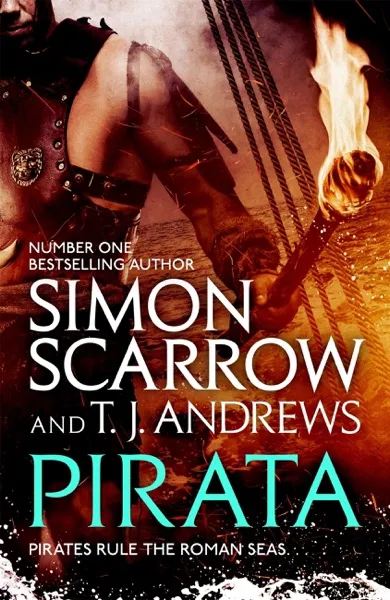

Pirata Author: Simon ScarrowPage Count: UnknownPublication Year: 2019-GB Pirata by Simon Scarrow is a captivating historical adventure that plunges readers into the swashbuckling world of 16th-century piracy, where gold, betrayal, and survival collide on the high seas. As the latest installment in Scarrow’s acclaimed Eagles of the Empire series—though standing strong as a standalone tale—this novel showcases the author’s signature blend of meticulous research, pulse-pounding action, and richly drawn characters. If you're a fan of naval warfare, rogue captains, and the violent allure of the pirate’s life, Pirata delivers all that and more with the precision of a seasoned storyteller. At its core, Pirata explores the duality of human ambition: the pursuit of freedom versus the chains of power. The story follows a cast of compelling figures—former slaves, disgraced officers, and ruthless buccaneers—all drawn together by the promise of treasure and the lure of the Caribbean’s uncharted waters. Scarrow masterfully contrasts the brutal reality of life on a pirate ship with the intoxicating dream of wealth and autonomy. This theme resonates deeply in an age where individualism and rebellion still captivate the imagination, making Pirata not just a tale of plunder, but a meditation on what it truly means to be free. Scarrow’s genius lies in his ability to balance historical authenticity with gripping narrative drive. Every detail—from the construction of a galleon to the politics of port cities—feels grounded in meticulous research, yet never overwhelms the story. His prose is sharp and evocative, painting vivid scenes of naval battles that crackle with tension. When the cannons roar and the sails snap in the wind, you can almost smell the salt in the air and feel the deck shudder beneath your feet. Yet, Scarrow never sacrifices character for spectacle. The protagonist—whether a cunning rogue or a conflicted captain—is always at the heart of the storm, their choices driving the plot forward with relentless momentum. What sets Pirata apart from generic pirate fiction is Scarrow’s refusal to glorify piracy. While other tales might romanticize the life of a corsair, this novel presents it in all its grim brutality: disease, mutiny, and sudden death are constant companions. The pirates are neither heroes nor saints; they are survivors, flawed and desperate, making their victories bittersweet. This moral complexity elevates Pirata beyond mere adventure, imbuing it with a weight that lingers long after the final page. Scarrow’s writing style is both immersive and accessible. His sentences flow with a rhythmic cadence, mirroring the ebb and flow of the tides. He excels at building suspense, dropping clues and red herrings with the precision of a seasoned tactician. The dialogue crackles with wit and tension, revealing character in every exchange. Whether it’s a tense standoff between rival captains or a whispered conspiracy in a tavern, the conversations feel real, each word carrying the potential for betrayal or salvation. Another standout feature is Scarrow’s portrayal of the Caribbean as a character in its own right. The islands, the storms, the hidden coves—all are rendered with such vivid detail that they become more than mere backdrops. They shape the story, challenging the characters at every turn. The sea is both a provider and a destroyer, a merciless force that tests the limits of human endurance. This environmental storytelling adds depth to the narrative, making Pirata feel as much a survival tale as it is a pirate epic. Pirata is not just a book for fans of historical fiction or naval adventures; it’s a testament to the enduring appeal of the pirate mythos, stripped of its Hollywood sheen and grounded in reality. Simon Scarrow has crafted a novel that is as intellectually satisfying as it is thrilling, a rare feat in modern fiction. Whether you're a longtime reader of his work or new to the genre, this book promises an unforgettable voyage—one filled with danger, intrigue, and the unshakable thrill of the chase. #Pirata #SimonScarrow #PirateAdventure #HistoricalFiction #Swashbuckling #CaribbeanSea Related InsightsThe Complete Works Book Review and Summary The Invention of Hugo Cabret Book Review and Summary Yumi and the Nightmare Painter Book Review and Summary{ "@context": "https://schema.org", "@type": "FAQPage", "mainEntity": [ { "@type": "Question", "name": "What is the main focus of Pirata Book Review and Summary?", "acceptedAnswer": { "@type": "Answer", "text": "Everything you need to know about Pirata with our detailed review." } }, { "@type": "Question", "name": "Who authored the comprehensive guide on Pirata Book Review and Summary?", "acceptedAnswer": { "@type": "Answer", "text": "This detailed article and its insights were carefully researched and authored by Olya Shevchenko." } }, { "@type": "Question", "name": "Where can I find more related content about Books?", "acceptedAnswer": { "@type": "Answer", "text": "You can explore more articles, detailed reviews, and similar insights by browsing the Related Insights section at the bottom of this article or visiting our dedicated Books category page." } } ] }
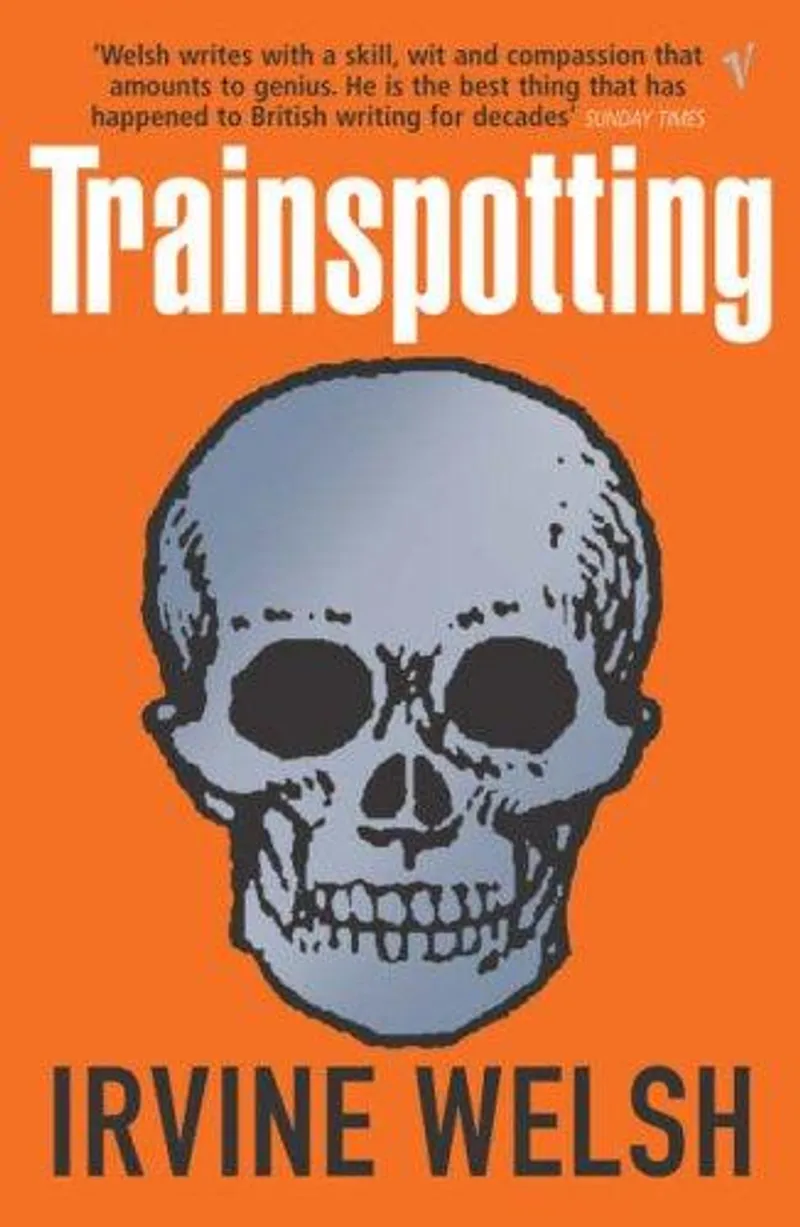
Trainspotting Author: Irvine WelshPage Count: UnknownPublication Date: 1993-OL In the gritty, unapologetic world of Irvine Welsh's Trainspotting, the lines between reality and chaos are blurred, and the city of Edinburgh becomes a character in its own right. This raw, unflinching novel, first published in 1993, is a masterclass in storytelling, weaving together a series of short stories that revolve around a group of friends as they navigate the dark underbelly of addiction, poverty, and desperation. Welsh's writing style is as unflinching as the world he portrays. His use of dialect and vernacular adds to the sense of authenticity, drawing the reader into the world of Mark Renton, Spud, Sick Boy, and Begbie. The narrative is fragmented, reflecting the disjointed lives of the characters, and Welsh's use of stream-of-consciousness prose creates a sense of urgency and immediacy. At its core, Trainspotting is a novel about the struggle for identity and the search for meaning in a seemingly meaningless world. The characters are all, in their own way, trying to escape the bleakness of their surroundings, whether through drugs, violence, or fantasy. But Welsh is not interested in offering easy answers or solutions. Instead, he presents a nuanced, multifaceted portrait of addiction, one that is both harrowing and darkly comedic. One of the most striking aspects of Trainspotting is its use of humor. Welsh's characters are often hilarious, their banter and dialogue crackling with energy and wit. But this humor is always tempered by a sense of tragedy, a recognition that the characters are trapped in a cycle of addiction and despair. Despite its bleak subject matter, Trainspotting is a novel that is ultimately about hope and resilience. Mark Renton, the protagonist, is a complex, multifaceted character, driven by a desire to escape the limitations of his world. His narrative is one of the most compelling, as he navigates the complexities of friendship and loyalty, all while struggling to come to terms with his own addiction. Trainspotting is not an easy read, but it is a necessary one. Welsh's writing is unflinching, his characters are complex and multifaceted, and the world he portrays is both harrowing and hauntingly beautiful. This is a novel that will leave you breathless, disturbed, and ultimately, hopeful. #Trainspotting #IrvineWelsh #ScottishLiterature #AddictionLiterature #DarkComedy #GrittyFiction Related InsightsThe Hate U Give Book Review and Summary Black Cake Book Review and Summary Hardly a Gentleman Book Review and Summary{ "@context": "https://schema.org", "@type": "FAQPage", "mainEntity": [ { "@type": "Question", "name": "What is the main focus of Trainspotting Book Review and Summary?", "acceptedAnswer": { "@type": "Answer", "text": "Everything you need to know about Trainspotting with our detailed review." } }, { "@type": "Question", "name": "Who authored the comprehensive guide on Trainspotting Book Review and Summary?", "acceptedAnswer": { "@type": "Answer", "text": "This detailed article and its insights were carefully researched and authored by Irvine Welsh." } }, { "@type": "Question", "name": "Where can I find more related content about Books?", "acceptedAnswer": { "@type": "Answer", "text": "You can explore more articles, detailed reviews, and similar insights by browsing the Related Insights section at the bottom of this article or visiting our dedicated Books category page." } } ] }
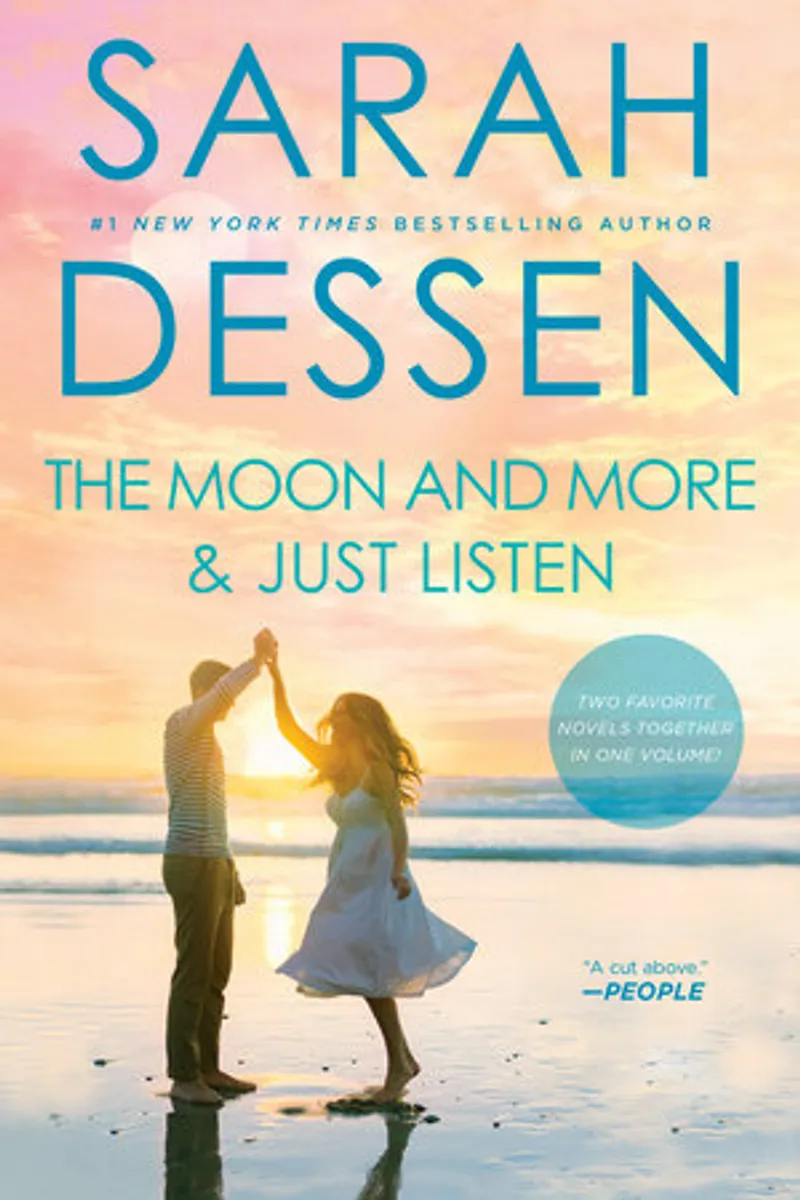
The Moon and More and Just Listen Author: Sarah DessenPage Count: UnknownPublication Date: 2020-PRH In "The Moon and More" and "Just Listen", a dual volume from the esteemed New York Times bestselling author Sarah Dessen, we find ourselves immersed in the poignant world of teenage self-discovery, love, and the complexities of relationships. The stories are woven together by Dessen's masterful narrative, which navigates the delicate balance between the fragility of the human heart and the unyielding power of true emotions. The unifying thread throughout both novels is the exploration of identity, as the protagonists grapple with the expectations of others while trying to find their own voice. Dessen's writing style is a perfect blend of relatability and depth, making it effortless for readers to become invested in the characters' journeys. Her prose is evocative, painting vivid pictures of the characters' inner turmoil and their surroundings, drawing the reader into the world she has created. One of the most striking aspects of Dessen's writing is her ability to craft characters that are multidimensional and authentic. The protagonists, with their flaws and strengths, are expertly developed, making it impossible not to empathize with their struggles. The supporting characters are equally well-crafted, adding depth and complexity to the narrative. The theme of identity is a recurring one in Dessen's works, and "The Moon and More" and "Just Listen" are no exception. The novels delve into the challenges of navigating the complexities of adolescence, where the pressure to conform to societal expectations can be overwhelming. Dessen tackles this theme with sensitivity and nuance, offering a thoughtful exploration of what it means to be true to oneself. Throughout the novels, Dessen also explores the intricacies of relationships, highlighting the ways in which they can both uplift and devastate us. The romance is sweet and tender, but it's also fraught with the uncertainty and vulnerability that comes with opening oneself up to another person. The portrayal of relationships is realistic, acknowledging the imperfections and misunderstandings that can arise, but also the transformative power of love and connection. What sets Dessen apart from other authors in the young adult genre is her ability to balance lighthearted moments with more serious themes. Her writing is infused with a sense of humor and wit, making the novels an absolute pleasure to read. At the same time, she tackles difficult subjects with sensitivity and care, never shying away from the complexities of the human experience. In "The Moon and More" and "Just Listen", Sarah Dessen has created a captivating and emotionally resonant duology that will resonate with readers of all ages. Her writing is a testament to the power of storytelling, reminding us that even in the darkest moments, there is always the possibility for growth, transformation, and redemption. #SarahDessen #TheMoonAndMore #JustListen #YoungAdultFiction #ComingOfAge #RelationshipGoals Related InsightsThe Dragon Republic Book Review and Summary Funny Story Book Review and Summary Choke Book Review and Summary{ "@context": "https://schema.org", "@type": "FAQPage", "mainEntity": [ { "@type": "Question", "name": "What is the main focus of Just Listen Book Review and Summary?", "acceptedAnswer": { "@type": "Answer", "text": "Everything you need to know about Just Listen with our detailed review." } }, { "@type": "Question", "name": "Who authored the comprehensive guide on Just Listen Book Review and Summary?", "acceptedAnswer": { "@type": "Answer", "text": "This detailed article and its insights were carefully researched and authored by Sarah Dessen." } }, { "@type": "Question", "name": "Where can I find more related content about Books?", "acceptedAnswer": { "@type": "Answer", "text": "You can explore more articles, detailed reviews, and similar insights by browsing the Related Insights section at the bottom of this article or visiting our dedicated Books category page." } } ] }
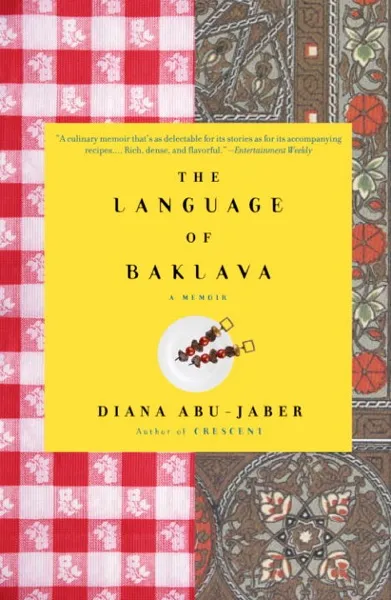

Eat Joy Author: Diana Abu-JaberPage Count: UnknownPublication Year: 2019-GB Diana Abu-Jaber’s Eat Joy is a vibrant celebration of food as more than sustenance—it’s a language of love, memory, and resilience. At its heart, this book is a culinary memoir that weaves together the author’s personal journey with the rich tapestry of Middle Eastern and American culinary traditions. Abu-Jaber, known for her lyrical prose and deep emotional resonance, crafts a narrative that is as much about the act of cooking as it is about the stories food carries within it. The title itself—Eat Joy—hints at the book’s central theme: the transformative power of food to nourish not just the body, but the soul. Abu-Jaber, who grew up between Jordan and the United States, explores how food becomes a bridge between cultures, generations, and even the past and present. Her writing is steeped in sensory detail, inviting readers to not just read about dishes but to taste them through her words. Whether she’s describing the warmth of a bowl of mansaf, the spice of a homemade za’atar, or the comfort of a simple American apple pie, her prose is rich with imagery and emotion. One of the most striking aspects of Eat Joy is Abu-Jaber’s ability to intertwine food with the personal. She doesn’t just share recipes; she shares memories. The book becomes a love letter to her family, particularly her father, who passed away during the writing of the book. Through food, she revisits his presence, the meals they shared, and the traditions he passed down. It’s a poignant reminder of how food can anchor us in grief and joy alike. There’s a moment early in the book where she describes making her father’s favorite dish, musakhan, and the act of cooking becomes a way to keep him close, even in his absence. That kind of emotional depth elevates Eat Joy from a mere cookbook to a deeply human experience. Abu-Jaber’s style is a feast for the senses. She writes with a poet’s eye, using food as a lens to explore broader themes of identity, belonging, and cultural heritage. Her sentences are often lush and evocative, mirroring the sensory richness of the dishes she describes. For example, she writes about the “golden, crispy edges” of a perfectly baked pie, or the “deep, earthy aroma” of cumin, making the reader feel as though they are right there in the kitchen with her. Yet, her prose is also grounded in warmth and humor, balancing the heavier moments with a lightness that keeps the book from feeling overly sentimental. The structure of Eat Joy is another standout feature. Rather than a linear narrative, Abu-Jaber organizes the book thematically, with chapters focused on different ingredients or dishes—bread, meat, vegetables, sweets—and the memories they evoke. This approach allows her to explore a wide range of experiences, from the communal joy of a large family gathering to the quiet intimacy of cooking for oneself. It also reflects the way food functions in our lives: sometimes as a shared experience, sometimes as a solitary comfort. One of the book’s most compelling threads is its exploration of cultural fusion. Abu-Jaber seamlessly blends Middle Eastern and American culinary traditions, reflecting her own bicultural upbringing. She doesn’t shy away from the complexities of this duality, either. There are moments of tension, such as when she grapples with the expectations placed on her as a woman in the kitchen, or when she reflects on the way food can both preserve tradition and adapt to new environments. Yet, the overall tone is one of celebration—of the ways food can bring people together across differences. What makes Eat Joy particularly resonant is its universality. While Abu-Jaber’s background gives the book a distinct flavor, the themes she explores are deeply relatable. Who hasn’t felt the comfort of a favorite meal, or the nostalgia of a taste from childhood? The book is a reminder that food is a language we all speak, even if we don’t always realize it. It’s a way to connect with others, to honor the past, and to find joy in the everyday. Abu-Jaber’s voice is a gift to readers. She writes with a generosity that makes Eat Joy feel like a conversation rather than a lecture. Whether she’s sharing a family recipe or musing on the cultural significance of a dish, her tone is inviting and her insights are profound without being pretentious. It’s clear that food is more than just a professional interest for her; it’s a lifelong passion that she wants to share with others. Eat Joy is a book that will leave you hungry—for more than just food. It’s a call to slow down, to savor the moments that matter, and to find joy in the act of nourishing ourselves and others. In a world that often feels rushed and disconnected, Abu-Jaber’s celebration of food as a source of connection and comfort is both timely and timeless. In the end, Eat Joy is more than a cookbook or a memoir. It’s a love song to the power of food to heal, to connect, and to bring us joy. And if Abu-Jaber’s writing is anything to go by, that joy is something we could all use a little more of. #EatJoy #FoodMemoir #CulinaryJourney #CulturalFusion #FoodAndMemory #DianaAbuJaber Related InsightsDefy Me (Shatter Me) Book Review and Summary The 100 Hats of the Cat in the Hat: A Celebration of the 100th Day of School Book Review and Summary If I Stay Book Review and Summary{ "@context": "https://schema.org", "@type": "FAQPage", "mainEntity": [ { "@type": "Question", "name": "What is the main focus of Eat Joy Book Review and Summary?", "acceptedAnswer": { "@type": "Answer", "text": "Everything you need to know about Eat Joy with our detailed review." } }, { "@type": "Question", "name": "Who authored the comprehensive guide on Eat Joy Book Review and Summary?", "acceptedAnswer": { "@type": "Answer", "text": "This detailed article and its insights were carefully researched and authored by Lucia Garcia." } }, { "@type": "Question", "name": "Where can I find more related content about Books?", "acceptedAnswer": { "@type": "Answer", "text": "You can explore more articles, detailed reviews, and similar insights by browsing the Related Insights section at the bottom of this article or visiting our dedicated Books category page." } } ] }
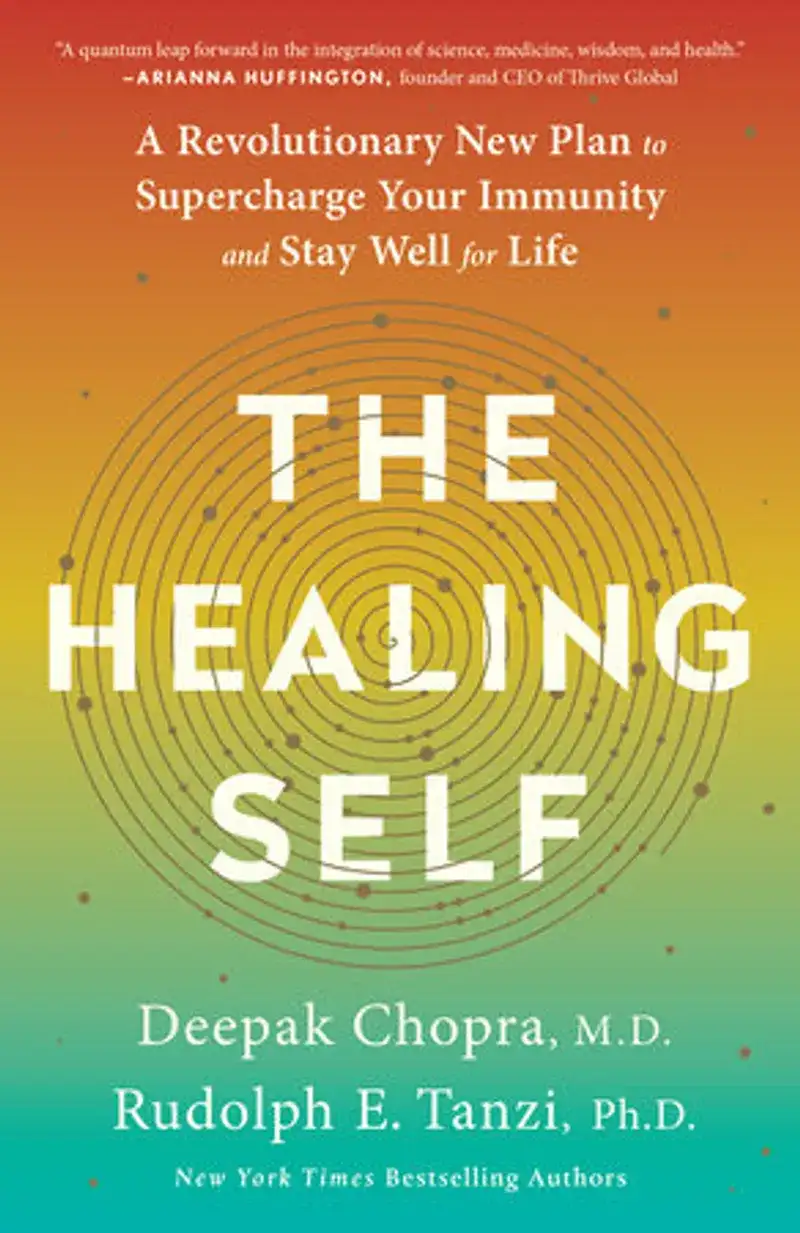

The Healing Self Author: Deepak Chopra, M.D.Page Count: UnknownPublication Date: 2020-PRH The Healing Self, a groundbreaking work by renowned authors Deepak Chopra, M.D., and Rudolph E. Tanzi, presents a compelling case for the importance of individual responsibility in achieving optimal health and wellness. Published in 2020, this landmark book is a timely response to the growing concerns of environmental toxins, potential epidemics, and the accelerated aging process. Chopra and Tanzi's work is a quantum leap forward in the integration of science, medicine, wisdom, and health, as aptly described by Arianna Huffington. The central theme of The Healing Self is the empowerment of individuals to take charge of their own health, rather than relying solely on doctors or pharmaceutical companies. This is a bold and liberating message, one that resonates deeply in today's world where the burden of health has shifted from institutions to individuals. Chopra and Tanzi argue that by making informed lifestyle choices, individuals can develop a holistic and transformative health plan that promotes longevity and well-being. One of the key strengths of The Healing Self is its comprehensive approach to health. The authors closely examine the impact of chronic stress and inflammation on our well-being, identifying these as primary detriments to health. They also offer a cutting-edge seven-day action plan, which provides readers with the tools and strategies needed to develop their own personalized path to self-healing. This plan is a valuable resource, one that empowers readers to take concrete steps towards achieving optimal health. Throughout the book, Chopra's signature style shines through, blending Eastern wisdom with Western scientific rigor. His writing is engaging, accessible, and infused with a deep sense of compassion and empathy. The Healing Self is not just a book about health; it is a call to action, a rallying cry for individuals to take control of their own well-being. Chopra and Tanzi's work is a testament to the human body's incredible capacity for self-healing and regeneration, and their message is both inspiring and empowering. The Healing Self is a book that will resonate with anyone interested in health, wellness, and personal growth. It is a must-read for those seeking to navigate the complexities of modern healthcare and to develop a deeper understanding of the intricate relationships between body, mind, and spirit. As a work of profound insight and wisdom, The Healing Self has the potential to transform lives and to inspire a new revolution in health, one that is driven by individual empowerment and self-awareness. In conclusion, The Healing Self is a masterpiece of contemporary health literature, one that offers a compelling vision of human health and wellness. With its unique blend of science, wisdom, and inspiration, this book has the power to transform lives and to inspire a new era of health and wellness. #TheHealingSelf #DeepakChopra #Wellness #SelfHealing #HolisticHealth #MindBodySpirit Related InsightsDarkfever Book Review and Summary The World We Make Book Review and Summary Freed Book Review and Summary{ "@context": "https://schema.org", "@type": "FAQPage", "mainEntity": [ { "@type": "Question", "name": "What is the main focus of The Healing Self Book Review and Summary?", "acceptedAnswer": { "@type": "Answer", "text": "Everything you need to know about The Healing Self with our detailed review." } }, { "@type": "Question", "name": "Who authored the comprehensive guide on The Healing Self Book Review and Summary?", "acceptedAnswer": { "@type": "Answer", "text": "This detailed article and its insights were carefully researched and authored by Olivia Harris." } }, { "@type": "Question", "name": "Where can I find more related content about Books?", "acceptedAnswer": { "@type": "Answer", "text": "You can explore more articles, detailed reviews, and similar insights by browsing the Related Insights section at the bottom of this article or visiting our dedicated Books category page." } } ] }

Stink y los tenis más apestosos del mundo/ Stink and the World's Worst Super-Stinky Sneakers Author: Megan McDonaldPage Count: UnknownPublication Date: 2022-PRH In "Stink and the World's Worst Super-Stinky Sneakers," Megan McDonald masterfully crafts a hilarious and engaging tale that will captivate young readers and leave them eagerly awaiting their next encounter with the lovable Stink Moody. This latest installment in the beloved series is a true testament to McDonald's unique ability to blend humor, adventure, and valuable life lessons into a narrative that is both entertaining and enriching. At its core, "Stink and the World's Worst Super-Stinky Sneakers" is a celebration of individuality and the power of embracing one's unique talents and passions. Stink's incredible sense of smell, which often proves to be both a blessing and a curse, is expertly woven throughout the story as a symbol of self-acceptance and the importance of being true to oneself. As Stink navigates the Gross-Me-Out exhibit and discovers the fascinating world of olfactory exploration, McDonald skillfully conveys the value of exploring one's interests and pursuing one's dreams, no matter how unusual they may seem. McDonald's writing style is, as always, a highlight of the book. Her use of language is playful, witty, and engaging, making the story a true page-turner that will leave young readers giggling and eager for more. The author's ability to balance humor and heart is a rare gift, and it is on full display in this latest Stink adventure. From the disgusting delights of the Gross-Me-Out exhibit to the intense competition of the stinky sneaker contest, McDonald's narrative is full of clever wordplay, humorous observations, and lighthearted fun. One of the most impressive aspects of "Stink and the World's Worst Super-Stinky Sneakers" is its ability to tackle complex themes and ideas in a way that is both accessible and enjoyable for young readers. McDonald's exploration of the science behind smell and the various ways in which it impacts our daily lives is both informative and engaging, making the book an excellent choice for kids who are curious about the world around them. In short, "Stink and the World's Worst Super-Stinky Sneakers" is a triumphant addition to the Stink series, offering a unique blend of humor, adventure, and heart that is sure to delight readers of all ages. With its positive message, engaging narrative, and lighthearted fun, this book is a must-read for kids and parents alike. #StinkMoody #KidsLit #HumorBooks #ScienceForKids #OlfactoryAdventures #GrossMeOut Related InsightsUntitled Thriller Book Review and Summary Start Lying to Yourself: New Truths to Manifest the Life You Want Book Review and Summary Stormside (Starside Series) Book Review and Summary{ "@context": "https://schema.org", "@type": "FAQPage", "mainEntity": [ { "@type": "Question", "name": "What is the main focus of Marley and Me: Life and Love With the World’s Worst Dog Book Review and Summary?", "acceptedAnswer": { "@type": "Answer", "text": "Everything you need to know about Marley and Me: Life and Love With the World’s Worst Dog with our detailed review." } }, { "@type": "Question", "name": "Who authored the comprehensive guide on Marley and Me: Life and Love With the World’s Worst Dog Book Review and Summary?", "acceptedAnswer": { "@type": "Answer", "text": "This detailed article and its insights were carefully researched and authored by John Grogan." } }, { "@type": "Question", "name": "Where can I find more related content about Books?", "acceptedAnswer": { "@type": "Answer", "text": "You can explore more articles, detailed reviews, and similar insights by browsing the Related Insights section at the bottom of this article or visiting our dedicated Books category page." } } ] }
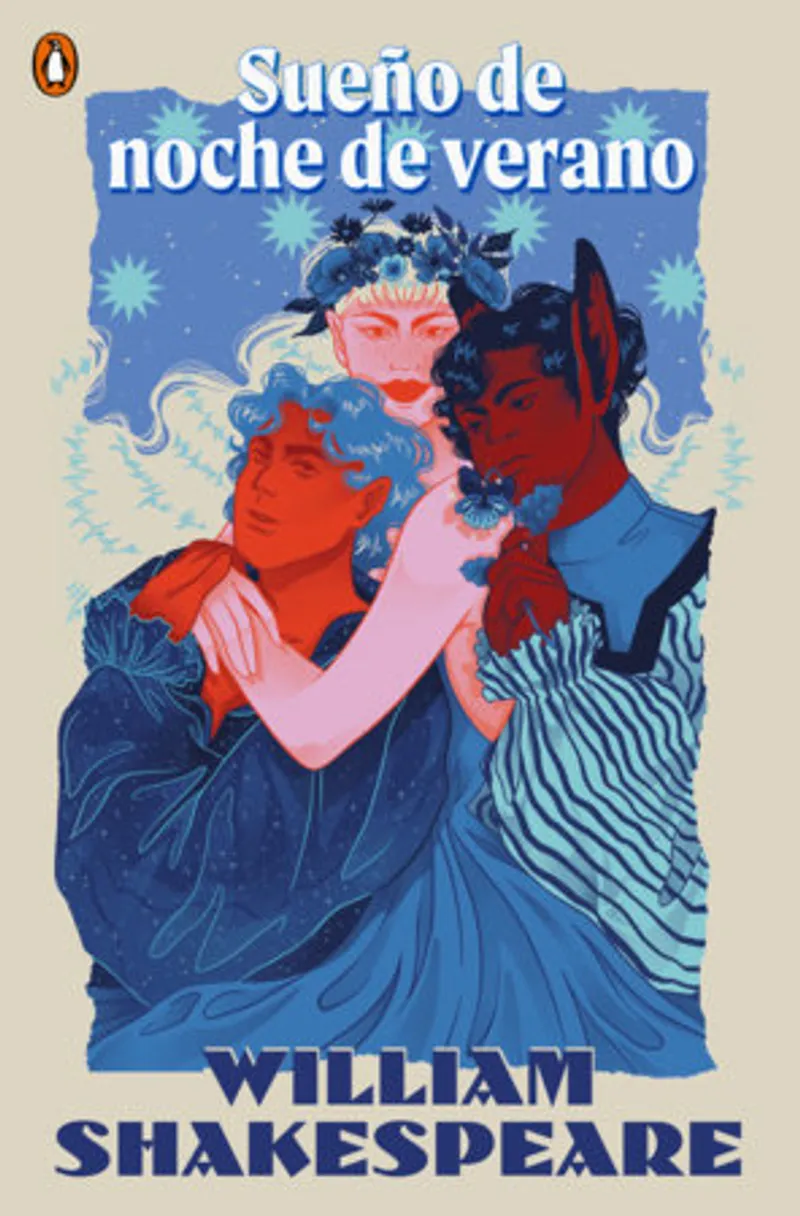
Sueño de noche de verano / A Midsummer Night's Dream Author: William ShakespearePage Count: UnknownPublication Date: 2026-PRH A Midsummer Night's Dream, a timeless masterpiece by the revered William Shakespeare, has been re-released in 2026, offering readers a chance to re-experience the enchanting world of love, magic, and mischief. This captivating tale, though penned centuries ago, remains a poignant exploration of the human condition, delving into the complexities of love, identity, and the transformative power of the imagination. At its core, A Midsummer Night's Dream is a thought-provoking examination of the intricate dance between reality and fantasy. Shakespeare masterfully weaves together the stories of four young lovers, a group of amateur actors, and the mythical creatures of the forest, blurring the lines between the mundane and the magical. The result is a rich tapestry of themes and emotions, expertly crafted to captivate and intrigue readers of all ages. One of the most striking aspects of Shakespeare's writing style is his use of language, which is at once poetic, expressive, and accessible. His prose is akin to a rich, velvety cake – layered, complex, and utterly delightful. The Bard's command of language is on full display in A Midsummer Night's Dream, as he effortlessly conjures the whimsical world of the forest, complete with mischievous sprites, lovesick mortals, and the enigmatic Oberon, King of the Fairies. Shakespeare's exploration of love is another dominant theme in the book, as he probes the complexities of romantic relationships, revealing the often-blurred lines between love, lust, and obsession. The character of Puck, with his mischievous antics and penchant for meddling, serves as a clever catalyst for the chaos that ensues, highlighting the capricious nature of love and the devastating consequences of its mismanagement. The author's use of comedic elements is also noteworthy, as he skillfully employs satire, irony, and slapstick humor to create a lighthearted, entertaining atmosphere. The character of Bottom, with his bombastic personality and hapless antics, provides much of the comedic relief, serving as a clever foil to the more serious themes explored in the book. In conclusion, A Midsummer Night's Dream is a masterpiece of literature that continues to captivate readers with its timeless themes, enchanting characters, and beautiful language. Shakespeare's writing style, a perfect blend of poetry, wit, and imagination, has created a world that is at once fantastical and familiar, inviting readers to step into the magical realm of the forest and experience the transformative power of love and imagination. #AMidsummerNightsDream #ShakespeareReimagined #LoveAndMagic #TheBardLivesOn #FantasyAndReality #TimelessClassics Related InsightsJohnny Got His Gun Book Review and Summary The Magic of Chamomile Cottage Book Review and Summary Bride Book Review and Summary{ "@context": "https://schema.org", "@type": "FAQPage", "mainEntity": [ { "@type": "Question", "name": "What is the main focus of A Midsummer Night’s Dream Book Review and Summary?", "acceptedAnswer": { "@type": "Answer", "text": "Everything you need to know about A Midsummer Night’s Dream with our detailed review." } }, { "@type": "Question", "name": "Who authored the comprehensive guide on A Midsummer Night’s Dream Book Review and Summary?", "acceptedAnswer": { "@type": "Answer", "text": "This detailed article and its insights were carefully researched and authored by William Shakespeare." } }, { "@type": "Question", "name": "Where can I find more related content about Books?", "acceptedAnswer": { "@type": "Answer", "text": "You can explore more articles, detailed reviews, and similar insights by browsing the Related Insights section at the bottom of this article or visiting our dedicated Books category page." } } ] }
-
 Anna Kowalska
 - 08 Mar, 2026 17:59
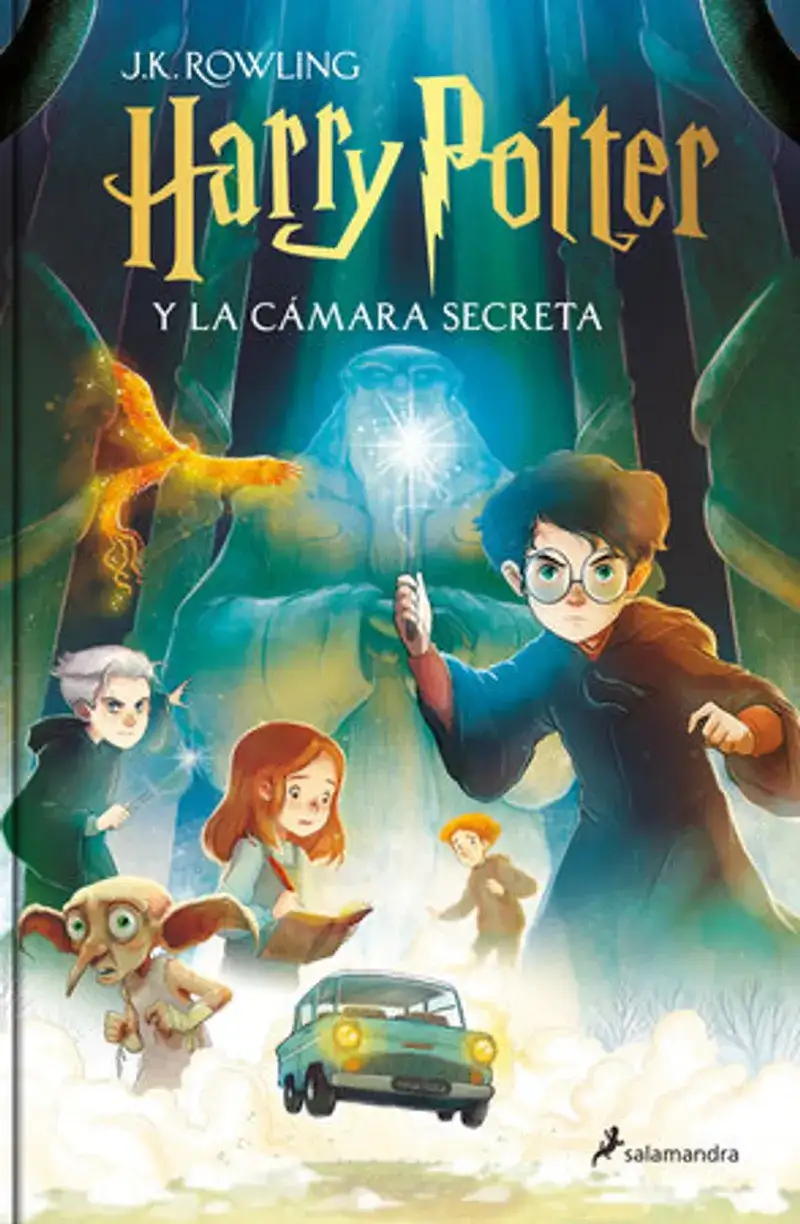
Harry Potter y la cámara secreta (Edición con ilustraciones de Xavier Bonet) / Harry Potter and the Chamber of Secrets Book Review and Summary
Harry Potter y la cámara secreta (Edición con ilustraciones de Xavier Bonet) / Harry Potter and the Chamber of Secrets Author: J.K. RowlingPage Count: UnknownPublication Date: 2024-PRH Harry Potter and the Chamber of Secrets (Illustrated Edition) – A Darker Dance of Magic and Identity Few sequels in literature dare to deepen the shadows while keeping the sparkle alive, but J.K. Rowling’s Harry Potter and the Chamber of Secrets somehow pulls it off. This is not merely a second act; it’s a mirror held up to the first book’s gleaming optimism, revealing cracks in the gilded halls of Hogwarts. In this lavishly reimagined illustrated edition—crafted with devotion by Spanish artist Xavier Bonet—Rowling’s narrative pulse quickens, and the magic becomes not just spellwork, but self-discovery. At its core, The Chamber of Secrets is about fear masquerading as inheritance. The book opens with Harry trapped in the suffocating orbit of the Dursleys, where love is a performance and kindness is a foreign currency. When the elfin Dobby arrives, his warnings are draped in doom—“You will be hurt… or worse… killed”—not as prophecy, but as emotional extraction. Harry is being told, in no uncertain terms, that his identity is both a burden and a target. This theme of inherited danger is echoed in the Chamber itself: a relic of Salazar Slytherin, whose prejudice has festered beneath the school’s polished surface. The “pure-blood” ideology isn’t just villainy—it’s a psychological wound, one that Harry must face not as a hero, but as a boy who doesn’t yet know his own lineage’s weight. Rowling’s genius lies in making ideology feel intimate. The attacks on Muggle-born students aren’t just plot points; they’re emotional landmines. Each petrified victim—Colin Creevey, Justin Finch-Fletchley—represents a fragment of Harry’s growing understanding: that the world he inhabits is not as safe or as just as he believed. The whispers in the corridors, the slashed paintings, the ghostly warnings from Nearly Headless Nick—all of it builds a Gothic atmosphere within the familiar framework of a school story. It’s as if Hogwarts, once a sanctuary, has become a haunted house that Harry can’t escape. And yet, amid the dread, Rowling never abandons humor or heart. The flying Ford Anglia, the bumbling Weasley twins, even Gilderoy Lockhart—each comic relief character serves a purpose. Lockhart, the narcissistic Defense Against the Dark Arts teacher, is not just a joke; he embodies the danger of false authority and performative heroism. His presence reminds us that talent and virtue are not always aligned—and that’s a lesson Harry must learn before facing the true monster in the Chamber. The prose, while retaining its youthful clarity, gains nuance here. Rowling’s descriptions of the Forbidden Forest or the Slytherin common room are richer, more textured. The emotional beats—Harry’s isolation, Ron’s fear of failure, Hermione’s brilliance turned to stone—are rendered with a quiet intensity that lingers. It’s a book where fear and courage are not opposites, but twins: one cannot exist without the other. Enter Xavier Bonet, whose illustrations elevate the text into a visual incantation. Bonet’s style is both delicate and bold—ethereal yet grounded. His depiction of the Basilisk, emerging from the pipes like a gleaming nightmare, is not monstrous in the traditional sense, but unsettling in its serpentine grace. The flying car’s crash into the Whomping Willow is rendered with kinetic energy, capturing the reckless joy of youth in peril. And the Chamber itself—dark, cavernous, illuminated by eerie green light—feels like a descent into the subconscious, where fears take physical form. Bonet’s greatest achievement is giving faces to Rowling’s most elusive characters. Dobby is not just a disembodied voice; he’s a creature of trembling ears and wide, pleading eyes. Ginny Weasley, often overshadowed in memory, is shown with a haunted intensity that foreshadows her later role. Even the portraits—so often dismissed as mere decoration—are alive with personality in Bonet’s hands. This edition is more than a repackaging; it’s a re-illumination. The larger format allows Bonet’s artwork to breathe, turning each page into a portal. The printed endpapers, the chapter-opening illustrations, the full-page spreads—all contribute to an immersive experience that feels like holding a grimoire. It’s not just a book about magic; it’s a magical object itself. In the end, Harry Potter and the Chamber of Secrets is about the cost of self-awareness. Harry learns that being special isn’t a badge of honor—it’s a cross to bear. The Chamber doesn’t just conceal a monster; it reveals a truth Harry has spent his life denying: that he is not an orphan by chance, but by bloodline. And that bloodline carries both power and peril. Rowling’s genius is in making that revelation feel both inevitable and devastating. The horror isn’t in the monster; it’s in the mirror it holds up to Harry—and to every reader who has ever feared not being enough. This illustrated edition, with Bonet’s haunting visions, doesn’t just tell the story again—it deepens it. It turns memory into magic, and fear into understanding. And in doing so, it reminds us why, after all these years, we still believe in the power of the wand… and the story it tells. #HarryPotter #ChamberOfSecrets #J.K.Rowling #XavierBonet #IllustratedEdition #MagicAndIdentity Related InsightsCharlaine Harris Gunnie Rose 4 Book Review and Summary Their Eyes Were Watching God Book Review and Summary World War Z: An Oral History of the Zombie War Book Review and Summary{ "@context": "https://schema.org", "@type": "FAQPage", "mainEntity": [ { "@type": "Question", "name": "What is the main focus of Harry Potter y la cámara secreta (Edición con ilustraciones de Xavier Bonet) / Harry Potter and the Chamber of Secrets Book Review and Summary?", "acceptedAnswer": { "@type": "Answer", "text": "Everything you need to know about Harry Potter y la cámara secreta (Edición con ilustraciones de Xavier Bonet) / Harry Potter and the Chamber of Secrets with our detailed review." } }, { "@type": "Question", "name": "Who authored the comprehensive guide on Harry Potter y la cámara secreta (Edición con ilustraciones de Xavier Bonet) / Harry Potter and the Chamber of Secrets Book Review and Summary?", "acceptedAnswer": { "@type": "Answer", "text": "This detailed article and its insights were carefully researched and authored by Anna Kowalska." } }, { "@type": "Question", "name": "Where can I find more related content about Books?", "acceptedAnswer": { "@type": "Answer", "text": "You can explore more articles, detailed reviews, and similar insights by browsing the Related Insights section at the bottom of this article or visiting our dedicated Books category page." } } ] }


Too Far Author: Sylvia DayPage Count: UnknownPublication Year: 2023-GB In Too Far, Sylvia Day once again proves why she remains a titan of contemporary romance, delivering a gripping, emotionally charged narrative that pushes the boundaries of love, trust, and redemption. Published in 2023, this latest novel cements Day’s reputation as a master of blending high-stakes drama with steamy passion, all while exploring the fragile lines between obsession and devotion. With her signature sharp wit, razor-edged tension, and deeply flawed yet compelling characters, Day crafts a story that is as thought-provoking as it is entertaining. At its core, Too Far is a tale of two people drowning in their pasts, each clinging to the hope that love might pull them back from the edge. The novel follows the tumultuous relationship between a hardened ex-convict and a woman who has spent years rebuilding her life after a devastating betrayal. Their connection is immediate, electric—yet fraught with the ghosts of their histories. Day doesn’t shy away from the complexities of such a bond; instead, she delves into the raw, often messy reality of second chances, asking whether love can truly heal wounds that have festered for years. The central conflict revolves around a secret that threatens to tear them apart, a secret that forces both protagonists to confront the consequences of their past actions and the limits of forgiveness. It’s a theme that resonates deeply in today’s world, where trust is a currency as valuable as it is fragile. What sets Too Far apart from Day’s other works is her willingness to explore the darker corners of human emotion without flinching. Unlike her previous novels, which often leaned into the escapism of billionaire romances or high-society drama, this book is grittier, more introspective. The prose is tight, the pacing relentless, and the emotional stakes higher than ever. Day’s ability to make the reader feel the weight of her characters’ struggles is unparalleled. You’ll find yourself holding your breath during confrontations, flinching at betrayals, and cheering at moments of hard-won vulnerability. The chemistry between the leads is palpable, their banter sharp and their passion consuming, but it’s the emotional depth beneath the surface that lingers long after the final page. Day’s writing style is a study in contrasts—she balances raw intensity with lyrical tenderness, often in the same breath. Her dialogue crackles with authenticity, whether it’s the biting sarcasm of a jaded protagonist or the stuttered confessions of someone learning to trust again. The author’s knack for subverting expectations also shines here; just when you think you’ve pegged a character, Day delivers a twist that forces you to reevaluate everything. The result is a novel that keeps you guessing, not just about the plot, but about the very nature of the people inhabiting its pages. One of the most striking aspects of Too Far is its unflinching portrayal of redemption. Day doesn’t offer easy answers or neat resolutions. Instead, she presents redemption as something hard-won, something that requires sacrifice, humility, and, above all, time. The characters must confront their own flaws and the pain they’ve caused others, a journey that is as painful to witness as it is rewarding to experience. This isn’t a story where love conquers all—it’s a story where love is the crucible that forces growth, where healing is possible only after enduring the fire. For readers who have followed Sylvia Day’s career, Too Far feels like a culmination of everything she’s built over the years—a deeper, more mature exploration of the themes she’s always been drawn to. For newcomers, it’s a masterclass in how to craft a romance that is both deeply personal and universally relatable. Whether you’re a fan of her earlier works or discovering her for the first time, this novel is a reminder of why Sylvia Day remains one of the most compelling voices in modern romance. In a literary landscape where so many books chase fleeting trends, Too Far stands out as a testament to the enduring power of a well-told story. It’s a book that will make you laugh, cry, and ache for more—not just of the romance, but of the human connection at its heart. Sylvia Day has done it again: she’s taken us to the edge, and we’re all too happy to go there with her. #TooFar #SylviaDay #RomanceNovel #DarkRomance #SecondChances #ForbiddenLove Related InsightsRagpicker King Book Review and Summary Message in a Bottle Book Review and Summary Beach Read Book Review and Summary{ "@context": "https://schema.org", "@type": "FAQPage", "mainEntity": [ { "@type": "Question", "name": "What is the main focus of Too Far Book Review and Summary?", "acceptedAnswer": { "@type": "Answer", "text": "Everything you need to know about Too Far with our detailed review." } }, { "@type": "Question", "name": "Who authored the comprehensive guide on Too Far Book Review and Summary?", "acceptedAnswer": { "@type": "Answer", "text": "This detailed article and its insights were carefully researched and authored by Antoine Leroy." } }, { "@type": "Question", "name": "Where can I find more related content about Books?", "acceptedAnswer": { "@type": "Answer", "text": "You can explore more articles, detailed reviews, and similar insights by browsing the Related Insights section at the bottom of this article or visiting our dedicated Books category page." } } ] }
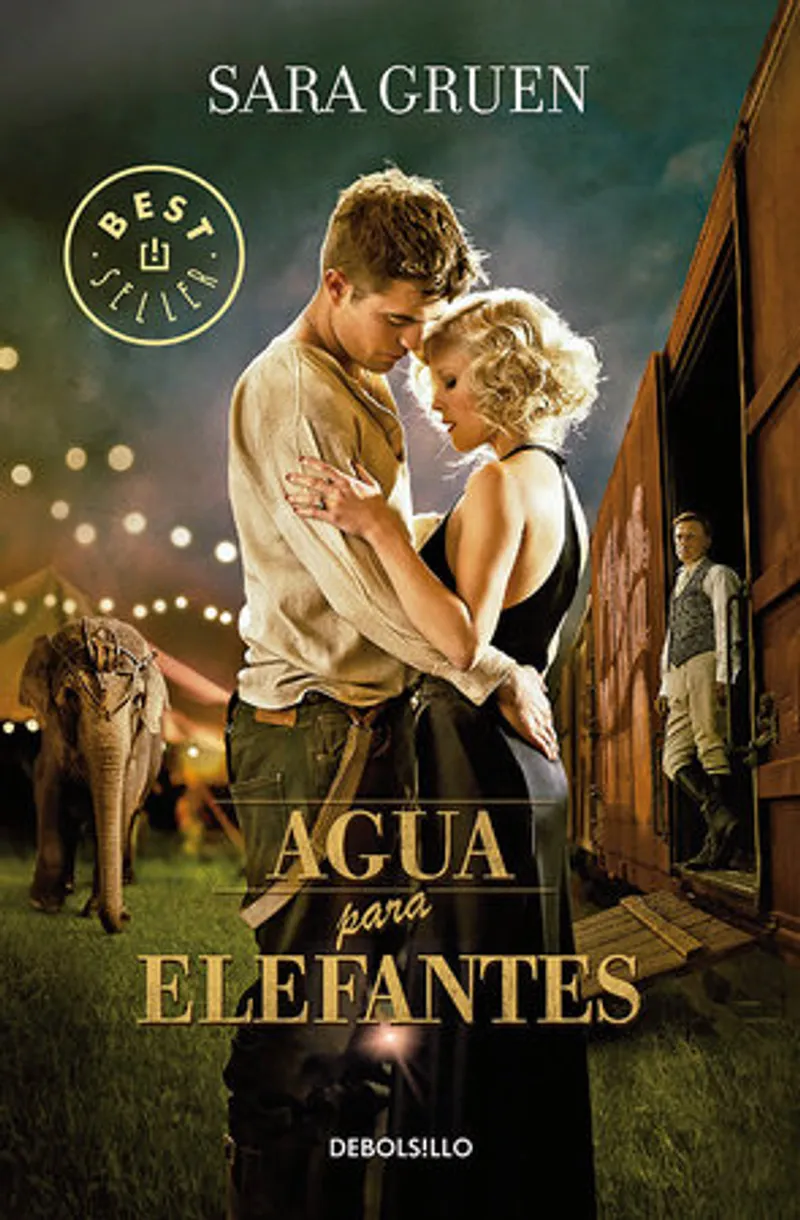
Agua para elefantes / Water for Elephants Author: Sara GruenPage Count: UnknownPublication Date: 2016-PRH "Water for Elephants" by Sara Gruen is a mesmerizing tale of love, loss, and self-discovery set against the vibrant backdrop of a traveling circus during the Great Depression. The story is woven around Jacob Jankowski, a young man who joins the Benzini Brothers Most Spectacular Show on Earth after a tragic event derails his life. As he becomes an integral part of the circus, Jacob finds himself drawn to the enigmatic Marlena, the star of the equestrian act, and Rosie, a majestic elephant with a mind of her own. Gruen's masterful storytelling is reminiscent of a classic circus performance – a delicate balance of drama, humor, and spectacle. With a narrative that seamlessly shifts between Jacob's present and past, the author skillfully crafts a world that is both captivating and poignant. The characters are multidimensional and complex, with flaws and strengths that make them relatable and human. At its core, "Water for Elephants" is a story about the power of human connection and the transformative nature of love. Jacob, Marlena, and Rosie form an unlikely trio, bound together by their experiences and emotions. As they navigate the treacherous landscape of the circus, they find solace and strength in each other, ultimately becoming a makeshift family. Gruen's writing is evocative and immersive, conjuring the sights, sounds, and smells of the circus with vivid precision. Her use of language is economical yet effective, conveying the emotional depth of the characters without resorting to sentimentality. The pacing is well-balanced, with moments of high drama and tension expertly woven into the narrative. One of the most striking aspects of "Water for Elephants" is its exploration of the human condition. Gruen tackles themes of identity, morality, and redemption with sensitivity and nuance, raising questions about the nature of right and wrong in a world that is often gray and ambiguous. The novel's climax is both surprising and heart-wrenching, a testament to Gruen's skill as a storyteller. Without resorting to spoilers, it's safe to say that the conclusion is both satisfying and haunting, leaving the reader with a lasting impression of the characters and their world. In conclusion, "Water for Elephants" is a captivating and emotional read that will appeal to fans of historical fiction, romance, and drama. With its vivid characters, immersive setting, and poignant themes, this novel is a must-read for anyone looking for a compelling and unforgettable story. #WaterForElephants #SaraGruen #HistoricalFiction #CircusLife #GreatDepression #BookLovers Related InsightsGodrise Book Review and Summary The Twilight Collection Book Review and Summary A Good Find: A Novel Book Review and Summary{ "@context": "https://schema.org", "@type": "FAQPage", "mainEntity": [ { "@type": "Question", "name": "What is the main focus of Water for Elephants Book Review and Summary?", "acceptedAnswer": { "@type": "Answer", "text": "Everything you need to know about Water for Elephants with our detailed review." } }, { "@type": "Question", "name": "Who authored the comprehensive guide on Water for Elephants Book Review and Summary?", "acceptedAnswer": { "@type": "Answer", "text": "This detailed article and its insights were carefully researched and authored by Sara Gruen." } }, { "@type": "Question", "name": "Where can I find more related content about Books?", "acceptedAnswer": { "@type": "Answer", "text": "You can explore more articles, detailed reviews, and similar insights by browsing the Related Insights section at the bottom of this article or visiting our dedicated Books category page." } } ] }
The Lord of the Rings Author: J.R.R. TolkienPage Count: UnknownPublication Date: 1954-OL -OL In the realm of epic fantasy, few works have left an indelible mark as profound as J.R.R. Tolkien's "The Lord of the Rings." This high fantasy novel, originally published in three volumes between 1954 and 1956, has not only captivated readers for generations but has also redefined the boundaries of the genre. As a seminal work of fantasy literature, it has been hailed as "the most influential fantasy novel ever written" by "The Encyclopedia of Fantasy." At its core, "The Lord of the Rings" is a tale of the eternal struggle between good and evil, as embodied by the unyielding resolve of the hobbit Frodo Baggins and the unrelenting malevolence of the Dark Lord Sauron. The narrative unfolds as a richly textured tapestry, woven from the threads of Middle-earth's intricate history, cultures, and languages. Tolkien's masterful world-building is a testament to his philological expertise and his boundless imagination. The story begins innocently enough, with Bilbo Baggins' discovery of the One Ring, a deceptively simple gold band imbued with Sauron's dark magic. As the Dark Lord's power grows, Frodo inherits the burden of destroying the Ring in the fires of Mount Doom, a perilous quest that will take him across treacherous landscapes and pit him against formidable foes. Along the way, he is joined by a fellowship of disparate characters, each with their own motivations and conflicts, forging a sense of camaraderie and shared purpose that becomes the emotional heart of the novel. Tolkien's prose is characterized by its lyricism, depth, and complexity. His writing is redolent with the poetry of Old English and the grandeur of Norse mythology, evoking a sense of timelessness and antiquity. The narrative is punctuated by songs, poems, and riddles, which add to the novel's sense of depth and history. The author's use of language is deliberate and measured, conjuring a world that is at once familiar and strange, inviting readers to immerse themselves in its wonders. One of the most striking aspects of "The Lord of the Rings" is its exploration of the human condition. Through the characters' struggles and triumphs, Tolkien examines the nature of courage, sacrifice, and friendship. The novel is also notable for its nuanced portrayal of morality, where the lines between good and evil are often blurred, and the motivations of even the most well-intentioned characters are subject to doubt. In conclusion, "The Lord of the Rings" is a work of breathtaking scope and imagination, a testament to the power of storytelling and the human spirit. Tolkien's masterpiece has captivated readers for generations, and its influence can be seen in countless works of fantasy literature, art, and film. As a work of epic fantasy, it remains unparalleled, a must-read for anyone who has ever been enchanted by the magic of Middle-earth. #TheLordOfTheRings #JRR Tolkien #EpicFantasy #MiddleEarth #OneRing #FantasyClassic Related InsightsWeak Side (D.C. Stars, #7) Book Review and Summary How to Be Less Useful: The Joy of Inefficiency Book Review and Summary A Court of Splintered Harmony (A Court of Thorns and Roses, #6) Book Review and Summary{ "@context": "https://schema.org", "@type": "FAQPage", "mainEntity": [ { "@type": "Question", "name": "What is the main focus of The Lord of the Rings Book Review and Summary?", "acceptedAnswer": { "@type": "Answer", "text": "Everything you need to know about The Lord of the Rings with our detailed review." } }, { "@type": "Question", "name": "Who authored the comprehensive guide on The Lord of the Rings Book Review and Summary?", "acceptedAnswer": { "@type": "Answer", "text": "This detailed article and its insights were carefully researched and authored by William Clark." } }, { "@type": "Question", "name": "Where can I find more related content about Books?", "acceptedAnswer": { "@type": "Answer", "text": "You can explore more articles, detailed reviews, and similar insights by browsing the Related Insights section at the bottom of this article or visiting our dedicated Books category page." } } ] }
El dios de las pequeñas cosas / The God of Small Things Author: Arundhati RoyPage Count: UnknownPublication Date: 2026-PRH Arundhati Roy’s The God of Small Things is a masterpiece of literary alchemy, a novel that transforms the mundane into the mythic and the personal into the political with breathtaking precision. Though the book’s publication year is listed as 2026—a detail that only deepens its mystique—Roy’s prose feels timeless, as if carved from the same river that flows through Kerala’s backwaters, carrying with it the weight of history, caste, and forbidden love. At its core, the novel is a dissection of love’s fragility in the face of societal oppression. The story unfolds through the eyes of Rahel, a woman returning to her childhood home in Ayemenem, where the ghosts of her past—her twin brother Estha, her mother Ammu, and the tragic events that shattered their family—await like uninvited guests. Roy’s narrative is a labyrinth of memory, where time is not linear but a spiral, looping back on itself to reveal how small, seemingly insignificant moments—like the touch of a hand, the flicker of a forbidden glance, or the sting of a slap—can reverberate across decades, shaping lives in ways that are both devastating and irreversible. The title itself is a clue to Roy’s thematic obsession: the idea that the divine is not found in grand, cosmic events but in the quiet, almost imperceptible acts of kindness, cruelty, or connection that define human existence. The "god of small things" is a paradox—a deity who governs not through thunderbolts but through the unspoken rules of a rigid caste system, the unyielding expectations of family, and the cruel whims of those in power. Roy forces us to confront how these "small things" are, in fact, the most powerful forces in shaping our lives. The novel’s most heartbreaking moments arise not from dramatic confrontations but from the slow, suffocating erosion of dignity, as when Velutha, the untouchable carpenter, is beaten to death for daring to love Ammu, a woman of a higher caste. The tragedy isn’t just in his death but in the way the world conspires to make his love—and Ammu’s—seem like the real sin. Roy’s prose is a revelation, a symphony of sensory detail and lyrical intensity. Her sentences are like monsoon rains—unpredictable, relentless, and capable of both nourishing and drowning. She weaves Malayalam phrases into the text without translation, immersing the reader in the rhythm of the language and the culture. The novel’s structure is equally daring, flipping between past and present with a nonchalance that mirrors the way memory works. Chapters titled "Pappachi’s Moth," "The God of Small Things," and "The Cost of Living" are not just placeholders but incantations, each one a spell that pulls the reader deeper into the story’s emotional and political undercurrents. What makes The God of Small Things so devastating is Roy’s refusal to offer easy resolutions. There are no heroes here, only flawed humans trapped in a system that rewards cruelty and punishes love. The novel’s power lies in its ambiguity—was Estha’s silence a form of survival or complicity? Was Rahel’s return an act of healing or a surrender to the past? Roy leaves these questions unanswered, trusting the reader to sit with the discomfort, to feel the weight of history pressing down on every character. This is a book that demands to be read slowly, savored like fine wine, and then read again to uncover the layers of meaning buried in its prose. It is a novel about the things we cannot change—the rigid hierarchies of caste, the inescapable pull of family, the irreversible consequences of our actions—but also about the small rebellions that make life worth living. In a world where love is often treated as a luxury, Roy reminds us that it is, in fact, the most radical act of all. The God of Small Things is not just a book; it is an experience, a wound that lingers long after the last page is turned. It is a testament to the idea that the most profound stories are not about kings or gods, but about the ordinary people who dare to love, to defy, and to survive in a world that would rather see them broken. #TheGodOfSmallThings #ArundhatiRoy #CasteAndLove #LiteraryFiction #ForbiddenLove #KeralaNovel Related InsightsSecrets of a Summer Night Book Review and Summary The Catcher in the Rye Book Review and Summary The Radiance Book Review and Summary{ "@context": "https://schema.org", "@type": "FAQPage", "mainEntity": [ { "@type": "Question", "name": "What is the main focus of Small Gods Book Review and Summary?", "acceptedAnswer": { "@type": "Answer", "text": "Everything you need to know about Small Gods with our detailed review." } }, { "@type": "Question", "name": "Who authored the comprehensive guide on Small Gods Book Review and Summary?", "acceptedAnswer": { "@type": "Answer", "text": "This detailed article and its insights were carefully researched and authored by Terry Pratchett." } }, { "@type": "Question", "name": "Where can I find more related content about Books?", "acceptedAnswer": { "@type": "Answer", "text": "You can explore more articles, detailed reviews, and similar insights by browsing the Related Insights section at the bottom of this article or visiting our dedicated Books category page." } } ] }