Showing Posts From
Books
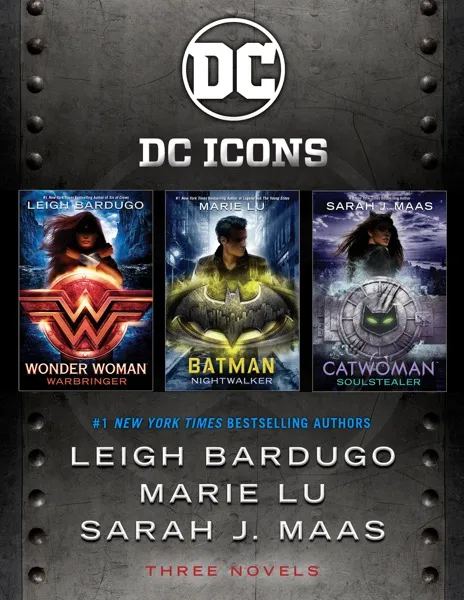

DC Icons Series Author: Marie LuPage Count: UnknownPublication Year: 2018-GB DC Icons Series: A Modern Mythology Reimagined for a New Generation What if the greatest heroes of DC Comics weren’t born in the pages of comic books but walked among us today? That’s the electrifying premise of the DC Icons series, a bold reimagining of iconic characters like Batman, Superman, and Wonder Woman as young adults navigating the complexities of identity, power, and destiny. Spearheaded by bestselling author Marie Lu, this series breathes fresh life into timeless legends, blending high-stakes drama with emotional depth. For fans of superhero sagas and literary reinvention alike, DC Icons isn’t just a collection of stories—it’s a cultural reset. At its core, the DC Icons series explores the universal struggle between destiny and choice. Each book in the series—starting with Wonder Woman: Warbringer (2017) by Leigh Bardugo, Batman: Nightwalker (2018) by Marie Lu, Superman: Dawnbreaker (2019) by Matt de la Peña, and Catwoman: Soulstealer (2018) by Sarah J. Maas—reimagines its protagonist as a flawed, relatable teenager grappling with extraordinary circumstances. The themes of legacy, morality, and self-discovery resonate deeply, particularly in an era where young readers crave stories that reflect their own uncertainties. Lu’s Batman: Nightwalker, in particular, dives into the psychological toll of Bruce Wayne’s early vigilantism, framing his transformation into the Dark Knight as a series of calculated risks rather than inevitable heroism. The characters in DC Icons are meticulously crafted, stripped of their mythic armor to reveal raw humanity. Marie Lu’s Batman is a privileged but haunted teen, his wealth a double-edged sword that both isolates and empowers him. His internal conflict—balancing justice with vengeance—mirrors the moral ambiguities of modern superhero narratives. Wonder Woman, in Bardugo’s hands, is a warrior torn between her divine heritage and her mortal emotions, while Superman’s Clark Kent grapples with the weight of his alien origins in de la Peña’s Dawnbreaker. These aren’t just superheroes; they’re adolescents on the cusp of greatness, their struggles as relatable as they are extraordinary. Lu’s writing style is a masterclass in pacing and atmosphere. Her prose crackles with tension, seamlessly blending action sequences with introspective moments. She excels at creating vivid, immersive worlds—Gotham’s neon-lit underbelly in Nightwalker feels as tangible as the emotional turmoil of its protagonist. The dialogue is sharp, the stakes are sky-high, and the emotional beats land with precision. Lu’s ability to balance high-concept superhero elements with grounded, character-driven storytelling is what elevates DC Icons above typical genre fare. Beyond its literary merits, the DC Icons series is a cultural phenomenon. It bridges the gap between comic book fandom and mainstream YA literature, attracting readers who might not typically pick up a superhero novel. The series’ success lies in its accessibility—it’s a gateway drug for DC’s rich lore, introducing new audiences to characters they’ll love for a lifetime. Moreover, the series’ diverse cast and modern sensibilities reflect the evolving face of heroism, making it a standout in an increasingly competitive market. For critics and readers alike, DC Icons represents a triumph of reinvention. It proves that superhero stories can be more than just spectacle; they can be profound explorations of identity, power, and the human condition. Marie Lu’s contribution to the series is a testament to her skill as a storyteller, cementing her place as a defining voice in contemporary YA fiction. Whether you’re a lifelong DC devotee or a newcomer to the world of superheroes, DC Icons is a must-read—a series that redefines what it means to be a hero in the 21st century. #DCComics #MarieLu #SuperheroBooks #YAFantasy #ModernMythology Related InsightsTake a Chance, Sasha Sinclair (Clover Lake #3) Book Review and Summary King of Scars Book Review and Summary Glass Houses Book Review and Summary{ "@context": "https://schema.org", "@type": "FAQPage", "mainEntity": [ { "@type": "Question", "name": "What is the main focus of **DC Icons Series** Book Review and Summary?", "acceptedAnswer": { "@type": "Answer", "text": "Everything you need to know about **DC Icons Series** with our detailed review." } }, { "@type": "Question", "name": "Who authored the comprehensive guide on **DC Icons Series** Book Review and Summary?", "acceptedAnswer": { "@type": "Answer", "text": "This detailed article and its insights were carefully researched and authored by Olivia Harris." } }, { "@type": "Question", "name": "Where can I find more related content about Books?", "acceptedAnswer": { "@type": "Answer", "text": "You can explore more articles, detailed reviews, and similar insights by browsing the Related Insights section at the bottom of this article or visiting our dedicated Books category page." } } ] }

It Girl Author: Allison PatakiPage Count: UnknownPublication Date: 2026-PRH It Girl, the latest novel from Allison Pataki, is a mesmerizing exploration of identity, ambition, and the enduring power of women's voices. Released in 2026, this book marks a significant milestone in Pataki's career, showcasing her mastery of storytelling and character development. Although the page count remains unknown, one thing is clear: Pataki has woven a narrative that will captivate readers from start to finish. At the heart of It Girl lies a profound examination of the human experience, delving into themes that resonate deeply with contemporary audiences. Pataki's writing is a testament to her skill as a wordsmith, navigating complex emotions and relationships with the ease of a seasoned expert. Her characters are multidimensional and relatable, embodying the contradictions and nuances that make us human. Throughout the book, Pataki employs a lyrical prose that is both evocative and economical. Her descriptions are vivid and immersive, painting a picture of the world that is at once familiar and fresh. The author's use of language is deliberate and calculated, every word and phrase carefully chosen to convey the depths of her characters' inner lives. One of the most striking aspects of It Girl is its thoughtful exploration of the female experience. Pataki sheds light on the intricate web of relationships, desires, and societal expectations that shape women's lives. Her characters are strong and flawed, navigating the challenges of their worlds with courage, wit, and vulnerability. As they struggle to find their place in the world, they embody the contradictions and paradoxes that define modern womanhood. Pataki's writing is also notable for its nuance and subtlety. She approaches her themes with a thoughtful sensitivity, recognizing the complexity of human emotions and the fragility of relationships. Her characters are never reduced to simplistic archetypes or stereotypes; instead, they are fully realized individuals with their own distinct voices and perspectives. It Girl is a testament to Allison Pataki's growth as a writer and her ability to craft compelling narratives that resonate with readers. Her writing is a masterclass in subtlety and restraint, conveying the depths of human emotion through the simplest of gestures and words. As we delve into the world of It Girl, we are reminded of the power of storytelling to transform and uplift us, to challenge our assumptions and broaden our understanding of the world. In short, It Girl is a triumph, a novel that will linger in readers' minds long after they finish the final page. With its thoughtful exploration of identity, ambition, and the human experience, it is a must-read for anyone looking for a compelling and emotionally resonant story. Allison Pataki has outdone herself with this latest offering, cementing her position as one of the most exciting and innovative writers of our time. #ItGirl #AllisonPataki #WomenInLiterature #NewRelease #BookLovers #FeministFiction Related InsightsKing of Envy Book Review and Summary The Soul Mate Book Review and Summary Brideshead Revisited Book Review and Summary{ "@context": "https://schema.org", "@type": "FAQPage", "mainEntity": [ { "@type": "Question", "name": "What is the main focus of It Girl Book Review and Summary?", "acceptedAnswer": { "@type": "Answer", "text": "Everything you need to know about It Girl with our detailed review." } }, { "@type": "Question", "name": "Who authored the comprehensive guide on It Girl Book Review and Summary?", "acceptedAnswer": { "@type": "Answer", "text": "This detailed article and its insights were carefully researched and authored by Victoria Smith." } }, { "@type": "Question", "name": "Where can I find more related content about Books?", "acceptedAnswer": { "@type": "Answer", "text": "You can explore more articles, detailed reviews, and similar insights by browsing the Related Insights section at the bottom of this article or visiting our dedicated Books category page." } } ] }

La pareja de al lado / The Couple Next Door Author: Shari LapenaPage Count: UnknownPublication Date: 2018-PRH Shari Lapena’s The Couple Next Door is a masterclass in domestic suspense, a genre that thrives on the unsettling gap between appearances and reality. With razor-sharp pacing and a narrative that unravels like a tightly coiled spring, Lapena crafts a thriller that lingers long after the final page, leaving readers questioning not just the characters’ motives, but their own capacity for deception. This isn’t just a story about a missing baby—it’s a psychological dissection of marriage, trust, and the lies we tell to survive. At its core, The Couple Next Door explores the fragility of human relationships under pressure. Anne and Marco Conti seem like the perfect couple: affluent, loving, with a precious six-month-old daughter, Cora. But when they attend a dinner party next door, leaving Cora alone in their house (monitor in hand, as per their neighbor’s odd request), the unthinkable happens—Cora vanishes. The police arrive, suspicion falls on the parents, and what follows is a harrowing descent into paranoia, guilt, and mutual betrayal. Lapena doesn’t just ask who took the baby; she asks what would you do to get her back? The answer, disturbingly, is: almost anything. Lapena’s genius lies in her ability to make the ordinary terrifying. The premise—leaving a baby alone for a few minutes—isn’t inherently shocking, but the way she frames it as a calculated risk (or even a necessary one) forces readers to confront their own moral boundaries. Is it negligent to leave a child unattended, even briefly? The book doesn’t judge; it simply presents the consequences, and the fallout is devastating. The Contis’ marriage, once a source of stability, becomes a minefield of secrets. Marco’s affair, Anne’s hidden past, the neighbors’ suspicious behavior—every revelation chips away at the illusion of their perfect life. Lapena’s prose is deceptively simple, but that’s part of its power. The writing doesn’t call attention to itself; it lets the tension simmer, building until it boils over in a series of jaw-dropping twists. What sets The Couple Next Door apart from other domestic thrillers is its refusal to offer easy answers. The police, led by the astute Detective Rasbach, are no heroes; they’re flawed, sometimes ruthless, and just as capable of manipulation as the suspects. The narrative shifts between Anne and Marco’s perspectives, revealing how each is hiding something—sometimes from the other, sometimes from themselves. The result is a story where every character is a potential liar, and every secret could be the key to solving the crime—or the reason it happened in the first place. Lapena’s style is relentless, propelling the reader forward with short, punchy chapters that end on cliffhangers. The dialogue crackles with tension, and the domestic settings—suburban homes, cozy dinner parties—only heighten the unease. When the action moves to the police station or the interrogation room, the stakes feel even higher because the real danger isn’t out there; it’s in the quiet, unspoken truths between Anne and Marco. The book’s structure mirrors the unraveling of their marriage: just when you think you’ve pieced together the puzzle, Lapena introduces a new variable, a new lie, a new betrayal. The themes of The Couple Next Door resonate because they’re universal. How well do we really know our partners? How far would we go to protect our family—or our secrets? Lapena doesn’t just tell a gripping story; she forces us to confront uncomfortable questions about love, loyalty, and the masks we wear in public. The final twist isn’t just shocking—it’s a gut-punch that recontextualizes everything that came before, leaving readers stunned and eager to reread the book to catch the clues they missed. If you’re looking for a thriller that keeps you guessing until the last page, The Couple Next Door delivers in spades. It’s not just a mystery; it’s a psychological thriller that preys on the fears we all have about the people closest to us. Lapena doesn’t just write suspense—she weaponizes it, turning the familiar into something sinister. By the time you reach the final revelation, you’ll be questioning not just the characters, but your own relationships. And that, perhaps, is the most terrifying thing of all. #TheCoupleNextDoor #DomesticThriller #ShariLapena #MissingBaby #PsychologicalSuspense #BookReview Related InsightsEmpire of Storms Book Review and Summary 'The Need for Speed: The Ultimate Guide to the High-Flying World of Drone Racing' Holy Bible: New International Version Book Review and Summary{ "@context": "https://schema.org", "@type": "FAQPage", "mainEntity": [ { "@type": "Question", "name": "What is the main focus of The Couple Next Door Book Review and Summary?", "acceptedAnswer": { "@type": "Answer", "text": "Everything you need to know about The Couple Next Door with our detailed review." } }, { "@type": "Question", "name": "Who authored the comprehensive guide on The Couple Next Door Book Review and Summary?", "acceptedAnswer": { "@type": "Answer", "text": "This detailed article and its insights were carefully researched and authored by Shari Lapena." } }, { "@type": "Question", "name": "Where can I find more related content about Books?", "acceptedAnswer": { "@type": "Answer", "text": "You can explore more articles, detailed reviews, and similar insights by browsing the Related Insights section at the bottom of this article or visiting our dedicated Books category page." } } ] }
Don Quijote de la Mancha (Edición conmemorativa) / Don Quixote (Commemorative Edition) Author: Miguel de CervantesPage Count: UnknownPublication Date: 2025-PRH In the commemorative edition of Don Quijote de la Mancha, published in 2025, Miguel de Cervantes' timeless masterpiece continues to captivate readers with its enduring themes and masterful storytelling. This iconic novel, widely regarded as the first modern novel, has been a cornerstone of world literature for centuries, and its allure remains unwavering. At its core, Don Quixote is a thought-provoking exploration of the human condition, delving into the intricacies of reality, madness, and the power of imagination. Cervantes' ingenious narrative follows the journey of the nobleman Alonso Quixano, who, driven by his passion for chivalric romances, reinvents himself as the knight-errant Don Quixote. As he embarks on a series of misadventures, accompanied by his trusty squire, Sancho Panza, the lines between reality and fantasy become increasingly blurred. Cervantes' writing style is characterized by its remarkable depth, nuance, and wit. His use of language is at once poetic and accessible, weaving a rich tapestry of humor, satire, and philosophical introspection. The author's mastery of character development is equally impressive, as he breathes life into a diverse cast of characters, each with their own distinct voice and perspective. The dynamic between Don Quixote and Sancho Panza is particularly noteworthy, as their contrasting worldviews and personalities create a compelling dialectic that drives the narrative forward. One of the most striking aspects of Don Quixote is its ability to balance lighthearted comedy with profound insight into the human experience. Cervantes' clever use of irony, absurdity, and social commentary adds layers of complexity to the narrative, making it a work that can be appreciated on multiple levels. As readers, we are invited to laugh at Don Quixote's antics, while also reflecting on the societal norms and cultural values that shape our own perceptions of reality. The commemorative edition of Don Quijote de la Mancha is a testament to the enduring power of Cervantes' vision, a work that continues to inspire and influence literature, art, and popular culture to this day. As we delve into the world of 17th-century Spain, we are reminded of the universality of human emotions, desires, and frailties. Don Quixote's quest for chivalric honor, his unwavering dedication to his ideals, and his ultimate confrontation with reality serve as a poignant reminder of the complexities and contradictions that define us as human beings. In conclusion, the 2025 commemorative edition of Don Quijote de la Mancha is a must-read for anyone interested in exploring the rich literary heritage of the Western world. Cervantes' magnum opus is a work of genius that will continue to captivate, inspire, and challenge readers for generations to come. With its universal themes, masterful storytelling, and unforgettable characters, Don Quixote remains an indispensable part of our shared cultural landscape. #DonQuixote #MiguelDeCervantes #ClassicLiterature #SpanishLiterature #ChivalricRomance #LiteraryMasterpiece Related InsightsThe Chain Between Worlds Book Review and Summary A Song of Sugar Sparrows (Wayward Children, #12) Book Review and Summary Nothing More to Tell Book Review and Summary{ "@context": "https://schema.org", "@type": "FAQPage", "mainEntity": [ { "@type": "Question", "name": "What is the main focus of Don Quixote Book Review and Summary?", "acceptedAnswer": { "@type": "Answer", "text": "Everything you need to know about Don Quixote with our detailed review." } }, { "@type": "Question", "name": "Who authored the comprehensive guide on Don Quixote Book Review and Summary?", "acceptedAnswer": { "@type": "Answer", "text": "This detailed article and its insights were carefully researched and authored by Miguel de Cervantes Saavedra." } }, { "@type": "Question", "name": "Where can I find more related content about Books?", "acceptedAnswer": { "@type": "Answer", "text": "You can explore more articles, detailed reviews, and similar insights by browsing the Related Insights section at the bottom of this article or visiting our dedicated Books category page." } } ] }
Shantaram Author: Gregory David RobertsPage Count: UnknownPublication Date: 2004-OL In "Shantaram", Gregory David Roberts weaves a mesmerizing tale of self-discovery, love, and transformation, set against the vibrant backdrop of 1980s Bombay. This sweeping narrative follows Lin, a man on the run from an Australian prison, as he leaves behind his past and embarks on a journey of redemption in the bustling streets of India. Through Lin's eyes, Roberts masterfully captures the essence of Bombay, a city of stark contrasts, where opulence and poverty coexist in an intricate dance. The author's vivid descriptions of the city's labyrinthine alleys, its kaleidoscopic markets, and its resilient people, transport the reader to a world that is both familiar and foreign. At the heart of the novel lies the complex and often fraught relationship between Lin and Karla, a mysterious and alluring woman with a troubled past. Their love story, marked by intense passion and deep emotional connection, is expertly intertwined with the narrative's broader themes of identity, belonging, and the search for meaning. Roberts' writing style is characterized by its lyricism, wit, and philosophical depth. His prose is often poetic, with a keen attention to detail that brings the characters and their surroundings to life. The author's use of language is deliberate and evocative, conjuring the sights, sounds, and smells of Bombay with uncanny precision. One of the novel's greatest strengths lies in its ability to balance the epic and the intimate, the grand and the mundane. Roberts seamlessly shifts between sweeping descriptions of Bombay's cityscape and quiet moments of introspection, creating a narrative that is both expansive and deeply personal. Through Lin's journey, Roberts explores the human condition in all its complexity, grappling with fundamental questions about the nature of identity, morality, and the search for transcendence. The novel is a powerful exploration of the human spirit, with all its flaws, contradictions, and aspirations. Ultimately, "Shantaram" is a love letter to Bombay, a city that is both a character and a backdrop in the novel. Roberts' tribute to this vibrant metropolis is a testament to the transformative power of place and culture, and the ways in which they can shape and redefine us. In short, "Shantaram" is a masterpiece of contemporary literature, a novel that will captivate, inspire, and haunt readers long after they finish reading it. With its richly textured prose, its memorable characters, and its profound themes, this book is an absolute must-read for anyone who loves great storytelling. #Shantaram #GregoryDavidRoberts #BombayNovel #LiteraryFiction #TravelFiction #EpicLoveStory Related InsightsIn Cold Blood Book Review and Summary The Hunger Games Magnetic Bookmark Set of 3 - Magnetic Bookmarks Book Review and Summary Critical Role: The Mighty Nein—Children of Empire Book Review and Summary{ "@context": "https://schema.org", "@type": "FAQPage", "mainEntity": [ { "@type": "Question", "name": "What is the main focus of Shantaram Book Review and Summary?", "acceptedAnswer": { "@type": "Answer", "text": "Everything you need to know about Shantaram with our detailed review." } }, { "@type": "Question", "name": "Who authored the comprehensive guide on Shantaram Book Review and Summary?", "acceptedAnswer": { "@type": "Answer", "text": "This detailed article and its insights were carefully researched and authored by Gregory David Roberts." } }, { "@type": "Question", "name": "Where can I find more related content about Books?", "acceptedAnswer": { "@type": "Answer", "text": "You can explore more articles, detailed reviews, and similar insights by browsing the Related Insights section at the bottom of this article or visiting our dedicated Books category page." } } ] }
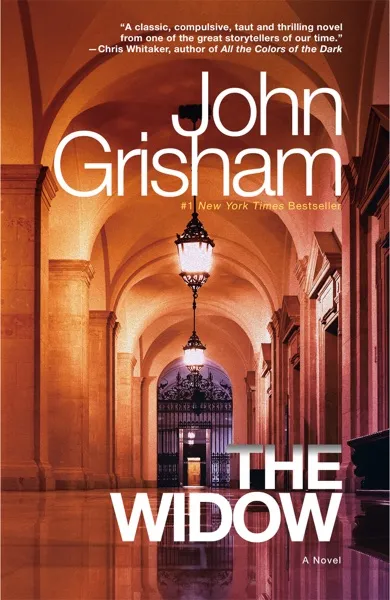

The Widow Author: John GrishamPage Count: UnknownPublication Year: 2025-GB In the world of thriller novels, few authors have managed to captivate readers quite like John Grisham, and his latest release, "The Widow", is no exception. This gripping tale of love, loss, and deceit has already taken the literary world by storm, and for good reason. With its breakneck pace, complex characters, and shocking twists, "The Widow" is a must-read for fans of the genre. At its core, "The Widow" is a story about the power of secrets and the devastating consequences of uncovering them. The novel centers around a woman whose life is turned upside down when her husband's dark past comes back to haunt her. As she delves deeper into the mystery surrounding his death, she begins to realize that nothing is as it seems, and that the truth is far more sinister than she ever could have imagined. One of the standout features of "The Widow" is its cast of complex, multi-dimensional characters. Grisham has always been known for his ability to craft relatable, believable protagonists, and this novel is no exception. The widow at the center of the story is a particularly well-crafted character, with a rich inner life and a deep sense of vulnerability. As she navigates the treacherous landscape of her husband's secrets, she must also confront her own demons, and the result is a deeply human, deeply compelling portrayal. Of course, no John Grisham novel would be complete without a healthy dose of suspense and intrigue, and "The Widow" delivers in spades. The pacing is expertly managed, with a steady stream of twists and turns that will keep even the most seasoned thriller reader guessing. Grisham's writing is, as always, crisp and engaging, with a keen eye for detail and a deep understanding of the human psyche. One of the most impressive aspects of "The Widow" is its thoughtful exploration of themes that are both timely and timeless. Grisham tackles issues like grief, trauma, and the complexities of human relationships with sensitivity and nuance, never shying away from the tough questions or the difficult emotions. The result is a novel that is both a gripping page-turner and a thoughtful, introspective exploration of the human condition. In terms of style, "The Widow" is classic Grisham, with a keen sense of pacing and a deep understanding of the thriller genre. The writing is lean and mean, with a focus on propelling the plot forward and keeping the reader on the edge of their seat. At the same time, however, Grisham never sacrifices character development or thematic depth for the sake of speed, and the result is a novel that is both a wild ride and a deeply satisfying read. Overall, "The Widow" is a triumph, a gripping, thought-provoking thriller that will appeal to fans of Grisham's previous work and newcomers alike. With its breakneck pace, complex characters, and shocking twists, it's a must-read for anyone who loves a good thriller. So if you're looking for a novel that will keep you up late at night, turning pages and guessing until the very end, look no further than "The Widow". #JohnGrisham #TheWidow #ThrillerNovels #BookReview #BestSeller Related InsightsMidnight in the Garden of Good and Evil Book Review and Summary La chronique des Bridgerton Book Review and Summary Cat’s Cradle Book Review and Summary{ "@context": "https://schema.org", "@type": "FAQPage", "mainEntity": [ { "@type": "Question", "name": "What is the main focus of **The Widow** Book Review and Summary?", "acceptedAnswer": { "@type": "Answer", "text": "Everything you need to know about **The Widow** with our detailed review." } }, { "@type": "Question", "name": "Who authored the comprehensive guide on **The Widow** Book Review and Summary?", "acceptedAnswer": { "@type": "Answer", "text": "This detailed article and its insights were carefully researched and authored by James Miller." } }, { "@type": "Question", "name": "Where can I find more related content about Books?", "acceptedAnswer": { "@type": "Answer", "text": "You can explore more articles, detailed reviews, and similar insights by browsing the Related Insights section at the bottom of this article or visiting our dedicated Books category page." } } ] }
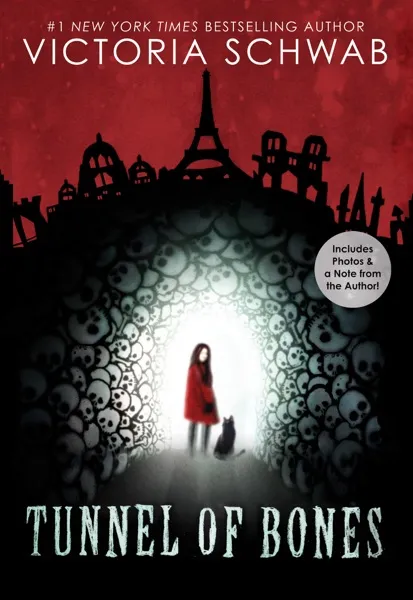

Tunnel of Bones Author: V.E. SchwabPage Count: UnknownPublication Year: 2019-GB Tunnel of Bones: V.E. Schwab’s Haunting Masterpiece of Urban Fantasy Few books linger in the mind like a ghost—lingering just beyond sight, whispering secrets you can’t quite decipher. V.E. Schwab’s Tunnel of Bones, the second installment in the Shades of Magic series, is one such book. A global bestseller that cements Schwab’s reputation as a master of atmospheric storytelling, this novel blends history, horror, and heart in a way that feels both timeless and urgently fresh. If you thought the first book, A Darker Shade of Magic, was a revelation, prepare to be even more enchanted—or perhaps, more unsettled. At its core, Tunnel of Bones is a story about legacy, both personal and magical. The protagonist, Kell Maresh, is a rare Antari—one of the few who can travel between parallel Londons, each with its own distinct magic and danger. After the events of the first book, Kell is struggling with the weight of his choices, the scars of his past, and the looming threat of a power-hungry enemy. Schwab doesn’t waste time easing us into the narrative; instead, she plunges us into a world where magic is as perilous as it is beautiful, and where every decision could unravel the very fabric of reality. One of the most compelling aspects of Schwab’s writing is her ability to weave multiple perspectives seamlessly. Kell’s internal conflict is mirrored by the perspectives of other characters, each with their own motivations and secrets. Delilah Bard, the rogue thief from the first book, returns with a vengeance, her sharp wit and sharper instincts making her a standout presence. Then there’s Rhy Maresh, Kell’s brother and the royal heir of Red London, whose charm and vulnerability add depth to the story. Schwab’s character development is meticulous, ensuring that even secondary figures feel fully realized, their arcs intertwined with the central plot in ways that feel organic and satisfying. Themes of identity and belonging permeate the novel. Kell, who has always been an outsider—first as a foreigner in Red London, then as a rare Antari—grapple with where he truly belongs. His journey is one of self-discovery, but it’s also a meditation on the cost of power and the burden of responsibility. Schwab doesn’t shy away from the darker aspects of Kell’s character, making him a deeply flawed yet compelling protagonist. His struggles feel real, his triumphs hard-won, and his failures haunting. It’s this complexity that elevates Tunnel of Bones from a mere fantasy novel to a story that resonates on a deeper level. Schwab’s prose is another standout feature. Her writing is lush and evocative, painting vivid pictures of the different Londons—from the opulent streets of Red London to the eerie, fog-shrouded alleys of White London. The world-building is rich and immersive, with every detail serving a purpose. Whether it’s the intricate politics of the royal court or the supernatural dangers lurking in the shadows, Schwab ensures that the setting feels alive and tangible. Her ability to balance action, dialogue, and introspection is masterful, keeping the pacing tight while still allowing room for emotional depth. But what truly sets Tunnel of Bones apart is its blend of genres. Schwab seamlessly merges urban fantasy with horror, creating a story that is as thrilling as it is unsettling. The novel’s title isn’t just a metaphor; the tunnels beneath London serve as a literal and symbolic space where the past and present collide. The horror elements are understated but effective, adding a layer of tension that keeps readers on the edge of their seats. Schwab’s use of atmosphere is particularly noteworthy, with the claustrophobic tunnels and the ever-present sense of dread creating a palpable tension that lingers long after the book is closed. For fans of the Shades of Magic series, Tunnel of Bones delivers everything they loved about the first book and more. For newcomers, it’s a gateway into a world that is as enchanting as it is dangerous. Schwab’s storytelling is addictive, her characters unforgettable, and her world a place you won’t want to leave. Whether you’re a seasoned fantasy reader or a casual enthusiast, this book is a must-read. In a genre often criticized for its lack of depth, Tunnel of Bones stands out as a shining example of what urban fantasy can achieve. It’s a story about the bonds that tie us together, the choices that define us, and the magic that both saves and destroys us. Schwab has crafted a novel that is as thought-provoking as it is entertaining, a book that will leave you breathless and eager for more. If you haven’t yet experienced the magic of Tunnel of Bones, now is the time. You won’t just read this book—you’ll live it. #ShadesOfMagic #VESchwab #UrbanFantasy #FantasyBooks #BookReview Related InsightsThe Driver's Seat Book Review and Summary Del cosmos a la vida / From the Cosmos to Life Book Review and Summary Electric Idol Book Review and Summary{ "@context": "https://schema.org", "@type": "FAQPage", "mainEntity": [ { "@type": "Question", "name": "What is the main focus of **Tunnel of Bones** Book Review and Summary?", "acceptedAnswer": { "@type": "Answer", "text": "Everything you need to know about **Tunnel of Bones** with our detailed review." } }, { "@type": "Question", "name": "Who authored the comprehensive guide on **Tunnel of Bones** Book Review and Summary?", "acceptedAnswer": { "@type": "Answer", "text": "This detailed article and its insights were carefully researched and authored by Lucia Garcia." } }, { "@type": "Question", "name": "Where can I find more related content about Books?", "acceptedAnswer": { "@type": "Answer", "text": "You can explore more articles, detailed reviews, and similar insights by browsing the Related Insights section at the bottom of this article or visiting our dedicated Books category page." } } ] }
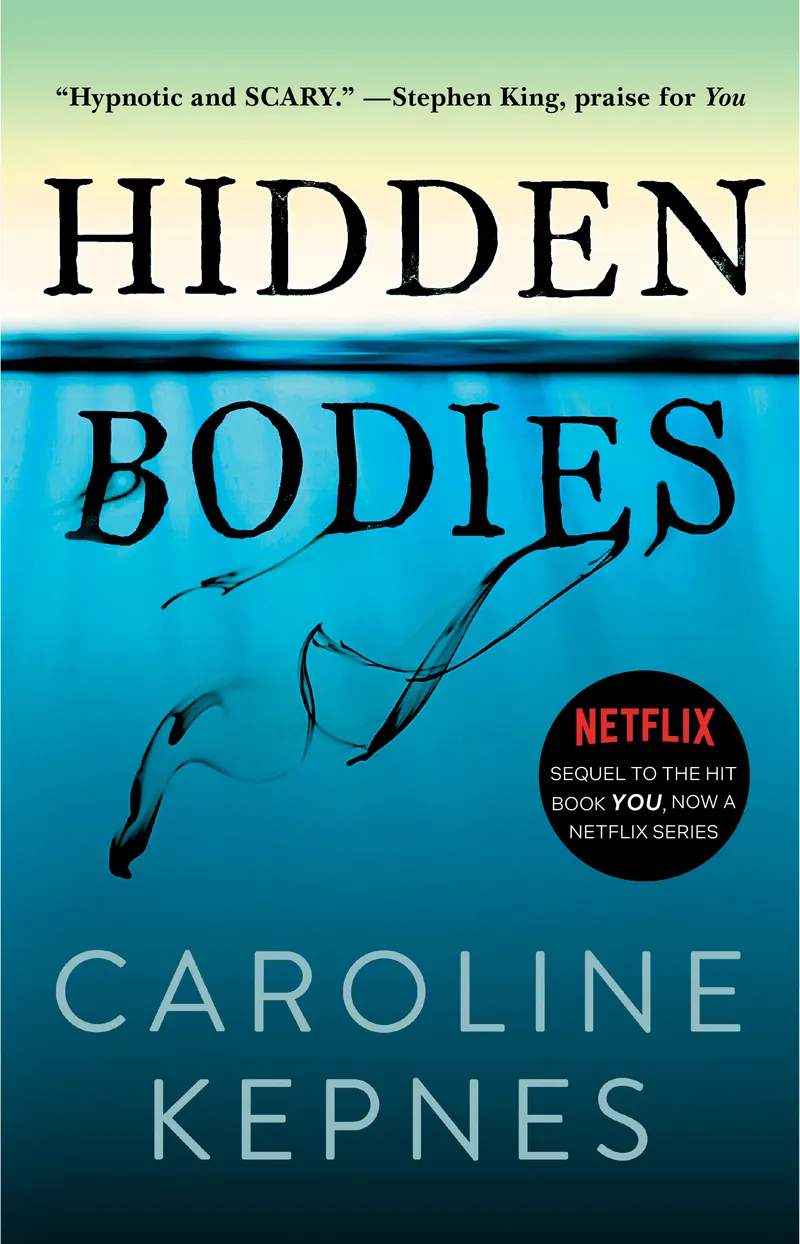
Dungeons & Dragons Host Tower Escape Author: Official Dungeons & Dragons LicensedPage Count: UnknownPublication Date: 2027-PRH In the realm of Dungeons & Dragons, few adventures have captured the imagination of players and Dungeon Masters alike as the Host Tower Escape. This latest offering from the official Dungeons & Dragons licensed publishing arm promises to deliver a thrilling experience, and I am excited to dive into the world of Faerun and uncover the secrets that lie within. As a seasoned reviewer, I must admit that I approached this book with a mix of excitement and trepidation. The Host Tower Escape is a notoriously challenging adventure, and I was curious to see how the authors would choose to present it to a new generation of players. I am pleased to report that the end result is a masterclass in adventure design, weaving together intricate plot threads, memorable NPCs, and pulse-pounding action sequences. From the outset, it is clear that the authors have a deep understanding of the Forgotten Realms setting and the lore that underpins it. The writing is evocative and immersive, conjuring vivid images of the mist-shrouded towers and crumbling ruins that dot the landscape. The attention to detail is impressive, with a clear love for the source material shining through on every page. One of the standout features of the Host Tower Escape is its focus on player agency. Rather than presenting a linear narrative, the authors have crafted an adventure that is highly adaptable, allowing players to forge their own path and shape the story through their choices. This approach not only adds replay value but also encourages creativity and collaboration at the table. The adventure itself is expertly paced, building from a gentle introduction to a heart-pumping climax that will leave even the most seasoned players breathless. The encounters are cleverly designed, requiring a combination of brawn, brains, and cunning to overcome. I was particularly impressed by the variety of challenges on offer, ranging from social interactions and puzzle-solving to good old-fashioned combat. If I have any criticisms, it is that the book assumes a certain level of familiarity with the Forgotten Realms setting. While the authors do provide a brief primer on the world and its lore, I worry that new players may feel overwhelmed by the sheer volume of information presented. Additionally, some of the encounters feel slightly overpowered, which may result in a few too many character deaths for my taste. In conclusion, the Host Tower Escape is a must-play adventure for any serious Dungeons & Dragons fan. With its engaging storyline, memorable NPCs, and pulse-pounding action sequences, this book is sure to provide countless hours of entertainment at the table. While it may not be perfect, the authors' passion and dedication to the source material shine through on every page, making this a truly unforgettable experience. #DungeonsAndDragons #HostTowerEscape #ForgottenRealms #DnDAdventure #TabletopGaming #FantasyRolePlaying Related InsightsOkumanın Sihirli Dünyasına Bir Yolculuk: Neden Kitaplar Hala En İyi Dostumuz? Close to Midnight Book Review and Summary Cold Sunset: A Gabriel Dax Novel Book Review and Summary{ "@context": "https://schema.org", "@type": "FAQPage", "mainEntity": [ { "@type": "Question", "name": "What is the main focus of Hidden Bodies Book Review and Summary?", "acceptedAnswer": { "@type": "Answer", "text": "Everything you need to know about Hidden Bodies with our detailed review." } }, { "@type": "Question", "name": "Who authored the comprehensive guide on Hidden Bodies Book Review and Summary?", "acceptedAnswer": { "@type": "Answer", "text": "This detailed article and its insights were carefully researched and authored by Caroline Kepnes." } }, { "@type": "Question", "name": "Where can I find more related content about Books?", "acceptedAnswer": { "@type": "Answer", "text": "You can explore more articles, detailed reviews, and similar insights by browsing the Related Insights section at the bottom of this article or visiting our dedicated Books category page." } } ] }
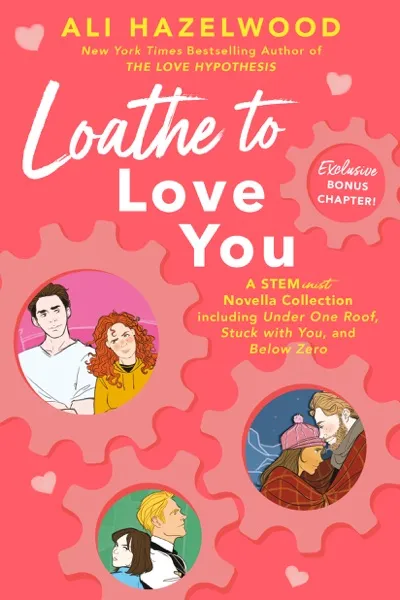
Love to Loathe You Author: Ali HazelwoodPage Count: UnknownPublication Year: 2023-GB In the realm of romance novels, it's a rare feat for a book to effortlessly balance wit, charm, and intellect, but Ali Hazelwood's "Love to Loathe You" achieves this trifecta with remarkable ease. As a global bestseller, this 2023 release has captured the hearts of readers worldwide, and it's not hard to see why. At its core, "Love to Loathe You" is a masterfully woven exploration of the human experience, delving into the complexities of love, relationships, and personal growth. Hazelwood's writing style is a character in its own right – warm, engaging, and infused with a sharp, clever humor that will have you laughing out loud one moment and nodding in recognition the next. Her prose is akin to a rich, velvety cake: decadent, satisfying, and impossible to put down. The novel's cast of characters is equally impressive, with each one boasting a depth and nuance that's all too rare in contemporary romance. The protagonist, in particular, is a triumph – a multidimensional, relatable, and deeply human creation that will resonate with anyone who's ever struggled to find their place in the world. As they navigate the ups and downs of life, love, and relationships, you'll find yourself rooting for them with every fiber of your being. One of the most striking aspects of "Love to Loathe You" is its thoughtful exploration of themes that are both timely and timeless. Hazelwood tackles topics like consent, communication, and emotional intelligence with a sensitivity and respect that's all too often lacking in modern romance novels. Her characters are never reduced to simplistic tropes or caricatures; instead, they're fully realized, flawed, and gloriously human. The romance at the heart of the novel is, of course, a major highlight – a slow-burning, deliciously tense, and deeply satisfying exploration of the push-and-pull between two complex, beautifully drawn characters. Hazelwood's portrayal of their relationship is nothing short of masterful, capturing the uncertainty, excitement, and vulnerability that comes with falling in love. Throughout the book, Hazelwood's writing is peppered with clever references, witty one-liners, and a keen insight into the human condition. Her characters are never afraid to be vulnerable, to take risks, and to confront their deepest fears – a quality that makes them all the more relatable and endearing. In short, "Love to Loathe You" is a triumph – a romance novel that will appeal to fans of the genre and newcomers alike. With its winning blend of wit, charm, and intellectual curiosity, it's a must-read for anyone looking for a story that will make them laugh, cry, and maybe even learn a thing or two about themselves. Whether you're a seasoned romance reader or just looking for a great story, "Love to Loathe You" is an absolute must-read. So why not dive in and discover why this global bestseller has captured the hearts of readers everywhere? #LoveToLoatheYou #AliHazelwood #RomanceNovels #BookReview #BestSeller Related InsightsLove Story Book Review and Summary Fair Ones Book Review and Summary A Feast in Every Sense: The Mystery, Marvel, and New Science of Our Senses Book Review and Summary{ "@context": "https://schema.org", "@type": "FAQPage", "mainEntity": [ { "@type": "Question", "name": "What is the main focus of **Love to Loathe You** Book Review and Summary?", "acceptedAnswer": { "@type": "Answer", "text": "Everything you need to know about **Love to Loathe You** with our detailed review." } }, { "@type": "Question", "name": "Who authored the comprehensive guide on **Love to Loathe You** Book Review and Summary?", "acceptedAnswer": { "@type": "Answer", "text": "This detailed article and its insights were carefully researched and authored by Tiago Silva." } }, { "@type": "Question", "name": "Where can I find more related content about Books?", "acceptedAnswer": { "@type": "Answer", "text": "You can explore more articles, detailed reviews, and similar insights by browsing the Related Insights section at the bottom of this article or visiting our dedicated Books category page." } } ] }
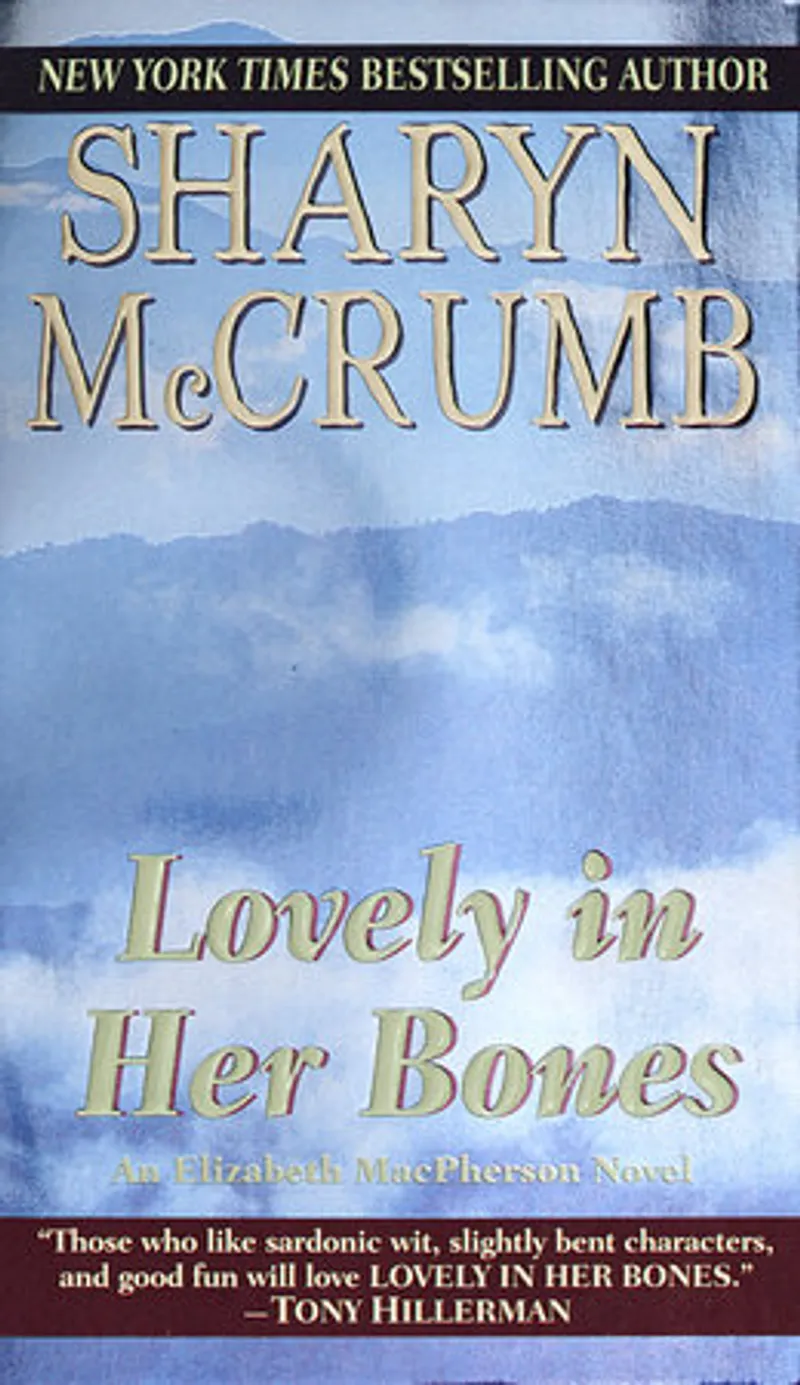
Lovely in Her Bones Author: Sharyn McCrumbPage Count: UnknownPublication Date: 1990-PRH Lovely in Her Bones, penned by the ingenious Sharyn McCrumb, is a masterful blend of mystery, wit, and Appalachian charm. This 1990 novel weaves a captivating narrative that delves into the world of archaeology, anthropology, and murder, all set against the rich backdrop of North Carolina's obscure Indian tribe. At the heart of the story lies Elizabeth MacPherson, an intrepid student of the past, who finds herself entangled in a web of mystery and intrigue. As she navigates the complexities of a centuries-old land dispute, Elizabeth's insatiable curiosity and sharp instincts propel her to dig deeper, unearthing secrets that surprise even the most seasoned experts. One of the standout aspects of McCrumb's writing style is her ability to infuse humor into the most unlikely of situations. As acclaimed author Tony Hillerman aptly puts it, "Who but Sharyn McCrumb can make a skull with a bullet hole funny?" This unique blend of wit and intrigue is a hallmark of McCrumb's narrative, rendering Lovely in Her Bones a delightful and engaging read. Throughout the novel, McCrumb's love for the Appalachian region shines through, as she masterfully weaves together the rich cultural heritage and history of the area. Her vivid descriptions of the North Carolina landscape and the people who inhabit it add a depth and richness to the narrative, drawing the reader into the world of the story. One of the primary themes that emerge in Lovely in Her Bones is the clash between tradition and modernity. As Elizabeth navigates the complex web of historical and cultural claims, she must also contend with the realities of the present day. McCrumb handles this delicate balance with ease, using Elizabeth's character to explore the tensions between preserving the past and embracing the future. McCrumb's writing style is characterized by her use of sardonic wit, clever plot twists, and a keen eye for detail. Her characters are multidimensional and relatable, with Elizabeth being a particularly well-crafted protagonist. The author's ability to balance humor and intrigue makes for a compelling narrative that is both entertaining and thought-provoking. In conclusion, Lovely in Her Bones is a captivating mystery that is sure to delight fans of the genre. With its unique blend of humor, history, and intrigue, this novel is a must-read for anyone looking for a compelling and engaging story. Sharyn McCrumb's masterful storytelling and vivid descriptions of the Appalachian region make this novel a standout in its class. #AppalachianMystery #ArchaeologicalThriller #SharynMcCrumb #ElizabethMacPhersonSeries #NativeAmericanFiction #SouthernGothicMystery Related InsightsDr. Jekyll and Mr. Hyde Book Review and Summary Daphne Doo the Peculiar Pug Book Review and Summary Defiant Book Review and Summary{ "@context": "https://schema.org", "@type": "FAQPage", "mainEntity": [ { "@type": "Question", "name": "What is the main focus of The Lovely Bones Book Review and Summary?", "acceptedAnswer": { "@type": "Answer", "text": "Everything you need to know about The Lovely Bones with our detailed review." } }, { "@type": "Question", "name": "Who authored the comprehensive guide on The Lovely Bones Book Review and Summary?", "acceptedAnswer": { "@type": "Answer", "text": "This detailed article and its insights were carefully researched and authored by Alice Sebold." } }, { "@type": "Question", "name": "Where can I find more related content about Books?", "acceptedAnswer": { "@type": "Answer", "text": "You can explore more articles, detailed reviews, and similar insights by browsing the Related Insights section at the bottom of this article or visiting our dedicated Books category page." } } ] }
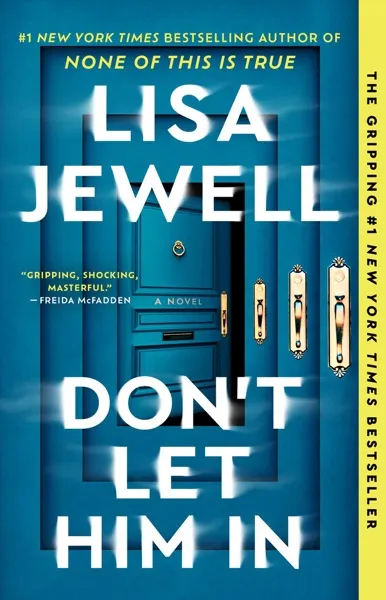

Don't Let Him In Author: Lisa JewellPage Count: UnknownPublication Year: 2025-GB Don’t Let Him In: Lisa Jewell’s Chilling Masterpiece of Psychological Suspense Lisa Jewell has done it again. With Don’t Let Him In, the author of The Family Upstairs and Then She Was Gone delivers another pulse-pounding psychological thriller that will leave readers questioning every shadow in their own homes. Set for release in 2025, this highly anticipated novel has already earned its place as a global bestseller, and for good reason. Jewell’s signature blend of suspense, intricate plotting, and deeply flawed yet compelling characters makes Don’t Let Him In a must-read for fans of the genre—and a perfect entry point for newcomers. At its core, Don’t Let Him In explores the fragility of trust and the terrifying ease with which deception can take root. The story unfolds through multiple perspectives, each narrated with Jewell’s characteristic precision and emotional depth. The central figure is Lydia, a woman whose life is upended when a stranger enters her world, disrupting the fragile equilibrium she’s fought to maintain. As the narrative unfolds, readers are drawn into a web of secrets, where nothing is as it seems and every character harbors their own agenda. Jewell excels at crafting unreliable narrators, and Don’t Let Him In is no exception—each voice is layered with ambiguity, forcing readers to constantly reassess their loyalties. One of the novel’s greatest strengths lies in its exploration of paranoia and isolation. Lydia’s world is one of quiet desperation, where the line between safety and danger blurs with every interaction. Jewell masterfully builds tension through small, unsettling details—a lingering glance, a cryptic text, a door left slightly ajar—until the reader, like Lydia, feels the walls closing in. The psychological stakes are high, but Jewell never resorts to cheap jump scares. Instead, she relies on the slow, creeping dread of human manipulation, making Don’t Let Him In as intellectually engaging as it is terrifying. The supporting cast is equally compelling. Daniel, the enigmatic stranger at the heart of the story, is a character who defies easy categorization—is he a predator, a victim, or something far more complex? His presence looms over the narrative, casting doubt on everyone around him. Meanwhile, Lydia’s relationships with her friends and family are fraught with tension, each interaction dripping with subtext. Jewell’s dialogue crackles with authenticity, revealing the fractures in even the most seemingly stable bonds. Jewell’s writing style is both economical and evocative, a balance that keeps the story moving at a relentless pace without sacrificing depth. Her prose is sharp, devoid of unnecessary flourishes, yet rich with emotional resonance. She has a knack for capturing the minutiae of everyday life—the way a cup of tea can feel like a lifeline in moments of crisis, or how a familiar street can suddenly feel alien and threatening. This attention to detail immerses the reader completely, making the psychological unraveling of the characters feel visceral and immediate. Thematically, Don’t Let Him In delves into the illusion of control and the ways in which people rationalize their own vulnerabilities. Lydia’s journey is one of self-discovery, but it’s also a cautionary tale about the dangers of denial. Jewell doesn’t shy away from the darker corners of human nature, yet she does so with a deft hand, ensuring that the story remains grounded in emotional truth. The novel’s title is a refrain that echoes throughout, a warning that takes on new meaning with each revelation. For readers who love unputdownable thrillers with psychological depth, Don’t Let Him In is a triumph. It’s a book that lingers long after the final page, leaving you to question not just the characters’ choices, but your own perceptions of safety and trust. Lisa Jewell has once again proven herself as a master of suspense, crafting a story that is as thought-provoking as it is thrilling. If you’re looking for a book that will keep you up at night, turning pages long past your bedtime, Don’t Let Him In is the one. It’s a testament to Jewell’s talent for blending domestic drama with high-stakes tension, resulting in a novel that’s impossible to forget. #LisaJewell #PsychologicalThriller #Don’tLetHimIn #BookReview #MustRead2025 Related InsightsLectures on the Ethics of T. H. Green, Mr. Herbert Spencer, and J. Martineau Book Review and Summary The Reader Book Review and Summary Crescent City Hardcover Box Set Book Review and Summary{ "@context": "https://schema.org", "@type": "FAQPage", "mainEntity": [ { "@type": "Question", "name": "What is the main focus of **Don't Let Him In** Book Review and Summary?", "acceptedAnswer": { "@type": "Answer", "text": "Everything you need to know about **Don't Let Him In** with our detailed review." } }, { "@type": "Question", "name": "Who authored the comprehensive guide on **Don't Let Him In** Book Review and Summary?", "acceptedAnswer": { "@type": "Answer", "text": "This detailed article and its insights were carefully researched and authored by Anna Kowalska." } }, { "@type": "Question", "name": "Where can I find more related content about Books?", "acceptedAnswer": { "@type": "Answer", "text": "You can explore more articles, detailed reviews, and similar insights by browsing the Related Insights section at the bottom of this article or visiting our dedicated Books category page." } } ] }
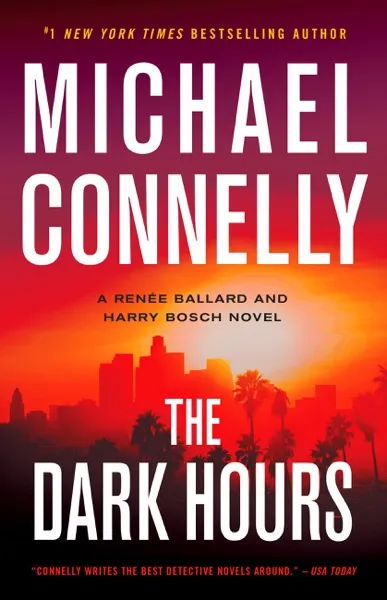

The Dark Hours Author: Michael ConnellyPage Count: UnknownPublication Year: 2021-GB In the city of angels, where the sun dips into the horizon and paints the sky with hues of crimson and gold, a different kind of darkness lurks. It's a darkness that seeps into the souls of men, a darkness that haunts the streets, and a darkness that only a select few can navigate. This is the world of Michael Connelly's The Dark Hours, a gripping thriller that delves into the very fabric of human nature and the unrelenting pursuit of justice. Set in the midst of the COVID-19 pandemic, The Dark Hours is a masterclass in storytelling, weaving together multiple plot threads that converge into a complex tapestry of crime and deception. At the heart of the narrative is Detective Renée Ballard, a fierce and determined investigator who has become a staple in Connelly's oeuvre. Alongside her trusted partner, Detective Harry Bosch, Ballard navigates the treacherous landscape of modern-day Los Angeles, where the lines between good and evil are constantly blurred. One of the standout aspects of The Dark Hours is its thought-provoking exploration of themes that resonate deeply in today's society. Connelly tackles issues such as racism, police brutality, and the erosion of trust in institutions with unflinching honesty, never shying away from the harsh realities that plague our world. Through the lens of his characters, he humanizes these issues, imbuing them with a sense of urgency and moral complexity that is impossible to ignore. Connelly's writing style is, as always, impeccable. His prose is lean and mean, cutting through the noise with a precision that is both admirable and unsettling. He has a unique ability to craft scenes that are at once visceral and introspective, plunging the reader into the midst of the action while also providing a nuanced exploration of the characters' inner lives. His use of language is economical, yet evocative, conjuring the neon-lit streets of LA with a vividness that is almost palpable. At its core, The Dark Hours is a novel about the human condition, about the darkness that lurks within us all, and about the unyielding pursuit of justice in a world that often seems determined to thwart it. Through the eyes of Renée Ballard and Harry Bosch, we witness the toll that this pursuit takes on those who dedicate their lives to it, the sacrifices they must make, and the scars they must bear. As the narrative unfolds, Connelly expertly ratchets up the tension, hurtling the reader towards a conclusion that is both shocking and inevitable. It's a testament to his skill as a storyteller that he can balance the various plot threads with such ease, never once losing sight of the larger themes that drive the narrative forward. In The Dark Hours, Michael Connelly has crafted a novel that is both a gripping thriller and a searing indictment of our times. It's a book that will keep you up late into the night, turning the pages with a sense of urgency that is impossible to shake. And when the darkness finally recedes, and the sun rises over the city, you'll be left with a haunting sense of unease, a reminder that the shadows that haunt us are always lurking, waiting to pounce. #TheDarkHours #MichaelConnelly #CrimeFiction #Thriller #BookReview Related InsightsThe Sunlit Man Book Review and Summary Brothersong Book Review and Summary I'll Give You the Sun Book Review and Summary{ "@context": "https://schema.org", "@type": "FAQPage", "mainEntity": [ { "@type": "Question", "name": "What is the main focus of **The Dark Hours** Book Review and Summary?", "acceptedAnswer": { "@type": "Answer", "text": "Everything you need to know about **The Dark Hours** with our detailed review." } }, { "@type": "Question", "name": "Who authored the comprehensive guide on **The Dark Hours** Book Review and Summary?", "acceptedAnswer": { "@type": "Answer", "text": "This detailed article and its insights were carefully researched and authored by Chloé Laurent." } }, { "@type": "Question", "name": "Where can I find more related content about Books?", "acceptedAnswer": { "@type": "Answer", "text": "You can explore more articles, detailed reviews, and similar insights by browsing the Related Insights section at the bottom of this article or visiting our dedicated Books category page." } } ] }
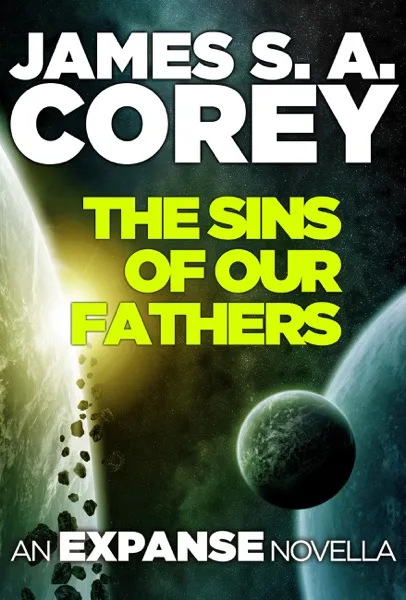

The Sins of Our Fathers Author: James S. A. CoreyPage Count: UnknownPublication Year: 2022-GB James S. A. Corey’s The Sins of Our Fathers is a masterclass in sci-fi storytelling, a novel that weaves moral complexity with relentless action, all while maintaining the sharp character dynamics that have made the Expanse series a global phenomenon. Published in 2022, this latest installment in the franchise doesn’t just continue the saga—it deepens it, exploring the legacy of violence, the weight of past sins, and the fragile threads that bind families, both biological and found. If you thought the Expanse was just about spaceships and political intrigue, this book will prove you wrong. It’s a story about what it means to inherit guilt, to break cycles, and to forge a future despite the sins of those who came before. At its core, The Sins of Our Fathers is a meditation on legacy. The book’s title isn’t just a clever nod to Shakespeare or a biblical reference—it’s a thematic anchor. Every major character in this installment is grappling with the consequences of their ancestors’ actions, whether it’s the lingering shadow of the Protomolecule’s destruction, the fallout from the Ring Space collapse, or the personal betrayals that have shaped their lives. Corey (the pen name for Daniel Abraham and Ty Franck) excels at layering these themes into the narrative without ever feeling heavy-handed. Instead, the book’s emotional depth emerges organically from the characters’ struggles, making it as much a psychological drama as it is a space opera. Take Amos Burton, for instance. The gruff, loyal mechanic of the Rocinante crew has always been defined by his brutal past and his unwavering loyalty to his found family. But in this book, Amos is forced to confront the sins of his literal father—a man whose cruelty shaped Amos’s own capacity for violence. The way Corey handles this arc is masterful: it’s not just about Amos dealing with his trauma, but about how he chooses to either perpetuate that cycle or break free from it. His internal monologues are raw, his decisions painful, and his growth (or lack thereof) feels painfully real. It’s a testament to the authors’ skill that a character who has been a fan favorite for years can still surprise and unsettle us. Then there’s Clarissa Mao, whose return in this book is one of the most compelling narrative choices Corey has made in the series. Clarissa, the daughter of the infamous Jules-Pierre Mao, has spent years trying to outrun her family’s legacy of exploitation and destruction. Her arc in The Sins of Our Fathers is a study in redemption—or the lack thereof. She’s not a hero, but she’s not a villain either. She’s a woman caught between her desire for absolution and the harsh reality that some sins can’t be undone. Her interactions with other characters, particularly Amos, are charged with tension, forcing both of them to confront their pasts in ways that are as brutal as they are necessary. The book’s other standout is Drummer, the Belter leader whose political and personal struggles add another layer to the story’s exploration of legacy. Drummer’s fight isn’t just against external enemies but against the expectations placed on her by her community and her own self-doubt. Her leadership is tested in ways that force her to make impossible choices, and her resilience is both inspiring and heartbreaking. Corey doesn’t shy away from showing the cost of leadership, and Drummer’s arc is a prime example of how the Expanse series continues to evolve beyond its initial space-western roots. As for the authors’ style, Corey’s writing is as sharp and immersive as ever. The prose is tight, the dialogue snappy, and the action sequences are as high-stakes and visceral as you’d expect from a series that has set the standard for modern sci-fi. But what really sets this book apart is its emotional intelligence. Corey doesn’t just tell you what characters are feeling—they make you feel it. The tension isn’t just in the explosions or the political maneuvering; it’s in the quiet moments, the unspoken regrets, the glances that speak volumes. The book’s pacing is relentless, but it never sacrifices depth for action. Every scene, whether it’s a tense negotiation or a brutal fight, serves a purpose in advancing the story’s themes or deepening the characters. One of the most striking aspects of The Sins of Our Fathers is how it balances its grand, galaxy-spanning stakes with deeply personal stories. The book’s universe is vast and dangerous, but the heart of the story lies in the relationships between the characters. Whether it’s the found family of the Rocinante crew, the fractured bonds of the Mao dynasty, or the political alliances being forged and broken, Corey reminds us that in the end, it’s people—not technology or ideology—that drive the narrative forward. If there’s one criticism to be leveled, it’s that the book’s ending might feel a bit abrupt for some readers. The final act is packed with revelations and confrontations, but it rushes toward its climax in a way that leaves little room for reflection. That said, it’s a minor quibble in an otherwise flawless installment. The Sins of Our Fathers is a book that demands to be read in one sitting, not just for its plot twists, but for the emotional gut-punches it delivers along the way. In many ways, this book is the perfect distillation of what makes the Expanse series so special. It’s a story about the future, yes, but it’s also a story about the past—about how we carry our history with us, for better or worse. It’s about family, both the ones we’re born into and the ones we choose, and the choices we make to either repeat the sins of the past or break free from them. Corey doesn’t offer easy answers, but they do offer something far more valuable: a story that lingers in your mind long after the last page is turned. If you’re a fan of the Expanse, this book is a must-read. If you’re new to the series, The Sins of Our Fathers is a compelling entry point that will leave you hungry for more. Either way, you won’t be disappointed. #ExpanseSeries #SciFiBooks #JamesSCorey #SpaceOpera #AmosBurton #ClarissaMao Related InsightsThe Norton Introduction to Literature--Portable thirteenth edition Book Review and Summary Estuche especial de 'Cuentos de hadas modernos' Book Review and Summary Demon's Bluff Book Review and Summary{ "@context": "https://schema.org", "@type": "FAQPage", "mainEntity": [ { "@type": "Question", "name": "What is the main focus of The Sins of Our Fathers Book Review and Summary?", "acceptedAnswer": { "@type": "Answer", "text": "Everything you need to know about The Sins of Our Fathers with our detailed review." } }, { "@type": "Question", "name": "Who authored the comprehensive guide on The Sins of Our Fathers Book Review and Summary?", "acceptedAnswer": { "@type": "Answer", "text": "This detailed article and its insights were carefully researched and authored by Sarah Davis." } }, { "@type": "Question", "name": "Where can I find more related content about Books?", "acceptedAnswer": { "@type": "Answer", "text": "You can explore more articles, detailed reviews, and similar insights by browsing the Related Insights section at the bottom of this article or visiting our dedicated Books category page." } } ] }

Notes on a Nervous Planet Author: Matt HaigPage Count: UnknownPublication Year: 2018-GB In an era where anxiety has become the unwelcome companion of modern life, Matt Haig's "Notes on a Nervous Planet" emerges as a beacon of hope, a reassuring reminder that we are not alone in our struggles. This poignant and deeply personal exploration of the human experience is a testament to the transformative power of storytelling, weaving a narrative that is at once universally relatable and profoundly intimate. At its core, "Notes on a Nervous Planet" is a book about the complexities of the human condition, delving into the intricacies of mental health, relationships, and the search for meaning in a chaotic world. Haig's writing is characterized by its unflinching honesty, as he confronts the darker aspects of his own experiences with anxiety and depression, rendering them with a vulnerability that is both deeply moving and profoundly insightful. Through his narrative, Haig masterfully excavates the tensions that exist between the internal and external worlds, laying bare the ways in which our inner lives are shaped by the external forces that surround us. With a keen eye for observation, he dissects the societal pressures that contribute to our collective unease, from the cult of busyness to the corrosive influence of social media. One of the most striking aspects of Haig's writing is its lyricism, a quality that imbues even the most difficult subjects with a sense of beauty and wonder. His prose is marked by a poetic precision, capable of distilling the essence of a feeling or experience into a single, piercing sentence. This is a writer who understands the alchemical power of language, able to transmute the base metals of anxiety and fear into a narrative that is both redemptive and uplifting. Throughout the book, Haig's voice is that of a trusted friend, offering guidance and reassurance without ever resorting to easy answers or platitudes. His is a voice that is both deeply personal and universally relatable, speaking to the shared experiences that bind us all. In this sense, "Notes on a Nervous Planet" is a book that defies categorization, existing at the intersection of memoir, essay, and self-help. Ultimately, Haig's masterpiece is a testament to the human spirit's capacity for resilience and hope. In the face of adversity, it is a powerful reminder that we are not alone, that our struggles are shared, and that even in the darkest moments, there is always the possibility for transformation and renewal. As a work of literature, "Notes on a Nervous Planet" is a triumph, a book that will resonate with readers long after the final page has been turned. In an age where anxiety and uncertainty seem to reign supreme, Matt Haig's "Notes on a Nervous Planet" is a shining beacon of light, a reminder that even in the darkest times, there is always hope. This is a book that will be passed from hand to hand, shared among friends and strangers alike, its message of resilience and hope echoing out into the world. #MentalHealthAwareness #AnxietyAndDepression #LiteraryNonFiction #MattHaig #NotesOnANervousPlanet Related InsightsLast Guard Book Review and Summary Chosen Book Review and Summary Bones: A Novel (The Bone Series) Book Review and Summary{ "@context": "https://schema.org", "@type": "FAQPage", "mainEntity": [ { "@type": "Question", "name": "What is the main focus of **Notes on a Nervous Planet** Book Review and Summary?", "acceptedAnswer": { "@type": "Answer", "text": "Everything you need to know about **Notes on a Nervous Planet** with our detailed review." } }, { "@type": "Question", "name": "Who authored the comprehensive guide on **Notes on a Nervous Planet** Book Review and Summary?", "acceptedAnswer": { "@type": "Answer", "text": "This detailed article and its insights were carefully researched and authored by Elena Volkova." } }, { "@type": "Question", "name": "Where can I find more related content about Books?", "acceptedAnswer": { "@type": "Answer", "text": "You can explore more articles, detailed reviews, and similar insights by browsing the Related Insights section at the bottom of this article or visiting our dedicated Books category page." } } ] }
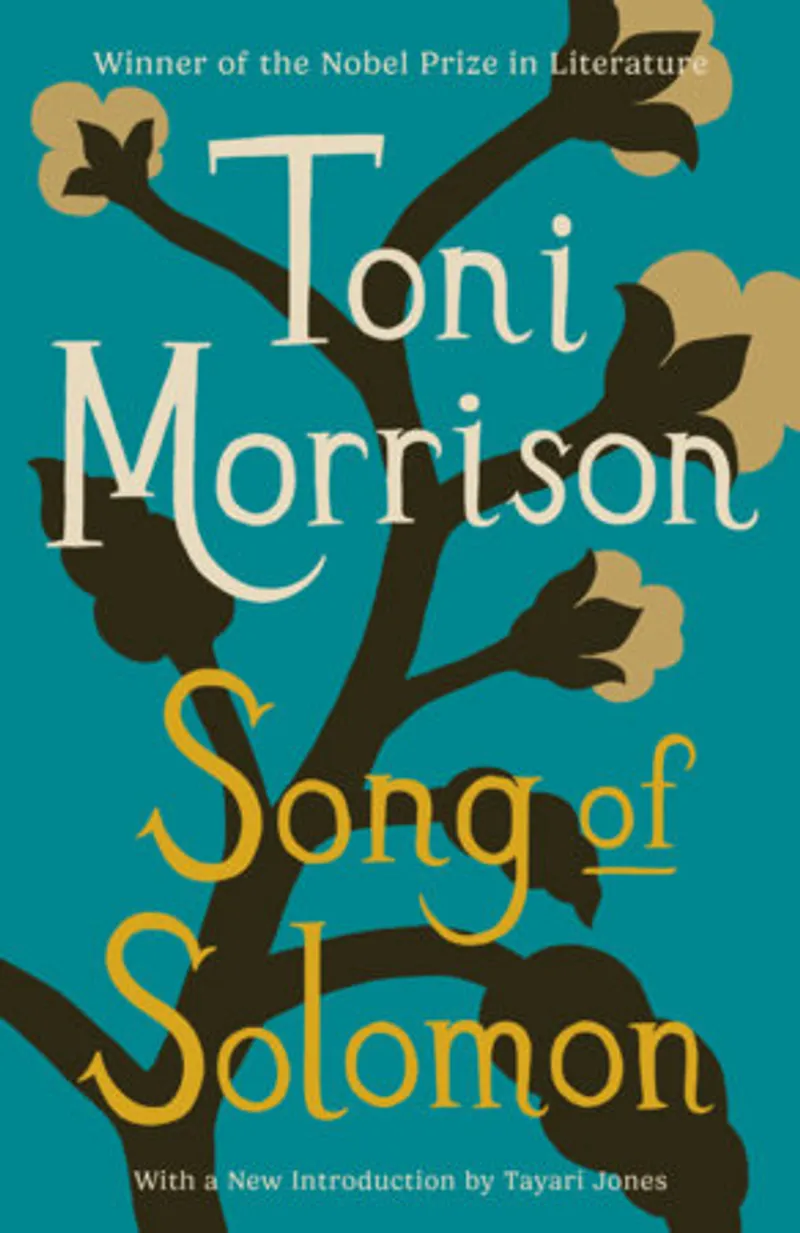
Song of Solomon Author: Toni MorrisonPage Count: UnknownPublication Date: 2004-PRH In the realm of American literature, few novels have managed to capture the essence of the Black experience with the same level of depth and nuance as Toni Morrison's Song of Solomon. First published in 1977, this masterpiece has been widely acclaimed for its poignant and unflinching portrayal of the African American experience, and its exploration of the universal human quest for identity, community, and transcendence. At its core, Song of Solomon is a coming-of-age story that follows the life of Milkman Dead, a young black man growing up in a rust-belt city in the Midwest. Born shortly after a neighborhood eccentric's failed attempt at flight, Milkman is destined to spend his life searching for his own wings, struggling to find his place in a world that seems determined to keep him grounded. As Morrison masterfully weaves together the threads of Milkman's story, she introduces a diverse cast of characters, each with their own unique struggles, aspirations, and contradictions. One of the most striking aspects of Morrison's writing style is her ability to inhabit the lives and thoughts of her characters with uncanny ease. She moves seamlessly between their inner worlds, luxuriating in the diversity of their experiences, personalities, and voices. Her prose is at once poetic and unflinching, capable of conveying the full range of human emotions, from the depths of sorrow and despair to the heights of joy and transcendence. Through Milkman's journey, Morrison explores the complex web of relationships that bind us to our families, our communities, and our cultural heritage. She delves into the painful legacy of slavery, segregation, and racism, but also celebrates the resilience, creativity, and strength of the African American spirit. As Milkman navigates the treacherous landscape of his own identity, he must confront the secrets and lies that have haunted his family for generations, and find a way to reconcile his own desires with the weight of his ancestral past. Morrison's writing is not just a reflection of the world around her; it is also a powerful act of world-making. In Song of Solomon, she creates a fully realized Black world, teeming with life, color, and sound. Her characters are multidimensional and complex, full of contradictions and surprises, and her story is both deeply personal and universally relatable. In short, Song of Solomon is a masterpiece of American literature, a novel that deserves to be read and reread for generations to come. It is a testament to the power of storytelling to transform our understanding of ourselves and our world, and to the boundless creativity and genius of Toni Morrison, one of the most important writers of our time. #ToniMorrison #SongOfSolomon #AfricanAmericanLiterature #ComingOfAgeStory #AmericanClassics #BlackLiteraryExcellence Related InsightsThe Corrections Book Review and Summary An Edge Sharp Enough (An Edge Sharp Enough, #1) Book Review and Summary Doomsdate Book Review and Summary{ "@context": "https://schema.org", "@type": "FAQPage", "mainEntity": [ { "@type": "Question", "name": "What is the main focus of Song of Solomon Book Review and Summary?", "acceptedAnswer": { "@type": "Answer", "text": "Everything you need to know about Song of Solomon with our detailed review." } }, { "@type": "Question", "name": "Who authored the comprehensive guide on Song of Solomon Book Review and Summary?", "acceptedAnswer": { "@type": "Answer", "text": "This detailed article and its insights were carefully researched and authored by Toni Morrison." } }, { "@type": "Question", "name": "Where can I find more related content about Books?", "acceptedAnswer": { "@type": "Answer", "text": "You can explore more articles, detailed reviews, and similar insights by browsing the Related Insights section at the bottom of this article or visiting our dedicated Books category page." } } ] }

Illuminoceans Author: Barbara TaylorPage Count: UnknownPublication Year: 2023-GB Barbara Taylor’s Illuminoceans is a breathtaking dive into the wonders of the deep, a book that marries science with sheer artistry to illuminate the mysterious, vibrant world beneath the waves. As a global bestseller, it doesn’t just inform—it enchants, transporting readers from the sunlit shallows to the abyssal plains with a prose so vivid it feels like slipping into the ocean itself. Taylor, a veteran science writer known for her ability to distill complex marine biology into accessible, engaging narratives, has crafted a book that appeals as much to casual ocean enthusiasts as it does to seasoned marine biologists. At its core, Illuminoceans is a celebration of bioluminescence—a phenomenon where organisms produce their own light through chemical reactions, transforming the dark ocean into a dazzling, otherworldly spectacle. Taylor doesn’t just explain this phenomenon; she immerses readers in it, using lyrical descriptions and meticulous research to reveal how creatures from the tiniest plankton to the colossal giant squid have evolved to harness light in the absence of sunlight. The book’s central theme is one of adaptation and survival in an environment where darkness is the norm, and Taylor’s exploration of this theme is both educational and deeply poetic. What sets Illuminoceans apart is its narrative structure. Taylor doesn’t bog readers down with dense scientific jargon; instead, she weaves facts into compelling stories. Each chapter focuses on a different aspect of bioluminescence, from its role in predation and mating to its use in camouflage and communication. The book’s pacing is impeccable, balancing wonder with rigor, ensuring that even the most intricate details feel urgent and alive. Taylor’s prose is crisp and evocative, whether she’s describing the eerie glow of a deep-sea anglerfish’s lure or the synchronized flashing of a school of squid. One of the book’s most striking strengths is its visual appeal. While it’s a text-based work, Taylor’s descriptions are so vivid that readers will feel as though they’re flipping through a high-resolution underwater atlas. The absence of traditional photographs is more than compensated for by her ability to paint pictures with words—imagine the shimmer of a jellyfish’s tentacles or the pulsating glow of a vampire squid, and you’ll find Taylor’s descriptions linger long after the page is turned. This is a book that demands to be savored slowly, with moments of pause to reflect on the marvels being described. Taylor’s approach is also refreshingly interdisciplinary. She doesn’t just stick to biology; she delves into chemistry, physics, and even a touch of mythology, showing how humans have long been fascinated by the glowing ocean. There’s a subtle commentary here on our relationship with the natural world—how we romanticize the unknown, how we seek to understand it, and how we often exploit it. Yet, Illuminoceans remains fundamentally optimistic, focusing on the beauty of discovery rather than the bleakness of exploitation. The book’s accessibility doesn’t come at the expense of depth. Taylor includes fascinating case studies, such as the deep-sea shrimp that squirts glowing mucus to startle predators or the flashlight fish that uses bioluminescent bacteria housed in special organs beneath its eyes. These anecdotes are not just entertaining; they underscore the incredible diversity of life in the ocean, much of which remains unexplored. Taylor’s enthusiasm for her subject is infectious, making Illuminoceans feel less like a textbook and more like a guided tour led by an expert who can’t wait to share her discoveries. That enthusiasm is also evident in Taylor’s writing style. She avoids the dryness that often plagues science writing, opting instead for a tone that is both authoritative and warm. There’s a sense of wonder in her words that makes even the most esoteric facts feel immediate and relevant. For instance, when describing how bioluminescent plankton create “milky seas” visible from space, she doesn’t just state the fact—she makes the reader feel the awe of standing on a ship’s deck, watching the ocean glow like a starry night sky. Illuminoceans is also a timely book. In an era where the ocean is under threat from pollution, overfishing, and climate change, Taylor’s work serves as a reminder of what we stand to lose—and what we can still save. By highlighting the ocean’s beauty, she implicitly advocates for its protection, urging readers to care about these hidden ecosystems as much as she clearly does. If there’s any criticism to be levied, it’s that Illuminoceans could benefit from more illustrations or diagrams to complement its vivid prose. While Taylor’s descriptions are masterful, a visual aid here and there might help readers who struggle to picture certain creatures or phenomena. That said, the omission feels deliberate—a challenge to the reader’s imagination, to fill in the gaps with their own mental images. Ultimately, Illuminoceans is a triumph of science writing, a book that illuminates not just the ocean’s depths but the boundless potential of the natural world to inspire awe. Barbara Taylor has crafted a work that is as informative as it is enchanting, a book that will leave readers with a newfound appreciation for the unseen wonders of our planet. It’s a reminder that even in the darkest places, there is light—and that light is worth exploring. #Bioluminescence #OceanWonders #MarineLife #DeepSeaDiscovery #ScienceWriting #NatureMagic Related InsightsWhen the Night Comes Knocking Book Review and Summary Fragile Threads of Power Book Review and Summary Battle Ground Book Review and Summary{ "@context": "https://schema.org", "@type": "FAQPage", "mainEntity": [ { "@type": "Question", "name": "What is the main focus of Illuminoceans Book Review and Summary?", "acceptedAnswer": { "@type": "Answer", "text": "Everything you need to know about Illuminoceans with our detailed review." } }, { "@type": "Question", "name": "Who authored the comprehensive guide on Illuminoceans Book Review and Summary?", "acceptedAnswer": { "@type": "Answer", "text": "This detailed article and its insights were carefully researched and authored by Isabella Moore." } }, { "@type": "Question", "name": "Where can I find more related content about Books?", "acceptedAnswer": { "@type": "Answer", "text": "You can explore more articles, detailed reviews, and similar insights by browsing the Related Insights section at the bottom of this article or visiting our dedicated Books category page." } } ] }
The Unbecoming of Margaret Wolf Author: Isa ArsénPage Count: UnknownPublication Date: 2025-PRH Isa Arsén’s The Unbecoming of Margaret Wolf is a razor-sharp dissection of ambition, love, and the fragile masks we wear in the name of art—and survival. Set against the glittering, cutthroat world of Shakespearean theater, this novel is less a love story than a psychological unraveling, where every bow is a performance, and every truth is a rehearsal for disaster. Arsén, with a prose style that crackles with theatrical intensity, crafts a narrative that is as much about the roles we play as it is about the people who force us into them. At its core, The Unbecoming of Margaret Wolf is a tragedy in the Shakespearean mold, but one that feels urgently modern. Margaret Shoard, our protagonist, is a woman who has clawed her way to the top of the acting world, only to find that the summit is a gilded cage. Her marriage to Wesley, a fellow actor, is a partnership of convenience, a shared stage where love is secondary to mutual ambition. When Margaret’s public meltdown threatens to derail her career, her doctor’s prescription—uppers to steady her nerves—becomes both a lifeline and a noose. It’s a brilliant metaphor for the performative nature of mental health in high-pressure environments, where the line between coping and collapsing is thinner than a stage curtain. The real engine of the novel, however, is the arrival of Vaughn Kline, the eccentric director who lures Margaret and Wesley to the New Mexico desert for a high-stakes Shakespeare festival. Vaughn is a character straight out of a gothic nightmare: charismatic, manipulative, and utterly opaque. He’s the kind of man who makes you question whether his grand vision is genius or madness, and Arsén excels at rendering his ambiguity. Is he a visionary who sees potential in Margaret where others see only fragility? Or is he a predator who preys on the desperate? The answer, like so much in this novel, is deliberately elusive. What makes The Unbecoming of Margaret Wolf so compelling is its refusal to offer easy resolutions. Margaret and Wesley’s relationship is a house of cards, built on half-truths and unspoken resentments. Their affair with Vaughn—whether it’s a genuine connection or a calculated gamble—only accelerates their unraveling. Arsén’s genius lies in her ability to make the reader complicit in their delusions. We root for Margaret, even as we see the cracks in her self-mythology. We want to believe in Wesley’s loyalty, even as his actions betray it. And Vaughn? He’s the kind of villain who makes you question whether you’d rather be his victim or his disciple. Arsén’s prose is a masterclass in controlled chaos. She writes with the precision of a playwright, crafting dialogue that crackles with subtext and scenes that feel like tightly choreographed duels. The desert setting is more than just a backdrop; it’s a character in its own right, a vast, indifferent stage where the characters’ performances are stripped bare. The heat, the isolation, the way the light distorts everything—it all serves to heighten the sense of unreality, as if the characters are sleepwalking through a fever dream. The novel’s themes resonate deeply in an era where personal brands and performative identities dominate. Margaret’s struggle to reconcile her public persona with her private despair is achingly relatable. How much of ourselves do we sacrifice to the roles we’re given? How much of our pain do we turn into art, and at what cost? Arsén doesn’t offer answers, but she forces us to sit with the questions, to watch as Margaret’s carefully constructed identity—Lady Macbeth, devoted wife, rising star—crumbles under the weight of her own expectations. The Unbecoming of Margaret Wolf is a novel that lingers, like the echo of a standing ovation or the haunting silence after a curtain falls. It’s a story about the lies we tell to survive, the truths we bury to thrive, and the moment when the performance becomes too heavy to bear. Arsén has written a book that is as much about the art of acting as it is about the art of living—and the terrifying price of both. #ShakespeareanTragedy #DarkRomance #TheaterOfTheMind #UnreliableNarrators #PsychologicalDrama #IsaArsen Related InsightsLovely in Her Bones Book Review and Summary Dead Lift Book Review and Summary The Chain Between Worlds Book Review and Summary{ "@context": "https://schema.org", "@type": "FAQPage", "mainEntity": [ { "@type": "Question", "name": "What is the main focus of The Unbecoming of Mara Dyer Book Review and Summary?", "acceptedAnswer": { "@type": "Answer", "text": "Everything you need to know about The Unbecoming of Mara Dyer with our detailed review." } }, { "@type": "Question", "name": "Who authored the comprehensive guide on The Unbecoming of Mara Dyer Book Review and Summary?", "acceptedAnswer": { "@type": "Answer", "text": "This detailed article and its insights were carefully researched and authored by Michelle Hodkin." } }, { "@type": "Question", "name": "Where can I find more related content about Books?", "acceptedAnswer": { "@type": "Answer", "text": "You can explore more articles, detailed reviews, and similar insights by browsing the Related Insights section at the bottom of this article or visiting our dedicated Books category page." } } ] }
Spirit Bound Author: Christine FeehanPage Count: UnknownPublication Date: 2011-PRH Christine Feehan’s Spirit Bound is a seductive, high-stakes dance between danger and desire, where love is both salvation and a weapon. As the second installment in her Sisters of the Heart series, Feehan weaves a tale of obsession, elemental sisterhood, and the intoxicating power of surrender—all while keeping the reader breathless with her signature blend of suspense and sensuality. At its core, Spirit Bound is a story about two men consumed by the same woman, Judith Henderson, whose ethereal beauty masks a past steeped in secrets. Stefan Prakenskii, the undercover agent with a lethal skill set and a body built for sin, is sent to Sea Haven under false pretenses to infiltrate Judith’s life. But this is no ordinary mission. From the moment he lays eyes on her, Stefan is undone—not just by her physical allure, but by the way she seems to recognize him, as if their souls have met before. Judith, in turn, has spent years waiting for a man who can unlock the fire within her, a woman who has lived half in shadow, her emotions buried beneath a surface of delicate artistry. The tension between them is electric, a slow burn that ignites with every stolen glance, every brush of skin, every whispered confession. Feehan’s genius lies in her ability to balance raw, almost feral passion with a deep emotional undercurrent. Stefan isn’t just a man with a gun—he’s a man with a past, a man who has seen the worst of humanity and yet believes in the redemptive power of love. Judith isn’t just a damsel in distress; she’s a woman who has learned to survive by being invisible, until Stefan forces her to confront the desires she’s kept locked away. Their chemistry is palpable, a push-and-pull of dominance and submission that feels both primal and deeply intimate. Feehan doesn’t shy away from the darker aspects of their connection—there’s a possessiveness in Stefan’s obsession, a desperation in Judith’s need to be claimed—but it’s all framed in a way that feels less like control and more like a sacred exchange of trust. What elevates Spirit Bound beyond a typical romance is Feehan’s world-building. The coastal town of Sea Haven isn’t just a setting; it’s a character in itself, a place where the elements—earth, air, fire, water—seem to pulse with life. The sisterhood of the six women at the heart of the series adds another layer of depth, their bond forged in loss and strengthened by their shared experiences. Judith’s connection to them is subtle but significant, hinting at a larger narrative that ties into the series’ overarching themes of healing and sisterhood. Feehan’s prose is lush and immersive, dripping with sensory details that make the reader feel every touch, every scent, every heartbeat. She has a knack for writing scenes that are both tender and explosive, where the line between love and danger blurs until it’s impossible to tell where one ends and the other begins. The pacing is relentless, with enough twists and turns to keep the pages turning, but it never feels rushed. Instead, Feehan takes her time, letting the relationship between Stefan and Judith simmer until it reaches a boiling point. If there’s a critique to be made, it’s that the secondary characters sometimes feel like they’re there to serve the plot rather than stand on their own. The villain, while menacing, lacks the depth of the main players, and the sisterhood’s dynamics, though intriguing, are given less focus than they might deserve. But these are minor quibbles in a story that is otherwise a masterclass in romantic suspense. Spirit Bound is a book for readers who crave more than just a love story—they want a tale where love is a force as wild and untamed as the elements themselves. Feehan delivers exactly that, wrapping her readers in a world where passion is as dangerous as it is inevitable, and where the only thing more intoxicating than the danger is the surrender. #ChristineFeehan #SpiritBound #ParanormalRomance #DarkRomance #RomanceBooks #SistersOfTheHeart Related InsightsEverything You Need to Know: How Philosophy Can Set You Free Book Review and Summary The Nightingale Book Review and Summary Steve Jobs / Steve Jobs: A Biography Book Review and Summary{ "@context": "https://schema.org", "@type": "FAQPage", "mainEntity": [ { "@type": "Question", "name": "What is the main focus of Spirit Bound Book Review and Summary?", "acceptedAnswer": { "@type": "Answer", "text": "Everything you need to know about Spirit Bound with our detailed review." } }, { "@type": "Question", "name": "Who authored the comprehensive guide on Spirit Bound Book Review and Summary?", "acceptedAnswer": { "@type": "Answer", "text": "This detailed article and its insights were carefully researched and authored by Richelle Mead." } }, { "@type": "Question", "name": "Where can I find more related content about Books?", "acceptedAnswer": { "@type": "Answer", "text": "You can explore more articles, detailed reviews, and similar insights by browsing the Related Insights section at the bottom of this article or visiting our dedicated Books category page." } } ] }
Mafi Fantasy Novel #2 Author: Tahereh MafiPage Count: UnknownPublication Year: 2023-GB Tahereh Mafi’s Mafi Fantasy Novel #2 (2023) is a dazzling sequel that cements her reputation as a master of emotionally charged, visually poetic fantasy. Following the seismic impact of her breakout series Shatter Me, this installment plunges deeper into the heart of Mafi’s world—a place where power is both a curse and a salvation, and where love is the only force that can rewrite destiny. With her signature blend of lyrical prose, raw vulnerability, and pulse-pounding action, Mafi crafts a narrative that is as much about the battle within as it is about the one fought without. At its core, Mafi Fantasy Novel #2 explores the theme of fractured identity and self-reclamation. The protagonist, whose journey we’ve followed through previous books, grapples with the weight of their own power—literally and metaphorically. Mafi delves into the psychological toll of being both weapon and human, a dichotomy that has defined the series from its inception. The novel asks: Can you ever truly know yourself when the world sees you as something else? This question resonates deeply in a genre often dominated by external conflicts; here, the real battle is internal. Mafi’s characters are not just fighting for survival; they are fighting for the right to define themselves on their own terms. The prose itself mirrors this struggle—sentences shatter like glass, only to reform into something stronger, mirroring the protagonist’s fractured psyche. It’s a risky stylistic choice that pays off, immersing the reader in a world where language feels as fragile and resilient as the characters it describes. Mafi’s prose is her greatest strength, and in this sequel, it becomes even more refined. Her writing is a paradox: delicate yet explosive, fragile yet unbreakable. She employs repetition and omission not just as stylistic flourishes but as narrative tools, forcing the reader to sit with the discomfort of the characters’ emotions. A single sentence might stretch across two pages, mimicking the breathless, overwhelming nature of fear or desire. At other times, she withholds words entirely, leaving gaps that feel like wounds. This technique isn’t just ornamental; it’s essential. It mirrors the protagonist’s struggle to articulate their own identity when language itself has been used against them. The result is a reading experience that is as intimate as it is immersive—like eavesdropping on someone’s most private thoughts. The emotional core of the novel lies in its exploration of love as both salvation and sacrifice. Mafi doesn’t shy away from the messiness of relationships, especially in a world where power dynamics are constantly shifting. The romantic threads in this book are not just subplots; they are catalysts for transformation. Love here is not a passive force but an active, sometimes violent, redefinition of self. Mafi challenges the trope of the "chosen one" by showing how love can be both the thing that saves and the thing that demands the most painful sacrifices. The chemistry between the characters crackles with tension, their dialogues laced with unspoken words and half-formed promises. It’s a love story that refuses to romanticize suffering, instead presenting it as the price of growth. The world-building in Mafi Fantasy Novel #2 is equally compelling. Mafi expands the lore of her universe with a deft hand, weaving in new factions, political intrigues, and moral ambiguities. The setting is vivid—a place where the physical and emotional landscapes are equally treacherous. She doesn’t waste time explaining every detail; instead, she trusts the reader to piece together the puzzle, which makes the world feel lived-in and real. The magic system, too, is intriguing, though it remains secondary to the human drama. It’s a world where power is both a gift and a prison, and Mafi ensures that the reader never forgets the cost of wielding it. One of the most striking aspects of this novel is its unflinching portrayal of trauma. Mafi doesn’t romanticize healing or offer easy resolutions. The characters’ wounds—both physical and psychological—linger, affecting their decisions and relationships. There are moments of raw, unfiltered pain that will leave readers breathless. Yet, for all its darkness, the book is not without hope. Mafi’s message is clear: healing is not linear, but it is possible. The protagonist’s journey is a testament to the idea that even in the most broken places, light can find a way in. Tahereh Mafi has always been a writer who dares to go where others won’t, and Mafi Fantasy Novel #2 is no exception. It’s a book that demands to be felt, not just read. The prose is a symphony of shattered lines and soaring metaphors, the characters are deeply human in their flaws and triumphs, and the themes resonate long after the last page. This is more than a sequel; it’s a reaffirmation of Mafi’s place as one of the most distinctive voices in modern fantasy. For fans of emotionally charged, lyrical fantasy, Mafi Fantasy Novel #2 is essential reading. For those new to Mafi’s work, it’s an invitation into a world where language itself is a battleground—and love is the only thing that can rewrite the rules. #MafiFantasy #TaherehMafi #FantasySequel #EmotionalFantasy #PowerAndIdentity #LoveAndSacrifice Related InsightsDopamine Nation Book Review and Summary A Thousand Mornings Book Review and Summary Calamity of Souls Book Review and Summary{ "@context": "https://schema.org", "@type": "FAQPage", "mainEntity": [ { "@type": "Question", "name": "What is the main focus of Mafi Fantasy Novel #2 Book Review and Summary?", "acceptedAnswer": { "@type": "Answer", "text": "Everything you need to know about Mafi Fantasy Novel #2 with our detailed review." } }, { "@type": "Question", "name": "Who authored the comprehensive guide on Mafi Fantasy Novel #2 Book Review and Summary?", "acceptedAnswer": { "@type": "Answer", "text": "This detailed article and its insights were carefully researched and authored by Elena Volkova." } }, { "@type": "Question", "name": "Where can I find more related content about Books?", "acceptedAnswer": { "@type": "Answer", "text": "You can explore more articles, detailed reviews, and similar insights by browsing the Related Insights section at the bottom of this article or visiting our dedicated Books category page." } } ] }

One of Our Kind Author: Nicola YoonPage Count: UnknownPublication Year: 2024-GB One of Our Kind, the latest release from the renowned author Nicola Yoon, is a mesmerizing tale that delves into the complexities of human relationships, identity, and the unbreakable bonds that define us. As a highly acclaimed global bestseller, this book has already garnered significant attention, and for good reason. Yoon's masterful storytelling weaves a narrative that is both poignant and thought-provoking, leaving readers to ponder the intricacies of the human experience long after the final page has been turned. At its core, One of Our Kind explores the theme of belonging and the search for one's place within the world. Yoon's characters are multidimensional and relatable, each with their own unique struggles and triumphs. Through their journeys, the author sheds light on the importance of empathy, compassion, and understanding in breaking down the barriers that often separate us. With a keen eye for detail, Yoon crafts a world that is both familiar and unknown, inviting readers to step into the lives of her characters and experience the world through their eyes. One of the standout aspects of Yoon's writing style is her ability to balance complex themes with accessible, lyrical prose. Her words have a gentle, poetic quality that makes the narrative feel both intimate and expansive. As the story unfolds, Yoon tackles difficult topics with sensitivity and nuance, never shying away from the tough questions or the harsh realities of life. This bravery is a hallmark of her writing, and it is a significant factor in what sets her apart from other authors in the genre. Throughout the book, Yoon's passion for storytelling and her commitment to exploring the depths of human emotion are evident. Her characters are skillfully developed, with rich inner lives and motivations that drive the plot forward. The world-building is meticulous, with a keen attention to detail that creates a vivid, immersive atmosphere. Whether Yoon is describing the intricate details of a character's memories or the broader societal context in which they live, her descriptions are evocative and engaging, drawing the reader into the narrative and refusing to let go. As a global bestseller, One of Our Kind has clearly resonated with readers from diverse backgrounds and cultures. This is a testament to Yoon's skill as a storyteller and her ability to craft a narrative that is both universal and deeply personal. The book's themes of identity, community, and the search for belonging are timeless and timely, speaking to fundamental aspects of the human experience that transcend borders and boundaries. In short, One of Our Kind is a triumph, a masterpiece of contemporary literature that will leave readers spellbound and eager for more. Nicola Yoon's writing is a gift, a reminder of the power of storytelling to transform, to inspire, and to connect us in ways thatnothing else can. If you haven't already, do yourself a favor and immerse yourself in the world of One of Our Kind. It is an experience you won't soon forget. #OneOfOurKind #NicolaYoon #BookLovers #NewRelease #GlobalBestseller #ContemporaryLiterature Related InsightsCorelli’s Mandolin Book Review and Summary The arrangement Book Review and Summary Before the Coffee Gets Cold Book Review and Summary{ "@context": "https://schema.org", "@type": "FAQPage", "mainEntity": [ { "@type": "Question", "name": "What is the main focus of One of Our Kind Book Review and Summary?", "acceptedAnswer": { "@type": "Answer", "text": "Everything you need to know about One of Our Kind with our detailed review." } }, { "@type": "Question", "name": "Who authored the comprehensive guide on One of Our Kind Book Review and Summary?", "acceptedAnswer": { "@type": "Answer", "text": "This detailed article and its insights were carefully researched and authored by Piotr Nowak." } }, { "@type": "Question", "name": "Where can I find more related content about Books?", "acceptedAnswer": { "@type": "Answer", "text": "You can explore more articles, detailed reviews, and similar insights by browsing the Related Insights section at the bottom of this article or visiting our dedicated Books category page." } } ] }

Estuche Jane Austen (Contiene: Orgullo y prejuicio / Sentido y sensibilidad) / Jane Austen Box Set (includes: Pride and Prejudice / Sense and Sensibility) Author: Jane AustenPage Count: UnknownPublication Date: 2026-PRH In the esteemed tradition of English literature, few authors have managed to captivate readers with the same elegance and wit as Jane Austen. The recent release of the Jane Austen Box Set, containing two of her most renowned works, Pride and Prejudice and Sense and Sensibility, is a testament to her enduring legacy. This collection is a masterpiece that not only showcases Austen's remarkable writing style but also delves into the complexities of human relationships, love, and social class. At the heart of both novels lies a profound exploration of the societal norms that governed the lives of women in the late 18th and early 19th centuries. Austen's astute observation of the human experience is striking, as she skillfully weaves a narrative that is both a commentary on the societal ills of her time and a timeless exploration of the human condition. Through the lives of her protagonists, Elizabeth Bennet in Pride and Prejudice and the Dashwood sisters in Sense and Sensibility, Austen masterfully portrays the limited options available to women, highlighting their struggles for financial security, personal happiness, and independence. Austen's writing style is characterized by her use of witty dialogue, strong female characters, and a keen sense of irony. Her prose is effortlessly engaging, making her novels feel remarkably modern despite being written over two centuries ago. The way she navigates the complexities of relationships, uncovering the nuances of love, heartbreak, and personal growth, is nothing short of brilliant. Her characters are multidimensional and relatable, inviting readers to reflect on their own experiences and biases. One of the most striking aspects of Austen's work is her ability to balance the individual stories of her characters with broader societal commentary. Both Pride and Prejudice and Sense and Sensibility are set against the backdrop of a society governed by strict social hierarchies, where family connections, wealth, and reputation are paramount. Austen critiques this system with a delicate touch, using humor and satire to expose its shortcomings. Her portrayal of characters like Mr. Darcy, with his initial pride and subsequent transformation, or the reprehensible George Wickham, serves as a stark reminder of the class divisions and social prejudices that pervaded her era. The enduring popularity of Austen's works can be attributed to their universal themes and her insightful portrayal of human nature. Her novels remind us that, despite the passage of time, human emotions and experiences remain largely unchanged. The quest for love, the importance of family and friendships, and the struggle for personal fulfillment are timeless concerns that transcend historical contexts. In conclusion, the Jane Austen Box Set is a literary treasure that offers readers a chance to delve into the world of one of England's most beloved authors. With its engaging narratives, memorable characters, and perceptive social commentary, this collection is a must-read for anyone interested in classic literature. Whether you are a longtime admirer of Austen's work or a newcomer to her novels, this box set is sure to captivate and inspire, offering a reading experience that is as enriching as it is enjoyable. #JaneAusten #PrideAndPrejudice #SenseAndSensibility #ClassicLiterature #EnglishLiterature #RomanceNovels Related InsightsHolding on to Chaos Book Review and Summary Dream Big (Dream On, #2) Book Review and Summary L'Alba delle Macchine Cognitive: Un Viaggio Profondo nei Modelli Linguistici di Grande Scala{ "@context": "https://schema.org", "@type": "FAQPage", "mainEntity": [ { "@type": "Question", "name": "What is the main focus of Pride and Prejudice Book Review and Summary?", "acceptedAnswer": { "@type": "Answer", "text": "Everything you need to know about Pride and Prejudice with our detailed review." } }, { "@type": "Question", "name": "Who authored the comprehensive guide on Pride and Prejudice Book Review and Summary?", "acceptedAnswer": { "@type": "Answer", "text": "This detailed article and its insights were carefully researched and authored by Jane Austen." } }, { "@type": "Question", "name": "Where can I find more related content about Books?", "acceptedAnswer": { "@type": "Answer", "text": "You can explore more articles, detailed reviews, and similar insights by browsing the Related Insights section at the bottom of this article or visiting our dedicated Books category page." } } ] }