Showing Posts From
Books
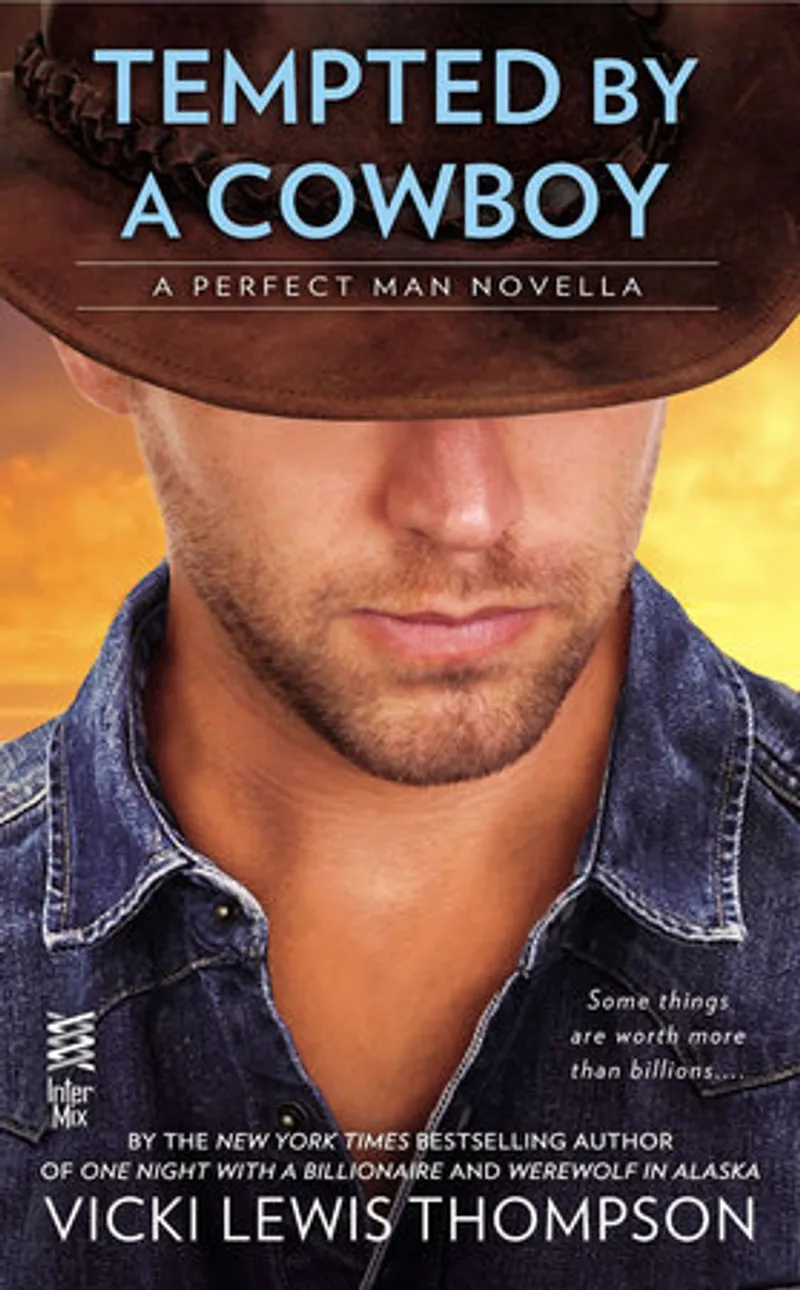
Tempted By a Cowboy (Novella) Author: Vicki Lewis ThompsonPage Count: UnknownPublication Date: 2013-PRH In Tempted By a Cowboy, Vicki Lewis Thompson weaves a captivating tale that delves into the heart of a long-standing debate - can a rugged cowboy ever measure up to the refined and wealthy ideal of the perfect man? This novella follows the story of Astrid Lindberg, a strong-willed and determined billionaire who defies her privileged upbringing to pursue a career as a veterinarian. Her love for horses and the rustic charm of a barn is where she feels most at home, and it's here that she meets Fletcher Grayson, a handsome and hardworking rancher who challenges everything she thought she knew about love. Thompson's writing style is engaging and effortless, making it easy to become immersed in the world she's created. Her characters are multidimensional and relatable, with Astrid's fierce independence and Fletcher's quiet confidence making them a compelling couple. The chemistry between them is undeniable, and Thompson skillfully builds the tension as they navigate their forbidden attraction. One of the standout aspects of this novella is its exploration of the contrast between wealth and hard work. Astrid's high-society upbringing is juxtaposed with Fletcher's rugged, no-nonsense approach to life, and Thompson raises important questions about what truly makes a person worthy of love and respect. As Astrid and Fletcher's relationship deepens, they must confront their own biases and prejudices, leading to a nuanced and thought-provoking exploration of what it means to be a good person. Thompson's use of setting is also noteworthy, with the rolling hills and rustic charm of the ranch serving as the perfect backdrop for Astrid and Fletcher's romance. The author's vivid descriptions bring the landscape to life, making it easy to imagine the sun-drenched fields and cozy barns that play such a central role in the story. If there's one criticism to be made, it's that the supporting characters feel somewhat one-dimensional at times. Astrid's parents, in particular, are portrayed as rather cartoonish in their expectations and demands, and it would have been nice to see them fleshed out a bit more. However, this is a minor quibble in what is otherwise a delightful and engaging read. Overall, Tempted By a Cowboy is a charming and romantic novella that will appeal to fans of rural romance and those looking for a lighthearted, feel-good read. Thompson's writing is engaging, her characters are relatable, and the setting is vividly described. While it may not be a particularly complex or challenging read, it's a perfect choice for anyone looking to escape into a romantic and idyllic world for a few hours. #cowboyromance #ruralromance #vickilewisthompson #romancenovella #horsesandheartstrings #westernromance Related InsightsThe Zombie Room Book Review and Summary Counting Down to You Book Review and Summary In the Likely Event Book Review and Summary{ "@context": "https://schema.org", "@type": "FAQPage", "mainEntity": [ { "@type": "Question", "name": "What is the main focus of Tempted Book Review and Summary?", "acceptedAnswer": { "@type": "Answer", "text": "Everything you need to know about Tempted with our detailed review." } }, { "@type": "Question", "name": "Who authored the comprehensive guide on Tempted Book Review and Summary?", "acceptedAnswer": { "@type": "Answer", "text": "This detailed article and its insights were carefully researched and authored by P.C. Cast." } }, { "@type": "Question", "name": "Where can I find more related content about Books?", "acceptedAnswer": { "@type": "Answer", "text": "You can explore more articles, detailed reviews, and similar insights by browsing the Related Insights section at the bottom of this article or visiting our dedicated Books category page." } } ] }
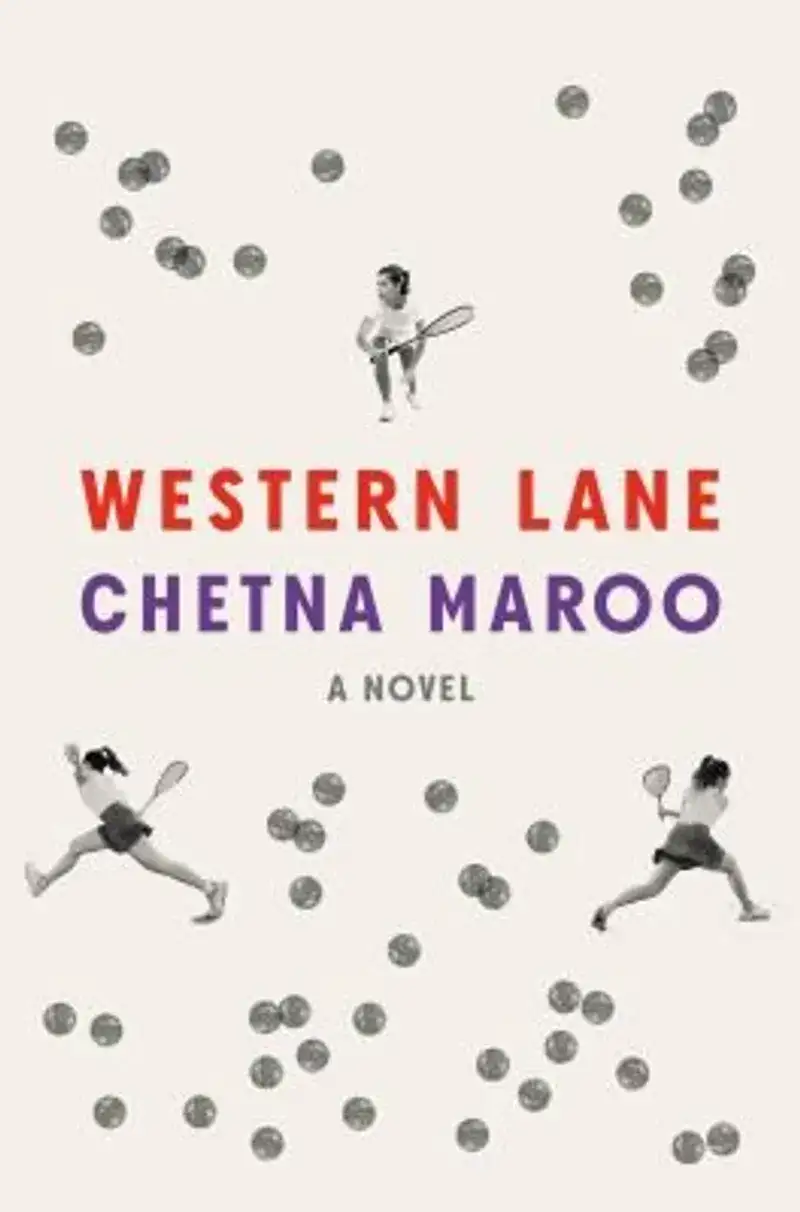

Western Lane Author: Chetna MarooPage Count: UnknownPublication Date: 2023-OL Western Lane by Chetna Maroo is a mesmerizing literary journey that masterfully delves into the intricacies of human relationships, identity, and the struggles of belonging. Although the page count of this 2023 publication remains unknown, the depth and complexity of the narrative are undeniable. From the outset, Maroo's writing style is evocative and immersive, weaving a rich tapestry of characters that are both relatable and flawed. Her prose is lyrical, with a poetic quality that adds to the dreamlike atmosphere of the narrative. The author's use of language is deliberate and precise, conjuring vivid images that transport the reader to the world she has created. At its core, Western Lane is a story about the search for identity and the fragility of human connections. Maroo's characters are multidimensional and expertly crafted, with each one navigating their own struggles and insecurities. The author's exploration of the human condition is both poignant and thought-provoking, raising essential questions about the nature of belonging and the consequences of our choices. One of the most striking aspects of Western Lane is its ability to balance the intimate and the universal. Maroo's characters are deeply personal, yet their struggles and triumphs are relatable to a broader audience. The author's writing is both deeply introspective and expansively outward-looking, creating a narrative that feels both deeply personal and universally relevant. Throughout the book, Maroo's style is characterized by a sense of subtlety and restraint. She avoids grand gestures and melodrama, instead opting for a more nuanced and understated approach. This restraint allows the reader to fill in the gaps, to imagine and interpret the characters and their motivations. The result is a narrative that feels both deeply personal and collaborative, with the reader actively engaged in the storytelling process. If there is one criticism to be made, it is that Western Lane can be a slow-burning narrative. Maroo's pacing is deliberate and measured, and the story unfolds at a leisurely pace. While this may frustrate some readers, it is also a testament to the author's confidence in her narrative and her willingness to allow the story to breathe. In conclusion, Western Lane is a masterful literary achievement that showcases Chetna Maroo's skill and craftsmanship as a writer. Her writing is evocative and immersive, her characters are multidimensional and relatable, and her exploration of the human condition is both poignant and thought-provoking. While the book may not be to every reader's taste, it is undoubtedly a work of significant literary merit. #WesternLane #ChetnaMaroo #LiteraryFiction #BookReview #NewRelease2023 #ContemporaryLiterature Related InsightsPassions in Death Book Review and Summary Dead of Night Book Review and Summary Dark Places Book Review and Summary{ "@context": "https://schema.org", "@type": "FAQPage", "mainEntity": [ { "@type": "Question", "name": "What is the main focus of Western Lane Book Review and Summary?", "acceptedAnswer": { "@type": "Answer", "text": "Everything you need to know about Western Lane with our detailed review." } }, { "@type": "Question", "name": "Who authored the comprehensive guide on Western Lane Book Review and Summary?", "acceptedAnswer": { "@type": "Answer", "text": "This detailed article and its insights were carefully researched and authored by Camille Dubois." } }, { "@type": "Question", "name": "Where can I find more related content about Books?", "acceptedAnswer": { "@type": "Answer", "text": "You can explore more articles, detailed reviews, and similar insights by browsing the Related Insights section at the bottom of this article or visiting our dedicated Books category page." } } ] }
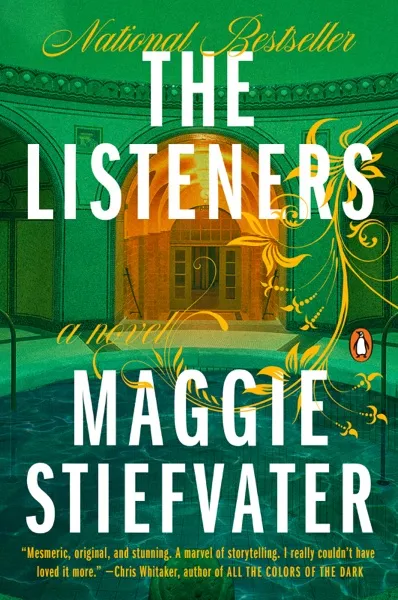

Listeners Author: Maggie StiefvaterPage Count: UnknownPublication Year: 2025-GB Maggie Stiefvater’s Listeners isn’t just another book—it’s a sonic pulse through the quiet corners of the human experience, a story that hums in your ribs long after the final page. Slated for release in 2025 and already buzzing as a global bestseller, this novel cements Stiefvater’s reputation as a writer who doesn’t just tell stories but orchestrates emotions with the precision of a conductor leading an invisible symphony. At its heart, Listeners explores what it means to be heard—not in the shallow echo of social media likes or whispered gossip, but in the raw, unfiltered resonance of a voice that cuts through silence. The central figure isn’t a listener in the passive sense, but someone who receives—a young woman named Iris, whose extraordinary ability to perceive the unspoken thoughts of others makes her both a sought-after confidante and a hunted anomaly. In a world that demands constant noise, Iris hears the fractures beneath the surface: the guilt of a grieving father, the fear of a runaway teen, the desperate hope of a dying man waiting for a chance to say goodbye. Stiefvater uses this premise to weave a meditation on empathy, isolation, and the moral weight of truly listening. What elevates this book beyond clever premise is Stiefvater’s signature style—lyrical, atmospheric, and deceptively delicate. Her prose doesn’t assault the senses; it lingers. It wraps around the reader like fog over a moor, thick with emotion and nuance. Sentences coil and uncoil with the rhythm of a heartbeat. Descriptions aren’t static portraits but living things—weather isn’t just described, it breathes through the narrative, shaping mood and fate. The rhythm of the sentences mirrors the act of listening itself: patient, attentive, never rushing to conclusion. Stiefvater’s characters are not heroes in the traditional sense. They are flawed, fractured, and often afraid. Iris, for instance, doesn’t wield her gift as a weapon; she carries it like a wound. She doesn’t want to hear the thoughts of strangers—she wants to be alone. But solitude, Stiefvater seems to suggest, is a luxury in a world that demands connection, even when that connection is painful. The supporting cast—each carrying their own silences—feels equally real. A reclusive composer whose music holds the key to a mystery. A detective who listens to voices no one else can hear, in more ways than one. Even the antagonists are not monsters, but people who have been ignored one too many times. The novel’s pacing is unhurried, almost meditative, yet it never drags. Stiefvater trusts her readers to sit with the quiet, to feel the weight of a pause, the significance of a glance. This is writing that rewards patience. There are no car chases or gunfights here—just the slow, inevitable collision of human hearts, each echoing the others in ways they never intended. Thematically, Listeners feels especially resonant in our current age of performative empathy and digital noise. In an era where everyone claims to be “listening,” Iris’s gift is both a curse and a revelation. She doesn’t just hear words—she hears the spaces between them, the tremors of truth beneath the script. Stiefvater seems to ask: What if the greatest act of kindness isn’t speaking, but truly hearing what’s already there? Some may argue that the supernatural element—though subtle and never fully explained—feels like a stretch. But Stiefvater handles it with grace. The ability to hear thoughts isn’t framed as magic, but as a sensory extension, like synesthesia or perfect pitch. It’s less about the paranormal and more about the unspoken language we all share but rarely acknowledge. In the end, Listeners is a book about silence. Not the absence of sound, but the presence of meaning in what isn’t said. It’s about the terror and solace of being truly seen—not through a screen or a like, but in the raw, unfiltered gaze of another soul. Stiefvater doesn’t just write a story; she creates an experience. One that lingers in the mind like a half-remembered dream, or a voice heard in the dark just before sleep takes over. If you’ve ever felt invisible, or wished someone would really listen, this book will meet you there—in the quiet, in the stillness, in the place where words dissolve and understanding begins. #Listeners #MaggieStiefvater #MustRead2025 #EmotionalIntelligence #SupernaturalFiction #LyricalProse Related InsightsThe Trumpet of the Swan Book Review and Summary Red (The Myth That Burns, #1) Book Review and Summary Service Model Book Review and Summary{ "@context": "https://schema.org", "@type": "FAQPage", "mainEntity": [ { "@type": "Question", "name": "What is the main focus of Listeners Book Review and Summary?", "acceptedAnswer": { "@type": "Answer", "text": "Everything you need to know about Listeners with our detailed review." } }, { "@type": "Question", "name": "Who authored the comprehensive guide on Listeners Book Review and Summary?", "acceptedAnswer": { "@type": "Answer", "text": "This detailed article and its insights were carefully researched and authored by Klaus Weber." } }, { "@type": "Question", "name": "Where can I find more related content about Books?", "acceptedAnswer": { "@type": "Answer", "text": "You can explore more articles, detailed reviews, and similar insights by browsing the Related Insights section at the bottom of this article or visiting our dedicated Books category page." } } ] }

Trampa 22 / Catch 22 Author: Joseph HellerPage Count: UnknownPublication Date: 2020-PRH Catch 22, written by Joseph Heller, is a masterpiece that delves into the absurdity of war and the human condition. The novel, set during World War II, follows the life of Captain John Yossarian, a U.S. Army Air Forces B-25 bombardier, as he navigates the complexities of military bureaucracy and the meaninglessness of war. Through Yossarian's experiences, Heller explores the contradictions and paradoxes of war, revealing the inherent flaws in the system and the dehumanizing effects it has on individuals. One of the most striking aspects of Catch 22 is its unique narrative style, which blends satire, absurdity, and black humor. Heller's writing is witty and engaging, making it easy to become fully immersed in the world he created. The characters are well-developed and complex, with Yossarian being a prime example. His struggles to maintain his sanity and individuality in the face of a seemingly insane system are both heartbreaking and hilarious. The main theme of the book, the absurdity of war, is expertly woven throughout the narrative. Heller uses the concept of the "catch 22" to highlight the bureaucratic red tape that entraps soldiers, making it impossible for them to escape the cycle of war. The catch 22, a military regulation that states that any pilot who is deemed insane can be relieved of duty, but in order to be deemed insane, they must request a psychiatric evaluation, which is itself a sign of sanity, is a perfect example of the absurdity and illogic of war. Heller's critique of war and the military-industrial complex is biting and unflinching. He exposes the hypocrisy and cynicism of those in power, who are more concerned with advancing their careers and interests than with the well-being of their soldiers. The novel is also a powerful anti-war statement, highlighting the devastating effects of war on individuals and society as a whole. Throughout the book, Heller's use of satire and absurdity serves as a commentary on the human condition. He reveals the flaws and contradictions of human nature, exposing the darkness and cruelty that can exist within individuals. However, he also shows the resilience and humanity of his characters, particularly Yossarian, who refuses to give up in the face of overwhelming adversity. In conclusion, Catch 22 is a masterpiece of modern literature that continues to resonate with readers today. Its unique blend of satire, absurdity, and black humor makes it a compelling and thought-provoking read. Heller's critique of war and the military-industrial complex is both timely and timeless, serving as a reminder of the importance of questioning authority and challenging the status quo. The novel's exploration of the human condition is both haunting and hilarious, making it a must-read for anyone interested in literature, history, or politics. #Catch22 #AntiWarLiterature #ClassicNovels #JosephHeller #SatireAndAbsurdism #WarAndHumanity Related InsightsThree Kinds of Lucky Book Review and Summary The 10:12: A Novel Book Review and Summary The Guilty Party Book Review and Summary{ "@context": "https://schema.org", "@type": "FAQPage", "mainEntity": [ { "@type": "Question", "name": "What is the main focus of Catch-22 Book Review and Summary?", "acceptedAnswer": { "@type": "Answer", "text": "Everything you need to know about Catch-22 with our detailed review." } }, { "@type": "Question", "name": "Who authored the comprehensive guide on Catch-22 Book Review and Summary?", "acceptedAnswer": { "@type": "Answer", "text": "This detailed article and its insights were carefully researched and authored by Joseph Heller." } }, { "@type": "Question", "name": "Where can I find more related content about Books?", "acceptedAnswer": { "@type": "Answer", "text": "You can explore more articles, detailed reviews, and similar insights by browsing the Related Insights section at the bottom of this article or visiting our dedicated Books category page." } } ] }


Love, Death + Robots Author: Tim MillerPage Count: UnknownPublication Year: 2021-GB Love, Death + Robots: A Dazzling, Disorienting Masterclass in Animated Extremes Tim Miller’s Love, Death + Robots isn’t just a book—it’s a fever dream distilled into 35 short stories, each a cinematic explosion of color, violence, and existential dread. Published in 2021, this anthology cements Miller’s reputation as a visionary animator turned literary provocateur, blending cyberpunk grit, cosmic horror, and unapologetic eroticism into a collection that’s as intellectually stimulating as it is viscerally thrilling. If you’ve seen the Netflix series (which Miller executive produces), you know the aesthetic: hyper-stylized, boundary-pushing, and unafraid to leave you questioning reality—or your own sanity. At its core, Love, Death + Robots is a meditation on the extremes of human (and inhuman) experience. The title itself is a triptych of the book’s obsessions: love as a force both transcendent and grotesque, death as a recurring punchline and inevitability, and robots as metaphors for our own dehumanization—or evolution. The stories oscillate between these poles with a gleeful disregard for comfort, often landing in the uncanny valley between awe and nausea. Whether it’s a sentient AI falling in love with a human in "Automated Customer Service" or a doomed space crew confronting their own mortality in "The Witness," Miller’s work thrives on juxtaposition: beauty and brutality, tenderness and terror, the sublime and the ridiculous. Miller’s style is unmistakable—part comic book, part anime, part David Lynch fever dream. His prose (when it’s prose; some entries are more visual or aural) is sparse yet dense with implication, favoring atmosphere over explication. He trusts the reader to fill in the gaps, often leaving endings ambiguous or outright brutal. The stories don’t just tell; they immerse. You’re not reading about a dystopian future where robots harvest human organs—you’re experiencing the clatter of metal on concrete, the stench of rust and blood, the hollow echo of a voice that may or may not be human. What makes Love, Death + Robots so compelling is its refusal to be pigeonholed. Some tales are laugh-out-loud absurd ("Good Hunting" turns a ghost-hunting samurai into a tragic figure with a heartbreaking twist), while others are existential nightmares ("The Egg" poses a mind-bending take on reincarnation). The robots, when they appear, are rarely just machines; they’re reflections of our own frailties. In "Sonnie’s Edge," a fighter pilot’s consciousness is uploaded into a genetically engineered beast, blurring the line between predator and prey. In "Beyond the Aquila Rift," a stranded space traveler confronts not just alien life but the terrifying possibility of cosmic indifference. Miller’s genius lies in his ability to make the abstract feel concrete. His descriptions are tactile—you can smell the ozone in "The Witness"’s dying starship, taste the metallic tang of blood in "Automated Customer Service." Even when the subject matter is otherworldly, the emotions are achingly human: desire, fear, loneliness. The robots, in particular, serve as perfect foils for these themes. They’re not just cold calculators; they’re mirrors. In "The Tall Grass," a man’s encounter with an alien entity is so visceral it borders on body horror, but the real terror comes from the way it mirrors his own repressed desires. Yet for all its stylistic flair, Love, Death + Robots isn’t just a visual orgy—it’s a philosophical playground. The stories grapple with free will ("The Secret War"), the ethics of creation ("Zima Blue"), and the cost of immortality ("The Long Utopia"). Miller doesn’t offer answers, but he asks the right questions, often in the most unsettling ways possible. Take "Beyond the Aquila Rift," which subverts the "cosmic horror" trope by revealing the universe’s indifference isn’t just terrifying—it’s boring. Or "The Witness," which turns a traditional sci-fi trope (the last human in space) into a meditation on legacy and meaning. The book’s only misstep is its inconsistency in delivery. While most entries are prose, some feel like screenplays or even video game scripts, which can jolt you out of the immersive experience. A few stories also lean too heavily on shock value ("The Nest"), sacrificing depth for a quick gut punch. But these are minor quibbles in a collection that otherwise delivers on its promise of sheer, unfiltered creativity. Love, Death + Robots is the kind of book that leaves you exhilarated, exhausted, and slightly unhinged—much like Miller’s animation work. It’s a celebration of the genre’s potential, a challenge to conventional storytelling, and a testament to the power of visual and narrative extremes. If you’re looking for a book that respects your intelligence but refuses to coddle you, this is it. If you’re not ready to have your perceptions of love, death, and what it means to be human shaken, well… maybe skip this one. Because once you’ve read it, you’ll never see robots—or yourself—the same way again. #LoveDeathAndRobots #TimMiller #SciFiAnthology #CyberpunkVisions #AnimatedHorror #ExistentialDread Related InsightsBad Honeymoon Book Review and Summary Storm Cursed Book Review and Summary Never Say Die Book Review and Summary{ "@context": "https://schema.org", "@type": "FAQPage", "mainEntity": [ { "@type": "Question", "name": "What is the main focus of Love, Death + Robots Book Review and Summary?", "acceptedAnswer": { "@type": "Answer", "text": "Everything you need to know about Love, Death + Robots with our detailed review." } }, { "@type": "Question", "name": "Who authored the comprehensive guide on Love, Death + Robots Book Review and Summary?", "acceptedAnswer": { "@type": "Answer", "text": "This detailed article and its insights were carefully researched and authored by Maximilian Fischer." } }, { "@type": "Question", "name": "Where can I find more related content about Books?", "acceptedAnswer": { "@type": "Answer", "text": "You can explore more articles, detailed reviews, and similar insights by browsing the Related Insights section at the bottom of this article or visiting our dedicated Books category page." } } ] }
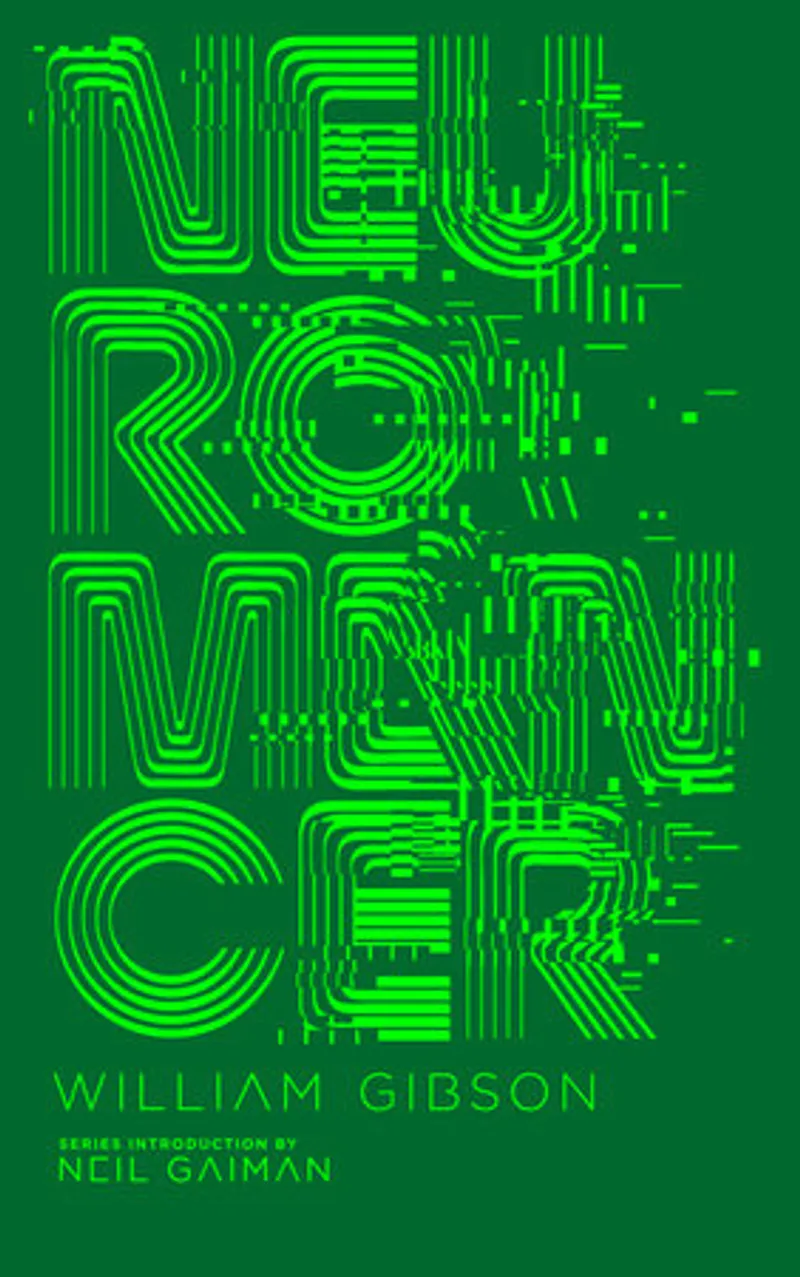
Neuromancer Author: William GibsonPage Count: UnknownPublication Date: 2016-PRH A Visionary Masterpiece: Unpacking the Timeless Allure of William Gibson's Neuromancer In the realm of science fiction, few authors have managed to leave an indelible mark on the genre like William Gibson. His seminal novel, Neuromancer, first published in 1984 (not 2016), has been a cornerstone of cyberpunk literature, influencing generations of writers, filmmakers, and technologists. This deluxe hardcover edition, part of the Penguin Galaxy series, is a testament to the book's enduring relevance and appeal. Gibson's magnum opus is set in a dystopian future where the lines between the physical and virtual worlds are increasingly blurred. The narrative follows Henry Dorsett Case, a brilliant and resourceful data-thief, as he navigates the treacherous landscape of the Matrix, a virtual reality that has become indistinguishable from reality itself. Case's journey is a thrilling ride through the darker alleys of a futuristic world, where the intersection of human and machine has created a complex web of power struggles, corruption, and rebellion. One of the most striking aspects of Neuromancer is its prophetic vision of the Internet and its impact on society. Written before the widespread adoption of the World Wide Web, Gibson's novel eerily anticipated the rise of virtual communities, online personas, and the blurring of boundaries between the physical and digital realms. The Matrix, as a concept, has become a cultural touchstone, inspiring countless adaptations, references, and homages in popular culture. Gibson's writing style is a masterclass in atmospheric world-building, where the gritty, noir-inspired prose creates a sense of tension and unease that propels the reader through the narrative. His use of language is economical, yet evocative, conjuring vivid images of a world that is both familiar and strange. The characters, too, are multidimensional and complex, with Case's introspective narrative voice providing a nuanced exploration of the human condition in the face of technological upheaval. The supporting cast, including the enigmatic Molly and the charismatic Armitage, adds depth and texture to the story, while the villainous Wintermute and Neuromancer AI entities embody the existential threats of a world where human agency is increasingly compromised by technological advancements. Through Neuromancer, Gibson poses fundamental questions about the nature of reality, identity, and power in a world where the boundaries between human and machine are constantly shifting. As we navigate our own increasingly complex relationships with technology, Gibson's novel serves as a timely reminder of the importance of critically evaluating the consequences of our actions in the virtual realm. In conclusion, Neuromancer is a landmark novel that continues to captivate readers with its visionary themes, atmospheric prose, and unforgettable characters. This deluxe edition, featuring a series introduction by Neil Gaiman, is a must-have for fans of science fiction, cyberpunk, and anyone interested in exploring the intersection of technology and humanity. #Neuromancer #WilliamGibson #Cyberpunk #ScienceFiction #PenguinGalaxy #ClassicSciFi Related InsightsCity of God Book Review and Summary Untitled #1 Book Review and Summary Fragile Threads of Power Book Review and Summary{ "@context": "https://schema.org", "@type": "FAQPage", "mainEntity": [ { "@type": "Question", "name": "What is the main focus of Neuromancer Book Review and Summary?", "acceptedAnswer": { "@type": "Answer", "text": "Everything you need to know about Neuromancer with our detailed review." } }, { "@type": "Question", "name": "Who authored the comprehensive guide on Neuromancer Book Review and Summary?", "acceptedAnswer": { "@type": "Answer", "text": "This detailed article and its insights were carefully researched and authored by William Gibson." } }, { "@type": "Question", "name": "Where can I find more related content about Books?", "acceptedAnswer": { "@type": "Answer", "text": "You can explore more articles, detailed reviews, and similar insights by browsing the Related Insights section at the bottom of this article or visiting our dedicated Books category page." } } ] }
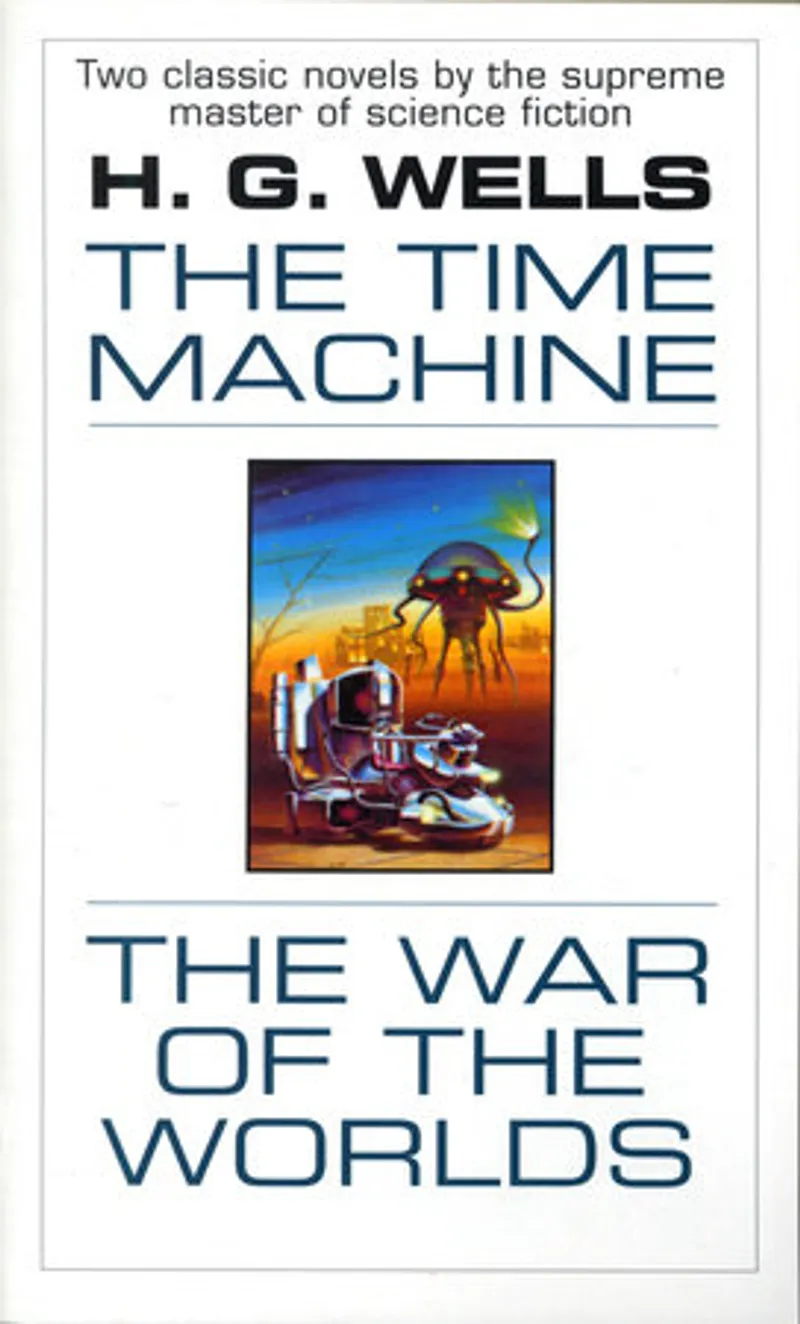
The Time Machine and The War of the Worlds Author: H. G. WellsPage Count: UnknownPublication Date: 1986-PRH "The Time Machine and The War of the Worlds" by H.G. Wells is a seminal work of science fiction that has captivated readers for over a century. Originally published in 1895 and 1898, respectively, these two novels have been widely acclaimed for their prophetic and visionary themes, which continue to resonate with readers today. At its core, "The Time Machine" is a tale of social commentary, exploring the concept of a utopian society where humanity has evolved into two distinct species: the Eloi and the Morlocks. The Time Traveller's journey to the year 802,700 serves as a vehicle for Wells to critique the social and economic disparities of his time, highlighting the dangers of unchecked industrialization and the widening gap between the haves and have-nots. Through the Time Traveller's experiences, Wells masterfully exposes the dark underbelly of human progress, revealing a future where the pursuit of technological advancement has led to a loss of humanity. In contrast, "The War of the Worlds" is a gripping tale of interplanetary invasion, as Martians land on English soil and wreak havoc on human civilization. This classic novel explores the theme of imperialism, as the technologically superior Martians seek to colonize and exploit Earth's resources. Wells' vivid depiction of the Martian invasion serves as a scathing critique of British imperialism, highlighting the dangers of unchecked power and the devastating consequences of scientific progress without moral responsibility. Throughout both novels, Wells' writing style is characterized by his use of vivid imagery, clever plot twists, and a keen sense of social commentary. His prose is engaging and accessible, making these classic novels feel surprisingly modern and relevant. Wells' ability to craft compelling narratives that explore complex themes and ideas has cemented his reputation as one of the pioneers of science fiction. One of the most striking aspects of Wells' writing is his ability to balance action, suspense, and social commentary. Both novels are page-turners, with a sense of urgency and danger that propels the reader forward. At the same time, Wells never loses sight of his central themes, using the narrative to explore complex ideas and critique the societal norms of his time. In conclusion, "The Time Machine and The War of the Worlds" is a must-read for fans of science fiction and anyone interested in exploring the early days of the genre. Wells' prophetic and visionary themes, combined with his engaging writing style, make these novels feel surprisingly modern and relevant. As a testament to the enduring power of science fiction, these classic novels continue to captivate readers and inspire new generations of writers. #TheTimeMachine #TheWarOfTheWorlds #HGWells #ScienceFictionClassics #DystopianFiction #ClassicScienceFiction Related InsightsThe Secret Book Review and Summary Nebula Awards Showcase 2019 Book Review and Summary Bride of the Wicked (The Wicked Trilogy, 3) Book Review and Summary{ "@context": "https://schema.org", "@type": "FAQPage", "mainEntity": [ { "@type": "Question", "name": "What is the main focus of The Time Machine Book Review and Summary?", "acceptedAnswer": { "@type": "Answer", "text": "Everything you need to know about The Time Machine with our detailed review." } }, { "@type": "Question", "name": "Who authored the comprehensive guide on The Time Machine Book Review and Summary?", "acceptedAnswer": { "@type": "Answer", "text": "This detailed article and its insights were carefully researched and authored by H.G. Wells." } }, { "@type": "Question", "name": "Where can I find more related content about Books?", "acceptedAnswer": { "@type": "Answer", "text": "You can explore more articles, detailed reviews, and similar insights by browsing the Related Insights section at the bottom of this article or visiting our dedicated Books category page." } } ] }
National 5 French Author: Eleanor McLellanPage Count: UnknownPublication Year: 2020-GB A Masterclass in Language Learning: Eleanor McLellan’s National 5 French – A Must-Have for Aspiring Linguists Eleanor McLellan’s National 5 French isn’t just another textbook—it’s a meticulously crafted gateway to fluency, a bridge between the classroom and real-world communication. Published in 2020, this guide has quickly cemented its place as an indispensable resource for students preparing for the National 5 qualification in Scotland, but its appeal transcends exam boards. Whether you’re a beginner or polishing your skills, McLellan’s approach blends clarity, engagement, and cultural depth in a way that feels both rigorous and refreshingly accessible. At its core, the book revolves around the power of practical communication. French isn’t just about memorizing verb conjugations or tenses; it’s about using the language to connect, persuade, and explore. McLellan understands this implicitly. The book doesn’t drown readers in abstract grammar rules—instead, it weaves language skills into real-life scenarios. From ordering food in a Parisian café to debating environmental issues in French, each chapter immerses the learner in contexts that feel immediate and relevant. This thematic focus isn’t just pedagogically smart; it’s motivating. Students aren’t just learning for a test—they’re learning to live in the language. McLellan’s style is refreshingly student-centered. She avoids the dry, textbook monotony that plagues so many language guides. Instead, her writing is conversational yet precise, peppered with humor, relatable examples, and even nods to pop culture (expect references to French cinema, music, and social media trends). This isn’t language learning by rote—it’s language learning with personality. The exercises are interactive, often requiring creative responses (e.g., writing a diary entry from a historical figure’s perspective or crafting a persuasive speech). This active engagement ensures that readers aren’t passive recipients of information but active participants in their own linguistic journey. Another standout feature is the cultural integration. McLellan doesn’t treat French as a monolithic entity; she highlights regional variations (Québécois vs. Metropolitan French), historical influences, and contemporary social issues. A chapter on France’s role in the EU, for instance, isn’t just a dry recitation of facts—it’s an invitation to discuss globalization, identity, and politics in French. This cultural literacy isn’t an afterthought; it’s woven into the fabric of the book, reflecting McLellan’s belief that language and culture are inseparable. The structure of National 5 French is another testament to McLellan’s expertise. Each unit follows a logical progression—starting with foundational vocabulary and grammar, then escalating to more complex tasks like summarizing texts, analyzing data, or delivering presentations. The pacing is generous, allowing ample time to absorb new concepts without feeling overwhelmed. Additionally, the inclusion of model answers and examiner tips demystifies the assessment process, giving students a clear roadmap to success. This is particularly valuable for those tackling the National 5 exam, where precision and adaptability are key. What truly sets this book apart, however, is its empathy for the learner. McLellan anticipates common pitfalls—whether it’s the confusion between the imperfect and perfect tenses or the dreaded gendered nouns—and addresses them with patience. She doesn’t shy away from the challenges of French (yes, there are many), but her tone is always encouraging, almost like a patient tutor guiding you through the rough patches. Even the layout is designed with the reader in mind: clear headings, color-coded sections, and plenty of white space make the book feel less like a chore and more like a conversation. That said, no resource is without its limitations. Purists might argue that the book leans heavily on exam-focused content, potentially at the expense of deeper linguistic exploration. Those seeking literary analysis or advanced stylistic techniques may need supplementary materials. However, within the scope of National 5 French, McLellan’s work is near-flawless. It strikes the perfect balance between rigor and enjoyment, a rare feat in language education. In an era where language learning tools range from apps to immersion programs, National 5 French stands out as a timeless classic in the making. It’s not just a book—it’s a mentor, a challenge, and a passport to a new way of thinking. Whether you’re a student aiming for top marks, a self-learner craving structure, or a teacher searching for a dynamic classroom resource, McLellan’s guide delivers. It proves that language isn’t just a subject to study—it’s a skill to wield, a lens to see the world differently. For anyone serious about mastering French, this book isn’t just recommended—it’s essential. #National5French #LearnFrench #LanguageLearning #FrenchTextbook #StudyFrench #McLellanMethod Related InsightsThe Bookbinder's Code Book Review and Summary This Season of Life: Stories and Gentle Practices for the Busy, Slow, and In-Between Book Review and Summary The Sentinel (Special Edition) Book Review and Summary{ "@context": "https://schema.org", "@type": "FAQPage", "mainEntity": [ { "@type": "Question", "name": "What is the main focus of National 5 French Book Review and Summary?", "acceptedAnswer": { "@type": "Answer", "text": "Everything you need to know about National 5 French with our detailed review." } }, { "@type": "Question", "name": "Who authored the comprehensive guide on National 5 French Book Review and Summary?", "acceptedAnswer": { "@type": "Answer", "text": "This detailed article and its insights were carefully researched and authored by Irina Ivanova." } }, { "@type": "Question", "name": "Where can I find more related content about Books?", "acceptedAnswer": { "@type": "Answer", "text": "You can explore more articles, detailed reviews, and similar insights by browsing the Related Insights section at the bottom of this article or visiting our dedicated Books category page." } } ] }
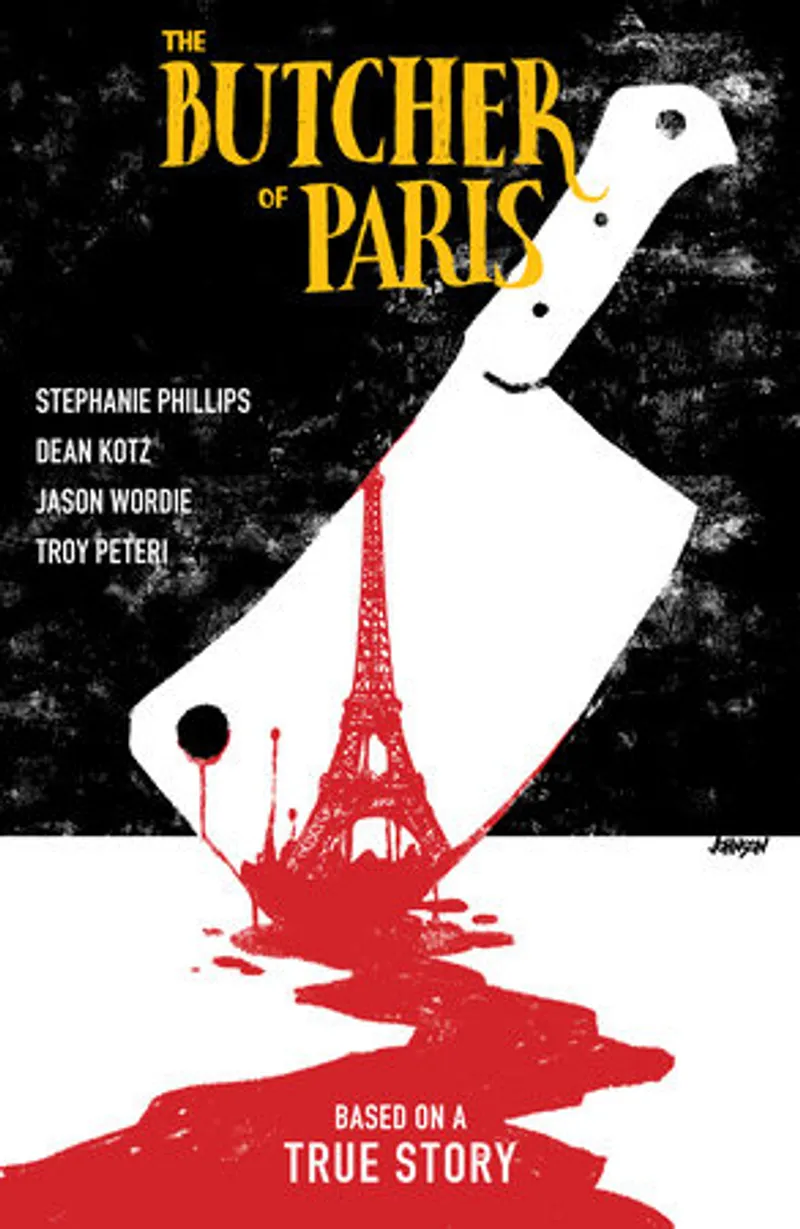
The Butcher of Paris Author: Jason WordiePage Count: UnknownPublication Date: 2020-PRH The Butcher of Paris: A Chilling Blend of True Crime and Historical Horror Jason Wordie’s The Butcher of Paris is not just another historical thriller—it’s a visceral descent into one of the darkest corners of World War II, where the horrors of war are eclipsed by the monstrous acts of a single man. Set in 1944, as Nazi occupation tightens its grip on Paris, this graphic novel weaves a gripping tale of survival, desperation, and the unrelenting hunt for a killer who thrives in chaos. At its core, The Butcher of Paris is a true crime narrative, but it transcends the genre by framing its story within the brutal reality of wartime France. The book follows a French detective as he races against time to uncover the identity of a serial killer who has claimed nearly 200 victims—all while navigating the treacherous politics of Nazi-occupied Paris. The killer, operating under the guise of opportunity and freedom, preys on those desperate to escape the city, turning their last hope into a nightmare. What makes this book so compelling is its unflinching portrayal of moral ambiguity. The detective, like the city itself, is caught between the occupying forces and the resistance, forced to make impossible choices. The Nazis, ever-present and oppressive, are not just background villains—they are active participants in the hunt, adding a layer of tension that keeps the reader on edge. The killer, meanwhile, is a shadowy figure, his motives as murky as the fog of war that blankets Paris. Wordie’s writing is sharp and immersive, pulling the reader into the grimy, claustrophobic world of wartime Paris. The prose is economical but evocative, painting a vivid picture of a city on the brink of collapse. The true crime elements are handled with care, grounding the story in historical fact while allowing the narrative to breathe with fictionalized drama. The artwork by Dean Kotz is equally striking. His illustrations are raw and gritty, capturing the desperation and violence of the era with a raw intensity. The use of shadow and light mirrors the moral grayness of the story, where no one is truly innocent, and every character is fighting for survival. The Butcher of Paris is more than just a historical thriller—it’s a meditation on the fragility of humanity in the face of war and evil. It’s a story that lingers long after the last page, haunting the reader with its blend of true crime and historical horror. For fans of dark, atmospheric storytelling, this is a must-read. #TheButcherOfParis #HistoricalThriller #TrueCrime #WWII #GraphicNovel #DarkHistory Related InsightsLe Livre Oracle : Plongée dans l'Art Oublié de la Bibliomancie et ses Secrets Murmurés Wicked and the wallflower Book Review and Summary A Really Short History of Nearly Everything Book Review and Summary{ "@context": "https://schema.org", "@type": "FAQPage", "mainEntity": [ { "@type": "Question", "name": "What is the main focus of The Butcher of the Forest Book Review and Summary?", "acceptedAnswer": { "@type": "Answer", "text": "Everything you need to know about The Butcher of the Forest with our detailed review." } }, { "@type": "Question", "name": "Who authored the comprehensive guide on The Butcher of the Forest Book Review and Summary?", "acceptedAnswer": { "@type": "Answer", "text": "This detailed article and its insights were carefully researched and authored by Premee Mohamed." } }, { "@type": "Question", "name": "Where can I find more related content about Books?", "acceptedAnswer": { "@type": "Answer", "text": "You can explore more articles, detailed reviews, and similar insights by browsing the Related Insights section at the bottom of this article or visiting our dedicated Books category page." } } ] }
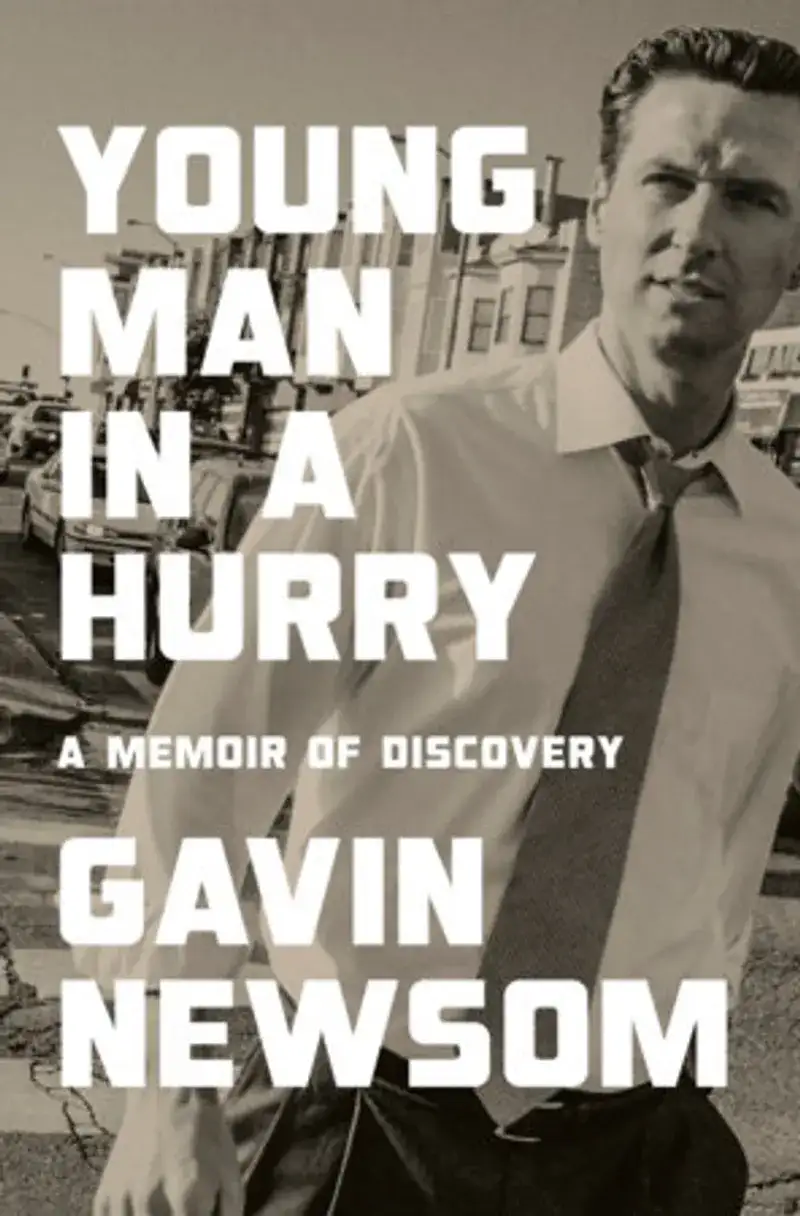
Young Man in a Hurry Author: Gavin NewsomPage Count: UnknownPublication Date: 2026-PRH Gavin Newsom’s Young Man in a Hurry is a political memoir that reads like a sprint—urgent, kinetic, and unapologetically forward-moving—yet beneath its surface speed lies a deeper, more deliberate excavation of identity, legacy, and the quiet forces that shape a life in public service. Published in 2026, the book arrives at a moment when American politics feels both hyper-accelerated and dangerously unmoored, making Newsom’s personal narrative feel less like a retrospective and more like a map of how one man learned to navigate chaos without losing himself. The central theme of the book is speed—literal and metaphorical. Newsom’s life has been defined by it: his breakneck rise from San Francisco mayor to California governor, his early defiance in legalizing gay marriage (a move that shocked the political establishment), and his relentless work ethic, honed by childhood struggles with dyslexia and a fractured family. Yet this book is not just about moving fast; it’s about why he feels compelled to. Newsom frames speed as both a survival mechanism and a form of rebellion. His Irish immigrant ancestors didn’t cross oceans to dawdle, and his family’s California dream wasn’t built on caution. The book suggests that in a country increasingly polarized between stagnation and chaos, speed—even recklessness—can be a tool for progress. Newsom’s writing style mirrors this tension. The prose is direct, almost brisk, with a journalist’s eye for detail and a storyteller’s knack for pacing. He doesn’t linger too long on introspection, preferring to let actions speak louder than reflections. When he describes his mother working three jobs to keep the family afloat, or his father’s distant yet domineering presence, the words feel precise but never overwrought. There’s a disciplined emotional restraint here, as if Newsom, ever the performer in public life, has chosen to let the facts do the heavy lifting. One of the book’s most compelling sections explores his family’s generational saga. Newsom traces his lineage back to County Cork, weaving a tapestry of ambition, ambition thwarted, and ambition reborn in the Golden State. His great-great-grandfather, a San Francisco cop, his grandfather “the Boss” who shaped neighborhoods, and his father, a judge entangled in San Francisco’s elite—each represents a different kind of legacy. Newsom doesn’t glorify this history; he dissects it, showing how privilege and struggle coexisted in his family. His mother’s resilience and his father’s aloofness become dual pillars of his worldview, shaping his politics of empathy and his willingness to take bold risks. The political moments in the book are electric, especially his account of legalizing same-sex marriage in 2004—a decision that made him a national figure and infuriated his own political mentors. Newsom frames it not just as a policy win but as a personal reckoning. He writes about the “discomfort of defiance,” the way going against the grain felt like both a betrayal and a necessity. In an era where political courage is often measured in tweets, Newsom’s willingness to act—despite the political cost—feels almost quaint. Yet it’s this very impulsiveness that has defined his career and, he argues, allowed him to move California forward. As governor, Newsom faced crises that tested both his speed and his resilience: wildfires, pandemics, political upheaval. The book doesn’t shy away from these challenges, but it doesn’t dwell on them either. Instead, they serve as backdrops to a larger question: How does one lead in a state—and a country—where the ground is constantly shifting? Newsom’s answer seems to be a mix of instinct, adaptability, and an unshakable belief in the California Dream. It’s a philosophy that feels both inspiring and, at times, naive in its optimism. What makes Young Man in a Hurry more than just a political memoir is Newsom’s candor about failure and self-doubt. He admits to the strain of balancing family life with public service, the loneliness of leadership, and the personal toll of constant scrutiny. There’s a rare vulnerability in his admission that speed, for all its virtues, can also be a form of avoidance—a way to outrun the past rather than confront it. By the book’s end, Newsom suggests that perhaps the real hurry isn’t about reaching the destination, but about understanding why the journey matters at all. In style and substance, the book feels like a hybrid: part political thriller, part family saga, part manifesto. It’s written for readers who want to understand not just how Newsom became who he is, but why he feels he has to keep moving. In an age of political burnout and cynicism, his unapologetic energy is refreshing, even if it’s exhausting to witness. Young Man in a Hurry doesn’t offer easy answers, but it does offer something rarer—a glimpse into the mind of a leader who believes speed isn’t just a tactic, but a philosophy of life. #GavinNewsom #CaliforniaDream #PoliticalMemoir #LGBTQLegacy #SpeedAndResilience #GovernorLife Related InsightsAntigone Book Review and Summary Oliver Twist Book Review and Summary That Is Not Your Mind! Book Review and Summary{ "@context": "https://schema.org", "@type": "FAQPage", "mainEntity": [ { "@type": "Question", "name": "What is the main focus of Young Man in a Hurry Book Review and Summary?", "acceptedAnswer": { "@type": "Answer", "text": "Everything you need to know about Young Man in a Hurry with our detailed review." } }, { "@type": "Question", "name": "Who authored the comprehensive guide on Young Man in a Hurry Book Review and Summary?", "acceptedAnswer": { "@type": "Answer", "text": "This detailed article and its insights were carefully researched and authored by Natalia Sokolova." } }, { "@type": "Question", "name": "Where can I find more related content about Books?", "acceptedAnswer": { "@type": "Answer", "text": "You can explore more articles, detailed reviews, and similar insights by browsing the Related Insights section at the bottom of this article or visiting our dedicated Books category page." } } ] }
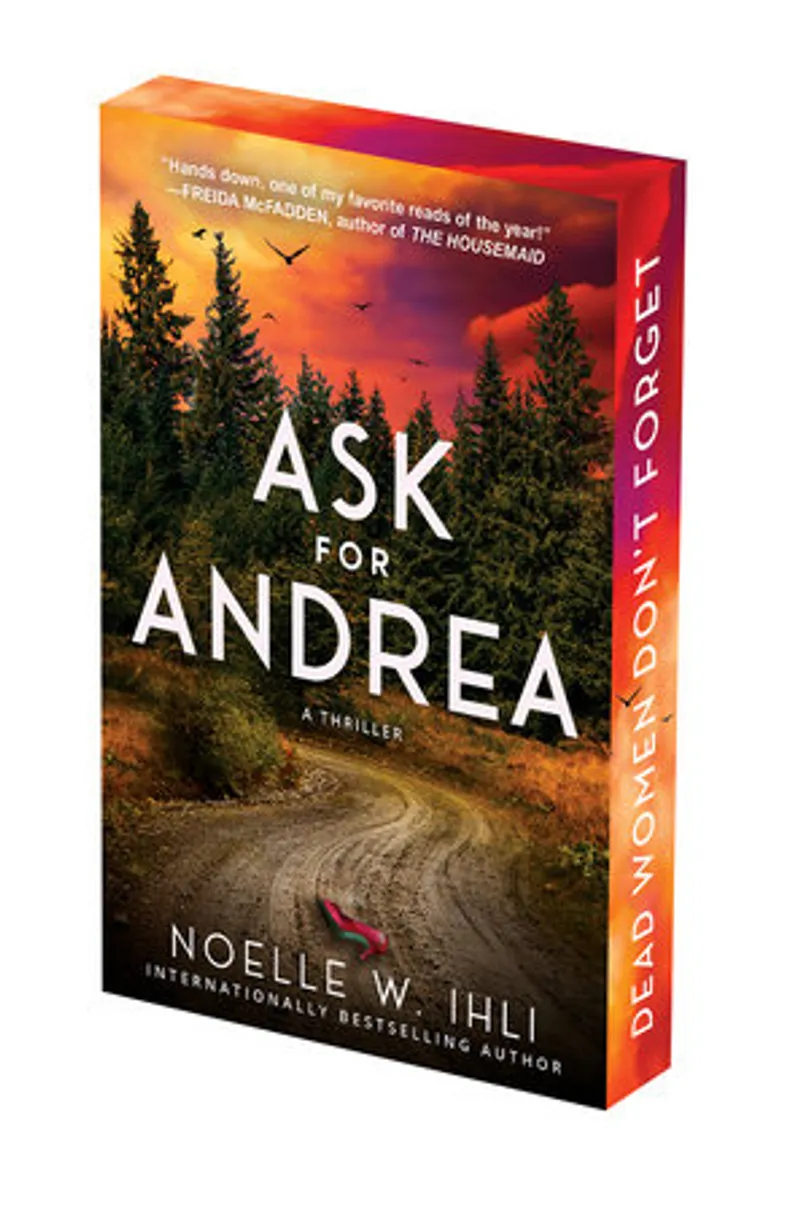
Ask for Andrea: Deluxe Stenciled Edges Author: Noelle W. IhliPage Count: UnknownPublication Date: 2025-PRH Andrea’s world is one of quiet rebellion—where the ink on her skin is less a statement than a language, where the margins of her life are stitched with questions no one dares to ask aloud. In Ask for Andrea: Deluxe Stenciled Edges, Noelle W. Ihli crafts a narrative that feels like a whispered confession, a story told in the pauses between sentences, in the deliberate smudges of ink on aged paper. It’s a book that doesn’t just ask for attention; it demands it, not with a shout, but with the quiet insistence of a hand reaching across a table, palm upturned. At its core, Ask for Andrea is a meditation on the art of asking—what it costs, what it reveals, and what it conceals. Andrea, the enigmatic protagonist, is a woman who has spent a lifetime curating silence. She is the keeper of unspoken truths, the architect of carefully constructed boundaries. But when a mysterious package arrives—its edges stenciled with delicate, almost ritualistic patterns—she is forced to confront the questions she’s spent years avoiding. The package contains fragments: a diary with missing pages, a set of vintage stencils, a letter that begins with a single, haunting phrase: "Ask for Andrea." Ihli’s prose is as precise as it is poetic, each sentence a brushstroke that builds a world both tangible and elusive. She doesn’t waste words on exposition; instead, she trusts the reader to lean in, to parse the subtext. Andrea’s voice is a study in restraint—her thoughts are coiled, her emotions buried beneath layers of sarcasm and studied indifference. Yet, in the spaces between her actions and her words, Ihli reveals the cracks in Andrea’s armor. There’s a moment where Andrea, mid-conversation, absentmindedly traces the stenciled edges of a book with her fingertip, and the gesture feels like a confession in itself. The book’s structure mirrors its themes. The "deluxe stenciled edges" of the title aren’t just a gimmick; they’re a metaphor for the way Andrea’s life has been carefully, almost obsessively, framed. The stencils—repeating patterns that obscure as much as they reveal—become a motif for the questions Andrea refuses to answer, the truths she won’t acknowledge. Ihli plays with form, too. The narrative unfolds in vignettes that feel like diary entries or half-remembered dreams, each one leaving the reader with more questions than answers. It’s a risky approach, but one that pays off, leaving Andrea’s story lingering in the mind like the scent of old paper and ink. What makes Ask for Andrea so compelling is its refusal to offer easy resolutions. Andrea is not a heroine in the traditional sense; she’s flawed, guarded, and often infuriating. But her journey isn’t about transformation in the way we’ve come to expect from contemporary fiction. Instead, it’s about the slow, painful process of learning to ask for what she needs—whether it’s love, forgiveness, or simply the right to exist without apology. Ihli doesn’t rush this process. There are no grand speeches, no dramatic confrontations. Instead, there are quiet moments: Andrea pressing a stencil to a blank page and watching the ink bleed through, or standing in a bookstore, running her fingers along the spines of books she’ll never open. The book’s greatest strength lies in its ambiguity. Ihli trusts the reader to sit with the discomfort of not knowing, to trust that the answers will come—not in a neat package, but in the spaces between the lines. Andrea’s story is not one of revelation, but of recognition. It’s the story of a woman who finally realizes that the questions she’s been avoiding are the same ones that have been asking her all along. Ask for Andrea: Deluxe Stenciled Edges is a book for readers who crave depth over spectacle, who find beauty in the unanswered. It’s a story that lingers, not because it’s neatly resolved, but because it refuses to let go. Andrea’s journey is our own—one of asking, of stumbling, of finally, hesitantly, reaching out. #AskForAndrea #QuietRebellion #StenciledEdges #UnspokenTruths #LiteraryFiction #Bookstagram Related InsightsHow To Get The Girl Book Review and Summary The Chain House: A Novel Book Review and Summary The Origin of Species Book Review and Summary{ "@context": "https://schema.org", "@type": "FAQPage", "mainEntity": [ { "@type": "Question", "name": "What is the main focus of Ask for Andrea Book Review and Summary?", "acceptedAnswer": { "@type": "Answer", "text": "Everything you need to know about Ask for Andrea with our detailed review." } }, { "@type": "Question", "name": "Who authored the comprehensive guide on Ask for Andrea Book Review and Summary?", "acceptedAnswer": { "@type": "Answer", "text": "This detailed article and its insights were carefully researched and authored by Noelle W. Ihli." } }, { "@type": "Question", "name": "Where can I find more related content about Books?", "acceptedAnswer": { "@type": "Answer", "text": "You can explore more articles, detailed reviews, and similar insights by browsing the Related Insights section at the bottom of this article or visiting our dedicated Books category page." } } ] }
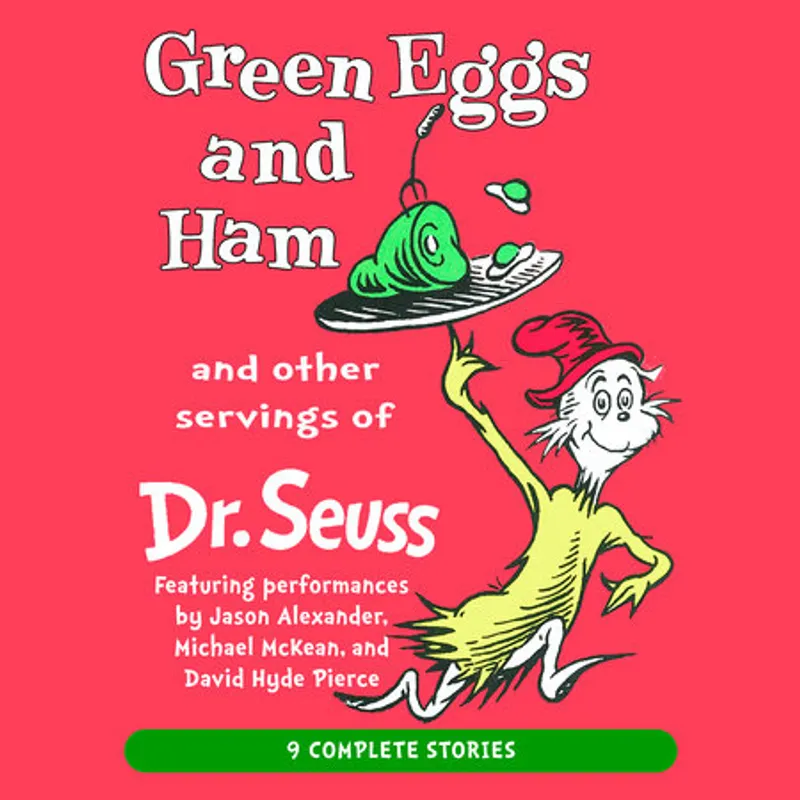
Green Eggs and Ham and Other Servings of Dr. Seuss Author: Dr. SeussPage Count: UnknownPublication Date: 2003-PRH In the world of children's literature, few authors have managed to capture the hearts and imaginations of readers quite like Dr. Seuss. With his unique blend of whimsy, wit, and wisdom, Dr. Seuss has become a household name, synonymous with the magic of storytelling. "Green Eggs and Ham and Other Servings of Dr. Seuss" is a delightful collection of nine complete stories, each one showcasing the author's inimitable style and flair. One of the standout features of this collection is the way it brings together some of Dr. Seuss's most beloved tales, each one a masterclass in language, imagination, and creativity. From the iconic "Green Eggs and Ham" to the playful "Fox in Socks", these stories are a testament to Dr. Seuss's boundless energy and inventiveness. Whether he's exploring the absurdities of language, the joys of reading, or the importance of trying new things, Dr. Seuss's writing is always engaging, entertaining, and effortlessly engaging. Throughout the collection, Dr. Seuss's signature rhymes and rhythms are on full display, making these stories a joy to read aloud. The use of anapestic tetrameter, a meter that creates a lively, bouncy feel, adds to the sense of fun and playfulness that pervades the book. The stories are also full of clever wordplay, absurd scenarios, and memorable characters, all of which combine to create a reading experience that is both enjoyable and enriching. One of the key themes that runs throughout the collection is the importance of imagination and creativity. Dr. Seuss's stories are full of fantastical creatures, strange and wonderful worlds, and inventive scenarios, all of which encourage readers to think outside the box and explore the possibilities of their own imagination. Whether it's the "thinks you can think" in "Oh, the Thinks You Can Think!" or the zany creatures in "One Fish Two Fish Red Fish Blue Fish", Dr. Seuss's stories are a celebration of the power of imagination and the boundless possibilities of the human mind. The collection also features a number of stories that deal with more practical themes, such as the importance of trying new things and the value of perseverance. "Green Eggs and Ham" is a classic tale about the benefits of being open-minded and willing to try new experiences, while "I Can Read with My Eyes Shut" is a heartening story about the joy of reading and the importance of practice. The audio edition of this collection features a number of well-known actors and actresses, including Jason Alexander, David Hyde Pierce, and Michael McKean, who bring Dr. Seuss's stories to life with their engaging performances. The use of different narrators for each story adds to the sense of variety and texture, making the collection feel like a diverse and engaging anthology. In short, "Green Eggs and Ham and Other Servings of Dr. Seuss" is a delightful collection of stories that showcases the author's unique style and flair. With its blend of imagination, creativity, and practical wisdom, this book is a must-read for children and adults alike. Whether you're a longtime fan of Dr. Seuss or just discovering his work, this collection is sure to delight and inspire. #DrSeuss #GreenEggsAndHam #ChildrensLiterature #ImaginationMatters #ReadingIsFun #ClassicStories Related InsightsInfernal Vow (Immortal Dark Trilogy, #3) Book Review and Summary The Perks of Being a Wallflower Book Review and Summary Winterveil Book Review and Summary{ "@context": "https://schema.org", "@type": "FAQPage", "mainEntity": [ { "@type": "Question", "name": "What is the main focus of Green Eggs and Ham Book Review and Summary?", "acceptedAnswer": { "@type": "Answer", "text": "Everything you need to know about Green Eggs and Ham with our detailed review." } }, { "@type": "Question", "name": "Who authored the comprehensive guide on Green Eggs and Ham Book Review and Summary?", "acceptedAnswer": { "@type": "Answer", "text": "This detailed article and its insights were carefully researched and authored by Dr. Seuss." } }, { "@type": "Question", "name": "Where can I find more related content about Books?", "acceptedAnswer": { "@type": "Answer", "text": "You can explore more articles, detailed reviews, and similar insights by browsing the Related Insights section at the bottom of this article or visiting our dedicated Books category page." } } ] }
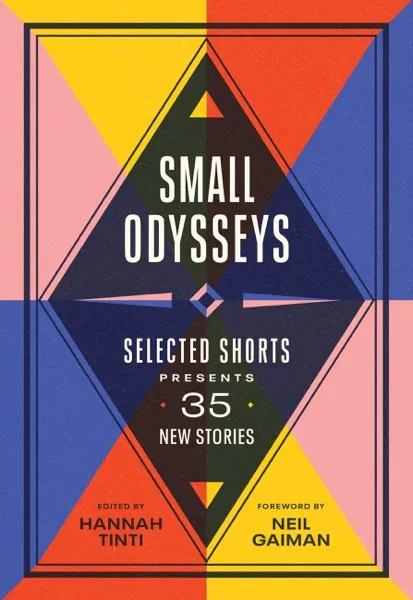

Small Odysseys Author: Hannah TintiPage Count: UnknownPublication Year: 2022-GB Small Odysseys: A Masterclass in Storytelling That Will Leave You Breathless Hannah Tinti’s Small Odysseys isn’t just a book—it’s an experience. A global bestseller that has captivated readers from Tokyo to Toronto, this collection of interconnected short stories is a testament to the power of narrative to transform the ordinary into the extraordinary. With prose as sharp as a scalpel and emotional depth that lingers long after the last page, Tinti cements her place as one of contemporary literature’s most compelling voices. If you’ve ever wondered how a single story can echo across lifetimes or how the smallest choices can ripple into seismic shifts, Small Odysseys is your answer. At its core, Small Odysseys is a meditation on the hidden currents that shape human lives. Each story follows a different protagonist—some familiar, some strangers, all bound by invisible threads of fate—navigating moments of crisis, revelation, or quiet transformation. Tinti’s genius lies in her ability to distill vast emotions into intimate, almost cinematic snapshots. Whether it’s a woman confronting the ghost of a lost love in a Parisian café or a man discovering a family secret buried in a shoebox, the stories feel simultaneously vast and deeply personal. The title itself is a clue: these are not grand, Homeric journeys but small, often overlooked odysseys that define who we are. One of the most striking aspects of Small Odysseys is its structure. Tinti weaves her tales with the precision of a spider spinning a web, each story a thread that eventually connects to the next. The effect is mesmerizing, like watching a puzzle come together in real time. Some characters reappear in different stories, their lives intersecting in ways that feel both accidental and inevitable. This interconnectedness elevates the collection beyond a mere anthology; it becomes a living, breathing ecosystem where every story matters. It’s a technique that demands close reading, rewarding those who linger over each page. The characters in Small Odysseys are the heart of the book. Tinti has a rare gift for rendering flawed, deeply human figures with such empathy that you can’t help but root for them—even when their choices are questionable. There’s the aging actress clinging to her past glory, the grieving father who finds solace in an unexpected friendship, the teenager who stumbles upon a truth that shatters her worldview. Each protagonist is flawed in a way that feels achingly real, their struggles universal yet uniquely their own. Tinti’s dialogue crackles with authenticity, whether it’s the biting wit of a cynical sibling or the hesitant tenderness of a first confession. Tinti’s writing style is a study in restraint and precision. Her prose is clean, unadorned by unnecessary flourishes, yet it carries a weight that lingers. She has a knack for finding the perfect metaphor or simile to encapsulate a character’s state of mind—whether it’s describing grief as “a weight pressing against the ribs” or love as “a language you forgot you ever knew.” There’s a quiet power in her sentences, a sense that every word has been carefully chosen to serve the story. This economy of language makes Small Odysseys a joy to read, but it also amplifies the emotional impact of each revelation. Thematically, Small Odysseys explores the fragility of human connections, the weight of secrets, and the quiet heroism of ordinary people. Tinti doesn’t shy away from the darker corners of the human experience—betrayal, loss, regret—but she approaches them with a tenderness that never veers into melodrama. Instead, she finds beauty in the cracks, the moments of grace that emerge even in the bleakest circumstances. It’s a book that reminds us that life’s most profound journeys aren’t always the ones we plan; sometimes, they’re the ones that find us when we least expect them. For readers who love literary fiction that lingers, Small Odysseys is a must-read. It’s a book that rewards patience, that lingers in the mind like a half-remembered dream. Tinti’s ability to craft stories that feel both timeless and urgently contemporary is nothing short of masterful. Whether you’re a fan of short fiction or simply someone who appreciates a story well told, this collection will leave you with that rare, bittersweet satisfaction that comes from witnessing lives beautifully, painfully, and honestly lived. If you’re looking for a book that will challenge you, move you, and stay with you long after you’ve turned the final page, Small Odysseys is it. Hannah Tinti has given us not just a collection of stories, but a testament to the power of narrative itself. #SmallOdysseys #HannahTinti #LiteraryFiction #ShortStories #MustReadBooks Related InsightsReese Witherspoon Harlan Coben Novel Book Review and Summary Big Little Truths Book Review and Summary AQA GCSE 9-1 Food Preparation and Nutrition Workbook Book Review and Summary{ "@context": "https://schema.org", "@type": "FAQPage", "mainEntity": [ { "@type": "Question", "name": "What is the main focus of **Small Odysseys** Book Review and Summary?", "acceptedAnswer": { "@type": "Answer", "text": "Everything you need to know about **Small Odysseys** with our detailed review." } }, { "@type": "Question", "name": "Who authored the comprehensive guide on **Small Odysseys** Book Review and Summary?", "acceptedAnswer": { "@type": "Answer", "text": "This detailed article and its insights were carefully researched and authored by Sofia Bianchi." } }, { "@type": "Question", "name": "Where can I find more related content about Books?", "acceptedAnswer": { "@type": "Answer", "text": "You can explore more articles, detailed reviews, and similar insights by browsing the Related Insights section at the bottom of this article or visiting our dedicated Books category page." } } ] }
-
 James Miller
 - 09 Jan, 2026 09:30
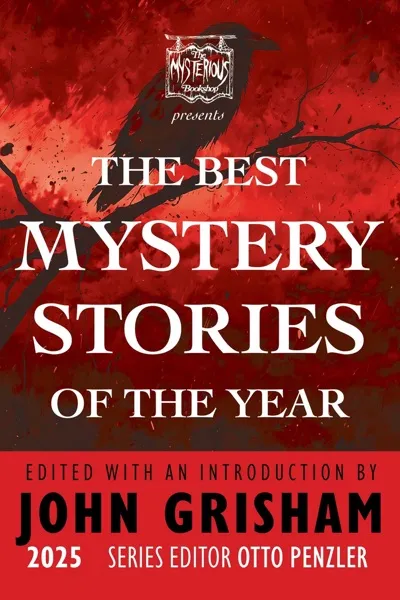
**Mysterious Bookshop Presents the Best Mystery Stories of the Year 2025** Book Review and Summary
Mysterious Bookshop Presents the Best Mystery Stories of the Year 2025 Author: John GrishamPage Count: UnknownPublication Year: 2025-GB Unlocking the Year’s Most Daring Mysteries: A Masterclass in Suspense with Mysterious Bookshop Presents the Best Mystery Stories of the Year 2025 Few things captivate the human imagination quite like a well-crafted mystery. Whether it’s the slow unraveling of a cold case, the psychological chess match between detective and criminal, or the sheer audacity of an unsolved puzzle, the best mystery stories leave us breathless, questioning, and hungry for more. Enter Mysterious Bookshop Presents the Best Mystery Stories of the Year 2025, a literary treasure trove curated by none other than the legendary John Grisham—a man who has spent decades proving that truth, when twisted just right, can be far more thrilling than fiction. This anthology isn’t just a collection; it’s a masterclass in suspense, a celebration of the genre’s finest minds, and a testament to why mystery remains the most addictive form of storytelling. Grisham, best known for his courtroom dramas, steps into the role of curator with the precision of a seasoned detective. His selection spans the globe, featuring stories from both established titans and rising stars, each offering a unique flavor of intrigue. The anthology’s strength lies in its diversity—no two tales feel alike, yet they all share a common thread: the relentless pursuit of answers in a world where nothing is as it seems. From locked-room conundrums to cybercrime capers, the stories here prove that mystery is not a monolith but a vast, ever-evolving landscape of possibility. At the heart of this collection is the theme of perception versus reality—a cornerstone of great mystery writing. Grisham’s choices highlight how easily truth can be obscured, whether by deception, coincidence, or the limitations of human observation. One story might hinge on a single misremembered detail, while another could hinge on a character’s hidden agenda. The anthology forces readers to question every clue, every alibi, and every motive, making it impossible to put down. It’s a reminder that the best mysteries aren’t just about solving a crime; they’re about understanding the flawed, fascinating people who commit them—and the even more flawed people trying to stop them. The characters in these stories are as varied as the plots themselves. There’s the grizzled private investigator with a haunted past, the amateur sleuth whose curiosity borders on obsession, and the criminal mastermind who believes they’ve outsmarted the system. What unites them is their humanity—their vulnerabilities, their biases, and their capacity for both brilliance and folly. Grisham’s editorial eye ensures that each protagonist feels real, their triumphs and failures resonating on a deeply personal level. Even the most outlandish scenarios feel grounded because the emotions driving them are universally relatable: fear, greed, revenge, and the desperate need for justice. Grisham’s own writing style, though not directly present in the stories (as he’s the curator here), casts a subtle shadow over the anthology. His knack for pacing, his ability to build tension without resorting to cheap thrills, and his ear for dialogue are evident in the selections he’s chosen. The stories flow seamlessly from one to the next, each one a carefully measured dose of suspense. Some lean into the cozy, cerebral mysteries of Agatha Christie’s heirs, while others embrace the gritty, noir atmosphere of Raymond Chandler’s Los Angeles. This balance ensures that the anthology appeals to both longtime mystery aficionados and newcomers looking to dip their toes into the genre. What makes Mysterious Bookshop Presents the Best Mystery Stories of the Year 2025 truly special is its timing. In an era where true crime podcasts and documentaries dominate the cultural conversation, this collection reminds us why fiction still reigns supreme. There’s a magic in a well-told mystery that reality can’t replicate—the thrill of the unknown, the satisfaction of a puzzle clicking into place, and the lingering question of what might have been. Grisham’s anthology captures that magic in spades, offering readers a year’s worth of chills, thrills, and unforgettable twists. For those who crave more than just a single mystery, this book is a godsend. It’s the kind of anthology that invites rereading, where a second pass might reveal clues you missed the first time around. It’s also a testament to the enduring power of the genre, proving that mystery isn’t just a passing trend but a timeless art form. Whether you’re a fan of classic whodunits, modern psychological thrillers, or anything in between, there’s something here for you. And if you’re new to mystery, consider this your official invitation into a world where every page turn could be the one that changes everything. If you’ve ever stayed up late, flipping pages long past your bedtime, desperate to know who did it—this anthology is your next obsession. It’s more than a book; it’s an experience. And like all great mysteries, it leaves you wanting just one more chapter… even after the last one is finished. #MysteryBooks #JohnGrisham #BestMysteryStories #SuspenseReads #CrimeFiction Related InsightsAlong the Saltwise Sea Book Review and Summary Story of My Life Book Review and Summary Infinite Wisdom: A Novel Book Review and Summary{ "@context": "https://schema.org", "@type": "FAQPage", "mainEntity": [ { "@type": "Question", "name": "What is the main focus of **Mysterious Bookshop Presents the Best Mystery Stories of the Year 2025** Book Review and Summary?", "acceptedAnswer": { "@type": "Answer", "text": "Everything you need to know about **Mysterious Bookshop Presents the Best Mystery Stories of the Year 2025** with our detailed review." } }, { "@type": "Question", "name": "Who authored the comprehensive guide on **Mysterious Bookshop Presents the Best Mystery Stories of the Year 2025** Book Review and Summary?", "acceptedAnswer": { "@type": "Answer", "text": "This detailed article and its insights were carefully researched and authored by James Miller." } }, { "@type": "Question", "name": "Where can I find more related content about Books?", "acceptedAnswer": { "@type": "Answer", "text": "You can explore more articles, detailed reviews, and similar insights by browsing the Related Insights section at the bottom of this article or visiting our dedicated Books category page." } } ] }

Evie and the Animals Author: Matt HaigPage Count: UnknownPublication Year: 2019-GB Evie and the Animals: A Whimsical Masterpiece That Speaks to the Heart and Soul In a world where screens dominate our attention and human connection often feels fleeting, Evie and the Animals by Matt Haig emerges as a luminous reminder of the magic that exists when we pause to listen—not just to one another, but to the creatures that share our planet. This enchanting novel, a global bestseller since its 2019 release, is more than just a children’s book; it’s a lyrical meditation on empathy, courage, and the extraordinary bonds that transcend species. With prose as warm as a summer’s day and a story that lingers long after the final page, Haig crafts a tale that feels both timeless and urgently relevant. At its core, Evie and the Animals follows the adventures of Evie, a bright and imaginative 10-year-old girl who discovers she possesses a rare and wondrous gift: the ability to understand and communicate with animals. When she learns that a local zoo is in danger of being shut down, Evie embarks on a mission to save it—not with force or cunning, but with the unshakable belief that every creature, from the smallest mouse to the grandest elephant, has a voice worth hearing. Alongside her loyal dog, as well as a cast of quirky human allies, Evie navigates a world where kindness is the most powerful tool of all. One of the novel’s most compelling themes is the power of empathy—a quality that feels increasingly scarce in today’s fast-paced, often divisive world. Haig doesn’t just preach empathy; he embodies it in every interaction, from Evie’s gentle conversations with a grumpy old tortoise to her heartfelt plea for the zoo’s survival. The story gently reminds readers that understanding others—whether they have two legs, four, or none at all—requires patience, curiosity, and an open heart. In an era where polarization runs rampant, Evie and the Animals serves as a quiet rebellion, urging us to see the world through multiple perspectives. Evie herself is a protagonist for the ages: curious without being precocious, brave without being reckless, and endlessly kind without being naive. Her voice is authentic, her flaws relatable, and her determination infectious. Haig’s writing style is deceptively simple, yet it carries a depth that resonates with readers of all ages. His prose flows effortlessly, blending humor, warmth, and a touch of whimsy that makes the story feel like a cherished bedtime tale. The dialogue crackles with life, and the pacing is masterful, balancing moments of quiet reflection with bursts of adventure that keep the pages turning. The supporting cast is equally memorable. From the wise-cracking dog who doubles as Evie’s confidant to the eccentric zoo keeper who becomes an unlikely ally, each character adds richness to the narrative. Even the animals themselves feel fully realized, their personalities and quirks leaping off the page with vivid clarity. Haig’s ability to imbue non-human characters with such depth is a testament to his skill as a storyteller, proving that the best tales are those that remind us of our shared humanity—even when it’s disguised in fur, feathers, or scales. Beyond its heartwarming plot, Evie and the Animals also explores the importance of environmental stewardship and the ethical treatment of animals. Without ever feeling preachy, Haig weaves in subtle yet powerful messages about conservation, the impact of human actions on wildlife, and the responsibility we all bear toward the natural world. In an age where climate anxiety looms large, this book offers a glimmer of hope—a reminder that even the smallest among us can make a difference. What sets Evie and the Animals apart from other children’s books is its universal appeal. While it’s undeniably a children’s novel, its themes are so profound that adults will find themselves just as enchanted. It’s the kind of story that lingers in the mind, sparking conversations about kindness, courage, and the quiet miracles that surround us every day. Haig’s writing doesn’t just entertain; it uplifts, leaving readers with a sense of wonder and a renewed faith in the goodness of the world. In a literary landscape crowded with dystopian tales and cynical narratives, Evie and the Animals stands out as a beacon of light. It’s a book that believes in the power of goodness, the magic of connection, and the idea that even the most ordinary among us can change the world. Whether you’re a child discovering the joy of reading or an adult in need of a little warmth, this novel is a treasure to be cherished. Matt Haig has once again proven himself a master of storytelling, crafting a tale that is as thought-provoking as it is delightful. Evie and the Animals isn’t just a book—it’s an experience, one that will leave you smiling, reflecting, and perhaps even looking at the animals in your life a little differently. #EvieAndTheAnimals #MattHaig #Children’sBooks #EmpathyInLiterature #MustReadBooks Related InsightsThe Unseen Tapestry: Weaving the Fabric of Reality with the Threads of the Impossible in Magical Realism Folk of the Air Complete Gift Set Book Review and Summary Heartstopper: Volume One Book Review and Summary{ "@context": "https://schema.org", "@type": "FAQPage", "mainEntity": [ { "@type": "Question", "name": "What is the main focus of **Evie and the Animals** Book Review and Summary?", "acceptedAnswer": { "@type": "Answer", "text": "Everything you need to know about **Evie and the Animals** with our detailed review." } }, { "@type": "Question", "name": "Who authored the comprehensive guide on **Evie and the Animals** Book Review and Summary?", "acceptedAnswer": { "@type": "Answer", "text": "This detailed article and its insights were carefully researched and authored by Elena Volkova." } }, { "@type": "Question", "name": "Where can I find more related content about Books?", "acceptedAnswer": { "@type": "Answer", "text": "You can explore more articles, detailed reviews, and similar insights by browsing the Related Insights section at the bottom of this article or visiting our dedicated Books category page." } } ] }


For the Wolf Author: Hannah WhittenPage Count: UnknownPublication Date: 2021-OL Hannah Whitten’s For the Wolf is a dark, intoxicating reimagining of fairy tales that strips away the sanitized gloss of childhood stories and exposes the raw, primal heart beneath. At its core, the novel is a feminist retelling of Little Red Riding Hood and The Wolf and the Seven Young Kids, but it’s so much more than a simple inversion of tropes. Whitten crafts a world where the line between predator and prey is blurred, where survival demands cunning, and where the real monsters—both human and beast—are far more insidious than the ones lurking in the woods. The story follows Red, the youngest of three sisters in the isolated kingdom of the Wilderwood, a place steeped in superstition and fear. The Wilderwood is a sentient forest that hungers for human flesh, and its wolves are no mere animals—they are cunning, magical creatures who strike bargains with desperate people. When Red’s sisters are taken by the wolf king, she volunteers to be sacrificed in their place, believing she’s doomed anyway. But the wolf king, known as the Shadow, is no mindless beast. He offers her a deal: if she can outwit him in a game of riddles and challenges, he’ll return her sisters unharmed. If she fails, she’ll belong to him forever. What unfolds is a battle of wits, wills, and desires. Red is sharp, stubborn, and morally gray—far from the innocent girl of the original tale. She’s a survivor who learns that the world outside the Wilderwood is just as cruel, if not more so. The Shadow, meanwhile, is a tragic figure, a king cursed to wear the skin of a wolf, trapped by his own nature and the expectations of his kind. Their dynamic is electric, a push-and-pull of distrust and reluctant attraction that never falls into the trap of easy romance. Whitten’s prose is lush and evocative, dripping with the kind of sensory detail that makes the Wilderwood feel like a living, breathing entity. The forest isn’t just a setting; it’s a character, a force that watches, waits, and hungers. Her writing has a mythic quality, as if she’s channeling some ancient oral tradition where stories are meant to be felt as much as heard. There’s a stark, almost brutal honesty in her approach to fairy tales, stripping away the romance of the originals to reveal something far more complex and unsettling. One of the novel’s greatest strengths is its refusal to romanticize power dynamics. Red and the Shadow are equals in their games, but their equality doesn’t come from some magical equality of circumstances—it comes from their shared understanding of the rules of a world that wants to break them. Whitten doesn’t shy away from the uglier aspects of survival, whether it’s the way people exploit each other or the way society preys on the vulnerable. The book is unflinching in its portrayal of hunger, both literal and metaphorical, and how it shapes people. The pacing is relentless, with a sense of impending doom that never lets up. Whitten balances high-stakes tension with moments of dark humor and quiet introspection, making Red’s journey feel both epic and deeply personal. The riddle games, the shifting alliances, and the ever-present threat of the Wilderwood’s wrath keep the story moving at a breakneck speed, while the deeper themes linger long after the last page. If For the Wolf has a weakness, it’s that its world-building, while rich, sometimes feels under-explored. The rules of the Wilderwood and its magic are intriguing but not fully fleshed out, leaving some questions unanswered. However, this ambiguity only adds to the novel’s mythic feel, as if the story itself is a fragment of a larger legend we’re only catching glimpses of. Ultimately, For the Wolf is a book that demands to be read in one sitting. It’s a story about power, sacrifice, and the stories we tell ourselves to survive. Whitten takes familiar fairy tales and twists them into something dark, visceral, and utterly unforgettable. It’s not a book for those who prefer their fairy tales sweet and tidy—this is for readers who crave the kind of stories that linger in the back of your mind like a half-remembered dream, the kind that make you question who the real monsters are. #ForTheWolf #DarkFantasy #FairyTaleRetelling #WolvesOfTwitter #FeministFantasy #HannahWhitten Related InsightsWorks of Edgar Allan Poe; Volume 5 Book Review and Summary Club Dead Book Review and Summary Mind Games Book Review and Summary{ "@context": "https://schema.org", "@type": "FAQPage", "mainEntity": [ { "@type": "Question", "name": "What is the main focus of For the Wolf Book Review and Summary?", "acceptedAnswer": { "@type": "Answer", "text": "Everything you need to know about For the Wolf with our detailed review." } }, { "@type": "Question", "name": "Who authored the comprehensive guide on For the Wolf Book Review and Summary?", "acceptedAnswer": { "@type": "Answer", "text": "This detailed article and its insights were carefully researched and authored by William Clark." } }, { "@type": "Question", "name": "Where can I find more related content about Books?", "acceptedAnswer": { "@type": "Answer", "text": "You can explore more articles, detailed reviews, and similar insights by browsing the Related Insights section at the bottom of this article or visiting our dedicated Books category page." } } ] }

Tales & Ballads of Wearside Author: John GreenPage Count: UnknownPublication Year: 2023-GB John Green’s Tales & Ballads of Wearside is a masterful tapestry of storytelling, weaving together the raw, unfiltered essence of Wearside—a region steeped in industrial grit, working-class resilience, and folklore that lingers like coal dust on a miner’s hands. Published in 2023, this book arrives not just as a collection of tales but as a cultural artifact, a love letter to a place where history is etched in the bricks of old factories and the cadence of local speech. Green, a name now synonymous with lyrical prose and deep emotional resonance, has crafted something far more than a regional anthology; he has breathed life into the voices of the North East, making them sing even when they whisper. At its heart, Tales & Ballads of Wearside is a meditation on identity—how a place shapes its people, and how its people, in turn, shape its myths. Green doesn’t just recount stories; he performs them. The book is divided into sections that mirror the rhythm of Wearside life: the clatter of the shipyards, the mournful hum of collieries, the raucous laughter in pubs where tales are traded like currency. The opening ballads, steeped in dialect and defiance, set the tone immediately. Green’s language is rich with Northumbrian phrases, not as a gimmick but as an act of preservation. When a character says, “Eh, hinny, tha’s fair broke me heart,” the reader doesn’t just hear the words—they feel them, heavy with affection and hardship. The themes Green explores are universal yet deeply personal. Loss is a recurring motif, whether in the death of a pit pony, the closure of a shipyard, or the slow fade of a dialect. Yet, there is resilience here, too—a stubborn refusal to let the past be buried. In one standout tale, “The Ballad of Mary Ann,” a woman’s ghost is said to wander the docks, her lament echoing the betrayal of a town abandoned by progress. Green’s prose is hauntingly beautiful, blending supernatural folklore with the very real sorrow of economic decline. It’s a reminder that ghost stories are never just about the dead; they’re about the living who refuse to let them go. Green’s style is deceptively simple, but that’s the genius of it. He writes like a man who has spent a lifetime listening to the people of Wearside, absorbing their cadence, their humor, their pain. His sentences have the weight of oral tradition—unhurried, deliberate, and often brimming with dark humor. Consider this line from “The Last Shift”: “The pit didnae close—it just forgot to breathe.” It’s a metaphor that stings, capturing the suffocating silence of deindustrialization. Yet, Green balances such bleakness with moments of sheer joy, like the ribald humor in “The Miner’s Wedding,” where a groom’s drunken antics become the stuff of local legend. What makes Tales & Ballads of Wearside so compelling is its refusal to romanticize. Green doesn’t gloss over the hardships—the poverty, the accidents, the exploitation—but neither does he reduce the people of Wearside to victims. They are survivors, storytellers, and in Green’s hands, they become heroes of a modern epic. The ballads, in particular, are a revelation. They read like songs that have been passed down through generations, their rhythms echoing the heartbeat of the region. When Green writes, “The river’s runnin’ black wi’ more than just the tide,” you can almost hear the harmonica in the distance, feel the damp of the Tyne mist on your skin. One of the book’s quietest strengths is its structure. The tales are arranged not chronologically but thematically, creating a mosaic where each story reflects and refracts the others. A ballad about a widowed fisherwoman might sit beside one about a strike leader, their shared themes of endurance and sacrifice weaving a tapestry of collective memory. Green’s editorial touch is light but precise; he lets the voices of Wearside speak for themselves, stepping back only to highlight the connections between them. If there is a flaw, it’s a minor one: the brevity of some tales may leave readers craving more. But perhaps that’s the point. These are stories meant to be shared, not consumed in one sitting. They linger in the mind like the echo of a miner’s lamp in a dark tunnel. Tales & Ballads of Wearside is more than a book; it’s an experience. It’s the sound of a pub piano at closing time, the taste of a pasty bought from a van at 3 AM, the sight of a ship’s hull rusting in the rain. John Green has done something rare here—he’s given a place its voice, and in doing so, he’s made it immortal. #WearsideStories #NorthernFolk #CoalAndCanvas #FolkTalesReimagined #JohnGreenAuthor #IndustrialBallads Related InsightsOur Skin Colour Book Review and Summary The Chalice of the Gods Book Review and Summary The Way of Kings Book Review and Summary{ "@context": "https://schema.org", "@type": "FAQPage", "mainEntity": [ { "@type": "Question", "name": "What is the main focus of Tales & Ballads of Wearside Book Review and Summary?", "acceptedAnswer": { "@type": "Answer", "text": "Everything you need to know about Tales & Ballads of Wearside with our detailed review." } }, { "@type": "Question", "name": "Who authored the comprehensive guide on Tales & Ballads of Wearside Book Review and Summary?", "acceptedAnswer": { "@type": "Answer", "text": "This detailed article and its insights were carefully researched and authored by Emma Thompson." } }, { "@type": "Question", "name": "Where can I find more related content about Books?", "acceptedAnswer": { "@type": "Answer", "text": "You can explore more articles, detailed reviews, and similar insights by browsing the Related Insights section at the bottom of this article or visiting our dedicated Books category page." } } ] }
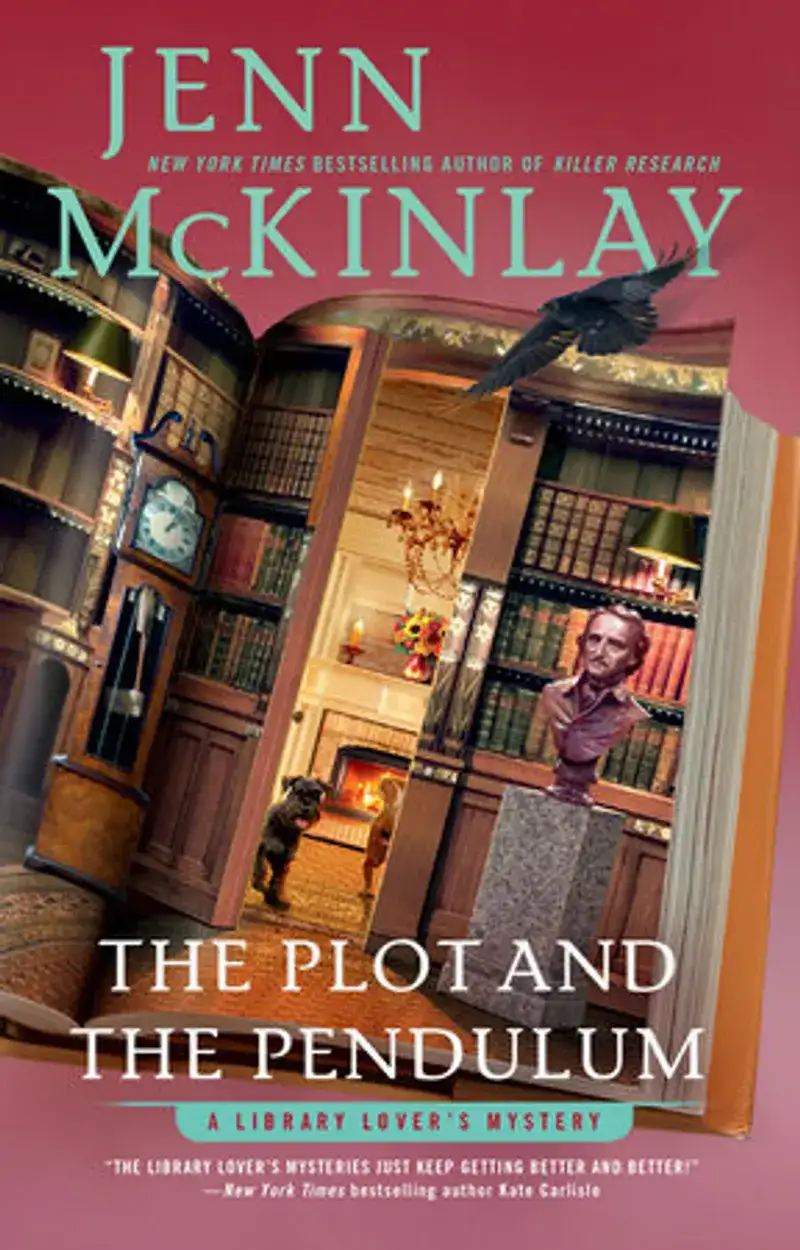
The Plot and the Pendulum Author: Jenn McKinlayPage Count: UnknownPublication Date: 2024-PRH Jenn McKinlay’s The Plot and the Pendulum is a masterclass in blending cozy mystery charm with the eerie allure of a small-town Halloween—where the past isn’t just haunting the present, it’s buried in the walls. As the latest entry in her Library Lover’s Mystery series, McKinlay once again proves why she’s a New York Times bestselling favorite, weaving a tale that’s as much about uncovering secrets as it is about the comforting rituals of library life. With a skeleton unearthed in a secret passage, a decades-old cold case, and a cast of quirky, crafty sleuths, this book is a love letter to mystery lovers who crave both warmth and chills. At its heart, The Plot and the Pendulum is about justice deferred. The skeleton discovered in the Dorchester estate—clutching an Edgar Allan Poe collection, no less—isn’t just a macabre discovery; it’s a ghost from 1989, when a runaway bride vanished without a trace. McKinlay doesn’t just drop us into a mystery; she invites us to sit by the fire with Lindsey Norris and her crafternoon crew, sipping cocoa as they piece together clues with the same dedication they’d bring to planning a Halloween craft night. The book’s title itself is a clever nod to Poe’s The Pit and the Pendulum, a story of inescapable dread, but here, the dread is tempered by the bookish setting. The library, with its towering shelves and quiet corners, becomes a sanctuary where secrets are both hidden and revealed—a perfect metaphor for McKinlay’s storytelling. What makes McKinlay’s work so addictive is her ability to balance lightheartedness with genuine suspense. The Library Lover’s Mystery series thrives on the cozy, and The Plot and the Pendulum delivers that in spades. Lindsey Norris, the pragmatic yet curious library director, is the ideal guide through this tale. She’s not a hardened detective but a woman who stumbles into mysteries through her work, bringing a refreshing lack of pretension to the genre. The crafternoon crew—her tight-knit group of library regulars who meet to knit, quilt, and gossip—adds a layer of domestic comfort that makes the darker elements of the story feel even more jarring. When one of them jokes about needing a “mystery-themed craft night” after finding a skeleton, it’s both absurd and oddly endearing, a reminder that even in the face of horror, life—and crafting—goes on. McKinlay’s prose is effortlessly engaging, with a rhythm that feels like a well-worn library cardigan: familiar, comforting, but never stale. She excels at creating atmosphere, whether it’s the gothic grandeur of the Dorchester estate or the cozy clutter of the library stacks. The mystery itself is meticulously plotted, with red herrings and misdirections that would make Agatha Christie nod in approval. The 1989 cold case is a clever hook—Lindsey’s quick deduction about the victim’s era based on their clothing shows McKinlay’s attention to detail, and the way the past intersects with the present feels organic, not forced. The skeleton’s Poe connection is a particularly nice touch, underscoring the theme of literature as both escape and evidence. But what truly elevates The Plot and the Pendulum is its heart. This isn’t just a whodunit; it’s a story about how communities—how libraries—preserve memory. The Dorchester family’s book collection, donated to the library, isn’t just a plot device; it’s a symbol of legacy and loss. The cold case isn’t just a puzzle to solve; it’s a wound that’s festered for years, and Lindsey’s determination to bring the truth to light feels personal. McKinlay writes with empathy, especially when dealing with the victim’s family and the lingering trauma of the unsolved disappearance. It’s this emotional depth that keeps the book from feeling like mere entertainment, even as it delivers the thrills we crave. Fans of the series will appreciate how seamlessly The Plot and the Pendulum fits into Lindsey’s world. There’s a satisfying continuity in her character growth, her relationships with the crafternoon crew, and even the occasional romantic subplot (because what’s a cozy mystery without a little flirtation?). McKinlay also weaves in subtle nods to library culture—interlibrary loan requests become plot points, and the library’s role as a community hub is never far from the surface. It’s a reminder that for Lindsey, solving a murder isn’t just about closure; it’s about protecting the place she loves. At its core, The Plot and the Pendulum is a celebration of libraries as sanctuaries of truth and imagination. McKinlay’s genius lies in making even the most mundane aspects of library life feel magical, from the hush of the stacks to the drama of a misplaced book. In a world where libraries are often under threat, this book is a defiant love letter to their power—not just as repositories of knowledge, but as places where stories, both old and new, come to light. If you’re looking for a mystery that’s smart without being stuffy, cozy without being saccharine, and atmospheric without being overwrought, The Plot and the Pendulum is a must-read. It’s the kind of book that makes you want to curl up with a blanket, a cup of tea, and maybe a copy of Edgar Allan Poe—just in case. #LibraryLoverMystery #CozyMystery #MysteryBooks #HalloweenReads #BookishThriller #JennMcKinlay Related InsightsZwischen Panels und Literatur: Die stille Revolution des Graphic Novels A Good Find Book Review and Summary Hallowed Bones (Sons of Salem #1) Book Review and Summary{ "@context": "https://schema.org", "@type": "FAQPage", "mainEntity": [ { "@type": "Question", "name": "What is the main focus of The Plot and the Pendulum Book Review and Summary?", "acceptedAnswer": { "@type": "Answer", "text": "Everything you need to know about The Plot and the Pendulum with our detailed review." } }, { "@type": "Question", "name": "Who authored the comprehensive guide on The Plot and the Pendulum Book Review and Summary?", "acceptedAnswer": { "@type": "Answer", "text": "This detailed article and its insights were carefully researched and authored by Irina Ivanova." } }, { "@type": "Question", "name": "Where can I find more related content about Books?", "acceptedAnswer": { "@type": "Answer", "text": "You can explore more articles, detailed reviews, and similar insights by browsing the Related Insights section at the bottom of this article or visiting our dedicated Books category page." } } ] }
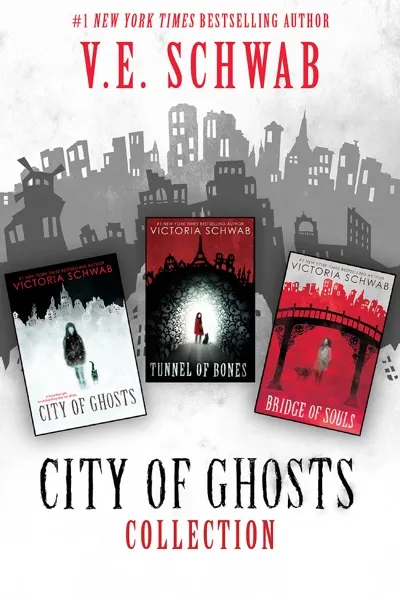

The Steel Prince Author: V.E. SchwabPage Count: UnknownPublication Year: 2019-GB In a world where magic and power are the ultimate currencies, one man's quest for justice will set the course for a revolution that will change the fabric of society forever. This is the premise of V.E. Schwab's electrifying novel, The Steel Prince, a mesmerizing tale of adventure, politics, and self-discovery that has captivated readers worldwide. With its richly detailed world-building, complex characters, and masterful storytelling, this book is an absolute must-read for fans of fantasy and epic fiction. At its core, The Steel Prince is a story about the nature of power and the consequences of playing with forces beyond one's control. The novel's protagonist, a charismatic and enigmatic figure, is driven by a desire to overthrow the corrupt and oppressive forces that have ruled his world for centuries. Through his journey, Schwab expertly explores themes of identity, morality, and the true cost of revolution, raising important questions about the consequences of our actions and the difficulty of making tough choices in a world where right and wrong are rarely clear-cut. One of the standout features of The Steel Prince is its cast of complex and multidimensional characters. Schwab has a remarkable talent for creating characters that are both relatable and flawed, with rich inner lives and motivations that drive the plot forward. From the brooding and intense prince to the clever and resourceful allies who join him on his quest, each character is meticulously crafted to bring depth and nuance to the story. The author's use of multiple perspectives and narrative voices adds a layer of complexity to the novel, allowing readers to experience the world and its characters from different angles and gain a deeper understanding of the intricacies of the plot. V.E. Schwab's writing style is another major strength of The Steel Prince. Her prose is lyrical and evocative, with a keen sense of pacing and tension that keeps readers on the edge of their seats. The world-building is meticulous and detailed, with a rich history and mythology that underpins the narrative. Schwab's use of magical and technological elements is particularly noteworthy, as she draws on a range of influences to create a unique and immersive world that is both familiar and yet utterly original. Throughout the novel, Schwab also explores the idea of identity and how it is shaped by our experiences, relationships, and choices. The protagonist's journey is a powerful metaphor for the search for self and the struggle to find one's place in the world. As he navigates the complexities of politics, magic, and morality, he is forced to confront his own biases, prejudices, and limitations, leading to a deeper understanding of himself and the world around him. In addition to its thought-provoking themes and compelling characters, The Steel Prince is also a masterclass in storytelling. Schwab's plotting is expertly paced, with a narrative that flows effortlessly from one scene to the next. The action is fast-paced and intense, with a range of memorable set pieces that will keep readers on the edge of their seats. At the same time, the novel's emotional resonance is profound, with a deep exploration of the human condition that will resonate with readers long after they finish the book. In conclusion, The Steel Prince is a triumph of modern fantasy, a novel that will appeal to fans of epic fiction, adventure, and science fiction. With its richly detailed world-building, complex characters, and masterful storytelling, this book is an absolute must-read for anyone looking for a compelling and thought-provoking read. Whether you're a longtime fan of V.E. Schwab or just discovering her work, The Steel Prince is a novel that will leave you breathless and eager for more. #TheSteelPrince #VESchwab #FantasyBooks #EpicFiction #BookReview Related InsightsA Memory Called Empire Book Review and Summary Stars and Smoke Book Review and Summary The Murder Party Book Review and Summary{ "@context": "https://schema.org", "@type": "FAQPage", "mainEntity": [ { "@type": "Question", "name": "What is the main focus of **The Steel Prince** Book Review and Summary?", "acceptedAnswer": { "@type": "Answer", "text": "Everything you need to know about **The Steel Prince** with our detailed review." } }, { "@type": "Question", "name": "Who authored the comprehensive guide on **The Steel Prince** Book Review and Summary?", "acceptedAnswer": { "@type": "Answer", "text": "This detailed article and its insights were carefully researched and authored by Lucia Garcia." } }, { "@type": "Question", "name": "Where can I find more related content about Books?", "acceptedAnswer": { "@type": "Answer", "text": "You can explore more articles, detailed reviews, and similar insights by browsing the Related Insights section at the bottom of this article or visiting our dedicated Books category page." } } ] }

Two Can Play Author: Ali HazelwoodPage Count: UnknownPublication Year: 2024-GB Love, Lies, and the Ultimate Academic Showdown: Ali Hazelwood’s Two Can Play is a Masterclass in Romantic Rivalry Few authors have redefined modern romance with the precision and wit of Ali Hazelwood. Known for her razor-sharp banter, emotionally charged dynamics, and heroines who refuse to be sidelined, Hazelwood has once again delivered a novel that’s as intellectually stimulating as it is swoon-worthy. Two Can Play, her latest 2024 release, isn’t just another enemies-to-lovers trope—it’s a high-stakes battle of wits, ambition, and undeniable chemistry set against the backdrop of academia’s cutthroat world. If you’ve ever wondered what happens when two brilliant minds collide in a game of academic one-upmanship, this book is your answer. At its core, Two Can Play explores the tension between rivalry and attraction, ambition and vulnerability. The story follows Dr. Nora Leston, a brilliant but overlooked astrophysicist who has spent years in the shadow of her former mentor—until she lands a prestigious research position at the same institution where her rival, Dr. Elias Voss, is already a rising star. What begins as a professional clash of egos quickly spirals into a high-stakes game of intellectual chess, where every move is calculated, every word a potential weapon. But beneath the sharp retorts and competitive jabs lies a deeper question: Can two people who are so alike ever truly trust each other, or will their pride destroy what could be something extraordinary? Hazelwood’s genius lies in her ability to craft characters who are as flawed as they are compelling. Nora is a protagonist readers will root for immediately—her intelligence is matched only by her stubbornness, and her journey from self-doubt to self-assurance is both relatable and inspiring. Elias, her counterpart, is the perfect foil: a man whose arrogance masks a vulnerability he’s spent years burying. Their dynamic is electric, a push-and-pull of ego and emotion that keeps the pages turning. The supporting cast, from Nora’s loyal lab partner to Elias’s enigmatic mentor, adds depth and humor, ensuring the story never feels one-dimensional. What sets Two Can Play apart is Hazelwood’s razor-sharp dialogue. Every exchange crackles with tension, whether it’s a heated debate over research methodology or a seemingly casual flirtation that leaves both characters—and readers—breathless. The author’s background in STEM shines through in the meticulous attention to detail, making the academic setting feel vivid and authentic. Yet, it’s her ability to balance intellectual rigor with emotional rawness that truly elevates the novel. The romance isn’t just a subplot; it’s the driving force behind the characters’ growth, a reminder that even the most competitive souls crave connection. Hazelwood’s writing style is a masterclass in pacing and tone. She knows when to deliver a scorching one-liner, when to linger on a quiet moment of vulnerability, and when to escalate the stakes with a twist that leaves readers gasping. The novel’s structure keeps readers guessing, blending academic intrigue with the slow burn of a love story that feels both inevitable and hard-won. It’s a testament to her skill that the emotional payoff feels earned, not forced—a rare feat in romance. For fans of The Love Hypothesis and Not in Love, Two Can Play will feel like a reunion with old friends. But it also stands on its own as a fresh, inventive take on the enemies-to-lovers trope. Hazelwood doesn’t just write romance; she writes smart romance, where the stakes are as high as the heart. Whether you’re drawn to the intellectual sparring, the undeniable chemistry between Nora and Elias, or the exploration of ambition and self-worth, this book delivers on every level. In a crowded genre, Ali Hazelwood continues to carve out her own space—and Two Can Play is her most ambitious and satisfying work yet. It’s a novel that will make you laugh, gasp, and swoon, all while leaving you questioning just how far you’d go for the person who challenges you the most. #AliHazelwood #TwoCanPlay #RomanceBooks #EnemiesToLovers #STEMRomance Related InsightsThe Endless One (The Gravesinger Series) Book Review and Summary Hunger Like No Other Book Review and Summary Beartown Book Review and Summary{ "@context": "https://schema.org", "@type": "FAQPage", "mainEntity": [ { "@type": "Question", "name": "What is the main focus of **Two Can Play** Book Review and Summary?", "acceptedAnswer": { "@type": "Answer", "text": "Everything you need to know about **Two Can Play** with our detailed review." } }, { "@type": "Question", "name": "Who authored the comprehensive guide on **Two Can Play** Book Review and Summary?", "acceptedAnswer": { "@type": "Answer", "text": "This detailed article and its insights were carefully researched and authored by Tiago Silva." } }, { "@type": "Question", "name": "Where can I find more related content about Books?", "acceptedAnswer": { "@type": "Answer", "text": "You can explore more articles, detailed reviews, and similar insights by browsing the Related Insights section at the bottom of this article or visiting our dedicated Books category page." } } ] }
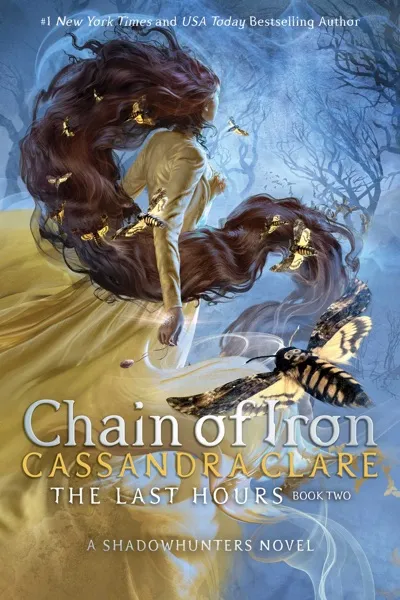
Chain of Iron Author: Cassandra ClarePage Count: UnknownPublication Year: 2021-GB Chain of Iron: A Tapestry of Desire, Devotion, and Devastation in Cassandra Clare’s Shadowhunter World Cassandra Clare’s Chain of Iron is not merely a sequel to Chain of Gold; it is a masterclass in weaving desire into the very fabric of a world already steeped in supernatural intrigue. Published in 2021, this installment plunges deeper into the Shadowhunter society of Edwardian London, where the line between duty and passion blurs with every whispered vow and every forbidden glance. The book, while its page count remains officially unconfirmed, feels vast—not in length, but in emotional density. Clare crafts a narrative so rich with longing and betrayal that the reader is left breathless, caught in the same magnetic pull as the characters themselves. At its heart, Chain of Iron explores the paradox of love as both salvation and ruin. The central romance—between Cordelia Carstairs and James Herondale—is not a simple tale of two souls finding solace in each other. Instead, it is a tempestuous dance of devotion and doubt, where every declaration of love is shadowed by the specter of past sins and future betrayals. Clare excels in portraying love as a chain, a binding force that can either elevate or ensnare. Cordelia, with her fierce independence and unshakable loyalty, is drawn to James not despite his flaws, but because of them—because he mirrors her own struggles with identity and purpose. Their relationship is a testament to the idea that love, in Clare’s world, is never pure; it is always complicated by duty, by secrets, by the weight of legacy. But Chain of Iron is not just a love story. It is a story about the cost of power and the price of secrets. The Shadowhunters of this London are not the righteous warriors of lore; they are flawed, ambitious, and often morally ambiguous. The “Chain of Iron” itself—a literal and metaphorical bond—becomes a symbol of the burdens they carry. James, as the reluctant heir to the Herondale name, is trapped by his lineage, while Cordelia grapples with the expectations placed upon her as a woman in a patriarchal society. Clare’s genius lies in her ability to make these struggles feel personal, not just political. The reader doesn’t just witness the characters’ battles; they feel the weight of their choices, the ache of their sacrifices. Clare’s writing style is deceptively effortless. She balances lush, almost cinematic descriptions of 1903 London with sharp, witty dialogue that crackles with tension. Her prose is rich without being overwrought, immersive without losing clarity. The pacing is relentless, each chapter ending on a note that demands the reader keep turning pages, even as they dread what might come next. The novel’s structure—shifting between multiple perspectives—allows Clare to build a world that feels alive with competing voices and secrets. Every character, from the brooding Matthew Fairchild to the enigmatic Lucie Herondale, is given depth, their motivations laid bare in a way that makes their triumphs and failures deeply resonant. One of the most striking aspects of Chain of Iron is its unflinching portrayal of queer desire. Clare does not shy away from depicting the complexities of same-sex relationships in a society that would condemn them. The slow-burn romance between Jesse Blackthorn and Christopher Lightwood is handled with a tenderness that makes their love feel both revolutionary and fragile. Their journey is not just about romance; it is about self-acceptance and the courage to defy expectations. Clare’s approach to queer narratives is refreshingly unapologetic, treating these relationships with the same weight and seriousness as any heterosexual romance in the book. Yet, for all its beauty, Chain of Iron is not without its shadows. The novel’s atmosphere is thick with melancholy, a sense that happiness is fleeting and that every joy is tinged with sorrow. The Shadowhunters’ world is one of constant danger, where death lingers just beyond the next page. Clare doesn’t shy away from the brutality of this existence, and her willingness to let characters suffer—sometimes irreparably—adds a layer of raw authenticity to the story. This is not a tale where love conquers all; it is a tale where love endures despite everything. In many ways, Chain of Iron is a meditation on the cost of legacy. The characters are all, in one way or another, prisoners of their names. James is burdened by the Herondale legacy; Cordelia by the expectations of her family; Matthew by his reputation as a reprobate. Clare asks: what does it mean to forge your own path when the past is always pulling you back? The answer, it seems, is found in the chains they choose to wear—not the ones forced upon them. Love, in this world, is the ultimate act of defiance. Cassandra Clare has always had a knack for blending the fantastical with the deeply human, and Chain of Iron is no exception. It is a novel that lingers long after the last page, not just because of its plot twists, but because of its emotional resonance. It is a story about the chains that bind us—whether they are made of iron, of duty, or of love—and the fragile, fierce bonds that set us free. #ChainOfIron #CassandraClare #ShadowhunterChronicles #FantasyRomance #DarkAcademia #BookTok Related InsightsThe Reader Book Review and Summary Great Big Beautiful Life Book Review and Summary Muses and Melodies - Hush Note #3 Book Review and Summary{ "@context": "https://schema.org", "@type": "FAQPage", "mainEntity": [ { "@type": "Question", "name": "What is the main focus of Chain of Iron Book Review and Summary?", "acceptedAnswer": { "@type": "Answer", "text": "Everything you need to know about Chain of Iron with our detailed review." } }, { "@type": "Question", "name": "Who authored the comprehensive guide on Chain of Iron Book Review and Summary?", "acceptedAnswer": { "@type": "Answer", "text": "This detailed article and its insights were carefully researched and authored by Camille Dubois." } }, { "@type": "Question", "name": "Where can I find more related content about Books?", "acceptedAnswer": { "@type": "Answer", "text": "You can explore more articles, detailed reviews, and similar insights by browsing the Related Insights section at the bottom of this article or visiting our dedicated Books category page." } } ] }