Showing Posts From
Books
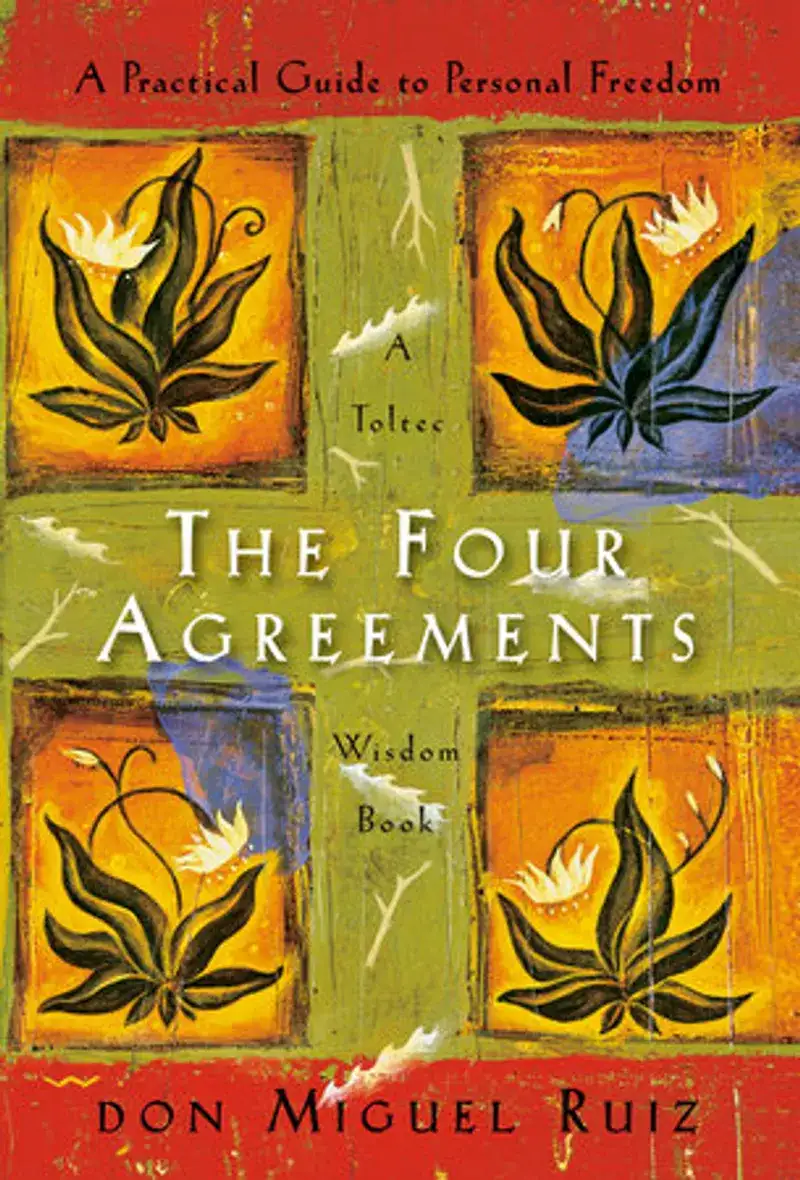

The Four Agreements Author: Don Miguel RuizPage Count: UnknownPublication Date: 2025-PRH The Four Agreements by Don Miguel Ruiz is a modern spiritual classic that distills ancient Toltec wisdom into four simple yet transformative principles for living a life of freedom, joy, and authenticity. Published in 2025 (a reissue of Ruiz’s 1997 groundbreaking work), this book remains as relevant today as it was decades ago, offering a profound yet accessible guide to breaking free from self-limiting beliefs and societal conditioning. Ruiz, a nagual (a shamanic teacher in the Toltec tradition), blends storytelling, philosophy, and practical advice to deliver a message that resonates deeply in an era overwhelmed by noise, stress, and external validation. At its core, The Four Agreements is about reclaiming personal power. Ruiz argues that most of our suffering stems from a "dream of the planet"—a collective illusion created by cultural norms, fear-based programming, and our own negative self-talk. These illusions trap us in cycles of guilt, victimhood, and self-sabotage, often without us even realizing it. The book’s genius lies in its ability to expose these hidden chains and offer a clear path to liberation through four agreements:Be impeccable with your word – Speak with integrity, use your words to uplift rather than harm, and avoid self-judgment. Don’t take anything personally – Understand that others’ opinions and actions reflect their reality, not yours. Don’t make assumptions – Clarity comes from asking questions and communicating openly, not from guessing and projecting. Always do your best – Effort, not perfection, is the key to growth and fulfillment.These agreements may sound deceptively simple, but Ruiz unpacks them with such depth and urgency that their impact becomes undeniable. What sets this book apart is its fusion of spirituality and psychology—Ruiz doesn’t just offer vague platitudes; he provides a framework for rewiring the mind. He explains how the first agreement, for instance, counters the "domestication" of humans, where society conditions us to believe lies about our worth. The second agreement dismantles the ego’s need for approval, freeing us from the exhausting cycle of seeking validation. The third dismantles fear of misunderstanding, while the fourth removes the pressure of perfectionism, replacing it with sustainable effort. Ruiz’s writing style is a masterclass in clarity and persuasion. He writes with the warmth of a wise elder and the precision of a philosopher, avoiding jargon while maintaining depth. His use of metaphors—like the "mitote" (a chaotic dream of fear and confusion) or the "personal dream" (our unique, often distorted, version of reality)—makes abstract concepts tangible. He doesn’t just tell you to "stop taking things personally"; he explains the biological and emotional mechanisms behind why we do it, and then provides tools to change it. One of the book’s most compelling aspects is its emphasis on personal responsibility. Ruiz doesn’t let the reader off the hook with excuses like "This is just who I am" or "Society made me this way." Instead, he insists that freedom is a choice, and the agreements are the keys to unlocking it. This isn’t about blaming others or wallowing in guilt; it’s about recognizing that we are the authors of our own suffering—and therefore, the architects of our own liberation. The Four Agreements is not a book to read once and shelve. It’s a manual for daily practice, a lens to view the world differently. Ruiz’s message is timeless because human nature hasn’t changed: we still grapple with fear, ego, and miscommunication. Whether you’re struggling with toxic relationships, self-doubt, or the overwhelming noise of modern life, these four agreements offer a sanctuary of clarity. Some critics might argue that the book’s simplicity borders on oversimplification, but that’s precisely its strength. In a world drowning in complexity, Ruiz’s distilled wisdom is a breath of fresh air. This isn’t a book about quick fixes or empty positivity; it’s about dismantling the internal barriers that keep us from living fully. If you’ve ever felt stuck in patterns of negativity, anxiety, or self-doubt, The Four Agreements could be the catalyst for real change. In an age where we’re bombarded with superficial self-help gimmicks, Ruiz’s work stands out for its authenticity. It doesn’t promise enlightenment in seven days or require you to chant mantras at dawn. Instead, it invites you to question, reflect, and act—one agreement at a time. The result? A life less burdened by unnecessary suffering and more aligned with truth, love, and freedom. If you’re ready to break free from the illusions that hold you back, The Four Agreements is more than a book—it’s a manifesto for a new way of being. #TheFourAgreements #DonMiguelRuiz #ToltecWisdom #PersonalGrowth #MindsetShift #SpiritualAwakening Related InsightsThe Bureau of Unknown Fates: A Novel Book Review and Summary Malibu Rising Book Review and Summary I'll Be Waiting Book Review and Summary{ "@context": "https://schema.org", "@type": "FAQPage", "mainEntity": [ { "@type": "Question", "name": "What is the main focus of The Four Agreements Book Review and Summary?", "acceptedAnswer": { "@type": "Answer", "text": "Everything you need to know about The Four Agreements with our detailed review." } }, { "@type": "Question", "name": "Who authored the comprehensive guide on The Four Agreements Book Review and Summary?", "acceptedAnswer": { "@type": "Answer", "text": "This detailed article and its insights were carefully researched and authored by Olivia Harris." } }, { "@type": "Question", "name": "Where can I find more related content about Books?", "acceptedAnswer": { "@type": "Answer", "text": "You can explore more articles, detailed reviews, and similar insights by browsing the Related Insights section at the bottom of this article or visiting our dedicated Books category page." } } ] }
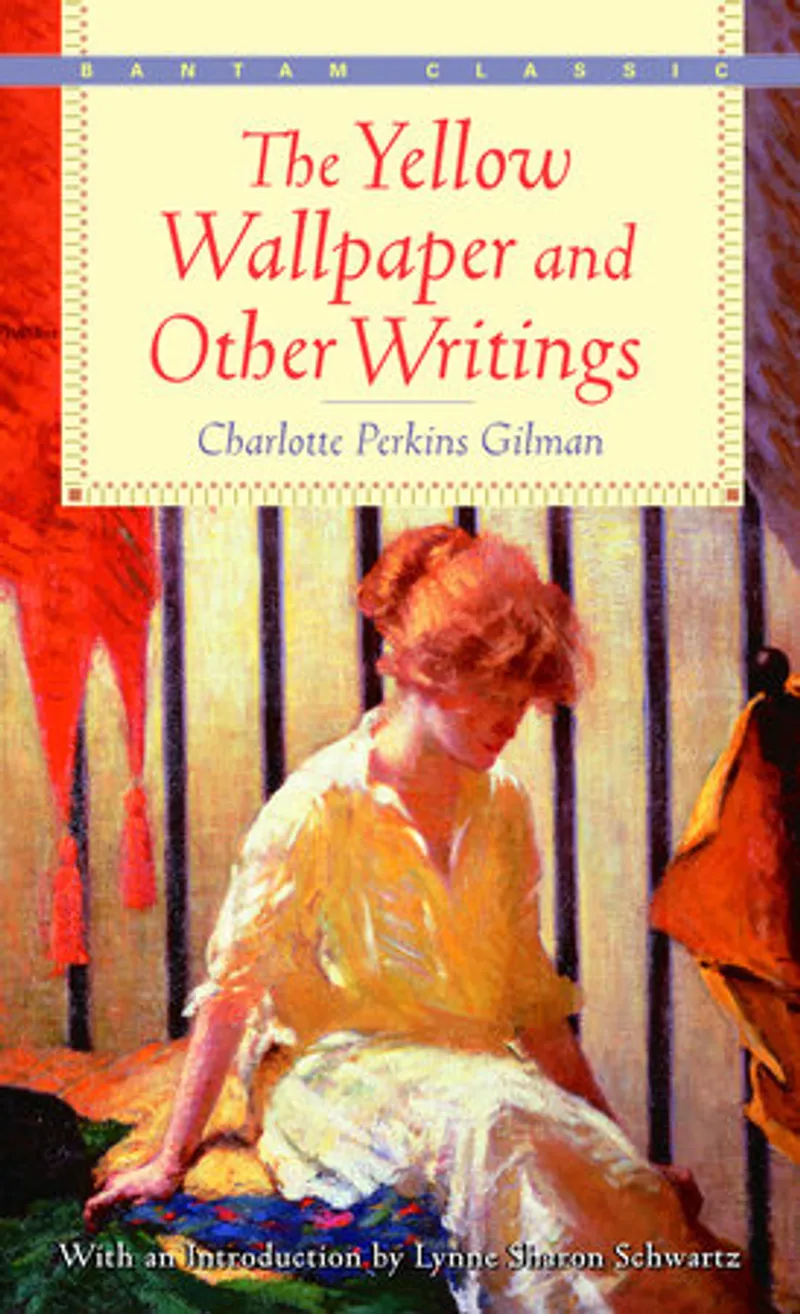
The Yellow Wallpaper and Other Writings Author: Charlotte Perkins GilmanPage Count: UnknownPublication Date: 1989-PRH In "The Yellow Wallpaper and Other Writings," Charlotte Perkins Gilman's profound influence on American feminist thought and sociological discourse is on full display. This diverse collection of her fiction and nonfiction work is a testament to Gilman's unwavering dedication to challenging the patriarchal norms that defined her time. At its core, this volume is a scathing critique of a society that systematically oppressed women, relegating them to the fringes of economic and social participation. The title story, "The Yellow Wallpaper," is a masterclass in psychological horror, as it chronicles the descent into madness of a woman confined to a room by her husband. This seminal work is a powerful allegory for the suffocating nature of patriarchal society, where women's voices are silenced, and their agency is stripped away. Gilman's prose is economical, yet evocative, as she weaves a narrative that is both deeply unsettling and profoundly moving. The seven short stories that accompany "The Yellow Wallpaper" are equally impressive, showcasing Gilman's impressive range as a writer. Her use of humor, irony, and satire is adept, as she tackles themes such as marriage, motherhood, and the constraints placed on women's lives. These stories are not merely relics of a bygone era but rather a searing indictment of the societal norms that continue to persist today. Gilman's nonfiction work is equally incisive, as evidenced by the selections from "The Man-Made World: Our Androcentric Culture" and "Women And Economics." These works demonstrate Gilman's impressive grasp of sociological theory and her ability to articulate a compelling vision for a more equitable society. Her writing is marked by a clarity of purpose and a willingness to confront the entrenched power structures that perpetuate inequality. The excerpt from Gilman's utopian novel, "Herland," is a delightful surprise, offering a glimpse into a world where women are the dominant force. This "acidly funny tale" is a clever subversion of traditional patriarchal norms, as three American male explorers stumble into an all-female society, only to find their assumptions and biases challenged at every turn. Throughout this collection, Gilman's style is characterized by a directness and simplicity that belies the complexity of her ideas. Her writing is unflinching, yet accessible, making her a compelling and necessary voice in the ongoing conversation about feminism and social justice. In conclusion, "The Yellow Wallpaper and Other Writings" is a landmark collection that showcases the remarkable range and prescience of Charlotte Perkins Gilman's work. This volume is a testament to the enduring power of her ideas and a reminder of the significant contributions she made to American feminist thought. As we continue to grapple with the challenges of inequality and social justice, Gilman's work remains a powerful reminder of the importance of challenging patriarchal norms and fighting for a more just and equitable society. #TheYellowWallpaper #CharlottePerkinsGilman #FeministLiterature #AmericanLiteraryHistory #SociologicalTheory #WomenAndEconomics Related InsightsAngelfall Book Review and Summary The last Emperox Book Review and Summary Echoes of Heroic Verse: Unraveling the Timeless Tapestry of Epic Poetry{ "@context": "https://schema.org", "@type": "FAQPage", "mainEntity": [ { "@type": "Question", "name": "What is the main focus of The Yellow Wallpaper and Other Stories Book Review and Summary?", "acceptedAnswer": { "@type": "Answer", "text": "Everything you need to know about The Yellow Wallpaper and Other Stories with our detailed review." } }, { "@type": "Question", "name": "Who authored the comprehensive guide on The Yellow Wallpaper and Other Stories Book Review and Summary?", "acceptedAnswer": { "@type": "Answer", "text": "This detailed article and its insights were carefully researched and authored by Charlotte Perkins Gilman." } }, { "@type": "Question", "name": "Where can I find more related content about Books?", "acceptedAnswer": { "@type": "Answer", "text": "You can explore more articles, detailed reviews, and similar insights by browsing the Related Insights section at the bottom of this article or visiting our dedicated Books category page." } } ] }
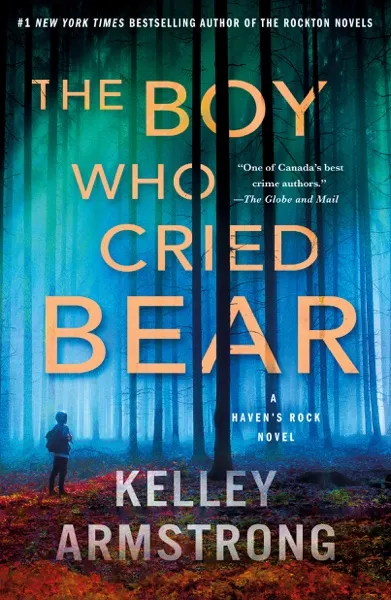

Boy Who Cried Bear Author: Kelley ArmstrongPage Count: UnknownPublication Year: 2024-GB Kelley Armstrong’s Boy Who Cried Bear is a masterclass in blending the uncanny with the deeply human, turning folklore into something fresh and unsettlingly real. At its core, the novel explores the age-old question of what happens when a child’s imagination refuses to stay in the realm of fantasy—and instead spills into the world with terrifying consequences. Armstrong, a writer celebrated for her ability to weave supernatural horror with relatable emotion, crafts a story that lingers long after the last page, not because of cheap jump scares, but because of its haunting exploration of belief, trauma, and the monsters we create to make sense of the world. The premise is deceptively simple: a young boy, after years of insisting he’s seen a massive, terrifying bear lurking in the woods behind his family’s isolated home, finally encounters something that might just confirm his claims. But Boy Who Cried Bear isn’t a straightforward monster hunt. Instead, it’s a slow-burn psychological unraveling, where the line between reality and delusion blurs with devastating precision. Armstrong excels at grounding the supernatural in the mundane, making the horrors feel all the more plausible. The bear isn’t just a creature of myth; it’s a manifestation of the boy’s unresolved grief, his family’s fractured dynamics, and the suffocating isolation of rural life. The story’s power lies in its refusal to offer easy answers—is the bear real, or is it a coping mechanism gone horribly wrong? Armstrong leaves it deliciously ambiguous, trusting the reader to sit with the discomfort. Armstrong’s prose is tight and evocative, with a knack for capturing the stifling atmosphere of a small town where secrets fester like old wounds. Her characters are the heart of the story, particularly the unnamed boy (referred to only as “the boy” in a stroke of narrative genius), whose voice is both childlike and eerily mature. His perspective is raw, his fears visceral, and his desperation to be heard heartbreaking. The supporting cast—the boy’s distant father, his overworked mother, the skeptical townsfolk—are sketched with just enough detail to feel real, their own traumas and biases adding layers to the central mystery. Armstrong doesn’t waste time on excessive exposition; instead, she lets the tension simmer, ratcheting up the dread through subtle hints and ominous dialogue. What sets Boy Who Cried Bear apart is its thematic depth. Beneath the surface-level horror lies a searing commentary on how society dismisses the voices of children, especially when their stories challenge the status quo. The boy’s insistence on the bear’s existence is met with ridicule, gaslighting, and ultimately, violence—not because he’s wrong, but because adults would rather silence inconvenient truths than confront their own failures. Armstrong forces the reader to ask: who are we really protecting when we call a child a liar? The novel also delves into the cyclical nature of trauma, how family legacies of pain can manifest in the next generation, and the dangerous allure of believing in something—anything—when the world has already failed you. Armstrong’s style is a masterclass in restraint. She doesn’t rely on gore or cheap thrills; instead, she builds her horror through atmosphere, silence, and the slow drip of dread. The bear itself is less a physical entity and more a symbol—a looming, inescapable presence that embodies the boy’s unprocessed emotions. The prose is unadorned but precise, each word serving a purpose. There’s a folk-horror undertone to the novel, reminiscent of Shirley Jackson or Stephen King at their most unsettling, but with a modern, psychological edge. The ending is ambiguous, but not in a way that feels like a cop-out. Instead, it’s a gut-punch reminder that some stories don’t have neat resolutions—only consequences. Boy Who Cried Bear is a book that will haunt you, not because it’s scary in the traditional sense, but because it feels true. It’s a story about the monsters we refuse to see until it’s too late, and the cost of turning away from the people who need us most. Armstrong has crafted something special here—a novel that respects its audience enough to leave room for interpretation, while still delivering a narrative that’s as emotionally resonant as it is chilling. #BoyWhoCriedBear #KelleyArmstrong #SupernaturalHorror #PsychologicalThriller #LyricalHorror #FolkloreReimagined Related InsightsInfinite Jest Book Review and Summary Final Fantasy XIV: Stormblood -- The Art of the Revolution -Western Memories- Book Review and Summary Divine Oaths Book Review and Summary{ "@context": "https://schema.org", "@type": "FAQPage", "mainEntity": [ { "@type": "Question", "name": "What is the main focus of Boy Who Cried Bear Book Review and Summary?", "acceptedAnswer": { "@type": "Answer", "text": "Everything you need to know about Boy Who Cried Bear with our detailed review." } }, { "@type": "Question", "name": "Who authored the comprehensive guide on Boy Who Cried Bear Book Review and Summary?", "acceptedAnswer": { "@type": "Answer", "text": "This detailed article and its insights were carefully researched and authored by Emma Thompson." } }, { "@type": "Question", "name": "Where can I find more related content about Books?", "acceptedAnswer": { "@type": "Answer", "text": "You can explore more articles, detailed reviews, and similar insights by browsing the Related Insights section at the bottom of this article or visiting our dedicated Books category page." } } ] }
-
 Natalia Sokolova
 - 21 Nov, 2025 18:52
Cassini's Mission: A Spacecraft, a Tiny Moon, and the Search for Life Beyond Earth Book Review and Summary
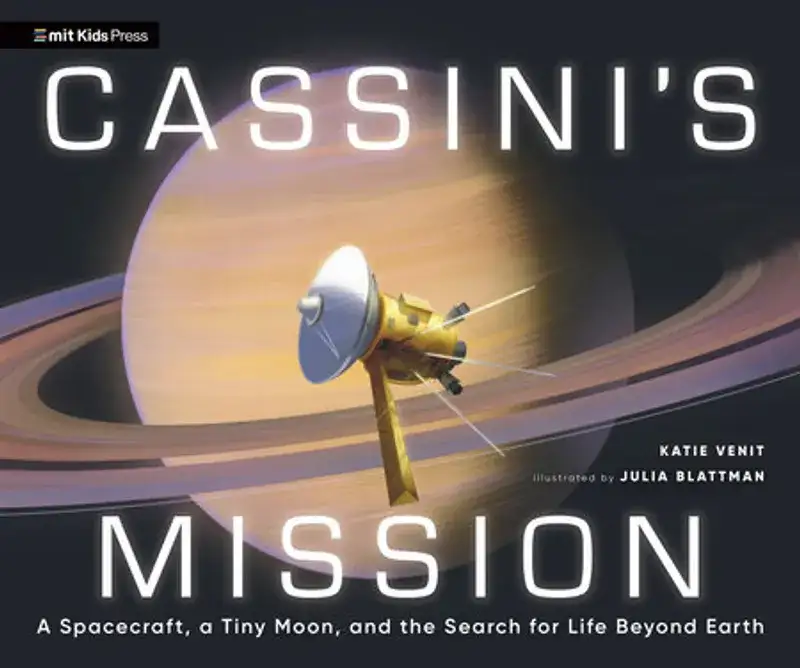
Cassini's Mission: A Spacecraft, a Tiny Moon, and the Search for Life Beyond Earth Author: Julia BlattmanPage Count: UnknownPublication Date: 2025-PRH Cassini's Mission: A Spacecraft, a Tiny Moon, and the Search for Life Beyond Earth, written by Julia Blattman, is a captivating narrative that delves into the extraordinary journey of the Cassini spacecraft and its groundbreaking discoveries on one of Saturn's moons, Enceladus. This book is a masterful blend of science, exploration, and awe, making it an absolute delight for readers of all ages. The author's vivid descriptions of the spacecraft's seven-year journey to Saturn's orbit are nothing short of breathtaking. Blattman's writing is infused with a sense of wonder, conveying the vastness and complexity of our solar system in a way that is both accessible and engaging. As Cassini begins to investigate Enceladus, the shiniest moon in the solar system, the reader is drawn into a world of scientific discovery, where the boundaries between exploration and wonder are blurred. One of the most striking aspects of this book is its ability to balance complex scientific concepts with a narrative that is both captivating and easy to follow. Blattman's prose is lucid and concise, making it an ideal read for those who are new to the subject matter, as well as for seasoned astronomy enthusiasts. The inclusion of illustrations that capture the breathtaking scale of our solar system is a welcome addition, providing a visual dimension to the narrative that enhances the reader's understanding and appreciation of the subject matter. The book's central theme, the search for life beyond Earth, is both timely and thought-provoking. As Cassini makes a series of incredible discoveries, including liquid water, chemicals, and energy, the reader is left pondering the implications of these findings and the potential for life to exist elsewhere in the universe. Blattman's handling of this theme is masterful, conveying the sense of excitement and curiosity that defines the scientific community's pursuit of this question. The bittersweet nature of Cassini's mission, which is unable to answer the big questions that arise from its discoveries due to limitations in its design and fuel capacity, serves as a poignant reminder of the challenges and limitations that scientists face in their pursuit of knowledge. This aspect of the book adds a layer of depth and nuance to the narrative, highlighting the human element of scientific exploration and the sacrifices that are often made in the pursuit of discovery. In conclusion, Cassini's Mission is a outstanding book that is sure to captivate readers with its unique blend of science, exploration, and wonder. Julia Blattman's writing is engaging, accessible, and infused with a sense of awe, making this book an absolute must-read for anyone interested in astronomy, science, or the search for life beyond Earth. With its rich narrative, stunning illustrations, and thought-provoking themes, this book is a standout title that is sure to leave a lasting impression on its readers. #SpaceExploration #SearchForLife #Astronomy #SaturnsMoons #ScienceBooks #CassiniSpacecraft Related InsightsBusca el cómo / Search for the How Book Review and Summary The Help Book Review and Summary Mooncursed (The Drowned King, #1) Book Review and Summary{ "@context": "https://schema.org", "@type": "FAQPage", "mainEntity": [ { "@type": "Question", "name": "What is the main focus of Cassini's Mission: A Spacecraft, a Tiny Moon, and the Search for Life Beyond Earth Book Review and Summary?", "acceptedAnswer": { "@type": "Answer", "text": "Everything you need to know about Cassini's Mission: A Spacecraft, a Tiny Moon, and the Search for Life Beyond Earth with our detailed review." } }, { "@type": "Question", "name": "Who authored the comprehensive guide on Cassini's Mission: A Spacecraft, a Tiny Moon, and the Search for Life Beyond Earth Book Review and Summary?", "acceptedAnswer": { "@type": "Answer", "text": "This detailed article and its insights were carefully researched and authored by Natalia Sokolova." } }, { "@type": "Question", "name": "Where can I find more related content about Books?", "acceptedAnswer": { "@type": "Answer", "text": "You can explore more articles, detailed reviews, and similar insights by browsing the Related Insights section at the bottom of this article or visiting our dedicated Books category page." } } ] }
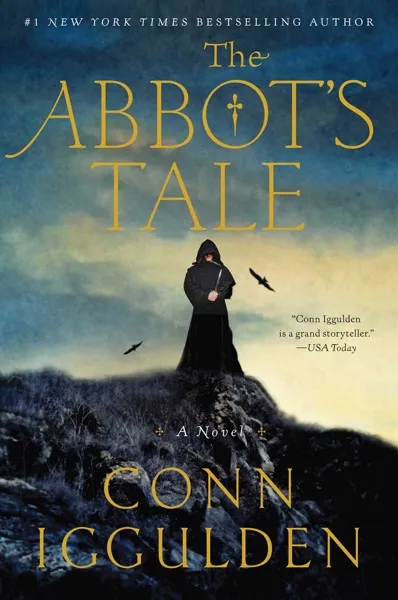

Abbot's Tale Author: Conn IgguldenPage Count: UnknownPublication Year: 2018-GB Conn Iggulden’s Abbot’s Tale is a masterful blend of historical fiction and moral intrigue, set against the backdrop of medieval England. Published in 2018, this novel cements Iggulden’s reputation as a storyteller who transforms raw history into vivid, immersive narratives. While the exact page count remains elusive, the richness of its prose and depth of its themes make it a gripping read regardless. At its core, Abbot’s Tale explores the tension between power and faith, the corruption of institutions, and the resilience of the human spirit in the face of tyranny. Iggulden’s signature style—sharp dialogue, meticulous research, and an unflinching gaze at human frailty—elevates this book beyond mere historical drama into a meditation on what it means to seek truth in a world governed by lies. The story unfolds in the 12th century, during the reign of Henry II, a period marked by political upheaval and the violent struggle between church and crown. The protagonist, Thomas Becket—before he becomes the martyred saint—is portrayed not as a saintly figure but as a complex man of ambition, intellect, and deep conviction. Iggulden avoids the trap of hagiography, instead presenting Becket as a man shaped by his times, his ideals clashing with the ruthless pragmatism of the monarchy. The novel’s title hints at a deeper narrative: not just Becket’s rise and fall, but the tale itself as a contested narrative, a story told and retold by those who seek to control history’s memory. What makes Abbot’s Tale particularly compelling is Iggulden’s ability to weave personal drama into the grand sweep of history. The novel is as much about the people surrounding Becket as it is about him—his loyalists, his detractors, and those caught in the crossfire of his defiance. The prose is taut and immersive, with a rhythm that mirrors the tension of the era. Iggulden’s dialogue crackles with authenticity, whether it’s the razor-sharp exchanges between Becket and Henry II or the whispered confessions of those who fear for their lives. The author’s background in historical fiction shines through in his attention to detail, from the grit of medieval court intrigue to the quiet desperation of those crushed beneath the wheels of power. At its heart, Abbot’s Tale is a story about the cost of integrity. Becket’s journey from trusted advisor to exiled rebel is not just a political drama but a spiritual one. His defiance of Henry II over the issue of church autonomy becomes a symbol of resistance against unchecked authority, but it is also a personal crucible. Iggulden doesn’t shy away from the messiness of Becket’s motivations—his pride, his vanity, and his genuine belief in the church’s divine right to govern itself. The novel forces the reader to confront uncomfortable questions: Is Becket a hero or a fool? Is his stand a noble sacrifice or a reckless provocation? These ambiguities are what make the book so compelling. Iggulden’s prose is both elegant and unadorned, striking a balance between lyrical description and punchy, immediate storytelling. His descriptions of medieval England are vivid without being overly florid, painting a world that feels tactile and real. The novel’s pacing is relentless, with each chapter driving the narrative forward while deepening the characters’ moral dilemmas. The tension builds inexorably toward Becket’s assassination in Canterbury Cathedral, a moment that is both historically inevitable and emotionally devastating. Iggulden’s genius lies in making the reader feel the weight of that inevitability, not as a foregone conclusion, but as a tragic consequence of human choices. One of the most striking aspects of Abbot’s Tale is its exploration of how history is written by the victors. The novel is framed as a tale—a story passed down through generations, shaped by those who seek to memorialize or vilify Becket. Iggulden plays with this idea, presenting multiple perspectives that challenge the reader’s perception of truth. Is Becket a saint, a traitor, or something in between? The answer, as the novel suggests, depends on who is doing the telling. In terms of style, Iggulden’s work here is a testament to his evolution as a writer. Gone are the broader strokes of his earlier Emperor series; instead, he delves deep into the nuances of character and motive. The dialogue, in particular, is sharp and naturalistic, with a modern rhythm that makes the medieval setting feel accessible without sacrificing authenticity. The novel’s themes—power, faith, betrayal—are timeless, which is why Abbot’s Tale resonates even centuries after the events it depicts. For readers who enjoy historical fiction that balances grandeur with intimacy, Abbot’s Tale is a must-read. It’s a book that demands to be reckoned with, not just for its historical accuracy, but for its bold exploration of what it means to stand for something in a world that often rewards compromise. Conn Iggulden has crafted a novel that is as thought-provoking as it is thrilling, a testament to the enduring power of storytelling. #HistoricalFiction #MedievalDrama #ThomasBecket #PowerAndFaith #ConnIggulden #MedievalEngland Related InsightsMercy Book Review and Summary How to Win Friends & Influence People Book Review and Summary El código de la vida / The Code Breaker: Jennifer Doudna, Gene Editing, and the Future of the Human Book Review and Summary{ "@context": "https://schema.org", "@type": "FAQPage", "mainEntity": [ { "@type": "Question", "name": "What is the main focus of Abbot's Tale Book Review and Summary?", "acceptedAnswer": { "@type": "Answer", "text": "Everything you need to know about Abbot's Tale with our detailed review." } }, { "@type": "Question", "name": "Who authored the comprehensive guide on Abbot's Tale Book Review and Summary?", "acceptedAnswer": { "@type": "Answer", "text": "This detailed article and its insights were carefully researched and authored by Camille Dubois." } }, { "@type": "Question", "name": "Where can I find more related content about Books?", "acceptedAnswer": { "@type": "Answer", "text": "You can explore more articles, detailed reviews, and similar insights by browsing the Related Insights section at the bottom of this article or visiting our dedicated Books category page." } } ] }
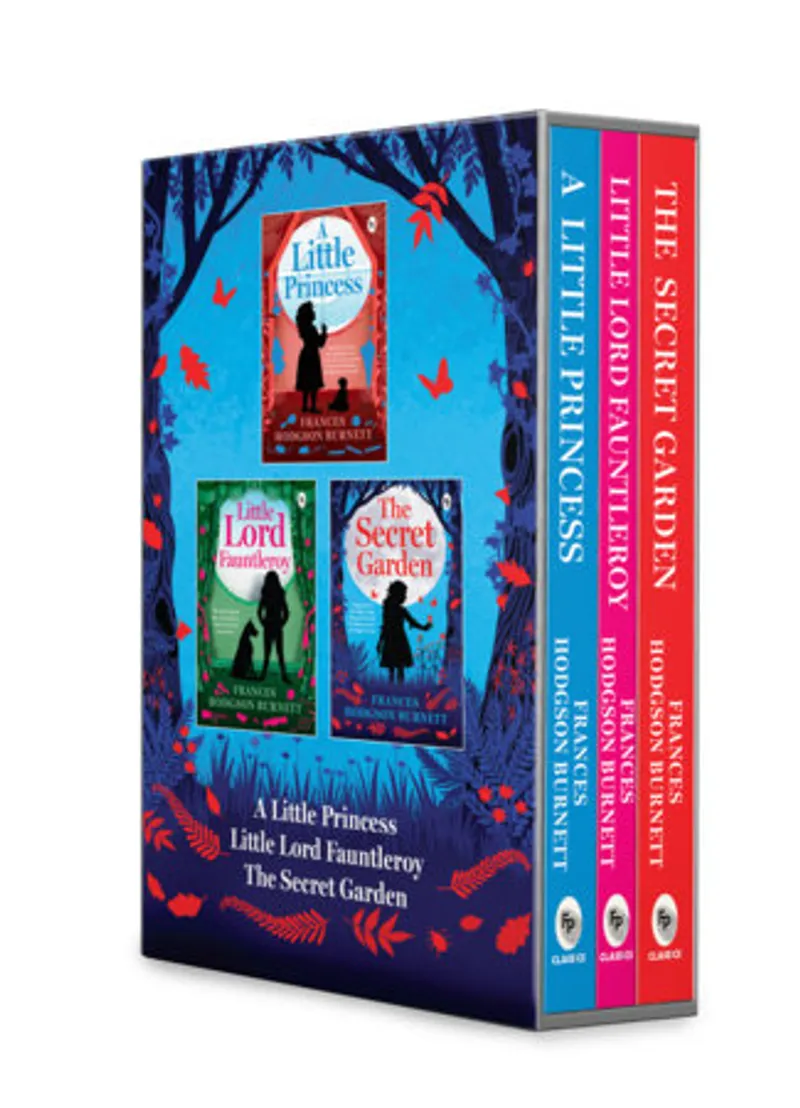
Best of Frances Hodgson Burnett Boxed Set - Books Included: A Little Princess / The Secret Garden / Little Lord Fauntleroy - Frances Hodgson Burnett's Best Work Author: Frances Hodgson BurnettPage Count: UnknownPublication Date: 2023-PRH The Best of Frances Hodgson Burnett Boxed Set is a treasure trove of timeless classics that have captivated readers of all ages. This stunning collection brings together three of Burnett's most beloved works: A Little Princess, The Secret Garden, and Little Lord Fauntleroy. With her unique writing style, Burnett weaves a spell of enchantment that transports readers to a bygone era, where values such as kindness, courage, and resilience are paramount. At the heart of Burnett's writing is the theme of transformation and growth. Her protagonists, often young and vulnerable, navigate complex social hierarchies, overcoming adversity and emerging stronger, wiser, and more compassionate. In A Little Princess, Sara Crewe's journey from wealth to poverty and back again is a powerful testament to the human spirit's capacity for adaptation and resilience. Similarly, in The Secret Garden, Mary Lennox's gradual blossoming from a spoiled, isolated child to a confident, empathetic young girl is a beautifully crafted metaphor for the healing power of nature and human connection. Burnett's writing style is characterized by her masterful use of language, which is both poetic and accessible. Her descriptions of the natural world are breathtaking, from the "great, beautiful, shabby, old house" in The Secret Garden to the "high, shining, glittering" streets of London in A Little Princess. Her characters are multidimensional and relatable, with their own distinct voices, motivations, and flaws. The relationships between them are richly nuanced, whether it's the deep bond between Sara and her father in A Little Princess, or the gradual thawing of Mary's icy reserve in The Secret Garden. One of the most striking aspects of Burnett's work is her ability to balance light and darkness, hope and despair. Her stories are never simplistic or sentimental, but rather, they grapple with complex social issues, such as poverty, class, and identity. In Little Lord Fauntleroy, for example, the contrast between the old, aristocratic world of the earl and the new, democratic world of America serves as a commentary on the social changes of the late 19th century. Throughout her work, Burnett's feminist sensibilities shine through, as she celebrates the strength and agency of her female protagonists. Sara, Mary, and Cedric's mother, Beatrix, are all strong, independent women who defy convention and forge their own paths. Burnett's portrayal of these women is remarkable, given the social context in which she wrote. Her female characters are never passive or one-dimensional, but rather, they are fully realized individuals with their own desires, aspirations, and flaws. In conclusion, the Best of Frances Hodgson Burnett Boxed Set is a must-read for anyone who loves classic literature. Burnett's writing is a testament to the power of storytelling to transform and uplift us. Her themes of growth, transformation, and resilience are timeless, and her characters continue to captivate readers with their complexity and depth. This collection is a treasure trove of delightful stories that will enchant readers of all ages, and remind us of the importance of kindness, empathy, and courage in our own lives. #FrancesHodgsonBurnett #ClassicLiterature #TheSecretGarden #ALittlePrincess #LittleLordFauntleroy #ChildrensLiteratureClassics Related InsightsWhen Shadows Burn (When Shadows Burn Duology, 1) Book Review and Summary On Earth We're Briefly Gorgeous Book Review and Summary Cinder Book Review and Summary{ "@context": "https://schema.org", "@type": "FAQPage", "mainEntity": [ { "@type": "Question", "name": "What is the main focus of A Little Princess Book Review and Summary?", "acceptedAnswer": { "@type": "Answer", "text": "Everything you need to know about A Little Princess with our detailed review." } }, { "@type": "Question", "name": "Who authored the comprehensive guide on A Little Princess Book Review and Summary?", "acceptedAnswer": { "@type": "Answer", "text": "This detailed article and its insights were carefully researched and authored by Frances Hodgson Burnett." } }, { "@type": "Question", "name": "Where can I find more related content about Books?", "acceptedAnswer": { "@type": "Answer", "text": "You can explore more articles, detailed reviews, and similar insights by browsing the Related Insights section at the bottom of this article or visiting our dedicated Books category page." } } ] }
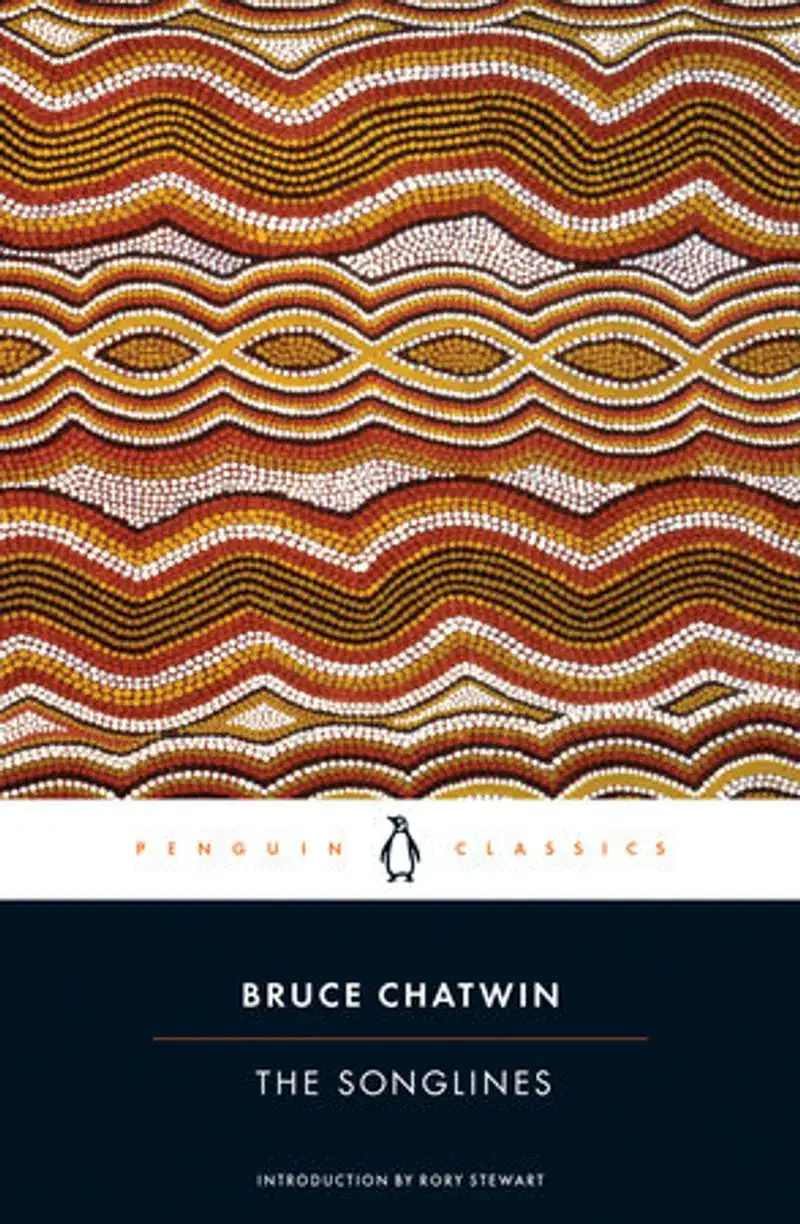

The Songlines Author: Bruce ChatwinPage Count: UnknownPublication Date: 2012-PRH The Songlines: A Poetic Odyssey Through the Dreaming World Bruce Chatwin’s The Songlines is not merely a travelogue—it is a mesmerizing exploration of human movement, myth, and the very essence of existence. Published in 1987 and reissued with a new introduction for its 25th anniversary, this book defies easy categorization. It is a travel narrative, a philosophical meditation, and a work of lyrical prose all at once. Chatwin, with his keen intellect and restless curiosity, ventures into the Australian Outback not just to document the land but to unravel the enigmatic "songlines"—the sacred pathways of the Aboriginal people, said to be the songs sung by their ancestors during the creation of the world. At its heart, The Songlines is a meditation on nomadism—both as a physical reality and a metaphor for human existence. Chatwin, who was himself a restless traveler, draws a stark contrast between the settled lives of modern civilization and the ancient, migratory rhythms of the Aboriginal people. He argues that the human urge to wander is not just a cultural quirk but a fundamental aspect of our nature, rooted in our evolutionary past. The songlines, he suggests, are more than just routes across the desert; they are the living memory of the land, a continuous thread connecting past and present. Chatwin’s writing is as fluid and elusive as the songlines themselves. His prose is poetic yet precise, blending sharp observation with philosophical musings. He doesn’t just describe the landscape; he evokes its spirit. The Australian Outback becomes a place of both harsh beauty and deep mystery, where the land seems to whisper its stories to those who listen. His encounters with Aboriginal people—some wary, others warm—are rendered with a respectful detachment, avoiding romanticism while still capturing the profound connection they feel with their ancestral paths. One of the book’s most compelling themes is the idea of language as a living force. The songlines are not just songs; they are maps, histories, and laws encoded in melody. Chatwin’s fascination with this concept reflects his broader obsession with the origins of human culture and the ways in which we shape—and are shaped by—our environments. His writing is steeped in a deep reverence for oral traditions, suggesting that storytelling is not merely a way to preserve the past but a means to navigate the present. Chatwin’s style is also notable for its digressive, almost stream-of-consciousness quality. He meanders through anecdotes, historical references, and personal reflections, mirroring the unpredictability of the songlines themselves. This can make the book feel fragmented at times, but it also gives it a sense of authenticity—a journey rather than a polished narrative. His voice is that of a wandering scholar, always questioning, always seeking, never fully satisfied. The Songlines is not just a book about Australia; it is a book about humanity’s relationship with the earth. It asks profound questions: What does it mean to belong to a place? How do we carry the past within us? And can we ever truly understand a culture so different from our own? Chatwin doesn’t claim to have all the answers, but his restless intellect and poetic sensibility make the journey toward them unforgettable. For anyone who has ever felt the pull of the open road, who has wondered about the stories hidden in the land beneath their feet, or who has sought meaning beyond the confines of settled life, The Songlines is a book that will linger long after the last page. It is a hymn to movement, a celebration of the human spirit, and a testament to the power of myth. #Songlines #BruceChatwin #AustralianOutback #NomadicLife #AboriginalCulture #TravelLiterature Related InsightsGone Girl Book Review and Summary ... Trotzdem Ja zum Leben sagen Book Review and Summary Letters in Ink: Unraveling the Secret Life of the Epistolary Novel{ "@context": "https://schema.org", "@type": "FAQPage", "mainEntity": [ { "@type": "Question", "name": "What is the main focus of The Songlines Book Review and Summary?", "acceptedAnswer": { "@type": "Answer", "text": "Everything you need to know about The Songlines with our detailed review." } }, { "@type": "Question", "name": "Who authored the comprehensive guide on The Songlines Book Review and Summary?", "acceptedAnswer": { "@type": "Answer", "text": "This detailed article and its insights were carefully researched and authored by Beatriz Costa." } }, { "@type": "Question", "name": "Where can I find more related content about Books?", "acceptedAnswer": { "@type": "Answer", "text": "You can explore more articles, detailed reviews, and similar insights by browsing the Related Insights section at the bottom of this article or visiting our dedicated Books category page." } } ] }
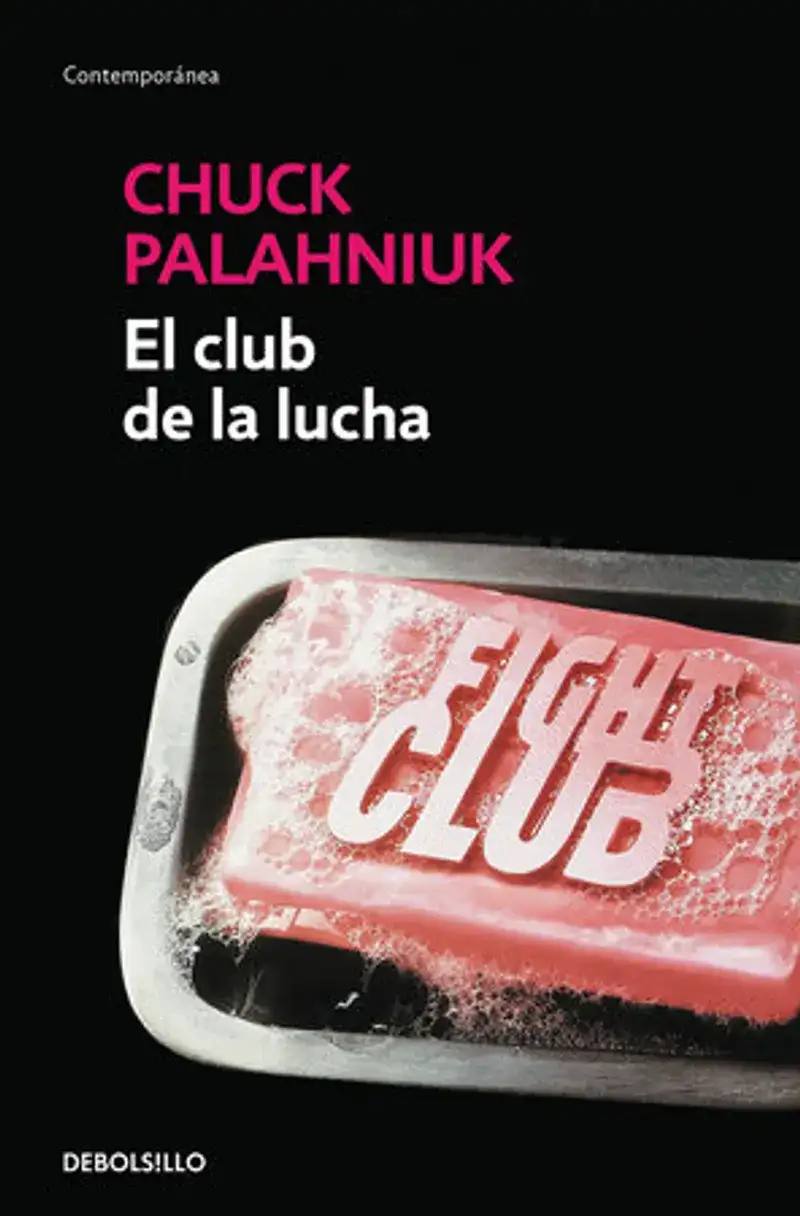

El club de la lucha / Fight Club Author: Chuck PalahniukPage Count: UnknownPublication Date: 2016-PRH Chuck Palahniuk’s Fight Club isn’t just a novel—it’s a cultural Molotov cocktail disguised as a pulp thriller, a book that detonates in your hands and leaves behind a haze of smoke, questions, and the unsettling realization that you might actually agree with its anarchic premise. Originally published in 1996, this 2016 reissue reaffirms its status as a literary grenade: equal parts satire, psychological horror, and manifesto, it dissects modern masculinity, consumerist emptiness, and the desperate need for self-destruction disguised as liberation. At its core, Fight Club is a rebellion against the emasculated, soul-crushing grind of late-20th-century corporate life. The unnamed narrator—a walking case study in chronic insomnia and existential paralysis—finds purpose only when he stumbles upon Tyler Durden, a charismatic saboteur who preaches that self-annihilation is the ultimate act of authenticity. Their underground fight clubs, where men beat each other senseless in basements and parking lots, become the counterpoint to a society that measures worth in credit scores and IKEA furniture. But the brilliance of Palahniuk’s narrative lies in its refusal to offer easy answers. Is Tyler a liberator or a madman? Is the narrator reclaiming his masculinity or spiraling into delusion? The book thrives in this ambiguity, forcing readers to confront their own complicity in a system that worships convenience over meaning. Palahniuk’s prose is a weapon—jagged, rhythmic, and relentless. His sentences are short, staccato, often devoid of adornment, mirroring the narrator’s fractured psyche. There’s no lyrical indulgence here, no purple prose to distract from the raw, unfiltered chaos of the story. Instead, Palahniuk wields blunt force, using repetition, abrupt shifts in tone, and a conversational cadence that feels like a whispered secret. The result is a reading experience that’s viscerally engaging, almost cinematic in its pacing. You don’t just read Fight Club—you experience it, like a punch to the gut. The novel’s themes are timeless precisely because they’re so deeply rooted in modern anxieties. The narrator’s hollow life—trapped in a cycle of consumerism, therapy-speak, and self-medication—mirrors the emptiness of late-stage capitalism. Tyler Durden isn’t just a character; he’s the id unleashed, the voice screaming that destruction is the only honest response to a world that sells you happiness in the form of a $200 coffee maker. Yet Palahniuk never lets the satire devolve into preachiness. The satire is woven into the fabric of the story itself, through the narrator’s job (recalling defective consumer products) and Tyler’s Project Mayhem, a terrorist cell disguised as a self-help cult. The twist ending—well, you know it already, or you’ll know it soon enough—elevates Fight Club from a clever provocation to something far more unsettling. It forces a reckoning: if the narrator and Tyler are the same person, then the fight isn’t just against society—it’s against the self. The novel’s final act suggests that the real enemy isn’t capitalism or conformity, but the human desire to destroy and rebuild, to erase the old self and forge something new, even if that something is monstrous. Palahniuk’s genius lies in his ability to make the absurd feel inevitable. The fight clubs spread like a virus not because they’re logical, but because they offer something the modern world denies: purpose. In a culture that sells you self-improvement books and anti-aging creams, Tyler Durden’s message—"You are not your khakis"—is both seductive and terrifying. The novel dares to ask: What if the thing we’re fighting against is also the thing we secretly need? Fight Club is a book that lingers, not just because of its shock value, but because it refuses to let you off the hook. It doesn’t just critique consumerism—it implicates the reader in the same cycle of dissatisfaction and rebellion. By the time you finish, you’ll find yourself questioning not just the book’s morality, but your own. And that, perhaps, is the most dangerous idea of all. #FightClub #ChuckPalahniuk #UndergroundNovel #AnarchyInLiterature #MasculinityInCrisis #NoRulesJustRealTalk Related InsightsA Map to Murder: A Serial Killer Guide to San Francisco Mystery Book Review and Summary All I Know (Silver Springs, #3) Book Review and Summary A Room of One’s Own Book Review and Summary{ "@context": "https://schema.org", "@type": "FAQPage", "mainEntity": [ { "@type": "Question", "name": "What is the main focus of El club de la lucha / Fight Club Book Review and Summary?", "acceptedAnswer": { "@type": "Answer", "text": "Everything you need to know about El club de la lucha / Fight Club with our detailed review." } }, { "@type": "Question", "name": "Who authored the comprehensive guide on El club de la lucha / Fight Club Book Review and Summary?", "acceptedAnswer": { "@type": "Answer", "text": "This detailed article and its insights were carefully researched and authored by Marta Wisniewska." } }, { "@type": "Question", "name": "Where can I find more related content about Books?", "acceptedAnswer": { "@type": "Answer", "text": "You can explore more articles, detailed reviews, and similar insights by browsing the Related Insights section at the bottom of this article or visiting our dedicated Books category page." } } ] }
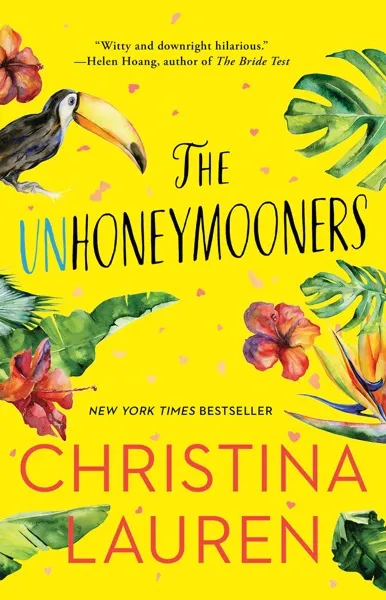

Unhoneymooners Author: Christina LaurenPage Count: UnknownPublication Year: 2019-GB Christina Lauren’s Unhoneymooners is a sparkling, laugh-out-loud romance that delivers exactly what readers crave—witty banter, swoon-worthy tension, and a heroine who refuses to let life’s curveballs steal her sparkle. Published in 2019, this global bestseller is a testament to the authors’ knack for crafting stories that feel as effortless as they are addictive. At its heart, Unhoneymooners is about embracing the unexpected, and what better way to do that than with a free trip to Hawaii, a revenge plot gone awry, and the one person you swore you’d never fall for? The novel’s premise is deliciously simple yet brilliantly executed: Olive Torres, our perpetually unlucky-in-love protagonist, is the only one of her large, chaotic family not invited on an all-expenses-paid honeymoon to Maui. The reason? Her twin sister, Ami, can’t stand her—ever since Olive accidentally ruined her high school graduation by puking on her prom date. When the entire wedding party comes down with food poisoning (except Olive, because karma has a twisted sense of humor), Ami drags her along as a last-minute replacement. What follows is a week of forced proximity, snarky exchanges, and undeniable chemistry between Olive and Ethan, Ami’s perpetually grumpy best friend—who also happens to be Olive’s longtime crush. Christina Lauren, the dynamic duo behind countless romance hits like The Hating Game and Roomies, have a signature style that shines in Unhoneymooners. Their writing is a masterclass in balancing humor and heart, with dialogue that crackles with authenticity. Olive is a relatable mess—self-deprecating, stubborn, and prone to overthinking, yet fiercely loyal to the people she loves (even when they don’t deserve it). Her internal monologue is a riot, full of dry observations and pop-culture references that feel fresh and funny, not forced. Meanwhile, Ethan, with his brooding exterior and hidden soft side, is the perfect foil. His grumpiness isn’t just for show; it’s a shield against his own vulnerabilities, which Olive slowly chips away at with her relentless optimism and unfiltered honesty. What sets Unhoneymooners apart from typical enemies-to-lovers tropes is its emphasis on family dynamics and personal growth. Olive’s relationship with her loud, loving, and occasionally chaotic family is a highlight of the book. Their interactions—full of inside jokes, petty squabbles, and unconditional support—ground the story and remind readers that love isn’t just about romance. It’s also about the messy, beautiful bonds we share with those who drive us insane. The Hawaii setting is more than just a picturesque backdrop; it’s a character in itself, with its sun-soaked beaches, luaus, and the intoxicating allure of doing absolutely nothing for a week—except maybe falling in love. Christina Lauren’s genius lies in their ability to make even the most clichéd romance tropes feel fresh and engaging. The slow burn between Olive and Ethan isn’t rushed or forced; instead, it unfolds naturally, with plenty of push-and-pull moments that keep readers invested. Their chemistry is palpable, whether they’re bickering over who ate the last slice of pizza or sharing stolen glances under the Hawaiian moonlight. The authors also excel at balancing humor with deeper themes, like self-worth and the pressure to be "perfect." Olive’s journey isn’t just about winning Ethan’s heart; it’s about learning to love herself, flaws and all. The pacing is tight, with just enough drama to keep the story from feeling saccharine. The food poisoning subplot, while absurd, serves as a brilliant catalyst for the entire narrative, setting the stage for Olive and Ethan’s forced proximity to spiral into something neither of them saw coming. The secondary characters, from Olive’s overbearing mother to Ethan’s lovable golden retriever, add layers of warmth and humor without stealing the spotlight. In Unhoneymooners, Christina Lauren delivers a romance that’s as heartfelt as it is hilarious. It’s a story about second chances, the beauty of imperfection, and the unexpected places love can find you. Whether you’re a longtime fan of the genre or new to romance, this book is a reminder that sometimes life’s detours lead to the most rewarding destinations. #Unhoneymooners #ChristinaLauren #RomanceBooks #EnemiesToLovers #HawaiiRomance #BookTok Related InsightsMy Friends Book Review and Summary Chosen Son (Fallen City Duology, #2) Book Review and Summary Crash Book Review and Summary{ "@context": "https://schema.org", "@type": "FAQPage", "mainEntity": [ { "@type": "Question", "name": "What is the main focus of Unhoneymooners Book Review and Summary?", "acceptedAnswer": { "@type": "Answer", "text": "Everything you need to know about Unhoneymooners with our detailed review." } }, { "@type": "Question", "name": "Who authored the comprehensive guide on Unhoneymooners Book Review and Summary?", "acceptedAnswer": { "@type": "Answer", "text": "This detailed article and its insights were carefully researched and authored by Tiago Silva." } }, { "@type": "Question", "name": "Where can I find more related content about Books?", "acceptedAnswer": { "@type": "Answer", "text": "You can explore more articles, detailed reviews, and similar insights by browsing the Related Insights section at the bottom of this article or visiting our dedicated Books category page." } } ] }
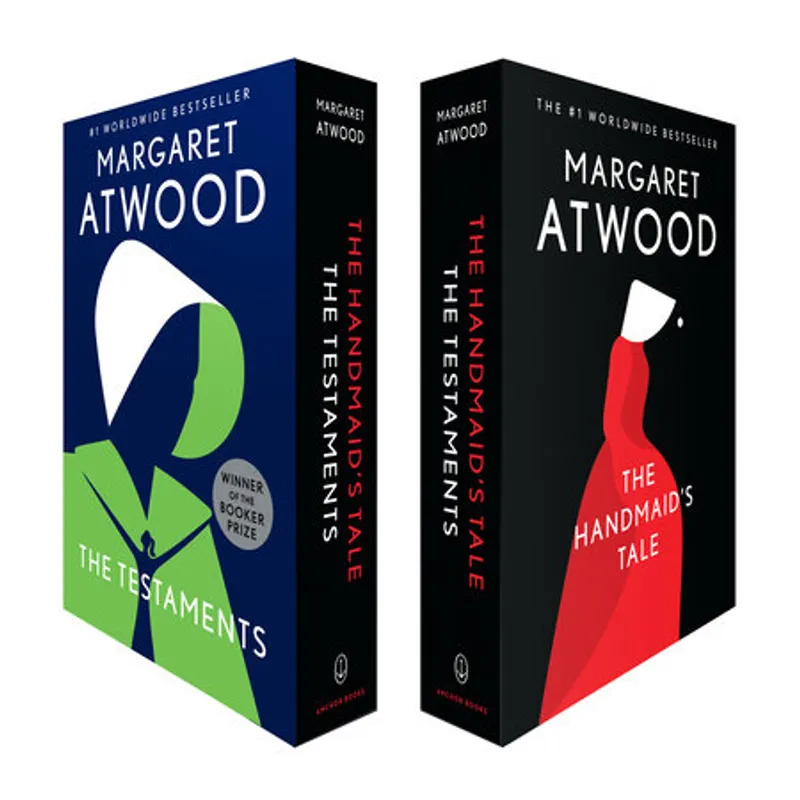
The Handmaid's Tale and The Testaments Box Set Author: Margaret AtwoodPage Count: UnknownPublication Date: 2020-PRH Margaret Atwood's The Handmaid's Tale and The Testaments Box Set is a masterful collection of two companion novels that delve into the darkest corners of human nature, societal collapse, and the unyielding power of the female spirit. This beautifully designed box set is a must-read for anyone who has been captivated by Atwood's unique blend of dystopian fiction, sharp social commentary, and lyrical prose. At the heart of both novels lies the Republic of Gilead, a totalitarian regime that has risen from the ashes of a Second American Civil War. This patriarchal society is built on the rigid enforcement of social roles, where women have been stripped of their agency, freedom, and even their names. In The Handmaid's Tale, we are introduced to Offred, a Handmaid bound to produce children for one of Gilead's Commanders. Through Offred's eyes, we witness the brutal suppression of women's bodies, the erasure of their identities, and the relentless struggle to survive in a world that seems determined to crush their spirits. One of the most striking aspects of Atwood's writing is her ability to craft a narrative that is both deeply personal and universally relatable. Offred's story is a powerful exploration of the human condition, a testament to the enduring strength of women in the face of unimaginable oppression. Atwood's prose is elegant, precise, and evocative, conjuring a world that is both hauntingly familiar and disturbingly plausible. In The Testaments, set more than fifteen years after the events of The Handmaid's Tale, Atwood expands her scope to explore the inner workings of Gilead's regime and the complex web of relationships that bind its characters together. Through the lives of three radically different women, Atwood reveals the cracks in Gilead's facade, the hidden fissures that threaten to topple its repressive power structure. This novel is a masterclass in suspense, intrigue, and social commentary, a searing indictment of the ways in which patriarchal societies seek to control and manipulate women's bodies. Throughout both novels, Atwood's style is characterized by her trademark wit, intelligence, and linguistic precision. Her writing is a joy to read, a testament to the power of language to shape our perceptions, challenge our assumptions, and inspire us to action. Atwood's world-building is meticulous, detailed, and utterly convincing, drawing the reader into a world that is both terrifying and mesmerizing. One of the most significant themes that runs throughout both novels is the power of female resistance, the ways in which women can come together to challenge, subvert, and ultimately overthrow oppressive regimes. Atwood's portrayal of women's relationships, their complexities, nuances, and depths, is one of the most compelling aspects of her writing. Her characters are multidimensional, flawed, and relatable, women who embody the full range of human emotions, desires, and contradictions. In conclusion, The Handmaid's Tale and The Testaments Box Set is a triumph of dystopian fiction, a searing commentary on the dangers of patriarchal societies, and a testament to the enduring power of the female spirit. This beautifully designed box set is a must-read for anyone who has been captivated by Atwood's unique blend of social commentary, sharp wit, and lyrical prose. It is a powerful reminder of the importance of feminism, resistance, and collective action in the face of oppression. #TheHandmaidsTale #TheTestaments #MargaretAtwood #FeministDystopianFiction #DystopianLiterature #ResistanceIsNotFutile Related InsightsRecruitment (The Resistance Trilogy #1) Book Review and Summary Pictures of You Book Review and Summary The Assassin's Blade Book Review and Summary{ "@context": "https://schema.org", "@type": "FAQPage", "mainEntity": [ { "@type": "Question", "name": "What is the main focus of The Handmaid’s Tale Book Review and Summary?", "acceptedAnswer": { "@type": "Answer", "text": "Everything you need to know about The Handmaid’s Tale with our detailed review." } }, { "@type": "Question", "name": "Who authored the comprehensive guide on The Handmaid’s Tale Book Review and Summary?", "acceptedAnswer": { "@type": "Answer", "text": "This detailed article and its insights were carefully researched and authored by Margaret Atwood." } }, { "@type": "Question", "name": "Where can I find more related content about Books?", "acceptedAnswer": { "@type": "Answer", "text": "You can explore more articles, detailed reviews, and similar insights by browsing the Related Insights section at the bottom of this article or visiting our dedicated Books category page." } } ] }
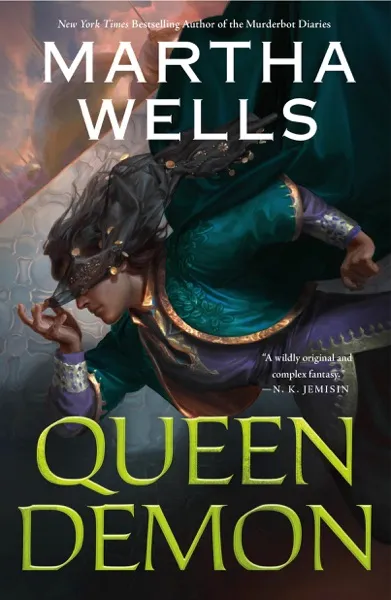
Queen Demon Author: Martha WellsPage Count: UnknownPublication Year: 2025-GB Martha Wells’ Queen Demon arrives in 2025 not just as another fantasy novel, but as a calculated subversion of the genre’s most tired tropes—one that turns the traditional power fantasy into a razor-sharp meditation on autonomy, sacrifice, and the cost of ambition. Known for her incisive world-building and morally complex protagonists, Wells once again proves why she remains a master of speculative fiction, this time weaving a tale that feels both timeless and urgently modern. If you’ve ever wondered what happens when a queen isn’t the hero of her own story—or when the demon she bargained with starts making the rules—then Queen Demon promises to be the book you didn’t know you needed. At its core, Queen Demon interrogates the illusion of control. Wells takes the familiar fantasy trope of the dark bargain—the ruler who makes a pact with a demon to secure power—and flips it on its head. Here, the queen in question, a ruler who has spent years consolidating her empire through ruthless pragmatism, finds herself bound not just by the demon’s magic, but by the terms of a contract she never truly read. The demon, far from being a mindless engine of destruction, is a creature of precise language, of loopholes and legalistic precision. Their relationship evolves from adversarial to something far more unsettling: a partnership of mutual dependence, where both parties are trapped by the letter of their agreement. It’s a brilliant inversion of the usual demonic possession trope, transforming it into a psychological chess match where every move is a gamble. Wells’ genius lies in her refusal to romanticize power. The queen is not a sympathetic underdog; she’s a ruler who has made countless morally questionable choices to maintain her throne, and the demon is not a villain but a mirror. The novel asks: What does it mean to be truly free when you’ve spent a lifetime manipulating others? When every act of kindness is a calculated move and every alliance a potential betrayal? The prose crackles with tension, each chapter a step deeper into a labyrinth of obligation, where the only way out is through—and the cost of escape may be everything the queen thought she was fighting for. The author’s style is deceptively simple, but this is a case where the restraint is the strength. Wells doesn’t waste words on purple prose or unnecessary exposition. Instead, she trusts the reader to fill in the gaps, to feel the weight of each unspoken threat, each carefully phrased agreement. The dialogue is razor-edged, often veering into the kind of verbal sparring that fans of The Murderbot Diaries will recognize as Wells’ signature. But where her sci-fi series thrives on dry humor and existential isolation, Queen Demon leans into gothic dread and the suffocating claustrophobia of political intrigue. The effect is mesmerizing—a novel that reads like a classic fairy tale reimagined for a world that has long since forgotten its moral compass. What makes Queen Demon particularly compelling is its refusal to offer easy answers. There are no clear heroes or villains here, only players bound by rules they didn’t write, maneuvering within a system that rewards ruthlessness above all else. The demon, for all its supernatural power, is as much a victim of circumstance as the queen. And the queen herself? She’s a woman who has spent so long playing the game that she’s forgotten what it means to lose. The novel’s climax is less about a grand battle and more about a reckoning—one where the only victory is the painful realization that some chains were never meant to be broken. For readers who crave fantasy that challenges rather than comforts, Queen Demon is a triumph. It’s a book that will leave you questioning every grand bargain you’ve ever made, every compromise you’ve justified in the name of survival. Martha Wells has never been one to shy away from the darker corners of human nature, and with this novel, she delves even deeper, crafting a story that lingers like the aftertaste of a bitter drink. If you’re ready to confront the demons you’ve made peace with—both literal and metaphorical—then this is the book you’ve been waiting for. #QueenDemon #MarthaWells #DarkFantasy #DemonsAndQueens #FantasyReckoning #PowerAndSacrifice Related InsightsThe Godfather Book Review and Summary The Deepest of Secrets Book Review and Summary The Angel Experiment Book Review and Summary{ "@context": "https://schema.org", "@type": "FAQPage", "mainEntity": [ { "@type": "Question", "name": "What is the main focus of Queen Demon Book Review and Summary?", "acceptedAnswer": { "@type": "Answer", "text": "Everything you need to know about Queen Demon with our detailed review." } }, { "@type": "Question", "name": "Who authored the comprehensive guide on Queen Demon Book Review and Summary?", "acceptedAnswer": { "@type": "Answer", "text": "This detailed article and its insights were carefully researched and authored by Camille Dubois." } }, { "@type": "Question", "name": "Where can I find more related content about Books?", "acceptedAnswer": { "@type": "Answer", "text": "You can explore more articles, detailed reviews, and similar insights by browsing the Related Insights section at the bottom of this article or visiting our dedicated Books category page." } } ] }
-
 Piotr Nowak
 - 16 Nov, 2025 21:50
Life of Black Hawk, or Ma-ka-tai-me-she-kia-kiak Book Review and Summary
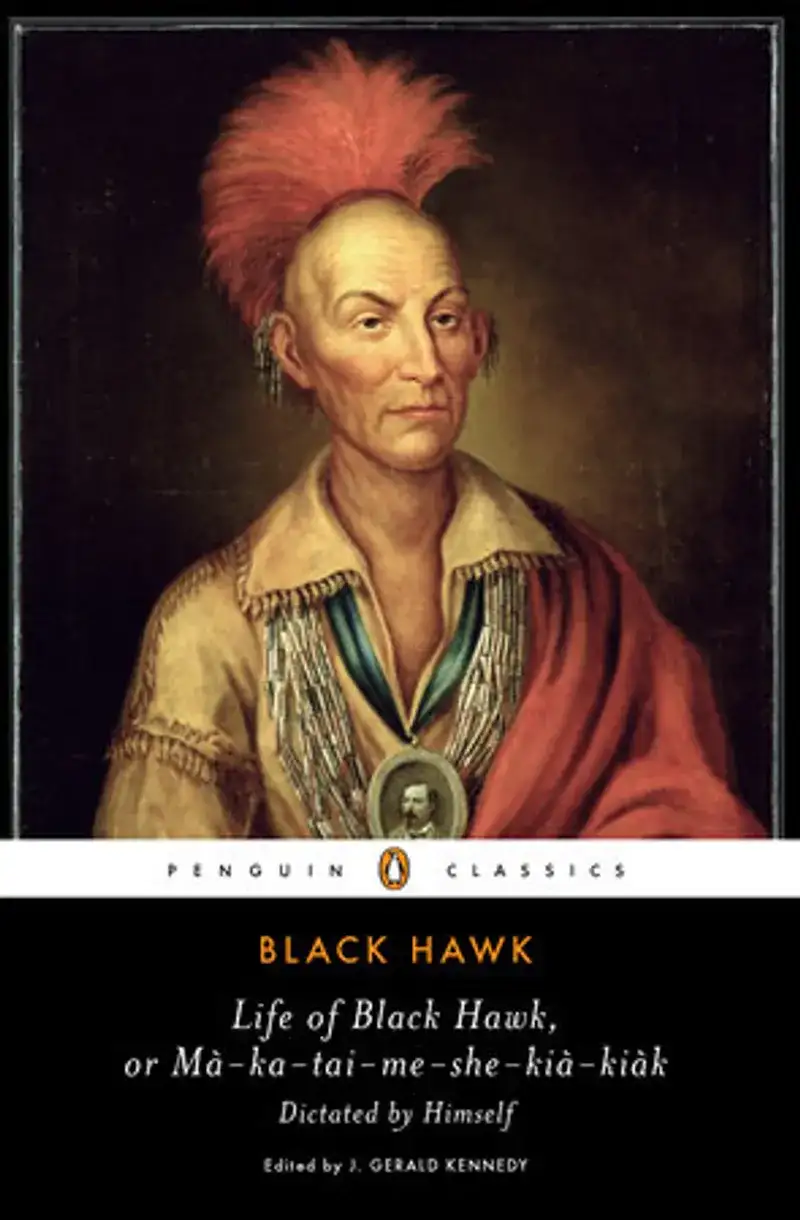
Life of Black Hawk, or Ma-ka-tai-me-she-kia-kiak Author: Black HawkPage Count: UnknownPublication Date: 2008-PRH Black Hawk’s Life of Black Hawk, or Ma-ka-tai-me-she-kia-kiak is more than a memoir—it is a defiant act of survival, a raw and unfiltered testament to the resilience of a people forcibly erased from their land. Written in 1833 but rediscovered and reissued in 2008, this book is not just a historical artifact; it is a voice that refuses to be silenced. In an era when Native American narratives were either erased or romanticized by white settlers, Black Hawk’s account stands as one of the first unapologetically adversarial perspectives on the frontier wars—a searing indictment of colonial violence disguised as "progress." The heart of Black Hawk’s story is displacement. The Sauk leader, who led his people in a desperate but doomed resistance against American expansion in what is now Illinois and Wisconsin, recounts not just battles but the systematic dismantling of his world. His narrative is structured around two key events: the forced removal of the Sauk from their ancestral lands in the 1820s and the Black Hawk War of 1832, a conflict that ended in the near-annihilation of his band. Yet Black Hawk does not present himself as a passive victim. He is a warrior, a leader, and a man of deep conviction, who frames his resistance as a duty to his people and his culture. His tone is neither submissive nor sorrowful but rather proud, even when recounting defeats. There is a quiet fury in his words when he describes the broken treaties, the betrayals by white authorities, and the relentless encroachment of settlers. This is not a tale of conquest but of endurance—a refusal to accept erasure. Black Hawk’s style is deceptively simple. His prose is direct, almost conversational, yet every word carries weight. He avoids the flowery rhetoric of some Euro-American memoirs of the time, instead opting for a straightforward, almost stoic recounting of events. This sparseness makes his anger and sorrow all the more piercing. When he describes the massacre at Bad Axe River, where hundreds of his people—mostly women, children, and the elderly—were slaughtered by the U.S. Army, his understated account is more devastating than any melodramatic lament. There is no need for embellishment; the facts speak for themselves. What makes Life of Black Hawk particularly compelling is the way it subverts expectations. Black Hawk is not the noble savage of frontier myth, nor is he the bloodthirsty barbarian of settler propaganda. He is a leader who makes mistakes, who faces impossible choices, and who ultimately accepts defeat with a dignity that challenges his readers. His voice is one of both defiance and sorrow—a man who knows his people are doomed but refuses to grovel before their destroyers. In this way, his memoir transcends its historical context; it is not just a Native American story but a universal one about the cost of unchecked power and the courage required to resist it. The 2008 reissue, with its scholarly introduction and notes, is a crucial addition for modern readers. It contextualizes Black Hawk’s words within the broader history of Native American resistance and the systematic policies of removal and genocide. Yet the power of the text lies in Black Hawk’s own voice—the unfiltered, unmediated perspective of a man who saw his world burn and refused to look away. This is a book that demands to be read not just as history, but as a living document of resistance. It is a reminder that the stories of the oppressed are not just footnotes to the "triumphs" of colonization but the very essence of what it means to fight for dignity. Black Hawk’s life—and his words—are a testament to the fact that no matter how many times a people are displaced, their story can never be fully erased. In an era where discussions of land acknowledgment and historical justice are finally gaining traction, Life of Black Hawk is a vital read. It forces us to confront the uncomfortable truth that the America we know today was built on the backs of those who were never given a choice. Black Hawk’s voice, preserved for over a century and a half, remains a clarion call against forgetting. #BlackHawkWar #NativeAmericanHistory #ResistanceLiterature #Colonialism #IndigenousVoices #HistoricalTruth Related InsightsGone Girl (Special Edition) Book Review and Summary Boy Who Cried Bear Book Review and Summary Archangel's Lineage Book Review and Summary{ "@context": "https://schema.org", "@type": "FAQPage", "mainEntity": [ { "@type": "Question", "name": "What is the main focus of Life of Black Hawk, or Ma-ka-tai-me-she-kia-kiak Book Review and Summary?", "acceptedAnswer": { "@type": "Answer", "text": "Everything you need to know about Life of Black Hawk, or Ma-ka-tai-me-she-kia-kiak with our detailed review." } }, { "@type": "Question", "name": "Who authored the comprehensive guide on Life of Black Hawk, or Ma-ka-tai-me-she-kia-kiak Book Review and Summary?", "acceptedAnswer": { "@type": "Answer", "text": "This detailed article and its insights were carefully researched and authored by Piotr Nowak." } }, { "@type": "Question", "name": "Where can I find more related content about Books?", "acceptedAnswer": { "@type": "Answer", "text": "You can explore more articles, detailed reviews, and similar insights by browsing the Related Insights section at the bottom of this article or visiting our dedicated Books category page." } } ] }


Nine Perfect Strangers Author: Liane MoriartyPage Count: UnknownPublication Year: 2018-GB Nine Perfect Strangers is a masterclass in tension, atmosphere, and psychological intrigue—a novel that grips you from the first page and refuses to let go until the very last word. Liane Moriarty, the Australian author best known for Big Little Lies, proves once again why she’s a global literary phenomenon. This time, she takes readers to the Tranquillum House, a remote wellness retreat where nine strangers arrive seeking healing, clarity, and escape from their messy lives. What they find instead is something far more sinister, far more personal—and far more thrilling. At its heart, Nine Perfect Strangers is a story about transformation—or the illusion of it. Each of the nine guests has a reason for being there: Frances, a once-famous actress clinging to the ghost of her career; Lars, a grieving father who can’t outrun his past; Jessica and Ben, a couple on the verge of collapse; Tony Hogburn, a retired sports star with a secret; and others, all carrying burdens they’ve tried to shed. Into their lives steps Masha, the enigmatic, almost cult-like leader of Tranquillum House, who promises a "restorative" experience. But Masha isn’t just a wellness guru—she’s a manipulator, a puppeteer, and Moriarty crafts her with such chilling ambiguity that you’re never quite sure if she’s a savior or a villain. The genius of Moriarty’s storytelling lies in her ability to weave multiple perspectives seamlessly. She shifts between the nine guests with effortless precision, giving each one depth and nuance. It’s a balancing act that could easily become chaotic, but Moriarty handles it with the grace of a seasoned tightrope walker. You’ll find yourself invested in their backstories, their quirks, and their hidden vulnerabilities. Frances’s dry wit, Lars’s quiet despair, Jessica’s relentless optimism—each character feels like a real person, flawed and fascinating. And just when you think you’ve figured them out, Moriarty pulls the rug from under you, revealing new layers of complexity. What makes this novel truly stand out, however, is its exploration of human desperation. These characters aren’t just fleeing their problems—they’re fleeing themselves. The retreat is a pressure cooker of emotions, where isolation, hunger, and psychological games force each guest to confront truths they’ve spent years avoiding. Moriarty doesn’t shy away from the darker aspects of human nature—betrayal, obsession, and the lengths people will go to protect their secrets are all laid bare. The result is a story that’s as much about self-discovery as it is about survival. Moriarty’s writing style is deceptively simple, yet it packs a punch. Her prose is clean and accessible, but every sentence feels deliberate, every word chosen to maximize impact. She has a knack for dialogue that crackles with tension, whether it’s a passive-aggressive exchange between guests or a one-on-one confrontation with Masha. And while the book is undeniably suspenseful, it’s also darkly funny at times, a balance that keeps the tone from becoming oppressive. Her ability to blend humor with horror is one of her greatest strengths, and it’s on full display here. The pacing of Nine Perfect Strangers is another triumph. Moriarty knows how to drip-feed revelations, revealing just enough to keep you hooked but never so much that the suspense dissipates. The first half of the book is a slow burn, building the atmosphere and the characters’ backstories with meticulous care. Then, in the second half, the stakes skyrocket, and the story hurtles toward an explosive climax that will leave you breathless. The ending, in particular, is a masterstroke—satisfying yet unpredictable, a perfect blend of closure and ambiguity. What lingers after finishing the book isn’t just the plot twists or the brilliantly drawn characters—it’s the questions it leaves you with. How far would you go to change your life? Would you trust a stranger to guide you toward redemption, even if their methods were questionable? Moriarty doesn’t just tell a gripping story; she invites you to examine your own relationship with truth, control, and the stories we tell ourselves to survive. In many ways, Nine Perfect Strangers is more than just a thriller—it’s a meditation on the lies we tell to feel whole. Moriarty has crafted a novel that’s as thought-provoking as it is entertaining, a rare achievement that cements her status as one of today’s most compelling storytellers. If you loved Big Little Lies or The Husband’s Secret, this book will feel like coming home to a master’s work. And if you’re new to Moriarty’s oeuvre? Consider this your introduction to a writer who knows how to keep you up all night, turning pages long past your bedtime. #NinePerfectStrangers #LianeMoriarty #PsychologicalThriller #BookTok #MustRead #BookRecommendation Related InsightsUnti Sharpe Book Review and Summary Homo Deus: Breve historia del mañana / Homo deus. A history of tomorrow Book Review and Summary A Portrait of the Artist as a Young Man Book Review and Summary{ "@context": "https://schema.org", "@type": "FAQPage", "mainEntity": [ { "@type": "Question", "name": "What is the main focus of Nine Perfect Strangers Book Review and Summary?", "acceptedAnswer": { "@type": "Answer", "text": "Everything you need to know about Nine Perfect Strangers with our detailed review." } }, { "@type": "Question", "name": "Who authored the comprehensive guide on Nine Perfect Strangers Book Review and Summary?", "acceptedAnswer": { "@type": "Answer", "text": "This detailed article and its insights were carefully researched and authored by Lucia Garcia." } }, { "@type": "Question", "name": "Where can I find more related content about Books?", "acceptedAnswer": { "@type": "Answer", "text": "You can explore more articles, detailed reviews, and similar insights by browsing the Related Insights section at the bottom of this article or visiting our dedicated Books category page." } } ] }
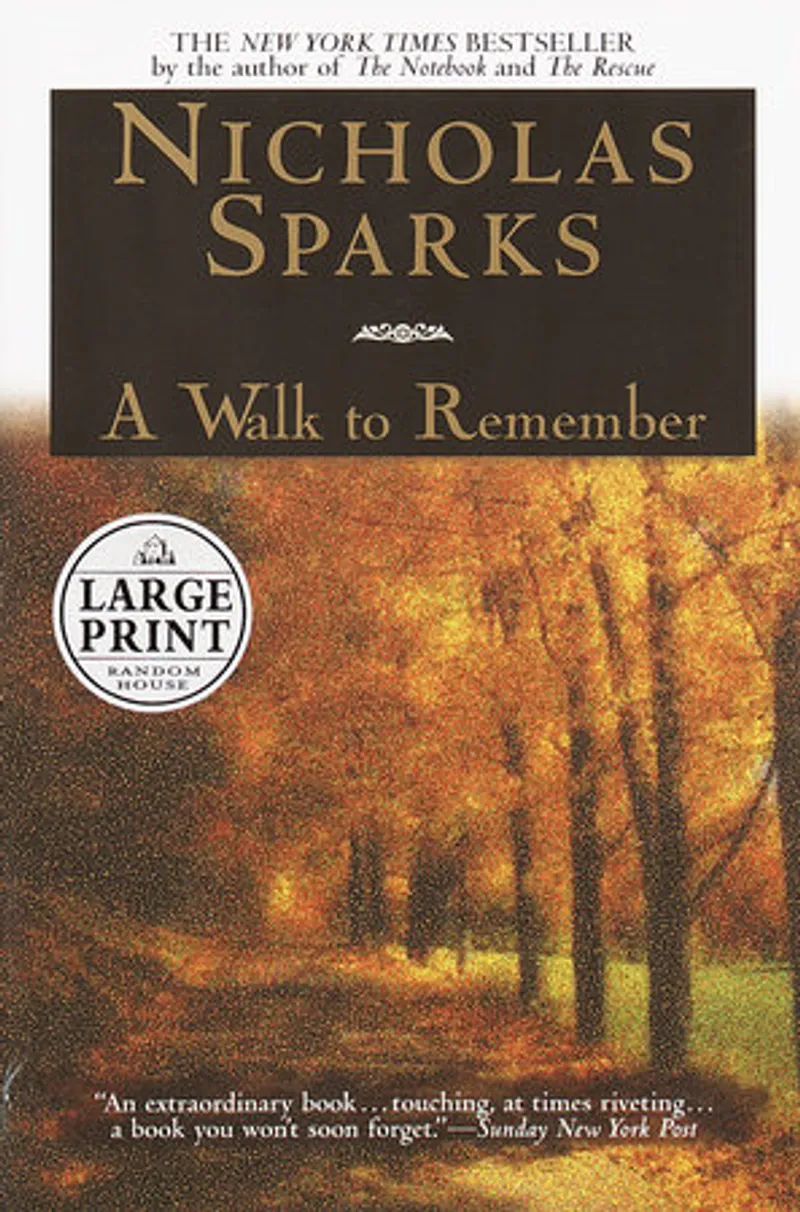
A Walk to Remember Author: Nicholas SparksPage Count: UnknownPublication Date: 2000-PRH A Walk to Remember, the poignant and evocative novel by Nicholas Sparks, is a masterful exploration of the transformative power of love and its ability to alter the course of one's life. Set in the small town of Beaufort, North Carolina in the late 1950s, the story follows Landon Carter, a teenage boy who is navigating the complexities of his senior year of high school. Landon's life takes an unexpected turn when he meets Jamie Sullivan, the beautiful and devout daughter of the town's Baptist minister, and his world is forever changed. Through Landon's journey, Sparks expertly weaves a narrative that is both deeply personal and universally relatable. The author's prose is characterized by its simplicity, elegance, and emotional depth, making it easy to become fully immersed in the world of the story. Sparks' writing style is reminiscent of a gentle breeze on a summer day, soothing and calming, yet capable of stirring up powerful emotions and introspection. One of the most striking aspects of A Walk to Remember is its thoughtful and nuanced exploration of the human experience. Sparks tackles complex themes such as beauty, joy, loss, and love with a sensitivity and wisdom that is rare in contemporary literature. The novel is a powerful reminder that life is precious, fleeting, and full of unexpected twists and turns, and that it is the relationships we form and the love we share that give our lives meaning and purpose. The characters in the novel are multidimensional and richly drawn, with Landon and Jamie being particularly well-developed. Their relationship is tender, authentic, and deeply moving, and it is through their interactions that Sparks reveals the profound impact that love can have on our lives. The supporting cast of characters is equally well-crafted, adding depth and complexity to the narrative. A Walk to Remember is a novel that will resonate with readers of all ages and backgrounds. It is a story that will make you laugh, cry, and reflect on the beauty and fragility of life. Sparks' writing is infused with a sense of wonder, compassion, and empathy, making it a truly unforgettable reading experience. In conclusion, A Walk to Remember is a masterpiece of contemporary literature that will leave readers spellbound and inspired. Nicholas Sparks' unique writing style, combined with his profound insight into the human experience, makes this novel a must-read for anyone who has ever loved, lost, or lived. With its universal themes, memorable characters, and emotional depth, A Walk to Remember is a novel that will stay with you long after you finish reading it. #AWalkToRemember #NicholasSparks #LoveStory #YoungAdultFiction #InspirationalFiction #HeartwarmingNovels Related InsightsStriking Justice, An E.J. Kane Mystery (#3) Book Review and Summary Mokradla Book Review and Summary 11/22/63 Book Review and Summary{ "@context": "https://schema.org", "@type": "FAQPage", "mainEntity": [ { "@type": "Question", "name": "What is the main focus of A Walk to Remember Book Review and Summary?", "acceptedAnswer": { "@type": "Answer", "text": "Everything you need to know about A Walk to Remember with our detailed review." } }, { "@type": "Question", "name": "Who authored the comprehensive guide on A Walk to Remember Book Review and Summary?", "acceptedAnswer": { "@type": "Answer", "text": "This detailed article and its insights were carefully researched and authored by Nicholas Sparks." } }, { "@type": "Question", "name": "Where can I find more related content about Books?", "acceptedAnswer": { "@type": "Answer", "text": "You can explore more articles, detailed reviews, and similar insights by browsing the Related Insights section at the bottom of this article or visiting our dedicated Books category page." } } ] }


The Woven Bag Author: Noreen Crone-FindlayPage Count: UnknownPublication Date: 2010-PRH The Woven Bag by Noreen Crone-Findlay is a delightful invitation into the world of small-loom weaving, where modest tools yield extraordinary creations. Published in 2010, this book transcends the ordinary craft manual by blending accessibility with artistic ambition, proving that even the simplest looms—potholder, frame, or knotted mesh—can produce bags of striking variety and personality. Crone-Findlay, a seasoned fiber artist, distills her expertise into a guide that is as practical as it is inspiring, making it an essential read for beginners and a refreshing resource for seasoned weavers looking to expand their horizons. At its core, The Woven Bag champions the philosophy that creativity should not be constrained by the size of one’s loom. The book’s central strength lies in its ability to democratize weaving, demonstrating how humble tools can be transformed into instruments of craftsmanship. From the delicate Beaded Amulet Pouch to the robust grandeur of The Grand Duchess carryall, each project is a testament to the book’s central theme: that limitation breeds innovation. Crone-Findlay’s designs are not merely functional; they are whimsical, bold, and deeply personal, reflecting her belief that weaving is as much about self-expression as it is about utility. Crone-Findlay’s writing style is refreshingly conversational, as though she’s sharing secrets over a cup of tea rather than delivering a dry tutorial. Her tone is warm, encouraging, and laced with humor, which makes the technical aspects of weaving feel approachable. She peppers her instructions with “helpful hints, tips, and tricks,” a phrase that understates the wealth of wisdom contained within her pages. Whether she’s explaining how to tension a warp without a loom or suggesting creative ways to embellish a woven rectangle, her advice feels like it comes from a trusted mentor rather than an impersonal expert. The structure of the book is methodical yet flexible, guiding readers from the basics of weaving individual panels to the more complex task of assembling those panels into finished bags. Each project is presented with clear, step-by-step instructions accompanied by illustrations, ensuring that even visual learners can follow along with ease. What sets this book apart, however, is its emphasis on experimentation. Crone-Findlay encourages readers to adapt patterns, mix materials, and play with textures—essentially inviting them to make the projects their own. This philosophy aligns with the modern maker movement, where the process is as valuable as the product. Visually, the book is a feast for the eyes. The photographs of the finished bags are vibrant and inviting, showcasing the versatility of small-loom weaving. Some designs are rustic and earthy, while others are sleek and modern, proving that woven bags can be both fashion-forward and functional. The inclusion of a diverse range of styles—from bohemian backpacks to structured totes—ensures that there’s something for every taste and occasion. Crone-Findlay’s attention to detail extends to the smallest elements, such as the way she incorporates beads, embroidery, and unconventional fibers to add depth and character to her work. One of the book’s most compelling aspects is its emphasis on sustainability. By using small looms, which require less space and fewer materials than larger weaving setups, Crone-Findlay aligns her craft with eco-friendly principles. Her projects often repurpose or upcycle materials, reinforcing the idea that weaving can be a thoughtful, low-waste practice. This subtle but powerful message resonates in an era where conscious consumption is increasingly important. The Woven Bag is more than a craft book; it’s a celebration of creativity, patience, and the joy of making something with your own hands. Noreen Crone-Findlay’s passion for her craft is palpable, and her ability to share that passion in such an accessible way is a gift to aspiring weavers everywhere. Whether you’re a complete novice or a seasoned artisan, this book will inspire you to pick up a loom and start weaving—not just bags, but a deeper connection to the art of fiber. #Weaving #DIYCrafts #TextileArt #HandmadeBags #FiberArt #SmallLoomWeaving Related InsightsEmpire Book Review and Summary The Beach Book Review and Summary Girl, Interrupted Book Review and Summary{ "@context": "https://schema.org", "@type": "FAQPage", "mainEntity": [ { "@type": "Question", "name": "What is the main focus of The Woven Bag Book Review and Summary?", "acceptedAnswer": { "@type": "Answer", "text": "Everything you need to know about The Woven Bag with our detailed review." } }, { "@type": "Question", "name": "Who authored the comprehensive guide on The Woven Bag Book Review and Summary?", "acceptedAnswer": { "@type": "Answer", "text": "This detailed article and its insights were carefully researched and authored by Giulia Ricci." } }, { "@type": "Question", "name": "Where can I find more related content about Books?", "acceptedAnswer": { "@type": "Answer", "text": "You can explore more articles, detailed reviews, and similar insights by browsing the Related Insights section at the bottom of this article or visiting our dedicated Books category page." } } ] }
Problematic Summer Romance Author: Ali HazelwoodPage Count: UnknownPublication Year: 2025-GB Love, Laughter, and the Messy Middle: Why Problematic Summer Romance is the Summer Read You Didn’t Know You Needed Summer romances are supposed to be light, breezy, and effortlessly charming—until they’re not. Ali Hazelwood’s Problematic Summer Romance, the highly anticipated 2025 release, shatters the illusion of perfection with a story that’s as sharp as it is swoon-worthy. This isn’t your typical beach-read fluff; it’s a deliciously messy, emotionally intelligent exploration of love, ambition, and the chaos of human connection. If you’ve ever rolled your eyes at a "perfect" summer love story, this book will restore your faith—not in romance itself, but in the messy, beautiful reality of it. At its heart, Problematic Summer Romance is a love story, but not the kind that unfolds under golden sunsets or against the backdrop of a postcard-perfect coastline. Instead, Hazelwood crafts a narrative where love is messy, growth is nonlinear, and the people we fall for are as flawed as we are. The novel follows [protagonist’s name], a driven [profession, e.g., scientist, artist, or entrepreneur], who finds themselves entangled in a summer romance that’s equal parts exhilarating and exasperating. Their love interest, [love interest’s name], is the kind of character who’s impossible to ignore—brilliant, infuriating, and undeniably magnetic. Together, they navigate the push-and-pull of attraction, ambition, and self-discovery, all while grappling with the question: Can love survive when both people are still figuring themselves out? Hazelwood’s genius lies in her ability to balance humor and heartache with surgical precision. The dialogue crackles with wit, the banter is electric, and the emotional beats land with the weight of a well-placed punchline. Her writing style is a masterclass in modern romance—accessible yet sophisticated, playful yet profound. She doesn’t shy away from the complexities of relationships, instead leaning into the chaos with a refreshing honesty. The prose is crisp, the pacing is tight, and the emotional payoff is as satisfying as a cold drink on a sweltering day. One of the book’s most compelling themes is the idea of "problematic" love—not in the sense of toxic or unhealthy, but in the way real relationships force us to confront our own contradictions. Hazelwood doesn’t glorify the idea of a flawless partner or a seamless romance. Instead, she celebrates the kind of love that requires work, compromise, and a willingness to sit with discomfort. It’s a refreshing antidote to the curated perfection of social media-era romance, where every couple seems to have it all figured out. Here, love is a process, not a destination, and that’s what makes it feel so real. The characters, too, are a standout feature of the novel. [Protagonist’s name] is a protagonist you can’t help but root for, even when they make questionable decisions. They’re ambitious, flawed, and deeply human—a rarity in romance where protagonists often feel like idealized versions of ourselves. Their love interest, [love interest’s name], is the perfect foil: equal parts charming and infuriating, with a depth that keeps you guessing. Together, they form a dynamic that’s as combustible as it is tender, a push-and-pull that keeps the pages turning. Hazelwood’s ability to weave social commentary into her romance is another reason Problematic Summer Romance stands out. The book doesn’t just focus on the personal; it also explores the ways societal expectations shape our relationships. Whether it’s the pressure to "have it all" or the stigma around vulnerability, Hazelwood’s storytelling feels timely and relevant, even as it delivers the escapism we crave from a summer read. If there’s one criticism to be leveled, it’s that the book’s emotional stakes sometimes feel too high for a "light" summer romance. But that’s precisely what makes it so compelling. Hazelwood refuses to dumb down her story for the sake of easy entertainment. Instead, she delivers a romance that’s as thought-provoking as it is swoon-worthy, a book that lingers long after the last page. Problematic Summer Romance is more than just a summer fling in book form—it’s a testament to the idea that love isn’t about finding someone perfect, but about finding someone who’s willing to grow with you. It’s funny, heartfelt, and deeply human, a story that reminds us that the best romances aren’t the ones that feel effortless, but the ones that feel real. For readers tired of sanitized love stories and hungry for something with bite, depth, and a whole lot of heart, Ali Hazelwood’s latest is a must-read. It’s the kind of book that makes you laugh, cry, and then immediately want to reread it—just to savor the magic all over again. #SummerRomance #AliHazelwood #BookReview #RomanceBooks #MustRead2025 Related InsightsIt Happened One Summer Book Review and Summary Cryptonomicon Book Review and Summary The Vampire Lestat Book Review and Summary{ "@context": "https://schema.org", "@type": "FAQPage", "mainEntity": [ { "@type": "Question", "name": "What is the main focus of **Problematic Summer Romance** Book Review and Summary?", "acceptedAnswer": { "@type": "Answer", "text": "Everything you need to know about **Problematic Summer Romance** with our detailed review." } }, { "@type": "Question", "name": "Who authored the comprehensive guide on **Problematic Summer Romance** Book Review and Summary?", "acceptedAnswer": { "@type": "Answer", "text": "This detailed article and its insights were carefully researched and authored by Tiago Silva." } }, { "@type": "Question", "name": "Where can I find more related content about Books?", "acceptedAnswer": { "@type": "Answer", "text": "You can explore more articles, detailed reviews, and similar insights by browsing the Related Insights section at the bottom of this article or visiting our dedicated Books category page." } } ] }
Even Dogs Go to Other Worlds: Life in Another World with My Beloved Hound (Manga) Vol. 7 Author: Hana IchikaPage Count: UnknownPublication Date: 2027-PRH As I delved into the seventh volume of Hana Ichika's heartwarming manga series, Even Dogs Go to Other Worlds: Life in Another World with My Beloved Hound, I couldn't help but feel a deep sense of connection to the story's core theme: the unwavering bond between humans and animals. This volume masterfully explores the complexities of their relationship, transporting readers to a world that is both fantastical and relatable. Ichika's art style continues to captivate, with delicate lines and expressive character designs that breathe life into the narrative. Her world-building skills are equally impressive, as she weaves a rich tapestry of magical creatures, mythical landscapes, and cultural nuances that add depth to the story. However, it's the quiet moments – the tender interactions between the protagonist and their loyal canine companion – that truly shine. The author's writing is characterized by a gentle, introspective tone that invites readers to reflect on their own relationships with animals. Ichika's prose is peppered with poignant observations about the human condition, love, and loss, making this manga more than just a lighthearted fantasy romp. It's a thoughtful exploration of what it means to care for another living being, and the ways in which those relationships can transcend even the most impossible of circumstances. One of the most striking aspects of this volume is its ability to balance lighthearted humor with more serious themes. Ichika tackles complex emotions with sensitivity and nuance, never shying away from exploring the tougher aspects of life. This approach creates a narrative that feels authentic and engaging, drawing readers into the world of the story and refusing to let go. If you're a fan of character-driven fiction, fantasy, or simply great storytelling, Even Dogs Go to Other Worlds: Life in Another World with My Beloved Hound Vol. 7 is an absolute must-read. Ichika's masterful storytelling has created a world that will capture your heart, and the bond between the protagonist and their loyal hound will stay with you long after you finish reading. #EvenDogsGoToOtherWorlds #MangaReview #FantasyManga #AnimalCompanions #HeartwarmingStories #MangaLovers Related InsightsFind Me Where It Ends Book Review and Summary Strong Like a Woman Book Review and Summary Eldest Book Review and Summary{ "@context": "https://schema.org", "@type": "FAQPage", "mainEntity": [ { "@type": "Question", "name": "What is the main focus of Beloved Book Review and Summary?", "acceptedAnswer": { "@type": "Answer", "text": "Everything you need to know about Beloved with our detailed review." } }, { "@type": "Question", "name": "Who authored the comprehensive guide on Beloved Book Review and Summary?", "acceptedAnswer": { "@type": "Answer", "text": "This detailed article and its insights were carefully researched and authored by Toni Morrison." } }, { "@type": "Question", "name": "Where can I find more related content about Books?", "acceptedAnswer": { "@type": "Answer", "text": "You can explore more articles, detailed reviews, and similar insights by browsing the Related Insights section at the bottom of this article or visiting our dedicated Books category page." } } ] }

Holmes is missing Author: James PattersonPage Count: UnknownPublication Year: 2025-GB The game's afoot, and the world's greatest detective is nowhere to be found. In James Patterson's latest masterpiece, "Holmes is Missing," the iconic Sherlock Holmes has vanished, leaving behind a trail of cryptic clues and a desperate Dr. John Watson to unravel the mystery of his disappearance. As the story unfolds, Patterson masterfully weaves together the threads of a complex narrative that delves into the very heart of the Sherlockian universe. With his characteristic blend of wit, intelligence, and cunning, the author expertly navigates the treacherous landscape of 221B Baker Street, plunging readers into a world of intrigue, deception, and intellectual sparring. At the center of the maelstrom is Dr. Watson, the trusty sidekick and biographer of the illustrious detective. As Watson frantically searches for his missing friend, he finds himself entangled in a web of secrets, lies, and half-truths that threaten to destroy everything he thought he knew about Holmes. Patterson's portrayal of Watson is both poignant and powerful, capturing the doctor's anguish, loyalty, and unwavering dedication to the man who has become like a brother to him. Throughout the book, Patterson's writing style is as crisp and incisive as ever, with a keen eye for detail and a deep understanding of the characters that inhabit his world. His prose is economical, yet evocative, conjuring the fog-shrouded streets of Victorian London with ease. The pacing is relentless, with each chapter ending on a cliffhanger that propels the reader forward, eager to uncover the next piece of the puzzle. One of the most striking aspects of "Holmes is Missing" is its thought-provoking exploration of the human condition. Patterson raises fundamental questions about identity, morality, and the blurred lines between good and evil. As the story hurtles toward its shocking conclusion, the author challenges his characters – and, by extension, the reader – to confront the darkness that lurks within, and to reexamine the very notion of what it means to be human. The themes of obsession, addiction, and the corrupting influence of power are also skillfully woven throughout the narrative, adding depth and complexity to the story. Patterson's characters are multidimensional and richly drawn, with even the most minor players possessing a hidden depth that adds to the overall richness of the tapestry. In short, "Holmes is Missing" is a triumph, a tour-de-force that will captivate fans of the Sherlockian canon and newcomers alike. With its breakneck pacing, ingenious plotting, and profound insights into the human condition, this book is an absolute must-read for anyone who loves a good mystery. So, if you're ready to embark on a thrilling adventure that will keep you on the edge of your seat from start to finish, then step into the world of "Holmes is Missing" – but be warned: once you enter, there's no turning back. #SherlockHolmes #JamesPatterson #MysteryNovel #BookReview #CrimeFiction Related InsightsThe Tulip Poplars Book Review and Summary Alma Vampires (The Icarus University, #1) Book Review and Summary Babel Book Review and Summary{ "@context": "https://schema.org", "@type": "FAQPage", "mainEntity": [ { "@type": "Question", "name": "What is the main focus of **Holmes is missing** Book Review and Summary?", "acceptedAnswer": { "@type": "Answer", "text": "Everything you need to know about **Holmes is missing** with our detailed review." } }, { "@type": "Question", "name": "Who authored the comprehensive guide on **Holmes is missing** Book Review and Summary?", "acceptedAnswer": { "@type": "Answer", "text": "This detailed article and its insights were carefully researched and authored by James Miller." } }, { "@type": "Question", "name": "Where can I find more related content about Books?", "acceptedAnswer": { "@type": "Answer", "text": "You can explore more articles, detailed reviews, and similar insights by browsing the Related Insights section at the bottom of this article or visiting our dedicated Books category page." } } ] }

The Coworker Author: Freida McFaddenPage Count: UnknownPublication Year: 2023-GB The Coworker: A Psychological Thriller That Keeps You Guessing Until the Last Page If you’ve ever walked into your office and felt a shiver run down your spine—wondering if the person sitting across from you is hiding something—then The Coworker by Freida McFadden is the book you need to read. This 2023 global bestseller isn’t just another workplace drama; it’s a masterclass in suspense, blending psychological tension with the unsettling familiarity of a nine-to-five grind. McFadden, a former doctor turned thriller writer, delivers a story that’s as gripping as it is relatable, making it impossible to put down. At its core, The Coworker explores themes of trust, deception, and the dark secrets lurking beneath professional facades. The novel follows Hannah, a seemingly ordinary woman navigating the complexities of her new job at a prestigious medical practice. But when a series of eerie incidents begin to unfold—mysterious notes, missing files, and an unsettling sense of being watched—Hannah’s world spirals into paranoia. Is she losing her mind, or is someone deliberately targeting her? McFadden expertly weaves these questions into a narrative that keeps readers on the edge of their seats, questioning every character’s motives. One of the book’s greatest strengths is its protagonist. Hannah is a character you can’t help but root for—her vulnerability makes her relatable, while her resilience keeps you invested. The supporting cast is equally compelling, from the enigmatic boss whose charm hides something sinister to the coworker who might be the only one Hannah can trust. McFadden’s ability to craft flawed, multi-dimensional characters adds depth to the story, making the psychological unraveling all the more gripping. McFadden’s writing style is another standout feature. Her prose is sharp, concise, and devoid of unnecessary fluff, which propels the story forward at a relentless pace. The dialogue crackles with tension, and the pacing is meticulously controlled—just when you think you’ve pieced together the puzzle, McFadden throws in another twist. This is a writer who understands the art of suspense, using subtle details to build dread rather than relying on cheap jump scares. What makes The Coworker particularly chilling is its grounding in reality. The medical setting isn’t just a backdrop; it’s a character in itself, adding an extra layer of authenticity to the story. McFadden’s background as a physician shines through in the meticulous details, making the plot feel eerily plausible. This isn’t a story about supernatural horrors or far-fetched conspiracies—it’s about the horrors that can exist in plain sight, in the people we work with every day. For fans of psychological thrillers like Gone Girl or The Girl on the Train, The Coworker is a must-read. It’s a book that lingers long after the final page, leaving you to question the people around you—and perhaps even yourself. McFadden doesn’t just tell a story; she crafts an experience, one that’s as thought-provoking as it is entertaining. If you’re looking for a thriller that will keep you up at night, The Coworker delivers in spades. It’s a testament to McFadden’s talent that she can take the mundane and transform it into something deliciously unsettling. Whether you’re a seasoned thriller reader or new to the genre, this book is sure to leave you hooked. #TheCoworker #FreidaMcFadden #PsychologicalThriller #BookReview #MustRead Related InsightsDivine Oaths Book Review and Summary White Fang Book Review and Summary The Witch Book Review and Summary{ "@context": "https://schema.org", "@type": "FAQPage", "mainEntity": [ { "@type": "Question", "name": "What is the main focus of **The Coworker** Book Review and Summary?", "acceptedAnswer": { "@type": "Answer", "text": "Everything you need to know about **The Coworker** with our detailed review." } }, { "@type": "Question", "name": "Who authored the comprehensive guide on **The Coworker** Book Review and Summary?", "acceptedAnswer": { "@type": "Answer", "text": "This detailed article and its insights were carefully researched and authored by Anna Kowalska." } }, { "@type": "Question", "name": "Where can I find more related content about Books?", "acceptedAnswer": { "@type": "Answer", "text": "You can explore more articles, detailed reviews, and similar insights by browsing the Related Insights section at the bottom of this article or visiting our dedicated Books category page." } } ] }

Waiting Author: Michael ConnellyPage Count: UnknownPublication Year: 2024-GB In the realm of modern crime fiction, few authors have managed to captivate readers quite like Michael Connelly, and his latest novel, "Waiting", is no exception. This gripping tale of suspense and intrigue is a masterclass in storytelling, weaving a complex web of characters, themes, and plot twists that will keep you on the edge of your seat from start to finish. At its core, "Waiting" is a thought-provoking exploration of the human condition, delving into the intricacies of the human psyche and the consequences of our actions. Connelly's writing is, as always, impeccable, with a keen attention to detail that brings his characters to life in vivid technicolor. His prose is economical, yet evocative, conjuring a sense of atmosphere and tension that permeates every page. One of the standout features of "Waiting" is its cast of characters, each of whom is meticulously crafted to reveal the complexities of the human experience. From the protagonist, a man driven by a singular focus, to the supporting cast of characters, each with their own motivations and secrets, Connelly's characterizations are nothing short of remarkable. His ability to craft relatable, flawed, and ultimately human characters is a hallmark of his writing, and "Waiting" is no exception. Connelly's writing style is, as always, a key component of the novel's success. His use of language is sparse, yet effective, with a keen attention to detail that brings the world of the novel to life. His pacing is expertly handled, with a narrative that flows effortlessly from one scene to the next. The result is a novel that is both propulsive and thought-provoking, a true page-turner that will keep you guessing until the very end. One of the most impressive aspects of "Waiting" is its thematic depth. Connelly tackles a range of complex issues, from the nature of justice to the consequences of our actions, and the result is a novel that is both intellectually stimulating and emotionally resonant. His exploration of the human condition is nuanced and multifaceted, revealing the complexities and contradictions that lie at the heart of human experience. Throughout the novel, Connelly's expertise as a storyteller is on full display. His ability to craft a compelling narrative is matched only by his skill at creating a sense of tension and suspense, and the result is a novel that is both gripping and thought-provoking. Whether you're a seasoned fan of crime fiction or simply looking for a compelling read, "Waiting" is a must-read. In short, "Waiting" is a triumph, a masterful blend of suspense, intrigue, and intellectual curiosity that will appeal to fans of crime fiction and literary fiction alike. With its complex characters, thought-provoking themes, and propulsive narrative, this novel is a true standout in the world of modern fiction. If you're looking for a compelling read that will keep you guessing until the very end, look no further than Michael Connelly's "Waiting". #MichaelConnelly #Waiting #CrimeFiction #BestSeller #BookReview Related InsightsA Court of Splintered Harmony (A Court of Thorns and Roses, #6) Book Review and Summary 5-Minute Spider-Man Stories (Marvel) (5-Minute Stories) Book Review and Summary Insurgent Book Review and Summary{ "@context": "https://schema.org", "@type": "FAQPage", "mainEntity": [ { "@type": "Question", "name": "What is the main focus of **Waiting** Book Review and Summary?", "acceptedAnswer": { "@type": "Answer", "text": "Everything you need to know about **Waiting** with our detailed review." } }, { "@type": "Question", "name": "Who authored the comprehensive guide on **Waiting** Book Review and Summary?", "acceptedAnswer": { "@type": "Answer", "text": "This detailed article and its insights were carefully researched and authored by Chloé Laurent." } }, { "@type": "Question", "name": "Where can I find more related content about Books?", "acceptedAnswer": { "@type": "Answer", "text": "You can explore more articles, detailed reviews, and similar insights by browsing the Related Insights section at the bottom of this article or visiting our dedicated Books category page." } } ] }
-
 Maximilian Fischer
 - 15 Nov, 2025 23:20
Capital Mysteries #12: The Ghost at Camp David Book Review and Summary
Capital Mysteries #12: The Ghost at Camp David Author: Ron RoyPage Count: UnknownPublication Date: 2010-PRH In Capital Mysteries #12: The Ghost at Camp David, Ron Roy once again delivers a cleverly crafted early chapter book that blends intrigue, history, and lighthearted fun. Aimed at young readers (typically ages 6-9), this installment in the beloved series maintains the winning formula that has made it a staple in children’s mystery literature. While the premise—a ghostly legend tied to a presidential birthday—might sound spooky at first glance, Roy masterfully balances suspense with humor and education, ensuring the story remains accessible and engaging rather than truly frightening. The core theme of the book revolves around the power of folklore and the thrill of the unknown. Camp David, the real-life presidential retreat in Maryland, becomes the setting for a mystery that plays on the eerie legend of President Eisenhower’s ghost appearing on his birthday. KC and Marshall, the young protagonists, must unravel a series of inexplicable events—a bat in their cabin, blood-red dirt in a trunk, and mysterious thumping sounds—before jumping to supernatural conclusions. The story cleverly shifts focus from the ghostly legend to the very real culprits behind the mischief, reinforcing the idea that not all mysteries require a paranormal explanation. Roy’s strength lies in his ability to weave historical facts seamlessly into the narrative. While the Capital Mysteries series is known for spotlighting famous D.C. landmarks, this book’s focus on Camp David offers a lesser-known but equally fascinating backdrop. Young readers will learn about the retreat’s purpose (a place for presidents to relax and strategize away from the White House) while also getting a taste of Eisenhower’s legacy. The inclusion of a two-page "fun fact" spread with photographs adds depth, making the book a subtle educational tool disguised as entertainment. Roy avoids overwhelming his audience with dense historical details, instead sprinkling in just enough to pique curiosity without derailing the plot. The author’s writing style is clean and efficient, tailored for emerging readers. Short chapters, straightforward vocabulary, and a fast-paced plot ensure that the book is easy to follow, while the mystery itself is simple enough to solve with a bit of deduction—encouraging young readers to engage with the story actively. KC and Marshall are endearing protagonists; their camaraderie and problem-solving skills make them relatable, and their occasional bickering adds a touch of realism to their dynamic. Roy also excels at building suspense through small, creeping details rather than jump scares, which aligns perfectly with the target age group’s comfort level. One of the book’s standout features is its ability to balance education and fun. While the Capital Mysteries series is marketed as an early chapter book series, it never feels like a history lesson. Instead, Roy uses the mystery as a Trojan horse to introduce young readers to U.S. history, geography, and even a bit of science (how bats behave, for example). The ghostly angle is more of a playful red herring than a genuine fright, which is ideal for readers who might be easing into slightly spooky stories. The tone remains lighthearted, even when the stakes feel slightly higher, which reinforces the series’ reputation for being both entertaining and age-appropriate. What sets this particular installment apart from others in the series is its focus on a lesser-known location. While books featuring the White House or the Smithsonian are common in children’s literature, Camp David offers a fresh setting that might inspire young readers to explore other hidden gems in U.S. history. The mystery itself, though straightforward, is cleverly constructed to keep readers guessing until the reveal, which is satisfyingly logical. Roy avoids the pitfall of making the solution too convoluted for its audience, ensuring that the satisfaction of figuring out the twist comes from observation rather than frustration. For parents and educators, The Ghost at Camp David is a safe and smart choice. The series is praised for its role in fostering early reading skills while introducing kids to real-world locations and historical figures. The inclusion of a map and fun facts also makes it a great resource for classroom discussions or family road trips. The ghostly theme, while playful, is handled with enough subtlety to avoid nightmares, making it a good bridge for readers transitioning from picture books to chapter books with a bit more substance. In summary, Ron Roy’s Capital Mysteries #12: The Ghost at Camp David is a delightful blend of mystery, history, and humor. It succeeds in its mission to entertain while subtly educating, proving once again why the series has remained a favorite among young readers and educators alike. The ghostly premise is more of a playful hook than a genuine scare, and the mystery’s resolution is both surprising and satisfying. With its engaging protagonists, clever plot, and educational undertones, this book is a perfect pick for young readers who love a good puzzle and a touch of adventure. #CapitalMysteries #RonRoy #KidsMysteryBooks #CampDavid #EarlyChapterBooks #GhostStoriesForKids Related InsightsThe Beach Book Review and Summary It's a Prince Thing (the Princess Rules) Book Review and Summary Never Let Me Go Book Review and Summary{ "@context": "https://schema.org", "@type": "FAQPage", "mainEntity": [ { "@type": "Question", "name": "What is the main focus of Capital Mysteries #12: The Ghost at Camp David Book Review and Summary?", "acceptedAnswer": { "@type": "Answer", "text": "Everything you need to know about Capital Mysteries #12: The Ghost at Camp David with our detailed review." } }, { "@type": "Question", "name": "Who authored the comprehensive guide on Capital Mysteries #12: The Ghost at Camp David Book Review and Summary?", "acceptedAnswer": { "@type": "Answer", "text": "This detailed article and its insights were carefully researched and authored by Maximilian Fischer." } }, { "@type": "Question", "name": "Where can I find more related content about Books?", "acceptedAnswer": { "@type": "Answer", "text": "You can explore more articles, detailed reviews, and similar insights by browsing the Related Insights section at the bottom of this article or visiting our dedicated Books category page." } } ] }