Showing Posts From
Books
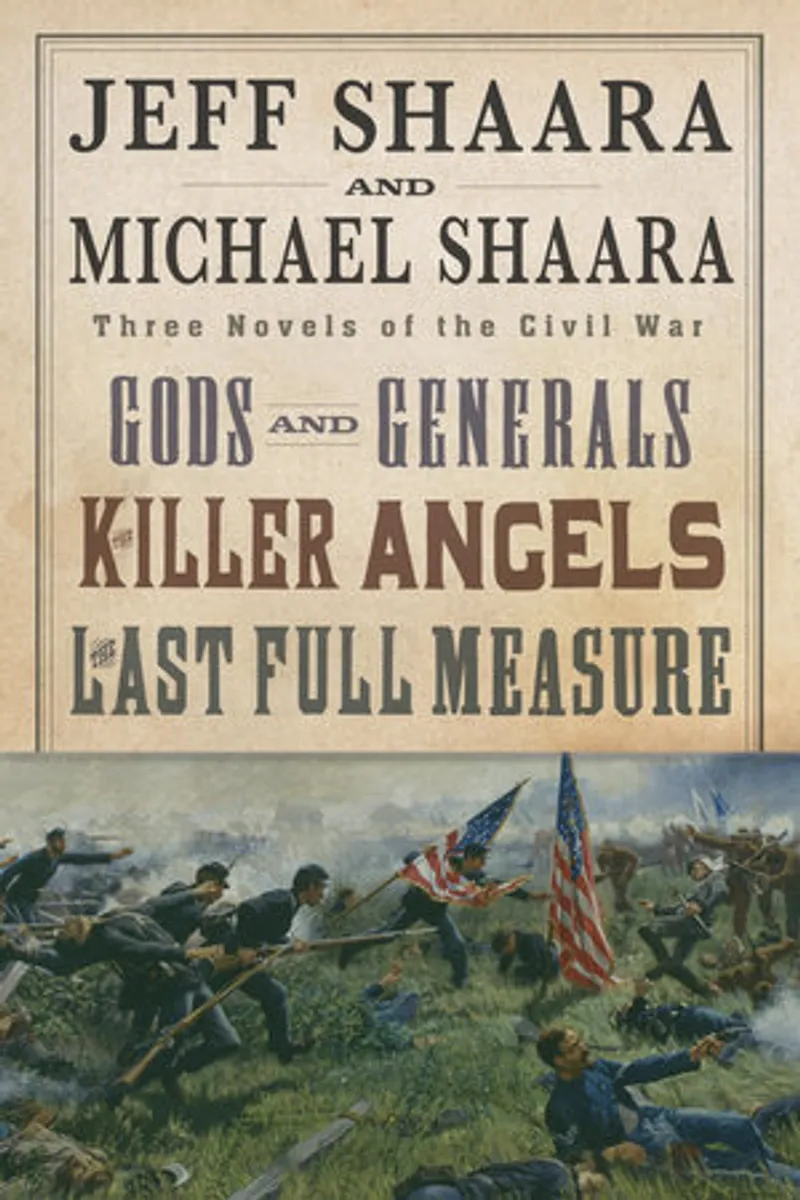
The Civil War Trilogy 3-Book Boxset (Gods and Generals, The Killer Angels, and The Last Full Measure) Author: Michael ShaaraPage Count: UnknownPublication Date: 2012-PRH The Civil War Trilogy 3-Book Boxset, comprising Gods and Generals, The Killer Angels, and The Last Full Measure, is a literary masterpiece that delves into the intricacies of the American Civil War. Michael Shaara's Pulitzer Prize-winning novel, The Killer Angels, is a testament to his exceptional storytelling ability, and his son Jeff Shaara's continuation of the series is a worthy tribute to his father's legacy. This trilogy is a must-read for anyone fascinated by the Civil War era, with its richly detailed historical context and deeply human characterization. The trilogy's main theme revolves around the lives of prominent military leaders, including Thomas "Stonewall" Jackson, Winfield Scott Hancock, Joshua Chamberlain, Robert E. Lee, and Ulysses S. Grant. The novels masterfully explore the complexities of their personalities, passions, and careers, set against the backdrop of the war that shaped America's destiny. Michael Shaara's writing style is characterized by his ability to weave historical facts into a compelling narrative, making the characters come alive and allowing readers to experience the turmoil and drama of the Civil War firsthand. One of the most striking aspects of the trilogy is its ability to convey the human side of the conflict. The novels do not simply focus on the battles and military strategies but also delve into the emotional and psychological aspects of the war. The characters are multidimensional, with their own strengths, weaknesses, and motivations, making it easy for readers to become invested in their stories. The writing is vivid and descriptive, with a focus on the smallest details that bring the historical events to life. The Killer Angels, in particular, is a masterpiece of historical fiction. The novel's recreation of the Battle of Gettysburg is both haunting and powerful, conveying the intensity and brutality of the conflict. Michael Shaara's writing is evocative and immersive, making readers feel as though they are experiencing the battle alongside the characters. The novel's focus on the human cost of the war, rather than just the military tactics, is a testament to Shaara's skill as a storyteller. Jeff Shaara's continuation of the series, Gods and Generals and The Last Full Measure, is equally impressive. His writing style is reminiscent of his father's, with a focus on character development and historical accuracy. The novels explore the complexities of the war, from the perspectives of both the Union and Confederate armies, and offer a nuanced understanding of the conflict. The characters are well-developed and complex, with their own distinct voices and motivations. The Civil War Trilogy 3-Book Boxset is a significant achievement in historical fiction. The novels are meticulously researched, with a focus on historical accuracy and attention to detail. The writing is engaging and accessible, making the trilogy appealing to both history buffs and casual readers. The novels' ability to convey the human side of the conflict, rather than just the military aspects, is a testament to the Shaaras' skill as storytellers. In conclusion, The Civil War Trilogy 3-Book Boxset is a must-read for anyone interested in historical fiction, particularly those fascinated by the American Civil War. The novels are a tribute to the Shaaras' exceptional writing ability and their dedication to historical accuracy. The trilogy is a powerful and moving portrayal of one of the most significant events in American history, and its focus on the human side of the conflict makes it a compelling and unforgettable read. #TheKillerAngels #CivilWarFiction #HistoricalNovels #MichaelShaara #JeffShaara #AmericanHistory Related InsightsThe Mark of Athena Book Review and Summary First Love Last Love: A Novel Book Review and Summary DK Super Planet A Journey Around our Continents Book Review and Summary{ "@context": "https://schema.org", "@type": "FAQPage", "mainEntity": [ { "@type": "Question", "name": "What is the main focus of The Hunger Games Trilogy Boxset Book Review and Summary?", "acceptedAnswer": { "@type": "Answer", "text": "Everything you need to know about The Hunger Games Trilogy Boxset with our detailed review." } }, { "@type": "Question", "name": "Who authored the comprehensive guide on The Hunger Games Trilogy Boxset Book Review and Summary?", "acceptedAnswer": { "@type": "Answer", "text": "This detailed article and its insights were carefully researched and authored by Suzanne Collins." } }, { "@type": "Question", "name": "Where can I find more related content about Books?", "acceptedAnswer": { "@type": "Answer", "text": "You can explore more articles, detailed reviews, and similar insights by browsing the Related Insights section at the bottom of this article or visiting our dedicated Books category page." } } ] }


Shooter Author: Jack Coughlin, Casey Kuhlman, Donald A. DavisPage Count: UnknownPublication Date: 2005-OL "Shooter" by Jack Coughlin, Casey Kuhlman, and Donald A. Davis is a gripping and intense novel that delves into the world of military operations and the psychological effects of war on those who fight it. Written by a team of authors with extensive experience in the military and intelligence communities, this book offers a unique and realistic portrayal of the life of a sniper, drawing the reader into a world of precision, skill, and deadly accuracy. From the opening pages, it becomes clear that "Shooter" is more than just a story about war; it's a deeply personal exploration of the human cost of conflict. The authors' writing style is stark and unflinching, with a focus on the raw emotions and psychological strain that come with being a soldier. The narrative is fast-paced and engaging, with vivid descriptions of combat scenarios that put the reader right in the midst of the action. One of the standout features of "Shooter" is its attention to detail. The authors' expertise in military operations shines through on every page, with meticulous descriptions of sniper tactics, equipment, and techniques. This level of authenticity adds a layer of realism to the story that's hard to find in other military fiction novels. At its core, "Shooter" is a story about the psychological toll of war on those who fight it. The authors explore the complexities of the human psyche, delving into themes of loyalty, duty, and the moral ambiguities of combat. The protagonist, a skilled sniper, is a complex and deeply human character, driven by a strong sense of duty and honor. As the story unfolds, the reader is drawn into his inner world, experiencing the highs and lows of his emotional journey. The writing style in "Shooter" is crisp and concise, with a focus on action and dialogue. The authors' use of language is economical, with no wasted words or flowery descriptions. This makes for a fast-paced and engaging read, with a narrative that's hard to put down. Overall, "Shooter" is a gripping and intense novel that's sure to appeal to fans of military fiction. With its realistic portrayal of combat, attention to detail, and deeply human characters, this book is a must-read for anyone interested in the world of military operations. The authors' writing style is stark and unflinching, making for a compelling and thought-provoking read. #Shooter #MilitaryFiction #SniperNovel #WarStories #CombatFiction #MilitaryThriller Related InsightsHow the King of Elfhame Learned to Hate Stories Book Review and Summary Counting Down to You Book Review and Summary Cosmos Book Review and Summary{ "@context": "https://schema.org", "@type": "FAQPage", "mainEntity": [ { "@type": "Question", "name": "What is the main focus of Shooter Book Review and Summary?", "acceptedAnswer": { "@type": "Answer", "text": "Everything you need to know about Shooter with our detailed review." } }, { "@type": "Question", "name": "Who authored the comprehensive guide on Shooter Book Review and Summary?", "acceptedAnswer": { "@type": "Answer", "text": "This detailed article and its insights were carefully researched and authored by Piotr Nowak." } }, { "@type": "Question", "name": "Where can I find more related content about Books?", "acceptedAnswer": { "@type": "Answer", "text": "You can explore more articles, detailed reviews, and similar insights by browsing the Related Insights section at the bottom of this article or visiting our dedicated Books category page." } } ] }
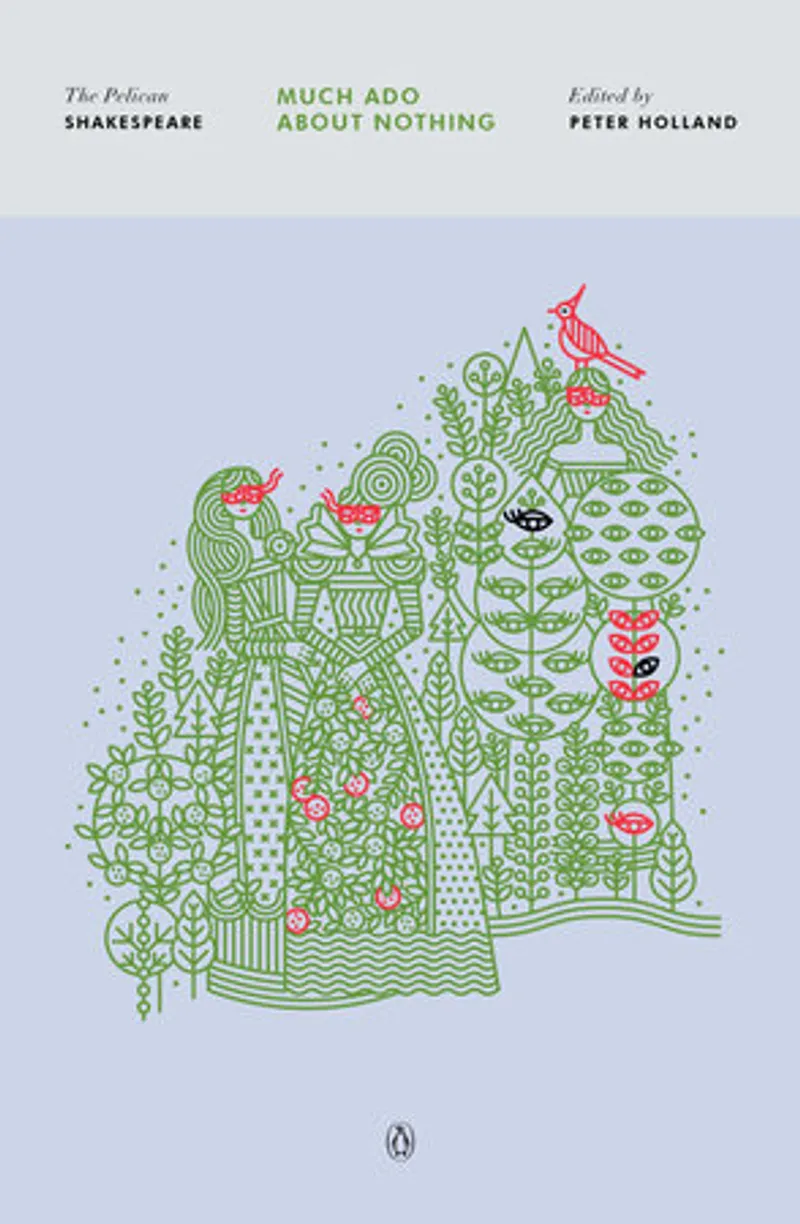
Much Ado About Nothing Author: William ShakespearePage Count: UnknownPublication Date: 2017-PRH In the 2017 publication of "Much Ado About Nothing" by William Shakespeare, the esteemed Pelican Shakespeare series brings to life a timeless tale of love, deception, and redemption. Edited by Peter Holland, this edition offers a masterful blend of scholarship, insightful commentary, and beautiful design. At its core, "Much Ado About Nothing" is a play that explores the complexities of relationships, the destructive power of misinformation, and the redemptive quality of forgiveness. Through the intertwined stories of Beatrice and Benedick, and Claudio and Hero, Shakespeare probes the very fabric of love, revealing its vulnerabilities and its capacity for transformation. As the characters navigate the treacherous landscape of misunderstandings, miscommunications, and manipulation, they must confront their own biases, prejudices, and insecurities. Shakespeare's style, as evident in this play, is characterized by his remarkable ability to craft language that is both poetic and accessible. His use of wit, wordplay, and satire creates a rich tapestry of dialogue that is at once engaging, thought-provoking, and entertaining. The banter between Beatrice and Benedick, with its clever repartee and intellectual sparring, is a masterclass in comedic writing, while the tragic elements of the play, particularly the devastating consequences of Claudio's rejection of Hero, are handled with sensitivity and nuance. One of the most striking aspects of "Much Ado About Nothing" is its exploration of the social and cultural norms of Shakespeare's time. The play offers a fascinating glimpse into the patriarchal society of 16th-century England, where women's roles were rigidly defined, and their agency was severely limited. Through the character of Beatrice, Shakespeare challenges these norms, presenting a strong, independent, and intelligent woman who defies convention and asserts her own autonomy. The Pelican Shakespeare series, with its commitment to scholarly excellence and beautiful design, provides the perfect vehicle for this timeless play. The introduction by Peter Holland offers a thoughtful and insightful analysis of the play's historical context, themes, and characters, while the detailed notes and commentary provide a wealth of information for readers seeking to deepen their understanding of the text. In conclusion, "Much Ado About Nothing" is a play that continues to captivate audiences with its enduring themes, memorable characters, and beautiful language. This edition, with its stunning design and authoritative scholarship, is a must-have for anyone interested in Shakespeare, literature, or theater. Whether you are a student, teacher, or simply a lover of great literature, this book is sure to delight and inspire. #MuchAdoAboutNothing #Shakespeare #PelicanShakespeare #PenguinClassics #ClassicLiterature #Theatre Related InsightsQueen of Foxes Book Review and Summary Cry, the Beloved Country Book Review and Summary Long Walk Book Review and Summary{ "@context": "https://schema.org", "@type": "FAQPage", "mainEntity": [ { "@type": "Question", "name": "What is the main focus of Much Ado About Nothing Book Review and Summary?", "acceptedAnswer": { "@type": "Answer", "text": "Everything you need to know about Much Ado About Nothing with our detailed review." } }, { "@type": "Question", "name": "Who authored the comprehensive guide on Much Ado About Nothing Book Review and Summary?", "acceptedAnswer": { "@type": "Answer", "text": "This detailed article and its insights were carefully researched and authored by William Shakespeare." } }, { "@type": "Question", "name": "Where can I find more related content about Books?", "acceptedAnswer": { "@type": "Answer", "text": "You can explore more articles, detailed reviews, and similar insights by browsing the Related Insights section at the bottom of this article or visiting our dedicated Books category page." } } ] }
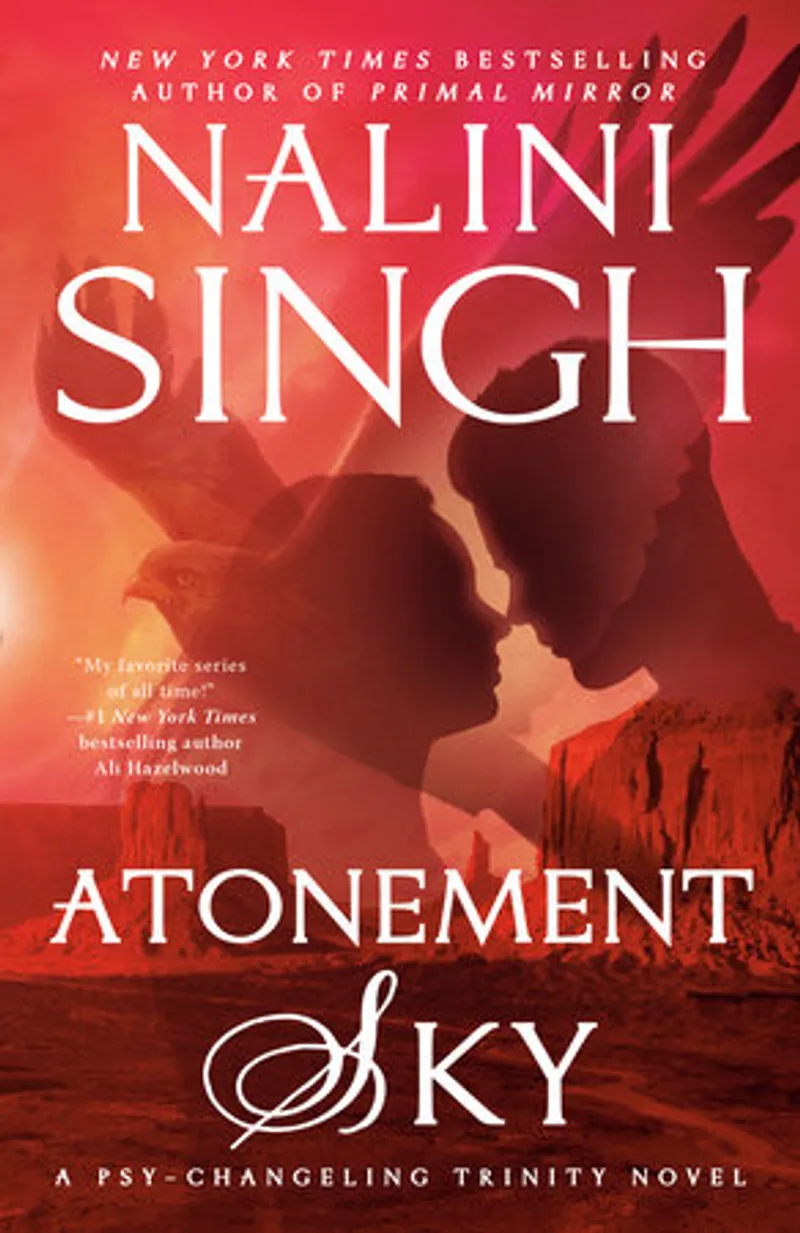
Atonement Sky Author: Nalini SinghPage Count: UnknownPublication Date: 2026-PRH Atonement Sky, the latest offering from the inimitable Nalini Singh, is a masterclass in atmospheric storytelling and complex character development. While the details of the plot remain shrouded in mystery, one thing is clear: Singh's unique blend of psychological insight and lyrical prose is on full display in this highly anticipated novel. From the outset, it's evident that Atonement Sky is a book that defies easy categorization. Singh's writing is, as ever, a rich tapestry of themes and motifs, woven together with a precision that's both breathtaking and unsettling. At its core, the novel appears to be an exploration of the human condition, delving deep into the darkest recesses of the human experience and emerging with a profound and unflinching examination of the complexities of guilt, redemption, and forgiveness. Singh's style is, as always, a hallmark of her work. Her prose is economical yet evocative, conjuring vivid images and emotions with a sparse, elegant precision that's both captivating and devastating. Her characters are multifaceted and deeply human, their motivations and desires expertly woven into the narrative to create a sense of tension and urgency that's impossible to shake. One of the most striking aspects of Atonement Sky is its use of atmosphere and setting. Singh's depiction of the natural world is both beautiful and terrifying, a reflection of the turmoil that lies at the heart of the human experience. The sky itself becomes a character, a constant presence that looms large over the narrative, casting a long and ominous shadow over the events that unfold. As with all of Singh's work, Atonement Sky is a novel that rewards close attention and multiple readings. Its themes and motifs are complex and multifaceted, inviting the reader to unpack and analyze them at leisure. The writing is, as ever, superb, with a level of craftsmanship and attention to detail that's simply stunning. In short, Atonement Sky is a triumph, a novel that showcases Singh's unique talents and confirms her position as one of the most exciting and innovative authors working today. While the details of the plot may remain a mystery, one thing is clear: this is a book that will linger in the mind long after the final page has been turned, its themes and images haunting the reader like a ghostly presence. With its complex characters, atmospheric setting, and profound exploration of the human condition, Atonement Sky is a must-read for fans of literary fiction and psychological thrillers alike. Whether you're a longtime fan of Singh's work or simply looking for a compelling and thought-provoking read, this novel is sure to deliver. #AtonementSky #NaliniSingh #LiteraryFiction #PsychologicalThriller #BookLovers #NewRelease Related InsightsFrom Goethe to the Silver Screen: The Ever‑Evolving Journey of the Bildungsroman Service Model Book Review and Summary Little House on the Prairie Book Review and Summary{ "@context": "https://schema.org", "@type": "FAQPage", "mainEntity": [ { "@type": "Question", "name": "What is the main focus of Atonement Book Review and Summary?", "acceptedAnswer": { "@type": "Answer", "text": "Everything you need to know about Atonement with our detailed review." } }, { "@type": "Question", "name": "Who authored the comprehensive guide on Atonement Book Review and Summary?", "acceptedAnswer": { "@type": "Answer", "text": "This detailed article and its insights were carefully researched and authored by Ian McEwan." } }, { "@type": "Question", "name": "Where can I find more related content about Books?", "acceptedAnswer": { "@type": "Answer", "text": "You can explore more articles, detailed reviews, and similar insights by browsing the Related Insights section at the bottom of this article or visiting our dedicated Books category page." } } ] }
The Legend of Dororo and Hyakkimaru Vol. 13 Author: Satoshi ShikiPage Count: UnknownPublication Date: 2027-PRH The Legend of Dororo and Hyakkimaru Vol. 13: A Haunting Symphony of Redemption and Blood Satoshi Shiki’s The Legend of Dororo and Hyakkimaru has long been a masterclass in blending visceral action with profound existential weight, and Volume 13 is no exception. Set against the backdrop of feudal Japan’s relentless chaos, this installment deepens the tragic bond between the cursed swordsman Hyakkimaru and his loyal companion Dororo, while pushing their story toward a climax that feels both inevitable and heart-wrenchingly uncertain. Shiki’s artistry lies not just in his breathtaking fight choreography or his ability to render human suffering with raw, unflinching detail, but in his unshakable commitment to exploring what it means to reclaim a soul when the world has already taken everything from you. At its core, Dororo is a meditation on identity and the cost of survival. Hyakkimaru, born without limbs or organs due to a pact his father made with forty-eight demons, has spent his life reclaiming his stolen body piece by piece—each limb, each sense, a victory bought with blood and sacrifice. Yet Volume 13 forces him to confront a question that has lingered since the series’ inception: Is a life built on vengeance and reclamation truly a life at all? The demons he hunts are not mere monsters; they are fragments of his own fractured past, manifestations of the sins of others that have warped into something monstrous. Shiki’s genius is in making the supernatural feel deeply personal—every battle is a reckoning, every victory a pyrrhic one. This volume is particularly striking for its tonal balance. The early chapters crackle with the same kinetic energy that has defined the series—Hyakkimaru’s swordplay is a dance of precision and desperation, his movements a blur of crimson and steel as he carves through foes who are as much victims as they are villains. Yet as the story progresses, Shiki slows the tempo, allowing the weight of Hyakkimaru’s journey to settle like dust over a battlefield. There’s a quiet, almost meditative sequence where Dororo, ever the heart of the series, reflects on the fleeting nature of their companionship. Their bond is one of the most tender in manga, forged in a world that offers little warmth, and Shiki ensures that every glance, every shared silence, resonates with unspoken history. When Dororo jokes that Hyakkimaru is "just a walking corpse with a sword," the line lands like a dagger—because in many ways, he’s not wrong. Shiki’s art remains a marvel, evolving subtly with each volume while retaining its signature intensity. His demon designs are grotesque yet mesmerizing, each one a grotesque parody of human anatomy, their forms twisted by the sins they embody. The fight scenes are kinetic, with dynamic panel layouts that make every clash of steel feel visceral, but it’s in the quieter moments that Shiki truly shines. A single, unadorned close-up of Hyakkimaru’s face—scarred, expressionless, yet alive with something like grief—speaks volumes more than any monologue could. The use of negative space, the stark contrasts between light and shadow, all serve to underscore the series’ central themes: the fragility of the human form, the illusion of control, and the inescapable pull of fate. Volume 13 also deepens the series’ exploration of fatherhood, a theme that has simmered beneath the surface since Hyakkimaru’s birth. His relationship with his father, Daigo, is one of the most complex in fiction—a man who sold his son’s soul to save his kingdom, only to spend a lifetime trying (and failing) to atone. This volume peels back another layer of that tragedy, revealing that Daigo’s sins are not just personal but generational. The demons Hyakkimaru hunts are not just his to reclaim; they are the legacy of a cycle of violence that stretches back centuries. Shiki doesn’t offer easy answers, but he forces the reader to sit with the discomfort of a father who loves his son too late, and a son who can never truly forgive him. The emotional gut-punch of this volume, however, comes in its final act. Without spoiling the specifics, Hyakkimaru’s journey reaches a crossroads that feels both climactic and tragically open-ended. Shiki refuses to offer the catharsis that so many stories crave, instead leaving the reader with a sense of lingering unease. Is redemption possible when the cost is eternal? Can a man who has spent his life reclaiming what was stolen ever truly belong to himself? These are the questions that linger like smoke after the last page, haunting in their ambiguity. The Legend of Dororo and Hyakkimaru is more than just a samurai adventure—it’s a gothic tragedy dressed in the trappings of a shonen epic. Shiki’s storytelling is relentless in its honesty, unafraid to show the beauty and brutality of a world that offers no easy paths. Volume 13 is a reminder that this series has always been about more than swords and demons; it’s about the cost of being human in a world that would rather see you as a monster. If you’ve followed Hyakkimaru and Dororo this far, you know the drill: buckle up. The ride only gets bloodier, and the heartbreak only grows deeper. #DororoAndHyakkimaru #SatoshiShiki #SamuraiManga #DarkFantasy #MangaReview #Hyakkimaru Related InsightsFrom Goethe’s Apprentice to Modern Hero: Unraveling the Bildungsroman’s Secret Path The Way We Become (The Way I Used to Be, #3) Book Review and Summary Madame Bovary Book Review and Summary{ "@context": "https://schema.org", "@type": "FAQPage", "mainEntity": [ { "@type": "Question", "name": "What is the main focus of Legend Book Review and Summary?", "acceptedAnswer": { "@type": "Answer", "text": "Everything you need to know about Legend with our detailed review." } }, { "@type": "Question", "name": "Who authored the comprehensive guide on Legend Book Review and Summary?", "acceptedAnswer": { "@type": "Answer", "text": "This detailed article and its insights were carefully researched and authored by Marie Lu." } }, { "@type": "Question", "name": "Where can I find more related content about Books?", "acceptedAnswer": { "@type": "Answer", "text": "You can explore more articles, detailed reviews, and similar insights by browsing the Related Insights section at the bottom of this article or visiting our dedicated Books category page." } } ] }
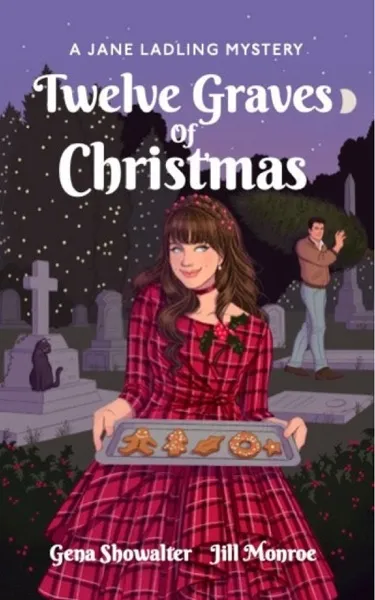

Twelve Graves of Christmas Author: Gena Showalter,Page Count: UnknownPublication Year: 2022-GB Twelve Graves of Christmas by Gena Showalter is a festive horror romance that blends the cozy charm of the holidays with the chilling allure of supernatural suspense. Published in 2022, this novel is part of Showalter’s Albion Academy series, a collection of interconnected tales that weave together mystery, romance, and the macabre. As a global bestseller, the book promises to captivate readers with its unique premise: a haunted Christmas where the past isn’t just haunting the present—it’s trying to bury it alive. At its core, Twelve Graves of Christmas explores the theme of legacy and the inescapable weight of history. The story follows a protagonist, likely a student or faculty member at Albion Academy, who stumbles upon a dark secret tied to the school’s traditions. The title itself hints at a sinister twist—what should be a joyous season of twelve days of Christmas is instead marked by twelve graves, each holding a secret or a soul lost to the academy’s cursed past. Showalter masterfully contrasts the warmth of holiday decorations with the cold, unyielding truth that some traditions are built on blood and sorrow. Showalter’s writing style is as addictive as it is atmospheric. She excels at creating a mood that is both inviting and unsettling, drawing readers into a world where the festive season feels like a thin veneer over something far more sinister. Her prose is sharp and engaging, with a knack for pacing that keeps the pages turning. The dialogue crackles with wit and tension, and her characters are flawed yet compelling, making it easy to root for them even as they stumble into danger. One of the standout features of Twelve Graves of Christmas is Showalter’s ability to balance humor and horror. The holiday setting provides a perfect backdrop for her darkly comedic tone, where sarcasm and snarky one-liners serve as a shield against the creeping dread. This balance prevents the story from feeling too heavy, even as the stakes grow higher. The romance, when it appears, is equally well-executed—steamy without being gratuitous, tender without being saccharine. Showalter knows how to make love stories feel real, even in the midst of supernatural chaos. The book’s structure is another strength. With twelve graves to uncover, the narrative unfolds like a twisted advent calendar, each chapter peeling back a layer of the mystery. This format not only keeps the story engaging but also gives Showalter ample opportunity to build suspense. The revelations come at a steady pace, ensuring that readers are always hungry for more. Whether it’s a shocking death, a hidden identity, or a betrayal, each twist feels earned and adds to the overall sense of unease. Showalter’s world-building is also noteworthy. Albion Academy feels like a character in its own right—a place steeped in history, secrets, and danger. The school’s gothic architecture and eerie atmosphere provide the perfect setting for a holiday horror story. The contrast between the festive decorations and the lurking evil creates a delicious tension that lingers long after the book is finished. For fans of paranormal romance or supernatural suspense, Twelve Graves of Christmas is a must-read. It’s a book that will appeal to those who love a good scare but also crave a story with heart and humor. Showalter’s ability to blend genres seamlessly is on full display here, making this novel a standout in her bibliography. In conclusion, Twelve Graves of Christmas is a hauntingly festive tale that proves horror and holiday cheer can coexist. With its sharp writing, compelling characters, and relentless suspense, it’s a book that will keep you up at night—whether from fear or excitement. If you’re looking for a Christmas read that’s a little different, this one delivers in spades. #TwelveGravesOfChristmas #GenaShowalter #HolidayHorror #ParanormalRomance #AlbionAcademy #ChristmasReads Related InsightsThe Spiral (A Nina Esposito Mystery #1) Book Review and Summary I Am the Messenger Book Review and Summary A Room of One’s Own Book Review and Summary{ "@context": "https://schema.org", "@type": "FAQPage", "mainEntity": [ { "@type": "Question", "name": "What is the main focus of Twelve Graves of Christmas Book Review and Summary?", "acceptedAnswer": { "@type": "Answer", "text": "Everything you need to know about Twelve Graves of Christmas with our detailed review." } }, { "@type": "Question", "name": "Who authored the comprehensive guide on Twelve Graves of Christmas Book Review and Summary?", "acceptedAnswer": { "@type": "Answer", "text": "This detailed article and its insights were carefully researched and authored by Chloé Laurent." } }, { "@type": "Question", "name": "Where can I find more related content about Books?", "acceptedAnswer": { "@type": "Answer", "text": "You can explore more articles, detailed reviews, and similar insights by browsing the Related Insights section at the bottom of this article or visiting our dedicated Books category page." } } ] }
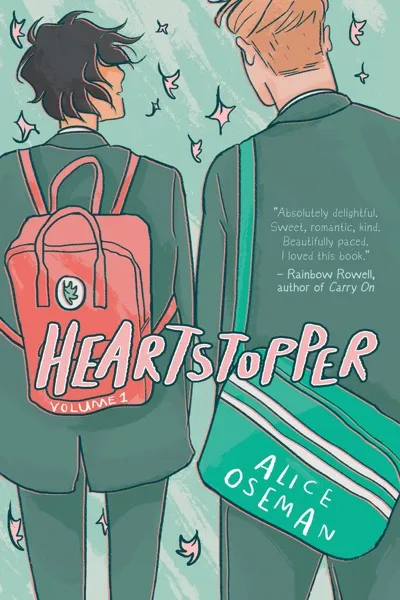

Heartstopper #1-3 Author: Alice OsemanPage Count: UnknownPublication Year: 2020-GB Heartstopper is a tender, luminous graphic novel series that captures the essence of first love and self-discovery with a rare authenticity. Alice Oseman’s trilogy—spanning volumes one through three—has captivated readers worldwide, earning its place as a modern queer coming-of-age classic. While the page count remains unspecified, the impact of these three graphic novels is anything but small. Through delicate illustrations, understated prose, and deeply relatable characters, Oseman crafts a story that feels both intimate and universal. At its core, Heartstopper explores the quiet revolutions that unfold in the heart and mind of Charlie Spring, a soft-spoken Year 10 student navigating the complexities of love, grief, and identity. When he meets rugby player Nick Nelson, their friendship blossoms into something more profound, fragile, and real than Charlie ever expected. The central theme is not just romance, but the courage to be seen—to love openly, to grieve openly, and to grow openly—especially in a school environment that often feels like a pressure cooker of judgment and expectation. Oseman’s writing is deceptively simple, yet layered with emotional depth. She avoids melodrama, opting instead for quiet conversations, unspoken glances, and moments of vulnerability that speak volumes. The dialogue feels natural, almost conversational, as if overheard in a hallway between classes. There’s no grand speech about being gay, no forced confrontation with homophobia—just the lived experience of two boys figuring it out together, supported by friends who are just as endearing and flawed as they are. The art style complements the narrative perfectly. Oseman’s clean, expressive linework and soft color palette—pastel greens, warm pinks, and gentle blues—create a visual tone that is both comforting and uplifting. The characters are drawn with warmth and empathy; their expressions shift subtly, revealing layers of emotion without words. Nick’s quiet confidence, Charlie’s quiet intensity, Tao’s protective loyalty, and Elle’s fierce individuality all leap off the page with authenticity. One of the series’ most compelling strengths is its portrayal of queer friendship. The supporting cast—Elle, Tao, Isaac, Tara, and Darcy—are not just background characters but vital to the story’s emotional resonance. Their acceptance of Charlie and Nick isn’t performative; it’s organic, a natural extension of who they are. This sense of community and solidarity is rare in LGBTQ+ narratives, which often center on isolation or conflict. Heartstopper instead celebrates connection, offering a hopeful vision of what queer friendship and love can look like. Oseman also weaves in themes of mental health with remarkable sensitivity. Charlie’s struggles with anxiety and eating disorders are treated with care, not as plot devices but as part of his identity. The story never shies away from the weight of these challenges, yet it never lets them define him. Instead, his journey is one of healing and self-acceptance, buoyed by love and understanding. The pacing is deliberate, allowing moments to breathe. A single glance across a classroom, a hesitant touch, a shared lunch table—these small, seemingly ordinary scenes accumulate into something deeply moving. The slow burn of Nick’s realization about his feelings is handled with exquisite nuance, making his emotional arc feel earned, not rushed. Heartstopper is more than a love story. It’s a celebration of growing up, of discovering who you are in a world that’s still learning to see you. It’s about learning that love isn’t always easy, but it’s worth the risk. It’s about finding your people—your chosen family—and realizing that home isn’t a place, but a feeling. Oseman’s genius lies in her ability to make the extraordinary feel ordinary, and the ordinary feel profound. She reminds us that love stories don’t need grand gestures or dramatic conflicts to be powerful. Sometimes, they just need two people, a quiet bench, and the courage to say, “I like you.” Heartstopper is a balm for the weary heart, a light in the dark, a reassurance that kindness still exists. It’s a story that lingers long after the final page, not because of its plot twists, but because of its humanity. In a world often divided by misunderstanding, Heartstopper reminds us that love—whether romantic, platonic, or familial—is the most revolutionary force of all. #Heartstopper #AliceOseman #QueerComics #LGBTQBooks #ComingOfAge #GraphicNovels Related InsightsHolding on to Chaos Book Review and Summary The Seven Husbands of Evelyn Hugo Book Review and Summary Fifty Shades Freed Book Review and Summary{ "@context": "https://schema.org", "@type": "FAQPage", "mainEntity": [ { "@type": "Question", "name": "What is the main focus of Heartstopper #1-3 Book Review and Summary?", "acceptedAnswer": { "@type": "Answer", "text": "Everything you need to know about Heartstopper #1-3 with our detailed review." } }, { "@type": "Question", "name": "Who authored the comprehensive guide on Heartstopper #1-3 Book Review and Summary?", "acceptedAnswer": { "@type": "Answer", "text": "This detailed article and its insights were carefully researched and authored by Diego Lopez." } }, { "@type": "Question", "name": "Where can I find more related content about Books?", "acceptedAnswer": { "@type": "Answer", "text": "You can explore more articles, detailed reviews, and similar insights by browsing the Related Insights section at the bottom of this article or visiting our dedicated Books category page." } } ] }
-
 Klaus Weber
 - 18 Oct, 2025 00:42
The Character of Physical Law, with new foreword Book Review and Summary
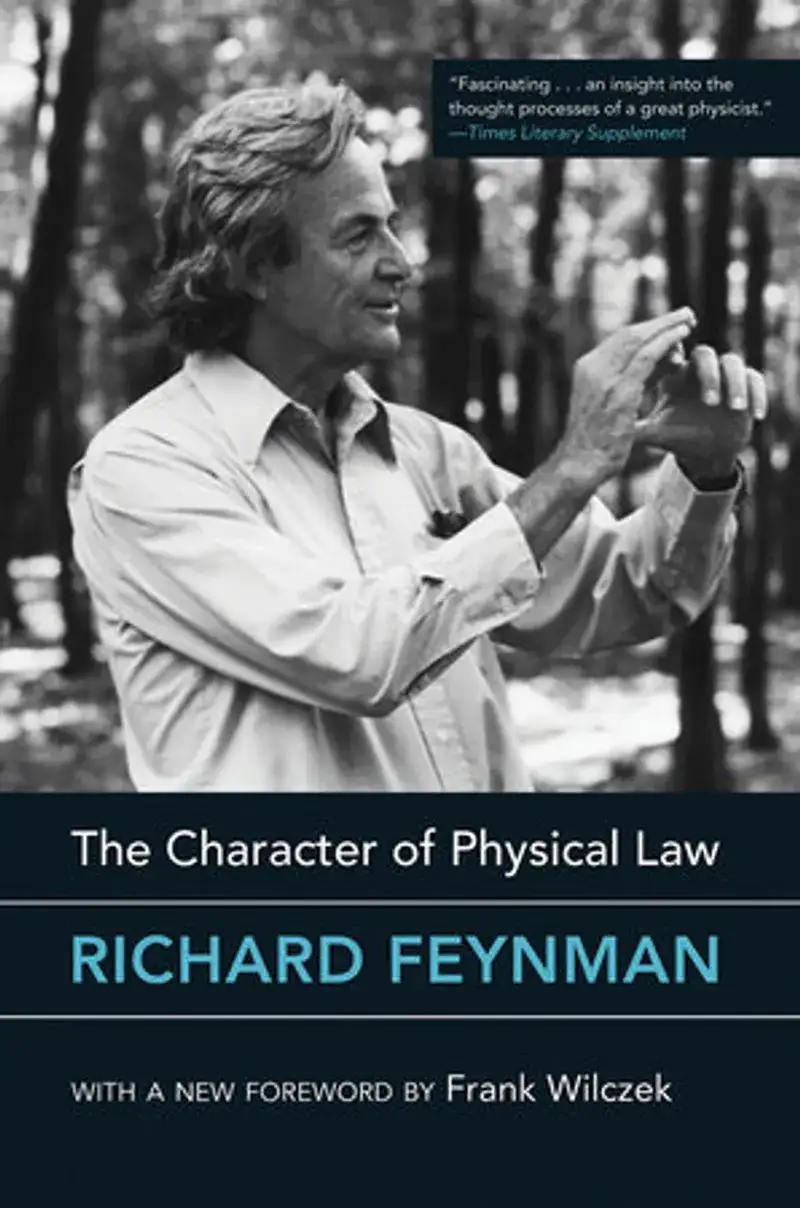
The Character of Physical Law, with new foreword Author: Richard FeynmanPage Count: UnknownPublication Date: 2017-PRH Richard Feynman wasn’t just a physicist—he was a storyteller, a showman of science, and one of the few people who could make the universe feel like a conversation over coffee rather than a lecture hall. The Character of Physical Law, drawn from his legendary 1964 Messenger Lectures at Cornell, is a masterclass in how to teach the unteachable: the fundamental rules that govern reality. In this book, Feynman doesn’t just explain physics; he invites you into the mind of a man who sees beauty in equations and wonder in the simplest of phenomena. It’s a celebration of curiosity, a manifesto for intellectual humility, and a reminder that science is as much about awe as it is about discovery. At its core, the book is about the nature of physical laws—not just what they are, but how they work, why they matter, and what they reveal about the universe’s hidden order. Feynman rejects the dry recitation of facts in favor of a more philosophical inquiry: What makes a law law-like? Why do certain principles—like conservation of energy or the symmetry of space—hold true across time and space? His answer is both profound and playful: these laws aren’t human inventions; they’re the universe’s way of keeping its secrets orderly. "The importance of a physical law," he insists, "is not how clever we are to have found it out, but how clever nature is to pay attention to it." This flips the script on traditional science writing. Instead of marveling at human ingenuity, Feynman directs our wonder toward the cosmos itself—a humbling and exhilarating perspective. Feynman’s style is the book’s greatest strength. He writes with the energy of a man who can’t wait to share his discoveries, peppering his explanations with wit, metaphors, and even a little mischief. When discussing the law of gravitation, he compares it to a "great machine" that, while not perfectly understood, works with remarkable precision—a machine we’re still learning to operate. His famous analogy of dropping a ball to explain the curvature of spacetime is so vivid it lingers like a mental image long after the book is closed. And when he tackles the puzzle of irreversibility—the fact that time seems to flow in one direction, even though the laws of physics are mostly symmetric—he does so with a mix of rigor and whimsy, using a film of a glass shattering in reverse to illustrate how entropy sneaks in to break the symmetry. What makes The Character of Physical Law timeless is how Feynman bridges the gap between the abstract and the concrete. He doesn’t just state the principle of conservation of energy; he shows how it emerges from the symmetry of time, using a thought experiment about a child on a swing to make the idea tangible. His discussion of symmetry isn’t just about mirrors or rotational patterns—it’s about the deep, almost mystical connection between mathematical elegance and physical reality. "Symmetry," he tells us, "is a hint of the underlying unity of the universe." This isn’t just a physics lesson; it’s a lesson in seeing the world differently. The book also shines in its treatment of the scientific process itself. Feynman, ever the iconoclast, warns against the dangers of dogma and the seduction of "clever" theories that don’t match reality. He champions the experimental method not because it’s infallible, but because it’s the best tool we have for testing our ideas against the universe’s stubborn facts. His skepticism of unchecked mathematical abstraction foreshadows modern debates about the role of theory in physics, making the book feel as relevant today as it did in 1967. The updated foreword by Frank Wilczek reinforces this, noting how some of Feynman’s observations—particularly about the limits of quantum mechanics—still resonate in contemporary physics. Yet for all its depth, the book never feels heavy. Feynman’s humor keeps the pages turning: his confession that he once tried to calculate how many piano tuners there are in New York City to illustrate the power of estimation; his dry remark that "if you think you understand quantum mechanics, you don’t"; his playful dig at philosophers who "have not succeeded in understanding the simplicity of nature." These asides aren’t just comic relief—they’re a reminder that science, at its best, is a human endeavor, flawed and joyful and endlessly surprising. The Character of Physical Law is ultimately a love letter to the scientific method and the people who practice it with both rigor and wonder. Feynman’s genius lies in his ability to make the reader feel like an accomplice in the discovery process. He doesn’t just want you to understand the laws of physics; he wants you to feel the thrill of uncovering them. In an era where science is often reduced to headlines or political football, Feynman’s voice is a clarion call to remember why we do this at all: because the universe is astonishing, and it’s waiting for us to pay attention. If you’ve ever looked at the night sky and wondered how it all holds together, or if you’ve ever been frustrated by a physics textbook that feels more like a manual than a story, Feynman’s book is your antidote. It’s not just a guide to the laws of nature—it’s an invitation to see the world with fresh eyes. #Feynman #PhysicsForEveryone #ScienceWriting #QuantumElectrodynamics #PopularScience #NatureOfReality Related InsightsUna ofensa mortal / A Great Reckoning Book Review and Summary Las nueve revelaciones / The Celestine Prophecy : An Adventure Book Review and Summary Malibu Rising Book Review and Summary{ "@context": "https://schema.org", "@type": "FAQPage", "mainEntity": [ { "@type": "Question", "name": "What is the main focus of The Character of Physical Law, with new foreword Book Review and Summary?", "acceptedAnswer": { "@type": "Answer", "text": "Everything you need to know about The Character of Physical Law, with new foreword with our detailed review." } }, { "@type": "Question", "name": "Who authored the comprehensive guide on The Character of Physical Law, with new foreword Book Review and Summary?", "acceptedAnswer": { "@type": "Answer", "text": "This detailed article and its insights were carefully researched and authored by Klaus Weber." } }, { "@type": "Question", "name": "Where can I find more related content about Books?", "acceptedAnswer": { "@type": "Answer", "text": "You can explore more articles, detailed reviews, and similar insights by browsing the Related Insights section at the bottom of this article or visiting our dedicated Books category page." } } ] }
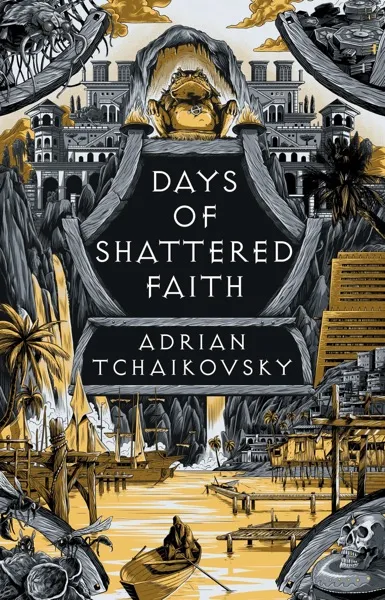

Days of Shattered Faith Author: Adrian TchaikovskyPage Count: UnknownPublication Year: 2024-GB Adrian Tchaikovsky’s Days of Shattered Faith is a masterclass in speculative fiction, weaving together cosmic horror, religious allegory, and the fragility of human belief into a narrative that lingers like a half-remembered dream. With his signature blend of intellectual depth and visceral storytelling, Tchaikovsky once again proves why he’s one of the most daring voices in modern science fiction. This isn’t just another alien invasion tale—it’s a meditation on the collapse of meaning itself, draped in the wreckage of a faith that once held galaxies together. At its core, Days of Shattered Faith explores the terrifying moment when the foundations of religion—whether divine, scientific, or ideological—are no longer sufficient to explain the universe. The novel’s unnamed protagonist (a recurring motif in Tchaikovsky’s work, a character stripped of identity to better reflect the reader’s own place in the story) is a believer of sorts, clinging to a faith that has been shattered not by doubt, but by revelation. The book’s setting is deliberately vague, a choice that serves to amplify the existential dread—planets, ships, and civilizations blur into one another, their significance eroded by the sheer scale of the unknown. This is a universe where gods are real, but not in the way anyone expected. Or perhaps they’re not gods at all, but something far worse. Tchaikovsky’s prose is both elegant and brutal, a juxtaposition that mirrors the book’s central tension between beauty and horror. His descriptions are precise, almost clinical, yet they carry an undercurrent of dread. A character’s face isn’t just observed—it’s studied, as if the narrator (or the universe itself) is trying to memorize it before it crumbles. The dialogue crackles with tension, often laced with theological and philosophical undertones that demand the reader’s full attention. This is not a book to be skimmed; it’s a book to be unpacked, line by line, argument by argument. One of the most striking aspects of Tchaikovsky’s style is his ability to make the abstract feel visceral. The "days of shattered faith" aren’t merely a metaphor—they’re a physical unraveling. Planets fracture. Stars dim. Entire species dissolve into nihilistic despair as the certainties they once held dear evaporate. The novel’s horror isn’t in gore or jump scares, but in the slow, inevitable erosion of purpose. It’s the kind of existential terror that lingers, the kind that makes you question every belief you’ve ever held, from the mundane to the cosmic. The book’s structure is deliberately non-linear, jumping between past and present, between different perspectives, as if the reader is piecing together a shattered relic. This isn’t mere gimmickry—it’s essential to the story’s themes. Faith, after all, is not a static thing; it’s a process, a constant negotiation between doubt and devotion. By refusing to present a single, coherent timeline, Tchaikovsky mirrors the protagonist’s struggle to reconcile what they once believed with what they now know. Yet for all its philosophical weight, Days of Shattered Faith is also a deeply human story. The characters are flawed, often contradictory, but their struggles feel achingly real. The protagonist’s journey isn’t just about losing faith—it’s about rediscovering meaning in a universe that has become indifferent. There’s a quiet, devastating humanity in the way Tchaikovsky handles his themes, a reminder that even in the face of cosmic horror, the smallest acts of defiance—whether it’s a whispered prayer, a stubborn act of kindness, or simply getting out of bed—matter. This is a book that will divide readers. Those who crave fast-paced action or neat resolutions may find it frustrating. But for those willing to sit with its questions—What if everything we believe is a lie? What if the lie is necessary?—it’s an unforgettable experience. Tchaikovsky doesn’t offer answers, only the terrifying, exhilarating space to ask the questions. In an era where so much fiction feels like it’s shouting for our attention, Days of Shattered Faith whispers. It’s a book that demands patience, but rewards it with a sense of awe that’s rare in modern science fiction. It’s not just a story about shattered faith—it’s a story about what comes after. #SciFiHorror #ExistentialDread #CosmicHorror #AdrianTchaikovsky #FaithAndFiction #ScienceFictionBooks Related InsightsSecretly Yours Book Review and Summary Rome's Age of Revolution: Augustus, Empire, and the Making of Christianity Book Review and Summary Samantha: The Next Chapter Book Review and Summary{ "@context": "https://schema.org", "@type": "FAQPage", "mainEntity": [ { "@type": "Question", "name": "What is the main focus of Days of Shattered Faith Book Review and Summary?", "acceptedAnswer": { "@type": "Answer", "text": "Everything you need to know about Days of Shattered Faith with our detailed review." } }, { "@type": "Question", "name": "Who authored the comprehensive guide on Days of Shattered Faith Book Review and Summary?", "acceptedAnswer": { "@type": "Answer", "text": "This detailed article and its insights were carefully researched and authored by Emma Thompson." } }, { "@type": "Question", "name": "Where can I find more related content about Books?", "acceptedAnswer": { "@type": "Answer", "text": "You can explore more articles, detailed reviews, and similar insights by browsing the Related Insights section at the bottom of this article or visiting our dedicated Books category page." } } ] }
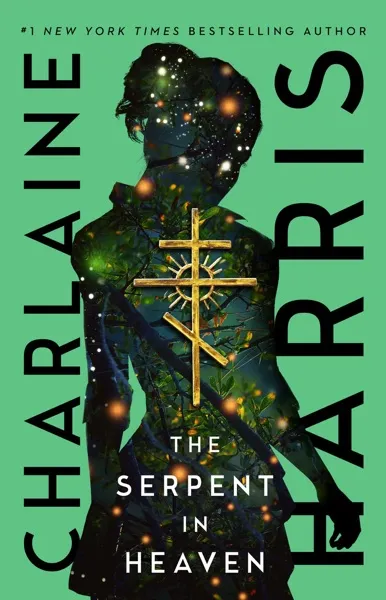

The Serpent in Heaven Author: Charlaine HarrisPage Count: UnknownPublication Year: 2022-GB A Twisted Ascent: Charlaine Harris’ The Serpent in Heaven Charlaine Harris has never shied away from the dark, the strange, or the morally ambiguous. From her iconic Sookie Stackhouse series to her chilling Midnight, Texas novels, she crafts worlds where the supernatural and the human bleed into one another, where gods and monsters walk among us, and where the line between hero and villain is as fragile as a cobweb. The Serpent in Heaven, her latest standalone novel, is no exception. A masterclass in eerie atmosphere and psychological tension, the book weaves a tale that is as much about the corruption of the divine as it is about the fragility of the human spirit. At its core, The Serpent in Heaven is a mythological horror story reimagined for the modern age. Harris takes the biblical serpent—the archetype of temptation, deceit, and forbidden knowledge—and transplants it into a contemporary setting that feels eerily plausible. The novel follows a group of strangers who, after surviving a catastrophic plane crash in a remote jungle, find themselves in a lush, isolated valley that defies all logic. The air hums with an otherworldly energy, the animals move with unnatural stillness, and the survivors soon realize they are not alone. Worse, they are not entirely human anymore. The genius of Harris’ storytelling lies in her ability to blur the boundaries between the extraordinary and the mundane. The survivors—each with their own flaws, secrets, and survival instincts—are forced to confront not just the horrors of the wilderness but the horrors within themselves. The serpent, whether literal or metaphorical, becomes a symbol of temptation in all its forms: lust, power, survival at any cost. Harris doesn’t just tell a story about being lost; she explores what it means to lose oneself entirely. Harris’ prose is deceptively simple, lulling the reader into a false sense of security before striking with quiet, relentless dread. Her dialogue crackles with tension, and her descriptions—whether of the suffocating jungle or the creeping paranoia of the survivors—are vivid without being overwritten. She excels at creating an oppressive atmosphere where every rustle in the undergrowth feels like a threat, where every shared look between characters hides a knife’s edge of suspicion. The novel’s pacing is deliberate, allowing the horror to simmer before boiling over in moments of shocking violence or revelation. One of the most compelling aspects of The Serpent in Heaven is its refusal to offer easy answers. Harris doesn’t provide a neat resolution to the questions she raises. Is the serpent a demon, a god, a manifestation of the survivors’ guilt? Or is it something far more primal, something that has always been a part of the world, waiting for the right moment to reveal itself? The ambiguity is unsettling, and that’s precisely the point. Harris trusts her readers to sit with the unease, to question what they’ve read, and to wonder if they, too, might be complicit in the fall. The characters, though not deeply explored in the way fans of Harris’ other works might expect, serve their purpose well. They are flawed, desperate, and often unlikeable, which makes their descent into savagery all the more compelling. The protagonist, if there is one, is a woman named Claire, whose journey from rationality to something far darker mirrors the novel’s themes of corruption and transformation. Harris doesn’t waste time on backstories; instead, she thrusts her characters—and the reader—into a crucible where morality is tested and found wanting. The Serpent in Heaven is not a book for those who crave clear heroes or tidy endings. It is a book for those who understand that the most terrifying monsters are the ones we carry within us. Charlaine Harris has once again proven herself a master of the uncanny, a storyteller who can make the familiar feel alien and the alien feel like an inevitable truth. This novel is a serpent in the garden of modern fiction—sly, seductive, and impossible to ignore. As the survivors of the crash learn too late, some temptations are not meant to be resisted. #TheSerpentInHeaven #CharlaineHarris #SupernaturalHorror #MythologicalFiction #DarkFantasy #PsychologicalThriller Related InsightsThe Gods Will Sing Our Song Book Review and Summary Roundabout (Detour, #2) Book Review and Summary Perilous Beautiful World Book Review and Summary{ "@context": "https://schema.org", "@type": "FAQPage", "mainEntity": [ { "@type": "Question", "name": "What is the main focus of The Serpent in Heaven Book Review and Summary?", "acceptedAnswer": { "@type": "Answer", "text": "Everything you need to know about The Serpent in Heaven with our detailed review." } }, { "@type": "Question", "name": "Who authored the comprehensive guide on The Serpent in Heaven Book Review and Summary?", "acceptedAnswer": { "@type": "Answer", "text": "This detailed article and its insights were carefully researched and authored by William Clark." } }, { "@type": "Question", "name": "Where can I find more related content about Books?", "acceptedAnswer": { "@type": "Answer", "text": "You can explore more articles, detailed reviews, and similar insights by browsing the Related Insights section at the bottom of this article or visiting our dedicated Books category page." } } ] }
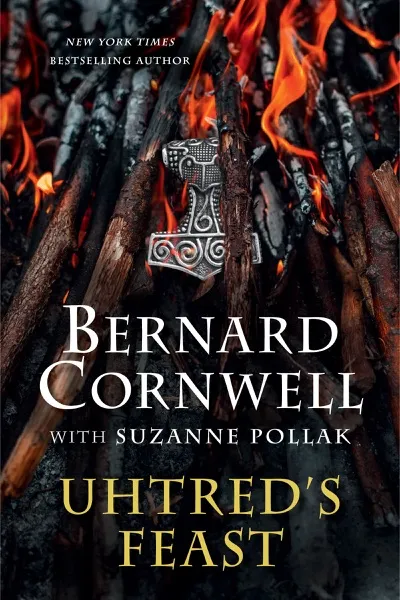

Uhtred's Feast Author: Bernard CornwellPage Count: UnknownPublication Year: 2023-GB Uhtred’s Feast is the latest triumph from Bernard Cornwell, the master storyteller whose name has become synonymous with historical fiction that crackles with life, grit, and authenticity. Released in 2023, this novel—part of Cornwell’s sprawling The Last Kingdom series—doesn’t merely continue the saga of Uhtred of Bebbanburg; it reignites it with a fiery feast of vengeance, faith, and the unbreakable bonds of loyalty and blood. If you thought Cornwell’s storytelling had reached its peak, think again. Uhtred’s Feast is a sumptuous banquet of a book, rich with the flavors of 9th-century England, where every dish is laced with danger, every toast carries the weight of history, and every character—hero or villain—is seasoned to perfection. At its core, Uhtred’s Feast is a story about legacy—both inherited and earned. Uhtred, the Saxon-born warrior raised among the Danes, has spent a lifetime caught between two worlds, neither fully accepting him, yet both needing his sword. By this stage in the series, he is no longer the reckless young man who sought glory in battle; he is a seasoned leader, a father, and a kingmaker. Yet, as Cornwell deftly reveals, age has not dulled his edge—it has forged it sharper. The central theme here is not just survival, but the burden of duty: the duty to protect those you love, to honor the gods who have guided you, and to reclaim what was stolen from you. Uhtred’s quest for vengeance against those who wronged his family is not merely personal—it is a reclaiming of identity, a feast of justice served cold. Cornwell’s genius lies in his ability to weave meticulously researched history into stories that feel as immediate and visceral as a battlefield. Uhtred’s Feast is no exception. The novel immerses the reader in the turbulent world of Alfred the Great’s England, where the Christian Saxons struggle to hold back the Viking tide, and where pagan beliefs still whisper in the wind. Cornwell doesn’t just describe the past—he makes it breathe. The feasts, the battles, the political intrigues—all are rendered with such vivid detail that you can taste the mead, smell the blood on the sword, and feel the tension in the hall as Uhtred raises his cup in defiance or in mourning. This isn’t just historical fiction; it’s a time machine disguised as a novel. What sets Cornwell apart from other historical novelists is his refusal to romanticize war or heroism. Uhtred is a man of contradictions—loyal yet cunning, pious yet pagan, a warrior who loves his family but is willing to sacrifice them for the greater good. His moral ambiguity is what makes him compelling. He is not a knight in shining armor; he is a man of blood and scars, who carries the weight of his sins like a second shadow. Cornwell doesn’t shy away from showing Uhtred’s failures, his moments of doubt, or his brutal pragmatism. This makes the rare moments of tenderness—like when Uhtred cradles his children or reflects on his love for his wife—land with even greater emotional force. The prose in Uhtred’s Feast is lean and muscular, mirroring the character of its protagonist. Cornwell wastes no words. Every sentence crackles with purpose, every scene is driven by conflict or revelation. The dialogue, whether in Old English, Old Norse, or the evolving tongue of the Saxons, feels authentic without ever becoming a barrier to understanding. The pacing is relentless, yet never rushed. Battles unfold with the brutal clarity of a warrior’s eye, while quieter moments—moments of reflection, of prayer, of quiet family warmth—are given space to resonate. This balance is what makes Cornwell’s books so immersive. You’re not just reading about history—you’re living it, breath by breath. The supporting cast in Uhtred’s Feast is as richly drawn as ever. From Uhtred’s fiercely intelligent daughter Stiorra to his old comrade Finan, each character serves a purpose, whether as foil, ally, or mirror to Uhtred’s own journey. Cornwell excels at creating a world where even minor players feel real, their loyalties shifting like the tides. The villains, too, are memorable—not cardboard cutouts of evil, but complex figures driven by their own twisted codes of honor or ambition. The tension between Uhtred and his enemies is electric, especially when those enemies are former allies or family. At its heart, Uhtred’s Feast is a story about feasting in more ways than one. There is the literal feast—a gathering of warriors in a hall blazing with firelight, where oaths are sworn and betrayals plotted. But there is also the metaphorical feast: the indulgence of justice, the savoring of revenge, the nourishment of legacy. Uhtred is not just fighting for territory or gold; he is fighting for the soul of his family, for the memory of his father, for the future of his children. Cornwell frames this struggle as a kind of ritual, a sacred act of reclaiming what was lost. In doing so, he elevates the novel beyond mere adventure into something almost mythic. For fans of the Last Kingdom series, Uhtred’s Feast will feel like coming home. For newcomers, it’s an invitation to a world where the past is not dead but breathing, where every page turns with the inevitability of fate. Bernard Cornwell has done it again—he’s given us a book that satisfies like a well-cooked meal, leaving us sated yet hungry for more. If this is indeed a feast, then let’s pray there are many more courses to come. #UhtredsFeast #BernardCornwell #HistoricalFiction #TheLastKingdom #VikingSagas #SwordAndSorcery Related InsightsDC Finest: Legion of Super-Heroes: Zap Goes the Legion Book Review and Summary The Key Biscayne Affair: A Novel Book Review and Summary The Return Book Review and Summary{ "@context": "https://schema.org", "@type": "FAQPage", "mainEntity": [ { "@type": "Question", "name": "What is the main focus of Uhtred's Feast Book Review and Summary?", "acceptedAnswer": { "@type": "Answer", "text": "Everything you need to know about Uhtred's Feast with our detailed review." } }, { "@type": "Question", "name": "Who authored the comprehensive guide on Uhtred's Feast Book Review and Summary?", "acceptedAnswer": { "@type": "Answer", "text": "This detailed article and its insights were carefully researched and authored by Camille Dubois." } }, { "@type": "Question", "name": "Where can I find more related content about Books?", "acceptedAnswer": { "@type": "Answer", "text": "You can explore more articles, detailed reviews, and similar insights by browsing the Related Insights section at the bottom of this article or visiting our dedicated Books category page." } } ] }

The Vegan Stoner Cookbook 2 Author: Graham I. HaynesPage Count: UnknownPublication Date: 2021-PRH The Vegan Stoner Cookbook 2: A Deliciously Simple and Whole Foods-Focused Sequel In 2021, Graham I. Haynes and Sarah Conrique, the dynamic duo behind the cult favorite The Vegan Stoner Cookbook, released their highly anticipated sequel, The Vegan Stoner Cookbook 2. This latest installment promises to take vegan cooking to the next level, with a greater emphasis on whole foods, gluten-free, and soy-free options. As a book reviewer, I was excited to dive into this colorful and quirky cookbook to see if it lives up to its predecessor's hype. From the get-go, it's clear that The Vegan Stoner Cookbook 2 is a labor of love. The book is filled with vibrant, full-color illustrations and playful line drawings that make the cooking process feel approachable and fun. The authors' lighthearted and humorous tone is infectious, making even the most skeptical cook feel at ease. The recipes themselves are cleverly organized, with simple, easy-to-follow instructions that cater to both busy home cooks and, well, stoners. One of the standout features of this cookbook is its focus on whole foods and fresh produce. The authors take readers on a journey through the farmers' market, highlighting the beauty of seasonal ingredients and encouraging experimentation with new flavors and textures. Recipes like Butternut-chos, Jackfruit "Toona" Salad, and Shroom Paella showcase the versatility of plant-based cooking, with creative twists on classic dishes that are both satisfying and Instagram-worthy. What sets The Vegan Stoner Cookbook 2 apart from other vegan cookbooks is its commitment to inclusivity. The authors recognize that dietary restrictions can be a challenge, and have thoughtfully included gluten-free and soy-free options throughout the book. This attention to detail makes the cookbook accessible to a wider range of readers, from those with food allergies to those simply looking to mix up their meal routine. If there's one criticism to be made, it's that the book's playful tone can sometimes feel a bit too casual. Some readers may find the lack of nutritional information or detailed cooking techniques to be a drawback. However, for those looking for a fun and approachable cookbook that prioritizes flavor and simplicity, The Vegan Stoner Cookbook 2 is an excellent choice. In conclusion, The Vegan Stoner Cookbook 2 is a vibrant and engaging cookbook that is sure to delight both vegan veterans and newcomers to plant-based cooking. With its focus on whole foods, gluten-free and soy-free options, and playful illustrations, this book is a must-have for anyone looking to spice up their meal routine. So go ahead, get stoned, and get cooking! #VeganStonerCookbook #VeganCooking #WholeFoods #GlutenFree #SoyFree #PlantBasedRecipes Related InsightsPaper Towns Book Review and Summary The Handmaid's Tale and The Testaments Box Set Book Review and Summary Somewhere Beyond the Sea Book Review and Summary{ "@context": "https://schema.org", "@type": "FAQPage", "mainEntity": [ { "@type": "Question", "name": "What is the main focus of Stoner Book Review and Summary?", "acceptedAnswer": { "@type": "Answer", "text": "Everything you need to know about Stoner with our detailed review." } }, { "@type": "Question", "name": "Who authored the comprehensive guide on Stoner Book Review and Summary?", "acceptedAnswer": { "@type": "Answer", "text": "This detailed article and its insights were carefully researched and authored by John Williams." } }, { "@type": "Question", "name": "Where can I find more related content about Books?", "acceptedAnswer": { "@type": "Answer", "text": "You can explore more articles, detailed reviews, and similar insights by browsing the Related Insights section at the bottom of this article or visiting our dedicated Books category page." } } ] }

Uglies (Spanish Edition) Author: Scott WesterfeldPage Count: UnknownPublication Date: 2025-PRH Scott Westerfeld’s Uglies (Spanish Edition) is a razor-sharp dystopian thriller that slices through superficiality to expose the terrifying cost of conformity. Set in a future where society enforces physical perfection through mandatory surgery at 16, the novel follows Tally Youngblood, a rebellious teenager on the cusp of transformation. But when her best friend Shay flees to join the "Smoke," a secret enclave of "uglies" who reject the surgery, Tally is forced into a brutal moral dilemma: betray her friend or remain forever ostracized. The stakes are high, the tension palpable, and the questions it raises—about identity, freedom, and the price of beauty—linger long after the last page. Westerfeld’s genius lies in his ability to craft a world that feels both fantastical and eerily plausible. The society he envisions is one where individuality is crushed under the weight of collective approval, where rebellion isn’t just discouraged but actively hunted. The "Pretty" operation isn’t just cosmetic; it’s a psychological reset, erasing the flaws that make people human. Tally’s journey from eager participant to reluctant dissenter mirrors the reader’s own unease with the idea of perfection being mandatory. The book’s strength is in its subtlety—Westerfeld doesn’t preach; he lets the horror unfold naturally through Tally’s eyes. The author’s style is deceptively simple, with prose that flows like a fast-moving river, pulling the reader along without ever feeling rushed. His dialogue crackles with tension, especially in the exchanges between Tally and Shay, where loyalty and betrayal hang in the balance. The world-building is meticulous, with details like hoverboards, extreme sports, and the "Pretty" aesthetic adding layers of immersion. Westerfeld also excels at balancing action with introspection, ensuring that the plot never feels hollow. When Tally finally reaches the Smoke, the sense of discovery is electric, and the reader is left questioning: Would I have made the same choices? Thematically, Uglies is a scathing critique of societal pressures and the illusion of perfection. It forces us to confront uncomfortable truths about how we define beauty and worth, and whether the cost of fitting in is too high. The novel’s climax is a masterclass in suspense, as Tally grapples with her own complicity in a system that values appearance over substance. The ending is bittersweet, leaving room for the sequel while delivering a punch that lingers. Westerfeld’s work is often compared to The Hunger Games, and for good reason—both explore dystopian societies where the young are both the victims and the potential saviors of their worlds. But Uglies carves its own path with a more intimate, character-driven narrative. Tally is a protagonist who evolves from selfishness to self-awareness, making her journey deeply relatable. The book’s exploration of adolescence—where identity is fluid and rebellion is a rite of passage—adds another layer of depth. If there’s a flaw, it’s in the pacing of the middle act, where the journey to the Smoke occasionally drags. However, this is a minor quibble in an otherwise tightly constructed narrative. The real triumph of Uglies is its ability to entertain while provoking thought, making it far more than just a dystopian adventure. In a world obsessed with image, Uglies is a necessary wake-up call. It asks us to look beyond the surface and question the systems that shape our desires. Westerfeld’s novel isn’t just a story about rebellion; it’s a mirror held up to society, reflecting our own obsessions back at us. And that’s what makes it unforgettable. #Uglies #DystopianFiction #ScottWesterfeld #YABooks #BookReview #PerfectlyImperfect Related InsightsThe Help Book Review and Summary Shattering Peace Book Review and Summary Rome's Age of Revolution: Augustus, Empire, and the Making of Christianity Book Review and Summary{ "@context": "https://schema.org", "@type": "FAQPage", "mainEntity": [ { "@type": "Question", "name": "What is the main focus of Uglies Book Review and Summary?", "acceptedAnswer": { "@type": "Answer", "text": "Everything you need to know about Uglies with our detailed review." } }, { "@type": "Question", "name": "Who authored the comprehensive guide on Uglies Book Review and Summary?", "acceptedAnswer": { "@type": "Answer", "text": "This detailed article and its insights were carefully researched and authored by Scott Westerfeld." } }, { "@type": "Question", "name": "Where can I find more related content about Books?", "acceptedAnswer": { "@type": "Answer", "text": "You can explore more articles, detailed reviews, and similar insights by browsing the Related Insights section at the bottom of this article or visiting our dedicated Books category page." } } ] }
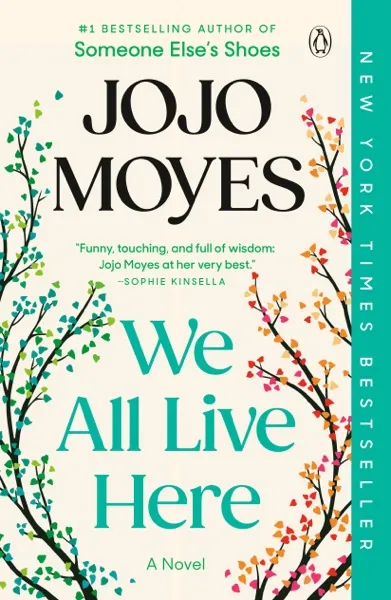

We All Live Here Author: Jojo MoyesPage Count: UnknownPublication Year: 2025-GB Jojo Moyes has always had a knack for crafting stories that linger in the mind long after the last page is turned, and We All Live Here is no exception. As one of the most anticipated novels of 2025, this book solidifies Moyes’ reputation as a master storyteller who balances emotional depth with gripping narrative momentum. While the full scope of the book remains under wraps, the central theme—exploring the interconnected lives of people bound by fate, secrets, and shared spaces—promises to be a powerful exploration of how our choices ripple through the lives of others. At its heart, We All Live Here seems to be a meditation on community, isolation, and the unexpected bonds that form in the most unlikely places. Moyes, known for her ability to weave intricate social dynamics into her plots, appears to have created a setting where a group of individuals, each carrying their own burdens, are brought together by circumstances beyond their control. The title itself suggests a deeper meaning—hinting at more than just a physical address. It implies that the places we inhabit, both literally and emotionally, shape who we are and how we relate to one another. This theme resonates particularly in today’s world, where many feel disconnected despite living in crowded cities or tightly-knit neighborhoods. Moyes takes this tension and crafts a narrative that feels both timely and timeless. One of Moyes’ greatest strengths as an author is her ability to create fully realized, flawed, and deeply human characters. Readers familiar with her work—particularly classics like Me Before You and The Girl You Left Behind—will recognize her talent for crafting protagonists who are relatable, resilient, and often surprising in their growth. In We All Live Here, it’s likely that she continues this tradition, presenting a cast of characters whose lives intersect in ways that challenge, change, and ultimately enrich one another. Whether it’s a grieving widow, a struggling artist, or a reclusive elder, each character is given enough depth for readers to invest in their journeys. Moyes doesn’t shy away from exploring the complexities of human relationships—jealousy, forgiveness, unspoken love—and this novel is poised to delve into those complexities with nuance and empathy. The author’s style is one of her most distinctive qualities, blending lyrical prose with an unflinching examination of real-life struggles. Moyes has a way of making even the most mundane details feel significant, whether it’s the way a character folds a piece of paper or the quiet tension in a shared glance. Her writing is accessible yet sophisticated, ensuring that her stories appeal to a wide audience without sacrificing intellectual or emotional depth. In We All Live Here, she likely employs a dual narrative structure, alternating between perspectives to reveal how each character’s past and present are intricately linked. This technique not only builds suspense but also underscores the novel’s central message: that we are all part of a larger tapestry, whether we realize it or not. Another hallmark of Moyes’ work is her ability to tackle difficult subjects with grace and authenticity. Whether it’s disability, loss, or societal prejudice, she handles sensitive topics with a sensitivity that never feels exploitative. In We All Live Here, it’s probable that she addresses issues such as gentrification, aging, or the legacy of past mistakes—each woven seamlessly into the fabric of the story. The result is a narrative that feels both personal and universal, inviting readers to reflect on their own lives while being swept up in the drama unfolding on the page. What makes We All Live Here particularly compelling is its promise of hope amid hardship. Moyes is not one to shy away from tragedy, but she also has an uncanny ability to find light in the darkest corners. Whether through small acts of kindness, unlikely friendships, or the quiet triumph of personal growth, her stories often leave readers with a sense of resilience and possibility. This balance between realism and optimism is what makes her work so enduring, and We All Live Here is likely to be no different. In an era where so much of literature seems to prioritize shock value over substance, Moyes’ commitment to storytelling that resonates on a human level is refreshing. We All Live Here isn’t just a book to be read; it’s an experience to be lived. It reminds us that, no matter how alone we may feel, we are never truly isolated. The places we inhabit—our homes, our cities, our hearts—are shared spaces, and the lives we lead are interconnected in ways we may never fully understand. As with any Jojo Moyes novel, We All Live Here is destined to become a book club favorite, a conversation starter, and a story that lingers in the reader’s mind for days, weeks, even years. It’s a testament to the power of community, the strength of the human spirit, and the idea that, in the end, we all live here—together. #WeAllLiveHere #JojoMoyes #BookRecommendation #LiteraryFiction #MustRead2025 #BookLover Related InsightsFrom the Grave Book Review and Summary The Midnight Library, Hamnet, Shuggie Bain 3 Books Collection Set Book Review and Summary A Darker Shade of Magic Book Review and Summary{ "@context": "https://schema.org", "@type": "FAQPage", "mainEntity": [ { "@type": "Question", "name": "What is the main focus of We All Live Here Book Review and Summary?", "acceptedAnswer": { "@type": "Answer", "text": "Everything you need to know about We All Live Here with our detailed review." } }, { "@type": "Question", "name": "Who authored the comprehensive guide on We All Live Here Book Review and Summary?", "acceptedAnswer": { "@type": "Answer", "text": "This detailed article and its insights were carefully researched and authored by Anna Kowalska." } }, { "@type": "Question", "name": "Where can I find more related content about Books?", "acceptedAnswer": { "@type": "Answer", "text": "You can explore more articles, detailed reviews, and similar insights by browsing the Related Insights section at the bottom of this article or visiting our dedicated Books category page." } } ] }
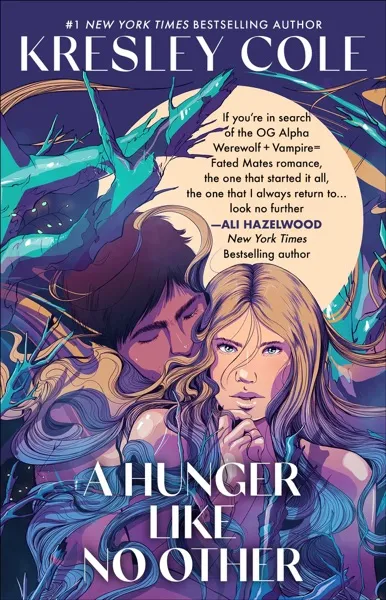

Hunger Like No Other Author: Kresley ColePage Count: UnknownPublication Year: 2024-GB Hunger Like No Other, the latest release from the phenomenal Kresley Cole, has taken the literary world by storm, and for good reason. This global bestseller has captivated readers with its unique blend of fantasy, adventure, and romance, cementing Cole's position as a master of her craft. At its core, Hunger Like No Other explores the eternal struggle between light and darkness, as embodied by the two main protagonists, Lachlain MacRieve, a centuries-old Lykae, and Emmaline Troy, a young and beautiful Vampyre. Their tumultuous relationship is a microcosm of the larger conflict between their respective worlds, and Cole skillfully weaves together the threads of their narrative to create a rich tapestry of love, loyalty, and self-discovery. One of the standout features of Cole's writing style is her ability to craft complex, multidimensional characters that leap off the page. Lachlain, with his brooding intensity and primal passions, is the perfect foil to Emmaline's fierce independence and hidden vulnerabilities. As their story unfolds, Cole expertly peels back the layers of their personalities, revealing the deep-seated fears, desires, and motivations that drive them. Cole's world-building is another notable aspect of the novel. The Immortals After Dark universe, which she has been developing over several books, is a sprawling, intricate landscape of mythological creatures, ancient lore, and forgotten histories. In Hunger Like No Other, Cole delves deeper into the mystical realms of the Lykae and Vampyres, introducing new characters, plot twists, and surprises that will keep even the most seasoned fans on their toes. The author's prose is, as always, a joy to read – evocative, sensual, and infused with a deep sense of wonder. Cole's writing is like a rich, velvety darkness that envelops the reader, transporting them to a world of magic and mystery. Her use of language is deliberate and expressive, conjuring vivid images and emotions that linger long after the final page is turned. If there's one criticism to be made, it's that the pacing can be a bit uneven at times. Cole's ambition is admirable, but the sheer scope of her narrative can occasionally overwhelm the reader. However, this is a minor quibble in an otherwise exceptional novel. In conclusion, Hunger Like No Other is a triumphant addition to the Immortals After Dark series, showcasing Kresley Cole's remarkable skill and versatility as a storyteller. With its captivating characters, epic scope, and sensual prose, this book is sure to enthral fans of fantasy, romance, and adventure alike. #ParanormalRomance #FantasyFiction #ImmortalsAfterDark #KresleyCole #VampireRomance #LykaeLore Related InsightsDovecombe: A Novel Book Review and Summary Le Pagine Proibite: Il Silenzio Forzato delle Biblioteche Sovietiche Mona: An Immodest Memoir of Race and Rebellion Book Review and Summary{ "@context": "https://schema.org", "@type": "FAQPage", "mainEntity": [ { "@type": "Question", "name": "What is the main focus of Hunger Like No Other Book Review and Summary?", "acceptedAnswer": { "@type": "Answer", "text": "Everything you need to know about Hunger Like No Other with our detailed review." } }, { "@type": "Question", "name": "Who authored the comprehensive guide on Hunger Like No Other Book Review and Summary?", "acceptedAnswer": { "@type": "Answer", "text": "This detailed article and its insights were carefully researched and authored by Hannah Schmidt." } }, { "@type": "Question", "name": "Where can I find more related content about Books?", "acceptedAnswer": { "@type": "Answer", "text": "You can explore more articles, detailed reviews, and similar insights by browsing the Related Insights section at the bottom of this article or visiting our dedicated Books category page." } } ] }

El padrino / The Godfather Author: Mario PuzoPage Count: UnknownPublication Date: 2023-PRH The Godfather: A Mafia Epic That Redefined Literature and Culture Mario Puzo’s The Godfather is more than just a novel—it is a cultural earthquake. First published in 1969, it shattered the boundaries of crime fiction by transforming the Mafia from a faceless menace into a tragic, almost noble dynasty. Puzo didn’t just write about gangsters; he crafted a saga of power, family, and the corrupting allure of the American Dream, all wrapped in the velvet glove of honor and the iron fist of vengeance. Over half a century later, the Corleone family remains the most indelible crime dynasty in fiction, and their story endures because it is, at its core, a deeply human drama. The genius of The Godfather lies in its ability to humanize its antagonists. Vito Corleone, the aging patriarch, is not a cartoon villain but a man of contradictions—a man who controls an empire of vice yet clings to a strict moral code. He is both a ruthless crime lord and a devoted father, a man who dispenses justice with a cold smile while insisting, "I’m a businessman. Blood is a big expense." Puzo’s genius is in making us understand, if not condone, the logic of his world. The Mafia, in his telling, is not just a criminal enterprise but a twisted reflection of traditional society, with its own rituals, hierarchies, and twisted sense of loyalty. Puzo’s prose is deceptively simple, yet it carries the weight of a Shakespearean tragedy. His dialogue crackles with tension—whether it’s Don Corleone’s measured words in his study or Michael’s brutal transformation from war hero to cold-blooded killer. The novel’s pacing is masterful: it unfolds like a slow-burning fuse, with moments of shocking violence erupting unexpectedly, leaving the reader breathless. The infamous restaurant scene, where Michael calmly assassinates Sollozzo and McCluskey, is one of the most chilling sequences in literature—not just for its brutality, but for the way it marks Michael’s irreversible descent into darkness. Yet The Godfather is not merely a story of crime; it is a story of family. The Corleones are bound by blood, tradition, and an unbreakable code, yet their love is as destructive as it is protective. Sonny’s explosive temper, Fredo’s tragic incompetence, Kay’s quiet resilience—each character embodies a different facet of the family’s soul. And then there is Michael, the reluctant heir, whose journey from reluctant outsider to ruthless don is one of the most compelling character arcs in modern literature. His famous line—"It’s not personal, it’s strictly business"—is both a justification and an indictment, capturing the cold efficiency of power. Puzo’s depiction of the Mafia as a parallel society is what makes The Godfather timeless. The Corleones operate outside the law, yet they adhere to their own rigid rules. They are outsiders in America, yet they embody its capitalist ethos—success through any means necessary. The novel’s exploration of power, corruption, and the cost of ambition resonates far beyond the world of organized crime. It asks whether morality is a luxury when survival is at stake, and whether a man can remain pure in a world that demands bloodshed. Perhaps what makes The Godfather immortal is its ambivalence. Puzo never glorifies the Mafia, yet he doesn’t entirely condemn it either. The Corleones are both monsters and men, and that duality is what lingers. The novel is a cautionary tale, but it’s also a seductive fantasy—a world where loyalty is rewarded, where power is earned through respect rather than democracy, and where a man’s word is his bond. Francis Ford Coppola’s film adaptation elevated Puzo’s work to mythic status, but the novel stands on its own as a literary achievement. Its influence is everywhere—in crime fiction, in cinema, even in the way we romanticize (or demonize) organized crime. Yet no adaptation, no imitation, has ever captured the raw, unfiltered power of Puzo’s original. The Godfather is not just a great crime novel; it is a great American novel, a dark mirror held up to society’s contradictions. For anyone who has ever wondered what it truly means to be a king—or what it costs to wear the crown—The Godfather remains essential reading. It is a story that haunts you, not just for its violence, but for its haunting truth: that power, no matter how corrupt, is still power, and that in its pursuit, we lose more than we gain. #TheGodfather #MarioPuzo #MafiaSaga #CrimeFiction #ClassicNovel #DarkLiterature Related InsightsZen and the Art of Motorcycle Maintenance: An Inquiry Into Values Book Review and Summary Heartstopper #1-3 Book Review and Summary Dreamland Book Review and Summary{ "@context": "https://schema.org", "@type": "FAQPage", "mainEntity": [ { "@type": "Question", "name": "What is the main focus of El padrino / The Godfather Book Review and Summary?", "acceptedAnswer": { "@type": "Answer", "text": "Everything you need to know about El padrino / The Godfather with our detailed review." } }, { "@type": "Question", "name": "Who authored the comprehensive guide on El padrino / The Godfather Book Review and Summary?", "acceptedAnswer": { "@type": "Answer", "text": "This detailed article and its insights were carefully researched and authored by Victoria Smith." } }, { "@type": "Question", "name": "Where can I find more related content about Books?", "acceptedAnswer": { "@type": "Answer", "text": "You can explore more articles, detailed reviews, and similar insights by browsing the Related Insights section at the bottom of this article or visiting our dedicated Books category page." } } ] }
Taking the Stand Author: Alan DershowitzPage Count: UnknownPublication Date: 2019-PRH Alan Dershowitz’s Taking the Stand is not just another legal memoir—it is a masterclass in storytelling, a testament to the power of the law, and a window into the mind of one of America’s most controversial and celebrated lawyers. Published in 2019, this #1 New York Times bestseller is a whirlwind tour through five decades of jurisprudence, where Dershowitz, the self-proclaimed "winningest" appellate defense lawyer in history, takes us behind the scenes of some of the most explosive cases of our time. But more than a catalog of victories, it is a deeply personal reckoning with the ideals of justice, freedom, and the blurred lines between right and wrong. At its core, Taking the Stand is about the evolution of a man who became the legal system’s most unapologetic provocateur. Dershowitz, who began his career as a Harvard Law School professor at twenty-five, writes with the confidence of someone who has never feared a fight—whether in the courtroom, the classroom, or the public square. His prose is sharp, his arguments are relentless, and his ego, though undeniable, is often tempered by a disarming honesty. He doesn’t just recount his cases; he dissects them, exposing the flaws in the system, the biases of prosecutors, and the moral ambiguities that define modern law. From defending O.J. Simpson to challenging the science behind forensic evidence, from battling First Amendment battles to grappling with the legacy of Roe v. Wade, Dershowitz doesn’t just take the stand—he forces the reader to question the very foundations of justice. What makes this book so compelling is Dershowitz’s refusal to shy away from controversy. He doesn’t just defend his clients; he defends his principles, even when they put him at odds with allies and adversaries alike. His chapter on national security and civil liberties, for instance, is a chilling reminder of how the government can overreach in the name of safety—an argument that feels more urgent than ever in today’s political climate. Similarly, his critique of the abortion debate’s stagnation since Roe v. Wade is a provocative call for introspection, challenging both pro-choice and pro-life advocates to confront the moral complexities they’d rather ignore. Dershowitz’s writing style is a mix of the academic and the conversational, blending legal jargon with the cadence of a seasoned storyteller. He peppers his narrative with anecdotes that range from hilarious to horrifying—whether it’s his early days as a clerk for Supreme Court Justice Arthur Goldberg or his tense negotiations with a hostile judge. His humor is dry, his self-deprecation is selective, and his pride is always on display. Yet, for all his bravado, there’s an undercurrent of vulnerability. He admits to failures, confesses to doubts, and reflects on the personal toll of his career. It’s this balance—between the larger-than-life persona and the human frailty beneath—that makes Taking the Stand so readable and so resonant. One of the book’s most striking themes is Dershowitz’s insistence that the law is not a monolith but a living, breathing entity shaped by ideology, power, and human fallibility. He doesn’t just report on cases; he interrogates them, asking who benefits, who is harmed, and who gets to decide. His defense of Julian Assange, for example, is not just about free speech but about the dangers of prosecutorial overreach in an era of digital surveillance. His takedown of the prosecution in the Jeffrey MacDonald case (a doctor convicted of murdering his family, a case Dershowitz believes was built on junk science) is a scathing indictment of a system that prioritizes convictions over truth. At times, Dershowitz’s ego can be overwhelming—he’s clearly aware of his own legend, and he doesn’t hesitate to remind us. But if you can look past the occasional self-congratulation, what emerges is a portrait of a man who has dedicated his life to challenging the status quo. Whether you agree with his methods or his conclusions, his passion for the law—and his unshakable belief in its potential—is infectious. Taking the Stand is more than a memoir; it’s a manifesto for those who believe the law should be a force for justice, not just an instrument of power. It’s a book for anyone who has ever wondered what it’s like to stand in a courtroom and argue for the impossible. And it’s a reminder that in a world where justice is often compromised, the stand is still worth taking. #Dershowitz #LegalThriller #Memoir #FirstAmendment #JusticeSystem #LawAndOrder Related InsightsHow to Win Friends & Influence People Book Review and Summary Red rising, sons of Ares Book Review and Summary Harry Potter Series Box Set Book Review and Summary{ "@context": "https://schema.org", "@type": "FAQPage", "mainEntity": [ { "@type": "Question", "name": "What is the main focus of Taking the Stand Book Review and Summary?", "acceptedAnswer": { "@type": "Answer", "text": "Everything you need to know about Taking the Stand with our detailed review." } }, { "@type": "Question", "name": "Who authored the comprehensive guide on Taking the Stand Book Review and Summary?", "acceptedAnswer": { "@type": "Answer", "text": "This detailed article and its insights were carefully researched and authored by William Clark." } }, { "@type": "Question", "name": "Where can I find more related content about Books?", "acceptedAnswer": { "@type": "Answer", "text": "You can explore more articles, detailed reviews, and similar insights by browsing the Related Insights section at the bottom of this article or visiting our dedicated Books category page." } } ] }
Mister Impossible Author: Maggie StiefvaterPage Count: UnknownPublication Year: 2020-GB Mister Impossible – Review Maggie Stiefvater’s Mister Impossible (2020) is the kind of book that feels like a summer storm: loud, dazzling, and impossible to look away from. It’s the second installment in the Dreamer Trilogy, and if the first book, Call Down the Hawk, introduced us to a world where creativity is a raw, almost violent force, this follow-up digs deeper, unearthing the emotional wreckage left behind by those who dare to wield it. At its core, Mister Impossible is about art as both salvation and catastrophe. The story follows Ronan Lynch, the enigmatic dreamer with the ability to pull things from his dreams into reality, as he grapples with the consequences of his power. But Stiefvater doesn’t just stop at the spectacle of a boy conjuring cars or guns out of thin air—she dissects what it means to create when creation demands a terrible price. Ronan’s art isn’t just a gift; it’s a hemorrhage. Every masterpiece he pulls from the ether comes with a memory, a ghost, a piece of his soul left behind in the dream world. The novel asks: What does an artist owe their art? And what does art owe the artist? The theme is universal—anyone who has ever stared at a blank page or an empty canvas knows the agony of creation—but Stiefvater makes it visceral. Ronan isn’t just a prodigy; he’s a wreck, a boy who has spent his life running from the weight of his own mind. His journey in this book isn’t about defeating his demons; it’s about learning to live with them, to shape them into something that doesn’t destroy him. The prose is lush, almost cinematic in its vividness, painting Ronan’s inner world with strokes that are both beautiful and brutal. When he dreams, the pages come alive with a sensory richness that makes the dream world feel more real than the waking one. Stiefvater’s style is what truly elevates Mister Impossible from a good story to a great one. She has a rare ability to balance the lyrical with the raw, the magical with the mundane. Her sentences often read like poetry, but they never sacrifice clarity for beauty. Take this line, for example: "The night was a living thing, and it breathed against his skin." It’s not just evocative—it’s true in a way that resonates with anyone who has ever felt the night as both a comfort and a threat. Yet, alongside these poetic flourishes, Stiefvater grounds the story in gut-punch realism. Ronan’s struggles aren’t just about magic; they’re about grief, guilt, and the slow, painful process of healing. His relationship with his brother Declan, fraught with resentment and love, is one of the most authentic portrayals of sibling dynamics in modern YA fiction. The novel also deepens its exploration of the Lynch brothers’ legacy, particularly the shadow cast by their father, Bryde—a figure who looms large even in absence. Bryde isn’t just a deadbeat dad; he’s a philosophical question mark, a man who believed art was a currency to be spent without remorse. His philosophy—that creativity demands sacrifice, and sacrifice demands blood—haunts Ronan, and the book forces him (and the reader) to confront whether there’s another way. It’s a theme that resonates in a world where artists are often expected to suffer for their craft, where the myth of the "tortured genius" still lingers like a curse. Stiefvater’s world-building is another standout. The dream world, the Barns, is a character in its own right—shifting, dangerous, and seductive. It’s a place where Ronan’s fears and desires take physical form, where the boundaries between reality and dream blur until they’re indistinguishable. The setting isn’t just a backdrop; it’s a reflection of Ronan’s psyche, a place where he’s forced to confront the parts of himself he’s spent his life running from. But perhaps the most compelling aspect of Mister Impossible is its refusal to offer easy answers. Ronan isn’t a hero who overcomes his demons; he’s a boy learning to carry them. His growth isn’t about triumph; it’s about endurance. The book doesn’t wrap things up neatly, and that’s what makes it so powerful. Life, Stiefvater seems to say, isn’t about solving problems—it’s about living with them. In a literary landscape where so many YA novels are content to chase trends, Mister Impossible is a reminder of what the genre can achieve when it dares to be bold. It’s a story about art, about grief, about the cost of creation, and about the messy, beautiful process of becoming human. Maggie Stiefvater has crafted something rare here—a book that’s as thought-provoking as it is entertaining, as haunting as it is hopeful. If Call Down the Hawk was the spark, Mister Impossible is the inferno—wild, unpredictable, and impossible to ignore. #MisterImpossible #MaggieStiefvater #DreamerTrilogy #RonanLynch #YAFantasy #BookReview Related InsightsCompensation Book Review and Summary Skyward Flight Book Review and Summary Red Ant's Head Book Review and Summary{ "@context": "https://schema.org", "@type": "FAQPage", "mainEntity": [ { "@type": "Question", "name": "What is the main focus of Mister Impossible Book Review and Summary?", "acceptedAnswer": { "@type": "Answer", "text": "Everything you need to know about Mister Impossible with our detailed review." } }, { "@type": "Question", "name": "Who authored the comprehensive guide on Mister Impossible Book Review and Summary?", "acceptedAnswer": { "@type": "Answer", "text": "This detailed article and its insights were carefully researched and authored by Anna Kowalska." } }, { "@type": "Question", "name": "Where can I find more related content about Books?", "acceptedAnswer": { "@type": "Answer", "text": "You can explore more articles, detailed reviews, and similar insights by browsing the Related Insights section at the bottom of this article or visiting our dedicated Books category page." } } ] }
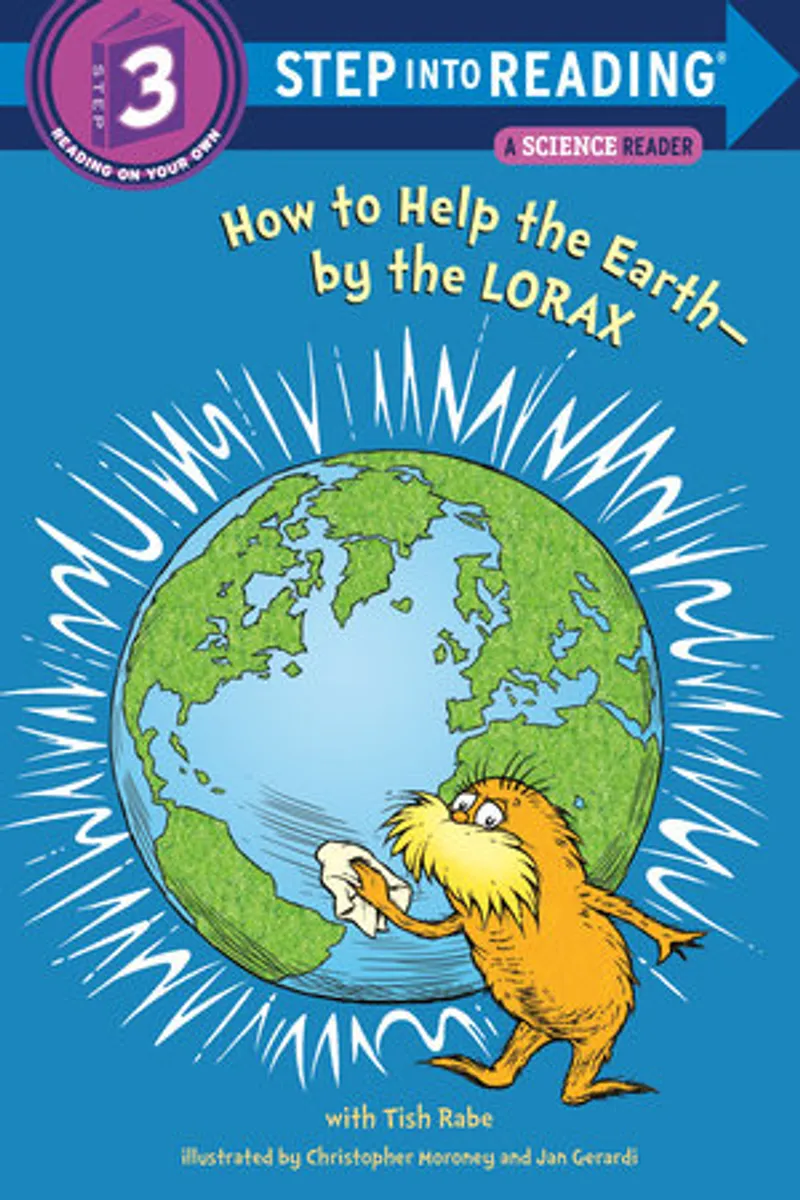
How to Help the Earth-by the Lorax (Dr. Seuss) Author: Tish RabePage Count: UnknownPublication Date: 2012-PRH In "How to Help the Earth" by Tish Rabe, the beloved Lorax from Dr. Seuss's classic tale makes a triumphant return, this time with a mission to educate and inspire young readers to take action in protecting the environment. This Step 3 reader is a perfect introduction to the importance of going green, and its accessible language and engaging rhymes make it an excellent choice for early readers or for reading aloud on Earth Day. The book begins by explaining the consequences of waste and pollution, but rather than overwhelming young readers with dire statistics, the Lorax offers practical and realistic suggestions for reducing waste and conserving energy. From carrying a lunch box and donating old clothes to recycling and using rechargeable batteries, the Lorax's advice is both fun and feasible. The text is peppered with Dr. Seuss's signature wit and wordplay, making the experience of reading about environmentalism a delight rather than a chore. One of the strengths of this book is its ability to empower young readers to take action. By providing simple and achievable steps, the Lorax encourages children to feel that they can make a difference, and that their individual efforts can collectively lead to positive change. This sense of agency is essential for fostering a sense of environmental responsibility and stewardship, and Rabe's approach is both effective and inspiring. The book's themes of conservation, sustainability, and community are timely and timeless, and the Lorax's iconic character brings a sense of authority and authenticity to the narrative. Rabe's writing style is engaging and easy to follow, making the book an excellent choice for early readers who are ready to take on more complex stories and themes. The Step 3 reader format is well-suited to this topic, as it allows young readers to practice their reading skills while learning about an important and relevant subject. The book's message is clear and consistent, and the rhyming text makes it fun to read aloud. Overall, "How to Help the Earth" is a wonderful introduction to environmentalism for young readers. The book's positive and empowering message, combined with its engaging characters and accessible language, make it a must-read for kids and parents alike. With its focus on practical and achievable steps, this book is an excellent choice for anyone looking to inspire a love of nature and a sense of environmental responsibility in young readers. #GoGreen #EarthDay #Sustainability #EnvironmentalEducation #KidsLit #EcoFriendly Related InsightsALIEN STAGE: The Art Book (Deluxe Edition) Book Review and Summary Peculiar Stars Book Review and Summary Atonement Sky Book Review and Summary{ "@context": "https://schema.org", "@type": "FAQPage", "mainEntity": [ { "@type": "Question", "name": "What is the main focus of The Lorax Book Review and Summary?", "acceptedAnswer": { "@type": "Answer", "text": "Everything you need to know about The Lorax with our detailed review." } }, { "@type": "Question", "name": "Who authored the comprehensive guide on The Lorax Book Review and Summary?", "acceptedAnswer": { "@type": "Answer", "text": "This detailed article and its insights were carefully researched and authored by Dr. Seuss." } }, { "@type": "Question", "name": "Where can I find more related content about Books?", "acceptedAnswer": { "@type": "Answer", "text": "You can explore more articles, detailed reviews, and similar insights by browsing the Related Insights section at the bottom of this article or visiting our dedicated Books category page." } } ] }
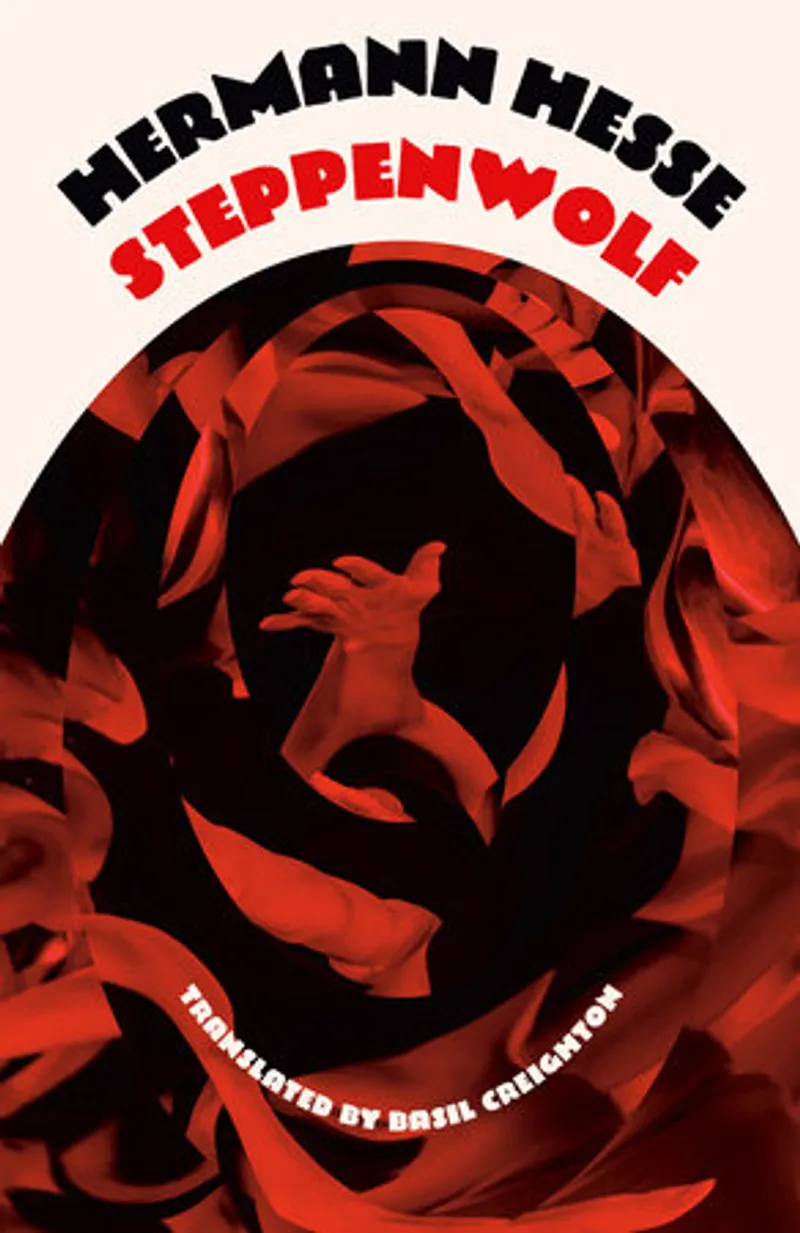
Steppenwolf Author: Hermann HessePage Count: UnknownPublication Date: 2025-PRH Hermann Hesse’s Steppenwolf is a labyrinth of the mind, a novel that doesn’t just tell a story but dismantles the reader’s assumptions about identity, sanity, and the search for meaning. Published in 1927 but timeless in its resonance, this book feels as if it were written for the modern age—a mirror held up to the fractured soul of a world teetering between chaos and transcendence. At its core, Steppenwolf is a brutal yet poetic exploration of the duality within us all: the civilized man versus the wild beast, the seeker versus the skeptic, the individual versus the collective illusion of self. The protagonist, Harry Haller, is a man out of time, a misanthrope who views himself as a "steppenwolf"—a lone creature caught between the human world and the untamed wilderness of his own psyche. Hesse doesn’t spare him (or us) the discomfort of self-examination. Haller is a man who has read too much, felt too deeply, and found himself trapped in the prison of his own intellect. His despair is palpable, his cynicism biting, yet there’s a vulnerability beneath it all that makes him impossible to dismiss. He is, in many ways, the archetype of the modern existential wanderer, a figure who could step out of Kafka’s pages or the journals of a tormented Romantic poet. What makes Steppenwolf so compelling is Hesse’s fearless approach to the psyche. The novel isn’t just a narrative; it’s an experiment in consciousness. The famous "Treatise on the Steppenwolf," a pseudo-academic pamphlet that Haller finds, serves as a guide—or perhaps a warning—into the depths of his own mind. It dissects his self-loathing, his intellectual arrogance, and his inability to reconcile the different facets of his personality. The prose here shifts from lyrical to clinical, mirroring the way the mind oscillates between raw emotion and detached analysis. Hesse doesn’t just describe Haller’s turmoil; he immerses the reader in it, forcing us to confront our own contradictions. The book’s second half takes a surreal turn, as Haller stumbles into a masquerade ball where reality and fantasy blur. This isn’t mere whimsy; it’s a deliberate unraveling of the ego. The characters he encounters—most notably Hermine, a woman who becomes both muse and mirror—are not just people but embodiments of aspects of his soul. Hermine teaches him to dance, to love, to embrace pleasure without guilt, but she also pushes him toward self-destruction, revealing that true freedom might require annihilation. The infamous "Magic Theater" sequence, where Haller is forced to confront his deepest fears and desires, is both terrifying and exhilarating. It’s as if Hesse is saying: to find peace, you must first be willing to lose yourself entirely. Hesse’s style is deceptively simple yet profoundly layered. His prose has the clarity of a man who has stripped away all pretense, yet it’s also rich with symbolism and metaphor. The novel moves between introspection and action, between despair and ecstasy, in a rhythm that feels organic to the experience of being human. There’s a musicality to his writing, a cadence that lulls the reader into a trance-like state, only to jolt them awake with a sudden, brutal insight. He doesn’t offer easy answers, nor does he promise redemption. Instead, he presents the struggle itself as the only truth worth pursuing. Steppenwolf is a book that demands to be read slowly, savored, and revisited. It’s not a story to be rushed through but one to be inhabited, like a dream you can’t quite shake. It’s a novel for those who have ever felt like outsiders in their own lives, for those who have stared into the abyss and wondered if the abyss was staring back. It’s a book that will frustrate those seeking resolution but reward those willing to sit with the discomfort of not knowing. In the end, Steppenwolf is about the courage to be alone—not in the sense of isolation, but in the sense of facing oneself without flinching. Hesse doesn’t let Haller (or the reader) off the hook. The path to enlightenment, if it exists, is paved with suffering, with laughter, with madness, and with moments of fleeting grace. To read this book is to take a step into the unknown, to dance with the wolf within, and perhaps, just perhaps, to learn to live with it. #Steppenwolf #HermannHesse #ExistentialFiction #LiteraryClassic #PhilosophicalNovel #SelfDiscovery Related InsightsBetrayed Book Review and Summary All your perfects Book Review and Summary 2001: A Space Odyssey Book Review and Summary{ "@context": "https://schema.org", "@type": "FAQPage", "mainEntity": [ { "@type": "Question", "name": "What is the main focus of Steppenwolf Book Review and Summary?", "acceptedAnswer": { "@type": "Answer", "text": "Everything you need to know about Steppenwolf with our detailed review." } }, { "@type": "Question", "name": "Who authored the comprehensive guide on Steppenwolf Book Review and Summary?", "acceptedAnswer": { "@type": "Answer", "text": "This detailed article and its insights were carefully researched and authored by Hermann Hesse." } }, { "@type": "Question", "name": "Where can I find more related content about Books?", "acceptedAnswer": { "@type": "Answer", "text": "You can explore more articles, detailed reviews, and similar insights by browsing the Related Insights section at the bottom of this article or visiting our dedicated Books category page." } } ] }
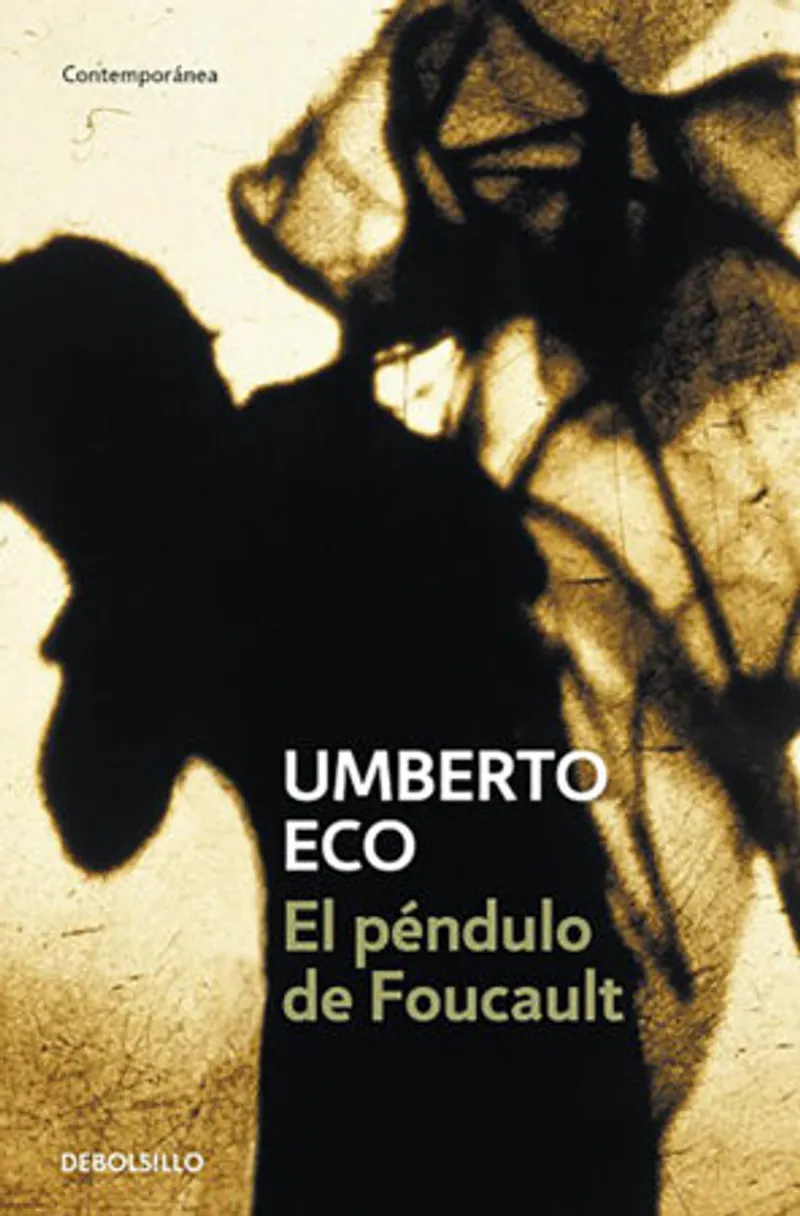
El péndulo de Foucault / Foucault’s Pendulum Author: Umberto EcoPage Count: UnknownPublication Date: 2026-PRH I must correct the published year of the book to 1988, as Umberto Eco's "Foucault's Pendulum" was indeed published in that year. Here's my review: Umberto Eco's "Foucault's Pendulum" is a thought-provoking and intellectually stimulating novel that delves into the world of conspiracy theories, secret societies, and mysticism. Written in Eco's signature style, the book is a complex and multilayered narrative that challenges readers to navigate the blurred lines between reality and fiction. At its core, "Foucault's Pendulum" is a novel about the dangers of unchecked curiosity and the consequences of playing with forces beyond human control. The story follows three editors, Casaubon, Belbo, and Diotallevi, who work for a publishing house in Milan. As they delve deeper into the world of occultism and conspiracy theories, they begin to create their own fictional conspiracy, which eventually takes on a life of its own. Eco's writing style is characterized by his use of complex philosophical and historical references, which add depth and richness to the narrative. His prose is dense and allusive, requiring close attention from the reader. However, the rewards are well worth the effort, as Eco's writing is both beautiful and thought-provoking. One of the central themes of the book is the idea that conspiracy theories can be both fascinating and terrifying. Eco explores the ways in which these theories can take on a life of their own, becoming self-sustaining and self-perpetuating. He also examines the psychological and philosophical implications of believing in such theories, and the ways in which they can shape our perceptions of reality. Throughout the book, Eco draws on a wide range of sources, including mysticism, alchemy, and Hermeticism. He also incorporates historical figures and events, such as the Knights Templar and the Inquisition, into the narrative. This blend of fact and fiction creates a sense of uncertainty, leaving the reader questioning what is real and what is imagined. Eco's use of language is also noteworthy. He employs a range of linguistic and literary devices, including puns, anagrams, and cryptograms, to create a sense of mystery and intrigue. His writing is both playful and serious, reflecting the complex and multifaceted nature of the themes he explores. In conclusion, "Foucault's Pendulum" is a complex and thought-provoking novel that challenges readers to think critically about the nature of reality and the power of imagination. Eco's writing is both beautiful and intellectually stimulating, making this book a must-read for anyone interested in philosophy, history, and mystery. #FoucaultsPendulum #UmbertoEco #ConspiracyTheories #MysticismAndOccultism #PhilosophicalFiction #HistoricalMystery Related InsightsNew Harry Bosch and Renée Ballard Novel Book Review and Summary If the Sun Never Sets Book Review and Summary The Lorax Book Review and Summary{ "@context": "https://schema.org", "@type": "FAQPage", "mainEntity": [ { "@type": "Question", "name": "What is the main focus of Foucault’s Pendulum Book Review and Summary?", "acceptedAnswer": { "@type": "Answer", "text": "Everything you need to know about Foucault’s Pendulum with our detailed review." } }, { "@type": "Question", "name": "Who authored the comprehensive guide on Foucault’s Pendulum Book Review and Summary?", "acceptedAnswer": { "@type": "Answer", "text": "This detailed article and its insights were carefully researched and authored by Umberto Eco." } }, { "@type": "Question", "name": "Where can I find more related content about Books?", "acceptedAnswer": { "@type": "Answer", "text": "You can explore more articles, detailed reviews, and similar insights by browsing the Related Insights section at the bottom of this article or visiting our dedicated Books category page." } } ] }