Showing Posts From
Books

La llave de Sarah / Sarah?s Key Author: Tatiana De RosnayPage Count: UnknownPublication Date: 2016-PRH Tatiana de Rosnay’s Sarah’s Key is a haunting, beautifully crafted novel that weaves together two timelines—Paris in 1942 and 2002—to expose the deep scars of history and the power of memory. At its core, the book is a meditation on guilt, redemption, and the silence that often shrouds the darkest chapters of a nation’s past. The story begins with the Vel’ d’Hiv Roundup, a chilling real-life event in which French police arrested over 13,000 Jewish men, women, and children in July 1942. Among them is ten-year-old Sarah Starzynski, who locks her younger brother in a cupboard before being dragged away, clutching the key as her only hope of returning. The novel’s title, Sarah’s Key, takes on a dual meaning: it is both the literal key Sarah hides and the metaphorical key to unlocking France’s buried complicity in the Holocaust. Through Sarah’s harrowing journey—from the overcrowded Vel’ d’Hiv to the transit camps and ultimately Auschwitz—de Rosnay forces readers to confront the brutality of history while also exploring the lingering trauma that survivors and their descendants carry. In the present day, Julia Jarmond, an American journalist living in France, is tasked with writing an article on the 60th anniversary of the roundup. As she digs deeper, she uncovers a connection between Sarah’s fate and her own in-laws, the Tézac family, who once occupied the Starzynskis’ apartment. Julia’s investigation becomes a personal reckoning, blurring the lines between past and present as she grapples with her own identity as an outsider in France and the moral weight of her husband’s family’s possible involvement in the tragedy. De Rosnay’s writing is deceptively simple yet devastatingly effective. She employs a dual narrative structure that alternates between Sarah’s first-person perspective in 1942 and Julia’s third-person account in 2002. This choice allows the reader to experience Sarah’s terror and resilience firsthand while also observing Julia’s emotional journey as she uncovers uncomfortable truths. The prose is sparse but evocative, with moments of raw intensity that linger long after the page is turned. De Rosnay doesn’t shy away from depicting the horrors of the Holocaust, but she also doesn’t rely on gratuitous detail—instead, she lets the silence and omission speak volumes, mirroring the way history itself has been whitewashed. One of the novel’s most powerful themes is the idea of collective guilt and the burden of silence. The French government long denied its role in the roundup, and many citizens turned a blind eye, eager to seize the belongings of deported Jews. Sarah’s story becomes a symbol of the innocence lost in such atrocities, while Julia’s investigation forces her to confront how the past seeps into the present, shaping identities and relationships. The novel asks: How do we reconcile with a history that our ancestors may have been complicit in? And can redemption be found in the act of remembering? De Rosnay’s skill lies in making the historical personal. By intertwining Sarah’s fate with Julia’s, she creates a narrative that feels both intimate and universal. The novel is not just about the Holocaust; it’s about how its echoes reverberate through generations, how the past refuses to stay buried, and how the act of uncovering the truth—even when it’s painful—can be a form of liberation. Sarah’s Key is a book that will leave you breathless, not just because of its historical weight, but because of its emotional resonance. It’s a story about the keys we hold onto, the doors we open, and the courage it takes to face the darkness within our own histories. #SarahsKey #HistoricalFiction #Holocaust #WWII #MemoryAndRedemption #TatianaDeRosnay Related InsightsFinding Perfect Book Review and Summary We Are Still Here Book Review and Summary One for the Money Book Review and Summary{ "@context": "https://schema.org", "@type": "FAQPage", "mainEntity": [ { "@type": "Question", "name": "What is the main focus of Sarah's Key Book Review and Summary?", "acceptedAnswer": { "@type": "Answer", "text": "Everything you need to know about Sarah's Key with our detailed review." } }, { "@type": "Question", "name": "Who authored the comprehensive guide on Sarah's Key Book Review and Summary?", "acceptedAnswer": { "@type": "Answer", "text": "This detailed article and its insights were carefully researched and authored by Tatiana de Rosnay." } }, { "@type": "Question", "name": "Where can I find more related content about Books?", "acceptedAnswer": { "@type": "Answer", "text": "You can explore more articles, detailed reviews, and similar insights by browsing the Related Insights section at the bottom of this article or visiting our dedicated Books category page." } } ] }


The Boyfriend Author: Freida McFaddenPage Count: UnknownPublication Year: 2024-GB Unraveling Love, Deception, and Psychological Depth in Freida McFadden’s The Boyfriend Have you ever met someone who makes your heart race, your palms sweat, and your instincts whisper, Something isn’t right? Freida McFadden’s The Boyfriend, the 2024 global bestseller that has captivated millions, is a masterclass in psychological suspense, blending romance, danger, and a twisty narrative that refuses to let go. With its razor-sharp tension and unforgettable characters, this book isn’t just another thriller—it’s a psychological rollercoaster that will leave you questioning every assumption, every glance, every heartbeat. At its core, The Boyfriend explores the fragile boundary between love and obsession, trust and manipulation. McFadden, known for her gripping medical thrillers like The Housemaid, once again proves her prowess in crafting stories that feel terrifyingly real. The novel follows our protagonist, a woman whose life takes a dramatic turn when she meets a charming stranger who seems too good to be true. As their relationship deepens, so do the red flags—subtle at first, then undeniable. McFadden doesn’t just tell a story; she immerses you in a world where paranoia creeps in like a shadow, where every text message, every late-night call, could be a clue—or a trap. One of the book’s greatest strengths lies in its characters. The unnamed narrator is a relatable, deeply human protagonist whose vulnerability makes her journey all the more compelling. You’ll root for her, fear for her, and at times, question her judgment—just as she does. Then there’s the enigmatic love interest, whose charm masks a chilling unpredictability. McFadden excels at creating characters who feel like real people, their flaws and fears making their choices all the more gripping. The supporting cast, too, plays a crucial role, adding layers of complexity to the narrative. McFadden’s writing style is a key reason The Boyfriend has become a sensation. Her prose is tight, devoid of unnecessary fluff, yet rich with emotional depth. She has a knack for pacing—each chapter ends on a note that demands you keep reading, whether it’s a revelation, a cliffhanger, or a moment of sheer terror. The dialogue crackles with tension, and the psychological insights feel eerily authentic, making it easy to forget you’re reading fiction. Even the smallest details—a lingering glance, a hesitation in speech—are woven into the fabric of suspense, ensuring that every page feels vital. The themes McFadden explores are timeless yet urgently relevant. In an era where online dating has blurred the lines between connection and danger, The Boyfriend feels like a cautionary tale wrapped in a love story. It asks: How well do we really know the people we let into our lives? Can love blind us to the truth, or is it the truth that sets us free? The novel doesn’t shy away from the darker corners of human nature, yet it never descends into gratuitous shock value. Instead, it lingers in the psychological unease, making the horror feel personal, intimate. What sets The Boyfriend apart from other thrillers is its emotional resonance. McFadden doesn’t just want to scare you; she wants you to feel. The fear isn’t just in the plot twists—it’s in the way the protagonist’s world slowly unravels, in the way her confidence erodes with each new revelation. It’s a story about survival, about the strength it takes to trust your gut when everyone around you insists you’re overreacting. And in a world where gaslighting is a real and insidious threat, that message hits harder than any jump scare. For readers who love psychological thrillers with a side of romance, The Boyfriend is a must-read. It’s the kind of book that lingers long after the last page, the kind that makes you double-check your own relationships, your own instincts. McFadden has crafted a modern classic of suspense, one that will keep you up at night, your heart pounding in sync with the protagonist’s. If you’re looking for a book that will challenge your perceptions of love, trust, and danger, look no further. The Boyfriend isn’t just a bestseller—it’s a cultural moment, a testament to the power of storytelling to unsettle, to intrigue, and to haunt. #TheBoyfriend #FreidaMcFadden #PsychologicalThriller #BookReview #MustRead Related InsightsHecate Cavendish and the Angel of Death (The Hecate Cavendish Series, 3) Book Review and Summary Mokradla Book Review and Summary New John Grisham Legal Thriller Book Review and Summary{ "@context": "https://schema.org", "@type": "FAQPage", "mainEntity": [ { "@type": "Question", "name": "What is the main focus of **The Boyfriend** Book Review and Summary?", "acceptedAnswer": { "@type": "Answer", "text": "Everything you need to know about **The Boyfriend** with our detailed review." } }, { "@type": "Question", "name": "Who authored the comprehensive guide on **The Boyfriend** Book Review and Summary?", "acceptedAnswer": { "@type": "Answer", "text": "This detailed article and its insights were carefully researched and authored by Anna Kowalska." } }, { "@type": "Question", "name": "Where can I find more related content about Books?", "acceptedAnswer": { "@type": "Answer", "text": "You can explore more articles, detailed reviews, and similar insights by browsing the Related Insights section at the bottom of this article or visiting our dedicated Books category page." } } ] }
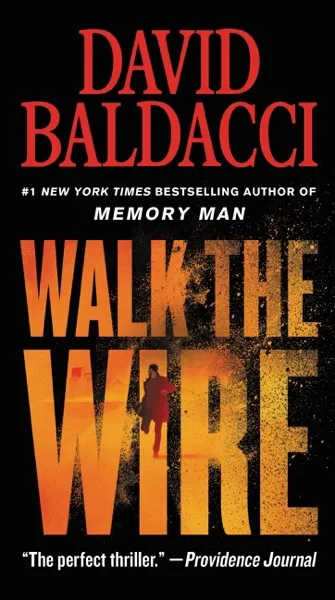

Walk the Wire Author: David BaldacciPage Count: UnknownPublication Year: 2020-GB In the midst of a chaotic world, where the lines between right and wrong are constantly blurred, comes a gripping thriller that will keep you on the edge of your seat. David Baldacci's Walk the Wire, a 2020 global bestseller, is a masterful tale of intrigue, deception, and the unrelenting pursuit of justice. This riveting novel is the sixth installment in the Amos Decker series, but it can be devoured as a standalone, ensuring that new readers are drawn into Baldacci's intricate web of suspense. At the heart of Walk the Wire lies the complexities of human nature, as explored through the main character, Amos Decker. A former police detective, Decker's exceptional memory and unique cognitive abilities make him an extraordinary investigator. His unyielding determination to unravel the truth behind a gruesome murder in a small North Dakota town propels the narrative forward. Baldacci skillfully crafts Decker's character, delving into the depths of his mental and emotional struggles, making him relatable and endearing to the reader. Throughout the novel, Baldacci weaves a multitude of themes, including the consequences of greed, the corrupting influence of power, and the resilience of the human spirit. The intricate plot is layered with unexpected twists and turns, keeping readers engaged and invested in the story. The supporting cast of characters is equally well-developed, with each individual bringing their own distinct voice and perspective to the narrative. The antagonists, in particular, are cleverly crafted, their motivations and backstories adding depth and complexity to the story. One of the most notable aspects of Walk the Wire is Baldacci's writing style, which is both accessible and sophisticated. His prose is crisp and concise, making it easy to become fully immersed in the world he has created. The pacing is expertly managed, with a perfect balance of action, suspense, and quiet moments of introspection. Baldacci's use of descriptive language brings the small town of London, North Dakota, to life, making it a character in its own right. The vivid depiction of the setting, coupled with the author's meticulous research, adds a layer of authenticity to the narrative. As the story unfolds, Baldacci tackles a range of thought-provoking issues, including the exploitation of Native American lands, the ethics of big business, and the impact of trauma on individuals and communities. These themes are handled with sensitivity and nuance, never feeling heavy-handed or didactic. Instead, they serve to enrich the narrative, adding layers of depth and complexity to the plot. In Walk the Wire, David Baldacci has crafted a thriller that is both entertaining and thought-provoking. With its intricate plot, memorable characters, and timely themes, this novel is sure to appeal to fans of the genre. As the story hurtles towards its shocking conclusion, readers will be left breathless and eager for more. Whether you are a long-time fan of the Amos Decker series or new to Baldacci's work, Walk the Wire is an unmissable read that will keep you on the edge of your seat from start to finish. As the world becomes increasingly complex, novels like Walk the Wire serve as a reminder of the power of storytelling to entertain, educate, and inspire. With its masterful blend of suspense, intrigue, and social commentary, this book is a must-read for anyone looking for a thrilling and thought-provoking experience. So, dive into the world of Amos Decker and discover why Walk the Wire has become a global bestseller. #DavidBaldacci #WalkTheWire #ThrillerNovels #AmosDeckerSeries #BestsellerBooks Related InsightsHeartstopper, Volume 2 Book Review and Summary From the Grave Book Review and Summary I, Robot Book Review and Summary{ "@context": "https://schema.org", "@type": "FAQPage", "mainEntity": [ { "@type": "Question", "name": "What is the main focus of **Walk the Wire** Book Review and Summary?", "acceptedAnswer": { "@type": "Answer", "text": "Everything you need to know about **Walk the Wire** with our detailed review." } }, { "@type": "Question", "name": "Who authored the comprehensive guide on **Walk the Wire** Book Review and Summary?", "acceptedAnswer": { "@type": "Answer", "text": "This detailed article and its insights were carefully researched and authored by Chloé Laurent." } }, { "@type": "Question", "name": "Where can I find more related content about Books?", "acceptedAnswer": { "@type": "Answer", "text": "You can explore more articles, detailed reviews, and similar insights by browsing the Related Insights section at the bottom of this article or visiting our dedicated Books category page." } } ] }

DK Top 10 Orlando Author: DK TravelPage Count: UnknownPublication Date: 2026-PRH In the realm of travel guides, few names shine as brightly as DK Travel, and their latest offering, "DK Top 10 Orlando", is a testament to their unwavering commitment to providing readers with the most comprehensive and engaging travel companions. As a seasoned book reviewer, I had the pleasure of diving into this latest installment, and I must say, it's a game-changer for anyone planning a trip to the theme park capital of the world. From the onset, it's clear that DK Travel has perfected the art of distilling the essence of a destination into a concise, easy-to-navigate guide that's as visually stunning as it is informative. The "Top 10" series has long been a favorite among travelers, and this Orlando-focused edition is no exception. The book's clever design and layout make it effortless to flip through, with each page packed with insider tips, vibrant photographs, and detailed maps that will help you make the most of your Orlando adventure. One of the standout features of "DK Top 10 Orlando" is its ability to cater to a wide range of interests and ages. Whether you're a family looking for kid-friendly attractions, a thrill-seeker on the hunt for the latest rollercoasters, or a foodie eager to sample the city's diverse culinary scene, this guide has got you covered. The author's style is approachable and engaging, making even the most mundane details feel exciting and relevant. What sets "DK Top 10 Orlando" apart from other travel guides is its emphasis on the little things that can make or break a trip. From the best times to visit popular attractions to the hidden gems that only locals know about, this book is packed with insider knowledge that will help you navigate the city like a pro. The author's passion for Orlando shines through on every page, and their expertise is evident in the careful curation of each recommendation. Of course, no travel guide would be complete without a comprehensive section on the city's iconic theme parks, and "DK Top 10 Orlando" delivers in spades. With in-depth guides to Walt Disney World, Universal Orlando, and SeaWorld, you'll be able to plan your park-hopping itinerary with ease. But it's not just about the big-ticket attractions – the book also delves into the city's lesser-known neighborhoods, such as Winter Park and Thornton Park, where you'll discover a treasure trove of boutique shops, art galleries, and restaurants. If I have any criticisms, it's that the book's page count is unknown, which may make it difficult for some readers to gauge the level of detail they can expect. However, based on the content, I can confidently say that this guide is worth every penny. In conclusion, "DK Top 10 Orlando" is a must-have for anyone planning a trip to this vibrant city. With its unique blend of insider knowledge, stunning visuals, and approachable style, this guide is sure to become your go-to companion as you explore the best of Orlando. Whether you're a seasoned traveler or just starting to plan your next adventure, this book is the perfect starting point. #OrlandoTravelGuide #DKTravel #Top10Orlando #ThemeParkCapital #TravelCompanion #FloridaVacation Related InsightsWildwood Book Review and Summary Of Human Bondage Book Review and Summary 1984 (edición definitiva avalada por The Orwell Estate) (edición especial limitada con cantos pintados) / 1984 (Edition Endorsed by The Orwell Estate) Book Review and Summary{ "@context": "https://schema.org", "@type": "FAQPage", "mainEntity": [ { "@type": "Question", "name": "What is the main focus of Orlando Book Review and Summary?", "acceptedAnswer": { "@type": "Answer", "text": "Everything you need to know about Orlando with our detailed review." } }, { "@type": "Question", "name": "Who authored the comprehensive guide on Orlando Book Review and Summary?", "acceptedAnswer": { "@type": "Answer", "text": "This detailed article and its insights were carefully researched and authored by Virginia Woolf." } }, { "@type": "Question", "name": "Where can I find more related content about Books?", "acceptedAnswer": { "@type": "Answer", "text": "You can explore more articles, detailed reviews, and similar insights by browsing the Related Insights section at the bottom of this article or visiting our dedicated Books category page." } } ] }


Atmosphere Author: Taylor Jenkins ReidPage Count: UnknownPublication Year: 2025-GB Taylor Jenkins Reid’s Atmosphere: A Masterclass in Emotional Resonance and Narrative Brilliance There’s a rare kind of book that doesn’t just tell a story—it envelops you, like stepping into a room where every detail is meticulously crafted to pull you deeper into its world. Taylor Jenkins Reid’s Atmosphere, the highly anticipated 2025 release that has already taken the literary world by storm, is one such book. With her signature blend of emotional depth, razor-sharp prose, and an uncanny ability to dissect the human condition, Reid doesn’t just write stories; she creates experiences. And Atmosphere is her most immersive yet. At its core, Atmosphere is a meditation on connection—how we find it, lose it, and sometimes, against all odds, rediscover it. The novel follows a disparate group of characters whose lives intersect in unexpected ways, each grappling with the weight of their pasts and the fragility of their present. Reid’s genius lies in her ability to weave their individual narratives into a tapestry so rich and textured that by the final page, you’ll feel as though you’ve lived a thousand lives alongside them. One of the most striking aspects of Atmosphere is Reid’s exploration of the intangible forces that shape our lives—those invisible currents of atmosphere that dictate our moods, our choices, even our relationships. Whether it’s the oppressive humidity of a summer in New Orleans or the charged silence between two people who once shared everything, Reid understands that setting is never just backdrop; it’s a character in its own right. Her prose is lush but never overwrought, painting vivid landscapes that feel as real as the emotions they evoke. This is a writer who knows that the best stories don’t just happen in a place—they happen to a place, and to the people who inhabit it. The characters in Atmosphere are, quite simply, unforgettable. Reid has a gift for crafting protagonists who are deeply flawed, achingly human, and impossible to look away from. There’s the restless artist chasing validation, the estranged siblings reuniting under fraught circumstances, the quiet observer whose presence lingers long after the page turns. Each character is rendered with such nuance that their triumphs feel like your own, and their failures cut just as deeply. Reid’s dialogue crackles with authenticity, capturing the cadence of real conversation while imbuing every exchange with subtext. You’ll find yourself pausing mid-page, struck by the sheer brilliance of a single line. What sets Atmosphere apart from Reid’s previous works—like Daisy Jones & The Six or Malibu Rising—is its quiet intensity. This isn’t a story that relies on dramatic twists or high-stakes drama to keep you hooked (though it certainly has those in spades). Instead, it’s a slow burn, a novel that rewards patience with moments of such raw emotional power that they linger like the aftertaste of a perfect meal. Reid’s writing style is deceptively effortless; she makes the complex feel simple, the painful feel bearable, and the beautiful feel inevitable. It’s the kind of book you’ll want to read in one sitting, not because it’s a page-turner in the traditional sense, but because you won’t want to leave its world for even a moment. Thematically, Atmosphere delves into the ways we construct our identities—through art, through love, through the stories we tell ourselves and others. It asks: What happens when the narrative we’ve built for ourselves no longer fits? How do we adapt when the atmosphere around us shifts, and we’re forced to confront who we really are? These questions are universal, which is why Reid’s characters feel so achingly real. They’re not just figments of imagination; they’re reflections of us, struggling, loving, and growing in ways that feel achingly familiar. For readers who have followed Taylor Jenkins Reid’s career, Atmosphere will feel like a culmination of everything she’s built up to this point. It’s a novel that proves why she’s one of the most celebrated storytellers of our time—a writer who understands that the best stories aren’t just about what happens, but about how it feels to be alive in the midst of it all. Whether you’re a longtime fan or a newcomer to her work, Atmosphere is a book that will leave you breathless, moved, and utterly transformed. If you’ve ever felt the weight of a moment, the pull of a memory, or the quiet ache of a connection slipping away, this book is for you. Taylor Jenkins Reid doesn’t just write stories; she crafts atmospheres—ones that seep into your bones and stay with you long after the last page. #TaylorJenkinsReid #AtmosphereBook #LiteraryFiction #MustRead2025 #EmotionalJourney Related InsightsDer Verborgene Kosmos am Buchschnitt: Eine Reise in die Welt der Fore-edge Paintings Snow This is Love: Meant to Be Holiday Tales Book Review and Summary How the Grinch Stole Christmas! Book Review and Summary{ "@context": "https://schema.org", "@type": "FAQPage", "mainEntity": [ { "@type": "Question", "name": "What is the main focus of **Atmosphere** Book Review and Summary?", "acceptedAnswer": { "@type": "Answer", "text": "Everything you need to know about **Atmosphere** with our detailed review." } }, { "@type": "Question", "name": "Who authored the comprehensive guide on **Atmosphere** Book Review and Summary?", "acceptedAnswer": { "@type": "Answer", "text": "This detailed article and its insights were carefully researched and authored by Emma Thompson." } }, { "@type": "Question", "name": "Where can I find more related content about Books?", "acceptedAnswer": { "@type": "Answer", "text": "You can explore more articles, detailed reviews, and similar insights by browsing the Related Insights section at the bottom of this article or visiting our dedicated Books category page." } } ] }
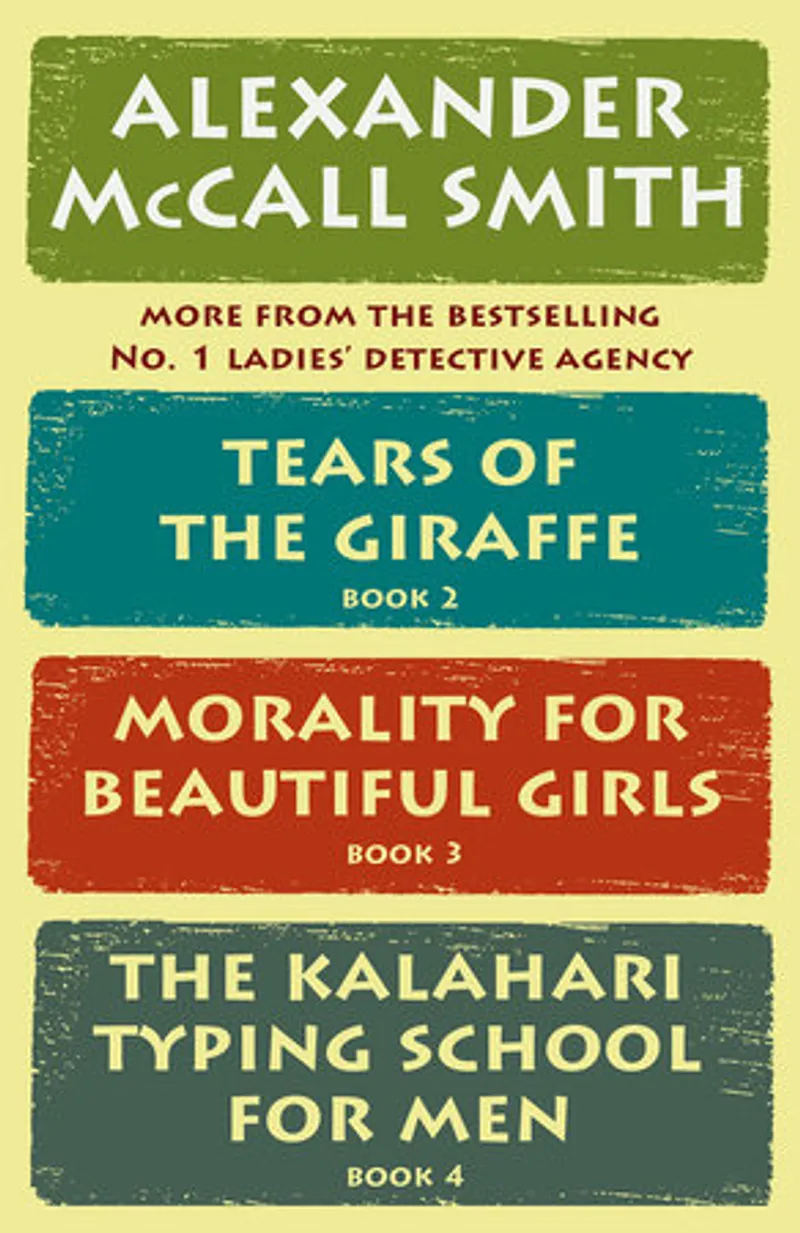
The No. 1 Ladies' Detective Agency Box Set (Books 2-4) Author: Alexander McCall SmithPage Count: UnknownPublication Date: 2018-PRH In the heartwarming No. 1 Ladies' Detective Agency Box Set, Alexander McCall Smith masterfully weaves together three captivating novels that showcase the endearing and astute Precious Ramotswe, Botswana's premier lady detective. This delightful box set, featuring Tears of the Giraffe, Morality for Beautiful Girls, and The Kalahari Typing School for Men, is a testament to the author's ability to craft stories that are both entertaining and thought-provoking. At the core of these novels is the theme of community and the interconnectedness of human relationships. McCall Smith skillfully explores the complexities of life in a small African town, where everyone's business is intricately tied to one another's. Precious Ramotswe, with her sharp wit and compassionate nature, navigates the intricate web of relationships with ease, often relying on her intuition and wisdom to solve cases that baffle the local authorities. Throughout the series, McCall Smith's writing style is characterized by its gentle humor, clever dialogue, and vivid descriptions of the African landscape. His prose is engaging and effortless to read, making it easy to become fully immersed in the world of Precious Ramotswe and her associates. The author's use of language is also noteworthy, as he seamlessly weaves together Setswana phrases and cultural references, adding depth and authenticity to the narrative. One of the most striking aspects of McCall Smith's writing is his ability to balance lighthearted moments with more serious themes. He tackles issues such as morality, relationships, and social justice with sensitivity and nuance, never shying away from exploring the complexities of human nature. This is particularly evident in Morality for Beautiful Girls, where Precious Ramotswe grapples with the moral implications of a case involving a local beauty pageant. The characters in the series are equally well-crafted, with Precious Ramotswe being the standout star. Her warmth, intelligence, and kindness make her an instantly relatable and endearing protagonist. The supporting cast, including her loyal associate Grace Makutsi and the lovable but awkward Mr. J.L.B. Matekoni, add depth and humor to the narrative. In conclusion, the No. 1 Ladies' Detective Agency Box Set is a must-read for fans of cozy mysteries, African literature, and heartwarming stories about community and relationships. Alexander McCall Smith's writing is engaging, witty, and full of warmth, making this box set a delightful addition to any reader's library. #No1LadiesDetectiveAgency #AlexanderMcCallSmith #BotswanaLiterature #CozyMystery #AfricanFiction #PreciousRamotswe Related InsightsHarbinger Book Review and Summary Where She Went Book Review and Summary City of God Book Review and Summary{ "@context": "https://schema.org", "@type": "FAQPage", "mainEntity": [ { "@type": "Question", "name": "What is the main focus of The No. 1 Ladies' Detective Agency Book Review and Summary?", "acceptedAnswer": { "@type": "Answer", "text": "Everything you need to know about The No. 1 Ladies' Detective Agency with our detailed review." } }, { "@type": "Question", "name": "Who authored the comprehensive guide on The No. 1 Ladies' Detective Agency Book Review and Summary?", "acceptedAnswer": { "@type": "Answer", "text": "This detailed article and its insights were carefully researched and authored by Alexander McCall Smith." } }, { "@type": "Question", "name": "Where can I find more related content about Books?", "acceptedAnswer": { "@type": "Answer", "text": "You can explore more articles, detailed reviews, and similar insights by browsing the Related Insights section at the bottom of this article or visiting our dedicated Books category page." } } ] }
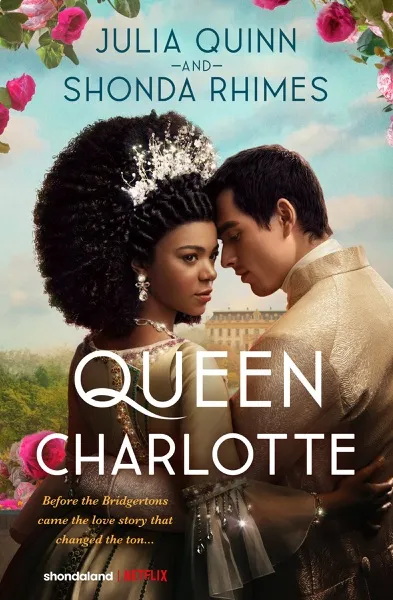
Queen Charlotte Author: Julia QuinnPage Count: UnknownPublication Year: 2023-GB Queen Charlotte by Julia Quinn is a masterclass in historical romance that dares to reimagine the untold love story behind Queen Charlotte’s rise to power. Set against the opulent backdrop of 18th-century England, Quinn weaves a tale of ambition, passion, and the unyielding spirit of a woman who defied convention to shape a nation. But this isn’t just another royal romance—it’s a bold, emotionally charged exploration of what it means to rule with heart in a world that demands steel. At its core, Queen Charlotte is a story about power and love, but not in the way you might expect. Quinn doesn’t shy away from the complexities of monarchy; instead, she delves into the loneliness of the crown, the sacrifices of leadership, and the quiet strength required to carve out a place in a world that sees women as mere pawns in a man’s game. Charlotte, the mixed-race princess who becomes queen, is more than a historical figure—she’s a feminist icon before the term even existed. Her journey isn’t just about securing a throne; it’s about proving that her worth isn’t defined by her gender or her heritage, but by her intellect, her resilience, and her unapologetic ambition. Quinn’s genius lies in her ability to balance grandeur with intimacy. The novel doesn’t just paint a picture of a queen holding court; it immerses you in the personal, the tender, and the raw. The romance between Charlotte and her husband, King George III, is the beating heart of the story, but it’s their intellectual and emotional connection that truly shines. Their love isn’t built on grand gestures or fleeting passion—it’s forged in late-night conversations, shared frustrations, and the mutual understanding that they are both outsiders in a world that doesn’t know what to make of them. Quinn writes their dynamic with such authenticity that you can’t help but root for them, even when their choices seem doomed from the start. What sets Queen Charlotte apart from other historical romances is its willingness to tackle uncomfortable truths. Quinn doesn’t romanticize monarchy or ignore the darker aspects of Charlotte’s life—her struggles with mental health, the political machinations around her, and the societal pressures that sought to diminish her. Instead, she presents Charlotte as a fully realized woman: flawed, determined, and deeply human. This isn’t a fairy tale where the princess gets her happy ending without a fight. It’s a story about fighting—fighting for your place, fighting for your love, and fighting against the systems that seek to keep you in your place. Quinn’s prose is as lush as the ballrooms she describes, but it’s her character work that truly elevates this novel. She has a knack for making even the most peripheral characters feel vivid and essential, whether it’s a cunning courtier, a loyal servant, or a rival who underestimates Charlotte at their own peril. The dialogue crackles with wit and depth, and the pacing ensures that the political intrigue never overshadows the personal stakes. You’ll find yourself turning pages not just to see what happens next in the grand scheme of things, but to understand the inner lives of these characters—what they fear, what they desire, and what they’re willing to sacrifice. If there’s one criticism to be leveled, it’s that the novel occasionally dips into the realm of melodrama, particularly in the later sections. The emotional highs and lows can feel a bit heightened, and some plot twists verge on the dramatic for drama’s sake. However, this is a minor quibble in an otherwise brilliant execution. Quinn knows how to craft a romance that feels both epic and intimate, and she doesn’t shy away from the messy, complicated realities of love and power. Queen Charlotte is more than just a love story—it’s a testament to the idea that history is often written by those in power, but it’s the outsiders who leave the most lasting mark. Quinn’s novel is a celebration of resilience, a rebuke to the idea that women must choose between ambition and love, and a reminder that the greatest legacies are built not just on crowns, but on courage. In a landscape crowded with historical romances, Queen Charlotte stands out because it feels necessary. It’s a story that needed to be told—not just because it’s beautifully written, but because it gives voice to a queen who has long been overshadowed by the men around her. Julia Quinn has crafted something special here: a novel that entertains, enlightens, and lingers long after the last page is turned. #QueenCharlotte #JuliaQuinn #HistoricalRomance #RoyalRomance #HistoricalFiction #Bookstagram Related InsightsThe Death of a Greek Lover Book Review and Summary The Tarot Trials: A Novel Book Review and Summary The Phantom of the Opera Book Review and Summary{ "@context": "https://schema.org", "@type": "FAQPage", "mainEntity": [ { "@type": "Question", "name": "What is the main focus of Queen Charlotte Book Review and Summary?", "acceptedAnswer": { "@type": "Answer", "text": "Everything you need to know about Queen Charlotte with our detailed review." } }, { "@type": "Question", "name": "Who authored the comprehensive guide on Queen Charlotte Book Review and Summary?", "acceptedAnswer": { "@type": "Answer", "text": "This detailed article and its insights were carefully researched and authored by Natalia Sokolova." } }, { "@type": "Question", "name": "Where can I find more related content about Books?", "acceptedAnswer": { "@type": "Answer", "text": "You can explore more articles, detailed reviews, and similar insights by browsing the Related Insights section at the bottom of this article or visiting our dedicated Books category page." } } ] }
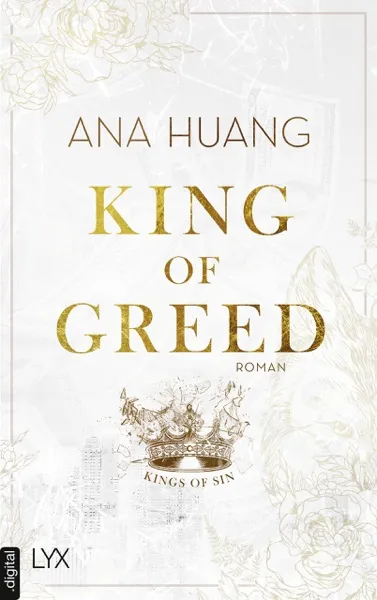
King of Greed Author: Ana HuangPage Count: UnknownPublication Year: 2023-GB Ana Huang’s King of Greed is a masterclass in modern literary fiction, a gripping tale that dissects the corrosive allure of wealth, power, and moral decay with the precision of a surgeon’s scalpel. Published in 2023, this global bestseller cements Huang’s reputation as a storyteller who doesn’t just entertain but compels readers to confront uncomfortable truths about ambition and humanity. With its razor-sharp prose and a protagonist who is as fascinating as he is flawed, King of Greed is less a novel about success and more a meditation on what success costs—and whether it’s ever worth the price. At its core, King of Greed is a morality play disguised as a high-stakes drama. The story follows Damien Moreau, a ruthless billionaire whose empire was built on a foundation of cutthroat competition, betrayal, and an unrelenting hunger for control. His life is one of opulence and influence, yet beneath the tailored suits and penthouse views lies a man who has long since lost sight of anything resembling a soul. Huang paints Damien not as a caricature of evil but as a deeply human character—flawed, intelligent, and tragically aware of his own emptiness. His journey is one of slow self-destruction, a man who has everything yet feels nothing, until an unexpected encounter forces him to confront the hollow core of his existence. The theme of greed is explored with nuance, far beyond the simplistic caricature of a villain hoarding gold. Here, greed is systemic, a virus that infects not just individuals but entire institutions—corporate, political, even familial. Damien’s empire is a metaphor for late-stage capitalism, a world where morality is a liability and empathy a weakness. Huang’s genius lies in making the reader complicit in Damien’s worldview, at least initially. We root for his victories, admire his cunning, and even sympathize with his disillusionment—until the cracks in his armor become fissures, and we’re left questioning our own complicity in a system that rewards ruthlessness above all else. Huang’s writing style is a study in controlled intensity. Her prose is sleek, devoid of unnecessary ornamentation, yet charged with emotional voltage. She excels at creating atmosphere—whether it’s the sterile opulence of Damien’s high-rise penthouse or the gritty underbelly of the financial world he inhabits. The dialogue crackles with tension, each exchange a duel of wits where words are weapons and silence a strategic retreat. Huang doesn’t waste a syllable; every sentence serves a purpose, whether it’s advancing the plot, deepening character, or sharpening the thematic blade. One of the most compelling aspects of King of Greed is its unflinching portrayal of power and its discontents. Damien is a man who has conquered the world, only to realize he’s lost himself in the process. His relationships—with family, lovers, rivals—are transactional, hollow echoes of what they could have been. Huang doesn’t glorify his lifestyle; she exposes its emptiness. The novel’s power lies in its ability to make the reader feel the weight of Damien’s isolation, the gnawing sense that no matter how much he acquires, it will never be enough. The supporting cast is equally well-drawn, each character serving as a foil to Damien’s worldview. There’s the idealistic journalist who challenges his ethics, the childhood friend who represents the life he left behind, and the enigmatic figure from his past who may hold the key to his redemption—or his downfall. These characters are not mere plot devices; they are mirrors reflecting different facets of Damien’s fractured psyche. Huang’s ability to blend psychological depth with high-stakes drama is what sets King of Greed apart from the pack. This is not a book that panders to easy resolutions or moral absolutes. Instead, it lingers in the moral gray, forcing readers to grapple with uncomfortable questions: Is Damien a victim of a system he helped create, or is he the architect of his own ruin? Can a man like him ever truly change, or is redemption an illusion for the privileged? By the novel’s climax, Huang delivers a gut-punch of emotional resonance, a moment where Damien is forced to choose between the hollow victory of his old life and the uncertain but authentic path of growth. The ending is bittersweet, a testament to Huang’s refusal to succumb to the temptations of neat closure. Life, the book reminds us, is not a transaction—it’s a series of choices, and the cost of each one is paid in full. King of Greed is more than a bestseller; it’s a cultural artifact, a novel that captures the zeitgeist of an era obsessed with success at any cost. Ana Huang has crafted a work that is as intellectually stimulating as it is emotionally devastating. It’s a book that will make you laugh, cringe, and ultimately, reflect—long after the last page is turned. #KingOfGreed #AnaHuang #BillionaireDrama #GreedAndRedemption #ModernLiteraryFiction #MustRead2023 Related InsightsAn Introduction to Real-Time Computing for Mechanical Engineers Book Review and Summary Emily Henry 3-Book Boxed Set Book Review and Summary Automation and the Future of Work Book Review and Summary{ "@context": "https://schema.org", "@type": "FAQPage", "mainEntity": [ { "@type": "Question", "name": "What is the main focus of King of Greed Book Review and Summary?", "acceptedAnswer": { "@type": "Answer", "text": "Everything you need to know about King of Greed with our detailed review." } }, { "@type": "Question", "name": "Who authored the comprehensive guide on King of Greed Book Review and Summary?", "acceptedAnswer": { "@type": "Answer", "text": "This detailed article and its insights were carefully researched and authored by Irina Ivanova." } }, { "@type": "Question", "name": "Where can I find more related content about Books?", "acceptedAnswer": { "@type": "Answer", "text": "You can explore more articles, detailed reviews, and similar insights by browsing the Related Insights section at the bottom of this article or visiting our dedicated Books category page." } } ] }


Nebula Awards Showcase 56 Author: Science Fiction and Fantasy Writers AssociationPage Count: UnknownPublication Year: 2024-GB Nebula Awards Showcase 56, the latest installment in the esteemed series, is a masterful compilation of the most exceptional science fiction and fantasy works of the year. The Science Fiction and Fantasy Writers Association (SFWA) has once again outdone itself in curating a diverse and captivating collection that showcases the best of the genre. As I delved into the pages of this anthology, I was struck by the sheer breadth of imagination and innovation on display. From the eerie and unsettling to the hopeful and uplifting, the stories within these covers run the gamut of human emotion and experience. Whether exploring the farthest reaches of space, the depths of the human condition, or the complexities of artificial intelligence, each piece is a testament to the boundless creativity and skill of its author. One of the standout features of this collection is its ability to balance the familiar with the unknown. Time-honored tropes and themes are reimagined and reinterpreted in fresh and exciting ways, while entirely new concepts and ideas are introduced with confidence and panache. The result is a reading experience that is at once both comforting and challenging, like slipping into a well-worn pair of shoes that somehow still manages to surprise and delight. Throughout the book, the authors' styles are as varied as the stories themselves. Some pieces are lyrical and poetic, with prose that sings and soars, while others are lean and mean, with a focus on propulsive plotting and breakneck pacing. Yet, despite these differences, there is a unifying thread that runs throughout the collection, a sense of shared passion and dedication to the craft of storytelling. If I were to identify a central theme that ties the various stories together, it would be the exploration of what it means to be human. Whether through the lens of science fiction or fantasy, each piece grapples with fundamental questions about identity, community, and our place within the universe. These are not easy questions to answer, and the authors do not shy away from complexity or nuance. Instead, they offer us glimpses of possible futures, alternate realities, and parallel universes, each one a reflection of our hopes, fears, and dreams. In short, Nebula Awards Showcase 56 is a must-read for anyone who loves science fiction and fantasy. It is a testament to the power of imagination and the boundless creativity of the genre's best writers. With its diverse range of styles, themes, and ideas, this collection is sure to captivate and inspire, offering something for every reader to enjoy. #NebulaAwardsShowcase #ScienceFiction #Fantasy #SFWA #SpeculativeFiction #NebulaAwards Related InsightsRivers Of London Book Review and Summary Nash Falls Book Review and Summary Dodge City Book Review and Summary{ "@context": "https://schema.org", "@type": "FAQPage", "mainEntity": [ { "@type": "Question", "name": "What is the main focus of Nebula Awards Showcase 56 Book Review and Summary?", "acceptedAnswer": { "@type": "Answer", "text": "Everything you need to know about Nebula Awards Showcase 56 with our detailed review." } }, { "@type": "Question", "name": "Who authored the comprehensive guide on Nebula Awards Showcase 56 Book Review and Summary?", "acceptedAnswer": { "@type": "Answer", "text": "This detailed article and its insights were carefully researched and authored by Marco Conti." } }, { "@type": "Question", "name": "Where can I find more related content about Books?", "acceptedAnswer": { "@type": "Answer", "text": "You can explore more articles, detailed reviews, and similar insights by browsing the Related Insights section at the bottom of this article or visiting our dedicated Books category page." } } ] }


Joy Author: Danielle SteelPage Count: UnknownPublication Year: 2024-GB Danielle Steel’s Joy: A Masterclass in Emotional Resilience and the Power of Human Connection Few authors can weave a tale that feels both deeply personal and universally resonant, but Danielle Steel has done just that with her latest novel, Joy. Released in 2024, this global bestseller is more than just a story—it’s a testament to the indomitable spirit of the human heart, a celebration of love in all its forms, and a poignant reminder that even in our darkest moments, joy can be found. With her signature blend of emotional depth, vivid storytelling, and relatable characters, Steel once again proves why she remains a titan in contemporary fiction. At its core, Joy explores the transformative power of human connection. The novel follows the life of its titular protagonist, a woman whose journey is marked by both profound loss and unexpected triumphs. Steel crafts a narrative that is as much about resilience as it is about the people who lift us up when we falter. The story unfolds with a delicate balance of heartache and hope, making it impossible to put down. Whether you’re a longtime fan of Steel’s work or a newcomer to her oeuvre, Joy offers a reading experience that lingers long after the final page. One of the most compelling aspects of Joy is Steel’s ability to delve into the complexities of human emotion without ever veering into melodrama. Her prose is clean, elegant, and accessible, making the novel an easy read that never feels simplistic. Steel has a rare gift for making her characters feel like real people—flawed, vulnerable, and deeply human. The protagonist, in particular, is a study in quiet strength, her journey one of self-discovery and healing. Steel doesn’t shy away from the darker corners of life, but she also doesn’t dwell in them. Instead, she offers a path forward, one where love, friendship, and perseverance ultimately prevail. The supporting cast of Joy is equally compelling. Steel populates her story with a rich tapestry of characters, each playing a crucial role in the protagonist’s journey. From loyal friends to unexpected mentors, these relationships add layers of depth to the narrative, making the story feel all the more authentic. Steel’s talent for character development is on full display here, as she crafts individuals who feel like they could step right out of the pages and into your life. The themes of Joy are timeless yet timely. In a world that often feels fractured and uncertain, Steel’s exploration of love, loss, and renewal is both comforting and inspiring. The novel doesn’t shy away from the hardships life throws our way, but it also doesn’t let them define us. Instead, Joy is a celebration of the small, everyday moments that bring light into our lives—whether it’s a shared laugh, a helping hand, or a quiet moment of reflection. Steel reminds us that joy isn’t just a fleeting emotion; it’s a choice, a practice, and a testament to the resilience of the human spirit. Steel’s writing style is another standout feature of Joy. Her prose is fluid and engaging, drawing readers in from the very first page. She has a knack for pacing, balancing introspective moments with high-stakes drama to keep the story moving forward. Her descriptions are vivid without being overwrought, allowing readers to fully immerse themselves in the world she’s created. Whether she’s painting a scene of bustling city life or a quiet, introspective moment, Steel’s writing feels effortless and immersive. For fans of Steel’s previous works, Joy will feel like a natural progression of her signature style. For newcomers, it’s a perfect introduction to her talent for blending emotional depth with accessible storytelling. The novel is a testament to Steel’s enduring appeal, proving once again why she remains one of the most beloved authors of our time. In a literary landscape crowded with fleeting trends and disposable reads, Joy stands out as a novel that truly matters. It’s a story that will make you laugh, cry, and reflect on your own life. It’s a reminder that even in the face of adversity, there is always room for joy. And perhaps most importantly, it’s a testament to the power of human connection—a theme that has never been more relevant than it is today. Danielle Steel has once again delivered a novel that is as thought-provoking as it is entertaining. Joy is more than just a bestseller; it’s a book that will resonate with readers long after they’ve turned the final page. If you’re looking for a story that will lift your spirits, warm your heart, and leave you feeling a little more hopeful about the world, then Joy is the book for you. #DanielleSteel #JoyNovel #BookReview #EmotionalResilience #ContemporaryFiction Related InsightsHeroes of Olympus, Book Three : the Mark of Athena Book Review and Summary Alma Vampires (The Icarus University, #1) Book Review and Summary The Lightning Thief Book Review and Summary{ "@context": "https://schema.org", "@type": "FAQPage", "mainEntity": [ { "@type": "Question", "name": "What is the main focus of **Joy** Book Review and Summary?", "acceptedAnswer": { "@type": "Answer", "text": "Everything you need to know about **Joy** with our detailed review." } }, { "@type": "Question", "name": "Who authored the comprehensive guide on **Joy** Book Review and Summary?", "acceptedAnswer": { "@type": "Answer", "text": "This detailed article and its insights were carefully researched and authored by Klaus Weber." } }, { "@type": "Question", "name": "Where can I find more related content about Books?", "acceptedAnswer": { "@type": "Answer", "text": "You can explore more articles, detailed reviews, and similar insights by browsing the Related Insights section at the bottom of this article or visiting our dedicated Books category page." } } ] }
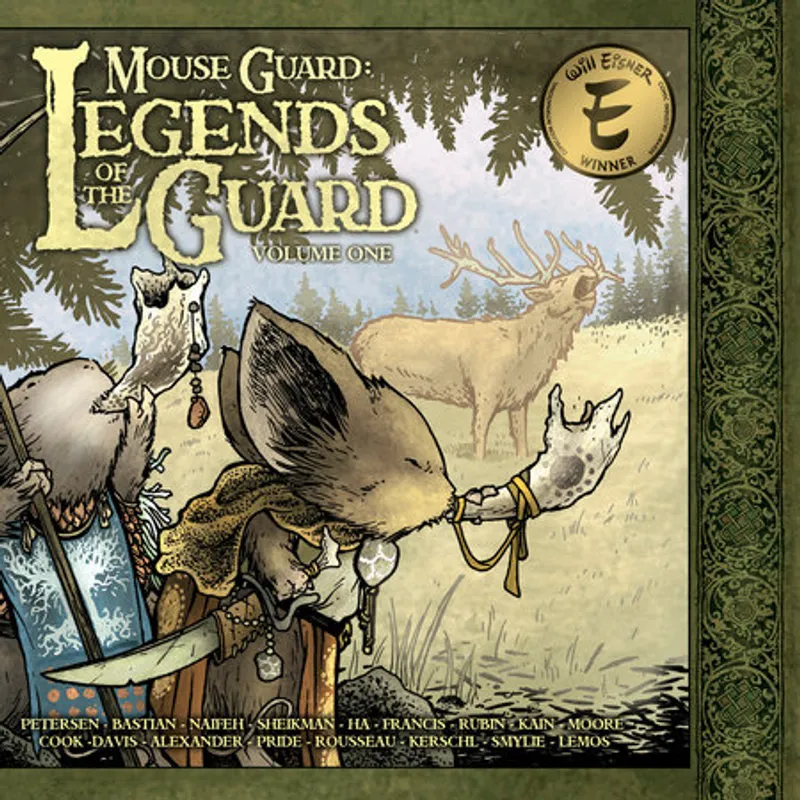
Mouse Guard: Legends of the Guard Volume 1 Author: David PetersenPage Count: UnknownPublication Date: 2025-PRH Mouse Guard: Legends of the Guard Volume 1, the latest installment from the ingenious mind of David Petersen, is a testament to the author's unwavering dedication to crafting immersive worlds and unforgettable characters. Although the exact page count remains unknown, one thing is certain – this volume is an unmissable addition to the Mouse Guard saga. As the title suggests, Legends of the Guard delves into the storied past of the Mouse Guard, an elite group of mouse warriors sworn to protect their kin from the dangers that lurk in the shadows. Through a series of interconnected tales, Petersen masterfully weaves a rich tapestry of mythology, folklore, and adventure, each thread carefully intertwined to create a narrative that is both deeply personal and epic in scope. One of the most striking aspects of Petersen's storytelling is his ability to balance the intimate, character-driven moments with the grand, world-shaping events that have come to define the Mouse Guard universe. His writing is akin to a masterfully conducted symphony, with each character's voice and perspective blending in perfect harmony to create a truly unforgettable reading experience. Visually, the book is a stunning work of art, with Petersen's signature blend of medieval-inspired architecture, meticulously detailed landscapes, and expressive character designs transporting readers to a world that is at once familiar and yet, utterly unique. His use of color, texture, and composition is nothing short of breathtaking, imbuing each panel with a sense of depth and history that draws the reader in and refuses to let go. At its core, Mouse Guard: Legends of the Guard Volume 1 is a testament to the power of storytelling and the boundless imagination of its creator. It is a reminder that even in the darkest of times, there is always hope, always a glimmer of light to guide us forward. And it is this sense of hope, this unwavering dedication to the power of the human – or rather, mouse – spirit, that makes this book such an unmissable read. In short, Mouse Guard: Legends of the Guard Volume 1 is a triumph, a masterful blend of storytelling, world-building, and visual artistry that is sure to captivate both longtime fans of the series and newcomers alike. If you're looking for a tale that will transport you to a world of wonder, magic, and adventure, look no further. #MouseGuard #DavidPetersen #LegendsOfTheGuard #GraphicNovels #FantasyComics #MedievalInspiredFiction Related InsightsEscape Me (Shatter Me: Series Two #3) Book Review and Summary The Secret of Secrets Book Review and Summary Inventions Inspired by Oceanic Animals Book Review and Summary{ "@context": "https://schema.org", "@type": "FAQPage", "mainEntity": [ { "@type": "Question", "name": "What is the main focus of Guards! Guards! Book Review and Summary?", "acceptedAnswer": { "@type": "Answer", "text": "Everything you need to know about Guards! Guards! with our detailed review." } }, { "@type": "Question", "name": "Who authored the comprehensive guide on Guards! Guards! Book Review and Summary?", "acceptedAnswer": { "@type": "Answer", "text": "This detailed article and its insights were carefully researched and authored by Terry Pratchett." } }, { "@type": "Question", "name": "Where can I find more related content about Books?", "acceptedAnswer": { "@type": "Answer", "text": "You can explore more articles, detailed reviews, and similar insights by browsing the Related Insights section at the bottom of this article or visiting our dedicated Books category page." } } ] }
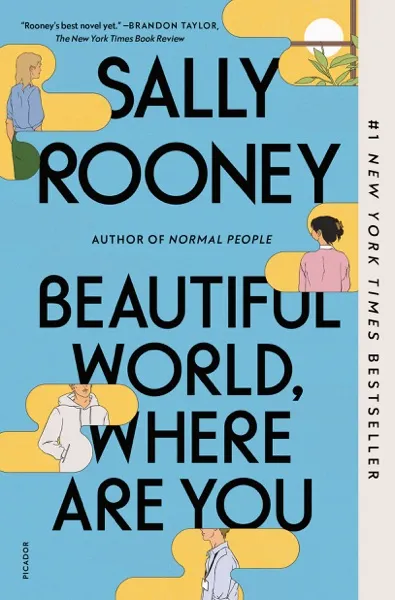

Beautiful World, Where Are You Author: Sally RooneyPage Count: UnknownPublication Year: 2021-GB Sally Rooney’s Beautiful World, Where Are You is a novel that lingers in the mind long after the last page—less because of its plot and more because of the questions it forces you to ask about love, art, and the crushing weight of modern existence. Published in 2021, Rooney’s third novel cements her as the chronicler of a generation: those who came of age in the shadow of the internet, climate anxiety, and the relentless search for meaning in a world that often feels hollow. But where Conversations with Friends and Normal People explored the raw immediacy of young love and friendship, Beautiful World steps back, breathing deeply into the spaces between desire and despair, creation and consumption. At its core, the novel revolves around four characters whose lives intersect in ways that are both intimate and distant. There’s Alice, a successful but reclusive writer who retreats from the noise of fame to a quiet coastal life, only to find herself drawn back into the orbit of Felix, a warehouse worker with a quiet intensity. Then there are Eileen and Simon, childhood friends now navigating their own disillusionments—Eileen, stuck in a dead-end job and a stagnant romance, and Simon, a publisher haunted by the ghosts of a failed marriage and the fading promise of his career. Their relationships unfold through a series of conversations—sometimes tender, often fraught—where Rooney’s razor-sharp dialogue cuts straight to the heart of what it means to want someone, to need them, and yet to feel utterly alone even in their presence. The title, Beautiful World, Where Are You, is a line borrowed from a David Bowie song, and it encapsulates the novel’s central tension: the world is undeniably beautiful, but where does that leave us when we’re too exhausted, too distracted, or too broken to enjoy it? Rooney doesn’t offer easy answers. Instead, she immerses us in the quiet devastation of modern life—the way we scroll endlessly through curated lives while feeling our own slipping away, the way we ache for connection but recoil at the vulnerability it demands. The characters in this book are hyper-aware of their own flaws, their past mistakes, the ways they’ve failed themselves and each other. They are, in many ways, Rooney’s most self-loathing yet sympathetic creations, and their struggles feel achingly real. What sets Rooney apart as a writer is her ability to make the mundane feel monumental. A late-night text exchange, a walk along a rainy street, a shared bottle of wine—these are the moments that carry the weight of entire lives. Her prose is unadorned but precise, stripping away the unnecessary to reveal the raw nerve of human emotion. There’s a scene where Alice and Felix sit in silence on a train, both lost in their thoughts, and Rooney’s description of the moment is so understated yet devastating that it lingers like a bruise. It’s a testament to her skill that even the most ordinary interactions feel charged with significance. Yet, for all its introspection, Beautiful World is not a despairing novel. There’s a glimmer of hope, however fragile, in the way Rooney’s characters reach for each other despite their fears. The novel asks: Can we love without destroying? Can we create without being consumed by the need for validation? Can we find beauty in a world that seems determined to break us? These questions are left tantalizingly unanswered, but that’s part of their power. Rooney doesn’t offer resolutions; she offers the ache of the search itself. Her style—cool, cerebral, yet deeply emotional—has earned her comparisons to writers like Elena Ferrante and Rachel Cusk, but Rooney’s voice is distinctly her own. She writes about the interior lives of her characters with such intimacy that it feels like eavesdropping on a confession. And yet, there’s a detachment too, a remove that mirrors the way we often observe our own lives from a distance, as if we’re scrolling through someone else’s story. Beautiful World, Where Are You is a novel for those who’ve ever felt the weight of the world pressing down on them, who’ve stared at their phones late into the night wondering if they’re missing something real, who’ve loved someone so deeply it hurt. It’s a book about the spaces between people, the gaps where longing and loneliness collide. Rooney doesn’t give us easy catharsis, but she gives us something better: the unflinching honesty of what it means to be alive right now. #SallyRooney #BeautifulWorldWhereAreYou #ContemporaryFiction #LiteraryFiction #ModernLove #BookReview Related InsightsThe Polar Express Book Review and Summary King of Wrath / King of Pride / King of Greed Book Review and Summary Cryptonomicon Book Review and Summary{ "@context": "https://schema.org", "@type": "FAQPage", "mainEntity": [ { "@type": "Question", "name": "What is the main focus of Beautiful World, Where Are You Book Review and Summary?", "acceptedAnswer": { "@type": "Answer", "text": "Everything you need to know about Beautiful World, Where Are You with our detailed review." } }, { "@type": "Question", "name": "Who authored the comprehensive guide on Beautiful World, Where Are You Book Review and Summary?", "acceptedAnswer": { "@type": "Answer", "text": "This detailed article and its insights were carefully researched and authored by Hannah Schmidt." } }, { "@type": "Question", "name": "Where can I find more related content about Books?", "acceptedAnswer": { "@type": "Answer", "text": "You can explore more articles, detailed reviews, and similar insights by browsing the Related Insights section at the bottom of this article or visiting our dedicated Books category page." } } ] }
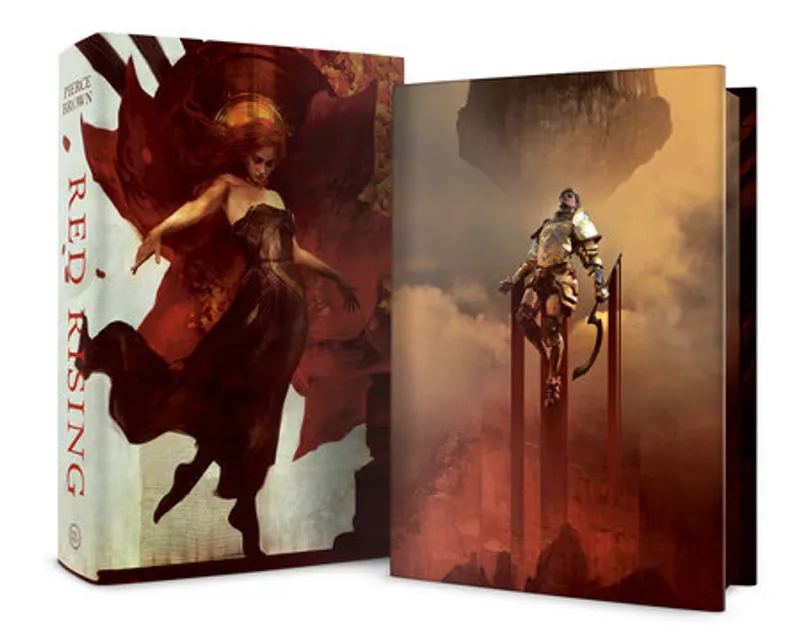
Red Rising (Deluxe Slipcase Edition) Author: Pierce BrownPage Count: UnknownPublication Date: 2025-PRH In the realm of dystopian fiction, it's not often that a novel comes along and leaves an indelible mark on the genre. Pierce Brown's Red Rising is one such novel, a masterpiece that not only pays homage to the greats but also forges its own path, leaving readers breathless and yearning for more. This Deluxe Slipcase Edition is a testament to the book's enduring popularity and a must-have for fans of the series. At its core, Red Rising is a story about the human condition, about the struggle for power, freedom, and the pursuit of a better life. The novel is set in a future where humanity has colonized Mars, and society is divided into color-coded castes, with the ruling class, the Golds, holding absolute power over the lower castes. Darrow, a Red, is a lowly miner who toils deep beneath the surface of Mars, believing that his labor will one day lead to a better life for his people. However, when he discovers the truth about the society he lives in, he is consumed by a desire for justice and a need to infiltrate the enemy's ranks to bring about change. Brown's writing style is akin to a masterfully crafted symphony, with each note and beat working in harmony to create a narrative that is both captivating and thought-provoking. His prose is rich and vivid, painting a picture of a world that is both familiar and yet, utterly alien. The characters in Red Rising are multidimensional and complex, with Darrow being a particularly compelling protagonist. His transformation from a lowly Red to a Gold is both heartbreaking and awe-inspiring, as he struggles to maintain his identity and sense of self in the face of overwhelming adversity. One of the most striking aspects of Red Rising is its exploration of the human condition. Brown delves deep into the complexities of power, privilege, and the effects of oppression on individuals and society as a whole. The novel raises important questions about the nature of humanity, what it means to be alive, and the true cost of freedom. These themes are woven throughout the narrative, adding depth and complexity to the story. The world-building in Red Rising is also noteworthy. Brown's vision of a future where humanity has colonized Mars is both fascinating and terrifying. The society he creates is richly detailed, with a complex history and politics that add depth to the narrative. The Institute, where the majority of the story takes place, is a particularly compelling setting, a place where the next generation of leaders is forged in the fire of competition and brutality. In conclusion, Red Rising is a masterpiece of dystopian fiction, a novel that will appeal to fans of The Hunger Games, Ender's Game, and other classics of the genre. Brown's writing style is engaging, and his exploration of the human condition is both thought-provoking and haunting. This Deluxe Slipcase Edition is a must-have for fans of the series, and a great introduction to the world of Red Rising for new readers. #RedRising #PierceBrown #DystopianFiction #ScienceFiction #TheRedRisingSaga #DarrowMustRise Related InsightsImmortal Book Review and Summary One Hundred Years of Solitude Book Review and Summary My Book of Days: A Memoir in Moments Book Review and Summary{ "@context": "https://schema.org", "@type": "FAQPage", "mainEntity": [ { "@type": "Question", "name": "What is the main focus of Red Rising Book Review and Summary?", "acceptedAnswer": { "@type": "Answer", "text": "Everything you need to know about Red Rising with our detailed review." } }, { "@type": "Question", "name": "Who authored the comprehensive guide on Red Rising Book Review and Summary?", "acceptedAnswer": { "@type": "Answer", "text": "This detailed article and its insights were carefully researched and authored by Pierce Brown." } }, { "@type": "Question", "name": "Where can I find more related content about Books?", "acceptedAnswer": { "@type": "Answer", "text": "You can explore more articles, detailed reviews, and similar insights by browsing the Related Insights section at the bottom of this article or visiting our dedicated Books category page." } } ] }
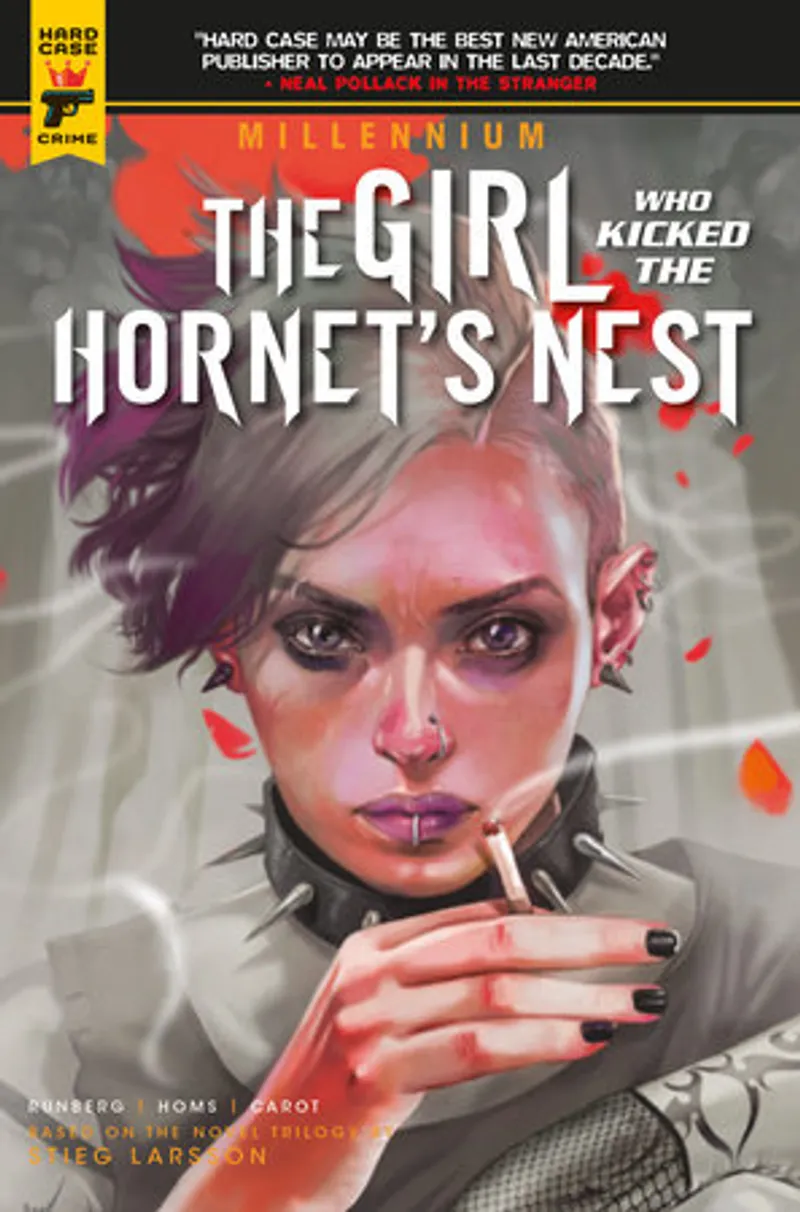
Millennium Vol. 3: The Girl Who Kicked the Hornet's Nest Author: Manolo CarotPage Count: UnknownPublication Date: 2018-PRH In the gripping conclusion to the Millennium saga, Manolo Carot brings to life the third installment of Steig Larsson's bestselling series, The Girl Who Kicked the Hornet's Nest. This English translation of the French comics adaptation is a masterclass in storytelling, delving deep into the dark underbelly of corruption, abuse, and the unrelenting fight for justice. Lisbeth Salander, the enigmatic and fiercely independent protagonist, lies on the precipice of death, her life hanging in the balance. As she battles to recover from a bullet wound to the head, she must also confront the very real possibility of being taken back to Stockholm to stand trial for three murders she did not commit. It is here that Carot's adaptation truly shines, capturing the intensity and desperation of Salander's situation with unflinching accuracy. Throughout the book, Carot's artwork is a character in its own right, weaving a complex narrative that is both haunting and beautiful. His use of stark, muted colors perfectly captures the bleakness of Salander's world, while his bold lines and expressive character designs bring the story to life in a way that is both visceral and unapologetic. At its core, The Girl Who Kicked the Hornet's Nest is a story about the fight for justice, and the lengths to which one must go to uncover the truth. Salander, with her troubled past and penchant for violence, is the perfect protagonist for this tale, her complexities and contradictions making her a deeply human and relatable character. As the story unfolds, Carot masterfully weaves together a complex web of corruption and deceit, exposing the dark underbelly of Swedish society and the institutions that are meant to protect its citizens. It is a scathing critique of the systemic failures that allow abuse and violence to flourish, and a powerful testament to the human spirit's capacity for resilience and survival. One of the most striking aspects of Carot's adaptation is his ability to balance action and suspense with moments of quiet introspection and character development. Salander's relationship with journalist Mikael Blomkvist is particularly well-handled, their bond growing stronger as they work together to uncover the truth and bring justice to those responsible for Salander's plight. If there is one criticism to be made, it is that the book's pacing can be somewhat uneven at times, with certain plot threads feeling a little rushed or convenient. However, this is a minor quibble in what is otherwise a masterful adaptation of Larsson's original novel. In conclusion, The Girl Who Kicked the Hornet's Nest is a gripping and thought-provoking conclusion to the Millennium saga, one that will keep readers on the edge of their seats until the very end. With its complex characters, intricate plot, and scathing critique of societal failures, this book is a must-read for fans of the series and newcomers alike. #LisbethSalander #TheGirlWithTheDragonTattoo #MillenniumSeries #SteigLarsson #GraphicNovel #CrimeFiction Related InsightsWhere There's Smoke (Coldren County #2) Book Review and Summary Belle Haven Finishing School Book Review and Summary A Thief to Die For Book Review and Summary{ "@context": "https://schema.org", "@type": "FAQPage", "mainEntity": [ { "@type": "Question", "name": "What is the main focus of The Girl Who Kicked the Hornet’s Nest Book Review and Summary?", "acceptedAnswer": { "@type": "Answer", "text": "Everything you need to know about The Girl Who Kicked the Hornet’s Nest with our detailed review." } }, { "@type": "Question", "name": "Who authored the comprehensive guide on The Girl Who Kicked the Hornet’s Nest Book Review and Summary?", "acceptedAnswer": { "@type": "Answer", "text": "This detailed article and its insights were carefully researched and authored by Stieg Larsson." } }, { "@type": "Question", "name": "Where can I find more related content about Books?", "acceptedAnswer": { "@type": "Answer", "text": "You can explore more articles, detailed reviews, and similar insights by browsing the Related Insights section at the bottom of this article or visiting our dedicated Books category page." } } ] }
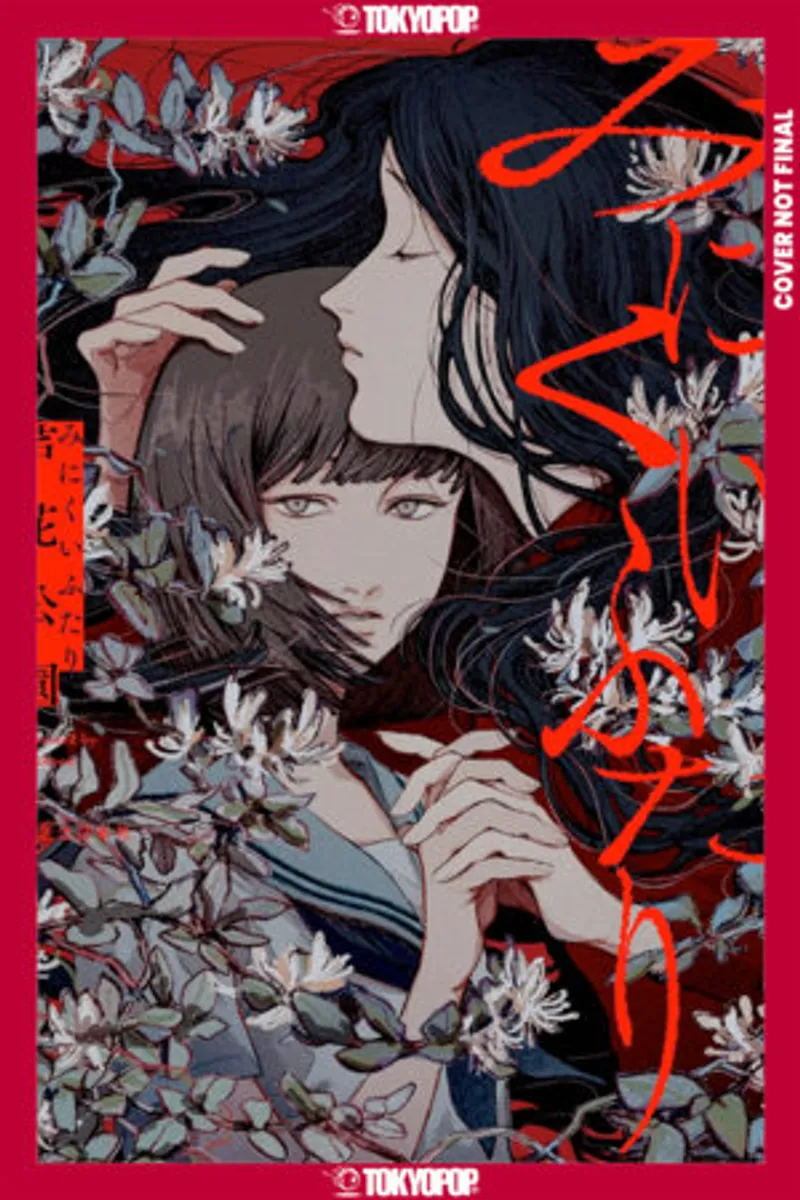
Ugly Girls (NOVEL) Author: RokakoenPage Count: UnknownPublication Date: 2026-PRH Ugly Girls, the latest novel by Rokakoen, is a thought-provoking and unapologetic exploration of the complexities of female identity, societal beauty standards, and the unrelenting pressure to conform. In this searing critique of modern society, Rokakoen delves into the lives of women who refuse to be bound by the constraints of traditional beauty norms, instead embracing their uniqueness and individuality. From the onset, it is clear that Rokakoen's writing style is unflinching and raw, tackling the harsh realities of a world where women are constantly judged and scrutinized for their appearance. The author's use of vivid imagery and poignant prose effectively transports the reader into the world of the characters, evoking a sense of empathy and understanding. The narrative is woven together with a keen sense of observation, as Rokakoen masterfully exposes the intricacies of female relationships, the fragility of self-esteem, and the resilience of the human spirit. One of the most striking aspects of Ugly Girls is its ability to challenge the reader's perceptions of beauty and identity. Rokakoen's characters are multidimensional and relatable, each with their own distinct voice and story to tell. Through their experiences, the author sheds light on the damaging effects of societal pressure, the objectification of women, and the importance of self-acceptance. The novel is a powerful exploration of what it means to be a woman in today's society, and the ways in which women are forced to navigate a world that often seeks to diminish their worth. Rokakoen's writing is both poignant and unflinching, never shying away from the harsh realities of the world we live in. The author's use of language is evocative and expressive, conjuring powerful emotions in the reader. The narrative is expertly paced, with a keen sense of tension and release that keeps the reader engaged and invested in the characters' stories. If there is one criticism to be made, it is that the novel's themes and messages may be uncomfortable for some readers to confront. Rokakoen's unapologetic portrayal of the harsh realities of modern society may be jarring for those who prefer a more sanitized view of the world. However, it is precisely this unflinching honesty that makes Ugly Girls such a powerful and thought-provoking read. In conclusion, Ugly Girls is a masterpiece of contemporary literature that will resonate with readers long after they finish the book. Rokakoen's writing is a testament to the power of storytelling, and the novel's themes and messages are a much-needed commentary on the world we live in. This is a must-read for anyone looking for a thought-provoking and emotionally charged novel that will challenge their perceptions and leave a lasting impact. #UglyGirls #BodyPositivity #FemaleEmpowerment #SocietalBeautyStandards #FeministLiterature #ContemporaryFiction Related InsightsNash Falls Book Review and Summary The Lies of Locke Lamora Book Review and Summary Fourteen Days Book Review and Summary{ "@context": "https://schema.org", "@type": "FAQPage", "mainEntity": [ { "@type": "Question", "name": "What is the main focus of Ugly Love Book Review and Summary?", "acceptedAnswer": { "@type": "Answer", "text": "Everything you need to know about Ugly Love with our detailed review." } }, { "@type": "Question", "name": "Who authored the comprehensive guide on Ugly Love Book Review and Summary?", "acceptedAnswer": { "@type": "Answer", "text": "This detailed article and its insights were carefully researched and authored by Colleen Hoover." } }, { "@type": "Question", "name": "Where can I find more related content about Books?", "acceptedAnswer": { "@type": "Answer", "text": "You can explore more articles, detailed reviews, and similar insights by browsing the Related Insights section at the bottom of this article or visiting our dedicated Books category page." } } ] }
-
 Sarah Davis
 - 19 Sep, 2025 06:50
The Twilight Zone: Tales Between Light and Shadow Book Review and Summary
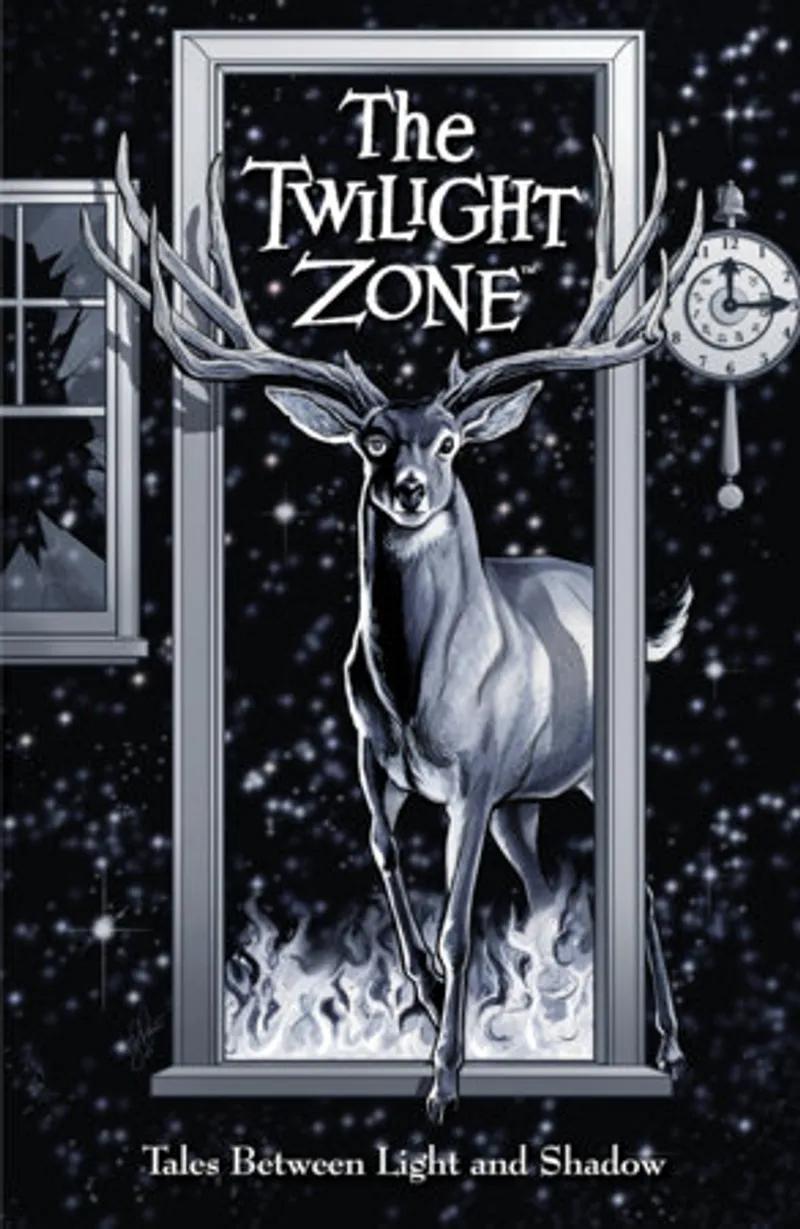
The Twilight Zone: Tales Between Light and Shadow Author: Tony FleecsPage Count: UnknownPublication Date: 2027-PRH The Twilight Zone: Tales Between Light and Shadow – A Masterclass in Unease and Wonder Tony Fleecs’ The Twilight Zone: Tales Between Light and Shadow (2027) is not just another anthology—it’s a descent into the uncanny, a labyrinth where the familiar warps into the horrifying, and the mundane becomes a portal to the unknown. Drawing from the legacy of Rod Serling’s iconic series, Fleecs crafts a collection that feels both timeless and urgently modern, blending psychological dread with the kind of existential unease that lingers long after the last page. At its core, the book explores the fragility of reality. Like Serling’s original Twilight Zone, Fleecs’ stories pivot on the moment when the veil between the ordinary and the extraordinary tears away. A suburban family discovers their new home is a sentient entity; a man wakes up to find his reflection aging while he remains unchanged; a child’s imaginary friend refuses to let go. These aren’t just tales of monsters or ghosts—they’re stories about the lies we tell ourselves to function, the illusions we cling to, and the terrifying truth that we might be the villains of our own narratives. Fleecs’ prose is deceptively simple, lulling the reader into a false sense of security before delivering a gut-punch twist. His writing is tight, economical, yet rich with subtext, each sentence carrying the weight of dread. There’s a clinical precision to his descriptions, as if he’s documenting a scientific experiment in human frailty. When a character’s paranoia escalates, the prose mirrors it—short, staccato sentences that mimic a racing heartbeat. When the horror is cosmic, the language swells into something almost poetic, vast and incomprehensible. What sets this collection apart is its refusal to offer easy answers. Serling’s original series often ended with a moral or a twist that forced the audience to confront their own complicity. Fleecs takes this further, leaving many of his stories unresolved, their endings more questions than revelations. In one standout tale, a man receives a letter from his future self, warning him of an impending disaster—only for the letter to be written in his own handwriting. The story ends not with resolution, but with the protagonist staring at his own words, realizing the future is already written, and he is both the author and the doomed protagonist. The book’s strength lies in its diversity of tone. Some stories are outright horror, dripping with body horror and existential terror. Others are darkly comedic, skewering human vanity with the precision of a surgeon’s scalpel. A few even flirt with surrealism, blurring the line between dream and reality so seamlessly that the reader questions their own grip on sanity. Yet through all these variations, a unifying theme emerges: the terror of being trapped in one’s own mind, of realizing that the scariest monsters aren’t under the bed—they’re the ones we’ve internalized. Fleecs also excels in his character work. His protagonists are rarely heroes in the traditional sense; they’re flawed, often selfish, and their downfalls are as much a product of their own choices as they are of the supernatural forces arrayed against them. In one chilling story, a woman’s obsession with youth leads her to make a Faustian bargain—only to realize too late that the price wasn’t her soul, but her humanity. The horror isn’t just in the deal she made, but in the fact that she wanted to make it. If there’s a criticism to be leveled, it’s that some stories, while effective, tread familiar ground for fans of the genre. The anthology occasionally feels like a greatest hits of Twilight Zone tropes—time loops, doppelgängers, cursed objects—though Fleecs infuses each with enough fresh perspective to keep them from feeling derivative. The real magic lies in the spaces between the stories, in the way they collectively build a world where the impossible feels inevitable. The Twilight Zone: Tales Between Light and Shadow is more than a pastiche; it’s a love letter to the genre, reimagined for a new generation. It’s a book that will haunt you not because of its monsters, but because of the truths they reveal about us. In an era where reality itself feels increasingly unstable, Fleecs’ stories serve as a reminder that the scariest place to be is inside our own heads—and that the monsters we fear most are the ones we create. #TwilightZoneReimagined #HorrorAnthology #ExistentialDread #DarkFantasy #PsychologicalHorror #TonyFleecs Related InsightsRhythm of War Part Two Book Review and Summary Chateau Reverie Book Review and Summary La chronique des Bridgerton Book Review and Summary{ "@context": "https://schema.org", "@type": "FAQPage", "mainEntity": [ { "@type": "Question", "name": "What is the main focus of The Twilight Zone: Tales Between Light and Shadow Book Review and Summary?", "acceptedAnswer": { "@type": "Answer", "text": "Everything you need to know about The Twilight Zone: Tales Between Light and Shadow with our detailed review." } }, { "@type": "Question", "name": "Who authored the comprehensive guide on The Twilight Zone: Tales Between Light and Shadow Book Review and Summary?", "acceptedAnswer": { "@type": "Answer", "text": "This detailed article and its insights were carefully researched and authored by Sarah Davis." } }, { "@type": "Question", "name": "Where can I find more related content about Books?", "acceptedAnswer": { "@type": "Answer", "text": "You can explore more articles, detailed reviews, and similar insights by browsing the Related Insights section at the bottom of this article or visiting our dedicated Books category page." } } ] }

The Ruined Author: Renée AhdiehPage Count: UnknownPublication Year: 2023-GB Renée Ahdieh’s The Ruined is a masterclass in atmospheric storytelling, where history, folklore, and the raw edges of human emotion collide in a narrative that lingers long after the last page. Published in 2023, this novel cements Ahdieh’s reputation as a weaver of lush, immersive tales that blend the personal and the political with effortless grace. While the exact page count remains elusive, the book’s impact is undeniable—its pages feel both expansive and intimate, as if each sentence is a brushstroke in a larger, haunting masterpiece. At its core, The Ruined is a story about legacy and ruin—not just of nations or dynasties, but of the human heart. Ahdieh explores how the past fractures the present, how the sins of ancestors echo through generations, and how love, in all its forms, can either redeem or destroy. The novel’s setting is a secondary but vital character; a world that feels like a fusion of Game of Thrones’ political intrigue and The Name of the Wind’s mythic grandeur. Ahdieh’s world-building is meticulous, yet it never overshadows the human drama unfolding within it. Instead, the setting becomes a mirror for the characters’ internal struggles, a place where geography and emotion blur. The protagonist, if she can be called that, is a figure shrouded in mystery—part victim, part survivor, and fully a force of nature. Ahdieh’s strength lies in her ability to craft characters who are deeply flawed yet irresistibly compelling. They are not heroes in the traditional sense; they are survivors, liars, and sometimes, reluctantly, saviors. The prose dances between lyrical and brutal, mirroring the duality of the world Ahdieh has created. There are moments of breathtaking beauty—descriptions of crumbling palaces bathed in golden light, of whispered secrets carried on the wind—paired with scenes of visceral violence that remind the reader that in this world, grace is always tinged with blood. What makes The Ruined stand out is its refusal to simplify morality. Ahdieh doesn’t offer easy answers about who is right or wrong, who deserves forgiveness or condemnation. Instead, she presents a cast of characters who are all, in their own ways, ruined by their choices and circumstances. The novel’s emotional core lies in this ambiguity. The reader is left to grapple with the same questions as the characters: Can ruin be a form of salvation? Is destruction sometimes the only path to renewal? These are not questions with clear answers, and that’s what makes the book so compelling. Ahdieh’s writing style is a study in contrasts. Her sentences can be as delicate as a spider’s web, delicate yet strong enough to hold the weight of entire lives, and at other times, as sharp as a dagger, cutting straight to the heart of a character’s despair. She has a rare talent for dialogue that feels both authentic and revelatory, where every word carries weight, every pause is pregnant with meaning. This is a writer who understands that the spaces between words can be as important as the words themselves. The novel’s structure is non-linear, weaving between past and present with a deft hand. Ahdieh doesn’t rely on gimmicks to keep the reader engaged; instead, she trusts the story and the characters to pull the reader along. The result is a narrative that feels both inevitable and surprising—a delicate balance that’s hard to achieve. The reader is always aware of the looming tragedy, but Ahdieh’s pacing ensures that the journey to that tragedy is as absorbing as the destination. The Ruined is more than just a book about a kingdom falling; it’s a meditation on what it means to be human in a world that is constantly crumbling around you. It’s a story for anyone who has ever felt the weight of their own past, for those who have loved too deeply and lost too much. Ahdieh doesn’t just tell a story—she crafts an experience, one that lingers in the mind like the echo of a half-remembered dream. In a literary landscape crowded with retellings and reimaginings, The Ruined stands out because it doesn’t rely on familiar tropes. Instead, it forges its own path, a dark and winding road that leads the reader into the heart of its characters’ souls. This is a book that demands to be read slowly, savored, and then read again—not just to unpack its layers, but to feel the full weight of what Ahdieh has created. For fans of historical fantasy with depth, emotional resonance, and a touch of the uncanny, The Ruined is a must-read. It’s a novel that will leave you breathless, haunted, and perhaps, a little ruined yourself. #TheRuined #RenéeAhdieh #HistoricalFantasy #DarkFantasy #BookReview #MustRead Related InsightsColleen Hoover Ebook Boxed Set Hopeless Series Book Review and Summary The Lost Language of Scented Books: Unearthing a Bibliophile's Olfactory History Atlas de lugares extraordinarios para pequeños curiosos / Atlas of Extraordinary Places to Discover the World Book Review and Summary{ "@context": "https://schema.org", "@type": "FAQPage", "mainEntity": [ { "@type": "Question", "name": "What is the main focus of The Ruined Book Review and Summary?", "acceptedAnswer": { "@type": "Answer", "text": "Everything you need to know about The Ruined with our detailed review." } }, { "@type": "Question", "name": "Who authored the comprehensive guide on The Ruined Book Review and Summary?", "acceptedAnswer": { "@type": "Answer", "text": "This detailed article and its insights were carefully researched and authored by Camille Dubois." } }, { "@type": "Question", "name": "Where can I find more related content about Books?", "acceptedAnswer": { "@type": "Answer", "text": "You can explore more articles, detailed reviews, and similar insights by browsing the Related Insights section at the bottom of this article or visiting our dedicated Books category page." } } ] }
American Tabloid Author: James EllroyPage Count: UnknownPublication Date: 2001-PRH James Ellroy’s American Tabloid is a literary Molotov cocktail—an explosive, stylized dive into the underbelly of 1960s America, where power isn’t wielded by presidents or generals but by corrupt cops, mobsters, intelligence operatives, and the shadowy figures who pull their strings. This is not a history book; it’s a fever dream of paranoia, violence, and institutional rot, told in Ellroy’s signature staccato prose that crackles with menace and dark humor. If you’ve ever wondered what would happen if the worst people in America were handed the keys to the kingdom, American Tabloid delivers the answer in spades. At its core, the novel is a conspiracy thriller, but not the kind that offers neat resolutions or heroic figures. Instead, Ellroy dismantles the myth of American exceptionalism by exposing the rot beneath the surface—where the CIA, the Mafia, and the FBI collide in a grotesque ballet of greed, betrayal, and murder. The book’s central trio—L.A. cop Pete Bondurant, FBI agent Ward Littell, and ex-cop turned informant Kemper Boyd—are not heroes but opportunists, men who believe they can manipulate history even as history grinds them into dust. Their actions ripple through the assassinations of JFK and Martin Luther King Jr., the Bay of Pigs fiasco, and the rise of the counterculture, all while they chase money, power, and the next high. Ellroy’s genius lies in his ability to weave real events into a fictional tapestry so dense that the line between fact and fabrication blurs. He doesn’t just reference the Kennedy assassination; he reimagines it as a sordid, backroom deal where the Mob, the CIA, and rogue agents conspire to eliminate a president they see as a threat. The prose is relentless, stripped of adornment, yet dripping with a kind of poetic brutality. Ellroy’s sentences are short, punchy, and often profane, mirroring the chaos of the era he’s depicting. There’s no room for subtlety here—every character is a caricature of corruption, every scene a collision of violence and venality. What makes American Tabloid so unsettling is its refusal to offer redemption. These men are not redeemed by their actions; they’re consumed by them. Pete Bondurant, the novel’s most violent figure, is a walking contradiction—a man who kills without remorse but clings to a twisted sense of loyalty. Ward Littell, the FBI agent, is a hypocrite who preaches justice while engaging in the same dirty tactics he’s supposed to fight. Kemper Boyd, the smooth-talking operator, is the ultimate survivor, always one step ahead of his own downfall. They’re not just flawed; they’re irredeemable, and that’s what makes them so compelling. Ellroy’s worldview is nihilistic, but it’s also darkly entertaining. The novel’s pacing is breakneck, with each chapter a new explosion of violence, betrayal, or political intrigue. The dialogue crackles with tension, and the sheer audacity of the plot—where every major event of the 1960s is recontextualized as a product of backroom deals and criminal ambition—is both thrilling and horrifying. This is not a book for the faint of heart; it’s a brutal, unflinching look at how power really works in America, where the only winners are the ones who cheat the hardest. If American Tabloid has a weakness, it’s that its sheer density can be overwhelming. The novel is packed with so many characters, subplots, and historical references that it sometimes feels like a whirlwind of chaos. But that chaos is intentional—Ellroy isn’t trying to make sense of history; he’s trying to expose how little sense it ever made in the first place. The result is a book that’s as exhausting as it is exhilarating, a novel that leaves you questioning not just the past, but the present as well. In the end, American Tabloid is a masterclass in noir fiction, a genre where the real monsters aren’t the ones with guns or badges, but the ones who pull the strings from the shadows. Ellroy’s America is a place where trust is a liability, loyalty is a joke, and the only thing more dangerous than the truth is the lie you tell to survive. It’s a book that demands to be read in one sitting, not because it’s easy, but because once you start, you won’t want to look away. #JamesEllroy #AmericanTabloid #NoirFiction #JFKAssassination #ConspiracyThriller #CrimeDrama Related InsightsFahrenheit 451 (Edición Icónica) / Fahrenheit 451 Book Review and Summary Crescendo Book Review and Summary Dragonfly in Amber Book Review and Summary{ "@context": "https://schema.org", "@type": "FAQPage", "mainEntity": [ { "@type": "Question", "name": "What is the main focus of American Tabloid Book Review and Summary?", "acceptedAnswer": { "@type": "Answer", "text": "Everything you need to know about American Tabloid with our detailed review." } }, { "@type": "Question", "name": "Who authored the comprehensive guide on American Tabloid Book Review and Summary?", "acceptedAnswer": { "@type": "Answer", "text": "This detailed article and its insights were carefully researched and authored by James Ellroy." } }, { "@type": "Question", "name": "Where can I find more related content about Books?", "acceptedAnswer": { "@type": "Answer", "text": "You can explore more articles, detailed reviews, and similar insights by browsing the Related Insights section at the bottom of this article or visiting our dedicated Books category page." } } ] }
Far Sector Author: N. K. JemisinPage Count: UnknownPublication Year: 2021-GB In the vast expanse of science fiction, few authors have managed to capture the imagination of readers quite like N.K. Jemisin. Her latest novel, Far Sector, is a testament to her skill as a masterful storyteller, weaving a complex and thought-provoking narrative that explores the intricacies of identity, power, and justice. Set in a distant future, Far Sector follows the journey of Sojourner "Jo" Mullein, a human Green Lantern who finds herself at the forefront of a brewing revolution in the distant reaches of the galaxy. As Jo navigates the treacherous landscape of alien politics and ancient conspiracies, she must confront the very fabric of her own identity and the true nature of her role as a guardian of peace and justice. One of the most striking aspects of Far Sector is Jemisin's unique approach to world-building. Rather than relying on tired tropes and familiar sci-fi settings, Jemisin crafts a richly detailed and immersive universe that is at once both familiar and yet utterly alien. From the sprawling metropolises of the distant planet of the City Enduring to the ancient ruins that hold secrets of a long-lost civilization, every aspect of the world is meticulously crafted to create a sense of depth and history that draws the reader in and refuses to let go. But what truly sets Far Sector apart is its thoughtful exploration of the main theme: the nature of power and identity. Through Jo's journey, Jemisin raises important questions about the nature of authority, the impact of systemic oppression, and the complexities of personal identity. As Jo grapples with the weight of her responsibilities as a Green Lantern, she must also confront the limitations and biases of her own perspective, and the ways in which her actions may be complicit in the very systems of oppression she seeks to challenge. Jemisin's writing style is, as always, a joy to behold. Her prose is crisp and evocative, with a keen eye for detail and a deep understanding of the human condition. Her characters are multidimensional and complex, with rich inner lives and motivations that drive the plot forward with a sense of urgency and purpose. And yet, despite the many complexities of the narrative, Jemisin's writing remains accessible and engaging, making Far Sector a compelling read for fans of science fiction and beyond. Overall, Far Sector is a triumph, a novel that is at once both a thrilling adventure and a thoughtful exploration of the human condition. With its richly detailed world-building, complex characters, and thought-provoking themes, it is a must-read for anyone looking for a science fiction novel that will challenge and inspire them. As with all of Jemisin's work, Far Sector is a testament to her skill as a masterful storyteller, and a reminder that science fiction can be a powerful tool for exploring the complexities of our own world. #FarSector #NKJemisin #ScienceFiction #GreenLantern #DiversityInSciFi #SocialJusticeInSpeculativeFiction Related InsightsBlind Spot Book Review and Summary Estuche Las crónicas de Dune: Dune, El mesías de Dune e Hijos de dune / Frank Herbert's Dune Saga 3-Book Boxed Set: Dune,Dune Messiah, and Children of Dune Book Review and Summary The Reluctant Countess Book Review and Summary{ "@context": "https://schema.org", "@type": "FAQPage", "mainEntity": [ { "@type": "Question", "name": "What is the main focus of Far Sector Book Review and Summary?", "acceptedAnswer": { "@type": "Answer", "text": "Everything you need to know about Far Sector with our detailed review." } }, { "@type": "Question", "name": "Who authored the comprehensive guide on Far Sector Book Review and Summary?", "acceptedAnswer": { "@type": "Answer", "text": "This detailed article and its insights were carefully researched and authored by Klaus Weber." } }, { "@type": "Question", "name": "Where can I find more related content about Books?", "acceptedAnswer": { "@type": "Answer", "text": "You can explore more articles, detailed reviews, and similar insights by browsing the Related Insights section at the bottom of this article or visiting our dedicated Books category page." } } ] }

Court of the Vampire Queen Author: Katee RobertPage Count: UnknownPublication Year: 2022-GB Katee Robert’s Court of the Vampire Queen isn’t just another dark romance—it’s a seductive, blood-soaked descent into power, desire, and the monstrous allure of the undead. Published in 2022, this global bestseller cements Robert’s reputation as a master of gothic erotic fantasy, blending lush prose, razor-sharp tension, and a heroine who isn’t just surviving the supernatural world—she’s ruling it. If you crave a story where passion and peril dance as closely as fangs and flesh, this book will haunt you long after the last page. At its core, Court of the Vampire Queen is a tale of ambition and identity, wrapped in the velvet shroud of vampiric decadence. The unnamed protagonist—a mortal woman drawn into the Court of the Vampire Queen—is a heroine for the modern age: sharp-tongued, fiercely intelligent, and unafraid to wield her sexuality as both a weapon and a shield. Her journey isn’t just about survival; it’s about transformation. As she navigates the treacherous politics of the vampire court, she grapples with her own humanity, her desires, and the terrifying realization that power often demands a price in blood and betrayal. Robert’s prose is rich and immersive, dripping with sensory detail that makes the vampire court feel like a living, breathing entity. The air is thick with the scent of crushed velvet and old wine, the echo of whispers in candlelit halls, the clink of goblets filled with something darker than merlot. This isn’t a world where vampires are mere monsters; they’re aristocrats, scholars, and predators who move through their gilded cages with the grace of kings and the hunger of beasts. Robert doesn’t shy away from the grotesque—the feasts, the dominance, the raw physicality—but she frames it with a poet’s touch, making even the most depraved acts feel like a sacred ritual. What sets this book apart, however, is its exploration of power dynamics. The vampire queen isn’t just a villain or a love interest; she’s a sovereign who commands loyalty through a mix of terror and seduction. The protagonist’s relationship with her is a dance of equals, where desire and control are intertwined. Robert excels at writing relationships that feel raw and real, where love isn’t just a feeling but a strategy, and trust is a luxury no one can afford. The dialogue crackles with tension, whether the characters are bargaining for survival or surrendering to something far more dangerous. Robert’s style is unapologetically sensual, but it never feels gratuitous. Every scene serves a purpose, whether it’s advancing the plot, deepening character dynamics, or ratcheting up the stakes. The pacing is relentless, with a perfect balance of slow-burn tension and explosive confrontations. The world-building is meticulous, with enough lore to satisfy vampire enthusiasts while leaving room for the imagination to fill in the gaps. And the ending? It’s a masterclass in subverting expectations—leaving readers breathless and hungry for more. If Court of the Vampire Queen has a flaw, it’s that the protagonist’s backstory is deliberately vague, leaving some readers wanting more depth in her past. But this ambiguity also adds to the story’s allure, making her journey feel like a myth in the making. She’s not just a woman discovering her power—she’s becoming a legend, and Robert ensures that her rise is as intoxicating as it is terrifying. In the end, Court of the Vampire Queen is more than a romance or a horror story. It’s a dark fantasy about what it means to be prey and predator, to love and consume, to rule and be ruled. It’s a book that will leave you breathless, your heart pounding with every twist of the plot, your skin tingling with the ghost of fangs against your throat. Katee Robert doesn’t just write vampire stories—she crafts them like spells, and once you’re under their sway, you’ll never want to leave. #DarkFantasy #VampireRomance #GothicErotica #FemmeFatale #SupernaturalPower #KateeRobert Related InsightsThe Warm Hands of Ghosts Book Review and Summary Mr. Disappear: A Novel Book Review and Summary Drums of Autumn Book Review and Summary{ "@context": "https://schema.org", "@type": "FAQPage", "mainEntity": [ { "@type": "Question", "name": "What is the main focus of Court of the Vampire Queen Book Review and Summary?", "acceptedAnswer": { "@type": "Answer", "text": "Everything you need to know about Court of the Vampire Queen with our detailed review." } }, { "@type": "Question", "name": "Who authored the comprehensive guide on Court of the Vampire Queen Book Review and Summary?", "acceptedAnswer": { "@type": "Answer", "text": "This detailed article and its insights were carefully researched and authored by William Clark." } }, { "@type": "Question", "name": "Where can I find more related content about Books?", "acceptedAnswer": { "@type": "Answer", "text": "You can explore more articles, detailed reviews, and similar insights by browsing the Related Insights section at the bottom of this article or visiting our dedicated Books category page." } } ] }
The Outlander Oracle Author: Karina GiadaPage Count: UnknownPublication Date: 2025-PRH The Outlander Oracle, penned by the enigmatic Karina Giada, is a literary enigma that defies easy categorization. Published in 2025, this book is a testament to the author's unique narrative voice and innovative storytelling approach. Although the page count remains unknown, one thing is certain - this novel will leave readers spellbound and yearning for more. From the onset, it becomes apparent that Giada is a masterful weaver of tales, adept at transporting readers to uncharted territories of the human experience. The Outlander Oracle delves into the complexities of the human condition, navigating the precarious tightrope between reality and the unknown. With an uncanny ability to tap into the collective unconscious, Giada crafts a narrative that is both deeply personal and universally relatable. The author's writing style is akin to a rich tapestry, intricately woven with threads of mythology, mysticism, and psychological insight. Each sentence is a brushstroke on the canvas of the reader's imagination, conjuring vivid images that linger long after the page has been turned. Giada's prose is at once poetic and precise, imbuing the narrative with a dreamlike quality that is both captivating and unsettling. As the story unfolds, it becomes clear that The Outlander Oracle is a deeply introspective work, one that plumbs the depths of human emotion and the search for meaning in a chaotic world. The author's use of language is deliberately evocative, conjuring a sense of timelessness that transcends the boundaries of conventional storytelling. This is a novel that will appeal to readers who appreciate the works of authors like Isabel Allende, Laura Esquivel, and Alice Hoffman, all of whom are known for their unique brand of magical realism. One of the most striking aspects of The Outlander Oracle is its ability to balance the rational and the irrational, the mundane and the mystical. Giada's narrative is a nuanced exploration of the human psyche, one that acknowledges the complexities and contradictions of human nature. The author's characters are multidimensional and flawed, imbued with a deep sense of vulnerability and relatability. The Outlander Oracle is a novel that will resonate with readers on a profound level, inviting them to embark on a journey of self-discovery and introspection. Giada's writing is a testament to the power of storytelling, a reminder that the boundaries between reality and fantasy are often blurred. As readers delve into the world of The Outlander Oracle, they will find themselves drawn into a realm of wonder and awe, one that will linger long after the final page has been turned. In conclusion, The Outlander Oracle is a literary masterpiece that will leave readers enchanted and inspired. Karina Giada's unique narrative voice, coupled with her innovative storytelling approach, makes for a compelling read that will appeal to fans of magical realism, mythology, and psychological fiction. With its intricate plot, memorable characters, and dreamlike quality, this novel is sure to captivate readers and leave a lasting impression. #TheOutlanderOracle #MagicalRealism #MythologyAndFiction #PsychologicalFiction #BookLovers #NewRelease2025 Related InsightsClockwork Princess Book Review and Summary The Five People You Meet in Heaven Book Review and Summary Notes on an Execution Book Review and Summary{ "@context": "https://schema.org", "@type": "FAQPage", "mainEntity": [ { "@type": "Question", "name": "What is the main focus of Outlander Book Review and Summary?", "acceptedAnswer": { "@type": "Answer", "text": "Everything you need to know about Outlander with our detailed review." } }, { "@type": "Question", "name": "Who authored the comprehensive guide on Outlander Book Review and Summary?", "acceptedAnswer": { "@type": "Answer", "text": "This detailed article and its insights were carefully researched and authored by Diana Gabaldon." } }, { "@type": "Question", "name": "Where can I find more related content about Books?", "acceptedAnswer": { "@type": "Answer", "text": "You can explore more articles, detailed reviews, and similar insights by browsing the Related Insights section at the bottom of this article or visiting our dedicated Books category page." } } ] }