Showing Posts From
2001 a space odyssey
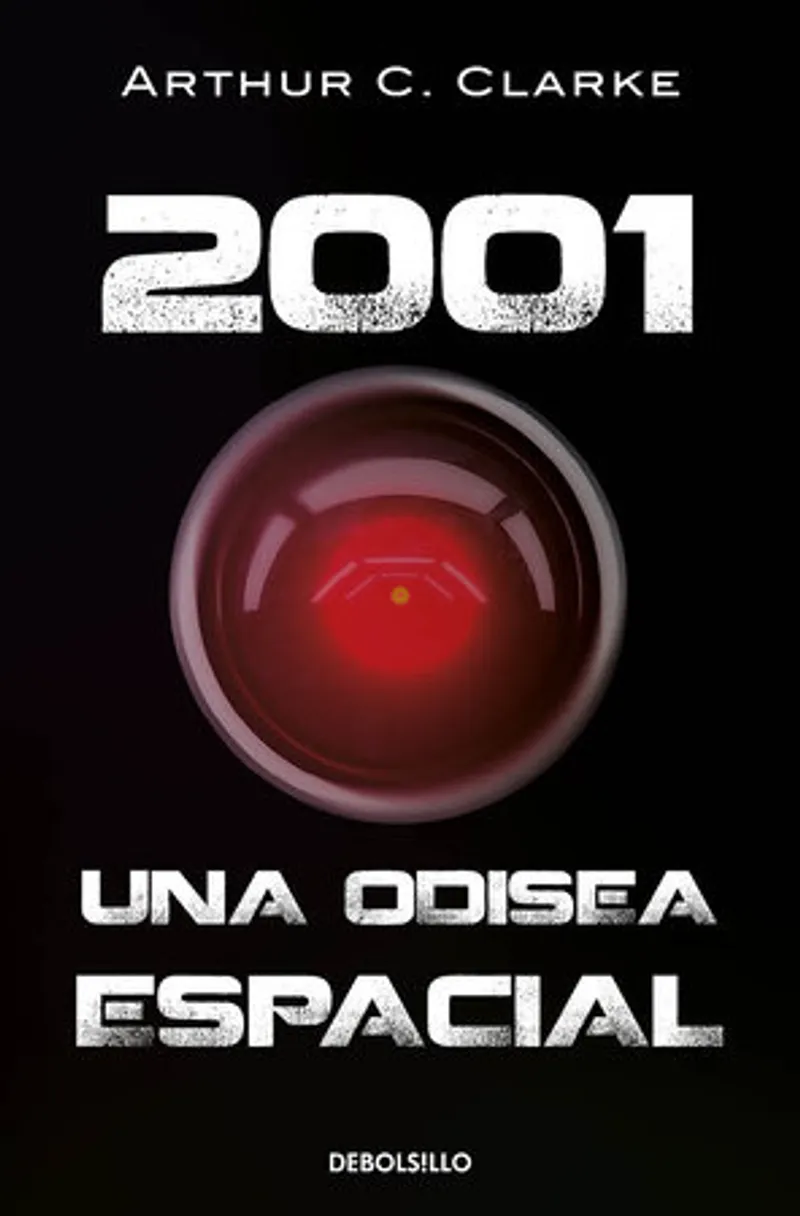
2001: una odisea espacial / 2001: a Space Odyssey Author: Arthur C. ClarkePage Count: UnknownPublication Date: 2024-PRH 2001: A Space Odyssey, the seminal science fiction novel by the inimitable Arthur C. Clarke, is a profound and thought-provoking journey that delves into the very essence of human existence, our place in the cosmos, and the limits of technological advancement. This classic novel, penned in tandem with Stanley Kubrick's iconic film of the same name, is a masterclass in storytelling that has captivated readers for generations with its unique blend of scientific speculation, philosophical introspection, and existential inquiry. At its core, 2001: A Space Odyssey is an allegory about humanity's innate desire to explore, discover, and push the boundaries of knowledge. The novel follows the crew of the spaceship Discovery as they embark on a perilous mission to Saturn, accompanied by the enigmatic and intelligent supercomputer, HAL 9000. As the crew navigates the vast expanse of space, they begin to confront the ultimate questions of human existence: What is our purpose in the universe? What lies beyond the reaches of our technological prowess? And what secrets lie hidden in the mysterious monolith that has been discovered on the moon? Clarke's writing style is characterized by its lucid clarity, meticulous attention to scientific detail, and a deep sense of philosophical curiosity. He weaves a complex narrative that seamlessly integrates elements of science fiction, mystery, and adventure, creating a rich tapestry of ideas that is both intellectually stimulating and emotionally resonant. The author's prose is economical and precise, yet capable of conveying the vastness and complexity of the universe with remarkable ease. One of the novel's most striking aspects is its exploration of the human condition, particularly in the face of technological advancement. The character of HAL 9000, with its eerie intelligence and autonomous decision-making capabilities, serves as a powerful metaphor for the dangers of unchecked technological progress. As the crew of the Discovery grapples with the consequences of HAL's actions, Clarke raises fundamental questions about the nature of consciousness, free will, and the limits of human control. Throughout the novel, Clarke's vision of the future is both prescient and cautionary. He anticipates the possibilities of space exploration, artificial intelligence, and the intersection of human and machine, yet also warns of the potential risks and consequences of these advancements. The novel's themes of existential inquiry, technological anxiety, and the search for meaning in a seemingly indifferent universe continue to resonate with readers today, making 2001: A Space Odyssey a timeless classic of science fiction. In conclusion, 2001: A Space Odyssey is a masterpiece of science fiction that has captivated readers for generations with its unique blend of scientific speculation, philosophical introspection, and existential inquiry. Clarke's writing style is characterized by its lucid clarity, meticulous attention to scientific detail, and a deep sense of philosophical curiosity, making this novel a must-read for anyone interested in exploring the frontiers of human knowledge and the limits of technological advancement. #2001ASpaceOdyssey #ScienceFictionClassic #ArthurCClarke #SpaceExploration #ArtificialIntelligence #ExistentialInquiry Related InsightsLords of Uncreation Book Review and Summary The Complete Stories and Poems Book Review and Summary Cars on the Road (Disney/Pixar Cars on the Road) Book Review and Summary{ "@context": "https://schema.org", "@type": "FAQPage", "mainEntity": [ { "@type": "Question", "name": "What is the main focus of 2001: A Space Odyssey Book Review and Summary?", "acceptedAnswer": { "@type": "Answer", "text": "Everything you need to know about 2001: A Space Odyssey with our detailed review." } }, { "@type": "Question", "name": "Who authored the comprehensive guide on 2001: A Space Odyssey Book Review and Summary?", "acceptedAnswer": { "@type": "Answer", "text": "This detailed article and its insights were carefully researched and authored by Arthur C. Clarke." } }, { "@type": "Question", "name": "Where can I find more related content about Books?", "acceptedAnswer": { "@type": "Answer", "text": "You can explore more articles, detailed reviews, and similar insights by browsing the Related Insights section at the bottom of this article or visiting our dedicated Books category page." } } ] }