Showing Posts From
3gs an imaginary mem
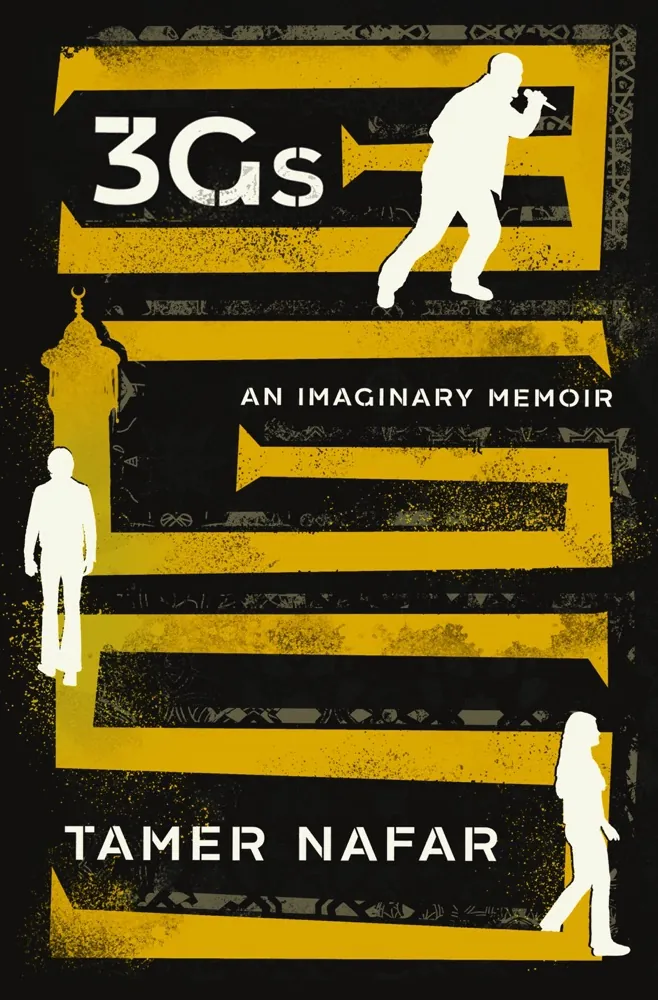

Author: Tamer NafarPage Count: UnknownPublication Date: Expected publication 2026-12-01 APL The air in this August heat is thick with the kind of humidity that makes even the most disciplined mind wander—like a vinyl record skipping on a bad day. And yet, here we are, staring at the synopsis for 3Gs, that imaginary memoir by Tamer Nafar, which arrives like a well-timed but slightly unhinged guest at a diplomatic cocktail party. The kind of guest who shows up with a story about three generations of Palestinians, a town that’s both Lyd and Lod depending on who’s telling it, and a father who can’t read but plays in a wedding band. It’s the kind of premise that makes you wonder if the author’s been reading too many late-night Wikipedia rabbit holes about postcolonial identity. The structure here is deliberately fractal—part oral history, part fable, part something that defies the very idea of memoir. That last bit is either genius or a gimmick, and I’m not sure which yet. It reminds me of The Vegetarian by Han Kang, where the act of writing itself becomes a kind of rebellion, but with the added layer of hip-hop’s rhythmic fury. Chuck D’s influence is already being touted, and for good reason—this isn’t just a memoir; it’s a sonic assault on the idea of linear storytelling. But where 3Gs might falter is in its refusal to clarify what, exactly, it wants to be. Is it a novel? A collection of vignettes? A family tree with more branches than a Palestinian olive grove? The vagueness is almost intentional, but it also risks leaving readers feeling like they’ve been handed a map to a city that’s been erased from the atlas. Fawzi, the father, is the most interesting character by default—because he’s the one who’s not fighting back, at least not in the way his son expects. There’s something haunting about a man who survives by passing as a postman despite being illiterate, only to end up in a wheelchair after an accident. It’s a metaphor for so much: the quiet erosion of dignity, the way oppression doesn’t always come with a gun. But then Tamer, the son, comes along, loud and defiant, spitting out punchlines like they’re landmines. The dynamic between them feels like it could be the backbone of something powerful, but the synopsis doesn’t do enough to show how that tension plays out. Where’s the moment when Fawzi finally speaks? Where’s the scene where Tamer realizes his father’s silence wasn’t weakness? The synopsis skims over these moments like a DJ skipping the breakdown of a song. And then there’s Shaden, the future daughter, who risks returning to Lyd to save its artifacts in “Palestine in the cloud.” That line alone is worth the price of admission—it’s the kind of poetic nonsense that makes you wonder if the author’s been reading too much about digital diasporas and too little about how people actually live. But it also feels like a cop-out. If the book is about loss and oppression, why not ground Shaden’s story in something more tangible? Why not make her a real person with real stakes, instead of a ghost in the machine? It’s the literary equivalent of a politician promising “hope and change” without a plan. But here’s the thing—this is supposed to be an imaginary memoir. So maybe the point is that it’s all just a construct, a shape-shifting pastiche of memory and myth. And if that’s the case, then 3Gs might just be the most ambitious piece of Palestinian literature since The Book of Khaled by Yasmina Khadra, where the act of storytelling itself becomes the rebellion. Yet—yet—there’s a danger in letting the form overshadow the substance. What if the book is so busy being innovative that it forgets to be human? The synopsis leaves more questions than answers, which is fine if the book delivers on the promise of its own ambiguity. But I can’t help but think of the time The Last Days of American Crime by Graham Moore was hyped as a revolutionary take on true crime, only to deliver a mess of half-baked conspiracy theories and a protagonist who felt like a mannequin in a department store window. Will 3Gs be the next great Palestinian novel, or will it be the next great disappointment? Only time—and a lot of espresso—will tell. Right now, I’m operating on three hours of sleep and the kind of caffeine that makes you see halos around streetlights. The world is a mess, the air is thick, and I’m trying to decide if I want to believe in the magic of 3Gs or just go back to bed. #PalestinianLiterature #ImaginaryMemoirs #AugustReading #DiplomaticFiction #ShapeShiftingStories Related InsightsRealm Breaker Book Review and Summary L'Occhio che ha Cambiato il Mondo: L'Ascesa Silenziosa della Fotografia Tascabile Ask for Andrea Book Review and Summary{ "@context": "https://schema.org", "@type": "FAQPage", "mainEntity": [ { "@type": "Question", "name": "What is the main focus of 3Gs: An Imaginary Memoir Book Review and Summary?", "acceptedAnswer": { "@type": "Answer", "text": "Everything you need to know about 3Gs: An Imaginary Memoir with our detailed review." } }, { "@type": "Question", "name": "Who authored the comprehensive guide on 3Gs: An Imaginary Memoir Book Review and Summary?", "acceptedAnswer": { "@type": "Answer", "text": "This detailed article and its insights were carefully researched and authored by Anna Kowalska." } }, { "@type": "Question", "name": "Where can I find more related content about Books?", "acceptedAnswer": { "@type": "Answer", "text": "You can explore more articles, detailed reviews, and similar insights by browsing the Related Insights section at the bottom of this article or visiting our dedicated Books category page." } } ] }