Showing Posts From
A christmas carol
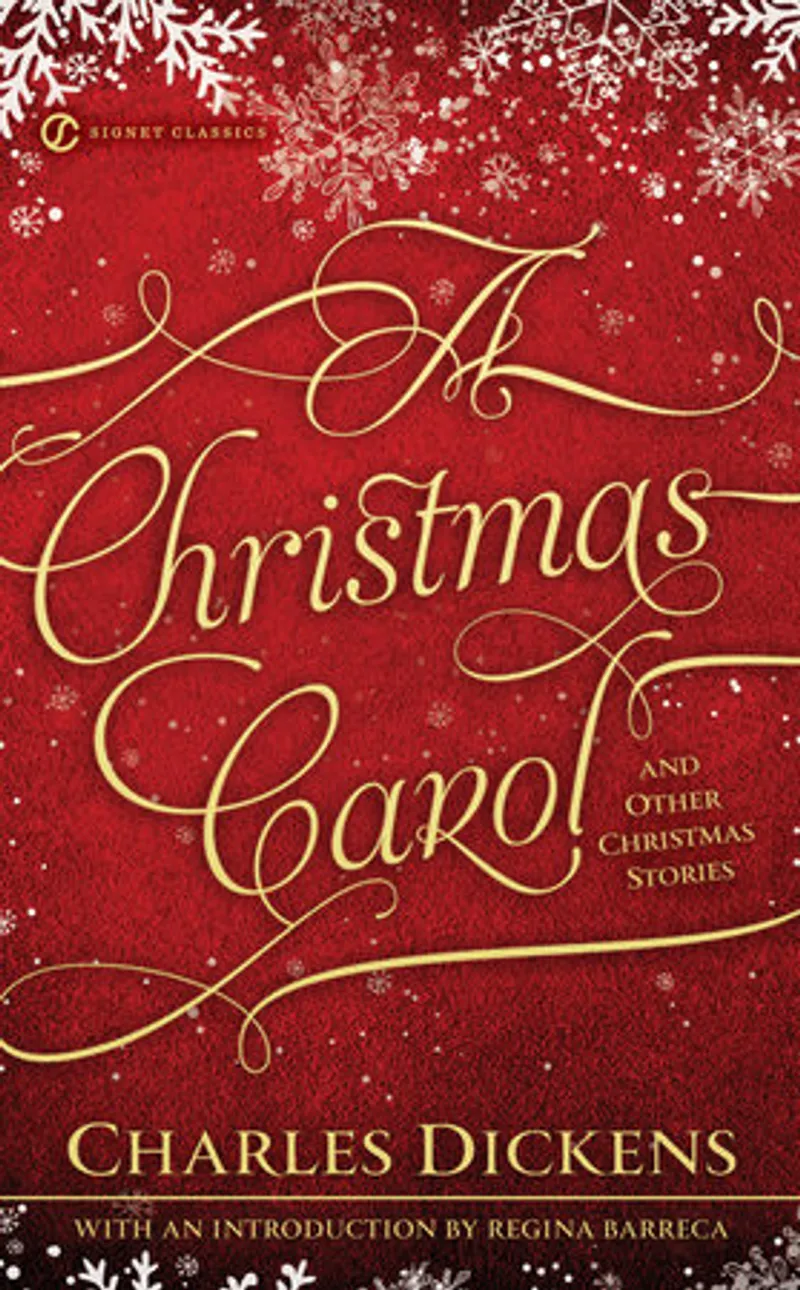
A Christmas Carol and Other Christmas Stories Author: Charles DickensPage Count: UnknownPublication Date: 2011-PRH Charles Dickens’ A Christmas Carol and Other Christmas Stories is more than a collection of festive tales—it is a literary embrace of the season itself. At its heart, this anthology captures the essence of Christmas: not as a mere date on the calendar, but as a transformative force of generosity, reflection, and human connection. Through the immortal A Christmas Carol, Dickens doesn’t just tell a ghost story; he crafts a moral awakening, a journey from selfishness to redemption that resonates across centuries. But the true magic of this collection lies in its breadth—Dickens’ other Christmas stories, often overshadowed by Scrooge’s fame, reveal the same warmth, wit, and social conscience that define his genius. Dickens’ prose is a symphony of nostalgia and immediacy. His sentences flow like the flicker of candlelight on a frosted windowpane—warm yet sharp, tender yet unflinching. In A Christmas Carol, the transformation of Ebenezer Scrooge is not just a plot device but a revelation. The ghosts of Christmas Past, Present, and Yet to Come are not mere specters; they are mirrors held up to society, reflecting the consequences of greed and the redemptive power of empathy. When Scrooge finally exclaims, “I will honor Christmas in my heart, and try to keep it all the year,” it’s not just a character’s epiphany—it’s a call to every reader to examine their own life. Dickens doesn’t preach; he invites, wrapping his lessons in humor, pathos, and the unmistakable scent of roasted chestnuts and mulled wine. The lesser-known stories in this collection are no less enchanting. A Christmas Tree is a jewel of sensory delight, a child’s wonder distilled into words. Dickens paints a Victorian Christmas with such vivid detail that you can almost hear the crackle of the fire and the rustle of wrapping paper. Christmas Dinner is a quieter triumph—a celebration of family reconciliation, where old grudges dissolve under the glow of shared laughter. Even the Christmas chapters from The Pickwick Papers showcase Dickens’ range, blending festive merriment with a ghostly tale that prefigures the chills of A Christmas Carol itself. These stories are not mere filler; they are the supporting cast in a grand holiday chorus, each playing its part in Dickens’ vision of Christmas as a time of both joy and reckoning. What makes Dickens’ Christmas stories timeless is their universality. He writes not just for his era but for all eras, tapping into the shared human longing for connection and meaning. His characters—whether the miserly Scrooge, the joyful Tiny Tim, or the nostalgic child in A Christmas Tree—are archetypes that transcend their time. Dickens’ genius lies in his ability to make the intangible tangible: the warmth of a hearth, the weight of regret, the lightness of forgiveness. His prose is rich but never dense, accessible yet profound, ensuring that his messages—about charity, family, and the fleeting nature of life—land with equal force whether read in 1843 or 2024. Yet, for all their sentiment, Dickens’ stories are never saccharine. There’s a steel beneath the sugar, a sharp critique of poverty and inequality that lurks beneath the holly and ivy. In A Christmas Carol, the Cratchits’ meager feast is a stark contrast to Scrooge’s opulence, a reminder that Christmas joy is not universal unless society chooses to make it so. Dickens doesn’t shy away from the harsh realities of his time, and in doing so, he elevates his Christmas tales from mere entertainment to social commentary. This duality—whimsy and weight, joy and justice—is what makes his work endure. Reading A Christmas Carol and Other Christmas Stories is like attending a gathering of old friends. Each tale feels familiar yet fresh, comforting yet challenging. Dickens’ voice is so distinct that you can almost hear him reading aloud, his words punctuated by laughter and gasps. His style is conversational yet polished, filled with rhetorical flourishes that make even the most serious moments feel intimate. Whether he’s describing the eerie stillness of a Christmas Eve or the chaotic joy of a family reunion, his prose has a musical quality, a rhythm that carries the reader along effortlessly. In a world where Christmas is often reduced to commercial frenzy, Dickens’ stories are a necessary balm. They remind us that the holiday is about more than gifts and decorations—it’s about the choices we make, the people we love, and the legacies we leave behind. A Christmas Carol alone would be enough to cement this collection’s place in literary history, but the additional stories deepen its resonance. Together, they form a tapestry of Christmas as Dickens saw it: a time of miracles, not just in the supernatural sense, but in the everyday acts of kindness that stitch communities together. For anyone seeking to recapture the true spirit of Christmas, this book is a gift in itself. It’s a reminder that the best stories are those that endure, that speak to something fundamental in the human heart. Dickens’ Christmas tales are not just relics of the past; they are living, breathing invitations to be better—to love more deeply, to give more freely, and to embrace the season with open arms. #ChristmasLiterature #DickensClassic #HolidayReads #LiteraryRedemption #VictorianChristmas #ScroogeAndBeyond Related InsightsDaughter of the Tempest (Myths of the Empyrieos, #2) Book Review and Summary A Court of Frost and Starlight Book Review and Summary Apples Never Fall Book Review and Summary{ "@context": "https://schema.org", "@type": "FAQPage", "mainEntity": [ { "@type": "Question", "name": "What is the main focus of A Christmas Carol Book Review and Summary?", "acceptedAnswer": { "@type": "Answer", "text": "Everything you need to know about A Christmas Carol with our detailed review." } }, { "@type": "Question", "name": "Who authored the comprehensive guide on A Christmas Carol Book Review and Summary?", "acceptedAnswer": { "@type": "Answer", "text": "This detailed article and its insights were carefully researched and authored by Charles Dickens." } }, { "@type": "Question", "name": "Where can I find more related content about Books?", "acceptedAnswer": { "@type": "Answer", "text": "You can explore more articles, detailed reviews, and similar insights by browsing the Related Insights section at the bottom of this article or visiting our dedicated Books category page." } } ] }