Showing Posts From
Accidents never happ
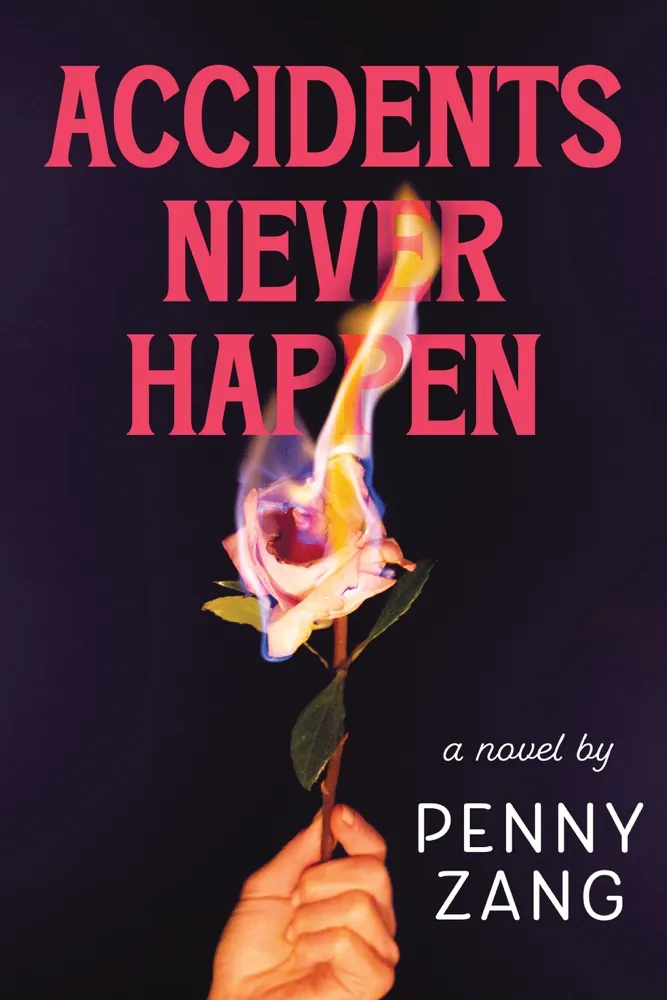

Author: Penny ZangPage Count: UnknownPublication Date: Expected publication 2026 APL Truth be told, September always brings out this ridiculous urge to pretend I am still twenty-two, chain-smoking cloves behind a dive bar while analyzing Edgar Allan Poe like it pays rent, which is precisely why Penny Zang’s upcoming Accidents Never Happen—slated for 2026 and currently leaning hard on the same moody atmospheric crutches as Long Bright River—has me staring down into a lukewarm cup of diner coffee and wondering if we are ever going to get past the tortured-sister trope. Zang clearly wants to bottle that specific 1980s Baltimore grit, mixing Blondie records with missing fathers and fake ghosts in an upstairs window, yet the synopsis practically begs for a tighter focus on the actual sisterly friction rather than tossing in the infamous Poe Toaster just to pad the suspense. Because nothing says heavy-handed gothic pastiche quite like a killer leaving dead roses and sherry at a crime scene, right on cue, as if serial murderers read literary history textbooks before planning their weekend errands. Edgar Allan Poe. Or maybe the killer is just a pretentious grad student. Zang is riding the coattails of Doll Parts, which had its moments of sharp prose, but this new premise stretches credibility right out the gate—who honestly thinks fabricating a ghost story about a dead nineteenth-century poet to save a failing neighborhood bar won't immediately attract the worst kind of weirdos, especially in a city already crawling with urban legends? Mad and Annabel deserve better than to be walking plot devices in a thriller that relies on cheap theatricality instead of actual human dread, though I suppose we will all pretend to be shocked when the missing father turns out to be tied up in the local lore. Or maybe not. I might have entirely misjudged the pacing based on the vague marketing copy, because the synopsis pivots so fast from nostalgic coming-of-age drama to slasher-movie pastiche that I honestly cannot tell if this is supposed to be a gritty regional mystery or an Edgar Allan Poe fanfiction written by committee. Actually, the Poe angle is probably brilliant if executed with enough irony. Or it is a total disaster waiting to happen. September dampness is fogging up the cracked diner window beside me, mirroring the exact kind of suffocating hometown claustrophobia Zang is trying to sell in this book, and I can already picture the rushed third-act confrontation where everything goes up in flames because teenagers in 1985 apparently didn't know how to call the police instead of investigating a serial killer alone. Fans of Bright Young Women will likely eat this up anyway, hungry for another nostalgic true-crime adjacent aesthetic that trades real emotional stakes for spooky set-dressing, but I am reserving judgment until I actually see whether the prose can survive its own gimmick. Nevermore. I have to go finish painting a terribly depressing portrait. Related InsightsHouse of Sand and Fog Book Review and Summary Winterveil Book Review and Summary Forever Night Book Review and Summary{ "@context": "https://schema.org", "@type": "FAQPage", "mainEntity": [ { "@type": "Question", "name": "What is the main focus of Accidents Never Happen Book Review and Summary?", "acceptedAnswer": { "@type": "Answer", "text": "Everything you need to know about Accidents Never Happen with our detailed review." } }, { "@type": "Question", "name": "Who authored the comprehensive guide on Accidents Never Happen Book Review and Summary?", "acceptedAnswer": { "@type": "Answer", "text": "This detailed article and its insights were carefully researched and authored by Camille Dubois." } }, { "@type": "Question", "name": "Where can I find more related content about Books?", "acceptedAnswer": { "@type": "Answer", "text": "You can explore more articles, detailed reviews, and similar insights by browsing the Related Insights section at the bottom of this article or visiting our dedicated Books category page." } } ] }
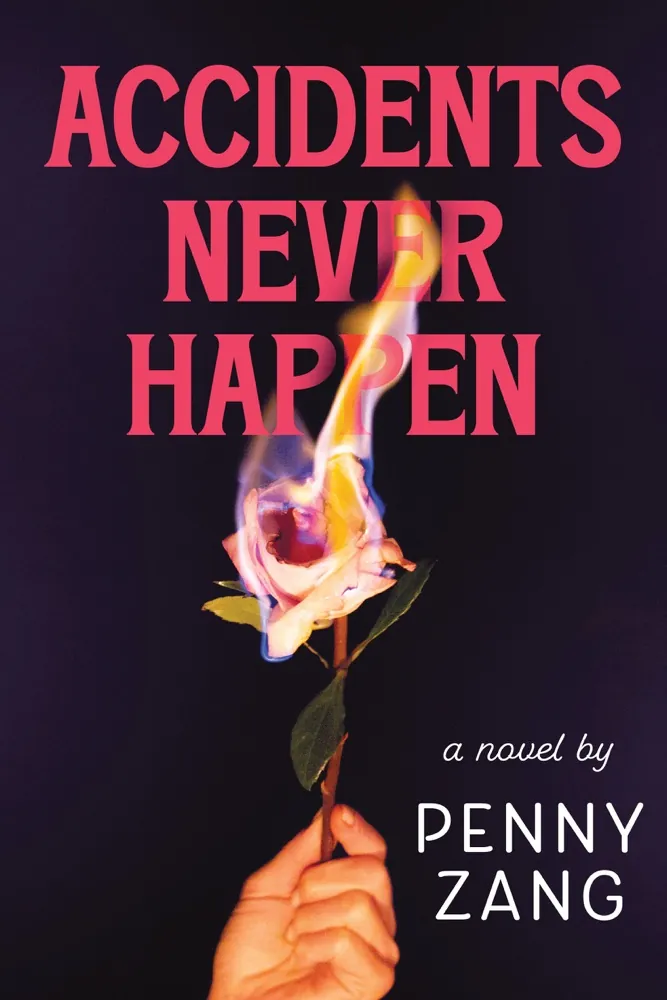

Author: Penny ZangPage Count: UnknownPublication Date: Expected publication 2026 APL Staring down yet another lukewarm cup of stale roast while my grease-pencil sketches of inverted monuments slide off this groaning, warped mahogany disaster of a desk. Penny Zang wants us to care about Baltimore in 1985—as if historical pastiche is an adequate substitute for actual visceral stakes. Accidents Never Happen leans hard on the familiar gothic apparatus, trading genuine transgressive grit for moody window dressing, complete with a literary ghost story that spirals out of control because characters simply refuse to possess basic operational common sense. The Aesthetics of Decay and Cheap Sherry Edgar Allan Poe as a structural crutch. How delightfully predictable. We get the standard-issue mourning tropes—dead roses, weeping poets, and an atmosphere dripping in performative melancholy. Zang attempts to graft nineteenth-century romanticized despair onto a working-class neighborhood fighting economic entropy, but the juxtaposition feels less like a deconstruction of myth and more like a high-concept Pinterest board manifested into prose. And honestly? The killer leaving a bottle of sherry at every crime scene is giving me major theater-kid energy. It is peak serial killer dramaturgy, absurdly cringe, and entirely too neat for a world supposedly rotting from the edges inward. Narrative Architecture and the Vanishing Father Disappearances are currency in contemporary suspense. First the patriarch vanishes into thin air, leaving behind a crumbling tavern and massive debt, and then the reclusive sister follows suit because—plot convenience demands it. Mad is left holding the empty bag, frantically racing against a ticking clock while trying to dodge suburban whispers. Zang is clearly gunning for the atmospheric territory staked out by Long Bright River or The Last House on Needless Street, but those texts earned their psychological dread through prolonged structural claustrophobia. Here, the synopsis promises a breathless hunt that risks trading genuine character interiority for cheap plot-twist gymnastics. Will the missing father be the puppet master, or just another red herring designed to pad out the word count before the inevitable fiery climax? Probably the latter. The literary industrial complex loves a neat thematic symmetry that ties paternal abandonment directly to a madman's calling card. Subverting the Heroic Trajectory Nobody in this narrative gets to just fix their life without a corpse showing up to complicate the accounting books. Mad is a classic exemplar of the exhausted protagonist—the trope of the put-upon young woman carrying the emotional and financial labor of an entire failing business while the men in the periphery either vanish or murder people. It is tedious. It is exhausting. Frankly, I am tired of heroines whose primary character arc is enduring catastrophic systemic failure while sleuthing on the side. Give me an unreliable narrator who sets the bar on fire herself instead of waiting around for a Gothic specter to do it. If Zang wants to really shock the reader, subvert the Poe obsession—make the girls realize the dead poet was just a miserable hack who wrote fanfiction about grief. My wrist hurts from holding this damn charcoal stub, and the deadline for my gallery proposal is looming like an existential guillotine. I have to go scavenge for a decent cup of matcha in this wretchedly gentrified neighborhood before my last remaining nerve endings completely combust. #bookstagram #gothicfiction #literarycritique #writingcommunity Related InsightsCome, reza, ama / Eat, Pray, Love Book Review and Summary Fangirl Down Book Review and Summary Edge Book Review and Summary{ "@context": "https://schema.org", "@type": "FAQPage", "mainEntity": [ { "@type": "Question", "name": "What is the main focus of Accidents Never Happen: A Novel Book Review and Summary?", "acceptedAnswer": { "@type": "Answer", "text": "Everything you need to know about Accidents Never Happen: A Novel with our detailed review." } }, { "@type": "Question", "name": "Who authored the comprehensive guide on Accidents Never Happen: A Novel Book Review and Summary?", "acceptedAnswer": { "@type": "Answer", "text": "This detailed article and its insights were carefully researched and authored by Giulia Ricci." } }, { "@type": "Question", "name": "Where can I find more related content about Books?", "acceptedAnswer": { "@type": "Answer", "text": "You can explore more articles, detailed reviews, and similar insights by browsing the Related Insights section at the bottom of this article or visiting our dedicated Books category page." } } ] }