Showing Posts From
Adventuretravel
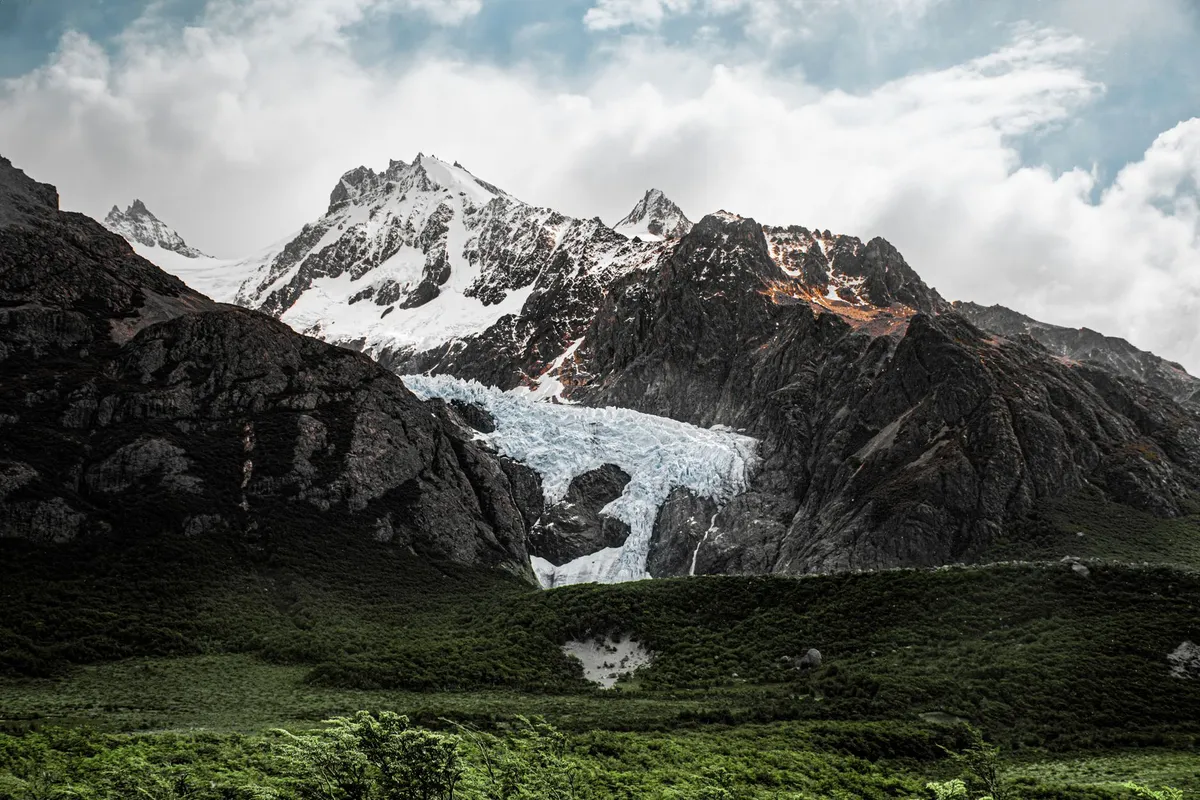
Where the map ends and the wind begins, Patagonia whispers secrets to those willing to listen. While Torres del Paine dominates the Instagram feeds of the world, those who venture deeper find a region not merely defined by peaks, but by the relentless rhythm of the Southern Hemisphere’s raw, untamed heart. I am Aisha Sharma, and today we move past the overcrowded viewpoints to uncover the true essence of this jagged wilderness. This is not just a travel guide; it is an economic and experiential blueprint for navigating the immense, expensive, and breathtaking duality of Argentine and Chilean Patagonia as we head into late 2026. The Alpine Soul of Bariloche and the Argentine Lake District If you seek the intersection of European charm and jagged Andean reality, San Carlos de Bariloche serves as the gateway. Situated in the heart of Nahuel Huapi National Park, Bariloche is where the myth of the "Swiss Alps of South America" meets the reality of high-altitude desert and temperate rainforest. As of late 2026, the cost of living here has stabilized following recent economic fluctuations in Argentina, yet it remains a destination of contrasts. For the slow traveler, a monthly budget of approximately $1,800 to $2,200 USD provides a comfortable standard of living, covering local apartment rentals, fresh market produce, and the occasional indulgent excursion. Navigating Bariloche requires an appreciation for the "Circuito Chico." Skip the tour buses; rent a mountain bike or utilize the reliable public transit system, the SUBE card, to reach the hidden bays of Lake Moreno. When you head into the mountains, specifically the Refugio Frey trek, you are not just hiking; you are walking through geological history. The granite spires here, while distinct from the Paine massif, offer technical climbing challenges that have drawn mountaineers for decades. Connectivity is surprisingly robust in the city center, making it a viable hub for digital nomads, though the further you retreat into the Llao Llao Peninsula, the more you are forced into a welcomed digital disconnection.Dining in Bariloche is a cultural ritual. The influence of Central European immigration means that smoked trout, wild boar, and, of course, the world’s most refined chocolate shops line Mitre Street. My authoritative advice: skip the tourist-trap storefronts near the clock tower and find the small, family-owned producers in the Colonia Suiza settlement. Here, the "Curanto"—a traditional method of cooking food in the earth—is an authentic experience that connects you to the indigenous Mapuche traditions that permeate the region’s soil. Budgeting for food is manageable if you cook at home using local artisanal ingredients; supermarkets are efficient, but the local "ferias" offer a significantly better price-to-quality ratio. El Chaltén: The Vertical Frontier of Human Endurance In the shadows of Fitz Roy and Cerro Torre lies El Chaltén, a village that feels more like a base camp for an expedition than a tourist town. It is the trekking capital of Argentina, and in 2026, it remains a place where the wind is the primary architect of the landscape. Unlike the structured luxury of Chilean resorts, El Chaltén retains a raw, rugged aesthetic. Expenses here are heavily influenced by the extreme seasonality of the location. Because almost every resource—from fresh produce to electricity—must be trucked in across vast distances, expect to pay a premium. A monthly slow-travel budget of $2,500 is a realistic baseline if you prioritize proximity to the trails. The magic of this region is that the most iconic views are accessible without a private guide, provided you respect the unpredictability of the weather. The hike to Laguna de los Tres is legendary, but the true secret is the Loma del Pliegue Tumbado. From this vantage point, you see the convergence of the Viedma Glacier and the granite giants in a panoramic sweep that most casual travelers overlook. As you plan your 2026 itinerary, remember that connectivity in El Chaltén is notoriously fragile. If your livelihood depends on a stable internet connection, opt for the dedicated co-working cafes rather than relying on hostel Wi-Fi, which often struggles during high-occupancy months.When packing for the wind, do not prioritize "fashionable" outdoor gear. Patagonia’s wind is legendary for its ability to test the integrity of technical fabrics. Ensure your gear is windproof rather than just water-resistant; in this region, the rain is secondary to the gusts that can reach speeds of over 100 kilometers per hour. Economically, El Chaltén is a cash-heavy environment. While card payments are increasingly accepted, having a reserve of Argentine pesos is a necessity for the smaller backcountry lodges and remote mountain huts (refugios). Managing these logistics is part of the "Patagonian tax," a small price for the privilege of existing on the edge of the Southern Patagonian Ice Field. The Chilean Duality: Puerto Natales and the Cost of Remoteness Crossing the border into Chile changes the economic landscape entirely. Chile operates on a more predictable, yet significantly higher, cost structure than Argentina. Puerto Natales, the primary staging ground for the southern fjords, has transformed into a sophisticated hub of sustainable tourism. Here, the currency is the Chilean Peso, and your daily expenses—particularly regarding transportation and park entry fees—will be notably higher than across the border. A slow-travel budget for Puerto Natales should hover around $3,000 USD per month if you intend to participate in the local culture while utilizing the town as a base for deep-wilderness exploration. The secret to Puerto Natales is not the town itself, but the access it provides to the Bernardo O’Higgins National Park and the fjords. While everyone heads north to Torres del Paine, the savvy traveler heads toward the Balmaceda and Serrano glaciers. These maritime routes provide an intimate look at the calving ice that few people see. By booking with smaller, local eco-operators, you are not only supporting the community but also avoiding the massive group tours that dominate the inland trails. Chile’s infrastructure is superior, with bus networks that make regional travel efficient and relatively comfortable, though the prices reflect this high level of service.Healthcare and safety standards in Chile are among the highest in South America. If you are planning an extended stay, ensure your travel insurance covers high-altitude mountain rescue, as this is a specific requirement for many of the more remote, non-maintained trails. The digital infrastructure in Puerto Natales is significantly more reliable than in the northern Argentine villages, making it the preferred choice for those who need to maintain a professional career while exploring the wild. The culinary scene is dominated by seafood—specifically the centolla (king crab)—and the local cordero (lamb). Budget tip: utilize the local markets in the center of town to source ingredients, as dining out for every meal in Puerto Natales will quickly inflate your monthly expenditure beyond the $3,000 threshold. Economic Benchmarks and Fiscal Realities for the 2026 Traveler To understand Patagonia, one must understand the fiscal divide. Argentina’s economy is defined by high volatility and the "blue" market exchange rates, whereas Chile offers stability with a high cost of entry. The table below outlines a comparison of approximate monthly costs for a single individual engaged in slow travel. These figures account for mid-range accommodation, market-sourced food, local transport, and occasional leisure activities. Note that park fees in Chile, particularly for high-traffic areas, can constitute a significant portion of your discretionary spending.Expense Category Bariloche, Argentina (USD) Puerto Natales, Chile (USD)Apartment Rent (Monthly) $700 - $900 $1,100 - $1,400Groceries (Monthly) $350 - $450 $500 - $650Local Transport/Transit $80 - $120 $150 - $200Connectivity (Internet) $30 - $50 $60 - $90Leisure & Park Fees $400 - $600 $800 - $1,000Total Estimated Monthly $1,560 - $2,120 $2,610 - $3,340Data synthesis based on 2026 market-data collection and regional cost-of-living benchmarks. This table serves as an authoritative guide for your financial planning. In Argentina, the strategy is to carry cash, understand the value of the parallel exchange rate, and remain flexible regarding price fluctuations. In Chile, the strategy is to budget for premium costs and take advantage of the ease of digital payments and credit card usage. Remember that in both countries, "slow travel" is inherently cheaper than "tourist travel." By renting long-term apartments rather than staying in short-term hotels and preparing your own meals, you significantly decrease the overhead costs associated with the remote logistics of this region. Mastering the Wind: Environmental Ethics and Cultural Preservation As we conclude this exploration, it is imperative to address the responsibility of the traveler. Patagonia is not merely a backdrop for our experiences; it is a fragile, hyper-sensitive ecosystem. The winds that carve the granite spires also spread wildfire, and the pristine waters are threatened by the influx of mass tourism. When you travel to these "secret gems," you are an ambassador for the region. The principle of 'Leave No Trace' is not a suggestion here; it is the fundamental law of the landscape. Carry your waste out of the wilderness, stay on designated trails, and respect the wildlife that calls this extreme environment home. Cultural preservation is equally vital. The Mapuche and Tehuelche people hold deep, ancestral connections to this land. When you purchase local handicrafts, ensure they are authentic. When you listen to stories about the region, recognize that they are part of a history that predates the arrival of global mountaineers. The true secret of Patagonia is not found in a map coordinate, but in the humility one feels when standing before a glacier that has existed for millennia. We are temporary visitors in a land that has been, and will continue to be, shaped by forces far greater than ourselves. As you finalize your plans for your 2026 journey, remember that Patagonia rewards those who are patient. If the wind prevents you from reaching a peak, spend the day in a local café reading, observing the rhythm of the town, and engaging with the locals. The beauty of this region is that it forces you to slow down. It strips away the pretense of modern life and leaves you with the fundamental elements of existence: stone, water, ice, and wind. Embrace the difficulty, budget wisely, respect the environment, and you will find that the legends you carve in your own memory are far more enduring than any digital image you could ever capture. The trail awaits, but remember, the most significant path is the one that respects the silence of the mountains. Patagonia is not a destination you conquer; it is a wild, living force that allows you to witness its grandeur, provided you treat it with the reverence it demands. Carry your gear, protect the fragile alpine tundra, and let the wind carry your footprints away until they are nothing but dust and memory. #Patagonia #SlowTravel #DigitalNomad #AdventureTravel #SustainableTourism Related InsightsThe Maldives: Where Overwater Bungalows Meet Coral Reef Conservation (Part 2) The Silent Cathedral of Sands: A Pilgrim’s Guide to Namibia’s Sossusvlei Palawan’s Hidden Lagoons: The Philippines’ Most Breathtaking Coastal Escapes You Can’t Miss{ "@context": "https://schema.org", "@type": "FAQPage", "mainEntity": [ { "@type": "Question", "name": "What is the main focus of Beyond the Granite Spires: Unveiling Patagonia’s Untamed Secrets?", "acceptedAnswer": { "@type": "Answer", "text": "Escape the crowds and discover the hidden soul of Patagonia, from the wind-whipped trails of El Chaltén to the alpine retreats of Bariloche." } }, { "@type": "Question", "name": "Who authored the comprehensive guide on Beyond the Granite Spires: Unveiling Patagonia’s Untamed Secrets?", "acceptedAnswer": { "@type": "Answer", "text": "This detailed article and its insights were carefully researched and authored by Aisha Sharma." } }, { "@type": "Question", "name": "Where can I find more related content about Travel?", "acceptedAnswer": { "@type": "Answer", "text": "You can explore more articles, detailed reviews, and similar insights by browsing the Related Insights section at the bottom of this article or visiting our dedicated Travel category page." } } ] }
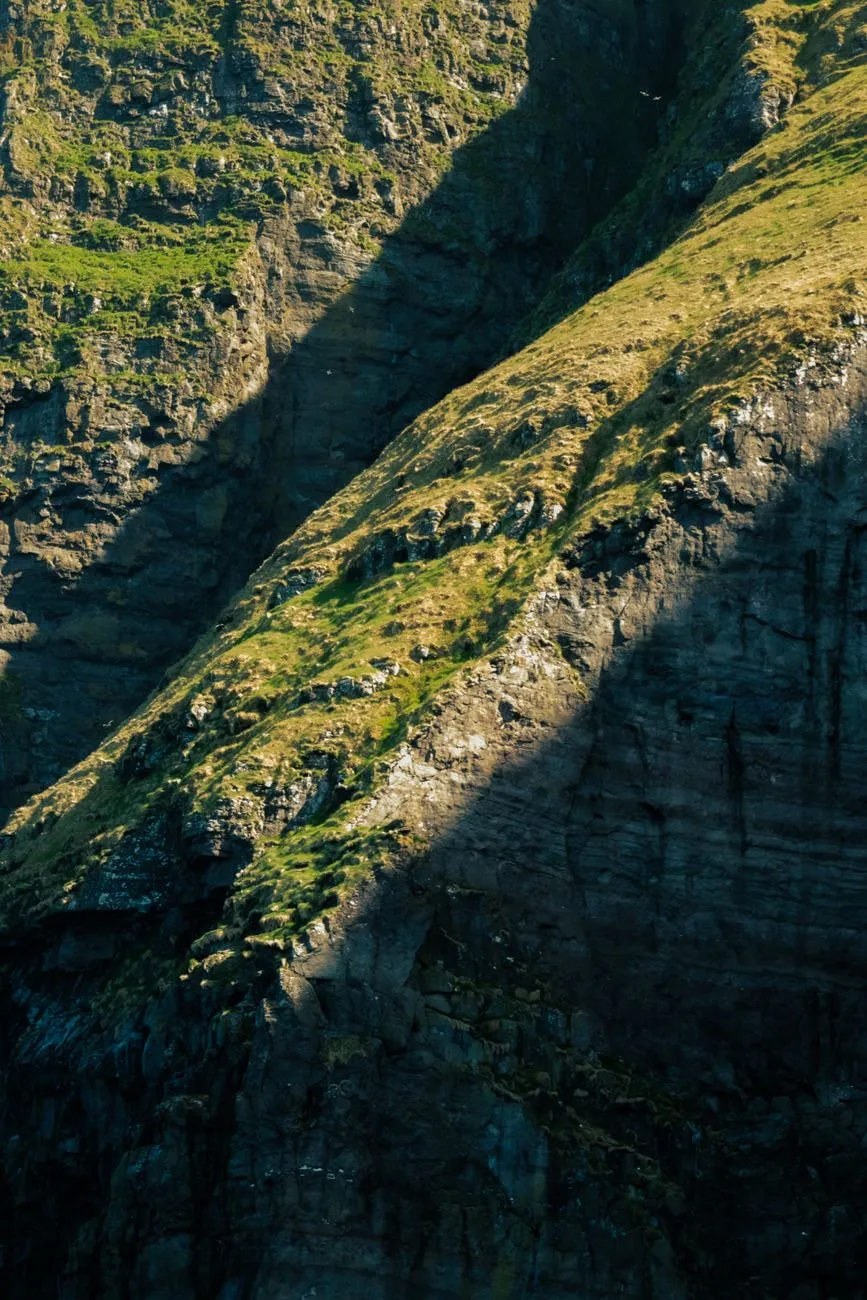
Where the North Atlantic crashes against basalt columns and the fog clings to verdant, grass-roofed villages, you will find the Faroe Islands. As a traveler who has traversed the globe, I find few places as hauntingly beautiful or as fiercely independent as this collection of eighteen volcanic islands. Situated roughly halfway between Norway and Iceland, the Faroes are more than just a cluster of rocks in the sea; they are a living, breathing testament to Viking resilience and a sanctuary for those seeking to escape the frantic pulse of the modern world. For the digital nomad or the intrepid explorer, these islands offer a unique blend of ancient Scandinavian tradition and surprisingly modern infrastructure, though this solitude comes with a price—both in currency and in the willingness to endure the whims of the North Atlantic weather. Stepping Into a Nordic Realm of Basalt and Legend The moment your plane touches down at Vágar Airport, you realize you have entered a domain where nature dictates the schedule. The islands, a self-governing territory of the Kingdom of Denmark, are rugged, precipitous, and utterly captivating. Historically, the islands served as a key stopover for Viking voyagers, and today, that seafaring spirit remains woven into the very fabric of the culture. The Faroese language, a direct descendant of Old Norse, is a rhythmic reminder of this heritage, still spoken daily by the resilient locals. Geographically, the islands are defined by steep cliffs that plummet into the churning ocean, dotted with sheep—which actually outnumber the human population—and waterfalls that defy gravity as they are blown upward by powerful gale-force winds. When you explore places like Gásadalur, where the Múlafossur waterfall plunges directly into the sea, the sense of being at the edge of the world is absolute. It is a landscape that demands respect; the weather shifts in seconds, transforming a bright, sun-drenched morning into a brooding, atmospheric grey afternoon. This is not a destination for the casual tourist seeking a resort-style retreat. It is a rugged frontier for those who wish to experience the raw power of the elements.Traveling here requires a shift in mindset. You must be prepared for the reality that your itinerary is merely a suggestion, easily overruled by a storm or a ferry cancellation. Yet, this uncertainty is precisely what makes the Faroe Islands so intoxicating. You aren’t just visiting a landscape; you are entering an agreement with it. You provide the patience, and the islands provide vistas that have remained largely unchanged since the first longships pulled onto these shores over a millennium ago. The Economic Realities of the North Atlantic Frontier For the digital nomad or the long-term visitor, one must confront the cold, hard numbers. Living in the Faroe Islands is an investment in exclusivity. My assessment of the current cost of living reveals that the islands function as a high-tier economic environment. For a single digital nomad, a budget of approximately $2,960 per month is the realistic median to maintain a comfortable standard of living. This figure covers a balanced mix of modest local housing, essential utilities, and a combination of cooking at home versus occasional dining out. Because the Faroe Islands are an autonomous territory, they occupy a unique legal space. They are not part of the European Union, nor are they part of the Schengen Area. This distinction is vital for long-term planning. Travelers generally follow Danish entry rules, which often means visa-free access for short-term stays for many nationalities. However, if you intend to plant roots as a remote worker for an extended period, you must navigate the process for a special long-term residency permit. Transportation is another significant line item. While the road infrastructure is world-class—featuring sub-sea tunnels that connect major islands like Streymoy and Eysturoy—car rentals and fuel are notably expensive. You are paying for the engineering marvels that make connectivity possible in such a hostile, disconnected environment. Utilities, particularly heating and electricity, also reflect the cost of importing resources and maintaining power grids in remote, wind-battered regions. Budgeting for the Faroes isn't just about saving money; it’s about understanding the premium placed on accessibility and comfort in a location that is, by its very nature, isolated. Navigating the Cost of Living in TórshavnCategory Typical Monthly Expense (USD) NotesApartment (1 Bedroom, Central) $1,200 - $1,600 High demand, limited supplyUtilities (Heating, Electricity) $250 - $400 Depends heavily on the seasonFood (Grocery staples + Coffee) $600 - $800 Prices elevated due to importTransportation (Car Rental/Fuel) $400 - $600 Essential for exploring remote areasConnectivity (High-speed Internet) $80 - $120 Surprisingly robust for the locationTotal Median Monthly Estimate $2,960 Baseline for a single digital nomadThis table provides a snapshot of what you can expect to pay. It is important to note that while Tórshavn, the capital, offers the most amenities, the real cost of living spikes when you venture into more remote villages where grocery options are limited to local, often pricier, goods. The Cultural Pulse of the Capital and Beyond Tórshavn is one of the smallest and most enchanting capitals in the world. It doesn't scream for your attention with glittering towers; instead, it whispers with the charm of grass-roofed houses in the historic Tinganes district, where the government has operated for centuries. As you walk the narrow, winding lanes of Tinganes, you are effectively stepping back into the 16th century, though the offices inside these preserved buildings are equipped with high-speed fiber optics. This juxtaposition of the ancient and the digital is the hallmark of the Faroe experience.Eating here is an exercise in local sustainability. The Faroese kitchen relies heavily on the sea and the rugged hillsides. You will find "ræst"—a process of fermenting lamb or fish in traditional drying sheds—which is a culinary cornerstone you must try to truly understand the local identity. It is an acquired taste, salty and intense, much like the climate itself. When you dine in Tórshavn, you are tasting the history of a people who survived for centuries on what could be caught, foraged, or grazed. Modern chefs have elevated these humble origins into world-class gastronomy, but the spirit of the food remains deeply rooted in the soil and the current. Beyond the capital, the islands of Eysturoy and Borðoy offer a deeper dive into the industrial and fishing history of the archipelago. Klaksvík, the second-largest town, sits nestled between towering mountains and serves as the epicenter for the islands' massive fishing industry. Watching the fleet return at sunset, the harbor glowing with life, provides a stark contrast to the quiet, ethereal silence of the mountain hiking trails. Every town, regardless of size, feels like a sanctuary protected by the mountains and the sea, offering a sense of community that is rare in today’s disconnected world. Masterclass in Nordic Adventure and Logistics To truly conquer the Faroe Islands, you must be a master of the elements. Hiking is the primary method of engagement with the geography, but it is not without risk. Trails are often unmarked and can be obscured by sudden shifts in visibility. Always consult local resources such as the "Hiking in the Faroe Islands" guides, and never underestimate the "mountain fog." It is a cliché for a reason: when the fog rolls in, it can make even the most familiar trail vanish in minutes.Preparation starts with gear. You need high-quality, windproof, and waterproof layers. Forget umbrellas; the wind will snap them in seconds. Instead, invest in technical shells and sturdy hiking boots that can handle boggy, uneven terrain. Before setting out, check the weather reports obsessively. The Faroese Meteorological Office provides reliable data, but even then, rely on your own observation. If the locals are staying put, you should likely do the same. For the remote professional, finding a "base camp" is essential. Tórshavn offers the most reliable infrastructure for digital nomads, including co-working spaces and high-speed satellite connectivity that ensures you remain tethered to your global responsibilities while you are physically situated at the edge of the map. Renting a small, traditional house with a grass roof in a slightly quieter village can provide the creative solitude many seek, but ensure your host guarantees stable internet. Remote island living sounds poetic, but when you are trying to push a large file during a storm, reliability becomes your most prized luxury. Embracing the Viking Spirit in a Modern World As I prepare to leave these rugged shores, I am struck by the permanence of the place. The Faroe Islands don’t change to accommodate you; you change to accommodate them. That is the true gift of this destination. In a world of over-tourism and curated Instagram moments, the Faroes remain fiercely authentic. They offer a rare opportunity to disconnect from the noise of the digital age and reconnect with the primal, elemental forces that have shaped human existence for millennia. The echoes of the Vikings are not just in the place names or the preservation of the language; they are in the way the locals look at a brewing storm—with respect, not fear. They are in the way the silence of the mountains rings in your ears after a long day of hiking. This is a place where you can find genuine solitude, where the scale of nature reminds you of your own place in the grand tapestry of the world. Whether you are a digital nomad searching for a new base of operations or a traveler seeking a landscape that challenges your senses, the Faroe Islands will leave an indelible mark on your psyche. It is an expensive journey, both in time and currency, but the dividends are measured in perspectives shifted and perspectives expanded. You arrive looking for scenery, but you leave with a deeper appreciation for the resilience of life in the most unlikely of places. So, pack your warmest gear, bring your sense of wonder, and prepare for the wind to change, because the Faroes are waiting to show you exactly what it means to live at the edge of the Atlantic. Your next great adventure is not just a trip; it is a pilgrimage to the core of the North. #FaroeIslands #DigitalNomad #AdventureTravel #VikingHeritage #TravelExpert Related InsightsMount Fuji: The Sacred Mountain of Japan Les Sentinelles Solitaires du Bout du Monde : Une Odyssée vers les Phares Oubliés de Patagonie Chilienne The Whispering Ice Temples: Tracing the Vanishing Footprints to Patagonia's Subterranean Sanctuaries{ "@context": "https://schema.org", "@type": "FAQPage", "mainEntity": [ { "@type": "Question", "name": "What is the main focus of Echoes of the North Atlantic: Navigating the Untamed Faroe Islands?", "acceptedAnswer": { "@type": "Answer", "text": "Discover the Faroe Islands, a hidden archipelago of Viking heritage and dramatic cliffs. Expert travel insights on costs, logistics, and wild landscapes." } }, { "@type": "Question", "name": "Who authored the comprehensive guide on Echoes of the North Atlantic: Navigating the Untamed Faroe Islands?", "acceptedAnswer": { "@type": "Answer", "text": "This detailed article and its insights were carefully researched and authored by Zola Ndlovu." } }, { "@type": "Question", "name": "Where can I find more related content about Travel?", "acceptedAnswer": { "@type": "Answer", "text": "You can explore more articles, detailed reviews, and similar insights by browsing the Related Insights section at the bottom of this article or visiting our dedicated Travel category page." } } ] }
-
 John Explorer
 - 04 Jul, 2026 00:27
Where Faith Clings to Cliffs: An Expedition to Tigray's Unseen Sky Sanctuaries
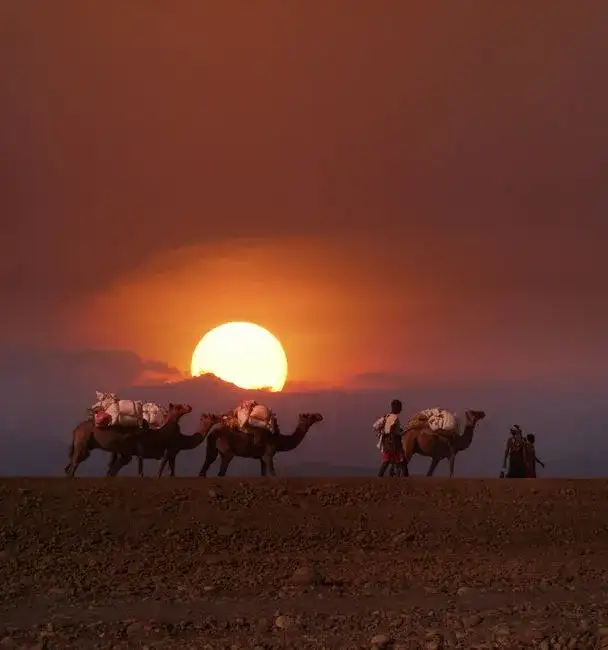
The dust of forgotten empires clings to the wind in Tigray, a northern province of Ethiopia where the earth itself seems to have been sculpted by divine hands and ancient faith. Not all journeys begin with a beaten path; some demand a vertical ascent, a silent prayer whispered on the wind, and a spirit unyielding in the face of sheer rock faces. For centuries, the world has marvelled at the more accessible wonders of Tigray's rock-hewn churches, such as the grand Abraha we Atsbeha. But beyond these revered landmarks lies a realm less traversed, a constellation of hidden sanctuaries clinging precariously to the very heavens – places where the devout have carved not just churches, but entire lives, into the most formidable cliffs. This is not a journey for the faint of heart, but for the soul seeking the profound, the untouched, and the truly extraordinary. Join me, John Explorer, as we venture into the heart of the Gheralta mountains, to seek out the rock-hewn churches that defy gravity and time, places whispered about in hushed tones, often accessible only by scaling dizzying heights. The Geological Canvas: A Land Forged by Fire and Faith Tigray’s landscape is a masterclass in raw, untamed beauty. Volcanic eruptions and tectonic shifts over millions of years have sculpted a colossal amphitheatre of sandstone mesas, dramatic spires, and labyrinthine canyons. It is amidst this awe-inspiring, often intimidating, topography that the early Christians of Ethiopia found their refuge and inspiration. The Aksumite Kingdom, one of the most powerful ancient civilizations in Africa, adopted Christianity in the 4th century CE, long before much of Europe. As the faith spread, and later, as periods of persecution or monastic introspection prompted a desire for solitude, hermits and communities sought out the most remote and defensible locations. They didn’t just build on mountains; they became part of them, meticulously carving churches directly into the living rock. These aren't merely caves adapted for worship; many are architectural marvels, complete with cruciform layouts, domes, pillars, arches, and intricate decorative elements, all hewn from the sandstone. The sheer audacity of their creation beggars belief. Imagine artisans, armed with rudimentary tools, chipping away at solid rock, often hundreds of meters above the valley floor, under a scorching sun. The purpose was clear: to create sanctuaries both physically and spiritually elevated, drawing closer to the divine by literally ascending towards it. While churches like Maryam Papasetti and Mikael Barka are known, my quest led me deeper, to the true vertical challenges, to places like Abuna Yemata Guh and Debre Maryam Korkor, whose existence feels more legend than reality. The Vertical Pilgrimage: Navigating the Paths of Ancient Ascetics The expedition to these sky sanctuaries is, in itself, a pilgrimage. It begins long before the first handhold is grasped, with days of arduous trekking through dry riverbeds, thorny scrub, and sun-baked plains. The villages at the foothills are isolated, their rhythms dictated by ancient agricultural cycles and the stark realities of their environment. Here, time moves differently, and the sense of history is palpable in every weathered face and ancient stone dwelling. Our journey to Abuna Yemata Guh, perhaps the most infamous of Tigray's vertical churches, began at dawn. The path quickly evaporated, replaced by a scramble over loose scree and boulders. The air was thin, carrying the scent of wild thyme and sun-baked earth. Local guides, with their incredible agility and encyclopedic knowledge of the terrain, are indispensable. They move with an almost ethereal grace, barefoot often, across surfaces that demand focused attention from even the most seasoned climbers. The true test came with the sheer, unyielding rock face. To reach Abuna Yemata Guh, one must climb a vertical cliff, using only hand and footholds carved into the rock centuries ago, often no wider than a finger. There are no safety ropes provided; pilgrims bring their own, or simply trust in faith and the surefootedness of their guides. It’s a gut-wrenching experience for anyone unaccustomed to such exposure. The wind whips past, and the world drops away beneath your feet.After the initial climb, a narrow, exposed ledge requires a careful traverse, followed by another vertical climb. Finally, a series of wooden pegs hammered into the rock, coupled with an old rope, offers the last, harrowing ascent to the entrance. It's a dance between fear and exhilaration, each muscle straining, each breath a conscious effort. But the reward, as with all truly difficult quests, is transcendent. Guardians of Stone and Spirit: The Living Legacy Upon reaching the entrance of Abuna Yemata Guh, the world outside fades. The small antechamber, cool and silent, offers immediate respite. The church itself is small but breathtaking, its walls and ceiling adorned with vibrant frescoes dating back to the 15th century. These paintings, remarkably preserved by the dry desert air and their isolation, depict apostles, saints, and biblical scenes with a distinct Ethiopian style – bold colors, expressive faces, and a spiritual intensity that is deeply moving. The resident priest, often an elderly man who has dedicated his life to this arduous calling, greets visitors with quiet dignity. His presence is a living testament to the unbroken chain of faith that has sustained these churches for over a millennium. He is not just a custodian of the building, but a living bridge to the past, performing ancient liturgies and guarding relics passed down through generations. To converse with him, even through a translator, is to touch the very heart of Ethiopian Christianity. These priests make the arduous climb almost daily, sometimes several times, for services, baptisms, or simply to tend to their sacred duties. They are the true guardians, their lives intertwined with the rock and the spiritual energy it holds. Their resilience and devotion are a humbling counterpoint to the fleeting concerns of the modern world. They embody the philosophy of the early hermits: to seek God in isolation, to find solace and strength in the raw power of nature and unwavering faith. Artistry in the Abyss: Frescoes, Manuscripts, and Mysticism The artistic and architectural achievements within these remote churches are astounding. Unlike European cathedrals that were built up from the ground, these sanctuaries were carved down and in. The sculptors had to anticipate the internal structure, working in reverse, always conscious of the integrity of the mountain around them. The precision required is mind-boggling, especially considering the constraints of the location. The frescoes, often in a distinct Aksumite-influenced style, are characterized by their flattened perspectives, large, expressive eyes, and vibrant, natural pigments derived from local minerals. In churches like Debre Maryam Korkor, also a significant climb though slightly less perilous than Abuna Yemata Guh, the paintings stretch across entire ceilings, depicting intricate narratives. There are scenes of the nine saints, the Virgin Mary, and various martyrs, all rendered with a profound spiritual depth. These are not merely decorations; they are visual sermons, mnemonic devices for a largely illiterate population, and powerful expressions of faith. Beyond the frescoes, many churches house ancient manuscripts, some dating back centuries, hand-copied on vellum and bound in leather. These texts, often beautifully illuminated, contain gospels, psalters, and theological treatises that offer invaluable insights into Ethiopian monastic traditions and early Christian thought. The very act of preserving these delicate artifacts in such remote locations speaks volumes about their perceived sacredness and historical value. To hold a manuscript that has witnessed centuries of human history, brought to a perilous cliff edge for safekeeping, is to experience a tangible link to a world long past. Echoes of the Past, Whispers of the Future The rock-hewn churches of Tigray are more than just architectural wonders or historical sites; they are living testaments to human endurance, unwavering faith, and artistic genius. They tell a story of a civilization that embraced Christianity with a fervor that literally moved mountains. They speak of a time when the spiritual journey was inseparable from the physical, where proximity to God was sought in the most challenging and elevated places on earth. In an increasingly connected and homogenized world, these sanctuaries remain remarkably untouched, preserving not just ancient art and architecture, but an entire way of life. Visiting them is a powerful reminder of humanity's capacity for devotion, creativity, and resilience. It challenges our modern perceptions of accessibility and comfort, forcing us to confront our own limits and appreciate the profound effort required to experience such wonders.The journey to Tigray’s unseen sky sanctuaries is an expedition into the very soul of Ethiopia, a vertical pilgrimage that redefines what it means to travel. It is a profound immersion into a world where faith quite literally clings to cliffs, where the whispers of ancient prayers echo in the wind, and where every ascent brings you closer to understanding the enduring spirit of humanity. These places are not just destinations; they are experiences that carve themselves into your memory, much like the churches are carved into the rock, leaving an indelible mark long after you’ve descended back to the plains.#TigrayTravel #EthiopianHistory #RockHewnChurches #AdventureTravel #HiddenGems #CulturalHeritage #VerticalPilgrimage
- John Explorer
- 27 May, 2026 11:45
Whispers in the White Gold Mountains: Tracing Austria's Forgotten Salt Smugglers
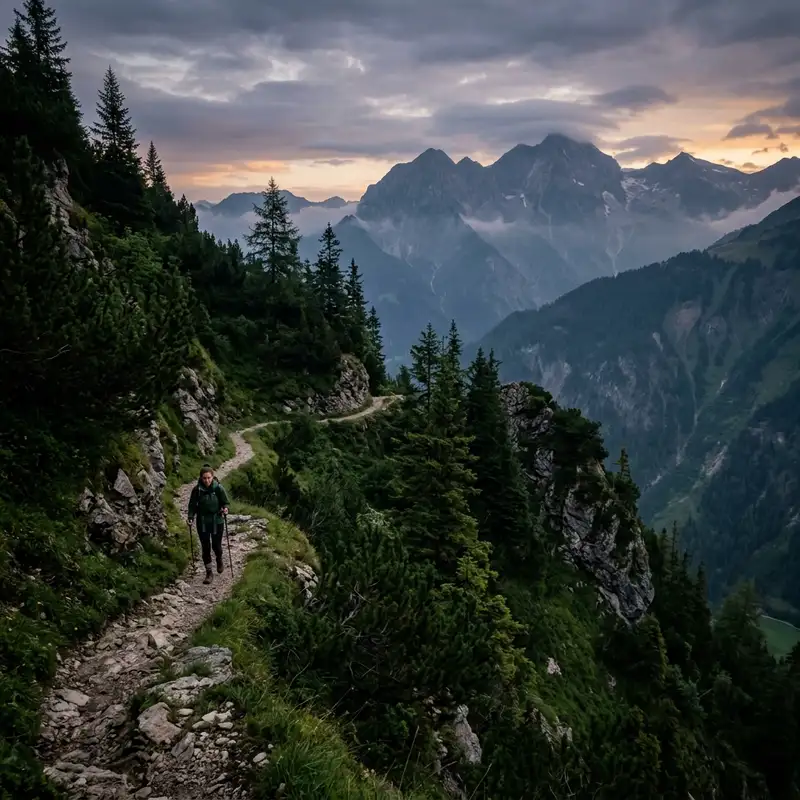
"Whispers in the White Gold Mountains: Tracing Austria's Forgotten Salt Smugglers" The taste wasn't on my tongue, but in the air itself – a subtle, #ancient minerality that seemed to cling to the damp rock faces of the Salzkammergut. It wasn't the sharp tang of the sea, nor the clean bite of a fresh Alpine breeze. This was something else, something primal and deeply rooted, a ghost of an industry that built empires and fueled clandestine journeys through these very mountains. For years, I’ve trekked across continents, seeking out the edges of the map, the stories untold, the cultures teetering on the brink of obscurity. But few quests have pulled at me with the same quiet, insistent gravity as the one that led me here, to the forgotten high passes and shadowed valleys of Austria, in search of what locals sometimes still refer to as the Schattenwanderer – the Shadow Walkers. My obsession began not with a grand discovery, but with a footnote. Buried deep within a dusty, century-old ethnographic text about Alpine folk traditions, a single paragraph spoke of a network of illicit salt trails, secret routes used by daring men and women to bypass the rigid salt monopolies of the Habsburg #empire. These weren't the famed salt mines of Hallstatt, whose #history is rightly celebrated. No, these were the arteries of a black market, pathways etched by desperation and ingenuity, connecting remote hamlets and mountain hideaways. It was a narrative of economic survival against overwhelming odds, a tale of ordinary people transformed into daring outlaws by the sheer necessity of survival. The idea that such an intricate, hidden world existed beneath the polished veneer of Austria’s postcard-perfect landscapes was irresistible. I had to find it. The Genesis of White Gold: Beyond the Famous Mines Salt, in bygone eras, was more than a condiment; it was currency, a preservative, a political tool, and a source of immense power. The Salzkammergut region of Austria, with its dramatic lakes and towering peaks, sits atop some of the richest salt deposits in Europe. For millennia, from the Bronze Age Celts to the mighty Habsburgs, this 'white gold' fueled prosperity. Hallstatt, a #UNESCO World Heritage site, is perhaps the most famous testament to this legacy, boasting the world's oldest salt mine, a place where humans have extracted salt for over 7,000 years. Its history is a well-trodden path for tourists, and rightly so. But my #journey was not about the official narrative, the sanctioned industry. It was about the periphery, the cracks in the system, the ingenious ways people resisted control. The salt monopoly, especially under the Habsburgs, was absolute and lucrative. Salt was produced and sold by the state, often at exorbitant prices. For remote farming communities, geographically isolated and often impoverished, accessing affordable salt – essential for preserving meat, flavoring food, and even for their livestock – was a constant struggle. This economic squeeze created the perfect breeding ground for Salzschmuggler – salt smugglers. They weren't criminals in the common sense, but often respected members of their communities, driven by a primal need to provide for their families. Their routes skirted official checkpoints, traversed treacherous glaciers and hidden ravines, and often involved intricate systems of lookouts and coded messages. It was a clandestine world, woven into the very fabric of Alpine life, yet deliberately erased from mainstream history. My initial research was frustratingly vague. Local archives held scant records – authorities were more interested in catching smugglers than documenting their methods or routes. Oral histories were fragmented, whispered fragments from elderly villagers whose grandparents had hinted at such activities. But the mountains themselves, I believed, held the truest archives. The barely visible paths, the weathered markers, the strategically placed ruins of forgotten shelters – these were the breadcrumbs I sought. Echoes in the Peaks: The Shadow Paths of the Schattenwanderer My quest began in Bad Ischl, a town famed for its imperial connections, yet nestled at the heart of the Salzkammergut. From there, I ventured into smaller, lesser-known valleys – Gosau, Abtenau, the remote corners of the Dachstein region. It quickly became clear that these weren't simple, straightforward trails. They were often animal tracks, old shepherd's paths, or routes deliberately chosen for their difficulty and invisibility. They snaked up near-vertical rock faces, traversed icy scree slopes, and plunged through dense, sunless forests where the trees grew so thick, it felt like walking through the belly of a beast. Imagine the Schattenwanderer – often solitary, sometimes in small, tight-knit groups – carrying sacks of precious, illicit salt, sometimes weighing over 50 kilograms. They moved under the cloak of darkness, by moonlight or the faint glow of a storm lantern, their only companions the howling wind and the rustling of unseen creatures. Their attire would have been simple woolens, leather boots worn smooth from countless ascents and descents, their faces weathered and etched with a mix of defiance and weariness. They knew every rock, every crevice, every shift in the mountain's mood. A sudden storm, a wrong step, or the unexpected patrol of a Salzaufseher (salt warden) could mean the difference between a successful run and a frozen grave, or worse, imprisonment and a harsh sentence. I spent days, then weeks, retracing what I believed to be segments of these trails. Guided by subtle topographical clues, vague descriptions from old maps that were not salt maps but general regional surveys (and thus overlooked by officialdom), and the occasional, almost accidental discovery of an old, hand-carved way marker, I slowly began to piece together a fragmented network. One particular section, a perilously narrow path winding along a sheer cliff face high above the Gosausee, known locally as the 'Teufelsleiter' (Devil's Ladder), offered a visceral understanding of the risks. It was a path that demanded absolute focus, one misstep a plunge into the turquoise depths below. Why would anyone choose such a route? Only if the alternative – capture – was far worse. Life Under the Salt’s Shadow: Villages and Vigilantes The impact of the salt monopoly and the subsequent smuggling rings permeated every aspect of village life. Farmers often doubled as smugglers, their agrarian rhythms providing cover for nocturnal expeditions. Innkeepers might offer clandestine rooms for exhausted Schattenwanderer or act as middlemen for the 'white gold'. Even local priests might turn a blind eye, understanding the desperation of their flock. This wasn't a world of clear-cut good and evil; it was a complex tapestry of survival. In one tiny hamlet, nestled in a valley that time seemed to have forgotten, I met an elderly woodcarver named Franz. His family had lived in the region for generations, and his great-grandfather, he admitted with a twinkle in his eye, "knew the mountains like the back of his hand, especially at night." Franz spoke of secret signals – a specific birdsong, a light flickered thrice from a distant peak – used to warn of approaching wardens. He described hidden caches where salt could be stored, often natural caves or cleverly disguised hollows in ancient trees. He even showed me a curious, rough-hewn wooden tool, almost like a small grappling hook, used, he said, to scale difficult rock faces or aid in carrying sacks over treacherous terrain. This was the first tangible artifact I’d seen related to the Schattenwanderer, a silent testament to their ingenuity.The salt wardens themselves, the Salzaufseher, were often local men, caught between duty and community. Their task was unenviable: to enforce the emperor's law against their own neighbors. Stories abound of cat-and-mouse chases across the mountains, of cunning evasions and narrow escapes. But also of quiet understandings, of wardens who, perhaps, took a little too long to check a certain path, or whose eyesight was a little less sharp on a moonless night, allowing a weary Schattenwanderer to slip through. The line between hunter and hunted was often blurred by shared hardship and a deep understanding of the mountains. I also learned about the ingenious ways salt was disguised. Sometimes it was pressed into cakes and hidden within bales of hay or timber. Other times, it was dissolved in water, transported in barrels ostensibly filled with wine or water, and then recrystallized later. The creativity born out of necessity was astounding, a testament to the human spirit's ability to adapt and overcome. These were not merely acts of defiance; they were acts of economic rebellion, a silent war waged by the common folk against an oppressive system. A Modern Day Pilgrimage: My Journey into the Past My personal journey tracing these phantom trails became a meditative, often grueling, pilgrimage. It wasn't about covering vast distances at speed, but about slowing down, observing, and listening to the whispers of the past. I spent nights in remote, simple mountain huts, the kind accessible only by foot, where the only sounds were the wind and the distant chime of cowbells. I drank from icy glacial streams, feeling a connection to those who had relied on these same waters centuries ago. One particularly poignant moment came on a high pass between the Wolfgangsee and the Postalm, a route Franz had vaguely described as "a shortcut, but only if you knew the stones." The path was barely discernible, overgrown with alpine flora, but occasionally, I’d spot a pile of stones that felt deliberately placed, not natural. As I paused, catching my breath, a profound sense of respect washed over me. I wasn't just walking a trail; I was walking through history, stepping in the very footsteps of desperate men and women. The physical exertion – the burning lungs, the aching muscles – wasn't a deterrent, but a bridge, connecting me to their struggles. It stripped away the comfortable veneer of modern #travel and left me with a raw, authentic appreciation for their resilience. I learned to read the landscape in a new way: not just for beauty, but for clues. A subtly flattened patch of earth might have been a temporary camp. A cluster of ancient larches might have offered cover for a quick rest. The mountains, with their stoic silence, held countless secrets, patiently waiting for someone to observe, to listen. The crisp, clean air that filled my lungs felt imbued with stories, with the echoes of hushed conversations, the scrape of leather boots on rock, the hurried beat of desperate hearts. This wasn't a journey of grand archaeological digs or spectacular ruins. It was a journey of inference, of piecing together fragments, of imagining the lives lived on these harsh, #beautiful slopes. It taught me the value of unwritten history, the narratives that exist outside official records, preserved instead in the land itself and in the collective memory of a people. The Taste of History: Preserving the White Gold's Legacy Today, the salt monopoly is long gone, and the Schattenwanderer are ghosts in the annals of local folklore. The mines are tourist attractions, and salt is a commonplace grocery item. Yet, the legacy of these hidden trails and the people who trod them remains vital. It's a reminder that history isn't just about kings and battles, but about the everyday struggles of ordinary people, their resourcefulness, and their quiet defiance. My expedition revealed that while the specific routes are largely forgotten, some elements of the Schattenwanderer spirit persist. In remote Alpine huts, I still found hearty, heavily salted dishes – a nod to the past, perhaps. In the direct, resilient gaze of the mountain folk, I saw glimmers of the independence and fortitude that must have defined their smuggling ancestors. There's a subtle pride in their voices when they speak of their family's deep roots in the mountains, a hint of unspoken knowledge about what their forefathers truly did. For me, this journey was a profound lesson in perspective. It underscored the fact that true exploration isn't always about venturing to the farthest corners of the earth, but sometimes about looking closer, digging deeper into the familiar, and uncovering the hidden layers beneath. The Austrian Alps, so often celebrated for their majestic beauty and winter sports, hold another, quieter narrative – one of human struggle, ingenuity, and a defiant spirit, etched in rock and carried on the wind. To walk these hidden salt trails is to engage in an act of historical empathy, to imagine the cold sweat, the burning muscles, the constant fear of discovery, and the profound relief of a successful run. It's to appreciate the simple value of a commodity we now take for granted, and to honor the memory of those who risked everything for a pinch of white gold. The whispers in the mountains are fading, but for those willing to listen, the stories of the Schattenwanderer still resonate, a powerful echo of a past that shaped the very soul of these magnificent Alps. #AustriaTravel #HiddenGems #SaltTrails #EuropeanHistory #AdventureTravel