Showing Posts From
Alpine history
-
 Cemre Seyyah
 - 03 Jul, 2026 01:01
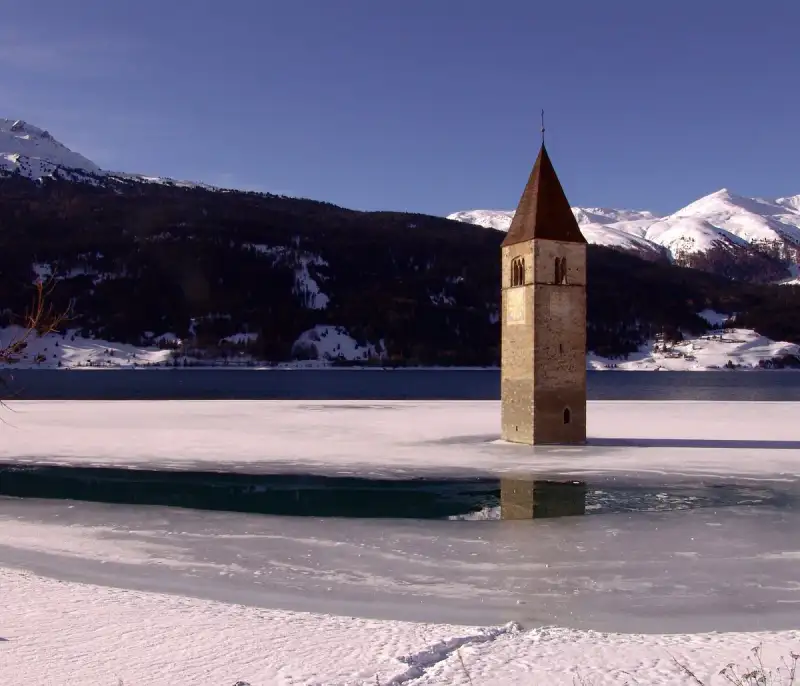
Echoes from the Deep: Unveiling the Drowned Villages Beneath Italy's Lake Reschen
In the heart of South Tyrol, where the Italian Alps meet a unique cultural crossroads, lies a sight that defies the quintessential image of an idyllic mountain lake. Forget the pristine reflections of pine forests or the sun-drenched beaches of coastal #Italy. Here, from the tranquil, often frozen surface of Lake Reschen (Reschensee in German), a solitary Romanesque bell tower rises, an anachronistic sentinel guarding secrets of a past tragically submerged. This isn't merely a picturesque landmark; it is the poignant, weather-beaten monument to a lost world, an entire valley intentionally drowned, its communities sacrificed for progress. My wanderlust often pulls me towards the familiar, but it's these whispers from forgotten places that truly call to my soul. Lake Reschen, with its silent, watery testament, is one such profound invitation. The Enigma of the Spire: A Glimpse into a Sunken Story For those accustomed to the lively piazzas and #ancient ruins that typically define Italian tourism, the scene at Lake Reschen is a stark, almost surreal departure. The bell tower, standing resolute in the midst of the lake, is the only visible remnant of Altgraun (Old Curon), one of two villages, along with Resia, that were submerged in 1950 to create a hydroelectric reservoir. It's a striking visual paradox: a symbol of faith and community, now utterly isolated, its bells long since removed, unable to ring out across the waters. On a still day, especially in winter when the lake freezes over, allowing visitors to walk across the ice to its very base, the tower possesses an almost otherworldly presence. It’s a compelling, melancholic beauty that encourages a quiet contemplation, prompting questions about #history, sacrifice, and the relentless march of human ambition. The tower itself is centuries old, dating back to the 14th century, a testament to the enduring craftsmanship of a bygone era. Yet, its current state as a half-submerged relic is a stark reminder of a more recent, drastic transformation. It beckons not just the curious traveler, but also the historian, the sociologist, and anyone with an appreciation for stories etched not in stone, but in water. This is a #journey not just through the stunning Alpine landscape, but into the very depths of human memory and resilience. A Valley's Sacrifice: The Genesis of the Great Flood To truly understand the solitary sentinel of Lake Reschen, one must delve into the history of its creation, a saga of national interests clashing with local heritage. The valley, known as the Vinschgau (Val Venosta), had been inhabited for centuries, a fertile and strategically important passage connecting Italy, Austria, and Switzerland. Life in the villages of Curon and Resia was agricultural, deeply rooted in the land and Alpine traditions, characterized by a unique blend of German and Italian cultures, with the local Resian dialect adding another layer of linguistic richness. The catalyst for the drastic change was the ambition for hydroelectric power in post-World War II Italy. The government, keen to rebuild and modernize, identified the valley as an ideal location for a large dam. The plan was to merge three natural lakes—Reschensee, Mittersee, and Haidersee—into a single, massive reservoir. This grand vision promised energy independence and industrial growth for the nation. However, the cost was immense: the complete submersion of entire villages, including most of Curon and part of Resia, displacing over a hundred families and obliterating their homes, farms, and centuries of collective memory.The decision was met with fierce, albeit ultimately futile, resistance from the local population. Petitions were signed, protests were staged, and pleas were made to save their ancestral lands. But in the face of national policy and the pressing need for energy, the voices of the villagers were drowned out, long before their homes were. The construction of the dam began in 1948, a rapid and relentless undertaking that transformed the landscape forever. By 1950, the valley was flooded, and the new Lake Reschen emerged, its calm surface concealing the remnants of a vibrant past. Only the highest point of the old church tower of Altgraun was spared, allowed to remain as a navigation marker and, perhaps inadvertently, as a perpetual monument to what was lost. Beneath the Surface: What Was Lost and What Endures The story of Lake Reschen is not just about a bell tower; it's about the intangible heritage that went beneath the waves. Imagine entire homes, stables, barns, a school, shops, and chapels, all now silent under metres of water. The lives of the families, their routines, their shared histories, were uprooted. While many were resettled in the hastily constructed "new" village of Curon (Graun im Vinschgau) on higher ground, the emotional and cultural scars ran deep. The connection to the land, generationally passed down, was severed. Yet, human spirit is remarkably resilient. The people of Curon and Resia, though forced to adapt, carried their traditions and stories forward. New communities were forged, and while the physical landscape had changed irrevocably, the cultural essence of the Vinschgau persisted. The trauma of the flooding became part of the collective identity, a shared memory that binds the inhabitants to this day. This narrative of loss and adaptation is a powerful undercurrent to any visit to Lake Reschen, adding layers of meaning beyond mere sightseeing. Engineering Marvel, Human Tragedy: A Dual Legacy The construction of the Reschen dam was, from an engineering perspective, a significant achievement. It created a vast reservoir capable of generating substantial electricity, contributing to Italy's post-war economic recovery. It symbolized progress, industry, and the harnessing of natural resources for national benefit. However, this progress came at a profound human cost. The promises made to the displaced villagers – of modern homes and compensatory lands – were often slow to materialize or proved inadequate. The sense of being sacrificed for the greater good, without adequate consideration for their deep-rooted connection to their ancestral homes, left a bitter taste. This duality – the marvel of human ingenuity set against the backdrop of human suffering – is what makes Lake Reschen such a compelling destination. It forces a confrontation with the complex ethical questions inherent in large-scale infrastructure projects. As a #travel writer, I often seek out places that tell a story, but few tell one as starkly and as universally as Reschensee. It is a place that invites us to ponder the true cost of progress and the enduring power of memory. The Seasonal Transformation: A Dynamic Landscape One of the most captivating aspects of Lake Reschen is its ever-changing character through the seasons, each offering a distinct experience of the submerged village.Winter's Embrace: Perhaps the most iconic view is in winter, when the lake often freezes solid. The bell tower then becomes accessible by foot, rising eerily from a vast expanse of white. The surrounding mountains are blanketed in snow, and the crisp Alpine air carries a profound stillness. It's a magical, almost spiritual experience to walk out onto the ice, feeling the weight of history beneath your feet. The sound of the wind, if any, is often the only accompaniment, echoing the silence of the bells. Spring's Thaw: As temperatures rise, the ice slowly melts, revealing the vibrant blue-green waters. The landscape awakens, and the first hints of new life emerge in the valley. It's a period of transition, mirroring the valley's own transformation. Summer's Serenity: In summer, Lake Reschen becomes a haven for outdoor enthusiasts. The lake is a popular spot for sailing, kite surfing, and stand-up paddleboarding, with the bell tower serving as an extraordinary backdrop. The surrounding trails are perfect for hiking and cycling, offering breathtaking views of the Vinschgau valley and the Ötztal Alps. The water sparkles, and life bursts forth around the stoic tower. Autumn's Palette: As the leaves turn golden and crimson, the valley is awash in spectacular colors. The air becomes crisp and invigorating, ideal for long walks and photography. The melancholic beauty of the bell tower seems to deepen against the vibrant backdrop of autumn foliage, a poignant reminder of impermanence and endurance.Each season offers a unique perspective on this remarkable site, inviting return visits and deepening appreciation for its singular charm. Exploring the Reschensee Region Today: A Traveler's Guide Beyond the undeniable allure of the bell tower, the Lake Reschen region offers a wealth of activities and experiences for the discerning traveler. It is a destination that perfectly blends natural beauty, outdoor adventure, cultural immersion, and historical reflection.Hiking and Cycling: The Vinschgau valley is a paradise for hikers and cyclists. The "Via Claudia Augusta," an ancient Roman road, now a popular cycling path, runs right past Lake Reschen. Numerous trails cater to all levels, from leisurely lakeside strolls to challenging mountain ascents, offering panoramic views of the Ortler Group and the surrounding Alpine peaks. Water Sports: During the warmer months, the lake's steady winds make it a hotspot for kite surfing and windsurfing. Equipment rentals and lessons are readily available. The sight of colorful kites soaring over the lake with the bell tower in the distance is truly memorable. Local Cuisine: South Tyrol is renowned for its unique culinary identity, a delicious fusion of Italian and Austrian flavors. Indulge in hearty dishes like Schlutzkrapfen (spinach and ricotta ravioli), Knödel (dumplings), and Speck (cured ham). Pair them with local wines from the Vinschgau's high-altitude vineyards or a refreshing apple juice, a regional specialty. Cultural Immersion: The new village of Curon offers a small museum, "Museum Vinschgau," which delves into the history of the valley, the flooding, and the local way of life. It’s an invaluable resource for gaining a deeper understanding of the events that shaped the region. Exploring the smaller villages around the lake, such as Resia (Reschen) and St. Valentin auf der Haide, also reveals traditional Alpine #architecture and a slower pace of life. St. Valentin auf der Haide: This charming village, situated at the southern end of the lake, boasts its own #beautiful church and offers stunning views. It's a great base for exploring the surrounding area and accessing ski resorts in winter.Beyond the Waters: Local #culture and Traditions The South Tyrolean region, where Lake Reschen is situated, is a truly fascinating cultural melting pot. Historically part of the Austro-Hungarian #empire before being annexed by Italy after WWI, it retains a strong German-speaking identity alongside Italian and the ancient Ladin language spoken in certain valleys. This linguistic and cultural mosaic is reflected in everything from the architecture and cuisine to the local customs and festivals. When visiting, you'll hear German spoken as frequently as, if not more than, Italian. Road signs are bilingual, and the names of towns and villages often have both German and Italian versions. This unique blend creates a rich tapestry of traditions, where Alpine folk music might be heard alongside opera, and hearty stews can be found on the same menu as delicate pasta dishes. Engaging with the locals, perhaps over a glass of Grüner Veltliner wine or a local schnapps, offers a deeper insight into this distinct regional identity, one shaped by mountains, borders, and a resilient spirit. A Contemplative Journey: The Enduring Message of Reschensee Lake Reschen is more than just a beautiful destination; it's a profound narrative etched into the landscape. It speaks of the indelible marks left by human choices, the complex interplay between progress and preservation, and the enduring power of memory. The solitary bell tower, once a beacon for a vibrant community, now stands as a silent storyteller, its weathered stone offering a poignant reflection on loss, resilience, and the relentless passage of time. To stand before it, especially in the hush of a winter morning or the calm of a summer evening, is to connect with a history that runs deeper than the waters themselves. It is a reminder that even in the most picturesque corners of the world, there are hidden depths, stories waiting to be discovered, and lessons to be learned. My travels are often quests for beauty and adventure, but places like Lake Reschen offer something far more enduring: a quiet wisdom, an invitation to contemplate the echoes from the deep, and to carry a piece of their resonant silence with you, long after you've left its shores. It is a pilgrimage not just for the eyes, but for the soul.#Travel #HiddenItaly #LakeReschen #SouthTyrol #DrownedVillages #SouthTyrol #LakeReschen #DrownedVillages #AlpineHistory #HiddenItaly #CuronVenosta #UnusualDestinations Related InsightsHamburgs Speicherstadt Winter Wonderland: Must-See Attractions in Madrid and Across Europe Bagan, l'Écho Murmurant d'un Empire de Lumière : Quand la Terre Enfança 10 000 Temples{ "@context": "https://schema.org", "@type": "FAQPage", "mainEntity": [ { "@type": "Question", "name": "What is the main focus of Echoes from the Deep: Unveiling the Drowned Villages Beneath Italy's Lake Reschen?", "acceptedAnswer": { "@type": "Answer", "text": "Journey to Lake Reschen in South Tyrol, Italy, and discover the haunting beauty and submerged history of the villages lost beneath its waters, marked by a lone bell tower." } }, { "@type": "Question", "name": "Who authored the comprehensive guide on Echoes from the Deep: Unveiling the Drowned Villages Beneath Italy's Lake Reschen?", "acceptedAnswer": { "@type": "Answer", "text": "This detailed article and its insights were carefully researched and authored by Cemre Seyyah." } }, { "@type": "Question", "name": "Where can I find more related content about Travel?", "acceptedAnswer": { "@type": "Answer", "text": "You can explore more articles, detailed reviews, and similar insights by browsing the Related Insights section at the bottom of this article or visiting our dedicated Travel category page." } } ] }