Showing Posts From
Amalfi coast
-
 Chloe Tremblay
 - 07 Aug, 2026 07:54
From Cliffside Villages to Fjord Horizons: Europe’s Most Breathtaking Coastal Drives
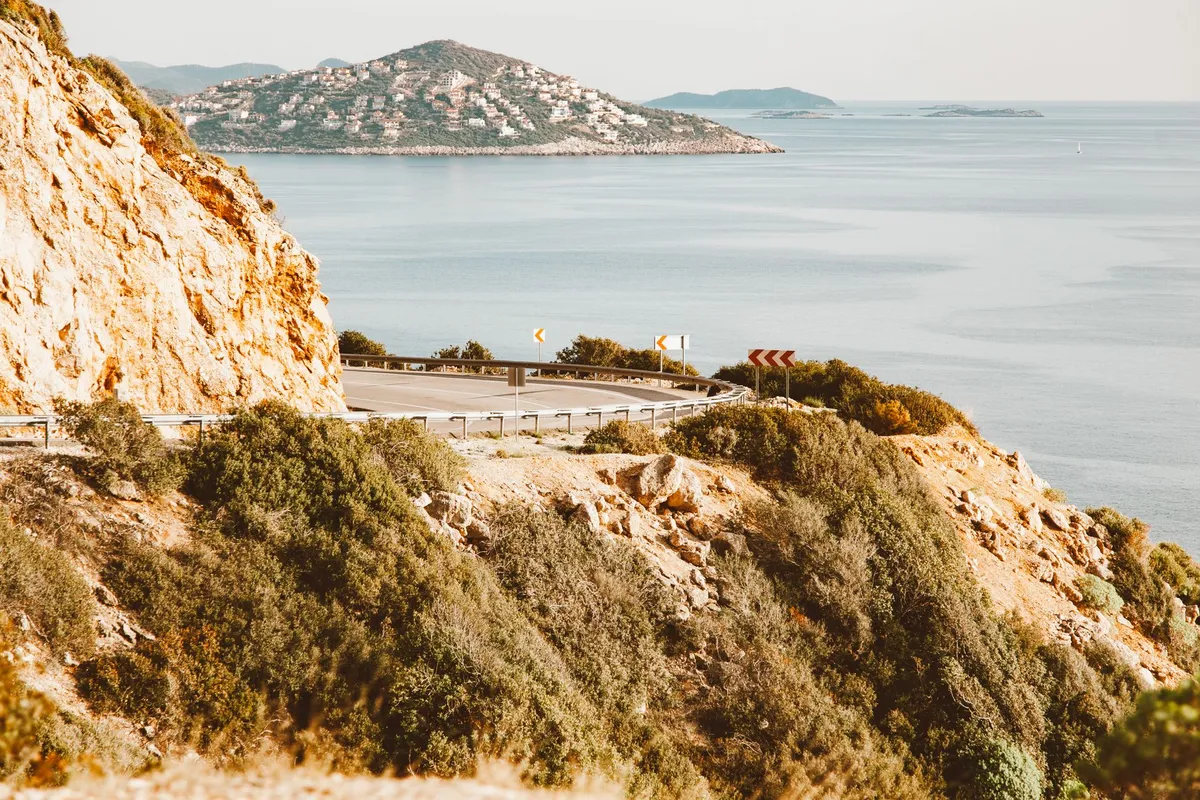
Where the Road Meets the Sea: Italy’s Amalfi Coast Unveiled Few places on Earth blend natural beauty with human ingenuity as seamlessly as Italy’s Amalfi Coast. This UNESCO-listed stretch of coastline, stretching from Positano to Vietri sul Mare, is a symphony of pastel villages clinging to limestone cliffs, lemon groves cascading down terraces, and the deep blue Tyrrhenian Sea shimmering below. The drive itself is an experience—winding roads carved into the rock, tunnels that plunge into darkness before emerging into panoramic vistas, and hairpin turns that demand both focus and awe. The Amalfi Coast’s allure isn’t just visual; it’s cultural. Towns like Ravello, perched 350 meters above the sea, offer a quieter, more refined escape with its Villa Cimbrone gardens and the annual Ravello Festival. Meanwhile, Positano’s pastel houses and pebble beaches draw crowds year-round, though the best time to drive is early morning or late afternoon to avoid the chaos of tour buses. For those seeking a slower pace, the lesser-known Path of the Gods (Sentiero degli Dei) offers a hiking alternative that rewards with views of Capri’s silhouette in the distance. But the road isn’t for the faint-hearted. The SS163 Amalfitana, the main coastal route, is narrow, often single-lane in sections, and shared with scooters, buses, and locals navigating their daily routines. Parking is a premium—expect to pay €3–€5 per hour in Positano or €20+ for private lots. Budget travelers might opt for the SITA bus (€3–€5 per ride) or ferries from Salerno, but nothing beats the freedom of a rental car, provided you’re comfortable with manual transmission and defensive driving.For food lovers, the drive is a prelude to culinary delights. Stop in Praiano for a seafood lunch at Lo Scoglio, where the spaghetti alle vongole is as fresh as the catch of the day. Or detour inland to Agerola for a taste of scialatielli, a handmade pasta served with wild boar ragù. The cost of living here reflects its popularity: a mid-range meal in Positano averages €40–€60 per person, while a cappuccino costs €2.50. Yet, the memories—of watching the sunset paint the sea gold from a cliffside terrace—are priceless.Portugal’s Golden Gateway: The Algarve’s Sun-Kissed Shores If the Amalfi Coast is a symphony, Portugal’s Algarve is a vibrant, sun-drenched overture. Stretching 200 kilometers from Sagres to Vila Real de Santo António, this southernmost region of Europe is defined by its golden cliffs, hidden coves, and the Atlantic’s relentless energy. The N125 and IC1 highways offer a straightforward route, but the real magic lies in the detours: the Estrada da Ponta da Piedade, a cliffside road that hugs the coastline between Lagos and Carvoeiro, or the Via Algarviana, a long-distance trail that weaves through rural villages and pine forests. The Algarve’s charm isn’t just in its landscapes but in its contrasts. Praia da Marinha, often ranked among the world’s most beautiful beaches, is a postcard-perfect cove with limestone arches and crystal-clear water. Nearby, Benagil Cave, accessible only by boat or kayak, is a natural wonder where sunlight filters through a hole in the ceiling, illuminating the cave’s sandy floor. For a taste of local life, head to Aljezur, a sleepy town where fishermen still mend their nets and the Mercado Municipal sells fresh sardines and cataplana, a seafood stew cooked in a copper pot. The cost of living here is a fraction of Italy’s. A meal at a beachside churrasqueira (grill house) costs €10–€15, while a glass of vinho verde runs €2–€3. Parking is plentiful and free in most towns, though beachfront lots fill by midday in summer. The best time to drive is spring or autumn, when the crowds thin and the light is golden. Avoid July and August if you dislike heat and traffic—temperatures soar above 30°C, and the N125 can resemble a parking lot.Don’t miss the Rota Vicentina, a network of trails that includes the Fishermen’s Trail, a 230-kilometer route along the coast. It’s a hiker’s paradise, but even drivers can enjoy short sections, like the stretch between Odeceixe and Aljezur, where the trail dips down to secluded beaches. For a cultural stop, visit Silves, a Moorish town with a castle overlooking the Arade River, or Lagos, where the first European slave market was established in the 15th century.France’s Wild West: The Corniche Azur and Beyond From the glamour of Monaco to the rugged beauty of the Corniche d’Or, France’s Mediterranean coastline is a study in contrasts. The D6098, also known as the Corniche Azur, is the crown jewel—a 110-kilometer route that hugs the coast from Menton to Cannes, passing through Èze, Villefranche-sur-Mer, and Saint-Jean-Cap-Ferrat. This is where the French Riviera’s jet-set meets the raw beauty of the Alps d’Azur, a mountain range that plunges into the sea. The drive begins in Menton, Italy’s neighbor and France’s sunniest town, where the old quarter’s pastel houses are framed by lemon and olive trees. From here, the road twists along the coast, offering glimpses of Cap Martin, a peninsula where Winston Churchill painted and where the Villa Ephrussi de Rothschild gardens bloom with exotic plants. Èze, a medieval village perched 400 meters above the sea, is a must-stop. The Jardin Exotique offers panoramic views, while the Chemin de Nietzsche, a steep hiking path, rewards with a sense of achievement and a cold beer at the summit.The Corniche Azur isn’t just for the wealthy. In Villefranche-sur-Mer, a working fishing village with a crescent-shaped bay, you can swim in the same waters as the USS Saratoga (now a museum ship) and eat socca, a chickpea flatbread, for €3. Saint-Jean-Cap-Ferrat is a quieter alternative to Monaco, with a lighthouse walk that offers 360-degree views. The cost of living here is high but manageable if you stick to local eateries: a pan bagnat (Niçoise sandwich) costs €5–€7, while a meal at a beach club in Cannes can top €100. For those willing to venture off the beaten path, the Corniche d’Or offers a wilder experience. This 30-kilometer stretch between Bormes-les-Mimosas and Le Lavandou is less crowded and more dramatic, with red cliffs and hidden coves. The Sentier du Littoral, a coastal trail, is perfect for a sunset stroll. And in Hyères, the Parc Olbius Riquier is a botanical garden where you can see rare plants from around the world.Croatia’s Adriatic Jewel: The Dalmatian Coast’s Island-Hopping Route Where France’s Riviera is polished and Italy’s Amalfi is dramatic, Croatia’s Dalmatian Coast is a mosaic of history, culture, and untouched beauty. The D8 highway runs from Rijeka to Dubrovnik, but the real adventure lies in the detours: the D407 to Rovinj, a Venetian-style town with pastel houses and a hilltop church, or the D126 along the Pelješac Peninsula, where oysters and mussels are farmed in the bay. The crown jewel of the Dalmatian Coast is Dubrovnik, a UNESCO-listed walled city that feels like a living museum. The Stradun, the main street, is lined with Baroque buildings, while the City Walls offer a bird’s-eye view of the Adriatic. But the drive to Dubrovnik is an experience in itself. The Pelješac Bridge, completed in 2022, connects the peninsula to the mainland, eliminating the need for a ferry. The road from Split to Dubrovnik is a rollercoaster of coastal views, olive groves, and medieval fortresses like Ston, famous for its salt pans and oysters.The cost of living in Croatia is lower than in Western Europe. A meal in Split costs €10–€20, while a black risotto (made with cuttlefish ink) is €12–€15. Parking in Dubrovnik is expensive (€3–€5 per hour), so consider staying in Cavtat, a 20-minute drive south, where rates are cheaper and the views are just as stunning. For a unique experience, take the ferry from Split to Hvar, an island known for its lavender fields and nightlife. Or explore Korčula, where Marco Polo is said to have been born, and the Moreska Sword Dance is performed in summer. The Dalmatian Coast isn’t just about the destinations; it’s about the journey. The D8 passes through Zadar, where the Sea Organ plays music from the waves, and Šibenik, home to the St. James Cathedral, a UNESCO site. The Krka National Park, with its waterfalls and swimming spots, is a perfect detour. And in Trogir, a UNESCO-listed town, the Cathedral of St. Lawrence is a masterpiece of Romanesque-Gothic architecture.Norway’s Frozen Symphony: The Atlantic Ocean Road and Beyond If Europe’s southern coasts are about warmth and color, Norway’s western coastline is about drama and solitude. The Atlantic Ocean Road, a 8.3-kilometer stretch between Vevang and Kårvåg, is one of the world’s most scenic drives—a series of bridges and causeways that link islands and skerries, where the North Sea crashes against the rocks and the sky is a canvas of ever-changing light. This is where the road becomes an art installation, with viewpoints like Storseisundet Bridge, a cantilevered marvel that seems to defy gravity. The drive begins in Kristiansund, a town built on four islands, where the Brygga fish market offers fresh cod, halibut, and lutefisk, a traditional dish that’s an acquired taste. From here, the RV64 winds north through Hustadvika, a treacherous stretch of coast where the sea is so rough it’s earned the nickname "The Devil’s Dance Floor." The Atlantic Ocean Road is the antidote—a triumph of engineering where the road itself is the attraction. Stop at the Atlantic Ocean Road Viewpoint for a photo op, or dine at Fjordstua, a restaurant perched on stilts over the water.Beyond the Atlantic Ocean Road, the RV15 takes you to the Geirangerfjord, a UNESCO-listed fjord where waterfalls like the Seven Sisters plunge 250 meters into the fjord. The Trollstigen, or "Troll’s Path," is a 11-switchback road that climbs 858 meters in 10 kilometers, offering views of the Romsdalshorn mountain. This is where the road becomes a rollercoaster, with hairpin turns and sheer drops that make even seasoned drivers grip the wheel. The cost of living in Norway is high, but the experiences are unforgettable. A meal at Fjordstua costs €25–€40, while a fårikål (lamb and cabbage stew) in a local restaurant is €15–€20. Parking is free in most scenic areas, but ferries are a way of life—expect to pay €20–€50 for a car ferry in the fjords. The best time to drive is summer (June–August), when the midnight sun bathes the landscape in golden light. In winter, the roads are icy, and some routes close, but the Northern Lights make it a magical (if challenging) time to visit. For a quieter alternative, the Lofoten Islands offer a different kind of coastal drive. The E10 runs through fishing villages like Reine and Hamnøy, where red cabins dot the landscape and the Aurora Borealis dances in winter. The Trollfjord is a hidden gem, accessible only by boat or a challenging hike.The Price of Paradise: A Comparative Look at Europe’s Coastal Drives Driving Europe’s most stunning coastal routes is a dream, but it comes with a price tag. Below is a breakdown of costs for a 7-day road trip, including fuel, food, accommodation, and attractions, based on mid-range travel (2 adults, rental car, and moderate spending).Route Fuel Cost (€) Food (€/day) Accommodation (€/night) Attractions (€) Total (7 days)Amalfi Coast 180–220 40–60 120–200 50–100 1,200–1,800Algarve 120–150 20–30 60–100 20–50 600–1,000French Riviera 150–180 30–50 90–150 30–80 900–1,400Dalmatian Coast 140–170 25–40 70–120 40–70 800–1,300Norwegian Fjords 250–300 50–80 100–180 60–120 1,500–2,200Note: Fuel costs are estimated for a compact car (e.g., Volkswagen Golf) with an average consumption of 6L/100km. Accommodation prices are for mid-range hotels or guesthouses. Attractions include entry fees to national parks, museums, and guided tours.Where the Horizon Beckons: Final Reflections on Europe’s Coastal Drives Europe’s coastal drives are more than just routes—they’re pilgrimages for the soul. Whether it’s the Amalfi Coast’s cliffside villages, the Algarve’s golden cliffs, the French Riviera’s polished glamour, the Dalmatian Coast’s historic charm, or the Norwegian fjords’ raw beauty, each offers a unique rhythm of travel. The key to unlocking their magic lies in slowing down. Stop at roadside cafés, strike up conversations with locals, and let the landscape dictate your pace. For the budget-conscious, the Algarve and Dalmatian Coast offer the best value, with affordable food, lodging, and attractions. For those seeking luxury, the Amalfi Coast and French Riviera deliver, though at a premium. And for adventurers, Norway’s fjords provide an unforgettable challenge, where the road itself is the destination.No matter which route you choose, remember: the best coastal drives aren’t just about the views. They’re about the moments in between—the scent of salt in the air, the taste of fresh seafood, the sound of waves crashing against the rocks. They’re about getting lost in the detours, whether it’s a hidden cove in Croatia or a mountain pass in Norway. And they’re about returning home with a camera roll full of memories and a heart full of wanderlust. So pack your bags, rent a car, and hit the road. Europe’s coastlines are waiting.#CoastalRoadTrips #EuropeTravel #ScenicDrives #Wanderlust #FjordAdventures Related InsightsKazan Kremlin Azure Horizons and Fragile Ecosystems: The Maldives Reality Check Mount Fuji: The Sacred Mountain of Japan{ "@context": "https://schema.org", "@type": "FAQPage", "mainEntity": [ { "@type": "Question", "name": "What is the main focus of From Cliffside Villages to Fjord Horizons: Europe’s Most Breathtaking Coastal Drives?", "acceptedAnswer": { "@type": "Answer", "text": "Discover Europe’s most stunning coastal drives, where winding roads meet turquoise waters, dramatic cliffs, and fjords that steal your breath away." } }, { "@type": "Question", "name": "Who authored the comprehensive guide on From Cliffside Villages to Fjord Horizons: Europe’s Most Breathtaking Coastal Drives?", "acceptedAnswer": { "@type": "Answer", "text": "This detailed article and its insights were carefully researched and authored by Chloe Tremblay." } }, { "@type": "Question", "name": "Where can I find more related content about Travel?", "acceptedAnswer": { "@type": "Answer", "text": "You can explore more articles, detailed reviews, and similar insights by browsing the Related Insights section at the bottom of this article or visiting our dedicated Travel category page." } } ] }