Showing Posts From
Ancient ruins
-
 Aisha Sharma
 - 03 Aug, 2026 10:26
The Enigmatic Ruins of Angkor Wat: Beyond the Crowds and Into the Jungle
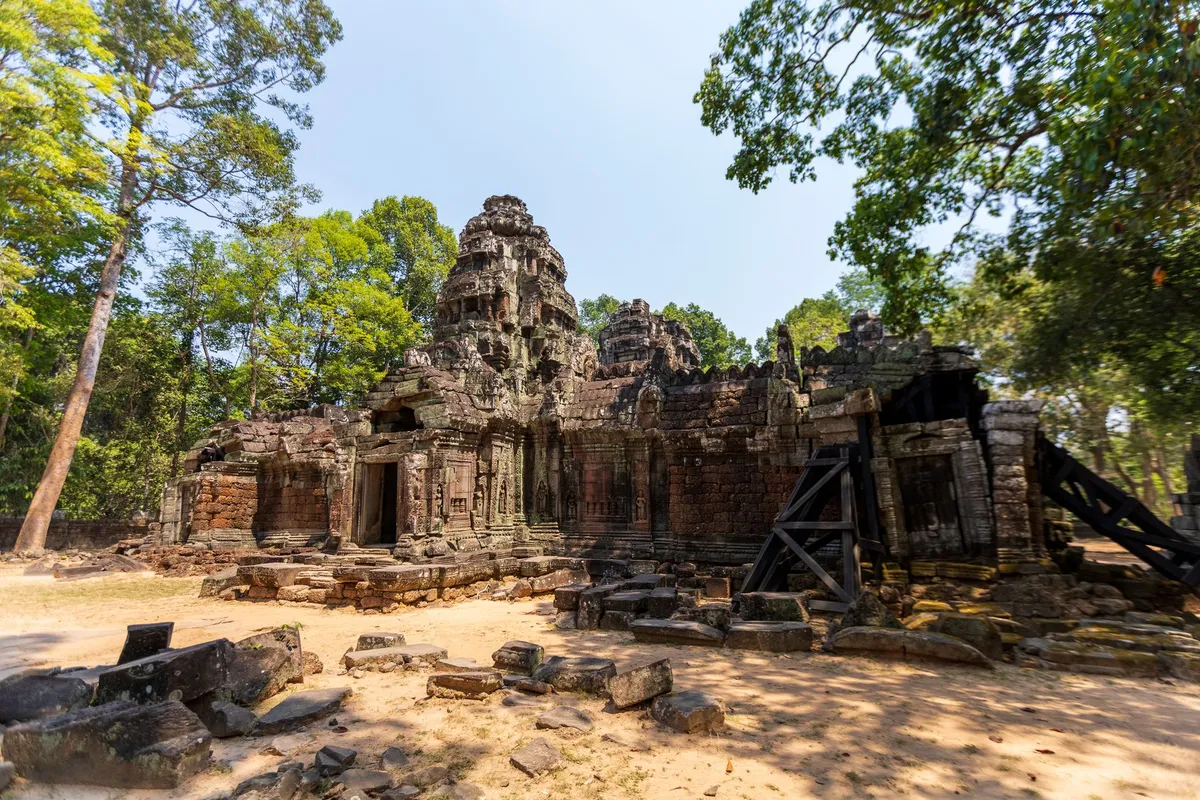
The Enigmatic Ruins of Angkor Wat: Beyond the Crowds and Into the JungleFor centuries, the jungles of Cambodia have whispered secrets to those brave enough to listen. Among the tangled vines and crumbling stone, the temples of Angkor Wat stand as silent sentinels of a forgotten empire, their spires piercing the emerald canopy like the fingers of giants. This is not just a destination; it’s a pilgrimage into the heart of history, where every moss-covered wall tells a story of kings, gods, and the relentless march of time. But Angkor Wat is more than a postcard-perfect ruin—it’s a living, breathing entity, where the past and present collide in a symphony of adventure and tranquility. Siem Reap, the gateway to this archaeological wonder, has evolved from a humble backpacker stopover into a thriving digital nomad hub. Here, the ancient and the modern coexist: monks in saffron robes glide past co-working spaces, while the hum of tuk-tuks blends with the clatter of laptop keyboards. The Angkor Archaeological Park, a UNESCO World Heritage Site, spans over 400 square kilometers and houses nearly 1,000 temples, each with its own legend. Yet, beyond the iconic faces of Angkor Wat and Bayon, lies a world of hidden gems—crumbling libraries, overgrown moats, and jungle-shrouded sanctuaries where the crowds rarely venture. This guide is your passport to exploring Angkor Wat beyond the beaten path. We’ll delve into the logistics of visiting, uncover the best-kept secrets of the jungle, and reveal how Siem Reap has become a sanctuary for remote workers seeking adventure without sacrificing comfort. Whether you’re a history buff, a digital nomad, or an intrepid traveler, Angkor Wat promises an experience that transcends the ordinary. So, lace up your hiking boots, charge your camera, and prepare to step into a world where the past is alive—and the jungle is waiting.1. The History and Mythology of Angkor Wat: A Civilization’s LegacyAngkor Wat is not merely a temple; it is a testament to the ingenuity, ambition, and spiritual devotion of the Khmer Empire. Built in the early 12th century by King Suryavarman II, this sprawling complex was originally dedicated to the Hindu god Vishnu before later becoming a Buddhist site. Its name, Angkor Wat, translates to "City of Temples," a fitting description for a complex that once served as the empire’s capital. The temple’s design is a masterclass in Khmer architecture, with its iconic five lotus-shaped towers symbolizing the peaks of Mount Meru, the mythical home of the gods in Hindu cosmology. The intricate bas-reliefs that adorn its walls depict scenes from Hindu epics like the Ramayana and Mahabharata, as well as historical battles and royal processions. These carvings are not just decorative—they are a visual chronicle of a civilization that flourished between the 9th and 15th centuries. But Angkor Wat’s history is shrouded in mystery. By the 15th century, the Khmer Empire began to decline, and the temples were gradually reclaimed by the jungle. It wasn’t until the 19th century that French explorers, led by Henri Mouhot, "rediscovered" Angkor Wat, sparking global fascination. Today, the site is a UNESCO World Heritage Site and a source of immense national pride for Cambodia. The Legends Behind the Stones Angkor Wat is steeped in mythology. One popular legend claims that the temple was built in a single night by the god Indra, who carried the stones from the heavens. Another tale speaks of a naga—a serpent deity—guarding the temple’s secrets. These stories add a layer of mystique to the ruins, making them feel less like relics and more like living entities. Preservation and Restoration Preserving Angkor Wat is an ongoing challenge. The temples face threats from erosion, vegetation overgrowth, and the sheer weight of centuries. The Authority for the Protection and Management of Angkor and the Region of Siem Reap (APSARA) oversees conservation efforts, using a combination of traditional techniques and modern technology. Visitors can support these efforts by purchasing official tickets, which fund preservation projects.2. Navigating Angkor Wat: Practical Tips for the Modern ExplorerVisiting Angkor Wat is an exercise in patience, planning, and curiosity. The site is vast, and the crowds can be overwhelming if you don’t know where to look. Here’s how to make the most of your visit without getting lost in the chaos. Choosing Your Ticket: The Key to Unlocking Angkor Angkor Archaeological Park operates on a tiered ticket system, with passes valid for 1, 3, or 7 days. Prices (as of 2026) are as follows:1-day pass: $37 3-day pass: $62 (valid for 10 days from first use) 7-day pass: $72 (valid for 30 days from first use)Pro Tip: The 3-day pass is the best value for most travelers, allowing you to explore at a leisurely pace without rushing. Purchase tickets at the official Angkor Enterprise ticket center in Siem Reap—avoid third-party sellers to ensure authenticity. The Best Time to Visit: When the Crowds Thin Angkor Wat is open from 5:00 AM to 5:30 PM, but the magic happens at sunrise. Arrive by 4:30 AM to secure a spot near the main temple for the iconic sunrise over the lotus towers. If you prefer fewer crowds, visit during the shoulder seasons (April–May or September–October), when temperatures are milder, and the tourist hordes are thinner. Getting Around: Tuk-Tuks, Bikes, and Elephants The most common way to explore Angkor Wat is by tuk-tuk, a motorized rickshaw that can navigate the park’s rough terrain. A full-day tuk-tuk tour (6–8 hours) typically costs between $15–$25, depending on the driver and route. For the adventurous, renting a bicycle is a cost-effective option (around $2–$5 per day), but be prepared for long distances and steep climbs. Alternative Transport:Private car: Ideal for groups or those with mobility issues ($40–$60 per day). E-bike: A quieter, eco-friendly option ($10–$15 per day). Elephant ride: A controversial but historically accurate way to enter the park (check ethical tour operators).The Essential Angkor Wat Route To avoid the crowds, skip the main temple at midday and explore the lesser-known sites first. A well-planned route might include:Preah Khan: A sprawling temple complex with a maze-like layout and jungle-shrouded corridors. Neak Pean: A serene, isolated temple surrounded by a circular island. Ta Prohm: Famous for its "Tomb Raider" roots, where tree roots engulf the ruins. Banteay Srei: Known as the "Citadel of Women," this pink sandstone temple is a masterpiece of Khmer art. Phnom Bakheng: A hilltop temple offering panoramic views of the surrounding jungle.Avoid: The main temple (Angkor Wat) between 8:00 AM and 11:00 AM, when tour groups descend en masse.3. Siem Reap: The Digital Nomad’s Paradise in the JungleSiem Reap has undergone a remarkable transformation in the past decade. Once a sleepy backpacker town, it’s now a thriving hub for remote workers, digital nomads, and entrepreneurs. The city’s low cost of living, reliable internet, and vibrant social scene make it an ideal base for exploring Angkor Wat while maintaining a productive lifestyle. The Cost of Living: Affordability Meets Adventure Siem Reap is one of Southeast Asia’s most budget-friendly cities, with a monthly cost of living ranging from $800 to $1,200, depending on your lifestyle. Here’s a breakdown of typical expenses:Expense Cost (USD)Rent (1-bedroom apartment) $300–$600Coworking space $5–$10/dayMeal (local restaurant) $2–$5Beer (Angkor Beer) $1–$2Tuk-tuk ride (10 km) $3–$5SIM card (1-month data) $5–$10Pro Tip: Many cafes and restaurants offer discounts for digital nomads who work on-site. Popular spots include The Pub Street area, Riverside, and The Haven. Internet and Infrastructure Siem Reap’s internet infrastructure has improved dramatically, with average speeds of 51 Mbps—more than sufficient for remote work. Major providers like Cellcard and Smart offer affordable SIM cards with generous data plans. Coworking spaces like AngkorHub and The Factory provide high-speed Wi-Fi, printing services, and networking opportunities. The Social Scene: Where Work Meets Play Siem Reap’s social life revolves around Pub Street, a bustling thoroughfare lined with bars, restaurants, and live music venues. Here, you’ll find everything from rooftop cocktail bars to backpacker hostels with communal kitchens. For a more laid-back vibe, head to the Riverside area, where expats and locals mingle over sunset drinks. Must-Visit Spots:The Temple Balcony: A rooftop bar with views of the city. Miss Wong Cocktail Bar: A speakeasy-style lounge with creative drinks. Angkor What? The Pub: A favorite among digital nomads for its lively atmosphere.Visa Rules and Tax Residency Cambodia offers a flexible visa policy, making it easy for digital nomads to stay long-term. The most popular options are:Tourist Visa (T-class): 30 days, extendable for another 30 days ($30). Ordinary Visa (E-class): 30 days, extendable indefinitely ($35). Business Visa (EB-class): For those working remotely (requires a local sponsor).Tax Residency: Cambodia taxes residents on worldwide income after 182 days of stay. Digital nomads should keep track of their days to avoid double taxation.4. Beyond the Temples: Jungle Adventures and Local ExperiencesAngkor Wat is just the beginning. The surrounding region is a playground for adventure seekers, offering everything from jungle treks to cultural immersion. Here’s how to experience the wild side of Siem Reap. Jungle Trekking and Wildlife Encounters The jungles around Angkor Wat are teeming with life. Guided treks lead to hidden waterfalls, ancient cave temples, and remote villages untouched by tourism. Popular routes include:Kulen Mountain: A sacred site with a 55-meter waterfall and a giant reclining Buddha. Beng Mealea: A "lost temple" enveloped by jungle, requiring a short hike to reach. Phnom Kulen National Park: Home to rare wildlife like the Indochinese silvered langur.Wildlife Watching: Keep an eye out for macaques, monitor lizards, and exotic birds. The best time for wildlife spotting is early morning or late afternoon. Cultural Immersion: Villages and Crafts Cambodia’s rural communities offer a glimpse into traditional Khmer life. Visit the floating villages on Tonlé Sap Lake, where stilt houses and floating markets thrive. Alternatively, explore the Artisans Angkor workshop, where locals craft silk textiles and stone carvings using age-old techniques. Homestays: For a deeper experience, stay with a local family in a village like Kampong Phluk, where you can participate in fishing, rice farming, and traditional cooking. Adrenaline Activities For thrill-seekers, Siem Reap offers:Zip-lining: Soar over the treetops at Angkor Zipline. ATV Tours: Ride through rice fields and rural villages. Kayaking: Paddle through the mangroves of Tonlé Sap Lake.5. Sustainable Travel: Preserving Angkor Wat for Future GenerationsAngkor Wat is a fragile treasure, and its preservation depends on responsible tourism. Here’s how you can minimize your impact while exploring this ancient wonder. Leave No Trace PrinciplesStay on marked paths to avoid damaging delicate structures. Carry reusable water bottles to reduce plastic waste. Respect sacred sites by dressing modestly and refraining from touching carvings.Supporting Local ConservationDonate to APSARA or organizations like Global Heritage Fund. Choose ethical tour operators that prioritize sustainability. Buy local crafts to support Cambodian artisans.Eco-Friendly Accommodation Opt for eco-lodges like The Green House or Tara Angkor Hotel, which use solar power and sustainable practices.Conclusion: Angkor Wat Awaits Your Discovery The ruins of Angkor Wat are more than just a tourist attraction—they are a gateway to a world where history, nature, and modernity intertwine. Whether you’re marveling at the sunrise over the lotus towers, sipping coffee in a Siem Reap coworking space, or trekking through the jungle to a hidden temple, this place will leave an indelible mark on your soul. Siem Reap’s transformation into a digital nomad haven means you can explore Angkor Wat without sacrificing the comforts of home. With its affordable cost of living, vibrant social scene, and easy visa policies, it’s the perfect base for adventure and productivity. So, pack your bags, book your ticket, and prepare to step into a story older than time itself. Angkor Wat is waiting—and it’s calling your name.#AngkorWat #SiemReap #DigitalNomad #JungleExploration #AncientRuins Related InsightsL'Eveil des Cimes : Suspendu dans le Souffle du Tigre Floating Above the Clouds: A Definitive Pilgrimage to Bhutan’s Tiger’s Nest Ethiopia’s Danakil Depression: Where Earth’s Hellish Beauty Meets Alien Landscapes{ "@context": "https://schema.org", "@type": "FAQPage", "mainEntity": [ { "@type": "Question", "name": "What is the main focus of The Enigmatic Ruins of Angkor Wat: Beyond the Crowds and Into the Jungle?", "acceptedAnswer": { "@type": "Answer", "text": "Uncover the mystical ruins of Angkor Wat beyond the tourist trails—where ancient temples meet untamed jungle, and digital nomads thrive in Siem Reap’s vibrant heart." } }, { "@type": "Question", "name": "Who authored the comprehensive guide on The Enigmatic Ruins of Angkor Wat: Beyond the Crowds and Into the Jungle?", "acceptedAnswer": { "@type": "Answer", "text": "This detailed article and its insights were carefully researched and authored by Aisha Sharma." } }, { "@type": "Question", "name": "Where can I find more related content about Travel?", "acceptedAnswer": { "@type": "Answer", "text": "You can explore more articles, detailed reviews, and similar insights by browsing the Related Insights section at the bottom of this article or visiting our dedicated Travel category page." } } ] }
-
 John Explorer
 - 27 Jun, 2026 10:15
Echoes in Stone: Unearthing Sardinia's Lost Cyclopean Mysteries in the Wild Heart of Barbagia
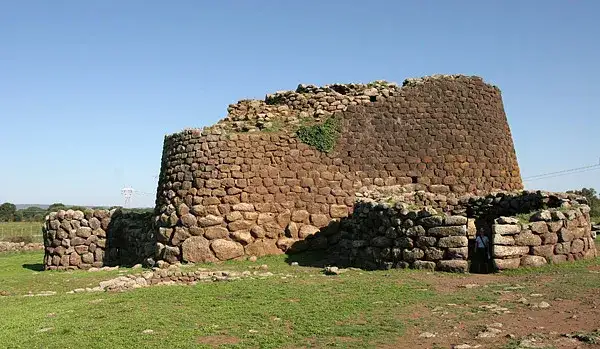
The world teems with whispers of forgotten civilizations, of monumental achievements carved from stone, often attributed to mythical giants or unknown forces. We've all seen the awe-inspiring pyramids, the colosseums, the acropolises. But what if I told you that in the rugged, untamed heart of an island beloved for its turquoise waters and celebrity beaches, lies a different kind of #ancient wonder – a network of colossal, enigmatic stone fortifications so vast and mysterious they defy easy explanation? Forget the glittering coastlines and tourist traps; we are venturing into the Barbagia, Sardinia's ancient soul, to chase the shadow of its lost builders and the secrets held within its formidable Cyclopean Walls. This isn't a story of sun-drenched ruins easily accessed. This is a tale of resilience, isolation, and a civilization that built with a scale and precision that still baffles modern engineers. These are the Mura Ciclopiche, the Cyclopean Walls, named by the ancient Greeks who believed only the one-eyed giants, the Cyclopes, could have moved such immense stones. They are not merely walls, but a testament to an advanced Bronze Age #culture, the Nuragic people, whose ingenuity shaped a landscape for millennia before #Rome ever rose. And to truly understand them, we must embrace the wildness of Barbagia, a region where time often seems to have forgotten to move on. Barbagia: Sardinia's Unyielding Core Before we delve into the stones, let's establish our setting. Barbagia is not just a geographical region; it's a state of mind, a historical fortress against invaders and modern incursions alike. Nestled within the mountainous spine of Sardinia, particularly the Gennargentu massif, Barbagia remains stubbornly authentic. Its name, derived from "Barbaria" by the Romans, reflects its perceived wildness and the fierce independence of its inhabitants, who resisted Romanization more fiercely than any other Sardinian population. This isolation, while historically challenging, inadvertently preserved not only unique cultural traditions but also an astounding concentration of archaeological treasures. Driving through Barbagia is an experience in itself. Winding roads snake through oak forests, past granite outcrops, and into valleys where the only sounds are the rustle of leaves and the distant bleating of sheep. Villages here cling to hillsides, their stone houses seemingly extensions of the mountains themselves. This is a land of shepherds, of ancient traditions like the Canto a Tenore (polyphonic singing), and of a deeply rooted respect for #history and the land. It’s here, amidst this rugged beauty, that the true scale and mystery of the Cyclopean Walls begin to reveal themselves. The Nuragic Legacy: Master Builders of Stone The architects of these monumental structures were the Nuragic people, a civilization unique to Sardinia, flourishing from roughly 1800 BC to 250 BC. Their most iconic creations are the nuraghi themselves – conical stone towers, often reaching several stories high, built without mortar. Over 7,000 nuraghi dot the Sardinian landscape, from the coast to the highest peaks, some standing alone, others forming parts of vast, complex village structures. But the Cyclopean Walls represent an even grander ambition, an often overlooked aspect of their engineering prowess. These walls were not just defensive perimeters; they were expressions of power, territorial markers, and perhaps even astronomical observatories. The sheer size of the stones used—some weighing many tons—and their precise fitting without any binding material speaks volumes about the Nuragic people's understanding of physics, geometry, and communal effort. How they quarried, transported, and lifted these megaliths remains a subject of ongoing debate and fascination, adding layers to the mystery that surrounds them.Tracing the Megalithic Footprints: Sites Worth the Trek While nuraghi are ubiquitous, dedicated Cyclopean wall systems are more concentrated and often harder to reach, demanding a sense of adventure and respect for the terrain. They are frequently found surrounding extensive Nuragic complexes, serving as their primary defense and definition. One of the most impressive examples, though still relatively underexplored by mainstream tourism, is the archaeological complex of Serra Orrios, near Dorgali. This site features a well-preserved Nuragic village with over a hundred huts and two nuraghi, all enclosed by a formidable Cyclopean wall. The wall here isn't just a simple barrier; it's a testament to urban planning, defining space and offering a clear demarcation between the settlement and the wild. Further into the heart of Barbagia, near the village of Fonni, one can find remnants of even grander scale. The area around Monte Tiscali (though Tiscali itself is a cave village, the surrounding region holds immense archaeological interest) and the Gennargentu foothills often reveal isolated sections of these walls, sometimes merely a few courses high, but with blocks so colossal they evoke immediate awe. These are not always easily signposted, requiring local knowledge or detailed topographical maps and a willingness to hike. The Nuraghe Arvu complex, also near Dorgali, offers another compelling experience. While the nuraghe itself is impressive, the surrounding defensive walls, built from massive, roughly hewn stones, illustrate the protective measures taken by these ancient communities. What strikes visitors most is the seamless integration of these structures into the natural landscape, often using natural rock formations as foundations, amplifying their formidable presence. Exploring these sites is more than just a walk through ruins; it’s a #journey into a different time, a confrontation with engineering marvels that predate classical antiquity by millennia. Each colossal stone whispers tales of a vibrant, complex society that mastered its environment in ways we are only just beginning to comprehend. The Journey Inward: Practicalities and Preparation Venturing into Barbagia to seek out these ancient wonders is not for the faint of heart or the unprepared. This is authentic, rugged #travel.Vehicle: A sturdy car, preferably with good ground clearance, is highly recommended. Many of the most interesting sites are accessed via unpaved or poorly maintained roads. Navigation: While GPS is helpful, physical maps and a compass can be invaluable, especially in areas with patchy mobile signal. Local advice is golden; the people of Barbagia are famously hospitable once trust is established. Hiking Gear: Comfortable hiking boots, plenty of water, sun protection, and appropriate clothing for varying weather conditions are essential. Some treks can be strenuous, involving steep climbs and uneven terrain. Respect the Land: These sites are often unfenced and lie on private land or within natural parks. Always respect private property, leave no trace, and do not disturb any archaeological remains. Accommodation: Stay in charming agriturismos (farm stays) or family-run guesthouses in towns like Oliena, Orgosolo, or Fonni. This not only supports local communities but also provides an authentic cultural immersion. Patience: Discovering these hidden gems requires patience. Some sites might be harder to find than anticipated, but the reward of standing before a wall built 3,500 years ago is immeasurable.Beyond the Stones: Culture and Myth The enduring legacy of the Nuragic civilization extends beyond its formidable architecture. The spirit of independence and connection to the land that characterizes Barbagia today is arguably a direct inheritance from these ancient people. Local myths and legends often intertwine with the presence of these colossal structures. Tales of giants, fairies (Janas), and benevolent spirits are often associated with the nuraghi and megalithic sites, reflecting a deep cultural memory of powerful, mysterious builders. The traditional Sardinian diet, centered around lamb, wild boar, pecorino cheese, and the flatbread pane carasau, sustained by shepherds and farmers, echoes ancient ways of life. Even the renowned bandits of Orgosolo, a historical phenomenon, can be seen as a modern manifestation of Barbagia's long-standing resistance to external authority, a trait perhaps etched into the very stones of their ancestral fortifications. Visiting Barbagia is not just an archaeological expedition; it’s a journey into a living culture that remains fiercely proud of its past. Engage with the locals, try their food, listen to their stories. You’ll find that the "barbarians" are some of the kindest and most welcoming people you’ll ever meet, eager to share the secrets of their ancient land, if approached with genuine interest and respect. Conservation and the Future of Sardinia's Megaliths Despite their grandeur, many of Sardinia's Nuragic sites, particularly the less accessible Cyclopean walls, face threats from natural erosion, neglect, and occasional illicit digging. While some major complexes are protected and maintained, countless smaller, equally significant sites remain vulnerable. There is a growing movement within Sardinia to further protect and promote these incredible testaments to their ancient heritage, balancing preservation with sustainable tourism. For the intrepid traveler, this offers a unique opportunity to witness these wonders in a raw, uncommercialized state. But it also places a responsibility on us, as visitors, to tread lightly, to respect the fragility of these sites, and to advocate for their continued preservation. By visiting responsibly, we contribute to their recognition and ensure that the echoes in stone continue to whisper their tales for generations to come. Conclusion: A Call to the Untamed Sardinia's Cyclopean Walls in the heart of Barbagia represent one of Europe's most overlooked archaeological treasures. They are a powerful reminder that history is not just found in textbooks or on well-trodden paths, but often in the most rugged, forgotten corners of our world. To stand before these immense, dry-stone structures, built by a people whose secrets are still being unravelled, is to feel a profound connection to the ancient human spirit – a spirit of ingenuity, resilience, and an unyielding will to build and to defend. This journey is an invitation to step beyond the picturesque postcard and plunge into the wild, untamed beauty of Sardinia's interior. It’s an adventure for those who seek not just sights, but stories; not just ruins, but echoes. Come, listen to the stones whisper their ancient lore, and discover a Sardinia you never knew existed.#SardiniaTravel #NuragicCivilization #BarbagiaAdventures #MegalithicStructures #HiddenHistory Related InsightsLe Dôme de Milan (Il Duomo) : L'Élégance de Marbre Blanc From Cliffside Villages to Fjord Horizons: Europe’s Most Breathtaking Coastal Drives Svalbard: Arctic Adventures Beyond the Northern Lights – A Remote Paradise for Explorers and Digital Nomads{ "@context": "https://schema.org", "@type": "FAQPage", "mainEntity": [ { "@type": "Question", "name": "What is the main focus of Echoes in Stone: Unearthing Sardinia's Lost Cyclopean Mysteries in the Wild Heart of Barbagia?", "acceptedAnswer": { "@type": "Answer", "text": "Journey deep into Sardinia's untamed Barbagia region to uncover the colossal, enigmatic Cyclopean Walls—a testament to a forgotten Bronze Age civilization and a breathtaking adventure for the intrepid explorer." } }, { "@type": "Question", "name": "Who authored the comprehensive guide on Echoes in Stone: Unearthing Sardinia's Lost Cyclopean Mysteries in the Wild Heart of Barbagia?", "acceptedAnswer": { "@type": "Answer", "text": "This detailed article and its insights were carefully researched and authored by John Explorer." } }, { "@type": "Question", "name": "Where can I find more related content about Travel?", "acceptedAnswer": { "@type": "Answer", "text": "You can explore more articles, detailed reviews, and similar insights by browsing the Related Insights section at the bottom of this article or visiting our dedicated Travel category page." } } ] }