Showing Posts From
Ancientwine
-
 Chloe Tremblay
 - 04 Sep, 2026 20:58
Beyond the Clouds: Unveiling the Eternal Spirit of Georgia’s Caucasus
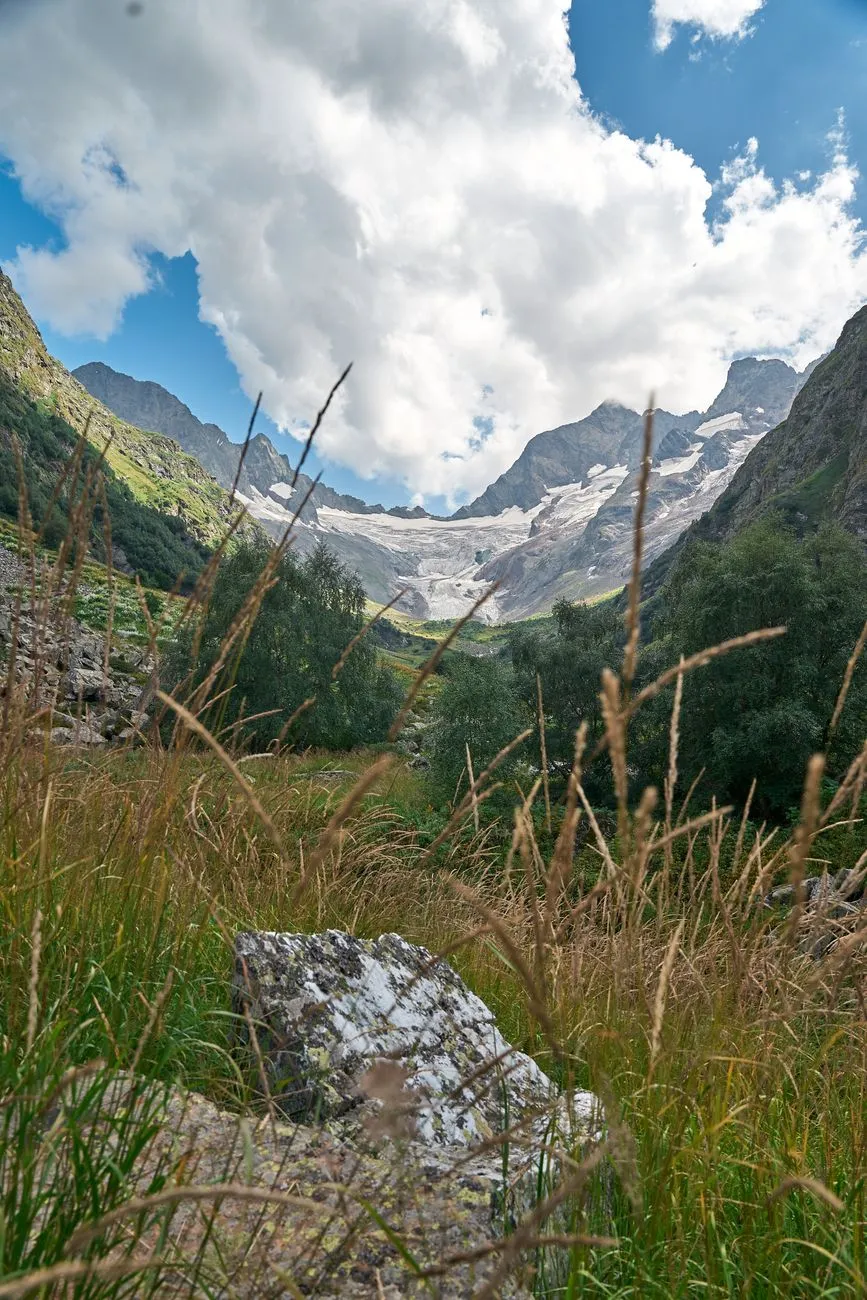
Where the Gods Cast Their Shadows Across the Peaks The Caucasus Mountains are not merely a geographical barrier; they are a living, breathing testament to the resilience of human culture at the edge of the sky. As I stand on the precipice of a ridge overlooking the Svaneti region, the silence is so profound it feels prehistoric. This is the heart of Georgia, a nation that has spent millennia perfecting the art of existence between the peaks. For the modern traveler, Georgia offers something increasingly rare: an authentic encounter with history that hasn't been polished away by mass tourism. The jagged silhouettes of Mount Shkhara and Mount Kazbek dominate the horizon, creating a dramatic backdrop for the stone towers that have guarded these valleys for centuries. Visiting Georgia requires a shift in perspective. It is not a place to check off a list, but a place to inhabit. With the country’s liberal visa policies—offering a full year of visa-free access to citizens of dozens of countries—Georgia has transformed from a hidden gem into a sanctuary for digital nomads and long-term explorers. It is a country that understands the value of time, reflected in its 8,000-year-old tradition of qvevri winemaking. Here, the wine is not just a commodity; it is a sacred element of the dinner table, an ancient liquid timeline that connects the Neolithic era to your glass tonight. As you traverse the winding mountain passes, you will find that the hospitality of the high-altitude villages is as intense as the elevation itself. Whether you are trekking the Transcaucasian Trail or searching for the perfect Tbilisi café to log into your workday, the sheer gravity of Georgia’s spirit will pull you into its orbit, making a short trip feel like a lifetime.The Symphony of Stone and Sky in Svaneti Svaneti is the jewel in the crown of the High Caucasus, a region so isolated by its treacherous mountain terrain that it managed to preserve its unique language and customs even as empires rose and fell below it. The iconic Svan towers, or "koshki," rise from the earth like granite sentinels. Originally built during the Middle Ages as fortified dwellings to protect families from both invading armies and blood feuds, these towers now stand as iconic silhouettes against the massive glaciers. Trekking from Mestia to Ushguli is the quintessential Georgian experience. Ushguli, one of the highest permanently inhabited settlements in Europe, sits at the base of the Shkhara glacier. Here, the road ends, and the true wilderness begins. For the serious hiker, the trails here are unforgiving yet immensely rewarding. The path is marked by high mountain passes—often exceeding 2,500 meters—that test your lung capacity and spirit. But the effort is rewarded with scenes of wild, unmanicured beauty: meadows saturated with wildflowers, glacial rivers running turquoise with silt, and the constant, thundering presence of peaks that pierce the clouds. Living here, even for a few weeks, demands a change in your daily rhythm. There is no urgency in the mountains. The locals, the Svans, are known for their fierce independence and their legendary hospitality. You will find yourself invited into homes for a glass of homemade wine or chacha (a potent grape brandy) before you even realize you’ve been walking for six hours. This is the pulse of the Caucasus—a place where the physical challenge of the terrain is balanced by the warmth of the hearth. For a remote worker, the stability of mobile connectivity is improving, but the real benefit is the forced disconnection that allows you to rediscover your own creative clarity. A Toast to Eight Millennia of Viticulture To understand Georgia is to understand the Qvevri. These massive, egg-shaped clay vessels, buried deep underground, are the heart of a winemaking tradition that has survived virtually unchanged for eight thousand years. This is not the sterile, stainless-steel-tank wine production found in Bordeaux or Napa; this is raw, earthy, and profound. When you drink amber wine—produced by fermenting white grapes with their skins in the Qvevri—you are tasting history. The tannins, the color, and the depth of flavor are derived from the very earth of Georgia. In the mountain regions, the grapes grow in microclimates that are as dramatic as the peaks themselves, creating wines that are crisp, mineral-forward, and entirely distinct. Visiting a cellar in a remote valley is a masterclass in patience. The winemakers speak of their Qvevri as if they are living members of the family. Because of the natural temperature control of the earth, the wine matures at a steady, slow pace, resulting in a product that is complex and unfiltered. In Tbilisi, the capital, this tradition is being revitalized by a new generation of winemakers who are blending modern entrepreneurial spirit with ancient secrets. You can sit in a sleek, modern wine bar in the Sololaki district, sipping a 2024 vintage that was made exactly the same way as a 6000 BCE find discovered by archaeologists. This continuity is what makes Georgia so compelling. As a digital nomad, integrating into this culture means participating in the "supra," the traditional Georgian feast. It is a marathon of storytelling, polyphonic singing, and endless toasts led by a "tamada" (toastmaster). It is an experience that breaks down barriers faster than any business meeting ever could.Navigating the Nomad's Economic Frontier Georgia has quietly become the premier destination for remote workers who want to balance high-quality living with low overhead. Utilizing data aggregated from platforms like Numbeo, we can see why it attracts the global freelance community. While inflation has impacted global travel, Georgia remains a highly accessible "best-kept secret." The cost of living in Tbilisi, when compared to Western European capitals or major North American hubs, allows for a significantly higher quality of life on a modest budget. You aren't just surviving here; you are living in a historic city with a world-class culinary scene, an affordable network of coworking spaces, and a vibrant nightlife that rivals Berlin. Beyond the raw numbers, the lifestyle value is found in the ease of integration. The "Remotely from Georgia" visa program, combined with the general one-year visa-free stay, provides a level of legal certainty that is rare. For those looking to set up a base, the housing market in Tbilisi ranges from renovated Soviet-era apartments with soaring ceilings to ultra-modern lofts. However, the true savvy nomad spends their summer in the mountains and their shoulder season in the city. When you factor in the efficiency of the "Marshrutka" (the ubiquitous minibus transport system) and the plummeting costs of local food—characterized by fresh sulguni cheese, organic produce, and world-class bread—you realize that Georgia offers a masterclass in economic mobility. It is a place where you can afford to invest in your own health, your own wine collection, and your own professional development simultaneously.Expense Category Average Monthly Cost (USD) Comparison to Western EuropeStudio Apartment (City Center) $550 - $800 ~60% LowerCoworking Desk Space $120 - $200 ~50% LowerGrocery Budget (Fresh Market) $200 - $300 ~45% LowerHigh-Speed Internet/Utility Bill $40 - $60 ~30% LowerMonthly Restaurant Spend $300 - $450 ~55% LowerThe Art of the Slow Migration To live in Georgia is to practice the art of the slow migration. As the summer heat climbs in the Tbilisi streets, the pulse of the country moves upward. You follow it, winding your way through the Georgian Military Highway toward the mountain sanctuary of Kazbegi. The road itself is a historical marvel, cutting through the high passes that have defined trade and conflict for centuries. Once you arrive, the air changes. It is sharper, thinner, and clearer. This is where your workday shifts; you find yourself answering emails while staring at the Gergeti Trinity Church, perched precariously against the massive flank of Mt. Kazbek. The infrastructure for digital nomads in these remote regions is surprisingly robust. Small guesthouses in Stepantsminda have adapted to the influx of remote professionals, offering high-speed satellite internet alongside traditional mountain breakfasts. It is not uncommon to see a software developer, a trekking guide, and a local winemaker sharing a terrace. This intersection of cultures is where the true value of your stay lies. You learn to negotiate the pace of your professional life with the immutable pace of the mountains. You learn that a local storm might delay your commute, but it also provides the perfect excuse to spend the afternoon diving into the complexities of Georgian history. The isolation of the peaks acts as a catalyst for focus. When there are no distractions but the sound of the wind through the Caucasian pines, your output—whether it be code, prose, or strategic planning—takes on a new dimension of depth.Where Your Story Becomes Part of the Landscape The allure of Georgia is not that it caters to you, but that it invites you to join it. It is a land of paradoxes: fiercely traditional yet incredibly welcoming to the outsider, geographically isolated yet culturally central to the historic Silk Road. As you pack your gear to leave the mountain ridges or close your laptop after a month in a Tbilisi café, you realize that you aren't leaving a destination—you are leaving a community. The friendships formed over a shared bowl of Khinkali or a long, wine-soaked evening are deep and often lasting. You have become, for a fleeting moment, a part of the long, intricate tapestry of the Caucasus. If you are a traveler looking for the next frontier, look no further than these jagged, ancient heights. The mountains are waiting, and the wine is already poured. Georgia doesn't ask you to change it, but it will inevitably change you. You will return to your home country with a different standard for what constitutes a mountain, a different palate for what defines wine, and a different understanding of what it means to be truly free in a modern, connected world. The peaks of the Caucasus will remain, silent and immutable, long after your flight has departed, but the memory of the light hitting the glaciers at dusk will remain even longer. Do not wait for the perfect time to visit; in the land of 8,000 vintages, the perfect time is always now. Pack your boots, bring your curiosity, and prepare to be humbled by one of the most magnificent landscapes on this earth. The mountain path is open, and your story in Georgia is waiting to be written. #GeorgiaTravel #DigitalNomadLife #CaucasusMountains #TravelDeep #AncientTraditions Related InsightsExploring Ani, City of 1001 Churches Ethiopia's Danakil Depression: The Hottest Place on Earth's Alien Landscapes (Part 3) The Purple Gold of Provence: Exploring the Lavender Fields{ "@context": "https://schema.org", "@type": "FAQPage", "mainEntity": [ { "@type": "Question", "name": "What is the main focus of Beyond the Clouds: Unveiling the Eternal Spirit of Georgia’s Caucasus?", "acceptedAnswer": { "@type": "Answer", "text": "Discover why Georgia is the ultimate frontier for adventurers and digital nomads, blending 8,000-year-old wine traditions with the world’s most dramatic alpine scenery." } }, { "@type": "Question", "name": "Who authored the comprehensive guide on Beyond the Clouds: Unveiling the Eternal Spirit of Georgia’s Caucasus?", "acceptedAnswer": { "@type": "Answer", "text": "This detailed article and its insights were carefully researched and authored by Chloe Tremblay." } }, { "@type": "Question", "name": "Where can I find more related content about Travel?", "acceptedAnswer": { "@type": "Answer", "text": "You can explore more articles, detailed reviews, and similar insights by browsing the Related Insights section at the bottom of this article or visiting our dedicated Travel category page." } } ] }